Spring in Tengchong, Hiding in Windy Corners
Spring in Tengchong, Hiding in Windy Corners
April: while northern cities are still shivering in the lingering chill, the southwestern corner of Yunnan has quietly unfurled a gentle canvas. Tengchong—this small city known as "the First City on the Frontier"—whispered to me through its winds, its flowers, its everyday warmth: spring is meant to be wasted in a place like this.
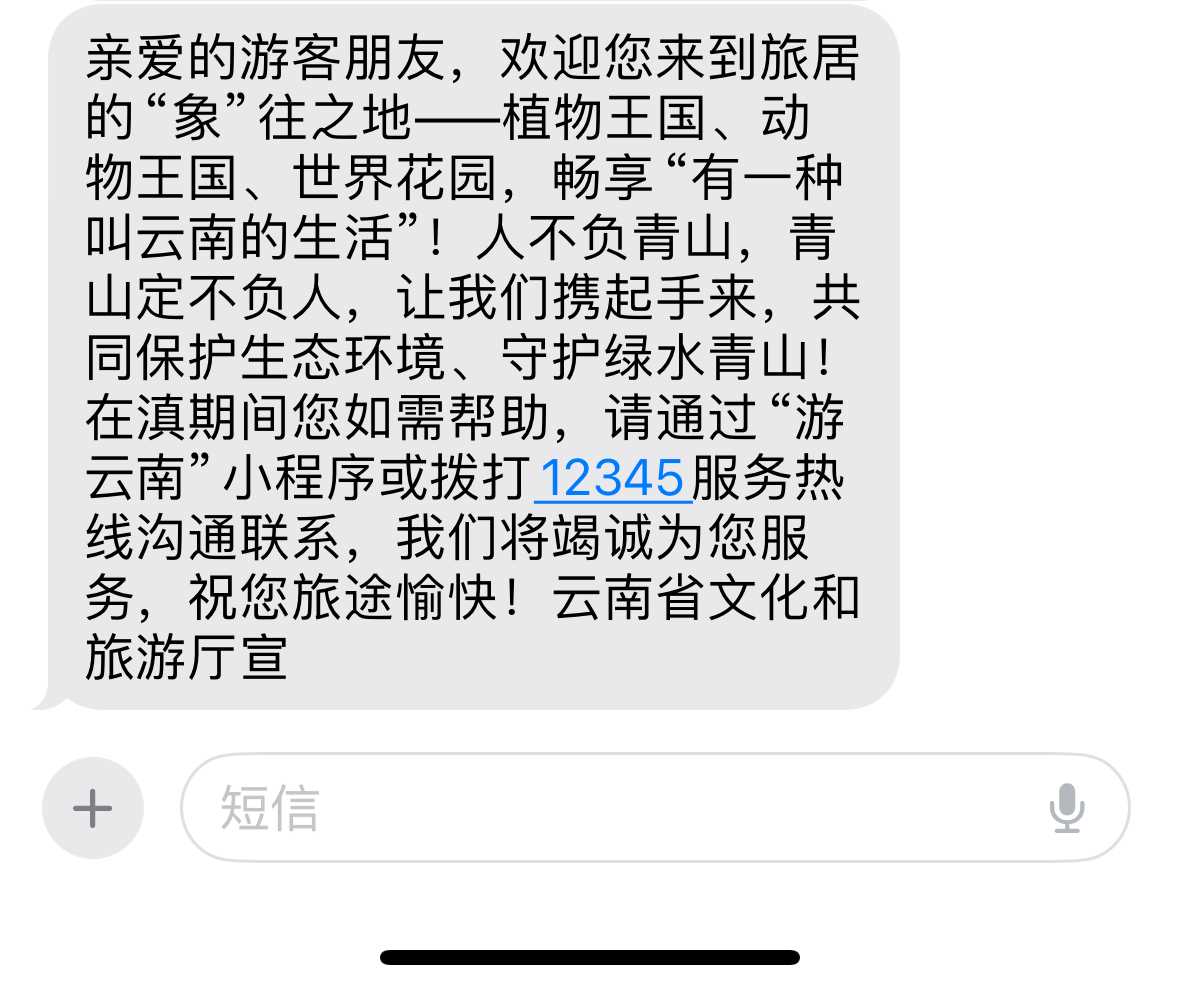
Transferring from Kunming, my phone buzzed the moment it powered on: "Welcome to the land of elephants—a life called Yunnan." Those few words clicked like a key, unlocking the journey ahead. Sitting by the window, watching the mountain ranges sharpen beneath the clouds, I knew these next six days would be my own private memory.
Heshun Ancient Town: A Day Isn't Enough, a Week Is Just Right
I stayed at a small guesthouse just outside Heshun Ancient Town. A six- or seven-minute taxi ride cut through farmland, where we'd occasionally exchange glances with water buffalo in the fields. Our driver, a man of few words, noticed us staring and said flatly, "They know these roads better than you do." My friend and I burst out laughing.
In early April, Tengchong's temperature swings by ten degrees Celsius between morning and night. By noon, the sun pushes it up to twenty-five or twenty-six. The UV rays are fierce enough to demand respect. Locals seem to keep to an old rhythm—"work at sunrise, rest at sunset"—so the best times to wander are before noon and after four. During the hottest hours, duck into a family-run restaurant or a café, order a cup of Yunnan small-bean coffee, and watch the light shift through the window. Time slows to a standstill.
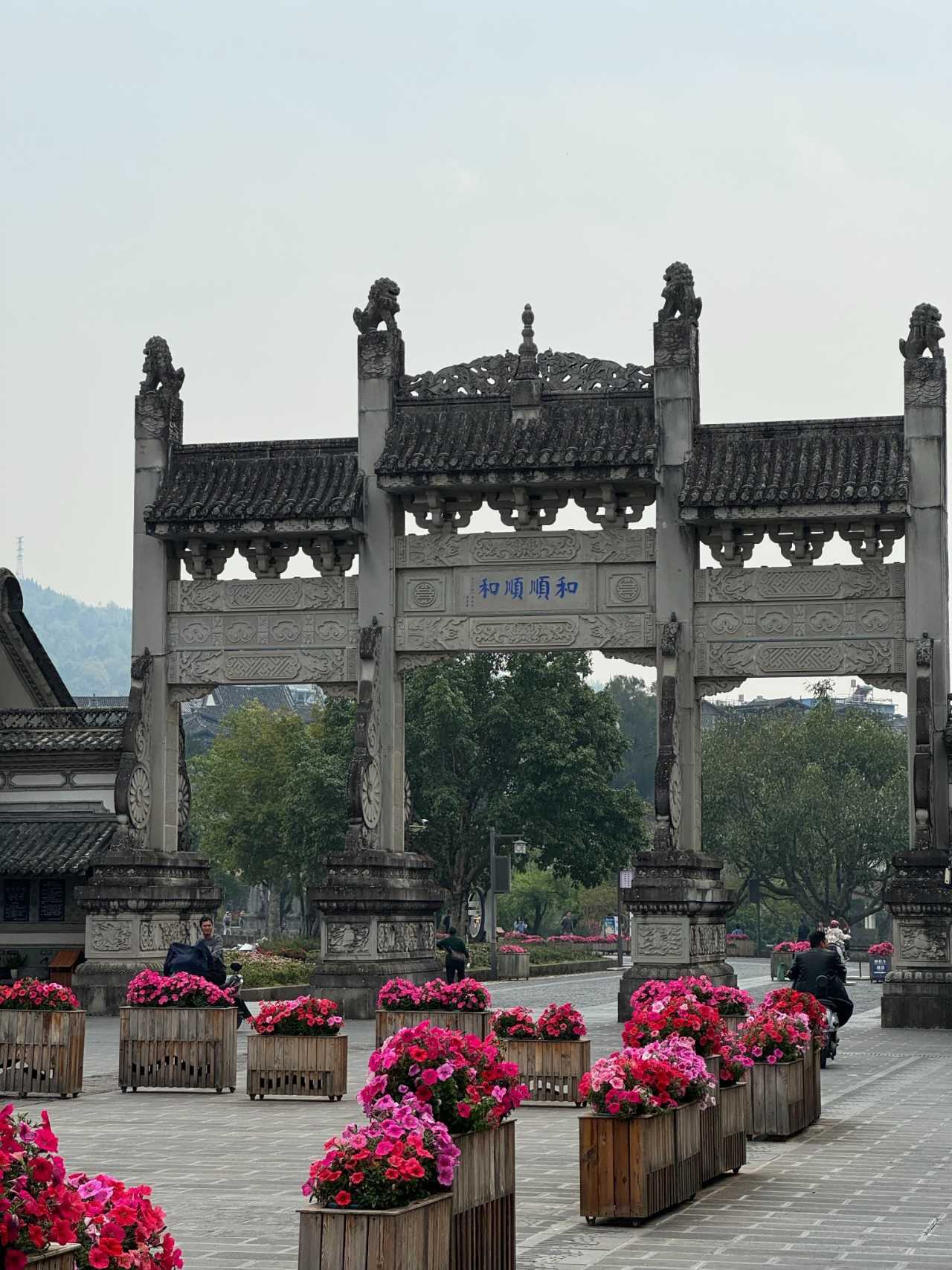
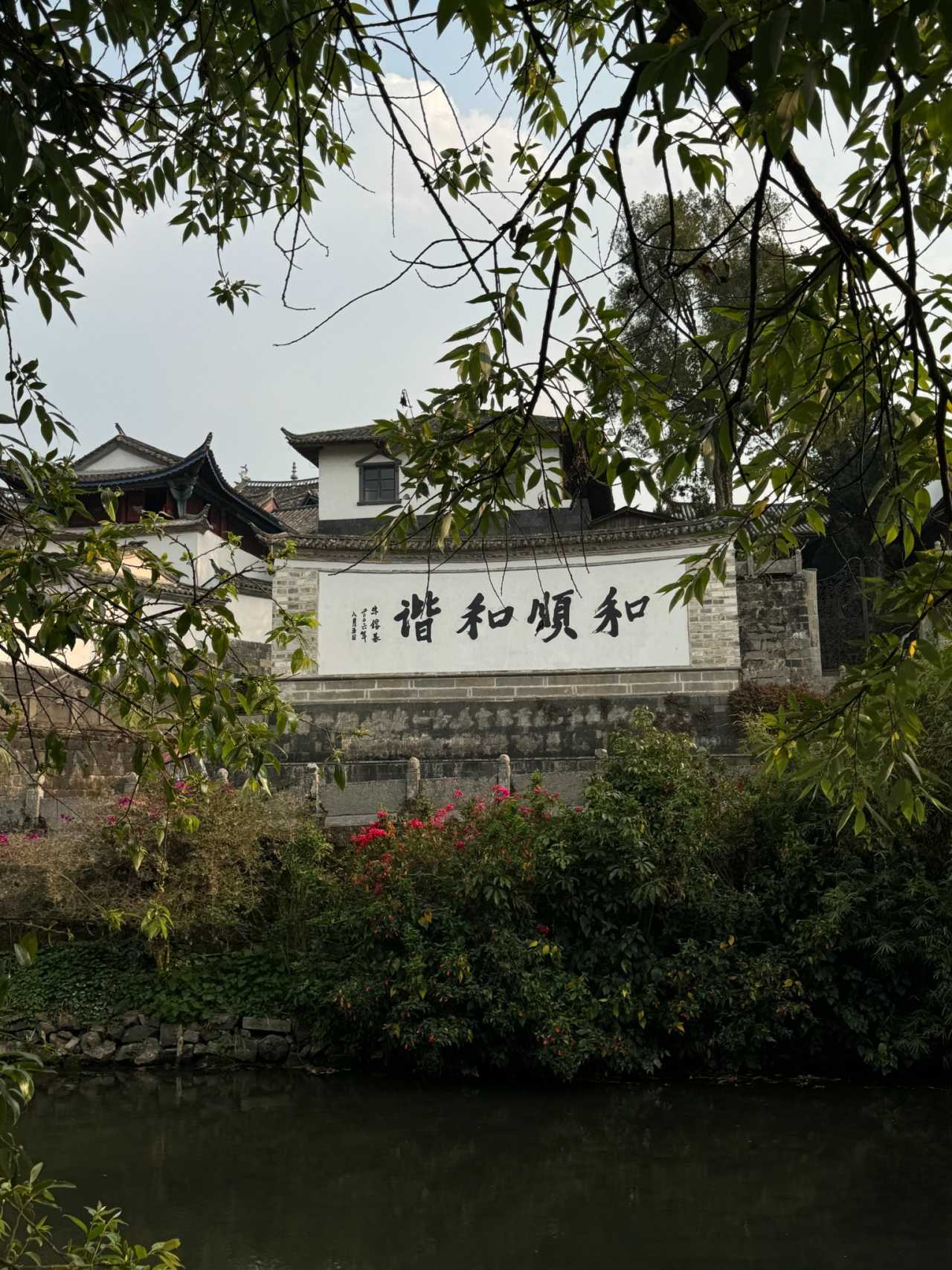
The town entrance fee is fifty-five yuan, valid for a week. At first, it seemed steep. Then I realized it's a steal—because Heshun is absurdly large. You can't finish it in a day. We went five times and discovered new corners each visit.
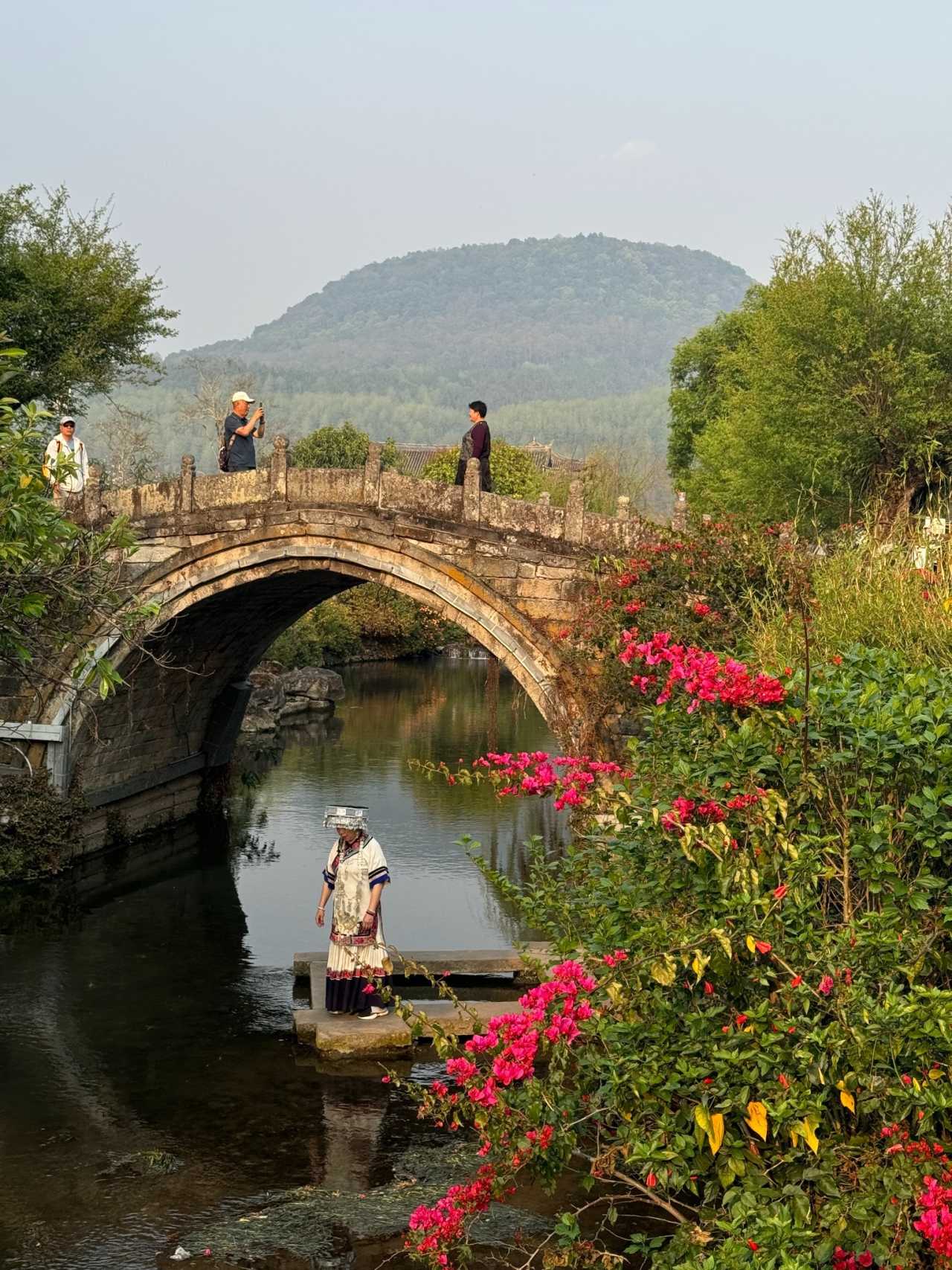
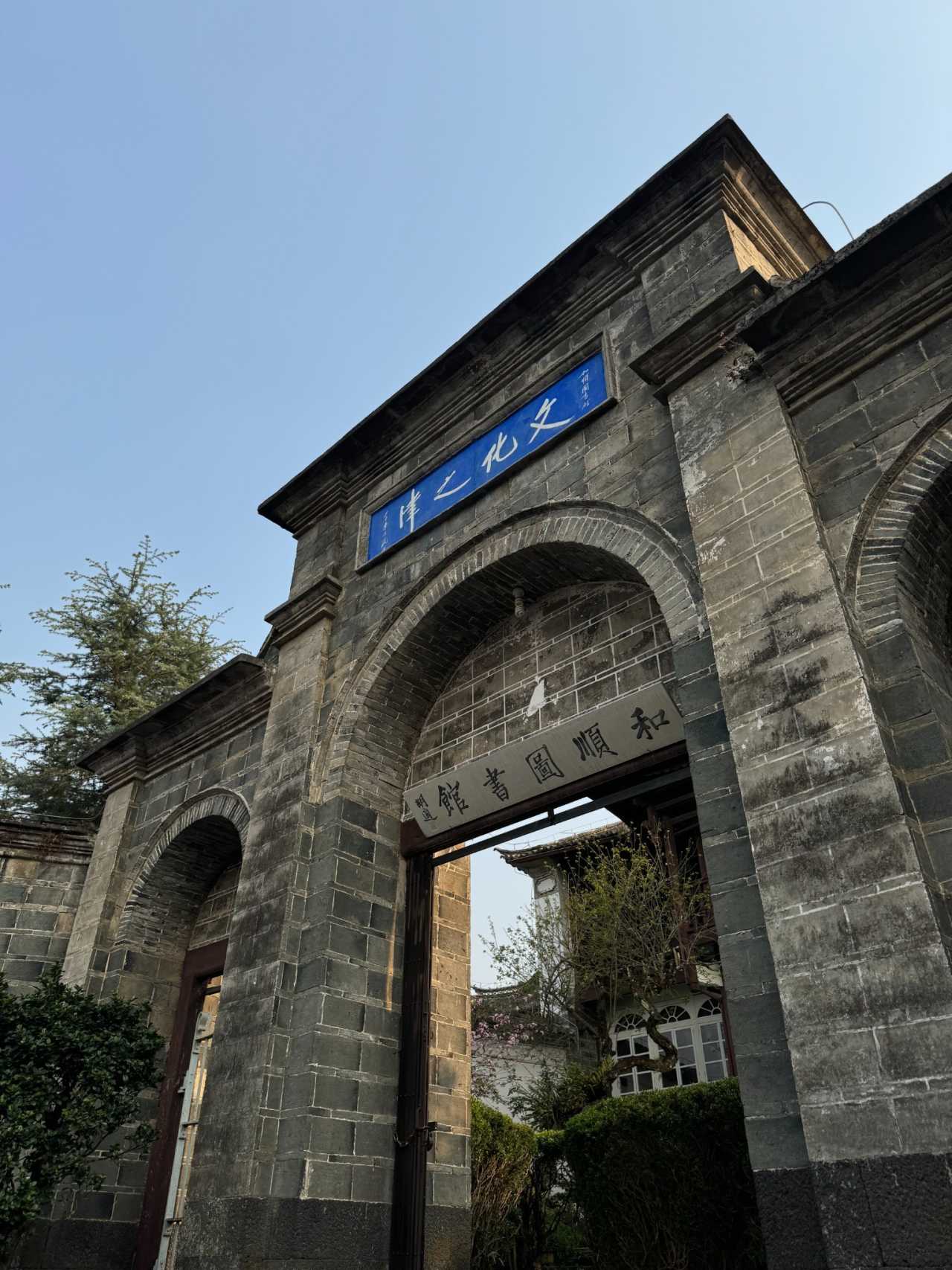
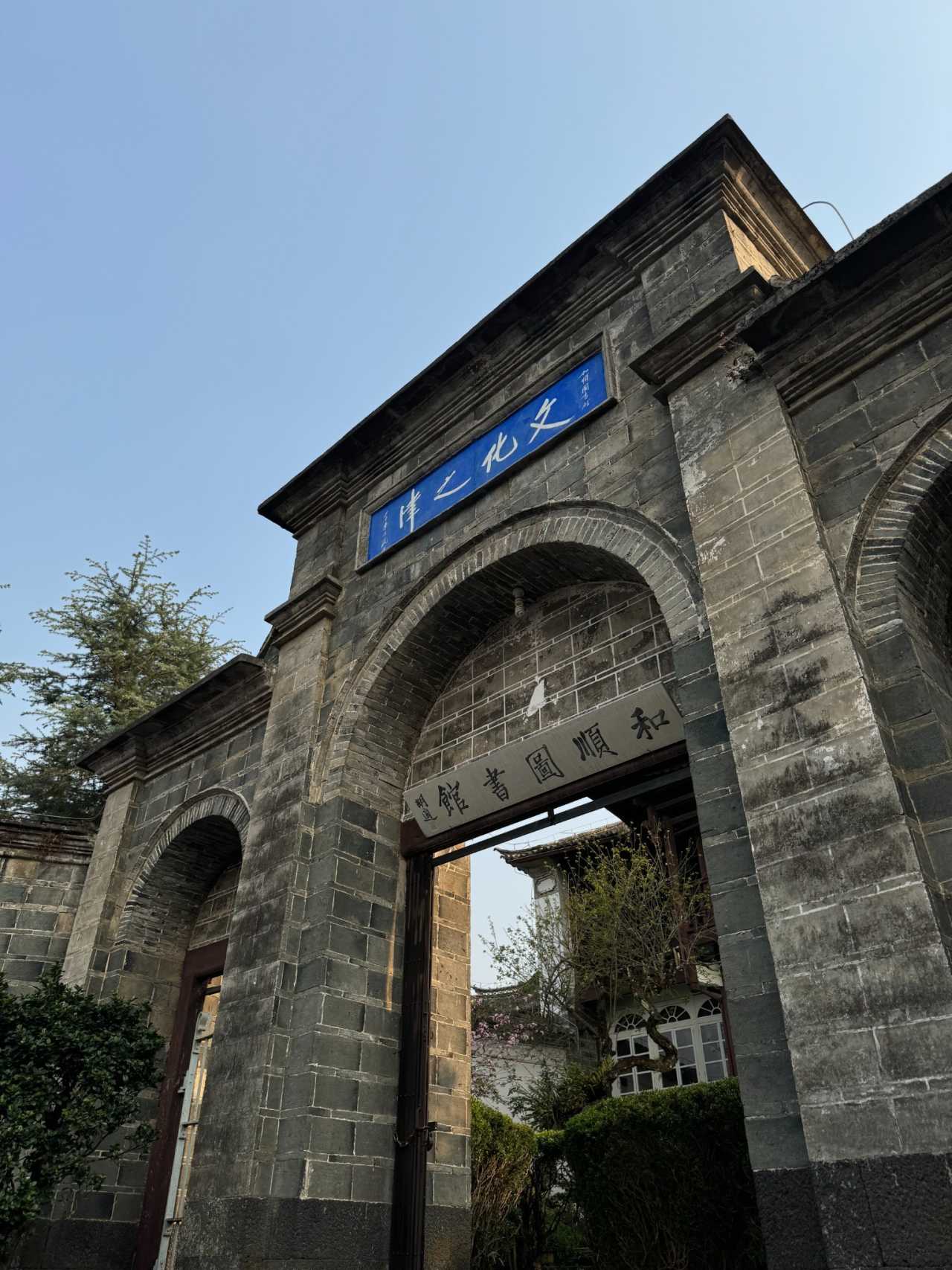
First time: through the main gate, we saw the Heshun Library and the Horse Caravan Museum. The library is small, but it holds a quiet from another era. Sitting by the window, wind turning the pages, I could almost hear the rustle of books from a hundred years ago. In the museum, faded saddles and tea packs evoked memories of caravans hauling leaves over mountains.
Second time: straight to the Century-Old Vegetable Street. Go in the morning—taxi directly to near the central elementary school to avoid the uphill climb. The street is narrow and short, but bustling. A bowl of hot xidoufen (pea jelly soup) with fried dough sticks wakes you right up. An elderly woman selling vegetables chatted in dialect with regulars. I didn't understand a word, but that familiar smell of everyday life grounded me.
Zhongtian Temple sits on a hillside, each hall requiring a climb up stone steps. The courtyard flowers bloomed riotously, a strange contrast to the temple's stillness. From the temple, a fifteen-minute walk along a forest path leads to the Thousand-Armed Guanyin Ancient Trees. Several camphor trees stood in formation, branches reaching outward and upward as if without limit. Standing beneath them, I felt for the first time what "the power of life" truly means. I couldn't speak—just stood, looked, felt.
The family-run restaurants in the town are a revelation. Cooked in people's homes, anything you order is delicious. Dajiujia (a local stir-fry dish), wild mushrooms, seasonal vegetables—each dish carried the scent of the earth. One place called "A Hua's Flavor Kitchen" served Yunnan cuisine omakase. The menu changed daily based on what was fresh. We chose the 198-yuan-per-person option, and the portions were so generous two girls couldn't finish. The owner, a sharp woman, would announce each dish: "This was picked from the field this morning." That freshness is something you'll never taste in the city.
Gaoligong Mountain: A Day of Bitter Ends and Sweet Returns
Gaoligong Mountain is called the "World Gene Bank of Species." Just hearing that name made me itch to explore. I signed up for a guided hike—five kilometers, about three hours total. Our guide was a local woman who'd gathered medicinal herbs in these mountains since childhood. Her experience was reassuring.
From the city, the drive to the mountain base took about two hours. The last stretch wound through hairpin turns that demanded serious driving skill. Our guide chatted as she drove: "When I was little, my grandfather took me up the mountain. No roads back then—we walked the whole way." She said it casually; my heart was in my throat.
That day happened to be Qingming Festival (Tomb-Sweeping Day). Several times, we saw locals on motorcycles whizzing past, green willow branches dangling from baskets on the back seat. Our guide explained: it's a local custom to bring willow branches to ancestors' graves during Qingming, placing them at the headstones. I suddenly remembered the old poem I'd memorized as a child—"breaking willows to send off a loved one." Those lines I'd recited mechanically now carried real weight.
The first leg of the hike was stop-and-go, with our guide pointing out medicinal plants. Some we could smell, others taste. I tried a small, tart-sweet berry that tasted exactly like the wild fruit I'd picked as a kid. Then came the climb—waterfalls, scrambling up a hundred-year-old tree, crawling on all fours up a slope, and inching across a rickety bridge while grinning for photos. We complained but obeyed. That "we're here anyway" mindset is probably what travel is all about.
After descending, we arrived at a "wilderness kitchen" converted from an abandoned school. The smell hit us at the door: chicken soup with free-range birds, ribs that had been roasting since we started hiking, sizzling pork belly on clay tiles, sweet pumpkin and corn, crispy fried mashed potato cakes, and local salads with pickled vegetable paste. Every dish was so good I wanted to do a little dance. Then I noticed the pea-topped rice cooking in a big pot. My friend said, "Isn't this the same as that K-drama scene?" I laughed. A day on Gaoligong Mountain—bitter start, sweet finish.
As for the citrus: I ate so many oranges in Tengchong. It seemed every restaurant and guesthouse owner had a relative growing oranges; everywhere I went, someone handed me one. I later learned that the wogan (honey oranges) I'd always loved are actually Yunnan-grown.
Jietou: Bringing Tengchong's Spring Home
Jietou Town lies northeast of Tengchong, about an hour's drive. What lured me there was a photo of handmade flower paper I'd seen online. I convinced a friend to hire a car for the day.

First stop: the Gaoligong Handmade Paper Museum. Tengchong's handmade paper, called tengxuan, is one of the "Three Treasures of Tengyue," along with wickerwork and medicinal herbs. Tengxuan is supple and durable, resistant to fading and decay—revered as "millennium paper." The museum is small, just a few rooms and corners, but it holds the long river of paper's history.
Jietou's rapeseed flower fields are famous, but by early April, the blooms were gone. Missing that golden sea, I found another joy: making a sheet of flower paper myself. Across from the museum, several families still practice ancient papermaking. For a few dozen yuan, you can try scooping pulp and designing your own flower pattern. I chose a few petals and leaves, placed them carefully on the pulp, and watched them take shape in the water. A quiet satisfaction filled me.
Next door to the papermakers, on the ground floor, was a café. I wanted to try Yunnan coffee beans, but the door was locked. The auntie who'd helped us with papermaking heard us and listened for a moment. "He's sleeping upstairs," she said. "Can you hear him snoring?" We told her it was fine, but she craned her neck and yelled up at the building until the café owner appeared, still groggy, to make us the first coffee of the day.
He shuffled down in pajamas, hair mussed, and brewed us pour-over. The café was full of ceramics he'd brought back from Japan himself. After finishing, he said, "Drink up, I'm going upstairs to wash my face," and disappeared. Songchi—relaxed. Unbelievably relaxed.
The benefit of a private car: you can hit "wild" spots along the way. Yezhuqing Bridge for natural scenery and an ancient crossing. Xiaotang Dam for its still waters. Heiyu River was locked, so we snapped a photo from above. Cows by the roadside, swishing their tails lazily. Niaoming Valley was a half-forest, half-instagrammable spot—wind chimes tinkling, breeze blowing. At least we didn't break the local vibe of songchi.
Rehai Big Boiling Pot: The Smoky Hearth of a Geothermal Town
Rehai Big Boiling Pot—the name says it all. This natural geothermal wonderland features hot springs in every shape, all high-temperature and vigorous. The moment you enter, hot air hits you with a sulfur smell, a bit like preserved eggs. Approaching the gushing, bubbling vents, you're surrounded by drifting steam—utterly magical.
Climbing the stone steps, you can stop for a proper hot spring egg or soak your feet. The Big Boiling Pot has it all. The eggs have a unique texture: tender whites, half-cooked yolks, with a faint sulfur tang. One bite, and you'll never forget it.
The Yunnan-Burma War Memorial Museum: The Weight of History
The Yunnan-Burma War Memorial Museum and the National Cemetery were the most crowded spots I visited in Tengchong. Tengchong was the first city in China recaptured during the war. With Qingming approaching, the cemetery was filled with school groups. Locals told me that from elementary school, children come every year to sweep the martyrs' graves.
Every word in the museum, every inch of the cemetery, carries the weight of history. The final exhibit is a wall covered with names. I stood there for a long time, silent. History isn't just words in textbooks—it's the living souls behind those names.
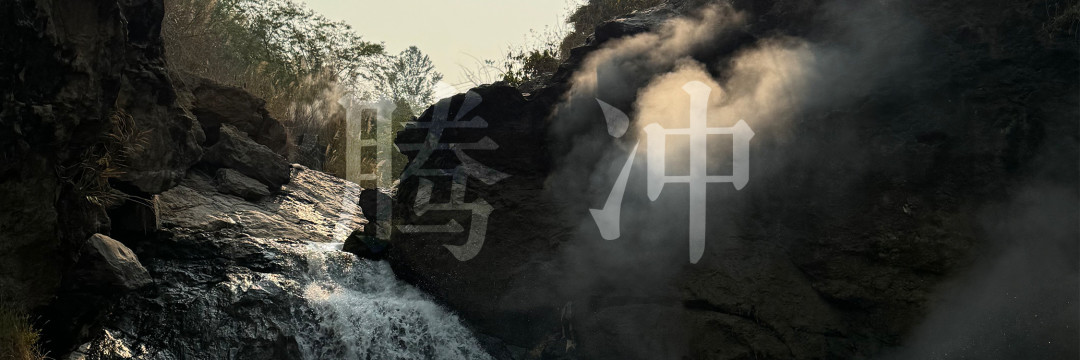
From the cemetery, a ten-minute walk leads to Dieshuihe Waterfall. This is China's only urban volcanic barrier waterfall, with a forty-six-meter drop. About twelve thousand years ago, a volcanic eruption created a fault, and the Daying River cut through it, cascading down. A few steps through the gate, you hear it before you see it—a roaring sound that pulls you into another world. Standing there, watching nature and history play out together, I felt a quiet peace.
In the End: To Freedom, Useless and Pure
Looking back on my week in Tengchong: the sky wasn't as blue as I'd hoped, but I saw crimson sunsets and beautiful evening clouds. I walked a lot, but I also ate a lot after emptying my energy. Plans got disrupted, but the new schedule felt even better.
On Manyi Lane, a skewer-grilling guy put down his tongs and started playing badminton, mid-motion. In Jietou, the café owner, still in pajamas, made us pour-over after being yelled awake. A drink-mixing clerk performed tricks and said, "You can film this." Every night, the guesthouse front desk asked if we wanted sweet soup. During papermaking, the auntie picked flowers from her own yard to give us.
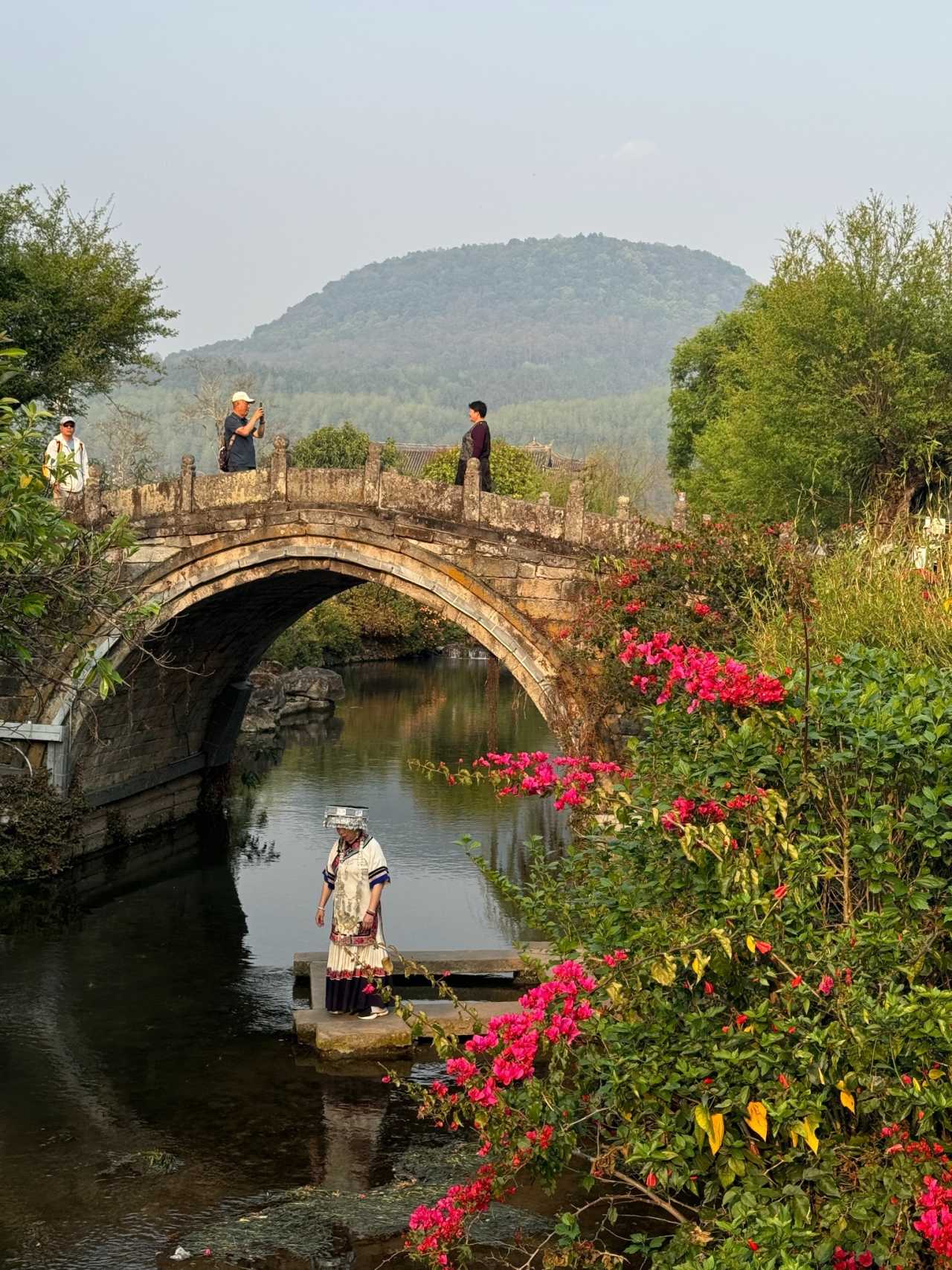
All the people I met, all the little incidents—they wove together into this spring, this memory of Tengchong.
In a season prone to melancholy, I hope spring feels good to you. If you can't wait for the wind, or for a bird to come, then become the wind yourself.
To freedom—useless and pure.
Practical Info at a Glance
Travel Dates: March 31 – April 5, 2025
Suggested Itinerary: - Day 1: Arrive afternoon → Heshun Ancient Town Library / Lingfeng Family Restaurant - Day 2: Yunnan-Burma War Memorial Museum / National Cemetery → Dieshuihe Waterfall → Heshun Ancient Town (Chunye Coffee, Town God Temple, Zhongtian Temple, Thousand-Armed Guanyin Trees) → Manyi Lane BBQ - Day 3: [Private car day] Jietou handmade paper → Yezhuqing Bridge → Xiaotang Dam → Heiyu River → Niaoming Valley - Day 4: Heshun Century-Old Vegetable Street → Rehai Big Boiling Pot → Heshun Ancient Town (Aijie Family Restaurant, Horse Caravan Tea, boat ride, A Hua's Flavor Kitchen) - Day 5: Gaoligong Mountain hike → Burmese-style hair wash - Day 6: Bodu Hotel → Afternoon departure
Accommodation: - Wanda Meihua Bieyuan (≈300 yuan/night): Outside Heshun, quiet, good value - Bodu Hot Spring Resort (≈1,200 yuan/night): Private hot spring pool, great for relaxation
Food Highlights: - Shaorou mixian (grilled pork rice noodles), xidoufen (pea jelly soup): Any small shop is good - Family-style restaurants: Dajiujia (local stir-fry), wild mushrooms, seasonal greens - Paoluda (coconut milk drink): Xiao Xiang Coffee, Yexiang Yuan - Manyi Lane BBQ, tongpiao niurou (copper-pot beef): Worth a special trip - Flower pastries: Sold everywhere on the ancient town streets—not pre-made filling, very fragrant
Notes: - March-April skies may not be very blue (possibly due to burning in Southeast Asia) - Big temperature swings (12–28°C / 54–82°F), strong midday sun—use sunscreen - Tengchong is near Myanmar; iPhone time may show Myanmar time (1.5 hours behind) - Afternoon winds (3–4 PM) can be strong; landing may feel bumpy - Taxis are convenient; for the ancient town, ask the driver to drop you closer to your destination to save walking
Budget: ≈3,000–4,000 yuan per person (excluding flights)
See you next time, Yunnan.
You should also read:
Eight Thousand Miles of Clouds and Moon: A Spring Floral Journey Through Sichuan, Guizhou, and Yunnan
Eight Thousand Miles of Clouds and Moon: A Spring Floral Journey Through Sichuan, Guizhou, and Yunnan Prologue: Spring on Wheels The spring of 2015 arrived unusually early. While the north was still shivering in biting winds, waiting for snow and ice to melt, Yunnan's rapeseed…
Continue reading...
【Star-Chasing Journey】A Complete Record of the Spring Festival Self-Drive Trip to Lugu Lake: Encountering a Galactic Feast Under the Highland Starry Sky
【Star-Chasing Journey】A Complete Record of the Spring Festival Self-Drive Trip to Lugu Lake: Encountering a Galactic Feast Under the Highland Starry Sky Prologue: A Heart That Chases Stars Some trips are for relaxation, some for adventure. My journey to Lugu Lake was purely for chasing…
Continue reading...
Chasing Spring in Winter: A Yunnan Journey (Dali, Erhai Lake, Shuanglang, Lijiang, Kunming)
Chasing Spring in Winter: A Yunnan Journey (Dali, Erhai Lake, Shuanglang, Lijiang, Kunming) Overlooking the entire city from Wuhua Tower under the night sky. Travel is a sickness. Once you catch it, you can never shake it off. It's also contagious—eventually, you might pass it…
Continue reading...