Spring in Yunnan: Answering the Gentle Invitation of the Flowers
Spring in Yunnan: Answering the Gentle Invitation of the Flowers
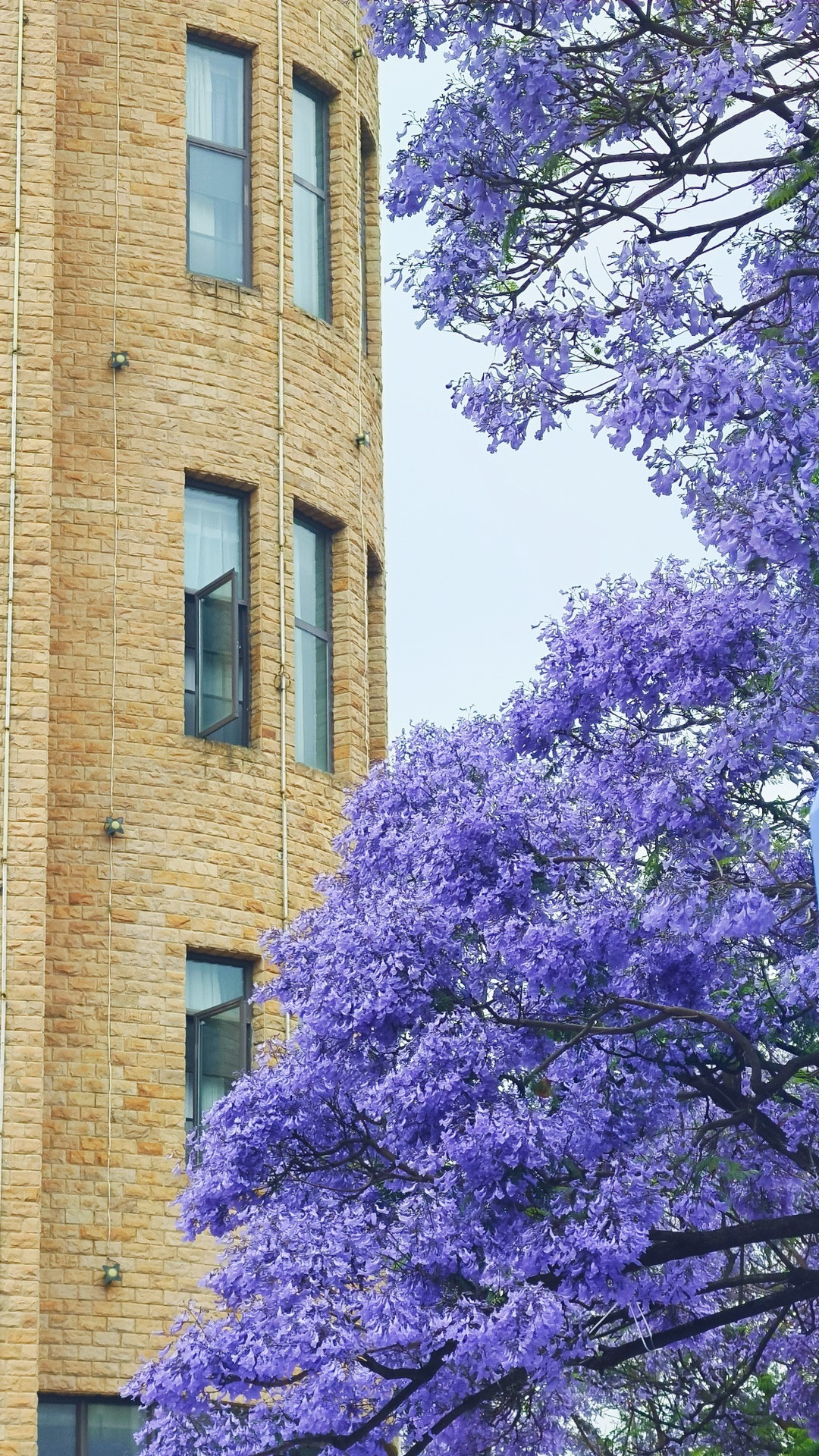
April in Yunnan is a dream kissed awake by the spring breeze. While the chill of the north has yet to fade, this southwestern land is already blanketed in blossoms. From the jacaranda tunnels of Kunming to the ancient bluestone lanes of Jianshui, and on to the Cangshan Mountains and Erhai Lake in Dali, every corner holds the whispered secrets of spring. This is not an ordinary trip, but a deep conversation with flowers and the slow passage of time.
Kunming: The First Chapter of a Flower-Filled City
Landing in the Spring City, Greeted by Fragrance
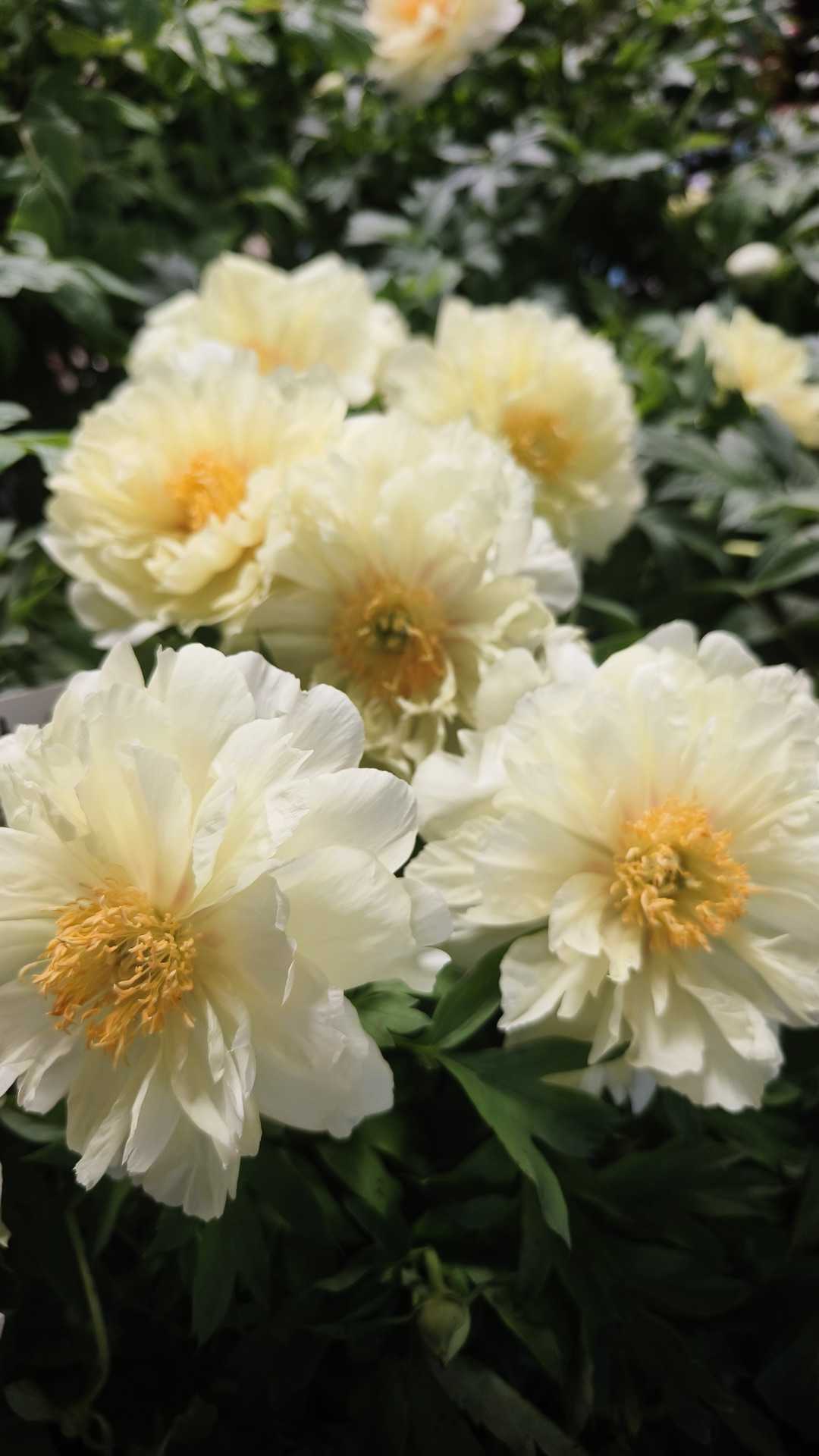
Flying from the northeast to the southwest is a journey across a thousand miles. When the plane touches down at Kunming Changshui International Airport, you're met not only with the moist air but also with the city's unique sense of ease. Outside the terminal, a banner for the Kunming Yukun football team catches the eye—the Dalian team lost 1:3 yesterday, and seeing this scene now stirs an unexpected sense of familiarity.
After the hassle of reaching our guesthouse by three in the afternoon and a quick rest, we couldn't wait to rush off to our first floral wonderland—the Dounan Flower Market.
Dounan: Buying the Entire Spring for Ten Yuan
Dounan is Asia's largest fresh-cut flower trading market. For every ten fresh flowers sold nationwide, seven start their journey here, traveling to all corners of China and over fifty countries and regions. Stepping inside, your eyes are met with an overwhelming sea of colorful blossoms, as if God had overturned a palette, making even the air soft and sweet.
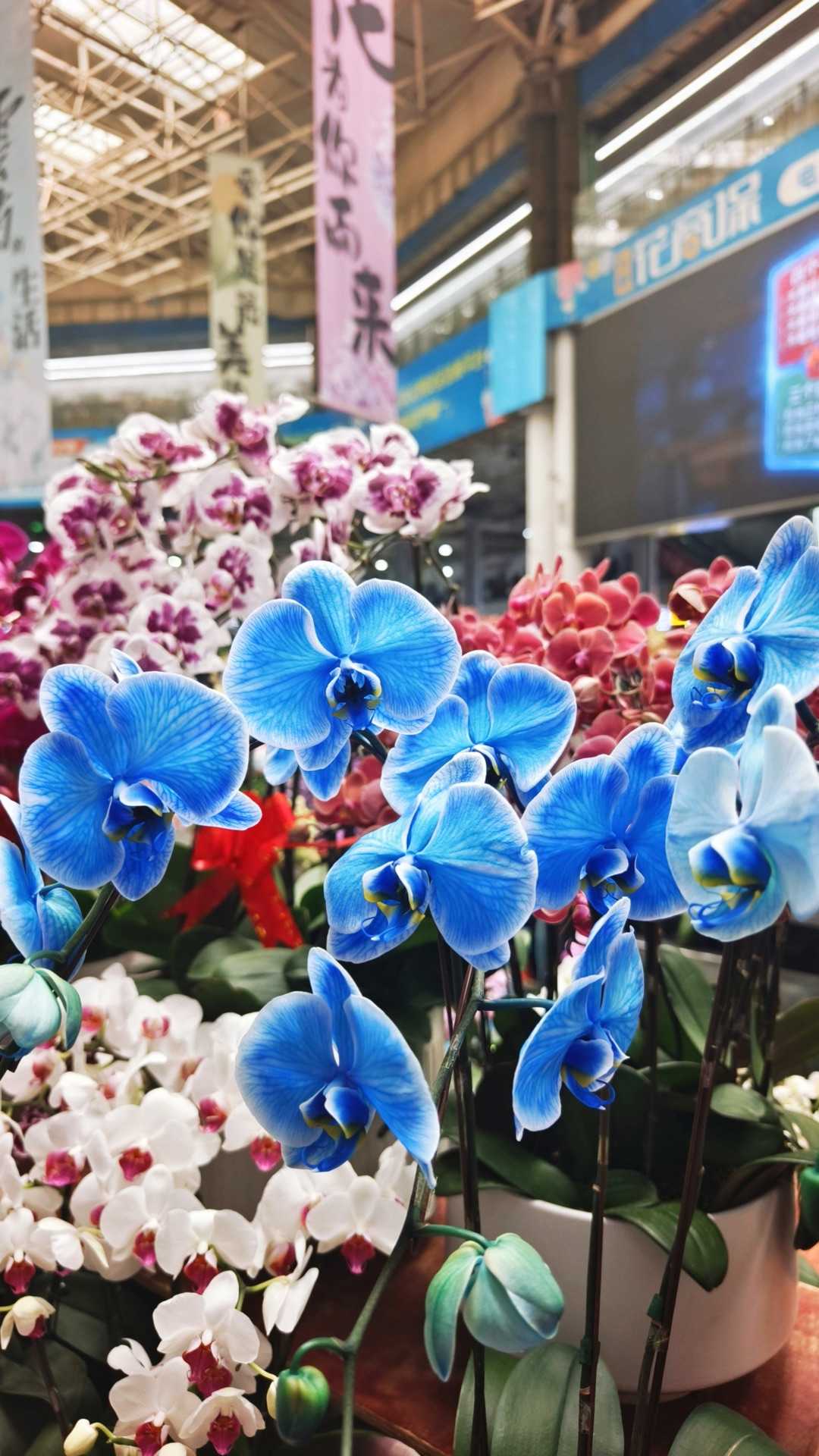
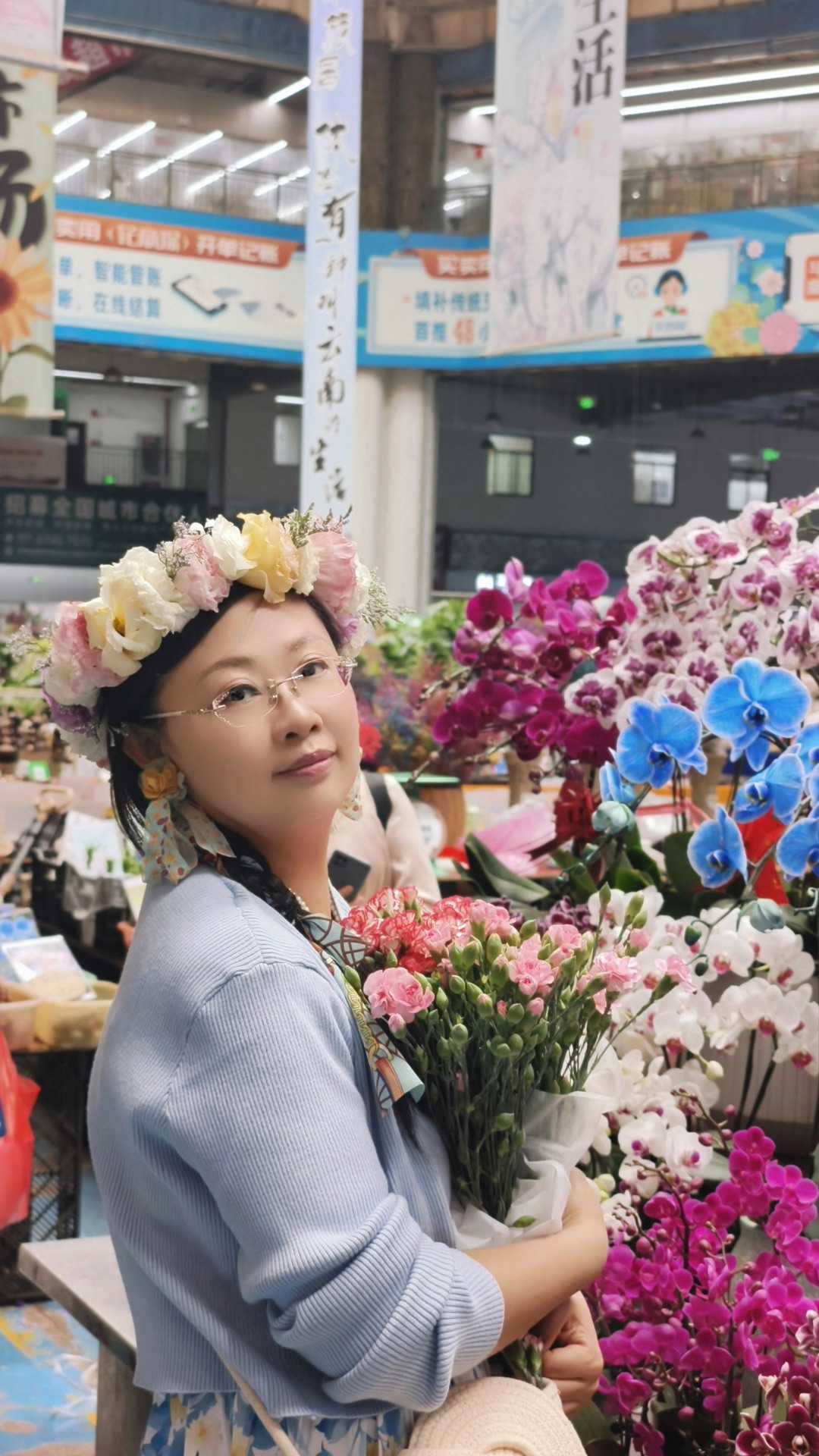
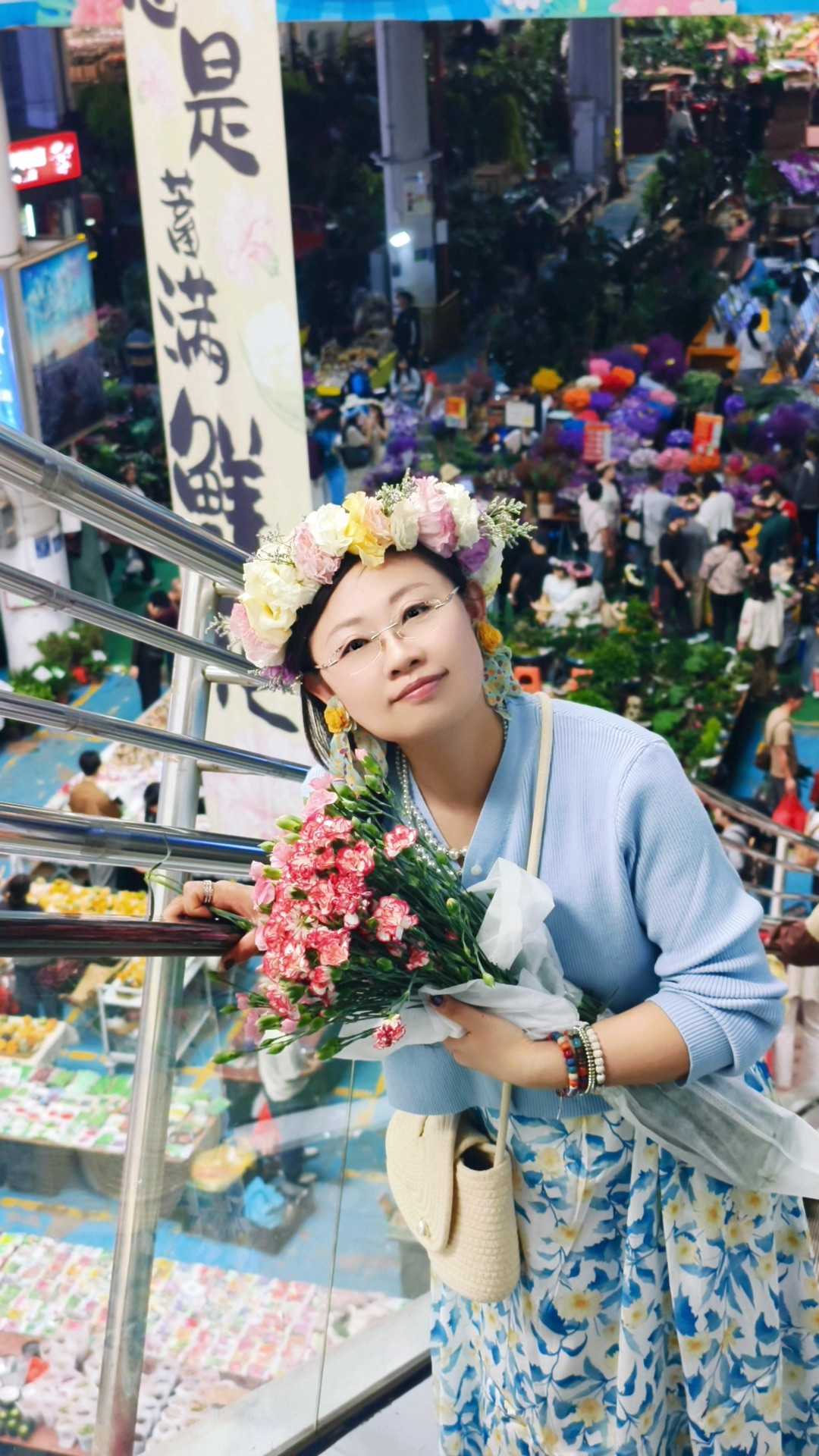
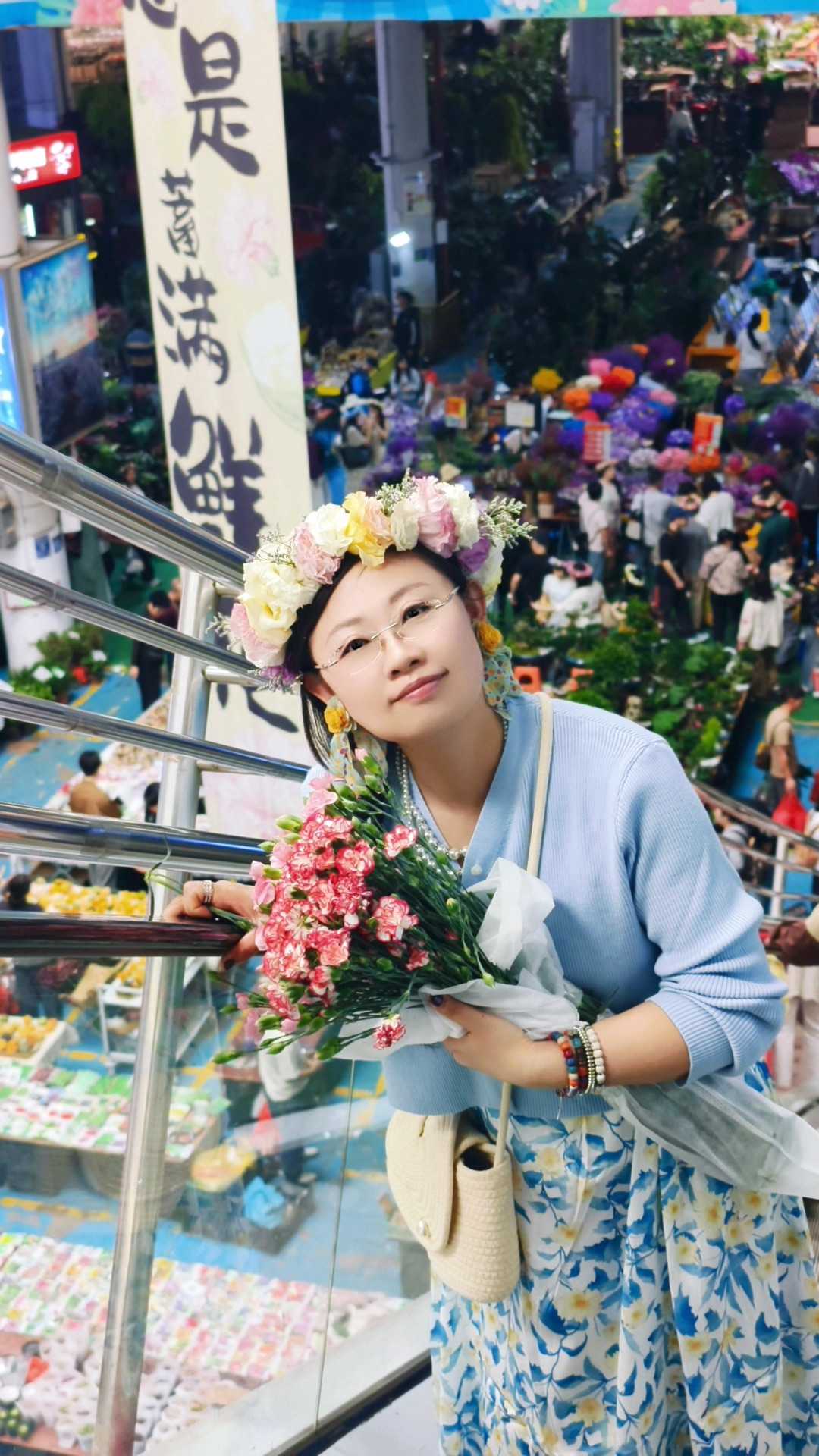
Two-yuan baby's breath, fifteen yuan for two bunches of roses, three to five yuan for a flower crown, and over thirty yuan for a large bouquet—romance here has no price tag. You can fully embrace "flower freedom," gathering armfuls of the spring you'd never dare to hope for in the north, and taking them home. Even after you wake from the dream and return to the exhaust-filled city, the fragrance of Dounan lingers on your fingertips. Perhaps the most beautiful meaning of travel is that these flowers you bring back will remember for you the place embraced by sunshine and blossoms.
Transport Tip: Take Metro Line 4 to Jingui Street Station, exit at Dounan Flower Station B.
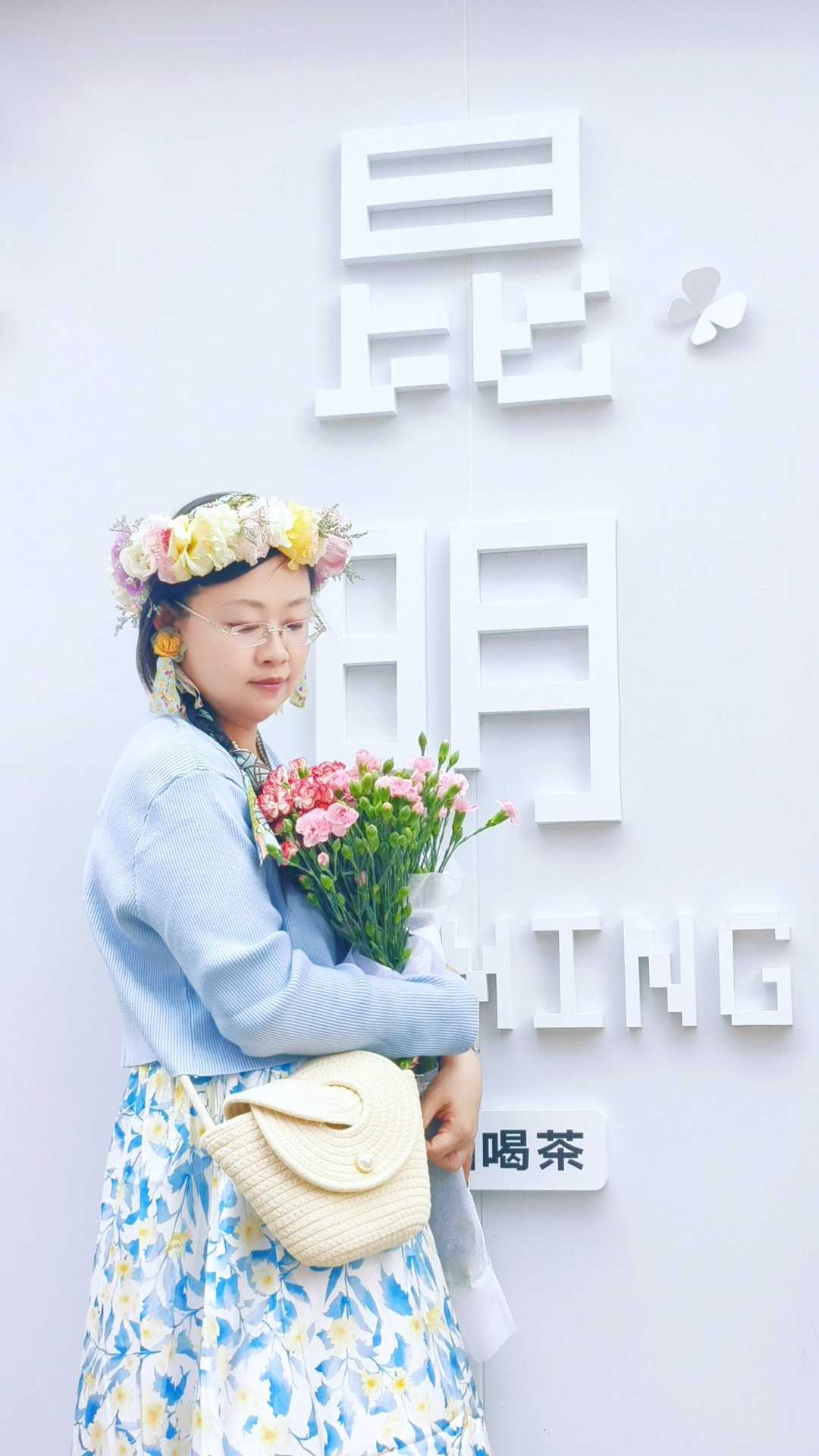
That evening, we planned to head to Wangguan Wetland to watch the sunset, but the weather had other ideas—a light drizzle began to fall. So we changed course and wandered through Kunming's old streets. We snapped photos in front of the Moon-facing Building, where the Jiahua Flower Cake flagship store was wrapped in giant bow decorations, flowers following us at every turn. At a corner, we stumbled upon the trendy "Happy Zhu Yi Baba Rice Roll" (a local snack), priced at 28 yuan per serving. It came with tender braised beef tendon and a savory bean paste, tasty enough but not worth buying more than one—it was a bit greasy.
Sitting down to eat, we looked up and saw the famous Eastern Bookstore—having just enjoyed a taste of "lowbrow" street food, we now found ourselves in "highbrow" literary territory.
Jacaranda: A Purple City Dream
Jiaochang Middle Road
Jiaochang Middle Road is a must-visit for jacaranda viewing, but it's also a sea of people. The secret to avoiding the crowds is simple: wake up early. Around 7:30 in the morning, the street is still quiet; after 9:00, the crowds pour in.
Jacaranda trees are tall and their flowers far away, so to get up close, you'll need a ladder or platform. Paying 20 yuan to climb up for a photo is worth it, in my opinion—otherwise, you can only gaze from afar without interacting with the flowers. But steer clear of the photo spot next to the Golden Lotus Hotel, which only allows photographers to bring people up—the quality is terrible, and they still dare to charge 20 yuan per shot.
The jacaranda display on Jiaochang Middle Road starts at the Golden Lotus Hotel and ends about 500 meters ahead at the intersection. Midway, there's a jacaranda-themed park with several large platforms, some reserved for professional photographers and others open to tourists for 20 yuan. At the intersection, you can board a jacaranda-themed bus for a bird's-eye view of the flowers—just watch your head against the branches when standing to take photos.
Panjiang West Road
Panjiang West Road is another great spot for jacaranda viewing. Walking along the river, you can capture the dreamy effect of purple mist on the water. There are few tourists here, so you can enjoy the view in peace without fighting for the best camera angles.
Directions: Navigate from Jiaochang Middle Road to "Jialong Auto Beauty."
Ditai Temple Bus Stop
About 50 meters from Ditai Temple Bus Stop, a large patch of bougainvillea is in full, vibrant bloom, set against nearby train tracks—a perfect photo opportunity.
Wenhua Lane: Time Slows Down
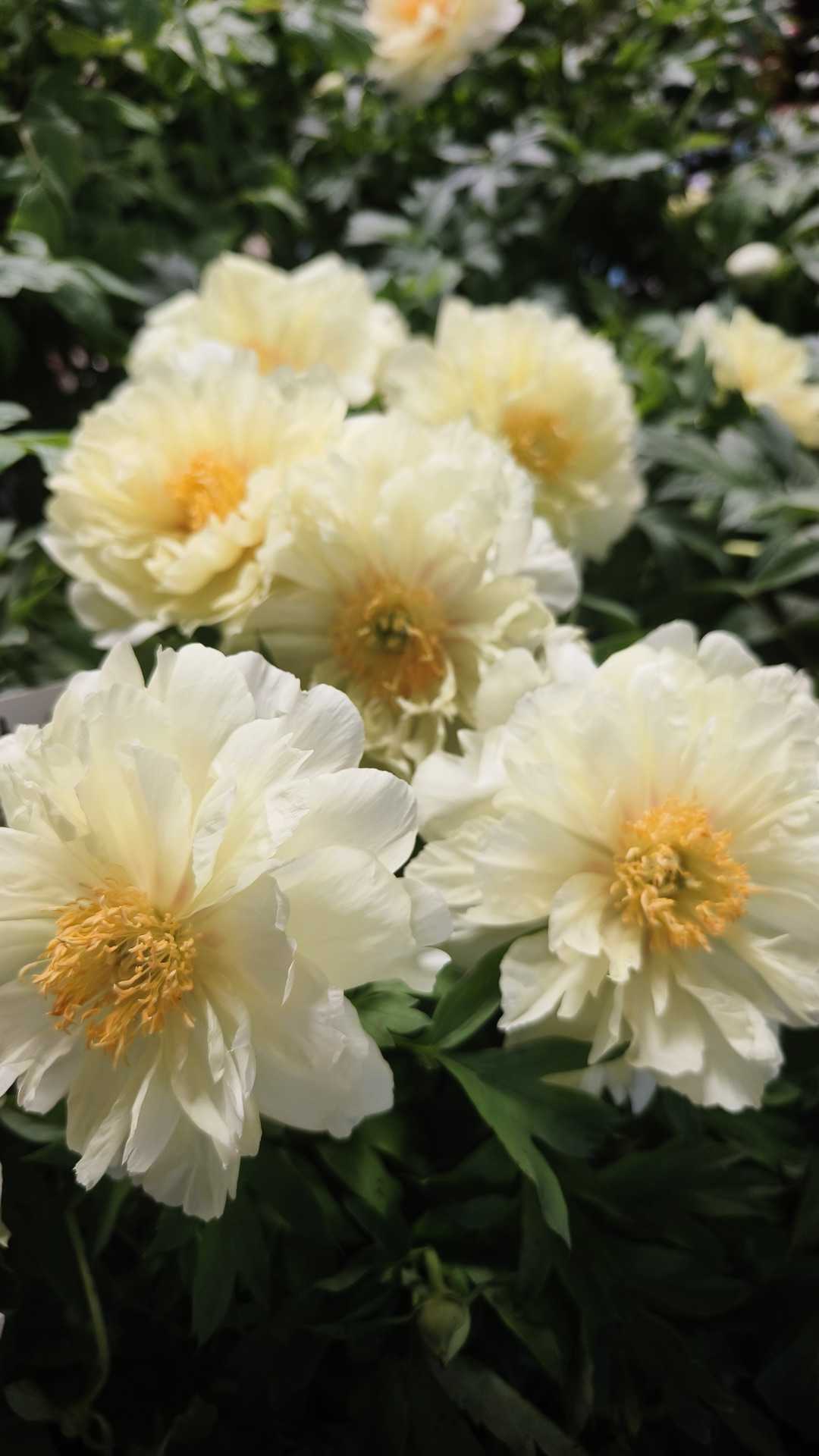
From Ditai Temple Bus Stop, it's a short walk to Wenhua Lane, which is filled with interesting coffee shops, bookstores, and exotic little eateries. Stroll around, sit down to rest, and experience life at a slower pace.
We happened to turn into a charming little courtyard—Muyu Bread & Coffee. At 11:40 in the morning, only one baker was in the shop, and he told us the coffee machine hadn't warmed up yet, so we'd have to wait. So we sat down, let our thoughts wander, and fully relaxed. This was our first coffee shop of the trip—the coffee was rich, and the butter bread was fragrant, a delightful surprise. The shop also had a cat named "Hello," who sat quietly, staring at us with a dazed, adorable look.
Green Lake and Huanggong East Street: Kunming's Gentle Heart

Green Lake (Cuihu) is the most relaxing leisure spot in the hearts of Kunming locals. With a lake, trees, a gentle breeze, and a cup of coffee or pot of tea, an entire afternoon can slip by slowly. Across from the south gate of Green Lake are two trendy spots—BA Bakery and "Go Up the Mountain to Drink Tea." The flavors are decent, but pairing a flower cheese bread with sour tamarind candy offers a unique taste.
Walk 100 meters up from BA Bakery, and you'll reach Huanggong East Street. This street is filled with yellow elements, which locals call "Kunming Yellow." There are many popular photo spots and coffee shops, as well as a glass walkway that you can follow all the way to Kunming's old streets.
Our last stop was the "Kunming Eye" at Aocheng Tower. Navigate to Building A of Aocheng Tower, find the Watsons store, turn left and go down, then take the first doorway up to the sixth floor. You'll need a wide-angle lens for photos; if you're not satisfied, you can ask the nearby photographers for help.
Jianshui: An Ancient City Living in the Creases of Time
A two-hour drive from Kunming brings you to Jianshui. This is an ancient city living in the creases of time—the bluestone streets have been polished to a shine by countless footsteps, and the wooden doors of old houses creak open, exuding the breath of a bygone era. The Chaoyang Tower has stood silently for six hundred years, like a quiet old man who has seen all the joys and sorrows of the world.
Life in Jianshui is slow: the morning bells of the Confucian Temple ring out melodiously, the sound of drawing water from Daban Well echoes in the afternoon, and the aroma of roasting tofu wafts from workshops in the evening. Jianshui's tofu is the most famous—small, tender white cubes puff up over charcoal fire, dipped in a savory sauce, and with one bite, your mouth is filled with the old tales of the city. Purple clay artisans still shape, carve, and fire their wares in the most ancient ways, kneading time into the clay and giving their creations a soul.
Zhu Family Garden: A Family History Behind High Walls
The Zhu Family Garden is known as the "Great Garden of Western Yunnan." I hadn't heard of it before coming, but after visiting, I found it truly lived up to its name.
Stepping into the Zhu Family Garden is like walking into a yellowed family history. With three entrances and six courtyards, crisscrossing lanes, every carved window holds a story, and every upturned eaves speaks of past splendor. The waterside pavilions and flower halls remain, but the laughter of those days has long faded. Walking through, you can almost hear the echoes of a family's rise and fall—from wealthy merchants to dust and ashes, leaving only these deep courtyards and high walls for future generations to mourn.
Lin'an Scenic Railway Station: Chasing the Train
A highlight of visiting Jianshui is riding the narrow-gauge tourist train to sights like Shuanglong Bridge, Xianghui Bridge, and Tuanshan Village. Due to limited time, we chose to "chase the train" instead.
First, we went to Lin'an Scenic Railway Station, which features a train and Southern French-style architecture. We set out at 3:00 PM for Xianghui Bridge Station, where the train would arrive at 3:30. Before the train came, we explored the weathered station; when it arrived, we took advantage of the passengers' disembarkation to hop on board, fulfilling our wish to experience the train even without riding it. After the train departed and the tourists dispersed, we stayed at the station to rest until dusk, then moved on to our next stop—Shuanglong Bridge.
Shuanglong Bridge: Poetry in Seventeen Arch Reflections
Where the Lujiang River meets the Tachong River, a seventeen-arch stone bridge rests quietly on the water, known as Shuanglong Bridge. From a distance, it looks like a rainbow drinking from the stream; up close, its stonework is exquisite. The bluestone slabs on the bridge surface have been polished smooth by footsteps, each groove recording the stories of countless travelers. Three pavilions stand on the bridge, with soaring eaves and delicate details. Climbing up for a view, you can see the vast fields stretching to the horizon, the Lujiang River flowing slowly, and rice blossoms perfuming the banks on both sides.
At dusk, the setting sun gilds the bridge arches in gold, and the seventeen reflections shimmer in the water, reality and illusion intertwined as if in a celestial realm. Wind and rain have eroded the stone railings, but they cannot take away its composure. For two hundred years, it has stood here quietly, welcoming arrivals and bidding farewells, saying nothing, yet hiding all the poetry of Jianshui within every arch.
Friendly Reminder: Pay attention to the time when photographing the sunset. The last bus, Route 19, departs at 7:30 PM, and it's not easy to find a taxi after that.
Daban Well: Six Hundred and Fifty Years of Guardianship
Daban Well, formally named "Pubo Spring" from the Confucian classic The Doctrine of the Mean ("Pubo, deep and inexhaustible as a spring"), has stood outside the west gate of Jianshui's ancient city, guarding its people with a clear, sweet spring for over 650 years. Known as the "Number One Well in Southern Yunnan," it has always been the soul of the entire ancient city. Using an old bucket that has continued the tradition for centuries, we drew a bucket of the cool, refreshing water in the evening—cool in summer, warm in winter—and it was sweet and soothing on the throat. Brewing a pot of fragrant Pu'er tea with it, or making a bowl of world-famous Jianshui tofu, the rich flavor hides the true essence of this land's everyday life.
The lights around Daban Well come on around 8:00 PM, and the well water, illuminated by the lights and moonlight, turns a pale blue.
Dali: Slow Living Between Cangshan and Erhai
Arriving in Dali: The Beauty of a Rainy Day
Some say, "You'll regret not coming to Dali, and you'll regret it even more if you do." Because it was developed too early, the commercial atmosphere is too thick; and on a rainy day, Erhai Lake doesn't show its beauty at all.
But I believe that travel is a state of mind—it's not just about seeing scenery that makes you linger, but more importantly, seeing the diversity of the world. My hometown is by the sea—in terms of vastness and turbulence, isn't the Bohai Sea grander than Erhai? But when you see Erhai, you realize that even on a rainy day, you can still feel its tranquility and gentleness, and the trees and islets in the water add a touch of color to the lake.
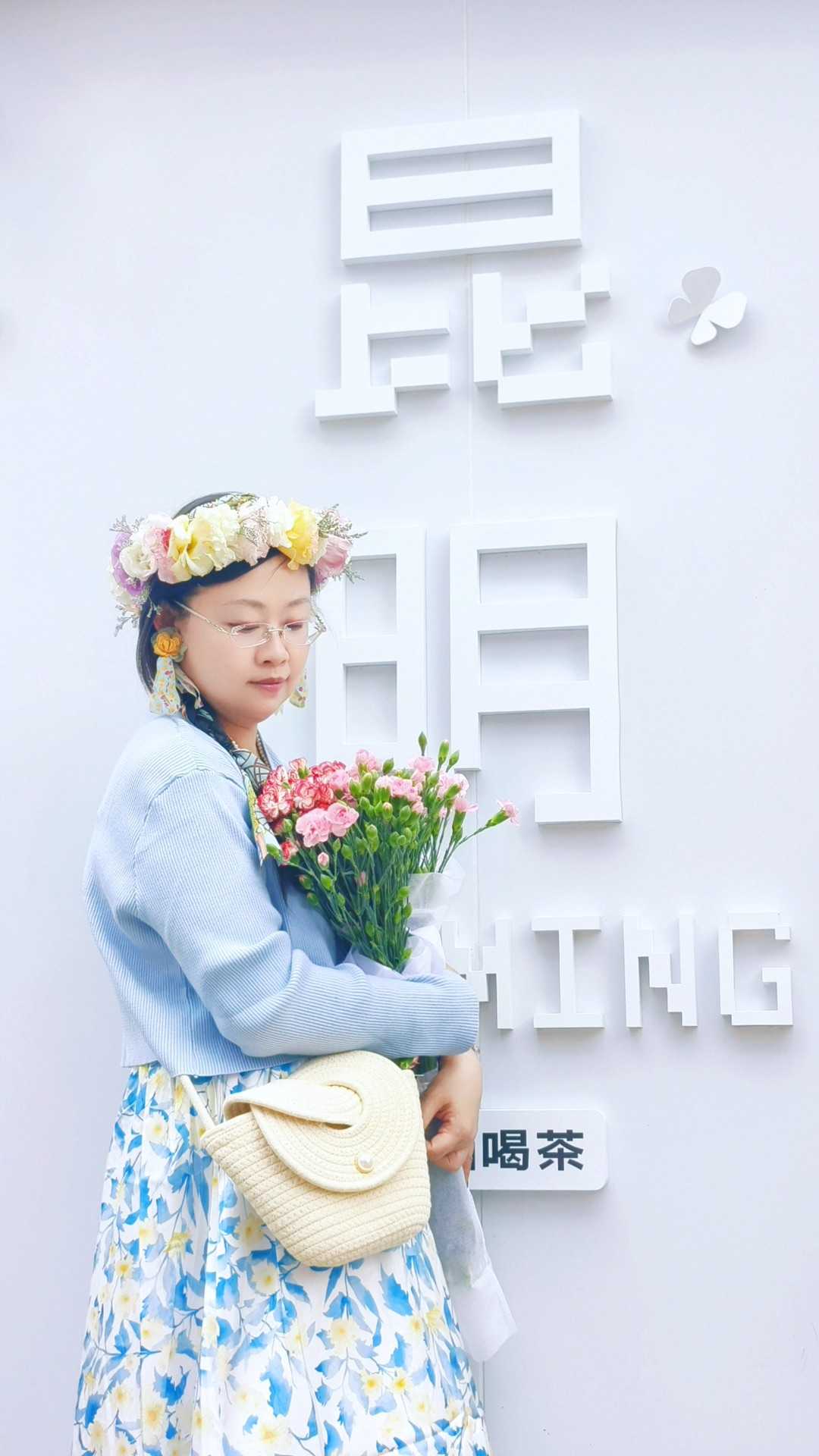
The true way to experience Erhai is with a cup of coffee, a warm cup of tea, a lounge chair, and a contemplative you.
From Kunming to Dali, it took another hour's drive to reach the ancient city. It started raining along the way, and the road into the city was unusually congested. Was our trip to Dali destined to be a "bad ending"? Not at all. Rain in Yunnan comes in bursts. The driver took a different route to avoid the traffic, and by the time we reached the ancient city, the rain had just stopped.
We stayed near the North Gate. Entering through the North Gate and heading toward the South Gate, we passed shops with heavy commercial vibes—flower cakes, Yunnan small-grain coffee, silverware stores—fine for a quick glance. But there were also some charming little shops worth exploring. At the Dali post office, we picked out unique postcards for the kids, and at a "Wacat" (roof-tile cat figurine) shop, we chose cute cat keychains. Brother Mai even bought me a 12-yuan shawl, which turned out to be incredibly useful.
We climbed Wuhua Tower to see the myriad lights of Dali, watched a large group of locals singing and dancing in front of the Du Wenxiu Marshal's Mansion, admired the lanterns at Nanzhao Twelve Hours, and finally wandered into a fireside bar—how could a night in Dali be complete without songs and drinks?
West Erhai: A Poetic Stroll by the Lake
Exploring Dali generally follows three routes: Dali Ancient City, West Erhai, and East Erhai. The ancient city is best visited in the evening, while West and East Erhai are farther apart and need to be split into two days. West Erhai has more concentrated attractions—Longkan Pier, Caicun Village, S-Bend, Corridor Bridge, and Xizhou Ancient Town are all on the west side; East Erhai is more spread out—Shuanglang Ancient Town and Wenbi Village are on the east side.
We chose to hire a car for transportation. During the holiday season, it was just over 300 yuan for nine hours a day, and less than 250 yuan on non-holiday days—not expensive. West Erhai is very long, especially on rainy days, when cycling is tiring and inconvenient. There are two parallel roads beside Erhai Lake; the closest is the ecological corridor, where only vehicles within the corridor are allowed. Rented electric scooters from outside can also enter; ask the rental shop owner for the specific route.
Fumeiyi Yasheng Coffee Shop
It drizzled in the morning, so we skipped watching the sunrise at Longkan Pier and drove straight to Yasheng Coffee Shop in Fumeiyi to take shelter and take photos. There weren't many customers on the rainy day. We left at 10:00 and arrived at 10:30, with only two tables occupied—we were thrilled. The coffee was a bit pricey, generally over 45 yuan, but the interior decor was tasteful, making it feel worth it. It was still drizzling on the road, but by the time we arrived, it had cleared up, lifting our spirits. I was wearing the 12-yuan shawl Brother Mai bought me last night—both warm and photogenic.
Who says Erhai isn't beautiful on a rainy day? The layers of clouds over the lake at Fumeiyi, shrouding the Cangshan Mountains in shifting light and shadow—that's a different kind of beauty.
Xiabo Peng and S-Bend
Xiabo Peng has a dead tree that, after being widely promoted on Xiaohongshu (Little Red Book), has become a popular photo spot. That day, with the rain and the opening of Dali's March Festival, there were very few people on West Erhai—no crowding for photos, a blessing in disguise. S-Bend is a place shaped like an "S" from above; you can take photos by the lakeside and among the trees, and if it's crowded, just pass through.
Corridor Bridge
Corridor Bridge has several archways, through which you can see the water and trees. We paid 20 yuan for a photographer to take two group shots of us. Brother Mai looked incredibly handsome that day—who would guess he's nearly fifty?
Xizhou Ancient Town
Xizhou Ancient Town is also a commercialized old town, but it has wheat fields, offering a different feeling. The wheat fields start from early April and are harvested by mid-May; in summer, there are rice paddies from June to September. The water lilies Brother Mai discovered at the edge of the town, and the small train in the wheat fields, made us reluctant to leave.
Zhoucheng Tie-Dye
After visiting Xizhou, it was still early, but heading to East Erhai would have been tight on time. So we decided to visit Zhoucheng, not far from Xizhou, to experience tie-dye. The skirt that Brother A Peng gave to Sister Jinhua became the most special souvenir of our trip.
Dali Three Pagodas and Weishan Ancient City
Dali Three Pagodas
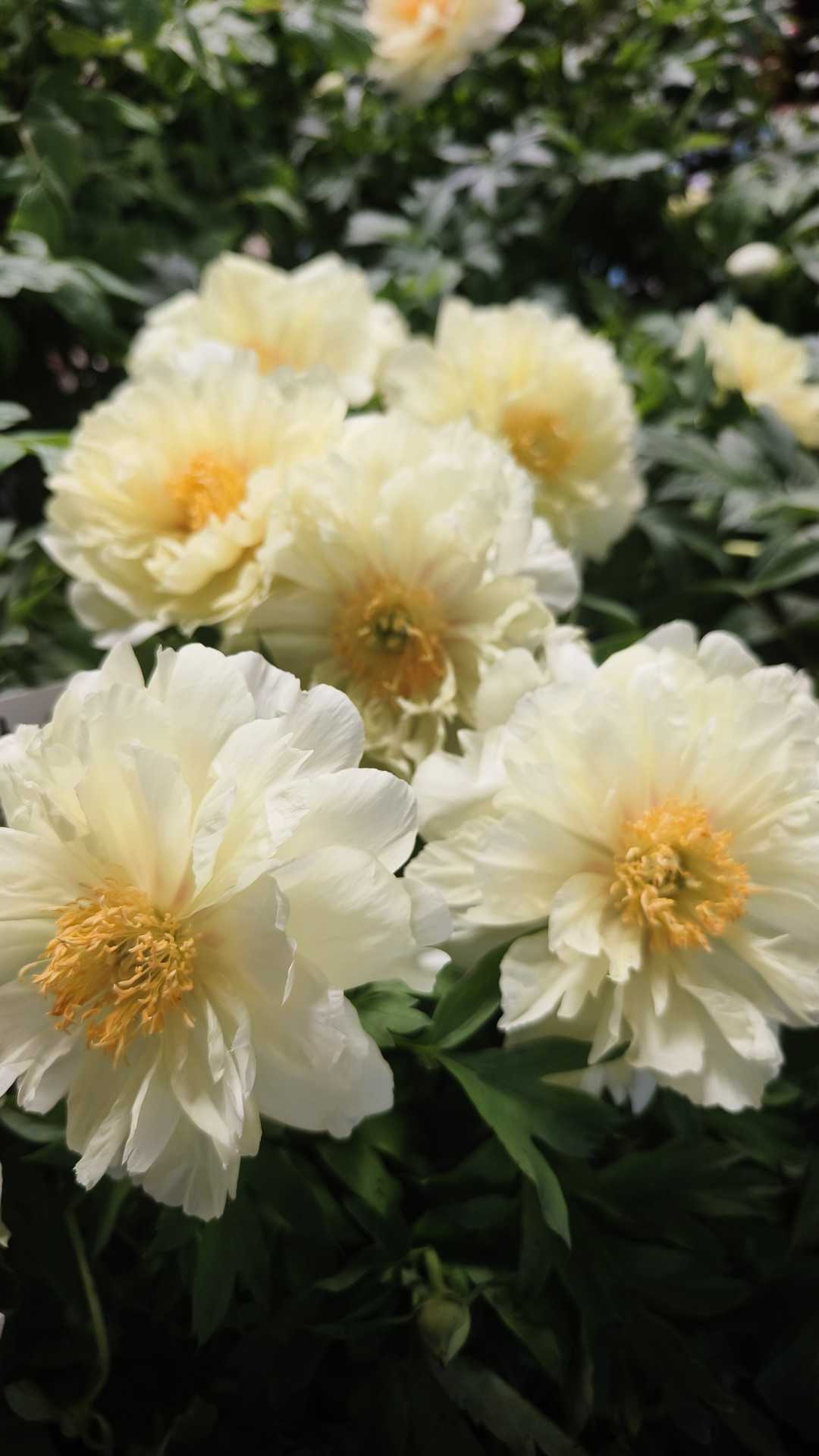
The Dali Three Pagodas are Dali's only 5A-level scenic area, the prototype of the Golden Temple in Jin Yong's novels, and the royal temple of the Nanzhao Kingdom. Due to traffic restrictions during the March Festival, our time at the pagodas was greatly shortened. We first took photos of the three pagodas in the reflection pool at the entrance, then went to the Nanzhao Bell Tower at the back to capture their silhouettes, before hurrying to the high-speed rail station.
Transport Tip: From Dali's North Gate, Bus Route 4 goes directly to Dali Station, with a dedicated bus lane to avoid traffic. However, during the March Festival's traffic control, the starting point changes to the ecological parking lot at Dali Ancient City's West Gate, and the destination is not Dali Station but the Nationalities Institute. So, try not to visit Dali during major festivals like the March Festival.
Weishan Ancient City
Weishan Ancient City is just a 20-minute high-speed train ride from Dali. Compared to Dali Ancient City, it's free from the noise and crowds, exuding a sense of timeless tranquility. We visited several key sites—Gongchen Tower, Nanzhao Museum, Xinggong Tower, the Confucian Temple, Mengyang Park, and Chongzheng Academy. The combination of Chongzheng Academy and the Frontier Bookstore had a unique charm.
Epilogue: Leaving My Heart in Yunnan
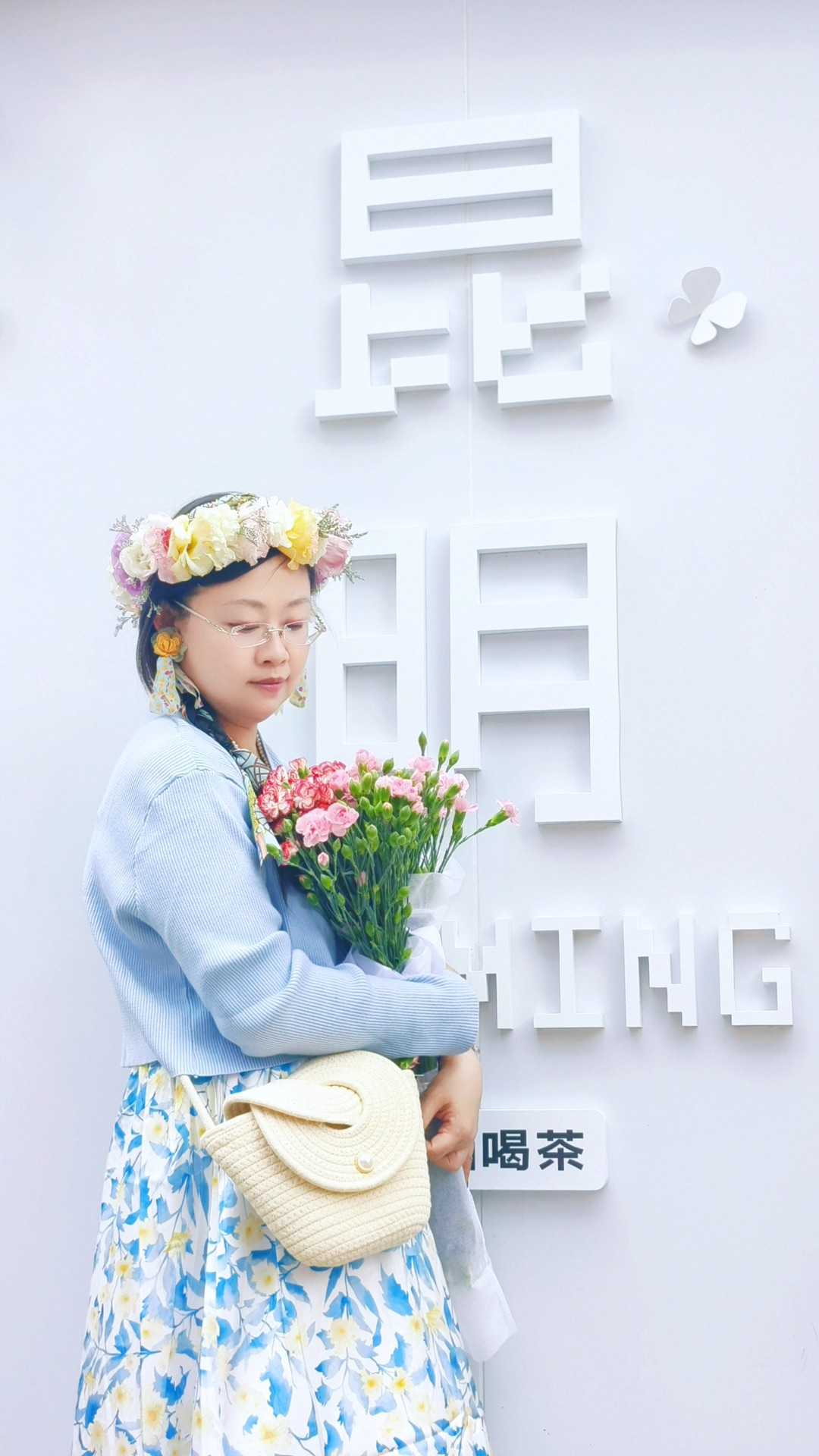
This brief Yunnan journey ended in a light and breezy manner. I took away with me the fragrance of flowers and the warmth of the sun, but left my heart in the streets and alleys of Kunming, on the stone paths of the ancient city, and between the Cangshan Mountains and Erhai Lake.
Next time we meet, I will answer an even slower invitation.
Practical Tips
Food Recommendations: - Dounan Huazhuang Xiaoguo Rice Noodles (small-pot rice noodles): Good price, the fried wild mushrooms are delicious - Jianshui "Shanhai Lin'an": Stir-fried grass sprouts with meat, mint ribs, braised chicken - Weishan Zhuji Yigen Noodles (one-strand noodles): Braised pork rice noodles are especially tasty - Xizhou Laobai Restaurant: Sour and spicy fish, stir-fried porcini mushrooms with meat
Transport Advice: - Kunming Metro Line 4 goes directly to Dounan Flower Market - West Erhai is best explored by hired car, about 250-300 yuan for 9 hours a day - Weishan Ancient City is only a 20-minute high-speed train ride from Dali
Best Seasons: - Jacaranda: Mid-April to early May - Wheat fields: Early April to mid-May (summer rice paddies June-September) - Bougainvillea: Blooms April-May
Photo Tips: - For jacaranda photos, get up early; before 7:30 AM, there are fewer people - The 20-yuan platform photo at Jiaochang Middle Road is worth trying - Panjiang West Road has few people and beautiful scenery, perfect for quiet shooting - The "Kunming Eye" at Aocheng Tower requires a wide-angle lens
Spring in Yunnan is a dream you never want to wake from. May every visitor find their own slow time here.
You should also read:

Dreaming of Nanzhao: A Gentle Encounter with Erhai Lake in Dali Shuanglang, July
Dreaming of Nanzhao: A Gentle Encounter with Erhai Lake in Dali Shuanglang, July Every summer, a voice whispers softly from the depths of my heart: it's time to go. No matter how tight the budget, no matter how precious the annual leave, the ritual of…
Continue reading...
A Solo Journey to Yunnan: Shuanglang Chapter — Meeting Your Truest Self by the Erhai Lake
A Solo Journey to Yunnan: Shuanglang Chapter — Meeting Your Truest Self by the Erhai Lake Introduction: When a Dream Finally Becomes Reality Some say Yunnan is a place meant for solo travelers. It took me three full years to truly understand that. Two years…
Continue reading...
Slow Sounds, Gentle Steps: My Wandering Journey Through Lijiang
Slow Sounds, Gentle Steps: My Wandering Journey Through Lijiang Prologue: A Spontaneous "Red-Eye" Escape Some journeys begin just like Lijiang itself—with a touch of spontaneity and a hint of laziness. Late one Sunday night, I was scrolling through my phone while lying in bed when…
Continue reading...