Taking Mom to Southwest Yunnan: An 11-Day Journey of Warmth
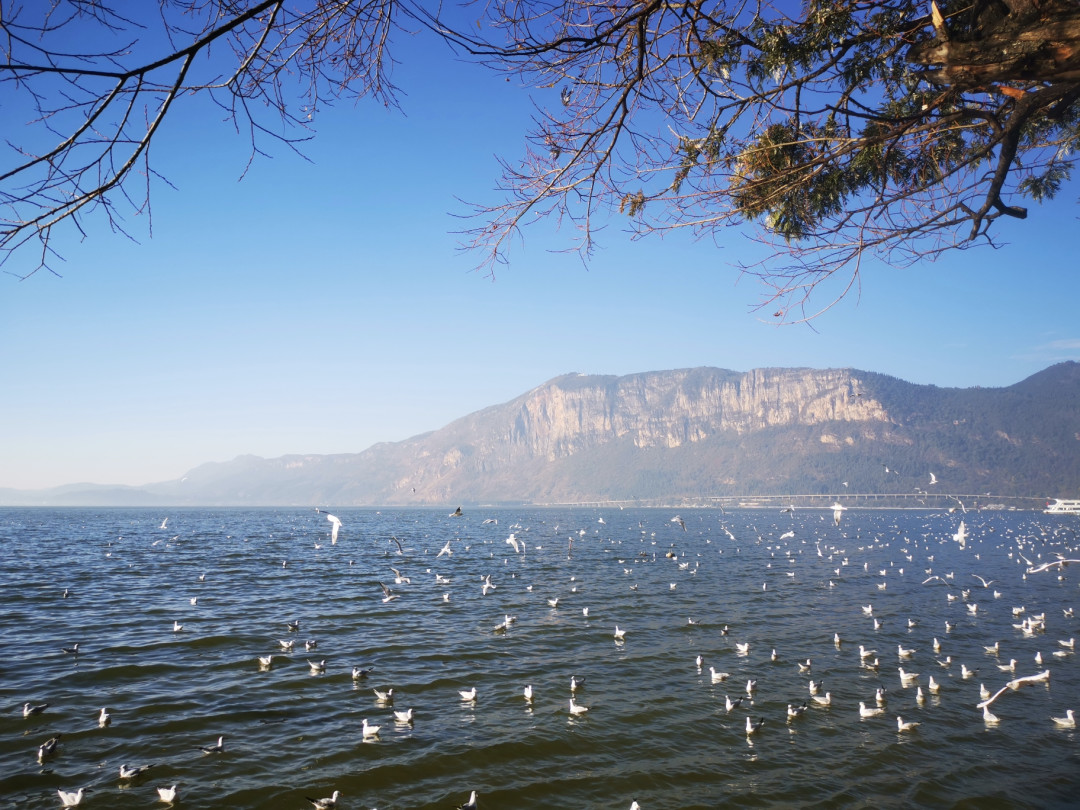
Taking Mom to Southwest Yunnan: An 11-Day Journey of Warmth
Before setting off, I traced my finger over the map across names both unfamiliar and familiar—Mangshi, Ruili, Tengchong, Dali, Kunming. This trip was a long-overdue mother-daughter getaway, just the two of us. We booked flights and hotels mostly through Qunar.com, and the total cost for both of us came to about 6,331 yuan—roughly 3,150 yuan per person. Pretty solid value for money.
Pre-Trip Planning: The "Clever Tricks" for Flights and Accommodation
Flight Choices
For the outbound leg, I chose Juneyao Airlines' Su Nan Ruili Air direct flight from Wuxi to Mangshi—1,881 yuan for two. Why not fly from Shanghai? First, most flights from Shanghai to Mangshi require a layover in Kunming, meaning long waits at the airport. Second, the direct flight saved on the airport construction fee, making it a better deal overall.
The return trip was a Juneyao Airlines flight from Kunming to Shanghai, costing 1,502 yuan for two, plus an extra 270 yuan for 15 kilograms of checked luggage purchased through WeChat's mini-program—the ticket itself didn't include baggage, so that's something to watch out for.
Accommodation Experience
Total accommodation costs came to about 1,800 yuan, with most hotels under 200 yuan per night. I booked early—late December—right when the country was still recovering from the first wave of COVID infections, and before the TV drama "Meet Yourself" (去有风的地方) became a hit. Naturally, prices were still friendly. Later, I saw that sea-view rooms in Shuanglang had skyrocketed to over 900 yuan, and that guesthouse in Dali's old town had jumped from just over 100 yuan to over 600 yuan. Lucky for me, none of the owners canceled my early bookings—unlike what happened before at Huangguoshu Waterfall, where I arrived late at night only to find my reservation had been canceled. What a mess that was.
Recommended List: - Mangshi Jizhou Hotel (2 nights): Newly renovated, great value for money, highly recommended - Ruili Xingxiyuan Grand Hotel (1 night): Decent, but nothing special - Tengchong Xijingju Inn (熙径居客栈): The owner was incredibly warm, and the location was perfect, highly recommended - Tengchong Mutongju Grand Hotel (木桐局大酒店): Good location, fairly recommended - Dali Shuanglang Panshan Ershan Seaview Inn (双廊畔洱山居海景客栈): A sea-view suite, highly recommended - Dali Mishe Yileju Private Courtyard (大理米舍亦乐居私享庭院): Highly recommended - Kunming Moore Hotel (Nanping Pedestrian Street) (摩尔酒店(南屏步行街店)): Decent, but nothing special
Transportation Route
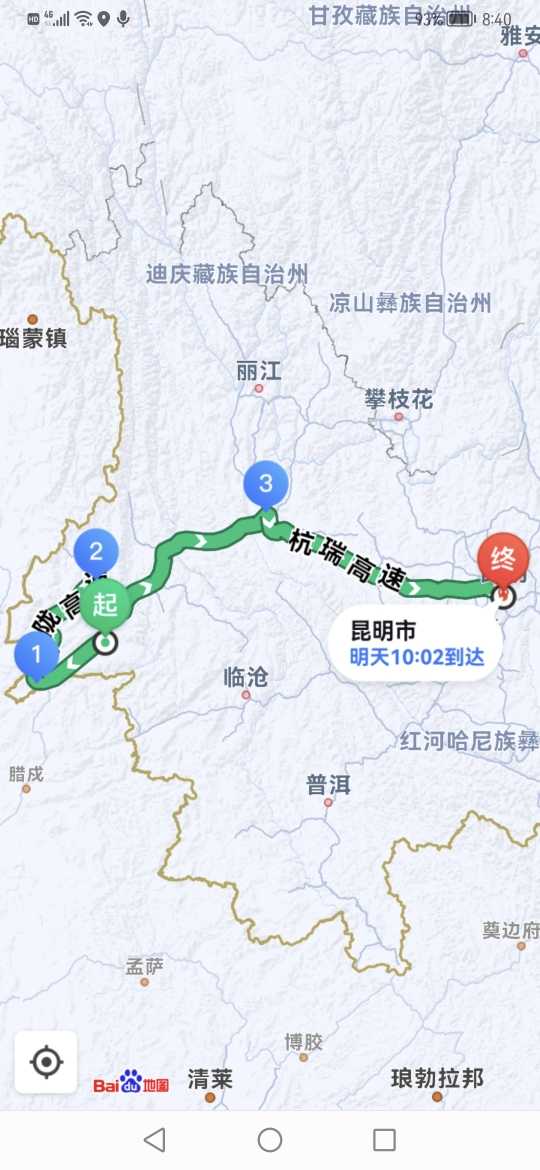
Mangshi → Ruili (bus, 80 yuan) → Tengchong (bus, 180 yuan) → Dali (bus, 328 yuan—bought through Tongcheng, not recommended since it couldn't be rescheduled) → Kunming (high-speed rail, 290 yuan)
Mangshi: The Slow Life of a Border Town
Mangshi isn't big, but it has a unique Southeast Asian vibe. During the Spring Festival holiday, public transport was a hassle, so renting a little electric scooter was the best choice—a gentle breeze brushing against your face as you ride down streets lined with palm trees, making you feel like you're in a foreign country.
What touched me most was the local spirit. Even during Spring Festival, the scooter rental guy didn't hike up the price—4 yuan per hour, and I paid just 36 yuan for a whole day's ride. I voluntarily gave him an extra 4 yuan. Restaurants were scarce, but prices were the same as usual. Compared to Dali later on, Mangshi's simplicity felt especially precious.
The Golden Pagoda and Silver Pagoda
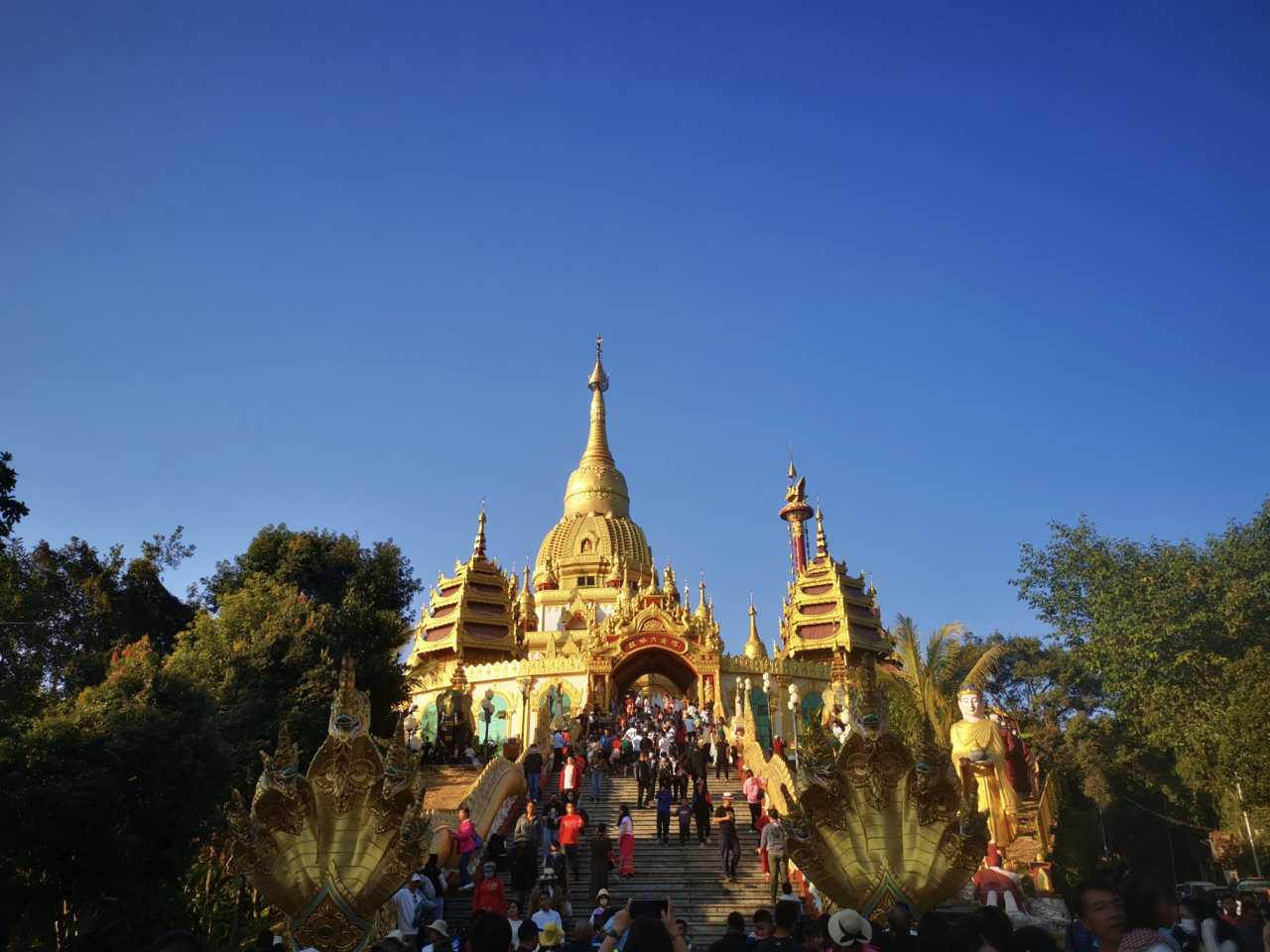
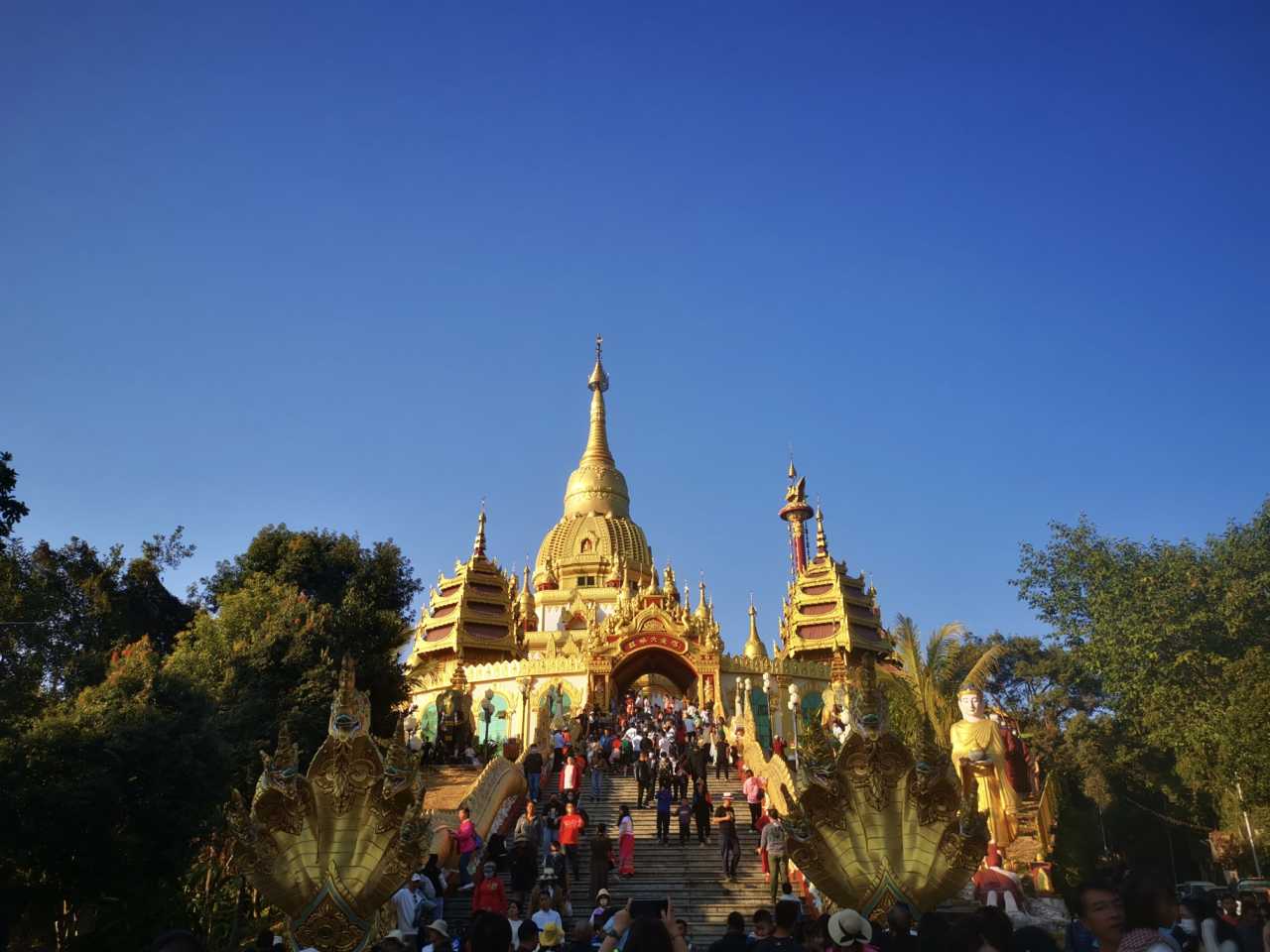
I'd suggest going after 5 PM and bringing some snacks. In Yunnan, it gets dark late—after 7 PM, the lights come on, so you can capture both daytime and nighttime views. I followed a tip and arrived at 4 PM, but I didn't bring any food, so I ended up starving and missed the night scene.
During Spring Festival, the Golden Pagoda is a place for locals to burn incense and pray, and it was packed. Don't ride a shared electric scooter—you can't get it up the hill. And don't rent a car—you'll get stuck in traffic. My little electric scooter sailed all the way to the top, and I felt pretty smug about it.
Peacock Lake (孔雀湖)
Right next to the Golden and Silver Pagodas, there's a quiet road that circles the lake. I'd strongly recommend going in the morning—when the morning mist starts to lift, it's as beautiful as an ink painting. There's a walking path nearby, but it's too long to cover on foot, so I wouldn't suggest doing the whole loop.
Tip: Next to the scooter rental point, there's a restaurant called "De Xi" (得煕餐厅) that makes freshly baked pizzas—70 to 80 yuan each, and they're pretty good. Their cream iced coffee is also delicious.
Ruili: A "Skip It" Experience, Despite the Hesitation
I went back and forth on whether to go to Ruili. A lot of people said it wasn't much fun, but others said the border gate and the "One Village, Two Countries" (一寨两国) attraction had reopened. I went with the "since we're here anyway" mentality, but my advice is—there's no need to go anytime soon.

Three years of the pandemic had really taken a toll on this border town. During Spring Festival, many shops had their metal shutters down, there was no public transport, and the attractions were far from the city center. The "One Village, Two Countries" ticket had gone from 30 yuan to 50 yuan, and the round trip cost 100 yuan—terrible value for money.
If you absolutely have to go, I'd suggest staying near Fortune Square (财富广场), which is still somewhat lively. I made the mistake of staying near Momo Lake (弄莫湖), only to find it was just a city park—a place for locals to take a stroll in the evening.
Tengchong: The Healing Time of Hot Springs and Ancient Towns
Heshun Ancient Town (和顺古镇)

I'd strongly recommend staying overnight, and choose a place near Heshun Primary School—you can take a taxi right to the door. If you stay near the main entrance, you'll have to drag your luggage onto a sightseeing cart and then walk a long way. The place I stayed was on higher ground, so even though you couldn't see the rapeseed flowers in winter, the view overlooking the ancient town was still breathtaking.
The entrance ticket was 55 yuan, and there were combo tickets that included a boat ride. I didn't have time to take the boat, but later I saw a blogger's video of the lake and mountains—it was so beautiful I regretted missing it. Must-sees in the ancient town: Wild Duck Lake (野鸭湖) and the library (you can't enter the library without a ticket). The "pine flower cake" (松花糕) has a subtle bean flavor and isn't too sweet; the freshly baked flower cakes (鲜花饼) were 5 yuan each, a little sweet.
Dongshan Hot Spring (洞山温泉)
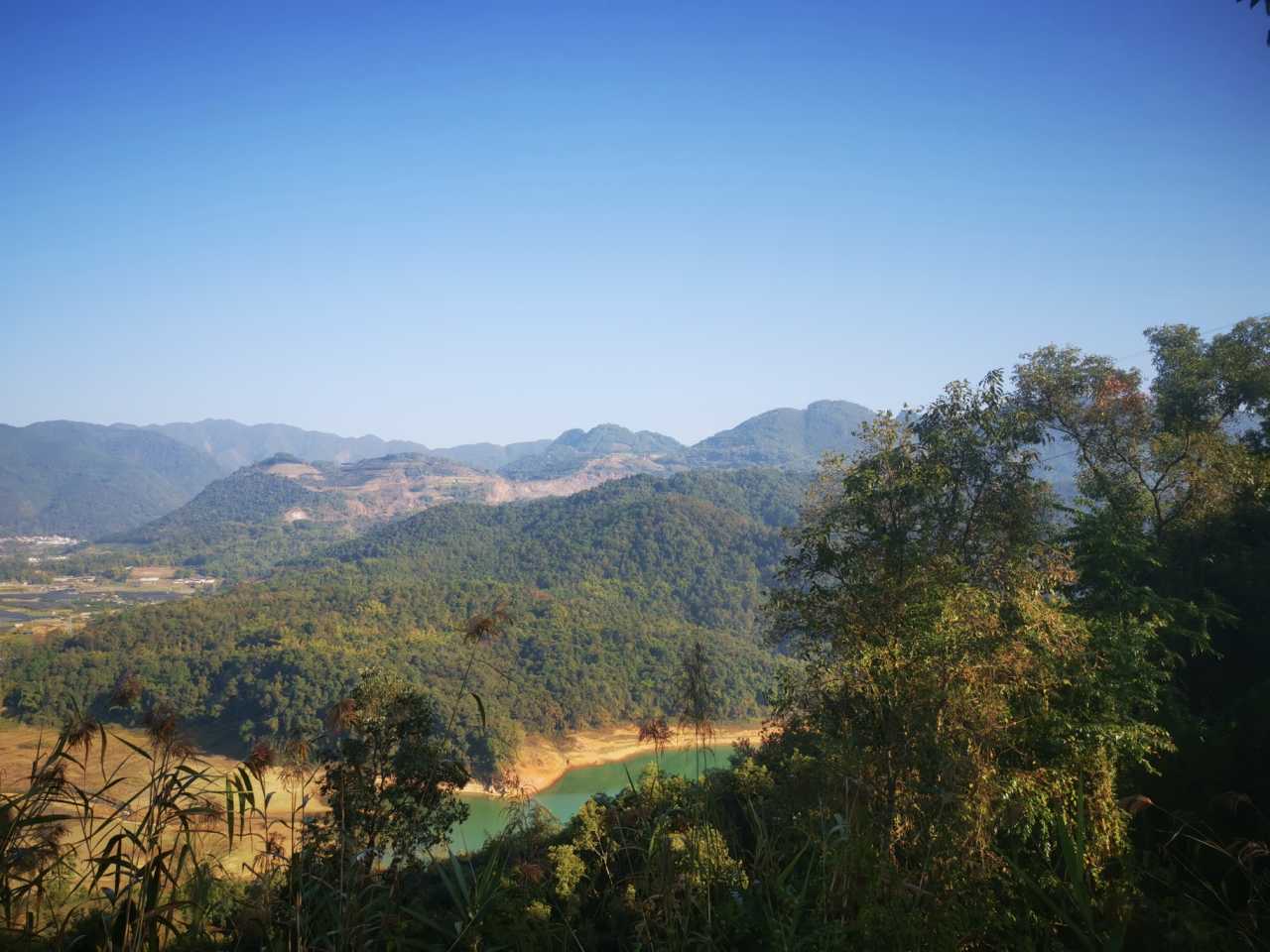
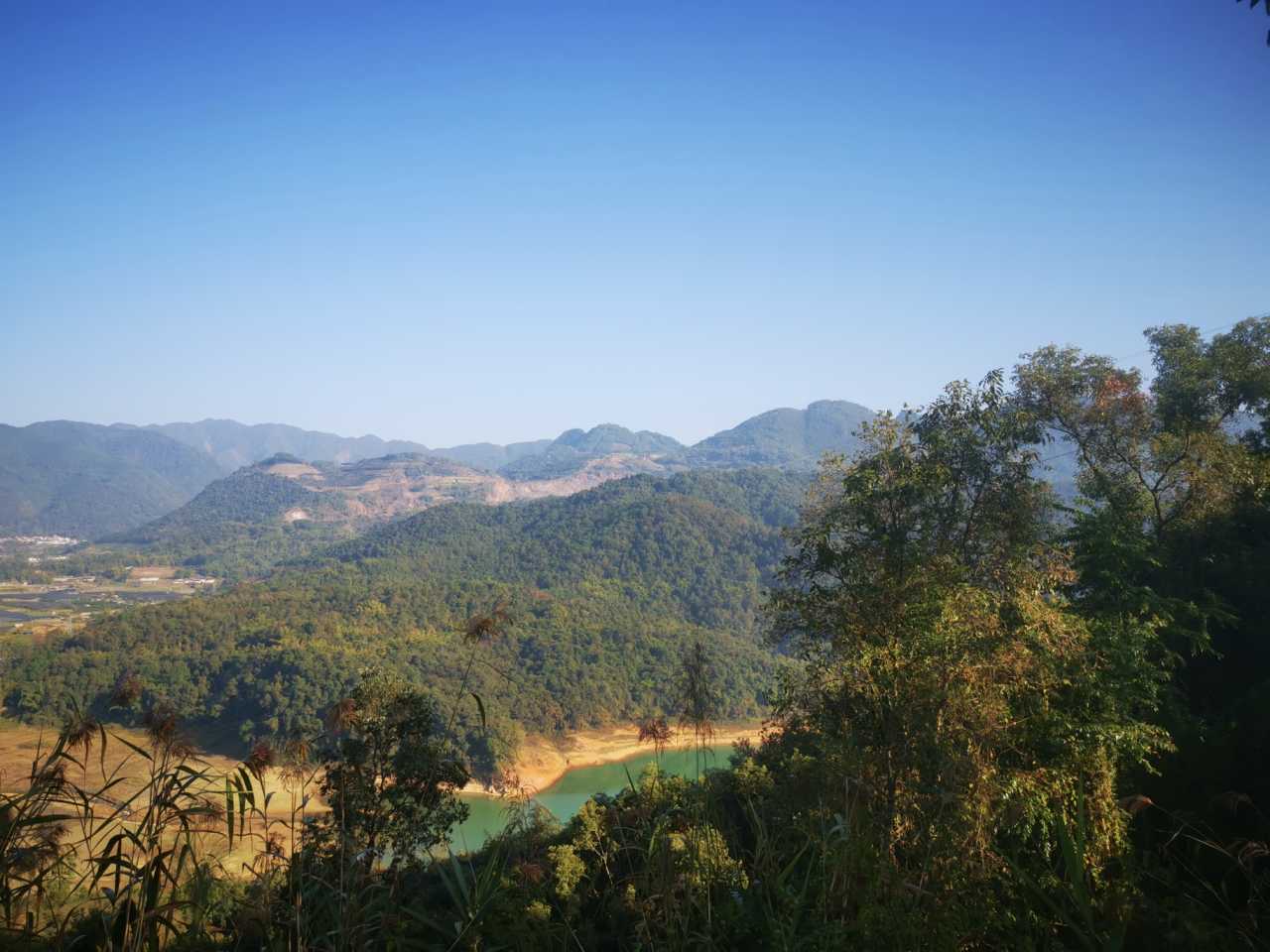
Go early in the morning when the water is cleanest. By midday, you could clearly feel the water quality had dropped. I bought a ticket on Dianping for 68 yuan, but later found out you could get it from the innkeeper for just over 50 yuan—locals only pay 49 yuan. The hot spring is outdoors with quite a few pools, and the value for money is excellent. The food inside is also reasonably priced: a goose oil rice set meal for 38 yuan, a twice-cooked pork rice bowl for 18-22 yuan, and fruit juice for 10 yuan a cup (西番莲 is just passion fruit).
The only downside: it's not a sulfur hot spring. If you want sulfur water, you can go for the combo ticket at the "Big Boiling Pot" (热海大滚锅) area (though there are very few pools there), or try Cucumber Valley Hot Spring (黄瓜箐温泉) or Grandma's Place (外婆家)—those are privately built pools with basic facilities, costing 30-50 yuan, and they're not far from the Rehai (热海) scenic area.
Rehai Scenic Area (热海景区)
A lot of people ask: if you're not going to soak in the hot springs, why go to the scenic area? But I think Rehai is worth every penny of the ticket price. Walking through it, with steam rising everywhere, I felt like Sun Wukong in the Heavenly Palace.
Money-Saving Tip: At the exit of the scenic area, there are green minivans offering shared rides—10 yuan per person, and they leave once there are 7 passengers, heading straight to Fortune Square (财富广场) in the city center. On regular days, you can also take the bus for 5 yuan per person, but avoid it on holidays—traffic jams can leave you stuck for hours.
Dali: Beauty and a "Nightmare Journey" Side by Side
The "nightmare" in Dali started with the transportation. We got on the bus at 10:30 AM, expecting a 5-hour ride, but we ended up stuck in traffic until 5:30 PM just to reach Xiaguan. Even worse, the minibuses to Shuanglang had stopped running by 2 or 3 PM. I had already booked a room in Shuanglang that couldn't be refunded, so I frantically asked every driver I could find.
A kind minibus driver said he could take us to Jiangwei—which is close to Shuanglang. By the time we got to Jiangwei, it was already completely dark, around 8 PM, and I was standing by the roadside trying to flag down a ride. Finally, we got on a rickety, drafty disabled-person's vehicle for 40 yuan. The 10-kilometer drive took over an hour because of traffic, and we didn't get to Shuanglang until after 9 PM. That day, we spent a total of 11 hours on the road.
The Seaview in Shuanglang
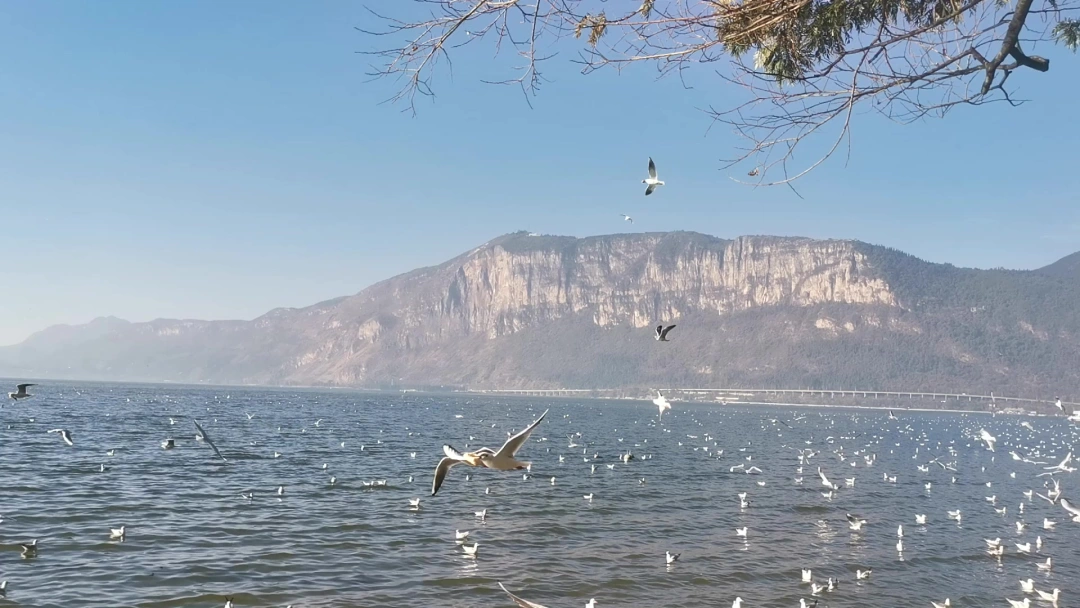
The next morning, I got up early to watch the sunrise. The innkeeper's mother cooked rice noodles for 15 yuan per person, and you could eat as much as you wanted. I had booked a sea-view suite, and lying in bed, I could hear the seagulls calling over Erhai Lake. I rented an electric scooter for 60 yuan (a full loop around Erhai Lake would have been 100 yuan), but my mom is older, so I didn't want to push her too hard.
Some people say the eastern route isn't worth it, but I think it's worth the ride. If you go early in the morning when there are fewer people, with mountains on one side and the sea on the other, it feels like a coastal highway. I rode clockwise along the eastern section first, then turned back to see the "Gallery Bridge" (廊桥)—which turned out to be an unremarkable little stone bridge that I drove right past without even noticing.
Dali Old Town
On the way back, we took a minibus—the price had gone from 15 yuan to 30 yuan. The driver dropped us off by the side of the road, saying, "Just walk in and you'll see the South Gate," but it was actually quite far. The local attitude in Dali was a far cry from Mangshi—prices were being jacked up everywhere. The place itself is beautiful, but you absolutely have to avoid holidays.
The guesthouse I stayed at had a perfect location—close to the South Gate, across from a farmers' market, and near the bus stops for Caicun (G2) and Panxi Bay (G7). I told my mom: whichever bus comes first, we'll take that one. We ended up going to Panxi Bay, and after getting off, we took a 9-yuan taxi ride to the famous S-bend. After seeing so much of Erhai Lake the day before, I didn't rent a bike this time—my mom and I just took a leisurely stroll.
Important Reminder: If you arrive in Dali at night, I'd suggest staying in Xiaguan or the old town, and don't rush into Shuanglang—Shuanglang is at the northernmost point of Erhai Lake, while Xiaguan is at the southernmost point, and transportation is very inconvenient at night.
Kunming: An Underrated Gem of a City
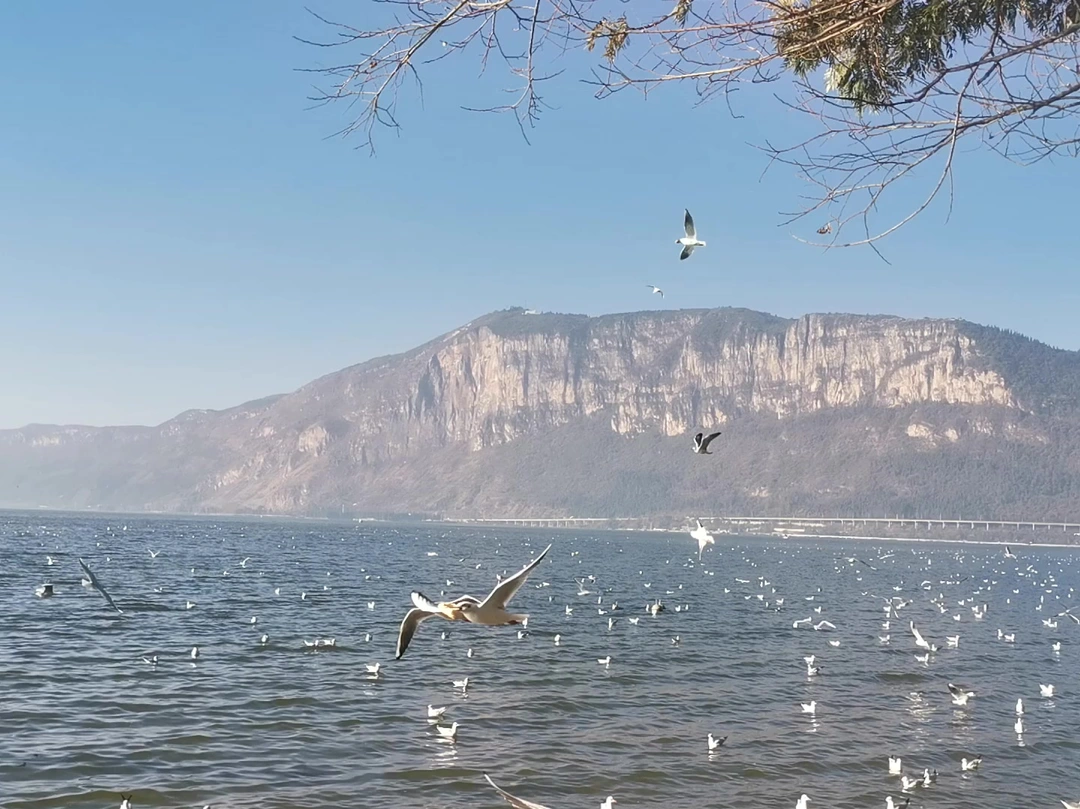
Kunming is often treated as just a transit point, but I think Dianchi Lake is every bit as good as Erhai Lake, and with much better value. Take Metro Line 5 to Dianchi Lake, then a 9-yuan taxi ride to Haigeng Park. The seagulls there are far more numerous and lively than those at Erhai Lake—I was so excited I couldn't stop taking photos, while my mom stood beside me looking unimpressed: "Just a few birds, what's there to take pictures of?"
Haihong Wetland (海洪湿地) and Zhuanxin Farmers' Market (篆新农贸市场)
The metasequoia trees at Haihong Wetland are beautiful, but don't bother with the transparent boats—the water is too shallow and looks a bit dirty. Across from the wetland, there's a bus that goes to Zhuanxin Farmers' Market, but we waited forever and no bus came, so we ended up taking a taxi back to the metro station.
Zhuanxin Farmers' Market was like discovering a whole new world! Cherries in Shanghai cost 38 yuan per catty (500g), but here they were 45 yuan per kilogram. Blueberries were also 45 yuan per kilogram. There were all kinds of vegetables, fruits, and mushrooms I'd never seen before—it was dizzying. The red bean cakes were delicious, and the vegetable wraps were 5 yuan each—pretty good.
The Last Half-Day
Green Lake Park (翠湖公园) has its main entrance on one side and the west gate on the other. Across from the west gate is the Yunnan Military Academy (陆军讲武堂), and not far from there is Kunming's Old Street. In the morning, Green Lake Park was peaceful and serene—ducks playing in the water, seagulls soaring overhead. The Military Academy is a good place to take kids, but my mom and I just did a quick walk-through and headed straight for Old Street.
At the Jiahua Bakery (嘉华饼屋) on Old Street, there were no freshly baked flower cakes—the staff said there was a shortage of ingredients, which just shows how popular the TV drama "Meet Yourself" had become. I finally bought some freshly baked ones at Kunming Guanshengyuan (昆明冠生园) in Changshui Airport.
Airport Bonus: At Gate 29, there's a Dayi Tea (大益茶) shop. Their milk tea and Pu'er coffee ice cream are both excellent—don't miss them.
Practical Tips
- In Mangshi and Ruili, you can't use Didi—use the WeChat mini-program "Wanshun Call a Car" (万顺叫车)
- For intercity transport, search for "Baojiao Chuxing" (保交出行)—it works well on regular days, but may suspend service on holidays
- Tengchong to Dali: If you have time, I'd suggest taking an overnight bus to Baoshan, staying there for a night, then taking the high-speed rail to Dali the next day
- Getting around Dali: Use the "You Dali" (游大理) mini-program—the cars are clean and don't hike up prices, but there aren't many trips
- Mangshi food: Places like "Lanlu Zao Dian" (烂路早点) and "Lin's Meatballs" (林氏圆子) are fine to try if you happen to pass by, but not worth going out of your way for. The milk tea is cloyingly sweet, but the flatbreads (粑粑) are good—especially the egg version, which is like an Indian roti—and the prices are great.
Final Thoughts
Over these 11 days, my mom and I experienced the warmth of Mangshi, the bleakness of Ruili, the comfort of Tengchong, the chaos of Dali, and the surprises of Kunming. What I'll remember most isn't any particular attraction, but those small moments—riding an electric scooter through the streets of Mangshi, soaking in Dongshan Hot Spring until my whole body felt like jelly, watching the sunrise from the balcony in Shuanglang, and gasping at how cheap the fruit was at Zhuanxin Market.
My mom kept saying, "Just a few birds, what's there to take pictures of?" but she still stood with me at Haigeng Park for half an hour. She complained that the cable car was too expensive at 100 yuan, but while I was taking photos, she silently held my bag.
Maybe that's what travel is all about—those small, warm, everyday moments. If you're thinking of taking your mom to Yunnan, remember: avoid holidays, book early, and keep a good attitude—because the "nightmares" on the road will eventually become the stories you laugh about later.
You should also read:
September: Finding Unexpected Warmth in Yunnan (Kunming, Dali, Shuanglang, Lijiang, Lugu Lake)
September: Finding Unexpected Warmth in Yunnan (Kunming, Dali, Shuanglang, Lijiang, Lugu Lake) Foreword: One Person's Journey, A Crowd's Story Before I set off, like every first-time solo traveler, I printed out a thick stack of travel guides and rehearsed countless possible scenarios in my head—getting…
Continue reading...
A 9-Day Yunnan Journey: From Lijiang to Dali to Tengchong – A Trip Toward Self-Reconciliation
A 9-Day Yunnan Journey: From Lijiang to Dali to Tengchong – A Trip Toward Self-Reconciliation Some say travel is simply going from a place you're tired of to a place other people are tired of. It stings to hear, but it's painfully true. Yet there's…
Continue reading...
God’s Abandoned Palette: A Self-Drive Journey Through Yunnan’s Dongchuan Red Land
God’s Abandoned Palette: A Self-Drive Journey Through Yunnan’s Dongchuan Red Land Travel has never been about reaching some distant geographic coordinate. It’s about encountering, along the way, the version of yourself buried beneath the rubble of daily routine. During this May Day holiday, I finally…
Continue reading...