Ten Days in Western Yunnan: A Family Journey of Wind and Freedom
Ten Days in Western Yunnan: A Family Journey of Wind and Freedom
Foreword: Rebooting After a Three-Year Blank
Flipping through my last travel journal, I realized it was still dated 2019. After that, life felt like someone had pressed the pause button — the pandemic, having a baby, illness, quitting my job, confusion... Those nights spent waiting for dawn in the dark still feel heavy when I think about them. In 2023, I traveled alone to Jiangnan, saw Yangzhou during its spring bloom, visited old friends, returned to my long-unfamiliar university campus — yet felt absolutely no desire to write about it. Later, the whole family went to Yantai and Weihai, taking our daughter on her first flight, discovering a stunning beach — but that impulse to capture everything in words had simply vanished.
Until this Yunnan trip.
To be honest, Yunnan had always been a blur in my mind. I've always been obsessed with the sea — different shades of ocean, from Sanya to Semporna — I always thought that was what travel was about. But when I hit a low point in life, I happened to watch Meet Yourself, a drama set in Dali — with its Cangshan Mountain, Erhai Lake, and slow-paced days — and it quietly climbed to the top of my bucket list.
The trip preparations didn't go smoothly. We'd booked everything for the first half of the year, but had to cancel because of our daughter's otitis media. Feeling frustrated, I saw news about an earthquake in Yunnan and could only comfort myself: the timing wasn't right. Finally, after surviving the summer, in September, our family of five — me, my husband Zhu, our five-year-old daughter, and my parents — set off with a mix of excitement and nervousness.
Day 1: Landing in Kunming, First Taste of Wild Mushroom Hotpot
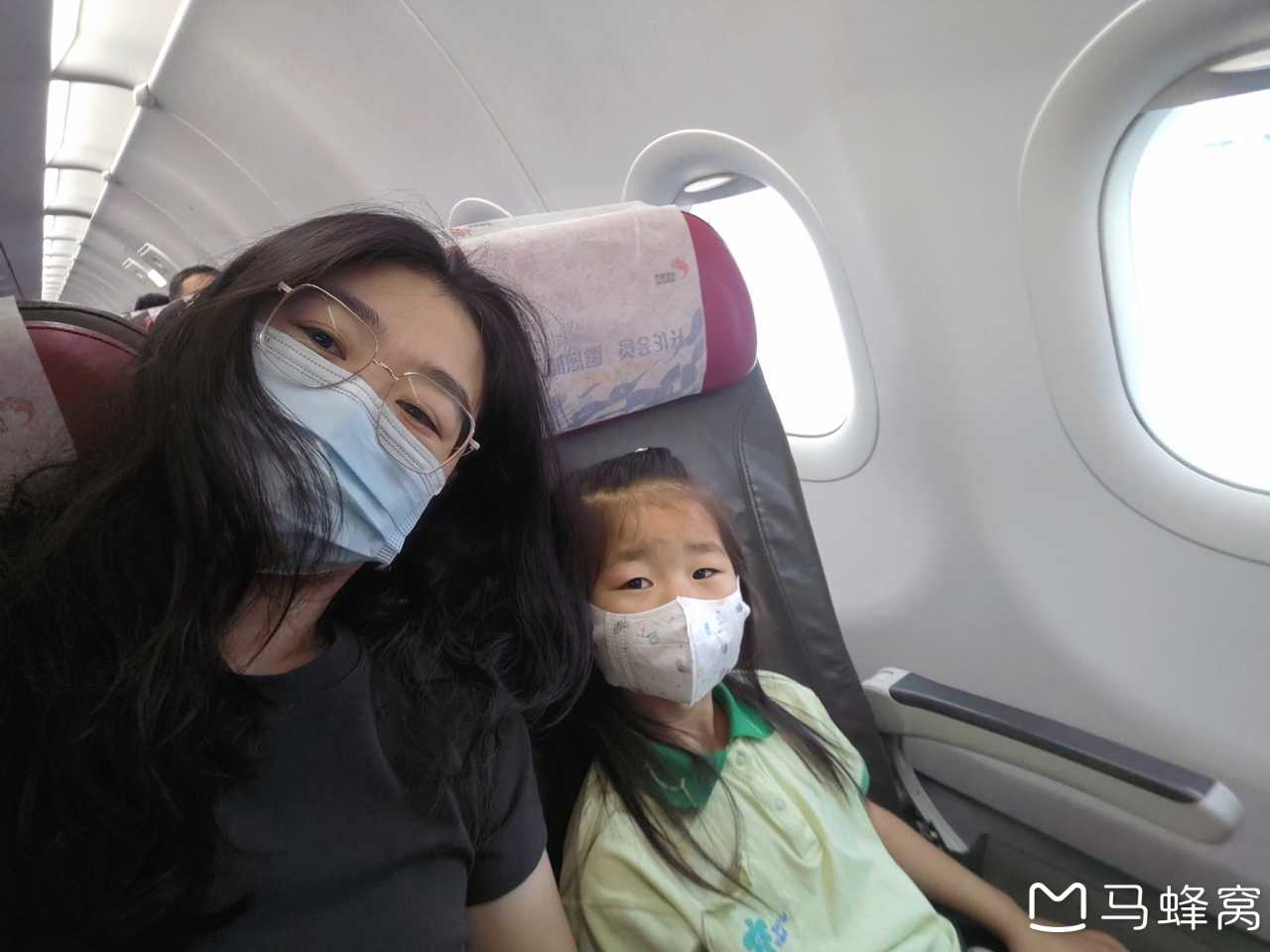
We took off from Shenyang early in the morning, with a layover and total flight time of six hours. Our daughter drew pictures, watched cartoons, and slept on the plane — no crying, no fussing — which put my anxious mind at ease.
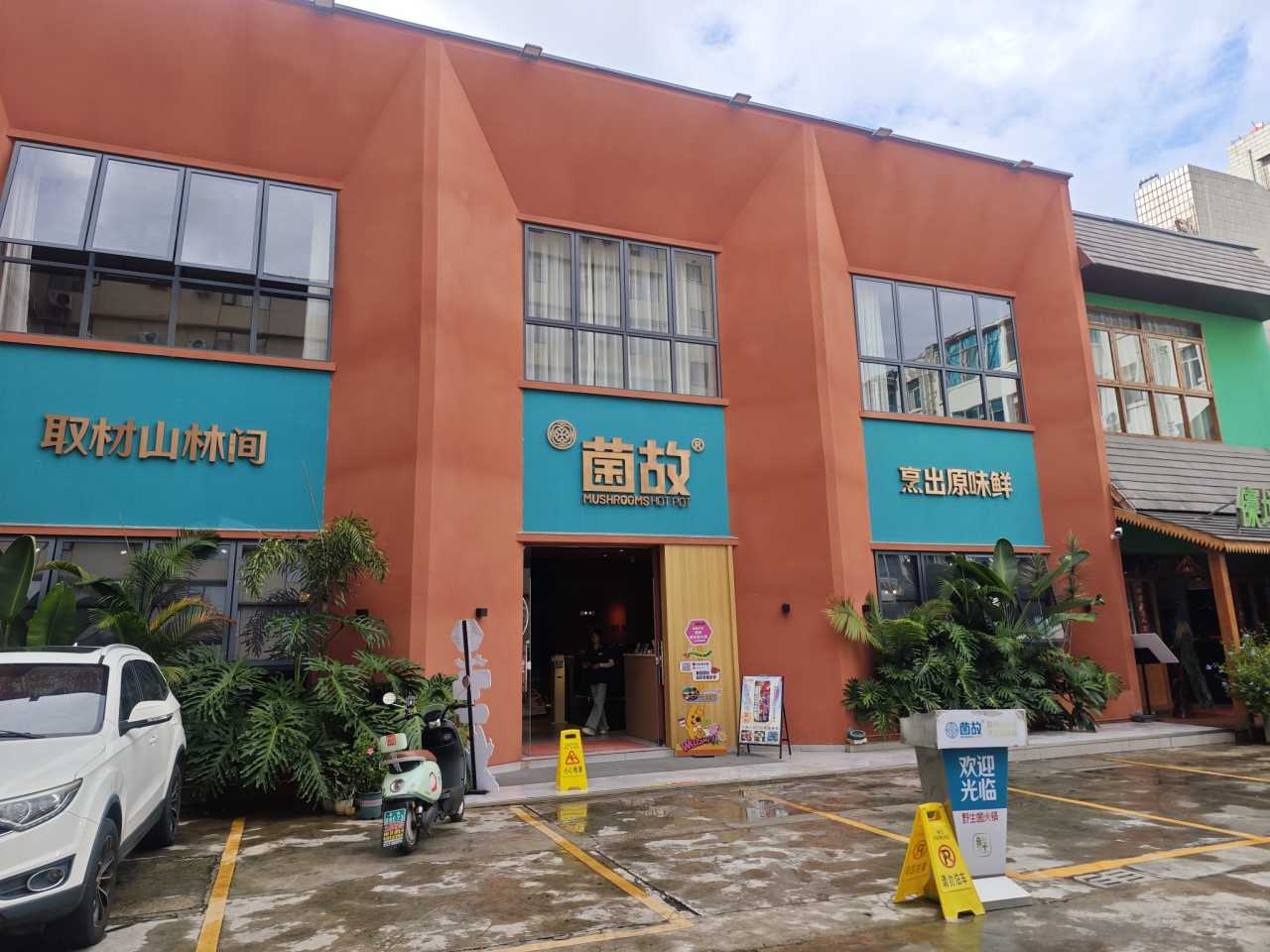
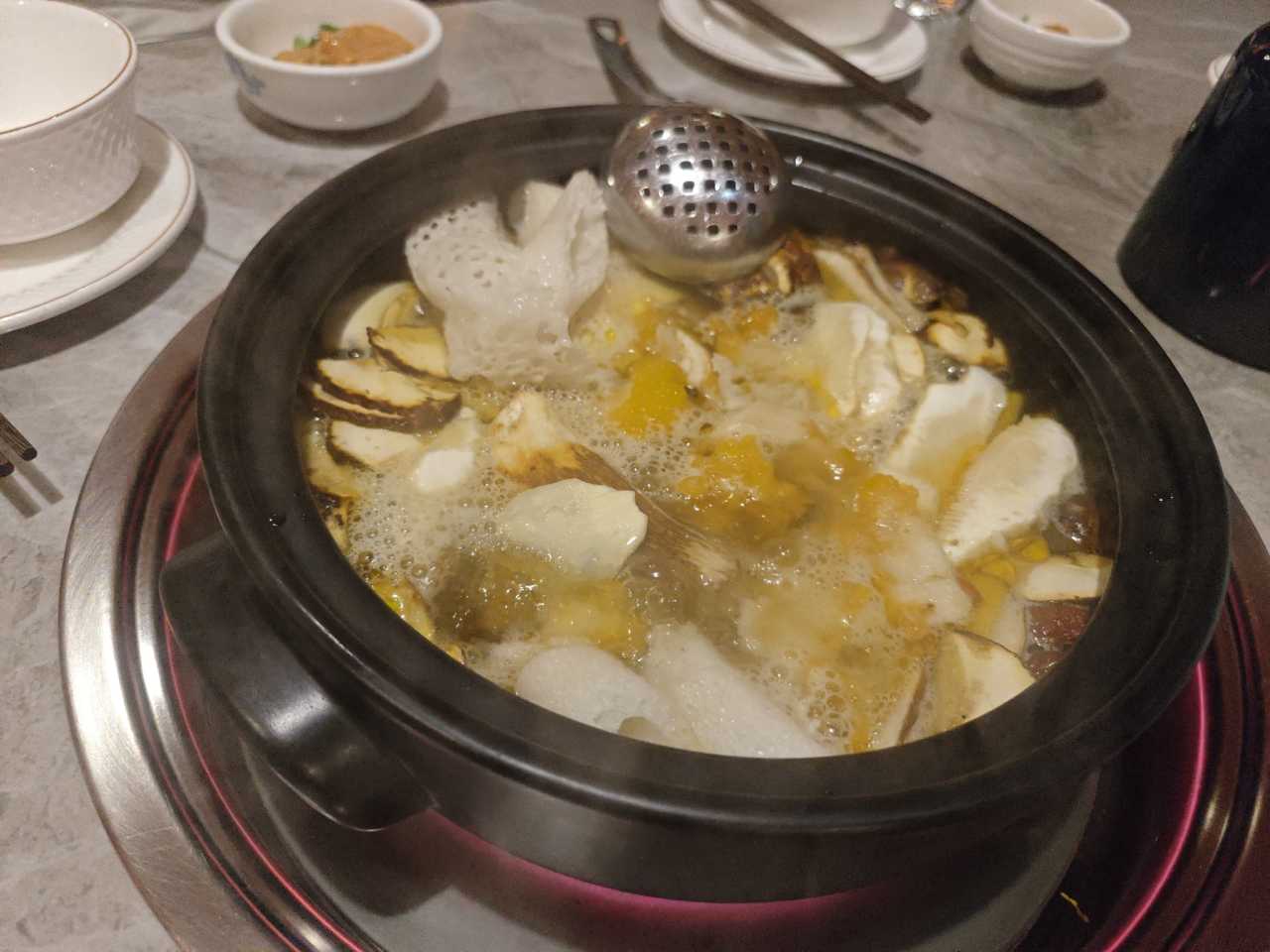
It was drizzling when we landed in Kunming. We booked a hotel near Kunming Railway Station, and honestly, my first impression wasn't great — the streets looked a bit rundown, the buildings seemed dated. I'd originally planned to visit Green Lake and the Old Town, but Changshui Airport is enormous, and by the time we navigated the subway to our hotel, we'd already spent a lot of time. Add in the exhaustion from the early morning travel, and we simply scrapped our plans and found a wild mushroom hotpot place nearby.
I'd read too many posts online about "seeing things after eating wild mushrooms," so I was extra cautious. After eating, I washed our daughter's bowl several times and even went to ask the server if we needed to do anything special. The server just gave me a helpless smile. But that pot of mushroom soup was so incredibly savory it made your eyebrows want to fall off — I guess that was Yunnan's welcome gift to us.
Day 2: Kunming Speed Tour — One Day, Everything
The next day, the whole family was well-rested. I'd originally thought, "Let's take it easy, just visit Green Lake and the Old Town." But then I remembered we were heading to Dali tomorrow, and that "since we're here anyway" feeling kicked in — tourism and vacation are fundamentally different. When you're touring, you want to stuff every sight into your pocket.
We woke up at 7 AM, and it was still dark outside. In Shenyang, the streets would already be bustling by this hour. Kunming's pace was so slow it felt almost uncomfortable.
Our daughter got a mosquito bite on her eye — the first "souvenir" of our Kunming trip. We went downstairs around 7-something, but Jingchenyuan hadn't opened yet. Online it said they opened at 8. We wandered around nearby and couldn't find a single breakfast place open. When we went back at 8, the staff said we'd have to wait until 8:30 for food. Starving, we took a taxi straight to Green Lake, where the Jingchenyuan and Posu Bao (flaky stuffed buns) branches were already open.
After eating and drinking our fill, we started exploring Green Lake. Around 8-something, it was very quiet — just morning exercisers. After the rain cleared, Kunming was incredibly pleasant — cooler than Shenyang, with air so fresh you couldn't help but take deep breaths. Green Lake isn't huge or small, but when the weather's good, just being there makes you unwind completely — trees, flowers, birds, fish, and squirrels, all full of life. I don't know if it was the "20-minute park effect" or the excitement of being somewhere new, but my breathing felt much smoother.
After Green Lake, we bought two drinks at Xiangzi Tea Shop: hot butter brown sugar pu'er tea and cold avocado yogurt with almonds. The butter brown sugar pu'er — just hearing the name tells you it's calorie-heavy — but it was smooth, and the butter deepened the tea's aroma. Holding our drinks, we walked along Huanggong East Street toward the Old Town, with photogenic scenes everywhere, perfect for walking and snapping pictures.
While my mom and I were taking photos, the two gentlemen who had zero interest in photography sat by the roadside with our daughter, who was completely fixated on her drink. Later, looking through the photos, I realized that no matter how we posed, none of them were as lively as our daughter's casual movements — children's vitality really touches your heart.
We walked all the way to the "Paper Slice Building" in the Old Town, where of course we took more photos. After lunch, we spontaneously decided to go to Dianchi Lake. We took the subway from the Old Town to Haigeng Dam, buying a bayuegua (August melon) along the way — I'd only seen it in the "Goose Catcher" game, so it was exciting to finally see the real thing. It didn't have any strange taste, but nothing特别 either — just too many seeds. No wonder some people call it "many-children-many-grandsons melon."
There were no seagulls this season, and the sky wasn't particularly clear, so we wandered around briefly before heading to Haihong Wetland to go boating. It cost 90 yuan per hour — September is off-season, so it was cheaper than usual. Rowing through the water metasequoia forest was a unique experience. Sunlight filtered through the leaves onto the water, light and shadow intertwining, like stepping into some mysterious story. But the rowing was genuinely exhausting — I didn't dare touch my phone the whole time, afraid I'd drop it in the water.
After boating, the whole family was starving, so we rushed to Nanping Pedestrian Street to find food. I'd wanted to find a night market, but the navigation wasn't clear, our feet were sore, so we just ate Yunnan food at a nearby mall. I don't know much about Yunnan cuisine, so the simplest approach was to find a set meal deal. A two-person set meal was more than enough for our family of four adults and one child.
A perfect speed-tour day came to an end — we'd visited everywhere we wanted to go. We had to wake up early the next day for the train, so before dawn in Kunming, we set off for Dali.
Day 3: Going to the Place Where the Wind Blows
In less than two hours, we arrived in Dali. Dali was even cooler than Kunming.
As soon as we exited the station, we were surrounded by a crowd: "Going to the old town?" "It's not convenient to stay outside the old town!" "Where are you staying?" All kinds of questions flooded into our minds at once, making our heads buzz. We grabbed our suitcases and quickly escaped.
Our guesthouse was booked near the North Gate of the old town. The direct bus from the station only goes to the South Gate, walking was too far, and taking a taxi would have required two cars since we were one person too many, so we just took the No. 8 bus. While crossing a pedestrian bridge, we spotted a tiny rainbow — Dali's welcome gift to us.
After a bumpy 50-minute bus ride, we reached the terminal — and it started raining. We settled into the guesthouse and found it offered great value for money — there was a small courtyard on the first floor and a rooftop terrace on the third, all beautifully decorated. Our daughter said she wanted to live here for a year.
When the rain stopped, we walked to the old town to find food. We chose a stone-grill barbecue place. Following our family's ordering style, we started with a set meal and added more if needed. A two-person set plus an extra stir-fried erkuai (rice cake) filled us up again — our eating capacity was really pathetic. The food was good, but not much different from Northeast barbecue. I guess our research into local cuisine still has room for improvement.
In the afternoon, I'd planned to wander the old town, but our daughter saw a tie-dye shop and said she wanted to try it. I found a highly-rated shop on a review app, and we walked there — it was outside the Erhai Gate. Our daughter was getting whiny, but a cup of freshly squeezed orange juice revived her completely.
There were lots of people already doing tie-dye inside, and the shop had a big terrace. The staff gently introduced the prices and styles, and our daughter eventually chose a dragon toy and a headband. The clouds and mountains visible from the terrace were so beautiful you could stare at them all day. Sunlight streamed through the clouds, and the Tyndall effect made the moment feel even more special.
By the time we finished tie-dye, it was dusk. Not wanting the day to end yet, my mom and I rented shared e-scooters and headed to Longkan Pier, while my dad took our daughter back to the guesthouse. Longkan Pier was lively at dusk, with lots of people singing along the way. Listening to the music, watching Erhai Lake, we hailed a taxi back to the guesthouse after dark.
Day 4: The West Erhai Line — Wind and Freedom
We finally slept in, then started the West Erhai line — the part I was most looking forward to.
In the morning, we took a minibus from outside Cangshan Gate to Xizhou Ancient Town, then headed to the ecological corridor for cycling. By the roadside in Xizhou, we bought two figs — not as sweet as the ones from Yantai, but much bigger. The weather was cooperative — blue skies, white clouds, perfect sunlight.
I bought a cup of paoluda (coconut milk drink with bread and toppings) — generous portions, 15 yuan, not cheap but acceptable. The famous photo spots were packed — who said September was Dali's off-season? I can't imagine what it's like during summer break. There were several stalls selling Xizhou baba (flatbread). We chose one that nobody was buying and was a bit cheaper — 8 yuan each, crispy on the outside, and already delicious.
The rice fields themselves were unremarkable, but paired with these clouds and mountains — absolutely stunning. Near the fields, we found a little yellow cart that took us directly to the ecological corridor. No cars are allowed in the corridor — only bicycles or e-scooters. You can rent bikes from locals, which are cheap but must be returned to the same spot, so we chose shared bikes instead.
In the old town, I hadn't really noticed Dali's wind. But once we reached Erhai Lake, I understood why people say "Dali is a place where the wind blows." Even though cycling gave me a headache, I still wanted to stay a few more days, to see more of Erhai and Cangshan.
We rode and stopped, rode and stopped. After about ten kilometers, my parents were exhausted, so they took our daughter back to the hotel by taxi. My husband Zhu and I continued cycling, passing S-bends, "Little Sanya," and finally stopping near Caicun Pier for food. We ordered mushroom fried rice and rice noodles. The fried rice wasn't from a trendy spot, but it tasted good. The rice noodles were a bit spicy — I can't remember the name anymore. We also saw a grilled erkuai stall, but the vendor seemed like a novice, and the taste was just okay.
We accidentally speed-toured again, but the wind by Erhai and the leisurely cycling made that night's sleep especially sweet.
Day 5: Yunxiang Mountain — An Unexpected Surprise
On our last morning in the old town, we woke up early and wandered around properly. I felt like we hadn't given Dali enough time. Before coming, I'd seen lots of negative reviews and was a bit worried, but Dali gave me the feeling that I could stay for a month. Even if the old town is commercialized, even if the hygiene leaves something to be desired — it's still off-season, so it's acceptable, and prices aren't inflated like at other tourist spots.
We went for tea — we'd missed it in Kunming, so we made up for it in Dali. After two days in the old town, we still hadn't properly walked to the official entrance of the scenic area, so we took a quick look. Then the family took the bus to Dali Station, checked into a hotel nearby, and prepared to watch the sunset at Yunxiang Mountain.

In the evening, we found a small restaurant near the station — probably family-run. The food was delicious and very affordable. I finally got to try shuixing yanghua soup (water veggie soup). After eating, we wanted to explore the area. Seeing that Erhai Park wasn't far, we headed there. Despite being called "Erhai Park," you have to climb up a bit before you can see the lake — not the kind of park for an after-dinner stroll.
Following the guide, we went to a Shiba Inu coffee shop (if I remember correctly). After climbing a bit, we could see Erhai — actually, it was the café's photo-op decorations. You can take photos freely if you buy something, or just for a few minutes without purchasing. The view was great.
Then we took a taxi to Yunxiang Mountain. There was a luge track on the mountain, and lots of people were playing. I'd planned to let our daughter do a couple of laps, but she got fixated on a decorative bear in the luge house and a big tube she could crawl through, and said she didn't want to go anymore. Oh well — she ended up playing in that house for ages.
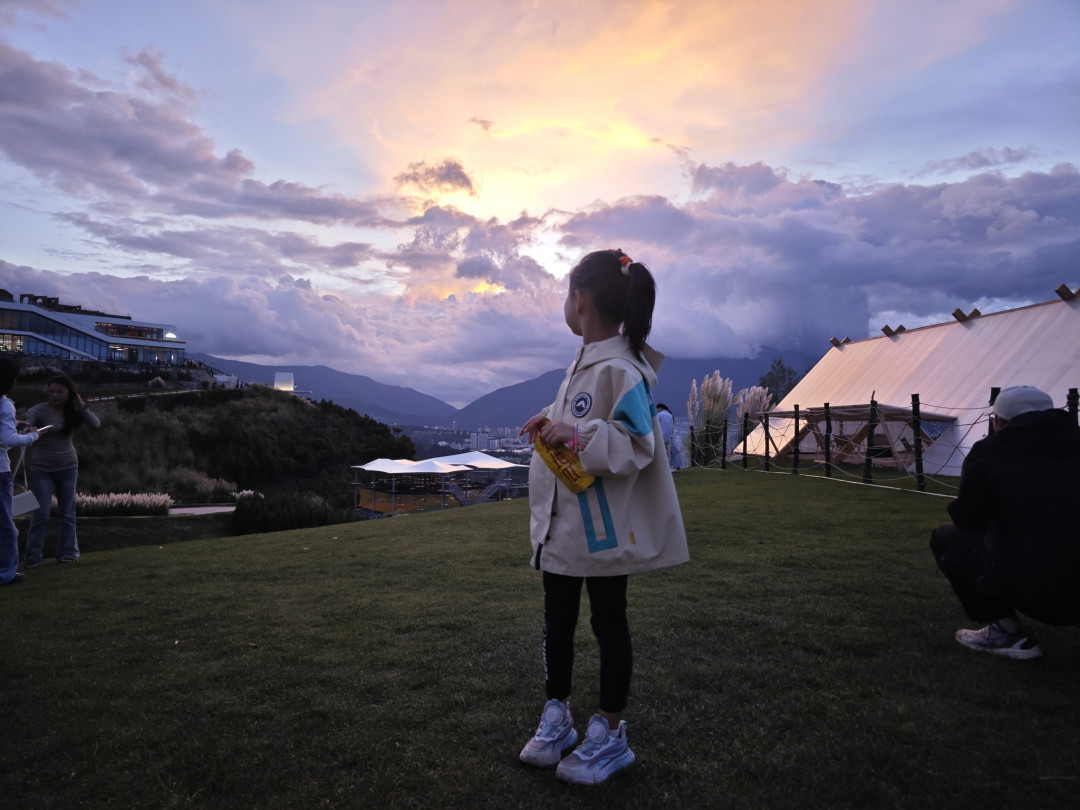
Around 6 PM, we walked from the luge area down to the lawn below — everywhere was photogenic. The wind was strong at the top, and the view was expansive. As the sun descended, the temperature dropped, but the clouds on the horizon just got thicker, showing no sign of clearing. We didn't get to see a full Dali sunset, but we caught the limited-time Erhai Fish Lantern Festival — stars falling into Erhai Lake, with Dali's wind blowing — it had its own charm.
Day 6: Unfinished Business in Dali, Off to Tengchong
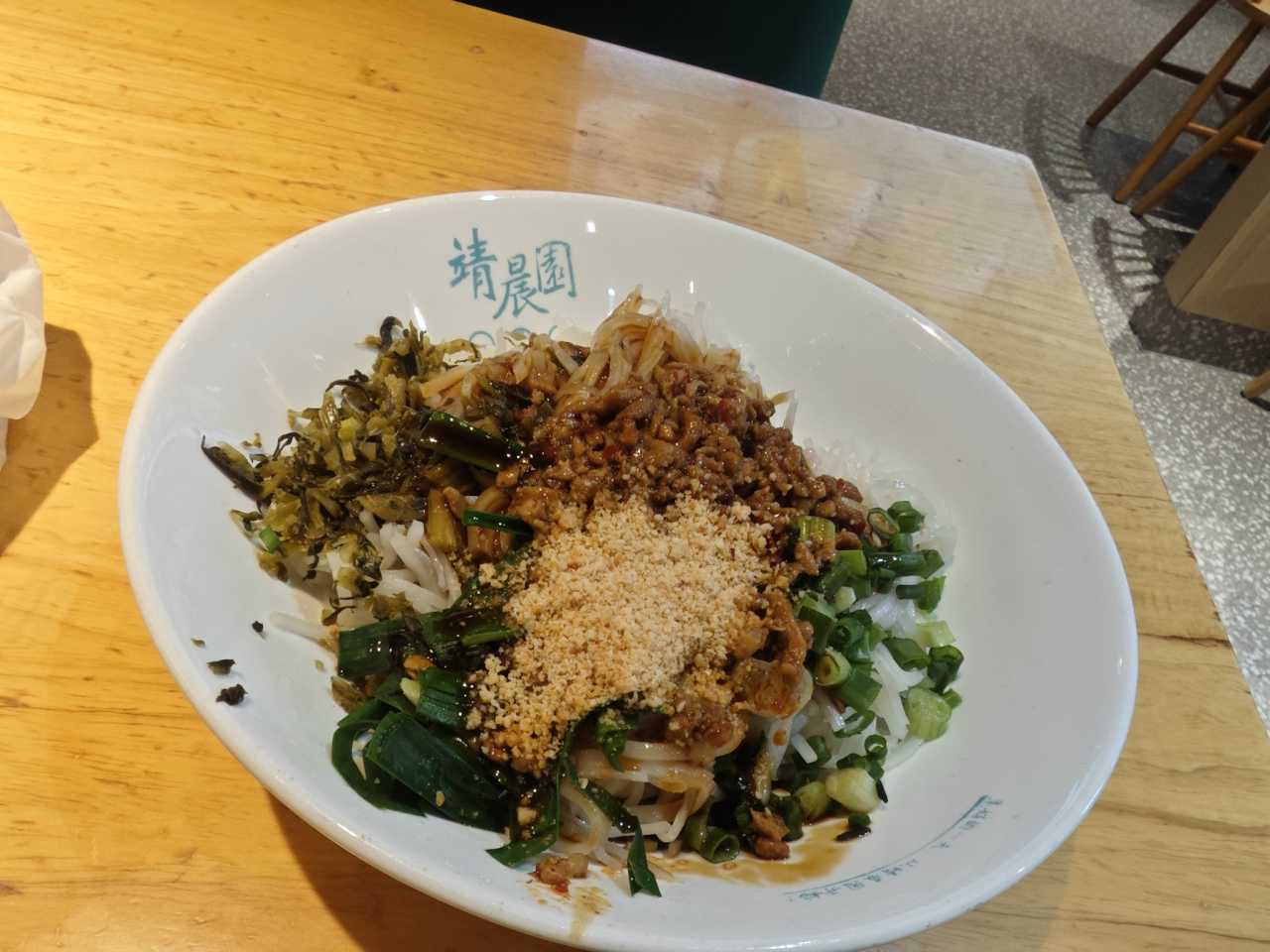
On our last day in Dali, I'd planned to check off Xingsheng Bridge and explore Xiaguan. But it rained. The entire Longwei Pass area was nearly empty, and most roadside shops were closed. The rain got heavier, so we found a place for a warm bowl of rice noodles — Xingxin Xiaochi. The taste was good, worthy of its recommendation, but there were too many flies inside.
After eating, we returned to the hotel for a short rest, then headed to Baoshan, beginning our journey to Tengchong.
I had many regrets about Dali: no time for Weishan and Shaxi, didn't see Xingsheng Bridge, didn't go to Cangshan Mountain, didn't even fully explore Dali's old town. People say Dali is perfect for long-term stays, and others say it's become too commercialized. But from these few days, even if Dali in the off-season is a bit crowded, even if the old town is full of souvenir shops, I still want to find a month, rent a little e-scooter, and explore slowly.
We took a bullet train to Baoshan, then rented a car to Tengchong. The scenery along this self-drive route was a wonderful surprise — I'm used to skyscrapers, but I'd never seen such winding, undulating mountain roads before. I excitedly took photos the whole way, constantly amazed — clearly, my horizons needed broadening.
We passed the Longjiang特大 Bridge and stopped at the observation deck for a break. This is China's first cross-border bridge spanning over a kilometer and one of the world's longest suspension bridges. Building such a massive bridge in the middle of mountains — truly an infrastructure powerhouse. We watched the sky, the clouds, the valleys — breathtakingly beautiful.
We checked into the Hi Inn, and I have to praise it — the service was attentive, every staff member was incredibly friendly, even the resident orange cat at the entrance was gentle. By the time we reached Tengchong, it was already dark. After dropping our luggage, we rushed to find food, only to discover many restaurants had already closed — is this Tengchong's version of relaxation?
We walked a bit and finally found a place — Wan Jia He. The storefront looked closed, but another small door was open. We went in and asked, and they said we could still order. The staff said the two-person set meal wouldn't be enough, but we couldn't finish it — Yunnan's portion sizes can rival the Northeast's, and we've never had a situation in the Northeast where four people couldn't finish a two-person set.
After dinner, we returned to the hotel and saw the orange cat again. Its personality was so endearing. A hotel staff member gave our daughter some cat treats and let her pet the cat. He said many previous guests had fallen in love with this big orange cat and would order cat food online to send after their trips — so heartwarming.
We slept well — the room's blackout curtains were excellent.
Day 7: Remembering History — The National Memorial Cemetery of the WWII
The next morning, we went to the National Memorial Cemetery of the WWII. On-site reservation was sufficient. I bought a bouquet of flowers and a pack of candy outside to offer to the fallen soldiers.
We first visited the Museum of the War of Chinese People's Resistance Against Japanese Aggression in Western Yunnan to listen to the讲解. It began with the Japanese invasion of China, prelude to the long War of Resistance. A while back, a Tengchong hotel made headlines for refusing Japanese guests, and since then, Tengchong has carried a prefix: a place with national integrity. As an adult, listening to stories I'd seen or hadn't seen in textbooks, a strong sense of patriotism welled up. But what surprised me was that our five-year-old daughter also listened quietly. War was foreign and hard for her to understand, but she tried her best to keep up with the讲解. At that moment, I felt tears in my eyes — born in China, enjoying peace and prosperity, we must remember history.
After visiting the cemetery, we ate nearby, then walked to Dieshuihe Waterfall — supposedly the best value attraction. Adult tickets were 9 yuan, half price for seniors. The site wasn't big — one large waterfall, and if you go down, there's a small cluster of waterfalls. We wandered and rested, finishing in under an hour.
We returned to the hotel for a short rest, then set out again. I'd planned to go to Dongshan Grassland, but on the way up the mountain, a sudden downpour hit, and there were several landslides on the road. By the time we reached Dongshan Grassland, the rain was only getting heavier, so we decisively turned back and went to Beihai Wetland instead. The wetland offered packages with experiential activities and boat rides, but they weren't cheap. We just bought a senior's ticket to let our daughter have one ride. The scenery was nice, but the park wasn't big — easy to walk without getting tired.
In the evening, we had copper-pot beef nearby. My family — elderly and young — can't eat spicy food, so we chose clear broth and specifically ordered local vegetables. The clear broth felt pretty similar to regular hotpot — because we couldn't handle spice, we missed out on some culinary opportunities.
Full and satisfied, we went back to pet the cat and sleep.
Day 8: Qiluo Morning Market and Feeding Monkeys at Heiyu River
Morning markets in Yunnan are different from the Northeast. In the Northeast, it gets light early — 5 or 6 AM is bright, so markets start early and wrap up by 8 or 9. Yunnan gets light later, so morning markets actually last all morning — you can go anytime before noon. Finally, a morning market I didn't have to wake up early for.
The Qiluo Morning Market was huge — we walked for a long time. There were breakfast stalls — xidoufen (pea jelly), rice noodles, and lots more — plus many fruit and vegetable vendors. Very lively. After wandering, we followed signs to the Horse Caravan Courtyard, where the staff were just slowly starting to prepare for work — such a enviable pace of life.
I thought the Horse Caravan Courtyard would be small, but it turned out to be quite large. We got tired and sat down for a rest. Life here really moves slowly — no rush, no hurry.
After getting tired from shopping, we bought some food and went back to the hotel to freshen up. Afternoon destination: Heiyu River. Following the guide, we drove to Xia Biao Yuan Mu Shan Ju, where it said to follow the crowd after getting out. But in the off-season, there was hardly anyone. After parking, a local auntie came over carrying bananas and corn — she was selling monkey food, but the most valuable thing was "intelligence." After buying several bags from her, she pointed us up the mountain. There were hardly any signs along the way. We just kept driving until we saw a crowd gathered — then we knew we'd arrived.
There were lots of monkeys. We wanted to feed them bananas, but learned that monkeys prefer whole bananas — they peel them themselves. Otherwise they'd reject them. That day, the monkeys also didn't like peanuts or corn. We bought grapes from another auntie and gave them one at a time — it kept our daughter engaged without running out too quickly.
Online, people said the monkeys were all polite, so we had no guard up. But we ended up having two bags snatched from us. The second time, we were more careful, but we were still targeted.
After feeding the monkeys, our daughter and grandparents rested in the car while Zhu and I explored the area. Following a path with no one else on it, we seemed to walk into the Heiyu River hiking trail. But in the off-season, there wasn't a soul around. After walking a bit, it felt unsettling, so we turned back. But I have to say, the ecology here is amazing — in just a short stretch, we saw all kinds of plants, even a butterfly as big as a bird. As someone afraid of bugs, I really didn't dare open my eyes. The water was incredibly clear — Tengchong's natural conditions are truly exceptional.
In the evening, we went to Tengchong's pedestrian street night market, ate and drank our fill, then went back to rest.
Day 9: The World of Heshun
On our last day in Tengchong, we gave the entire day to Heshun Ancient Town — and it turned out to be the right decision.
We arrived at Heshun very early in the morning, when there were hardly any tourists yet. The entire town was quiet, with only a few locals on the小路. The weather cooperated — blue skies, white clouds, perfectly comfortable.
Heshun Ancient Town feels different from Dali's old town — Heshun preserves the daily life of its original residents, while Dali's old town is more commercial. But Dali is cheaper. Both Heshun and Dali perfectly matched what I imagined Yunnan would be like before my first visit: every home has flowers, every household has water.
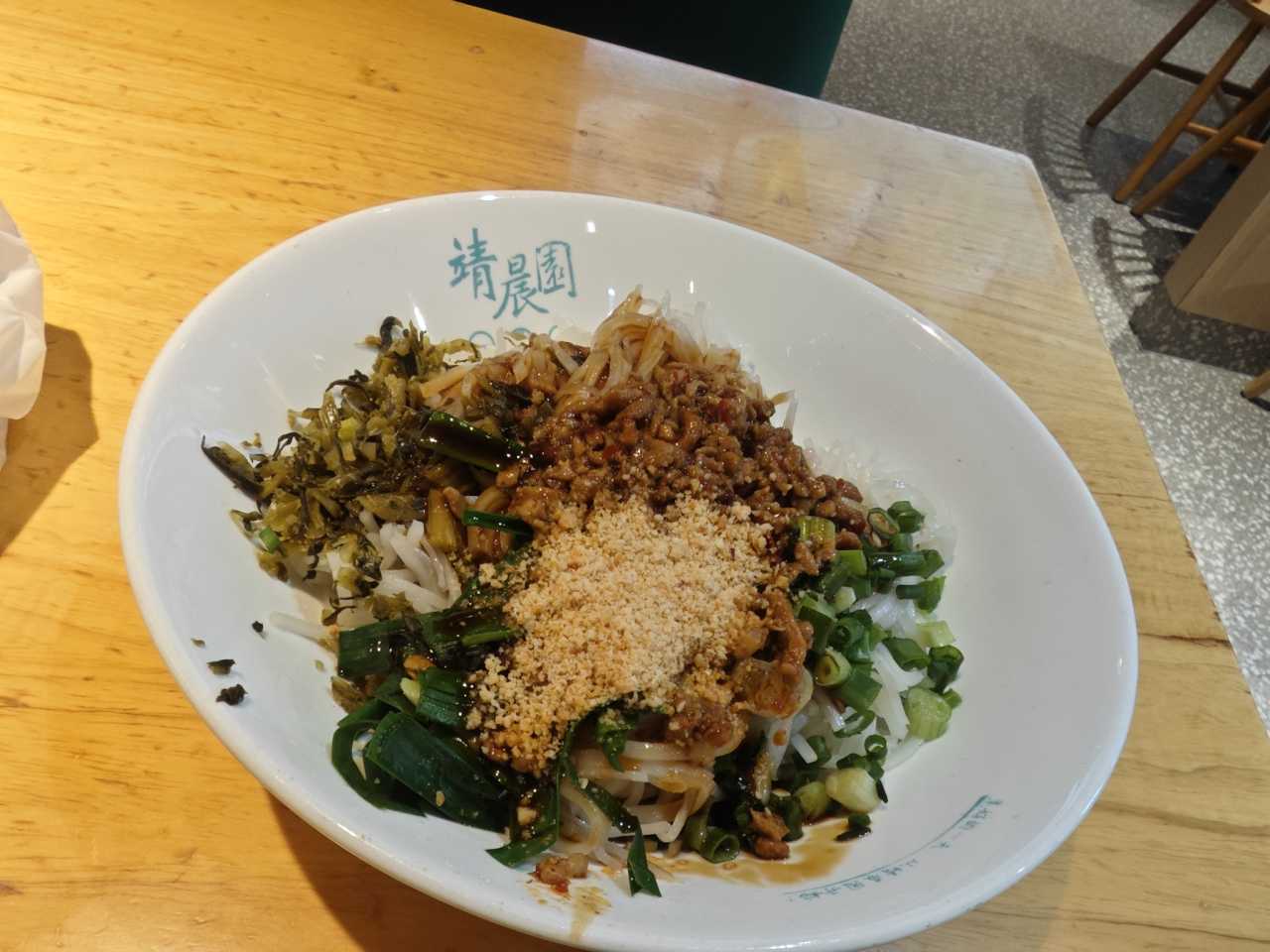
For lunch, we had a dish that tasted very much like home — Tengshun junzi fried chicken (wild mushroom fried chicken). Throughout this trip, my mom, daughter, and I ate fairly well, but the two gentlemen who prefer proper home-style meals were probably missing home cooking. When I saw the mushroom fried chicken, it looked just like Northeast chicken stewed with mushrooms — and indeed, it tasted like home, except they used porcini mushrooms instead of hazel mushrooms or oyster mushrooms. It went perfectly with rice.
The restaurant had a lovely atmosphere — the courtyard was sunny, and every ray of sunlight carried the scent of nature. At the Heshun Library, I bought a "beautifully useless" item that I liked — I don't know since when, but I've started liking all kinds of lucky things. Something deep inside me is awakening.
In the afternoon, our daughter and grandparents couldn't walk anymore, so Zhu took them back to the hotel first. Although my legs were a bit sore too, I wanted to explore more. As a member of the Zhang family, I stopped by the Zhang Ancestral Hall for a photo. After that, Zhu, my mom, and I went to Aihui Park, making a stop along the way to learn about the Hu Huanyong Line (China's demographic dividing line).
And with that, our Tengchong trip came to an end. Overall, Tengchong was warmer than Dali and Kunming — we wore short sleeves the whole time, while in Dali we basically needed jackets. Tengchong has abundant natural resources, but the tourism industry gives off a vibe of "let's make a killing and then quit" — ticket prices and parking fees, compared to other tourist cities, feel like they're trying to squeeze every last drop. In an era when various tourist cities are拼命推出 traveler-friendly policies, this really stands out as out of step. I don't know whether the local tourism authority hasn't made good use of these heaven-sent resources, or if this is just the local attitude — consistent with the unhurried pace of life here.
Day 10: Two Cities in One Day — Ruili and Mangshi
Originally, our last stop was Mangshi. I thought since it's a small city, we could head over from Tengchong in the morning and take it easy. But Zhu had a sudden idea — he wanted to see the border gate in Ruili.
The whole family set off early and arrived in Ruili. The city is small, with very few people — just like online said. After the pandemic, this border county, which had been developing well, has completely declined. It seems like everyone is concentrated around Jiegao Port. Step through this gate, and you're in Myanmar.
Check-in, photos, been there done that. What moved me was seeing Mixue (the ice cream chain) and Luckin Coffee at this天涯海角 (far corner of the earth).
Afterword: The Meaning of Travel
This journey through western Yunnan had regrets, surprises, exhaustion, and healing. Dali's Erhai wind, Tengchong's ancient town morning light, the monkeys at Heiyu River, the solemnity of the National Memorial Cemetery — every memory is vivid and profound.
What touched me most was seeing our daughter's growth. She listened quietly to the讲解 at the抗日纪念馆, fed the monkeys with focus, and excitedly tried tie-dye — at five years old, she's experiencing the world in her own way. And Zhu and I finally rediscovered the impulse to document life on this trip.
Some people say travel is about going from a place you're tired of to a place others are tired of. But for me, travel is more like pulling yourself out of the mire of daily life and looking at life from a different angle. Yunnan's wind blew away some of my anxiety; Yunnan's slowness taught me to breathe again.
Perhaps the meaning of travel isn't about how many places you've been, but what those places leave in your heart. The regrets of Dali became reasons to return; the surprises of Tengchong became shining fragments of memory. And throughout this journey, the most precious thing was the time spent together as a family.
Where will the next stop be?
You should also read:
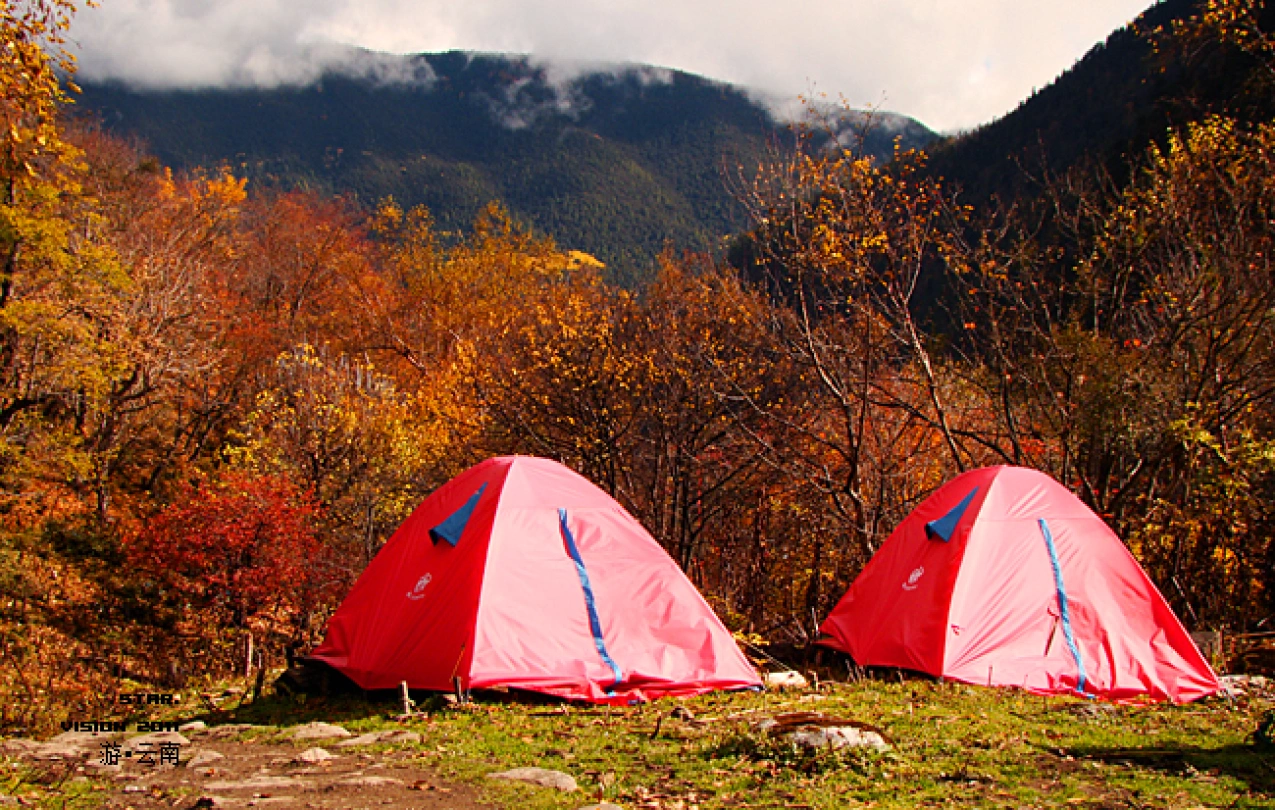
Yunnan! Paradise on Earth – The Yubeng Chapter: A Soul-Cleansing Journey into Seclusion
Yunnan! Paradise on Earth – The Yubeng Chapter: A Soul-Cleansing Journey into Seclusion Prologue: Why Yubeng? If you ask me which place in Yunnan is most worth hiking to, I would answer without hesitation: Yubeng. This is not an answer I give lightly. As a…
Continue reading...
Solo in Yunnan: A Wanderer’s Guide to the Land of Eternal Spring
Solo in Yunnan: A Wanderer’s Guide to the Land of Eternal Spring There’s something magical about traveling alone. No compromises, no schedules to keep, no one to please but yourself. I’ve been on the road for nearly three months now, and not once have I…
Continue reading...
Into the Hidden Valley: A Solo Journey Through the Mysterious Dulong River
Into the Hidden Valley: A Solo Journey Through the Mysterious Dulong River Deep in the northwestern corner of Yunnan Province, tucked away from the modern world, lies a place that feels like a secret whispered among mountains. The Dulong River Valley is not just a…
Continue reading...