Ten Years Wandering the Greater Shangri-La: Bathed in Sunlight and Moonlight
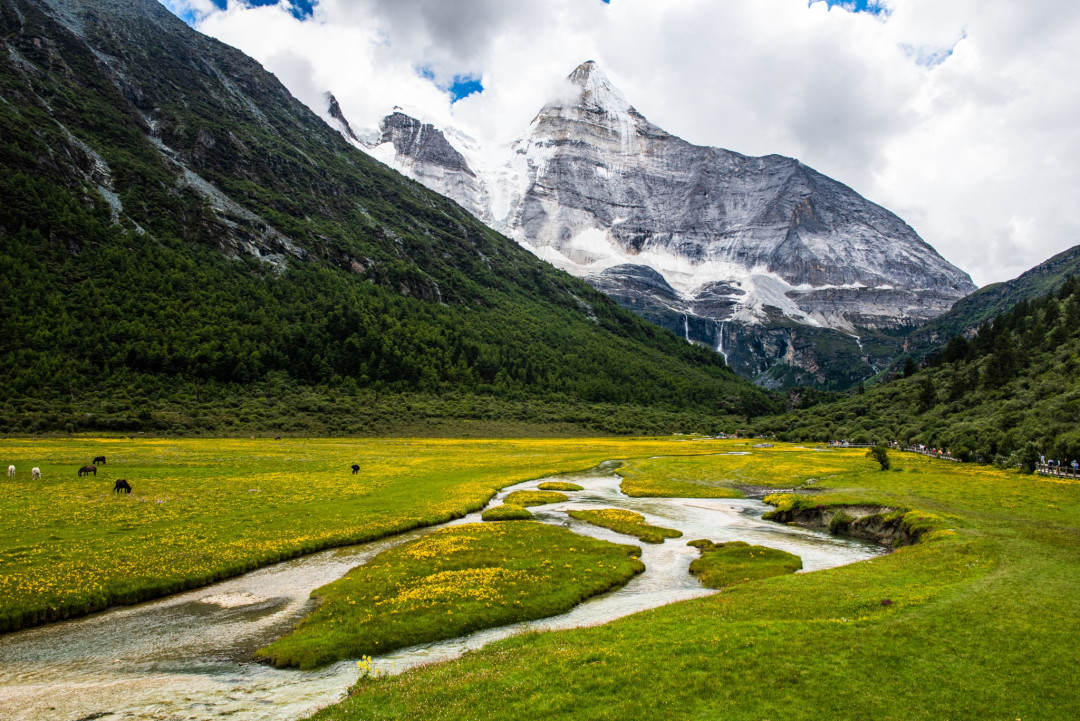
Ten Years Wandering the Greater Shangri-La: Bathed in Sunlight and Moonlight
Prologue: A Decade-Long Pursuit
Some places, once they enter your heart, never leave. Shangri-La is exactly that for me.
From 2009 to 2022, over thirteen years, I spent ten exploring this mysterious land. Each departure felt like a reunion with an old friend; each return brought new questions and fresh anticipation. This is no ordinary travelogue—it is the ten-year journey of a traveler measured in footsteps, captured through a lens, and felt deep in the soul.
I. Where Exactly Is Shangri-La?
The Magic of a Name
"Shangri-La"—the very word carries an enchantment. It is mysterious, romantic, and brimming with narrative power. In the world of travel, it is an undeniable magnet for attention. The natural landscapes it evokes touch the highest aesthetic sensibilities; the cultural depth it nurtures gives form to the pristine sanctuary hidden in every heart.
Open a navigation app, type "Shangri-La," and the first result is Shangri-La City in Yunnan, followed by Shangri-La Town in Sichuan, and Shangri-La Lake in Muli County. As for scenic spots prefixed with "Shangri-La," they are countless. So which one is the real Shangri-La?
The answer: none of them. Or more accurately, none entirely.
From Novel to Reality: The Birth of Shangri-La
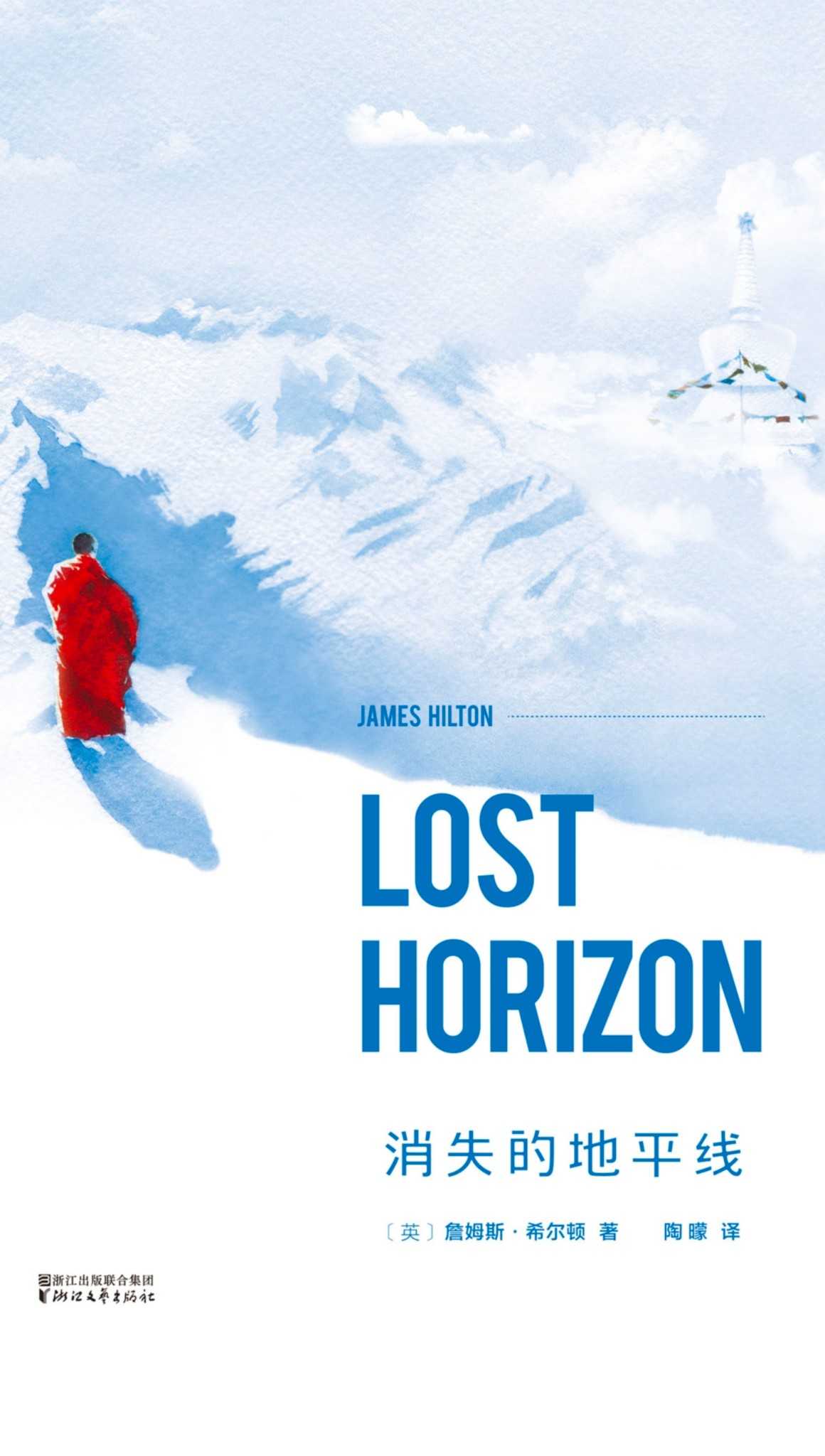
The popularity of "Shangri-La" owes a debt to British novelist James Hilton and his work Lost Horizon. The book describes a secluded, fertile valley containing a massive lamasery, beside which stands an impossibly high, pyramid-shaped snow mountain—Mount Karakal. This valley has its own system, its own civilization, where religious beliefs coexist in tolerance and self-sufficiency. During World War I and World War II, it became an idealized refuge from the flames of war.
It inevitably recalls Tao Yuanming's "Peach Blossom Spring"—both are beautiful metaphors for a world untouched by external influence, where people live and work in peace.
But Shangri-La means far more than that. It represents a civilization—one with both a lamasery and a museum; with primitive dwellings and a well-stocked library; with ancient farming tools and a modern piano. It embodies a faith—where Confucianism, Buddhism, and Taoism coexist, just as Mr. Zhang says in the novel: "Must it be that if one faith is true, all others are false?" Above all, it is an ideal—cultural fusion, religious harmony, governance by non-interference, and the preservation of a natural state.
Thus, "Shangri-La" is both real and imagined. The imagined part is that everyone carries their own desired "Shangri-La" in their heart—their own "sun and moon within."
The Name Game: A Battle of Interests
In 2009, when I first visited Tiger Leaping Gorge, I came across multiple names online: "Lijiang Tiger Leaping Gorge," "Zhongdian Tiger Leaping Gorge," "Shangri-La Tiger Leaping Gorge," and "Diqing Tiger Leaping Gorge." I initially thought some were knockoffs. Later, I discovered this was the result of a years-long dispute over naming rights.

Yunnan moved fastest. The small city formerly known as Zhongdian County first changed its name to Shangri-La County and later upgraded to Shangri-La City. This name was like striking a goldmine for Yunnan, becoming a new tourism trump card. But Shangri-La City does not equal Shangri-La. Many uninformed travelers visit and claim they've been to Shangri-La—a rather narrow view.
Sichuan was a step behind. Shangri-La Town was only established in 2009, previously called Riwa Township. The nearby Yading Nature Reserve, despite its breathtaking beauty, has been overshadowed by Yunnan's early move.
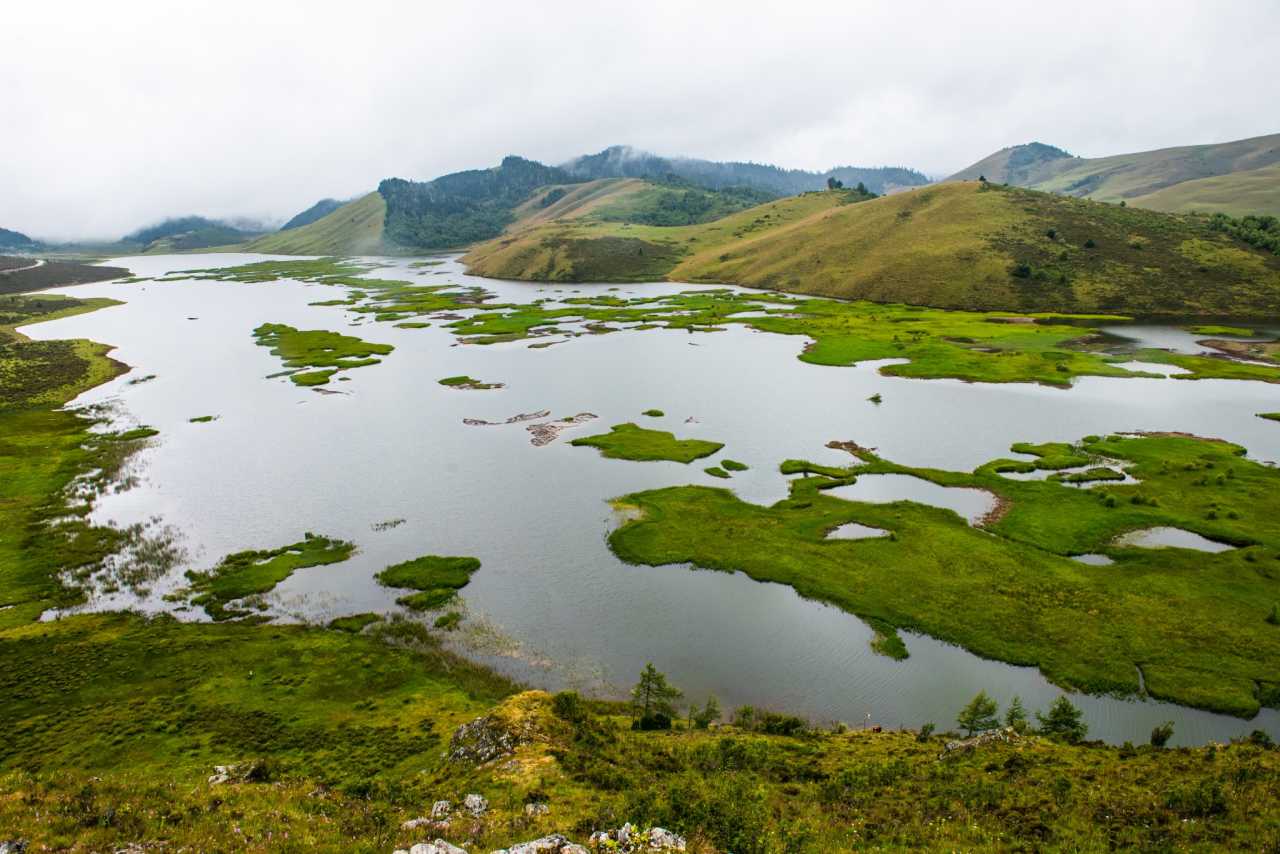
Muli County's Shangri-La Lake, formerly known as Cundong Haizi, is an even more forced association.
Where Is the Real Shangri-La?
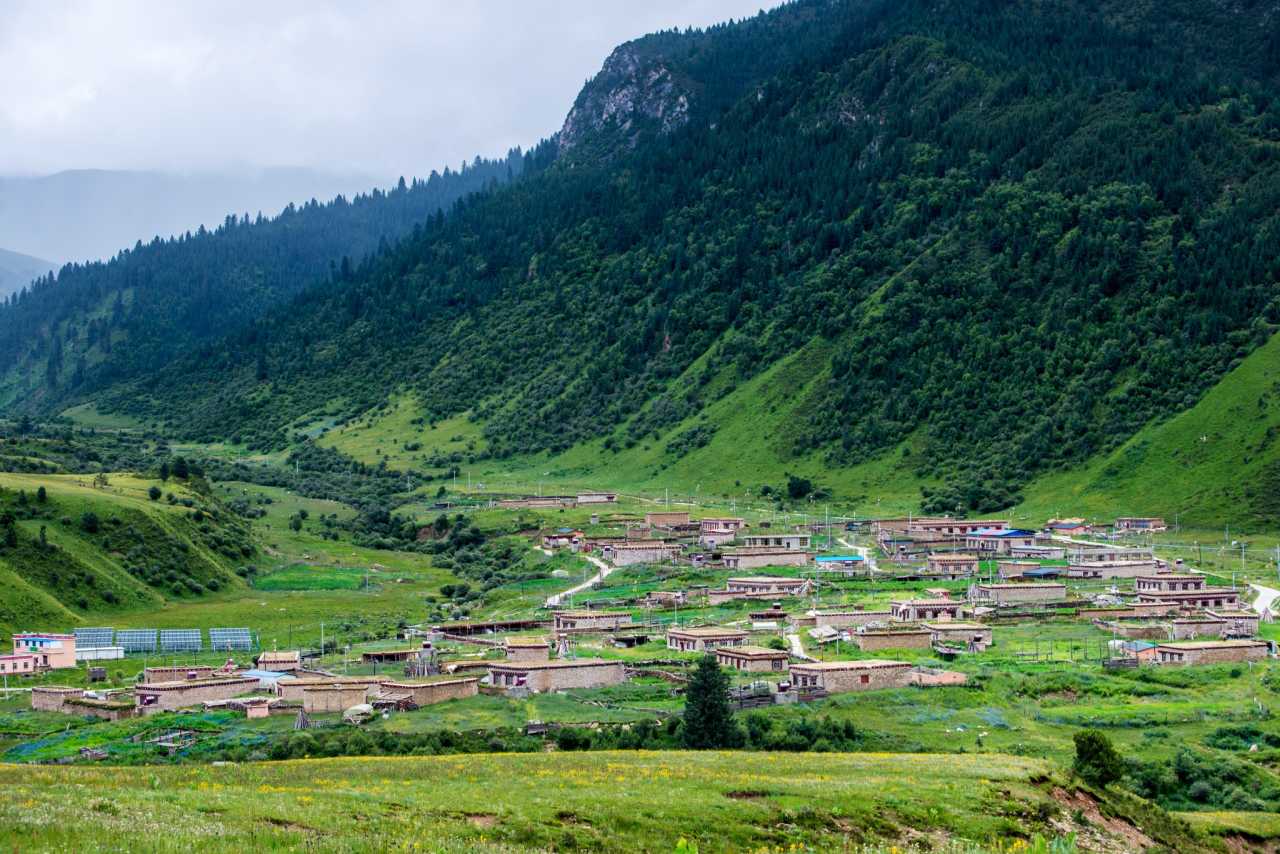
According to the novel, Shangri-La is a general reference, synthesizing many features into a vast composite region. It roughly corresponds to the Hengduan Mountains area where three rivers flow in parallel, and culturally, it extends even further outward.
Three key features define it: a lamasery, a pyramid-shaped ultra-high snow mountain, and a vast, fertile valley. Applying these criteria:
- Meili Snow Mountain: The mountain shape matches, with Feilai Temple at its base, but the Lancang River's deep gorge lies in between.
- Gongga Mountain (Minya Konka): The shape matches, with Gongga Temple below, but the surrounding valley doesn't fully align with the description.
- Genyen Peak: Lenggu Temple and the Tiger Pelt Plain lie at its foot, but the mountain is not pyramid-shaped.
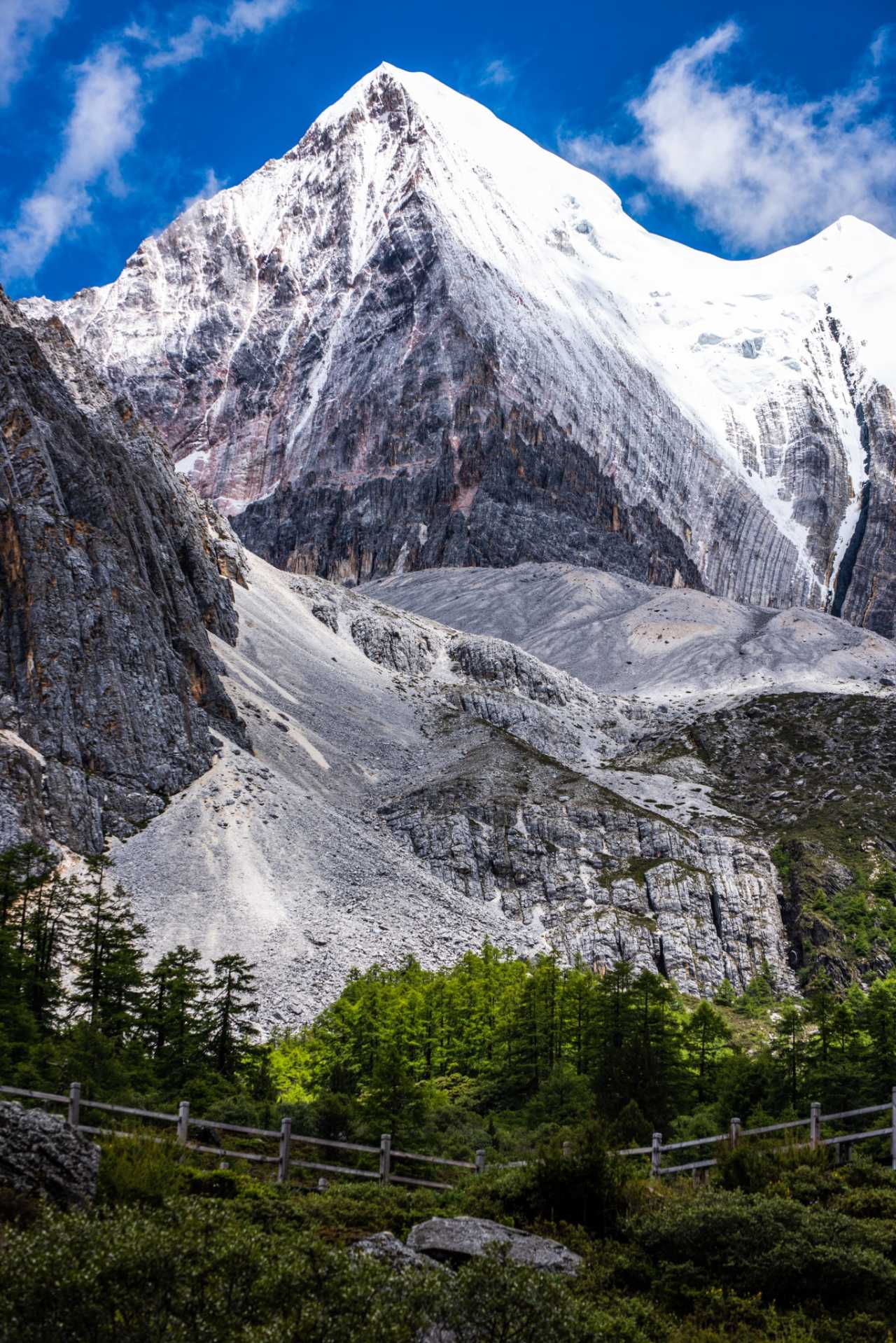
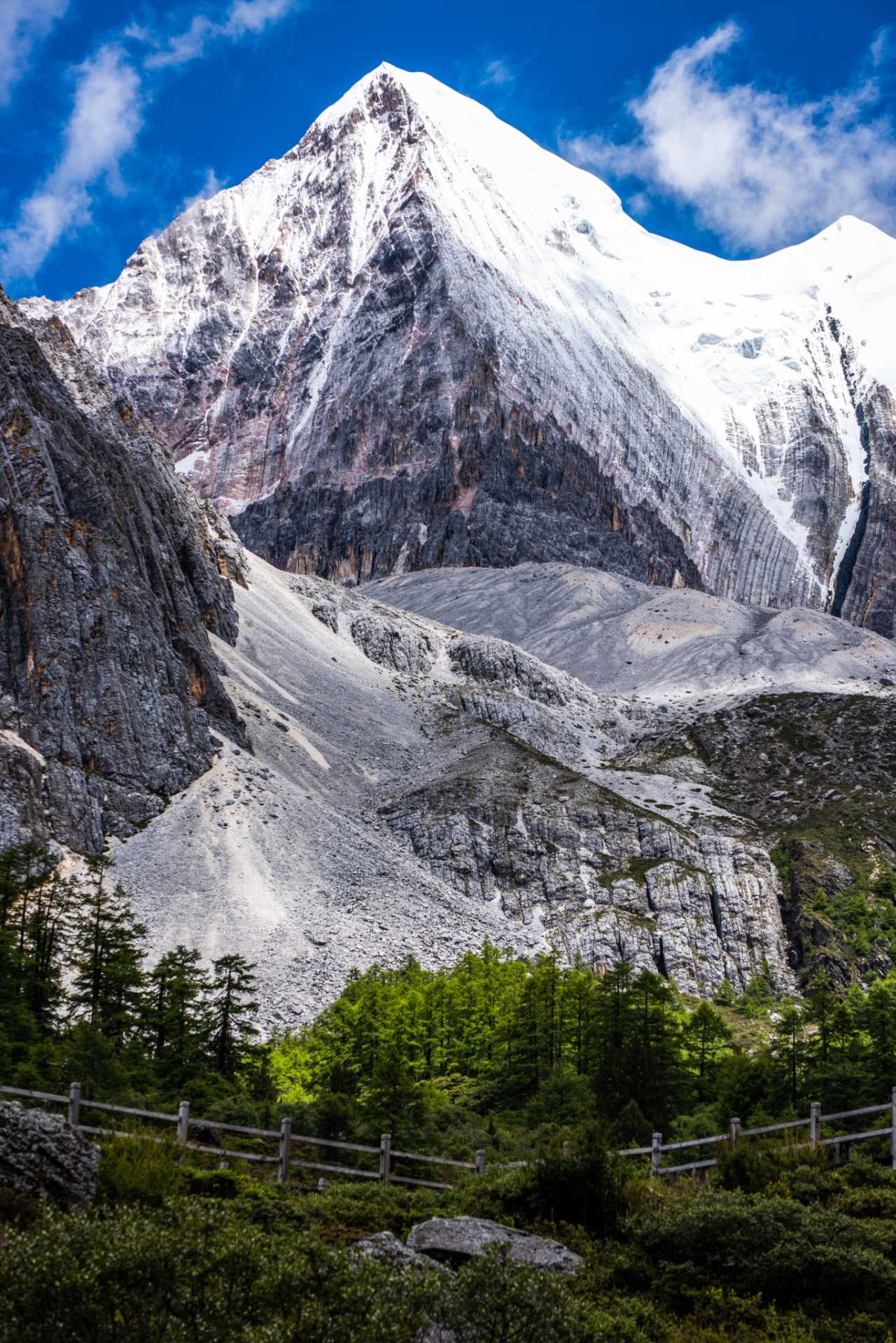
- Yading's Three Holy Mountains: Yangmaiyong Peak is pyramid-shaped; Xiannairi Peak has Chonggu Temple at its base; Luorong Pasture matches the description most closely.
Interestingly, James Hilton never set foot in China. His inspiration came from the articles and photographs of American explorer Joseph Rock. In 1928, Rock traveled from Muli to Yading, leaving behind the famous "Rock Trail." These experiences became the prototype for Hilton's Shangri-La.
So, geographically speaking, Shangri-La is not a specific place name but a region characterized by snow-capped peaks and deep valleys where Han and Tibetan cultures intermingle—from northwestern Yunnan to southwestern Sichuan in the Hengduan Mountains.
II. A Decade of Discovery: Six Routes to Map the Sun and Moon Within
Based on my personal experience, truly experiencing Shangri-La requires at least six trips. Each trip takes about nine days, spanning two weekends and a five-day annual leave—achievable for most people.
First Route: Lijiang-Shangri-La Line—The Perfect Introduction
This route has nearly perfected the exploration and promotion of the Shangri-La concept, making it an excellent starting point. Though overdeveloped and crowded with tourists, it offers convenient transportation and comfortable accommodations. Lesser-known gems like Abuji Lake and Liming Danxia still deliver surprises.
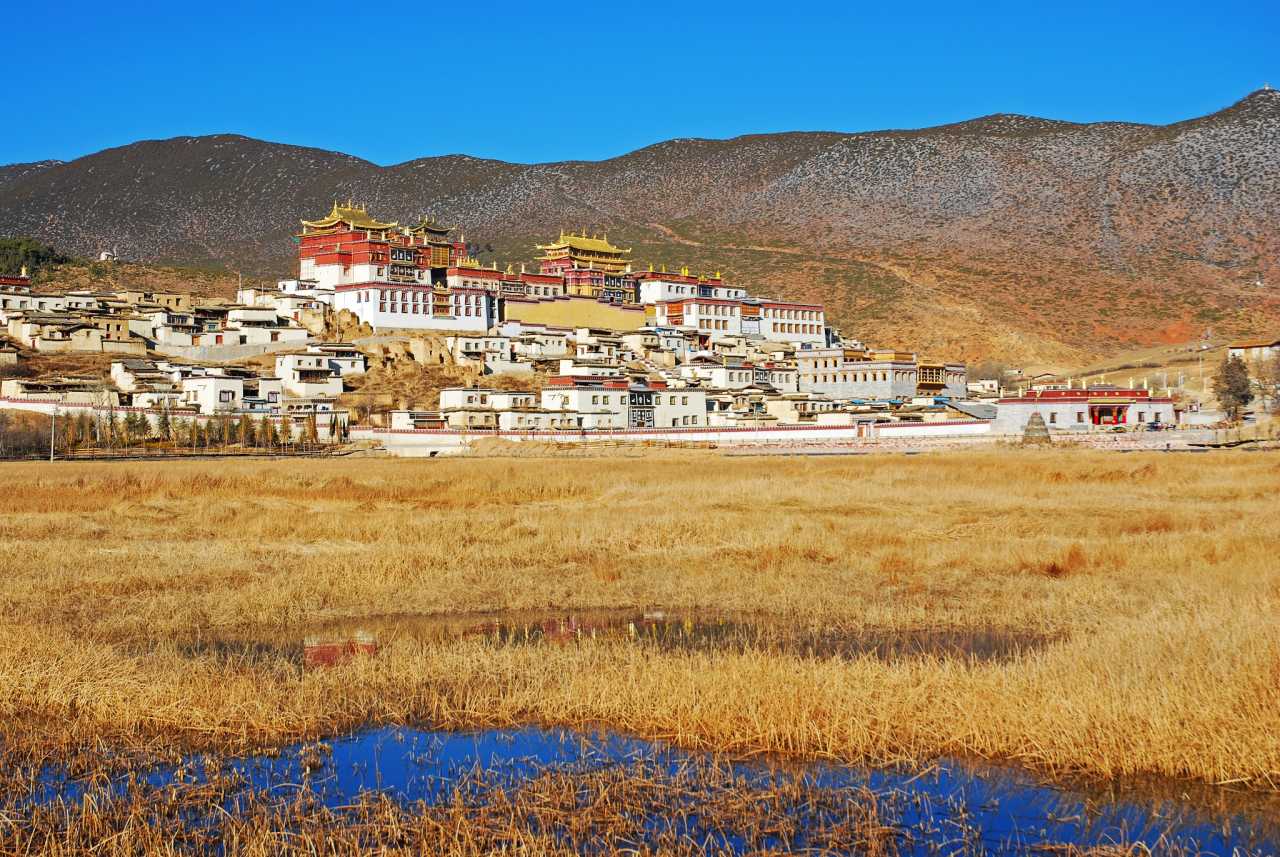
Brief itinerary: Kunming → Lijiang (Jade Dragon Snow Mountain, Dayan Ancient Town, Shuhe Ancient Town, Liming Laojun Mountain) → Shangri-La City (Songzanlin Monastery, Potatso National Park, Dukezong Ancient Town, Napahai Lake, Abuji Lake) → Kunming
Second Route: Gongga Mountain Loop—The Awe of the King of Snow Mountains
Gongga Mountain is one of the two most beautiful snow mountains I have ever seen. Its commanding presence dominates the landscape for hundreds of miles. The surrounding areas remain relatively untouched, offering an immersive Shangri-La experience.
Brief itinerary: Chengdu → Moxi Town (Hailuogou Glacier, Yanzi Valley) → Caoke (Bawang Sea) → Zimei Village (Zimei Pass) → Yulongxi Village (Quanhuatan Springs, Lenggaco Lake) → Xinduqiao → Kangding → Chengdu
Third Route: Lugu Lake-Muli Line—Relaxation and Rejuvenation
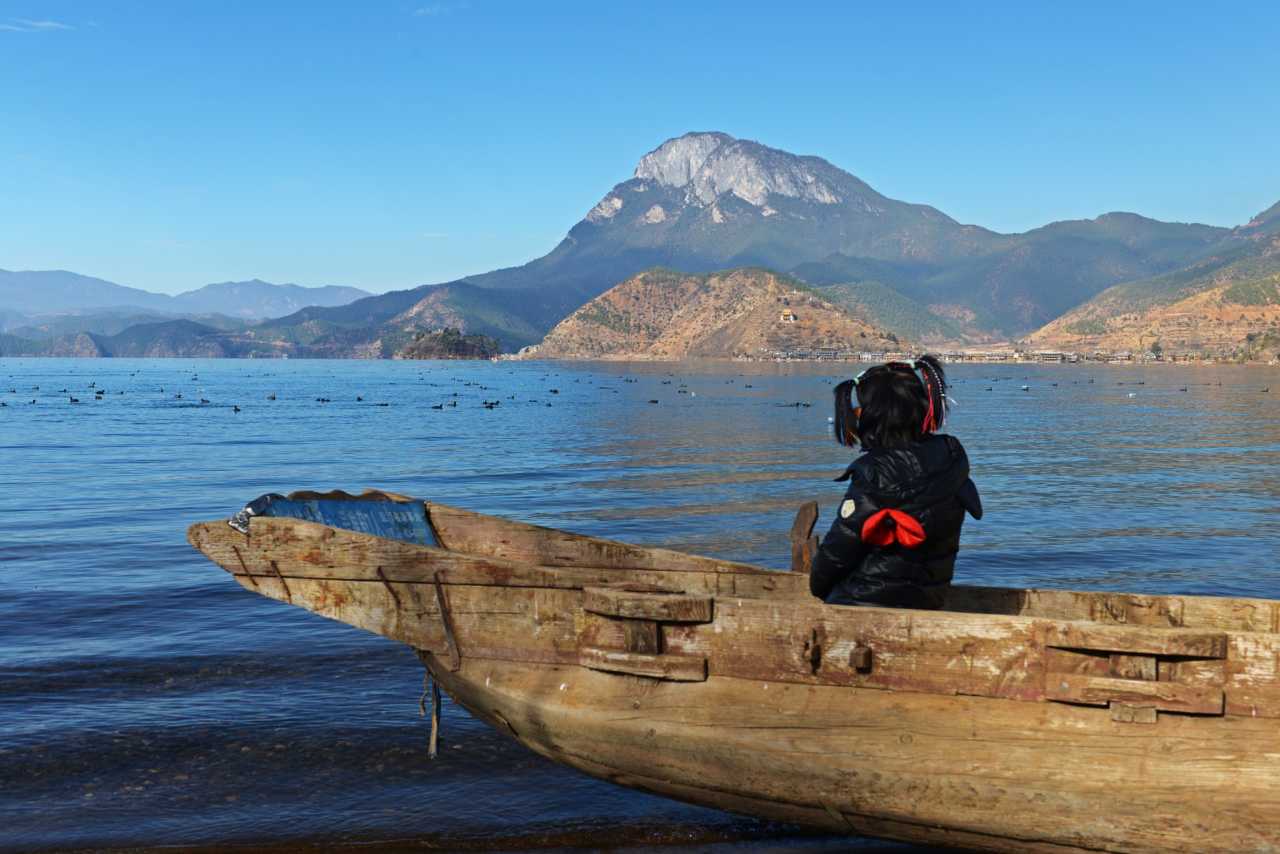
Lugu Lake's character differs from the snow mountains, but it lies firmly within the Shangri-La core region. Circle the lake, stay in different villages for a few days, and savor the slow pace of life.
Brief itinerary: Chengdu → Xichang (Luojishan Mountain, Qionghai Lake) → Yanyuan → Muli (Muli Grand Monastery, Shangri-La Lake) → Lugu Lake (Shenlong Bay, Luoshui Village, Caohai Wetland)
Fourth Route: Meili Snow Mountain Line—A Pilgrimage of Faith
The other most beautiful snow mountain—Meili Snow Mountain. The Thirteen Peaks of the Prince range stand in a single line like a divine honor guard. As a major sacred mountain in Tibetan Buddhism, its stories and faith are steeped in holiness and legend.
Brief itinerary: Kunming → Shangri-La (Balagezong Grand Canyon) → Deqin (Feilai Temple, Yubeng Village, Yubeng Waterfall, Ice Lake) → Dali → Kunming
Fifth Route: Genyen Hiking Trail—A True Hidden Gem
Among all routes, the Genyen trail is the most tranquil. Walking along deep, pristine mountain paths and standing in vast open grasslands, everything about Shangri-La seems to materialize before your eyes.
Brief itinerary: Chengdu → Litang (Maoya Grasslands) → Genyen (Lenggu Temple, Tiger Pelt Plain, South Slope) → Litang → Chengdu
Sixth Route: Daocheng Yading Line—Closest to the Novel's Description
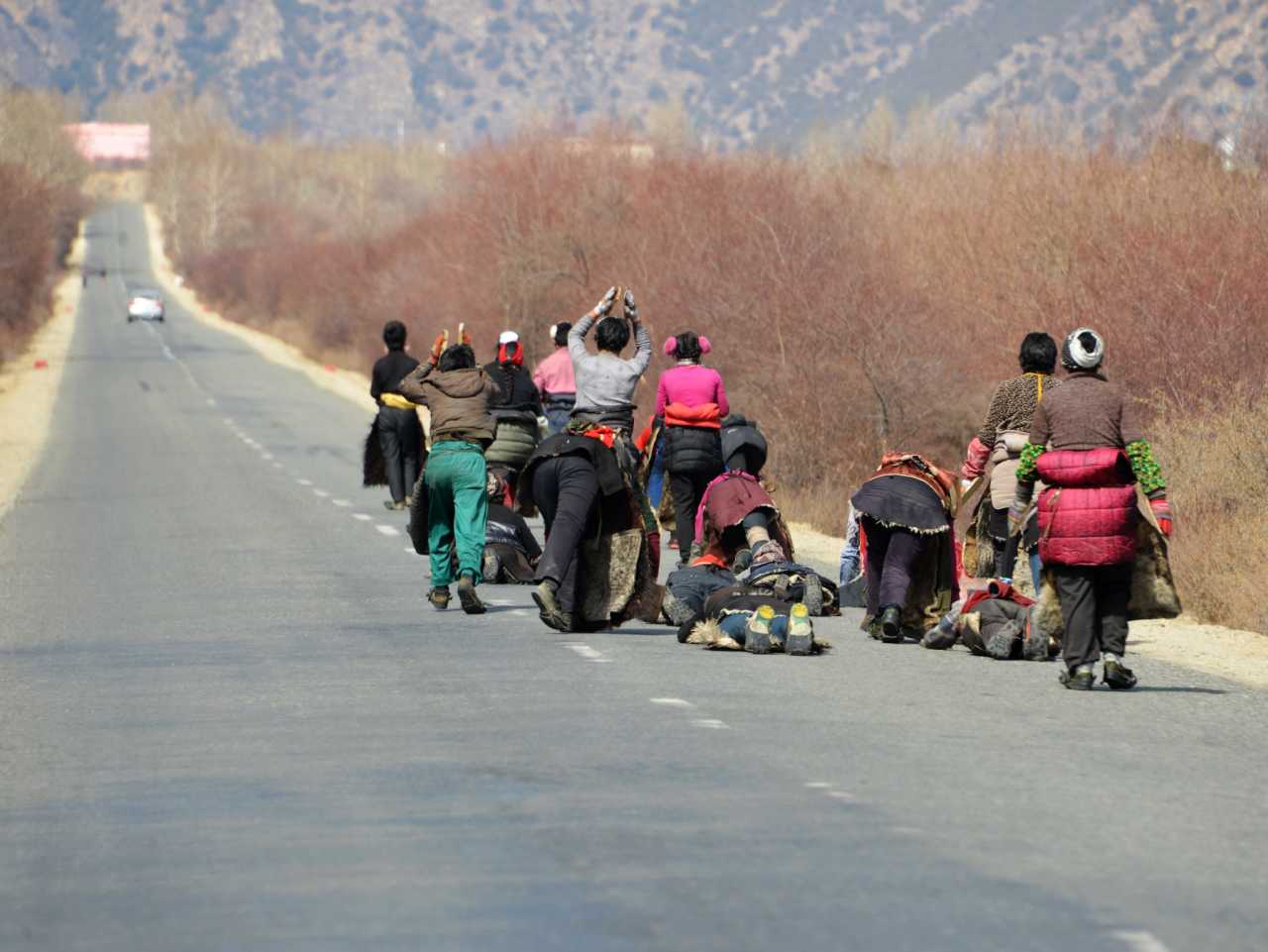
Based on the novel's descriptions and Rock's actual experiences, Yading likely matches all the features most closely. Many say, "You'll regret going, but you'll regret not going even more." I think either they never saw Yading at its most beautiful, or they were simply exhausted from the trek.
Brief itinerary: Chengdu → Litang → Daocheng (Red Grass Beach, Yading Nature Reserve) → Muli (Manachajin Viewpoint) → Xichang → Chengdu
III. The "Spine" of Shangri-La: A Range of Majestic Peaks
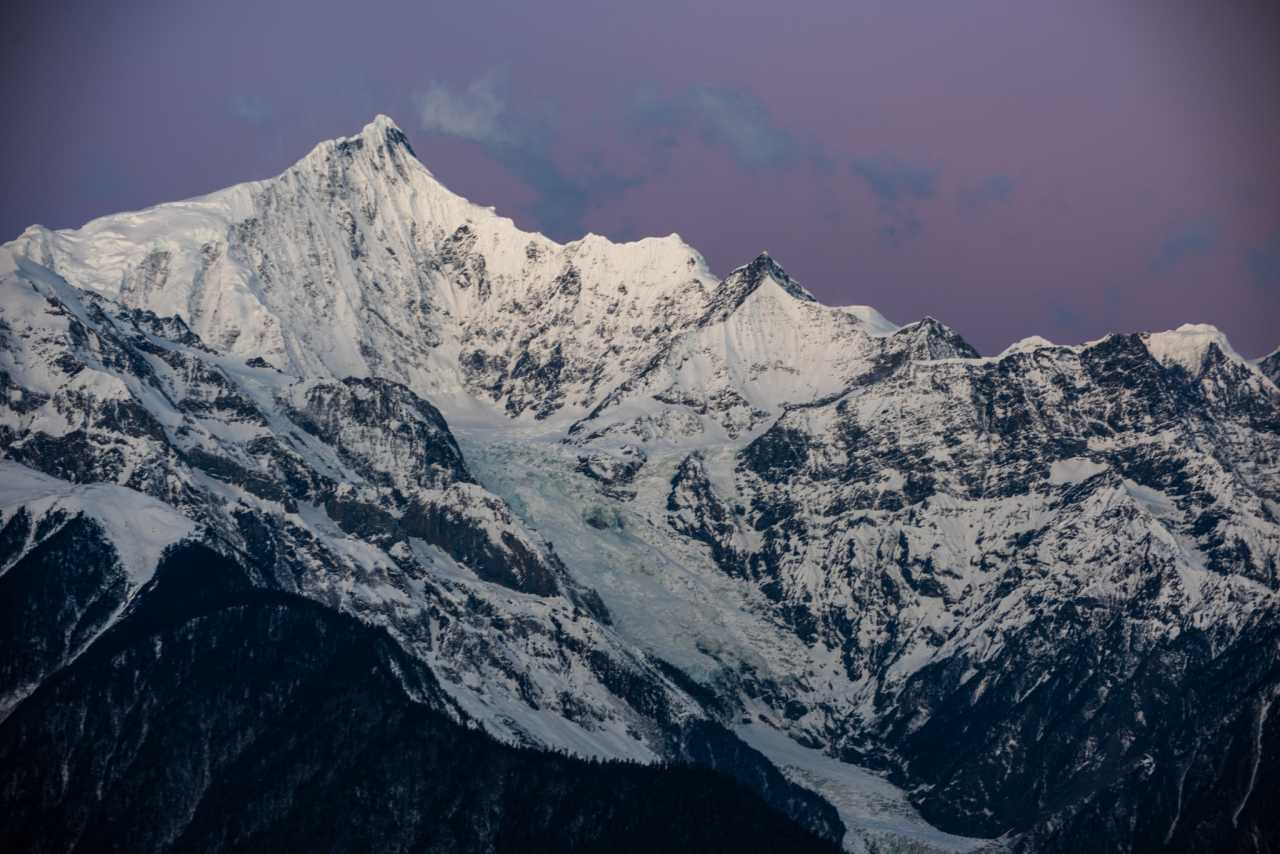
Snow mountains are a defining feature of Shangri-La. Most of these peaks can only be admired, not climbed. Looking up rather than standing atop inspires reverence. The towering mountains divide the land into isolated pockets, shielding it from the encroachment of modern civilization and keeping people's desires for material wealth simple and pure.
Yading's Three Holy Mountains: Three Peaks Embracing a Water Basin
Yading Nature Reserve was established in 1986 and has since become a famous destination. I first visited in autumn 2009, when the only way was to hire a car and traverse rugged mountain roads—strenuous but joyful.
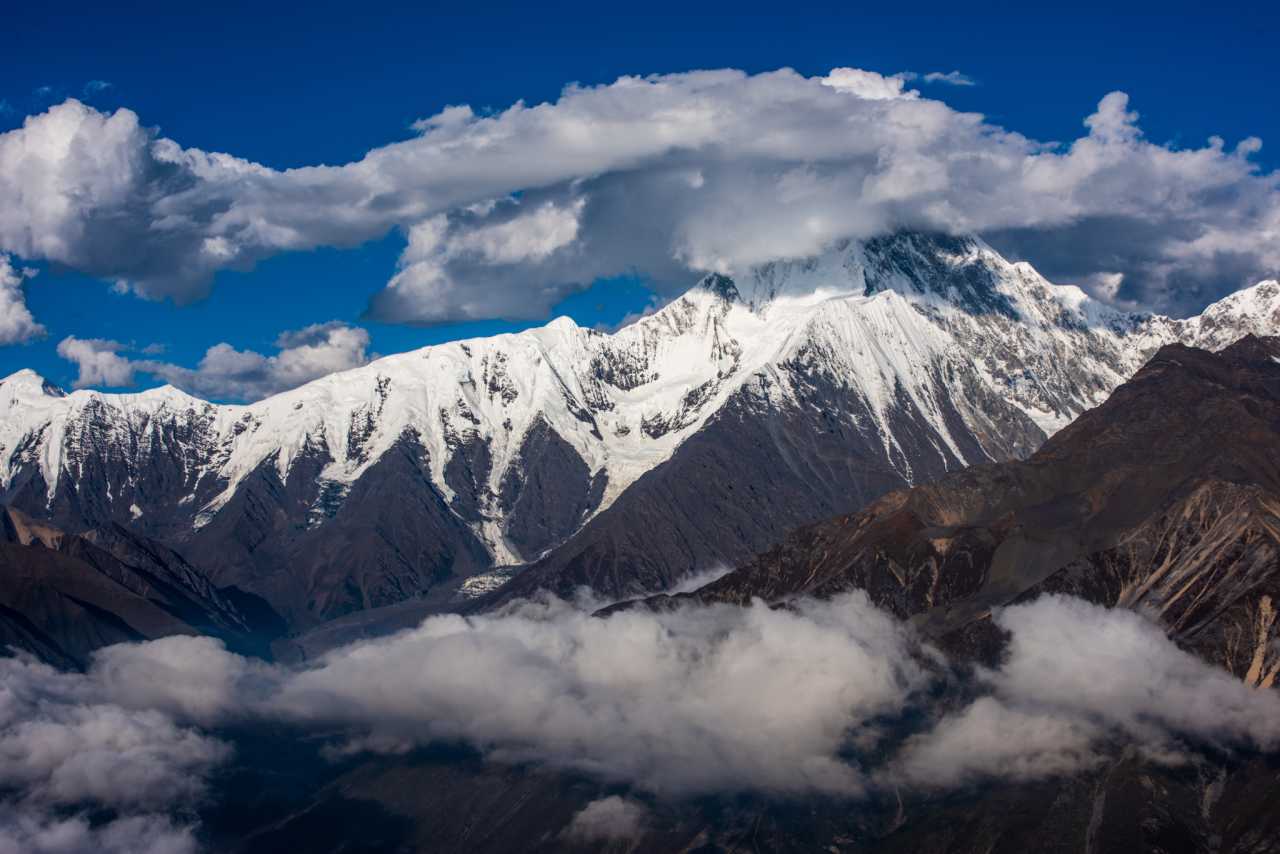
Autumn in Yading is what everyone praises. The riot of fall colors, set against pure white snow peaks and crystal-clear turquoise waters, creates a uniquely high-altitude spectacle. Chonggu Meadow bursts with vibrant hues; Luorong Pasture looks like an oil painting; Yangmaiyong Peak stands in solemn majesty—I was utterly stunned the first time I saw it.
When I returned in summer 2022, the weather was clear, the air transparent, and I saw all three holy mountains in their entirety. Xiannairi Peak is the tallest, with a solid, massive shape and a serrated summit; Yangmaiyong Peak is sharp as a spear thrusting into the sky; Xianuoduoji Peak pierces through the clouds, reminding you of your own insignificance.
Epilogue: Everyone Carries a Shangri-La Within
Ten years of wandering only scratches the surface. To truly become part of Shangri-La, one would need to live in it slowly and deeply, like those lost souls in the novel. But most of us can only be travelers, observing from the sidelines.
Even so, this decade of experience has been precious. From mountains, lakes, and canyons to religious culture, Shangri-La has shown us its most beautiful face.
Where is Shangri-La? It is on the map, among the snow peaks and valleys, where prayer flags flutter—and most of all, within every heart. It is not a destination but a journey; not an endpoint but a longing.
May everyone find their own "sun and moon within."
You should also read:
Dreaming of Shangri-La: Finding the Soul's Homeland in a Place Where Gods Dwell
Dreaming of Shangri-La: Finding the Soul's Homeland in a Place Where Gods Dwell An Unexpected Volunteer Journey That Became the Most Vivid Chapter of My Life In 2005, Yunnan was my honeymoon destination. The rushed, superficial tour group experience, combined with a fever during the…
Continue reading...
Wandering Lijiang, Finding Myself: A Seven-Day Journey Through Time and Soul
Wandering Lijiang, Finding Myself: A Seven-Day Journey Through Time and Soul Weibo | Xiaohongshu: Steel Teeth Xiao Jia WeChat Official Account: TinyVision Some journeys are for seeing the scenery; some journeys are for finding yourself. In September 2012, my friend of over a decade, Chen…
Continue reading...
Never Stop Walking: A Solo Journey Through Yunnan – 19 Days of Wandering Through Lugu Lake, Lijiang, Shangri-La, Dali, Shuanglang, and Kunming
Never Stop Walking: A Solo Journey Through Yunnan – 19 Days of Wandering Through Lugu Lake, Lijiang, Shangri-La, Dali, Shuanglang, and Kunming Weibo / WeChat Official Account ID: Fan Nuan Backpacking far and wide, with good wine always by my side The land of colorful…
Continue reading...