The Beauty of Western Yunnan: Savoring Slow Time in Border Towns – Mangshi, Heshun, and Tengchong
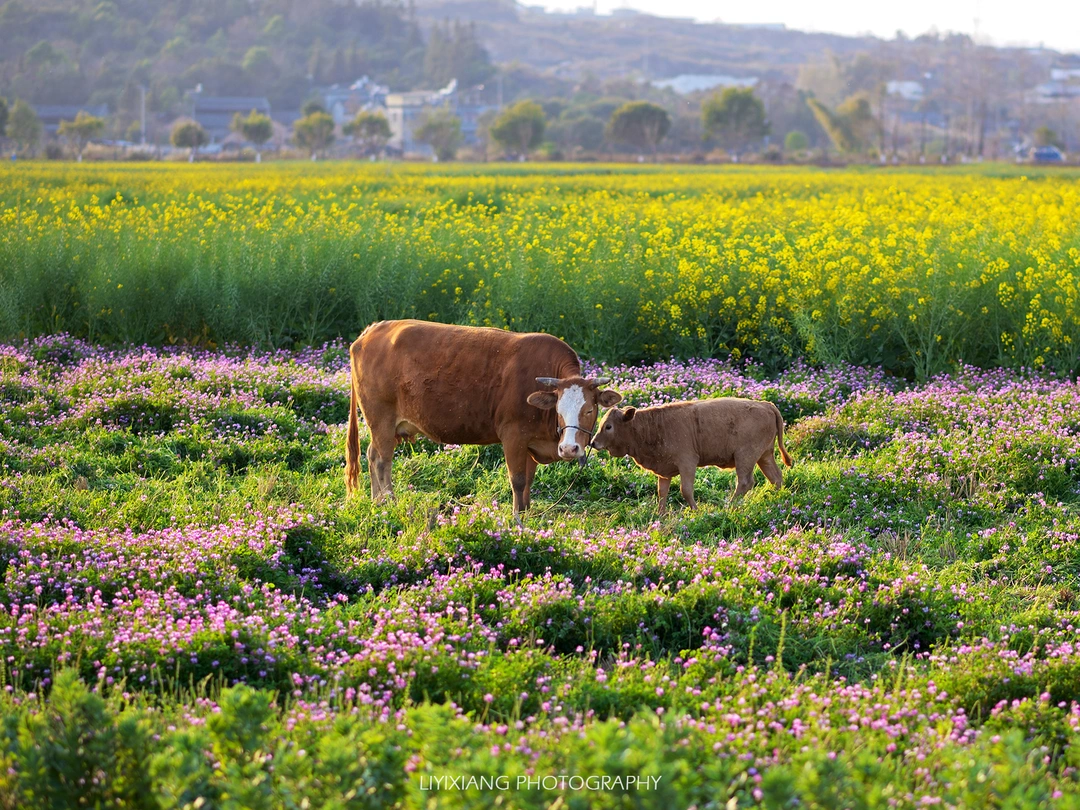
The Beauty of Western Yunnan: Savoring Slow Time in Border Towns – Mangshi, Heshun, and Tengchong
You don't always have to climb higher. Sometimes, wandering sideways leads you to unexpected vistas.
When most people think of Yunnan, their minds drift to Dali's wind and snow, Lijiang's ancient canals, Shangri-La's high plateaus, or Xishuangbanna's tropical charm. These places are classics, but Yunnan's allure runs far deeper. Hidden across this magical land are understated, stunning destinations waiting to be discovered. This past March, I traveled to Yunnan's western borderlands, exploring Mangshi and Tengchong. I went in with the casual mindset of "just wanting a change of scenery," but every frame begged to be captured, and every bite left me in awe.
This was a journey defined by slow time. No crushing crowds, no jarring commercialism—just the quiet pulse of border-town life, steeped in local烟火气 (the warm, smoky essence of everyday living). If you're tired of over-trodden tourist routes, Mangshi and Tengchong might just be your next surprising escape.
Pre-Trip Prep: Six Days, Five Nights of Slow Western Yunnan
My trip spanned six days, but with a late-evening arrival on day one and an early-morning departure on the last day, I had four full days to explore. That turned out to be just right for Mangshi and Tengchong.

Based on my experience, here's some advice: Mangshi doesn't have many sights, but if you want to eat your way through the city, set aside at least one full day—or even an extra night if you can. In Tengchong, the place worth lingering in is Heshun Ancient Town. Stay at least two nights (I stayed three) to truly soak in its slow-paced charm. For Tengchong city proper, I used a day and a half to visit the National Memorial Cemetery of the Fallen in the War of Resistance Against Japanese Aggression (Guoshang Cemetery), Rehai (Hot Sea), and Qiluo Ancient Town. If you have more time, add Beihai Wetland and the Volcanic Geopark, or find a hot spring to soak in for half a day.
My itinerary: - Day 1: Guangzhou → Mangshi, overnight in Mangshi - Day 2: Mangshi → Heshun, overnight in Heshun - Day 3: Heshun, overnight in Heshun - Day 4: Heshun, overnight in Heshun - Day 5: Heshun → Tengchong, overnight in Tengchong - Day 6: Tengchong → Guangzhou
A note: I traveled in early March and originally planned a day trip to Ruili, a border town on the China-Myanmar frontier. But given its proximity to the border and the ongoing global pandemic, I decided against it. Sure enough, by late March, as I was writing this, Ruili reported sporadic COVID cases. So if you're planning border-area travel while the pandemic isn't over, tread very carefully.
Mangshi: The "City of Dawn" on the China-Myanmar Border
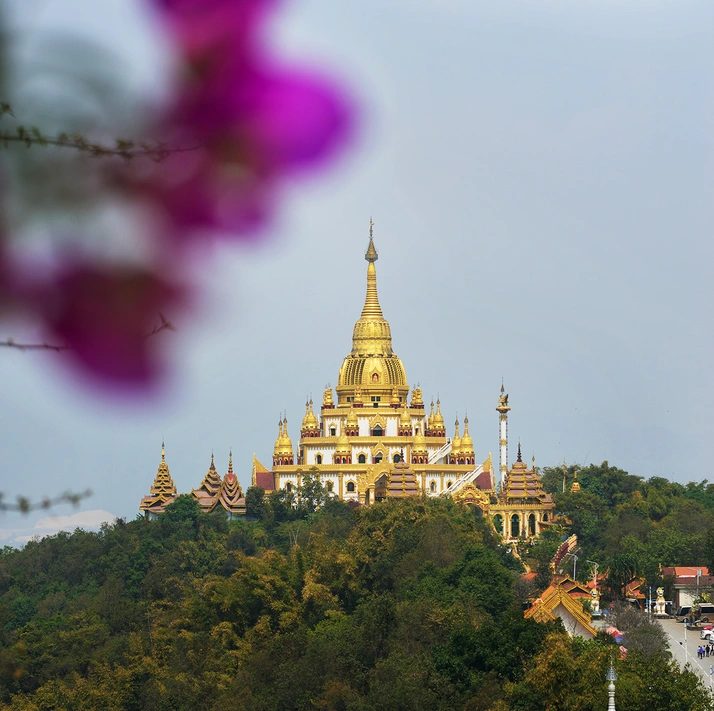
Mangshi is the seat of Dehong Dai and Jingpo Autonomous Prefecture. "Dehong" means "the place downstream of the Nu River" in the Dai language. Located in western Yunnan, this area has long been home to the Dai, Jingpo, De'ang, Lisu, and Achang ethnic groups.
For many, the name "Mangshi" sounds unfamiliar. This small border town isn't a mainstream tourist destination. Though the name "Mangshi" has over a thousand years of history, for most of the 20th century it was called "Luxi." If you have a Chinese map published before 2010, it still says "Luxi."
Mangshi also has a beautiful nickname: "City of Dawn." Legend has it that when Sakyamuni Buddha reincarnated as the golden rooster Aluan, he arrived here just as dawn broke and a rooster crowed. He named this soon-to-be-sunlit basin "Menghuan," which in the Dai language means "City of Dawn." That's why you'll find many things in Mangshi named "Menghuan"—Menghuan Grand Golden Pagoda, Menghuan Silver Pagoda, Menghuan Street, Menghuan Lao Nai (a local snack shop), and more.
Mangshi isn't a tourist hotspot. Most people who come to Dehong are here for cross-border trade, so tourists are few. Though its popularity has grown in recent years, the city retains a simple, lived-in feel, untouched by over-commercialization. The urban area is compact, with the main sights—the Golden and Silver Pagodas—both located on Lei Ya Rang Mountain. Due to the pandemic, the Heihe Laopo Scenic Area near the border remains closed.
Mangshi's food scene is concentrated around the area between Mangshi Square, the North Bus Station, and the Sankeshu Bus Station. If you're staying overnight, choose a hotel in this zone. Since I needed to catch a bus to Tengchong from the North Bus Station the next afternoon, I booked a hotel nearby.
Arriving in Mangshi: A Nighttime Surprise
My flight landed at Mangshi Airport around 6 p.m. Because of the pandemic, Didi (China's ride-hailing app) wasn't available in Mangshi. Luckily, Bus No. 6 from the terminal goes straight to the city center. The airport isn't far—about a half-hour ride.
Funny thing: almost every solo trip, I end up meeting new people on the road. This time, on the bus from the airport, I met a few fellow passengers from the same flight. We hit it off and ended up going for barbecue together that night.
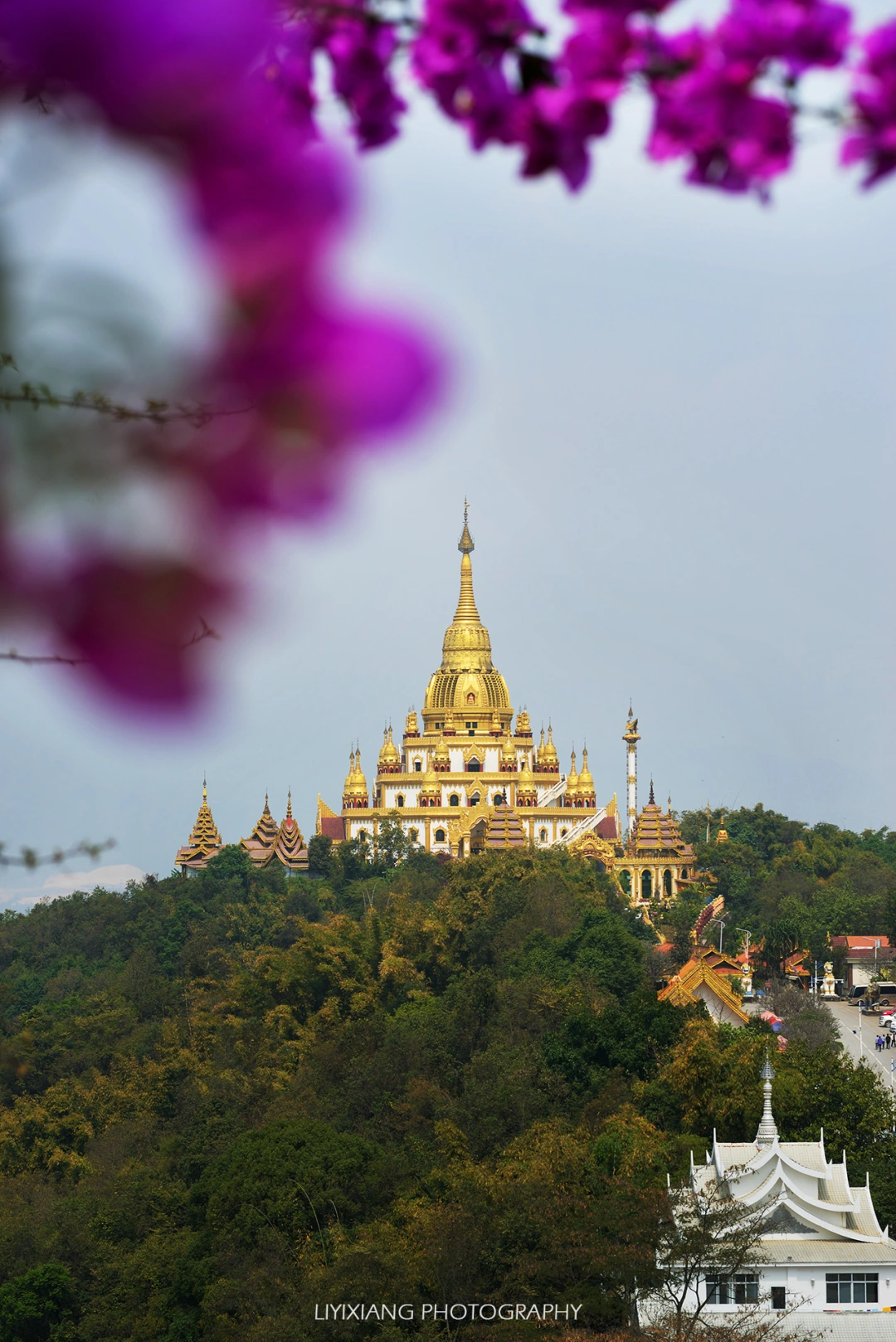
Under the night sky, the Golden Pagoda glowed brilliantly—majestic, solemn, and resplendent. Perched atop Lei Ya Rang Mountain, it seemed to float in the air, giving it an almost magical quality.
Mangshi Square: Morning Tranquility
I woke up early the next day and took a stroll to Mangshi Square in the city center. Located on Mangshi Avenue, it's a leisure square. In the early morning, it felt empty and quiet, with just a few elderly people doing exercises.
But every year around the Dai New Year in April, this square becomes the main venue for Dehong's Water-Splashing Festival, turning into the liveliest spot in all of Mangshi. There's also a China-Myanmar Friendship Hall on the square, but it wasn't open—either because I came too early or due to pandemic restrictions.
Mangshi Square - Address: Mangshi Avenue, Mangshi - Transport: Take Bus No. 11 or 13 to "Mangshi Square" stop - Admission: Free - Hours: Open all day
Menghuan Grand Golden Pagoda: A Glittering Southern Buddhist Sanctuary
The Menghuan Grand Golden Pagoda is undoubtedly the most photographed landmark in any travel guide. Perched atop Lei Ya Rang Mountain, it's not only Mangshi's icon but also a sacred site for the local Dai and De'ang peoples.
Lei Ya Rang Mountain is southeast of Mangshi city, at an elevation of 1,079.6 meters (3,542 feet). Don't let that number scare you—Mangshi itself sits at about 900 meters, so the mountain is only about 100 meters high. Legend says that when Sakyamuni Buddha reincarnated as the golden rooster Aluan, he lived on this mountain, calling for light and good fortune.
Centuries after the Buddha's nirvana, a monk named Zhao Handa came to Lei Ya Rang to spread the Dharma and built a stupa on the summit, but it was later destroyed in war. Mangshi (then called Luxi) also once had a grand golden pagoda, but it was demolished in the 1960s. At the turn of this century, the local government combined the two pagodas into one, rebuilt on Lei Ya Rang, and consecrated it in 2007—the Menghuan Grand Golden Pagoda we see today.
Though the pagoda isn't far from the city, there's no bus to the mountaintop, and Dehong lacks Didi service. If you don't want to hike for half an hour, take a taxi. Usually, drivers charge a small extra fee for the return trip downhill. For example, from near the North Bus Station to the pagoda, my driver quoted a flat 20 yuan (the meter would have been about 15 yuan). Taxis can go right up to the base of the pagoda, but no further.
The Dai and De'ang people of Dehong follow Southern Buddhism (Theravada), and Mangshi's Menghuan Grand Golden Pagoda is hailed as China's premier Southern Buddhist pagoda. Unlike Northern Buddhism (Mahayana and Vajrayana) common in China, Tibet, and East Asia, Southern Buddhism thrives in Southeast Asia—Myanmar, Thailand, Cambodia, Laos—as well as Sri Lanka and Yunnan.
Before entering the pagoda, you climb a long staircase lined with Buddha statues and mythical beasts. One is the "Dragon Protector" (also called the Five-Headed Divine Dragon), said to have sheltered and guarded the Buddha before his enlightenment.
At the top of the stairs is the ticket booth. The posted price is 50 yuan, but it's always charged at 40 yuan. Some online travel platforms occasionally offer a few yuan off, though you won't get a paper ticket as a souvenir.
Under the sun, the pagoda sparkles brilliantly. Its design blends elements from Bangkok's Grand Palace and Yangon's Shwedagon Pagoda, making you feel like you've stepped into Southeast Asia. The main tower is 76 meters (249 feet) tall, topped with a 2.3-ton golden spire. Around the exterior are sixteen elegant small spires and eight vase-shaped pagodas—grand and imposing.
Near the entrance is a reclining Buddha statue. Continue a bit, and you'll see a massive golden rooster—the reincarnated Aluan.
Inside the pagoda, the bottom three floors form a hollow hall. At the center is a square pillar, with a Buddha statue on each of its four sides. Around the hall are more statues, including a lion with a human face—said to be a guardian beast that attained enlightenment after hearing the Dharma. There's also a holy maiden holding a celestial book, bestowing wisdom upon sentient beings, riding a "wisdom bird." The "Three Precepts Deities" remind us: "See no evil, speak no evil, hear no evil."
Because the pagoda sits atop Lei Ya Rang Mountain, it offers a panoramic view of all of Mangshi.
Menghuan Grand Golden Pagoda - Address: Lei Ya Rang Mountain, Mangshi - Transport: No public transit; take a taxi - Admission: 40 yuan - Hours: 08:00–22:00
Menghuan Silver Pagoda: A Pure White Dream
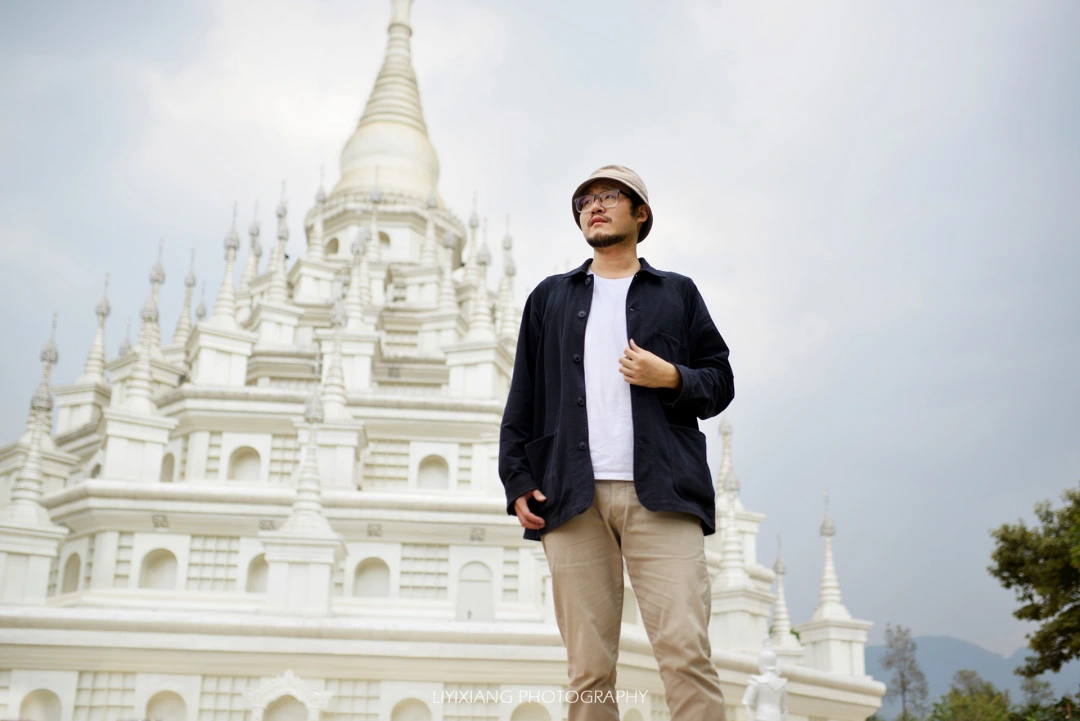
On Lei Ya Rang Mountain, alongside the Golden Pagoda, stands the Menghuan Silver Pagoda—just a few minutes' walk away. In fact, the Silver Pagoda is a newer structure, completed only a few years ago.
Though slightly smaller in scale than the Golden Pagoda, it sits on a peak about 20 meters higher, so the two pagodas appear roughly equal in height. One gold, one silver—they mirror each other across the sky, one shimmering, the other gleaming.
Similar to the Golden Pagoda, discounted tickets for the "Dream Silver Pagoda" can sometimes be found online. A sightseeing car runs from the entrance to the summit, but the walk is short—about ten minutes along a wooden boardwalk, with plenty of Southeast Asian-style photo spots along the way.
At the top, the view opens up, revealing the pure white Silver Pagoda. Its clean, symmetrical form exudes a sense of calm and elegance. You can't go inside, so you admire it from outside. The pagoda's shape and color are so photogenic that any snapshot looks great.
On one side, the park has set up some Instagram-friendly props—a climbable moon, a "mirror of the sky," a "net red ladder" (influencer-style ladder). They might feel a bit out of place, but there's no denying the photos turn out stunning. For 10 yuan, it's a worthwhile splurge for anyone who loves taking pictures. Given that the Silver Pagoda is a new attraction, adding these trendy photo spots to draw crowds is actually a smart move.
From the Silver Pagoda's viewing platform, you can see the Golden Pagoda across the way. Both pagodas are lit up at night, so dusk is their most beautiful hour. If time allows, arrive at Lei Ya Rang about two hours before sunset. Visit the Golden Pagoda for an hour, then head to the Silver Pagoda. Stay for sunset and night views before heading down.
Since there's no public transit on the mountain, you'll need a taxi downhill. Many taxis come up with passengers, so finding an empty one going down isn't hard. If you're worried about getting a ride after dark, negotiate a pickup time and price with your driver when you go up.
Menghuan Silver Pagoda - Address: Lei Ya Rang Mountain, Mangshi - Transport: No public transit; take a taxi - Admission: 40 yuan - Hours: 08:30–21:30
Tree-Encased Pagoda: Time's Imprint Under a Bodhi Tree
The Tree-Encased Pagoda is in the city, near the Best Food Court. You can eat at Best first, then walk over to digest. The pagoda sits in an open public parking lot, a bit messy. Honestly, it's not really a "sight"—just a bodhi tree growing around an ancient pagoda.
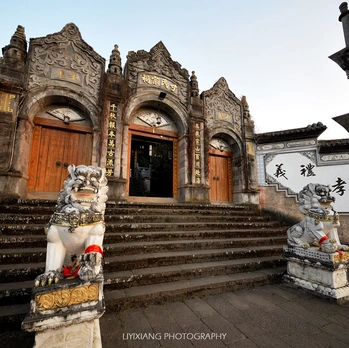
According to a stele erected by the Dehong cultural relics department, this Southern Buddhist-style pagoda was first built during the Kangxi era of the Qing Dynasty (1661–1722). Its original name was Tiecheng Buddhist Pagoda, or "Guangmu Jielie" in the Dai language. Later—whether from a wind-blown seed or intentional planting—a bodhi tree sprouted on top. Over 200 years, the tree's roots have completely enveloped the pagoda, leaving only glimpses of the original structure through the gaps.
Tree-Encased Pagoda - Address: Baobo Road, Mangshi - Transport: Take Bus No. 6 to "Tree-Encased Pagoda" stop - Admission: Free - Hours: Open all day
Mangshi Food: A Sour-and-Spicy Feast for the Senses
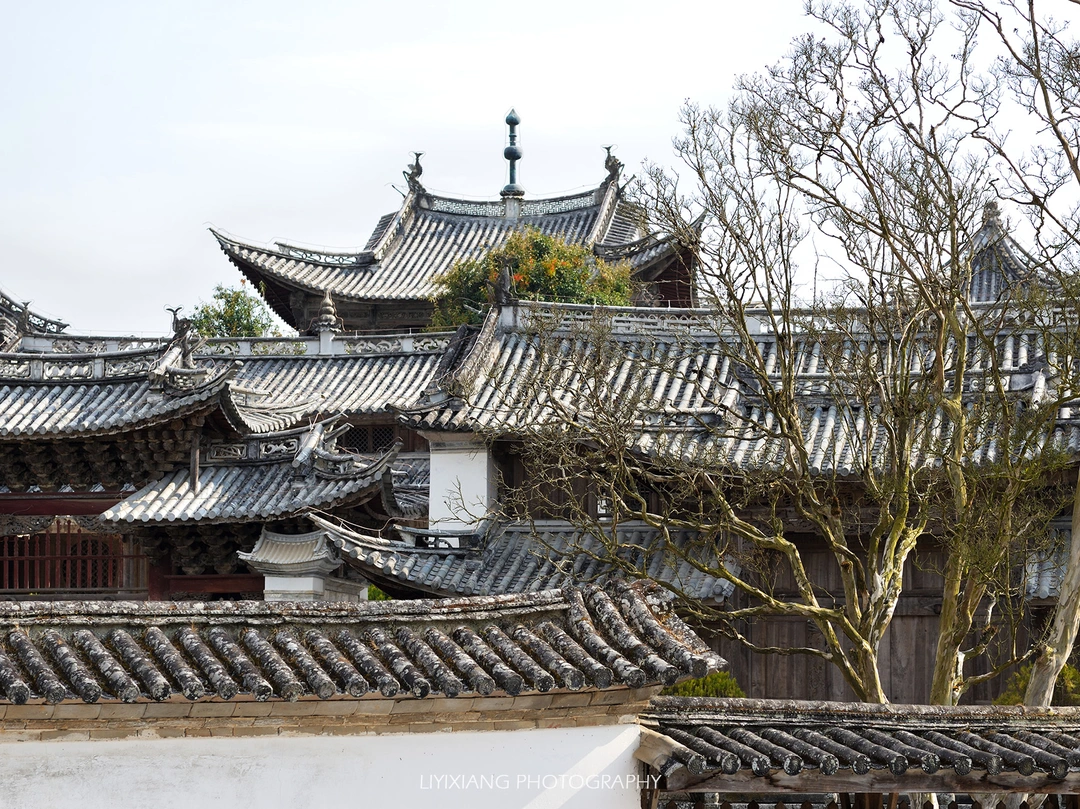
Though Mangshi remains a relatively low-key tourist destination, its food scene has already made a name for itself. Chen Xiaoqing, the director of A Bite of China and The Story of Chuan'er (a popular Chinese food documentary series), specifically came to Mangshi to film. If you're a serious foodie, even just for the eats, it's worth flying to this "city of sour soup and chili dips."
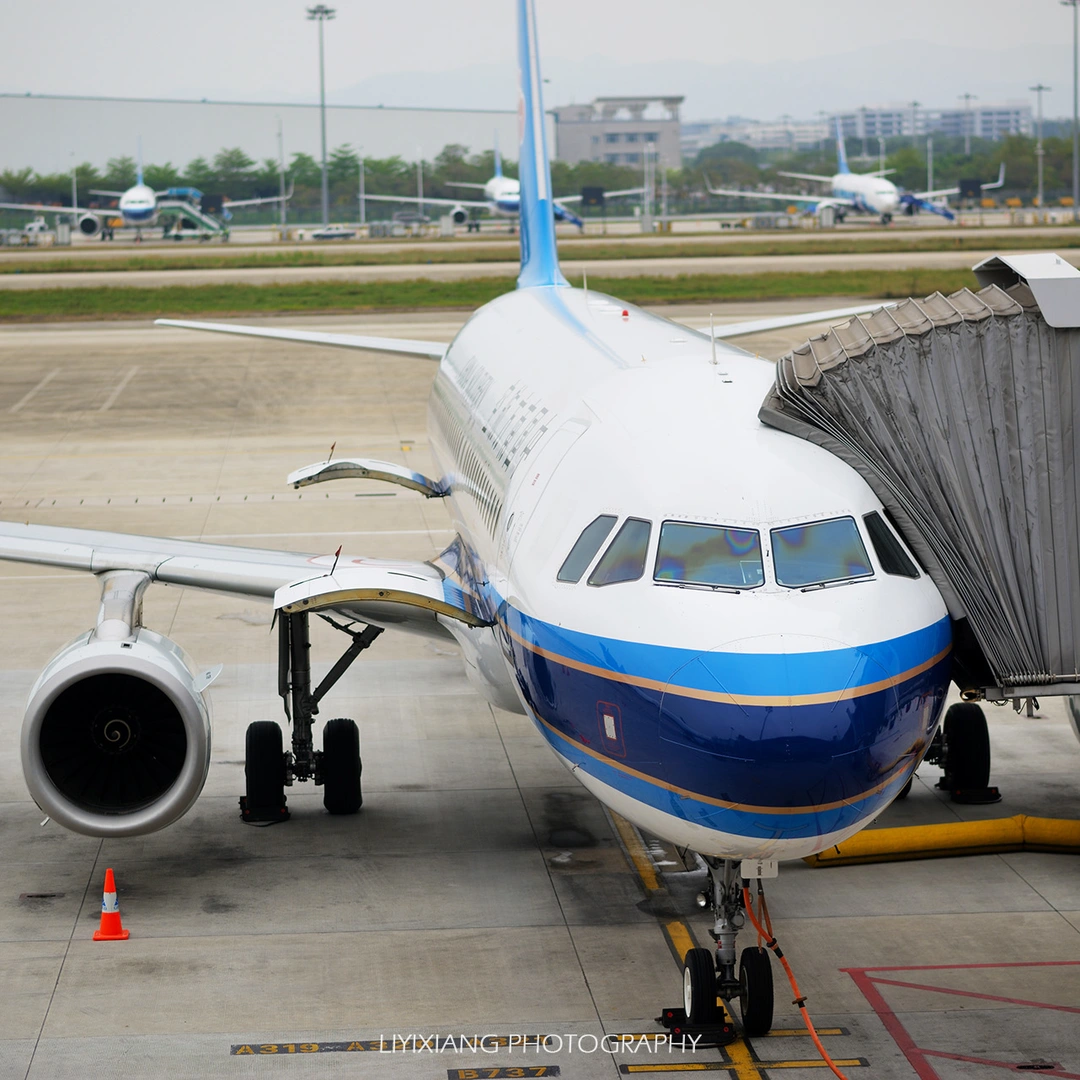
The list of Mangshi snacks is endless. Thanks to its proximity to the China-Myanmar border, the cuisine here is incredibly diverse, blending multiple influences. Beyond Yunnan staples like er si (rice noodle strips) and rice noodles, plus Dai, Achang, and Jingpo dishes, you'll find Southeast Asian treats—Myanmar oil noodles, Thai pa lu da (a sweet coconut drink), Vietnamese rice rolls, and more. If you want to taste exotic flavors without leaving China, experiencing the tangy, spicy, and refreshing, Mangshi is your place.
Lanlu Breakfast: A Local Favorite
The most beloved breakfast spot among Mangshi locals is probably Lanlu Breakfast. I arrived at 9 a.m., and there was already a long line. But the wait wasn't bad—turnover is fast, and seats are easy to find.
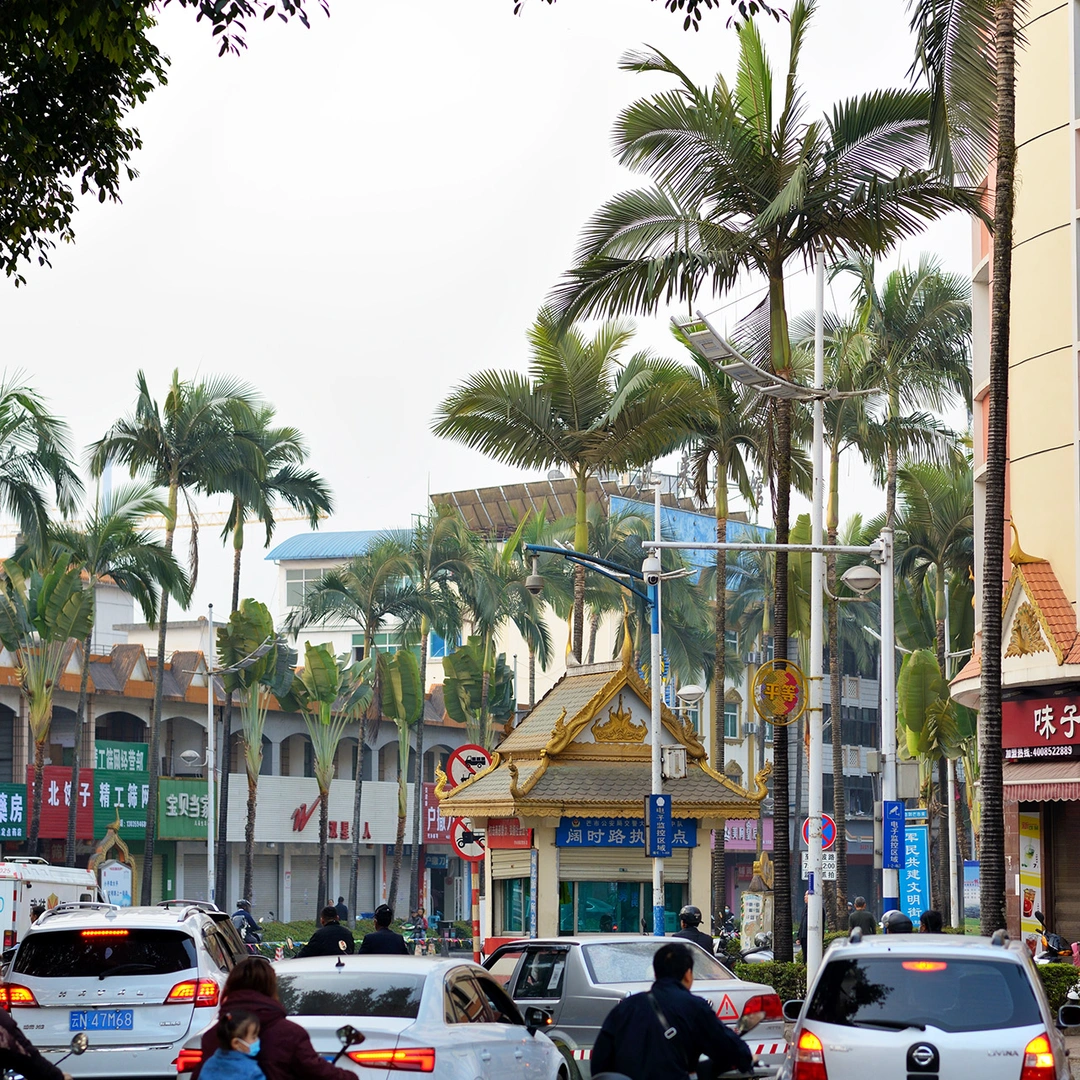
They serve only one breakfast item: your choice of er si or rice noodles as the base. I went with er si. A large bowl is 12 yuan, small is 10 yuan, and adding extra beef ("adding a hat") costs another 10 yuan. The beef is excellent, so I strongly recommend the upgrade.
Once you get your cooked er si, you head to the self-service condiment station. With over a dozen unlabeled jars, I was a bit lost as an outsider. I ended up copying the locals, throwing in a few things randomly, and it still tasted great.
Among the condiments, the one that stood out was something that looked like a wooden stick. It's actually a mountain pepper root, which locals scrape with a knife to add a kick. I'd never seen it before and didn't dare try it—now I regret it.
And so, a bowl of fragrant er si arrived. Er si is a quintessential Yunnan food. Though it looks and is eaten like rice noodles, it's actually made from er kuai (pressed rice cakes) cut into strips, giving it a different texture. To me, er si is chewier and less slippery than rice noodles.
Lanlu Breakfast - Address: North of He'an Xiaoqu, Hedong Road, Mangshi - Average cost: 20 yuan per person
Ganying Pickled Chicken Feet: Best's Signature
Mangshi has the Best Food Plaza, a bit like a Singaporean hawker center. Unlike the tourist traps you find in many cities, the stalls here have been around for over a decade, serving authentic, well-regarded local fare. When visiting Mangshi, you can skip many places, but not Best. Here, you can sample a wide range of Yunnan and Southeast Asian flavors.
The most famous stall is Ganying Pickled Chicken Feet. Eating here has practically become a must-do activity in Mangshi. They offer several flavors: lemon, tomato, tom yum, garlic, passion fruit—each chicken foot costing 2 or 2.5 yuan. The feet are split open, so the marinade really soaks in. I tried four flavors, and they were all seriously spicy.
Overall, the flavor is excellent. But the counter is small and hard to see into, and the lady working there seemed a bit impatient. (It's only natural for tourists to want to know what they're buying before choosing, right?)
Ganying Pickled Chicken Feet - Address: Inside Best Food Plaza, No. 4 Banse Road, Mangshi - Average cost: 10 yuan per person
Aguji Myanmar Tea Restaurant: Exotic Flavors
Given Mangshi's proximity to the Myanmar border, authentic Burmese food is easy to find. Aguji Myanmar Tea Restaurant at Best Food Plaza specializes in Burmese cuisine. The menu is extensive, but if you're unsure, go for the Myanmar Oil Noodles and shuai ba ba (a type of fried flatbread).
Myanmar Oil Noodles look simple but taste great. The key difference from other oil-noodle dishes is the addition of crispy fried noodles. At 10 yuan per serving, it's a bargain.
Shuai ba ba is another Burmese snack. It resembles Indian paratha, but with a stronger egg flavor and condensed milk, making it sweeter. The cheese-and-egg version adds two slices of cheese, adding depth. Sweet-toothed travelers shouldn't miss it.
Aguji Myanmar Tea Restaurant - Address: Inside Best Food Plaza, No. 4 Banse Road, Mangshi - Average cost: 25 yuan per person
Menghuan Lao Nai: A Cool Cup of Pa Lu Da
In Mangshi, you must have a cup of pa lu da. This drink is said to have originated in Thailand and Myanmar before spreading to Yunnan's border areas, where it became a local favorite. Strangely, I don't recall seeing it during my time in Thailand.
Anyway, the pa lu da at Menghuan Lao Nai in Best Food Plaza is really good—perfect for a hot day. Of course, you can find pa lu da all over Mangshi, so you're never far from a cup.
The main ingredients are milk, with additions like dried bread, purple rice, sago, and coconut shreds. It's rich and creamy, and because of the condensed milk, very sweet. If you prefer less sweetness, be sure to ask for less sugar.
Menghuan Lao Nai - Address: Inside Best Food Plaza, No. 4 Banse Road, Mangshi - Average cost: 10 yuan per person
Qiqi Cold Drink Shop: The Allure of Fresh Juice
Like pa lu da, fresh juice is a common sight on Mangshi's streets. Qiqi Cold Drink Shop is on the commercial street below the Golden Pagoda, at the very entrance. Though there are other drink stalls, Qiqi is always the busiest.
Dehong, with its subtropical monsoon climate, is a natural fruit paradise. Jackfruit, mango, papaya, dragon fruit, avocado, passion fruit—all thrive here, growing especially large. Qiqi offers over a dozen juice flavors. Even though it's in a tourist area, prices are similar to those in the city. Except for avocado and mango juice at 13 yuan per cup, everything else is 10 yuan. For a full cup of pure fresh juice, that's incredibly fair. If I hadn't been so full, I would have tried every flavor.
I especially recommend the avocado juice—smooth, creamy, like liquid velvet. One note: locals often add condensed milk when juicing, so it can be on the sweet side.
Qiqi Cold Drink Shop - Address: Below the Golden Pagoda, Lei Ya Rang Mountain, Mangshi - Average cost: 13 yuan per person
Qiaoyan Baoying BBQ: Late-Night Smoke and Fire
"Even heaven has feelings, it grows old; the right path on earth is eating barbecue." Mangshi is full of BBQ joints, and as night falls, the air fills with the aroma of grilled meat.
Near the North Bus Station, there's Qiaoyan Baoying BBQ, tucked away in a dark alley that might make you think you've taken a wrong turn. Just follow your GPS. "Good wine needs no bush"—this place really knows its BBQ. The setting is humble, but it's beloved by local foodies. After being featured on The Story of Chuan'er Season 2 (thanks to Chen Xiaoqing), it's also drawn a crowd of out-of-town visitors.
There's a saying: "China has two kinds of BBQ—Yunnan BBQ and everything else." That sounds boastful, but when it comes to ingredient variety, dipping sauces, and grilling techniques, no place matches Yunnan's BBQ brilliance.
The signature dish is grilled pig tail—a must-order at every table. It takes a long time to grill, so the owner pre-cooks them. When you order, they just finish them off. I'd never had grilled pig tail before. The skin was golden and crispy, the meat firm and chewy. Dipped in the house sauce and dried chili powder, it was utterly addictive.
Other items—baojiang tofu (stuffed tofu), xizhi grilled quail eggs, pork belly, pig skin, liantie (a type of offal), xiongbiao (another offal cut), xiaonai jin (a tendon cut)—whether common or unusual, are all worth trying without fear. If you're still hungry, add some stir-fried er kuai or Dai-style sa pie (a cold noodle dish with minced meat and offal). And if you drink, a Myanmar beer is a perfect match.
Qiaoyan Baoying BBQ - Address: No. 15 Minzhu Road, Mangshi - Average cost: 60 yuan per person
Mangshi Accommodation & Practical Info
Where to Stay
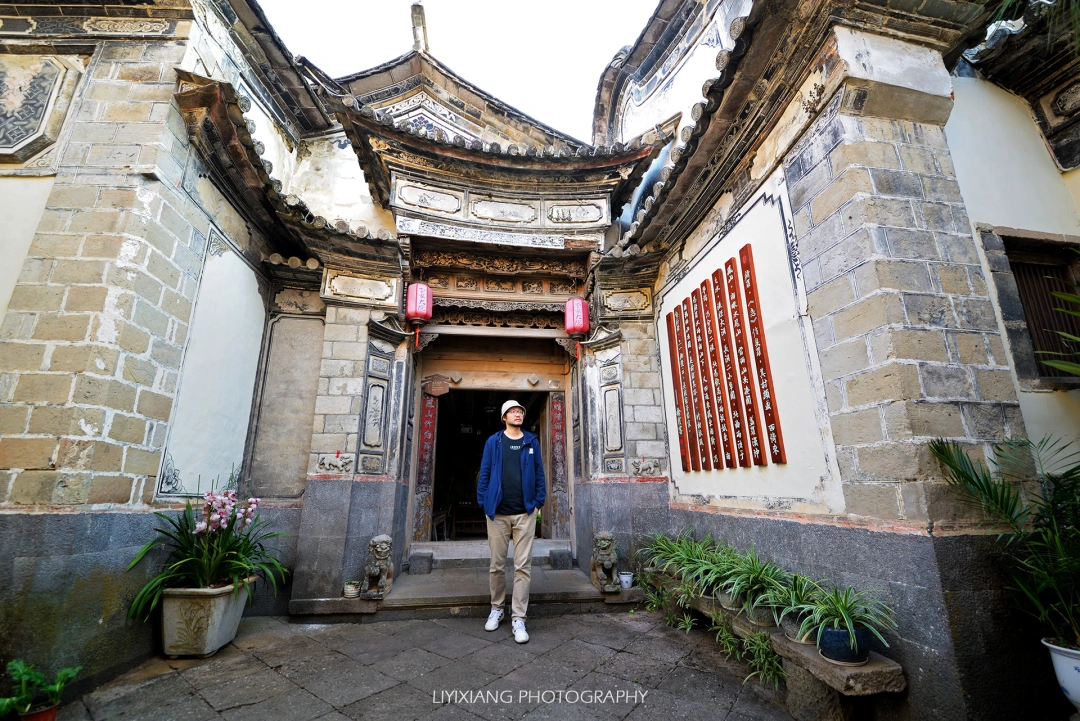
Mangshi has plenty of hotels, and prices are low—you can find a decent room in a good location for around 100 yuan. Choose your area based on your plans: near the North Bus Station if heading to Tengchong; near Sankeshu Bus Station if going to Ruili; or around the intersection of Tuanjie Avenue and Menghuan Road if you're just eating your way through the city—this is Mangshi's liveliest commercial area, with lots of food nearby.
I booked the Gem Hotel, a brand under GreenTree Inn, right across from the North Bus Station. The room was satisfactory—decent size, fairly new facilities. From the window, I could even see the Golden and Silver Pagodas on Lei Ya Rang Mountain. At just over 100 yuan a night, it was great value.
Gem Hotel (Mangshi North Bus Station Branch) - Address: No. 110 Tuanjie Avenue, Mangshi - Price: Business double room, about 120 yuan/night on weekdays
Practical Tips
Mangshi sits at the southwestern foot of the Gaoligong Mountains, at an elevation of nearly 1,000 meters (3,280 feet), with a subtropical monsoon climate. The hottest month (June) averages 24°C (75°F), the coldest (January) 12°C (54°F)—remarkably pleasant. In early March, a long-sleeved shirt is fine during the day, with a light jacket for evenings.
Due to the pandemic, Didi has suspended operations in Dehong. After all, just 100 kilometers south of Mangshi is the Ruili-Jiegao border crossing with Myanmar. Given the ongoing global pandemic, this location is particularly sensitive. A fellow traveler said Gaode Maps' ride-hailing works, but I didn't try it.
In Mangshi, besides walking, I mainly used taxis. Overall, taxis are fairly regulated—most drivers use the meter. The exception is trips to the Golden Pagoda on Lei Ya Rang Mountain, where drivers charge a small extra fee for the empty return trip (as I mentioned, my driver quoted 20 yuan from near the North Bus Station).
The easiest way to get to Mangshi is by air. Over a dozen Chinese cities—including Beijing, Shanghai, Guangzhou, Shenzhen, and Chongqing—have direct flights to Mangshi.
Conclusion: Western Yunnan Is Worth Slowing Down For
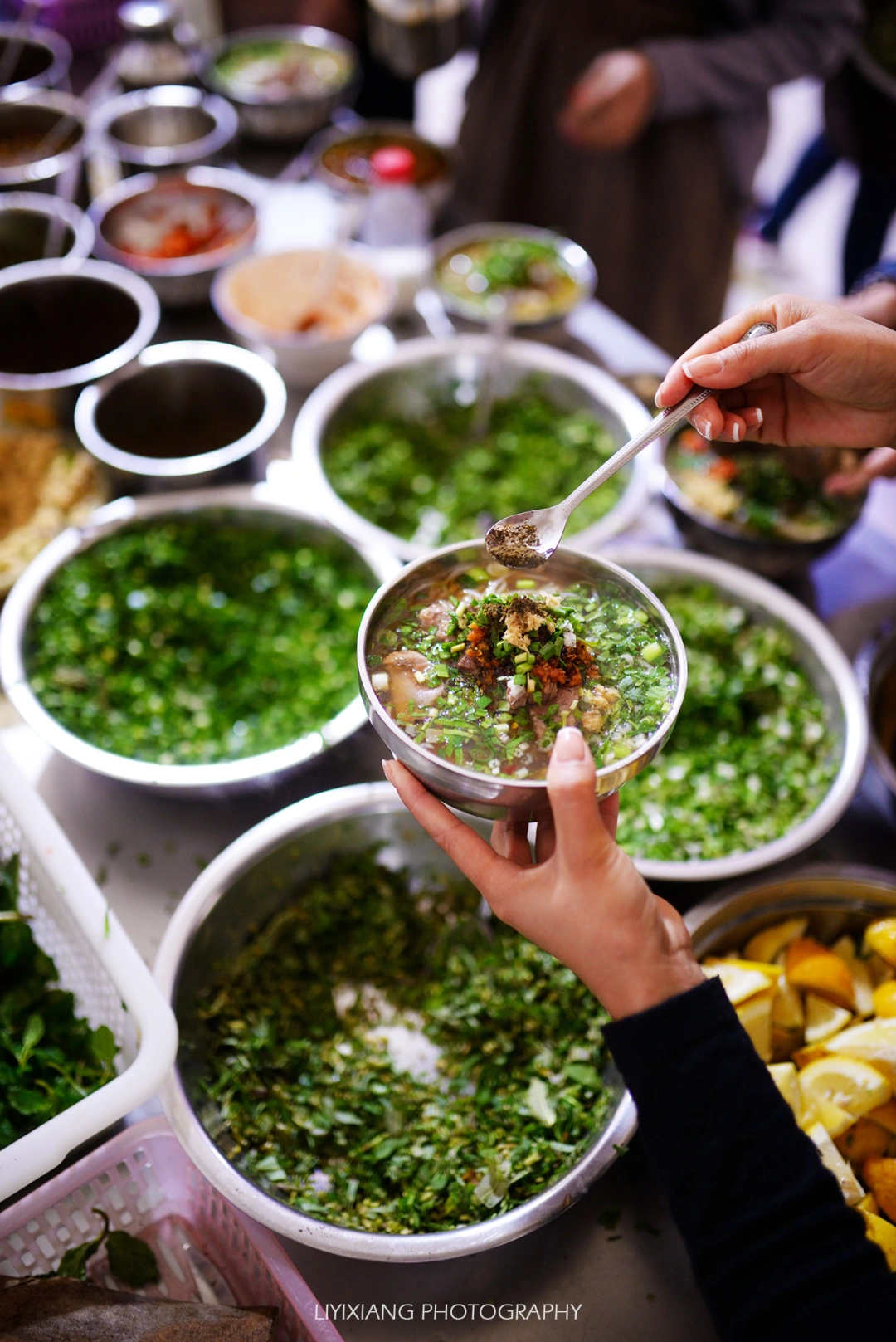
My six-day journey through western Yunnan gave me a new perspective on the province. No Dali or Lijiang bustle, no Shangri-La aloofness—just the quiet, lived-in charm of border towns. Mangshi's sour-and-spicy food, Heshun's leisurely pace, Tengchong's historical echoes—every place left me wanting more.
If you're tired of over-developed tourist trails, come to western Yunnan. Here, you can slow down and savor the unhurried rhythm of border-town life. You can eat your fill of tangy, spicy, exotic flavors. You can pause and listen to the whispers of history and nature.
There's a kind of beauty called Western Yunnan. It doesn't shout—but it will steal your heart.
You should also read:
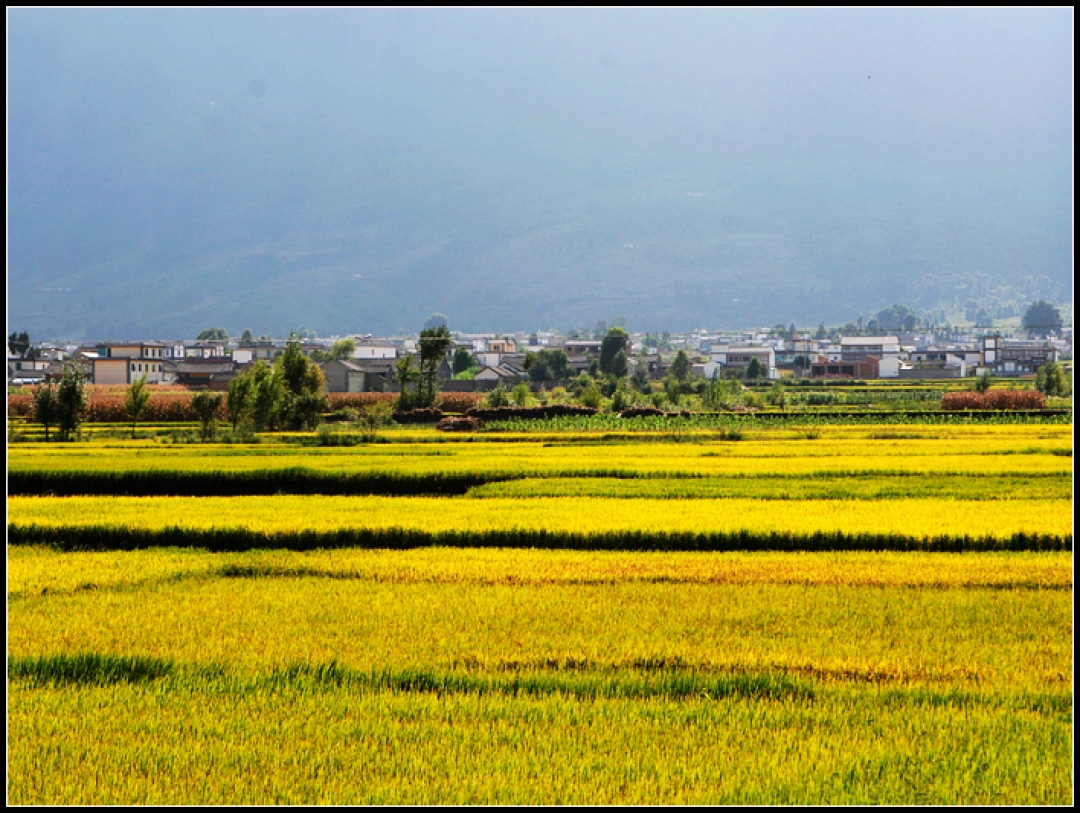
A 9-Day Yunnan Journey: From Lijiang to Dali to Tengchong – A Trip Toward Self-Reconciliation
A 9-Day Yunnan Journey: From Lijiang to Dali to Tengchong – A Trip Toward Self-Reconciliation Some say travel is simply going from a place you're tired of to a place other people are tired of. It stings to hear, but it's painfully true. Yet there's…
Continue reading...
Solo in Yunnan: A Wanderer’s Guide to the Land of Eternal Spring
Solo in Yunnan: A Wanderer’s Guide to the Land of Eternal Spring There’s something magical about traveling alone. No compromises, no schedules to keep, no one to please but yourself. I’ve been on the road for nearly three months now, and not once have I…
Continue reading...
Tengchong·Heshun: Finding Life as It Should Be in a Border Town Where Time Stands Still
Tengchong·Heshun: Finding Life as It Should Be in a Border Town Where Time Stands Still The long journey of over twenty days was over. On my first day back at the office, I was still in a daze. My fingers couldn't find the keys on…
Continue reading...