The Borderland City: Tengchong and Mangshi – A Soulful Journey Along the Yunnan-Myanmar Frontier
The Borderland City: Tengchong and Mangshi – A Soulful Journey Along the Yunnan-Myanmar Frontier
Some places you never plan to visit, yet fate quietly leads you there in an unguarded moment. In the late autumn of 2018, when I once again set foot on the red soil of Yunnan, I had no clear destination in mind. Dali and Lijiang were already behind me, but Yunnan's vastness and mystery extend far beyond these familiar names. So I headed west along the Yunnan-Myanmar border, stepping into Tengchong and Mangshi – two borderland cities gently cradled by time.
This is not a standard travel guide, but a free-spirited wandering. If you, too, are tired of crowded tourist checkpoints and long to find authentic life along the frontier, then follow my footsteps into this forgotten paradise.
Before You Go: How to Reach This Hidden Realm
Self-Drive Route (Recommended)

Kunming → Dali → Baoshan/Tengchong → Mangshi → Ruili
If you have time, self-driving offers the most freedom. Renting a car in Dali is convenient, and the high-speed rail gets you there easily. The scenery along the way is picture-perfect.
Public Transport Route
Kunming (high-speed rail) → Dali (bus) → Baoshan/Tengchong (bus) → Mangshi (flight) → Kunming
Flights from Mangshi back to Kunming are surprisingly affordable – excellent value for money. If your city has direct flights to Tengchong, Dali, or Mangshi, you can skip Kunming entirely.
Note: Direct flights from Kunming to Tengchong are usually significantly more expensive than flying to Baoshan or Mangshi. Planning ahead can save you a good chunk of change.
A Taste of the Border: A Feast for the Senses
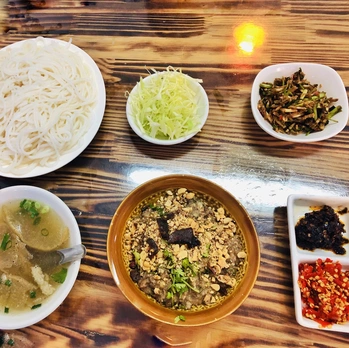
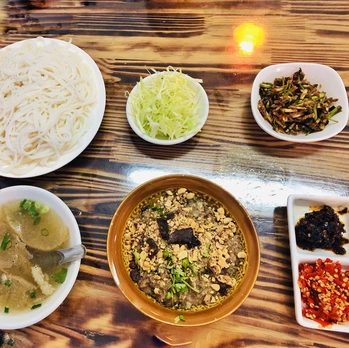
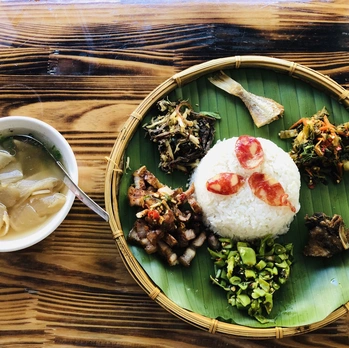
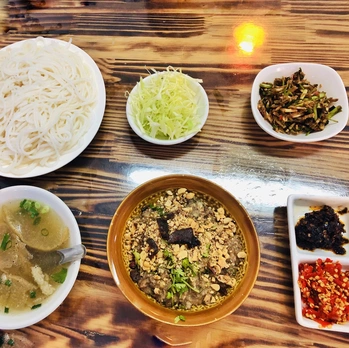
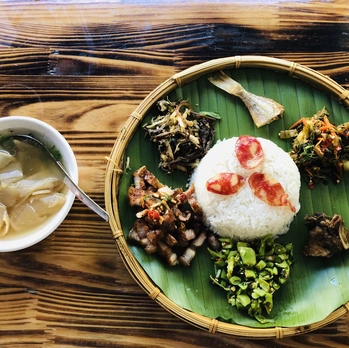
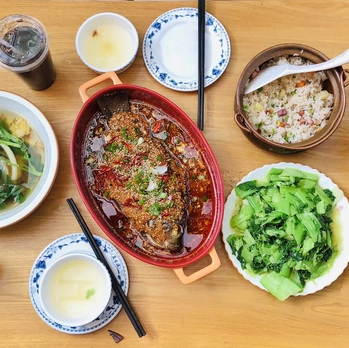
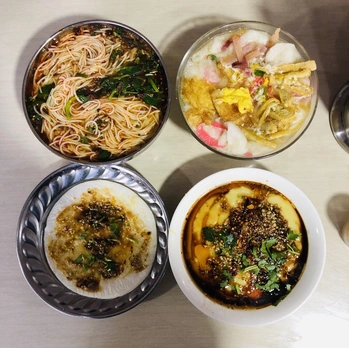
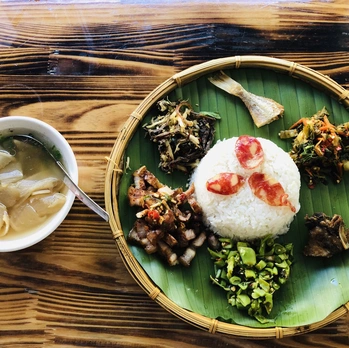
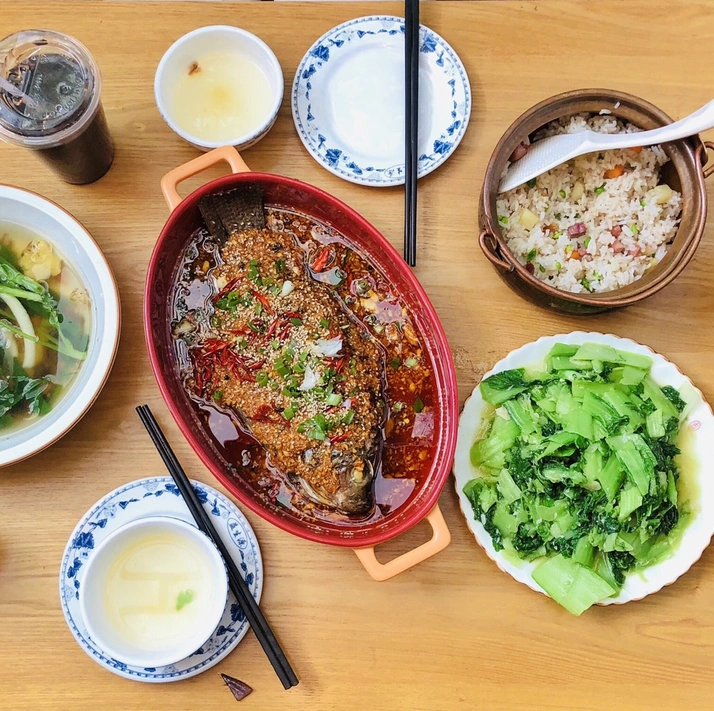
The food culture along the Yunnan-Myanmar border is a perfect fusion of ethnic minority traditions and Southeast Asian flavors. The fruits, 饵丝 (rice noodle strips), 米线 (rice noodles), and 粑粑 (rice cakes) – even the barbecue carries an exotic, mysterious air. If you love spicy food, this place will have you hooked – the chili heat rivals Sichuan. But remember: if you can't handle spice, always say "mild".
Must-Try Foods
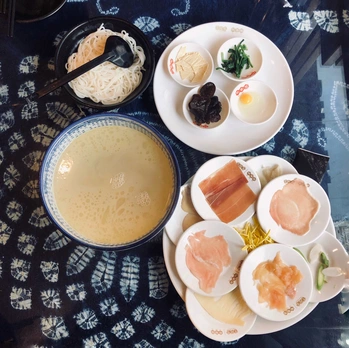
Tengchong Edition: - 寸氏豆粉 (Cun Family Bean Jelly) : Smooth and silky, melts in your mouth - 蔺大妈松花糕 (Aunt Lin's Pine Pollen Cake) : Lightly sweet and fragrant, the perfect afternoon tea companion - 土锅子 (Earthen Pot Stew) : Requires a 3-hour advance order – slow-cooked to perfection - 铜瓢牛肉火锅 (Copper Ladle Beef Hotpot) : Tender meat, rich broth - 饵丝 (Rice Noodle Strips) : My personal favorite – soft, chewy, and endlessly satisfying
Mangshi Edition: - 勐焕老奶的泡鲁达 (Meng Huan Grandma's Pao Lu Da) : A perfect combo of sweet milk, sago, and dried fruits with crispy toppings - 牛油果汁 (Avocado Juice) : Freshly squeezed from Myanmar giant avocados – only 5-10 yuan each, ridiculously cheap - 爱华手抓饭 (Ai Hua Hand-Grabbed Rice) : Hand-grabbed rice paired with cross-hand rice noodles, a local favorite - 牛少爷烧烤 (Young Master Niu BBQ) : The heart of the city's nighttime烟火气 (lively street atmosphere)
Surprising Little Delights
- 滇西南泡菜 (Southwest Yunnan Pickles) : Spicy strawberries, spicy pineapple, spicy mango – yes, even fruit can make you hiccup from chili. Pure Southeast Asian flair.
- 保山大柿子 (Baoshan Big Persimmons) : 4 yuan per jin (0.5 kg), 10 yuan for 3 jin – sweet enough to melt your heart
- 百香果 (Passion Fruit) : Tengchong's passion fruit – my travel companions couldn't get enough
- 烧烤里的“大烟子” (BBQ's "Big Smoke Seeds") : Those tiny white sesame-like seeds are actually poppy seeds – no wonder they're addictively fragrant
Price Guide (Honest Recommendations)
| Item | Price Range |
|---|---|
| 稀豆粉 (Thick Bean Jelly) | ¥5-7 |
| 粑粑/饵块 (Rice Cake) | ¥2-3 |
| 饵丝 (Rice Noodle Strips) | ¥7-10 |
| 手抓饭 (Hand-Grabbed Rice) | ¥20-30 |
| 米线 (Rice Noodles) | ¥10-20 |
| BBQ (Four people stuffed) | ¥140 |
| Heshun Guesthouse | ¥100-200/night |
| City hotel (3-4 star) | ~¥150/night |
| Bus fare | ¥1 |
| Scenic area shuttle | ¥2-3 |
| Private car hire | ¥200-300/day |
Practical Tips: What You Must Know Before You Go
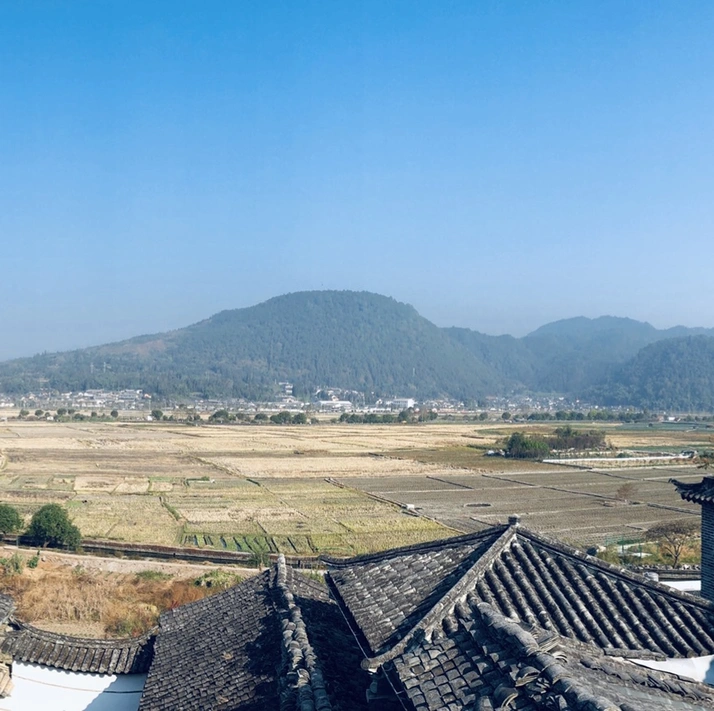
- Sunscreen! Sunscreen! Sunscreen! The UV rays in southwest Yunnan are brutal – you'll question your life choices.
- Keep warm! Keep warm! Keep warm! Huge temperature swings between day and night – a jacket is non-negotiable.
- Carry your ID at all times: Border checks are strict – you could be stopped anytime.
- Mobile payments everywhere: No need for much cash – WeChat Pay and Alipay rule.
- Drink tea, buy sparingly: The market is murky; don't get fooled.
- Less crowded spots are the real gems: In places like Ginkgo Village and Heshun Ancient Town, stay overnight. The morning sunlight is breathtaking. Accommodation may not be as comfortable as the city, but electric blankets usually suffice.
Day 1: Strolling Through the Spring City, Embracing the Street Life
Kunming's farmer's market is always my first stop on any trip. Cured meats, tofu, tea bricks, fresh flowers, and vegetables and fruits I can't even name. A steaming bowl of 米线 (rice noodles) warms my traveler's stomach instantly.
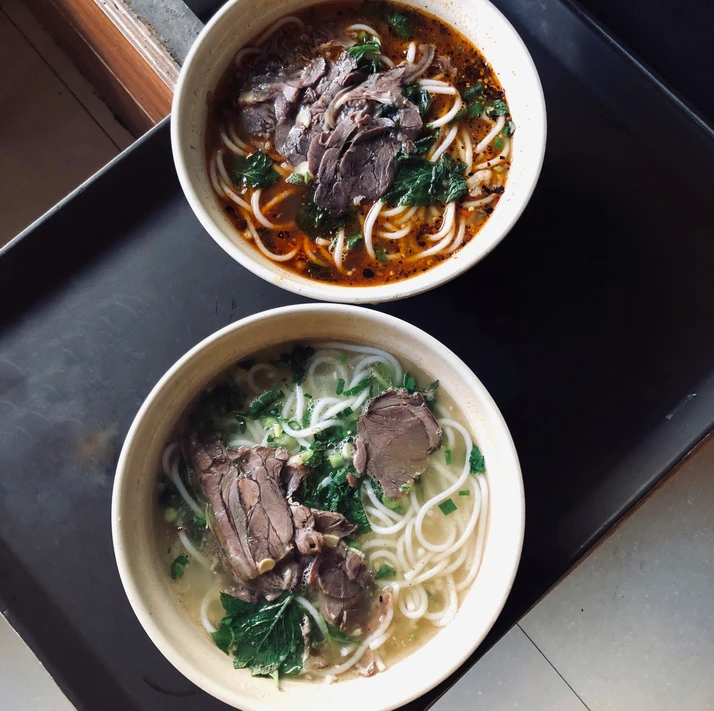
Recommendation: The lamb hotpot at 会泽黑山羊 (Huize Black Goat) – they offer free lamb noodle soup in the morning. It'll warm you to the bone.
By Dianchi Lake, the red-billed gulls outnumber the tourists. They expertly peck at bread held by visitors, occasionally testing your patience. I tirelessly raise my hands, hoping for their "favor."
I stumbled into 茶马花街 (Tea Horse Flower Street) and found a hidden teahouse. Tea is the lifeblood of Yunnan. One sip of 滇红 (Yunnan black tea) leaves a lingering sweetness, as if the entire spring city's gentleness has dissolved into this amber cup.
Day 2: Plans Change, So Go with the Flow
A restless night, a missed train. Dali was off the table, so I spent another day in Kunming.
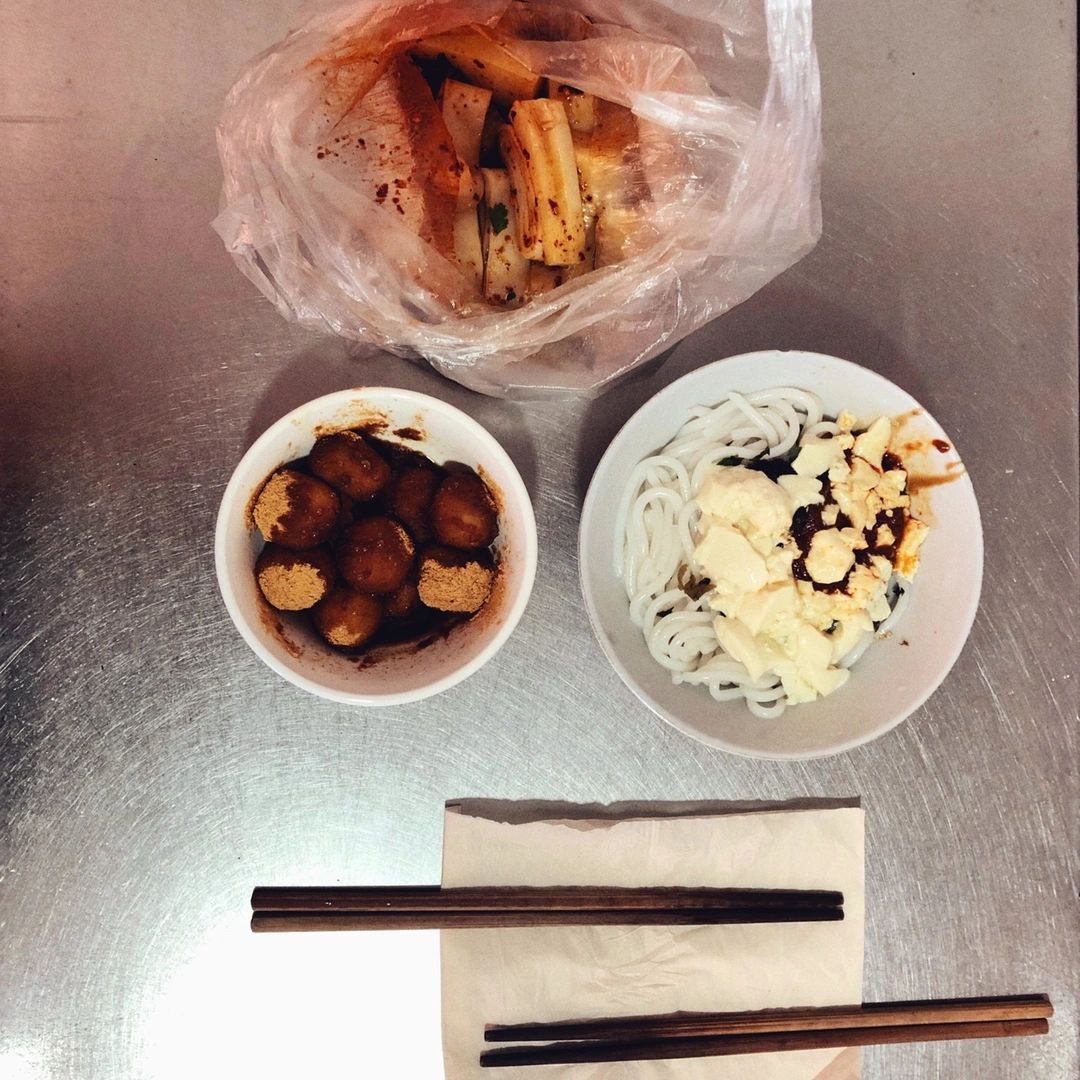
I cycled through old streets, admiring the arcaded buildings. Near Yunnan University, the pickles are a must-try – spicy pineapple, spicy strawberries, anyone? I sat on the curb, eating and hiccupping, the chili triggering diaphragm spasms, but I couldn't stop.
Since Dali was out, I decided to head straight to Tengchong. I chose an overnight sleeper bus – a mode of transport far from my imagination. The driver asked us, "Are you here to smuggle guns or drugs?" We exchanged glances and laughed, becoming the odd ones out on the entire bus.
A bumpy night with no toilet, no power outlets, and blankets of questionable origin. Woken every two hours for "comfort stops," I kept a bottle of low-alcohol drink under my pillow – to ward off insomnia and, just in case, as defense. At 4 a.m., pitch-black outside, bone-chilling cold. But honestly, I didn't regret it one bit. The passengers were all wanderers, chasing their livelihoods. We were just a tiny corner of this world, fleeting and insignificant.
Day 3: Heshun – Warm Sun, Gentle Breezes, Living in Harmony
Heshun is a serene, picturesque Han Chinese town on Yunnan's border. Built into the mountainside, higher in the south and lower in the north, it's surrounded by tranquility.
Getting there: Tengchong's bus station is not far from Heshun Ancient Town. Guesthouses usually arrange pickups for ¥30. If you skip the paid attractions inside the town, you can enter for free. The ticket is ¥80.
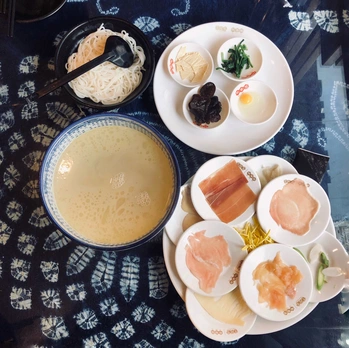
In the early morning, Heshun is bathed in sunlight. The cobblestone streets rise gently with the mountain. The morning market ends by 11 a.m. If you want to try 寸大妈's (Aunt Cun's) 稀豆粉 (thick bean jelly), you must arrive before 9 a.m. – I missed it on my first day.
松花糕 (pine pollen cake) is my favorite – lightly sweet and fragrant. In the afternoon, I joined an old man sunbathing, enjoying the "Heshun-style" laziness. The early winter lotus flowers had withered, but the happiness on the face of a大叔 (uncle) digging lotus roots in the pond was more beautiful than any bloom.
As dusk fell, the town was quiet – no Lijiang's clamor, no Dali's stories. Only strangers gathered around a fire pit, roasting 粑粑 (rice cakes), drinking烤茶 (roasted tea), and chatting about everything and nothing. The tea master kept shaking his clay pot, the aroma of raw pu'er mixed with corn silk filling the air. Boiling water bubbled, poured out, the tea's fragrance reaching its peak. Accents from all over China wove together into a harmonious night melody.
Day 4: Jiangdong Ginkgo Village – A Golden Carpet
Three rooster calls, and I couldn't sleep anymore. I wandered in the morning dew. By Wild Duck Lake, the mist swirled around Longyuan Pavilion, dreamlike and ethereal.
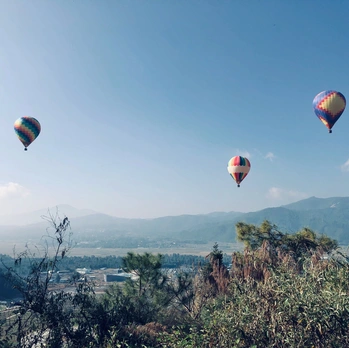
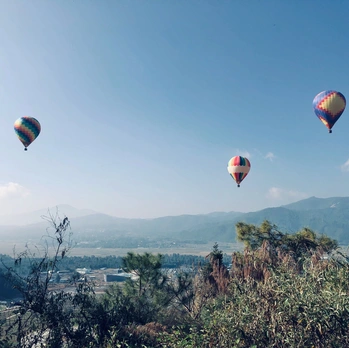
At the Volcanic Geological Park, the 600 steps to Dakong Mountain were steep and tiring. But the colorful hot air balloons above made me click my shutter excitedly. Note: Balloons only fly in the morning, weather permitting – ¥280 for about ten minutes.
Ginkgo Village was a sea of golden leaves. Endless tourists streamed through, but if you stay overnight, you'll see its most authentic side. At a farmhouse, ginkgo chicken and ribs cost less than ¥200 for four people – cheaper than the entrance fee.
Black Fish River is an underground river formed by volcanic lava. Wild monkeys surrounded us, their eyes pleading for food. Cute as they were, I fed them cautiously.
Tengchong's sunset was always captivating. Standing in a hillside villa district, overlooking the entire city – morning glow means stay home, evening glow means travel far.
Day 5: Valley Hot Springs – A Private Retreat
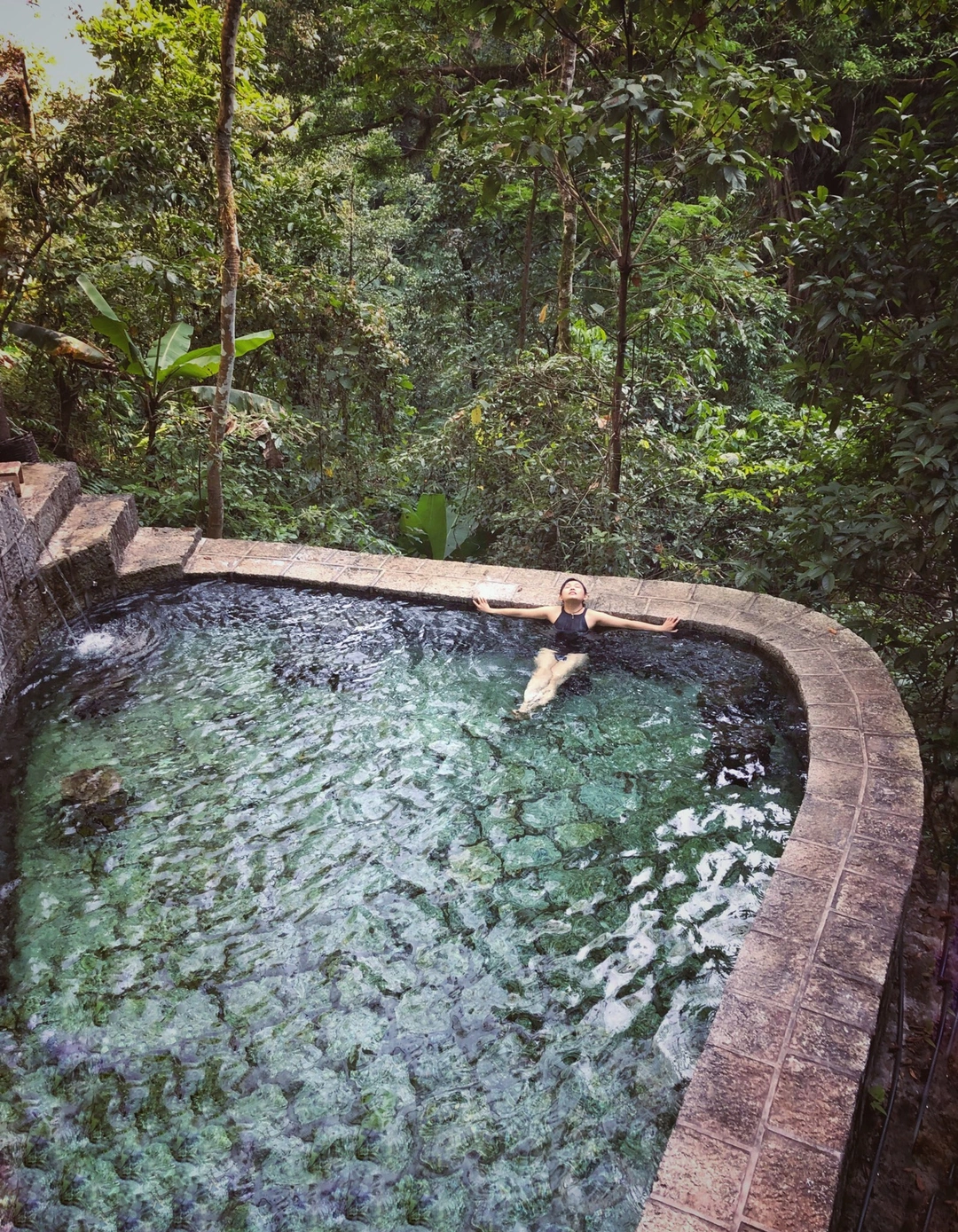
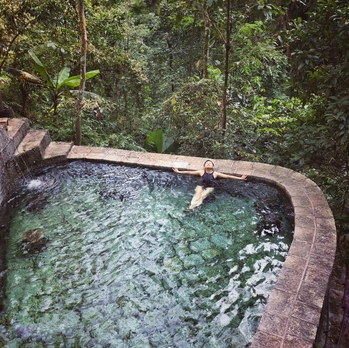
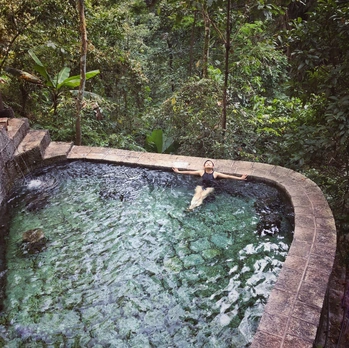
Cherry Blossom Valley had few visitors. In the silent valley, only the sound of mountain streams, birdsong, and wind rustling. Three hot springs were built with stone, the water clear and around 38°C (100°F). Midday soaking was pure bliss.
Exploring the empty valley gave me the illusion that "this world is all mine." The Longchuan River cut through the mountain, with steel cables strung high above. With a burst of courage, I ziplined across the gorge.
The newly paved road through Gaoligong Mountain offered stunning views on both sides. Eagles circled overhead, birdsong fading. Standing at the cliff's edge, I felt as if the mountain might swallow me whole.
Day 6: Boiling Eggs in Hot Springs, Tea Mountain Clouds
Tengchong boasts "99 volcanoes and 88 hot springs." The 2.5-kilometer trail through the Rehai (Hot Sea) Scenic Area connects various geothermal formations – a steaming exhibition hall. Remember to buy raw eggs and cook them yourself – it's a unique pleasure of Rehai.
The sea of clouds over the tea mountain was another highlight of my trip. Though there was no tea to pick in early winter, a cup of 滇红 (Yunnan black tea) with its lingering sweetness was Yunnan's gift.
Day 7: Every Inch of Land, Every Drop of Blood
The National Memorial Cemetery of the Fallen (Guoshang Cemetery) was the heaviest stop of my journey. 1944, the Burma Campaign, the Chinese Expeditionary Force, World War II. The line from the film Forever Young still echoes in my mind: "This world has never lacked perfect people. What it lacks is sincerity, courage, justice, and compassion from the heart."
Note: Closed on Mondays, open 9:00-17:00. Luggage storage available on site.
On the way to Mangshi, I passed a border checkpoint and was searched. Gazing out the window, I couldn't help but wonder: beneath this smooth road, how many heroic bones lie buried?
Mangshi – a border town so slow it makes you forget time – once had a romantic name: Luxi. Lined with tropical plants, coconut trees, and flowers, it felt like Southeast Asia.
At the Mengbanaxi Tropical Park, petrified wood and fossils spanning hundreds of millions of years made me feel tiny and insignificant. The Great Golden Pagoda is Mangshi's most iconic landmark. Climbing to the top, the entire city of Menghuan spread before me. The Silver Pagoda was still under construction but already gleaming.
Day 8: Mangshi, Don't Rush
A banyan seed, by chance, fell into a pagoda. Over 200 years, it grew, eventually enveloping the structure. Beneath it lay freshly burned incense, and wax drips hung from mythical beasts. Human faith and nature's power intertwined.
Mangshi is small – you can walk through its alleys. Row after row of single-family houses, residents chatting and laughing. I called it "Yunnan's Little Hualian," like the childhood home of Lin Xiangqin from a Taiwanese idol drama.
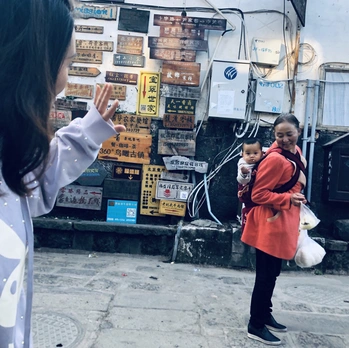
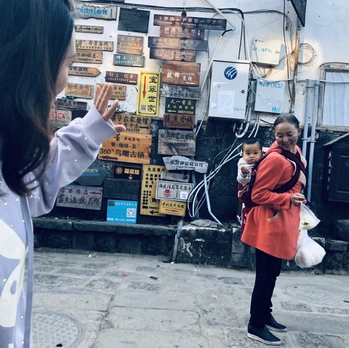
I'm an impatient person, always wanting to see everything. But in Mangshi, I unconsciously slowed down. Maybe it was the temptation of every little shop, or my endless curiosity. An aunt carrying her child in the sun, old men chatting under a tree, a vendor napping in the park – everything seemed on slow-motion, as if urging me to take a closer, gentler look.
On my last night leaving, I passed another border checkpoint. A petite woman in body armor boarded for inspection, her face serious and solemn. I wanted to take a photo, but an armed soldier forbade it. I obediently deleted the picture and silently saluted the guard. Thank you for your vigilance on this cold, dewy night.
Epilogue: Follow Your Heart, and It's a Journey of Freedom
I canceled my ticket to Xiamen and set foot on Yunnan's red soil again. Through Tengchong, down to Mangshi, overnight buses, sleeping at the airport, being called over the loudspeaker, catching my flight by the skin of my teeth. Rash and reckless, but never lost.
2018 was coming to an end. The single life that people envied, the "leftover woman" label my mother kept reminding me of, the pickiness my friends criticized. Life was becoming harder and harder to understand.
But I think I'll still walk very, very far, see beautiful, beautiful sights, and meet many, many people. Life pushes me forward, and I find my own direction… then keep walking.
Tengchong and Mangshi are not the end of a journey, but the beginning of a soul's awakening. If you, too, long for an unbound wandering, then set out. The borderland cities are always waiting for you.
This travelogue is original content. Unauthorized reproduction is prohibited.
You should also read:
Into the Hidden Valley: A Solo Journey Through the Mysterious Dulong River
Into the Hidden Valley: A Solo Journey Through the Mysterious Dulong River Deep in the northwestern corner of Yunnan Province, tucked away from the modern world, lies a place that feels like a secret whispered among mountains. The Dulong River Valley is not just a…
Continue reading...
Tengchong·Heshun: Finding Life as It Should Be in a Border Town Where Time Stands Still
Tengchong·Heshun: Finding Life as It Should Be in a Border Town Where Time Stands Still The long journey of over twenty days was over. On my first day back at the office, I was still in a daze. My fingers couldn't find the keys on…
Continue reading...
God’s Abandoned Palette: A Self-Drive Journey Through Yunnan’s Dongchuan Red Land
God’s Abandoned Palette: A Self-Drive Journey Through Yunnan’s Dongchuan Red Land Travel has never been about reaching some distant geographic coordinate. It’s about encountering, along the way, the version of yourself buried beneath the rubble of daily routine. During this May Day holiday, I finally…
Continue reading...