The Century-Old Pilgrimage: Notes on the Outer Kora of Meili Snow Mountain
The Century-Old Pilgrimage: Notes on the Outer Kora of Meili Snow Mountain
A Soulful Journey Between Faith and Landscape
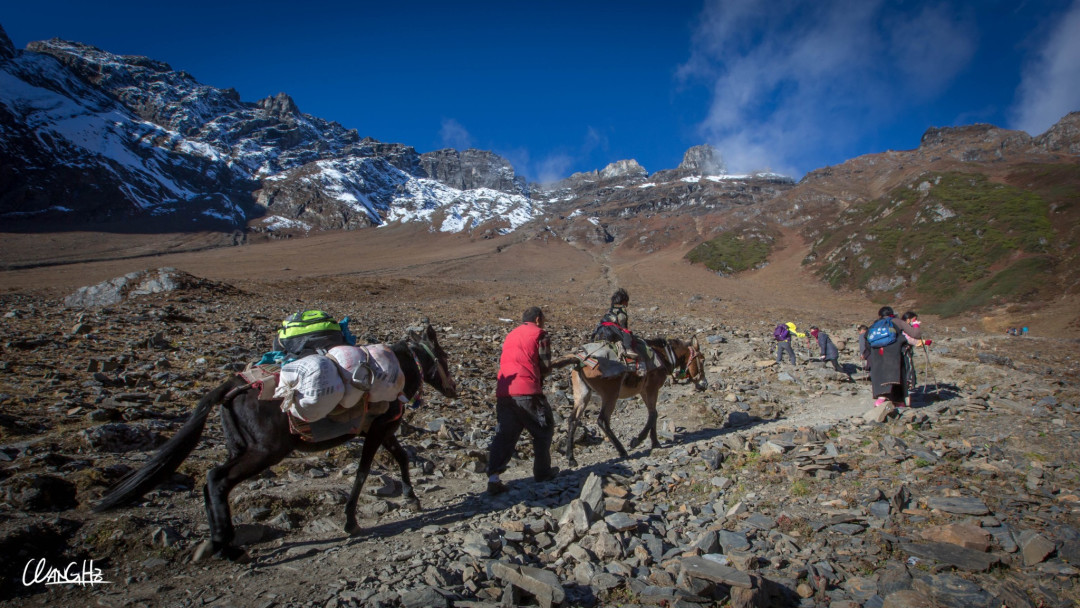
In the belief system of Tibetan Buddhism, performing a kora (circumambulation) around a sacred mountain is not merely a religious ritual, but a spiritual purification. Legend holds that circling the mountain once cleanses a lifetime of sins; ten times frees one from hellish suffering across five hundred reincarnations; and one hundred circuits grants enlightenment and ascension to heaven in this very life. Behind these numbers lies the unwavering devotion of countless believers, measuring their faith one step at a time.
I had long been drawn to this hidden yet profound power. Not out of fleeting curiosity or superficial observation, but from a genuine desire to immerse myself among those who carry such faith, to feel the peace and serenity that comes from being bathed in belief. After completing the kora around Mount Kailash last year, my companions 677 and Hans and I made a pact for an even more ambitious trek—the outer kora of Meili Snow Mountain.
This pilgrimage route, over seven hundred years old, was prophesied by Guru Rinpoche (Padmasambhava) in meditation as one of the twenty-four sacred sites of Chakrasamvara, the Buddha of Supreme Bliss. In October 2022, we set foot on this century-old path of devotion.
Departure: From Chengdu to Yongjiu Village
Preparation and Altitude Acclimatization

We left Chengdu on a night flight to Shangri-La (Zhongdian), then drove the next day to Deqin. The entire journey takes about a day, arriving at Yongjiu Village by evening. Experience had taught us that if time permits, it's wise to stay in Shangri-La for two days to let the body adjust to the high altitude—this makes a world of difference in how you feel and perform during the kora.
Along the way, we passed through Baima Snow Mountain, with scenery unfolding like a scroll painting outside the window. After meeting our group at Feilaisi (Flying Temple) in Deqin, we switched vehicles and headed toward Yongjiu Village. The true starting point of the outer kora is the Degong Bridge. Shortly after crossing, we reached the white stupa at Chalitong Village—this is where you "take the key." Here, pilgrims pray devoutly, asking for a safe and smooth journey around the sacred mountain.
The Warmth and Mystery of Yongjiu Village
Upon arriving at Yongjiu Village, we inventoried our gear and stocked up on supplies. An experienced guide warned us: don't bring too much food or water, because there are small shops along the way to replenish. More importantly, the daily elevation gains and drops are enormous—traveling light is the only smart choice.
That evening, our guide's family prepared a lavish dinner for us. Between bites, they shared countless legends about Meili Snow Mountain. The most heartbreaking was the story of the 1991 Sino-Japanese mountaineering expedition—seventeen climbers, ignoring the objections of local Tibetans, insisted on ascending Kawagebo Peak and perished in an avalanche. Since then, the Chinese government has permanently banned climbing on Meili, deepening the mountain's aura of mystery.
The hospitality of Tibetan people is always overwhelming. Once the toasting songs began, alcohol became the best language. That night, amidst singing and laughter, we felt the most genuine warmth this land has to offer.
Day One: Excitement and Challenge Hand in Hand
Stepping onto the Pilgrimage Path
Early the next morning, we drove from Yongjiu Village to the trailhead. From here, the difference between us and the Tibetan pilgrims became clear—they barely chatted, murmuring sutras under their breath, their eyes fixed and devout.
A father-and-son guiding team walked ahead and behind us, leading the way. Today's goal was to acclimatize to the altitude and find our rhythm. But theory is one thing; on day one, we were like wild horses let loose, barely able to contain our excitement. The first day of any long trek is always when energy peaks and spirits soar.
But that excitement often comes with recklessness—we completely ignored the importance of pacing ourselves. In truth, the biggest challenge of the outer kora isn't altitude or temperature, but the enormous vertical落差 (elevation difference) each day. While you're still riding the initial thrill, your strength is quietly draining away.
Heavy Packs and Hidden Troubles
I was carrying a heavy load of camera equipment, the straps of my backpack leaving deep imprints on my shoulders, even giving me heat rash. The first day's exuberance, combined with that burden, set the stage for the struggles to come.
Yet the scenery along the way made up for every ounce of fatigue. Mist-shrouded peaks, quietly flowing streams, and the occasional sound of chanting gave this pilgrimage path an extraordinary sacredness. The Tibetan pilgrims were simple and devout; the determination in their eyes was something we "well-equipped" outsiders could never truly attain.
By evening, we reached the camp below the Duokela Pass. Today's hike was about 24 kilometers—not terribly long, but the constant ups and downs had exhausted everyone. Dinner was simple instant noodles and butter tea, but under this silent snow mountain, it tasted surprisingly wonderful.
The camp offered dormitory-style sleeping, with blankets and pillows. If hygiene is a concern, bring your own sleeping bag. Lying on the wooden plank bed, I noticed a gap in the headboard letting in a draft—maybe this was the "experience the power of nature" approach. I stuffed the gap with my hat and drifted off to sleep amid the wind and distant chanting.
Day Two: Warmth in Silence
Crossing Duokela Pass
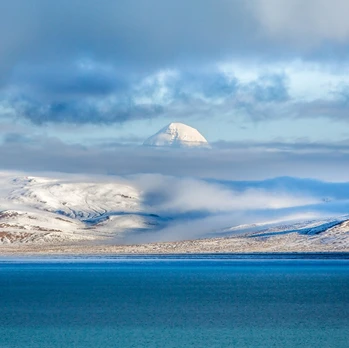
We woke at five in the morning, had a quick breakfast, and set out by five-thirty. Today's first challenge was the Duokela Pass at 4,478 meters above sea level. To seasoned trekkers, that number might seem modest, but for us, it meant fully unleashing the fatigue and lactic acid built up from day one.
As we climbed, everyone's expression shifted from excitement to wry smiles. That "damn, I can't let anyone see how tired I am" look became the truest portrait of the day.
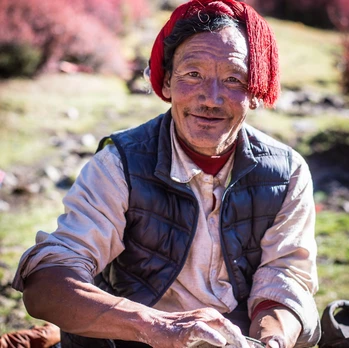
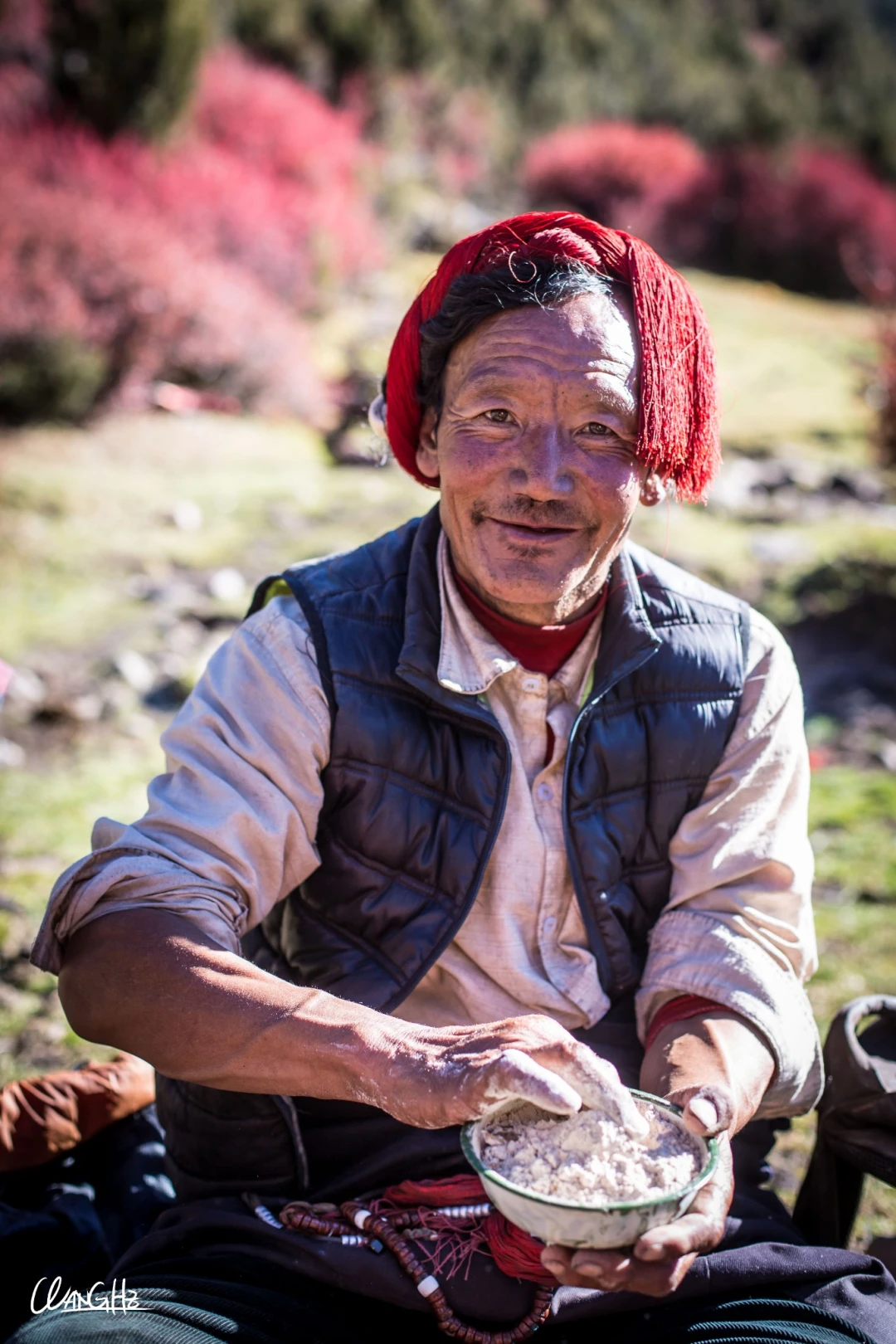
My camera became my identifying mark among the pilgrims. Some came up boldly, others shyly, asking me to take their photos. Near the pass, many Tibetans offered to carry my pack—my photography gear was simply too heavy. I declined each offer, but one Tibetan brother simply grabbed the bottom of my backpack from behind and walked with me for several dozen meters.
A Touching Moment at the Pass
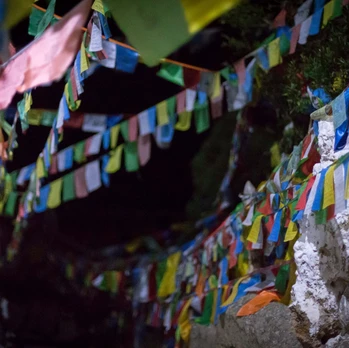
The Duokela Pass, at 4,474 meters, marks the border between Yunnan and Tibet. Upon reaching it, the pilgrims began tying up prayer flags (jingfan). I pulled out the colorful flags I had prepared, and as I was about to tie them myself, passing Tibetans eagerly came forward to help.
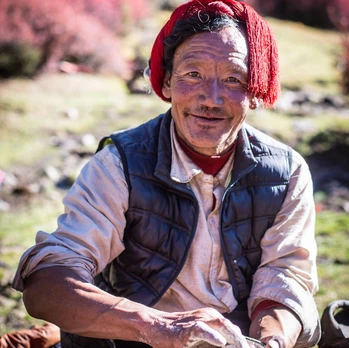
Here, I witnessed a sight I will never forget: an elderly Tibetan man stood by the prayer flags, reciting sutras. He might have just been repeating his daily prayers, but in that moment, I felt he was a poet.
After the pass, the legendary "118 switchbacks" lived up to their reputation. Because of my heavy load, my knees began to ache. A young Tibetan woman, seeing my struggle, held my hand and guided me through the most dangerous sections. Looking back, those zigzagging mountain paths reminded me of the railway designed by Zhan Tianyou—perhaps another layer of the kora is to endure hardship in order to cleanse one's sins.
The Beauty of Solitude
From today onward, our group of friends no longer walked together. Everyone has their own pace, and forcing synchronization only makes things harder. We agreed to meet at supply points and our destination, savoring this rare time alone.
This solitude didn't feel lonely at all. On the contrary, I felt like I was part of a grand, lively ceremony—the Tibetans coming and going around me were participants, and so was I. An auntie took my phone number, and we ran into each other several times along the way; she even gave me some tsampa (roasted barley flour) flatbread. My feet sank into the soft earth, and the exhaustion from crossing the pass melted away.
By evening, when we reached Zuoajiangde, my knee was becoming increasingly uncomfortable. But this day was a mix of pain and beauty—pain in the body, beauty in the soul.
Day Three: Life Amid Smoke and Fire
The Long Haul
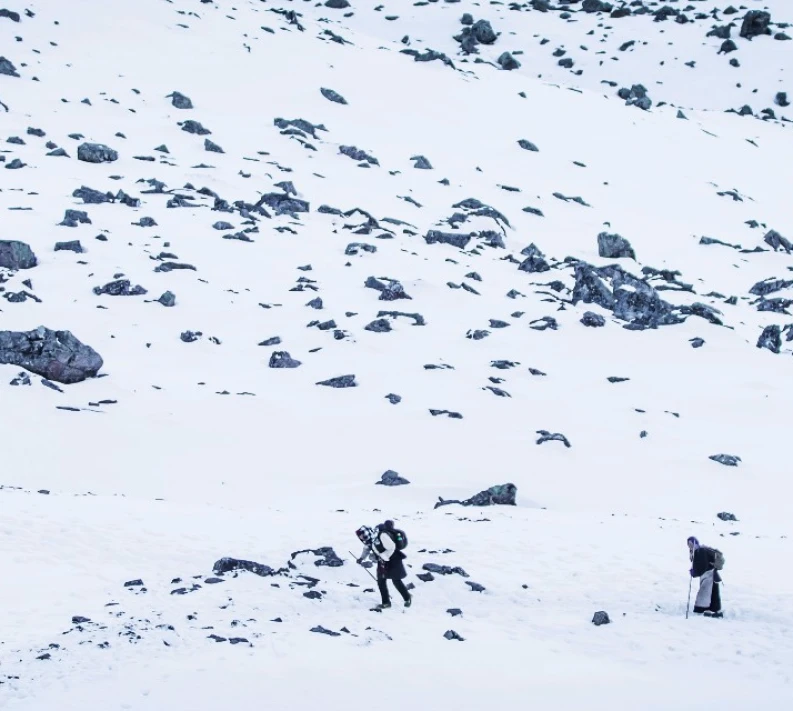
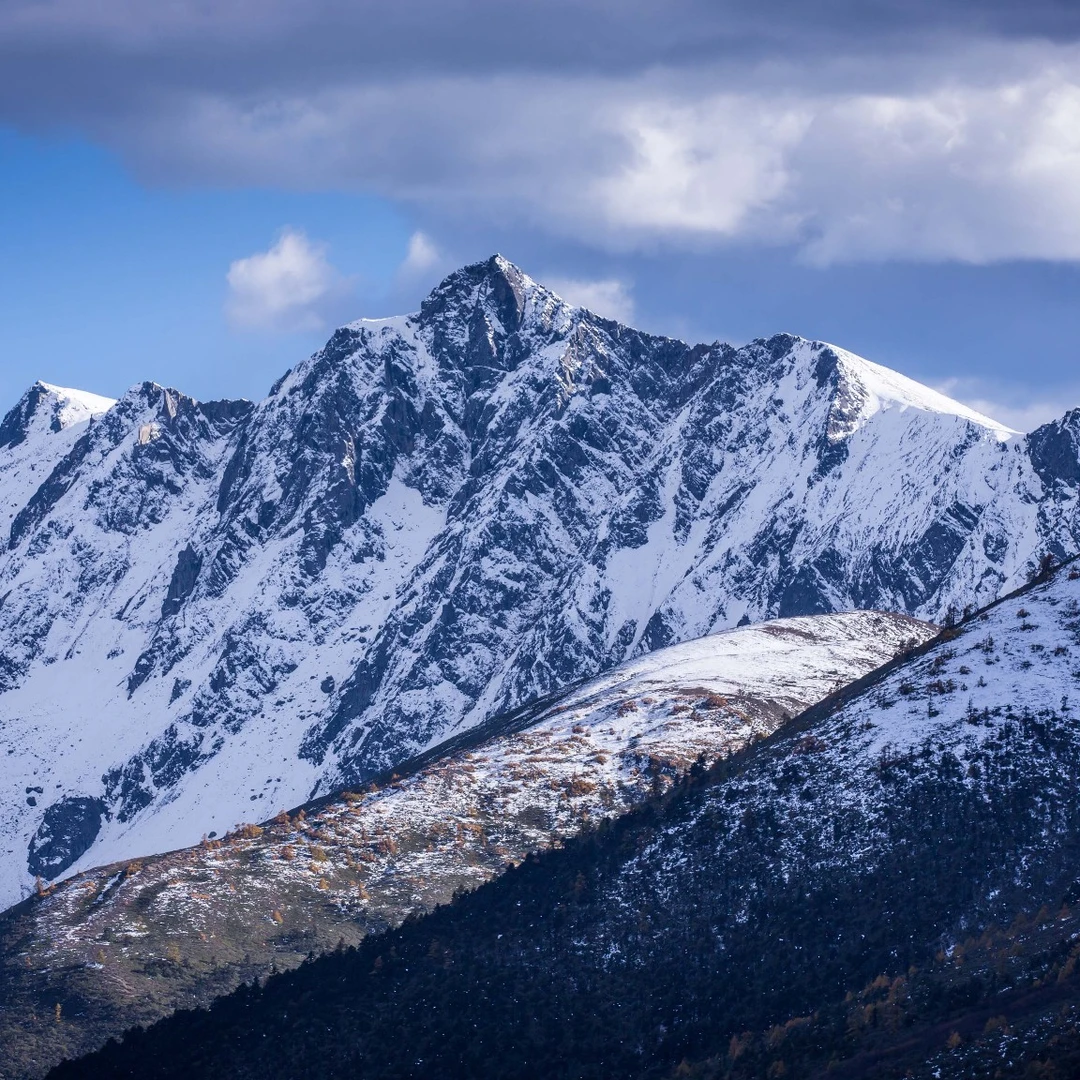
Today's hike could be described as "walk, walk, and keep walking." At the Luasenla Pass, we saw the back side of Kawagebo Peak and even witnessed an avalanche on the mountain. The wonder of nature lies in how seamlessly primeval forest connects with snowy peaks—there's no jarring transition, only awe.
After passing through Qunatang, the real suffering began. Earlier sections had been shaded by forest, but here the vegetation was sparse, the sun blazing down like a steam oven. Take off your clothes and you're cold; put them back on and you're hot—a total tragedy.
Solace in Chawalong
When we reached A'bing Village, we opted to take a vehicle to Chawalong. The road was a finished dirt track, choking with dust and offering dull scenery. Even the Tibetan pilgrims choose to hire cars here. Along the way, we passed the famous "Chawalong Great Drifting Sand" section—from a distance, our car looked like a speck of dust.
Chawalong is a well-known stop on the "Bingchacha" route into Tibet. Here, we had the best meal since starting the kora—a hot pot soup—and the best night's sleep, even if it was just a small three-bed room in a guesthouse. Compared to the dormitory bunks before, it was paradise.
Day Four: Reflection and Realization
A Silent Journey
From Chawalong to Laide Bridge, we again chose to ride. The scorching sun and dust made this stretch utterly charmless. With time on our hands, we started chatting and thinking—thinking about our future directions, about returning to normal life afterward.
I suddenly felt a touch of sadness at my own lack of faith, and then gratitude for my freelance career. Faith gives people certainty, while freedom lets them explore. Perhaps the two aren't contradictory after all.
Life in Smoke and Fire
That night we stayed at Meiqiu Bugong, again in a shelter built by Tibetan locals. The host lit a fire for warmth, but the wood was damp, filling the room with smoke. We were coughing and teary-eyed—just like life itself.
Day Five: The Ultimate Challenge
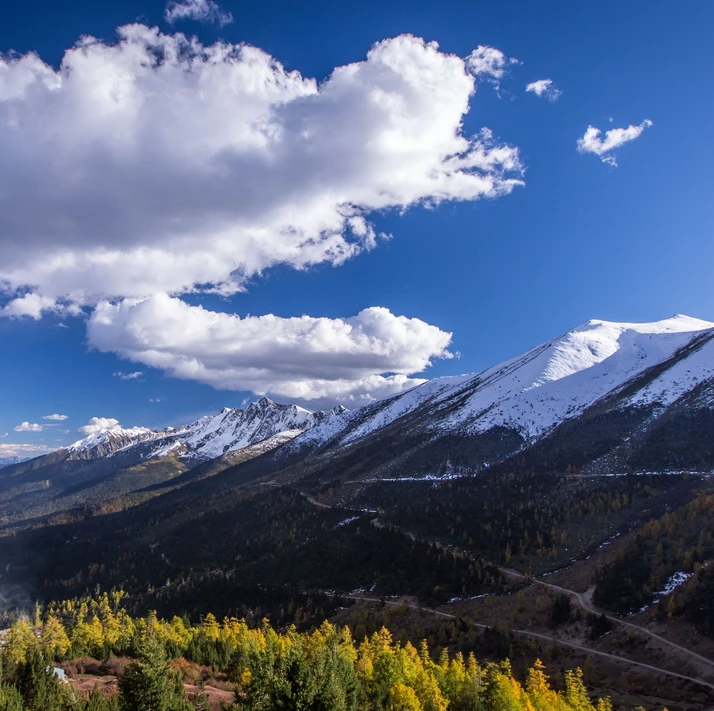
The Final Test
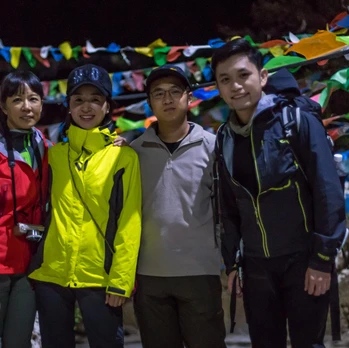
Today was the last day of the trek, and also the hardest. I set out early and near the pass met a family. The son in the photo was strong and fit; seeing my knee trouble, he used his walking stick to pull me all the way up the pass.
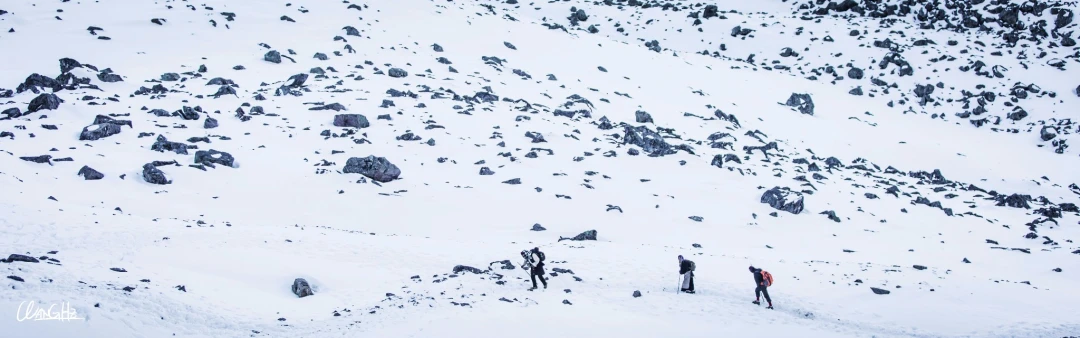
The knee pain that had appeared on day one worsened with every undulation of the trail. My heavy equipment kept shifting my center of gravity, and whenever I struggled, this Tibetan friend lent a hand. On the slippery, muddy slopes of the snow mountain, we built an unspoken but deeply solid trust.
Warmth at Zhaxi Pasture
After crossing the pass, we met again at Zhaxi Pasture. They called me over to sit with them and drink the butter tea they had made themselves. That milky, salty butter tea became the most moving comfort of the second half of the journey. I pulled out chocolate and cookies—a bit out of place, perhaps—but my Tibetan friends didn't mind at all. They curiously tasted snacks they might not have liked, chatting freely about their livestock and harvests.
After saying goodbye at Zhaxi Pasture, I continued on. The trees here weren't towering, but because they grew along this centuries-old pilgrimage path, every flower and branch seemed to carry both Buddhist grace and the warmth of human life.
The Final Stroll
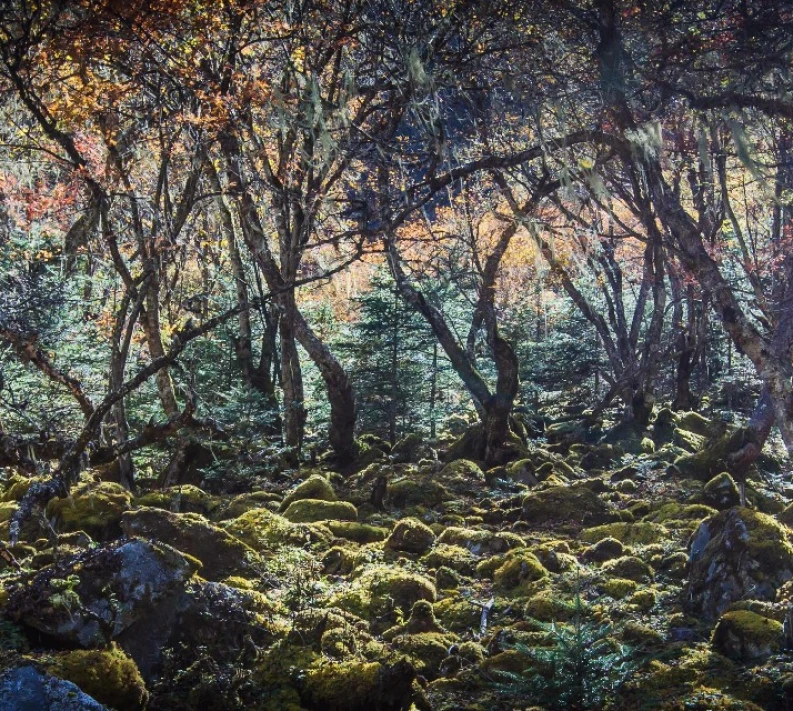
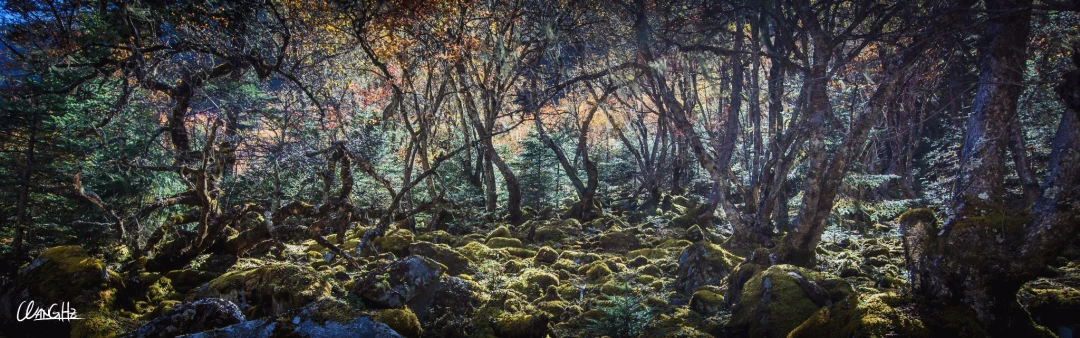
Before I knew it, the scenery had shifted to primeval forest. The sunlight grew warm, and the air was filled with the fragrance of earth—not a decaying smell, but one tinged with butter and incense. Though I was carrying a heavy pack, surrounded by this ocean of green, I felt as if I were simply strolling.
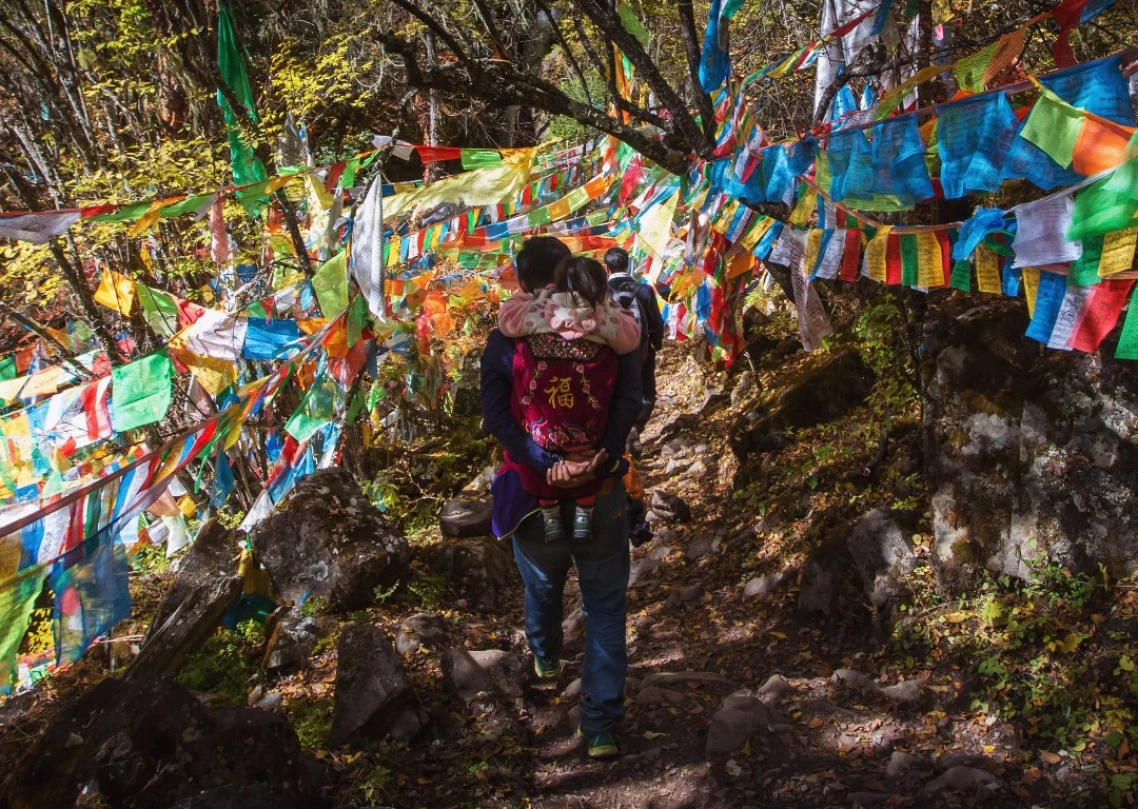
More and more people appeared on the trail, and I knew the end was near. My reluctance to leave made my steps even slower. A pilgrim carrying an infant in a sling—surely he was praying that his child would grow into a strong Tibetan man or a beautiful woman.
Final Chapter: The Golden Sunrise
After countless stone bridges, we walked along a drainage ditch beside a cliff. Eventually we reached the road, where a pre-arranged car picked us up and took us to Feilaisi.
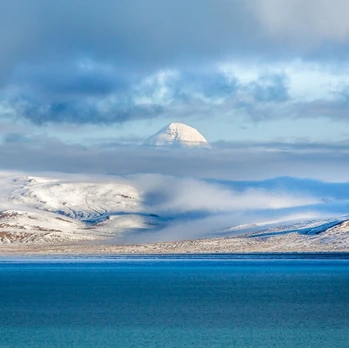
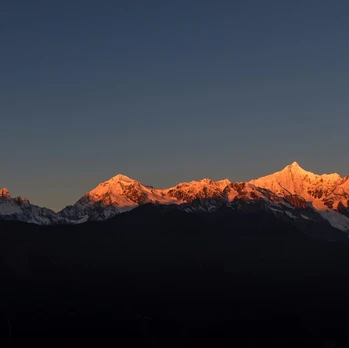
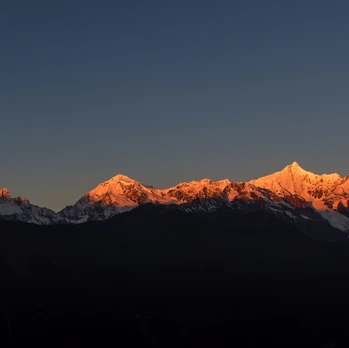
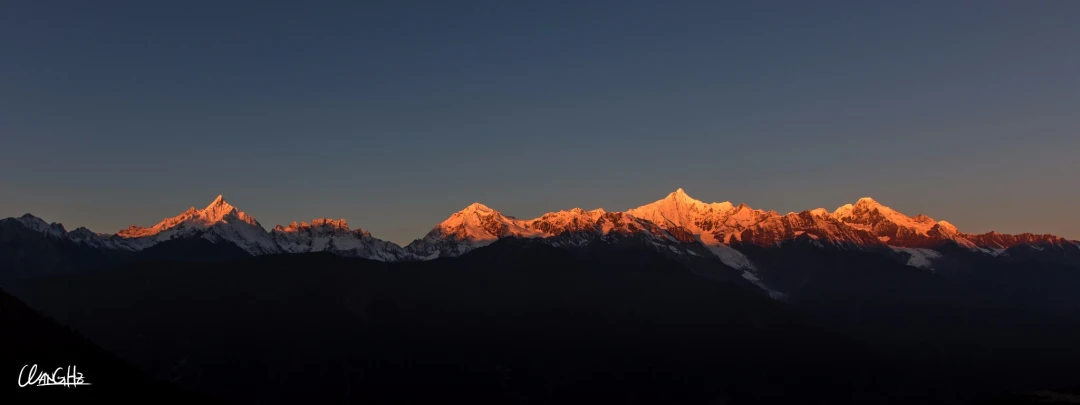
The next morning, we witnessed the most stunning "golden sunlight on the snow" of Meili's thirteen peaks.
The awe of that moment came not just from the golden light before my eyes, but from everything I had experienced over the past six days—the grueling climbs, the steep descents, the kindness and encouragement of strangers along the way. Every minute, every second, was a preparation and buildup for that golden sunrise.
Though I've traveled in Tibetan regions many times, each trip brings different insights. On this journey, help came so naturally and casually—perhaps that's just how they live. We should respect everyone's goodwill and faith. It guides the body, and carries the soul toward the horizon.
Practical Tips
About the Itinerary
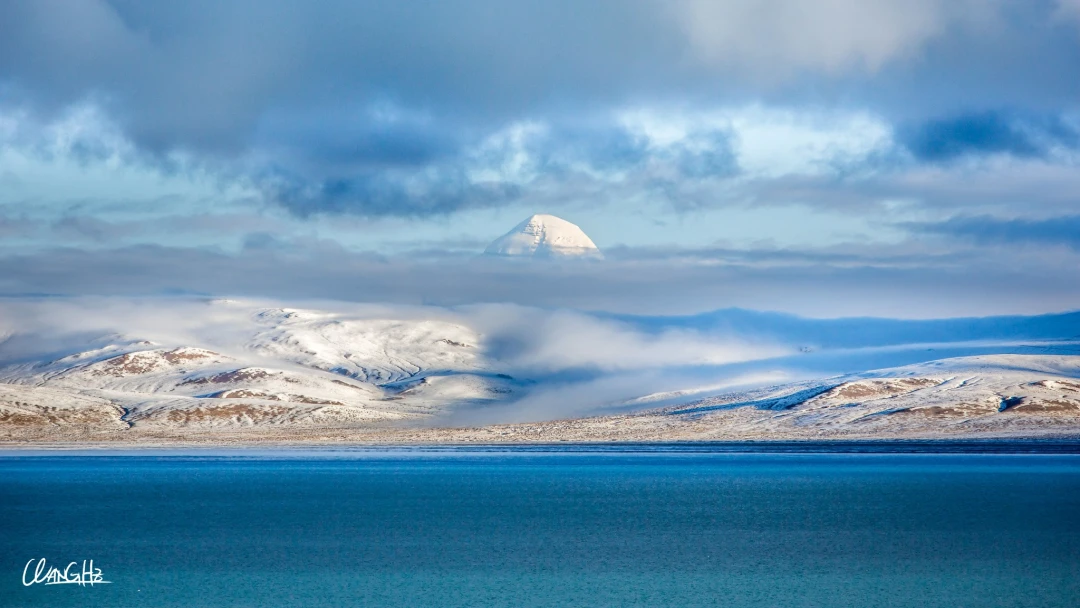
- DAY 0: Chengdu → Shangri-La
- DAY 1: Shangri-La → Deqin → Feilaisi → Degong Bridge → White Stupa → Yongjiu Village
- DAY 2: Yongjiu Village → Yongshitong → Camp below Duokela Pass
- DAY 3: Duokela Pass → Zansutang → Qunatang → Zuoajiangde
- DAY 4: Zuoajiangde → Luasenla → Qunatang → Xinkangla Pass → A'bing Village → Chawalong
- DAY 5: Chawalong → Laide Bridge → Laide Village → Meiqiu Bugong
- DAY 6: Meiqiu Bugong → Shuola Pass → Zhaxi Pasture → Meilishui → Feilaisi
- DAY 7: Feilaisi → Shangri-La
About the Challenges
The overall altitude of the outer kora isn't extremely high. The highest point is the Shuola Pass on the last day (4,815 meters), followed by Duokela Pass (4,478 meters). However, the daily vertical elevation change is enormous—especially after crossing Shuola Pass, where you descend 2,600 meters over mostly rocky terrain.
Important note: Don't carry too much! I ended up with a minor tear in my knee's cruciate ligament because of all my camera gear.
About Accommodation
- Best conditions: Chawalong Township, with guesthouses and restaurants
- Moderate conditions: Camp below Duokela Pass, dormitory-style in plastic tents
- Worst conditions: Meiqiu Bugong, even more basic plastic tents with floor bedding
About Transportation
The sections from A'bing Village to Chawalong and from Chawalong to Laide Bridge can be done by vehicle, as the road conditions are poor and the scenery is minimal. Private car hire costs 300–500 RMB per trip, while shared rides cost 60–100 RMB per person.
This century-old pilgrimage path is not just a physical challenge, but a purification of the soul. Faith always carries beautiful wishes, and life, because it holds hope, becomes willing to be kind to others and honest with oneself.
May everyone who sets foot on this road find their own answers among the mountains and waters.
You should also read:
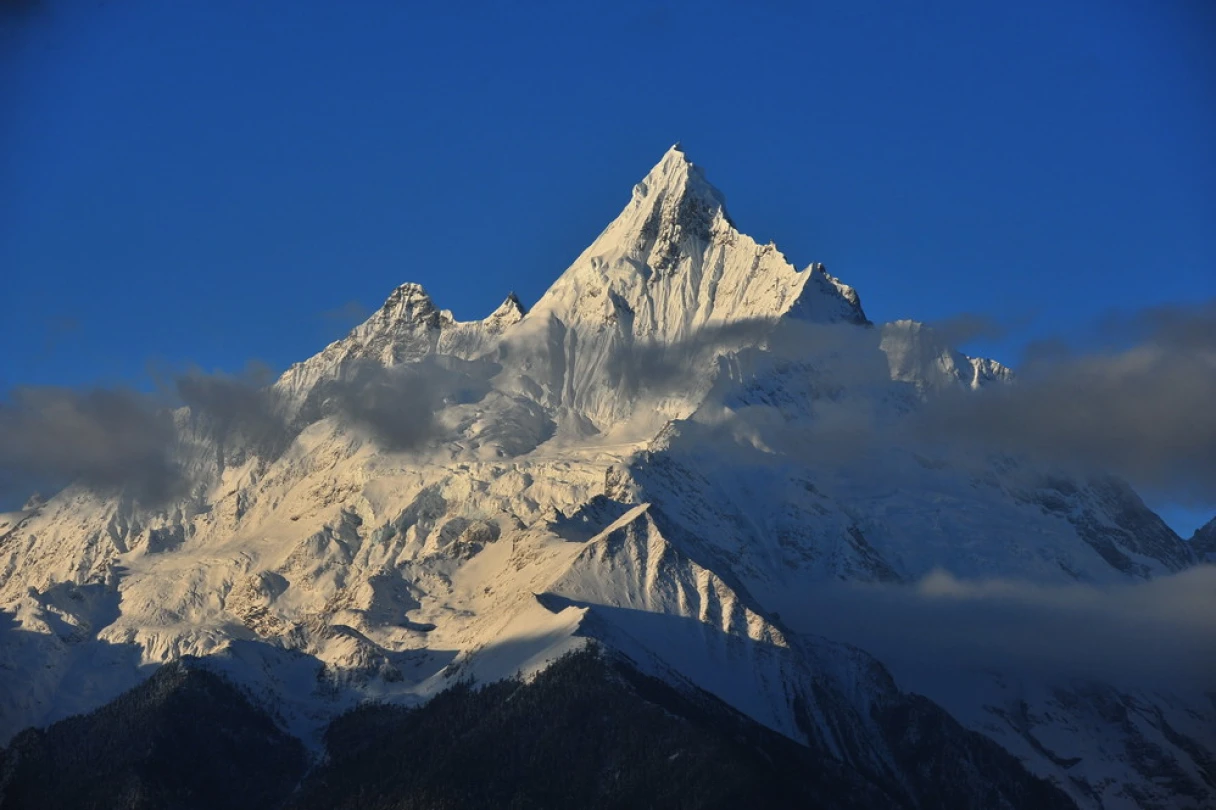
Entering Shangri-La, Meeting the Snow Mountain God—Meili
Entering Shangri-La, Meeting the Snow Mountain God—Meili Before setting foot on this land, I had pored over countless photos taken by seasoned travelers—those majestic snow-capped peaks, the azure skies, the prayer flags fluttering in the wind. They had already painted vivid images in my mind.
Continue reading...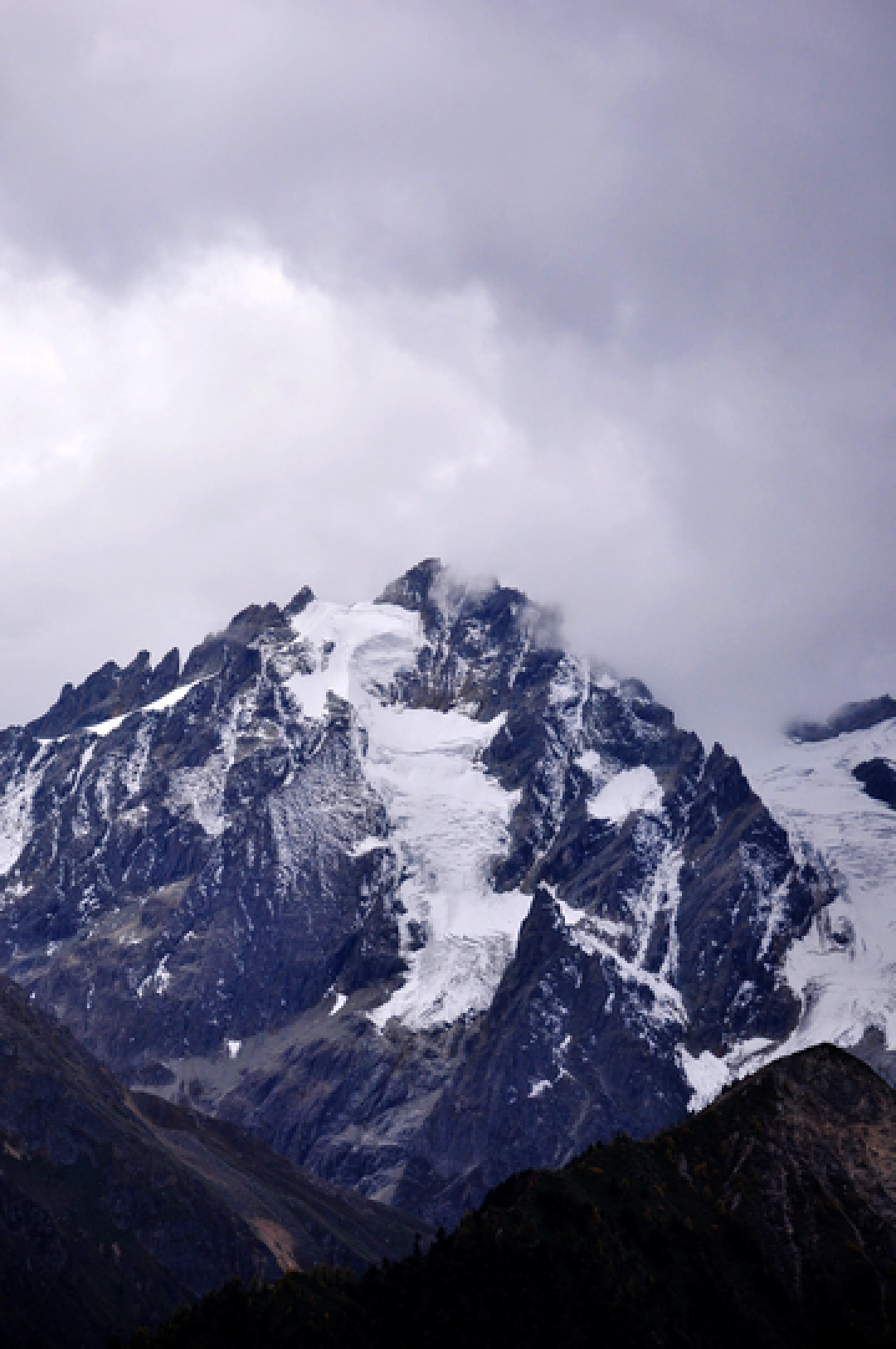
Meili Snow Mountain: A Soulful Journey of Dialogue with the Sacred Mountain
Meili Snow Mountain: A Soulful Journey of Dialogue with the Sacred Mountain Prologue: When Travel Becomes Faith Some journeys are forgotten as soon as they end. Others carve themselves into your bones. The trip to Meili Snow Mountain belongs to the latter. Waking up in…
Continue reading...
Two Girls' Graduation Trip: Dali and Shuanglang – A Poetic Farewell to Mountains and Sea
Two Girls' Graduation Trip: Dali and Shuanglang – A Poetic Farewell to Mountains and Sea Preface: Catching the Tail of Youth, Heading South During our senior year of college, my roommate and I – two girls studying in Beijing – decided to bid farewell to…
Continue reading...