The Dream City on the Persian Gulf: Qatar, a Real-Life "Arabian Nights"
The Dream City on the Persian Gulf: Qatar, a Real-Life "Arabian Nights"
The world is vast, with countless destinations worth your time. But few Arab nations can, like Qatar, completely shatter your stereotype of a "rich oil country" within just a few days—with its blazing heat and tender charm. Here, you'll find not only the most magnificent desert coastline on the Persian Gulf but also a breathtaking modern urban skyline. The people are passionate, life is vibrant, and it feels as if the fantastical world of One Thousand and One Nights has been meticulously recreated in reality.
When I told my father about my travel plans, he gave his usual advice: "Stay safe." That's probably the common impression many people have of the Middle East—mysterious, distant, even tinged with a hint of unknown caution. You might be familiar with the Qatar national football team, or perhaps you've heard of Al Jazeera. But if you were asked to pinpoint the country on a map, many would hesitate. Yet, this nation—smaller in area than Tianjin and seemingly insignificant on the map—opens its arms to the world with unimaginable wealth, safety, and openness.
First Impressions of Qatar: From Fishing Village to Capital of Wealth
Geography and History: A Small Country with a Big Vision

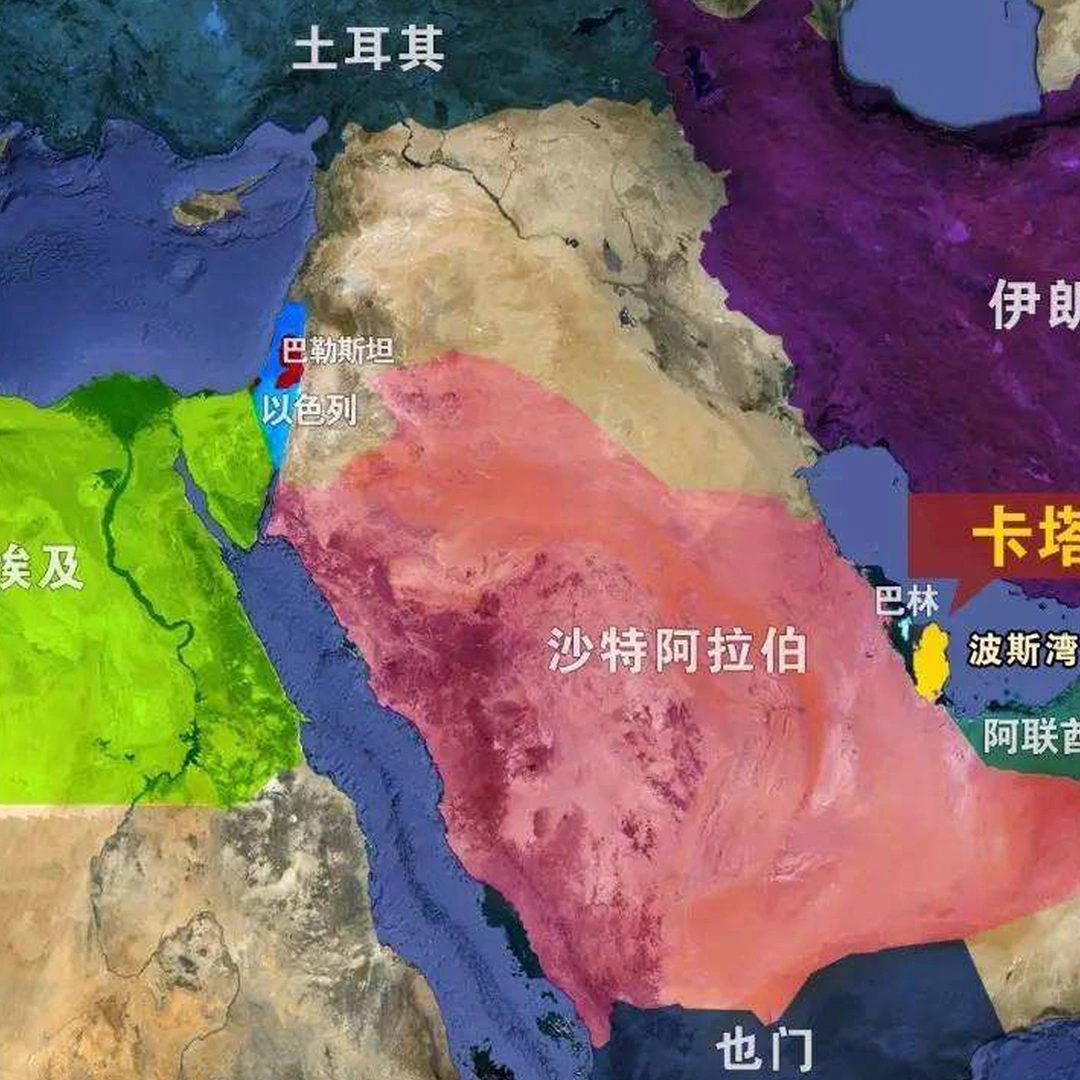
Qatar sits on the central western coast of the Arabian Gulf. The ancient Greeks called it "Catara," the Romans "Catarral," and the old Arabs "Qatarira." Its predecessor was the Emirate of Qatar, established in 1846 by Thani bin Mohammed, and it officially declared independence on September 1, 1971, becoming the country we see on maps today.
Geographically, the country stretches about 160 kilometers from north to south and about 80 kilometers from east to west. It borders Saudi Arabia and the United Arab Emirates to the southwest, with the sea on the other three sides. Its total area is slightly smaller than Tianjin, yet it boasts a 550-kilometer coastline. This得天独厚的地理位置 has made Qatar an important transit point for world trade since ancient times, laying the groundwork for its later economic boom.
Economic Lifeline: From Pearls to Black Gold
As the saying goes, "Live off the land if you live on a mountain, live off the sea if you live by the coast." Before the discovery of oil and natural gas, Qatar's economy relied on fishing and pearl diving. However, when Japanese cultured pearls entered the world market, Qatar's traditional pearl industry quickly lost its competitiveness. Forced to "find another way," they accidentally discovered the immense wealth buried underground—oil and natural gas. Today, Qatar ranks third in the world for total natural gas reserves and is the largest exporter of liquefied natural gas (LNG). The result? You guessed it—the country has been on the fast track to wealth ever since.
Qatar by the Numbers: Shocking Data
- One of the Richest Countries in the World: Ranked by Forbes as the wealthiest nation on earth.
- Energy Giant: The world's largest producer and exporter of LNG.
- Tax Haven: With no income tax, Qatar is one of the two countries with the lowest taxes globally.
- Key International Member: An early member of OPEC and a founding member of the Gulf Cooperation Council (GCC).
- Safest Country: Its security level rivals Singapore, allowing tourists to explore with peace of mind.
- Best Welfare: From birth to education and healthcare, the government covers everything, including free water, electricity, and gas for daily life.
- Highest Happiness Index: Ranked first in Asia for happiness.
Are Those Rumors About Qatar True?
Yes, whether you've seen it online or heard it from friends, the stories about Qatar's welfare are mostly true. If you are born in Qatar and are a true Qatari citizen, from the moment you are born, healthcare and education are completely free. Even your water, electricity, and gas bills are paid by the government. With an average annual income of over 800,000 RMB (about $110,000 USD), it's no exaggeration to say "the streets are paved with gold." Foreign expats often remark: "Qatar's social security is incredible. You don't pay a cent for medical treatment, and the government even gives subsidies. Real Qataris hardly need to work."
Why Choose Qatar? — A Traveler's Motivation
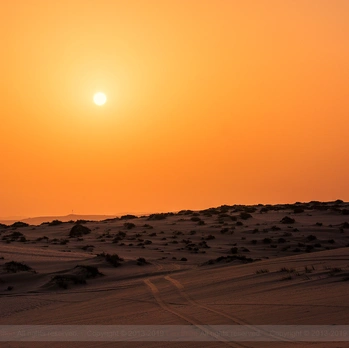
Qatar may be small on the map—smaller than Tianjin—but it's even wealthier than Dubai or Abu Dhabi. Surprisingly, the cost of living here isn't sky-high, and hotel prices are quite reasonable. For around 1,000 RMB (about $140 USD), you can stay in most luxury five-star hotels, which is cheaper than many guesthouses back home in China. What's more reassuring is the excellent public security, comparable to Singapore. With a GDP per capita approaching that of Switzerland, the sense of well-being and happiness is undeniable.
The most enticing part? Qatar offers a visa-free policy for Chinese citizens. Holders of valid Chinese diplomatic, service,公务普通 (public affairs), and ordinary passports can enter Qatar without a visa for stays of up to 30 days. And this visa-free policy is genuinely "zero-barrier"—even if it's your first time entering the country, you don't need to fill out an arrival card. Even with a blank passport, as long as you have your flight itinerary and hotel booking confirmation ready for inspection, you can breeze through customs. Apart from the flight time, the entry process is even simpler than traveling to Hong Kong.
As everyone knows, the next FIFA World Cup will be held in Qatar. Before hotel and flight prices skyrocket, I decided to go and experience firsthand just how "extravagant" this city, built with a $1.4 trillion investment, really is.
Practical Travel Guide to Qatar
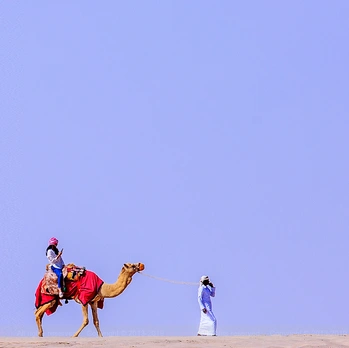
Currency and Exchange
The currency in Qatar is the Qatari Riyal (QAR). Currently, you can only exchange euros or US dollars locally, and many places accept card payments. ATMs are available at major attractions and shopping malls. It's advisable to exchange a small amount of Qatari riyals for souvenirs or taxi fares. The exchange rate is approximately 1 QAR to 1.88 RMB. For simplicity, you can think of it as roughly 1:2.
Language and Communication
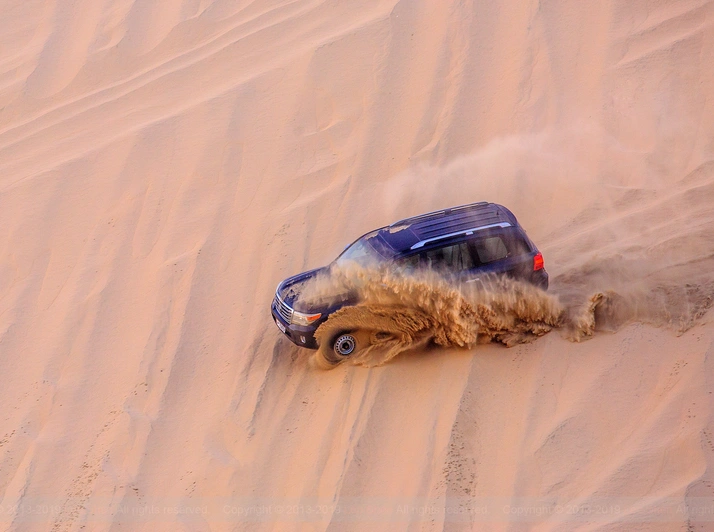
English is widely spoken in Qatar, so communication is not a problem at all. Regarding time difference, China is 5 hours ahead of Qatar.
Culture and Taboos
Respecting local Islamic customs is essential. You are not allowed to bring any alcoholic beverages, pork products, or drugs (except for适量 personal prescription medication). Pork is forbidden, and it's taboo to discuss topics related to pigs. Women should avoid wearing sleeveless tops, miniskirts, or transparent clothing in public, and men should avoid wearing sleeveless shirts and shorts.
Best Time to Travel
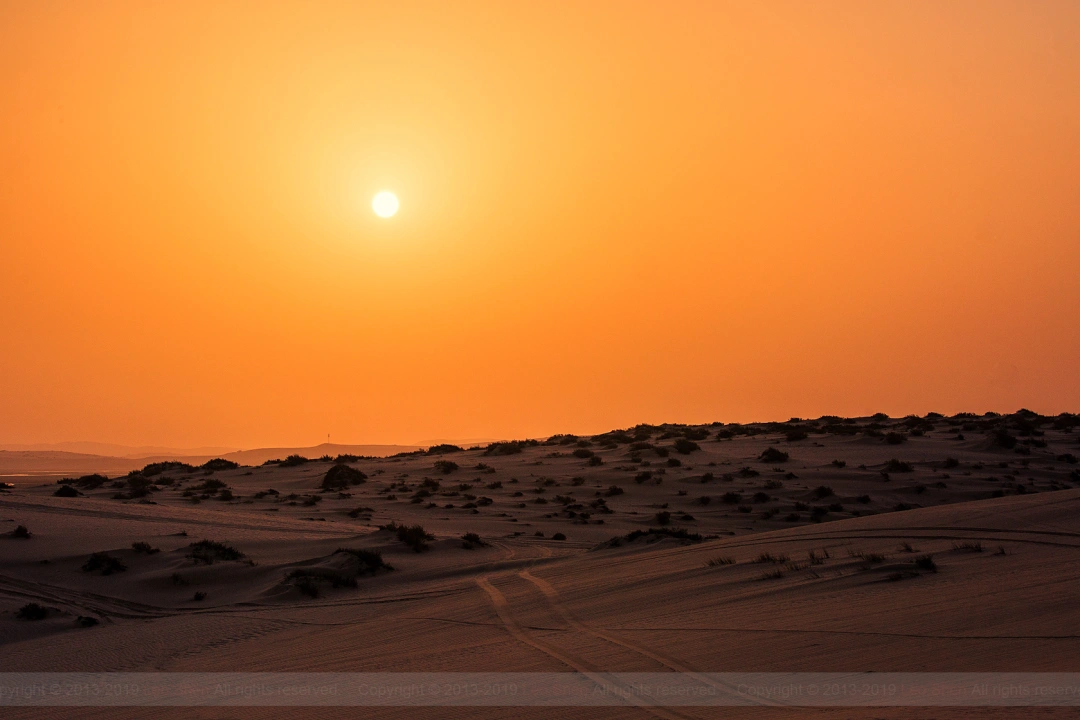
From November to March of the following year, the weather is warm and spring-like, very comfortable. April marks the start of summer, and after July, temperatures generally hover around 40°C (104°F). Be sure to take sun protection measures.
Transportation and Accommodation
Currently, direct flights to Doha, the capital of Qatar, are available from Beijing, Shanghai, Guangzhou, Chengdu, Chongqing, Hangzhou, and Hong Kong. Qatar has excellent accommodation capacity, ranging from world-class luxury hotels to budget-friendly inns, catering to all levels. The southern coastal area is a famous resort destination, featuring many high-end vacation villas with Qatari charm, offering top-notch environments and stunning scenery.
Photography Guidelines
Currently, drone photography is not allowed in Qatar, and drones cannot even be brought into the country. Some designer buildings, mosques, or museums prohibit video or photography. If you need special permission to shoot, be sure to obtain consent from security personnel in advance. Most attractions have no specific restrictions on phone photography, as long as you don't use a flash.
Culinary Specialties
Qataris are very particular about food, especially breakfast, which emphasizes the combination of color and flavor. They enjoy drizzling golden-green olive oil over cheese or yogurt, accompanied by green and black olives. A common breakfast dish is "焖蚕豆" (stewed fava beans), made with fava beans, garlic, and olive oil. Lunch and dinner mainly consist of vegetables and fruits, with a generous use of aromatic spices. Eating habits follow Islamic customs, with food often eaten by hand from a shared platter.
Qatari meals are primarily rice, beef, and lamb, and they also enjoy seafood. When hosting distinguished guests, they often serve roasted whole lamb, with rice stuffed inside the lamb's belly and baked, creating a unique flavor. "椰枣饭" (date rice) is made by stir-frying rice with dates, pine nuts, and raisins, resulting in a sweet and fragrant dish. A popular seafood dish is "哈穆拉" fish (a reddish fish with tender flesh, weighing over 10 jin or about 5 kg), grilled over pine branches for a distinctive aroma. "蘸汤大虾" (dipped soup prawns) involves pan-frying or boiling large prawns and then dipping them in a broth made from minced lamb, creating a delicious and refreshing taste.
Even if you're not used to local cuisine, don't worry. Hotpot, barbecue, Japanese and Korean cuisine, Thai food... In Qatar, if you have money, you can eat anything you want.
Recommended Restaurant: Parisa Persian Cuisine Restaurant (Main Street in Souq Waqif, Iranian restaurant) Address: 1st Floor, Sharq Village & Spa, Ras Abu Aboud Street This is definitely a网红 (internet-famous) restaurant in Souq Waqif. Not only do locals love it, but friends who have visited Qatar also highly recommend it. With colorful glass, large murals, and exquisite color contrasts, it feels like stepping into a crystal palace. Every photo you take is a masterpiece. At the back of the restaurant, there is an Emir's private room, open only to the Qatari royal family.
Recommended Restaurant: Sukar Pasha (Katara Cultural Village, Turkish restaurant) Address: Building 31S Katara Valley of Cultures, West Bay Most of the private rooms face the sea, accompanied by gentle sea breezes, luxurious decorations, and ornate murals, offering a feast for both the eyes and the palate.
Entering Doha: A Symphony of Tranquility and Bustle
Calling this trip a "visit to Qatar" might be more accurately described as a "trip to Doha." Because when it comes to accommodation and food in Qatar, the most closely related place is the capital, Doha.
The name "Doha" originates from the Arabic word "dohat," meaning "roundness," referring to the circular bay along the coastline of this area. Originally a small coastal town focused on fishing for fish, shrimp, and pearls, it transformed into a rapidly modernizing Middle Eastern city with the discovery of oil and natural gas. Its proximity to the harbor and just a 15-minute drive from the airport gave Doha even more reason to rise.
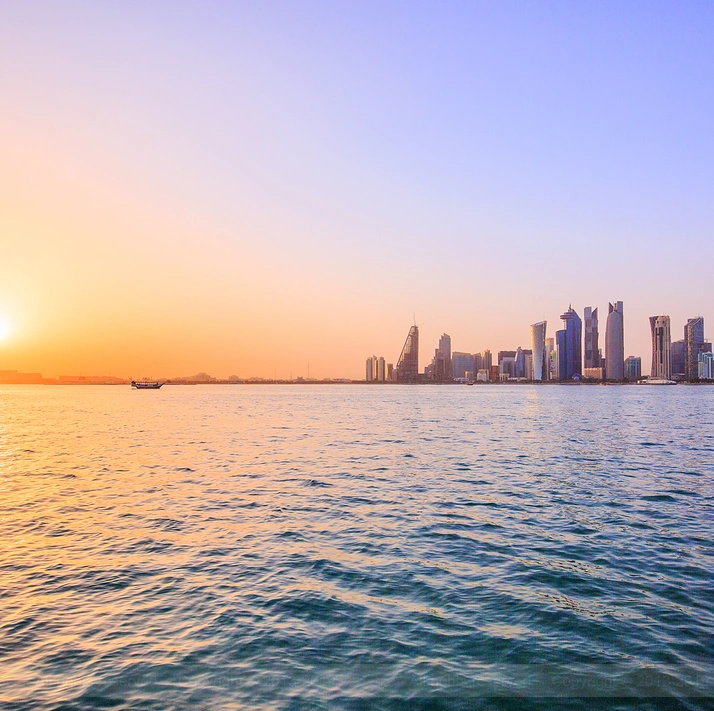
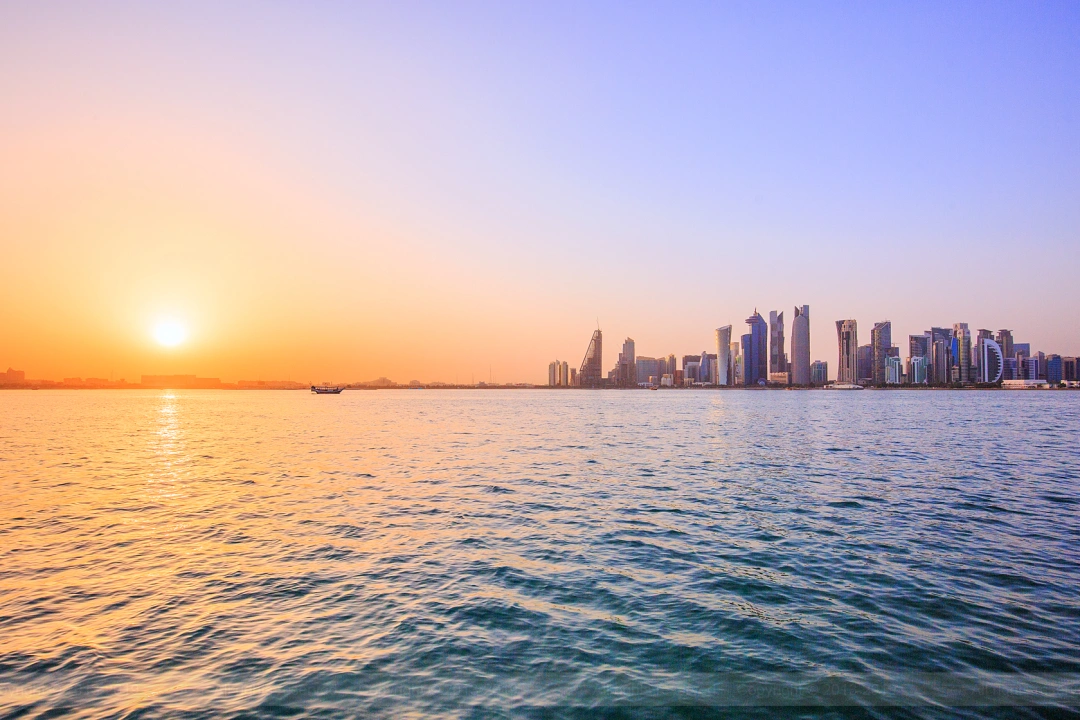
After work, Doha residents have plenty of free time. If you want to spend a leisurely afternoon, fishing along Doha's Corniche might be one of the best options. As the heart of the city and its most beautiful scenic spot, the Corniche offers a panoramic view of Doha's skyline and easy access to major attractions, markets, and museums. If you're new to Doha and don't know where to go, I recommend spending half a day or a full day here. It will quickly boost your appreciation for Islamic culture and Qatar.
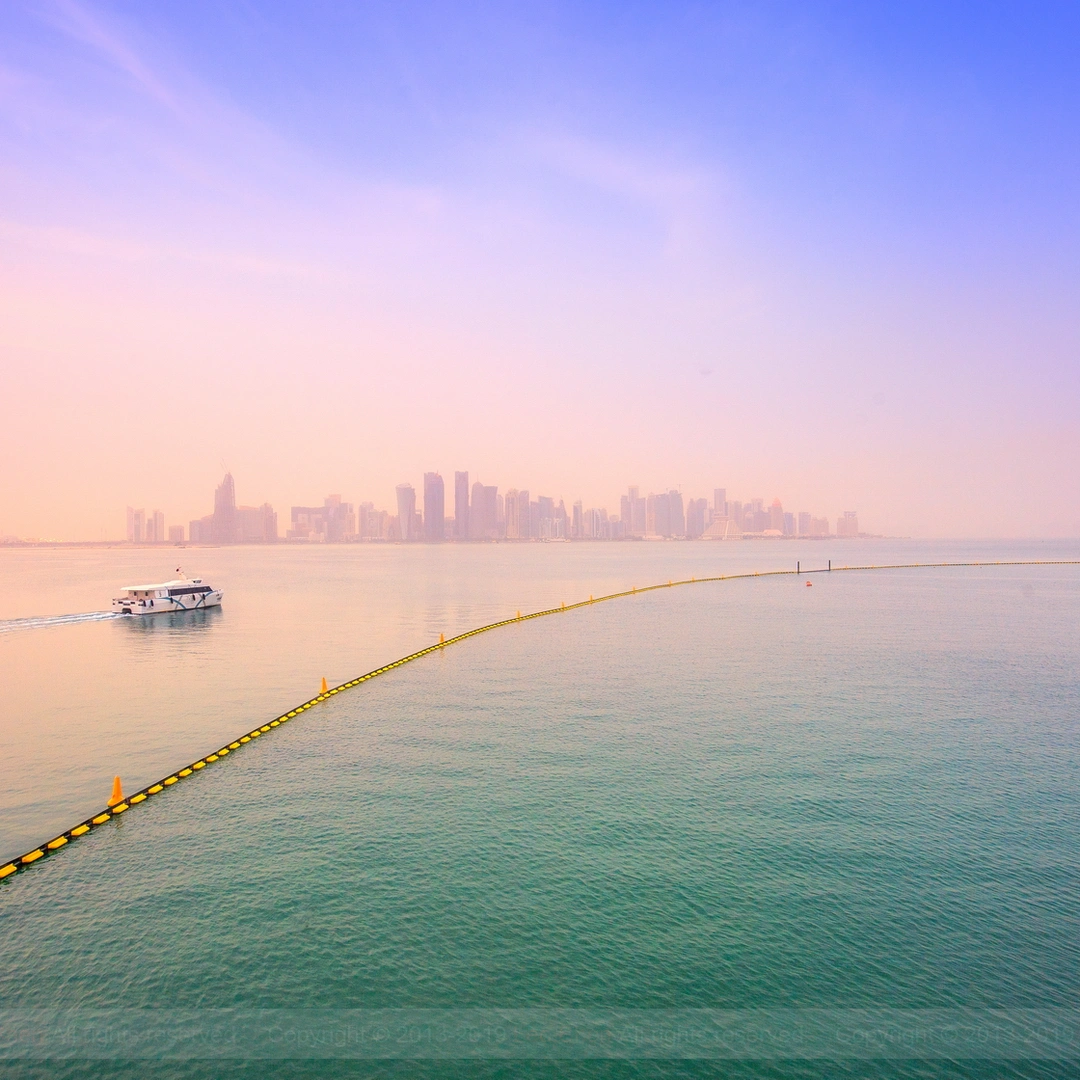
Taking a traditional dhow boat for a sea cruise is a quintessential experience when visiting Qatar. Only from the water can you enjoy a full view of the Museum of Islamic Art from the sea. The sunset over the city skyline is unforgettable. Here, you must slow down to fully savor the surprises this ancient yet vibrant modern city has to offer.
Souq Waqif: The Fastest Way to Experience Qatari Life
For me, nothing is more captivating than the history and culture of a country's old town. Souq Waqif, located in downtown Doha, is exactly that kind of place.
The ancient Souq Waqif market feels like One Thousand and One Nights brought to life before your eyes—a lively, traditional market with endless street culture, nurturing Qatar's unique history and culture. I'm sure you'll fall in love with it at first sight, just like I did. The bustling scene feels almost surreal—if I hadn't experienced it myself, I would find it hard to believe this is part of a country with the world's highest GDP. This down-to-earth atmosphere subtly bridges the gap between tourists and locals. Walking through the crowded streets, aside from locals in traditional attire, it's hard to tell the difference between tourists and residents.
The horses in the central square of the market aren't for riding or entertainment; they are auctioned off directly for sale. The weekend entertainment in this wealthy country is certainly extraordinary—how many friends in your social circle have ever casually bought two horses to show off? The rising and falling bids and shouts from the auction pulled me back from the rustic charm of the old market to reality: Yes, Qatar is still Qatar—money is no object.
Unsurprisingly, Souq Waqif is not just a market for tourists. When night falls, far more locals than tourists are shopping here. This market was established at least a century ago and was once a gathering place for Bedouins and local Qataris to trade various goods. To this day, the market still insists on using wheelbarrows for transporting goods, which is one of its unique features. The lack of excessive commercialization leaves a deeper impression on visitors—this is also why I returned to Souq Waqif multiple times. Sometimes, you pass by the same place repeatedly, not necessarily because you like it, but because you're lost...
Wandering through the bustling alleys of Souq Waqif, you can get up close to the essence of Qatari traditional commerce, architecture, and culture. The scattered shops are filled with a variety of Middle Eastern specialty products: spices, seasonal delicacies, perfumes, jewelry, clothing, handicrafts, and affordable souvenirs. On weekends and holidays, traditional music, art, and cultural performances enhance the unique atmosphere. Alternatively, you can step into the diverse restaurants and cafes to fully relax.
No matter which shop you enter, you'll find an array of unique Middle Eastern goods. The enthusiastic greetings from shop owners can even be flattering. Outdoor seating is filled with locals smoking hookahs and drinking coffee, chatting away in the swirling smoke. On the left side of the main street, there is a small alley dedicated to selling Qatari handmade products and souvenirs. Since Qatar's light industry is underdeveloped, most souvenirs might be imported or custom-made from other countries. If you want to buy 100% Qatari handicrafts, be sure to head here.
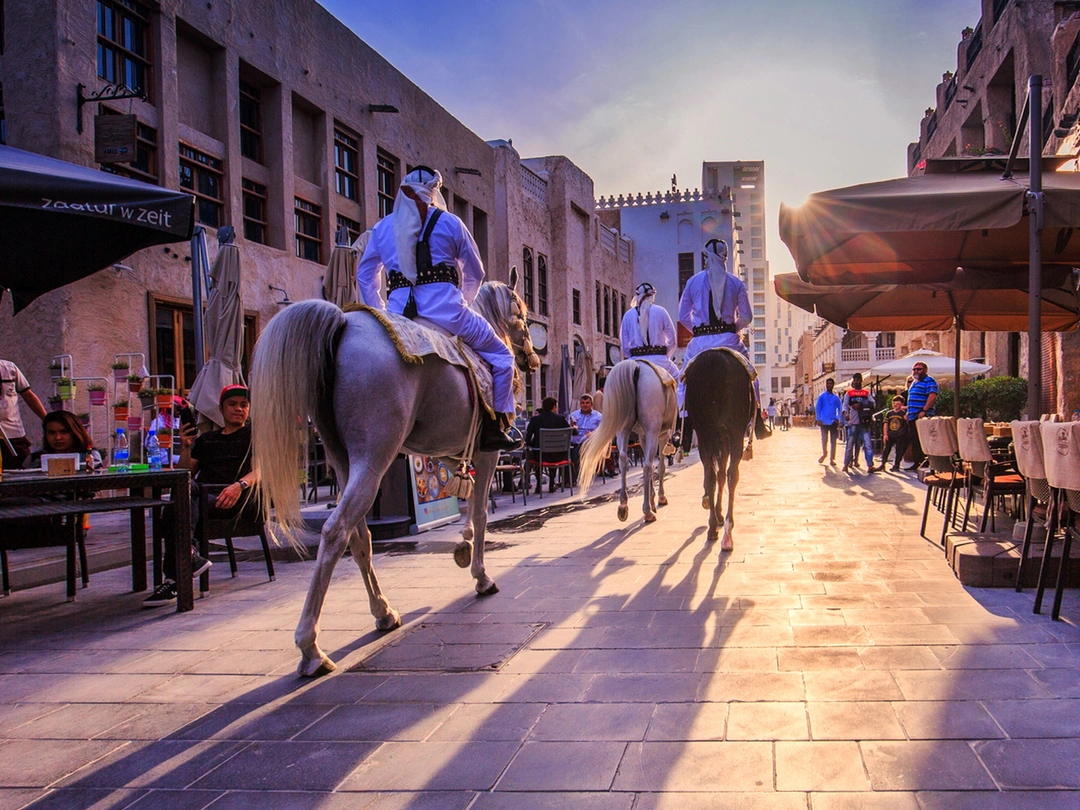
If you're lucky, you might even encounter handsome mounted police officers riding tall, majestic horses on patrol. It's said that the mounted police appear in Souq Waqif every evening, riding through the narrow alleys. They seem quite accustomed to being surrounded by cameras, naturally offering handsome, elegant smiles to the lenses from their high horses.
The most famous attractions in Souq Waqif are the falcon market and the falcon hospital. For wealthy Qataris, raising falcons is more suited to the local climate and environment. Falcons worth millions of US dollars can better showcase their owner's status and prestige. The sight of falcons flying and hunting is highly entertaining. In the Middle East, training a falcon requires a significant amount of time and money, making it a true pastime of the upper class. A hospital专门 for falcons has also emerged—the falcon hospital in Souq Waqif is arguably the world's most luxurious pet healthcare facility. Owners regularly bring their falcons for nail trimming, beak care, and feather repair. This four-story hospital employs dozens of veterinarians and nurses from across the Middle East, providing top-notch services for falcons and their wealthy owners.
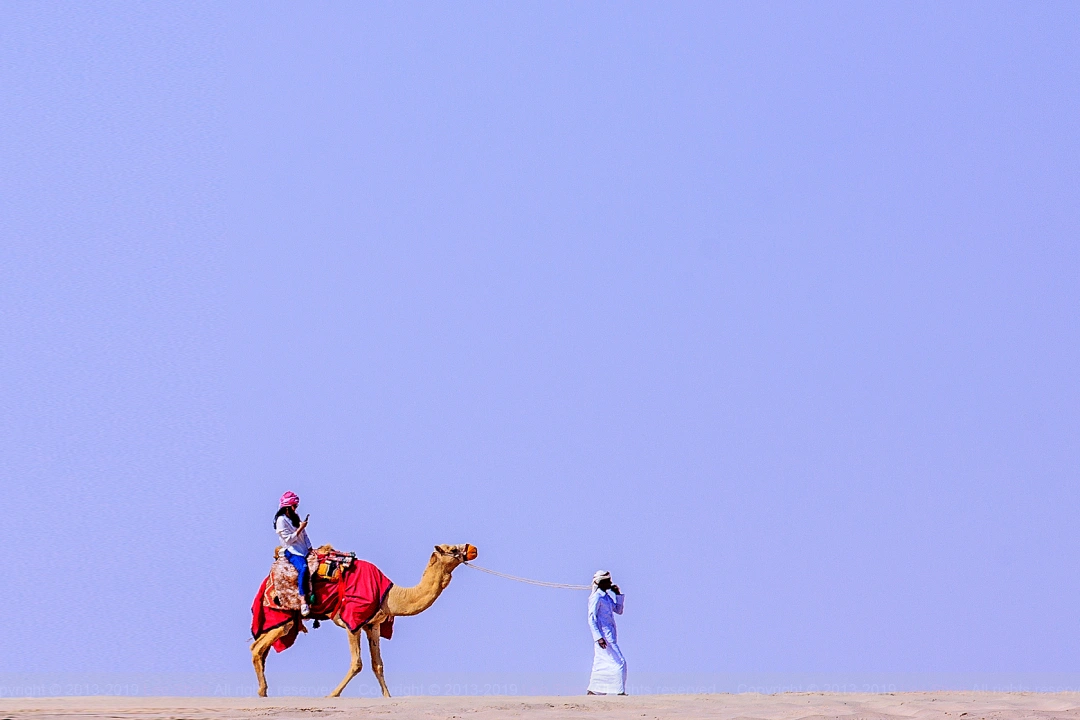
Following the streetlights, at the end of the road in a corner of the market, we accidentally came across a large group of camels resting in a camel camp. Getting up close, the camels lying on the ground seemed exceptionally docile—don't you think they can actually be quite cute?
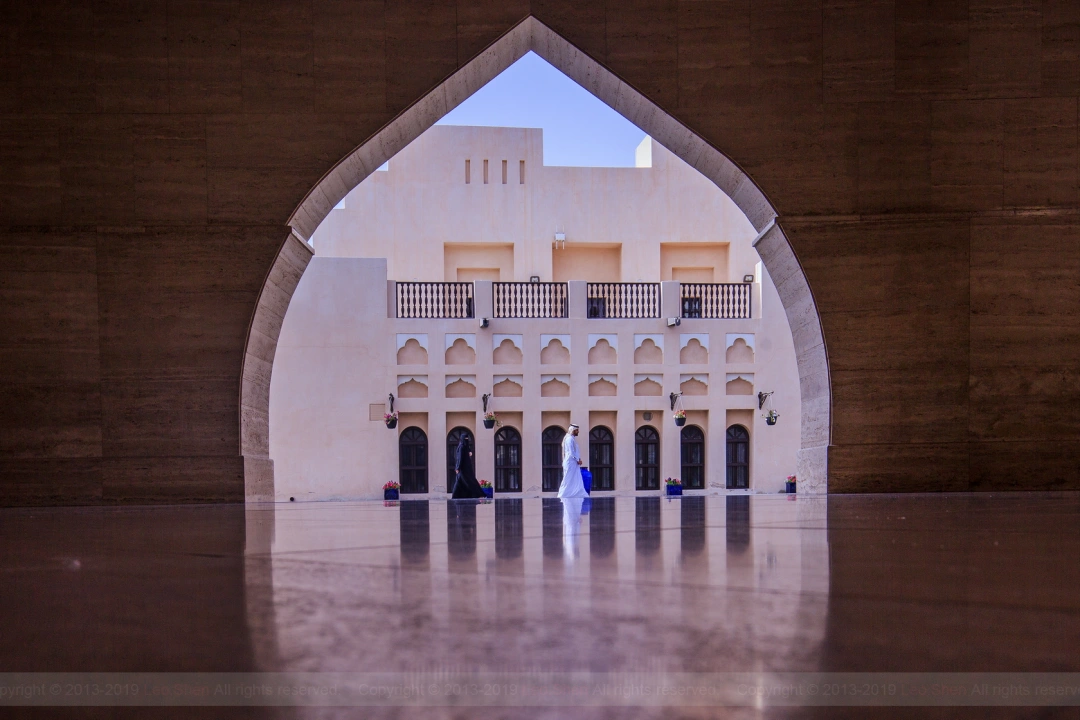
Yes, walking through the crisscrossing alleys of Souq Waqif, you see people in white robes and black abayas coming and going, buying clothes, spices, and chatting about everything under the sun. This is the fastest way to experience Arab life. Stepping into various spice shops and experiencing the different scents and functions of spices is one of the most direct ways to immerse yourself in Arab culture.
Souq Waqif Address: Bounded by Al-Souq St & Grand Hamad Street, Doha, Qatar Opening Hours: Monday to Sunday, 7:30 AM–12:30 PM, 3:30 PM–10:00 PM
Museum of Islamic Art: I.M. Pei's Final Masterpiece
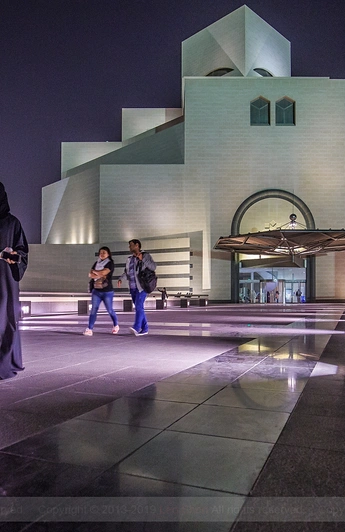
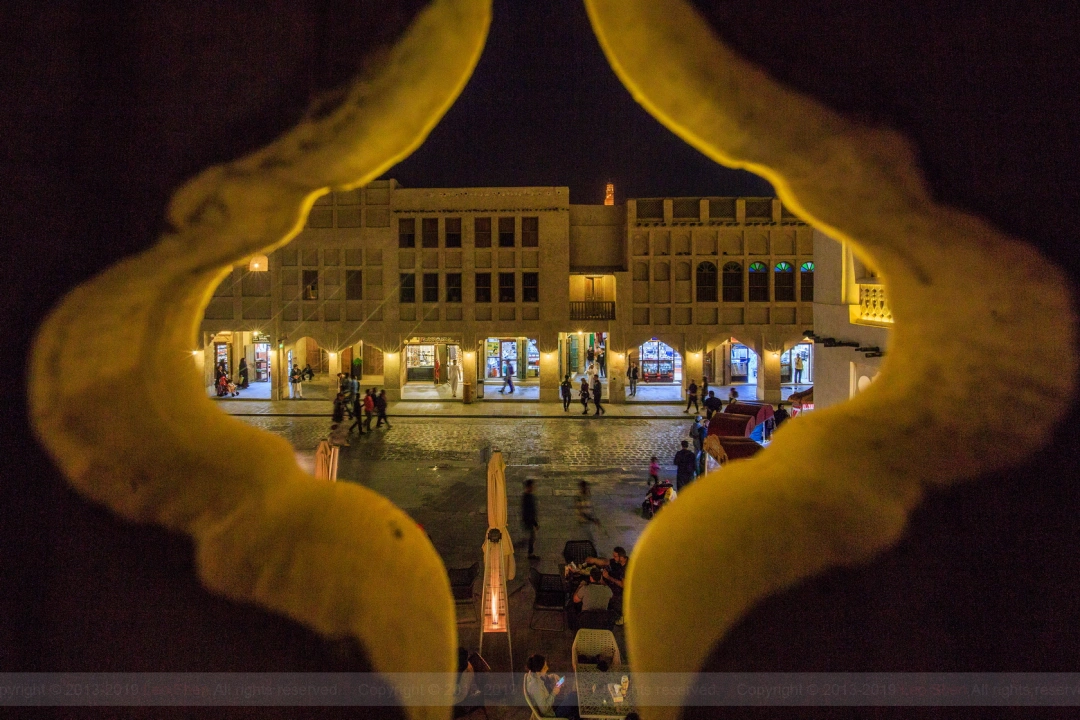
Adjacent to Souq Waqif, the Museum of Islamic Art in Doha is the crowning achievement of architect I.M. Pei's museum designs. Through the mysterious "eyes" on its exterior walls, you can also glimpse the allure of One Thousand and One Nights.
Located on an artificial island off Doha's coastline, this museum covers 45,000 square meters and is the most comprehensive museum dedicated to Islamic art to date. Its exterior is built with stacked white limestone, reflecting on the blue sea to create an awe-inspiring sense of grandeur. It is also one of Qatar's most iconic landmarks.
Looking at the architectural details, typical Islamic geometric patterns and traditional Arab arched windows add a touch of softness to this massive structure, slightly tempering its imposing presence. The entire building is composed of interlocking geometric cubes, creating countless variations under sunlight and artificial light, with light and shadow becoming the protagonists of the space.
Stepping into the central atrium, a huge silver dome forms a distinctly Arab hemisphere with complex patterns. The center of the hemisphere resembles a human pupil, silently gazing at the visitors, evoking a sense of solemnity. The walls are adorned with 150-foot-high glass curtain walls, offering stunning views of the Persian Gulf beyond.
When the Qatari royal family entrusted Pei with the design of the museum, they gave him two years and an unlimited credit card to travel around the Islamic world. To better showcase the essence of Islamic architecture and cultural内涵, the 91-year-old Pei spared no effort, spending months researching in the Middle East, studying the theories of Muhammad, and personally visiting Egypt, Tunisia, and other places for inspiration. In his quest to find the essence of Islamic architecture, he encountered many twists and turns. Through meticulous research, he began to understand why he felt that the Great Mosque of Cordoba was not a true representative of Islamic essence—because such buildings were too ornate. The ideal Islamic architecture, he concluded, should stand solemnly and simply in the desert... Finally, at the Ibn Tulun Mosque in Cairo, Egypt, he found the ideal design prototype. You can compare the Museum of Islamic Art with the Ibn Tulun Mosque—their spirit is remarkably similar.
The open-air café facing the sea is an excellent spot for afternoon tea. As the sun sets, the Museum of Islamic Art, bathed in dim yellow light, begins to reveal its unique charm, captivating all who see it. Many who have seen the museum's exterior believe that at night, it resembles a veiled maiden, graceful and moving. As for whether this was Pei's original intention, he is no longer here to explain—what do you think of this rumor?
Beyond its breathtaking design, the building itself is an unmatched masterpiece of Islamic art museums. The exhibition halls follow two threads: one traces the evolution of Arab art from ancient to modern times along a timeline; the other unfolds geographically, from Egypt to Persia, from the Middle East to North Africa, allowing you to see the similarities and differences in Arab artistic aesthetics across regions. Since the exhibits are among the most comprehensive surviving collections of Islamic culture, every aspect—layout, lighting, and design—strives to restore their original delicacy to the greatest extent. As you move between the halls, you're not just viewing national treasures; you're admiring exquisite works of art. I recommend slowing down here to fully appreciate these unique Islamic culture and history.
The hanging glass lamps are a unique Islamic art treasure from the Mamluk era. Pei borrowed the支架 (brackets) used by the Mamluks to hang lamps, bringing diversity to the interior space of his Museum of Islamic Art.
After seeing so many treasures in the museum, do you know which one is the true "crown jewel"? Given its unique shape and design, the outdoor area is also not to be missed—on one side, you can enjoy the sunset over the traditional Qatari dhow boats; on the other, you can admire the most beautiful horizon of Qatar behind the fountain. This museum, extending into the sea, is worthy of its design and soul. After nightfall, countless swaying sailboats docked in the bay evoke memories of Qatar's glorious maritime history.
Museum of Islamic Art Address: Corniche, Doha, Qatar Opening Hours: Monday to Thursday, Saturday, Sunday 9:00 AM–7:00 PM; Friday 1:30 PM–7:00 PM (last entry at 6:30 PM) Special Note: The museum is free to enter, but tripods and flash photography are not allowed.
Qatar State Mosque: A Modern Model of Solemnity and Simplicity
As a predominantly Islamic country, Qatar is home to numerous mosques of all sizes. And the Qatar State Mosque, as the largest mosque in the country, is one you simply cannot miss.
Speaking of which, it's worth clarifying a concept: Some Arab countries are Islamic, and some Islamic countries speak Arabic—how do you distinguish them? "Arab countries" generally refer to nations where the majority population is Arab, with a unified language (Arabic), unified culture and customs, and most people practice Islam. Arab countries are mainly distributed in West Asia and North Africa, including 12 West Asian countries: Palestine, Jordan, Syria, Lebanon, Saudi Arabia, Iraq, Yemen, Kuwait, UAE, Qatar, Bahrain, and Oman; as well as 7 North African countries: Algeria, Morocco, Tunisia, Libya, Sudan, Mauritania, and Egypt; plus Djibouti and Somalia in East Africa, and the Comoros, an island nation in the western Indian Ocean. "Islamic countries" generally refer to countries and regions where Islam is the state religion or the majority of the population practices Islam (sometimes called Muslim countries). Simply put: Countries where Arabic is the official language are Arab countries; countries where Islamic law (Sharia) is the legal system are Islamic countries. All Arab countries are Islamic countries, but not all Islamic countries are necessarily Arab countries.
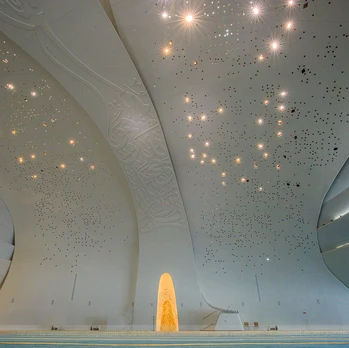
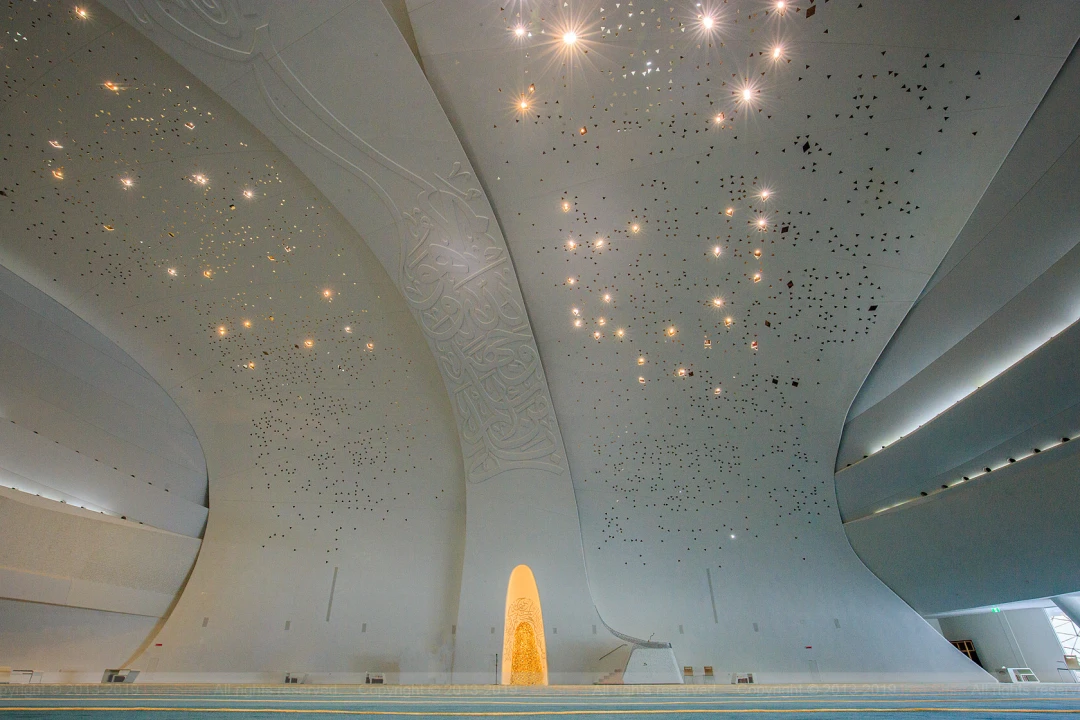
This mosque perfectly combines traditional Arab elements with a spectacular and simple modern architectural style. Its striking and solemn dome makes it a model among Doha's many landmarks. Unfortunately, on the day I visited, it was undergoing interior renovations, and cameras were not allowed. I could only share a few phone photos with everyone. If I could have stayed until sunset, I'm sure I could have taken some beautiful photos—this regret will have to wait for next time.
You can see it from most of the city's coastline. Standing in the square in front of the mosque, you can also see Doha's skyline formed by the CBD. A reminder: When visiting this mosque, men and women must enter through different entrances. Women need to wear a black robe (abaya) that covers their hair (robes can be borrowed for free at the entrance).
Qatar State Mosque Address: Al Muhandiseen Street, Doha, Qatar
Conclusion: When One Thousand and One Nights Comes to Life
My seven-day trip to Qatar gave me a completely new perspective on this land. This is not the barren place of only oil and desert as legend has it, but a dreamlike country that perfectly blends ancient traditions with modern luxury. From the bustling crowds and falcon cries in Souq Waqif, to the interplay of light and shadow in the geometric aesthetics of the Museum of Islamic Art, to the solemn and simple modern architecture of the State Mosque—every corner tells the story of Qatar.
If you also yearn for the fantastical world of One Thousand and One Nights, why not set foot on this land yourself? Here, you can chase the Persian Gulf sunset on a dhow boat, get lost in the spice market, enjoy royal treatment in a luxury hotel, and smile for a photo with mounted police officers on their tall horses. More importantly, you'll discover that the real Qatar is far more enchanting than any legend.
Travel Tips: - Best Time to Travel: November to March of the following year - Essential Items: Sunscreen, sunglasses, long-sleeved jacket (indoor air conditioning is strong) - Visa: Chinese citizens enjoy visa-free entry for 30 days - Safety Index: Global top level - Budget Reference: Approximately 20,000 RMB per person (7 days)
The world is big, and there are many places you can go. But not every Arab country, like Qatar, opens a door to One Thousand and One Nights with its warmth, safety, and dreamlike quality.
You should also read:
Light and Shadow at Lugu Lake, a Dream Within a Dream: A Soul’s Wandering and Rebirth
Light and Shadow at Lugu Lake, a Dream Within a Dream: A Soul’s Wandering and Rebirth Prologue: The Dreamer’s Backpack Will Eventually Reach the Horizon Deep in everyone’s heart lie small dreams. They are like stars twinkling in the night sky—faint yet steadfast, guiding us…
Continue reading...
Tipsy Memories – Kunming: A City That Makes Time Slow Down
Tipsy Memories – Kunming: A City That Makes Time Slow Down 25°02'11" N, 102°42'31" E. Summers here are never scorching, winters never bitter—a truly blessed place to call home. I’ve been in this city for nearly three years now. Whether out of wanderlust, academic pursuits,…
Continue reading...
Dreaming of Nanzhao: A Gentle Encounter with Erhai Lake in Dali Shuanglang, July
Dreaming of Nanzhao: A Gentle Encounter with Erhai Lake in Dali Shuanglang, July Every summer, a voice whispers softly from the depths of my heart: it's time to go. No matter how tight the budget, no matter how precious the annual leave, the ritual of…
Continue reading...