The Gentle Grace of Dali: A Healing Journey Without a Guidebook
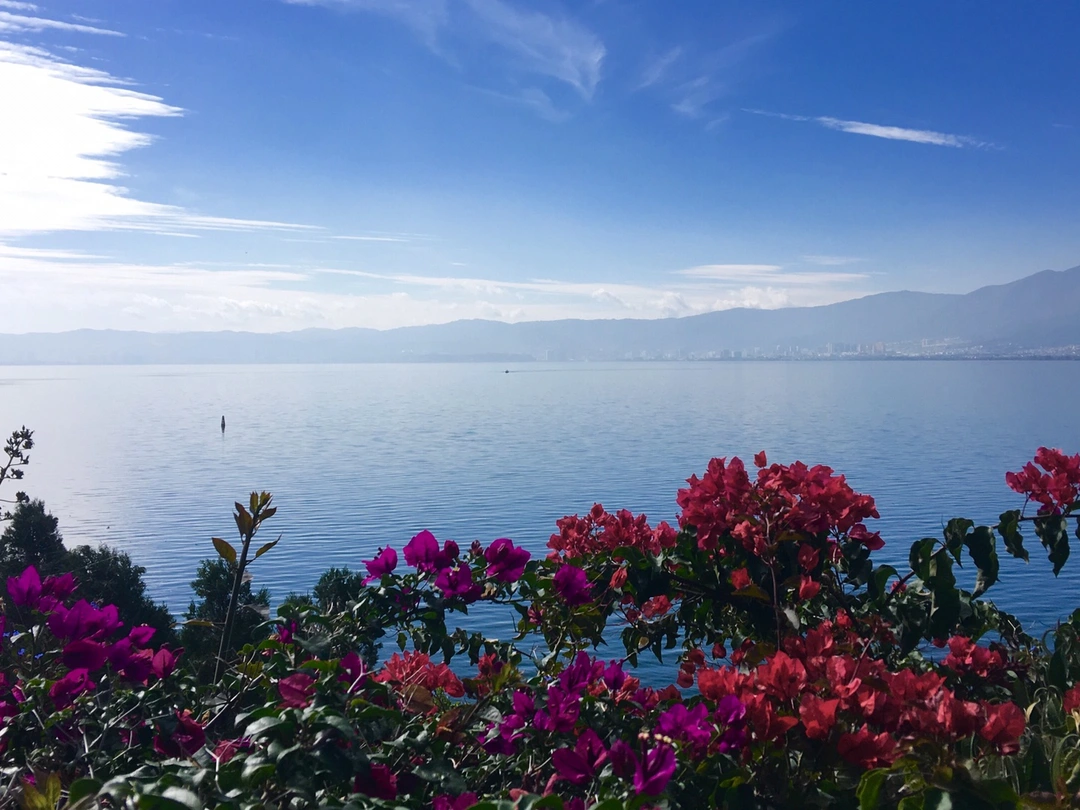
The Gentle Grace of Dali: A Healing Journey Without a Guidebook
In the late autumn of 2018, I took my annual leave and flew solo to Yunnan during the lull after National Day. My goal was clear—Jade Dragon Snow Mountain—and my itinerary was simple: Dali to Lijiang, six days and five nights. No guidebook, no plan, and frankly, no strong impressions of Yunnan beforehand. Who would have thought that such a spontaneous trip would linger in my mind long after I returned, drawing me back again and again to that vast blue sky, that emerald lake, that gentle breeze?
First Encounter with Dali: The Old City Night in the Wind
By the time my plane touched down in Dali, dusk had already settled. Taking a taxi from the airport to the old city, I passed through Erhai Gate and truly stepped into this legendary place. The wind was strong, bitingly cold, but the night market in the old city blazed with lights. Stalls were piled high with handicrafts and snacks, and the air was thick with the mingled aromas of grilled rice cakes and flower-pastry biscuits.

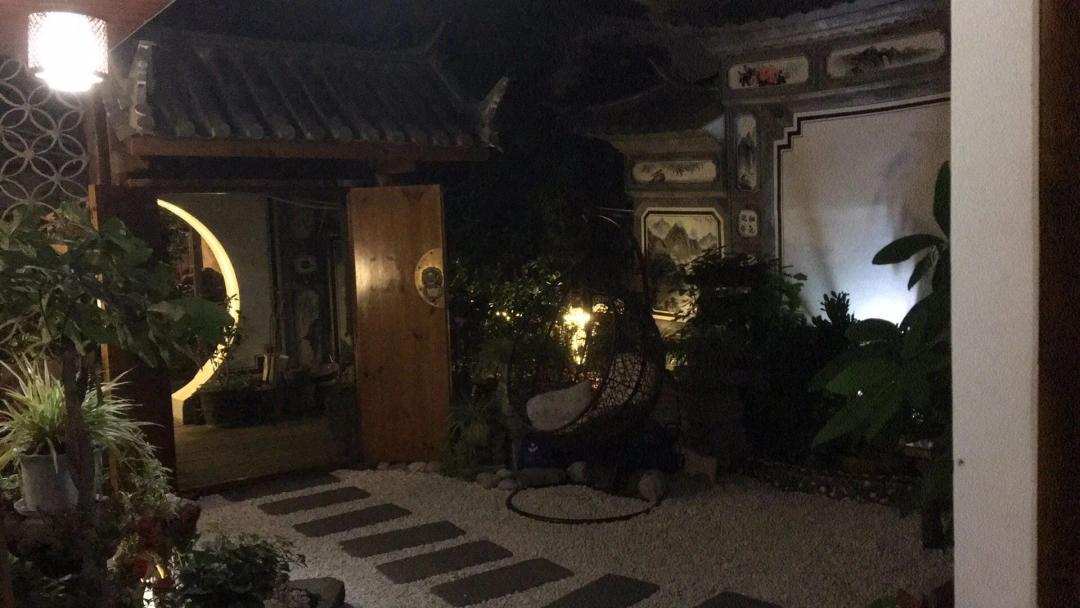
The guesthouse I'd booked was tucked deep inside the old city. The owner, a warm-hearted local, helped carry my suitcase up to the second floor. After dropping off my luggage, my stomach began to protest, so I headed out in search of food. I stumbled into a random barbecue joint and ordered a few skewers of grilled meat and a whole fish. The flavors of the Yunnan-Guizhou Plateau were unmistakably unique—a fiery mix of sour and spicy that left beads of sweat on my forehead. Looking around, I noticed nearly every table had a few bottles of "Wind, Flower, Snow, and Moon" beer. That's when I learned this was Dali's signature brew—locals love it with their barbecue, and tourists love posing with it for social media.
That night in the old city, the wind was cold, but the warmth of everyday life was palpable. Walking on the cobblestone streets, I could hear the occasional strum of a guitar drifting from a bar, punctuated by the rhythm of hand drums. Dali's first night had begun, wrapped in wind and music.
Erhai Lake and Cangshan Mountain: Slow Time Between Water and Peaks
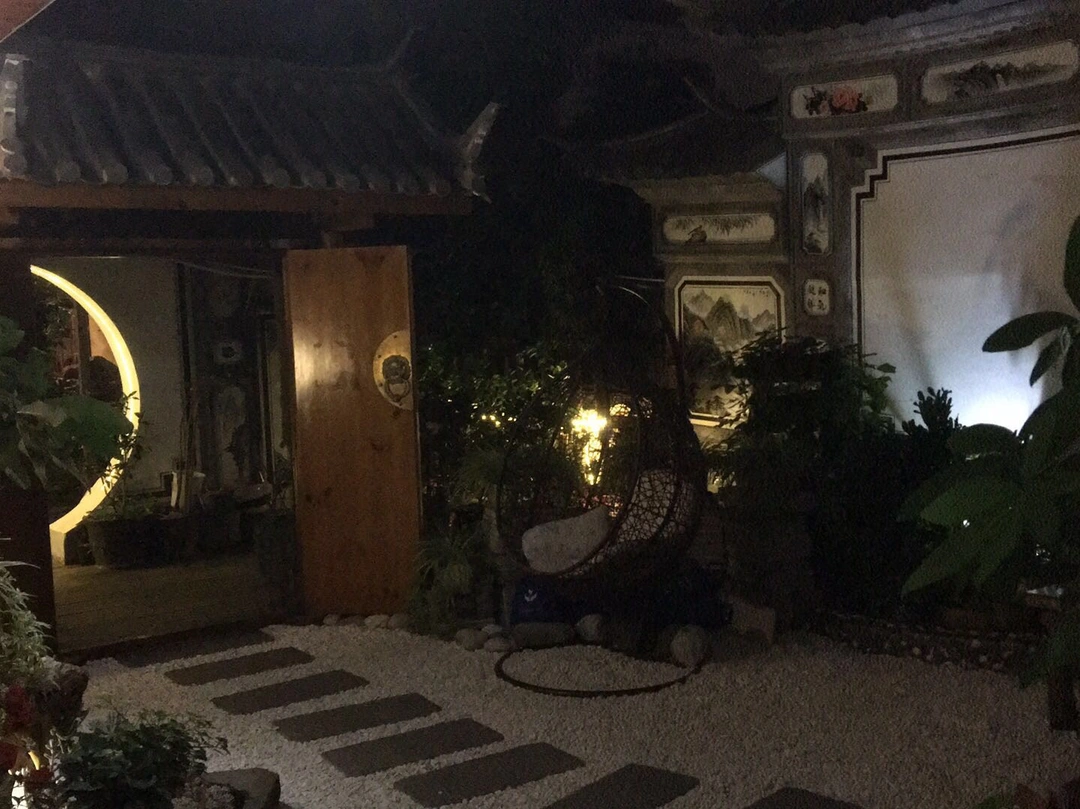
Caicun Pier: Sailing on the Lake
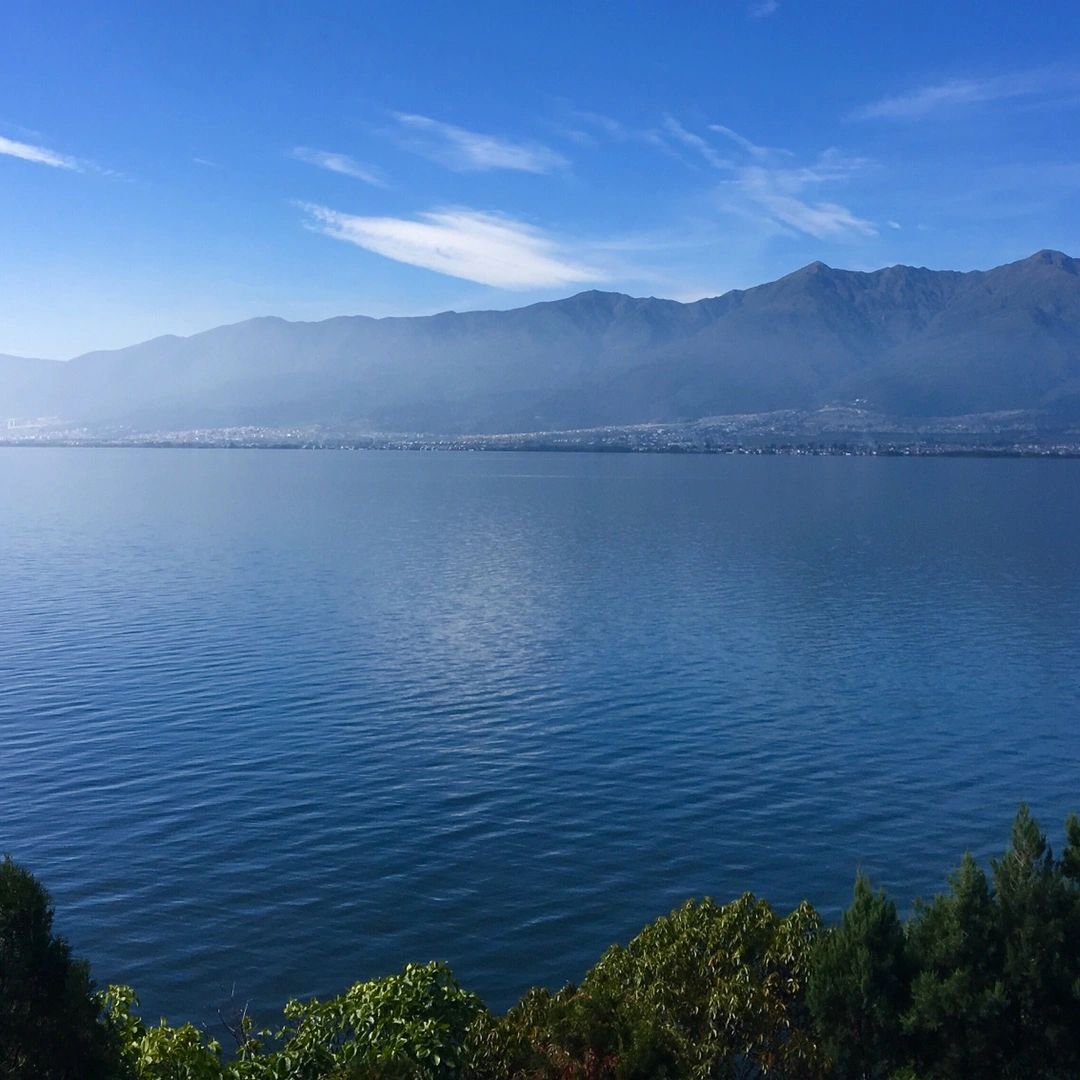
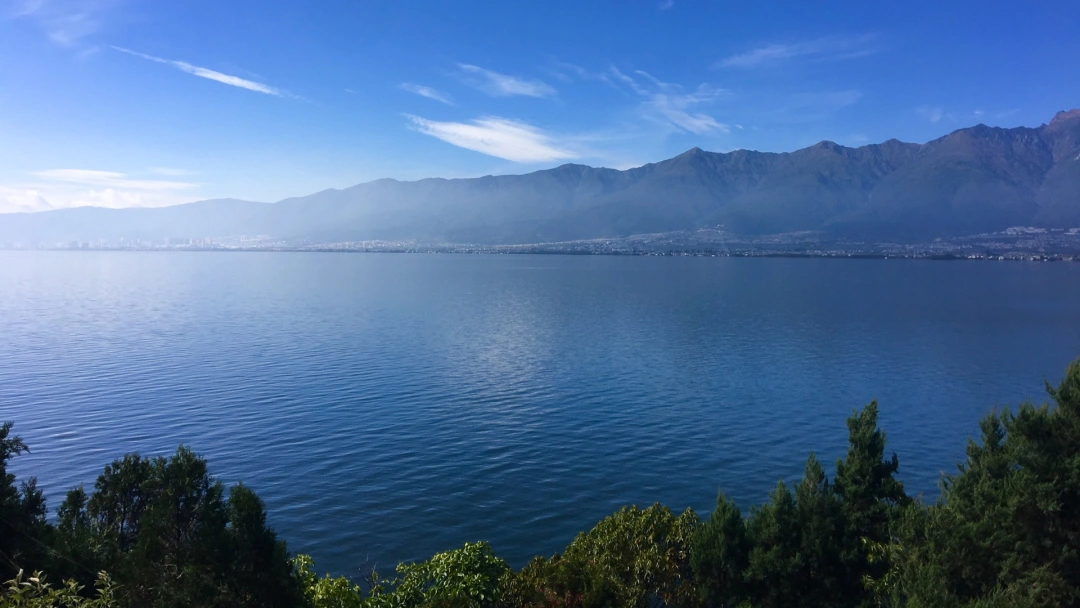
The next morning, I headed to Caicun Pier. I'd heard that the entire city of Dali was built around Erhai Lake, with Cangshan Mountain on the left and the lake on the right, the city nestled between them. Boarding a small boat, I found the lake's surface as calm as a mirror. Sunlight scattered across it, breaking into a thousand golden specks. The boat moved slowly, giving me time to take in the scenery on both sides—in the distance, the mist-shrouded peaks of Cangshan; up close, the white-walled, blue-tiled homes of the Bai people, arranged in a patchwork of harmony.
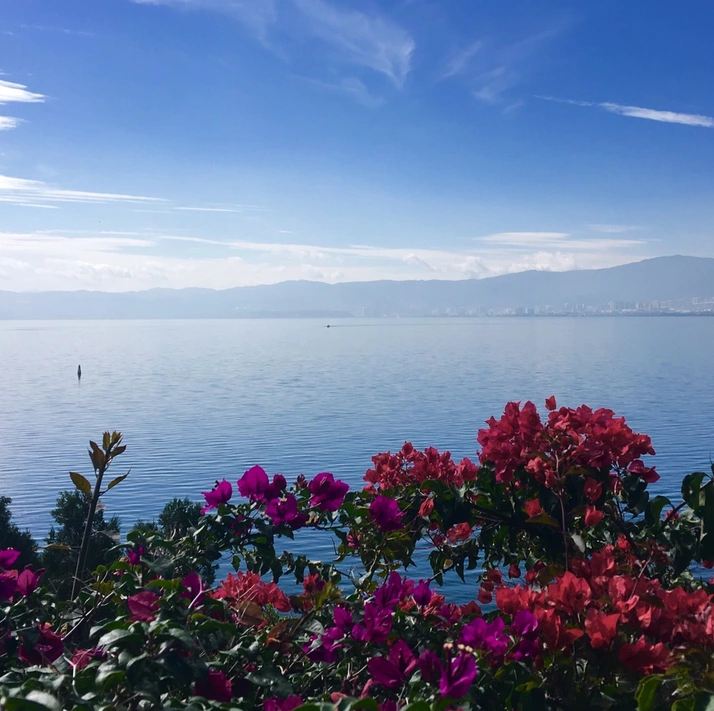
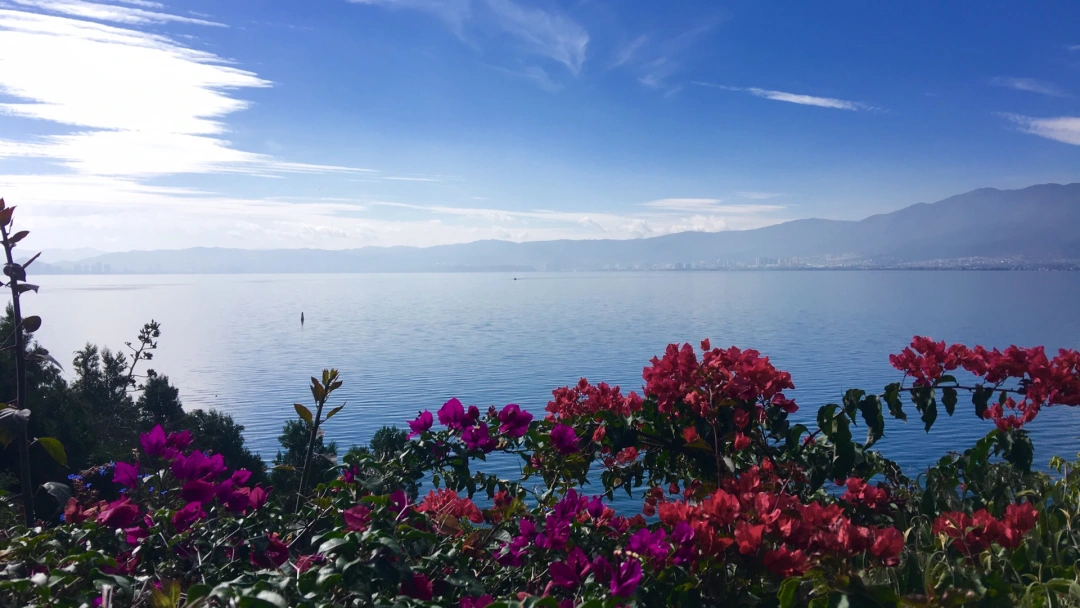
The boat docked at a small, unnamed island. It was October, yet Yunnan still burst with flowers in full bloom—purple, yellow, red—growing with wild abandon. No wonder people say Yunnan enjoys spring all year round; it's no exaggeration. I wandered around the island, found a quiet spot, and sat down to watch the sky, the water, the blossoms. The breeze was light, the water still, and even time seemed to slow down.
Wedding Photos and Instagram Shots on the Island
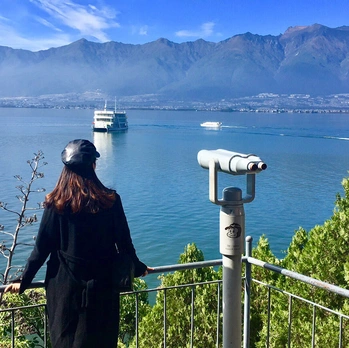
As I walked along the island's road, I realized this place was practically a wedding-photo assembly line—every ten steps, another couple posing for their big day. The photographer stood across the street, shouting, "Hubby's great! One more! Wifey too! Yes! Perfect! Quick, a car's coming!" The scene was equal parts amusing and heartwarming, as if the entire island was bearing witness to love.
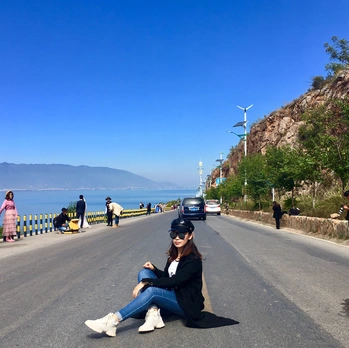
I couldn't resist snapping a trendy photo by the roadside—when in Rome, after all. Later, flipping through the pictures, I noticed a couple in the background, smiling even brighter than I was. That's the romance of Dali, I suppose—you become part of someone else's story without even realizing it.
At the Foot of Cangshan Mountain: The "Encyclopedia of Human Warmth" from a Horse Guide
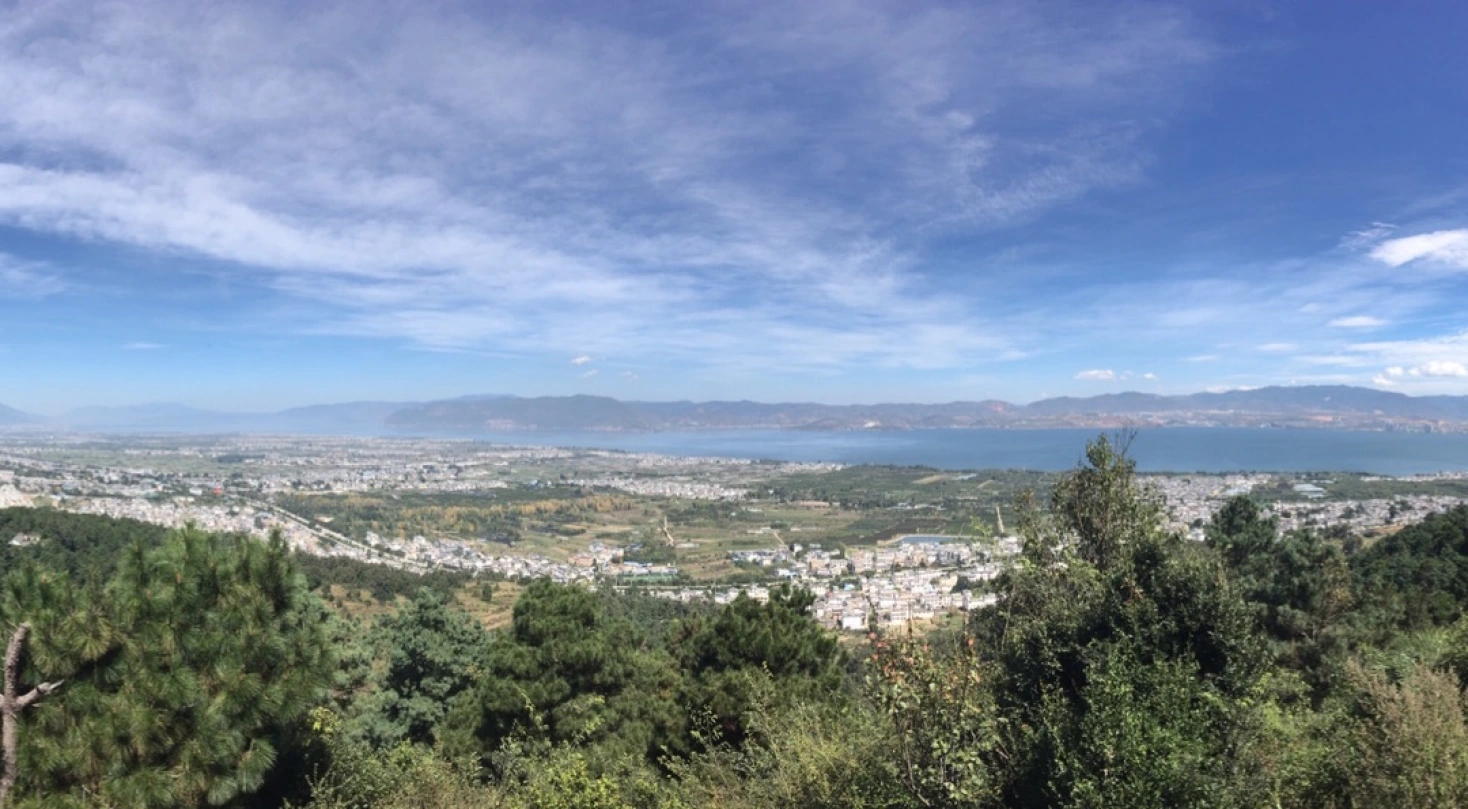
After touring the lake, it was time for Cangshan. I hadn't done any research beforehand, so I was surprised to discover at the foot of the mountain that you could ride a horse up. I rented one, and my guide was a weathered, dark-skinned大叔 (middle-aged uncle) who was both talkative and incredibly friendly. Along the way, he shared legends of Dali—the story behind the nineteen peaks of Cangshan, why the waters of Erhai were so blue. He explained that the melted snow from Cangshan flowed into the lake, giving it that crystal-clear hue.
He also told me that Dali's winds have names—Xiaguan Wind, Shangguan Flowers, Cangshan Snow, Erhai Moon—and that's the origin of "Wind, Flower, Snow, and Moon." Only then did I fully grasp that the beer I'd drunk the night before held the poetry of the entire city. His stories were far richer than any Baidu Baike entry; they showed me a living, breathing Dali—not the one in travel brochures, but the Dali of everyday life for its people.
A Sudden Illness: Warmth in a Guesthouse
On the third day, my body rebelled. It might have been the change in water and food, or the wind I'd caught the night before. I woke up with a low fever and a pounding headache, so I spent the morning resting at the guesthouse. The owner, a kind middle-aged woman, heard I was unwell and brought me a bowl of freshly brewed ginger tea to my room, urging me to drink plenty of water and stay warm. In that moment, I felt less like I was staying in a guesthouse and more like I was at a friend's home.
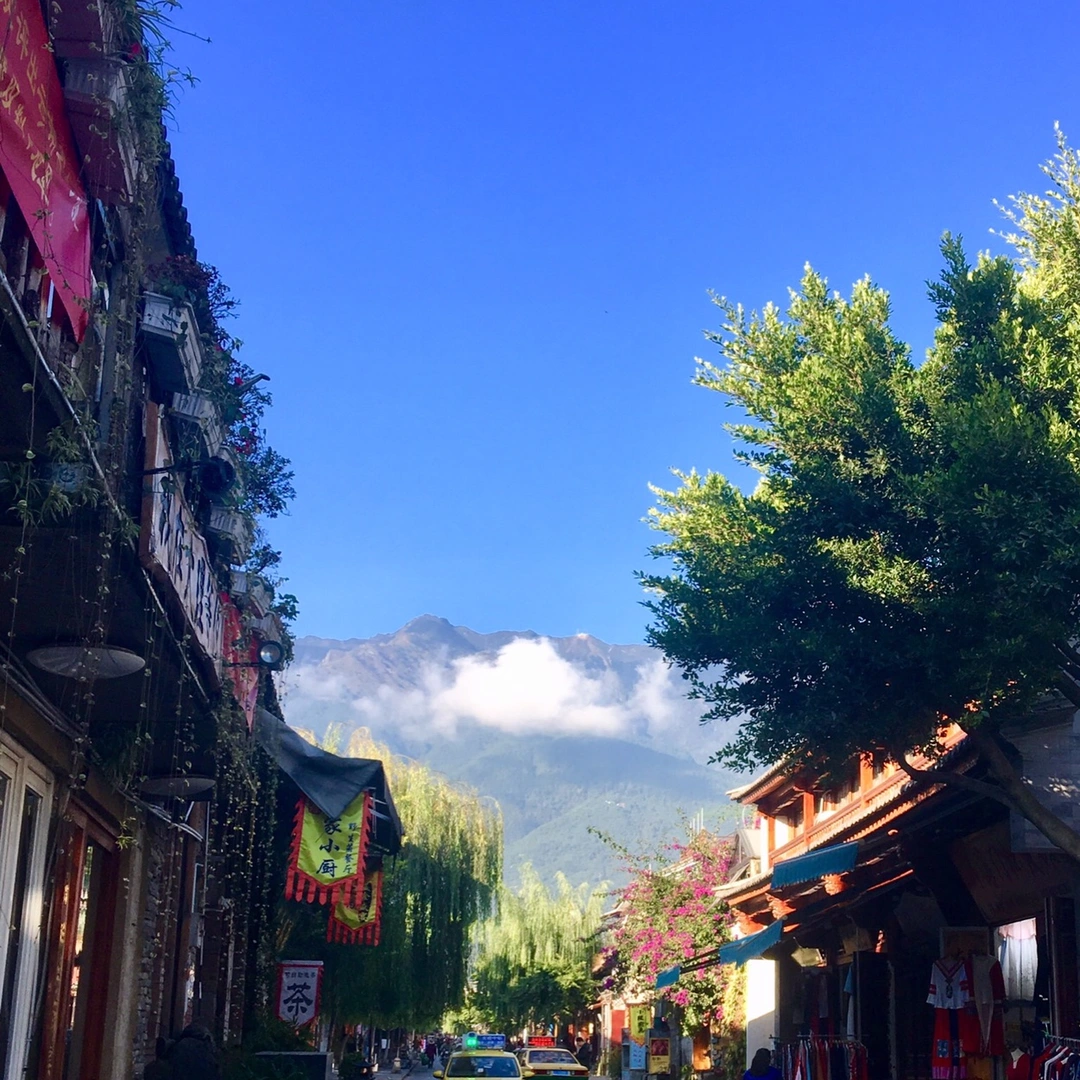
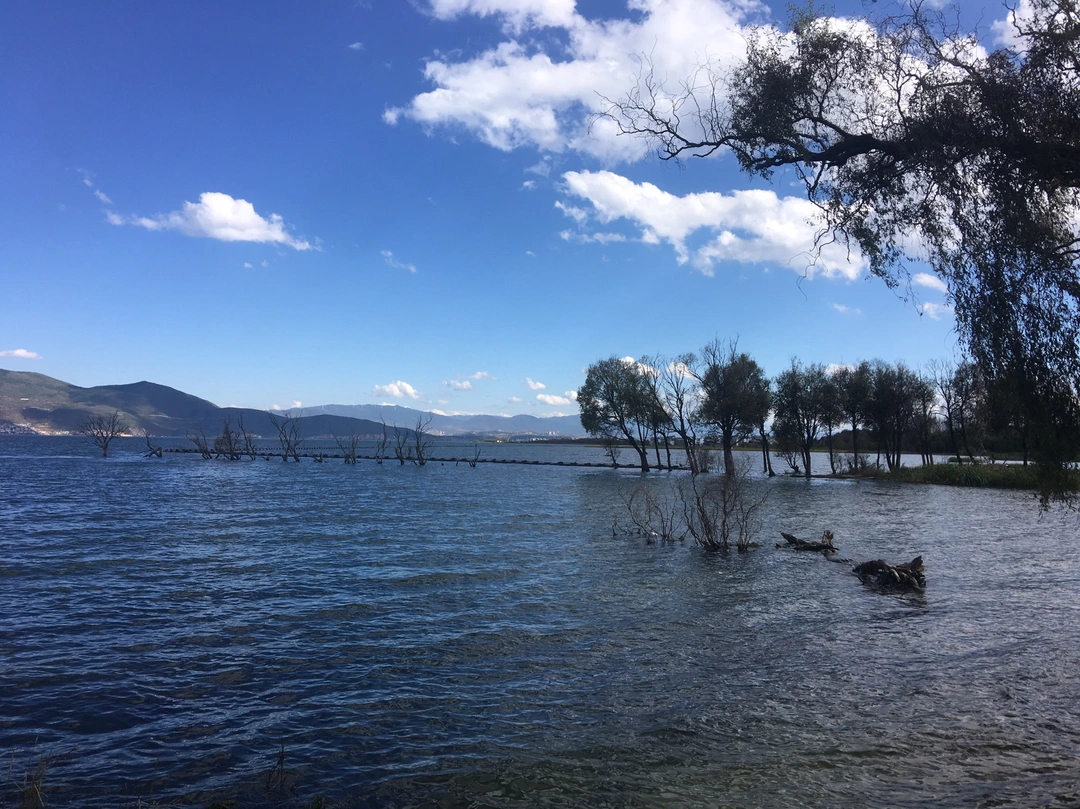
After a nap, my fever subsided and I felt better. I went for a walk along the shore of Erhai Lake, where I saw the legendary "watery narcissus"—small white flowers with petals as thin as cicada wings, floating on the surface, swaying gently with the ripples. I crouched down, scooped up a bit of lake water, and picked up a few grains of soil from Cangshan, planning to take them home as souvenirs. These seemingly trivial things later became my most treasured travel mementos—they let me recall, at any moment, Dali's blue skies, Dali's wind, Dali's slowness.
Back in the old city that evening, I discovered its nightlife was richer than I'd imagined. Hand-drum shops and quiet bars were everywhere, the beats of drums weaving with guitar melodies, occasionally punctuated by a folk song or two. Dali's nights aren't loud—they're gentle, just like the city itself.
From Dali to Lijiang: Scenery and Feelings on the Road
On the fourth day, I took a bus from Dali to Lijiang. The ride wasn't long, but the scenery along the way made it hard to look away. Halfway there, I caught my first glimpse of Jade Dragon Snow Mountain in the distance—the ultimate goal of my trip. Its peak was covered in snow, glittering silver under the sun, like a massive white pyramid standing between heaven and earth.
Arriving in Lijiang's old city, I immediately felt its difference from Dali. Lijiang was more commercialized, more bustling. Folk-music bars, hand-drum shops, and flower-pastry stores lined every street, with a strong sense of "little bridges, flowing water, and willow-lined lanes." There were more tourists here, and the noise was louder. As I walked on the cobblestones, my mind kept drifting back to Dali—that quieter, gentler place.
Jade Dragon Snow Mountain: Finally Meeting You
At six in the morning on the fifth day, I set out from Lijiang's old city for Jade Dragon Snow Mountain. I'd booked a tour through a travel agency the day before, and on the way, we were handed down jackets and oxygen canisters. As the bus climbed higher, the guide reminded us to move slowly to avoid altitude sickness. Our first stop was Blue Moon Valley—a high-altitude lake cradled by snowy peaks, its water an unreal shade of blue, like a giant sapphire embedded in the valley. Standing by the lake, looking up at the snow-covered mountain, all my fatigue melted away.
Next, we took a cable car up the mountain. As it ascended slowly, the scenery outside shifted from green to gray, then to white. When we reached the summit, the altitude was high, the air thin, and breathing a struggle. But the view made every discomfort worthwhile—snowy peaks, a sea of clouds, and a brilliant blue sky, all woven together like a painting. I stood there for a long time, reluctant to leave.
The only downside was the crowd; it took an hour just to queue for the descent. But even on the way down, the scenery was breathtaking—sunlight slanted across the slopes, turning the snow golden, beautiful enough to make you want to cry. It was worth it, truly worth it.
The Journey Home: What I Took and What I Left Behind
On the last day, I wandered through the old city and bought a perfume I liked—a subtle jasmine scent. Then I packed my bags and prepared for the return trip. Sitting on the plane home, I scrolled through the photos on my phone—Dali's clear skies, Erhai's emerald waters, Cangshan's snowy peaks, Lijiang's old city, Jade Dragon Snow Mountain. Each one made me smile.
The snow mountain was magnificent, but Dali was gentler. That gentleness wasn't manufactured; it flowed naturally—from the horse guide's casual chatter, the guesthouse owner's ginger tea, the water narcissus on Erhai's surface, the hand-drum beats in the old city at night. It didn't announce itself or clamor for attention, yet it lingered in my heart long after I'd left.
In Closing: What Dali Taught Me
This trip taught me a few things:
First, you don't have to plan everything. A trip without a guidebook brings unexpected joys. Those spontaneous decisions—renting a horse, watching wedding photos on an island, bottling a bit of lake water—became my most unforgettable memories.
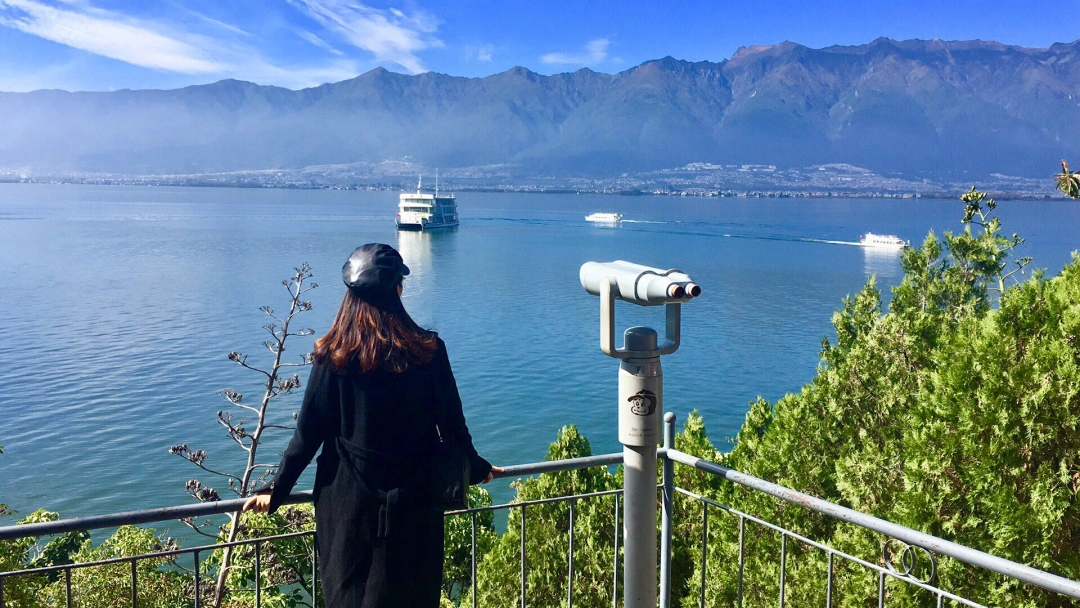
Second, see with your heart, not just your lens. Dali's beauty can't be captured in a few photos. You have to stop, sit by the lake in the breeze, or chat with a local, to truly feel it.
Third, gentleness is a kind of strength. Dali's gentleness isn't weakness—it's包容 (embracing). It welcomes every weary traveler, healing them with its wind, water, mountains, and flowers.
Finally, I'd say: next time I go to Dali, I want to go with someone dear to my heart. Because that gentleness is worth sharing with the ones you love most.
This article is original and copyrighted by the author. Reproduction without permission is prohibited.
You should also read:
Yunnan! Paradise on Earth – The Yubeng Chapter: A Soul-Cleansing Journey into Seclusion
Yunnan! Paradise on Earth – The Yubeng Chapter: A Soul-Cleansing Journey into Seclusion Prologue: Why Yubeng? If you ask me which place in Yunnan is most worth hiking to, I would answer without hesitation: Yubeng. This is not an answer I give lightly. As a…
Continue reading...
Into the Hidden Valley: A Solo Journey Through the Mysterious Dulong River
Into the Hidden Valley: A Solo Journey Through the Mysterious Dulong River Deep in the northwestern corner of Yunnan Province, tucked away from the modern world, lies a place that feels like a secret whispered among mountains. The Dulong River Valley is not just a…
Continue reading...
God’s Abandoned Palette: A Self-Drive Journey Through Yunnan’s Dongchuan Red Land
God’s Abandoned Palette: A Self-Drive Journey Through Yunnan’s Dongchuan Red Land Travel has never been about reaching some distant geographic coordinate. It’s about encountering, along the way, the version of yourself buried beneath the rubble of daily routine. During this May Day holiday, I finally…
Continue reading...