The Hidden Realm of Western Yunnan: Finding Life's Essence in Tengchong's Slow Rhythms
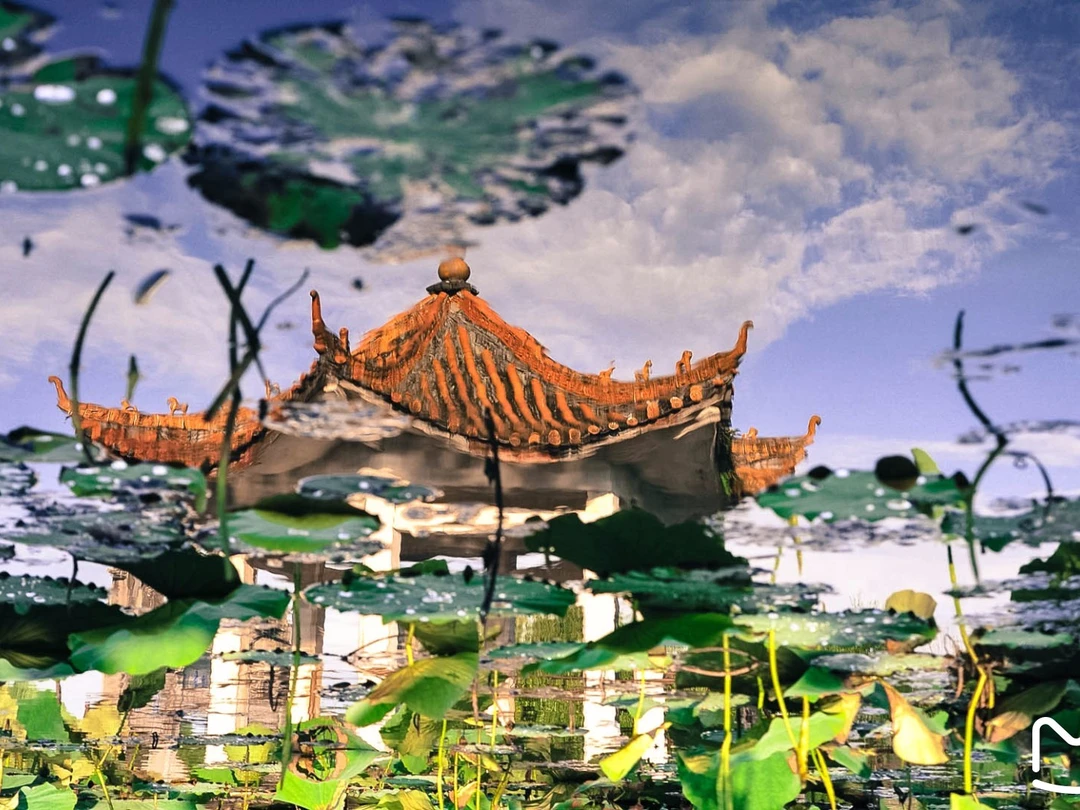
The Hidden Realm of Western Yunnan: Finding Life's Essence in Tengchong's Slow Rhythms
Four years ago, I first set foot on Yunnan's soil. The savory sweetness of Kunming's steamed chicken soup (汽锅鸡, qì guō jī), the night clouds and stars reflected over Dali's Erhai Lake, the lazy afternoons spent basking in the sun by Lijiang's Three-Eyed Wells—these images are like memories sealed in amber, vivid and within reach. I thought that after traveling so extensively, my heart had grown discerning, even jaded. Yet, standing once again on Yunnan's land, breathing the crisp, high-altitude air, I understood: some places are destined to draw you back again and again.
This time, I abandoned the pursuit of popular attractions. Instead, I followed a culinary map deep into western Yunnan's hinterlands, searching for the flavors and stories hidden in the mountains. And Tengchong (腾冲) became the most delightful stop on this journey.
Why Tengchong?
Tengchong sits in western Yunnan, bordering Myanmar and just 602 kilometers from Ledo, India. As China's vital gateway to South and Southeast Asia, it has been known since ancient times as the "First City on the Frontier." During the Western Han Dynasty, it was called "Dianyue" (滇越); under the Dali Kingdom, it became Tengchong Prefecture; and in the Ming Dynasty, a stone fortress was built. The weight of history is etched into every brick of this small city.

But Tengchong's true uniqueness lies in its geology. Located on the collision zone of the Eurasian and Indian tectonic plates, volcanic activity over millions of years has left behind 99 volcanoes and 88 hot springs, making Tengchong a rare coexistence of volcanic and geothermal landscapes. Across 1,000 square kilometers, volcanic cones, hot spring clusters, and steam vents from the "Sea of Heat" (热海, rè hǎi) weave an otherworldly tableau.
Heshun Ancient Town: Where Time Slows Down
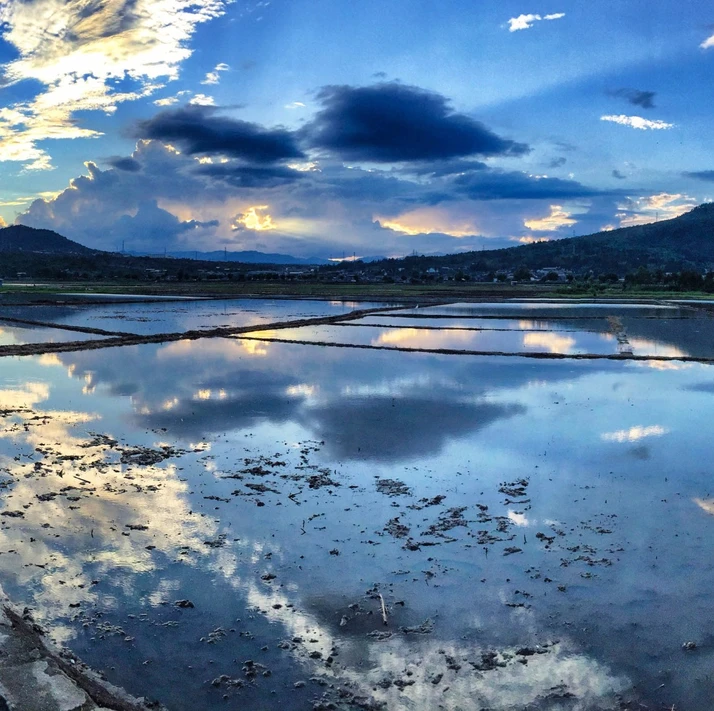
If Tengchong is the hidden realm of western Yunnan, then Heshun Ancient Town (和顺古镇) is its gentlest corner.
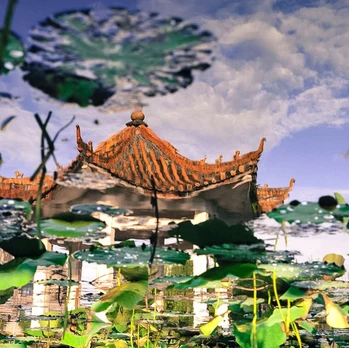
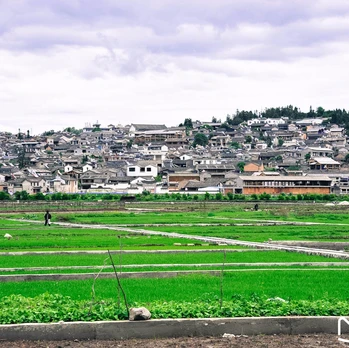
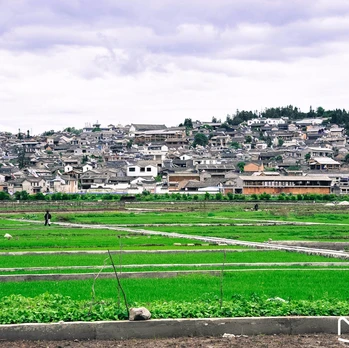
As dusk settled, I sat by the rice paddies at the town's entrance, watching the sunset's golden hues spread across the water. Egrets stood motionless in the fields, like elegant dancers. It was late spring, early summer—the season for transplanting rice seedlings. Villagers rolled up their trousers and worked in the muddy water, with loaches wriggling beneath their feet. In the distance, ducks quacked; a mischievous black duck climbed onto a white one's back, pushing its companion's head underwater. The humor of the animal kingdom often reveals itself in such unscripted moments.
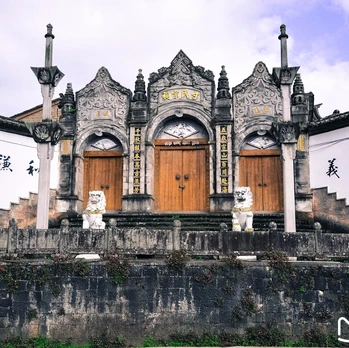
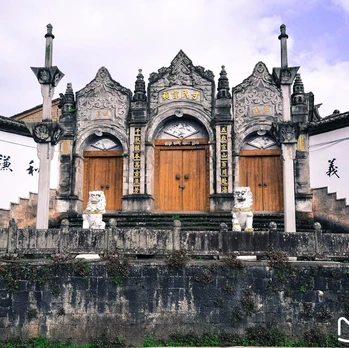
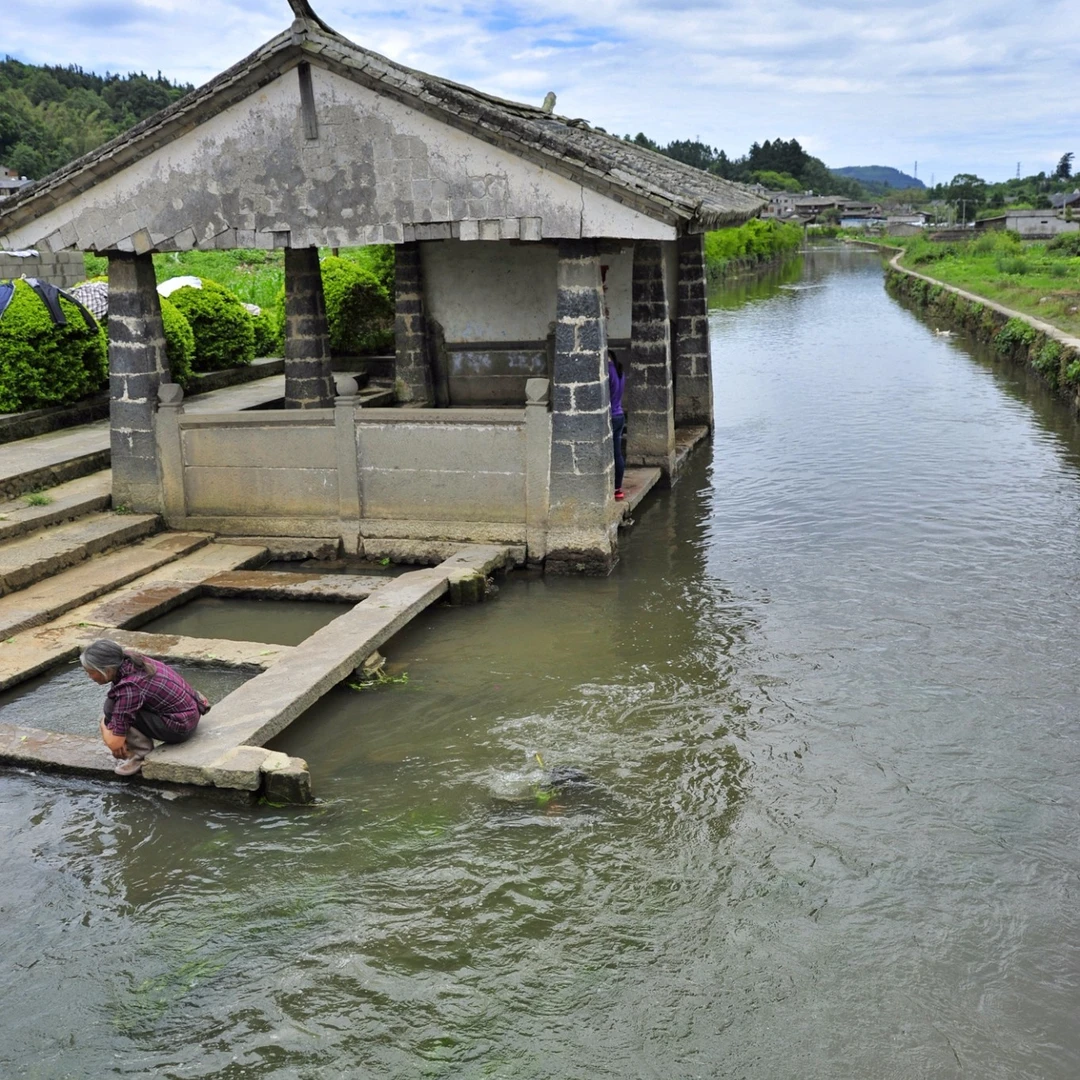
Heshun lacks the clamor of Lijiang or the commercialization of Dali. Its washing pavilions, stone washing slabs, and ancient wells have remained unchanged for a century. Women do handicrafts during breaks from business, while the wooden grain of old houses records the passage of time. A newly renovated bar street contrasts sharply with the old quarter; the slow-tempo music adds a hint of restlessness to the night, yet it cannot mask the town's deep-seated tranquility.
Practical Tips: Entry to Heshun Ancient Town costs 55 RMB. I recommend staying at least one night—the town is most beautiful at dusk and dawn. Room rates vary dramatically between peak season (November to April) and off-peak season (May to October). During off-peak, you can find a decent inn for around 200 RMB per night.
The Sea of Heat: Healing Soaks in Hot Springs
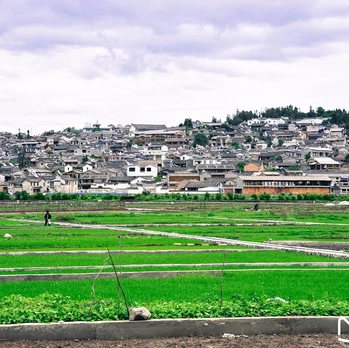
A 15-minute drive from Heshun brings you to the "Sea of Heat" scenic area. The geothermal resources here are astonishing—steam rises from the hillsides, and the air is thick with the smell of sulfur, as if you've stepped into a giant natural sauna.
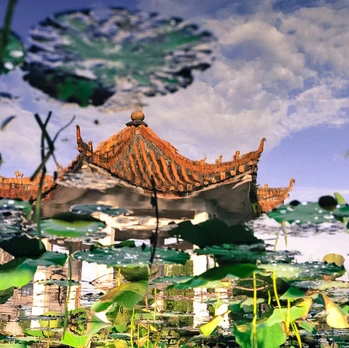
The area features over a dozen hot springs, with temperatures ranging from 40°C to 90°C. The most worthwhile experience is the hot spring bathhouse. A single ticket grants access to three floors and more than ten different pools. During off-peak season, I often had several pools all to myself, soaking until my limbs felt like jelly. The highlight was the steam room: the steam vents were covered with mats woven from ginkgo leaves and rattan. The moment I sat down, the heat was so intense I jumped up—but once I acclimated, the deep, cleansing sensation was irresistible.
Practical Tips: Entry to the Sea of Heat is 50 RMB, and the hot spring bathhouse costs around 200 RMB (including towels, slippers, drinks, and snacks). Bring your swimsuit. After soaking, your skin will feel remarkably smooth and soft. Note: the water is very hot; limit each soak to 15 minutes.
Volcanic Geological Park: Is It Worth It?
To be honest, the Volcanic Geological Park was the most disappointing spot on this trip. Two old volcanic craters with poor visibility—unless you take a hot air balloon for an aerial view, it's hard to appreciate the volcanic landscape. Entry is 35 RMB, and the balloon ride costs an additional 300 RMB or so. If you're not a geology enthusiast or on a tight budget, feel free to skip it.
Instead, I'd recommend visiting Tengchong's jade and amber market. It's not a "scenic spot," but it's absolutely worth a look. This is China's largest jade trading market. Jade pendants and earrings worth tens of thousands of RMB are casually displayed on unassuming stalls. Every vendor has a thick stack of hundred-yuan notes pressed under their wares, making you feel like you've walked into a movie scene of high-stakes jade gambling.
Dali: Old Dreams and New Frustrations
This trip also brought me back to Dali. To be honest, Dali is no longer the tranquil ancient city I remember. There are now nearly a thousand inns in the surrounding area alone. Merchants have lost the enthusiasm they had a few years ago. Bars line the streets, and the level of commercialization rivals that of Yangshuo and Lijiang.
That said, Dali's food still captivates me. At the entrance to Dali's market, the queue for pea jelly (豌豆粉, wān dòu fěn) is so long you'd think they were giving away limited-edition luxury goods. The cold rice noodles with free-range chicken (土鸡凉米线, tǔ jī liáng mǐ xiàn) feature firm, flavorful meat and a rich broth—even I, who usually don't care for rice noodles, couldn't stop eating. And then there's grilled rice cakes (烤饵块, kǎo ěr kuài) in two varieties: purple rice and buckwheat. Their sticky, chewy texture paired with peanut sauce and chili is so good it could make you cry.
Practical Tips: Accommodation in Dali Ancient Town is 30–50% more expensive than in Heshun. I recommend traveling during off-peak hours. For a more authentic Dali experience, head to Weishan Ancient Town (巍山古镇). A fire last year destroyed its most beautiful gate tower, but the town itself is well-preserved, less commercialized, and full of local snacks.
Yunnan's Culinary Map: A Feast for the Senses
The core of this journey was exploring Yunnan's ingredients and cuisine. As a region with numerous ethnic minorities, Yunnan boasts an overwhelming variety of foods. Here are the highlights I savored along the way:
Must-Eat in Tengchong: - Dajiu Jia (大救驾, "The Great Rescue"): A simple stir-fried rice cake (饵块, ěr kuài) that is exquisitely seasoned. Legend has it that this dish saved the Ming Dynasty's Yongli Emperor from hunger—Google it for the full story. - Tounao (头脑, "Brain"): A sweet dessert traditionally eaten before exams in Tengchong. The name is strange, but the taste is surprisingly delightful. - Songhua Cake (松花糕, sōng huā gāo): A light, subtly sweet pastry made from pine pollen. It's the most common snack in the ancient town. - Copper Pot Beef (铜瓢牛肉, tóng piáo niú ròu): Beef slow-cooked in a copper pot until tender, with a rich, flavorful broth.
Must-Eat in Dali: - Cold Rice Noodles with Free-Range Chicken (土鸡凉米线, tǔ jī liáng mǐ xiàn): A classic from Dali's old town—firm chicken, translucent noodles. - Grilled Rice Cakes (烤饵块, kǎo ěr kuài): Cakes made from purple rice or buckwheat, slathered with peanut sauce and chili. Sticky, spicy, and addictive. - Dried Beef Mushroom (牛干巴菌, niú gān ba jūn): A unique Dali mushroom with a chewy texture that grows more flavorful the more you chew.
Must-Eat in Kunming: - Steamed Chicken Soup with Gastrodia (天麻汽锅鸡, tiān má qì guō jī): A signature dish at Kunming's "One Stamp" (一颗印) restaurant. The fragrance of gastrodia tuber blends perfectly with the sweet, savory chicken. - Jianxinyuan's Cold Rice Noodles with Shredded Chicken (建新园鸡丝凉米线, jiàn xīn yuán jī sī liáng mǐ xiàn): A time-honored brand with authentic flavor.
Must-Eat in Mangshi: - Paoluda (泡鲁达, pào lǔ dá): A refreshing dessert combining coconut milk, bread, and tapioca pearls. Cool, sweet, and layered in texture. - Hand-Grabbed Rice (手抓饭, shǒu zhuā fàn): A specialty of Dehong Prefecture. You eat it with your hands, adding a ritualistic flair.
Nanhua County (南华县): China's largest trading center for wild mushrooms. From June to July, a bounty of wild fungi hits the market—wild mushroom hotpot, oil-fried termite mushrooms (油鸡枞, yóu jī zōng), dried beef mushroom (干巴菌, gān ba jūn), and the infamous "see-hand-red" mushroom (见手青, jiàn shǒu qīng). Each variety is irresistible. But be warned: every year, there are cases of mushroom poisoning. Cherish your life—stay away from toxic fungi.
The Way of Tea: Yunnan's Life Philosophy
Yunnan's tea culture runs deep. The ancient Tea Horse Road gave birth to a profound tea tradition. From black tea and oolong to pu'er, various tea cultures have taken root in this land. I was fortunate to visit a friend's home and witness firsthand what tea means to the people of Yunnan. For cultured, discerning Yunnanese, tea tasting is an indispensable part of life. A single cup of tea can fuel an afternoon of conversation, seal a business deal, or simply provide a moment of quiet reflection.
Transportation and Climate: Practical Information
Transportation: - Kunming to Dali: 7–8 hours by train, or 1 hour by plane - Dali to Mangshi: Express bus, about 4 hours - Mangshi to Tengchong: 2.5 hours by car - Tengchong to Dali: 4 hours by car - Dali to Chuxiong: 3 hours by car
Climate: - May to August is the rainy season—carry an umbrella at all times - During the rainy season, some river sections can rise suddenly; be cautious - Yunnan's mountain soil is loose; watch for landslides when entering the mountains during wet weather
Accommodation: - Yunnan has countless guesthouses and inns. Room rates vary dramatically between peak and off-peak seasons. - Travel during off-peak times for the best value.
Final Thoughts
This journey through western Yunnan gave me a new perspective on the province. It is no longer just a place of snow-capped mountains, ancient towns, and flowers. It is a hidden realm with warmth, stories, and life. Watching the sunset by the rice paddies of Heshun, soaking until limp in the hot springs of the Sea of Heat, hunting for local snacks in Dali's market—these seemingly ordinary moments are precisely what make travel precious.
If you, too, are tired of checklist tourism, come and spend a few days in Tengchong. Here, time slows down, and life returns to its essence.
One final reminder: Yunnan's beauty demands patience. Don't rush from place to place. Don't just snap photos. Sit down, drink a cup of tea, eat a bowl of rice noodles. You'll discover—this is what travel is truly about.
You should also read:
September: Finding Unexpected Warmth in Yunnan (Kunming, Dali, Shuanglang, Lijiang, Lugu Lake)
September: Finding Unexpected Warmth in Yunnan (Kunming, Dali, Shuanglang, Lijiang, Lugu Lake) Foreword: One Person's Journey, A Crowd's Story Before I set off, like every first-time solo traveler, I printed out a thick stack of travel guides and rehearsed countless possible scenarios in my head—getting…
Continue reading...
Solo in Yunnan: A Wanderer’s Guide to the Land of Eternal Spring
Solo in Yunnan: A Wanderer’s Guide to the Land of Eternal Spring There’s something magical about traveling alone. No compromises, no schedules to keep, no one to please but yourself. I’ve been on the road for nearly three months now, and not once have I…
Continue reading...
Into the Hidden Valley: A Solo Journey Through the Mysterious Dulong River
Into the Hidden Valley: A Solo Journey Through the Mysterious Dulong River Deep in the northwestern corner of Yunnan Province, tucked away from the modern world, lies a place that feels like a secret whispered among mountains. The Dulong River Valley is not just a…
Continue reading...