The Hidden Sanctuary Among the Clouds: Three Journeys to Diqing, Where I Finally Found My Shangri-La
The Hidden Sanctuary Among the Clouds: Three Journeys to Diqing, Where I Finally Found My Shangri-La
Some places are destined to be visited again and again. Diqing is exactly that kind of place.
In the spring of 2020, as the world was just emerging from a long slumber, I set out on a journey to northwestern Yunnan. At the time, I had no idea that this trip would spark a two-year exploration — three deep journeys into Diqing, where beyond the clouds and mountains, I would witness the grandeur of heaven and earth, and find clarity within my own heart.
Starting from Lijiang, I headed north. Jade Dragon Snow Mountain (Yulong Xueshan) appeared and disappeared through the clouds, like an old friend seeing me off. Crossing the Jinsha River, passing over the Songyuan Bridge, as the wheels rolled onto National Highway G214, I knew — Diqing, I had arrived.
Tiger Leaping Gorge: The Earth's Roar and Tenderness
If the Jinsha River at the First Bend of the Yangtze in Shigu Town is a gentle maiden, then by the time it reaches Tiger Leaping Gorge, it becomes a roaring beast.
Stretching 23 kilometers in length, with a drop of over 200 meters and a narrowest point of just over 20 meters, legend has it that a tiger once leaped across the river using a massive rock at its center — hence the name "Tiger Leaping Gorge." As a key component of the "Three Parallel Rivers" UNESCO World Heritage site, it is China's second-largest gorge, surpassed only by the Yarlung Tsangpo Grand Canyon.
Walking slowly down the slippery wooden plank path, sheer cliffs rose on both sides like knife cuts, while the raging river churned below. Mist sprayed my face, and the thunderous roar of the water was deafening. The overwhelming sense of pressure made me hold my breath involuntarily.
Practical Tips: - Tiger Leaping Gorge scenic area (Upper Tiger Leaping) full ticket: 45 RMB/person - The plank path is slippery — proceed with caution - Middle and Lower Tiger Leaping are not fully developed; road conditions are poor, so drive with extreme care if self-driving
Standing beside the Tiger Leaping Rock, I read the inscription about the Yangtze River rafting expedition. In 1985, Yao Maoshu, hailed as "the first person to raft the Yangtze," set off from here, beginning humanity's first attempt to navigate the entire river. Though he tragically lost his life at Tongjia Gorge, his spirit inspired countless others. In 1986, a heroic team successfully rafted through Tiger Leaping Gorge and eventually reached the mouth of the Yangtze — it was a conquest of nature, but more importantly, a triumph over oneself.
Continuing deeper into Middle and Lower Tiger Leaping, Haba Snow Mountain loomed to my left, while Jade Dragon Snow Mountain stood to my right. The mountain road grew increasingly rugged — a cliff on one side, a precipice on the other — every turn sent a jolt of adrenaline through me. Yet it was this very peril that forged the gorge's wild, majestic beauty. By Lower Tiger Leaping, the river gradually calmed, and a scene of "a high gorge yielding a peaceful lake" unfolded before me. The farmland of Daju Township appeared in the distance — this was Tiger Leaping Gorge's gentle farewell.
Baishuitai: A Palette Left Behind by Immortals
Hidden deep in the mountains of Baidi Village, Sanba Township, Shangri-La, lies a secret realm known as "the Immortals' Terraced Fields" — Baishuitai.
This is China's largest travertine formation and the birthplace of the Naxi people's Dongba culture. Spring water rich in calcium bicarbonate trickles down from the mountains, depositing layer upon layer of white terraced platforms over time, resembling rice paddies in their orderly arrangement. Under the sunlight, the pools shimmer in dreamy blue-green hues. Some call it "China's Pamukkale," but I prefer to call it "the gradually blooming flower" — its name in the Naxi language.
Notes for Visiting Baishuitai: - Located over 100 kilometers from downtown Shangri-La, at an altitude of over 2,300 meters - Road conditions are poor with frequent landslides — it's best to hire a car with a local driver familiar with the route - Alternatively, take a bus from Shangri-La's bus station (one departure at 9:00 AM daily, about 3 hours one way, ticket price around 40 RMB) - Full ticket: 45 RMB/person - Be sure to visit on a sunny day to see the most vibrant colors
Climbing the stone steps, the crisp mountain stream flowed beside me. Reaching the top platform, I looked out over the azure pools scattered across the gleaming white terraces — it felt like stumbling into a fairyland. Every year on the eighth day of the second lunar month, Naxi, Tibetan, Yi, Bai, and other ethnic groups gather here for the "Worship of Baishuitai" festival, singing, dancing, and picnicking to pray for a bountiful harvest — what a lively and peaceful scene it must be.
As I was leaving, the sky suddenly cleared, and the sunlight summoned the most dazzling colors from the pools. Even more fortunate, after the rain, I spotted a massive rainbow arching across the mountains — Baishuitai's farewell gift to me.
Songtsam Shangri-La: Finding Peace in Tibetan Aesthetics
Before arriving in downtown Shangri-La, I made a brief stop deep in the Ren'an Valley. Mountains, rivers, forests, and birds formed a pastoral idyll under the sun. Shangri-La, in its most brilliant colors, fulfilled all my autumn fantasies.
For a few days, I stayed at the Songtsam Shangri-La Linka Hotel. For anyone passionate about travel and hospitality, the Songtsam brand needs no introduction — as a high-end hotel chain deeply rooted in Tibetan culture, Songtsam has completed its entire route from Lijiang to Lhasa along the Yunnan-Tibet Highway, and Shangri-La is where it all began.
The hotel is nestled in Kena Village behind Songzanlin Monastery (Ganden Sumtseling Gompa), built into the hillside in a staggered layout. Over 90 rooms are spread across several traditional Tibetan fortress-style buildings, with wooden floors, Tibetan carpets, handcrafted copperware, and warm lighting — rustic yet luxurious. Every evening, I returned to find my bed carefully tidied, a plate of delicious cookies on the table, and a crackling fire in the hearth.
Hotel Highlights: - The restaurant offers an unbeatable view of Songzanlin Monastery and the pastoral landscape - Tibetan staff are genuine, professional, and attentive - Ideal for self-driving guests; no commercial facilities nearby
What I remember most is the view from the restaurant. In the early morning, sitting by the window, I watched the sunlight slowly spread across the golden rooftops of Songzanlin Monastery. Yaks grazed leisurely on the grassland, and birds traced arcs across the sky — in that moment, time seemed to stand still.
The Four Seasons of Shangri-La: From Late Spring to Deep Autumn
In April 2020, during late spring, I encountered a snowy Pudacuo National Park. The temperature hovered near freezing, and the scene was somewhat bleak, but the minimalist palette of cool tones held its own beauty. From the "Sky Gate" overlooking Napahai Lake, layered ink-wash mountain lines intertwined with the magnificent highland wetlands.

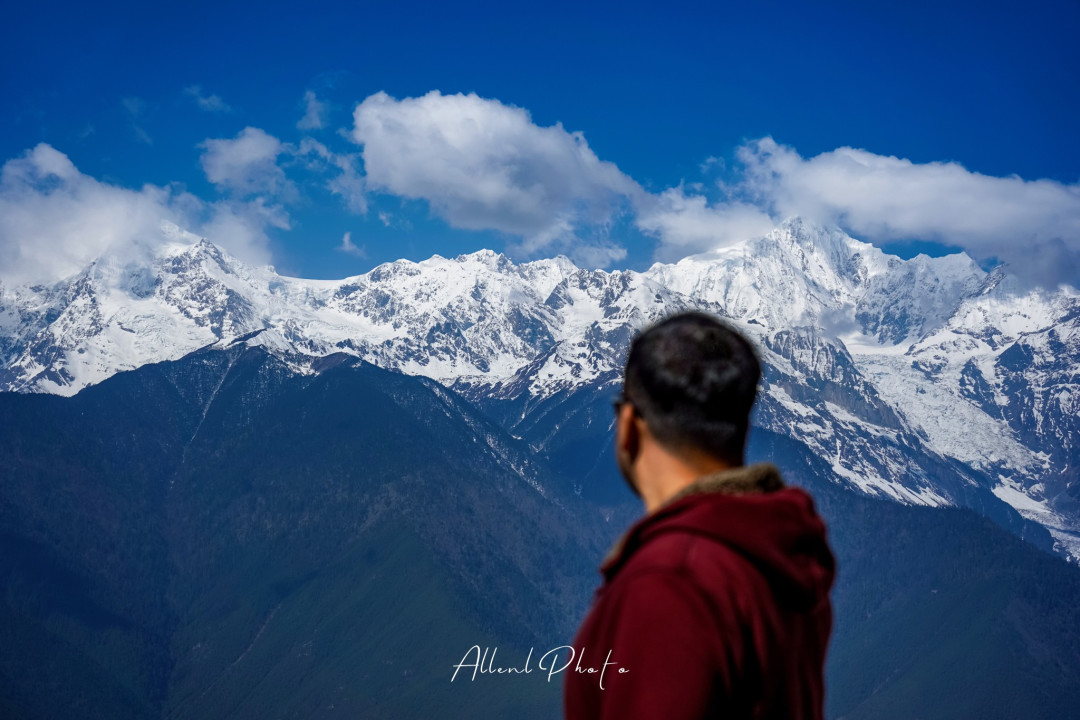
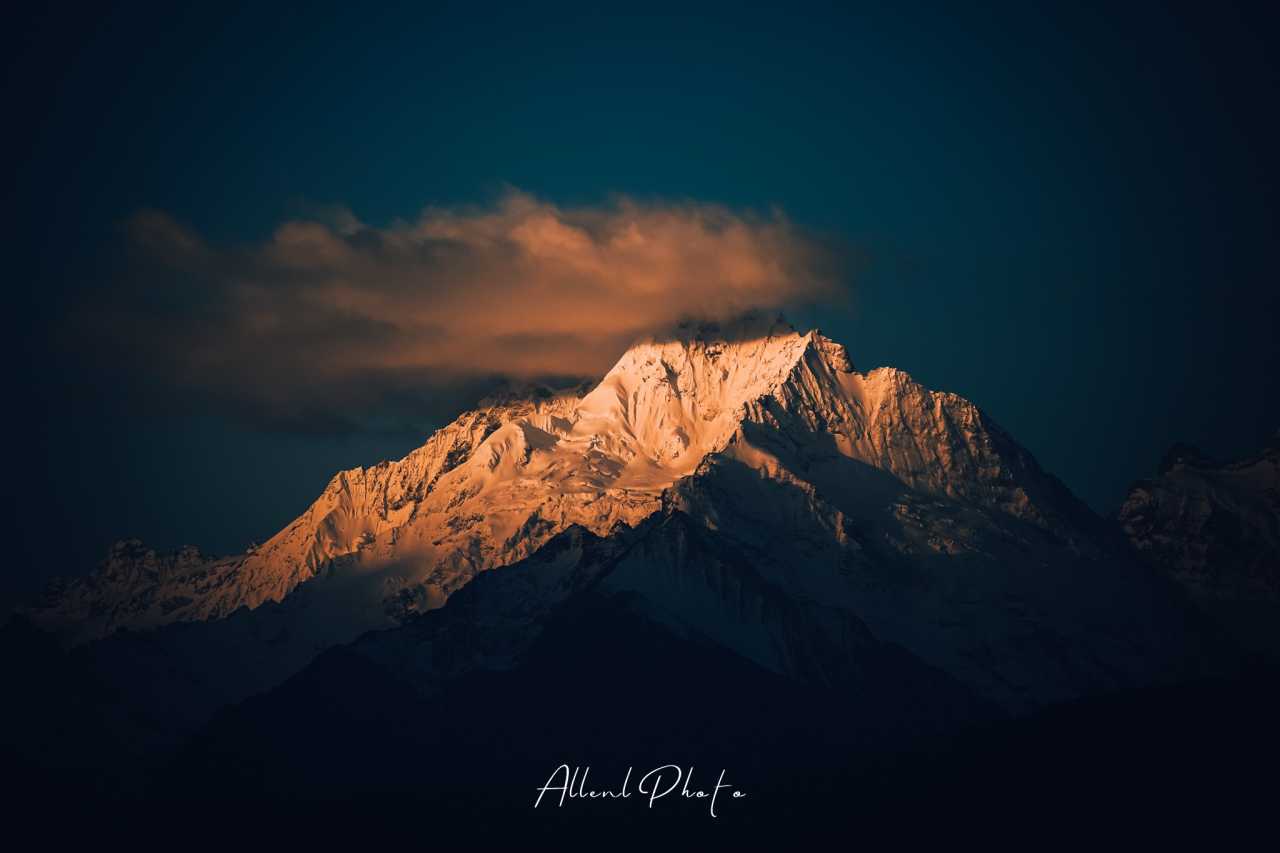
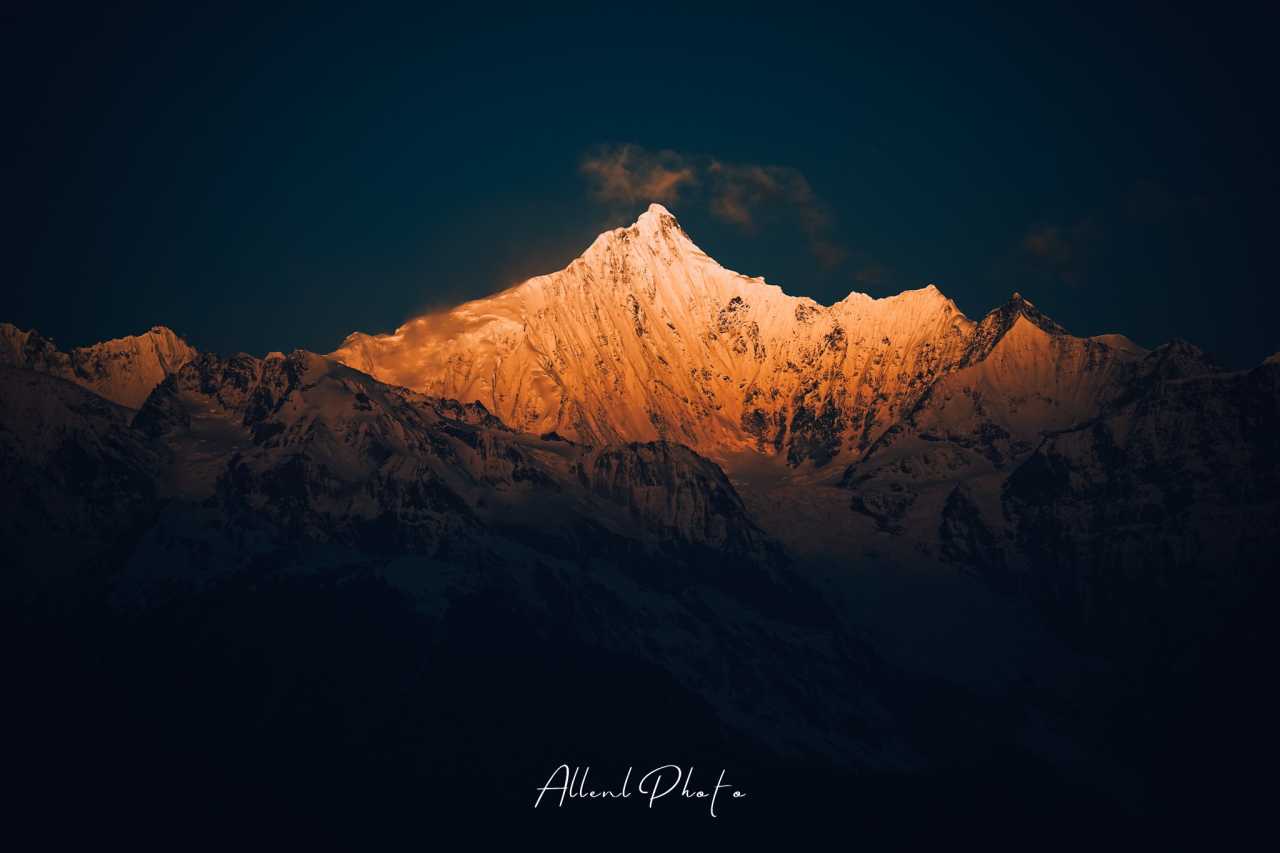
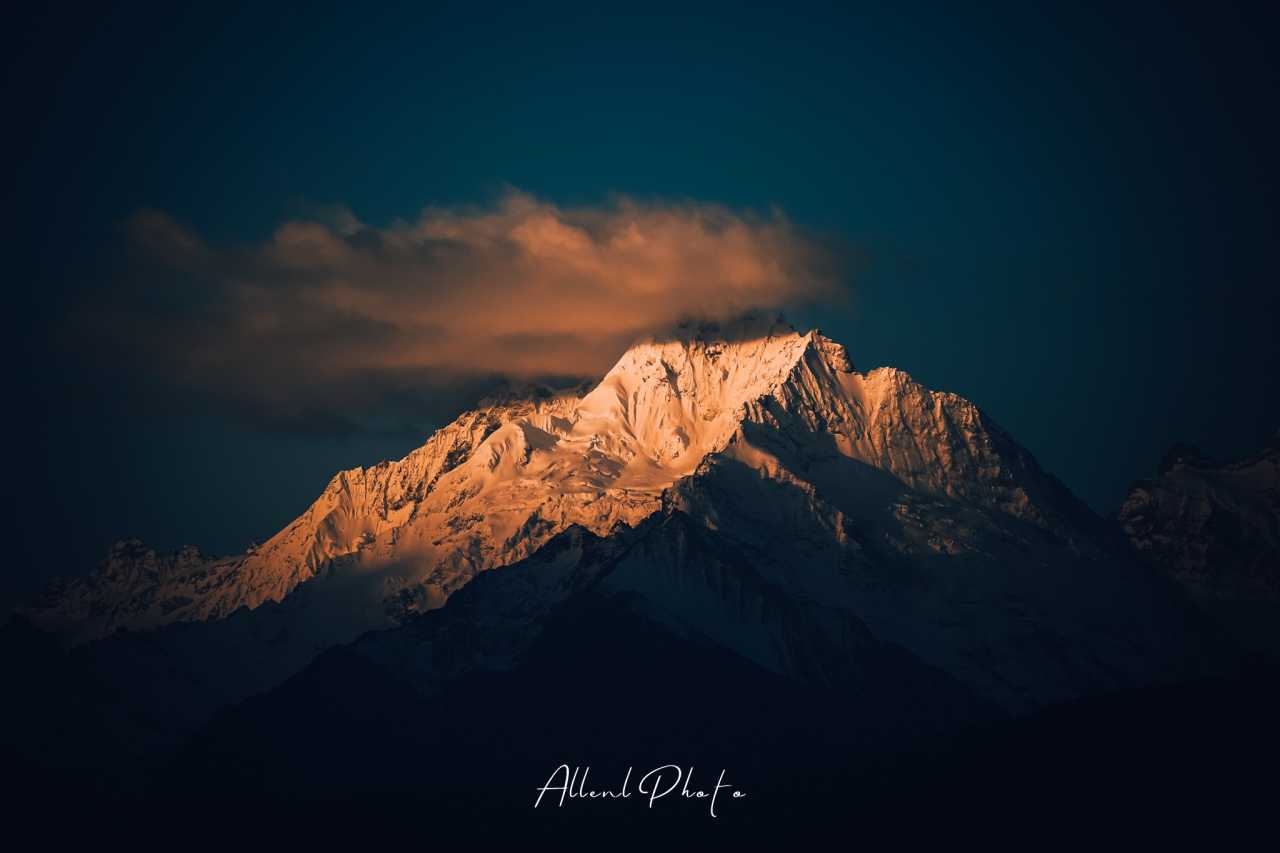
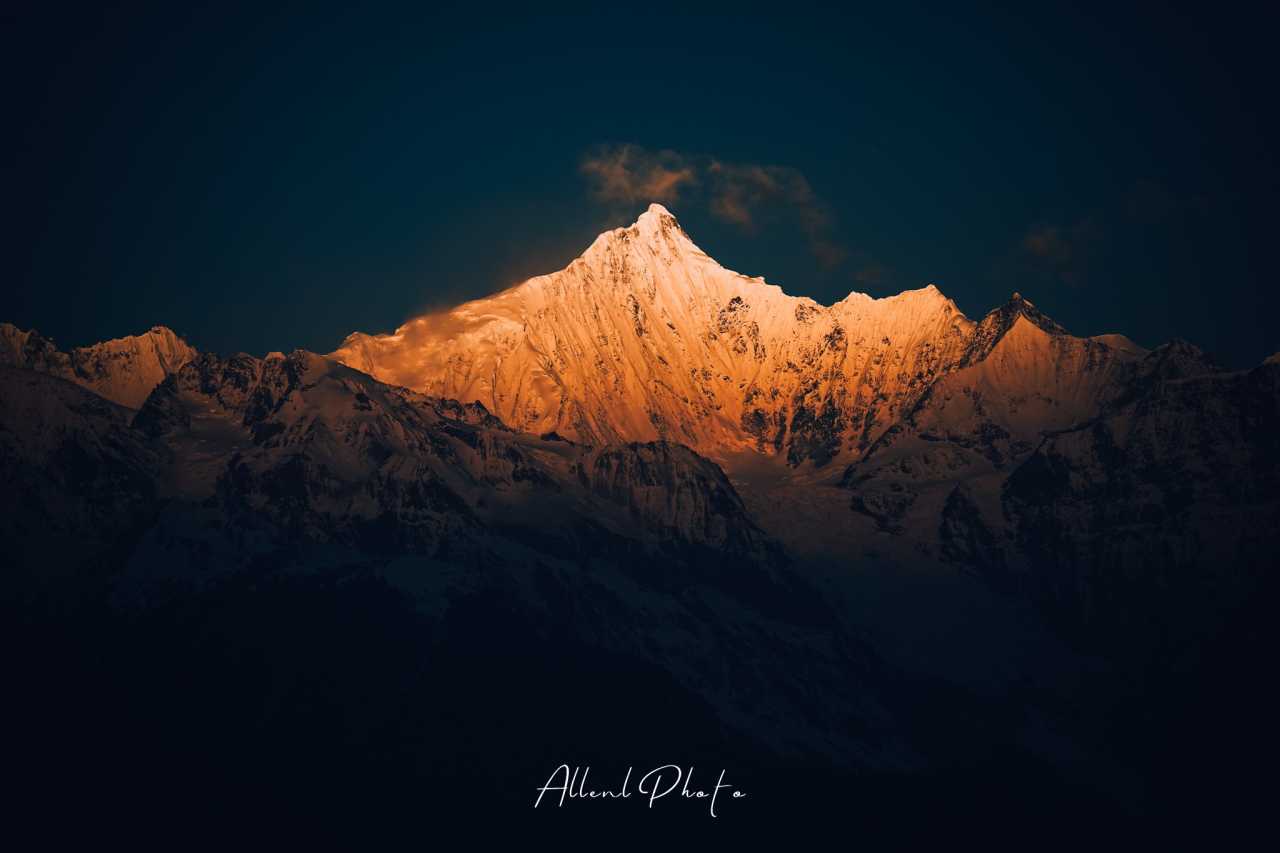
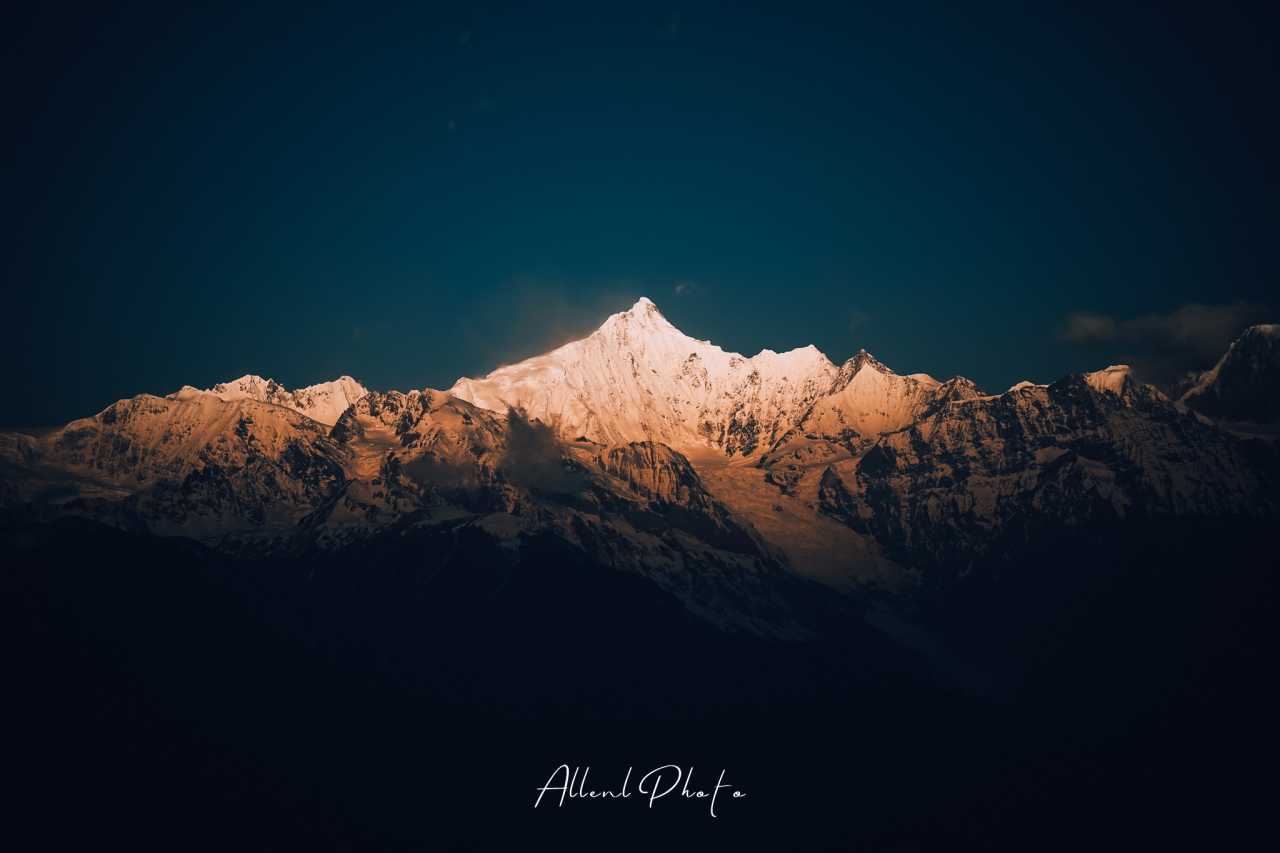
In March 2021, I returned to Diqing. At dawn, I finally witnessed the divine light of Kawagebo Peak (Kawakarpo) — in that moment, tears streamed down my face. Some sights take only a single glance to leave an indelible mark on your soul.
In November of the same year, in deep autumn, I set foot on this land for the third time. At the national park in Tacheng County, I followed park staff deep into the dense mountain forests, searching for Yunnan golden monkeys (Rhinopithecus bieti). We were lucky that day, capturing precious photos of these highland snow-mountain spirits.
In Dukezong Ancient Town, I absorbed the depth and mystery of Tibetan culture. The ancient town, still recovering from the devastating fire, was slowly coming back to life. Yet I found myself missing those sun-drenched days — sipping tea at a guesthouse, playing with the resident dogs, strolling through the old streets, taking photos, enjoying a unique sense of peace and contentment.
Final Thoughts: Everyone Has Their Own Shangri-La
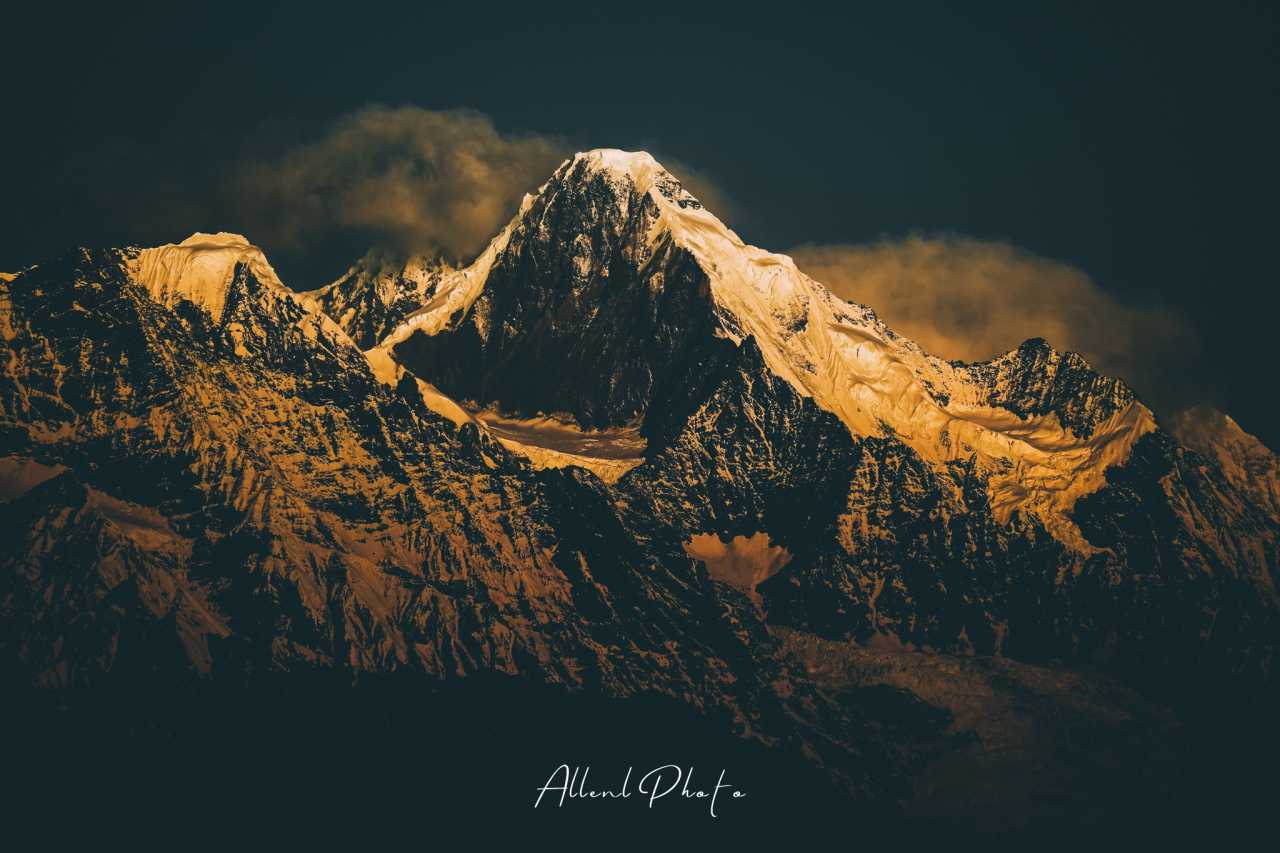
In three journeys to Diqing, I paid homage to countless snow mountains and finally saw Kawagebo in its full glory. I walked into the "Immortals' Terraced Fields" of Baishuitai and witnessed the origins of Naxi culture. I felt the earth's roar at Tiger Leaping Gorge and captured the image of a monk in the snow at Songzanlin Monastery.
But most importantly, amid this snow-covered paradise surrounded by clouds and mountains, I saw my true self.
Some say Diqing never had the power to heal anyone. It's just that among these clouds, light, mountains, and seas, those who found peace chose to let go — to stop obsessing over whether they are a speck of dust or a star, and to stand firmer and more resolute than ever before.
The most beautiful scenery is not just before our eyes — it lives within our hearts. Shangri-La is no longer merely a place. It exists in northwestern Yunnan, in eastern Tibet, in western Sichuan — distant or near, in every destination your heart longs for.
It is a faith, and more than that — it is the beautiful hope born from the myriad thoughts of the human heart.
So believe this — everyone can find their own Shangri-La.
About the Author: A freelance writer with a passion for travel and storytelling. I've journeyed deep into Diqing three times, covering over 3,000 kilometers in total. If you have any questions about traveling in northwestern Yunnan, feel free to leave a comment below.
You should also read:
Big Bear and Little Cat Explore China: [A Self-Guided Tour of the Shangri-La Region: That Sky, So Blue It Feels Unreal!]
Big Bear and Little Cat Explore China: [A Self-Guided Tour of the Shangri-La Region: That Sky, So Blue It Feels Unreal!] Prologue: Why Shangri-La? In September 2011, my friend and I followed the Yunnan-Tibet Highway into the Greater Shangri-La region. Six days of travel, without…
Continue reading...
Dreaming of Lijiang, Dreaming of Shangri-La: A Journey That Lets Your Soul Breathe Deeply
Dreaming of Lijiang, Dreaming of Shangri-La: A Journey That Lets Your Soul Breathe Deeply Life is like a long trek. We're always rushing through the concrete jungle, searching for a glimmer of light in the monotony of our days. Then one autumn, I heard the…
Continue reading...
Into the Hidden Valley: A Solo Journey Through the Mysterious Dulong River
Into the Hidden Valley: A Solo Journey Through the Mysterious Dulong River Deep in the northwestern corner of Yunnan Province, tucked away from the modern world, lies a place that feels like a secret whispered among mountains. The Dulong River Valley is not just a…
Continue reading...