The Hidden Yunnan: A Hardcore Honeymoon Journey Breaking Stereotypes
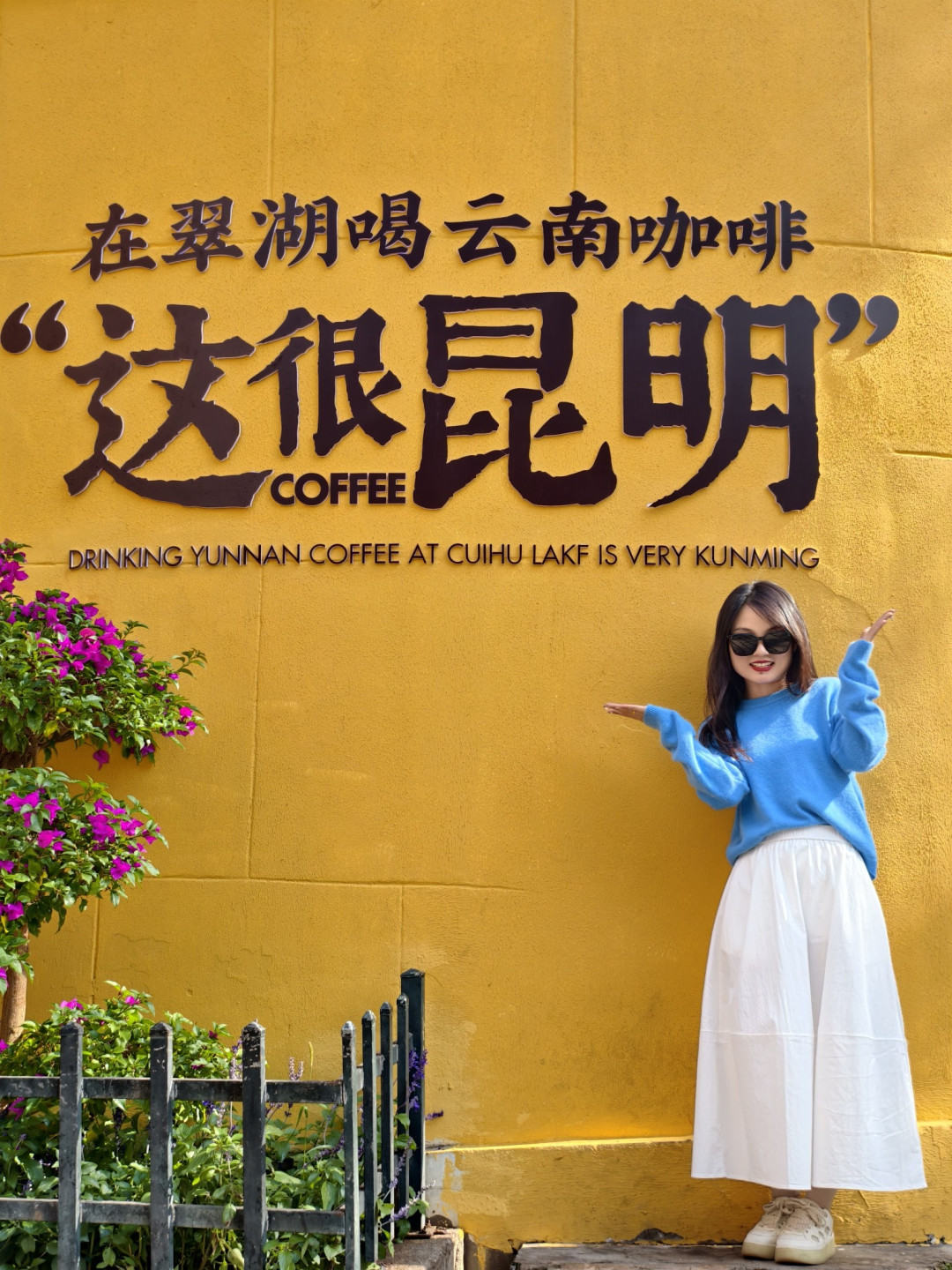
The Hidden Yunnan: A Hardcore Honeymoon Journey Breaking Stereotypes
To be honest, before setting foot in Yunnan, I had my doubts. Those videos and posts online about "getting ripped off in Yunnan tourism" hung over me like a lingering shadow, making me wary of this province—the first in China to develop its tourism industry. But life has taught me one lesson: never let others' experiences define your own journey. The moment I stood under Kunming's brilliant blue sky, breathing the crisp air at 1,900 meters above sea level, all those doubts vanished instantly. The charm of this land can only be truly appreciated by experiencing it yourself.
Why Western Yunnan? An Unconventional Choice
In November 2025, my newlywed wife and I decided to kick off the next chapter of our lives with a unique honeymoon. Hainan felt too monotonous, Guangdong didn't spark our interest, Guizhou was getting chilly, and we didn't want to freeze somewhere too cold. After narrowing it down, Yunnan became the only choice—this season, the sun is just right, and the temperatures are pleasant.
We didn't opt for the over-trodden "Kunming-Dali-Lijiang-Shangri-La" classic route. Instead, we plunged from Dali into the Nujiang River Valley, headed north to Bingzhongluo, then looped back to Tengchong, Ruili, and Mangshi. This was a true Western Yunnan circuit—from the mild spring of Kunming to the exotic borderlands, from the grandeur of the Gaoligong Mountains to the raw wilderness of the Nujiang Gorge. Over 11 days, it was a journey of poetic retreats and hardcore adventures alike.
Pre-Trip Prep: A Laid-Back Itinerary
My approach to planning this trip was, to put it mildly, "zen." I casually browsed online, got a general sense of which places were worth visiting, and had the plan nailed down in an afternoon. This was probably the most spontaneous itinerary I've ever put together—but as it turned out, sometimes spontaneity leads you to the most beautiful sights.
We chose to drive, renting a Lynk & Co 01 extended-range SUV near Kunming Railway Station from a local service. This car carried us through the entire journey, with fuel consumption under 5 liters per 100 kilometers and an assisted driving feature—great value for money.
Day 1-2: Kunming's Stunning Opening Act
First Arrival in Yunnan, Sunshine Ablaze
When we left Chengdu, the sky was still overcast. A colleague had been in Yunnan a few days earlier and encountered rain every day in Kunming, Dali, and Lijiang—I silently prayed for better luck. To my surprise, the moment our plane touched down in Kunming, the sun poured down like magic. For the next ten-plus days, it was bright and sunny every single day. I got tanned several shades darker—but it was totally worth it!
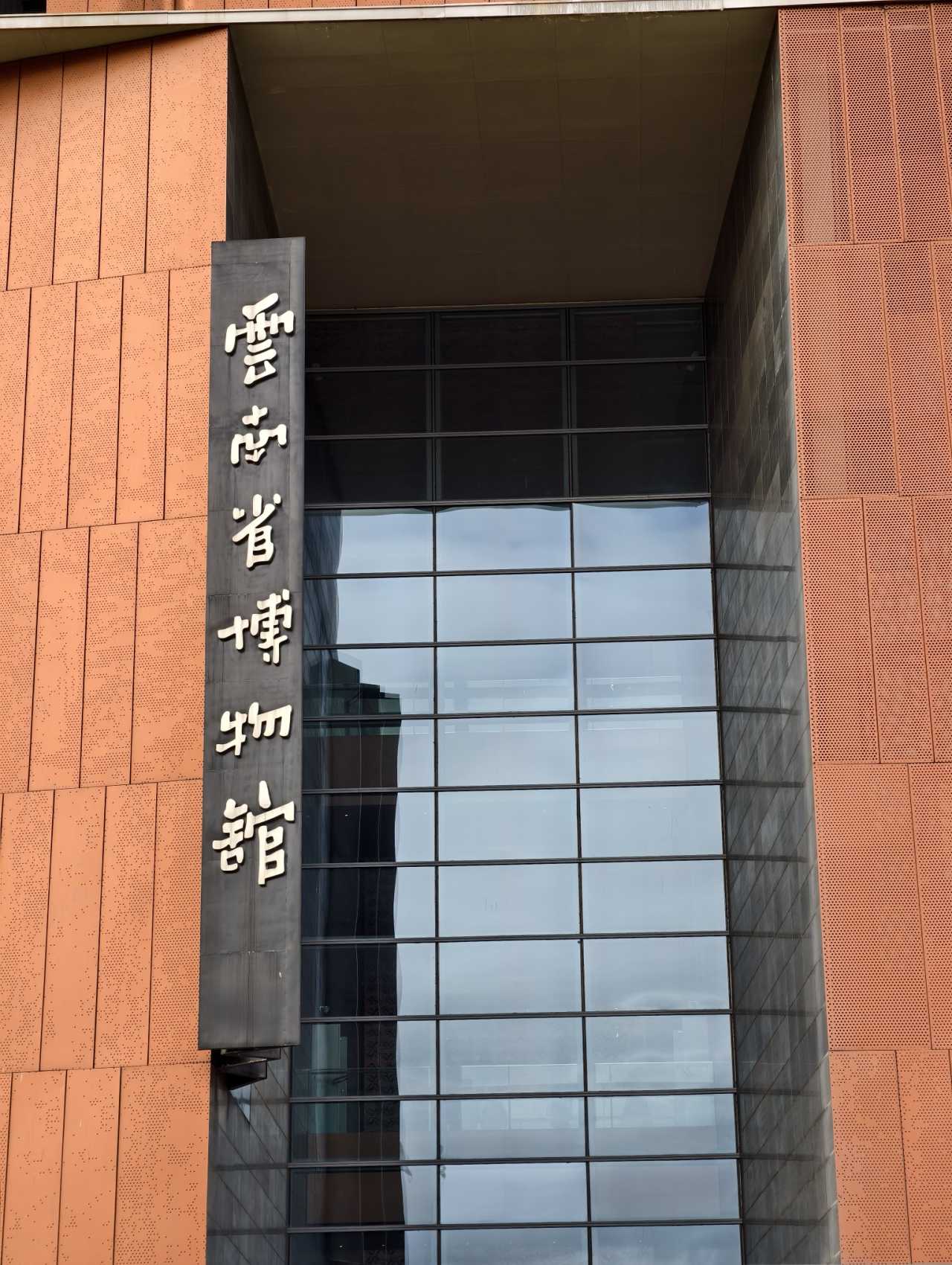
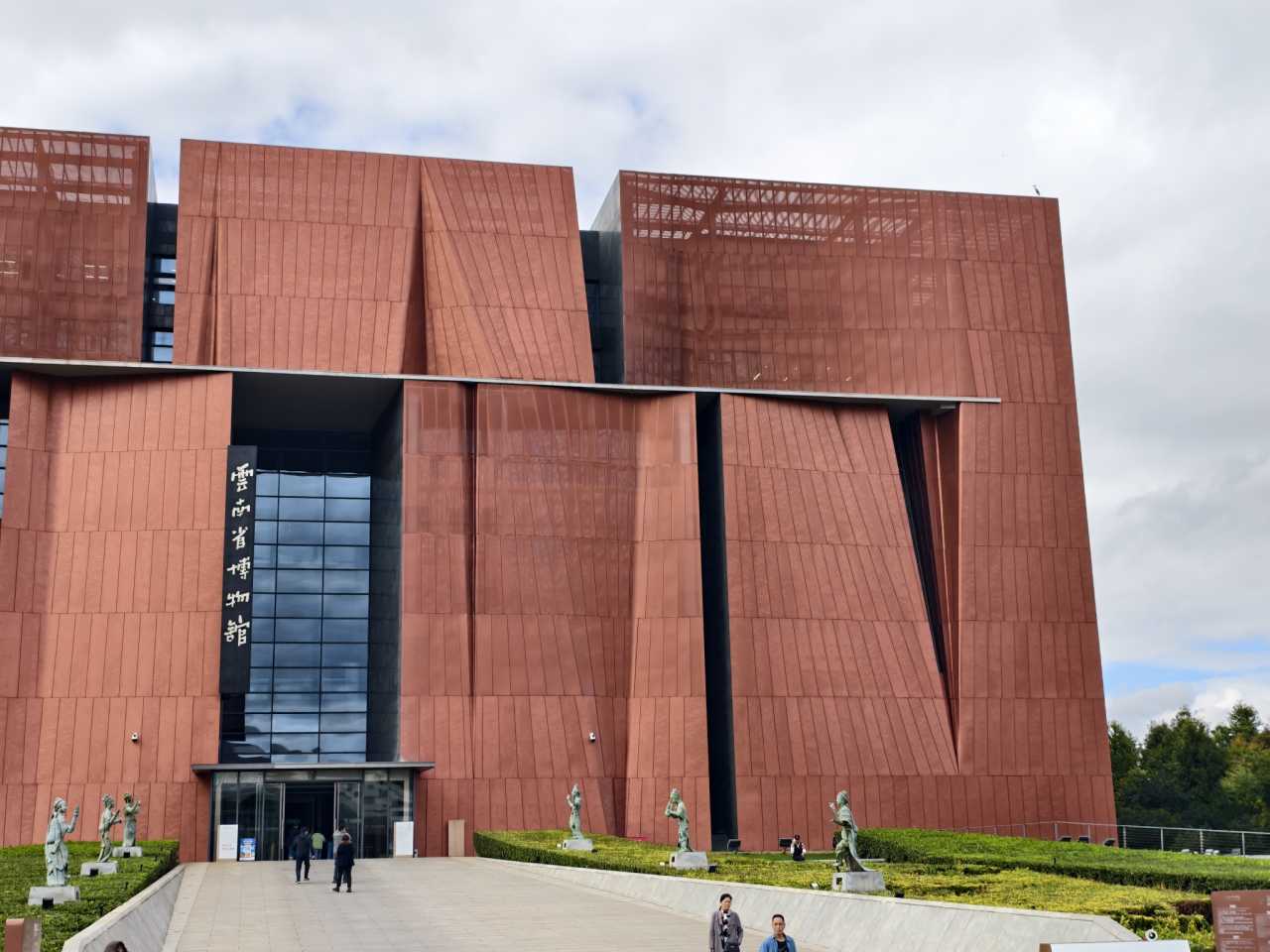
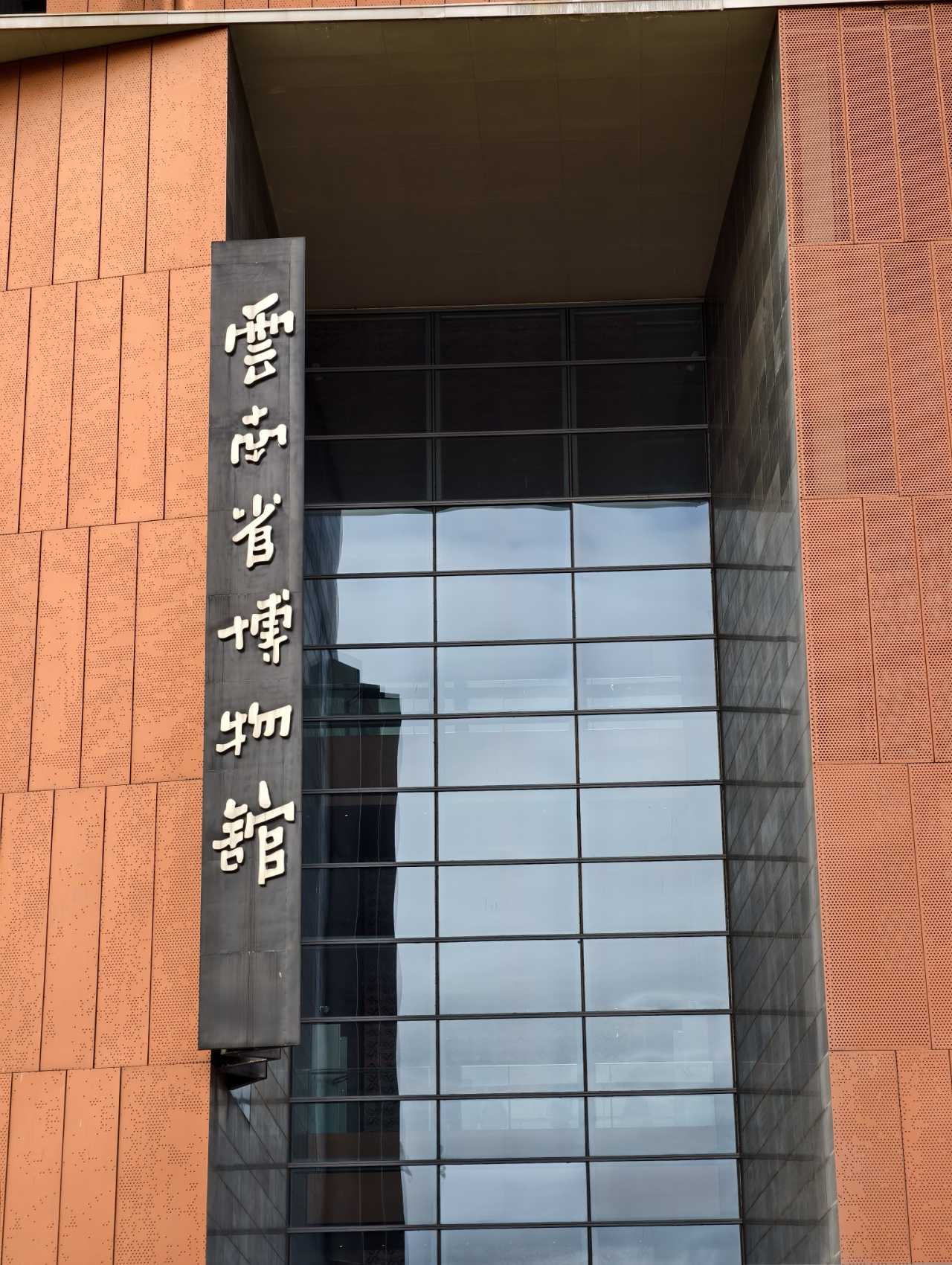
Yunnan Provincial Museum: An Underrated Treasure
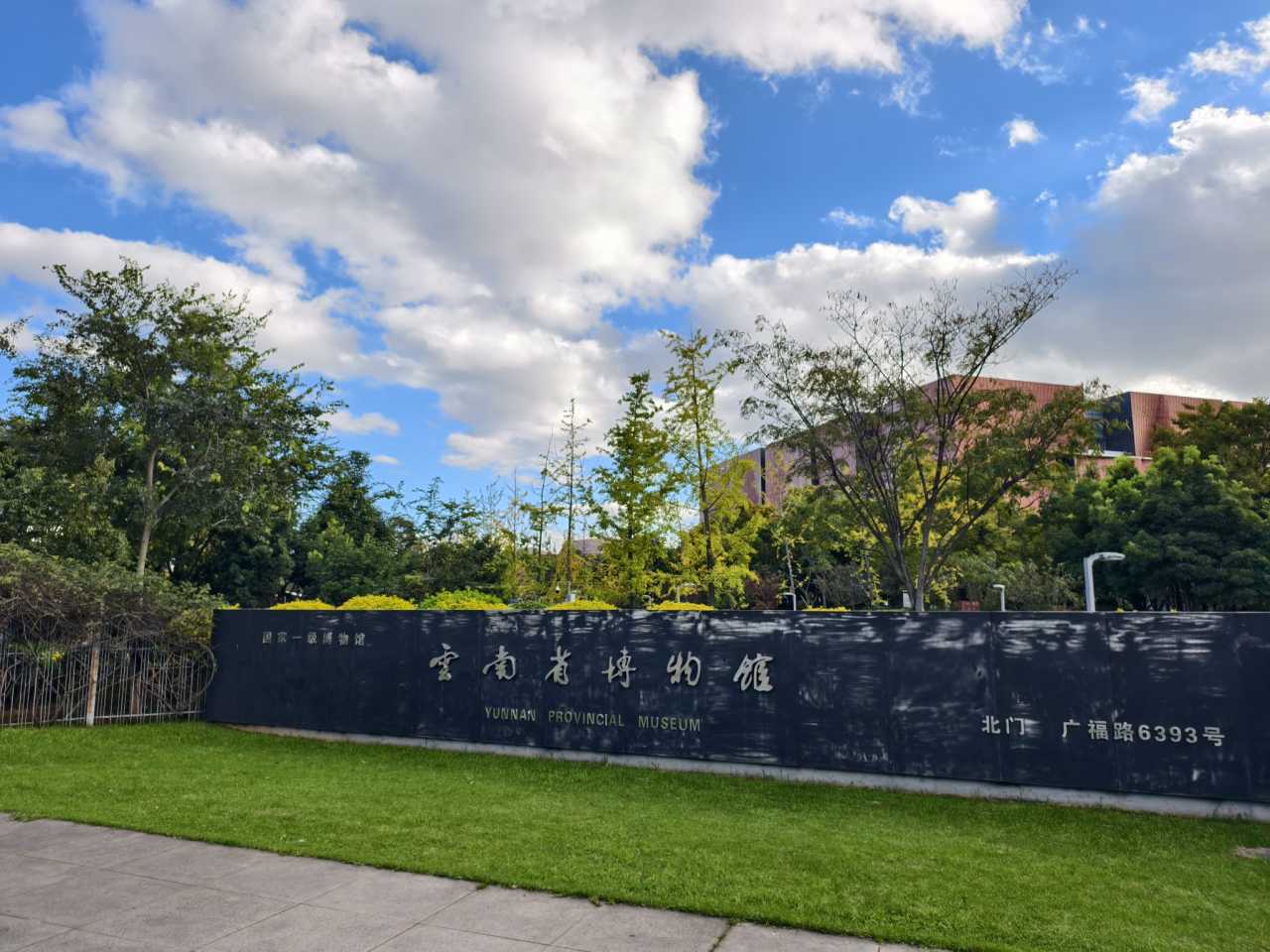
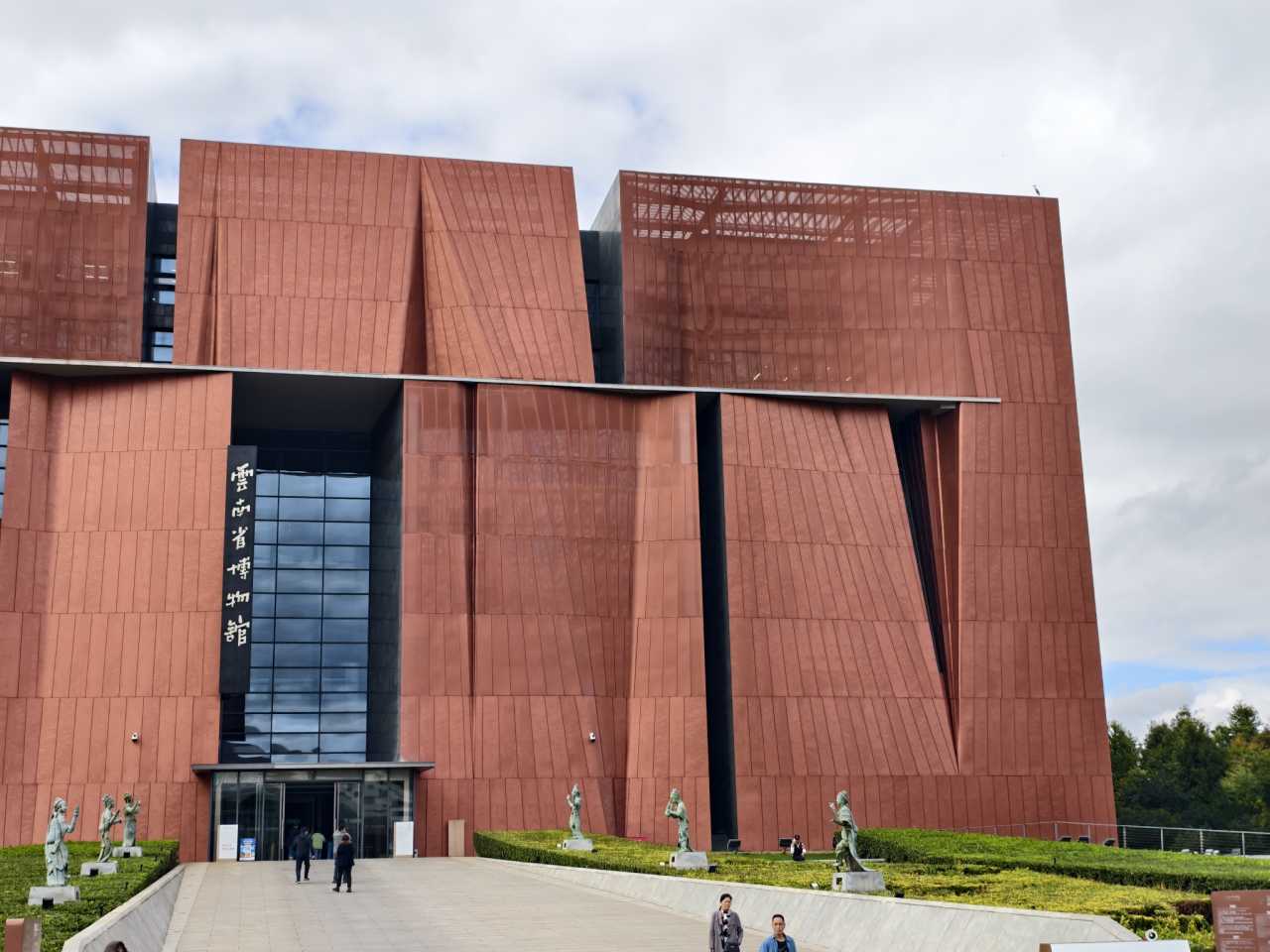
In the afternoon, we headed straight to the Yunnan Provincial Museum. This comprehensive museum, covering 150 mu (about 25 acres) with a floor area of 60,000 square meters, has a collection so rich and exhibits so refined that it ranks among the best of all the museums I've visited.
The museum's crown jewel is the Bronze Ox and Tiger Case (牛虎铜案), a ritual bronze vessel from the mid-to-late Warring States period, unearthed in 1972 from the Lijiashan ancient tombs in Jiangchuan County. A standing ox forms the case surface, with a tiger clinging to its tail and a calf tucked beneath its belly. The design is incredibly dynamic, showcasing the advanced craftsmanship of the ancient Dian Kingdom.
Another piece that left me in awe was the Silver-Gilt Gold-Winged Bird with Inlaid Pearls (银鎏金镶珠金翅鸟), a relic from the Dali Kingdom era, excavated in 1978 from the top of the main pagoda of the Three Pagodas of Chongsheng Temple. The bird wears a feathered crown, its wings curled inward as if about to take flight, with five crystal pearls inlaid on its halo—exquisite and breathtakingly intricate.
Then there's Nie Er's Violin (聂耳小提琴), a second-hand German instrument that Nie Er bought in Shanghai in 1931 and used to compose the "March of the Volunteers." Looking at it, you can almost hear the stirring melodies of that era.
Haigang Dam: A Sunset Date with Red-Billed Gulls
We left the museum at 4:30 PM and took a taxi to Haigang Dam, about an hour's drive. This is the perfect spot to view Dianchi Lake and feed the red-billed gulls.
Practical Tip: If you want to feed the seagulls, buy cake or bread at a supermarket beforehand—the prices on the dam are much higher. Opt for dark yellow bread; it catches the gulls' attention better. Those so-called "seagull snacks" they won't even glance at.
We arrived too late; the sun set around 6 PM, and we only got to feed them for half an hour, leaving us wanting more. So we decided to come back the next day.
Shuangqiao Night Market: A Feast of Insects
In the evening, we headed to Shuangqiao Night Market for dinner. We had a bowl of rice noodles and fried up some insects—Yunnan has a much wider variety of bugs than our hometown. As for the taste, well, it's a matter of personal opinion.
Cuihu Park: An Urban Emerald
The next day, we slept in and didn't head out until after 10 AM. We took the subway to Cuihu Park, where flocks of seagulls on the lake looked like little boats. Locals told us these gulls fly from Dianchi Lake in the morning to "clock in for work" and fly back at night—turns out even birds have a "grind"!
Wenlin Street: A Stunning Mushroom Hotpot

From Cuihu, we strolled to Wenlin Street, passing by Yunnan University—unfortunately, reservations were full, so we missed out. Wenlin Street gets its name from its proximity to the Yunnan Imperial Examination Hall, meaning "a forest of scholars." Today, the street is lined with cafes and teahouses, and it'll be even more beautiful when the ginkgo avenue turns yellow in a few weeks.
Here, we finally had the mushroom hotpot (菌子火锅) I'd been craving. The restaurant indeed only served us utensils when the timer went off, and the flavor was incomparable to the mushroom broth pots at hotpot chains back home—so delicious it made me want to dance.
Huanggong East Street and Kunming Old Street: Patina of Time
The yellow walls and red flowers of Huanggong East Street looked stunning in the sunlight, perfect for photos. We walked to Kunming Old Street, the only historical and cultural district in China named after a unified street name. It preserves Qing-dynasty "seal-style" courtyard homes and Republican-era shops. The twin arc-shaped French-style buildings, known as "Duiyue Lou" (对月楼), surround the Victory Memorial Hall for the War of Resistance, now converted into a hotel.
A Second Visit to Haigang and Dounan Flower Market
At 3:30 PM, we went back to Haigang Dam. This time, the bread we bought at the supermarket let us feed the gulls to our heart's content. Before 5 PM, there weren't many gulls, but afterward, their numbers surged—they were clearly starving. My advice: come either early in the morning or wait until dusk.
In the evening, we visited the Dounan Flower Market, my wife's long-time wish. Known as "Asia's largest fresh-cut flower trading market," the flowers are ridiculously cheap. We bought a large bunch for just 10 yuan. While the quality from the outdoor stalls was a bit lower, the emotional value was priceless.
A Note After Kunming: Forgive me for saying this, but—I absolutely love Kunming. Having visited 27 provinces and 133 cities, Kunming is my favorite city, bar none. She uses the waters of Dianchi as ink, spreading a pageless scroll over the Western Hills. The thin, clear air at 1,900 meters altitude, the stone steps of Cuihu where countless migratory birds have landed this winter—the glow of the Spring City soaks the streets. The yellow walls and red flowers of Huanggong East Street reflect the patina of time. The fragrance of Dounan seeps into your soul, and the aroma of coffee on Wenlin Street swirls under the ginkgo trees. This is Kunming—like an aged wine that explodes in your mouth, rich and enduring.
Day 3-4: Dali—Between Expectation and Reality
Heading West
We picked up the car in Kunming and drove 330 kilometers, a four-hour trip with a toll of 160 yuan. We arrived at our hotel near Dali Old Town by 3 PM. Staying near the old town made shopping convenient; if you want to catch the sunrise, choose a place by Erhai Lake.
Cycling Around Erhai: Beautiful, but Fatigue Set In
We rented a bike at Caicun Pier for 15 yuan, due back by 7 PM. Cycling from Caicun to the S-bend, the scenery was indeed beautiful, but maybe because we'd just been to Jiuzhaigou, or perhaps our expectations were too high, it didn't wow us. Dali might be better for a longer stay—sitting by Erhai, watching the gulls fly back and forth, with the blue sky, white clouds, Cangshan Mountains, and a cup of coffee—that's the most enchanting way to experience it.
Dali Old Town: A Disappointing Sameness
In the evening, we wandered through Dali Old Town. Despite its 500-year history, old towns across China now feel like they're stamped from the same mold. It's overly commercialized, with few original residents left—it felt no different from the Taierzhuang Old Town back home.
Xizhou and Shuanglang: One Surprise, One Flat
The next day, we rented an electric scooter for a half-loop around Erhai. At 29.9 yuan, it was a steal—200-kilometer range, and with two of us weighing less than 300 jin (about 330 lbs), we got about 150 kilometers.

Xizhou Ancient Town was a pleasant surprise. It's been developed more recently, so the commercial vibe isn't as intense. The Bai ethnic houses are well-preserved, and walking through the market amid the bustling crowds felt more relaxed than Dali—perfect for a slow-paced life. The crispy flatbread (破酥粑粑) was the best thing I'd eaten in days, but I forgot to take a picture until it was gone. Xizhou is also famous for its tie-dye (扎染), and we bought two pieces.
Shuanglang Ancient Town, on the northeastern shore of Erhai, offers a better view of the lake, but that's about it. The heavy commercialization did nothing for me.
Personal Take: I didn't really like Dali as a city. During that day and a half, we didn't know where to go. The Three Pagodas required an entrance fee, so we skipped them. We ended up just strolling through the old town again and heading back to the hotel early, ready to move on to the Nujiang River Valley the next day.
Day 5-6: The Mysterious Nujiang—Raw and Pristine
Nujiang: Beauty Without a Ticket
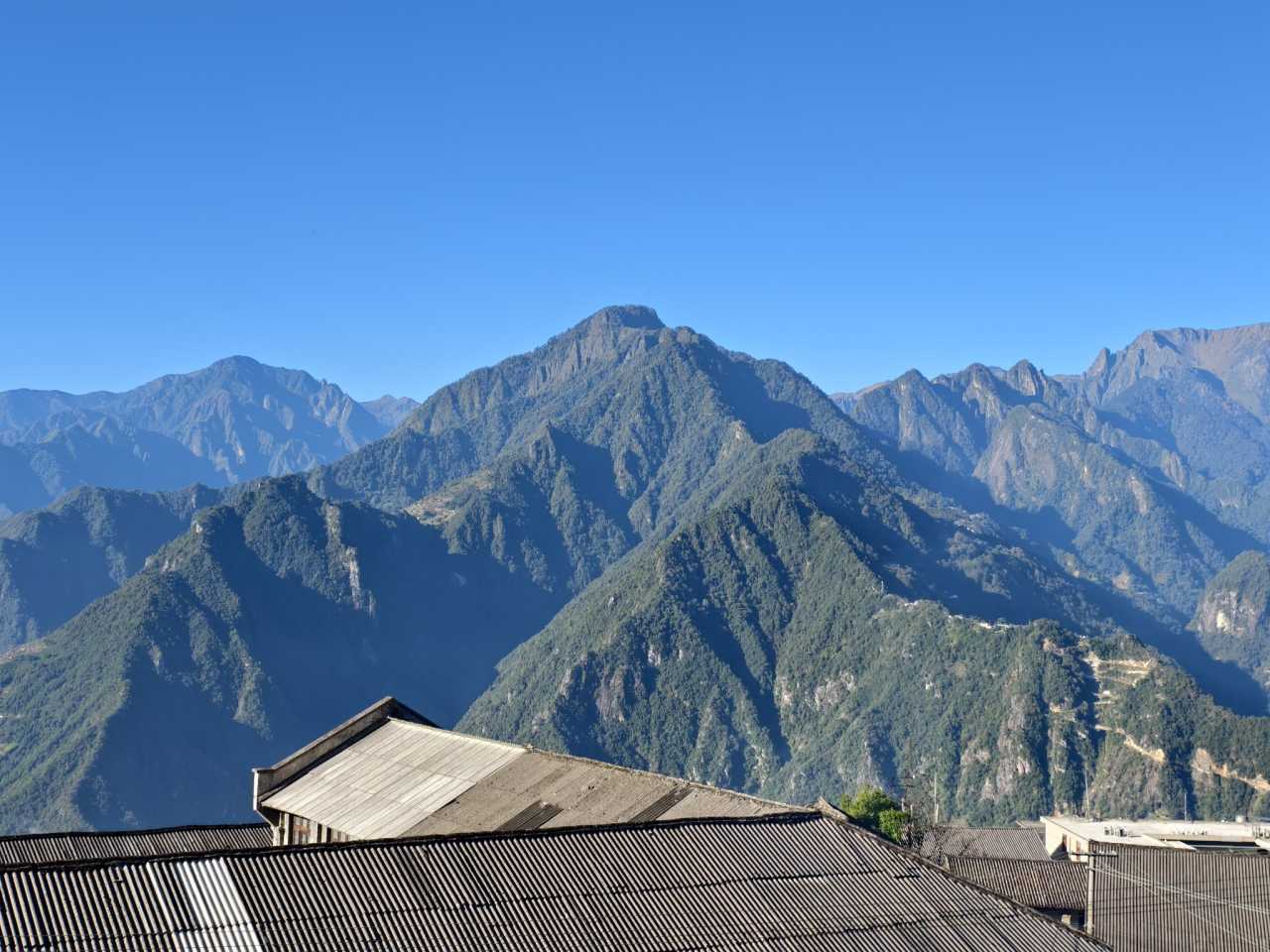
From Dali, we drove first to Lushui City, then headed north along the G219 Nujiang Beautiful Highway to Laomudeng Village. The Nujiang region exudes mystery, rawness, and purity. There's no airport, no high-speed rail, and it's the only place in Yunnan where no scenic spots charge admission. The entire Nujiang Valley is a tapestry of untamed natural landscapes and diverse cultures, a secluded beauty that feels utterly isolated.
Librairie Avant-Garde: A Spiritual Haven on the Cliff
At noon, we had fire-roasted chicken (火烧鸡) in Lushui—a three-jin chicken with two sides and a soup set us back 210 yuan, not cheap, and the meat was a bit dry.
In the afternoon, we visited the Nujiang Grand Canyon Librairie Avant-Garde (先锋书店). This bookstore opened in late 2024, perched on the ridge of the Gaoligong Mountains, facing the Biluo Snow Mountains across the valley. Built with exposed concrete, its clean geometric lines contrast sharply with the natural surroundings. It's a 30-minute drive from the city on steep, winding mountain roads—everyone, please be careful.
Standing on the terrace, the view was breathtaking: the Nujiang River wound through the canyon like an emerald ribbon, with peaks on both sides piercing the clouds. It felt like standing at the edge of the sky, the distant blue sky like an oil painting, dreamlike and surreal.
Denggang Hot Springs and Laomudeng
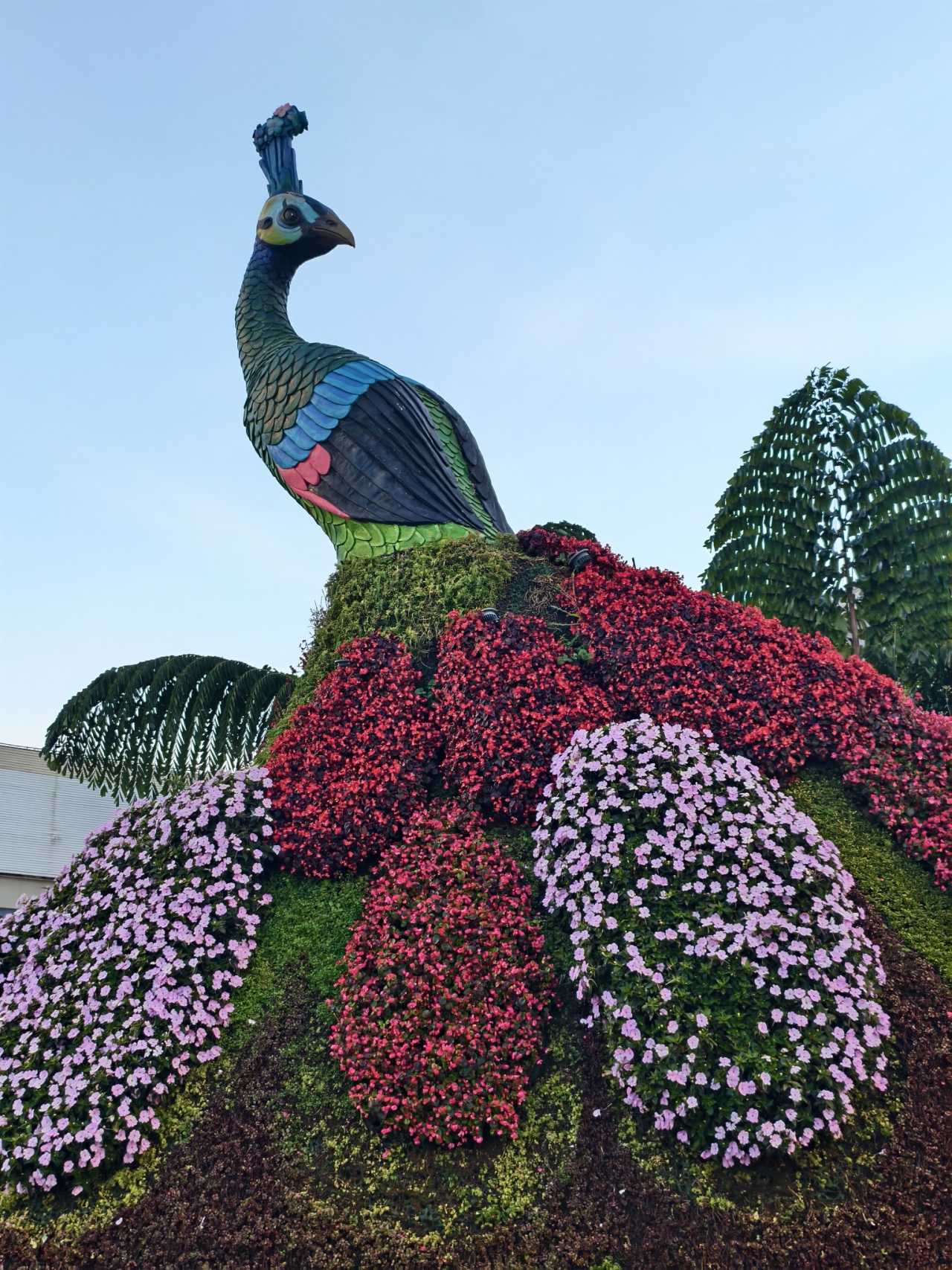
Along the way, we passed Denggang Hot Springs (登埂澡塘), a wild hot spring with 18 springs of various sizes. When I visited, five or six locals were soaking in them. The water flows from top to bottom, getting hotter the higher you go. If you're interested, bring your own gear for a soak or a foot bath.
We arrived at Laomudeng Village at 5:30 PM. Situated halfway up the Biluo Snow Mountains, it's the best viewpoint for the Nujiang Grand Canyon. The Laomudeng Church, built by French missionaries in 1902, is the largest Christian church in the Nujiang Gorge. Unfortunately, we missed the worship service.
At night, we could see a brilliant starry river spanning the sky with the naked eye. Even with a phone's long exposure, we could capture it directly—though not as awe-inspiring as the starry sky I saw last year at Everest Base Camp, it still held a special magic for us, accustomed to concrete jungles.
Cloud Sea Sunrise at Laomudeng
The next morning, around 7:20, the sky began to lighten. The sea of clouds around Crown Mountain (皇冠山) in Laomudeng was at its peak—mist rose from the river surface, gradually revealing the river, villages, and layered distant mountains. The clouds were sandwiched between layers, and the air we breathed felt crisp and cool. The mist over the river gorge looked like a white dragon, winding endlessly. Crown Mountain was slowly illuminated by the sun—not as elegant as the golden glow on snow-capped peaks, but it added a rugged beauty.
Zhiziluo: A City Frozen in Time
After watching the clouds, we drove 4 kilometers up to Zhiziluo. In the Lisu language, "Zhiziluo" means "good place." Historically an important post on the Ancient Tea Horse Road, it's now better known as the "City of Memory."
This was once the seat of the Nujiang Prefecture government and Bijiang County. In the mid-1980s, residents were evacuated due to fears of geological disasters. Decades later, the disasters never happened, and some people have gradually moved back. The preserved buildings—libraries, hospitals, schools—seem to have frozen time 40 years ago. Walking along the weathered steps, past crumbling houses, with the occasional dog bark and smoke rising from somewhere, everything felt ordinary yet extraordinary.
Bingzhongluo: A Paradise Where Humans and Gods Coexist
Continuing north on the G219, we passed the Return Ferry Crossing of the远征军 (Chinese Expeditionary Force) and the First Bend of the Nujiang River. Here, the river forms a nearly 180-degree horseshoe bend, creating the Kantong Peninsula, surrounded by water on three sides. Unfortunately, this year's heavy rains had left the Nujiang waters muddy—normally by this time, they should be emerald green.
We reached Bingzhongluo, a paradise known as "where humans and gods live together." It's a key passage between Yunnan and Tibet and the starting point of the Bingzhachala Route. Combining snow-capped mountains, gorges, farmlands, and ethnic cultures, it's been named by Chinese National Geography as "Yunnan's Last Secret Realm."
We continued to Wuli Village (雾里村). Surrounded by mountains on three sides and facing the river, this village is almost completely isolated, with a few dozen households scattered at the mountain's base. Stone paths, piles of firewood, the occasional dog or chicken and duck—it was so full of life. The village also has a well-preserved stretch of the Ancient Tea Horse Road, built right into the cliffside.
Final Thoughts: Lessons from the Western Yunnan Journey
Eleven days on the Western Yunnan circuit brought both surprises and regrets. But most importantly, it taught me a lesson: don't let online noise sway you. Only by stepping onto this land yourself can you discover its unique charm.
From Kunming's mildness to the Nujiang's rawness, from Dali's romance to Bingzhongluo's hidden paradise, Yunnan's beauty isn't about how stunning a single spot is—it's about how it always delivers unexpected surprises. That brilliant blue sky, that savory mushroom hotpot, those tireless red-billed gulls, that winding Nujiang River—these are the true essence of Yunnan.
Practical Tips: 1. Self-driving is the best way to explore Western Yunnan, especially the Nujiang section. 2. Buy bread at a supermarket beforehand to feed the seagulls—prices at the dam are much higher. 3. The entire Nujiang region is free of admission fees, but the roads are tricky—drive safely. 4. Dali is better for a longer stay than for quick sightseeing; slow down to truly appreciate its beauty. 5. You must try the mushroom hotpot, but remember: the restaurant will only give you utensils when the timer goes off.
This honeymoon journey wasn't just a route we traveled—it was a shattering of stereotypes. Yunnan is worth experiencing for yourself.
You should also read:

Solo in Yunnan: A Wanderer’s Guide to the Land of Eternal Spring
Solo in Yunnan: A Wanderer’s Guide to the Land of Eternal Spring There’s something magical about traveling alone. No compromises, no schedules to keep, no one to please but yourself. I’ve been on the road for nearly three months now, and not once have I…
Continue reading...
Into the Hidden Valley: A Solo Journey Through the Mysterious Dulong River
Into the Hidden Valley: A Solo Journey Through the Mysterious Dulong River Deep in the northwestern corner of Yunnan Province, tucked away from the modern world, lies a place that feels like a secret whispered among mountains. The Dulong River Valley is not just a…
Continue reading...
God’s Abandoned Palette: A Self-Drive Journey Through Yunnan’s Dongchuan Red Land
God’s Abandoned Palette: A Self-Drive Journey Through Yunnan’s Dongchuan Red Land Travel has never been about reaching some distant geographic coordinate. It’s about encountering, along the way, the version of yourself buried beneath the rubble of daily routine. During this May Day holiday, I finally…
Continue reading...