The Most Beautiful Dali, the Most Adventurous Us | A Yunnan Journey: 5 Days in Dali, Mile, and Kunming

The Most Beautiful Dali, the Most Adventurous Us | A Yunnan Journey: 5 Days in Dali, Mile, and Kunming
WeChat Official Account: yummyus | WeChat: kiddiao | Weibo: 建洲大魔王
This summer, it felt like my social media feed had split into two camps—half the people were posting selfies under Yunnan's blue skies and white clouds, while the other half were chasing sunsets across Xinjiang's vast grasslands. We couldn't escape the temptation either. So we temporarily bid farewell to mountains of paperwork, endless meetings, and the mundane routines of daily life, and set off on a spontaneous journey.
Five days and four nights took us through three corners of Yunnan: marveling at the whimsical modern architecture in Mile's "Oriental Magic City," soaking up the slow-paced local life in the "Spring City" of Kunming, and finally embracing the gentle grandeur of Cangshan Mountain and Erhai Lake in the Dali we'd been dreaming of. This article captures not only the scenery and emotions along the way but also includes a super detailed practical guide at the end—read it, and you'll be ready to pack your bags!
A Sneak Peek: Our Yunnan Footprints
- DAY 1: Kunming → Mile (Dongfengyun Kaleidoscope Art Museum) → A Night in Kunming
- DAY 2: Kunming (Moon-facing Building, Oriental Bookstore, Old Street Stroll) → Dali (Ancient Town Night Tour, Stone Plate BBQ)
- DAY 3: Dali (Longkan Pier Sunrise, Erhai Lake Private Car Tour: Xingsheng Bridge, Luoquan Peninsula, Xiaoputuo Island, Luwo Mountain, Wase Pier, Shuanglang Ancient Town)
DAY 1: Kunming and Mile – From "Spring City" to "Magic City"
The Starting Point: Kunming's "Fire and Ice"
People always call Kunming the "Spring City"—when summer heat is unbearable elsewhere, its high altitude brings a refreshing coolness; when winter chills set in, its low latitude offers warmth. It's arguably China's most pleasant climate, even if it's only "one of" the most pleasant. But we chose Kunming as our first stop not for its comfort, but for a simpler reason: direct flights from Shenzhen to Kunming were much cheaper than those to Dali.

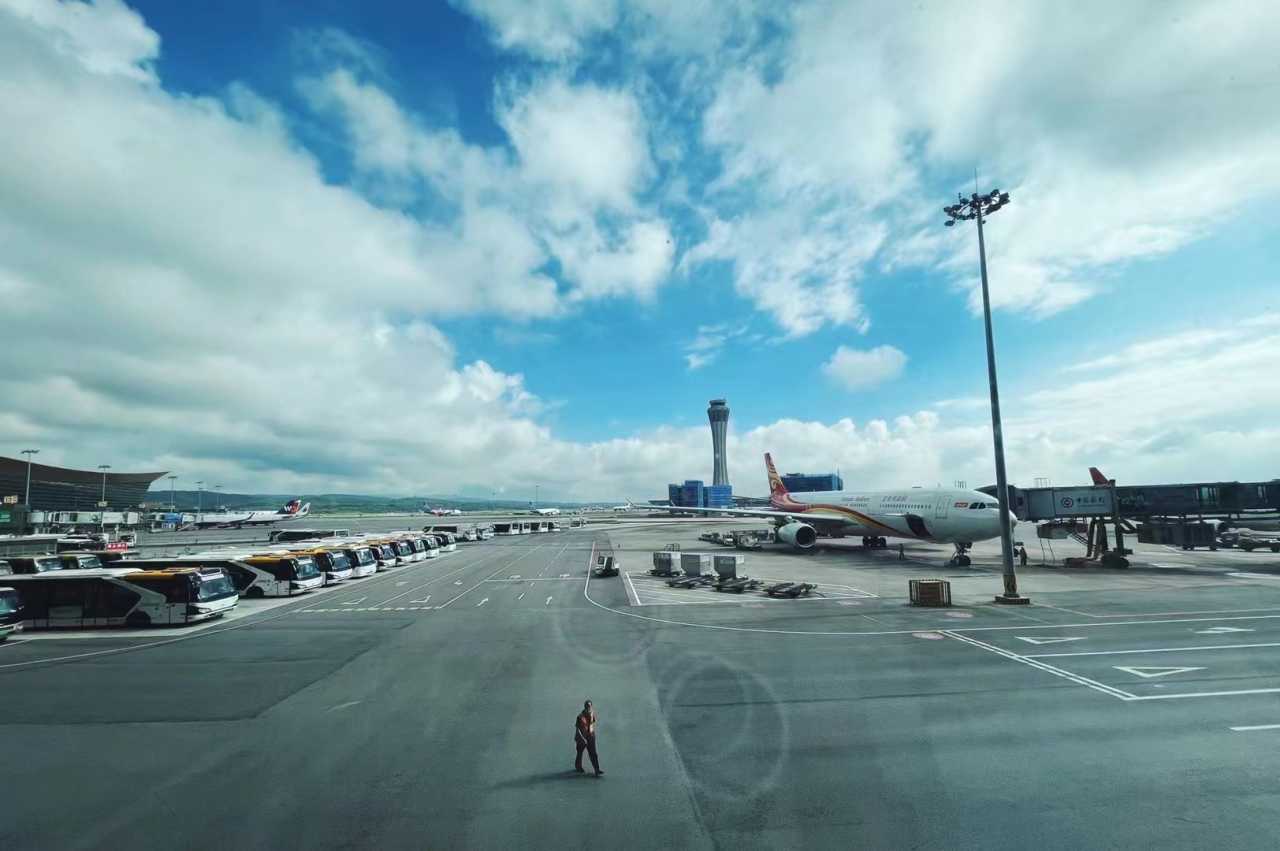
As we stepped out of the airport, a cool breeze brushed our faces, as if the entire city had its own natural air conditioning. It instantly melted away the fatigue of travel. But the blazing sun overhead reminded us that the poets' praises might have been a bit exaggerated. Kunming's sun feels genuinely piercing on your skin.
Since our first destination was Mile, we didn't linger in Kunming. We took a taxi straight to the high-speed rail station. Kunming Airport had clear signage, smooth COVID testing procedures, and straightforward taxi routes—everything exuded hospitality and efficiency. In contrast, our later experience at Kunming Railway Station was a disaster that seemed designed to discourage tourists—chaotic management, confusing signs, making you wonder if Yunnan had too many visitors and wanted to "scare some away."
Still, the airport taxi driver was endearingly chatty. He rambled on about Yunnan's tourism development history, warned us about sun protection using his daughter's painful experience getting sunburned at Yuanyang Rice Terraces, and even shared his thoughts on electric vehicles, jumping from range anxiety to battery degradation. When I was about to scan the QR code to pay, I caught a glimpse of his WeChat name: "Happy Fruit." I couldn't help but smile—what an interesting character. But when he said, "That'll be 165 yuan," I suddenly found him a lot less charming.
Exploring the Oriental Magic City: Mile's "Cheeky" Surprises
The high-speed train from Kunming to Mile takes just an hour and a half. Mile is a county-level city under the Honghe Hani and Yi Autonomous Prefecture, billed as a hub connecting central Yunnan with Guangdong and Guangxi. It's said to be the only city in the world that shares its name with a Buddha—it even has the world's largest Maitreya Buddha statue—and its grapes are famously sweet. But we weren't here to worship Buddha or eat grapes. We were here to "cut the grass" on a place my travel buddy, roommate, and boss—Ye Xiaomeng—had planted in my mind: the "Oriental Magic City."
From Mile High-Speed Rail Station, a taxi ride to Dongfengyun Scenic Area takes only about ten minutes. But we looked too much like tourists, so the driver refused to use the meter. Luckily, the "black car" fare was only about 20 yuan. The entrance fee was 75 yuan, and honestly, without something special, that price alone would scare off most visitors. But many "clever" and "cheeky" scenic spots have learned a new trick: set a low ticket price to attract tourists, then build a visitor center several kilometers away, forcing you to spend 30 yuan on a shuttle bus. With the "we're already here" mentality, tourists have no choice but to pay up—Dongfengyun is exactly that kind of place.
As Lu Xun once said, "Wasting someone else's time is equivalent to murder for money." Dongfengyun's shady tactics not only fleece your wallet but also your time. The shuttle buses come every ten to fifteen minutes, and you might not even get on. The wait feels endless. Finally on the bus, after another ten minutes, the legendary "Kaleidoscope Art Museum" appeared before us.
From a distance, the magnificent structure made me gasp: it looked like a magical castle! I wondered which ancient ethnic group had built it, how those holes in the walls kept out the rain, how the residents got natural light, and even marveled at how well-preserved it was. Then Xiaomeng casually said, "It's modern art." In an instant, all my amazement crumbled—without the weight of history, everything suddenly seemed ordinary.
But after learning more, I realized it was far from simple. The Kaleidoscope Art Museum was reportedly built without a single steel beam or nail, using only local red bricks from Mile. Its design language blends Mile's wine culture, the Yi people's fire culture, and the concept of "symbiosis and upward growth." The architect, Luo Xu, never received formal art education—a true genius. Inside the museum, you'll find the "Thousand-Person Chorus"—over a thousand handmade clay figurines, each with a different expression: some singing with gusto, others just going through the motions, some full of emotion, others completely indifferent. When music plays, it feels like you're watching a microcosm of society.
For the rest of our time, there wasn't much else to see in the scenic area, and no deep history to explore. All we needed was our camera for some happy photo-taking. Yunnan truly lives up to its name as the "Land of Colorful Clouds"—the clouds, in all shapes and sizes, moved quickly across the sky, breathtakingly beautiful. But the sun was relentless, and without a parasol, we felt like we were cooking after just an hour or two. So we hurried back to the train station and headed to Kunming.
A Night in Kunming: From Chaos to Comfort
Unlike the orderly Kunming Airport, the high-speed rail station was a nightmare. Following the taxi arrow signs out of the station, we encountered countless signs saying "Taxi 100 meters ahead," which eventually led us to "Kunming Bus Company No. 3." There, we found no taxi area, not even a spot for ride-hailing cars. Navigation showed the area was jam-packed, with crowds of passengers and no designated queuing area—getting a cab was a free-for-all. We tried using an orange app to hail a ride, but four or five drivers canceled, citing "too much traffic nearby." Finally, one kind driver was willing to sit in traffic for 20 minutes to pick us up, and we made it to our hotel just before sunset.
Kunming Old Street is a pedestrian zone, so we had to drag our suitcases through it. Along the way, we passed buildings from the Qing Dynasty and the Republic of China era—beautiful scenery. The great revolutionary musician Nie Er was born here. Our hotel, Yuebo Hotel, was located in a historic courtyard house on Yonghua Lane, right across from Nie Er's former residence. To our delight, despite being in the heart of the old street, the hotel was a peaceful oasis, with charmingly antique decor. The only downside was the blinds—too "antique" to block out light completely, letting in annoying gaps no matter how we adjusted them.
After settling in, we set out to find our first Yunnan meal. We went to Yanwu Restaurant on the old street. Many restaurants offer small snacks or drinks while you wait, but this place gave us free signature grilled tofu! The freshly grilled tofu was piping hot, with a crispy exterior and silky interior, paired with a dipping sauce—absolutely delicious. We ordered a 98-yuan set meal that included roast duck, boiled sliced pork, tofu skin, greens, and chive flower potato shreds. Kunming's prices made us feel like it was an incredibly livable city.
The Jianshui Qujiang roast duck came with sweet bean sauce, scallion shreds, cucumber, and even white sugar—it really felt like Beijing roast duck. The skin was crispy, the meat tender and flavorful. The boiled sliced pork had a distinct Yunnan-Guizhou Plateau flavor, different from the Sichuan-Chongqing style: less numbing, more spicy, with a thicker broth. Both dishes were perfect with rice. The handmade tofu skin was a specialty of the house, served with a sour-spicy dipping sauce—smooth and delicious.
Kunming truly is a livable, slow-paced city. We found a massage place (Zhengyuan Tang) near the old street, costing just over 80 yuan per person, and it melted away the day's fatigue. In the evening, we joined the mix of tourists and locals strolling through the cool breeze on Kunming Old Street. Walking from the old street to Guanghua Street, we spotted Kunming's "Moon-facing Building." Two symmetrical buildings faced each other, but even at 11:30 PM, we couldn't see any hope of getting a good photo without waiting in a long line, so we decided to come back early the next morning.
Goodnight, Kunming.
DAY 2: Kunming and Dali – From Old Streets to Ancient Town
The Moon-facing Building: Toasting to Internet Fame
Although Kunming is in the south, I felt the square, orderly buildings on the streets gave it a northern feel. The thick walls and enclosed balconies reminded me of last night's roast duck—a hint of "Beijing flavor." The sun was scorching, but as soon as you stepped into the shade, it was pleasantly cool—also very northern.
The Moon-facing Building is part of the Victory Hall, designed by Professor Li Hua from Tsinghua University after the victory in the War of Resistance Against Japan. The two symmetrical buildings look like hands holding the fruit of "victory." "Moon-facing" sounded too poetic, so people called them "Wine Glass Buildings" because they resembled two glasses. Now, with so many people taking photos and tourists checking in one after another, it's also known as the "Internet Celebrity Building."
The early bird catches the worm. In the early morning, we were practically the only two tourists at the Moon-facing Building. We quickly set up our tripod for selfies, enjoying this rare moment of tranquility.
The Nearly 100-Year-Old Oriental Bookstore
After saying goodbye to the Moon-facing Building, a short walk took us to the Oriental Bookstore, tucked away in the old street. Founded in 1926 by Wang Shishun, a student of Hu Shih, the bookstore is nearly a century old. During the War of Resistance, it served as an academic refuge, where scholars exchanged books and shared ideas. Famous figures like Wen Yiduo, Lin Huiyin, and Wang Zengqi were among its visitors. Today's bookstore on the old street is a replica of the original, faithfully recreating the interior: wooden tables and pillars, vintage decorations—it feels like time has stood still, steeped in history, transporting you back to the Republic of China era.
The owner must be a true book lover. Many books had readers' reflections stuck to them, and the selection was incredibly comprehensive, including rare out-of-print books, valuable secondhand books, and shelves in multiple languages. But the sign at the entrance read "Eight Things We Don't Sell": no chicken soup for the soul, no success motivation, no spiritual cultivation, no forbidden histories, no cunning strategies, no get-rich-quick guides, no health supplements, no fortune-telling. Despite its fame, the bookstore was quiet and peaceful, with customers who were genuine book lovers. It was the most delightful discovery I made in Kunming.
A Casual Stroll Through the Old Street
After the bookstore, we had limited time before our afternoon train to Dali, so we just wandered around the old street and grabbed some snacks. Kunming Old Street is the most authentic historic district in the city center, with six streets and ten lanes, preserving a large number of residential buildings and old shops from the Qing Dynasty and the Republic of China era. The ancient streets, buildings, and gateways are full of history and a sense of time, hiding many delicious treats.
We tried Chen Niangniang's large stuffed glutinous rice balls (16 yuan for 4), served in pu'er tea broth, with four fillings: ham, walnut, sesame, and rose. My favorite was the ham one—my first time eating a savory rice ball, the salty-savory ham perfectly complementing the sweet, chewy glutinous rice. Xiaomeng loved the sesame one, a classic with a rich flavor.
At Liuhuan Restaurant, we tried tofu rice noodles and fried pea starch. This restaurant is a collection of local snacks, offering a variety of dishes. It was packed with tourists, but the prices were reasonable—both items together cost only 18 yuan. The tofu rice noodles came with minced pork and pickled vegetables, with a sour-spicy flavor that neither of us really liked. The fried pea starch, dipped in chili powder, was crispy on the outside and tender on the inside—a personal favorite.
As we were about to leave, we spotted a shop owner petting his parrot like a cat. The parrot seemed to enjoy it just as much, and the owner said it was so attached to him that it didn't need to be tied up; it would always stay by his side.
We returned to the hotel to pick up our luggage and headed to the train station for the most anticipated stop of our trip—Dali!
Dali Ancient Town: What Makes It Different?
The high-speed train from Kunming to Dali takes just two hours. When people think of Yunnan, Dali is often the first place that comes to mind. "Great governance, great Dali, enriching the country and revitalizing the state"—the name itself sounds poetic. Some are drawn to the romantic beauty of wind, flowers, snow, and moon; others to the martial arts world of heroes and legends. The story of "The Demi-Gods and Semi-Devils" takes place in the Dali Kingdom, with Duan Yu, the "prince of the sister fruit ability," being a central character.
We stayed at the Yongshi Guesthouse near Dali Ancient Town. The room wasn't big, but it was clean and tidy, just a five-minute walk from the South Gate, very convenient. The only downside was that the owner had installed a sensor night light next to the bedside table that couldn't be turned off. Every time I turned over, the light would click on, waking me up four or five times a night. Later, the owner said the only solution was to block it with a pillow, but at least we managed to sleep better in the following days.
Since we were staying near the ancient town, our first stop was naturally Dali Ancient Town. This was the capital of the ancient Nanzhao Kingdom and Dali Kingdom. "A river surrounds Cangshan Mountain, Cangshan embraces the ancient town, the ancient town nurtures the four directions, and the four directions return to the ancient town." The streets inside are laid out like a chessboard, with white-tiled roofs and Bai-style architecture. While the appearance is well-preserved, its fame has led to a certain degree of commercialization, much like every other ancient town—complete with the ubiquitous handmade silver jewelry shops and countless souvenir stores selling Yiwu trinkets. The scenic area is free, but you need to make a reservation on the "Travel Yunnan" mini-program and scan a QR code to enter. The afternoon sun was intense; mornings would be more comfortable. With the crowds, finding good photo spots wasn't easy.
The Wuhua Tower was originally the Nanzhao King's guesthouse. When Kublai Khan conquered Dali, he stationed his troops in front of the tower. In the early Ming Dynasty, the tower was burned down in the war. During the Hongwu era, a bell and drum tower was built on its site. Dali Ancient Town also has many bars and interesting little shops, as well as bookstores like Maokong, a favorite among literary youth.
In Dali, there's an old saying: "Stone plate BBQ, a pot of flower wine." For dinner, we decided to have stone plate BBQ. The ancient town is full of such places, with countless trendy restaurants vying for attention. We walked a bit further and chose a family-run spot—Yeyu Bai-style Stone Plate BBQ, with a set meal for two at just 78 yuan. Stone plate BBQ is similar to Qiqihar BBQ in Northeast China, but the grill is a shiny stone slab. It comes with pork belly, beef, mushrooms, tofu, and a dipping sauce of Yunnan-style chili powder. My favorite was the pork belly, and the stuffed tofu was simply divine. This was our most pleasant surprise in Yunnan. Their iced jelly was also great, refreshing and cutting through the grease.
In Dali, You Must Cycle by the Lake!
After a hearty meal, we headed to Erhai Lake for a bike ride! If we were lucky, we might catch the sunset! We took a taxi to Longkan Pier, where the entire street was lined with bike rentals. To look better in photos, most bikes came with flower baskets (fake flowers). It cost 20 yuan per bike, no time limit (return by 9 PM). We rented two and started cycling along the Haixi Ecological Corridor.
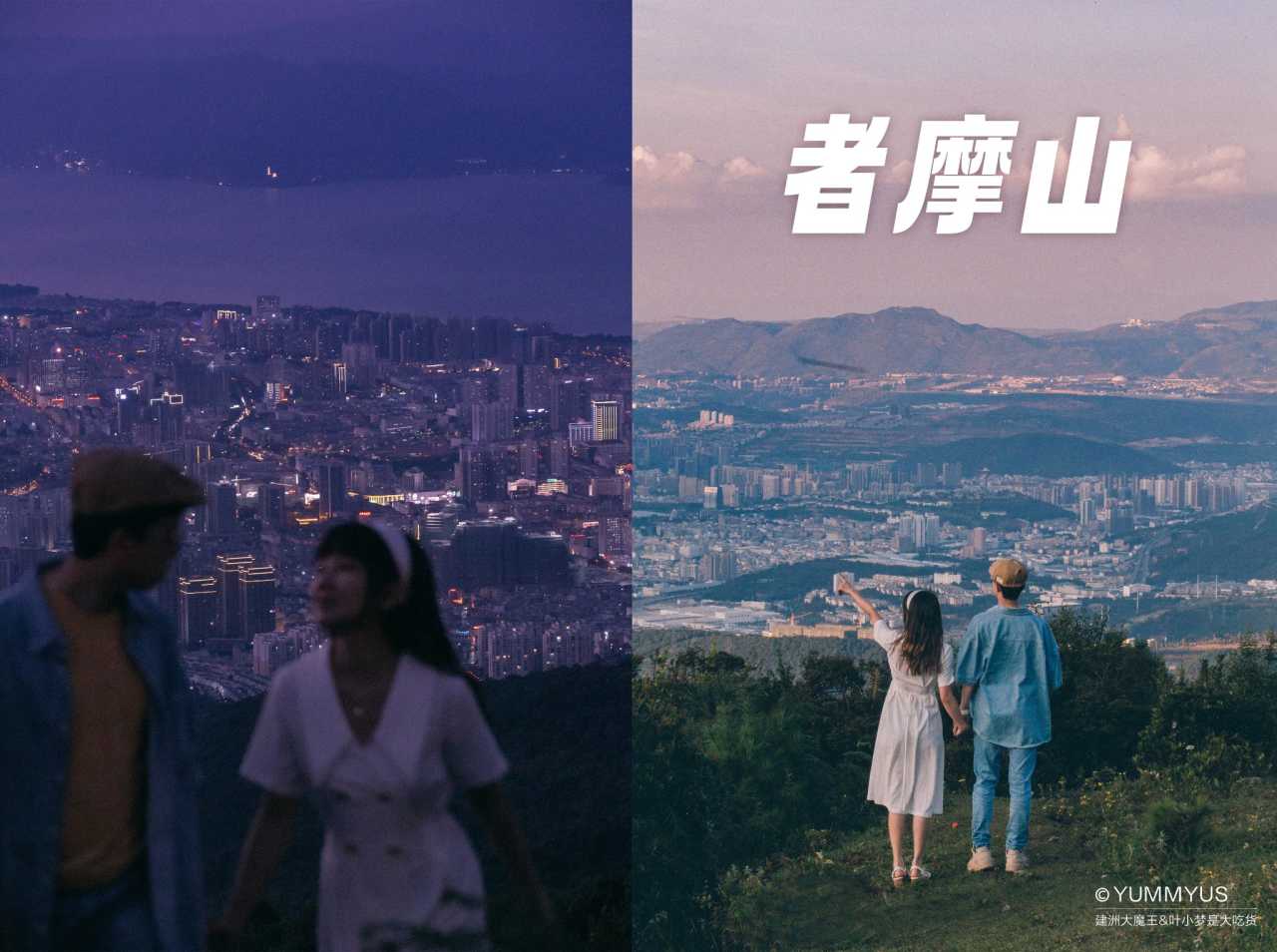
The cool evening breeze blew as we cycled aimlessly. Whenever we saw something beautiful, we'd stop by the roadside and snap some photos. A gentle breeze, calm waters; white mist over the "sea," water and sky merging. It felt like floating on the wind, with no destination, like leaving the world behind and becoming immortal. A sense of happiness welled up inside us. We were lucky enough to catch a sunset with a hint of afterglow.
We cycled until nearly 9 PM, but getting a taxi from Longkan Pier was difficult. We ended up sharing a tuk-tuk with other tourists for 10 yuan per person—more expensive than the taxi we took to get there (16 yuan from the ancient town)—but it saved time. Back in the ancient town, we walked to our hotel. Since we planned to watch the sunrise the next day, we tried to sleep early, but the night light in our hotel kept us awake.
Goodnight, Dali!
DAY 3: Dali – Around Erhai Lake, Chasing the Sunrise
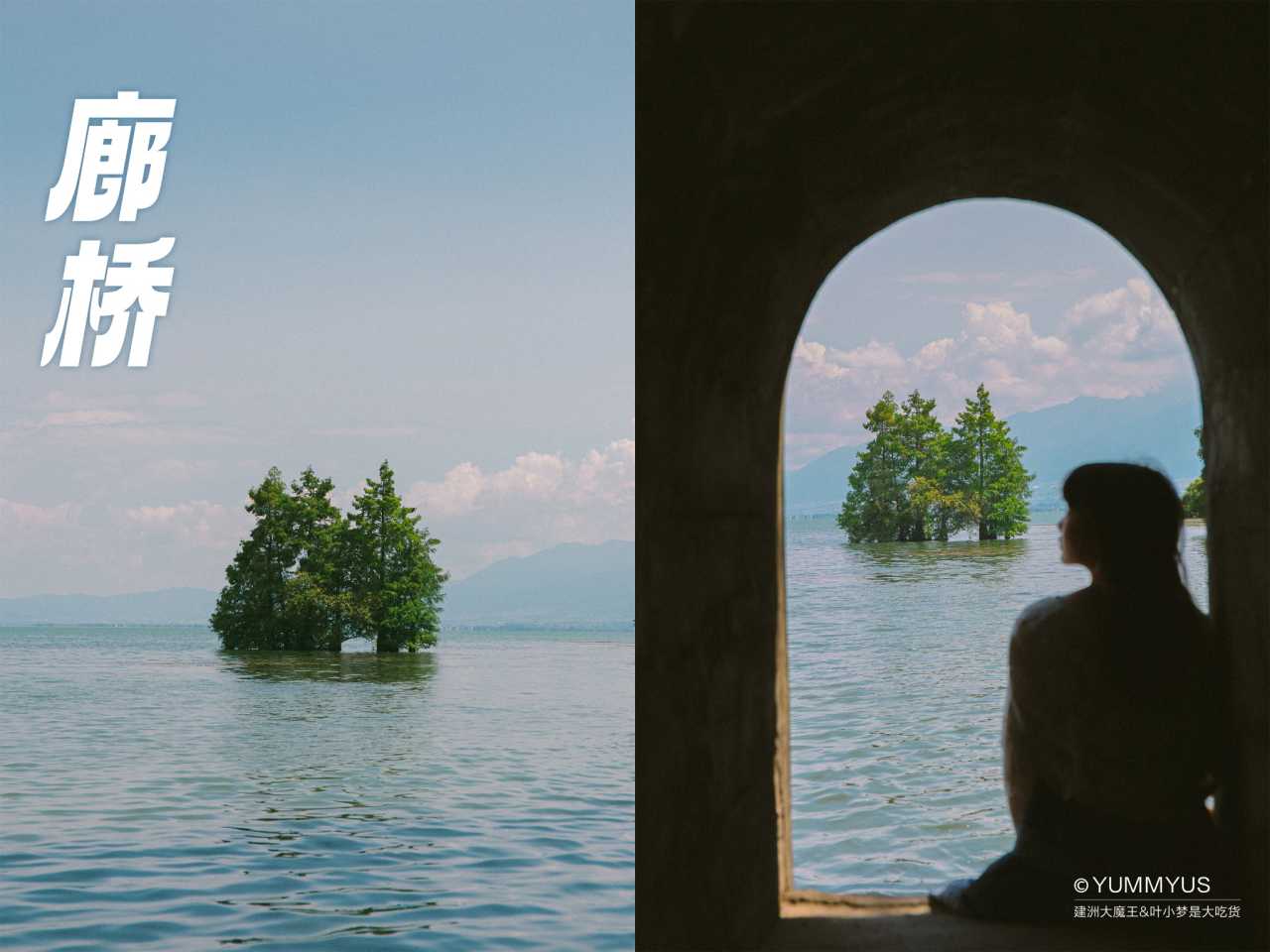
Longkan Pier: Waiting for a Sunrise
The attractions in Dali are spread out, and the scenery along the way is so beautiful that you'll want to stop and admire it constantly. That's why renting a car or hiring a driver is highly recommended. On the roads around Erhai Lake, convertibles zoom by—VW Beetles, BMW Z4s, Audi TTs, one after another. You've probably seen those "Rent a Beetle for 100 yuan and tour Erhai Lake" guides, right? Me too. But unfortunately, we went during peak season, and rental prices had skyrocketed. We checked a few places: Beetles were generally around 500 yuan, and a Porsche 718 was over 1,000 yuan... So we switched to hiring a private driver. A friend recommended a driver, and we agreed on 350 yuan per day, from 8 AM to 7 PM, with an overtime fee of 50 yuan per hour. As it turned out, hiring a driver was a smart move—there were so many rental cars in Dali that finding parking was a headache, and having a driver saved us a lot of time.
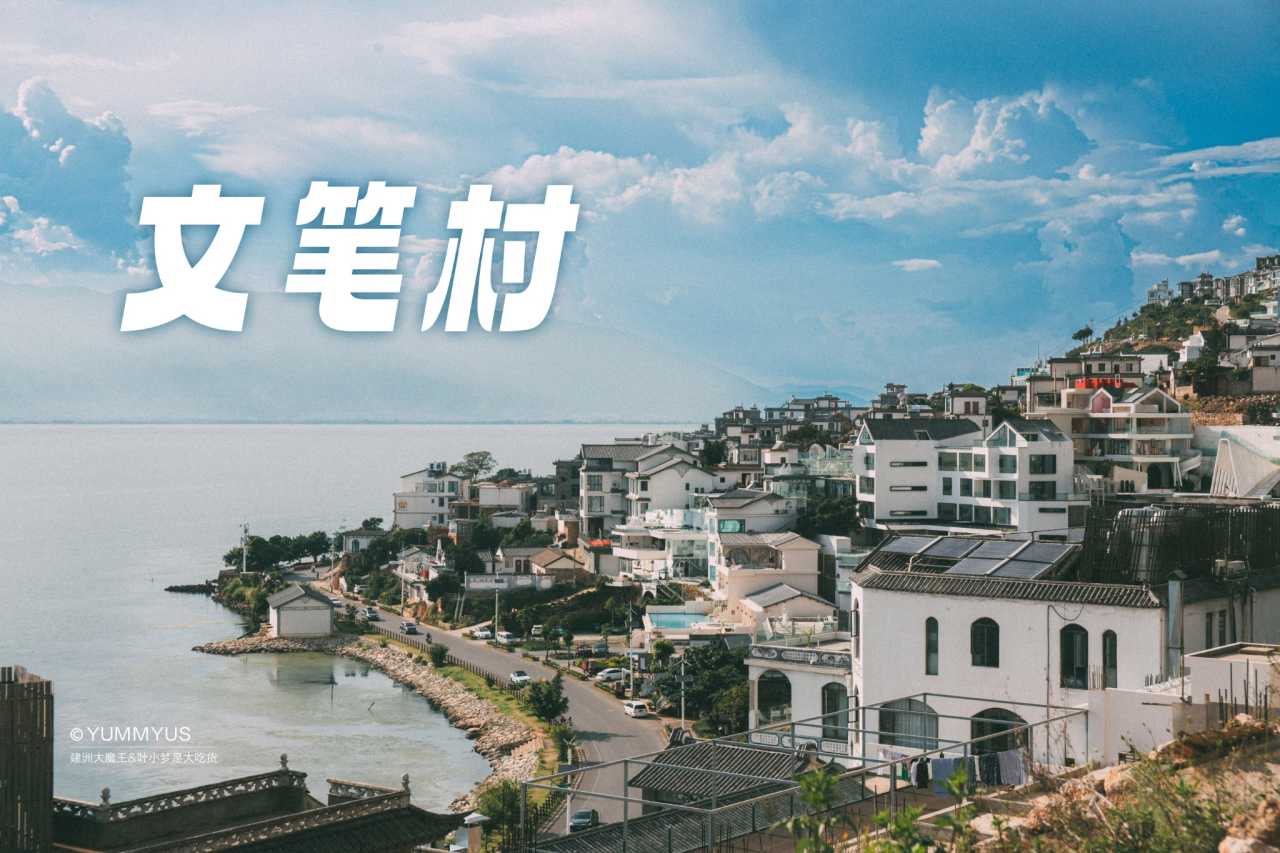
Eighty percent of Dali's beauty lies along the shores of Erhai Lake, so the typical route is to circle the lake. Whether you go clockwise or counterclockwise is up to you, but I'd suggest considering the sunlight: if you want portraits with the light, do the east side in the morning and the west side in the afternoon; for backlighting, do the opposite. But the sunrise was too early, so we arranged to meet our driver at Longkan Pier at 8 AM, while we got up at 5 AM and took a taxi there ourselves.
When we arrived at the pier, the street where we'd rented bikes the day before was closed. Instead, a bunch of tuk-tuk drivers were trying to hawk rides, offering to take us to the sunrise viewing spot for 10 yuan each, even claiming it was three or four kilometers away. But I had my trusty navigation app, which showed it was only a little over a kilometer. So I turned on my phone's flashlight and took a detour through side streets to the pier.
Dali's weather changes as fast as a girlfriend's mood—you can't trust the forecast. The night before, we'd received a severe weather warning, predicting a storm in the morning. But as tourists, we didn't have many options, and I was really worried on the way there. Unfortunately, the clouds were still thick, and we couldn't see a beautiful sunrise—only a few rays of sunlight that managed to sneak through the clouds, casting a golden shimmer on the waking Erhai Lake. The good news was that the scary forecast had scared off many tourists, so there were very few people competing for spots. We met a friendly lady from Anhui who offered to take photos for us. She did an amazing job, and those became the only two non-selfie photos in this travelogue.
Around 8 AM, our driver picked us up at the pier, and we began our day-long private tour.
Xingsheng Bridge: A Quick Photo Stop
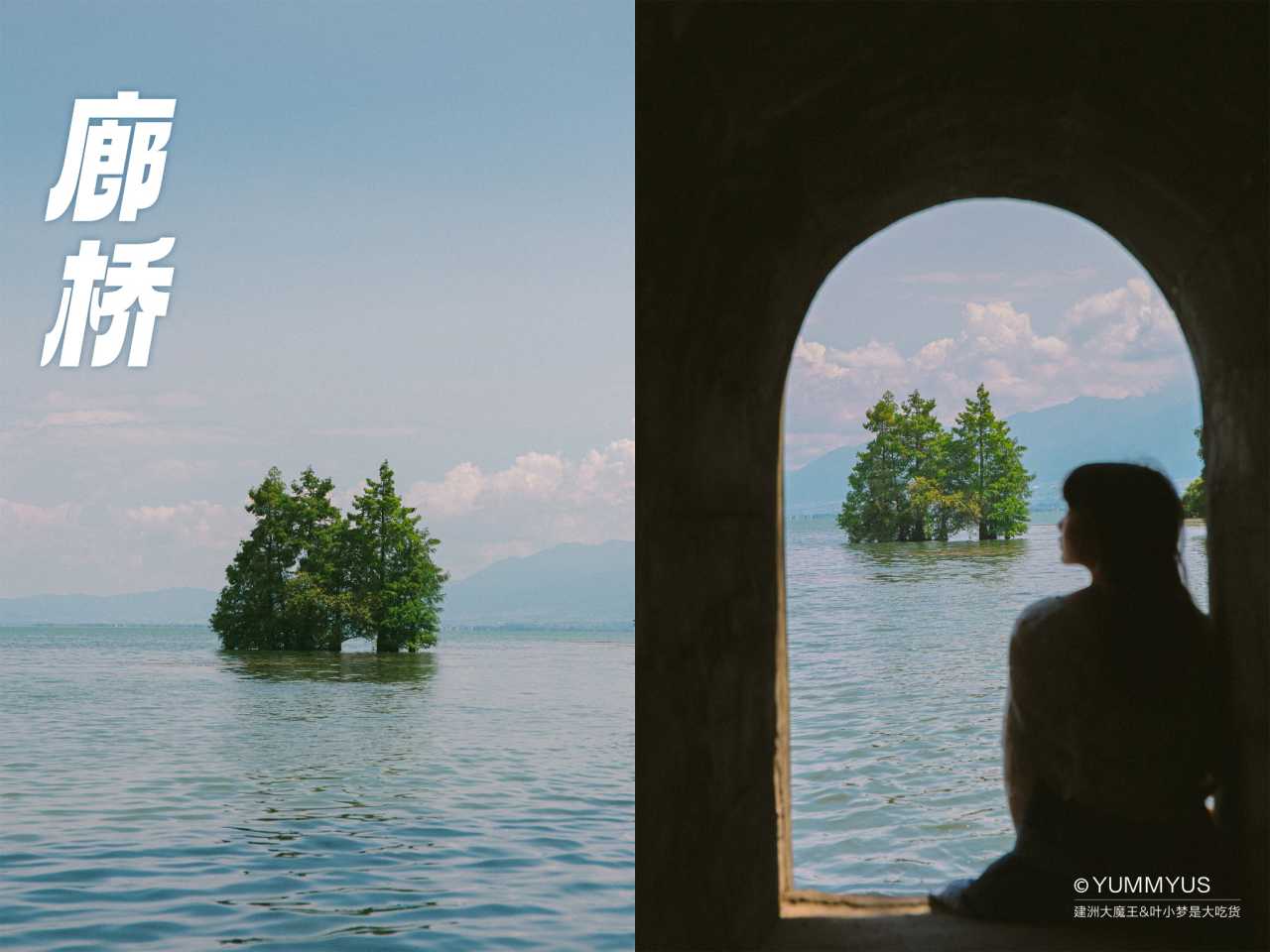
Our first stop was Xingsheng Bridge. This is one of Dali's landmarks, said to incorporate Bai ethnic features and marble elements in its design, but at first glance, it looks very European. In winter (November to March), there are many seagulls, making it even better for photos. No entrance fee, and there wasn't a single tourist in sight. We spent about ten minutes taking photos before moving on.
Luoquan Peninsula and Xiaoputuo Island
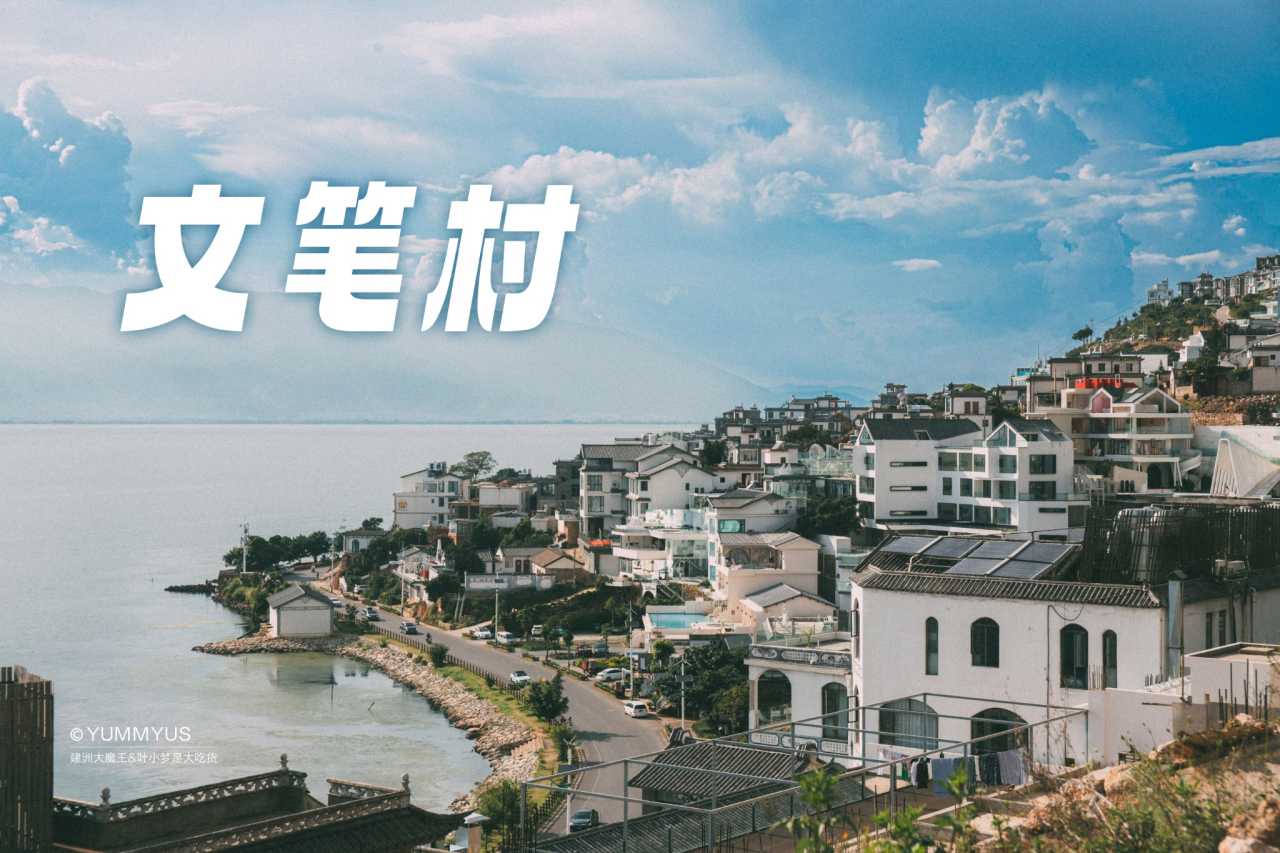
We hadn't planned to visit Luoquan Peninsula, but our driver said a lot of people take photos there. The scenery was indeed beautiful, and the morning light was unusually soft, so the photos turned out well. You have to go down a steep staircase to reach the scenic area, and you need to make a reservation on the "Travel Yunnan" app, but it's free, and same-day reservations are fine. The main attraction is a few old boats facing Erhai Lake, giving off a feeling of "a thousand sails pass by the side of a sunken boat." A guy there told us he was the "captain" of these old boats, turning them into a tourist attraction—quite the artistic sentiment (or business sense)!
After Luoquan Peninsula, we passed Wenbi Village before reaching Xiaoputuo Island. Wenbi Village was originally on our itinerary, but our driver missed the turn, so we had to go to Shuanglang first and come back later. This mistake would cost us later—please read the Wenbi Village section below. Xiaoputuo Island wasn't really our thing; there were too many tourists, and a lot of wedding photos being taken. We gave it a quick look and left.
Luwo Mountain: The Window of Dali
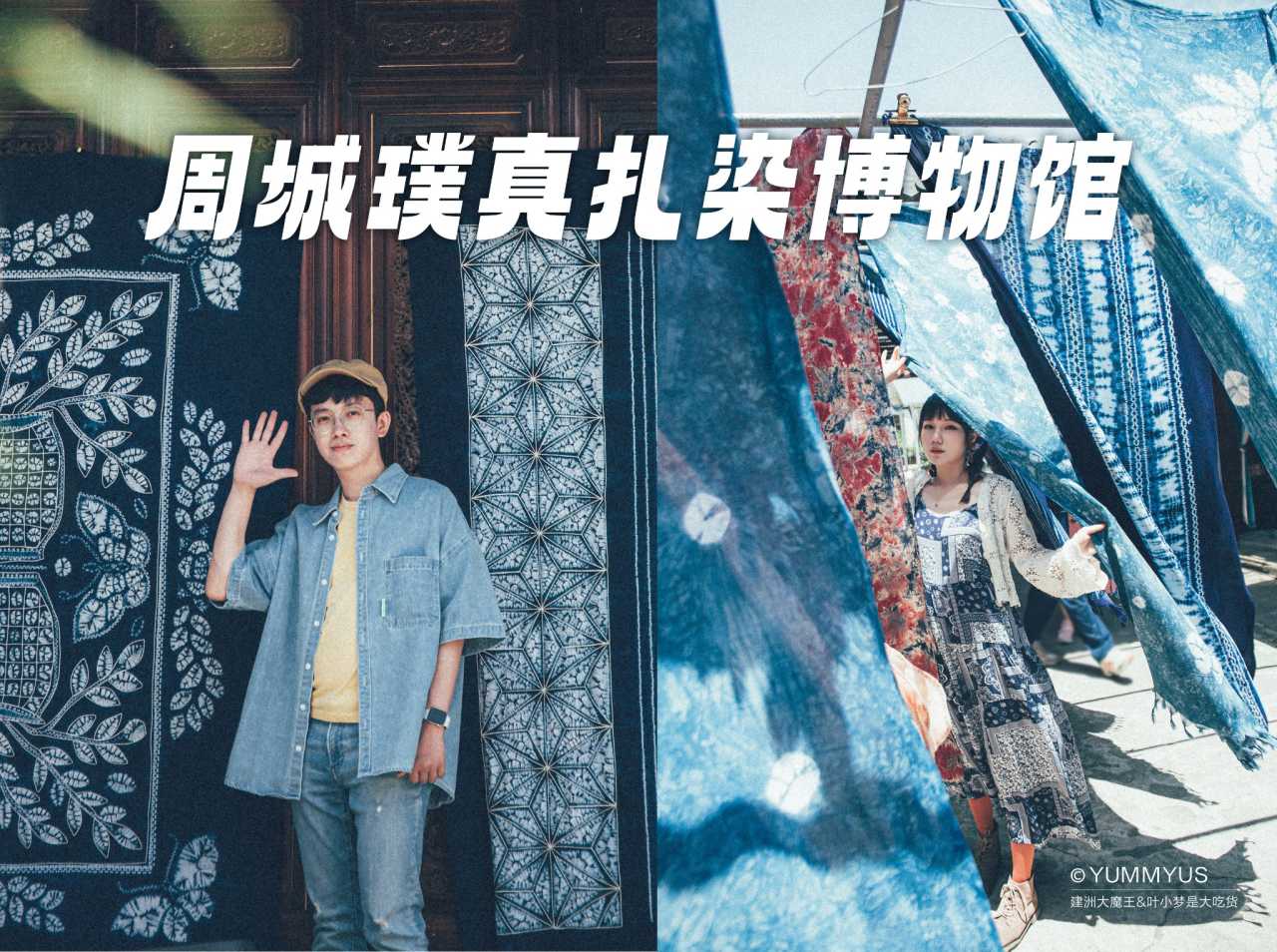
Further north from Xiaoputuo is the Luwo Mountain site. Why "site"? Because this is an ancient cultural relic from the Neolithic to the Han Dynasty, where large amounts of pottery shards, stone tools, and bronze artifacts have been found. Cars can only park by the roadside, and you have to descend a steep slope for a few hundred meters. There was no real path—tourists had trampled one out with their feet, and it was easy to slip and lose a couple of front teeth. So be careful going down.
There's nothing particularly special about the scenery. We didn't come here for archaeology, of course. We came because of some abandoned self-built house walls that happened to frame a view of Erhai Lake through their windows, earning the nickname "Dali's Window." Most people, like us, were lured down the hill by the name. Once we got there, we found that aside from the window, there wasn't much else. Everyone was queuing up in an orderly fashion to take photos. There were two "windows"; the one on the right facing the lake was better for photos and had a longer line. After waiting for about ten minutes, we finally got our turn.
Luckily, we came early. The week after our visit, graffiti artists with questionable taste vandalized the walls. The local authorities eventually painted over the graffiti with white paint, and even cyberbullied the person who posted about it—infuriating. After the graffiti, even the one unique feature was ruined. If you're short on time, you can skip this spot.
Wase Pier: The Water Forest

Continuing north, you'll be amazed by the vibrant yellow flower fields against the blue waters of Erhai Lake—this is Wase Pier. Compared to Longkan Pier, it's much less crowded. Although the pier itself is now closed, the blue of the lake, the yellow of the flowers, and the green of the forest create one of the most beautiful scenes along Erhai Lake. "Rows of trees connect to the shore, their reflections ripple in the clear water"—with the reflections, it's easy to take stunning photos here!
Shuanglang Ancient Town: What Makes It Different?
Further north, traffic picked up as we approached Shuanglang. This is Dali's most popular ancient town, possibly even more so than Dali Ancient Town. When visiting Dali, besides staying in Dali Ancient Town like we did, many people choose to stay in Shuanglang because it's right on the shores of Erhai Lake, offering plenty of sea-view guesthouses.
Like Dali Ancient Town, Shuanglang felt a bit "overripe"—over-commercialization made it feel a bit cookie-cutter. But travel is full of unexpected surprises! We stumbled upon a narrow alley that led to Erhai Lake, and when we ran over, there was no one else there. The intense noon sunlight cast reflections on the water's surface, creating a sense of a "mirror of the sky."
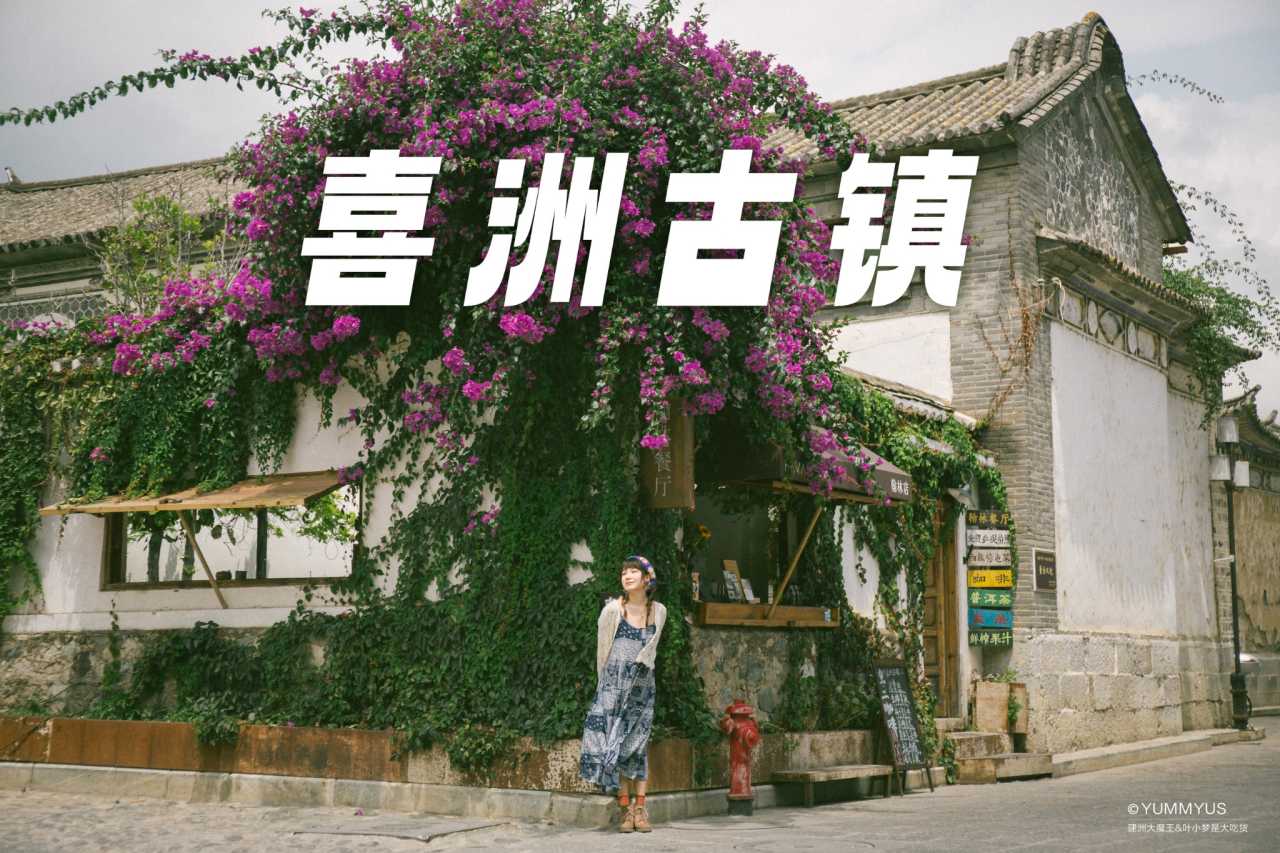
We were so captivated by the scenery that we realized we hadn't eaten anything since getting up at 4 or 5 AM to chase the sunrise. We quickly looked for food in Shuanglang, but after searching for a while, we only found restaurants that seemed too highly rated to be trusted, or ones that were clearly tourist traps catering to tour groups. We couldn't find anything that really appealed to us. Finally, we settled on a trendy restaurant with suspiciously excellent reviews—Zhuanjiao Shiguang Restaurant. The set meal for two was 178 yuan. The steam pot chicken was their signature dish, and it was indeed good—fragrant without being greasy. The minced beef with chilies had a Hunan-style feel to it, very satisfying with rice, and was the dish that suited our tastes best. The stuffed tofu was the most mediocre we'd had in days—it felt like tofu puffs, not tender at all inside. The paoluda (a popular Southeast Asian dessert) was similar to qingbuliang (a Hainan dessert soup), and it was quite tasty. Overall, the food was average—not surprising, but it didn't disappoint either. However, the hygiene was subpar; with so many people, the tables weren't even cleaned properly.
After eating, we wandered around Shuanglang Ancient Town. Xiaomeng and I got tourist-style braided strands—10 yuan for 6 strands for women, 30 yuan for 6 strands for men. When I later wrote this travelogue and searched online, I found all sorts of strange explanations: some said widows braided colored strands to attract men, others said it was to commemorate a deceased husband... I wonder where these stories come from. A quick search showed that these explanations only appeared in recent years. Besides, these little colored strands are clearly modern industrial products—could ancient Bai widows have afforded colored dye? If any Yunnan locals are reading this, I'd love to know the truth.
We wandered around Shuanglang a bit more, and it rained heavily twice, then cleared up suddenly—the weather really is unpredictable. When we left, the traffic in Shuanglang was so bad that walking was faster than driving. While waiting for our driver, we got a COVID test at the entrance of Shuanglang.
Practical Guide: Read This and You're Ready to Go!

Itinerary Overview

| Day | Destination | Main Activities |
|---|---|---|
| DAY 1 | Kunming → Mile → Kunming | Dongfengyun Kaleidoscope Art Museum, Kunming Old Street Night Tour |
| DAY 2 | Kunming → Dali | Moon-facing Building, Oriental Bookstore, Dali Ancient Town, Stone Plate BBQ |
| DAY 3 | Dali | Longkan Pier Sunrise, Erhai Lake Private Car Tour (Xingsheng Bridge, Luoquan Peninsula, Xiaoputuo, Luwo Mountain, Wase Pier, Shuanglang Ancient Town) |
You should also read:
Yunnan Travel Mastery: From Beginner to Pro-Level Player – A Complete Guide
Yunnan Travel Mastery: From Beginner to Pro-Level Player – A Complete Guide "Either travel or read, but your body and soul must be on the road." This quote has been repeated countless times, but very few people truly manage to be "on the road" and…
Continue reading...
Escaping Nanning, Falling Under Lijiang's Spell: Our Four-Person, Ten-Day Yunnan Dream
Escaping Nanning, Falling Under Lijiang's Spell: Our Four-Person, Ten-Day Yunnan Dream Before We Set Off: No Pain, No Obsession Have you ever had that impulse—suddenly tired of the office fluorescent lights, the crush of the subway, the endless parade of identical takeout boxes, and just…
Continue reading...
Solo in Yunnan: A Wanderer’s Guide to the Land of Eternal Spring
Solo in Yunnan: A Wanderer’s Guide to the Land of Eternal Spring There’s something magical about traveling alone. No compromises, no schedules to keep, no one to please but yourself. I’ve been on the road for nearly three months now, and not once have I…
Continue reading...