The Other Side of Dali: Finding Life's Essence in Nuodeng's Tranquility and Weishan's Lively Charm
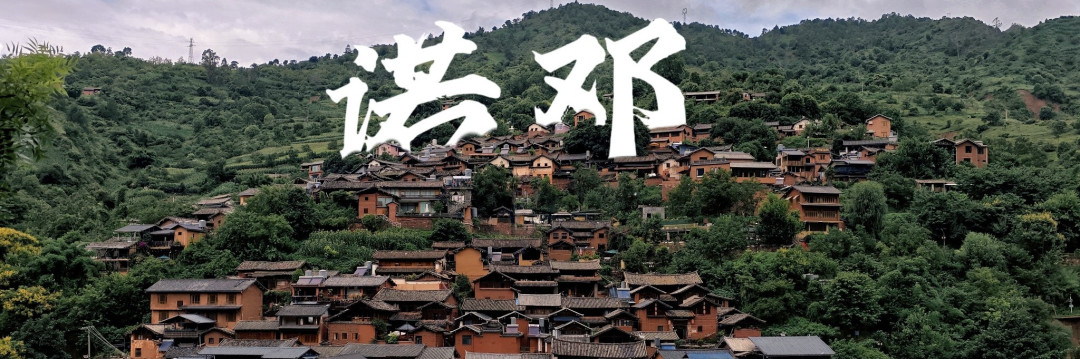
The Other Side of Dali: Finding Life's Essence in Nuodeng's Tranquility and Weishan's Lively Charm
People often ask: what is it about Dali that draws people back again and again?
When I first set foot on this land ten years ago, it felt like an endless storybook of serendipity. Wandering down Renmin Road, I'd stumble upon artisans with ponytails hammering silver on stone slabs, the clinking sounds mingling with the sweet aroma of grilled milk fans from a nearby alley. Renting an electric scooter and cruising slowly along the ecological corridor, the wind tousled my hair while my heart felt lighter than ever. Those unexpected delights were tucked into the crevices of white-walled, grey-tiled houses—every step brought something new.
Five years later, Dali had shed its initial mystery and taken on a more relaxed, "I want to stay" vibe. I no longer felt the need to check off every attraction. Instead, I found a café by the window and watched the sunlight dance across the pages of my book, reflecting off Erhai Lake. I met a young woman selling trinkets on the street. "Here," she said, "there's no rush." I sat down and chatted with her for an entire afternoon, listening to her story of quitting her city job to open a small shop in Dali. The freedom then wasn't about rushing from place to place—it was about having the leisure to savor time, to wake up to roosters crowing, to chase the sunset to Xizhou's rice paddies, and to treat idleness as a serious pursuit.
This summer, on my third visit, I decided to skip the crowded hotspots. I wanted to find Dali's other side—the corners overlooked by tourists, the places where life still feels authentic.
That's how I ended up in Nuodeng and Weishan.
Nuodeng Ancient Village: A Millennial Time Machine Suspended on a Mountain
About three hours' drive from Dali, you'll reach Nuodeng Ancient Village in Yunlong County. The car stops at the village entrance—beyond this point lies a tranquility that modern wheels are not allowed to disturb. The mountain breeze, carrying the scent of grass and trees, greets you. An old stone pavilion at the entrance stands like a silent elder, waiting patiently.
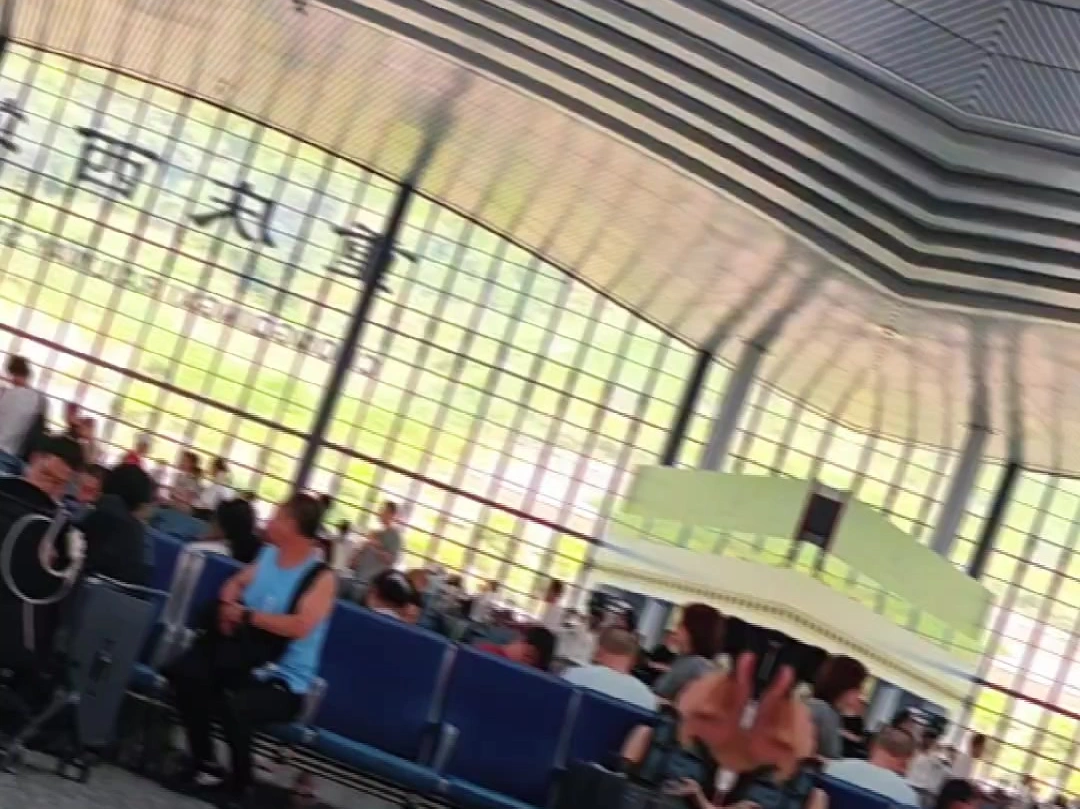
As we set our luggage down in the pavilion, the owner of our booked guesthouse had already pulled out his phone and arranged for a horse caravan with a few words. His tone was as casual as if he were calling a neighbor. It seemed the mountain horses, the guesthouses, and every visitor had long established an unspoken understanding. After hanging up, he smiled and waved: "Don't worry, the horses will come to pick up the luggage. Let's take a slow stroll into the village first."
Free from the burden of our bags, we stepped onto the bluestone path leading into the village. The stones, polished smooth by centuries of footsteps, had moss peeking through the cracks. Each step felt like a gentle conversation with a thousand years of history. The path wound up the mountain, sometimes gentle, sometimes steep, flanked by scattered Bai-style houses. Grey tiles were dotted with pine needles, and wooden window lattices were carved with intricate patterns.
Just as we were lost in the scenery, the "clop-clop" of hooves and the清脆 (crisp) sound of copper bells reached us from behind. Turning around, we saw two brown horses walking slowly, sturdy canvas pads on their backs. The horseman held the reins with steady steps. When they reached the pavilion, they expertly secured our luggage onto the horses' backs, their movements careful and precise, as if handling delicate treasures rather than ordinary bags. When we asked, we learned the fee was 20 yuan per horse per trip—neither too much nor too little, a simple, unpretentious price that had been the custom in these mountains for years.
The Flower Courtyard: A Boutique Haven with Fewer Than Ten Rooms
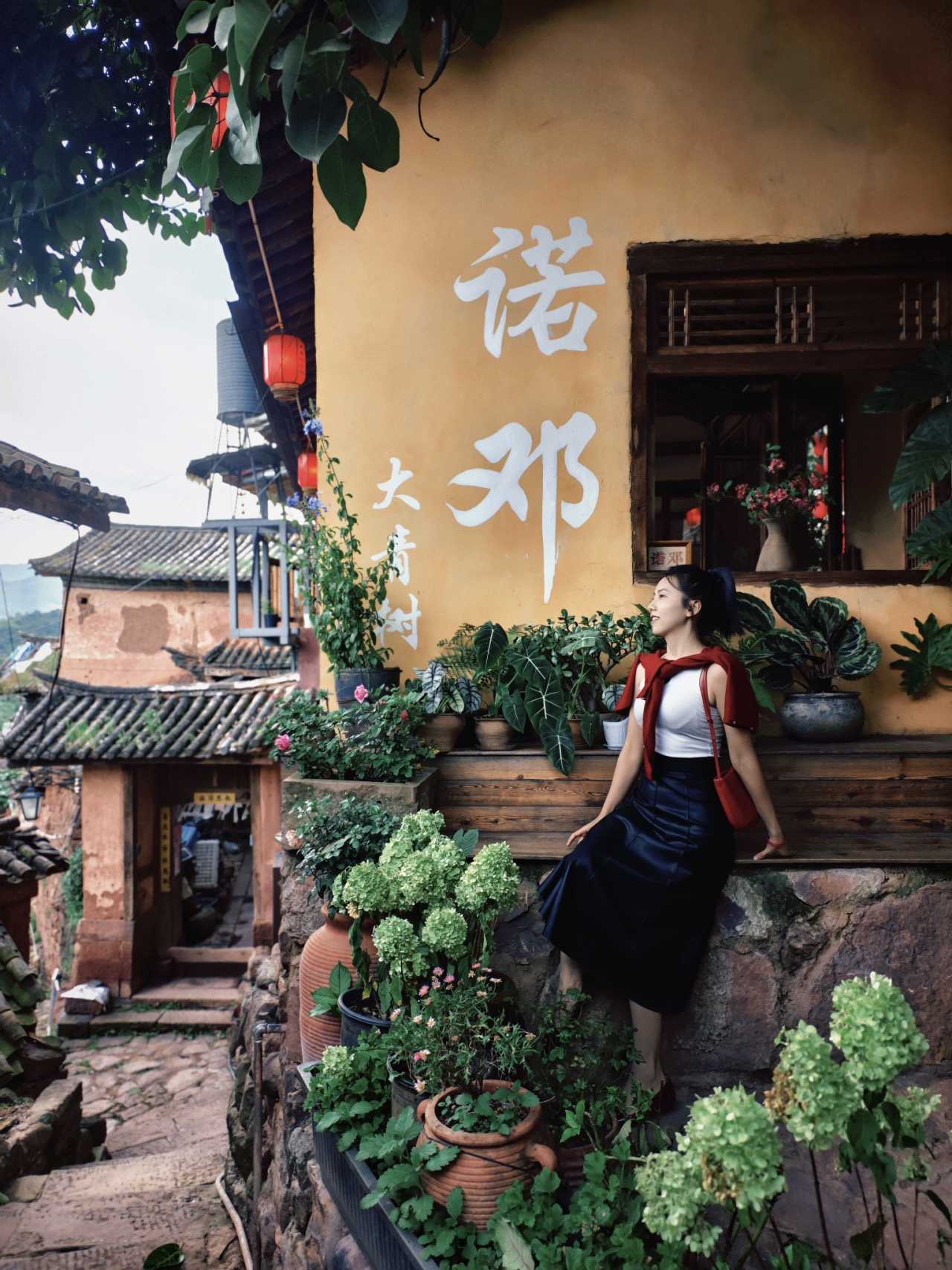
The guesthouse we checked into, Yunlong Huangyeji Yeshe, didn't have a grand entrance. Just a low wooden gate. Following the stone path inside, we stumbled upon a small but beautiful world. The guesthouse was modest, with fewer than ten rooms—a perfect match for the village's "slow down" ethos. It wasn't noisy or crowded, but felt like a private mountain retreat, warm and inviting.
What caught our eyes most was the courtyard. Though small, it was overflowing with flowers: bougainvillea by the wall, chrysanthemums on the steps, and jacaranda hanging from the windowsill—clusters upon clusters, blooming with unrestrained joy. A stone path wound through the flowers, with moss embedded in the gaps. We had to step lightly, careful not to disturb the insects resting beneath the blossoms. In the center of the courtyard stood a few tables and chairs, with rustic clay tea sets on them. Sunlight filtered through the leaves, casting dappled shadows on the table. A breeze carried the fragrance of flowers and grass, making every breath taste sweet.
Sitting in the courtyard, sipping tea, watching the sunset paint the distant mountains a warm orange, listening to the occasional hoofbeats and villagers' chatter drifting through the alleys, I suddenly realized that the charm of "fewer than ten rooms" was precisely what made this village so touching. It didn't seek to be bustling; it simply offered guests a quiet courtyard, a garden in full bloom, so that in your time at Nuodeng, you could embrace both the wild openness of the mountains and a moment of peaceful leisure.
The Big Green Tree: The Village's Soul Landmark
At the heart of Nuodeng stands a towering高山榕 (mountain banyan tree), known locally as the "Big Green Tree." It is not only the village's most prominent natural landmark but also a "living fossil" that carries the nostalgia and memories of the locals. The bluestone path winds beneath its canopy, connecting the village's salt well, stage, and ancestral hall. In the past, it was the village's natural "living room" for gatherings and children's play. Today, it has become a must-visit spot for tourists seeking the village's authentic atmosphere.
Around the Big Green Tree, quaint guesthouses are scattered. Most are converted from traditional local houses, preserving the original Bai architectural style while incorporating modern comforts. Among them, the guesthouse named after the Big Green Tree has gained popularity thanks to visits from celebrities like Zhou Xun, Liu Wen, and Aya. They once sat here under the stars, enjoying traditional herbal foot soaks and chatting—a scene captured by the variety show Nice to Meet You, which made countless viewers yearn for the experience.
Wandering the Alleys: A Surprise at Every Turn
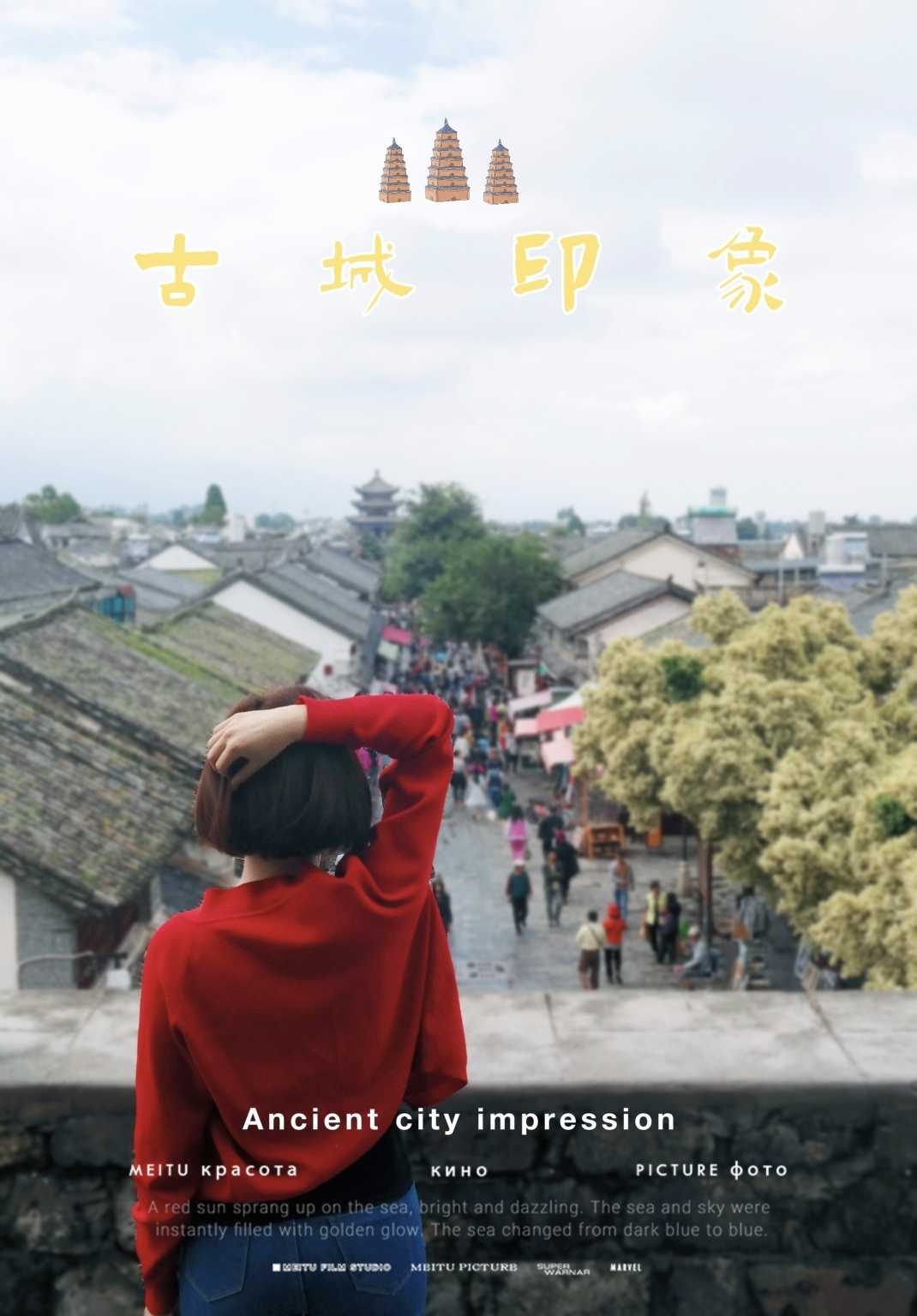
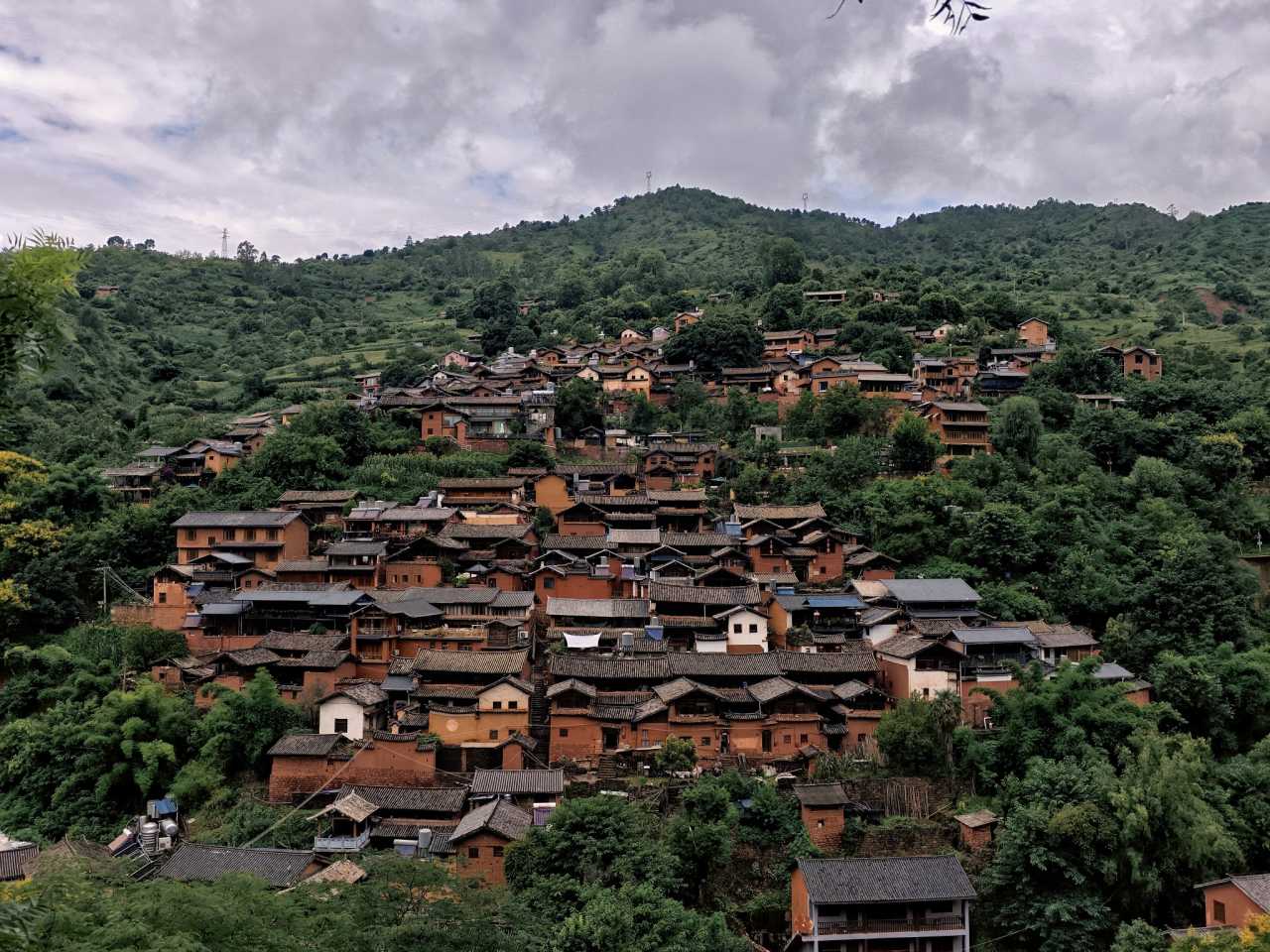
After turning down several lanes, a half-open wooden door caught my attention. A faded wooden sign hanging on it read "Viewing Platform." I hesitated for a moment, then gently pushed the door open. What I found inside was a delightful surprise: a small courtyard with a few tables and chairs, and at the far end, a tiny viewing platform. The moment I stepped onto it, I couldn't help but gasp. Before me, unobstructed, lay the entire panorama of Nuodeng Ancient Village—layer upon layer of houses cascading down the mountain, their grey-tiled roofs undulating like waves, stretching all the way to the distant mountain ridges.
The alleys of Nuodeng are never straight; every turn hides a surprise. As I walked, I suddenly noticed a small figure in the crack of a stone slab—a light brown gecko, pressed flat against the stone, its round eyes watching me warily. I held my breath and crouched down, but it seemed to sense my curiosity and darted into the crevice. This unexpected encounter felt like a little gift from the village, urging me to slow down and notice the life hiding in the corners.
In Nuodeng, you don't need to seek out attractions. The cracks between stones, the courtyards you stumble into, the big dogs on the road, the friendly old lady at the Yuhuang Pavilion—all hold unexpected beauty.
Yuhuang Pavilion: Where Antiquity and Vitality Coexist

Nuodeng's Yuhuang Pavilion (Jade Emperor Pavilion) is a rare surviving three-story pavilion-style ancient building in western Yunnan. It sits on a 2.15-meter-high square platform, with double-eaved hip-and-gable roofs, carved brackets, and an imposing presence. Inside, four stone tablets from the Ming and Qing dynasties are preserved, valuable artifacts for studying Yunlong's history. The existing "Twenty-Eight Mansions" painting on the ceiling of the top floor is hailed as "Nuodeng's unique treasure," holding significant value for research into ancient Chinese cosmology, astronomy, art, and architecture.
But behind the main hall, the garden tells a different story. Clusters of purple-red flowers swayed in the breeze, brushing against visitors' sleeves. The flowers here were mostly planted casually by the caretakers of years past, with no one tending to them, yet they bloom year after year. What makes Nuodeng's Yuhuang Pavilion special is that it doesn't just embody the solemnity of ancient architecture or the weight of history. It feels as if time moves more slowly here, deliberately leaving a space where antiquity and vitality can rest peacefully together.
Interestingly, on our way to the pavilion, we met a special guide—a golden retriever. It came bounding toward us, wagging its tail, its fur as fluffy as a warm cloud. The stone steps were steep and narrow, and the child in our group would stop to catch their breath every few steps. The golden retriever seemed to understand. It stayed close to the child, matching their pace: when the child quickened, it trotted; when the child crouched to rest, it lay down obediently, letting us pet its furry head. This companionship turned the climb's fatigue into warmth.
The Panoramic Viewpoint: Nuodeng's Gentle Imprint
The next morning, after the mountain mist had cleared, we stepped onto the dew-kissed bluestone path and headed downhill. Following the villagers' directions, we climbed the opposite slope. After just a few steps, we reached a flat area at the top. When we turned around, the entire Nuodeng lay spread before us—layer upon layer of grey-tiled roofs, cascading down the mountain like a vast ink painting.

Leaning on the stone railing, we began searching for the guesthouse we had stayed in the night before. I remembered a bamboo grove by its entrance and bougainvillea blooming in the courtyard. Scanning the layers of houses, I suddenly spotted the familiar light grey roof halfway up the mountain. Yes, there it was! Following the guesthouse downward, the paths we had walked yesterday gradually came into focus. The bluestone road, which twisted through three turns after leaving the guesthouse, looked like a thin silver thread winding up the mountain, all the way to the wooden archway of Yuhuang Pavilion.
Nuodeng's red walls are not the bright red of Jiangnan nor the imposing red of northern palace walls. They are an "aged color" infused with the landscapes of western Yunnan and a thousand years of salt history, quietly creeping along the village's eaves, courtyard walls, and stone steps—Nuodeng's gentlest mark of time. This "red" is a soft, sedimented hue, often made from local red earth mixed with plant ash. After years of wind and rain, it has faded into a warm, subdued shade, like old cloth soaked through by sunlight.
If only I had the time, I would love to stay here for a while.
Weishan Ancient Town: A Poetic Slow Life
After leaving Nuodeng, a two-hour drive brought us to Weishan Ancient Town.
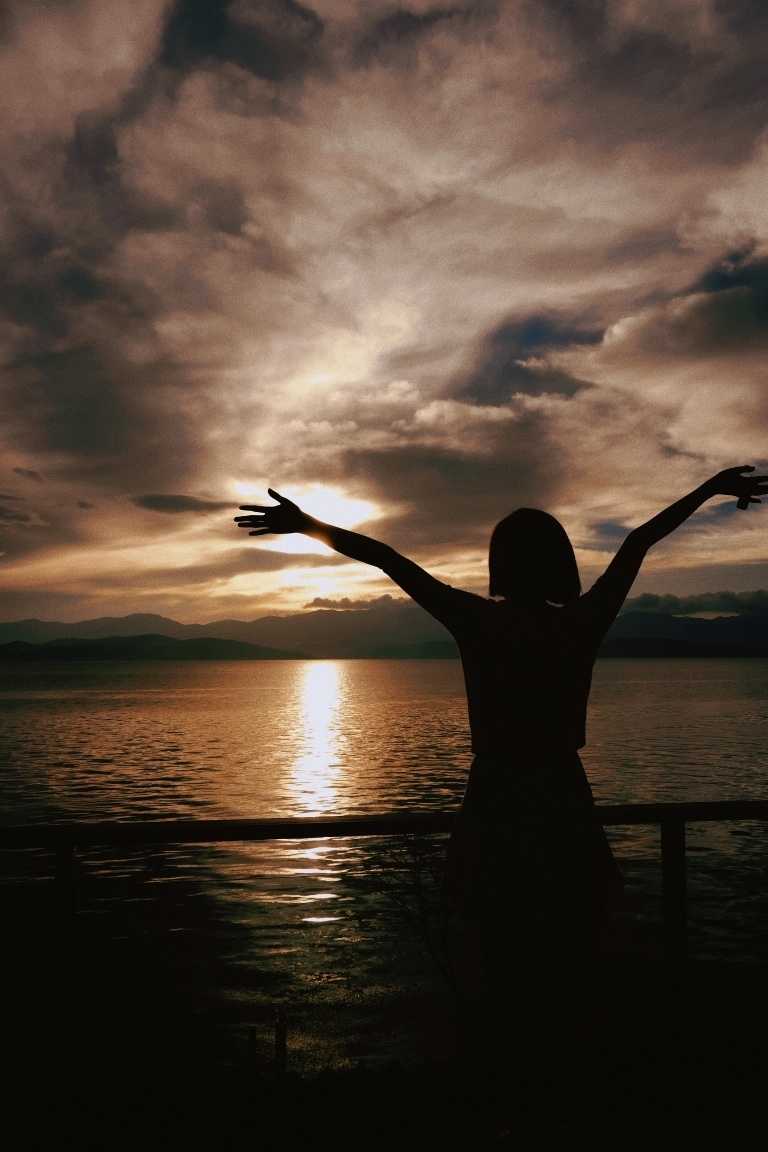
Also known as Menghua Town, Weishan is the birthplace of the Nanzhao Kingdom. The preserved ancient town was built during the Hongwu era of the Ming dynasty, with a history of over 600 years. In the 12th year of the Chongzhen era of the Ming dynasty (1639), the traveler Xu Xiake visited and recorded in his travelogue that the town was "very orderly" and "the houses were numerous," reflecting its economic prosperity and cultural flourishing at the time.
The town's streets and lanes crisscross in a "checkerboard" pattern characteristic of Ming and Qing dynasties, centered around the Wenbi Tower (Xinggong Tower), with four main streets extending in the four cardinal directions. If Dali Ancient Town is a lively market filled with the laughter of tourists and the shouts of vendors, then Weishan Ancient Town is a cup of clear tea in a quiet alley—keeping a calm, unhurried peace, far removed from the noise.
There are no tour groups here. The bluestone paths see few hurried footsteps. Instead, locals carrying vegetable baskets stroll slowly past century-old houses. Weishan's stillness is the composure of time's accumulation. Here, you don't need to chase attractions. Just follow your feet, and you'll encounter old men playing chess at lane entrances, bougainvillea peeking over walls, and the authentic "undisturbed" essence of an ancient town.
The Pioneer Chongzheng Academy: A Century-Old Academy's Modern Rebirth
Chongzheng Academy is located in the northwest corner of Weishan Ancient Town. First built in the 14th year of the Hongzhi era of the Ming dynasty (1501), it was Menghua's first academy and one of Yunnan's earliest. It once housed one of the richest book collections in the province. Entering the academy, a towering century-old banyan tree greets you, its branches and leaves spreading like a giant umbrella, adding to the academy's ancient charm and tranquility.

At the end of 2021, the Weishan County government partnered with Nanjing Pioneer Books to renovate the academy. Today, Chongzheng Academy houses 25,000 books, including special sections on "Yunnan Local Culture" and over 50文创 products (cultural and creative merchandise) inspired by Weishan's ethnic heritage. The café serves specialty dishes tied to local cuisine, making the academy a multifunctional cultural space combining a bookstore, exhibition hall, and café.
Stepping inside, the charm of Ming and Qing architecture blends seamlessly with modern design, creating a striking effect. Walking along the central axis, you first see the solemn, ancient main gate. Beyond it lies a spacious courtyard flanked by two steel-framed book corridors. These corridors are like oceans of books, neatly arranged and covering topics from Weishan and Nanzhao history to Yi culture.
When I got tired, I headed to the café, ordered a cup of Yunnan small-grain coffee and a local pastry, and sat in a traditional side room. Gazing at the courtyard outside, I enjoyed this leisurely moment.
Erhai Lake Ecological Corridor: The Most Romantic Cycling Route
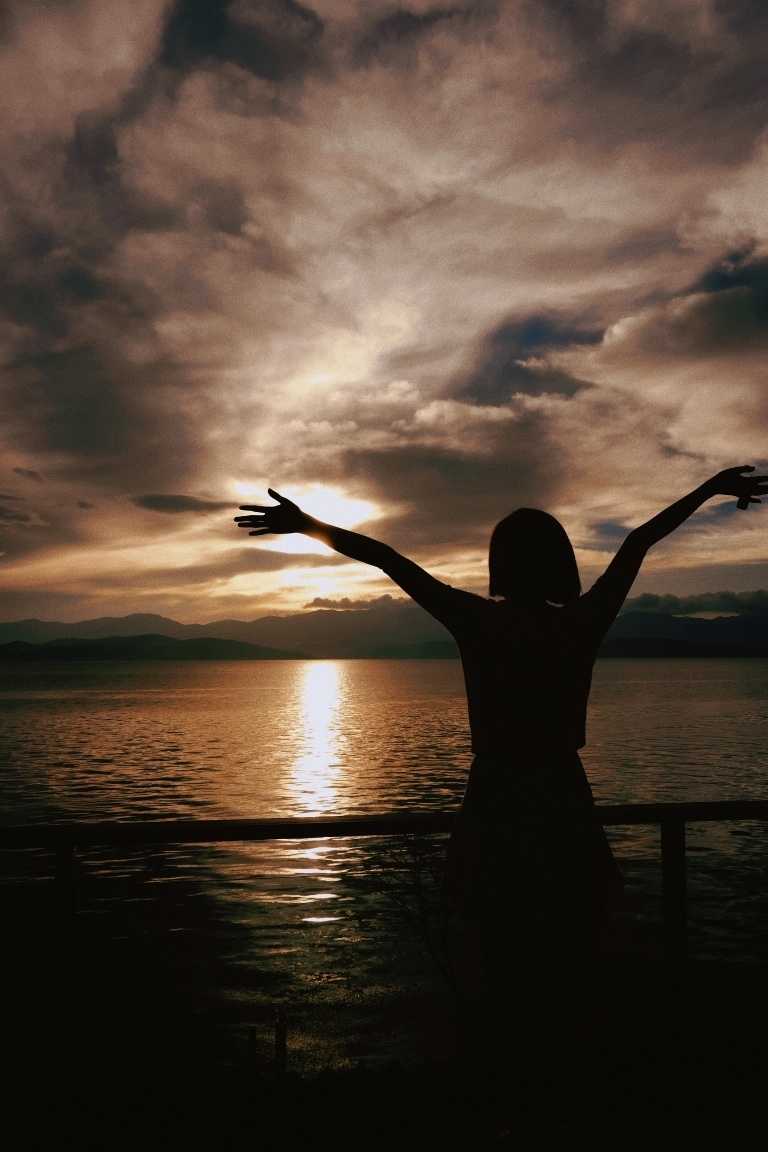
On the third day, we returned to Dali. Due to the summer crowds and time constraints, we skipped the ancient town, Longkan, Xizhou, and Shuanglang. Instead, we found two less crowded spots on the western shore to relive the joy of cycling by the lake.
Yangnan Creek: A Forgotten Erhai Secret
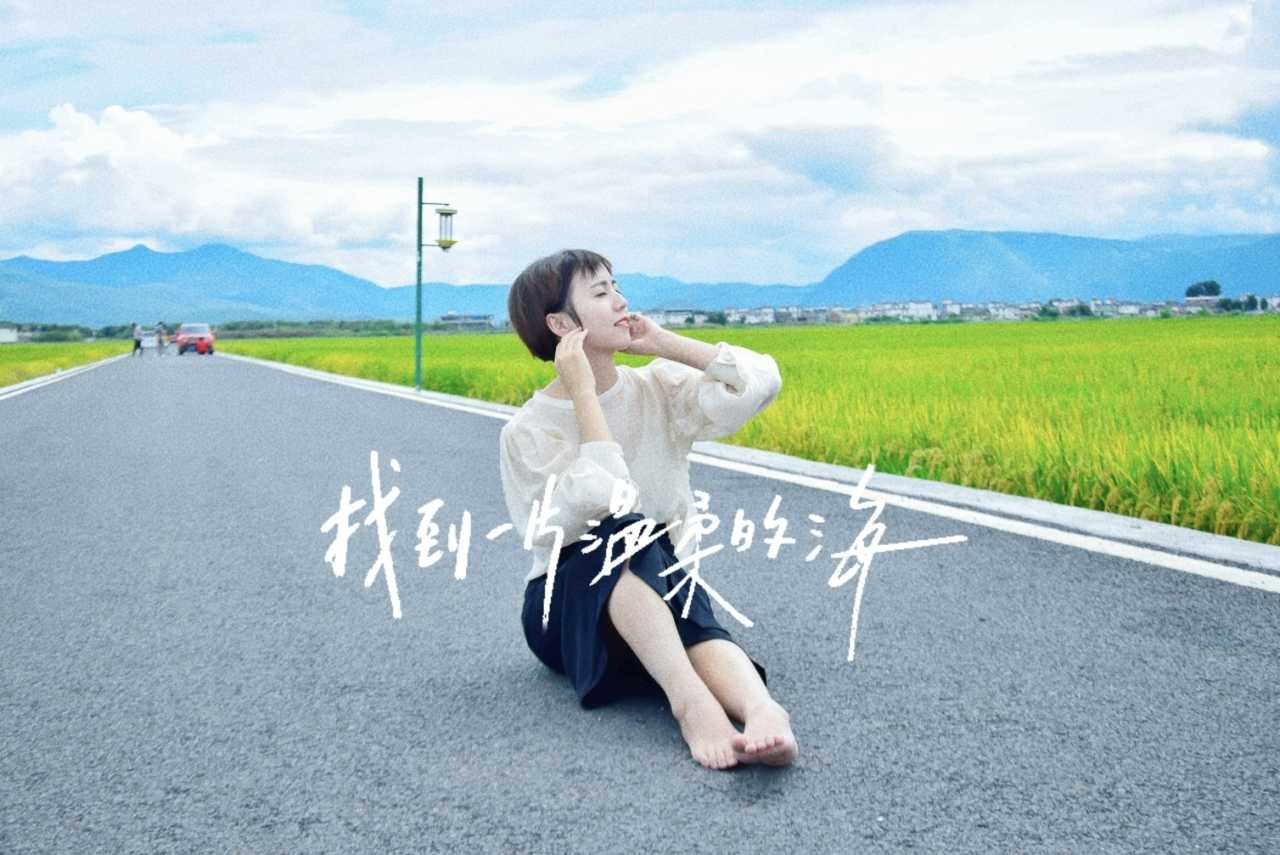
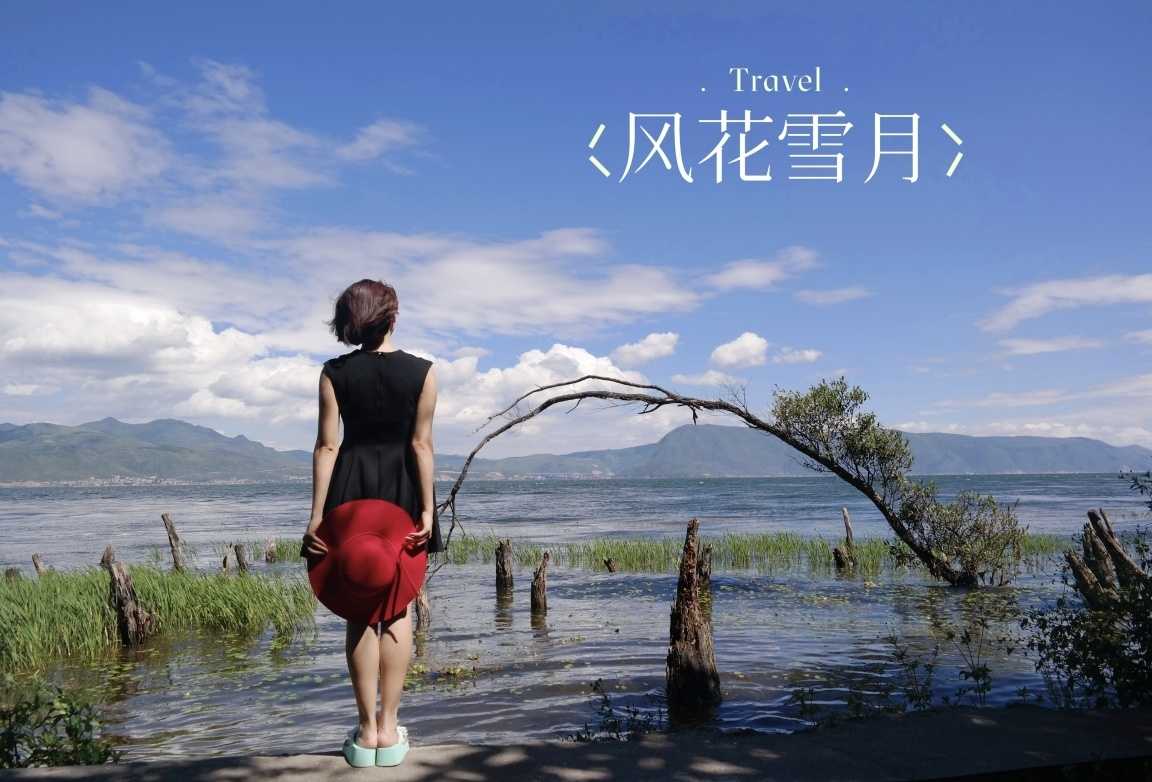
If Longkan Pier's morning mist and the S-bend cycling path are Dali's polished postcards, then Yangnan Creek, hidden near Xizhou, is an unpolished "Erhai secret"—no crowds, no clicking shutters, only clear water, reeds, and the whisper of the wind.
Following a small path inward, the first thing you encounter is the wetland where the creek meets Erhai Lake. Shallow waters are covered with green aquatic plants. Occasionally, an egret skims across the surface, its wings stirring up tiny ripples of light. Reeds sway in the breeze, and sunlight filters through the gaps, scattering like gold dust on the water. Unlike Longkan Pier, where you have to wake up early to grab a "photogenic spot," here you can sit on any rock and enjoy a picture-perfect scene of "water and sky merging into one."
Bike Rental Guide: - Shared bikes: 30 yuan deposit; first 15 minutes 2 yuan, then 1.5 yuan per 15 minutes. Yellow bikes are plentiful and can be returned at different locations. - Shared e-bikes: 60 yuan deposit; 15 yuan per 60 minutes (even if you ride less). Can be returned at different locations, but temporary locking still counts time. - Snoopy e-bikes (dog-shaped): Single seat: 300 yuan deposit, 60 yuan/hour; double seat: 60 yuan pre-deducted, 30 yuan per 0.5 hour, with overpayment refunded. - Sightseeing carts: Yangnan Creek to Caicun Pier section: 10 yuan per stop, 35 yuan for the full route, 60 yuan round trip.
Sunset at the Lakeside Park: A Golden Farewell
The evening breeze still carried the moisture of Erhai Lake as I sat on the stone steps of Binhai Park, waiting for a sunset. At first, the sky was adorned with a few pale golden clouds. As the sun slowly sank behind Cangshan Mountain, an orange-red light suddenly spread—first dyeing the clouds overhead, then, like a spilled palette, splashing across the entire sky.
Looking down, Erhai Lake seemed sprinkled with gold dust, wrapped in the sky's orange-red glow. The water shimmered with warm light. When the wind blew, the ripples danced, and the specks of light leaped gently, from the distant horizon all the way to the stone steps by the shore.
The lakeside avenue is also lined with delicious food. August is the season for wild mushrooms. You can find a restaurant, reserve a table, and order a pot of wild mushroom hotpot. Since the mushrooms need to boil for about 30 minutes, you have just enough time to stroll through the park and watch the sunset—the time it takes to cook a pot of mushrooms is exactly the time needed to witness a complete sunset.
Final Thoughts: Another Way to Open Dali
This four-day trip gave me a new understanding of the name "Dali."
It's not just about Cangshan's snow and Erhai's moon. It's not just about the bustle of Dali Ancient Town or the noise of Xizhou and Shuanglang. Dali's romance is also hidden in Nuodeng's thousand-year-old salt wells, in Weishan's checkerboard streets, in the reeds of Yangnan Creek—these places have no crowds, no staged photo spots, but they hold the most authentic form of life.
In Nuodeng, I learned to measure time by the sound of hooves. In Weishan, I understood how to savor life with a bowl of rice noodles (饵丝, a local dish). By Erhai Lake, I rediscovered the simple joy of chasing a sunset on a bike.
It turns out that the best way to open Dali has never been about rushing, but about staying. Not about checking in, but about feeling. Not about escaping, but about embracing—embracing your desire to slow down, embracing your courage to be yourself.
If you ever come to Dali, consider adding Nuodeng and Weishan to your itinerary. Here, you'll discover that Dali's beauty is never the noise of crowds. When you step away from the hustle and into these quiet corners, you'll truly understand what "peaceful times" mean here—it's the mountain breeze blowing away your worries, it's the ancient alleys holding onto time, and it's every bite of local flavor that carries life's most authentic essence.
You should also read:
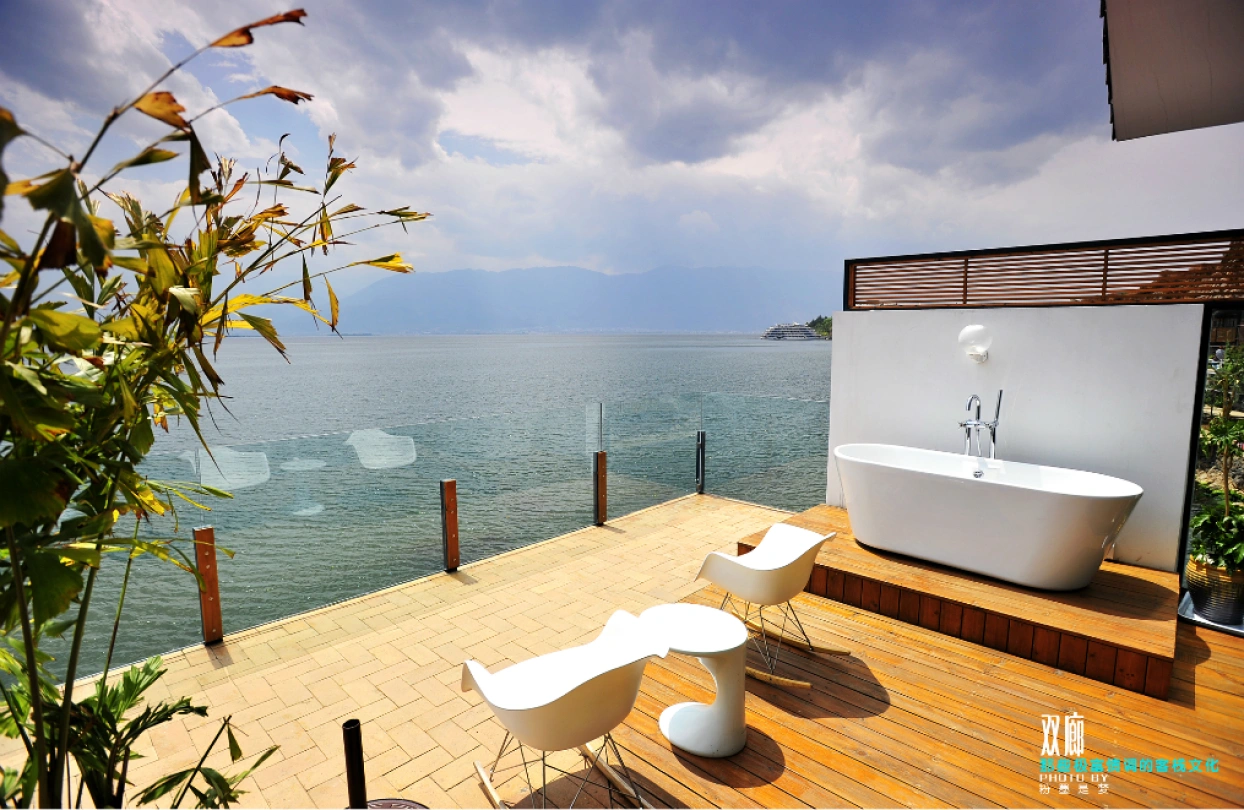
Shooting Shuanglang: That Charming Little Town by Erhai Lake Where You'll Gladly "Waste Time"
Shooting Shuanglang: That Charming Little Town by Erhai Lake Where You'll Gladly "Waste Time" First Glimpse of Shuanglang: A Reversal from Disappointment to Amazement If you ask me what kind of vibe Shuanglang has, I might pause for three seconds before telling you—it's the kind…
Continue reading...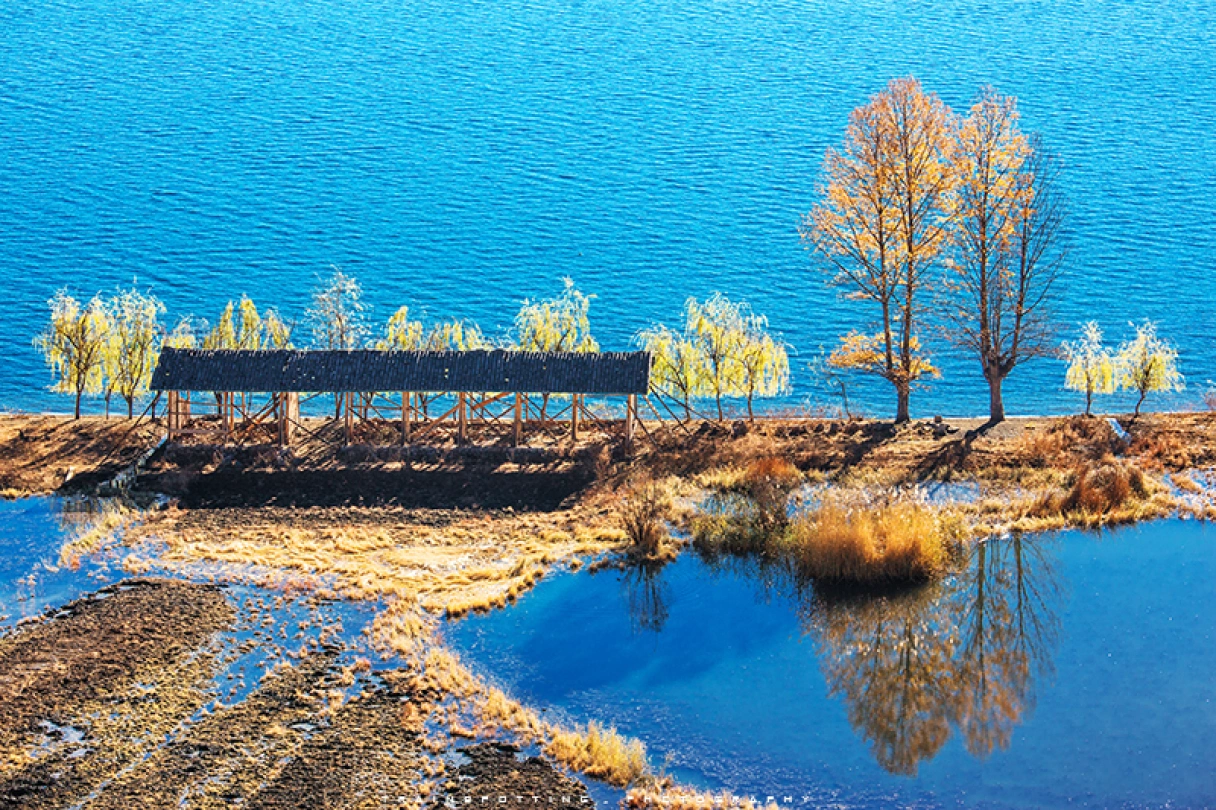
One Person, Discovering the Gentler Side of Lugu Lake
One Person, Discovering the Gentler Side of Lugu Lake My friends say that ever since I quit my job, the "wild" streak in me has become impossible to hide. Where weekends used to mean sleeping in until noon, now I throw a backpack on and…
Continue reading...
The Call of the Snow Mountains: Discovering Another Self in Yunnan
The Call of the Snow Mountains: Discovering Another Self in Yunnan Prologue: Quitting My Job Wasn't an Escape—It Was a Search "You've lost your mind! You quit your job just to travel?" I've heard that line more times than I can count. Every time, I'd…
Continue reading...