The Return Journey to Yunnan: When Travel Is No Longer About Conquest, but Coming Home
The Return Journey to Yunnan: When Travel Is No Longer About Conquest, but Coming Home
Prologue: Seventeen Years, From Passerby to Returnee
In September's typhoon season, we pored over maps repeatedly before finally choosing Yunnan. This decision carried a ceremonial weight—my mother had just ended a 36-year career, and this trip was the opening prelude to her retirement life.
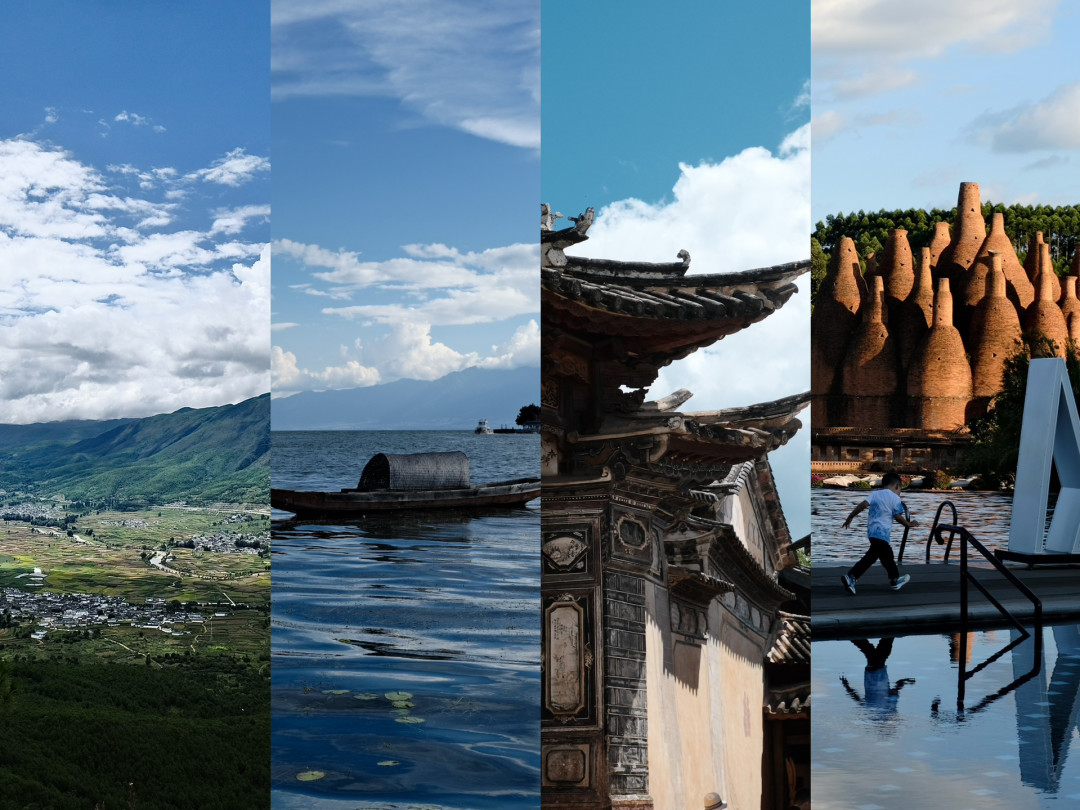
Seventeen years ago, I passed the college entrance exam and set foot in Yunnan for the first time, brimming with youthful ambition. Back then, I was like a young man eager to conquer the world, casting only a hurried glance at this land, my very breath carrying the restlessness of someone always rushing forward. Seventeen years later, when I once again stood at the foot of Cangshan Mountain and on the shores of Erhai Lake, I finally understood: life is not a battle you must win, but a slow walk meant to be savored.
Yunnan seems forever linked to "graduation." My mother graduated from her career, and perhaps I, too, have finally "graduated" from being that young person desperate to prove himself.
Itinerary Overview: A Perfect Guide for the "J" Personality
This ten-day journey took us across five destinations—Kunming, Fuxian Lake, Shaxi, Dali, and Mile—using planes, high-speed trains, and self-driving. Below is the meticulously planned route (though in practice, we often lingered too long in one place and missed some sights—but isn't that the whole point of travel?).
- Day 1 Shenyang → Kunming: Yu Garden (snapping the same moon-gate doorway from the TV drama Celebrating the Remaining Years) → Dianchi Lake Cable Car → Catch the Fish River Park → Dounan Flower Market
- Day 2 Kunming City Walk: Southwest Associated University → Yunnan University → Military Academy (Yunnan Military Academy) → Cuihu Park (Green Lake Park) → Kunming Old Street
- Day 3 Kunming → Fuxian Lake (self-drive): Star Fish Cave → Luchong Scenic Area → Red Sand Beach → Cherry Blossom Island → the famous S-curve
- Day 4 Kunming → Dali → Shaxi (high-speed train + self-drive): Sideng Street → Ouyang Courtyard → Ancient Stage → Yujin Bridge
- Day 5 Shaxi: Librairie Avant-Garde (Frontier Bookstore) → Shilong Reservoir → Shibao Mountain
- Day 6 Shaxi → Dali: Shuanglang Ancient Town → self-drive along the east coast to watch the sunset → Wencun Village
- Day 7 Dali: Luoquan Peninsula → Ideal State (a resort complex) → Longkan Pier → Panxi S-curve → Xizhou → Dali Ancient City
- Day 8 Dali → Mile: Focheng Shangdu (a local market) → Dongfengyun Scenic Area
- Day 9 Mile: Dongfengyun Scenic Area → Huquan Ecological Park
- Day 10 Mile → Kunming → Shenyang: Jinping Mountain → Taipinghu Forest Park
Kunming: More Than Just a Transit Hub
Dusk by Dianchi Lake

We stayed at the Hulan Jianyue Hotel, a five-minute walk from Yu Garden. Dropping off our luggage, we strolled to the garden just in time for sunset. The distant Ferris wheel and the water lilies in the lake were gradually gilded in gold—at that moment, even our breathing slowed down.
If you want to take the Dianchi Lake cable car, here's a money-saving tip: take a taxi to the north gate of Xishan Scenic Area, and when buying tickets, simply say, "I only want the Dianchi cable car, not going to Longmen (Dragon Gate)." That way, you only pay for the uphill shuttle bus ticket (12.5 yuan per person). After getting off, walk past the Longmen scenic area sign—don't buy tickets at the first visitor center. Instead, go upstairs to the Party and Mass Service Center on the left, where you'll find the cable car ticket booth for 60 yuan per person.
The Soul of Kunming: A Time-Traveling City Walk
What surprised me most about Kunming wasn't the scenery, but the history.
Southwest Associated University—this "wartime university," jointly founded by Tsinghua, Peking, and Nankai Universities, operated in Kunming for eight years. Walking into the museum, seeing the scenes of students studying in thatched-roof classrooms, and then visiting the graves of martyrs from the "December 1st" movement—I suddenly understood what it means to have "the backbone of an intellectual." This isn't just a museum; it's a spiritual high ground. I recommend booking the 10:30 AM tour slot, which includes a human guide. Closed on Mondays.
Yunnan University's Donglu Campus—even older than the campus itself is the Gongyuan Zhigong Hall (the imperial examination hall). The Yingqiu Courtyard, designed by Liang Sicheng and Lin Huiyin, is hidden deep within, and in autumn, ginkgo leaves carpet the paths. Behind the Zhigong Hall, we stumbled upon a little squirrel holding a pinecone, so lively and adorable—like the campus's own little spirit. Remember to make a reservation through the "Ping'an Yunda" (Safe Yunnan University) mini-program. The second-floor cafeteria is open to visitors until about 1:00 PM.
Yunnan Military Academy—this earth-yellow building with its distinctive "walk-around-corner" architecture was a "cradle of generals" in the late Qing and early Republic of China eras. At the top of the hour, there's a military performance. Inside the museum, seeing photos of boys who enlisted at barely 15 or 16 made my eyes well up.
Exiting the academy, Cuihu Park is to your left, and a street of charming shops is to your right. We pushed the stroller slowly through Huanggong East Street—yellow walls, green trees, purple flowers, the light just perfect.
Kunming Old Street's "paper-thin building" was packed with tourists, but we accidentally turned into Wenming Street and found some truly authentic local snacks. Tai Xi Xia Hua's mushroom-stuffed shrimp balls, Aunt Chen's Pu'er tea soup dumplings, Liu Huan's tofu-rice noodles—for just over a dozen yuan, we ate to our hearts' content. Dongfang Bookstore (Oriental Bookstore) is tucked away in the bustle; stepping inside, you're instantly cut off from the world.
Fuxian Lake: An Unexpected "Little Maldives"
To be honest, Fuxian Lake was the least recommended destination on this trip. In the off-season, it lacked the tranquility I'd imagined, instead carrying a kind of desolate, dilapidated feel. But since we were there, we made the best of it—the Red Sand Beach had stunningly clear, blue water and vibrantly red sand. Our little one was happily busy with a small shovel, leaving the adults to quietly take photos.
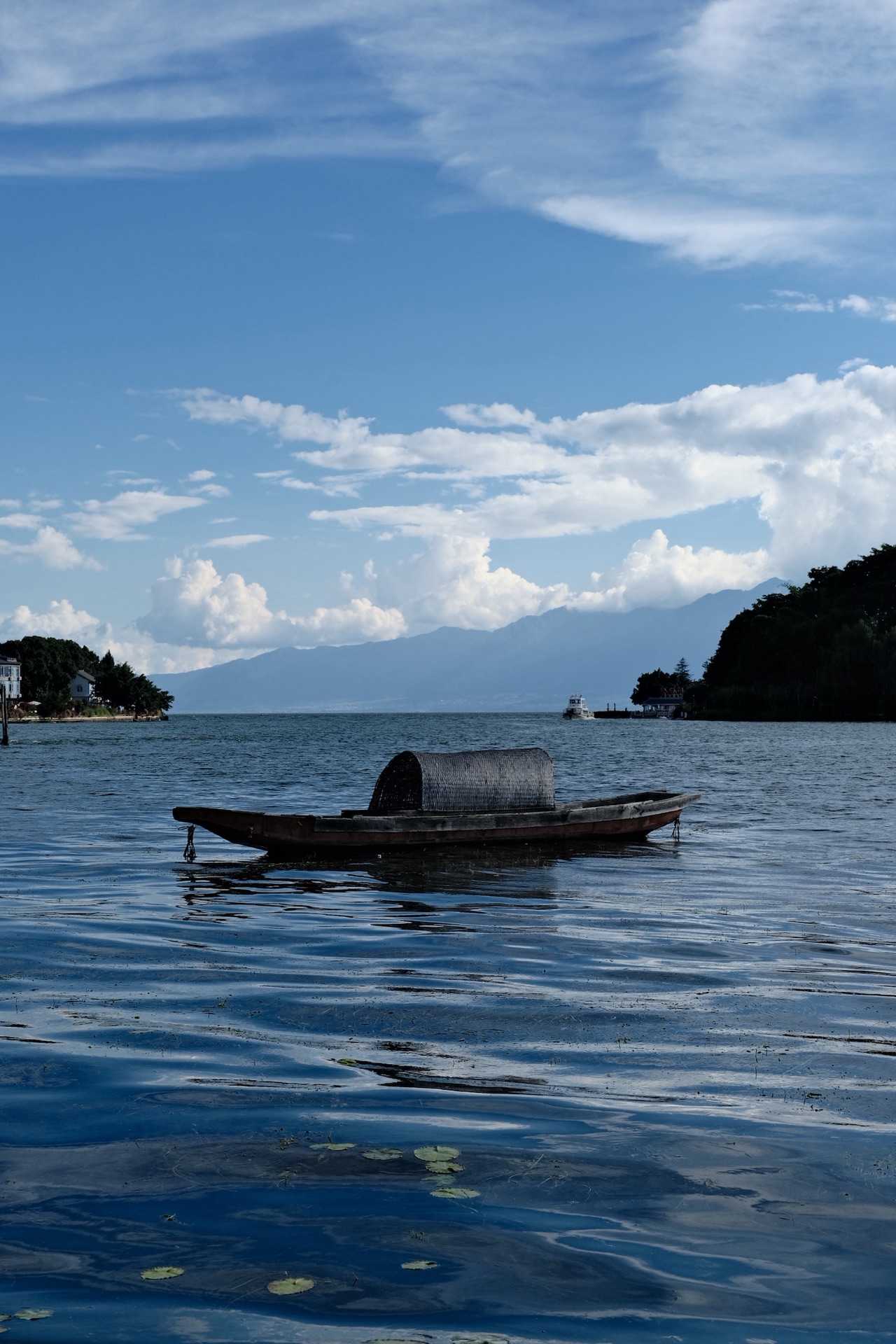
Luchong Scenic Area felt like a northern seaside resort. Climbing Bijiashan (Brush Holder Hill) for a panoramic view of the lake, we happened to catch the sunset, with fishing boats slowly returning to shore. I recommend driving clockwise around the lake (Star Fish Cave → Luchong → Red Sand Beach → S-curve) for easy stops. The only downside is that at the S-curve, the sunset will be behind you, so you'll only see the golden light reflecting on the water—if that bothers you, go the other way.
Shaxi: Getting Lost Is Part of the Romance
First Impressions of the Old Town: Stories in the Wind
Even though the TV drama Meet Yourself made Shaxi famous, I discovered it purely by chance—stumbling upon a single photo while doing research.
We stayed at the Buzhi Xiaoyuan (Unknown Little Courtyard) guesthouse. The owner, Bingbing, a girl from Jiangsu province, picked us up on a tricycle. Her guesthouse is beautifully old-fashioned, with a living room full of books, and her dog, Aji, was hiding in its room because it had just rained. Since our elderly parents and toddler had trouble with the stairs, she proactively moved us to the first floor—this kind of thoughtful consideration was warmer than any five-star hotel service.
The streets of Shaxi always seemed to lead me astray. But every time I got lost, I'd unexpectedly discover a new beautiful scene. The Ancient Stage and the Xingjiao Temple were once the town's "CBD"; now they quietly watch the tourists pass by. Two streams of water run through the old town, adding a touch of poetry to the everyday bustle.
Xibao Shangfan (Happiness Appreciation Meal) became our "canteen" in Shaxi. Walking into the restaurant, it felt like dining in a garden in the Hexi Corridor—gravel paths, beautiful flowers, the soft rustle of footsteps. Everything was delicious except for the rushan apple tower (a local cheese and apple dish). We had dinner there both nights—highly recommended.
At dusk on Yujin Bridge, the sunset draped the distant mountains in gold leaf, and the river shimmered with broken light. Wild ducks swam beneath the bridge, lambs grazed on the bank, and a horse-drawn carriage slowly ambled by. Our family just stood on the bridge, lost in thought, until the stars came out.
Shibao Mountain: Stumbling into a Bai Ethnic Song Festival
The next day, we had planned to go to Shilong Reservoir, but we were stopped in our tracks by the Bai people's Shibao Mountain Song Festival. Making a virtue of necessity, we crashed this "Southern Dunhuang."
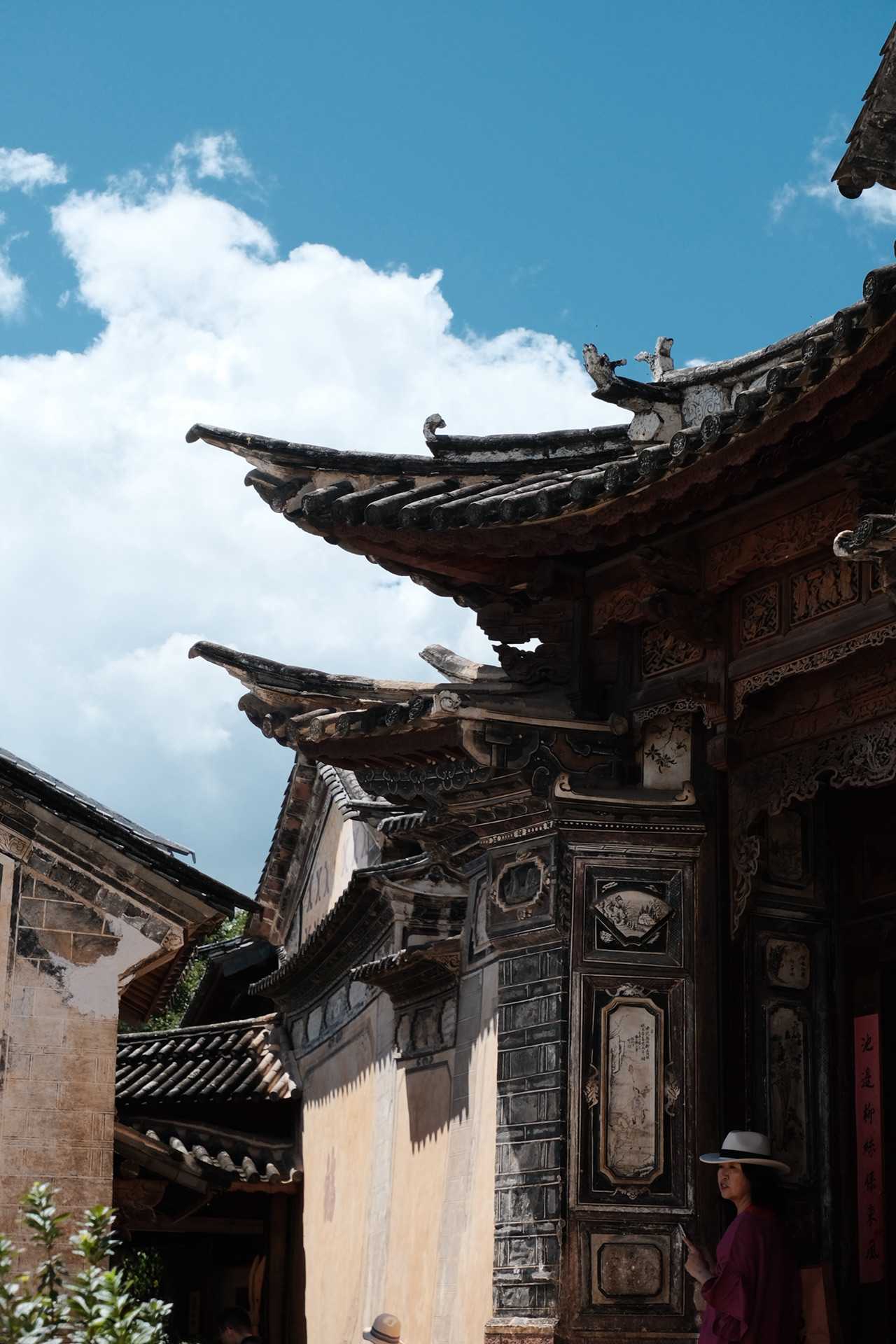
The Shizhong Temple grottoes were carved during the Nanzhao and Dali Kingdom periods, hidden in dense forests among jagged rocks. I went up the mountain alone. The off-season trail was completely empty, and I was so nervous I forgot to take photos. But when I reached the top and saw those lifelike stone carvings, I was utterly awestruck—the ancients had carved faith and beauty into stone with their bare hands.
Baoxiang Temple, a hanging temple, was even steeper. Climbing while listening to the song festival in the distance added a unique flavor. Because time was running short, we had to say goodbye halfway up the mountain, leaving some regrets for next time.
Tips: Shibao Mountain has many monkeys that will snatch your food; in the off-season, you can climb Shizhong Temple from the downhill path for an easier route; on the drive back from Shibao Mountain, set your GPS to Yujin Bridge, and you'll pass through golden wheat fields.
Dali: Returning Home Between Mountain and Sea
Shuanglang: Where You Can Touch Erhai Lake
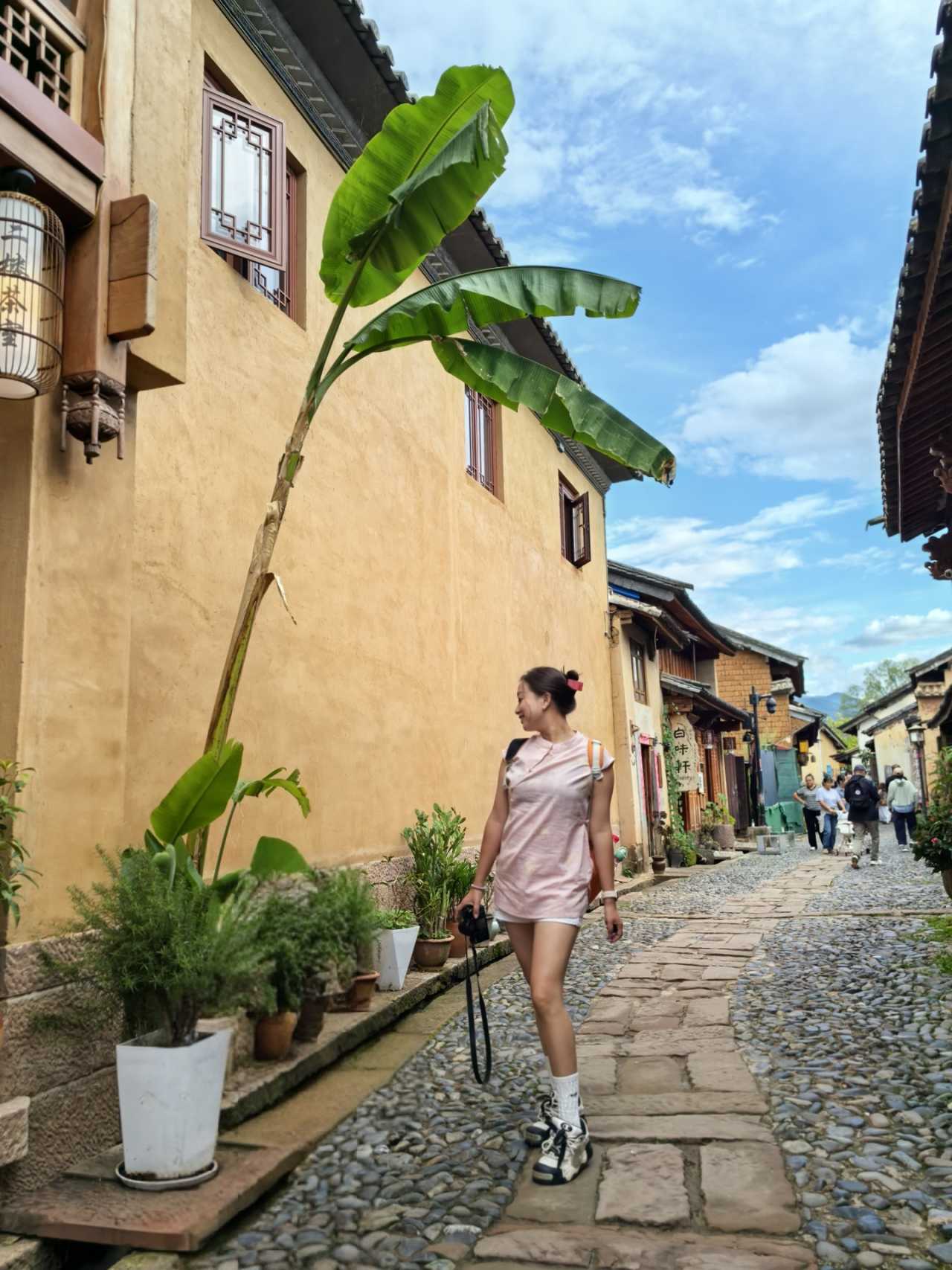
After saying goodbye to Shaxi, we drove an hour to Shuanglang. I'd call it "the place where you can touch Erhai Lake"—every alleyway is a secret path leading straight to the water. If you have time, take a small cart from the entrance to the Nan Zhao Feng Qing Island pier; whether you walk before or after, you'll be rewarded with the most beautiful views.
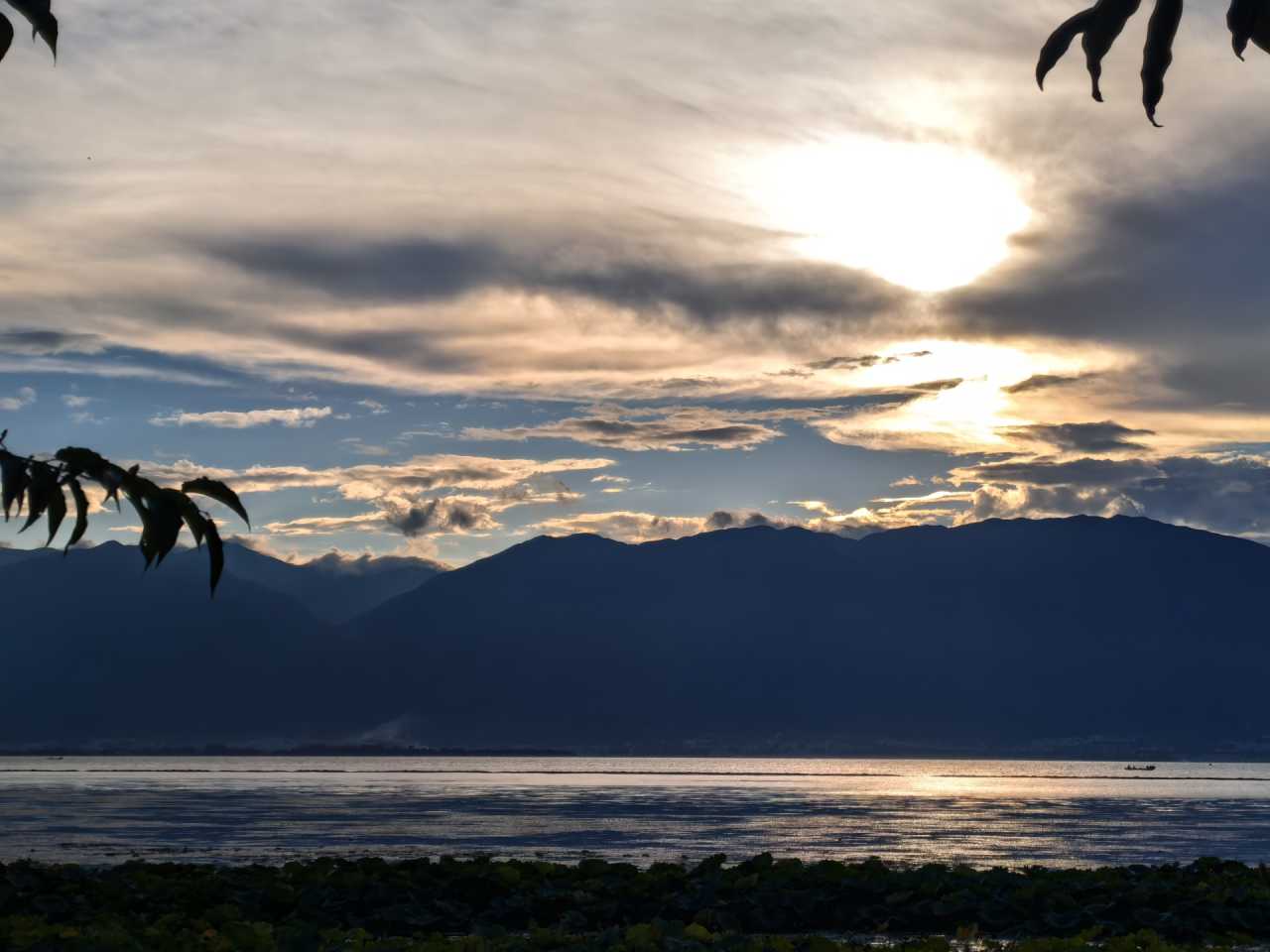
In the evening, we drove along the east coast of Erhai, the sun slowly sinking behind Cangshan Mountain, with Xiaoputuo (Little Putuo Island) standing alone in the lake. We stopped whenever we wanted, letting time flow freely.
Wencun Village: Homecoming in the Wind and Rain
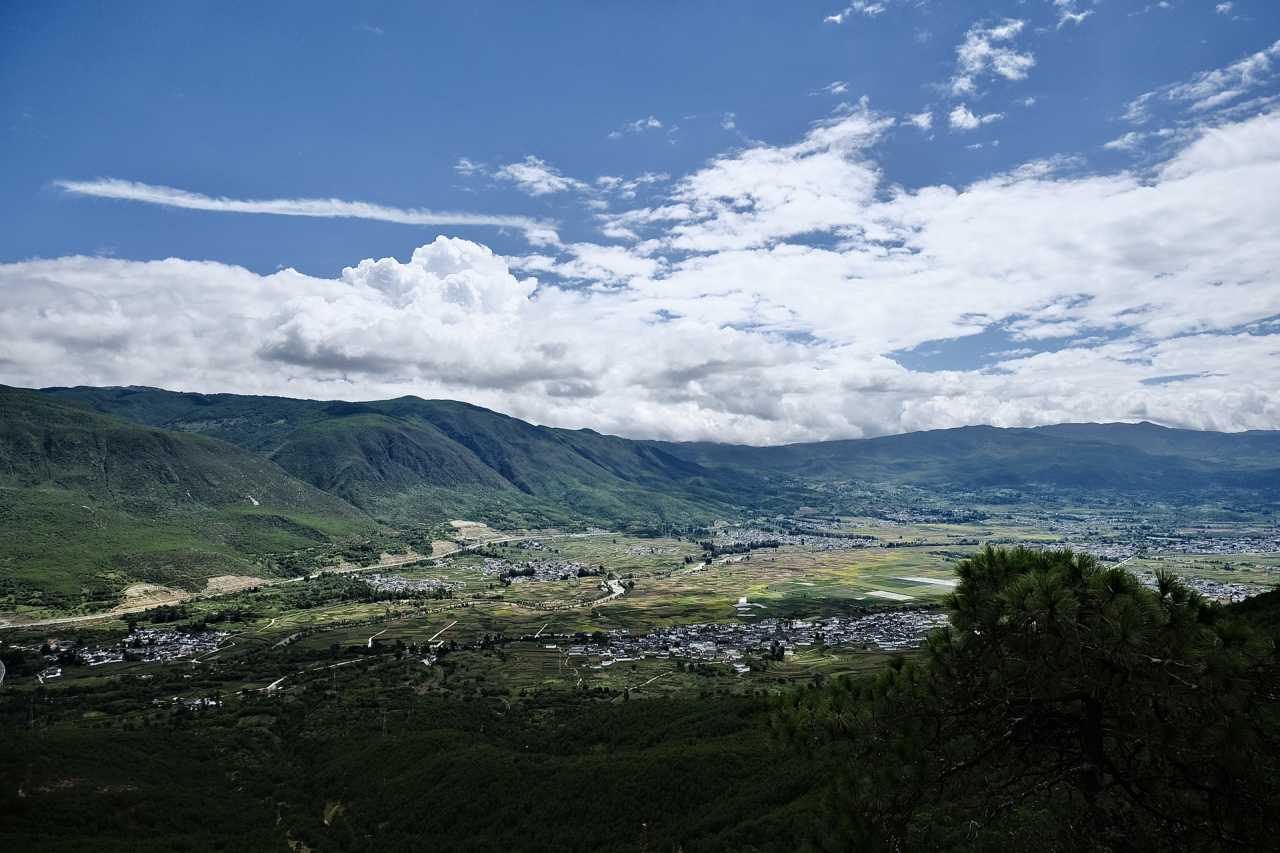
As the car zigzagged up the hillside, Wencun Village and Dali slowly revealed themselves outside the window. We stayed at the Yinli Hotel, perched on a cliff. We arrived just at blue hour, with the fishing lamps gradually lighting up.
At that moment, a profound sense of belonging washed over me—like a traveler returning home in the wind and rain.
September marks the start of the fishing season. The fishing lamps and the distant lights of everyday life sketched out Dali's own version of La La Land. At dawn, the clouds atop Cangshan Mountain gently wrapped the peaks like little hats. I ate breakfast alone, unable to tell whether I belonged to the mountains and sea, or they belonged to me.
Dali Ancient City: The Eternal Canvas of Wind, Flowers, Snow, and Moon
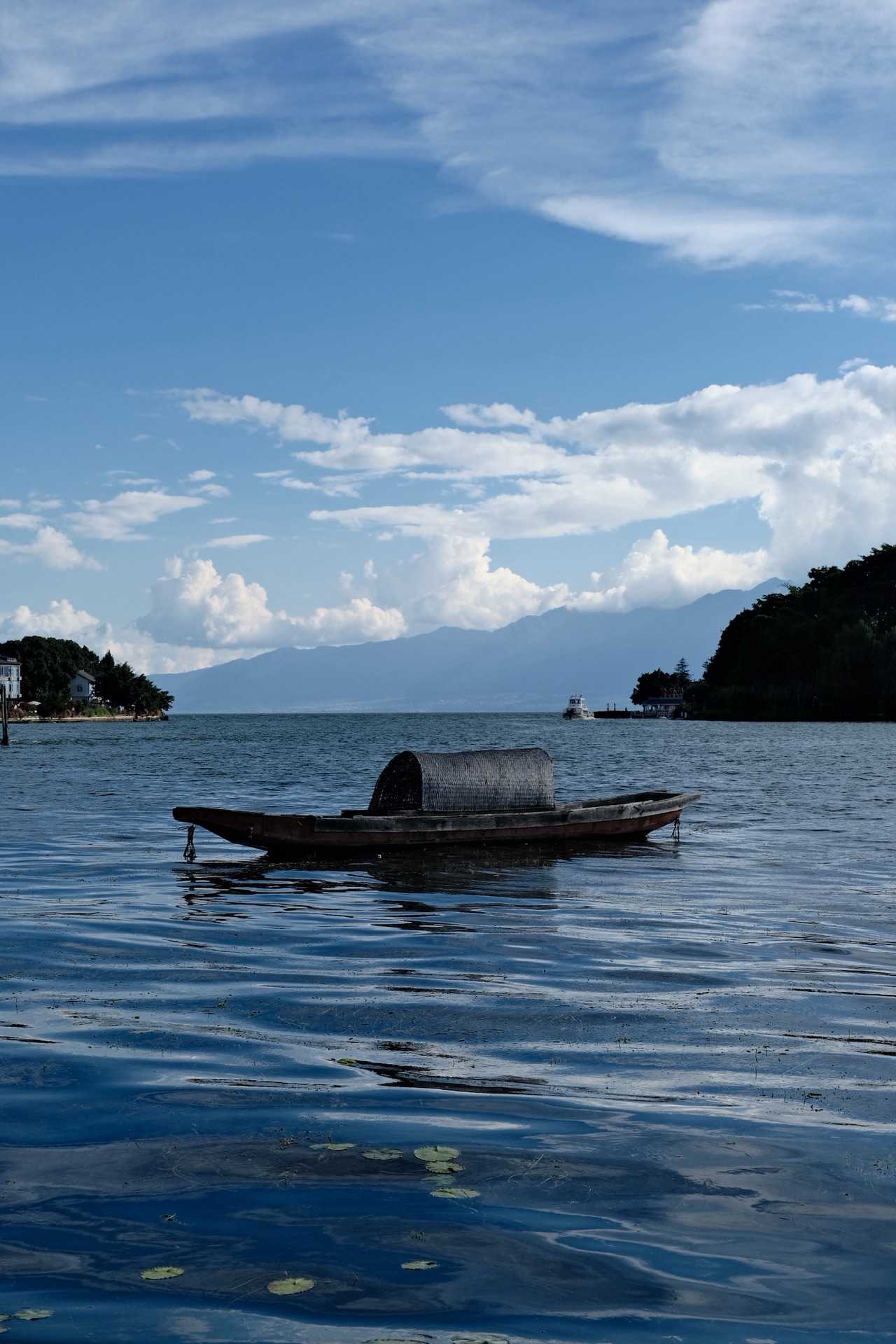
Backed by Cangshan and facing Erhai Lake, Dali Ancient City may be commercialized, but its poetic soul remains. Climbing the Wuhua Tower, I saw many people with sketchbooks, capturing the image of blue-tiled white walls against the clouds of Cangshan.
The wind of Xiaguan, the flowers of Shangguan, the snow of Cangshan, the moon of Erhai—if you've been here too, how could you ever fault anyone for talking only about romance?
Mile: A Fairytale Ending
A three-hour high-speed train ride from Dali brought us into the fairytale world of Mile. The buildings at Dongfengyun Scenic Area are full of exotic charm, and the flower fields are romantic.
Mosquito Warning: Mile has terrifying black mosquitoes. I was bitten 25 times—a lesson learned in blood.
On the last day, my parents went to Jinping Mountain to see the giant Mile Buddha statue. The scenic area offers a shuttle bus up and a walking path down, making it an easy climb to the top.
Accommodation Recommendations
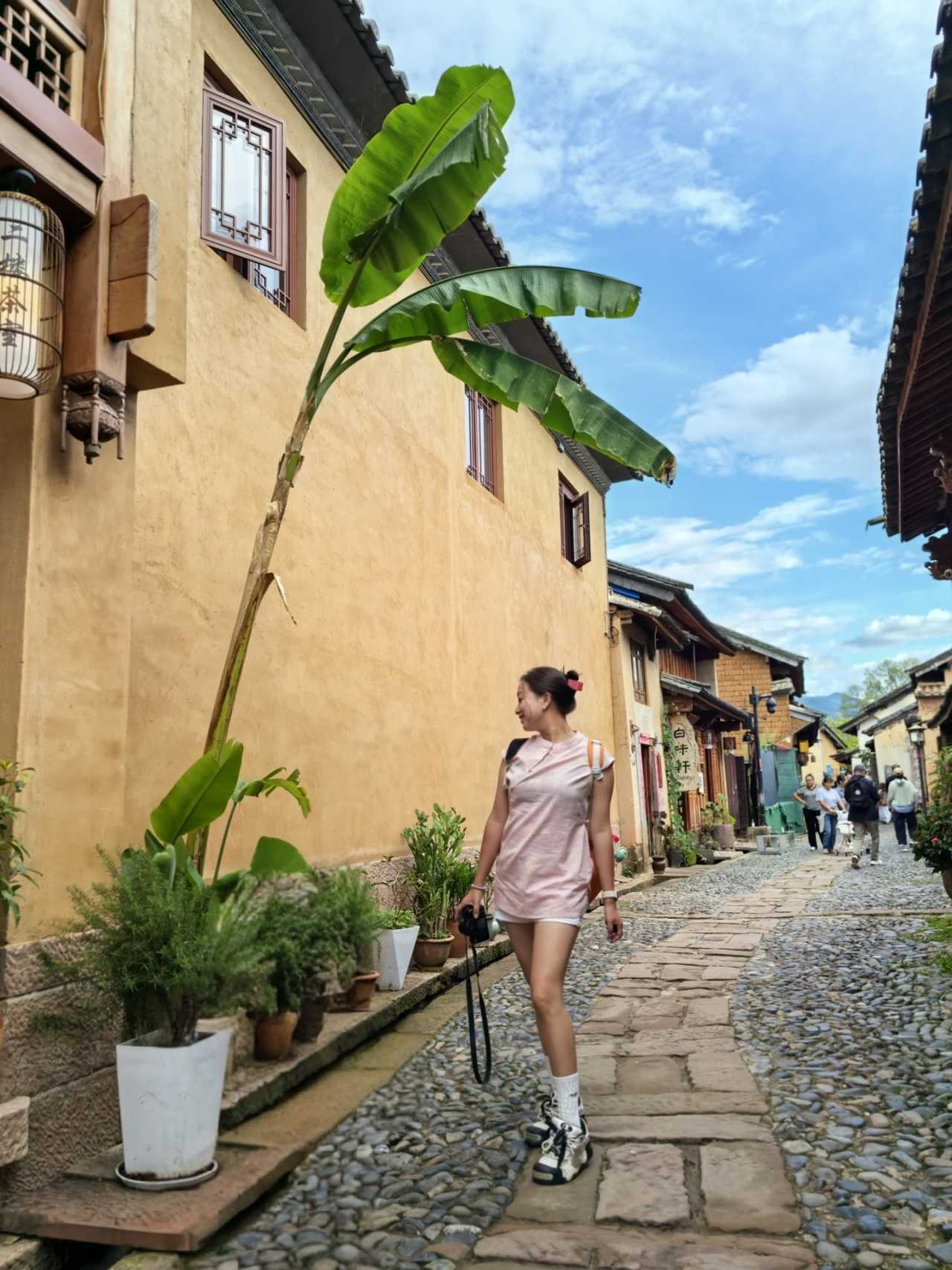
- Kunming: Hulan Jianyue Hotel (near Yu Garden, new facilities, has a laundry room, great for families with elderly and children)
- Shaxi: Buzhi Xiaoyuan (Unknown Little Courtyard) (a traditional Bai-style building in the old town, with copper locks and wooden beds full of character; the owner's adopted dog, Aji, is very cute)
- Dali: Yinli (on the cliff in Wencun Village, capturing the essence of Cangshan and Erhai's beauty. A guest at the next table said: "I drove all around Erhai Lake, and the most beautiful views are all right here.")
- Mile: Dongfengyun Meige Hotel (inside the scenic area, free entry, the pool has ball pit balls, making it easy to keep kids entertained)
Epilogue: From "I Must Win" to "I'm Not Afraid to Lose"
During the trip, between driving and taking care of the baby, I rarely had a chance to look at my phone. In the quiet of the night, chatting with a friend, I laughed at how, as a young person, I used to think Yunnan was nothing more than a self-indulgent playground for artsy youth. Now, my love and reluctance to leave this place come from a completely different state of mind—seventeen years later, I've gone from "I must win" to "I'm not afraid to lose."
"They say once you go to Yunnan, you'll either go once or a thousand times"—and that saying has never been truer.
If you're thinking of going to Yunnan, remember this: you can plan your itinerary well, but don't let the schedule hijack your trip. It's okay to get lost. It's okay to miss things. It's more than okay to just sit and stare. Because here, beneath the colorful clouds of the south, no one is just a passerby. Everyone is a returnee, coming home.
You should also read:
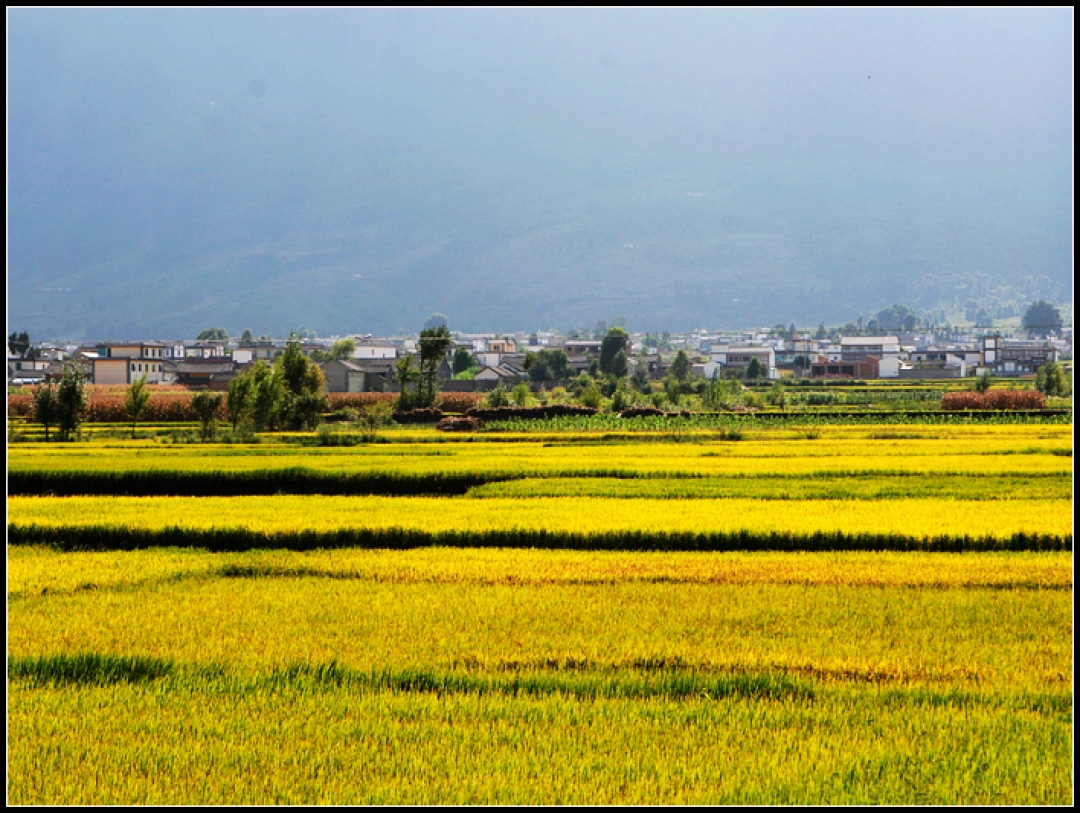
A 9-Day Yunnan Journey: From Lijiang to Dali to Tengchong – A Trip Toward Self-Reconciliation
A 9-Day Yunnan Journey: From Lijiang to Dali to Tengchong – A Trip Toward Self-Reconciliation Some say travel is simply going from a place you're tired of to a place other people are tired of. It stings to hear, but it's painfully true. Yet there's…
Continue reading...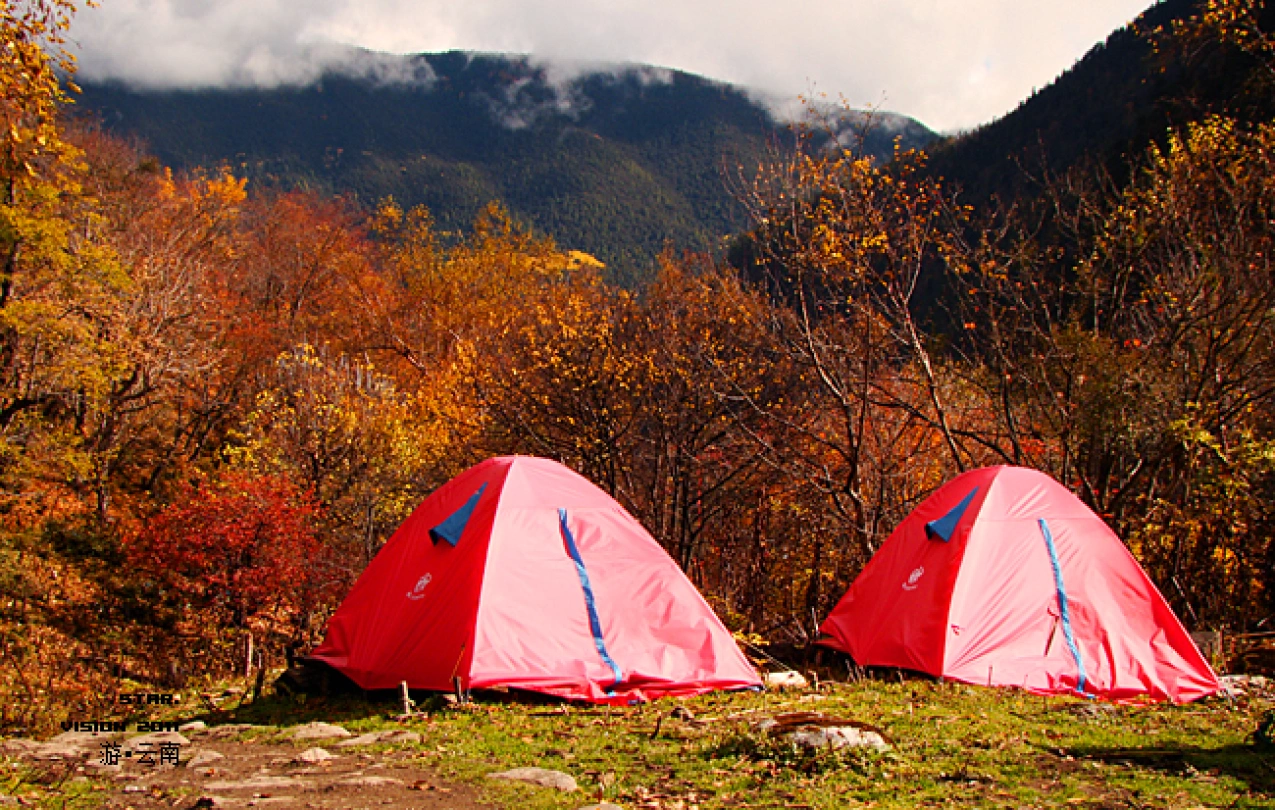
Yunnan! Paradise on Earth – The Yubeng Chapter: A Soul-Cleansing Journey into Seclusion
Yunnan! Paradise on Earth – The Yubeng Chapter: A Soul-Cleansing Journey into Seclusion Prologue: Why Yubeng? If you ask me which place in Yunnan is most worth hiking to, I would answer without hesitation: Yubeng. This is not an answer I give lightly. As a…
Continue reading...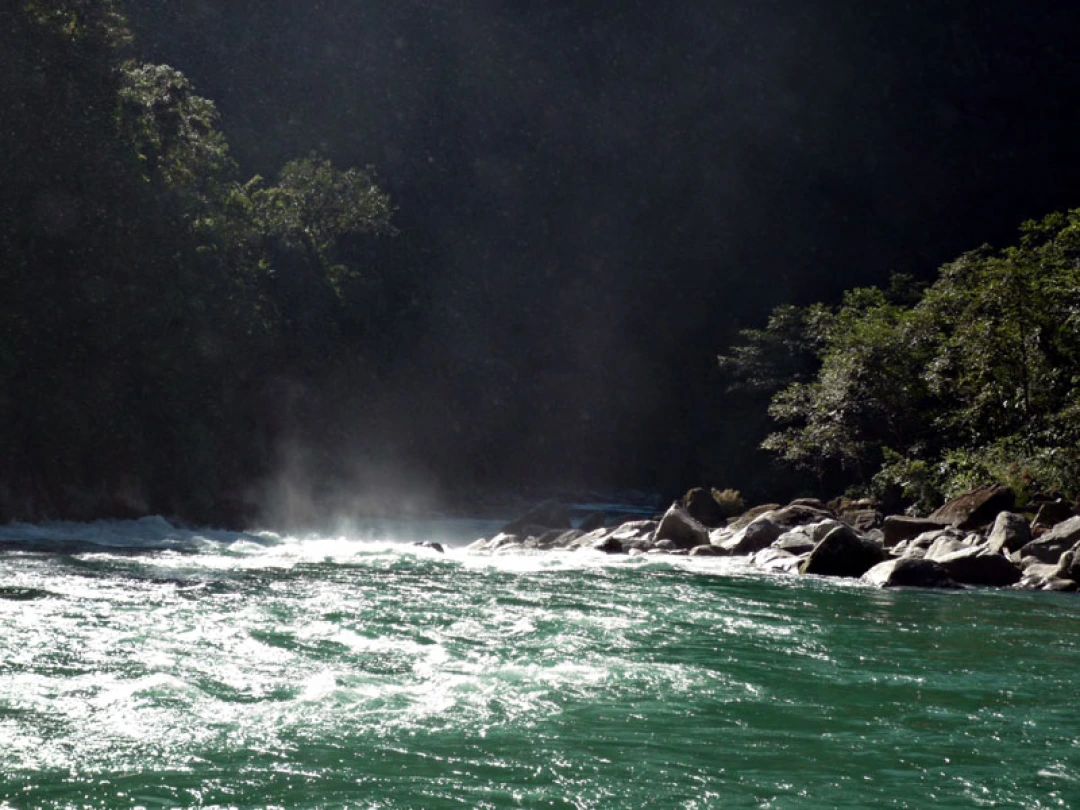
Into the Hidden Valley: A Solo Journey Through the Mysterious Dulong River
Into the Hidden Valley: A Solo Journey Through the Mysterious Dulong River Deep in the northwestern corner of Yunnan Province, tucked away from the modern world, lies a place that feels like a secret whispered among mountains. The Dulong River Valley is not just a…
Continue reading...