The Right Way to Explore Southwest Yunnan: A Complete Guide to Deep Travel in Mangshi, Ruili, and Tengchong
The Right Way to Explore Southwest Yunnan: A Complete Guide to Deep Travel in Mangshi, Ruili, and Tengchong
Why Southwest Yunnan?
On the last day of 2025, I sat staring blankly at my computer screen in the office, but my mind had already flown to the southwestern border. As a university professor, the arrival of winter break meant I could finally switch from "workhorse mode" to "vacation mode." This time, our family of four chose the southwestern corner of Yunnan—Mangshi, Ruili, and Tengchong.
Why here? The answer is simple: warmth, exoticism, and safety. In winter, southwest Yunnan offers pleasant temperatures, brilliant sunshine, and streetscapes that look like they belong overseas. Since finishing my PhD in Malaysia, I've carried an indescribable nostalgia for Southeast Asian life, but bringing elderly parents and a young child to countries with unstable situations always gives me pause. So southwest Yunnan became the perfect "substitute"—it has the flavor of Southeast Asia without its volatility, the taste of Myanmar without its chaos.
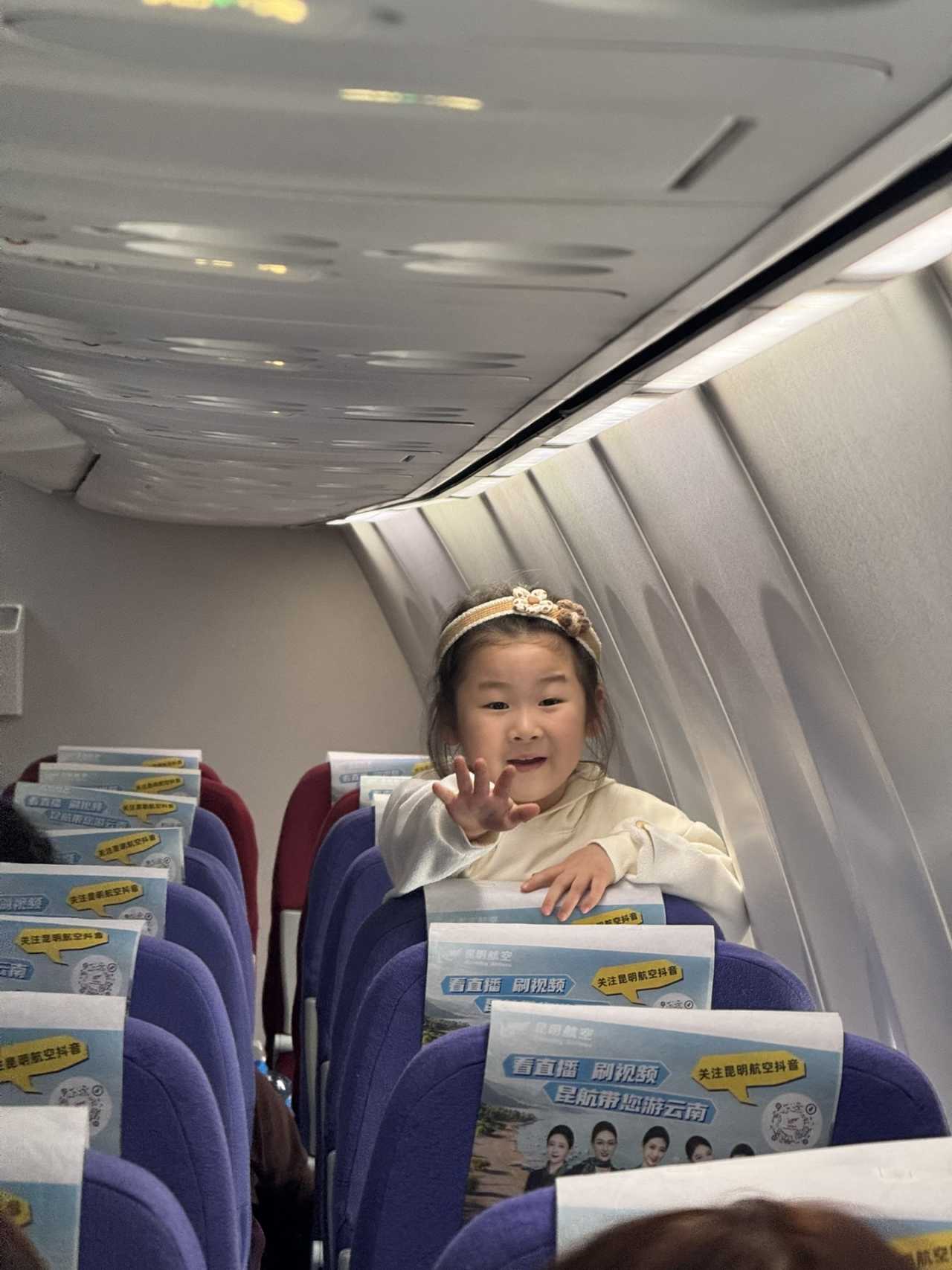
More importantly, this region offers volcanic hot springs, World War II history, and border culture—all in one place to satisfy the whole family. So on January 29, 2026, our family of four flew directly from Zhengzhou to Mangshi, embarking on an 8-day deep dive into southwest Yunnan.
Meet the Travel Team
Before we begin, let me introduce the members of this "travel research project":
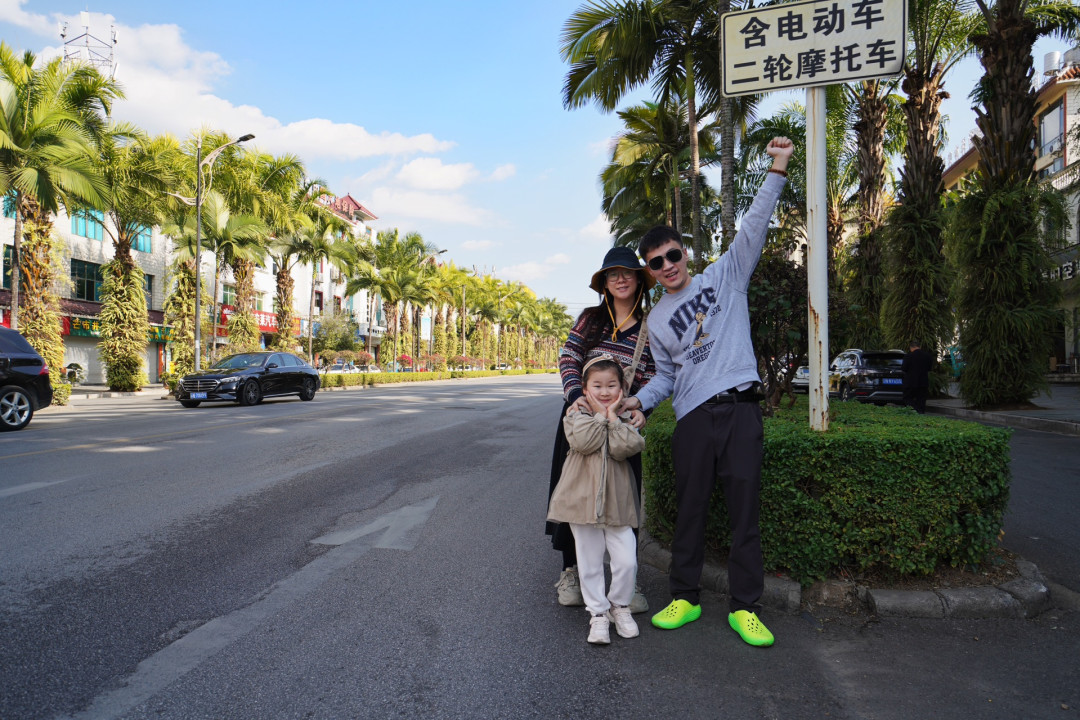
- Lead Researcher: Daodao Fan — Veteran travel project manager, responsible for itinerary planning, budget control, and photography
- Team Member: Xiao Jingzi — Has participated in major projects in the US and Japan, but has relatively limited domestic travel experience
- Teacher Jiang — Enthusiastic veteran of Beijing and Shanghai travel projects, loves flag-raising ceremonies
- Xiao Fanli'er — Four-and-a-half-year-old cutie with mysterious energy levels, has participated in multiple domestic and international travel projects
Geography and Itinerary Overview: How to Play Three Destinations
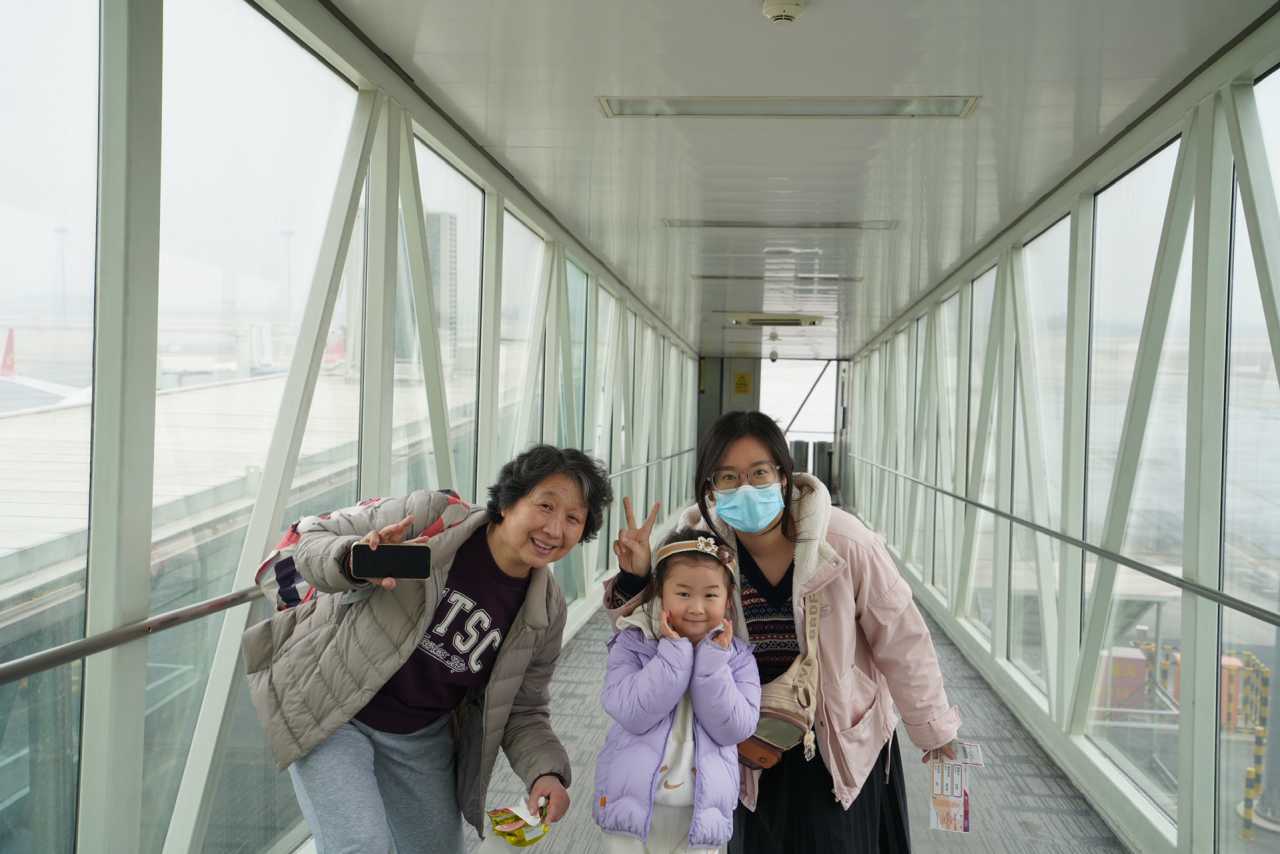
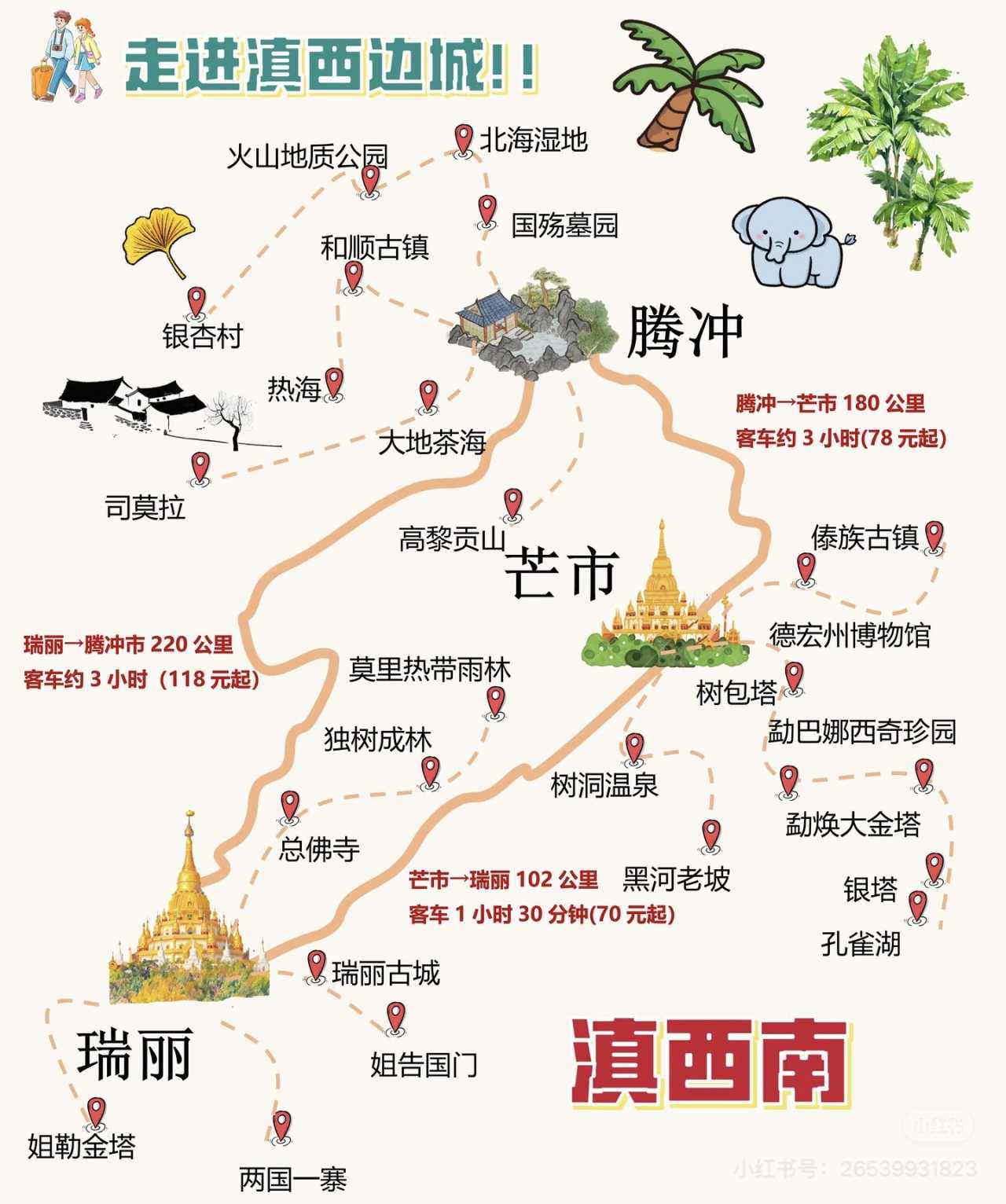
Mangshi, Ruili, and Tengchong are located in southwestern Yunnan Province, with driving times of about 1-2 hours between each, making them perfect for a self-drive trip. Here's what each offers:
- Mangshi: Capital of Dehong Prefecture, strongest exotic atmosphere, the streets themselves are the attraction
- Ruili: Borders Myanmar, distinct border characteristics, attractions are concentrated
- Tengchong: Richest in tourism resources—hot springs, ancient towns, and war memorials
Our Specific Itinerary (8 Days, 9 Nights)
Day 1: Zhengzhou → Mangshi (land at 2 PM) → Pick up car → Bodhi Street, Tree-Wrapped Pagoda → Five Trees Lucky Ox Tendon BBQ
Day 2: Mengbana Xi Rare Botanical Garden → Yin Family Breakfast → Golden Pagoda → Leiyangrang Bookstore → Silver Pagoda → Aunt Zhao's Restaurant → Burmese-style Hair Wash
Day 3: Mangshi → Ruili → One Village, Two Countries → Golden Crab → Jiegao Port → General Buddhist Temple → Wanding Port → Return to Mangshi → Dianzhijun Wild Mushroom Hotpot
Day 4: Bingwu Market → Tengchong → Check into Xin'an Lakeside Guesthouse → Chunye Coffee → Sister Long's Home-Style Restaurant
Day 5: Dieshuihe Waterfall → Madong Qingzhen Copper Pot Beef → Rehai Scenic Area → KFC (too tired to eat more)
Day 6: Heshun Ancient Town → Handmade Tie-Dye → Vintage Shop → Shushu Bookstore
Day 7: Western Yunnan Anti-Japanese War Memorial → Dadi Tea Sea → Make Tea Cakes → Encounter Chang Tseng-yueh
Day 8: Return to Mangshi → Dehong Prefecture Museum → Xinwan Factory Mian Gu Li → Check into Vienna Hotel Airport Branch
Day 9: Return to Zhengzhou
Practical Guide: Transportation, Accommodation, and Budget
Getting Around: Self-Drive is the Best Choice
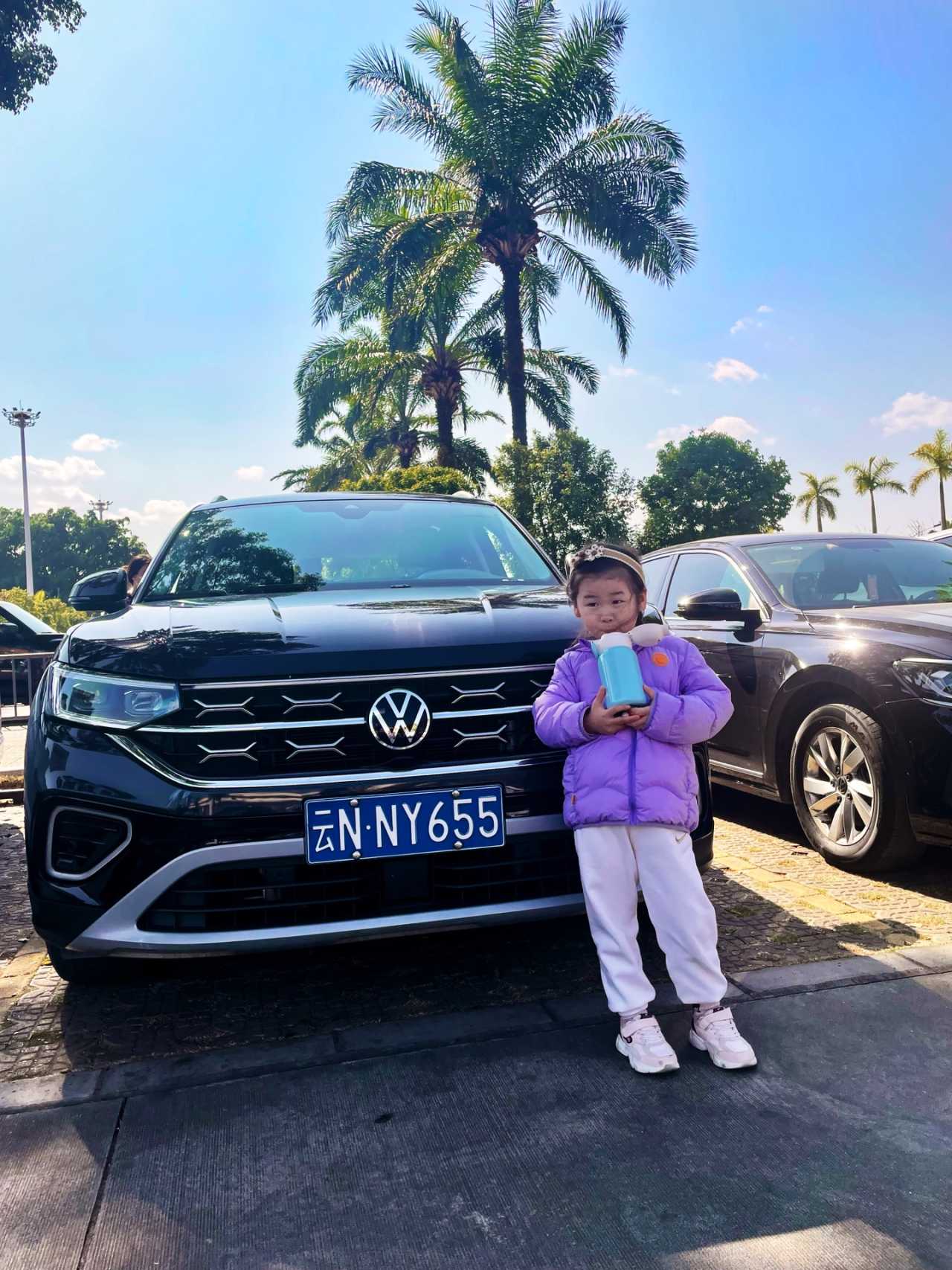
We flew directly from Zhengzhou to Mangshi. At the end of January, round-trip tickets with luggage allowance cost about 800 RMB per person, with the return slightly higher at around 900 RMB. For transportation between the three cities, we rented a car for the entire trip. With full insurance, the total cost was about 2,300 RMB. We picked up the car at the airport and returned it there—very convenient.
Why rent a car? Dragging suitcases and taking public transport with elderly parents and a child is just too exhausting. Plus, the climate in southwest Yunnan—freezing in the morning, scorching at noon—makes having a car an absolute comfort.
Accommodation Recommendations: Balancing Value and Experience
- Mangshi Atour Hotel (全季酒店): 3 nights for about 1,000 RMB, convenient location, comfortable rooms
- Tengchong Xin'an Lakeside Guesthouse (心安湖景民宿): 4 nights for about 2,000 RMB, located within Heshun Ancient Town, windows open to stunning views (downside: geese fighting at midnight—your sleep quality depends on the intensity of their battles)
- Mangshi Vienna Hotel Airport Branch (维也纳机场店): 166 RMB per night, incredible value; they even packed us breakfast when we left at 4 AM for our flight
Heads up: Prices double during peak season—Atour jumps to over 700, Vienna approaches 400, and the guesthouse nears 1,000. Travel during off-peak times if possible.
Budget: 6,000 RMB per Person, Flexible
Excluding shopping, our total spending was about 24,000 RMB, covering meals, coffee, entrance fees, accommodation, flights, and car rental—roughly 6,000 RMB per person. During peak season, both the experience and the cost would be significantly higher.
Mangshi: Exotic Charm, No Rush
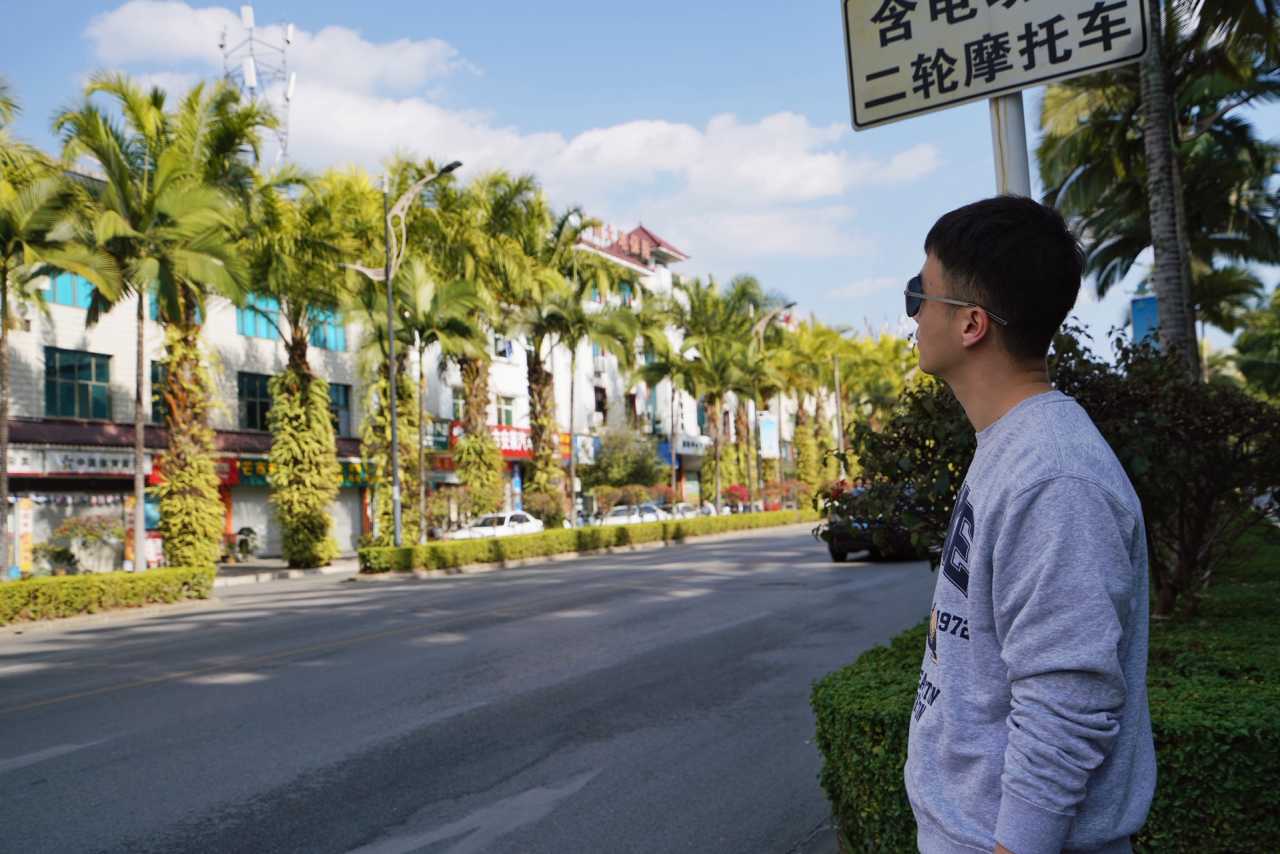
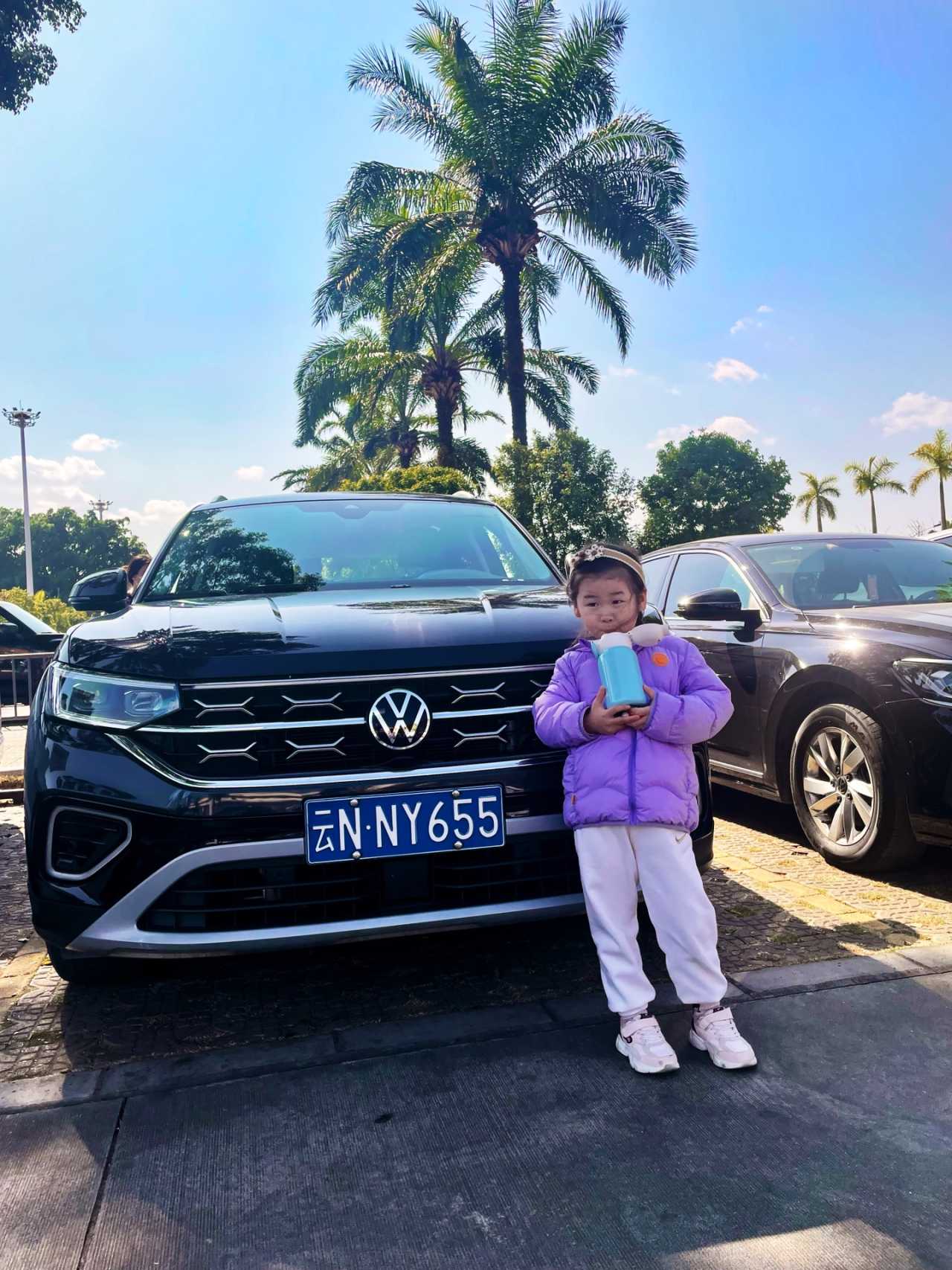
First Impressions: Southeast Asia Under Palm Trees
As our plane landed in Mangshi, the sun was shining and the temperature was pleasant. Driving to the hotel, rows of palm trees swayed against a blue sky dotted with white clouds—the vacation vibe kicked in instantly.
Our first stop was Tree-Wrapped Pagoda (树包塔). This 200-year-old Buddhist pagoda has a banyan tree growing out of it, tightly embracing the structure. In the Dai language, it's called "Guangmu Jielie," meaning "Iron City Pagoda." Unfortunately, it was under renovation when we visited, with the surrounding area looking a bit messy and modern buildings in the background spoiling the view. Hopefully, it'll look better after restoration.
Mengbana Xi Rare Botanical Garden: Peacock Surprise
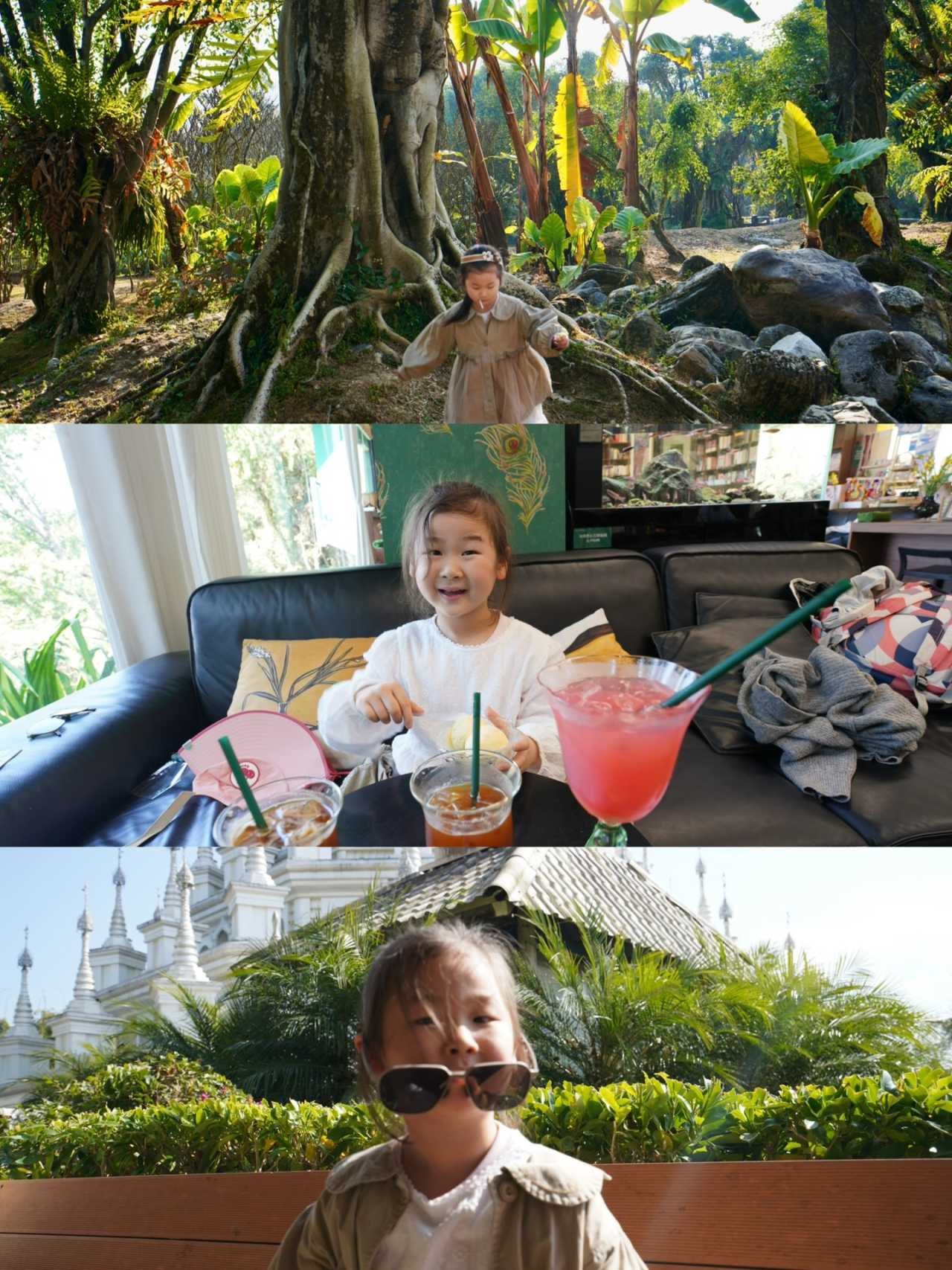
"Mengbana Xi" (勐巴娜西珍奇园) means "a magical, beautiful, and fertile land" in Dai. Honestly, I didn't expect much from this attraction, but I was pleasantly surprised. The 38 RMB entrance fee felt a bit steep, but the tree fossils (树化玉) inside were spectacular—these unique petrified wood pieces from Myanmar are truly impressive.
The biggest highlight was seeing peacocks fanning their tails. The garden is full of free-roaming peacocks that aren't afraid of people at all, making for great interactive experiences. They proudly displayed their beauty, as if saying, "Look, I'm the real star here."
Golden Pagoda and Silver Pagoda: The Soul of Mangshi
Mangshi's most famous attractions are undoubtedly the Grand Golden Pagoda (大金塔) and Grand Silver Pagoda (大银塔). You could see them from our Atour Hotel room.
Grand Golden Pagoda: You don't need to go inside to enjoy the beautiful view, but it's worth it. From the platform beside the pagoda, you can overlook the entire city of Mangshi, with planes occasionally flying overhead.
Leiyangrang Bookstore (雷牙让书店): Located between the Golden and Silver Pagodas, it's famous for sunset coffee. The coffee set comes with a Silver Pagoda fridge magnet that's even prettier than the ones sold at the scenic area.
Grand Silver Pagoda: Built later than the Golden Pagoda, it's larger in scale. Climb to the top, and every photo looks like a masterpiece. There are also two "sky mirror" spots made of glass, where many women in traditional costumes line up for photos.
Best photo angle: On the electric cart path, you can capture both pagodas in one frame. Unfortunately, the sunset isn't in that direction, or else a shot with the Golden Pagoda, Silver Pagoda, and sunset together would be absolutely stunning.
Ruili: One Foot in Two Countries, Gazing at Muse
It takes about an hour to drive from Mangshi to Ruili. We didn't stay overnight, but we felt it was worth a visit.
One Village, Two Countries: Peeking at Myanmar Through a Fence

The main draw of this scenic area is getting a genuine glimpse of life in Myanmar. Through the fence, you can see Myanmar's countryside. With the reputation of northern Myanmar deteriorating, experiencing "safe border culture" in Ruili is a nice alternative.
The most amusing part: on one side, signs warn "No Trading," while on the other, people from northern Myanmar hawk goods across a ditch. The gap between the two countries is starkly visible.
Jiegao Port: Cross-Border Traffic
Jiegao Port (姐告口岸) is impressive. Through the port, you can see people from northern Myanmar holding border passes, ready to enter Dehong Prefecture. In Mangshi and Ruili, you'll see many Myanmar nationals—some even speak only Chinese. They can travel within Dehong with a border pass, no passport needed, but checks are much stricter now than before.
General Buddhist Temple and Wanding Port
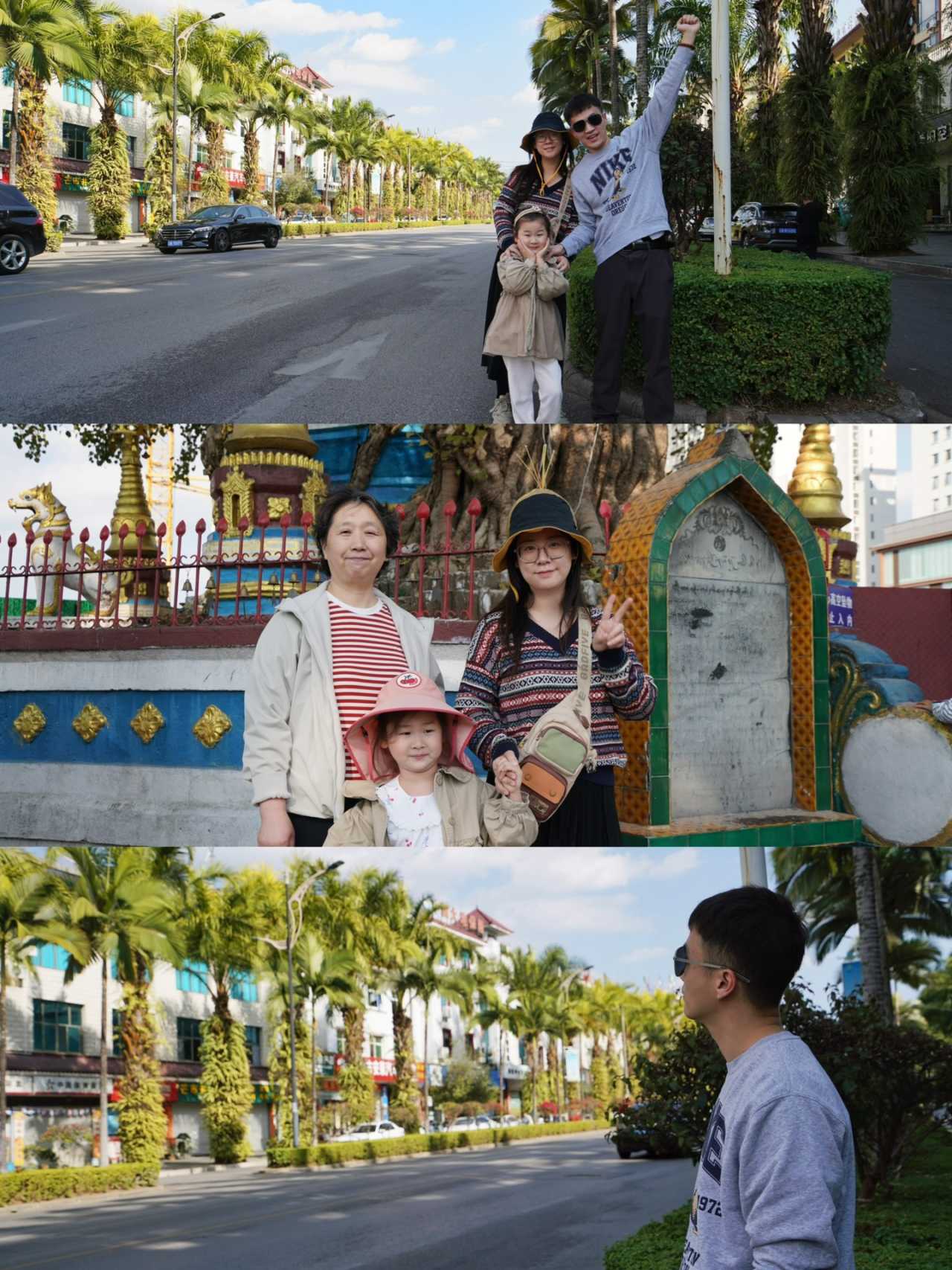
The General Buddhist Temple (总佛寺) sits across a river, with Ruili on one side and Muse, Myanmar on the other. Wanding Port (畹町口岸) sees few tourists, but it's famous in modern Chinese history and worth a visit.
Tengchong: A Symphony of Hot Springs, Ancient Towns, and History
Bingwu Market: The Most Local Shopping Experience
Bingwu Market (丙午市集) in Mangshi is a very local market held every five days. We timed our visit and went in the morning. It's packed with various bean pod products and bamboo weavings, all at reasonable prices. If you want souvenirs, this is the best place.
Heshun Ancient Town: You Have to Stay to Understand
Our guesthouse was by Wild Duck Lake, with windows opening to sunset views. The advantage of staying inside the ancient town is that after 4 or 5 PM, when the day-trippers leave, the whole town becomes very quiet, as if stepping back centuries.
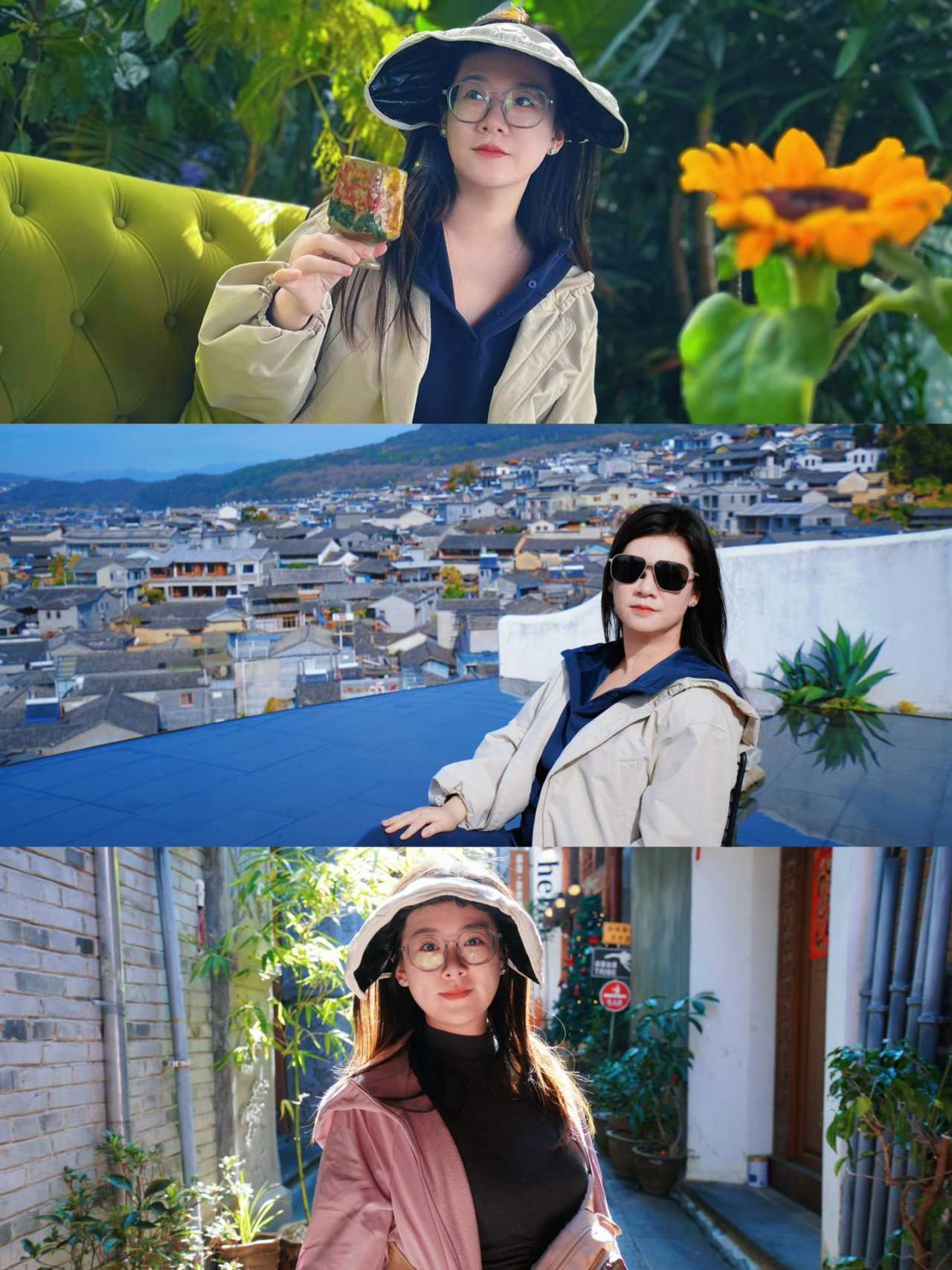
Chunye Coffee (椿野咖啡): Heshun's biggest trendy coffee shop, with an unbeatable location and great views. We ordered a few popular items and got some potato wedges for Fanli'er—almost 300 RMB, definitely pricey. But the presentation and taste were decent.
Dieshuihe Waterfall: 10 RMB of Wow
Dieshuihe Waterfall (叠水河瀑布) costs just 10 RMB for admission, but it's absolutely worth it. The waterfall drops 46 meters, formed by the Daying River flowing over a fault created by a volcanic eruption about 12,000 years ago. It cascades in two tiers, with columnar joint formations on the cliffs. Going down for a closer look is even more spectacular.
Rehai Scenic Area: A Celebration of Geothermal Energy
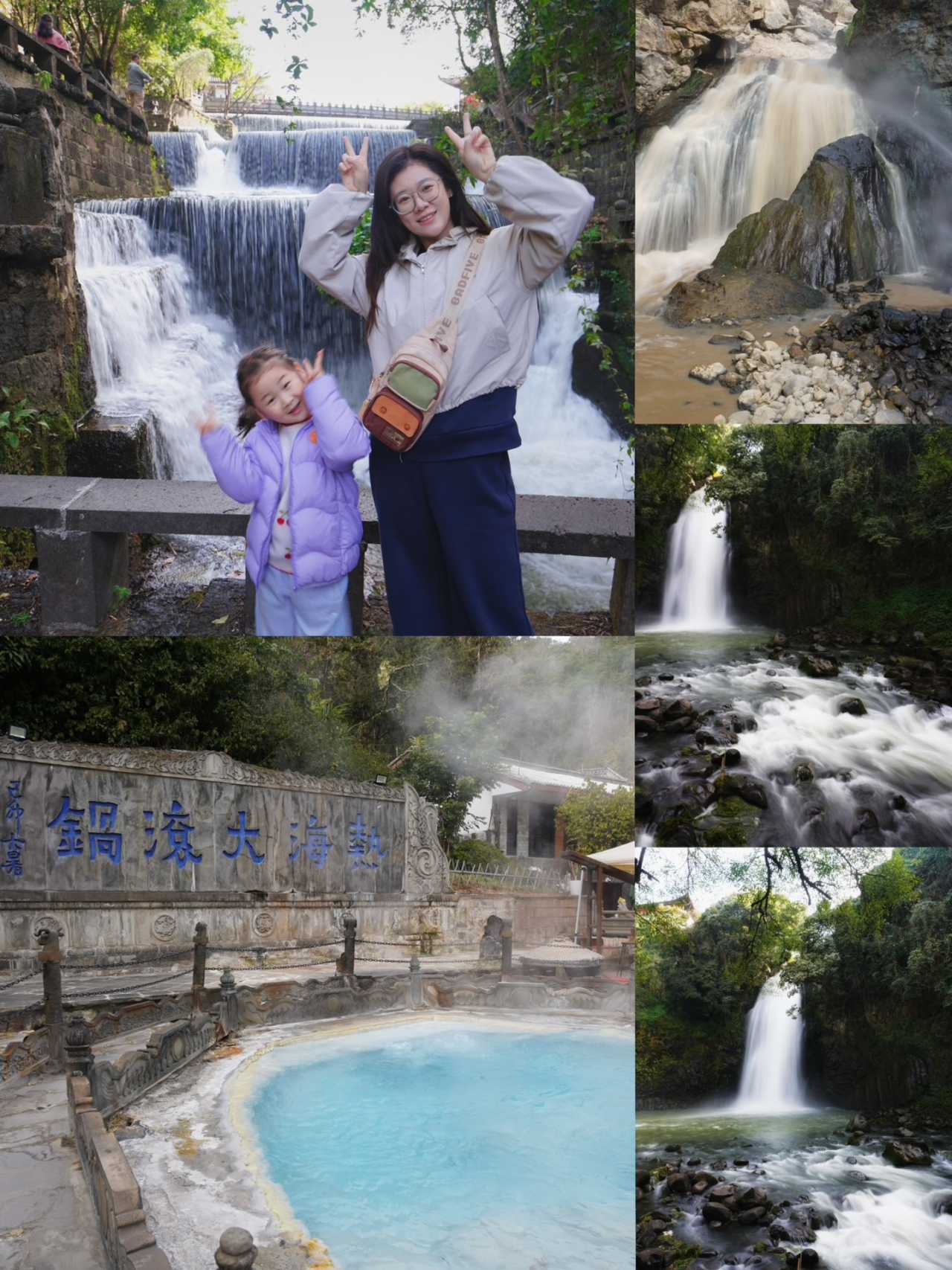
Rehai (热海) lives up to its 5A rating. Fanli'er learned a lot about the Earth's wonders from the geothermal features. Helpful tip: Don't buy eggs at the entrance—there are many stairs to climb, and carrying raw eggs up is pure self-torture.
Western Yunnan Anti-Japanese War Memorial: A Soul-Stirring Experience
On our last day in Tengchong, we visited the Western Yunnan Anti-Japanese War Memorial (滇西抗战纪念馆). Fanli'er listened intently to the explanations, genuinely confused about why Japan invaded China and why those young soldiers had to sacrifice their lives. She ended up crying as she placed flowers. Sometimes, children see the world more clearly.
Dadi Tea Sea: Running Into Chang Tseng-yueh
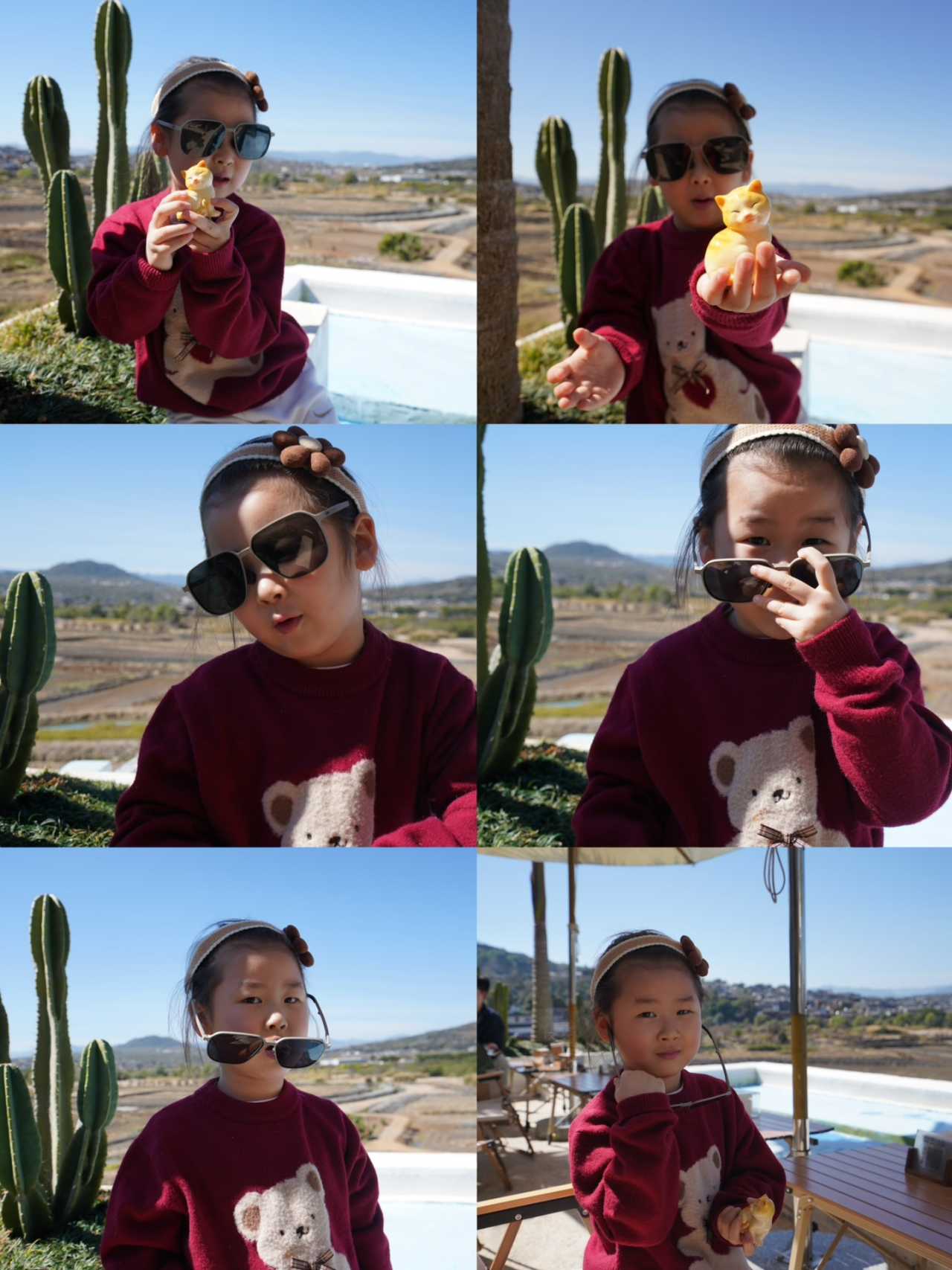
Our last stop was Dadi Tea Sea (大地茶海). Although it wasn't the tea-picking season, the scenery was still nice. We made tea cakes here and could watch planes taking off and landing at Tengchong Airport. The most fun part? We ran into Chang Tseng-yueh (张震岳)—he was looking up to take photos as we were walking out. We thought he looked familiar, but by the time we realized who it was, he'd already passed by. Since we were all on vacation, we decided not to bother him. "Missing You" is a kind of sickness, after all.
Food Recommendations: Eat Well in Southwest Yunnan
Mangshi Eats
- Five Trees Lucky Ox Tendon BBQ (五棵树好运牛筋烧): The raw beef is excellent, and even Fanli'er loved the grilled meat. But the seafood is mediocre—the shellfish were mostly empty shells.
- Yin Family Breakfast (银家早点): The various spice dips complement without overpowering. By 11 AM, the beef was already sold out. If you go during peak season, go early.
- Aunt Zhao's Restaurant (赵大妈餐厅): The menu looks average, but the food is genuinely delicious. The Burmese milk tea has a strong tea flavor—might keep you up if you drink it at night.
- Dianzhijun (滇芝菌): Wild mushroom hotpot with chicken broth base—perfect for a reset after days of heavy eating.
- Mian Gu Li (缅故里): The chefs and servers are all from Myanmar—it feels like stepping abroad for a second.
Ruili Eats
- Golden Crab (金螃蟹): Fresh crab, reasonably priced, with plenty of meat.
Tengchong Eats
- Sister Long's Home-Style Restaurant (龙姐私房菜): Not cheap, but the owner keeps giving us free dishes. Great taste and experience.
- Madong Qingzhen Copper Pot Beef (马东清真铜瓢牛肉): Extremely popular, very fresh beef. Ask if they have "snowflake" beef (雪花)—same price as regular beef, limited daily supply.
Shopping and Souvenirs: What to Buy and Where
With the growth of e-commerce logistics, travel shopping is becoming more homogeneous. But southwest Yunnan still offers some unique experiences.
- Jade: Lots of jade shops and stone-cutting places on the streets, with wildly varying quality. Treat it as entertainment, don't take it too seriously.
- Local specialties: Try Tengchong's Da'er Supermarket (大尔多超市) and Mangshi's Three Trees Supermarket (三棵树超市)—big supermarkets that locals shop at, with a wide selection.
- Bean pod products and bamboo weavings: Cheapest and most abundant at Bingwu Market.
- Tree bark bags: "Muli Muwai" (木里木外) in Heshun Ancient Town—good design and reasonable prices.
Conclusion: The Magic of Southwest Yunnan
Our 8-day trip was over. Our return flight to Zhengzhou departed at 6:40 AM, so we got up at 4-something to head to the airport. We slept like logs for 3 hours on the plane, took a 1-hour nap at home, then went to bed at 9:30 PM and slept straight through until 9:30 the next morning.
What's the magic of southwest Yunnan? I think it's the diversity—Mangshi's exotic charm, Ruili's border character, Tengchong's hot springs and history; Southeast Asian cuisine, Yunnan specialties, Burmese flavors; natural grandeur, cultural depth, and leisurely living.
If you're thinking of visiting southwest Yunnan, my advice is: Don't rush. Take your time. Rent a car, stay in an ancient town, eat your way through the streets, and soak in the sunshine and slow pace. That's the right way to experience southwest Yunnan.
Finally, there's one regret from this trip—due to our group members' age and physical limitations, we couldn't include the Gaoligong Mountain hike and other activities. That'll have to wait for next time.
Southwest Yunnan, we'll be back.
You should also read:
Yunnan Travel Mastery: From Beginner to Pro-Level Player – A Complete Guide
Yunnan Travel Mastery: From Beginner to Pro-Level Player – A Complete Guide "Either travel or read, but your body and soul must be on the road." This quote has been repeated countless times, but very few people truly manage to be "on the road" and…
Continue reading...
Solo in Yunnan: A Wanderer’s Guide to the Land of Eternal Spring
Solo in Yunnan: A Wanderer’s Guide to the Land of Eternal Spring There’s something magical about traveling alone. No compromises, no schedules to keep, no one to please but yourself. I’ve been on the road for nearly three months now, and not once have I…
Continue reading...
Tengchong·Heshun: Finding Life as It Should Be in a Border Town Where Time Stands Still
Tengchong·Heshun: Finding Life as It Should Be in a Border Town Where Time Stands Still The long journey of over twenty days was over. On my first day back at the office, I was still in a daze. My fingers couldn't find the keys on…
Continue reading...