The Sichuan-Yunnan Frontier: A Soulful Journey in Search of Shangri-La
The Sichuan-Yunnan Frontier: A Soulful Journey in Search of Shangri-La
Every journey deserves to be taken seriously. It’s not just a longing for distant horizons, but a heartfelt confession to life itself. As the plane slowly touched down at Chengdu Shuangliu International Airport, I knew that a chapter of searching for "Shangri-La" was about to unfold.
Chengdu: A Fiery Overture
Chengdu’s warmth is hidden in bubbling hotpot and in the smiles of its people. The moment we landed, a friend whisked us into a local hotpot restaurant. The roiling red broth and tender slices of fatty beef instantly melted away the fatigue of travel and the frustration of a delayed flight. With one fiery mouthful, I felt revitalized, and my anticipation for the days ahead grew.
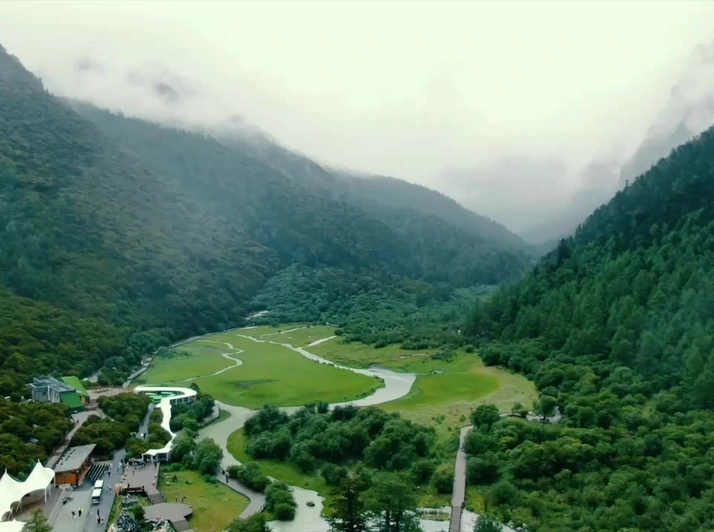
But plans, as always, have a way of shifting. We had originally intended to leave Chengdu and head west along National Highway 318, reaching Yajiang that same evening. But thanks to the flight delay and Chengdu's "warm" hospitality, we didn't actually hit the road until three in the afternoon. By the time we rolled into Kangding, night had already fallen—the scenic wonders of Highway 318 on day one slipped right past us. The only thing we truly experienced was the undulating mountain roads and the jarring rhythm of this "grand landscape avenue of the Chinese people."
Why choose Yajiang as our first stop instead of the more famous Xinduqiao? The answer is simple: altitude. At just 2,640 meters (8,661 feet), Yajiang offers a gentle transition for those entering Tibetan regions for the first time. After all, your body is the most important asset on any trip—a lesson we learned well during a previous journey to Tibet.
First Glimpse of Western Sichuan: A "One-Street" Town on a Cliff
We arrived in Yajiang late at night, the small town already fast asleep. It wasn’t until I opened the window the next morning that I truly saw it—a "one-street" city clinging to the cliffs of the Yalong River. Morning sunlight spilled over Tibetan-style houses, while the river roared ceaselessly below. The entire town stood majestic and timeless in the shifting light.
Today’s itinerary was to continue west along Highway 318, turn toward Daocheng after Litang, and finally reach Shangri-La Town near the Yading Scenic Area.

Highway 318 truly lives up to its reputation as "a must-drive in a lifetime." As soon as we set off, the scenery unfurled like a painted scroll—winding, twisting roads flanked by snow-capped peaks, alpine meadows, and rushing rivers. Every frame begged to be captured. The viewpoints along the way not only made it easy for travelers to stop and take photos but also significantly reduced the risks of mountain driving.
Not long after leaving Yajiang, we encountered our first jaw-dropping sight: the Eighteen Bends of the Sky Road. The road coiled through the mountains like a strand of noodles. While not as perilous as some high-altitude passes, for first-timers on Highway 318, it was enough to take your breath away.
At Litang, we turned onto National Highway 227, and the landscape shifted dramatically. Huge boulders, like marbles, lay scattered across the hills and valleys, dotted with countless "haizi" (high-altitude lakes) of all sizes—this was Haizi Mountain (Child Mountain). The alien terrain before us was said to be the remnant of ancient glacial activity. Unfortunately, the weather didn’t cooperate. A sudden downpour cut our enthusiasm short, and we hurried on toward Daocheng.

When a massive cluster of white stupas appeared on the horizon, we knew—Daocheng had arrived.
This was Zunsheng Stupa Complex, the largest group of white stupas on the Western Sichuan Plateau. 119 smaller stupas surrounded the central giant, which stood 39 meters (128 feet) tall, solemn and majestic. Many local Tibetans circled the stupas, spinning their prayer wheels—a ritual of faith, of hope, of spiritual solace.
One important note: the Yading Scenic Area is still nearly 100 kilometers (62 miles) from Daocheng County town. Most tourists choose to stay in the small town right next to the park—lower in altitude and well-equipped with amenities, making it an ideal rest stop. The steady stream of visitors has brought prosperity to this little town, and locals have rebranded it Shangri-La Town—the first place on our journey to carry the name "Shangri-La."
From Highway 318 to 227, from snowy peaks and meadows to alpine lakes and stupas, the rugged mountain roads and high altitude tested our bodies, but the local culture and landscapes offered immense comfort to our souls. Our first day in Western Sichuan was full of surprises.
Oh, and don’t miss the matsutake mushrooms of Western Sichuan. This delicacy has a unique fragrance and exquisite flavor. Because they spoil quickly, you can only easily taste them fresh here—missing them would be a regret.
The Two Faces of Yading: Heaven or Hell?
"Daocheng Yading"—the name itself carries poetry. My first impression of Yading came from those idyllic, otherworldly photos online. My second impression, however, was colored by complaints about harsh weather and punishing altitude. Many social media posts say: Love someone, bring them to Yading; hate someone, bring them to Yading. Is Yading heaven or hell? Today, we would find out for ourselves.
From the park entrance, a shuttle bus takes all visitors to Chonggu Monastery. The ride lasts about 60 minutes, with altitude climbing sharply from 2,900 meters (9,514 feet) to 3,800 meters (12,467 feet). Stepping off the bus, the golden-roofed Chonggu Monastery gleamed before us, like a gateway to the Three Sacred Mountains, welcoming travelers from all corners.
From here, the trails split into a short route and a long route.
The short route is a hike from Chonggu Monastery to Pearl Lake (Zhuoma Lacuo), which takes about 3 hours round trip. The path is a well-maintained boardwalk, making it relatively easy. Across the lake stands Xiannairi, one of the Three Sacred Mountains. The high-altitude lake makes the sacred peak look especially "mysterious"—though, without the fog, the view would have been even more perfect.

Beside Chonggu Monastery lies a vast alpine meadow, fittingly named Chonggu Meadow. Towering mountains frame the emerald grassland and clear streams, creating a sense of being in a hidden paradise.
The long route involves taking a small train from Chonggu Monastery for about 7 kilometers (4.3 miles) to Luorong Pasture, then hiking or riding a horse for another 4 kilometers (2.5 miles) to reach Milk Lake and Five-Color Lake. The round trip takes about 8 hours. Due to the high altitude, this trail is significantly more challenging.
Luorong Pasture is an even more expansive alpine meadow, where horses gallop, yaks graze, and visitors soak in the tranquility. On a clear day, you can also catch a glimpse of Yangmaiyong, the highest of the Three Sacred Mountains.
Unfortunately, luck was not on our side that day. One of our companions was suffering badly from altitude sickness, and the weather was simply uncooperative. After reaching Luorong Pasture, we had to abandon the rest of the hike—we never saw the Three Sacred Mountains up close, nor did we make it to Milk Lake or Five-Color Lake.
To be fair, Yading is beautiful. But what we saw and experienced that day didn’t blow us away—it even fell short of expectations. Perhaps it was the poor weather, perhaps it was our exhaustion. This explains why Yading gets such mixed reviews: it’s a place that requires both good fortune and effort to reveal its true beauty. We only saw its less impressive side, but we still hold onto hope for it. And that, in itself, is enough.
Xiangbala in Xiangcheng: A Forgotten Treasure
For the rest of the day, we left Shangri-La Town and took a rural road to Qingde Town in Xiangcheng County, where we checked into a local Tibetan guesthouse.

Whitewashed Tibetan homes dotted the emerald barley fields like pearls, quiet and pristine. Compared to the famous Daocheng Yading, this place is virtually unknown. Locals have given it a Shangri-La-related name—"Xiangbala"—hoping to attract more visitors. But regardless, this place is a hidden gem, its elegance and tranquility worthy of the "Shangri-La" title.
The owners of our guesthouse were an elderly Tibetan couple. They had entrusted their home to a professional hospitality management company, so beneath the traditional exterior lay modern furnishings and amenities. Though the couple’s Mandarin was limited, their warmth and sincerity were unmistakable.
From Daocheng to Xiangcheng, these were once remote corners of Western Sichuan, rarely visited by outsiders. Now, with tourism development, these hidden realms are being unveiled to the public. Some say tourism has eroded the region’s original simplicity and polluted its paradise. But from another perspective, opening up these secret places not only allows more people to witness their stunning beauty but also tangibly improves the lives of local residents—a win-win situation. And that, too, is another layer of meaning behind the "two faces of Yading."
Crossing Sichuan and Yunnan: From Xiangcheng to Shangri-La
Leaving Xiangcheng, Yunnan was just ahead. Today’s goal was to reach the city officially named "Shangri-La."
The road to Xiangcheng is low in administrative rank and hard to find on digital maps, but in reality, it’s a well-paved route. Aside from occasional construction, the road conditions were decent. Compared to the bustling Sichuan-Tibet and Yunnan-Tibet highways, this road was refreshingly quiet.
The road was carved into the cliffs. During the rainy season, rocks of all sizes littered the pavement, requiring careful driving. Alongside the road, the Shuo River rushed down, eventually joining the Ding River at the Sichuan-Yunnan border to merge with the Jinsha River—and we followed this river, completing our crossing from Sichuan into Yunnan.

At the border lies a small town called Benzilan. Heading north, you can follow the Yunnan-Tibet Highway to Meili Snow Mountain and Tibet; east leads to Daocheng and Xiangcheng; south takes you to Shangri-La and Lijiang. As a T-junction within the "Shangri-La" region, this little town is bustling with travelers.
Before entering Shangri-La city, a vast lake stretched to meet the horizon—this was Napa Lake. It’s said that only during the rainy season can you see this seamless blend of water and sky. In the dry season, the water recedes, turning the area into a lush pasture.
The most famous landmark in Shangri-La city is Dukezong Ancient Town. This "Moonlight City" was nearly destroyed by a massive fire in 2014, but subsequent reconstruction has brought it back to life. As a tourist, it’s hard to distinguish the new from the truly ancient buildings. What you do feel, however, is the vibrant energy of Tibetan-style streets and the crowds singing loudly at the entrance of Turtle Mountain Park.
At the heart of the ancient town is Turtle Mountain Park, and at the heart of the park stands the enormous prayer wheel. At over ten meters (33 feet) tall, it is the largest prayer wheel in the world. Both locals and tourists can’t help but gather around it, working together to spin the wheel and send up prayers.
Interestingly, there is also a Shangri-La hotel in Shangri-La city—a fitting "homecoming" for this international chain. The hotel offers great value, and its buffet is excellent—a perfect place for weary travelers like us to rest and recharge.
The Perilous Eastern Ring Road: 200 Kilometers, 9 Hours of Slow Travel
From Shangri-La to Lijiang, we chose not to take the conventional expressway. Instead, we opted for the "Eastern Ring Road." This route links a series of attractions—Pudacuo, Baishuitai, Tiger Leaping Gorge—but the trade-off was obvious: rainy season, mountain roads, endless landslides, and road construction.
From Shangri-La to Baishuitai, a mere 100 kilometers (62 miles), took us a grueling 3 hours. But effort has its rewards. This rough road not only connected multiple scenic spots but also offered breathtaking views along the way. Grand rivers, deep gorges, and rustic villages dotted the landscape, soothing our impatience as we waited for road crews to clear the way.
I first learned about Baishuitai from the documentary Aerial China. Before that, it was little known and hard to reach. The rugged roads kept tourists away, giving us the rare opportunity to enjoy this beauty almost alone.
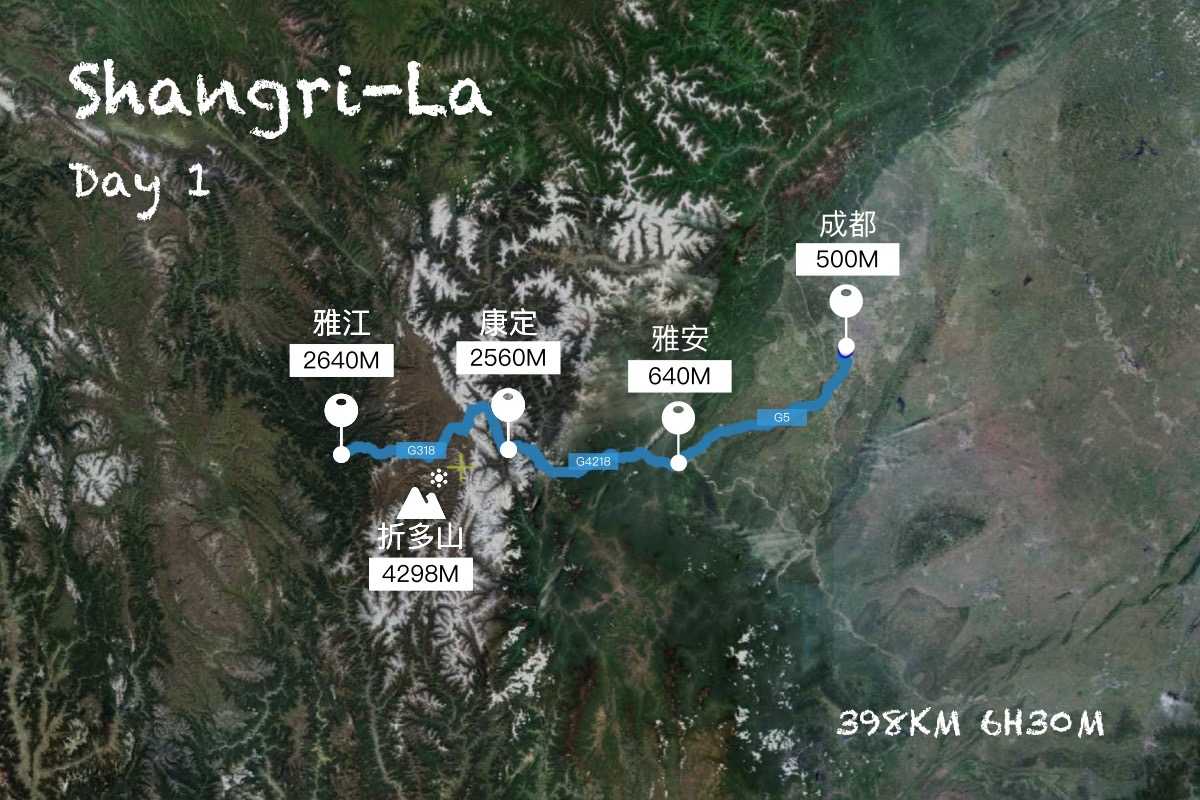
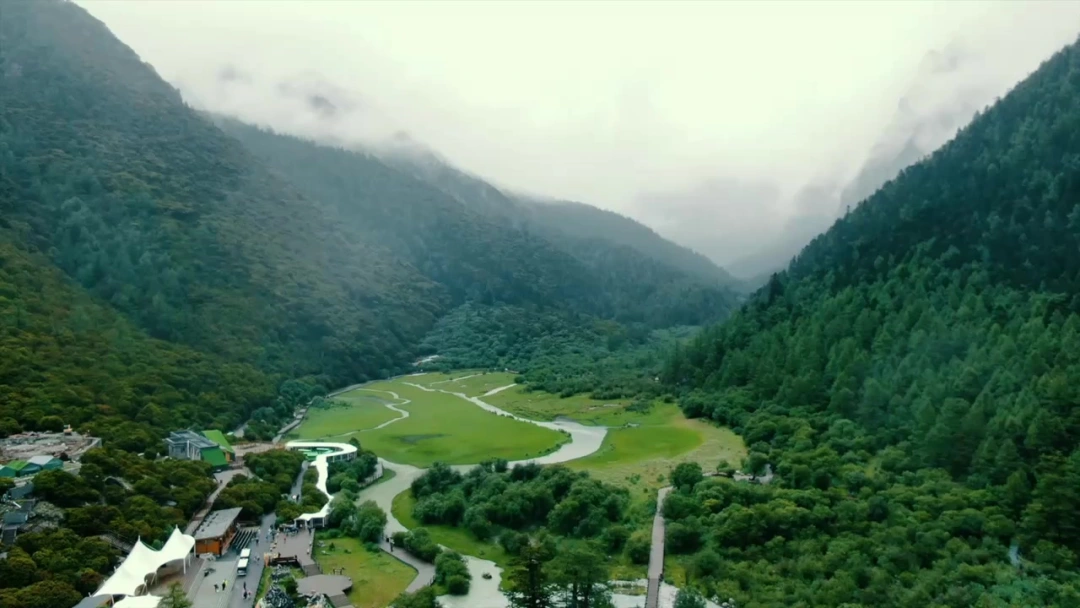
Layer upon layer of travertine pools spread out at the foot of Haba Snow Mountain, like a piece of white jade set among the green mountains. The best way to appreciate Baishuitai is from above—spring water bubbles up from the earth, blooming into white flowers, as calcium carbonate-laden water continuously deposits, creating this layered wonder. With the help of a drone, we captured ourselves against the white travertine, the turquoise water, and our own excitement.
Leaving Baishuitai and continuing along the Eastern Ring Road, we encountered another marvel: Tiger Leaping Gorge. This canyon, embraced by Haba Snow Mountain and Jade Dragon Snow Mountain, plunges thousands of meters—earning it the title of "the world’s deepest gorge."
We drove past the upper, middle, and lower sections of the gorge. The road, half-suspended on the cliffside, hung terrifyingly above the roaring Jinsha River below. At Tiger Leaping Gorge, we saw a road collapse for the first time—rocks burst through the protective netting on the cliff and slid down, blocking our path. Fortunately, maintenance workers quickly cleared the debris and reopened the road, or we would have been spending the night in the gorge.
As we emerged from Tiger Leaping Gorge, our day-long journey on the Eastern Ring Road finally came to an end. In just 200 kilometers (124 miles), we had spent nearly 9 hours. But it was precisely this "slow travel" that allowed us to see the hidden beauty deep within Haba Snow Mountain and to experience the bumpy, treacherous mountain roads of the rainy season. In today’s fast-paced world, slowing down might be exactly what travel needs most.
The Fluid Life of Lijiang: The Ancient Town’s Dual Existence
The fame of Lijiang Ancient Town hardly needs introduction. We arrived late the previous night, and even under pandemic restrictions, the old town was alive with music and revelry. But come morning, the town reveals its other face—a sea of gray-tiled roofs stretching toward distant mountains, sketching out the original character of this ancient town on the Tea Horse Road.
Lion Hill, the Big Waterwheel—these iconic Lijiang landmarks, even glimpsed in passing, gave the ancient town a tangible form. Bustling streets,琳琅满目 (an array of dazzling) goods, and mouthwatering aromas were a feast for the senses, painting a picture of the town’s prosperity as a historic trading hub.
To capture the best photos of Lijiang Ancient Town, all you need is a guesthouse with a rooftop terrace. Lijiang’s guesthouses are affordable and high-quality—fierce competition means travelers get the best experience. Wandering through the old town, stopping at shops, lounging in the guesthouse—Lijiang’s slow-paced life is truly delightful.
But our tight schedule forced us to say goodbye. Reluctantly leaving Lijiang Ancient Town behind, we set off for our final destination: Lugu Lake.
Today, the G348 National Highway from Lijiang to Lugu Lake has greatly improved. It’s now fully paved, covering about 200 kilometers (124 miles) in roughly 4 hours. Lugu Lake is a high-altitude lake surrounded by mountains, with extremely inconvenient access. In the local language, "Lu" means mountain and "Gu" means inside, so "Lugu Lake" literally means "lake in the mountains." Yet it has long been famous worldwide, thanks to the beautiful legends of the Mosuo people.
The Lugu Lake scenic area has a well-maintained ring road. Driving around the lake, stopping here and there, it takes about half a day to complete the circuit. There are numerous viewpoints along the way—though we didn’t stop at all of them, we saw enough to appreciate Lugu Lake’s beauty.
First Stop: Daluoshui Village. This area has many restaurants and accommodations, as well as a boat dock where you can experience the unique pig-trough boats (narrow wooden canoes). Willows line the shore, the lake water is crystal clear, and a gentle breeze makes everything feel wonderfully relaxing.
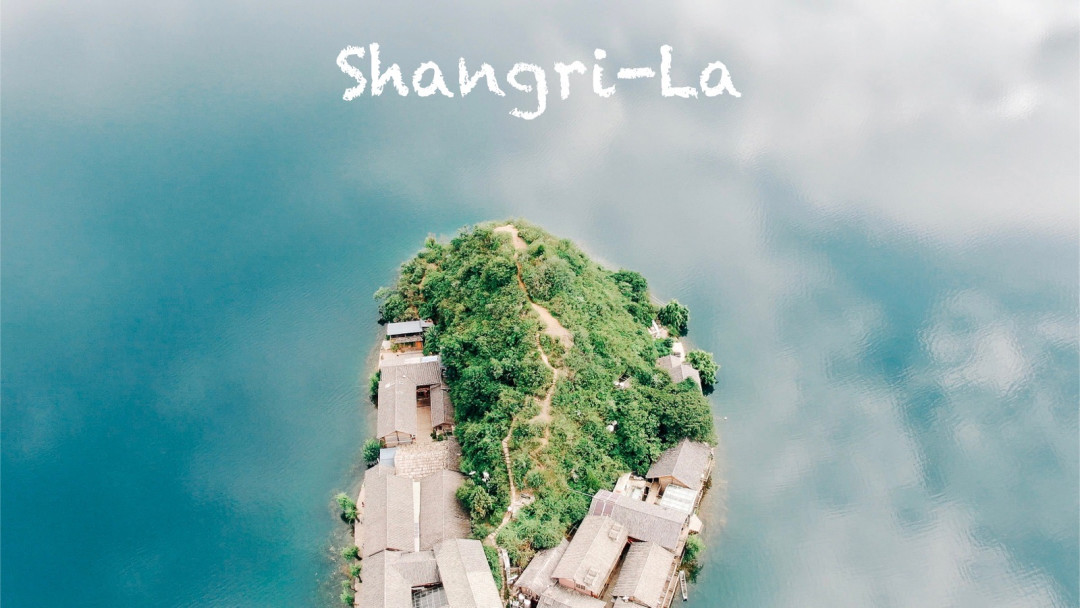
Second Stop: Lige Peninsula Viewpoint—the iconic landmark of Lugu Lake. Lige Peninsula sits isolated in the middle of the lake, embedded in the mirror-like surface. The lake reflects the white clouds in the sky, and from above, it’s a true blend of water and sky.
Third Stop: Lovers’ Beach. Like Daluoshui, this is a large, open waterfront area. With wide views and colorful pig-trough boats lying along the shore, it’s an ideal spot for photos.
Final Stop: The Grass Sea and the Walking Marriage Bridge. The unusual custom of "walking marriage" is enough to pique any tourist’s curiosity. But in reality, it’s just a boardwalk built over a marsh, embellished with beautiful legends—and it becomes an interesting attraction.
Lugu Lake has two entrances: one in Yunnan and one in Sichuan. The Yunnan entrance was the starting point of our Lugu Lake journey, while the Sichuan entrance marked the end—from there, we would head to Yanyuan and Xichang, eventually returning to Chengdu.
Afterword: What is Shangri-La?
A brief journey in search of Shangri-La has come to an end.
So, what is Shangri-La?
Is it the snow-capped peaks and alpine meadows of a dream? A hidden paradise? Rich ethnic culture and simple, honest people? Perhaps different people will have different answers.

Shangri-La has never been a concrete concept. It is the longing and pursuit of beauty in everyone’s heart. It might be hidden around a bend on Highway 318, shrouded in the clouds of Yading, nestled in a Tibetan guesthouse in Xiangcheng, trapped in the travertine pools of Baishuitai, or floating on the blue waves of Lugu Lake.
We set out with hope and returned with emotion. Though we didn’t see Yading at its finest, though we encountered landslides and storms, it is precisely these imperfections that made this trip real and unforgettable.
After all, the meaning of travel is never about arriving—it’s about searching.
Practical Tips Summary:
- Altitude Acclimatization: For first-time visitors to Tibetan regions, choose low-altitude accommodations (e.g., Yajiang at 2,640 meters / 8,661 feet) to gradually adapt.
- Highway 318: Viewpoints along the way are great for photo stops, but be mindful of safety.
- Yading Scenic Area: The long route takes 8 hours; those prone to altitude sickness should bring oxygen canisters.
- Fresh Matsutake Mushrooms: A specialty of Western Sichuan—they spoil quickly, so enjoy them locally.
- Eastern Ring Road: Road conditions are poor during the rainy season; allow plenty of time.
- Lijiang Guesthouses: Rooftop terrace guesthouses offer great value and are perfect for photos.
- Lugu Lake Loop: Half a day is enough; Lige Peninsula and the Grass Sea are highly recommended.
You should also read:
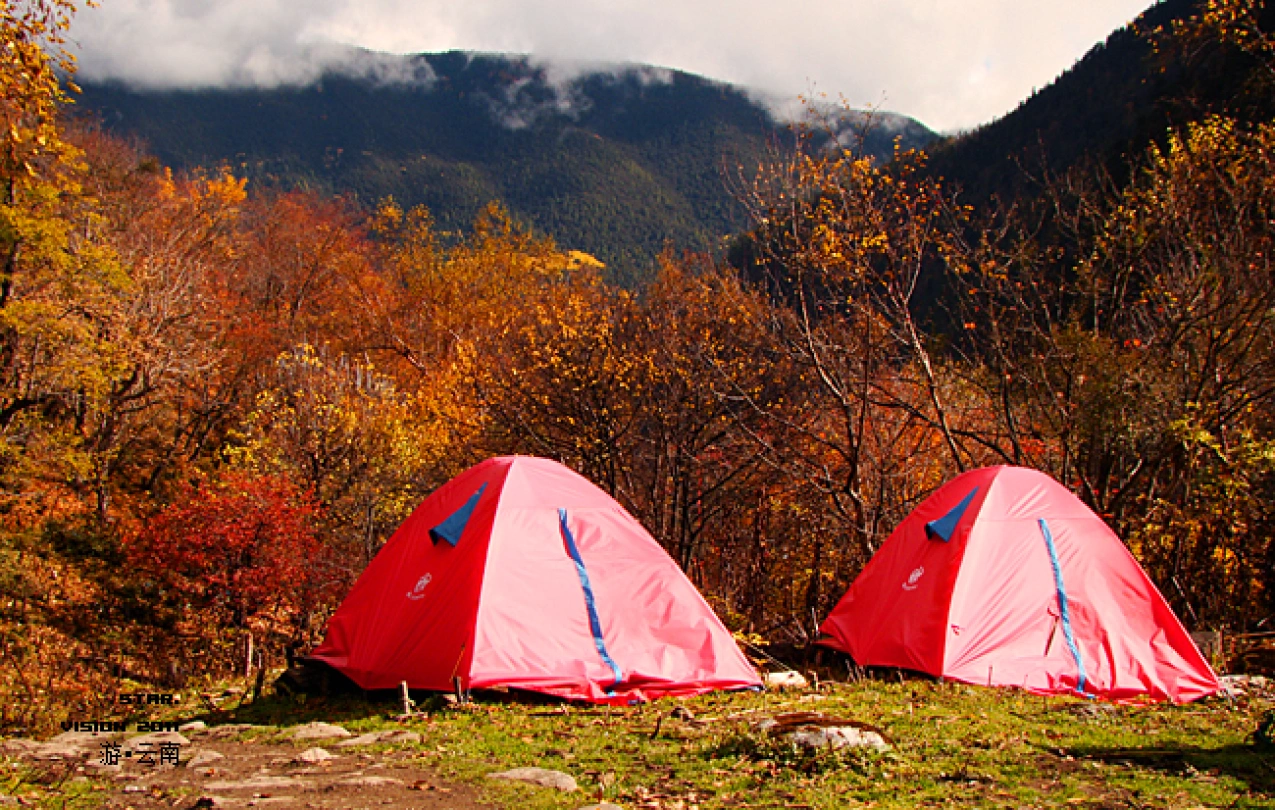
Yunnan! Paradise on Earth – The Yubeng Chapter: A Soul-Cleansing Journey into Seclusion
Yunnan! Paradise on Earth – The Yubeng Chapter: A Soul-Cleansing Journey into Seclusion Prologue: Why Yubeng? If you ask me which place in Yunnan is most worth hiking to, I would answer without hesitation: Yubeng. This is not an answer I give lightly. As a…
Continue reading...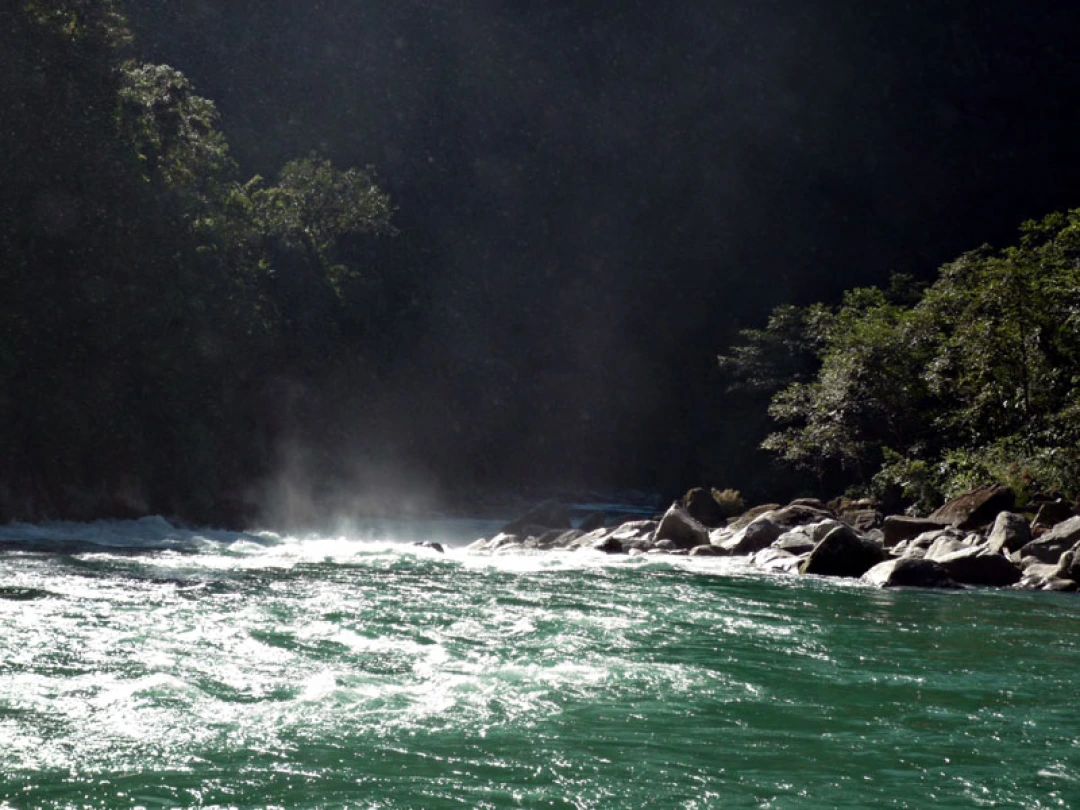
Into the Hidden Valley: A Solo Journey Through the Mysterious Dulong River
Into the Hidden Valley: A Solo Journey Through the Mysterious Dulong River Deep in the northwestern corner of Yunnan Province, tucked away from the modern world, lies a place that feels like a secret whispered among mountains. The Dulong River Valley is not just a…
Continue reading...
Cloud Travelogue · Dali of Wind, Flowers, Snow, and Moon: A Three-Day, Two-Night Journey of a Free Spirit
Cloud Travelogue · Dali of Wind, Flowers, Snow, and Moon: A Three-Day, Two-Night Journey of a Free Spirit I am a cultured female foodie with a touch of rogue charm. I slung on my backpack, took my lover's hand, and set off on a spontaneous…
Continue reading...