The Ultimate Dali Deep Travel Guide: Escaping the Crowds to Unlock Those Instagram-Worthy Hidden Gems
The Ultimate Dali Deep Travel Guide: Escaping the Crowds to Unlock Those Instagram-Worthy Hidden Gems
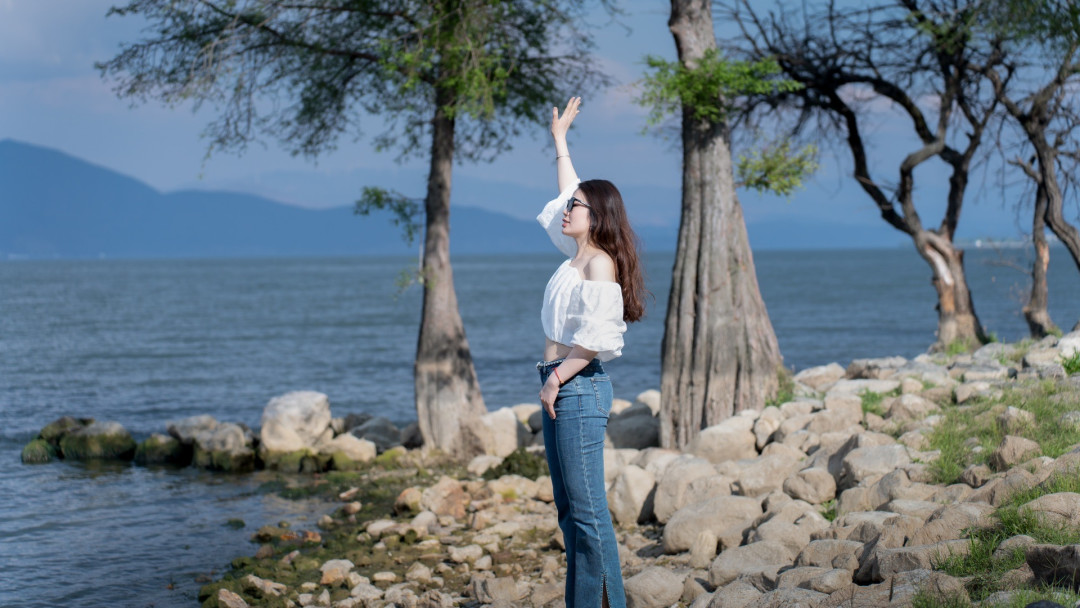
While most people's social media feeds still show Dali as nothing but the overcrowded ancient city and the overhyped "S-Bend"网红 spot, my boyfriend and I used a meticulously planned itinerary to successfully unlock another side of this city of wind, flowers, snow, and moonlight—a side with no crushing crowds, only the purest scenery between Cangshan Mountain and Erhai Lake, and those little-known photo spots that even some locals haven't discovered.
One evening in early March, we curled up on the sofa, opened a document like we were starting a project, and nailed down everything for our May Day holiday trip—from flights to accommodation, from food to photo angles. I was in charge of filling in the details, while my boyfriend played devil's advocate. This分工合作 approach turned out to be surprisingly efficient. Just as we were hesitating over flight prices, China Southern Airlines' "Travel Freely Around China" campaign happened to launch—looking back, it was a total lifesaver for the May Day holiday. After all, in the post-pandemic era, holiday flight prices rise faster than Dali's real estate.
If you're also tired of cookie-cutter travel guides, follow in our footsteps and see how Dali should really be experienced.
Day 1: From Kunming to Dali – A Serendipitous Encounter with Flowers and Sunset
Transportation Tip: The Money-Saving Airport Express
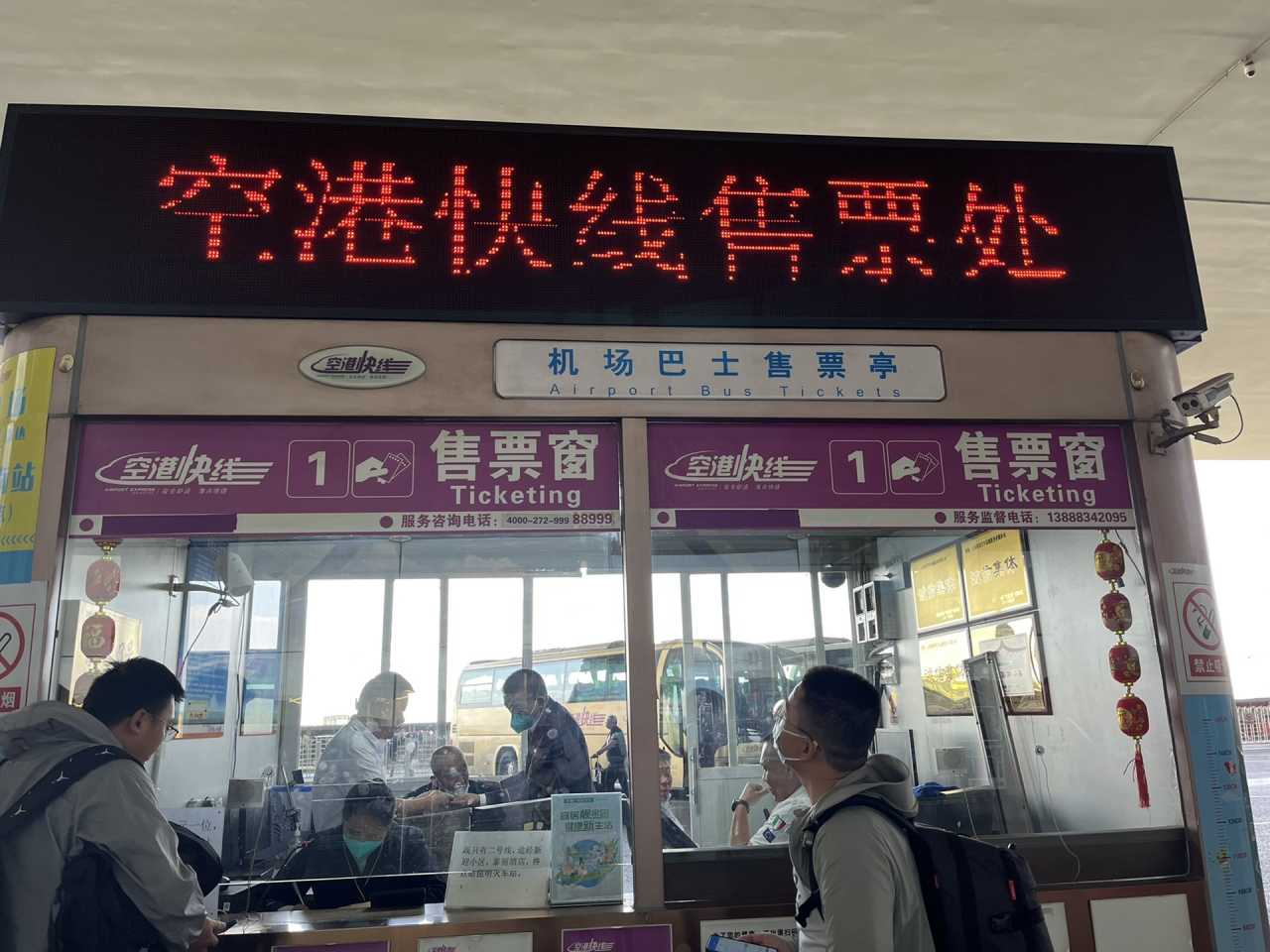
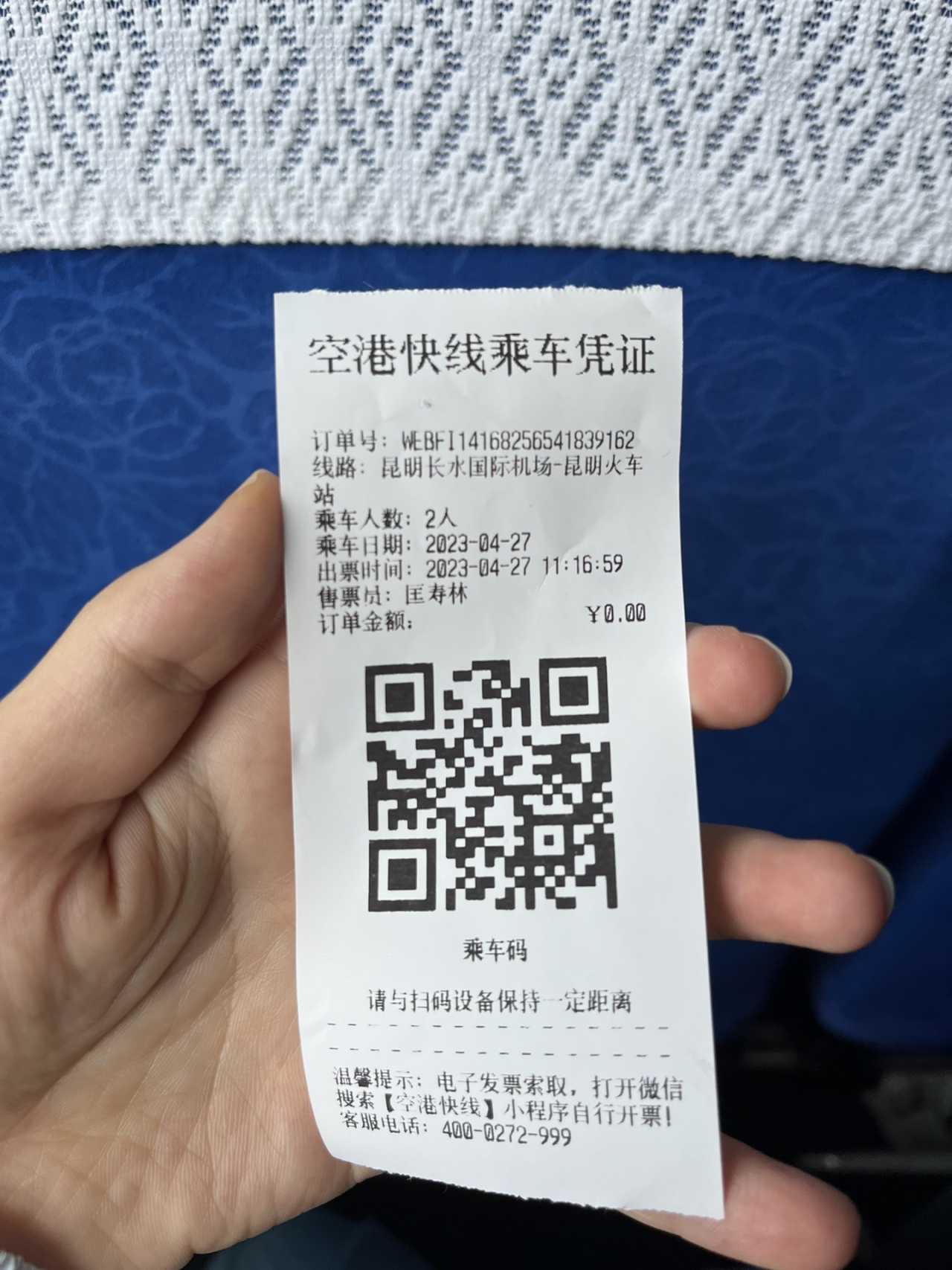
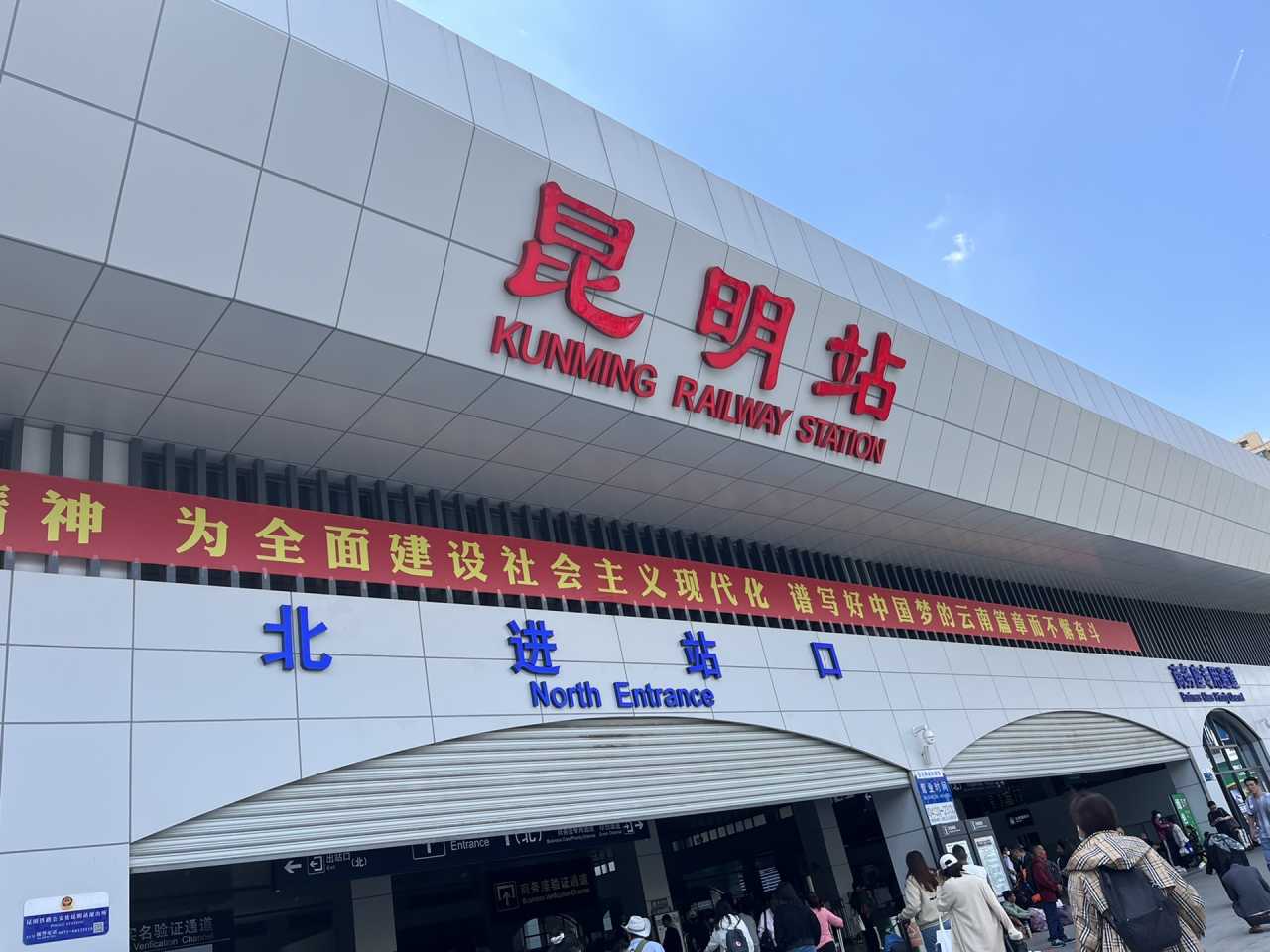
Our journey began with a flight from Zhuhai to Kunming. We arrived at Kunming Airport around noon. Thanks to our China Southern ticket and high-speed rail booking, we redeemed free tickets for the Airport Express—normally 25 RMB per person, instantly saving us 50 RMB. The Airport Express runs every half hour. We had originally booked a 12:53 PM high-speed train ticket, but worried we wouldn't make it, so we changed it to 1:29 PM. As it turned out, the ride from the airport to Kunming Railway Station took just over 40 minutes—we had plenty of time.
Important Reminder: Kunming Railway Station is in Guandu District (the old city), while Kunming South Station is much more remote. If you're heading to Dali or Lijiang, it's strongly recommended to choose a train departing from Kunming Railway Station—it's more time-saving and convenient.
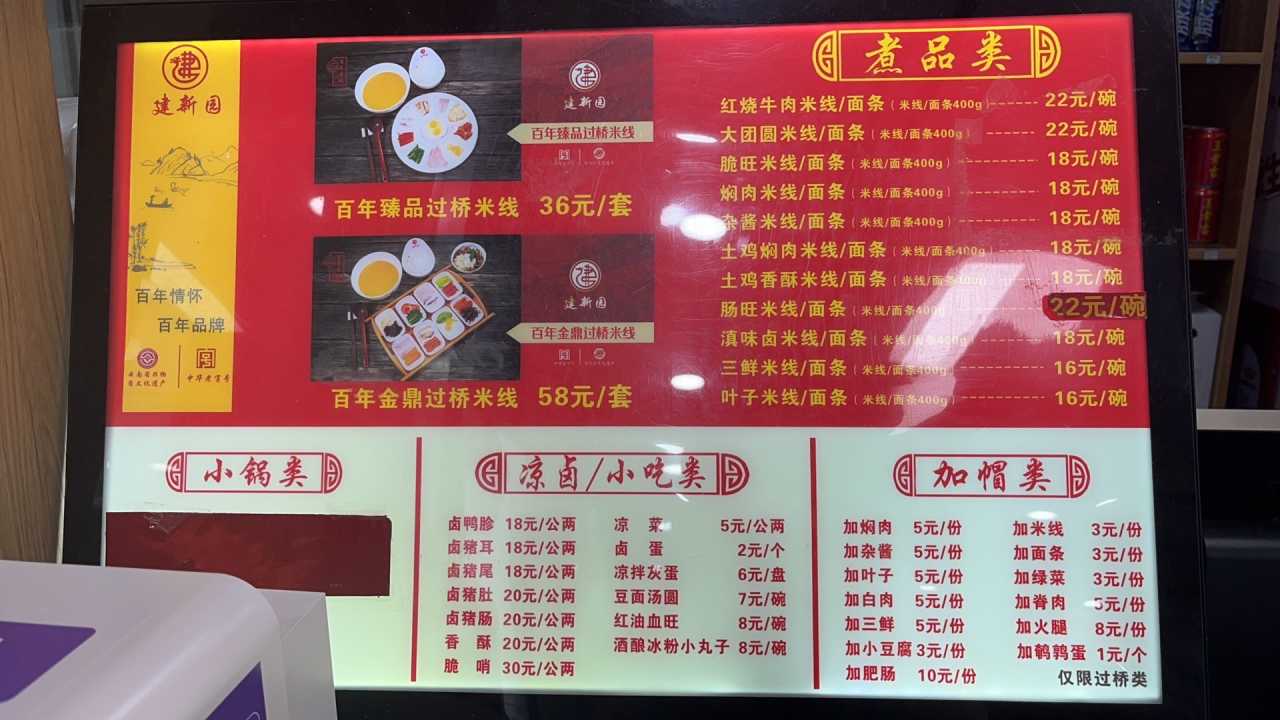
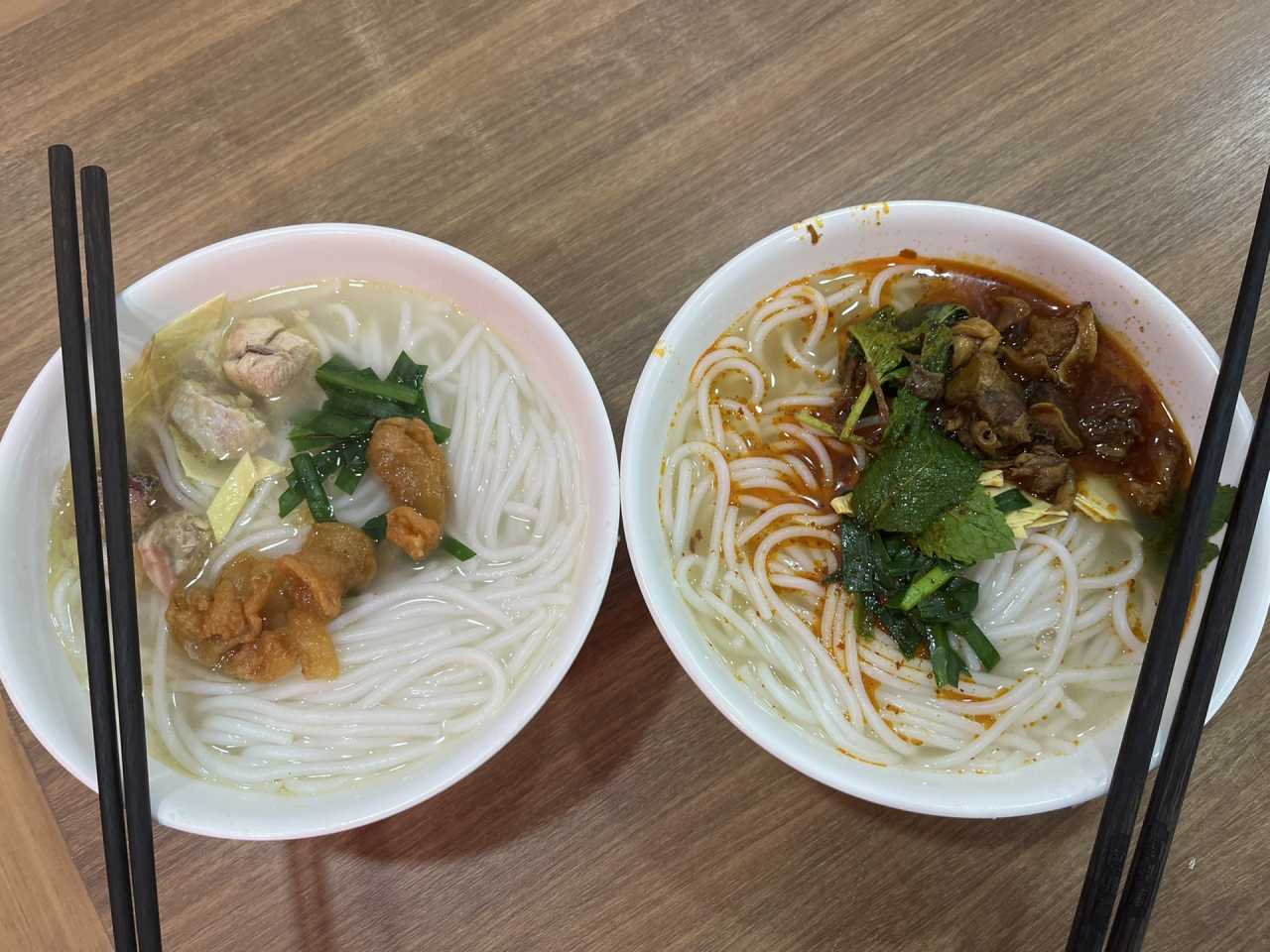
Dining options at Kunming Railway Station are limited. We ordered braised beef rice noodles and chicken crispy rice noodles at Jianxinyuan—the taste was, shall we say, "train station quality." The meat portions were pitifully small, just enough to fill our stomachs.
Accommodation Recommendation: The Artistic Flair of Huachuntang
We arrived at Dali Station at 3:45 PM. There are official shuttle buses to the ancient city outside the exit (5 RMB per person, about 1 hour), but don't fall for the touts shouting "5 RMB per person" on the roadside. We opted for a Didi ride, which took just over 20 minutes to reach the old town.
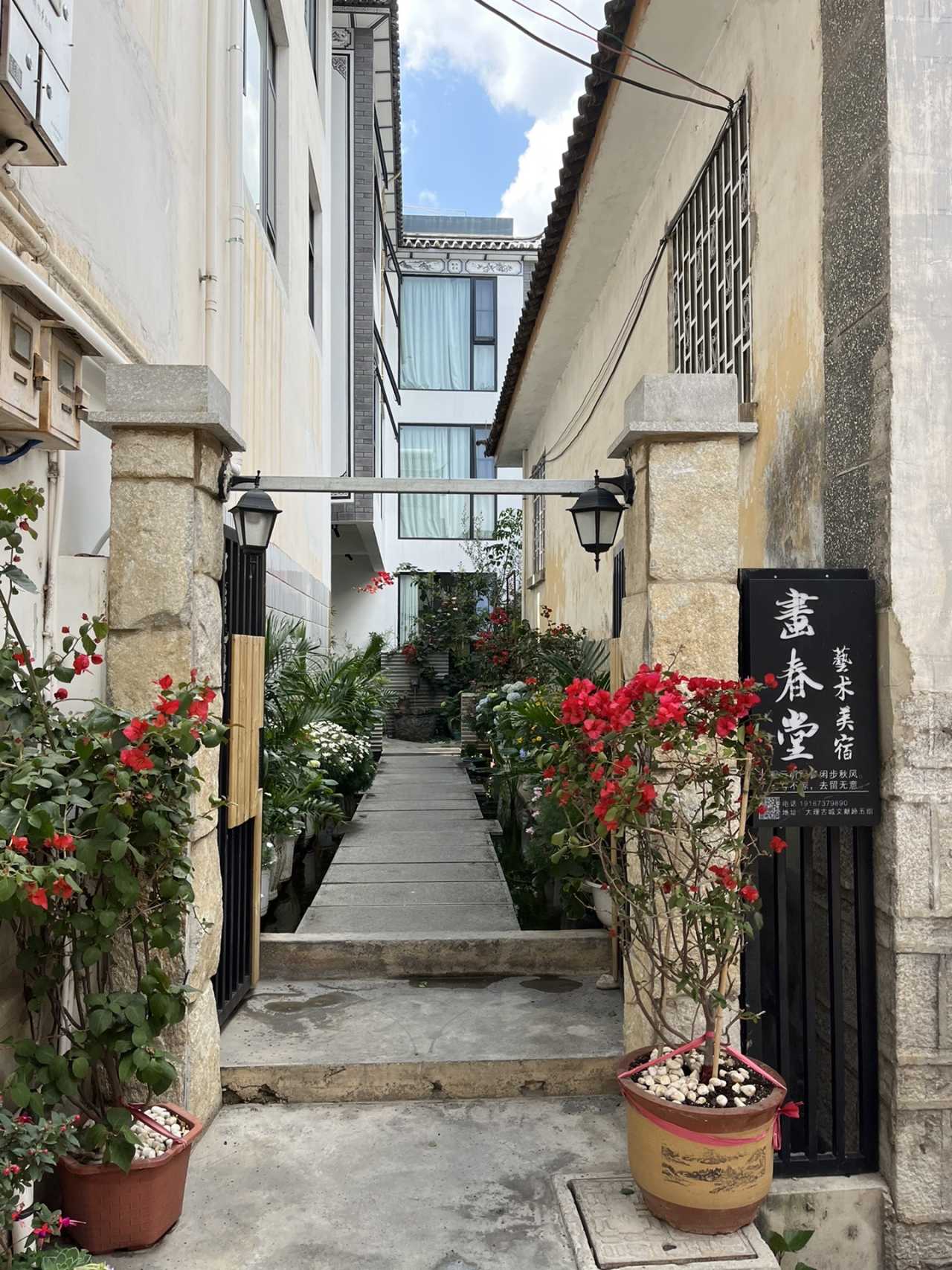
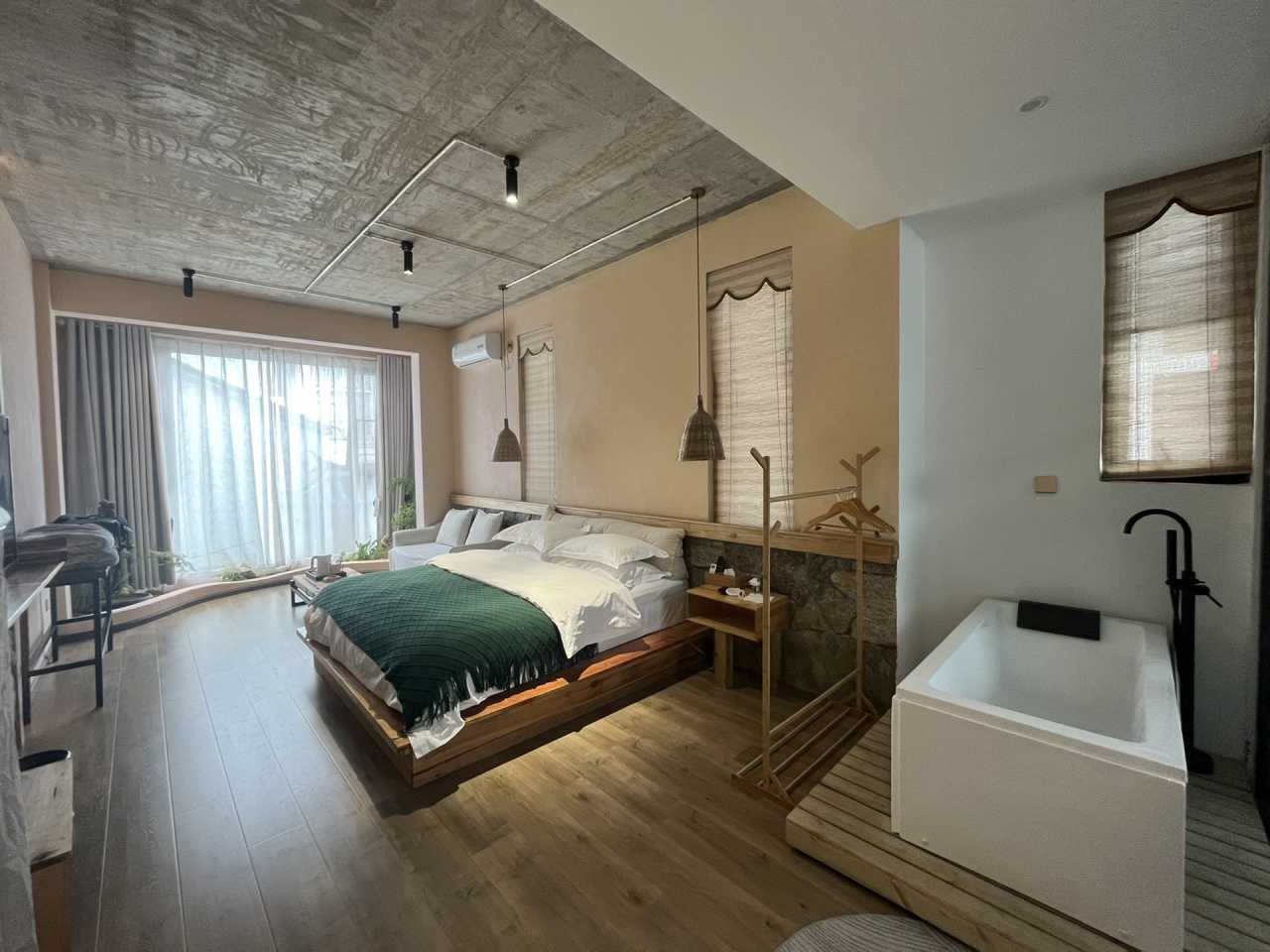
We checked into Dali Huachuntang Art Boutique Hotel. Our "Rain-Listening King Room" was spacious and came with a bathtub. The guesthouse was filled with potted plants and flowers, and oil paintings hung on the walls—the lobby alone was a photo op. Best of all, it was just a 5-minute walk to the south gate of the ancient city.
The Secret of Flower Cakes: "Xi Xi's Garden" – Reservation Only
After a short rest, we went to pick up our pre-ordered flower cakes. This shop, Happymiss Flower Cake Dali Store (now renamed "Xi Xi's Garden"), has an unusual rule: they only sell if you order via WeChat in advance. No walk-in sales. That's how confident they are!
When we arrived, the owner happened to be out for dinner, so we first headed to Chongyi Village to take photos and came back later to collect our order. Taking a bite of the classic rose flower cake—the filling was generous, sweet but not cloying, with flaky, distinct layers of pastry. It was way better than Jiahua. The owner explained they insist on handmade production and refuse to use frozen dough, which is why they were planning to change the shop name. Later, when we saw "frozen dough" written on other shops' products, we truly appreciated the value of this insistence.
Chongyi Village: A Secret Garden by Erhai Lake
Recommendation Rating: ★★★★★
Navigate to the "Yue Man Xi Lou" guesthouse, get out of the car, and walk forward. We arrived close to 7:00 PM, but sunset in Dali doesn't happen until around 7:45 PM. The place was delightfully empty—just a few couples taking wedding photos and the occasional local passing by.
The boardwalk, trees, mudflats, Erhai Lake, and Cangshan Mountain—every element was perfectly in place. The setting sun painted the sky a burnt orange, and the water reflected the light and shadows. Every random shot looked like a masterpiece. After our photo session, we bought some iced rice jelly with rice shrimp and rice cold cake from a small stall at the entrance of Yue Man Xi Lou. Made from rice and topped with rose sauce, it was chewy, refreshing, and the perfect ending to the evening.
Dali Ancient City: Unexpected Surprises on a Commercial Street
Recommendation Rating: ★★★
Around 8:00 PM, we took a taxi back to the ancient city. Entering through the south gate, we were met with a sea of people. Street stalls offered fortune-telling and trinkets—nothing special. But next to Dali No.4 Middle School, we found a treasure at a small stall: Dai-style pounded chicken feet. It contained chicken feet, chicken tendon, mango, and a variety of seasonings—sour, spicy, and incredibly appetizing. Highly recommended.
We also ordered a rose milk tea at "Li Pang Ding"—the rich rose fragrance was stunning. As for those stone-grill barbecue shops, every single one had a long line, but they just looked like ordinary BBQ, so we gave them a pass.
Day 2: Hail on Cangshan, Surprise at Xiabojiao Village
Sanyue Street Market: The Gap Between Expectation and Reality
Recommendation Rating: ★★★
The 9th day of the lunar month is market day at Sanyue Street. We arrived at 8:00 AM sharp. As it turned out, there were a few more stalls than usual, but overall it was pretty unremarkable. The only highlight was a vendor selling small cherries—12 RMB per jin (half a kilo), fresh and juicy. But we couldn't be bothered to wash them, so we passed. For breakfast, we had clay pot rice noodles—chewy and satisfying, with a texture like rice cakes. Not bad.
Cangshan Mountain: A Gamble with the Weather
Recommendation Rating: ★★★★
We had bought round-trip tickets for the Ximatan Cable Car on Mafengwo in advance (early bird price 260 RMB, regular price 310 RMB). Note: when the wind is strong, the cable car can only go halfway—it's entirely a matter of luck.
We arrived a little after 10:00 AM. A scenic area shuttle bus took us to the cable car checkpoint. As the gondola slowly ascended, the scenery became increasingly spectacular. But at the summit, the wind was so strong we could barely stand. We rented down jackets (70 RMB each) and were still shivering from the cold. We wanted to go see Ximatan (Washing Horse Pond), but a headache and the overcast sky made us give up. Fellow passengers in our gondola said the pond had already dried up—staff recommended late May to June as the best time to visit.
To make matters worse, it suddenly started hailing at the summit! We took shelter indoors and bought instant noodles and ham to warm up. Outside, it was a gray, featureless void—cold and miserable. Our original plan was to get off at the Qilongnvchi (Seven Dragon Maiden Pool) station, hike the Jade Belt Road, and then take the Gantong Cable Car down. But with the rain and wind, we had no choice but to ride the cable car all the way back down. On the way down, we heard they had stopped boarding cable cars at the summit—we were "lucky" enough to experience Cangshan's dramatic mood swing.
At the foot of the mountain, it was a completely different story: the rain had stopped, and the sun was shining. We made a quick stop at Tianlong Babu Film City (Recommendation Rating: ★). It was deserted and completely uninteresting.
Xiabojiao Village: A Hidden Gem More Beautiful Than the Internet-Famous S-Bend
Recommendation Rating: ★★★★★
After resting in the afternoon, we took a taxi to Xiabojiao Village. It's part of the same ecological corridor, but there were so few people it was moving. Dead trees in the water, the S-curve, the reflection of Cangshan Mountain... The saturation under the sunlight was so perfect it didn't need any filters. The only downside was the intense sun! That evening, we noticed our cheeks were sunburned and regretted not applying sunscreen.
From a drone's perspective, the curve of the S-bend was perfectly framed. So why bother squeezing in with the crowds at the网红 S-Bend? This is the true "photo-worthy paradise."
Hongli Private Kitchen: A Culinary Surprise Down a Back Alley
Recommendation Rating: ★★★★
For dinner, we chose the non-网红 restaurant Hongli Private Kitchen, tucked away in a small alley and only findable by navigation. We ordered Happy Tofu (crispy on the outside, tender on the inside, with a unique sauce), Dongba Roasted Pork (crispy skin, refreshing mint to cut the richness), Stir-fried Chicken with Erkuai (rice cakes with a texture like sticky rice cakes), and Sesame Leaf Tofu Soup (light and mild, perfect for a Cantonese palate). Every dish was amazing. Highly recommended.
Day 3: Sunrise, Rainbows, and Cycling
Sansheng Island: Romance and Cold at Sunrise
Recommendation Rating: ★★★★
Sunrise in Dali is around 6:45 AM. We chose the relatively less crowded Sansheng Island. We navigated to "Xindi Coffee," a café right on the ecological corridor where you can watch the sunrise from inside. But the famous window photo spot was already packed—girls' enthusiasm for taking photos is truly formidable.
We opted to wait by the lake. The sunrise wasn't spectacular, but there were morning clouds and rays of light breaking through the clouds, so it wasn't a total loss. The wind was strong enough to blow you away. Watching the girls in their strappy tops posing for photos, I silently pulled my jacket tighter.
Switching Accommodation to Xizhou: The Rural Life at Huazhu Jiyisi
Recommendation Rating: ★★★★★
After breakfast, we took a taxi to Xizhou Ancient Town and checked into Huazhu Jiyisi Rural Art Hotel. The scenic king room was spacious and comfortable, and they even gave us complimentary fruit and yogurt. For lunch, we ordered delivery—Cold Chicken Rice Noodles were refreshing and delicious, with a unique sweet-and-sour vinegar sauce; the Stinky Tofu Clay Pot Rice Noodles were just okay and a bit spicy.
Panxi Village's Internet-Famous S-Bend: Worth It for the Rainbow
Recommendation Rating: ★★★
In the afternoon, we went to "check in" at the网红 S-Bend in Panxi Village. It was absolutely packed with people—no way to take a decent photo. We ordered two lattes at the "Erduo" café and sat down to rest. Suddenly, it started pouring rain, and the shop filled with people seeking shelter (note: you have to buy something to sit here).
The rain lasted for an hour, and then a miracle happened—a rainbow! I rushed out excitedly to take photos. Because it was raining, I actually managed to get shots with no people in them! The rainbow only lasted a few minutes, but it was enough to capture the most beautiful moment. Even luckier, after the sky cleared, the rainbow appeared again, though not as vivid as the first time. But we were already more than satisfied.
Cycling the Ecological Corridor: The Real Scenery Is on the Road

Recommendation Rating: ★★★★
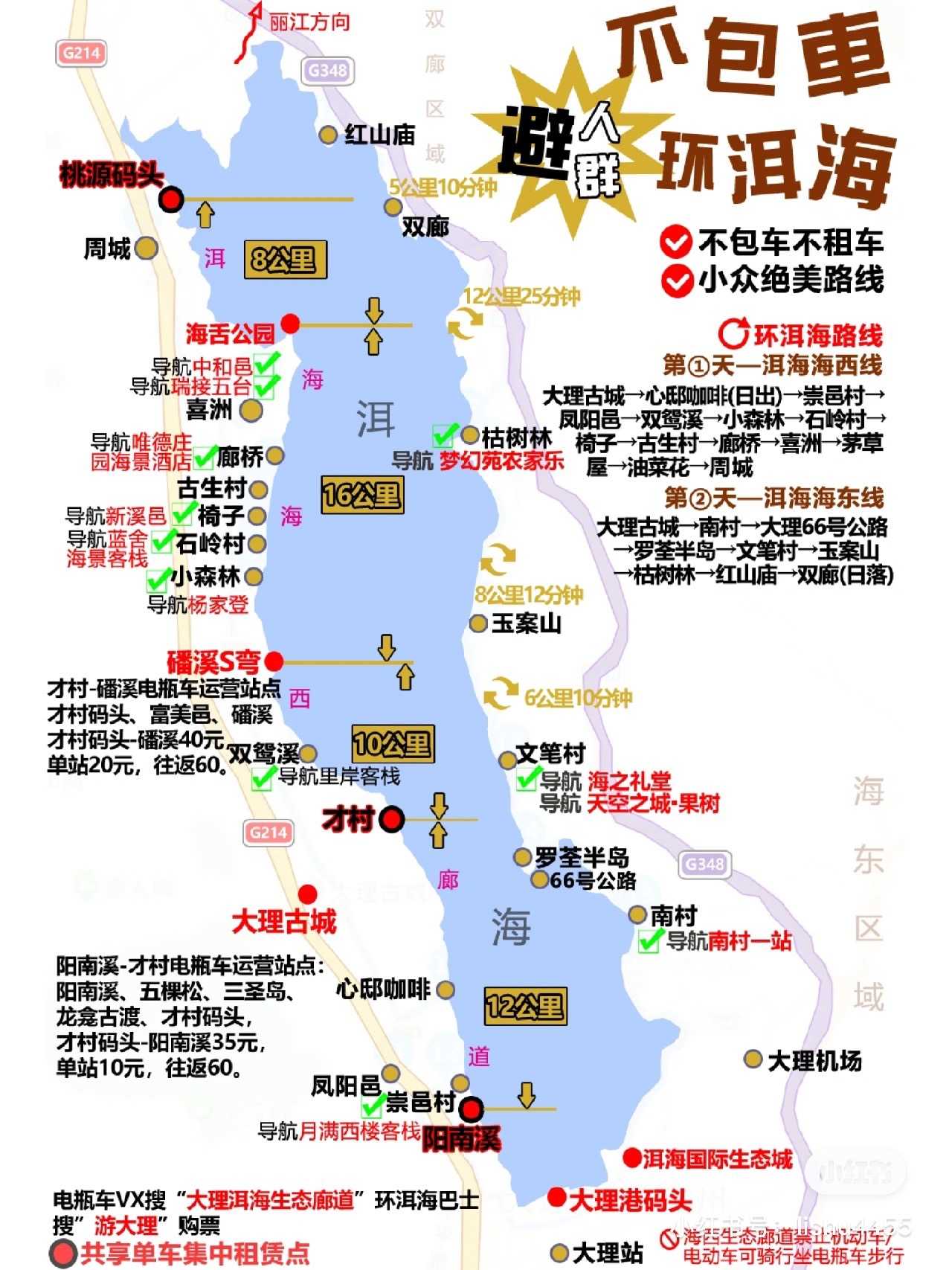
After the rain stopped, we found shared bikes at the café entrance (a customized Hellobike version: prepay 30 RMB, charged by time). Compared to private bike rentals (20 RMB per bike, and you have to return them to the same spot), shared bikes are much more cost-effective and convenient.
Cycling along the ecological corridor was breathtaking. Few people, few cars—stop whenever you want, take photos whenever you want. We rode for about an hour and reached Langqiao (Bridge Corridor) . It's essentially just a few arches, but there was a girl posing in front of each one. My boyfriend couldn't understand the appeal. I took a few symbolic shots, just to say "I was here."
Fuchun Restaurant: The Right Way to Experience Bai Ethnic Cuisine
Recommendation Rating: ★★★★
We had dinner at Fuchun Restaurant in Xizhou Ancient Town. We ordered Water-Spinach Stir-fried with Taro (a Yunnan specialty, soft and sticky texture), Pomegranate Flower Stir-fried with Pork (tastes like bamboo shoots), Milk Fan Soup (like fermented rice wine, slightly sweet), and Fried Milk Fan (wrapped with rose sauce, sweet but not greasy). We also ordered a Rose Latte from Fuchun Coffee—the rose fragrance was strong, and it paired perfectly with dinner.
Day 4: Wheat Fields, Yellow Walls, and the Sunset at Shuanglang
Xizhou Wheat Fields: The Choice Between Gold and Green
Recommendation Rating: ★★★★
The guesthouse owner told us they offer free breakfast during the May Day holiday—rice noodles, eggs, corn, and fruit. The rice noodles had plenty of meat and were delicious. After breakfast, we walked to Lanxu Tie-Dye Studio. From the second floor, we had a perfect view of the wheat fields, and no one was fighting for the photo spot! If you want to try tie-dyeing yourself, you need to set aside about 2 hours.
The wheat fields are huge—you can easily find a corner with no one around. But our timing was off; the wheat had already turned golden, not the green we had hoped for. From a drone's perspective, the golden waves of wheat against the blue sky and white clouds were still a different kind of beauty.
Xilin Courtyard: The Internet-Famous Code of a Yellow Wall
Recommendation Rating: ★★★
The yellow wall at Xilin Courtyard is an iconic photo spot, but it was way too crowded, and the wheat field below had been trampled into a mess. I don't understand why everyone insists on crowding into this one spot—the wheat field is huge, and you can easily find a quiet corner just by walking a little further. My boyfriend took a touristy shot of me, and we called it done.
Shuanglang: Memories of a Corner of Light and Food
Recommendation Rating: ★★★★
In the afternoon, we took a taxi to Shuanglang Ancient Town. Traffic was a bit heavy due to the holiday. We checked into Shuanglang Hecheng Qiyuan Art Mansion (deluxe king room, 768 RMB per night—average value for money). The room was big but had no windows; it was by the lake but poorly ventilated.
For dinner, we went to Shuanglang Corner of Light & Food Garden Restaurant, which we had eaten at back in 2019. We ordered Bai-style Five-Color Chicken Shreds Cold Rice Noodles (the sauce is the soul of the dish), Steam Pot Chicken (the broth was sweet and savory, perfect for a Cantonese stomach), Homemade Rose Sauce Yogurt, and Minced Pork Iron-Plate Stuffed Tofu (the tofu was silky and tender). The taste was still as good as we remembered.
In the evening, we went for a walk and encountered "cotton candy clouds" and a stunning sunset. We bought some sparklers and took a few dreamy photos against the twilight sky. We also bought some small cherries and blueberries from a street stall—10 RMB for 2 boxes. Most of them were rotten. Lesson learned: you get what you pay for.
Day 5: The Water Forest and Wild Mushroom Hotpot
Tofu Pudding Rice Noodles: Shuanglang's Breakfast Code
Recommendation Rating: ★★★★★
In the morning, we found a Tofu Pudding Rice Noodles shop in Shuanglang Ancient Town. Generous portions, delicious flavor—the silky smoothness of the tofu pudding paired perfectly with the chewy rice noodles. The clay pot rice noodles were also good, but the portion was a bit small. We also bought some grilled rose milk fan and grilled potatoes—the taste was amazing.
Wase Post Station: The Secret of the Water Forest
Recommendation Rating: ★★★★★
We rented an electric scooter from our guesthouse (200 RMB/day + 120 RMB charging fee, 2000 RMB deposit). We navigated to "Wase Post Station." There's a dirt road next to it leading in. Very few people. Trees growing right out of the water—it's called the "Water Forest." Cangshan Mountain was clearly visible, Erhai Lake was shimmering, and rays of light broke through the clouds onto the water's surface. It was as beautiful as an oil painting. Some people were having a picnic, and there were 2 or 3 couples taking wedding photos.
Wild Mushroom Hotpot: A Dinner of Mountains and Seas
Recommendation Rating: ★★★★
For dinner, we went to Haiwan Wild Mushroom Soup Pot in Wenbi Village. We ordered the wild mushroom hotpot set meal. The broth was rich and flavorful, and the mushrooms were plentiful. We also ordered two bottles of Yunnan tamarind juice—sour and unique. After eating, we strolled along the lakeside and saw a sign that read "Mountains and Seas: Dali's Best Place for a Confession of Love." The romantic vibes were off the charts.
Day 6: A Morning in Wenbi Village and a Farewell at Lixiangbang
Wenbi Village: The Japanese-Style Filter of "Little Kamakura"
Recommendation Rating: ★★★
We got up just after 7:00 AM to check in at Wenbi Village, but the weather was bad—no sunlight. It was true that there were few people, but the "Japanese-style Little Kamakura" look you see on Xiaohongshu requires sunlight and a telephoto lens to capture properly. We were traveling light and hadn't brought a telephoto lens, so we just took a few random shots.
Lixiangbang: The "Buyer's Photo" of Santorini
Recommendation Rating: ★★★
Our last stop was Lixiangbang, which bills itself as "Santorini." It's actually a hotel, and many of the photo spots are only accessible to guests. It was crowded, climbing the stairs was tiring, and every photo was full of people. My boyfriend said some angles could produce good shots, but we were short on time, so we had to make a quick farewell.
The Final Dinner: The Perfect Ending with Copper Pot Beef
Recommendation Rating: ★★★★
For lunch, we went to Authentic Baoshan Copper Pot Beef. The beef in the copper pot hotpot was tender and juicy, and the side dishes were plentiful. It was the perfect圆满句号 for our Dali trip.
In Conclusion: The Right Way to Open Dali
On this Dali trip, we avoided the crowds but gained so many more surprises. If you also want to experience a different side of Dali, remember these key points:
- Prioritize Hidden Gems: Chongyi Village, Xiabojiao Village, Wase Post Station—fewer people, more beautiful scenery, and better photos than the网红 spots.
- Book in Advance: Flower cakes, cable car tickets, popular restaurants—preparing ahead saves time and money.
- Use Shared Bikes: Cycling the ecological corridor is more cost-effective and gives you more freedom than renting private bikes.
- Weather Is Unpredictable: It might hail on Cangshan, and you might get sunburned by Erhai Lake. Be prepared for both.
- Explore the Food: Don't just focus on网红 restaurants. The real treasures are hidden in alleys, like Hongli Private Kitchen and the Tofu Pudding Rice Noodles shop.
The beauty of Dali isn't in the crowded ancient city; it's in those corners you discover by chance. I hope this guide helps you find your own Dali story.
You should also read:
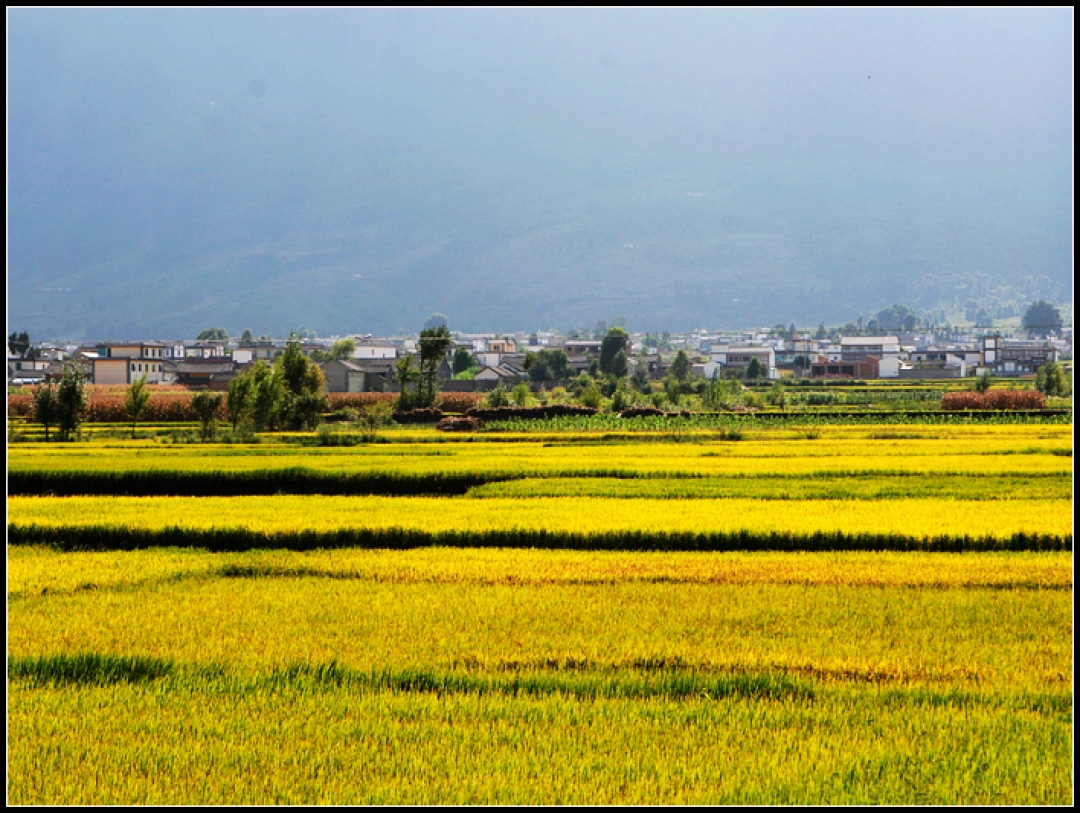
A 9-Day Yunnan Journey: From Lijiang to Dali to Tengchong – A Trip Toward Self-Reconciliation
A 9-Day Yunnan Journey: From Lijiang to Dali to Tengchong – A Trip Toward Self-Reconciliation Some say travel is simply going from a place you're tired of to a place other people are tired of. It stings to hear, but it's painfully true. Yet there's…
Continue reading...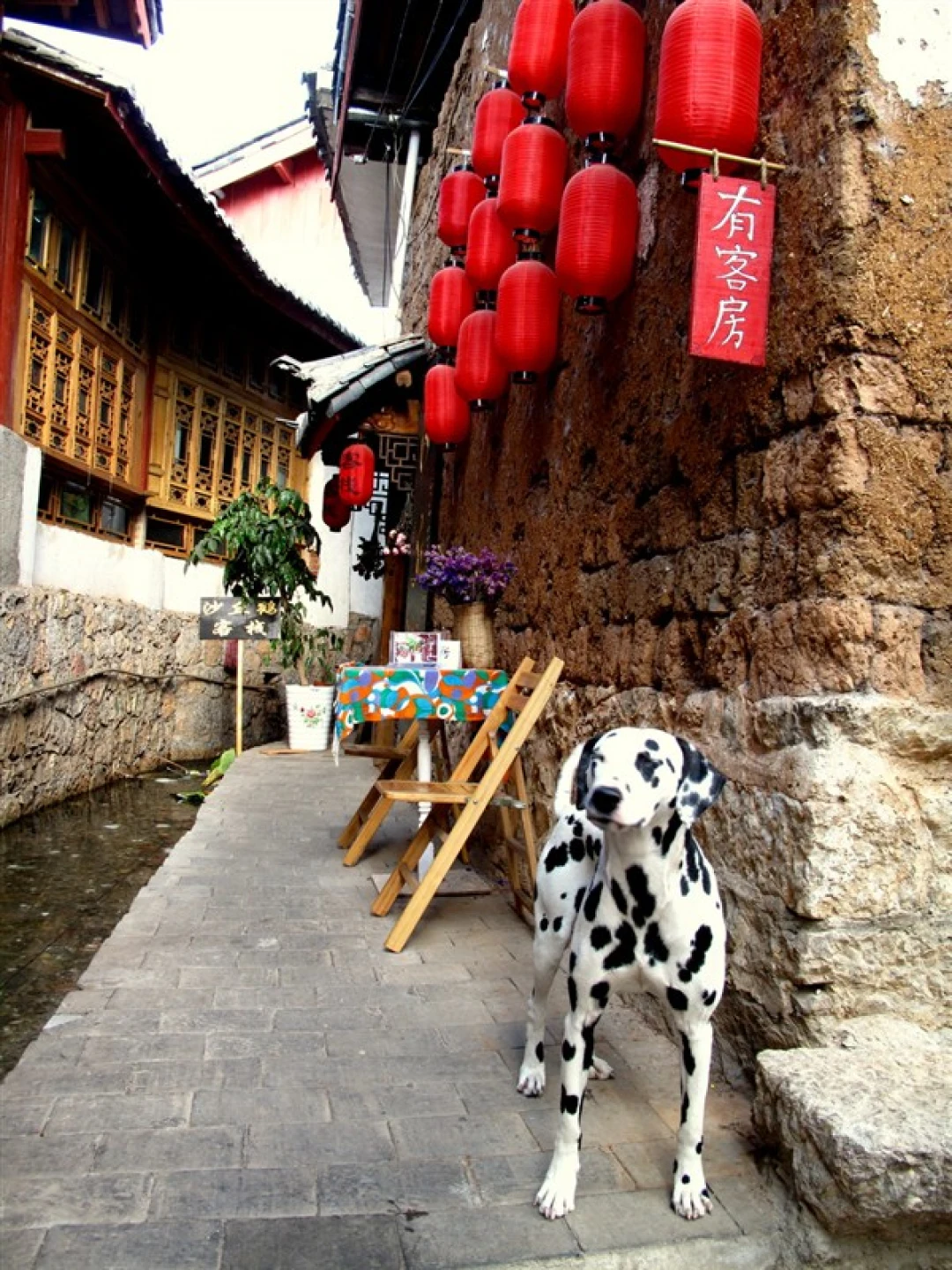
Yunnan Travel Mastery: From Beginner to Pro-Level Player – A Complete Guide
Yunnan Travel Mastery: From Beginner to Pro-Level Player – A Complete Guide "Either travel or read, but your body and soul must be on the road." This quote has been repeated countless times, but very few people truly manage to be "on the road" and…
Continue reading...
Escaping Nanning, Falling Under Lijiang's Spell: Our Four-Person, Ten-Day Yunnan Dream
Escaping Nanning, Falling Under Lijiang's Spell: Our Four-Person, Ten-Day Yunnan Dream Before We Set Off: No Pain, No Obsession Have you ever had that impulse—suddenly tired of the office fluorescent lights, the crush of the subway, the endless parade of identical takeout boxes, and just…
Continue reading...