The Ultimate Tengchong Guide: Skip the Tourist Traps, Complete Off-the-Beaten-Path Guide (Updated December 2023)
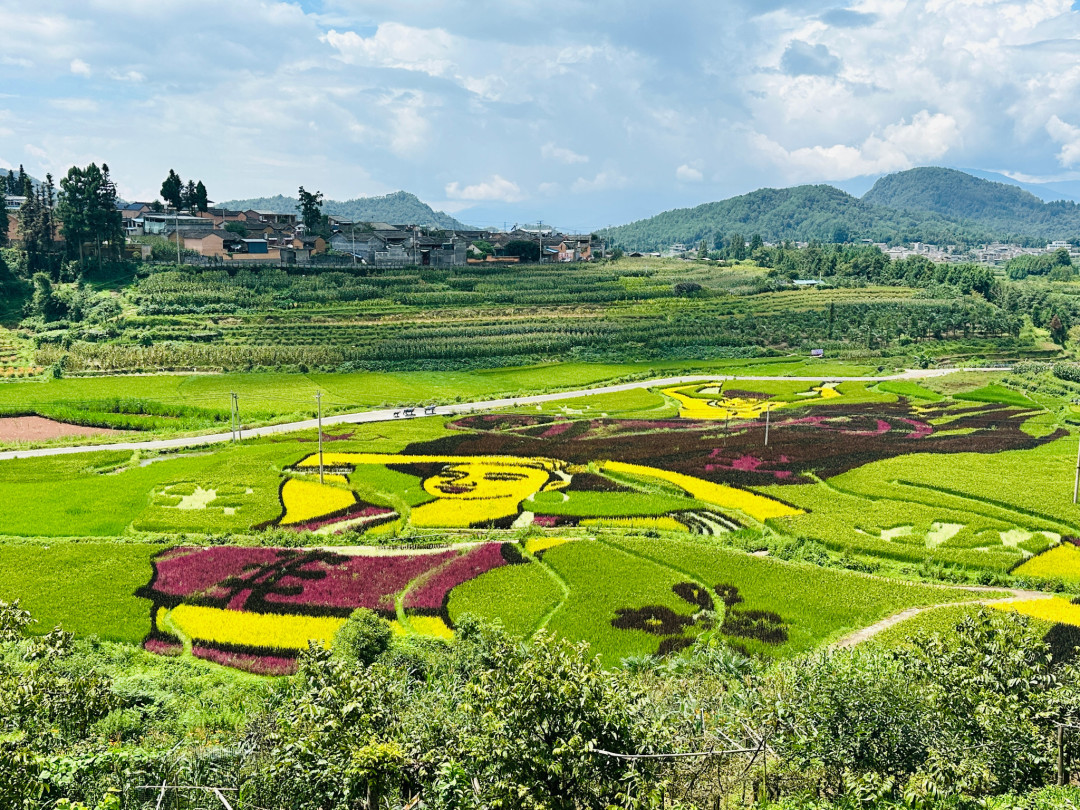
The Ultimate Tengchong Guide: Skip the Tourist Traps, Complete Off-the-Beaten-Path Guide (Updated December 2023)
If you're tired of cookie-cutter travel guides and long for a corner of Yunnan that's truly peaceful and wild, Tengchong is worth spending ten or more days exploring at a leisurely pace. There's no over-commercialized hustle here—only year-round spring-like weather, dense primeval forests, steaming hot springs, and stories and flavors hidden in quiet alleyways.
In August 2023, I set off alone on this journey, spending 13 days covering every nook and cranny of Tengchong. This guide doesn't follow internet trends—it's all about real experiences. I hope it helps you avoid the crowds and discover your own hidden gems.
1. Getting to Know Tengchong: Why Is It Worth Your Time?
1.1 Climate: Nature's Air Conditioner, Perfect Year-Round
Tengchong's average annual temperature hovers around 15°C (59°F). Summer highs rarely exceed 28°C (82°F), and winter lows stay above 5°C (41°F). At 1,500–1,600 meters above sea level, it falls within the world's recognized "longevity altitude" range. Even more impressive: the forest coverage rate reaches 71%, negative oxygen ion concentrations hit 38,000 per cubic centimeter, and PM2.5 levels are consistently below 10—a true "natural oxygen bar."
Each season offers a completely different landscape: - February–March: Rapeseed flower blankets across the fields - April–June: Various flowers bloom in succession—the golden travel season - July–September: Rainy season arrives; besides escaping the heat, you can taste the freshest wild mushrooms - November–December: Ginkgo leaves turn yellow, painting the city gold
I happened to visit during the rainy season, but don't worry—the rain here rarely lasts all day. It usually falls in bursts, alternating between clouds and sunshine. Weather forecasts are mostly unreliable, so don't rely on them too much. Just go with the flow.
1.2 Kingdom of Plants: Green Treasures Beneath the Gaoligong Mountains
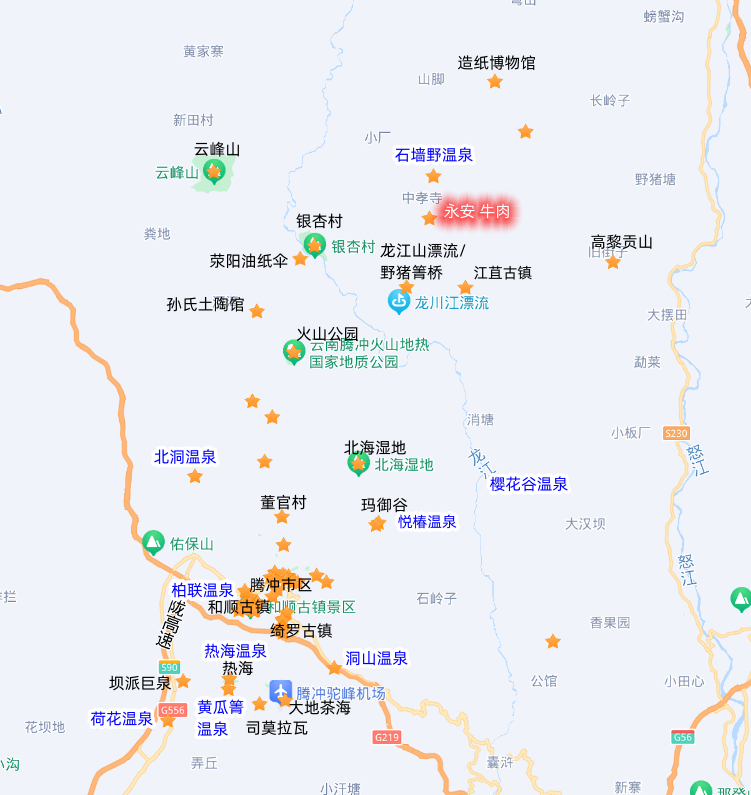
Because it's nestled right next to the Gaoligong Mountains, Tengchong boasts an overwhelming variety of plant life. I've kept quite a few plants back in Beijing, but here, I couldn't name half of what I saw. Everywhere you look, there's an explosion of green—not the dusty, dirty kind, but a vivid, life-filled emerald.
In local markets, medicinal herbs, wild vegetables, mushrooms, and fresh flowers are brought straight down from the mountains and sold by the roadside. Like in Kunming, Tengchong locals eat flowers—cooking with various blossoms is part of everyday life. Mushrooms are even more special: picked from the mountains and hawked right on the street, you get the freshest first-hand produce. Additionally, "Tengchong medicine" has a long history, and locals are skilled at incorporating medicinal herbs into their cooking—the medicinal cuisine culture runs deep here.
1.3 Diverse Activities: More Than Just Ancient Towns and Hot Springs
What surprised me most about Tengchong is its diversity. If you love the wild, you can hike in the Gaoligong Mountains or forage for mushrooms during the rainy season. Culture enthusiasts can slowly explore Heshun Ancient Town and Qiluo Ancient Town. Military history buffs can dive deep into the history of the Burma Road campaign during World War II. Geology lovers can explore 99 volcanoes and 88 natural hot springs. There's even an alpine meadow where you can run free. Leisure activities are abundant: tea picking, shadow puppetry, papermaking, pottery—each one can immerse you completely.
2. Transportation Guide: How to Get There and Get Around
How to Reach Tengchong
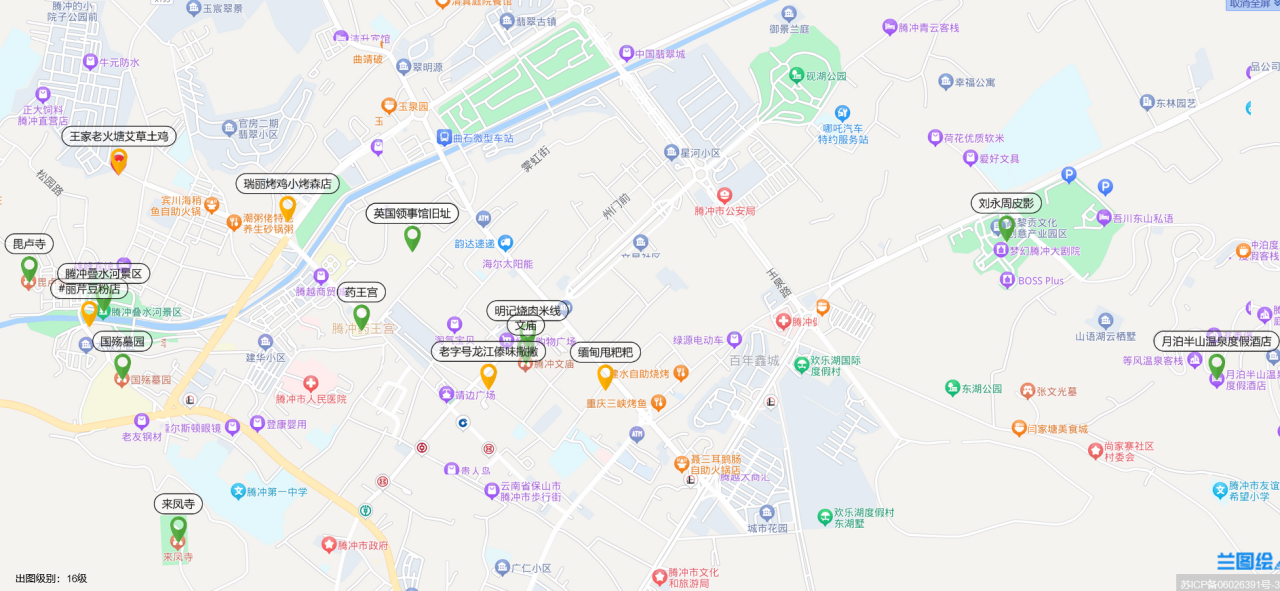
Currently, there are no direct flights from Beijing to Tengchong (hopefully they'll resume), but you have these options:
- Fly to Baoshan or Mangshi: Then it's a 1–2 hour drive to Tengchong. For groups, you can hire a private car. For solo travelers, use ride-sharing mini-programs:
- "Baoshan Travel" or "Baoshan Transport Group": Covers routes from Baoshan
- "Dian Yue Travel": Covers both Baoshan and Mangshi
Vehicle options include sedans and buses; sedans generally offer door-to-door service
Take the train from Kunming to Tengchong: Or fly directly from Kunming when the weather is good
Getting Around the City
Tengchong's attractions are spread far apart, and some remote spots aren't reachable by public transport. If your budget allows, self-driving or hiring a private car is the most convenient option. I compared costs—self-driving (rental + insurance + gas) can sometimes be more expensive than hiring a car, so I chose the latter for some routes.
You can find private car services on Taobao, but be sure to negotiate all details in advance: how many places you're visiting, whether overtime costs extra and how much, and whether personal accident insurance is included. Usually, you don't need to cover the driver's meals or gas, but you'll pay for your own entrance tickets.
3. In-Depth City Tour: One Day Isn't Enough—At Least Two
The city's attractions are relatively concentrated, but trying to cover them in one day will leave you rushed. I recommend setting aside 2–3 full days, using meals as time markers and weaving nearby sights in between.
Suggested Rhythm: - Morning: Browse the local morning market, grab breakfast at Liqin Rice Noodle Shop - Lunch: Mingji Roast Pork Rice Noodles, Deng's Thin Sliced Pork Head, Old-Signature Longjiang Dai-Style Lemon Dip Noodles - Dinner: Wang's Old Firepit Mugwort Chicken, Yuebo Banshan Hot Spring Hotel for sunset views, Shiguang Kitchen's Clay Pot Stew, Baoshan Jinji Copper Pot Beef - Late Night Snacks: Ruili Grilled Chicken at Xiaokao Sen, Yaowang Palace Medicinal Cuisine - Snacks: Indian-style flatbread
3.1 Must-Visit City Attractions
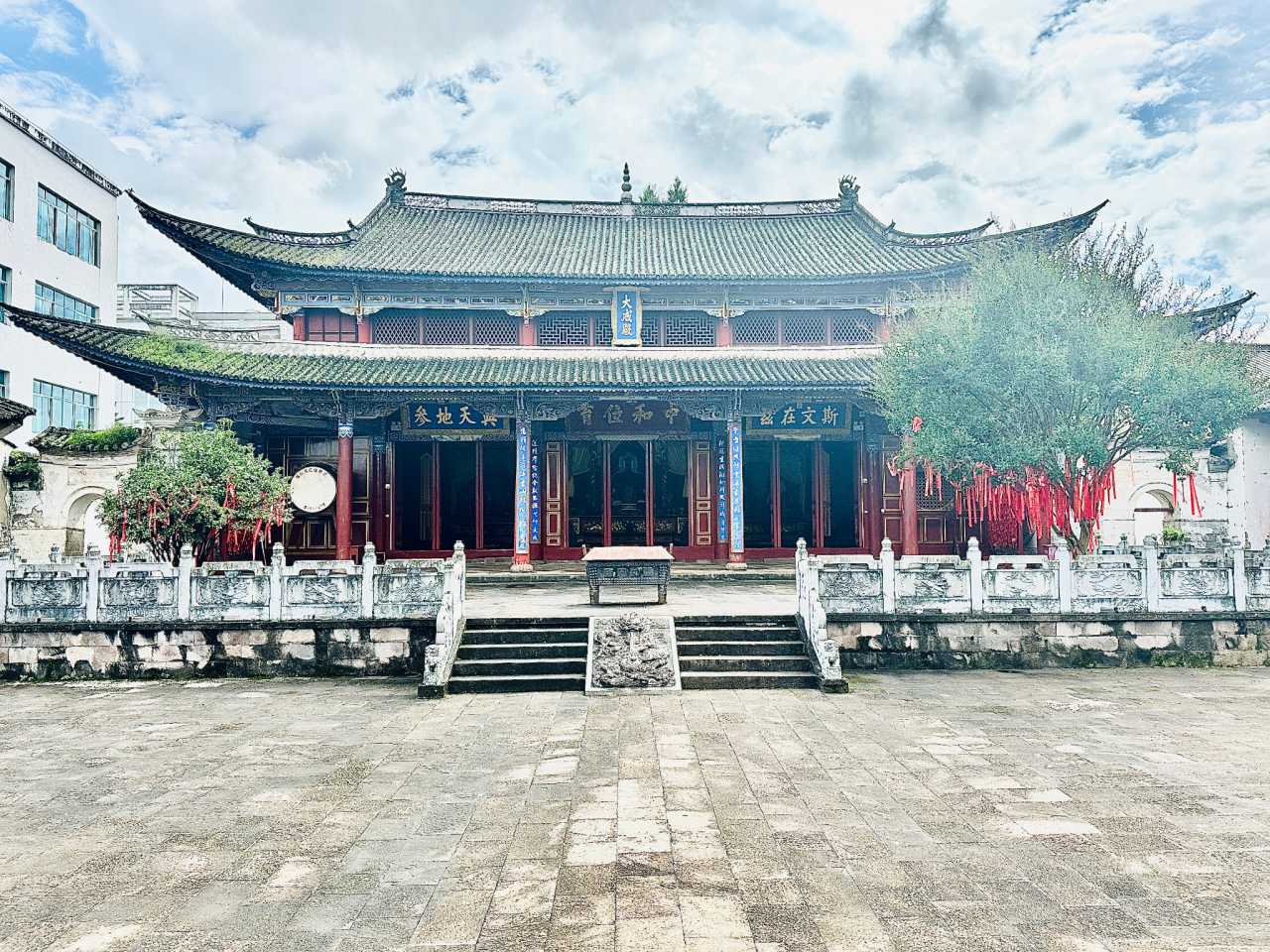
🌟 Confucian Temple
Note: Closed on Mondays—many apps don't mention this. However, the staff here are incredibly kind. When they heard I'd made two trips on a Monday, they still let me in for a quick look—this is where Tengchong people's warmth and patience really shine.
Compared to the grand Confucian temples found across China, Tengchong's version isn't particularly imposing. But here, you can learn a lot about Confucian sages: the Supreme Sage, the Second Sage, the Ritual Sage... Unfortunately, Xunzi hasn't been enshrined here yet.
🌟 Yaowang Palace (Medicine King Palace)
Viewed from above, the palace is shaped like a gourd. It's small in size, featuring a half-moon-shaped pond and a pavilion, surrounded by buildings on all sides. The pavilion is called "Pavilion of Reflection," originally named "Pavilion of Repentance." Legend has it that a medicine merchant once altered prescriptions for profit and was punished by having this pavilion built as a warning. A couplet on the pavilion reads: "Better to gain three-tenths profit from superior medicine than to betray a good doctor's nine-fold effort." Every year on the Medicine King's birthday (the 28th day of the fourth lunar month, Sun Simiao's birthday), new Tengchong medicine practitioners take an oath here, vowing to follow ancient methods and practice medicine with integrity.
Yaowang Palace Medicinal Cuisine Restaurant: I ordered a few dishes to take home. The overall taste was average—the medicinal benefits probably outweigh the flavor. Recommended dishes: Walnut and Eucommia Beef Tenderloin, Dendrobium Three-Fresh Steamed Dumplings, Shennong Snow Bud (a type of rice), Eucommia and Liver Tips.
Medicine Shop: I heard you can get your pulse taken here. People in the pavilion were discussing how accurate it was. I didn't go—I was afraid they'd find something wrong with me.
A few fun details: 1. Looking down from outside the palace entrance, you can see a massive banyan tree 2. At the hall entrance, there are wooden baskets shaped like food containers, divided into two sections—one with black blocks, the other with coarse powder that smells medicinal 3. The Medicine King Hall lets you get to know over a dozen ancient doctors at once. Most interesting is a bird-headed figure of the Thunder God in the corner—apparently, even the Thunder God knows medicine 4. On a corner wall, there's a hand-painted deity labeled "Wuling Holy Image," but I couldn't find anything online about who "Wuling" is
🌟 National Memorial Cemetery of the Burma Road
Note: Closes early—last entry at 4:30 PM.
I thought it would just be a cemetery with many tombstones, but it's actually a large memorial hall spread across two floors with multiple exhibition rooms. I ran out of time and couldn't finish before closing. I realized how little I knew about this war history—truly shameful. I plan to go back and study more, watching documentaries and reading books before returning.
The exhibits are rich, featuring not only various firearms but also military supplies from China, Japan, the United States, and other countries. I've been watching "A Century of Firearms" recently, and I've learned that seeing the real thing is essential—books alone won't help you recognize them in person. Japanese Type 38 rifles, Hanyang-made rifles, German Mauser 98ks, Soviet Mosin-Nagants, Thompson submachine guns, Sten submachine guns, British Bren light machine guns... it was overwhelming.
Finally, remember the name "Zhina" (a derogatory term for China)—I hope we're never called that again. I saw a tourist happily taking a photo in front of an old military vehicle, but I couldn't bring myself to smile.
🌟 Dieshuihe Waterfall
An unexpectedly delightful surprise! I thought it would be a small park with a few low waterfalls, but I never imagined the city center could hide such a spectacular waterfall and dense forest.
Closing time is late—7:00 PM during daylight saving time—so it's perfect for the end of your day. The entrance fee is only 8 yuan—an incredible bargain.
Some online reviews say you can finish in 10 minutes by walking fast—that's pure nonsense. Most people turn back after seeing the waterfall, but you can actually venture deeper into the forest, following a small stream to experience a natural oxygen bar in the heart of the city. At the entrance, you'll see the Xianle Temple, with a couplet on its pillars that I couldn't read—give it a try yourself.
A few steps in, you'll see the waterfall. The water flow is thick and powerful—it actually made me a bit nervous. If you fell into that deep pool... well, that would be quite an adventure. The map indicates a path to Pilu Temple, but it's not accessible from the Dieshuihe area.
Further ahead, there's a sluice gate. Past it, a three-way fork appears: one path leads up to a spooky little wooden cabin, another goes down into the dense forest. The path was slippery with no railings, and I didn't dare go too deep alone, so I turned back.
🌟 Pilu Temple
A very小众 (off-the-beaten-path) temple, but I absolutely loved it. There's a feeling of "ancient temple hidden in the bustle"—walking in naturally puts you in a serene, ethereal state.
From Dieshuihe, turn left and climb a few steep slopes to reach it. Built during the Wanli era of the Ming Dynasty and later renovated, the architecture features blackened stone blocks covered in moss, giving it an ancient, weathered look—like a wild temple from Angkor Wat. The two little stone lions at the entrance have amusing expressions, looking somewhat pained, unlike the majestic lions at most temples—maybe they got spanked for being too mischievous.
As the sun set, a kind-faced Buddhist nun was sweeping the grounds. She looked up, gave me a shy smile, and said nothing.
Don't leave yet. Follow the left-hand driveway upward, and you'll find a small wooden cabin with a sign reading "This building is the Wanggong Shrine, built with funds raised by his students. Please take care of it." Further up, stone steps lead to a pagoda for monks, inscribed with "Complete Nirvana of Great Precepts, Monks and Nuns, Common Bone Stupa." Ordinary tourists rarely come here. Stumbling upon this pagoda feels like discovering a little secret hidden in the currents of history.
🌟 Tengchong City Museum
Tips: Closed on Mondays. Bring your ID card.
The exhibition is on two floors: the first covers Tengchong's history from the Neolithic era to the Reform and Opening-up period, while the second showcases local folk customs, calligraphy, and painting. I recommend making this your first stop in Tengchong to get a macro-level understanding of the city. The museum isn't large—allow 2–3 hours for a thorough visit, or 30 minutes if you're in a hurry.
3.2 City Food Recommendations
🌟 Mingji Roast Pork Rice Noodles and Rice Rolls (Central Primary School Branch)
Close to the Confucian Temple—highly recommended! Genuinely delicious! The girl at the table next to me kept telling her boyfriend, "So good! So, so good!"
The owner was incredibly kind. I wanted to order two bowls to try everything, but he said one person couldn't finish without wasting food and insisted I buy just one bowl. He even combined three types (rice rolls, rice noodles, and pea jelly) so I could sample them all. My favorite was the rice noodles, followed by the rice rolls, then the pea jelly. The rice rolls came with crispy pork skin and meat, all freshly chopped. The owner's sauce was amazing! Note: the roast pork rice rolls are served cold, similar to cold noodles.
🌟 Deng's Thin Sliced Pork Head
Right next to Mingji. This is a Baoshan specialty—pig head meat sliced paper-thin, served with various thin rice noodles and drizzled with sauce. The texture is great, and it's also a cold dish. Grab a cup of Paoluda (coconut milk drink with tapioca and bread) from across the street to go with it—pure comfort.
🌟 Old-Signature Longjiang Dai-Style Restaurant
Close to the Dai ethnic area, this is a good choice if you're tired of local flavors. Note: there's a similar-looking restaurant across the street, but it doesn't have "Old-Signature" in its name—don't go to the wrong one.
The owner is incredibly nice, always smiling like a big sister. I left my jacket behind after eating, and she mailed it back to me. This time, I only tried the lemon dip noodles. The dip is made from cow stomach juices—the original version is a bit bitter. The lemon version was very clean, served with beef liver, dried beef, vegetables, and rice noodles. It was refreshing, slightly sour, and light. Next time, I'll try the hand-grabbed rice, Paoluda, and pounded chicken feet.
🌟 Wang's Old Firepit Mugwort Chicken
You can both drink chicken soup and have grilled food here. The grilled pork belly, chicken gizzards, potatoes, and a type of melon were all delicious. The chicken soup was freshly made in a pressure cooker—I had several bowls, though it was slightly salty. The chicken was firm but not tough, easy to eat even for those with weaker teeth. Be sure to try the local barbecue seasoning—there's houttuynia cordata (fish mint) in it, but you can't taste it, and it pairs wonderfully with grilled food. Another seasoning with local fermented bean curd is even better with hot pot dishes.
🌟 Xunwei Tangwang Wild Mountain Mushrooms
Everything here is excellent. If you want a mushroom hot pot, this is the place. The ambiance is stunning! Chinese style, with a courtyard where fish swim among rockeries and water features. I ordered a single-person set meal and was completely stuffed. The soup was fantastic too!
The set included five types of mushrooms: hand-picked blue bruising boletes, porcini mushrooms, Brazilian mushrooms, bamboo fungus, and chicken leg mushrooms. The first two are wild, the last two are cultivated. For something fancier, order the premium set. I strongly recommend the steamed buns—they're incredible! I even packed four to go. They're filled with mushrooms, ham, and meat. The restaurant is generous—they refilled my cucumber water without asking, and the service was excellent.
🌟 Jun Tengchong Hot Pot
A more upscale mushroom restaurant with Western-style decor and beautiful private dining rooms. I had the preserved goose hot pot, which I found a bit salty. The mushrooms were high-end—I tried five types including hand-picked blue bruising boletes. The soup is sampled and kept for customer signature. The prices are also on the higher side.
🌟 Liqin Rice Roll Shop
Located between the National Memorial Cemetery and Dieshuihe Waterfall—easy walking distance. The pea jelly rice rolls were sold out, so I had regular rice rolls spread with sauce, chili, and bean sprouts. They were delicious—better than cold noodles.
🌟 Shiguang Kitchen
Tengchong's clay pot stew, also called "Volcanic Hot Sea," is a local traditional hot pot made with local earthenware. It's even mentioned in Xu Xiake's travel diaries. In the past, it was mainly eaten during important occasions like Qingming Festival ancestor worship. It needs to be ordered a day in advance. A small portion costs 108 yuan, enough for two people. Charcoal burns in the center for slow cooking. Ingredients include pork skin, small crispy pork, fava beans, and meatballs. Dip it in the accompanying sauce. Note: the temperature isn't very high, and you can't add more ingredients to cook later. Personally, I found it less flavorful than copper pot beef, but it's worth trying for the novelty.
🌟 Baoshan Jinji Copper Pot Beef (Tengchong Branch)
After much deliberation between the famous Chaowei and Madong copper pot beef places, I decided to try this less-hyped option. Address: Building 1, No. 42, Yuanji Community, Manyi Subdistrict. It's mostly frequented by locals and has a large courtyard. Copper pot beef originates from the horse caravan culture and is incredibly delicious. The stove uses charcoal fire. You can choose pure lean meat, half-fat-half-lean, or offal. Here, the beef is sliced into pieces, unlike the chunks at other places. Two people typically order 500–750 grams. Recommended side dishes: chicken foot vegetable and mint. I strongly recommend the grilled rice cakes—sweet and fragrant! The service is also very attentive.
🌟 Li Mianzong Xianweiyuan (Freshness Garden)
A barbecue joint with an extensive selection. I highly recommend the three-fresh rice noodles and grilled pork belly. Try the insect platter if you're adventurous—I had bamboo worms mixed with bee pupae, though it was more expensive than in Guizhou. The Burmese crab is a signature dish, but the texture is somewhat floury compared to sea crab. The straw-hat tofu is also a local specialty.
3.3 Other Experiences
🌟 Visit the Morning Market
Exploring Tengchong's morning market was pure joy—like a country bumpkin in a big city, encountering unfamiliar wonders everywhere.
- Make sure to go on "market day" (called "gai zi tian" in local dialect), which happens every 5 days on a rotating schedule—check in advance
- Arrive between 9:00–10:00 AM; no need to come too early
- Search for "Former Site of the British Consulate"—the market stalls completely surround it
The market is filled with fresh medicinal herbs: notoginseng, heart-returning grass, and more. "Tengchong medicine" is famous, and locals seem to know exactly how to use every herb in cooking—I was completely clueless. I took photos to look up later and discovered that some plants can only be foraged in the Gaoligong Mountains, and a few are even listed as near-threatened species. In other words, certain things are only available this season, in this place, by chance—bought from a villager who just picked them from the mountains.
There's so much to learn! Stuck in the city, surrounded by technology, we can't even tell one grain from another. The gap between us and nature grows wider. Isn't that another form of ignorance?
The market-goers are incredibly warm. Seeing me asking questions like an idiot, they'd eagerly explain how to eat something and why it's good. Their enthusiasm made me want to buy even more. I bought a bunch of osmanthus branches for just 1 yuan—sweet and intoxicating. I made osmanthus honey at home, planning to use it for scones. That's what I call making the most of things.
I bought a huge haul of vegetables, and my mom turned them into a feast. Fried pumpkin flowers were so good they made me cry—eat them while hot. Alkali weed scrambled with eggs was fragrant and refreshing. Mountain bitter melon wasn't bitter at all. Yanghe (Zingiber striolatum), called "Asian ginseng" by the Japanese, was apparently once fed to pigs but has many medicinal uses. Heart-returning grass stewed with pork bones had an earthy taste—I think I cooked it wrong.
🌟 Yuebo Banshan Hotel (Panoramic View of Tengchong)
This is the most beautiful spot to overlook all of Tengchong! The view is breathtaking—the entire city spread out before you. White architecture with unique design elements, aesthetics everywhere. I visited during the off-season and was the only guest. A gentle breeze blew, and I felt pure bliss.
- Close to the city center, quick taxi ride
- The 2nd floor has a pool, great for photos
- The 3rd floor is the restaurant. Drinks cost 28–48 yuan—reasonable for the view. Dinner sets are also available, reportedly customizable to your taste
- Come on a clear day around sunset to watch the sun go down and the city lights come on
4. Two Ancient Towns and One Ancient Village: Time Slows Down Here
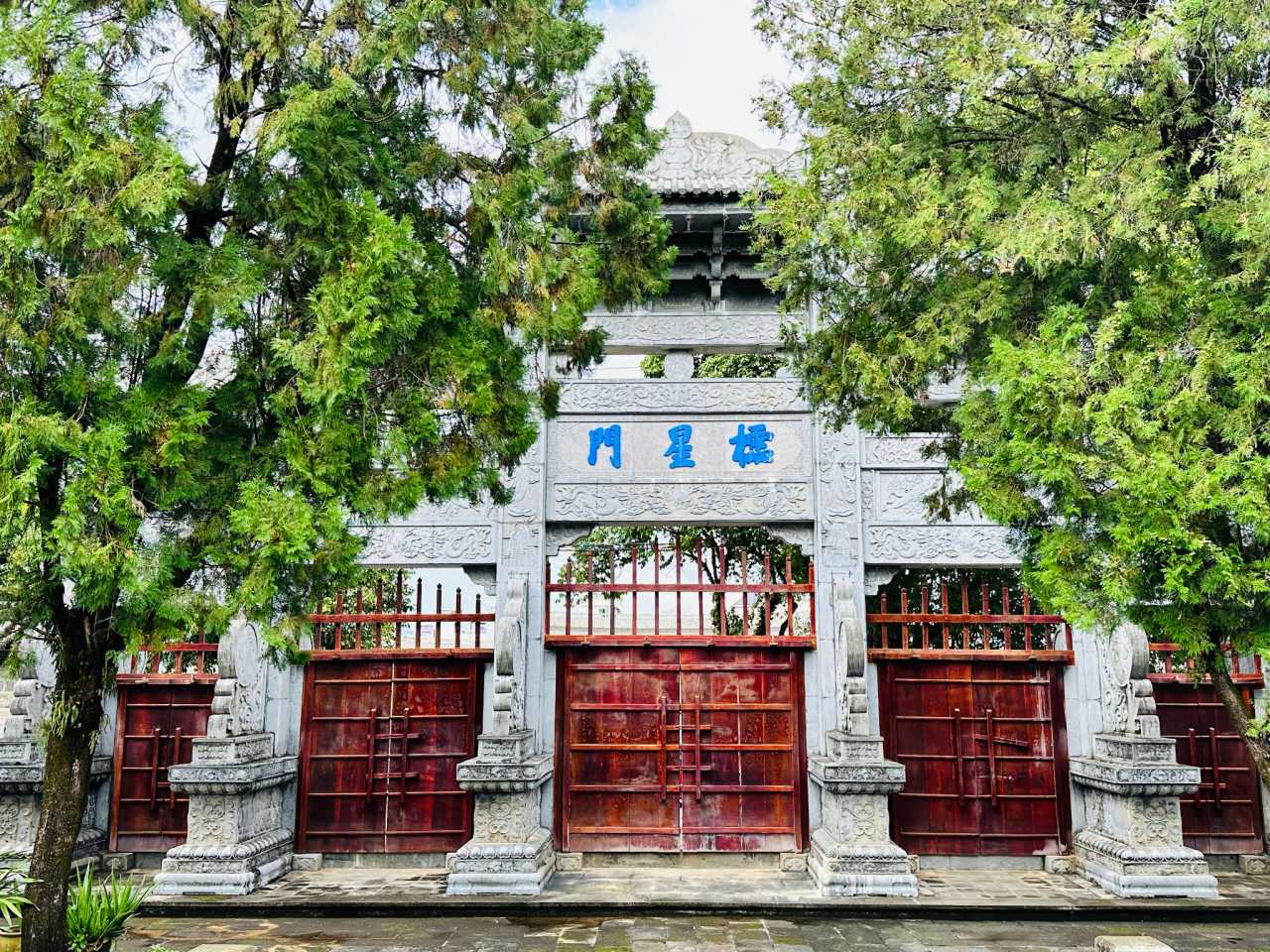
4.1 Heshun Ancient Town
Visit on a sunny day during the off-season for the best experience. The town is large, and walking around will tire your legs—there are many steep uphill and downhill sections. It can also be a bit dangerous, as narrow streets sometimes have cars and motorcycles passing through.
Entrance Fee: In theory, you can avoid paying—Heshun isn't completely walled off like Wuzhen, with many entry points. But it's best not to skip it, as many old houses require ticket verification to enter. The ticket is valid for 7 days.
🌟 The "Instagram Wheat Field"
The northern and western parts of the town are filled with wheat fields, accessible from both inside and outside the town. They're just ordinary wheat fields, green in summer—I have no idea how they became an internet sensation. Tengchong has wheat fields everywhere. If you're short on time and can't go elsewhere, this is a fine spot for photos.
🌟 Former Residence of the Jade King
The former home of Cun Zunfu, who once poured his entire fortune into supporting the Huanghuagang Uprising. The plaque in his home was inscribed by Sun Yat-sen with "Famous at Home and Abroad," and another reads "Meritorious Service to the Republic." On the incense table sits a piece of raw jadeite larger than a human head, vivid green.
🌟 Cun Family Ancestral Hall
Impressive from the outside. Tengchong originally had five major families dealing in jade: Cun family jade, Duan family jade, Qiluo jade, Zhengkun jade, and Guansi jade. The front hall is original, while the rear ancestral hall, shrine, and spirit tablets are newly built. They sell jade inside. Staff provide free explanations and are very polite—no attitude if you don't buy anything.
🌟 Zhang Family Ancestral Hall
Extremely impressive from the outside, with a large footprint and a pavilion on the side. Unfortunately, the gate was tightly shut. An old man nearby said it opens at 8 PM. Peeking through the crack, I saw what looked like a screen wall, not typical for ancestral halls in this region—I was curious.
🌟 Thousand-Year-Old Banyan Tree Grove
Quite a distance away, with steep uphill sections. Not worth a special trip if you're short on time. I saw four relatively large banyan trees.
🌟 God of Wealth Temple
Very unique—worth a visit. It's rare to see a stage facing the God of Wealth temple, and it's actually inside the temple grounds. Standing at the entrance and looking down, the view is quite nice. There are many old millstones on the ground, which look interesting.
🌟 Zhongtian Temple
Built during the Chongzhen era of the Ming Dynasty and renovated from Kangxi to Qianlong in the Qing Dynasty. Climbing the steps, you'll see stone bodhisattva statues that look like young monks. I happened to visit during the Ghost Festival (Zhongyuan Festival), and they were conducting the Ullambana ceremony.
🌟 Liu Family Ancestral Hall
More古朴 (rustic and ancient), built during the Xianfeng era of the Qing Dynasty, with a half-moon-shaped lotus pond in front. The large circular window in the hall is quite beautiful, filled with small circular patterns interspersed with carved four-petal flowers.
🌟 Yuanlong Pavilion
Built during the Qianlong era of the Qing Dynasty, this Taoist temple is worth seeing. The staircase has talismans carved on the sides, and each step is very tall and narrow. Climbing up, you reach a pavilion with an ancient design, then a suspended pavilion, and finally the main hall. The suspended pavilion has large characters on three sides—I could only see "Fly" on one side. The side features a large pond, offering a nice view. This style of Taoist temple is uncommon.
🌟 Ai Siqi Memorial Hall
Ai Siqi was a prominent Chinese philosopher. The memorial hall is worth a visit.
5. Final Thoughts: What Tengchong Taught Me
My 13-day journey through Tengchong made me rethink what "travel" really means. It's not about checking off spots, taking photos, or rushing from place to place. It's about truly stepping into a place—feeling its climate, its plants, its food, its people.
Tengchong doesn't have Lijiang's hustle or Dali's artistic vibe. But it has a quiet strength. It makes you slow down—to browse a morning market, hike a mountain, soak in a hot spring, eat a bowl of rice noodles. It shows you that life can be this simple, yet this rich.
If you're also tired of tourist traps, come to Tengchong. Give yourself a reason to slow down. You'll discover that the stories hidden in alleyways, the flavors from street stalls, and the kindness of strangers are the most precious parts of travel.
Finally, a few tips: - If you have time, plan at least a week - Hiring a private car is less hassle than self-driving - Bring rain gear during the rainy season, but don't let the forecast scare you - Talk to locals—they'll tell you things no guidebook covers - Most importantly—slow down and feel with your heart
Tengchong is worth stopping for.
You should also read:
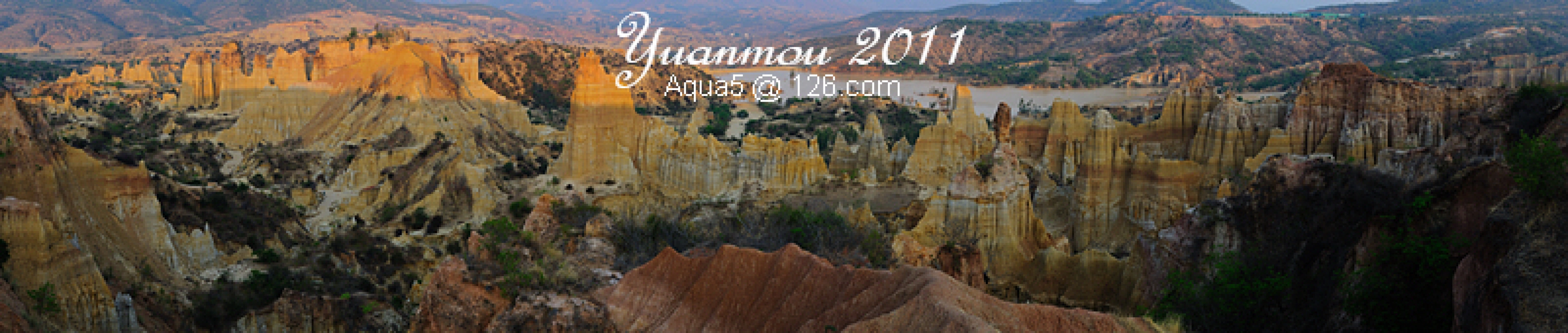
A Journey Through Time: The Earthen Forest of Yuanmou — April 2011 Chuxiong & Yuanmou Self-Drive Guide
A Journey Through Time: The Earthen Forest of Yuanmou — April 2011 Chuxiong & Yuanmou Self-Drive Guide Some journeys are destined to take root in your memory. In April 2011, I set out from Shuhe in Yunnan, heading north toward the Chuxiong Yi Autonomous Prefecture,…
Continue reading...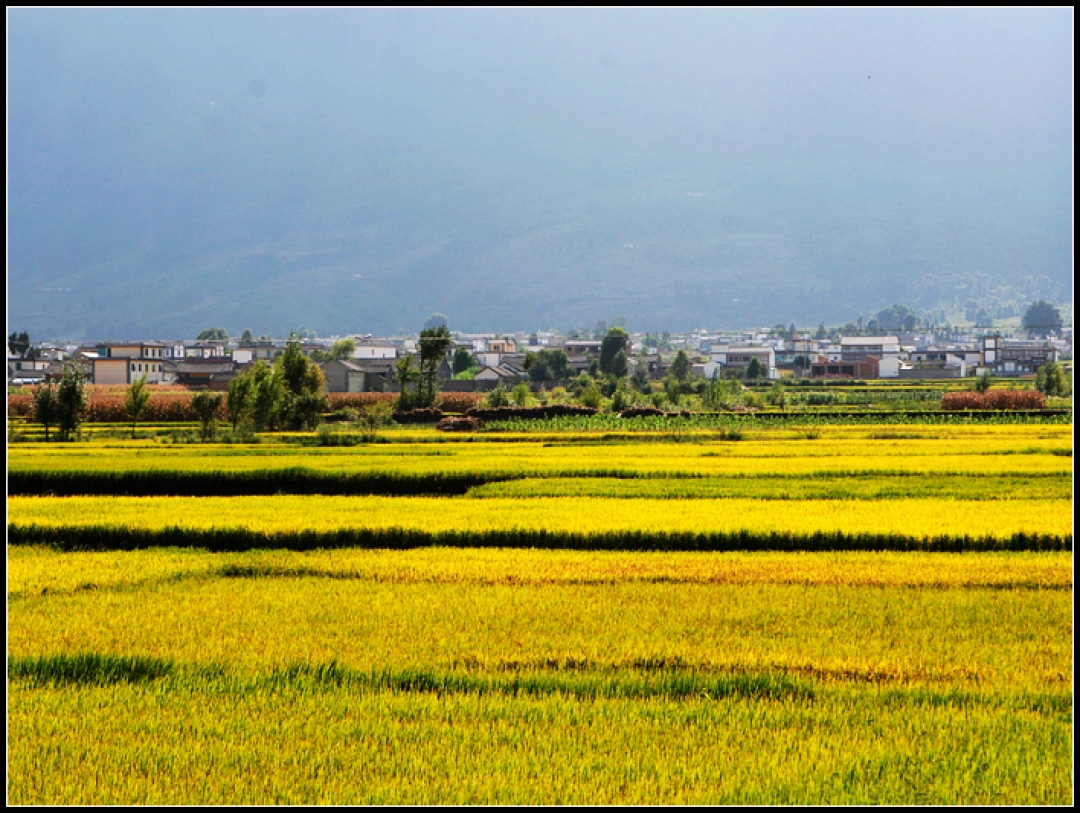
A 9-Day Yunnan Journey: From Lijiang to Dali to Tengchong – A Trip Toward Self-Reconciliation
A 9-Day Yunnan Journey: From Lijiang to Dali to Tengchong – A Trip Toward Self-Reconciliation Some say travel is simply going from a place you're tired of to a place other people are tired of. It stings to hear, but it's painfully true. Yet there's…
Continue reading...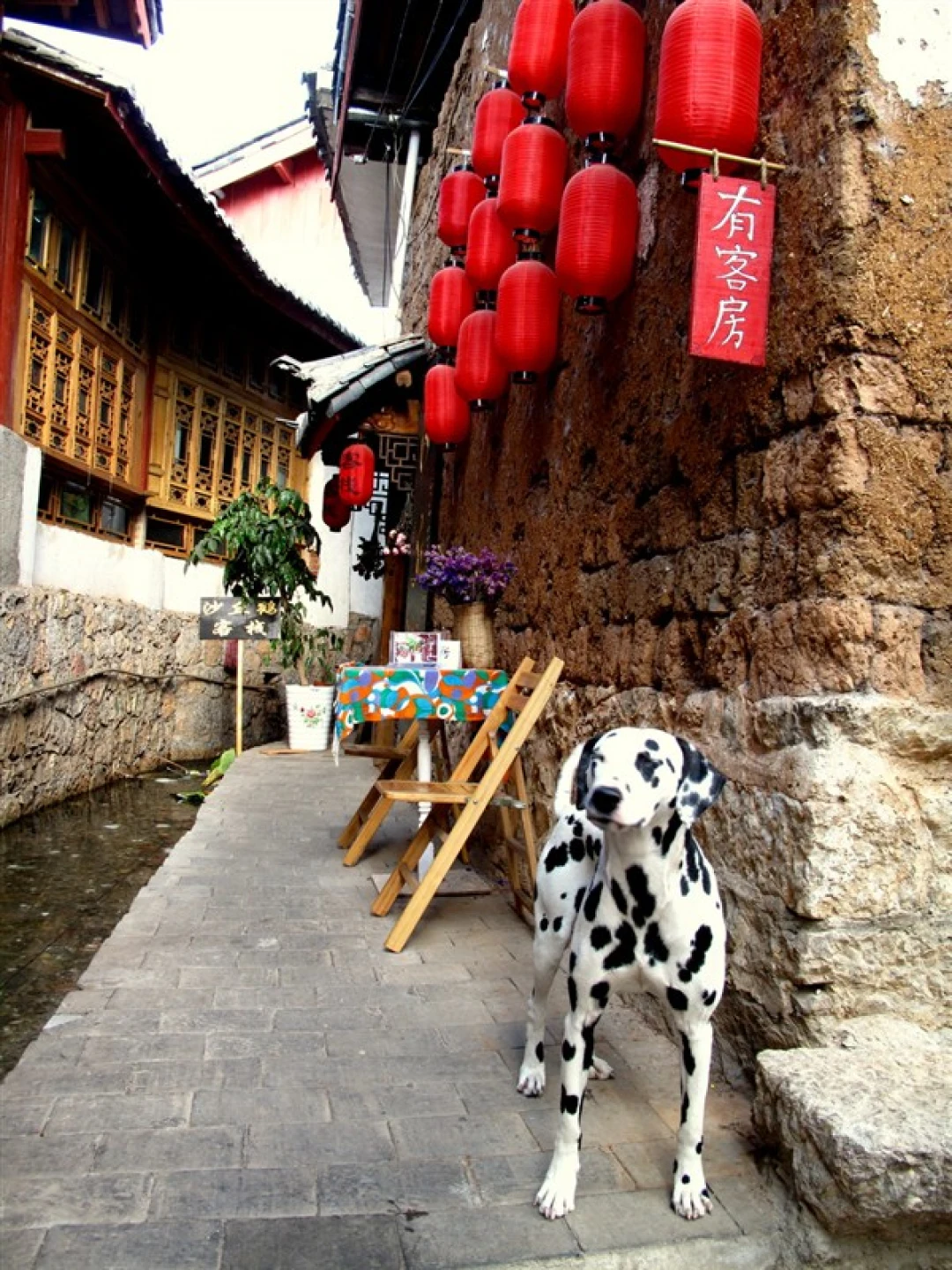
Yunnan Travel Mastery: From Beginner to Pro-Level Player – A Complete Guide
Yunnan Travel Mastery: From Beginner to Pro-Level Player – A Complete Guide "Either travel or read, but your body and soul must be on the road." This quote has been repeated countless times, but very few people truly manage to be "on the road" and…
Continue reading...