The Ultimate Yunnan Travel Guide: 6 Years of Experience, Countless Adventures
The Ultimate Yunnan Travel Guide: 6 Years of Experience, Countless Adventures
If there's one place in China that keeps pulling me back year after year, it's Yunnan. I've visited in every season—spring blossoms, summer rains, golden autumns, and crisp winters—and each trip feels like discovering an entirely new destination. Yet somehow, the magic remains constant. Friends constantly ask me for travel tips, and while I've never been one to follow rigid itineraries, I've learned a thing or two about traveling this incredible province the right way.
This isn't a guide written by a local expert. It's a collection of hard-won wisdom from someone who has walked the cobblestone streets, braved the mountain passes, and sat quietly watching sunsets over Erhai Lake. Think of it as advice from a friend who's been there, done that, and wants you to have an even better experience.
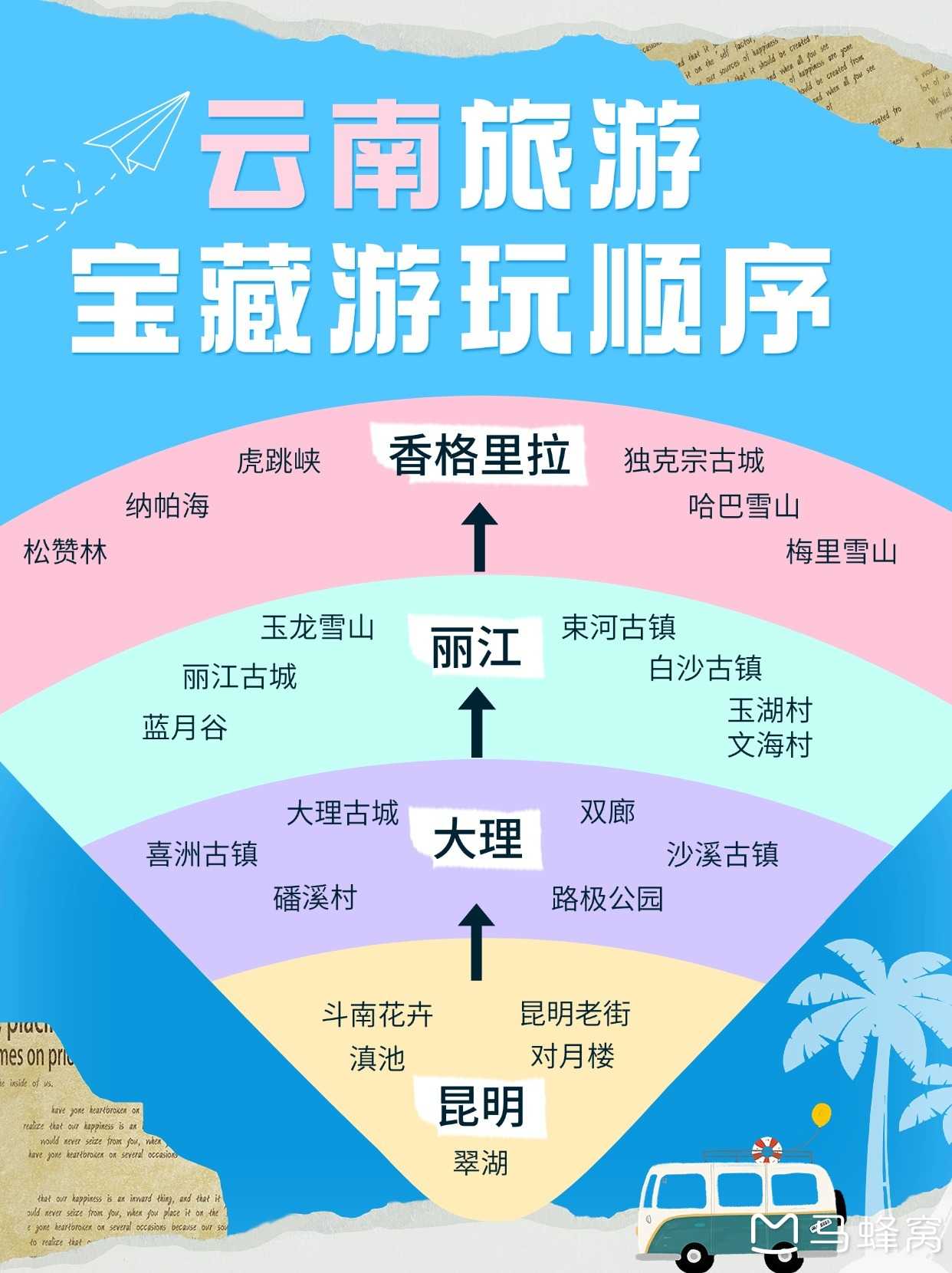
The Classic Route: Why This Order Works
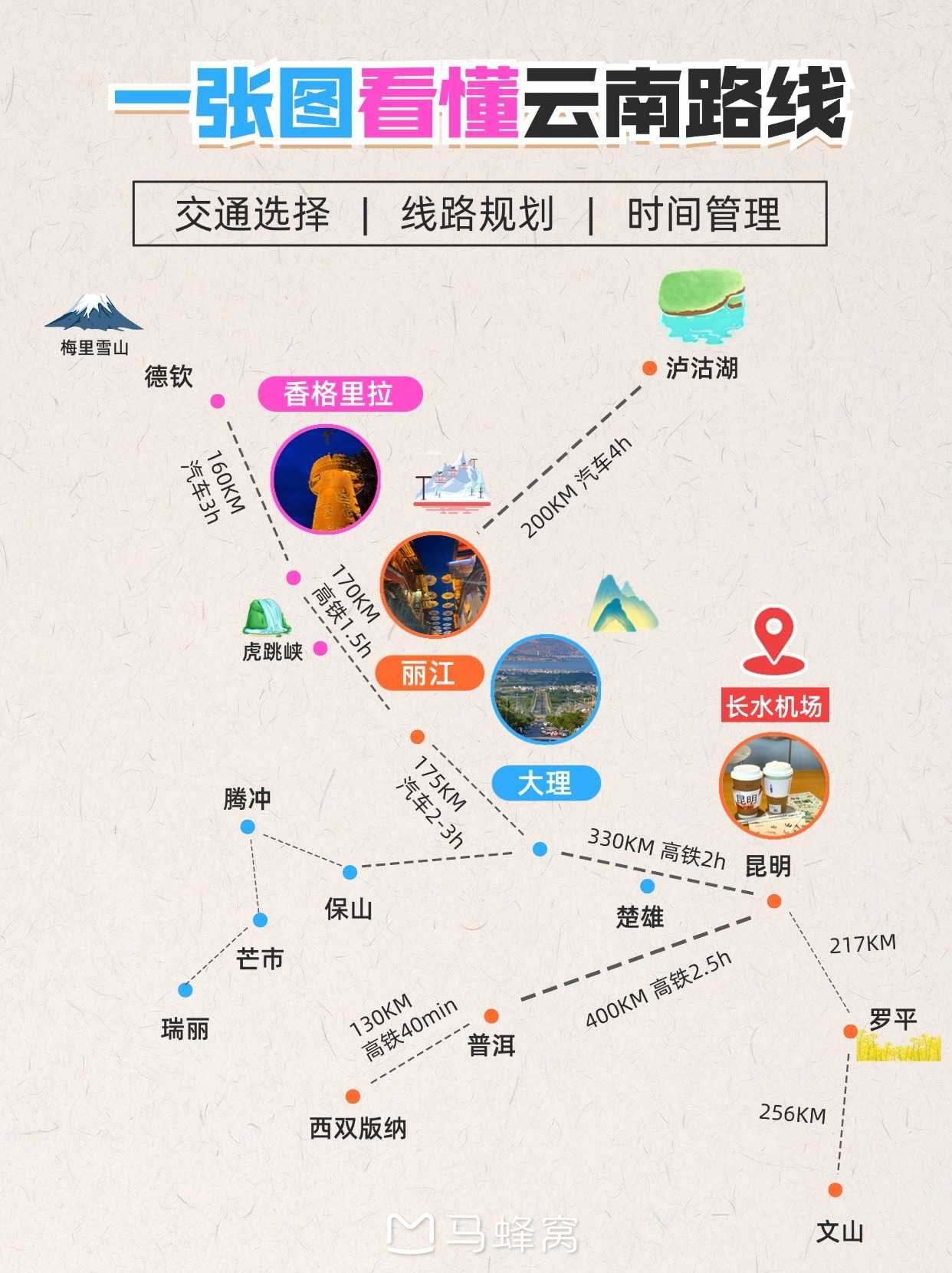
Kunming → Dali → Lijiang → Shangri-La
This isn't just a random sequence—it's carefully planned for three key reasons:
1. Kunming as Your Smart Gateway
Flying into Kunming is almost always cheaper than direct flights to other Yunnan cities. The airport offers more flight options and better connections. While Kunming itself doesn't have a ton of must-see attractions (skip it if you're short on time), it's the perfect launchpad for your journey.
2. Gradual Altitude Adaptation—No More Altitude Sickness Surprises
Here's something I learned the hard way: altitude sickness usually kicks in above 2,500 meters. By following this route, your body gets time to adjust:
- Dali: Most areas sit around 2,000 meters—slightly higher than sea level, but most people adapt quickly
- Lijiang: About 2,400 meters. Still manageable for most, but if you're naturally sensitive, you might feel some headaches or insomnia
- Shangri-La: A jump to roughly 3,300 meters. This is where altitude sickness becomes a real concern
I've experienced altitude sickness on some trips and been perfectly fine on others. Everyone's different, but this gradual ascent gives you the best chance of avoiding problems.
3. Flexible Endpoint
You can start or end in Kunming—perfect for catching your return flight.
When to Go: Seasons Matter
Winter is my absolute favorite, but every season has its charm:
June–August: Peak tourist season and rainy season. The rain rarely lasts long—it'll pour for 20 minutes, then stop. You might even see rain falling on one street while the next stays dry. You can experience all four seasons in a single day.
September: Early autumn with pleasant weather. Early-to-mid September still sees some rain. This is when Lugu Lake's "water flowers" bloom—a spectacular sight.
October–March: The best season. Seagulls migrate from Siberia to Erhai Lake, appearing in significant numbers by November. This is the only time you'll see them. Winter also offers the clearest views of "sunlight hitting golden mountains" (日照金山)—a photographer's dream.
Getting Around: Transportation Tips
✈️ To Kunming
Book flights about 15 days in advance. Prices fluctuate wildly, and this window usually offers the best balance. Off-season flights are incredibly cheap; during peak season, trains might be more economical.
🚄 Kunming to Dali
High-speed train, 2 hours, ¥145 per person. From Kunming Airport, take the subway to the train station (about 40 minutes).
🚌 Dali to Lijiang
Here's a pro tip: use Qunar to book a bus. You can choose pickup from Dali Ancient Town and drop-off at Lijiang Ancient Town—no need to haul yourself to the train station. Options include buses, cars, and minivans (¥60–120, 2–3 hours). I recommend the 9-seat minivan.
🚄 Lijiang to Shangri-La
 High-speed train, 1.5 hours, ¥63 per person. This route only opened on November 26, 2023. Before that, it was either a long bus ride or a drive. Now it's smooth sailing—thank you, Chinese infrastructure!
🚄 Shangri-La to Kunming
Direct train, 5 hours, ¥245 per person.
Packing Essentials: What I Never Leave Behind
☀️ Sun Protection (Non-Negotiable)
- Sunglasses: Yunnan's UV rays are brutal year-round. You'll be squinting constantly without them.
- Sunscreen SPF 50+: Apply to every exposed inch of skin. I've been both sunburned and tanned—neither is fun.
- Sun-protective clothing and hat: Style meets necessity.
🧥 Layering for Temperature Swings
- Light jacket: Even in summer, mornings and evenings get chilly.
- Fleece-lined waterproof jacket: If you're planning any mountain hikes, this is essential. Look for one with a removable inner layer.
- Winter beanie: In cold months, your ears will thank you.
💊 Health Preparations

- Headache medicine and stomach medication
- If heading to snowy mountains, start taking Rhodiola rosea (红景天) 7 days before. Does it actually work? I'm not sure, but I swear by it. Also bring chocolate to eat on mountain days.
🎒 Other Must-Haves
- Face masks: For hydration and post-sunburn recovery
- Comfortable sneakers: Ancient towns are paved with uneven stone—your feet will feel every step
- Thermos: For when your stomach needs warm water
- Small umbrella: Rain or shine
- Cash: Some elderly vendors only accept cash
Kunming: More Than Just a Transit Hub
I scrolled through my photos and realized I barely took any in Kunming. Walking its wide avenues, I felt an overwhelming urge to live here. The happiness quotient is real.
Where to Stay
Near Cuihu Park or Tangzi Alley—convenient for getting around.
What to See
- Kunming Old Street: Perfect for soaking up historical vibes. The "Moon-facing Building" (对月楼) is an architectural marvel worth photographing.
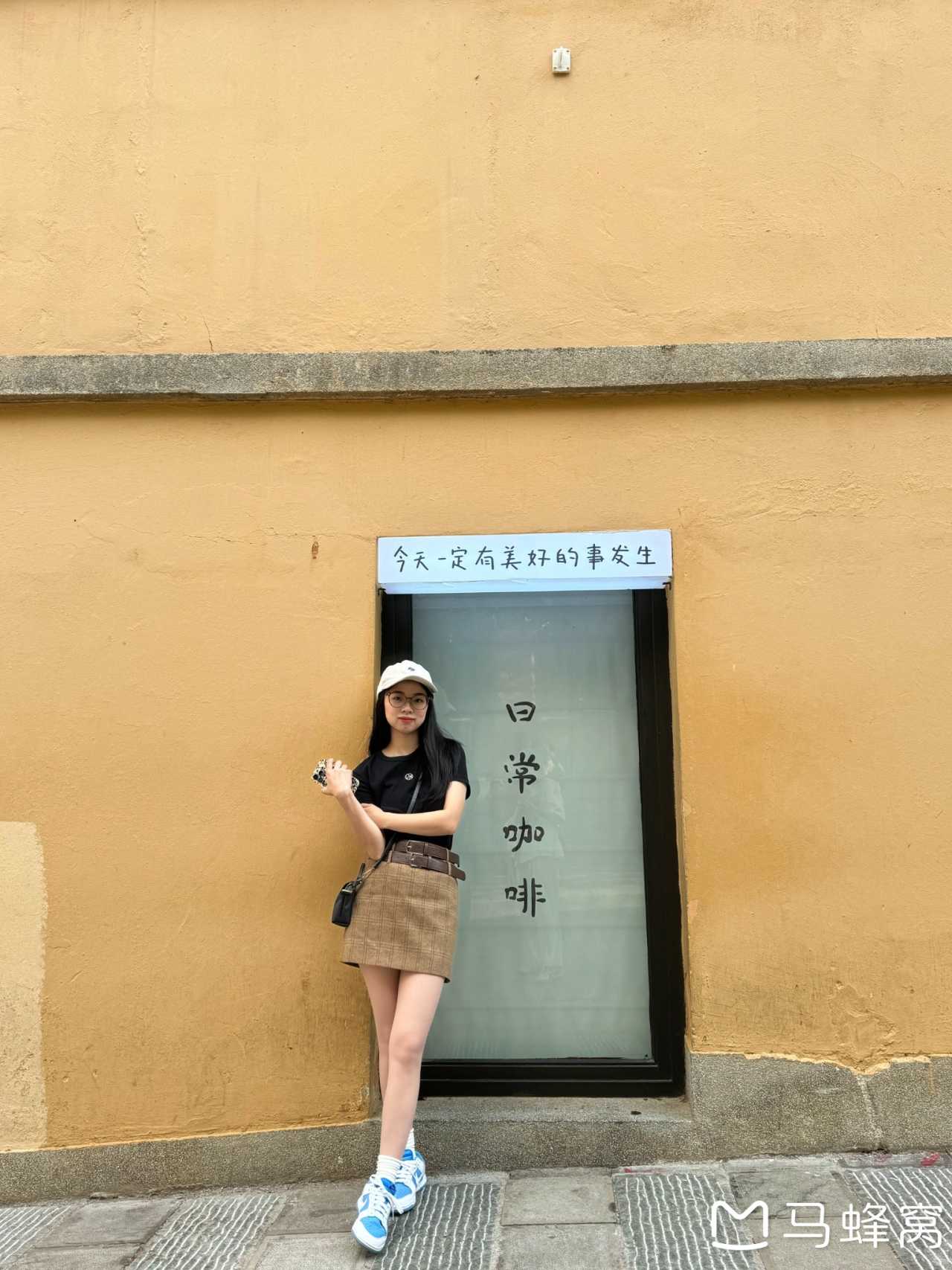
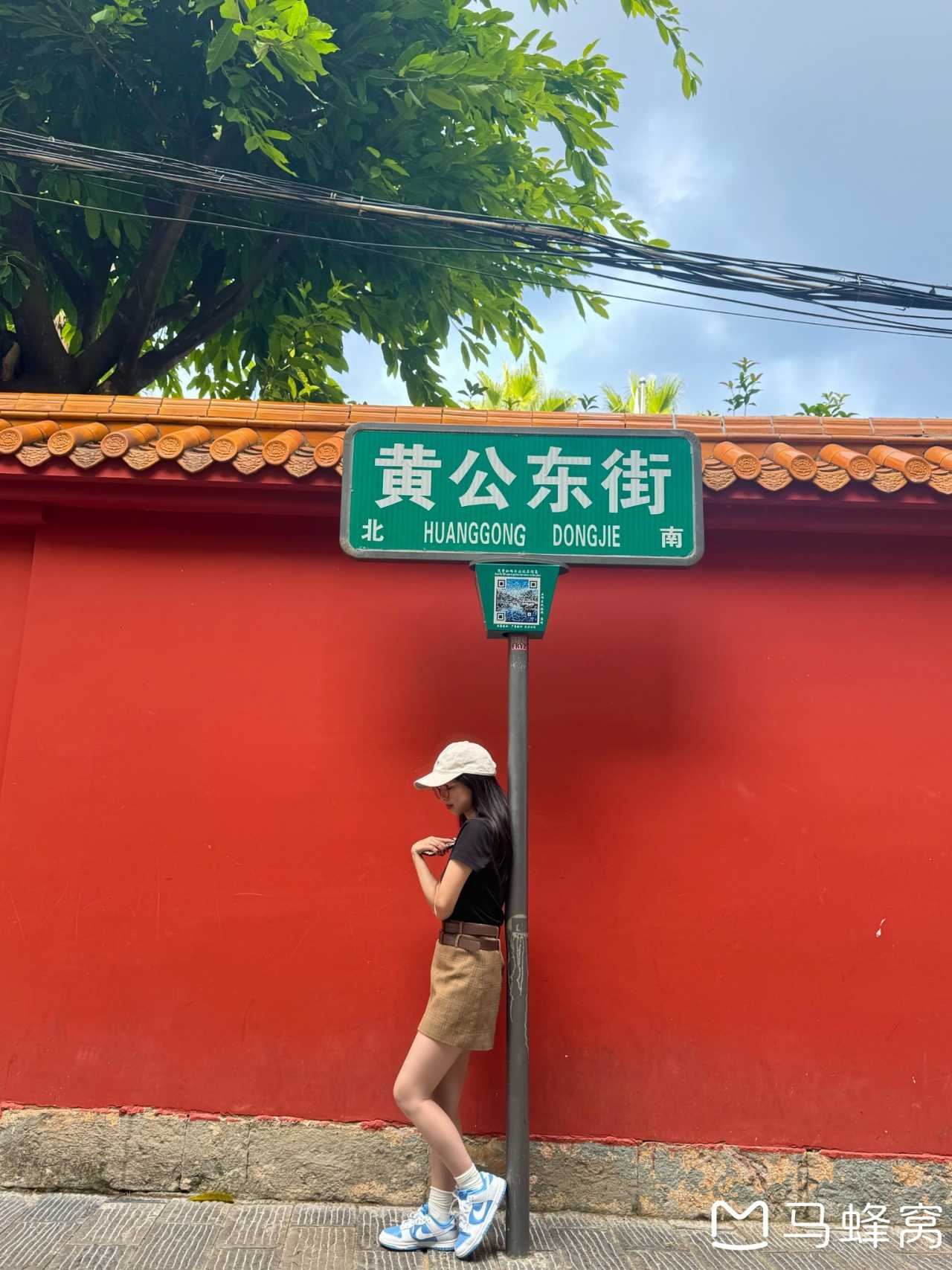
- Huanggong East Street: A street lined entirely with yellow walls—vintage aesthetics at their finest.
- Cuihu Park: Grab a cup of "Shangshan Hecha" (only available in Kunming and Dali—pretty good).
- Nanqiang Street: The place for souvenirs and street food.
- Dounan Flower Market: Asia's largest flower market. Flowers are absurdly cheap here—you can even order online!
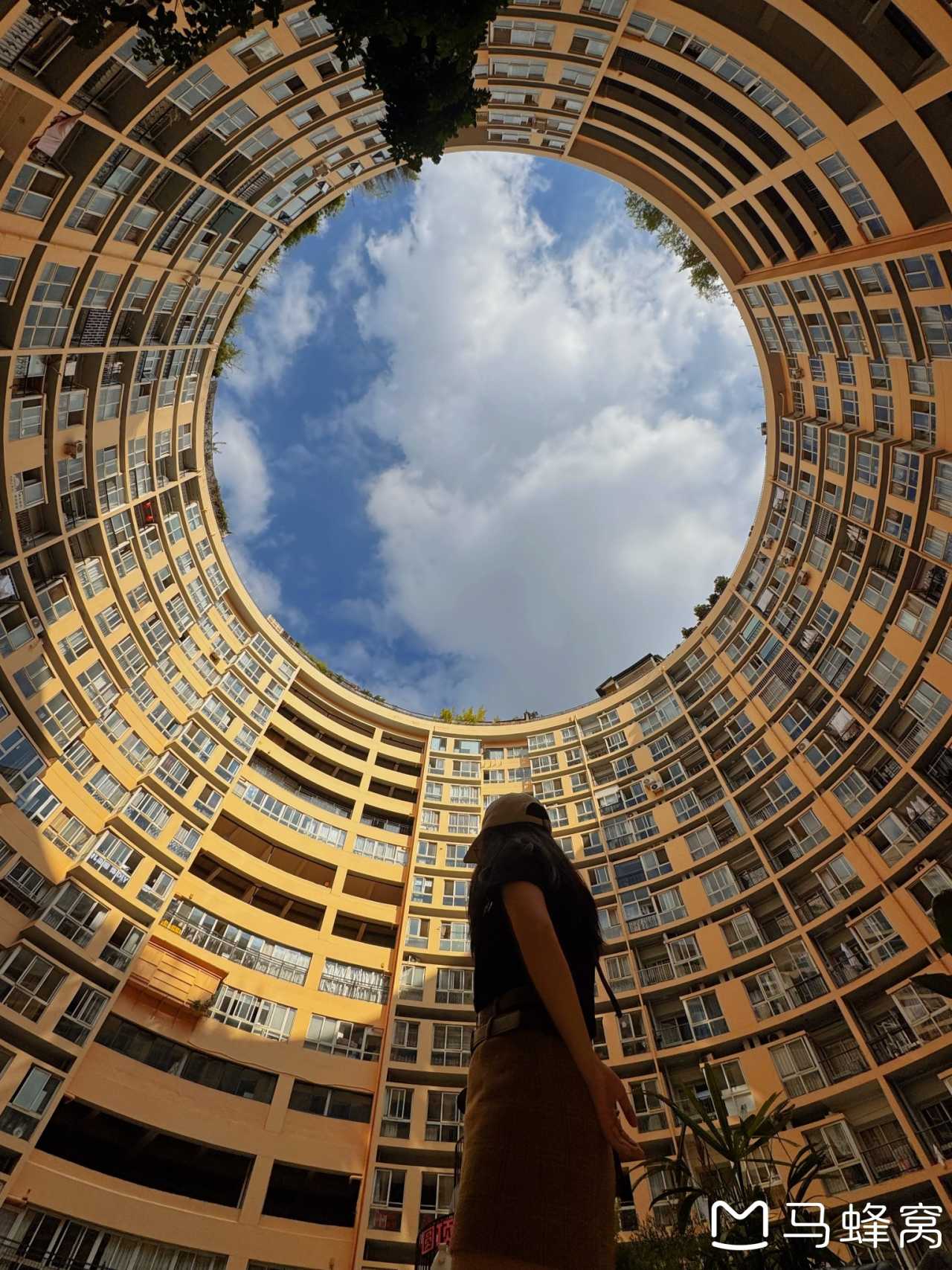
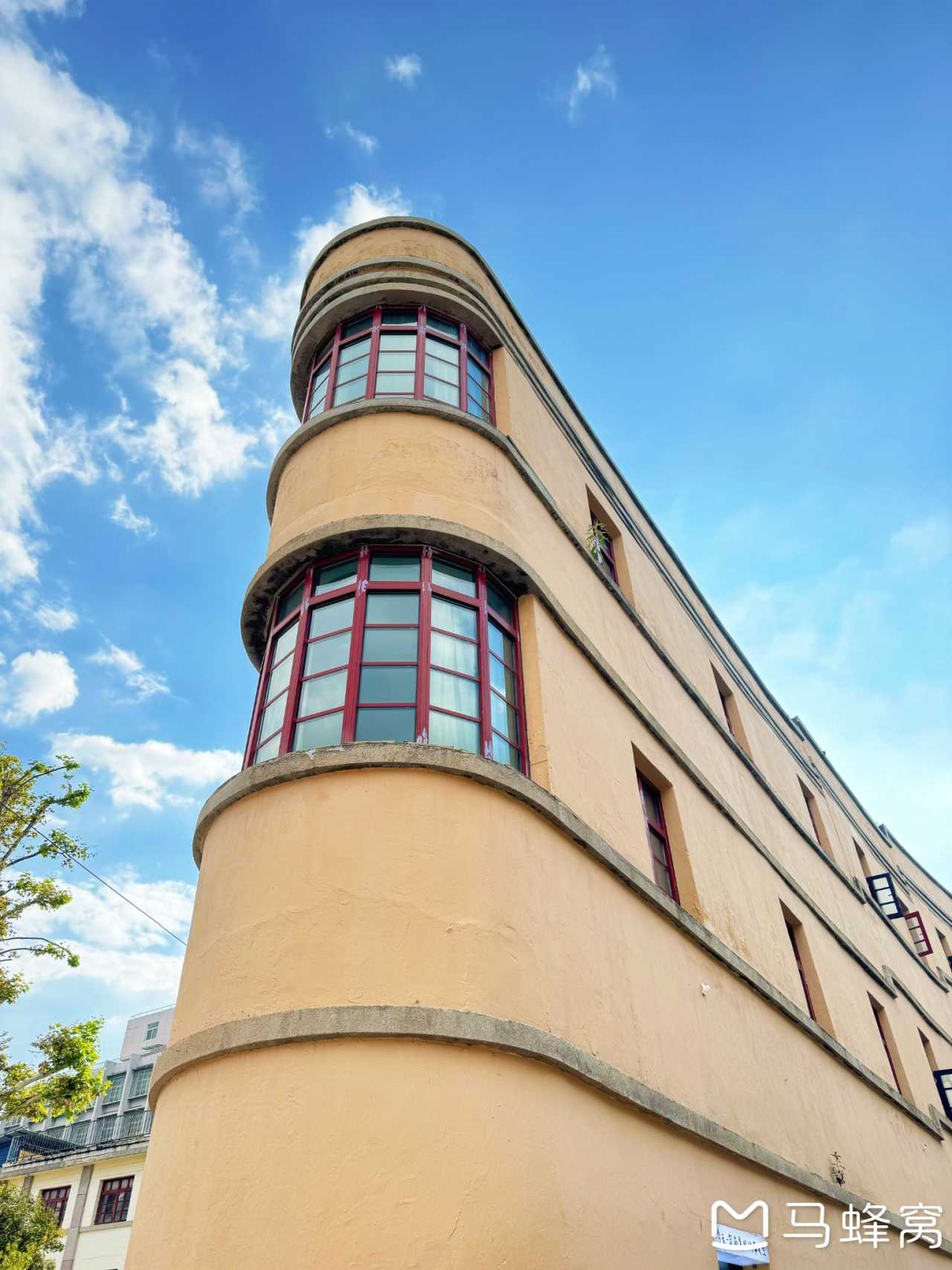
- Aocheng Building: A fascinating cylindrical building that looks amazing in wide-angle shots.
Food Highlight
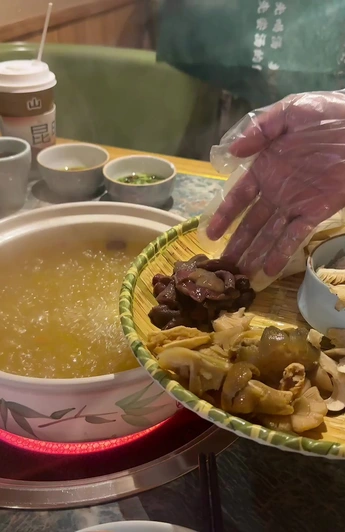
Wild mushroom hotpot is everywhere in Kunming. Expect to pay more than in Dali or Lijiang. The servers take your allergies seriously—one even memorized my phone number in case I started hallucinating!
Dali: The Place I'd Move To Tomorrow
Watching sunrise at the foot of Cangshan Mountain—that's the Dali experience.
Where to Stay
Lakeside options: Caicun, Shuanglang, Wenbi Village
Ancient Town options (my preference):
- East Gate (Erhai Gate): Great food nearby, lively at night, close to Erhai Lake
- South Gate: Convenient transport, but crowded with tour groups
- West Gate (Cangshan Gate): Quiet, near March Street Market, plenty of guesthouses. I love staying in Shimen Village—just cross the road to the ancient town
- North Gate: More local flavor. The morning market is vibrant and affordable
⚠️ Crucial tip: Choose guesthouses outside the ancient town walls. Inside, you'll be dragging your luggage over cobblestone—a nightmare.
Must-Eat Foods
- Wild mushroom hotpot: Surprisingly affordable in Dali. July and August are peak mushroom season. Some locals might even take you foraging!
- Stone plate BBQ: Obsessed. The dipping sauce is incredible—I'd eat shoe leather with it. And it's cheap!
- Rice noodles: The small shops serve the best versions
- Snacks: Grilled milk fan (烤乳扇), crispy rice cake (破酥粑粑)
Top Attractions
Ancient towns: Dali Ancient Town, Xizhou Ancient Town, Shaxi Ancient Town, Shuanglang Ancient Town
Sunrise/Sunset spots: Caicun Pier, Longkan Pier
Lakeside cycling: Panxi Village, Lang Bridge
Xiaguan Area (Near Airport/Train Station)
Both the airport and high-speed rail station are located in Xiaguan, which is a separate district from Dali Ancient Town. Don't make the mistake I did—book your first night's accommodation near the station if you're arriving late. It saves you an expensive taxi ride (around ¥100–150) into the ancient town area. Xiaguan itself is more modern and less charming, but it's practical for transit.
Day Trips from Dali
- Cangshan Mountain: Take the cable car up for panoramic views. The "Cloud Tour" (云游) cable car is the longest and most scenic. At the top, you can hike between scenic spots along the mountain ridge. Bring a jacket—it gets cold even in summer.
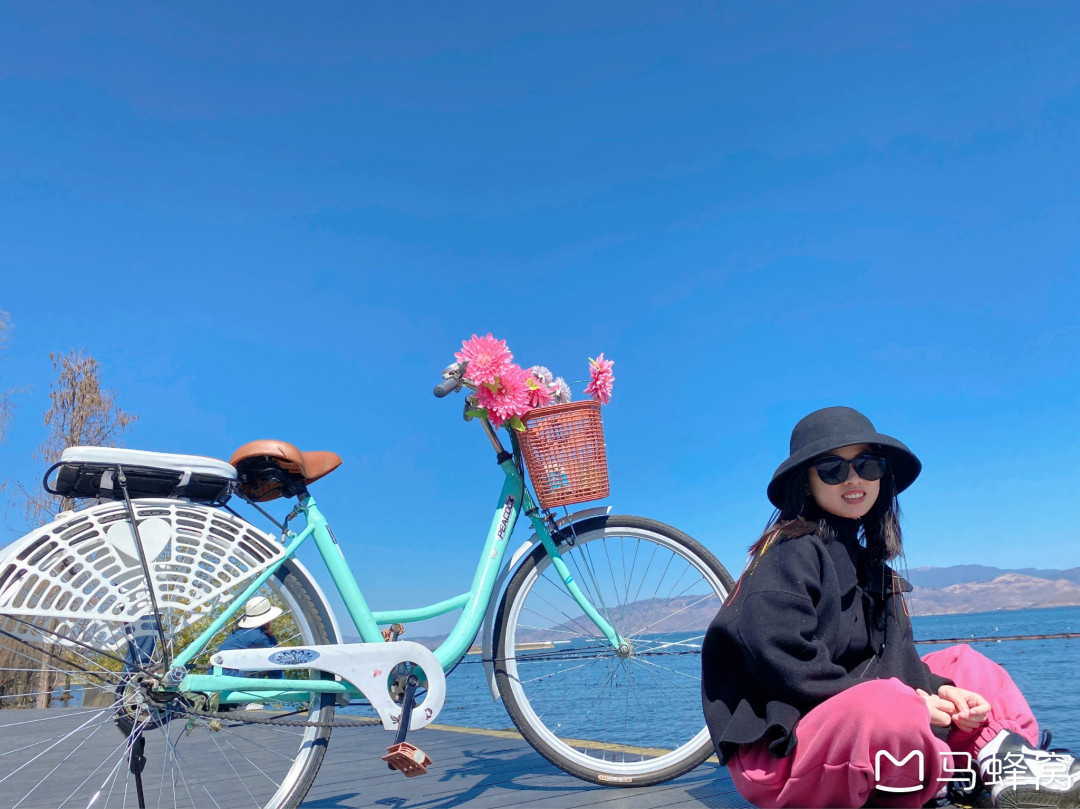
- Erhai Lake Cycling: Rent an electric scooter or bicycle and ride along the eastern shore. The 120-kilometer loop takes a full day, but you can do shorter sections. The stretch from Caicun to Shuanglang is the most beautiful.
- Shaxi Ancient Town: A hidden gem about 2 hours from Dali. It's less developed than Dali Ancient Town and feels more authentic. The Thursday market is legendary—local Yi and Bai people come down from the mountains to trade everything from livestock to handwoven textiles.
- Xizhou Ancient Town: Famous for its Bai architecture and the Zhang Family Courtyard. Try the local milk tea and buy some tie-dye fabric as a souvenir.
Lijiang: Beauty and Commercialization
Lijiang is gorgeous—there's no denying it. But it's also the most touristy stop on this route. The ancient town is a maze of canals, willow trees, and Naxi architecture. At night, it transforms into a massive bar district. Love it or hate it, you can't skip it.
Where to Stay
- Lijiang Ancient Town (Dayan): The heart of the action. Noisy, crowded, and expensive. Only stay here if you want to be in the middle of everything.
- Shuhe Ancient Town: My recommendation. It's quieter, more laid-back, and still has plenty of restaurants and cafes. It's about 20 minutes from Dayan by taxi.
- Baisha Ancient Town: The most authentic option. Fewer tourists, more local life, and the famous Baisha murals. It's a bit far from everything else, though.
What to See
- Mufu Palace: The former residence of the Mu family, who ruled Lijiang for centuries. The gardens are stunning, and the views from the top are worth the entrance fee.
- Black Dragon Pool Park: The classic photo spot with Jade Dragon Snow Mountain reflected in the water. Go early in the morning to avoid crowds and catch the reflection.
- Lion Hill: Climb up for a panoramic view of the ancient town. There's a small fee, but it's worth it for the sunset photos.
- Wangu Tower: The highest point in Lijiang Ancient Town. The views are spectacular, but the entrance fee is steep (¥50). I'd skip it unless you're really into towers.
- Jade Dragon Snow Mountain: The main attraction. Book tickets well in advance—they sell out quickly. The cable car takes you to 4,506 meters. Bring oxygen canisters (available at the base) and take it slow. The "Blue Moon Valley" (蓝月谷) at the foot of the mountain is equally stunning and free from altitude concerns.
Food I Loved
- Lijiang Baba (丽江粑粑): A fried flatbread that comes in sweet or savory versions. The sweet one with brown sugar is my favorite.
- Naxi Grilled Fish: Spicy, sour, and addictive. Most restaurants in the ancient town serve it.
- Crossing-the-Bridge Noodles (过桥米线): Yes, it's from Yunnan, and yes, Lijiang does it well. The broth comes boiling hot, and you add the ingredients yourself.
- Yak Yogurt: Thick, tangy, and delicious. Look for it in Shuhe or Baisha.
Warning About Scams
Lijiang has a reputation for tourist scams. Here are the most common ones:
- Tea ceremony invitations: Someone friendly invites you to a "traditional tea ceremony." You end up paying hundreds of yuan for low-quality tea.
- Fake silver: Vendors sell "pure silver" jewelry that's actually nickel or aluminum. Buy from reputable shops only.
- Overpriced taxis: Always use ride-hailing apps rather than flagging down taxis in the ancient town.
Shangri-La: The Roof of Yunnan
Shangri-La (formerly Zhongdian) sits at 3,300 meters and feels like a different world. The architecture is Tibetan, the air is thin, and the landscapes are jaw-dropping. This is where your altitude preparations really matter.
Where to Stay
Stay near Dukezong Ancient Town (独克宗古城). It's the historic center and has the best selection of guesthouses and restaurants. Look for places with heated floors or electric blankets—nights get freezing even in summer.
What to See
- Dukezong Ancient Town: One of the best-preserved Tibetan ancient towns in China. It was partially destroyed by a fire in 2014 but has been beautifully rebuilt. Climb to the top for views of the giant prayer wheel.
- Songzanlin Monastery: The "Little Potala Palace." It's a working monastery with over 700 monks. The golden roofs against the blue sky are unforgettable. Allow at least 2-3 hours to explore.
- Pudacuo National Park: A stunning nature reserve with lakes, meadows, and forests. The altitude here is even higher (3,500–4,200 meters), so take it slow. The park is only open from April to November.
- Tiger Leaping Gorge: One of the deepest gorges in the world. The hike is challenging but absolutely worth it. You can do a day hike or a 2-day trek with overnight stays at guesthouses along the trail.
- Baima Snow Mountain: Less crowded than Jade Dragon Snow Mountain, with equally impressive views. The alpine lakes are particularly beautiful in autumn.
Altitude Sickness Tips
- Day 1: Arrive, check in, rest. No strenuous activity. Drink plenty of water.
- Day 2: Light walking around Dukezong. If you feel okay, consider a short hike.
- Day 3: Full activities if you're acclimated.
- Oxygen canisters: Available everywhere for ¥20–30. Buy a couple just in case.
- Medication: Acetazolamide (Diamox) requires a prescription in China but is effective. Ask at a pharmacy.
- Symptoms to watch for: Headache, nausea, dizziness, shortness of breath. If symptoms worsen, descend immediately.
Food in Shangri-La
Tibetan cuisine dominates here. Expect lots of yak meat, barley, and dairy.
- Yak Hotpot: Rich, hearty, and perfect for cold evenings.
- Tibetan Butter Tea (酥油茶): Salty, creamy, and an acquired taste. I love it, but many visitors don't.
- Zanba (糌粑): Roasted barley flour mixed with butter tea. It's a staple food for Tibetans. Try it at a local restaurant.
- Yak Yogurt: Even better than the Lijiang version. Thick and tangy.
Budget Breakdown: What You'll Actually Spend
I've done this trip on a shoestring and with a bit more comfort. Here's what you can expect:
Budget Traveler (¥200–300/day)
- Accommodation: Hostel dorms or budget guesthouses (¥50–100/night)
- Food: Street food, local eateries (¥50–100/day)
- Transport: Public buses, hard-seat trains (¥50–100/day)
- Activities: Free attractions, one paid site per day (¥50–100)
Mid-Range (¥500–800/day)
- Accommodation: Nice guesthouses or 3-star hotels (¥200–400/night)
- Food: Mix of street food and sit-down restaurants (¥100–200/day)
- Transport: High-speed trains, ride-hailing (¥100–200/day)
- Activities: All major attractions, cable cars (¥100–200)
Comfort (¥1,000+/day)
- Accommodation: Boutique hotels or resorts (¥500+/night)
- Food: Nice restaurants, private dining (¥200+/day)
- Transport: Private car hire, taxis (¥200+/day)
- Activities: Private tours, all activities (¥200+)
Sample 10-Day Itinerary (Mid-Range)
| Day | Location | Activities | Estimated Cost |
|---|---|---|---|
| 1 | Kunming | Arrive, Cuihu Park, Old Street | ¥500 |
| 2 | Kunming | Flower Market, train to Dali | ¥600 |
| 3 | Dali | Ancient Town, Cangshan cable car | ¥700 |
| 4 | Dali | Erhai cycling, Shaxi day trip | ¥800 |
| 5 | Dali → Lijiang | Bus to Lijiang, Shuhe exploration | ¥600 |
| 6 | Lijiang | Jade Dragon Snow Mountain | ¥1,000 |
| 7 | Lijiang | Black Dragon Pool, Baisha | ¥500 |
| 8 | Lijiang → Shangri-La | Train, Dukezong exploration | ¥700 |
| 9 | Shangri-La | Songzanlin Monastery, Pudacuo | ¥800 |
| 10 | Shangri-La → Kunming | Train back, depart | ¥600 |
Total: Approximately ¥6,800–7,500 per person (excluding flights to/from Yunnan)
Final Tips from Someone Who's Been There Too Many Times
Don't overplan. Some of my best memories come from unplanned detours and random discoveries.
Learn a few words of Chinese. "Thank you" (谢谢, xiè xiè) and "How much?" (多少钱, duō shǎo qián) go a long way. In Shangri-La, a "hello" in Tibetan (扎西德勒, zhā xī dé lè) will earn you smiles.
Respect local customs. In Tibetan areas, don't point at religious objects with your finger—use an open palm instead. Don't touch people's heads. Don't step on thresholds in temples.
Bargain respectfully. Haggling is expected at markets, but don't be aggressive. A friendly "Can you do a better price?" (能便宜点吗, néng pián yi diǎn ma) works wonders.
Bring less, buy more. You'll find amazing local crafts—Bai tie-dye, Naxi embroidery, Tibetan jewelry. Leave room in your luggage.
Download offline maps. Cellular service can be spotty, especially in mountains. Maps.me or Baidu Maps offline mode will save you.
Be patient with weather. Yunnan's weather is famously unpredictable. A rainy morning can turn into a perfect afternoon. Don't let a little rain ruin your mood.
Trust your gut. If a deal seems too good to be true, it probably is. If a street feels unsafe, leave. Your instincts are usually right.
Yunnan isn't just a destination—it's a feeling. It's the mist rising over Erhai Lake at dawn. It's the taste of wild mushrooms in a steaming hotpot. It's the sound of prayer flags flapping in the wind at 3,300 meters. It's the warmth of a stranger offering you tea.
I've been six times, and I'm already planning my seventh. If this guide helps you love Yunnan even half as much as I do, then all those years of wandering were worth it.
Safe travels, and see you on the road.
You should also read:

Solo in Yunnan: A Wanderer’s Guide to the Land of Eternal Spring
Solo in Yunnan: A Wanderer’s Guide to the Land of Eternal Spring There’s something magical about traveling alone. No compromises, no schedules to keep, no one to please but yourself. I’ve been on the road for nearly three months now, and not once have I…
Continue reading...
God’s Abandoned Palette: A Self-Drive Journey Through Yunnan’s Dongchuan Red Land
God’s Abandoned Palette: A Self-Drive Journey Through Yunnan’s Dongchuan Red Land Travel has never been about reaching some distant geographic coordinate. It’s about encountering, along the way, the version of yourself buried beneath the rubble of daily routine. During this May Day holiday, I finally…
Continue reading...
Cloud Travelogue · Dali of Wind, Flowers, Snow, and Moon: A Three-Day, Two-Night Journey of a Free Spirit
Cloud Travelogue · Dali of Wind, Flowers, Snow, and Moon: A Three-Day, Two-Night Journey of a Free Spirit I am a cultured female foodie with a touch of rogue charm. I slung on my backpack, took my lover's hand, and set off on a spontaneous…
Continue reading...