Thirteen Hours Through the Clouds: My Pilgrimage Trek Across the Gaoligong Mountains
Thirteen Hours Through the Clouds: My Pilgrimage Trek Across the Gaoligong Mountains
A Rendezvous with Volcanoes and History
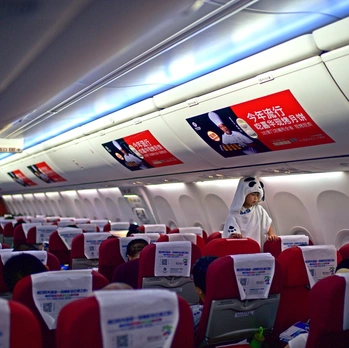
Tengchong—the name itself carries a sense of seething heat. Not because it lies on the southwestern frontier of China, but because deep beneath this land, the Earth's core still pulses with fiery energy. When our plane was forced to land in Mangshi amid a torrential downpour, I stared out at the gray, rain-streaked sky and felt an odd sense of calm—perhaps a true adventure is supposed to begin with this kind of turbulence.

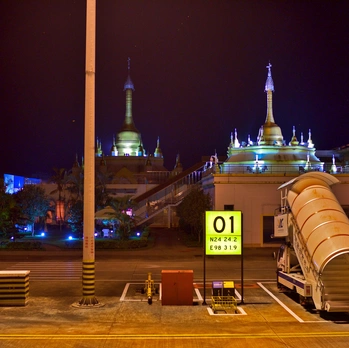
Tengchong Airport in the early hours was tiny, no bigger than a bus station back home. But the stars above were enormous. We couldn't get a taxi to Heshun Ancient Town, but we lucked into the last airport shuttle. At half past midnight, when the bus turned into the narrow alleyways of the old town, I could hardly believe my eyes. No neon lights. No bar noise. Just dim yellow streetlamps illuminating the cobblestone paths and bicycles casually parked outside people's homes. This wasn't a tourist town at all—it was a village still fast asleep.
The wooden door of Xiaoren Inn creaked open, and the owner was still waiting for us. The small courtyard was filled with potted flowers, and the warm light felt like home. In that moment, my anticipation for this journey burned hotter than Tengchong's geothermal springs.
Day One: Heshun's Morning Light and the Weight of History
A Bowl of Rice Noodles to Wake the Soul
At six in the morning, I was woken by birdsong. Heshun at dawn was a completely different place than Heshun at midnight. Lotus ponds stretched out under a fine drizzle, water droplets rolling off the leaves. The distant mountains were wrapped in mist, like an ink-wash painting still wet.
The innkeeper brought out a steaming bowl of Tengchong rice noodles (饵丝), served with a side of pickled bitter greens. One sip of that broth and I was revived. The noodles were soft and chewy, the soup rich and savory, the pickles slightly bitter but with a lingering sweetness—this, I thought, is the taste of Tengchong. Simple on the surface, but hiding deep stories beneath.
The National Memorial: Faces That Should Never Be Forgotten
The moment the doors of the Western Yunnan Anti-Japanese War Memorial Hall swung open, I was stunned. The central sculpture wasn't the most overwhelming part—what truly took my breath away was an entire wall lined with the faded cloth caps of the Chinese Expeditionary Force. Each cap represented a life that once burned bright. I stood there, feet rooted to the floor, eyes burning, throat tight.
In 1944, the Chinese Expeditionary Force recaptured Tengchong—the first city held by Japanese troops to be liberated by Chinese forces since the war began. To build the Burma Road, 150,000 to 200,000 laborers from 17 counties and 11 ethnic groups worked day and night along its route. More than 3,000 died from falls or disease. The Japanese sent 100 planes to bomb the road relentlessly—the Huimin Bridge alone was attacked 168 times. But the "indestructible Burma Road" never broke.
Every exhibit in the hall told the brutal story. Japanese biological experiment equipment, poison gas canisters, rat cages for plague tests, and the bamboo spike traps set up in the Gaoligong Mountains. It was all so visceral it made my skin crawl. I fled upstairs, only to find something even more heartbreaking—photographs of surviving veterans. Every wrinkle was a story. Every scar, a battle.
Fu Xinde, born in 1900, from Xiangcheng County, Henan, later settled in Longling, Yunnan. He served as a lieutenant colonel medic in the 71st Army's 2nd Field Hospital. He lived to be 112, witnessing an entire century of upheaval. Names like Zhao Dingmei and Zhang Deyu—these are names that must be remembered.
In the National Memorial Cemetery, 3,346 small headstones radiate outward from the central memorial tower, symbolizing the 9,168 Expeditionary Force soldiers who fell in the battle. There were too many bodies to identify individually, so the people of Tengchong cremated them together. The ashes were mixed, and each grave holds only a small jar. I walked up the stone steps, flanked by row upon row of martyrs' tombs. Standing among them, I felt no fear—only an indescribable sense of honor.
A Lunch of History and Flavor
Coming out of the cemetery, the sun was blazing. We found a random restaurant, and the vegetable rack was filled with things I'd never seen before—pumpkin flowers, wild bitter berries, small angled gourds, and those tiny potatoes said to grow in volcanic ash.
The most impressive dish was called "The Emperor's Salvation" (大救驾). Legend has it that when the last Ming emperor, Yongli, was fleeing to Burma, he passed through Tengchong, starving and exhausted. He begged for food at a farmer's house. All the farmer had was rice cake, so he stir-fried it with eggs, cured pork, and baby bok choy. The emperor ate it and exclaimed, "This dish has saved my life!" The name stuck. Later featured on CCTV and Hunan TV, it became Tengchong's signature dish.
The Hot Sea: Earth's Breath
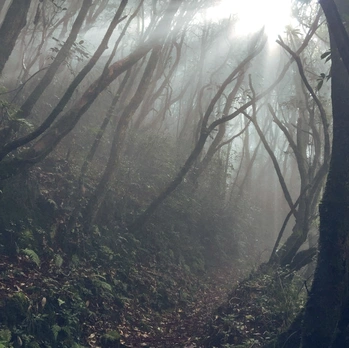
In the afternoon, we visited the Rehai (Hot Sea) Scenic Area. Tengchong has 99 volcanoes and 88 hot springs, part of one of the world's four geothermal belts—the Mediterranean-Himalaya-Southeast Asia volcanic zone. The variety of springs here is astonishing: bubbling springs, geysers, steam vents, boiling pools. Within a small area, you can find multiple types of thermal features—a true natural wonder.
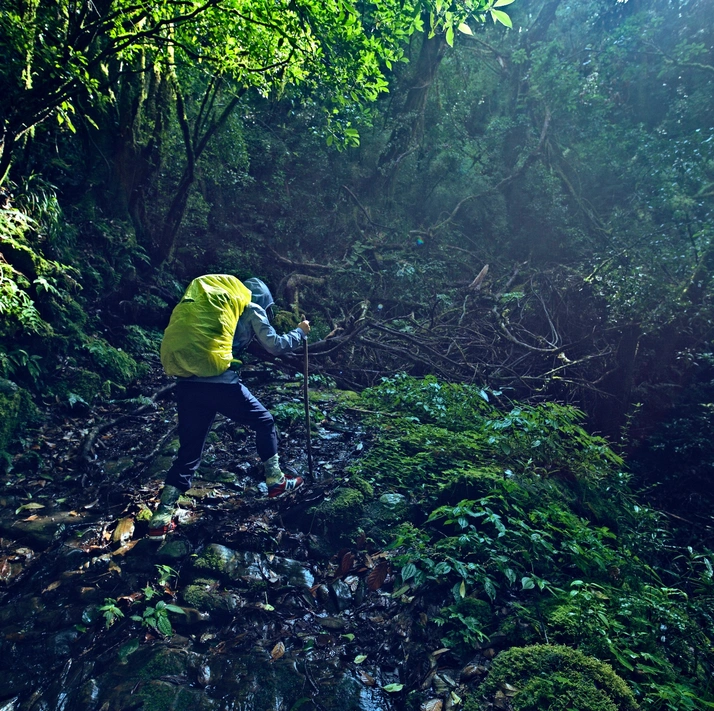
The star attraction is the "Big Boiling Pot" (大滚锅)—a boiling spring 6.12 meters in diameter and 1.5 meters deep, with water temperatures reaching 96.6°C and the bottom hitting 102°C. Locals tie eggs into bundles with dried grass, carry them to the top of the hill, and drop them into the geothermal steamers. The steamers are constantly opened and closed by eager tourists, turning a 10-minute cooking job into a 40-minute wait. But nobody seems to mind. People happily lug their egg bundles up the mountain, refusing to give up despite the heat and exhaustion.
A little kid said to his mom, "I want to go swimming in there." Without looking back, she replied, "You'd be boiled alive." The kid shut up immediately. Simple, brutal, effective parenting.
The Ming dynasty explorer Xu Xiake wrote in his travel diaries: "Looking into the gorge from afar, steam rises in several places, east and west, thick and vigorous like smoke and fog... bubbles as large as marbles leap up by the hundreds with a sound, some rising more than a foot high—a truly strange sight." More than 300 years later, almost nothing has changed.
Night Walk in Heshun: The Taste of Lotus Seeds
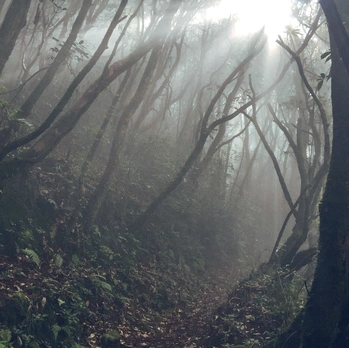
At ten at night, we walked through the silent stone alleyways. Most doors were closed, with only a few shops still glowing with faint light. We reached the lotus pond, and in the distance, a beam of white light—someone was harvesting lotus roots. We went over to chat, and they offered us fresh lotus seeds. Crisp and sweet. The lotus buds were a tender pinkish-white, and even the picked leaves were still firm and strong.
Someone later told me that "lotus seed" sounds like "pity for the child" in Chinese, a metaphor for love—both bitter and sweet. "A love without a heart isn't bitter," they said. I thought that was beautifully put.
Day Two: Beihai Wetland and the Night in Jiangju Village
A Floating Meadow
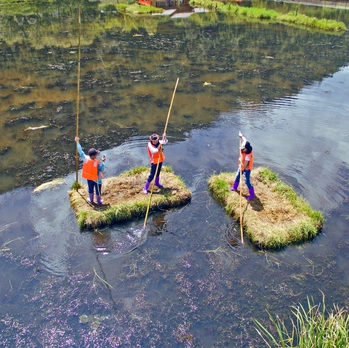
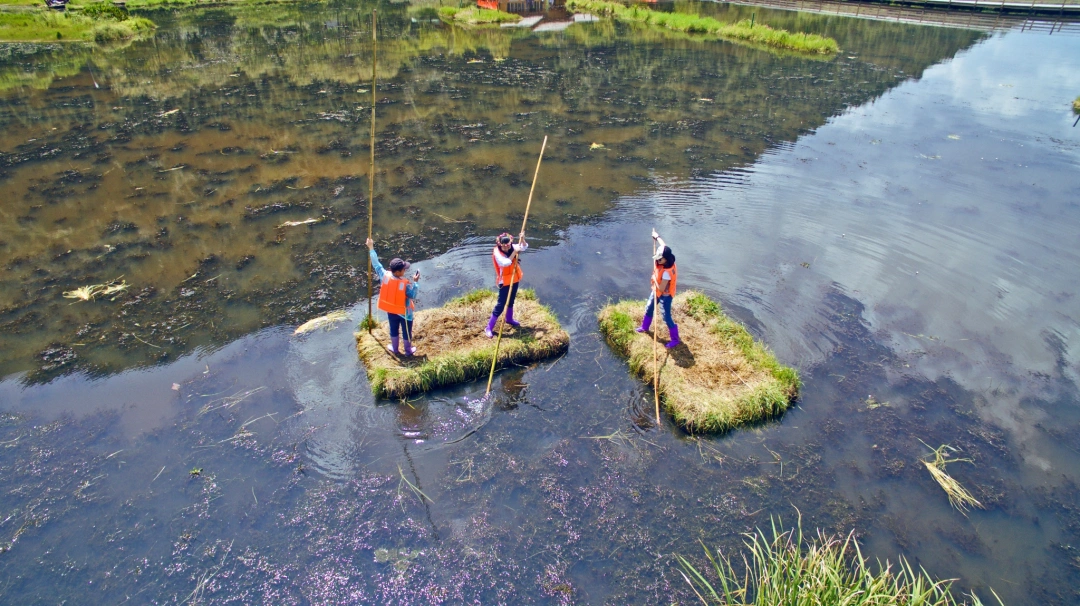
Beihai Wetland is the only subtropical volcanic barrier lake marsh wetland in southwest China. The entire meadow floats on the lake surface—locals call it "grass rafts" or "sea rafts." It's home to 159 species of vascular plants, including the nationally protected water shield and the second-class protected iris orchid.

We punted across the grass rafts, stepped on fish, and grilled them right there. Walking along the wetland paths, the scent of fresh grass and earth filled the air. A flock of egrets played in the distance. Despite the August heat, the wind blowing off the lake carried a damp coolness that was deeply refreshing.
Jiangju Village: A Kingdom of Tobacco and Corn

By evening, we reached Jiangju Village. The locals here mainly grow tobacco and corn—tobacco is their primary income source. We asked around for information about crossing the Gaoligong Mountains, and the answers were all over the place. Some said 7-8 hours. Others said 12-15. A few insisted on 5-6. The time estimate would determine whether we could cross in one day or had to spend the night at the Southern Monk's Lodge (南斋公房). Overnight meant carrying tents and worrying about bears and other wildlife.
We decided to push through in one go. Lucky for us, we got in touch with a forest ranger from Linjiapu who agreed to be our guide. That eased half our anxiety.
Day Three: A Thirteen-Hour Life-or-Death Crossing
Preparation
Before we set out, an outdoor enthusiast friend asked me, "Do you know the most important factor in hiking?" I said, "Physical strength." He shook his head. "It's faith."
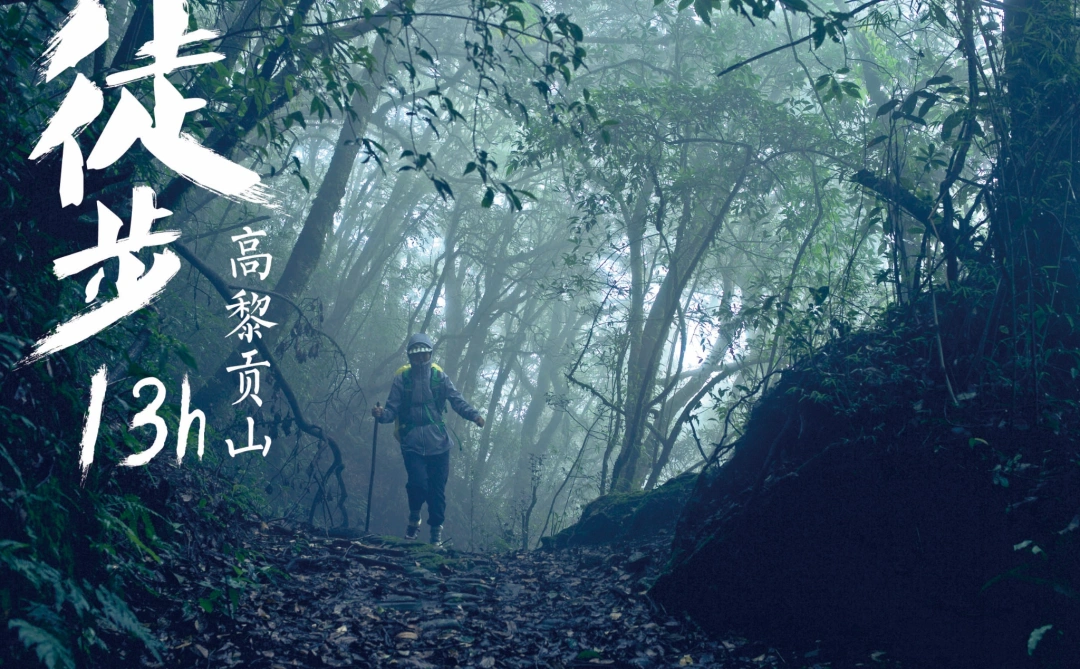
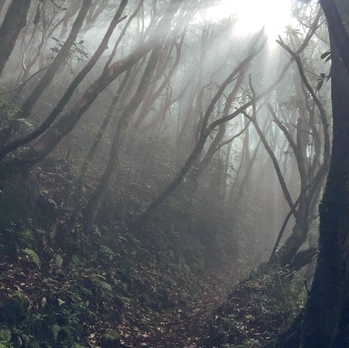
He was right. In the primeval forests of the Gaoligong Mountains, there's no turning back. Whether you go forward or backward, you have to do it yourself. Everyone is exhausted, but no one wants to be a burden.
I made two mistakes with my gear. First, my shoes weren't waterproof enough. Within two hours, they were filled with water. I had to stop every so often to squeeze them out. My feet turned white from soaking, and red eczema broke out on my ankles. Second, my rain jacket's waterproof rating was too low. It was basically useless—sweat and rain mixed together, and when I took it off at night, it smelled like a wet dog.
The one thing I did right was bringing insect repellent sachets. After thirteen hours in the forest, I didn't get a single mosquito bite. You can tie the sachets to your backpack and use adhesive patches on your clothes and pants, but rain makes them fall off easily. The best trick is to seal the gap between your pant legs and shoes with transparent tape. Leeches will still find a way in, but at least you reduce the odds.
Bring enough food and water—and carry it yourself. Toward the end, every sip of water and every bite of dry food becomes priceless.
The Gaoligong Mountains: Four Seasons in One Mountain
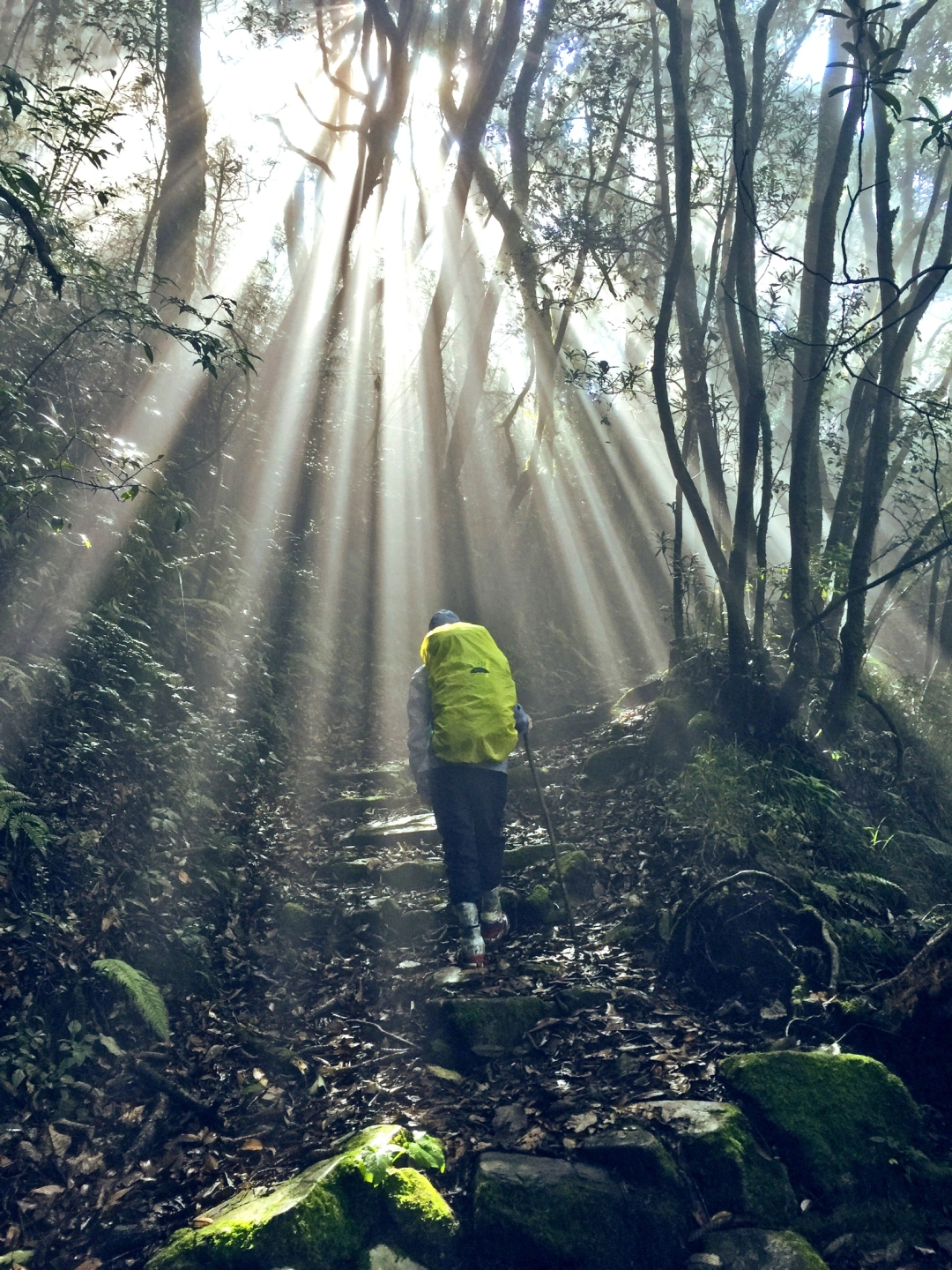
The Gaoligong Mountains are a Chinese national nature reserve and a UNESCO Biosphere Reserve, often called the "World Gene Bank" and "World Natural Museum." The massive mountain range blocks cold currents from the northwest while trapping warm, moist air from the Indian Ocean, creating a classic subtropical climate. With a vertical elevation difference of over 4,000 meters, the foothills are scorching summer while the peaks are covered in snow. Truly, "one mountain has four seasons, and ten miles bring different weather."
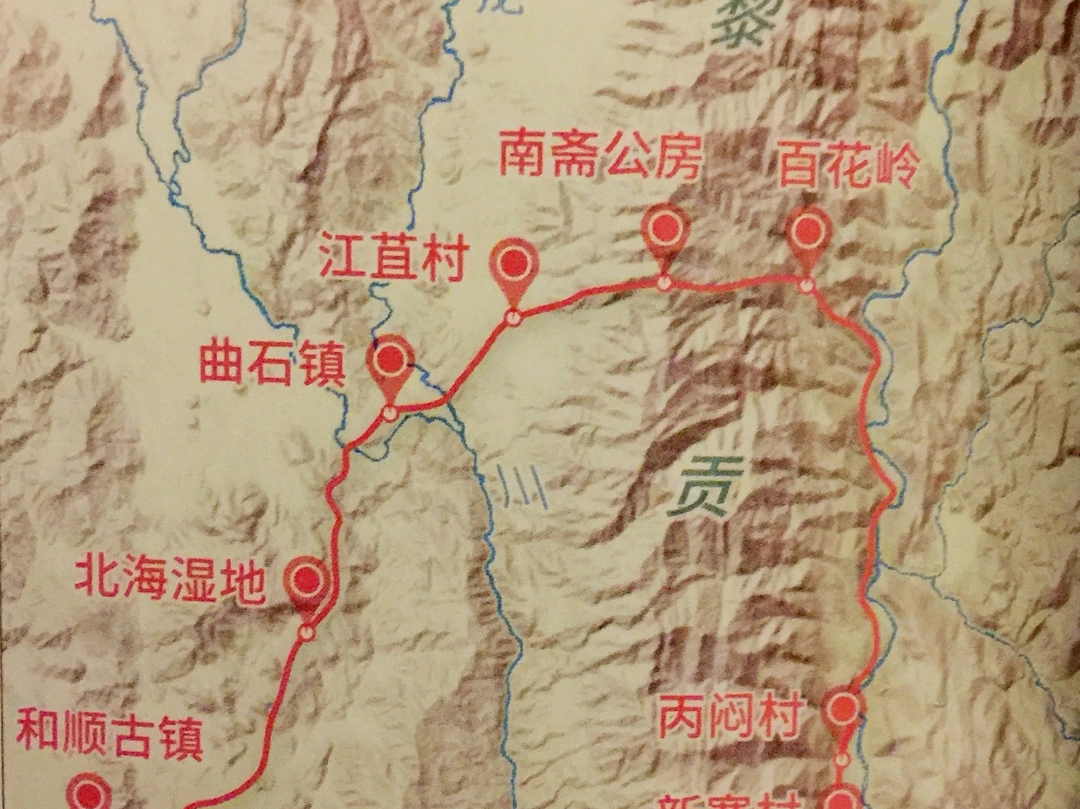
Our route: Linjiapu → Huajuanshi → Samaba → Gangfang → Chengyaoshi (2,660m) → Banyan (2,857m) → Xuechong Pass (3,160m) → Xuechong Pass Bunker → Southern Monk's Lodge (3,300m) → Lanbandeng → Yingshan (2,894m) → Huanmichu → Huangxinshu → Yongding Bridge → Huangzhu River → Gangfang → Dafengbao → Ertaipo → Jiujiezi → Baihualing Research Station. Straight-line distance: 17 kilometers. Actual hiking distance: over 20 kilometers.
This path is the ancient "Shu-Shendu Road" (蜀身毒道), a trade route that existed as early as the 4th century BC, connecting Sichuan through Yunnan and Myanmar all the way to India. It was also a major battlefield of the Western Yunnan Campaign. The Japanese bamboo spike traps set up in these mountains still leave traces today.
Thirteen Hours of Agony and Faith
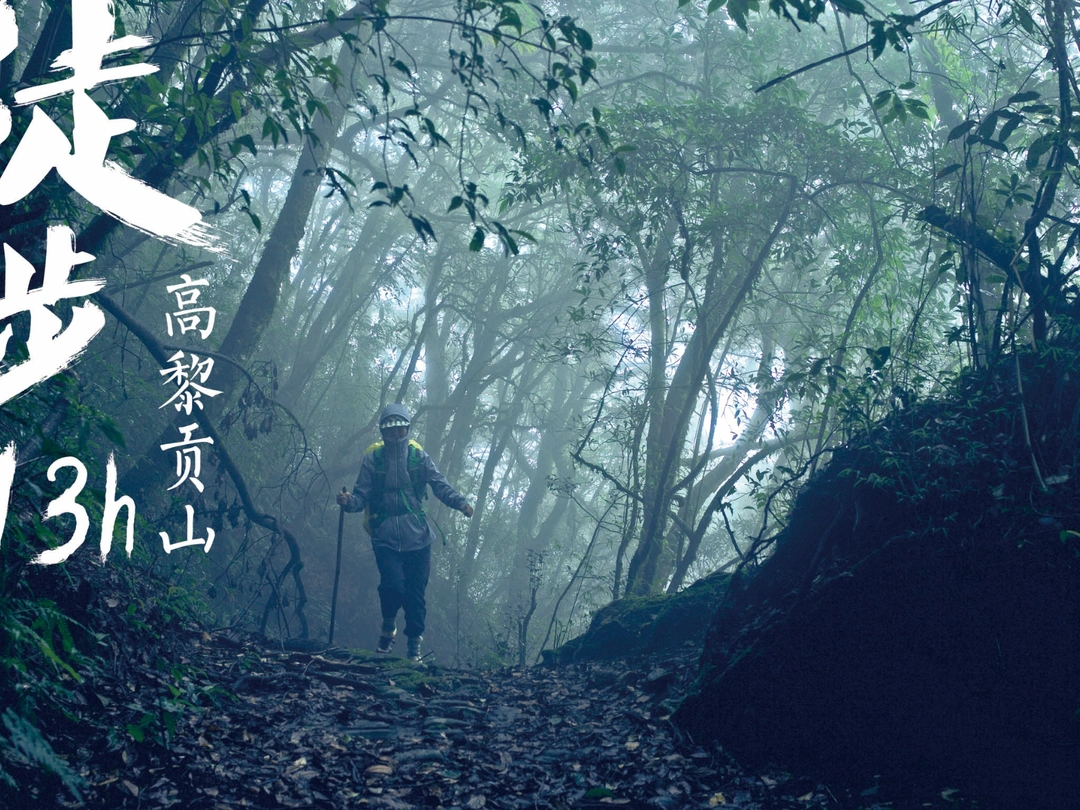
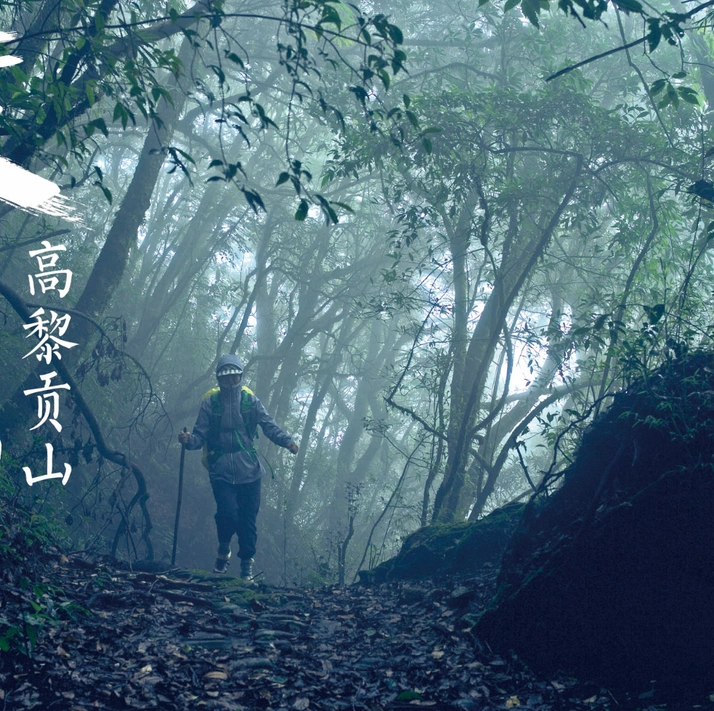
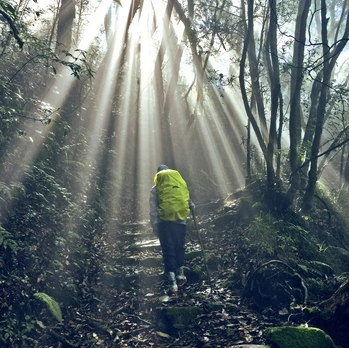
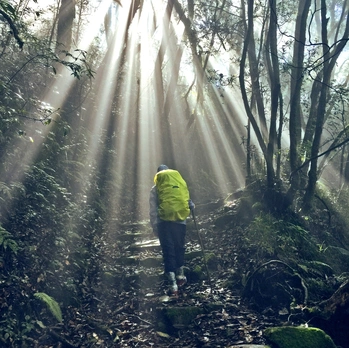
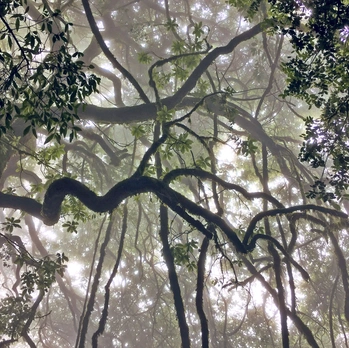
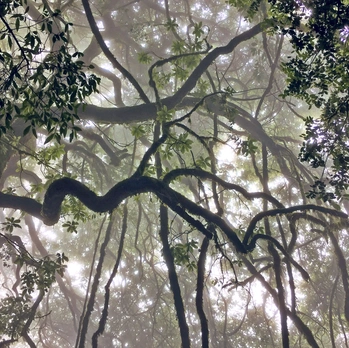
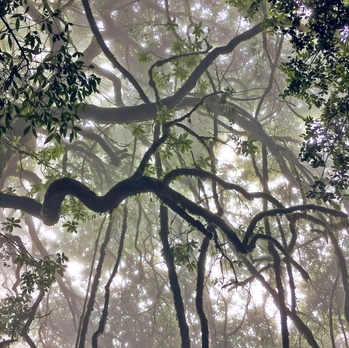
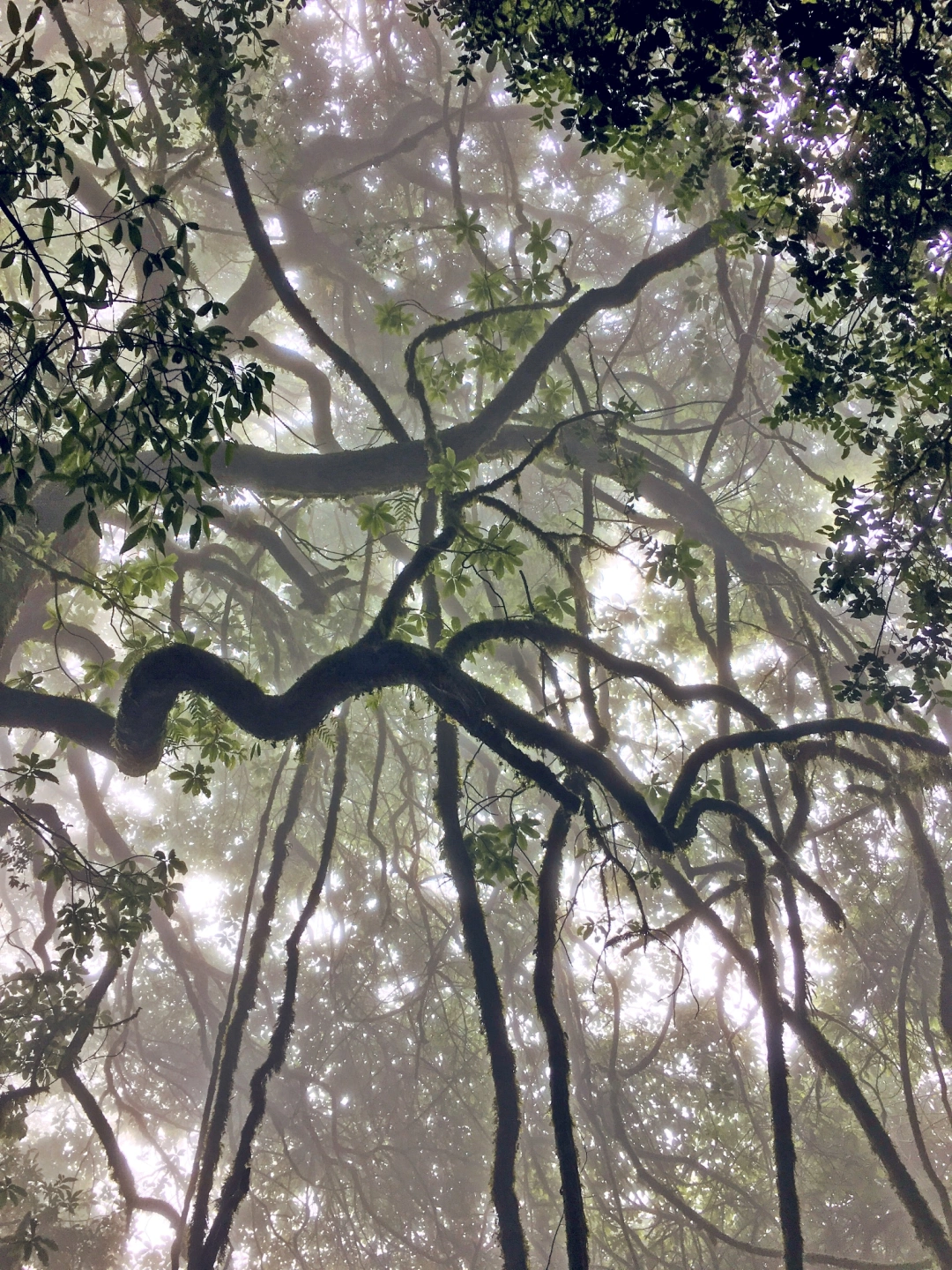
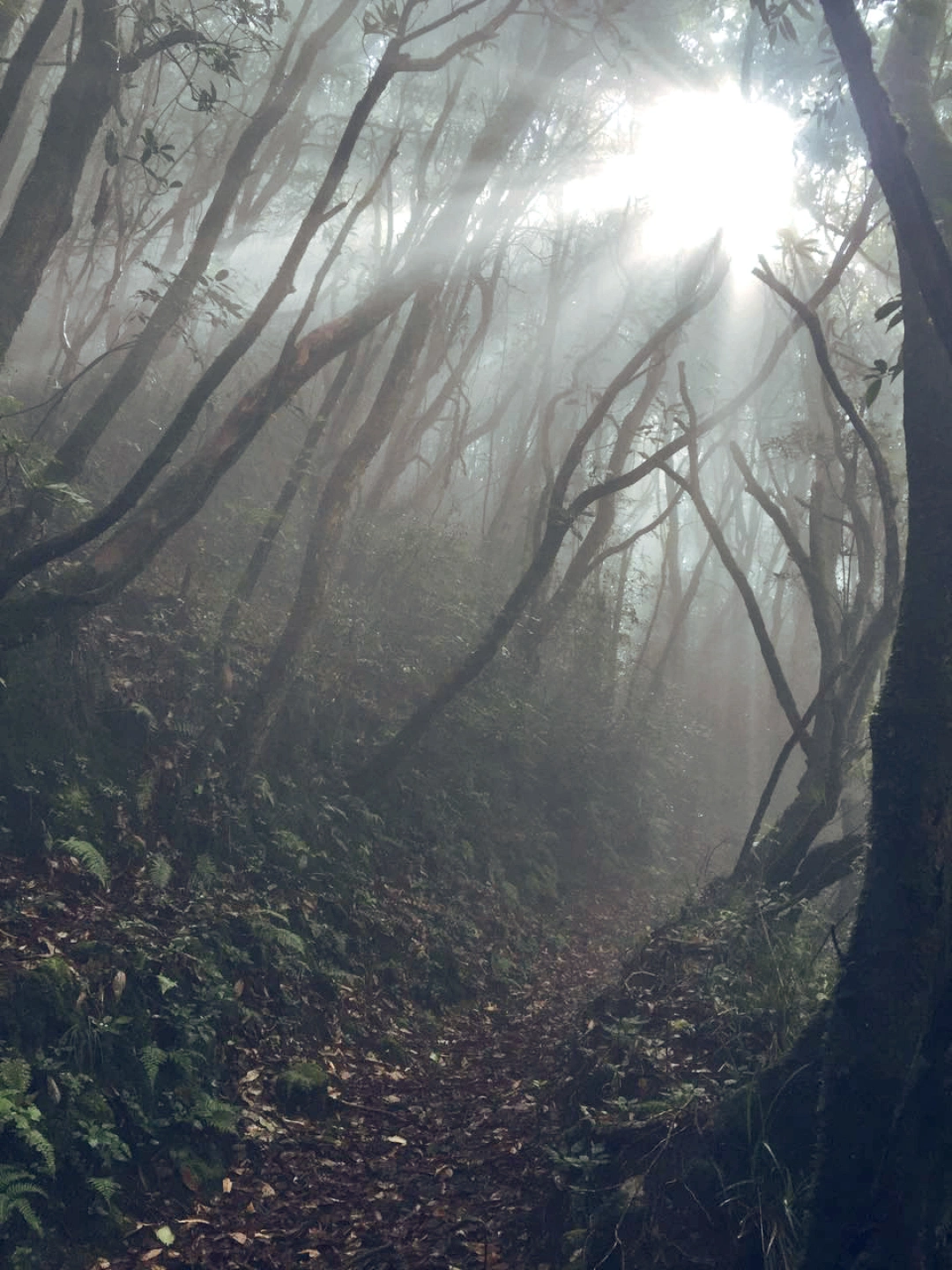
From eight in the morning to nine at night, we walked through the primeval forest for thirteen hours. Elevation climbed from 2,000 meters to 3,300 meters, then dropped to 1,500 meters. With every step, you could feel the vegetation changing—from subtropical evergreen broadleaf forest to temperate coniferous forest to alpine meadows.
The hardest part was the last four hours. Darkness had fallen. My headlamp only lit a few meters ahead. My energy was almost completely gone. Every step required every ounce of strength I had. But I knew I couldn't stop. Stopping meant spending the night on the mountain, and the Gaoligong Mountains at night belong to bears and wild boars.
The forest ranger led the way, his steps steady as a machine. I followed behind with only one thought in my mind: keep moving. Don't stop.
At nine o'clock, when the lights of the Baihualing station finally appeared in the distance, I almost cried. The moment I took off my shoes, my feet were numb and lifeless. But deep inside, I felt an indescribable sense of fulfillment. I made it.
The Final Day's Surprises
The next day, we saw a Christian church in Baihualing, the largest banyan tree in Asia, and the "First Coffee Village." The Songshan Battlefield site in Lujiang Town, where the Expeditionary Force fought a bloody battle against the Japanese, was only 70 kilometers away by car, but the drive felt more exhausting than the hike.
But what I remember most vividly is that bundle of eggs steamed in the Big Boiling Pot. We waited forty minutes. The yolks were a bit overcooked. But that sulfur-tinged, geothermal-steamed flavor—it's something no kitchen in the world can replicate.
Final Thoughts
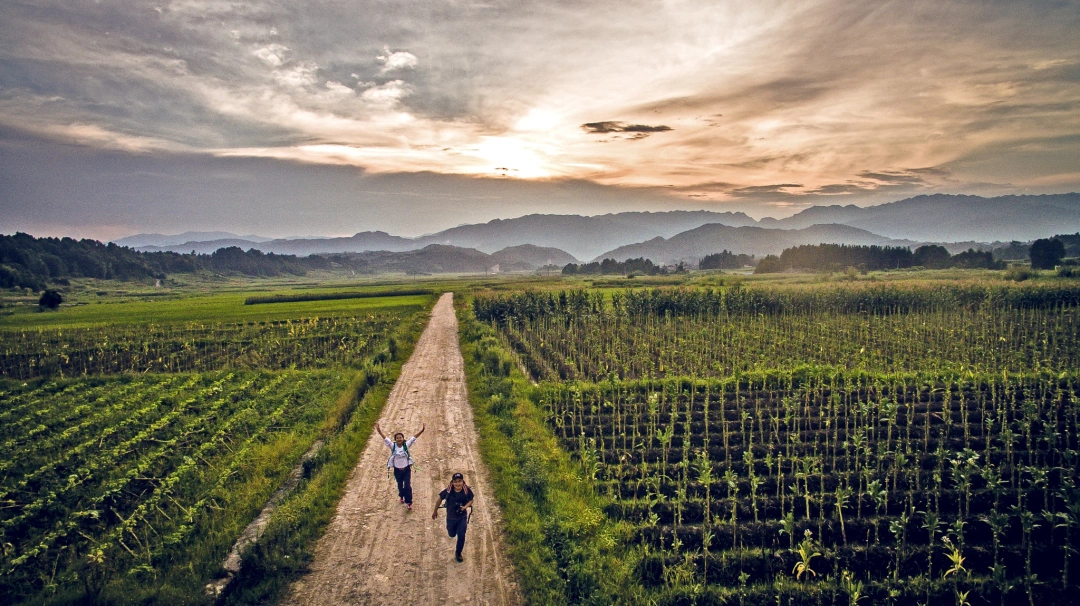
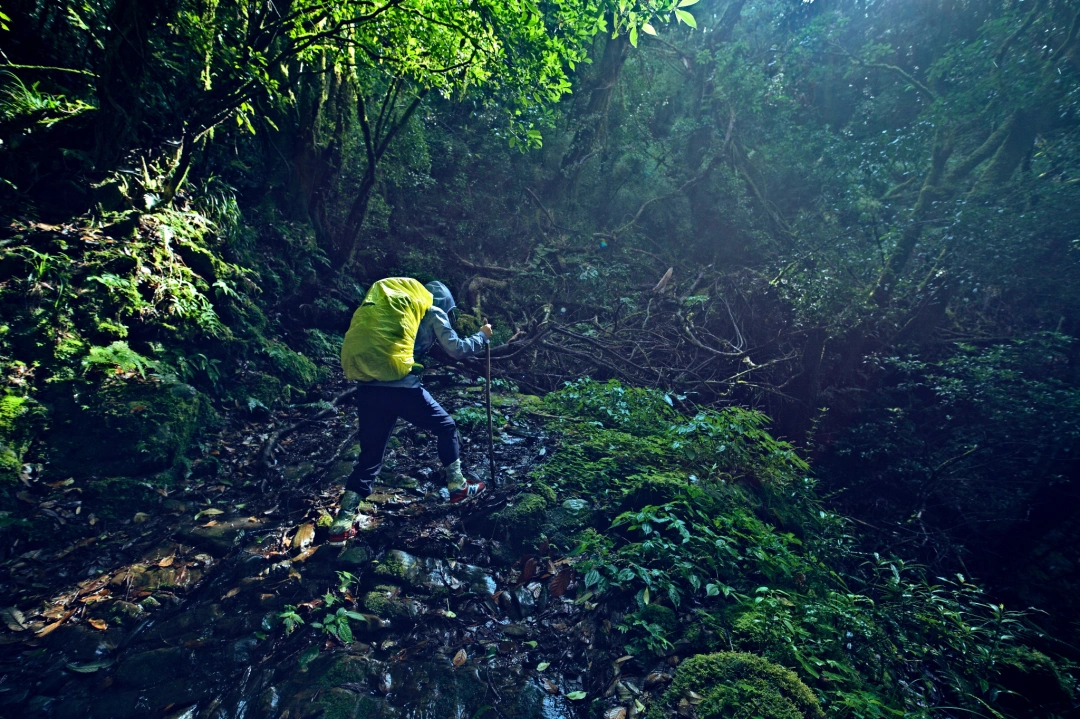
Tengchong is a city that makes your blood boil. Not because of its 99 volcanoes and 88 hot springs, but because beneath this land flows the blood of history, the fire of nature, and the faith of people.
Thirteen hours of trekking taught me one thing: life is like crossing the Gaoligong Mountains. There's no turning back. You can only move forward, no matter how tired or how hard it gets. But when you finally stand at the summit, looking down at the sea of clouds and the distant snow-capped peaks, you realize that every bit of suffering was worth it.
If you ever want to go to Tengchong, remember three things: First, your shoes must be waterproof. Second, bring insect repellent. Third, faith matters more than physical strength.
And don't forget to bring a bundle of eggs to the Big Boiling Pot. You'll have to wait forty minutes. But that steaming, piping-hot egg will be the best egg you've ever eaten in your life.
You should also read:
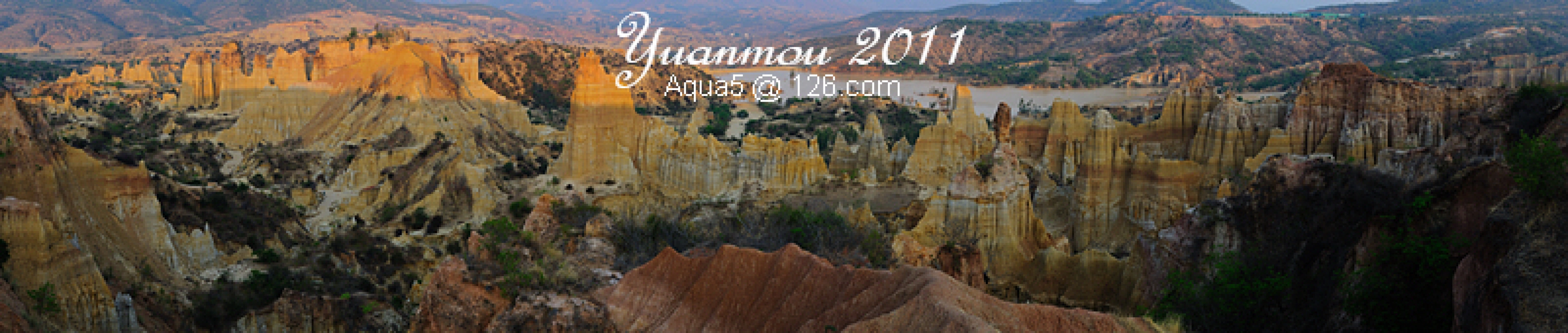
A Journey Through Time: The Earthen Forest of Yuanmou — April 2011 Chuxiong & Yuanmou Self-Drive Guide
A Journey Through Time: The Earthen Forest of Yuanmou — April 2011 Chuxiong & Yuanmou Self-Drive Guide Some journeys are destined to take root in your memory. In April 2011, I set out from Shuhe in Yunnan, heading north toward the Chuxiong Yi Autonomous Prefecture,…
Continue reading...
Into the Hidden Valley: A Solo Journey Through the Mysterious Dulong River
Into the Hidden Valley: A Solo Journey Through the Mysterious Dulong River Deep in the northwestern corner of Yunnan Province, tucked away from the modern world, lies a place that feels like a secret whispered among mountains. The Dulong River Valley is not just a…
Continue reading...
God’s Abandoned Palette: A Self-Drive Journey Through Yunnan’s Dongchuan Red Land
God’s Abandoned Palette: A Self-Drive Journey Through Yunnan’s Dongchuan Red Land Travel has never been about reaching some distant geographic coordinate. It’s about encountering, along the way, the version of yourself buried beneath the rubble of daily routine. During this May Day holiday, I finally…
Continue reading...