This "Year" I'm Here | Impressions of Southeast Yunnan: Into the Deep Mountains, Seeking the "Seven-Colored" Palette God Left Behind
This "Year" I'm Here | Impressions of Southeast Yunnan: Into the Deep Mountains, Seeking the "Seven-Colored" Palette God Left Behind
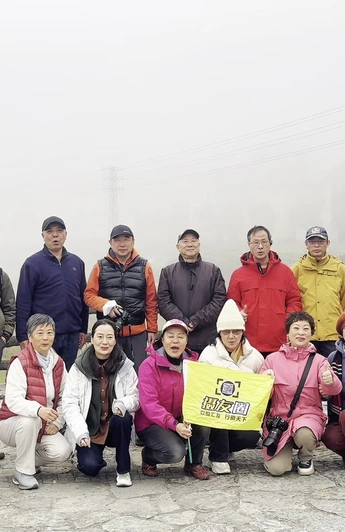
January 2025, the coldest days of winter. I packed my camera and followed a group of photography enthusiasts onto the land of Southeast Yunnan. This was a journey of exploration into little-known秘境 (hidden paradises), and a dialogue with the art of the earth. Southeast Yunnan, a highland region without flat plains, is home to thousands of terraced fields carved out over a millennium by the wisdom of the Hani, Yi, and Han peoples. Those exquisite lines and brilliant colors resemble a palette left behind by God, waiting for us to discover and record.
Chengzi Ancient Village: Six Hundred Years of Yi-Han Fusion
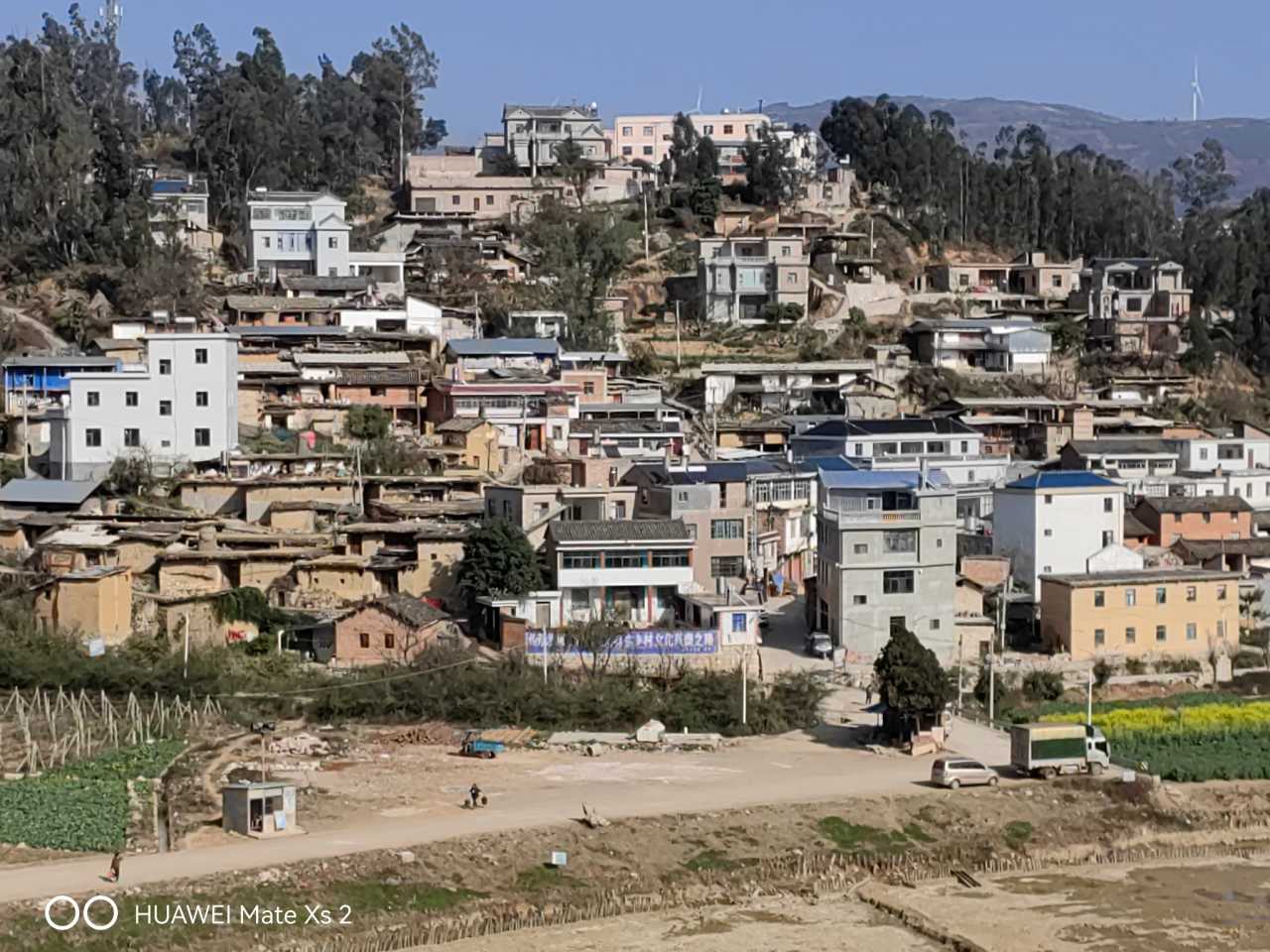
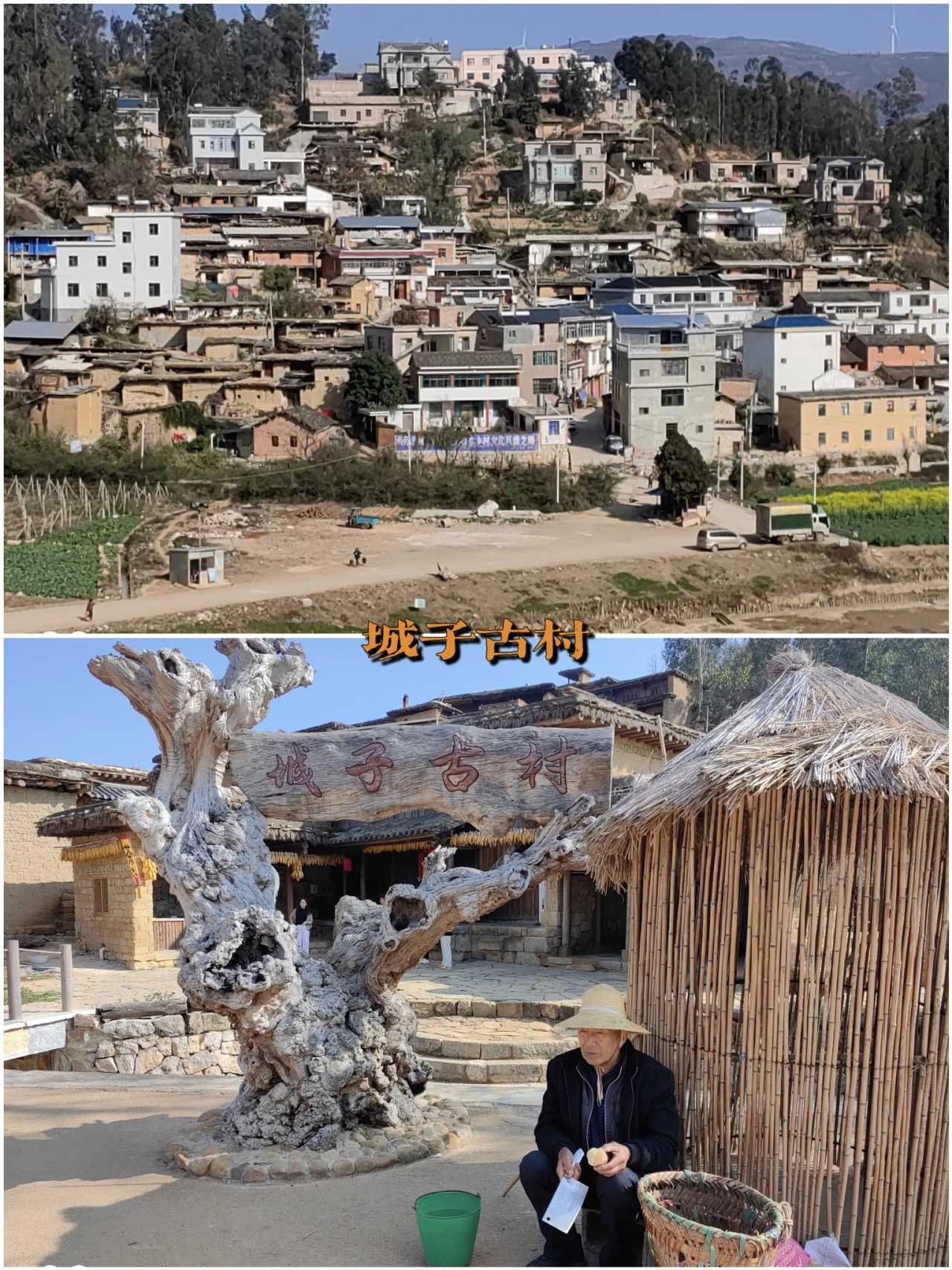
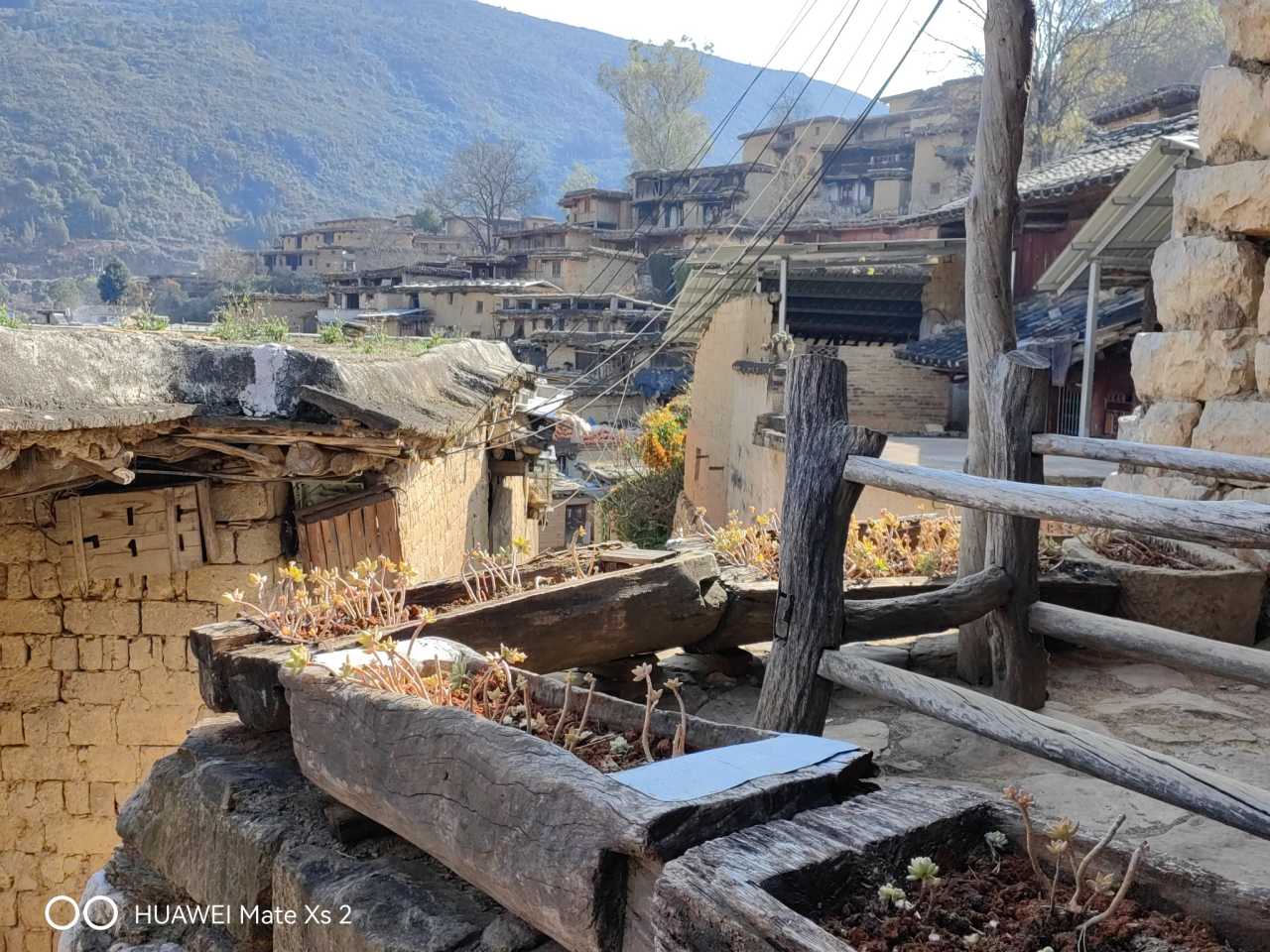
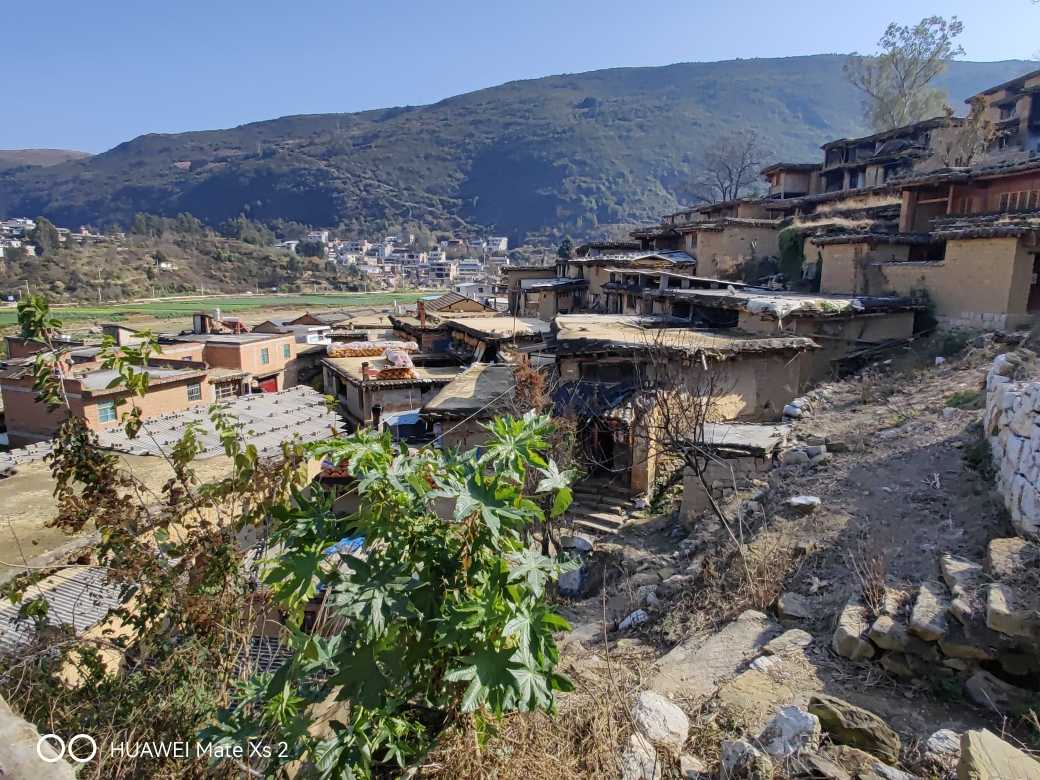
Our first stop was Chengzi Ancient Village. This ancient village sits at the junction of Honghe and Wenshan prefectures, where Luxi, Mile, and Qiubei counties meet, with a history of over 600 years. Walking into the village feels like entering an ancient castle—the Yi-Han architectural fusion gives the entire settlement a unique and mysterious air.
Built on a mountainside, the earth houses rise layer upon layer, like terraced fields arranged in perfect disorder, with as many as 17 levels across the village. Over a thousand "earth palm houses" (tǔzhǎng fáng, traditional flat-roofed dwellings) are connected end to end, uniting more than 700 households. The most delightful feature: the roof of one house serves as the courtyard for the house behind. Families connect via wooden ladders—enter one home, and you can traverse the entire village through rooftop platforms and ladders. This unique architectural layout reminds me of the ancient saying "neighbors are one family," and it reveals the wisdom and warmth of the Yi ancestors.
Puzhehei and Mile: The Hearth of Life Amid Mountains and Waters
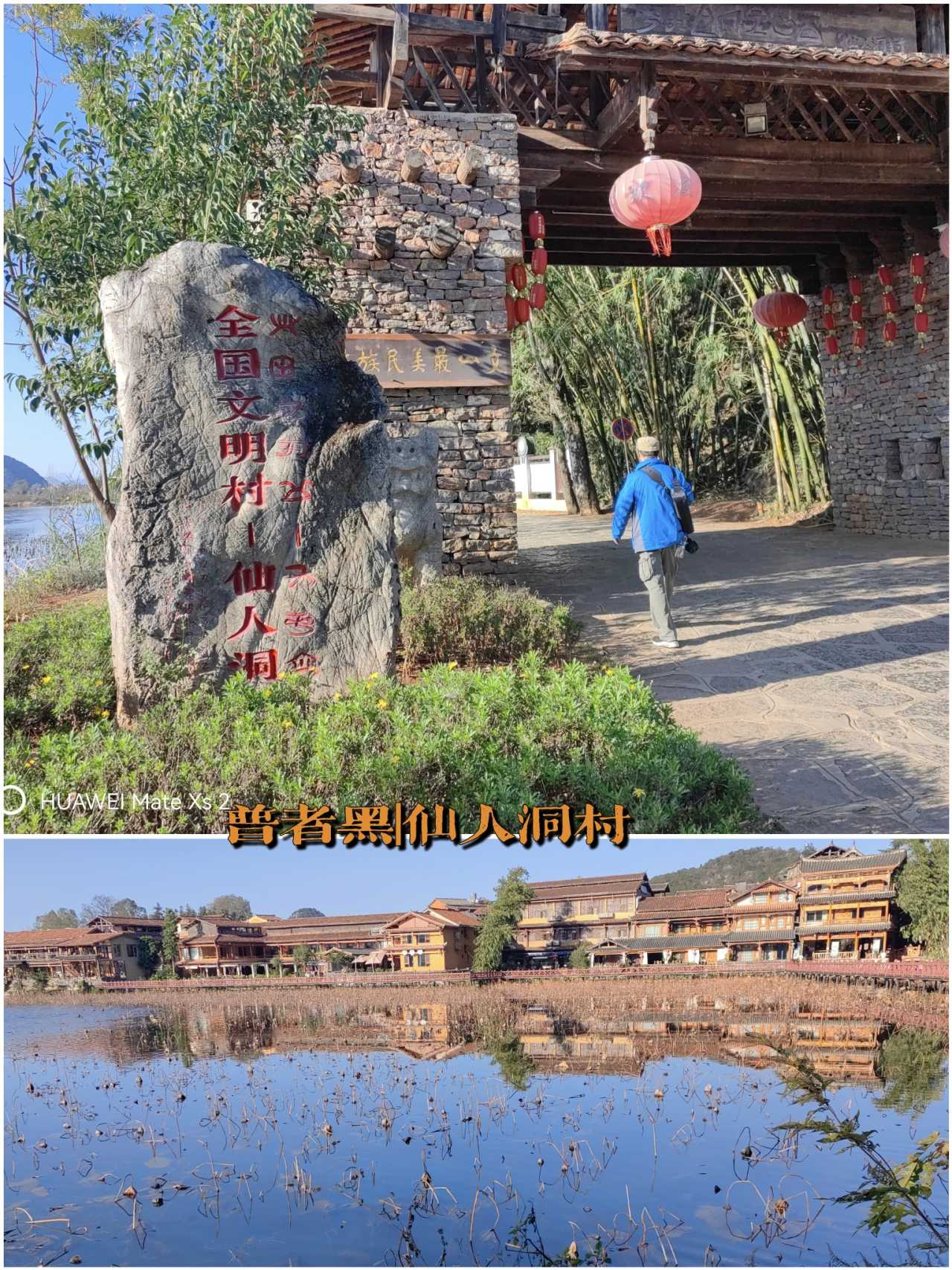
The Fairy Cave Village (Xiānrén Dòng Cūn) in Puzhehei is a pearl of Southeast Yunnan. Here, mountains and waters embrace, with lake views and mountain scenery forming an ink-wash painting. Mile, though a county-level city in Honghe Prefecture, comes alive at night. I stayed at the Giant Yage Hotel (five-star), with a food street just a five-to-six-minute walk across the road. This is a paradise for local snacks: grilled skewers, spicy hot pot, Chongqing palace-style rice bowls, fresh noodles... a dazzling array of fiery, flavorful foods, especially popular among young people. As for me, I couldn't handle the heat and could only watch them feast with gusto.
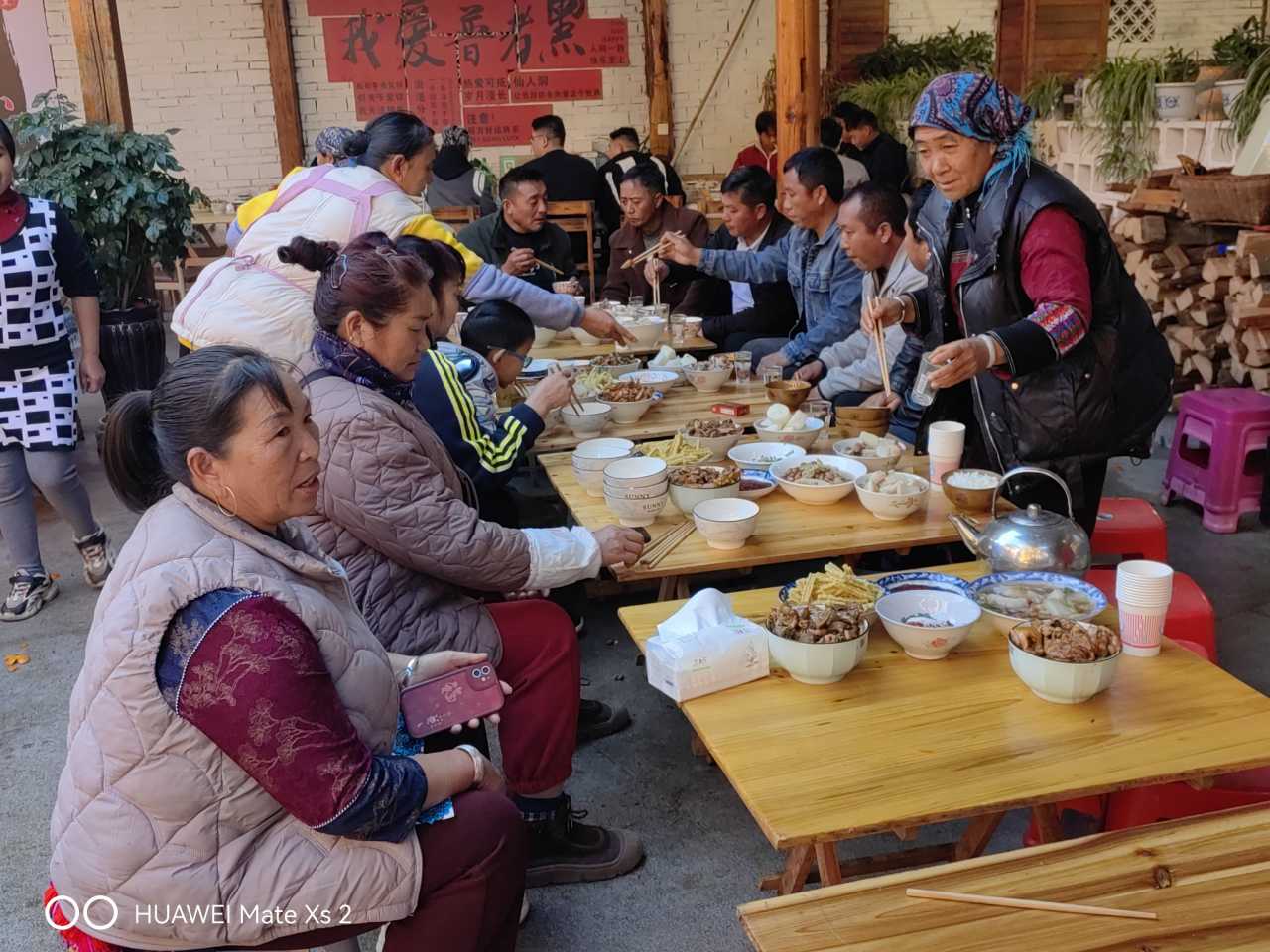
Mile's barbecue has a unique style: a few people sit around, the owner grills in the center, then distributes the food to each person. Roasted sweet potatoes, grilled meats... this small-table barbecue was a first for me. Amid the smoky hearth, I felt the warmth of this small city.
Dongfengyun Kaleidoscope: The Artistic Soul in Red Brick
What struck me most in Mile was the "Dongfengyun" Kaleidoscope (Dōngfēng Yùn Wànhuātǒng). This is a brick structure, built without a single piece of steel, concrete, or timber, relying entirely on geometric spatial principles, with bricks interlocking to form the whole. It seems to grow out of the red earth, its shape resembling oddly shaped wine bottles or a cluster of blazing flames.
Inside the hall, transparent glass windows in the dome act like the kaleidoscope's lens. At different times of day and seasons, varying angles of sunlight project ever-changing light and shadow effects inside. Hundreds of handcrafted, rough terracotta figures stand in neat rows at the front of the hall, like a choir performing a grand concert. Their flesh is formed from red earth, their souls imbued in red brick, singing of this artistic castle and celebrating the ode to artistic life. In their seemingly expressionless faces, they seem to be given soul by music, conveying emotions of tragedy, exaltation, calm, sorrow, or joy.
Yuanyang Rice Terraces: A Light Feast on the Earth's Fingerprints
The Yuanyang Rice Terraces, designated a World Heritage site in 2013, are a natural palette "carved" by the Hani people over 1,300 years. They resemble colorful clouds floating in the sky—dreamlike, ethereal, intoxicating.
Hani Terraces: The Crystallization of Agricultural Civilization
The Honghe Hani Rice Terraces follow the mountain contours, layer upon layer, creating a powerful three-dimensional effect. They are not only a perfect display of layered beauty and curved lines but also carry profound cultural meaning. They are the crystallization of agricultural civilization, a symbol of harmony between humans and nature. The terraced fields before my eyes, like the earth's fingerprints, shimmer under the sunlight with captivating brilliance. The earth's exquisite lines and vibrant colors form a breathtaking sight that leaves everyone mesmerized.
Bada Terraces: The Best Stage for Sunset
Bada Terraces are the best spot in the Yuanyang scenic area to watch the sunset. Here, the terraces have the most steps and the widest view, and the sunset scenery is spectacular. In the evening, crowds gather in rows, but the viewing platform is large enough to avoid feeling cramped. As the sun sets, the terraces shift from red to white, like a shy maiden's blushing face, compelling you to press the shutter.
Duoyishu Terraces: A Dreamlike Dawn at Sunrise
Duoyishu Terraces lie at an altitude of 1,900 meters, on slopes ranging from 25° to 50° that resemble a bay. At sunrise, the morning sun backlights the mist, gradually gilding the layered terraces with gold. The Hani and Yi villages nestled among them, veiled in clouds and fog, appear hazy and poetic, like a scene from a dream. Here in Duoyishu Village, people live in harmony with the mountains, and everyone says this is truly a heavenly realm on earth.
Aichun Terraces: The Miracle of Blue Reflection
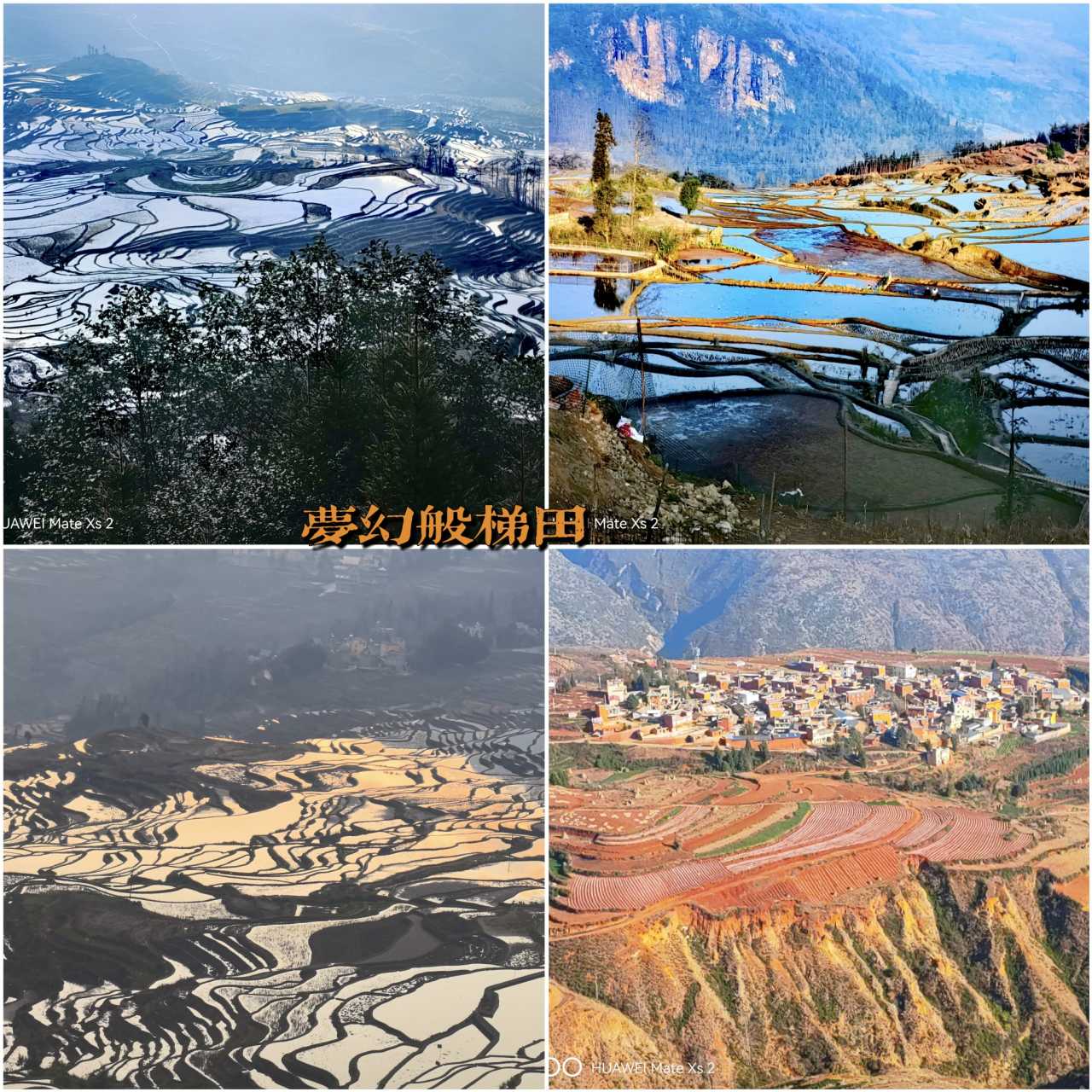
Aichun Terraces are famous for their unique blue reflections, earning the name "Blue Terraces." Close to Duoyishu, the water in the terraces mirrors the sky's blue, where sky and clouds drift together, water and sky merge in one color—a truly beautiful sight. Standing here, you feel as if you've stepped into a blue dream.
Dawazhe Terraces: A Glazed World in Twilight
The sunset at Dawazhe Terraces presents a different enchanting scene, especially the evening glow. As the sun nears the horizon, the layered terraces climbing from the foothills to the mountaintop reflect the sky's blue on the water surface, creating a glazed world—a jade-green dream that intoxicates everyone.
Azheke Village: Terraced Fields Above the Clouds
Azheke, meaning "a small auspicious place" in the Hani language, is a village with over 160 years of history. Like most Hani settlements, it is built halfway up a mountain, following the slope in an orderly, layered fashion. At an altitude of over 1,800 meters, it is often shrouded in clouds and mist. Below the village, terraced fields cascade down the mountain, earning it the name "Cloud Village of Terraced Fields." It is one of the five key villages in the Hani Terraced Fields World Heritage area.
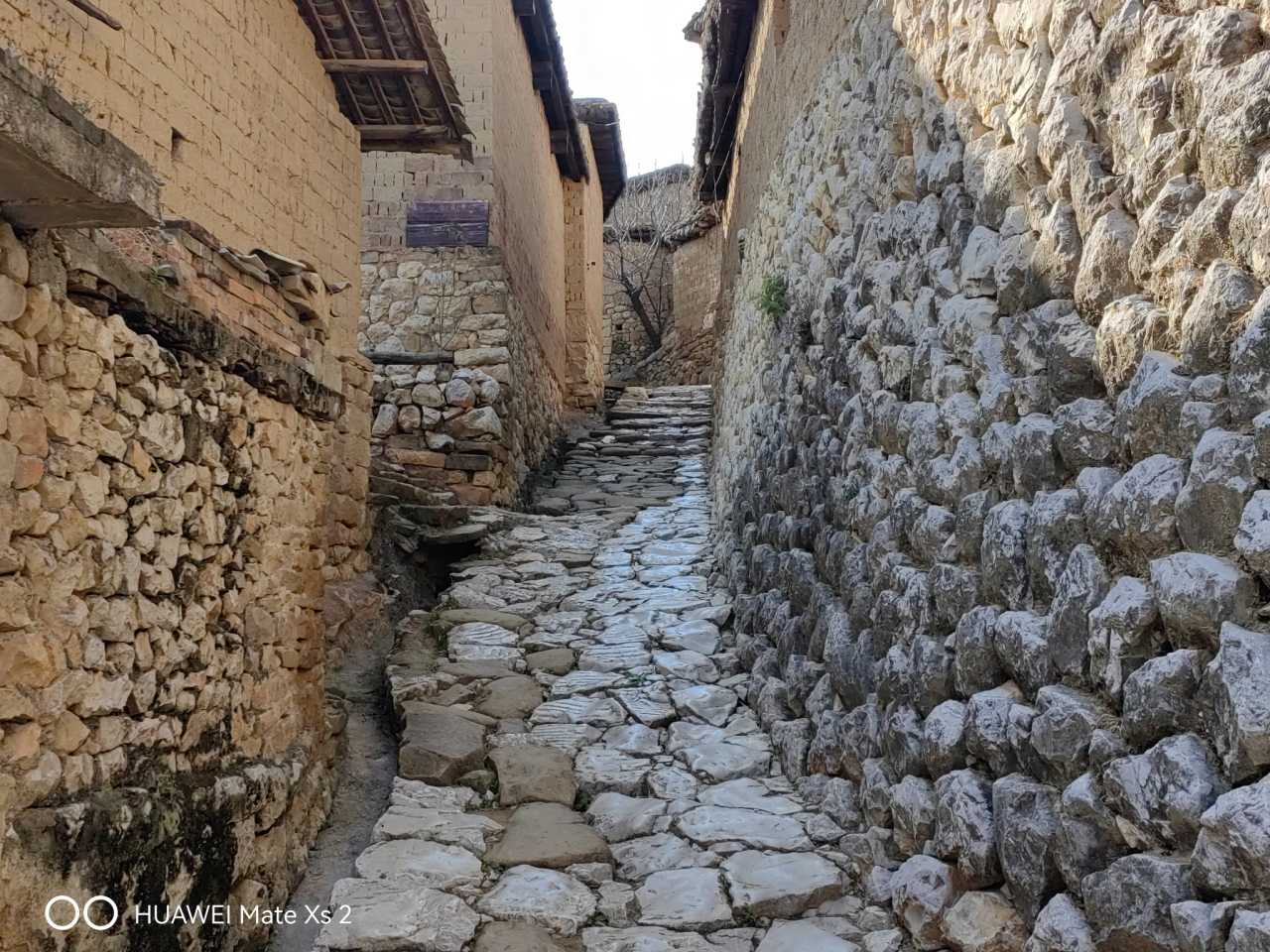
Over 60 mushroom-shaped houses with thatched roofs are considered by experts to be the best-preserved traditional Hani architecture in Yuanyang County. Walking along the village's century-old slippery cobblestone paths, with trees, houses, and fields on either side, I saw villagers working in the fields, setting up stalls on the paths, and elderly people chatting. The place is filled with a rich, primitive rural atmosphere that let me experience the essence of Hani terrace culture—unforgettable.
Fuxian Lake: Sunrise and Sunset on a Highland Pearl
Fuxian Lake, known as the "Pearl of the Highlands," is shaped like an inverted gourd—wide and deep in the north, narrow and shallow in the south. It boasts a "glassy expanse of ten thousand hectares." The lake water is crystal clear, reaching a maximum depth of 155 meters, making it China's largest deep-water lake. It produces over 20 species of commercial fish, most notably the "wave-resistant fish" (kànglàng yú).
Fuxian Lake Sunset: Poetic and Romantic
The Time Trail (shíguāng zhàn dào) along Fuxian Lake is long, winding through scenic spots like Fuxian Lake National Wetland Park, Moon Bay Wetland, and Sakura Valley. Walking along the boardwalk in Moon Bay Scenic Area, I was fortunate to witness the sunset over Fuxian Lake. The last rays of sunlight spilled across the lake's surface, poetic and romantic, intoxicating the senses.
Fuxian Lake Sunrise: Crossing Mountains and Seas to Chase It
The sunrise at Fuxian Lake came very late—it wasn't until 9:30 AM that the sun's glow appeared in the distance. Unfortunately, I had to leave for Yuanmou Earth Forest, so I had to let that moment go. But I believe there is always a sunrise worth crossing mountains and seas to chase its beautiful form.
Yuanmou Earth Forest: A Corner Forgotten by the Earth
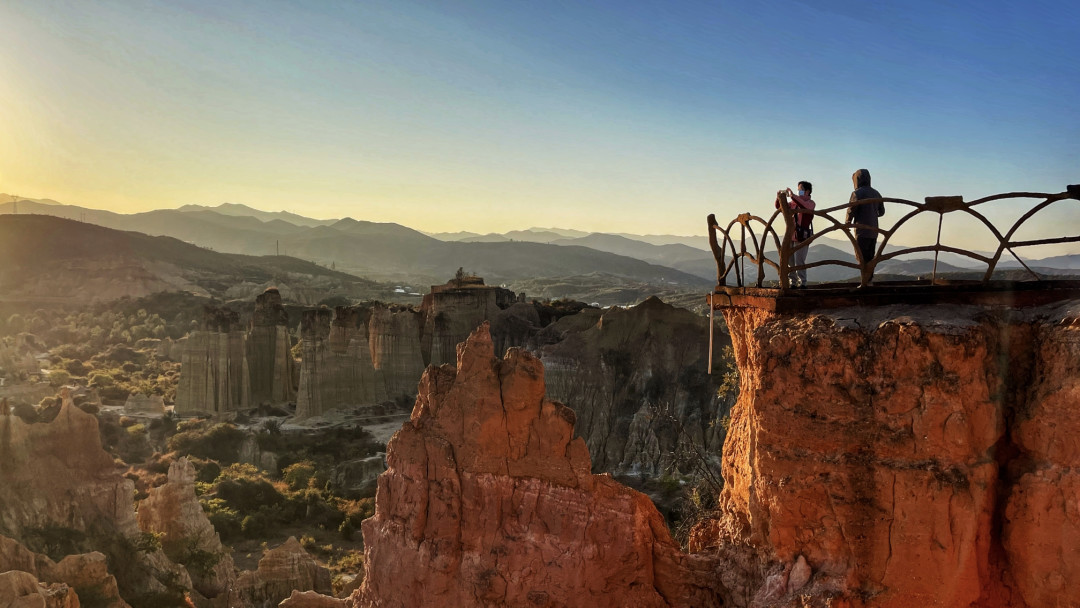
The Yuanmou Earth Forest is a landform formed by earth-like deposits shaped into clustered pillar-like terrain, so named because it resembles a forest from afar. It is a natural geological wonder of China and the world. Walking into the Earth Forest is like stepping into a Picasso painting—abstract; like listening to a Pavarotti opera—passionate; like experiencing a Beethoven symphony—overwhelming. Each person interprets it through their own vision, gaining a unique aesthetic pleasure.
Langbapu Earth Forest Sunset: A Spectacular Kaleidoscope

Langbapu is one of the main areas of the Yuanmou Earth Forest. As the sun sets, the originally pure loess-colored earth forest transforms into a more wondrous spectacle. Due to the sunset light, the once-uniform colors become a brilliant palette of gold, black, light gray, purple-black... like ever-changing giant paintings, creating an even more astonishing wonder.
Langbapu Earth Forest Sunrise: A Majestic Palace
Entering the Yuanmou Earth Forest at dawn, the sunrise brings out rich colors: the tops of the earth pillars are mainly purple, the middle sections gray-white, and the lower parts yellow. From a distance, Langbapu Earth Forest looks like a series of magnificent palaces. Walking inside feels like wandering through an ancient castle gallery—a moving, enchanting landscape.
Dongchuan Red Land: The Palette Left by God
The Dongchuan Red Land gets its name from the iron-rich soil that turns red. Among its areas, Huagou Village in Red Land Town is the core scenic center. The surrounding region is rich in attractions: Luoxia Valley, Colorful Slope, Splendid Garden, and the Millennium Dragon Tree. With ever-changing blue skies and white clouds, and farming activities weaving into the landscape, it is recognized worldwide as the most dramatic red land, a "palette" in the lenses of Chinese and foreign photographers.
Luoxia Valley: Visual Impact of the Red Highland
Luoxia Valley is one of the world's most distinctive red highland landscapes. With red as the dominant color, the land is crisscrossed with ravines, offering a strong three-dimensional feel and visual impact. Combined with seasonal crops, farming activities, and the backdrop of blue skies, white clouds, and shifting light, the scene forms a magnificent, mysterious, dreamlike landscape that captivates the soul.
Wafang Liangzi: A Patchwork of Colors
Wafang Liangzi is a small natural village in the Dongchuan Red Land mountains, known for its rich natural scenery. Due to the iron-rich soil, it displays a unique red land landscape. In the afternoon, when the sunlight is strong, the soil shows its brightest red, while farmland and crops divide the land into colorful patches against the blue sky and white clouds—exceptionally beautiful. As the sun sets, the vibrant colors of the land gradually fade, replaced by deep, rich tones, creating another captivating picture until it disappears into the night.
Splendid Garden: Regret in the Mist
Splendid Garden (Jǐnxiù Yuán), located in Damakan Village, is known for its colorful layers and elegant contours. From the viewing platform here, one can gaze into the distance at mountains and plains, where crops in light and shade interweave, forming sharply contrasting patches like a palette. But that day, thick fog filled the air—white mist as far as the eye could see, nothing visible. After waiting a full two hours (one shíchen, an ancient Chinese unit of time) with no sign of the fog lifting, I had to retreat to the next spot.
Kunming Haihong Wetland Park: The Peace of the City's Green Lung
Haihong Wetland Park is located on the north shore of Dianchi Lake in Kunming's Xishan District, south of Dianchi and north of the lakeside road. The scenery is beautiful. The park is planted with a large number of metasequoia trees, which change color with the seasons. Especially in autumn and winter, the metasequoia forest turns into a layer of colorful hues, presenting a captivating natural picture. Additionally, by the Dianchi lakeside, visitors can feed the little red-billed gulls (hóngzuǐ ōu, black-headed gulls) that fly in from afar, creating a joyful symphony of humans and birds. This is not only a nature reserve but also a green lung for the city, offering residents a place to connect with nature.
Epilogue: Southeast Yunnan—A Hidden Gem Worth Revisiting
This trip to Southeast Yunnan gave me a profound appreciation for nature's extraordinary craftsmanship and the greatness of human wisdom. The Hani, Yi, and Han peoples, who have lived in these deep mountains for generations, have used their industrious hands to create the awe-inspiring "dream" terraced fields; the "moving landscape" of the Yuanmou Earth Forest; and the "palette land" of the Red Land. These sights are nothing short of breathtaking.
Southeast Yunnan is a place well worth visiting at least once. Whether you are a photography enthusiast or a seeker of natural beauty, it will meet your expectations. If you plan to set foot on this land, I recommend preparing a detailed itinerary in advance, especially noting the sunrise and sunset times for the terraces and the best seasons for the Red Land. Bring your camera, bring your curiosity, and go seek the "seven-colored" palette God left behind on earth.
Friendly Reminder: For more detailed information on dining, accommodation, and transportation in Southeast Yunnan, refer to comprehensive travel guides, where fellow travelers can find valuable insights.
You should also read:
Yunnan! Paradise on Earth – The Yubeng Chapter: A Soul-Cleansing Journey into Seclusion
Yunnan! Paradise on Earth – The Yubeng Chapter: A Soul-Cleansing Journey into Seclusion Prologue: Why Yubeng? If you ask me which place in Yunnan is most worth hiking to, I would answer without hesitation: Yubeng. This is not an answer I give lightly. As a…
Continue reading...
Solo in Yunnan: A Wanderer’s Guide to the Land of Eternal Spring
Solo in Yunnan: A Wanderer’s Guide to the Land of Eternal Spring There’s something magical about traveling alone. No compromises, no schedules to keep, no one to please but yourself. I’ve been on the road for nearly three months now, and not once have I…
Continue reading...
Into the Hidden Valley: A Solo Journey Through the Mysterious Dulong River
Into the Hidden Valley: A Solo Journey Through the Mysterious Dulong River Deep in the northwestern corner of Yunnan Province, tucked away from the modern world, lies a place that feels like a secret whispered among mountains. The Dulong River Valley is not just a…
Continue reading...