Three Parallel Rivers: When Geography Textbooks Become the Epic Mountains and Rivers Beneath Your Feet
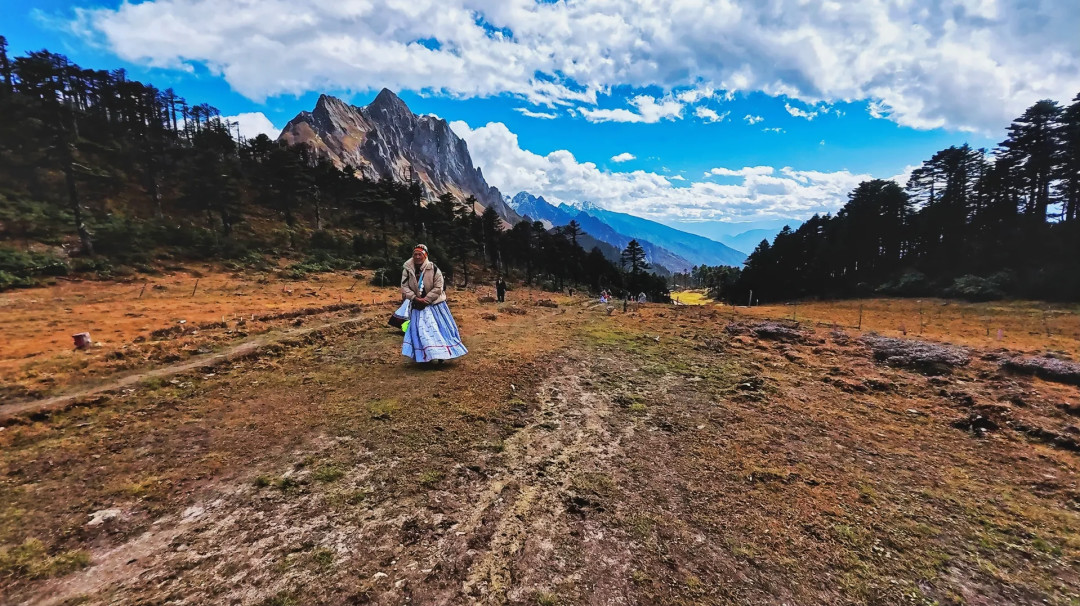
Three Parallel Rivers: When Geography Textbooks Become the Epic Mountains and Rivers Beneath Your Feet
Ten years ago, I first set foot on Yunnan's soil. I wrote a travelogue by Lugu Lake, and it unexpectedly became Mafengwo's "Feature Article of the Month." Back then, I was just a travel newbie who only knew Lijiang and Dali. A decade later, I've walked the path of 353 notes and 20 travelogues, evolving from a "checklist traveler" into an "explorer." Mafengwo has given me labels like "Feature Author," "Note Master," and "Quality Creator," but I know that what truly helped me grow were those hidden deep in the Hengduan Mountains—secret realms with names you can barely find on a map.
This time, my husband and I drove our trusty Tank 300, which has been with us for three years, from Beijing through Hubei and Sichuan, finally plunging into the heart of northwestern Yunnan. Our goal was clear: to gather all three rivers—the Jinsha, the Lancang, and the Nujiang—which flow parallel in our middle school geography textbooks yet eventually empty into different oceans. We wanted to see with our own eyes how they create entirely different worlds within the folds of the Hengduan Mountains.
This was no ordinary road trip. We soaked in borderless hot springs by the Nujiang River, stepped into the embrace of the Gaoligong Mountains, enjoyed the empty Peacock Mountain all to ourselves, marveled at the thousand-year-old ancient peach blossom salt fields in Mangkang, and visited a place whose name alone makes your heart flutter—"Shimi Wadi." Nature only needs to play a small trick to leave you spellbound for days. Amid the great mountains and rivers of the Three Parallel Rivers, we exchanged our energy with nature—every stop was unknown, every stop was a surprise, and every stop meant having an entire secret realm all to ourselves.
What Are the "Three Parallel Rivers"? — Real Geography Beyond the Textbook
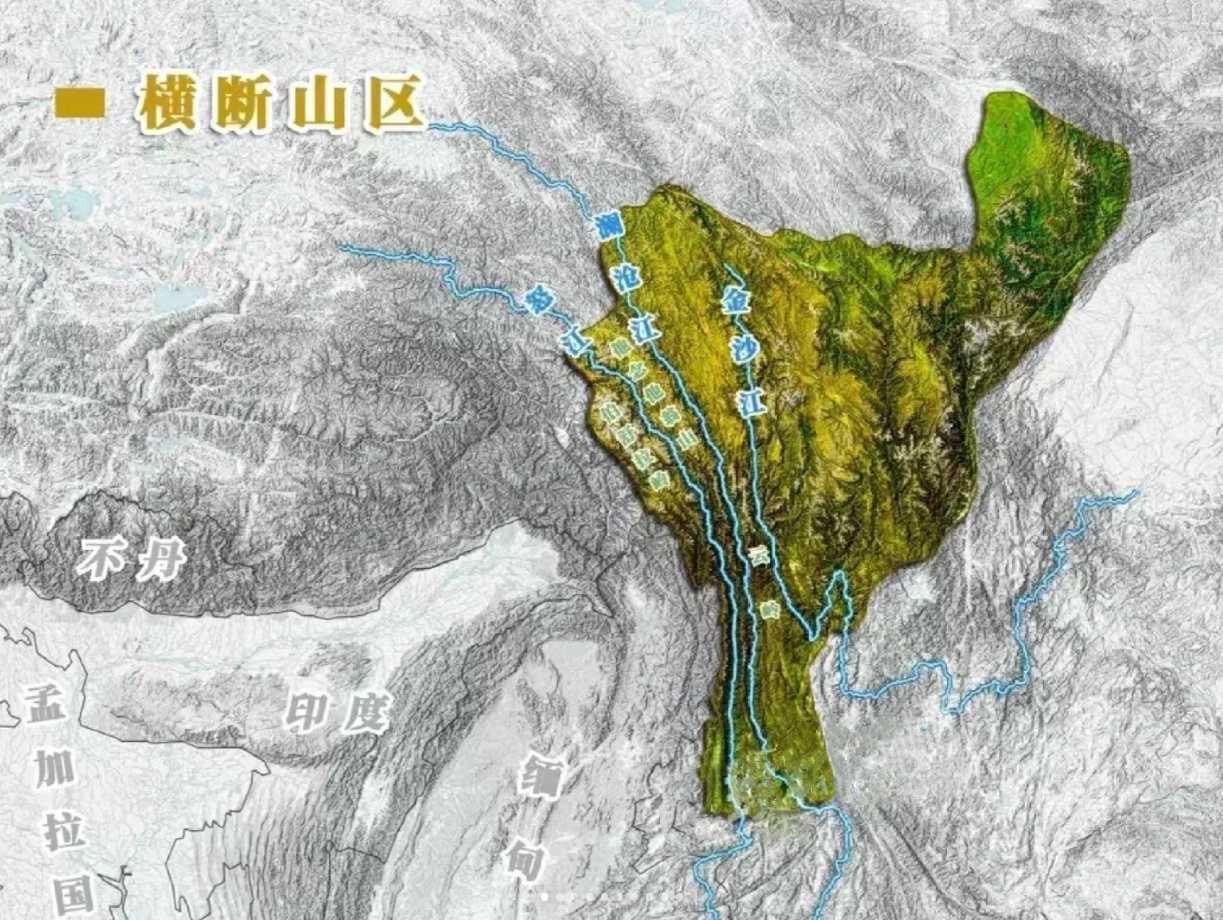
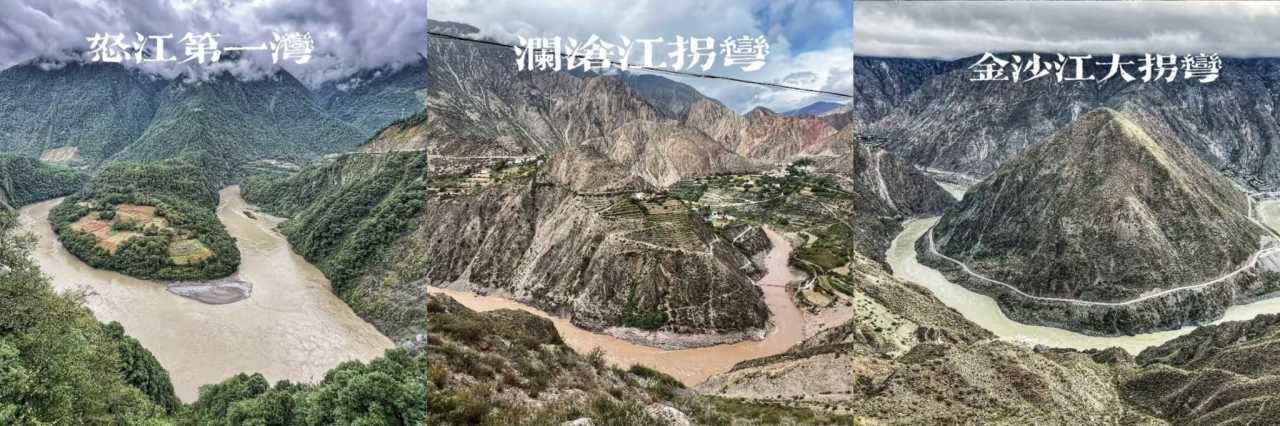
If you still remember your middle school geography class, the Jinsha River, the Lancang River, and the Nujiang River run parallel through the Hengduan Mountains before diverging: the Jinsha joins the Yangtze, nourishing half of China; the Lancang becomes the Mekong after crossing the border, flowing through five countries; and the Nujiang transforms into the Salween River, emptying into the Indian Ocean.
"The Three Parallel Rivers" refers specifically to the area where these three rivers flow southward in parallel along the Hengduan Mountains within Yunnan's Diqing, Nujiang Lisu Autonomous Prefecture, and Lijiang City. They create completely different geographical and climatic conditions and ultimately flow in three different directions. This time, we were finally able to cross all three rivers in a short period—from the dry-hot valley of the Jinsha, to the canyon rapids of the Lancang, and then to the mist-shrouded Nujiang—each section felt like entering another planet.
Our Self-Drive Route
Strictly speaking, we started from Beijing, but we spent a few days wandering around Yichang and Jingzhou in Hubei, as well as Leshan and Meishan in Sichuan, waiting for our drone to be repaired and shipped back. So this travelogue begins from Panzhihua, just before officially entering Yunnan, and ends at Batang, the first county after leaving Yunnan—after which we continued toward the Gêrzê area in western Sichuan.
Route Overview:
Panzhihua (Yishala) → Dali → Mangshi (Yingjiang Shimi Wadi) → Tengchong (National Memorial Cemetery of the Pacific War) → Gaoligong Mountain (Baihualing) → Lushui City (Denggeng Bathing Pools) → Nujiang (Laomudeng–Zhiziluo) → Gongshan County (Peacock Mountain) → Deqin (Meili Snow Mountain) → Mangkang (Thousand-Year-Old Ancient Salt Well) → Batang
Pre-Trip Preparations: Trust in an Old Companion
There is no single defined self-drive route through the Three Parallel Rivers area because there are simply too many points of interest along the way. Here are a few routes we've taken:
- Lancang River | Nujiang River Route: Lijiang → Tacheng → Bingzhongluo → Cizhong → Yanjing → Meili Snow Mountain → Shangri-La
- Jinsha River Route: Lijiang → Lugu Lake → Baoshan Stone City → Sangu River → Tiger Leaping Gorge → Shangri-La → Benzilan
- Jinsha River | Honghe Prefecture Route: Zhaotong Wude Tiankeng → Baihetan → Chuxiong → Jianshui → Gejiu → Pingbian → Wenshan
TIPS: The Lancang and Nujiang routes are farther north, involve more mountain crossings, temperatures drop faster, and road conditions are more affected by weather.
Our Tank 300 has already clocked nearly 100,000 kilometers, and its power and safety are still top-notch—except for the navigation system, which occasionally drives us crazy. Earlier this year, we installed a roof tent on "Big Orange," and we've camped many times over the summer. Waking up to a view right in front of you—it's an incredible feeling.
Hassle-Free Travel Tips:
- Vehicle Check: Before departure, check tires for bulges or severe wear. It's best to get a minor service done.
- Safe Driving: High-altitude weather is unpredictable, and roads are complex. Honk before curves, don't overtake on bends, and drive slowly—these are life-saving rules. When passing through valley sections, keep an eye out for falling rocks and road collapses.
- Brake Disc Warning: Frequent braking on downhill stretches can overheat the brake discs. Never pour cold water on them to cool them down—a hot brake disc suddenly exposed to cold water can warp, leading to brake failure.
- Rainy Season Preparation: May to September is the rainy season. Diqing is cool and covered in wildflowers in July and August, making it an ideal summer escape. But try not to hike or drive in the mountains on rainy days, as the roads mostly run along rivers and cliffs with many curves and steep slopes. That said, every summer rain in Yunnan carries the aroma of wild mushrooms—if your plans get disrupted, just find a restaurant and let fresh mountain delicacies fill your stomach.
- Avoiding Crowds: Spring Festival and National Day are the most crowded times in the Three Rivers area. Be sure to leave some flexibility in your schedule. If you don't want to queue, do as I do—go to free, less crowded secret spots.
Mobile Signal: Signal is good in cities and towns but becomes spotty the farther you get from settlements. Some remote villages in the Nujiang area have no signal at all, and hiking routes in Shangri-La and Meili are also unstable. It's wise to carry some cash.
Border Area: The Nujiang Lisu Autonomous Prefecture shares a 450-kilometer border with Myanmar. When driving along National Highway 219, the average distance to the border is only 20 kilometers. Carry valid identification documents for inspection.
Pre-Trip Gear Checklist: For clothing, use a layering system—altitude changes cause huge temperature swings. Days are sunny, but temperatures drop quickly after sunset. For photography, the Three Parallel Rivers area is a paradise for shooters: natural landscapes, ethnic culture, ancient architecture, wild flora and fauna. Use a large-aperture prime lens for portraits, a telephoto or wide-angle for landscapes, a telephoto is essential for wildlife, a versatile zoom if you want to travel light, and don't forget a tripod for star photography.
Stop 1: Before Entering Yunnan, First Achieve Mango Freedom
Panzhihua: The Taste of Sunshine
Panzhihua, located at the southernmost tip of Sichuan, sits at the border between Sichuan and Yunnan, where the Jinsha River meets the Yalong River. Before officially entering Yunnan, we achieved mango freedom in this city known for its "taste of sunshine."
Panzhihua lies at 26°N latitude, with a southern subtropical dry-hot valley climate. In October, the average temperature is 22°C, warm and comfortable. Mango flowers bloom from January to May, and the fruit ripens from June to October. At an altitude of about 1,500 meters, with abundant sunshine and large temperature differences between day and night, it combines the "warmth of the south with the sunlight of the north," making it a tropical fruit paradise. The Kent mango variety can even last until November.
Where to Buy Mangoes: Zhihui Farmers' Market and Renhe Farmers' Market (with a weekly market every Sunday). Seasonal fruits are abundant and fresh, often still covered in bloom. Many stalls sell by the case—ask around, taste, and you can bargain for loose purchases. Out-of-town tourists often buy fruit to ship home because the prices are unbelievably low—I almost started a group-buying deal on my social media.
Since eating fruit always ends up staining my clothes, I decided to give everyone a show of "mango street-style eating" in the hotel bathtub—which was placed on the most visible spot on the balcony. Can you handle that?
Stop 2: A Thousand-Year-Old Village at the Sichuan-Yunnan Border—Yishala
Yishala: The First Yi Village by the Jinsha River
Yishala Ancient Village is located in Pingdi Town, Renhe District, Panzhihua City, deep in the mountains along the Jinsha River. This is the first thousand-year-old ancient village we encountered on our self-drive journey through the Three Parallel Rivers area. Situated at the border of Sichuan and Yunnan provinces, with National Highway 108 running through it, it has been an important transportation hub since ancient times. Even in winter, the average daily temperature stays above 20°C, making it a great place for a short winter stay.
🏡 China's First Yi Village with Jiangnan Cultural Influences
Staggered red houses, blooming bougainvillea, cascading trumpet creeper flowers covering the walls, clusters of succulents hanging everywhere… and elderly people in traditional Yi clothing, dogs lying around the village sunbathing. Everything feels natural and delightful.
🎫 Admission: Free | 🅿️ Parking: 5 yuan
🏨 Accommodation: There's a guesthouse called "Sheyuan" at the village entrance, with a good location and meals available.
✨ Nearby Attractions: The Jinsha River viewpoint is less than 2 kilometers away. The village has a small museum displaying musical instruments, clothing, and farming tools. The area is also a source of Juque inkstone ore, and you can visit the Juque Inkstone Museum.
Stop 3: Officially Entering Yunnan, the Border Town "Mangshi Never Hurries"
Mangshi: A More Understated Dai Charm Than Xishuangbanna
Before officially exchanging energy with nature, if we still had one more day in the mortal world, we'd start it in Mangshi.
Compared to Xishuangbanna, I love Mangshi more—it's low-key and down-to-earth, rich in Dai culture but with less commercial development, reasonable prices, fewer crowds in the off-season, and more comfortable temperatures. It's close to Myanmar, safer than Ruili, and more low-key than Xishuangbanna. When you weigh the pros and cons, why wouldn't you choose Mangshi?
Recommended One-Day City Walk Route (all on foot, no taxis needed):
☀ Morning: Bingwu Street → Bodhi Street → Bodhi Temple → Tree-Enveloped Pagoda
Bingwu Street Market: Sells local specialties, vegetables, insects, clothing, jewelry… you name it, an eye-opener. Act like a local, shuffle along in your slippers, brush past men and women in traditional Jingpo attire, listen to them chatting about everyday life in a language you don't understand—this is the purest Mangshi. Every Sunday is market day, bustling with activity.
Bodhi Street: A perfect spot for photographing palm-lined streets, located at the entrance of Mangshi Hotel. Inspired by the cover of The Beatles' "Abbey Road"—the photographer captured this classic shot from a ladder at the intersection.
Bodhi Temple: Not far from Bodhi Street. You must remove your shoes in the main hall. Men should not wear shorts, and women should not show shoulders or backs.
Tree-Enveloped Pagoda: A Buddhist stupa almost completely swallowed by a giant banyan tree—stunning. High-rise buildings are going up around it, making the pagoda seem out of place.
🌓 Near Dusk: Golden Pagoda → Silver Pagoda → Mangshi Square Dancing
Go to the Golden Pagoda first, then the Silver Pagoda—because from the Silver Pagoda, you can overlook the Golden Pagoda and the entire Mangshi, enjoying the most beautiful sunset. Best of all, it's not hot and you won't get sunburned. But after dark, the viewing platform is full of large flying insects, so it's best to leave right after watching the sunset and the fiery clouds.
💰 Admission: Golden Pagoda and Silver Pagoda, 40 yuan each
🍲 Food:
Mangshi's cuisine tends to be sour and spicy—take Tom Yum soup, for example. In Beijing, it's sweet and sour with coconut milk, but in Mangshi, the Tom Yum soup is genuinely sour! This might be the true Dai flavor. If you don't like sour food, be cautious when ordering.
Recommendation: Lianghe Breakfast Shop's pea jelly soup (xi dou fen)—the consistency is just right, with a rich bean aroma and no beany taste. The soy milk is freshly ground, pure in flavor. The seasoning is homemade by the owner, savory and rich. You can add rice noodles or rice cakes, or pair it with fried dough sticks or flatbread. When ordering rice noodles, be sure to confirm whether they add cilantro (coriander) or not.
Stop 4: Shimi Wadi—A Different Kind of "Golden Land"

Yingjiang: A Sweet Secret Realm in the Lisu Language
Shimi Wadi—the name sounds adorable. It's actually a Lisu word. The Lisu people always name things so directly, yet the expression comes out so sweet.
From the city, we suddenly arrived at this incredibly open grassland: blue sky, white clouds, woods, meadows, a stream, cattle and horses. What a beautiful life. The two of us had the entire Shimi Wadi all to ourselves.
🌈 Highlights:
- Prairie wildflowers, cattle and sheep everywhere, babbling water, bright sunshine—a perfect camping spot.
- Large trees draped in Spanish moss, like entering a witch's forest.
- The touch of dead wood coming back to life is wonderful—soft and smooth like animal fur.
- This is the backyard garden of the Dehong people—summer retreats for cooling off and gathering, winter gatherings around a stove for tea.
🚗 Address: 40 kilometers north of Yingjiang County town, Dehong Prefecture, Yunnan, in the Mengpi Village group. Navigate to "Shimi Wadi."
🚌 Transportation: By self-drive, it's 40 kilometers of asphalt road from Yingjiang County to Shimi Wadi, about 1 hour. From Mangshi to Yingjiang, it's about 170 kilometers, a 2.5-hour drive. You can also take the rural bus from Yingjiang to Sudi, or hire a taxi (about 150 yuan).
🎫 Admission: Free. Camping accommodation is extra, tents about 248–298 yuan.
✨ TIPS:
- Great for photos—gives off a Xinjiang Altay vibe.
- Drone aerial photography gives you more freedom.
- Bring a kite.
- Summer is peak season; camping equipment is available for rent.
- Mosquito and insect protection is a top priority.
- Weather changes quickly—bring an umbrella.
- There are wild mushrooms, but it's not recommended to eat them.
- No convenience stores nearby—buy food and drinks in advance.
Stop 5: National Memorial Cemetery of the Pacific War—A Memorial That Must Not Be Forgotten
Tengchong: Western Yunnan Never Let the Country Down
"Heaven is vast, the wilderness boundless; upon the mountains, the nation's grief." — Yu Youren, The Nation's Grief
The National Memorial Cemetery of the Pacific War & Western Yunnan Anti-Japanese War Memorial Hall was our only stop in Tengchong on this trip, and we believe it's a must-visit for anyone coming to Tengchong. No matter when you come to Tengchong, please set aside two hours to pay your respects here.
The Chinese Expeditionary Force—a term glossed over in history textbooks. Their unique organization, special historical background, and status as the Nationalist Party's regular army caused that chapter of history to be nearly buried in the thick dust of time. As one of the few cemeteries for Nationalist soldiers, I came here with curiosity.
The Expeditionary Force soldiers engaged in brutal street-to-street hand-to-hand combat with the enemy in the city, sacrificing 9,000 soldiers to annihilate 6,000 Japanese defenders. Many fell on the eve of retaking Tengchong—some were only eleven or twelve years old, still in middle school.
Here, every Chinese person I met wore a furrowed brow, silently chewing on and digesting the brutal truth of that history amidst silence, anger, and visual impact. This was my first time here. After visiting four exhibition halls, my chest was tight with grief. How we were once pushed into a corner, how we fought back with all our might… As I write these words now, tears well up in my eyes again. This isn't sentimentality—it's genuine emotion. If you've been here, you'll feel the same. Eighty years ago, how did these young people covering the hillsides give their lives to earn this peace? To forget is to betray.
Tengchong's weather is beautiful—sunny, warm, and pleasant. The cemetery is surrounded by cypress trees, solemn and quiet, but the comrades buried here only make the tears flow more freely. Anyone who comes here will understand more deeply: Western Yunnan never let the country down.
As long as we remember, they have not died.
🎫 Free Admission: Open daily 9:00–17:30 (last entry at 17:00), closed on Mondays (except public holidays). On-site QR code registration required; enter with your ID.
Stop 6: A Gentle Warmth in the Embrace of the Gaoligong Mountains
Baihualing: A Holy Land for Birdwatchers, a Paradise for Hikers
This is a hiking paradise in the eyes of birdwatchers, and a birdwatching paradise in the eyes of hikers. Birdwatching enthusiasts can stay at Old Hou's place in Hanlong Village, which offers a one-stop service for accommodation, meals, and birdwatching.
The trail isn't difficult, and the scenery is beautiful—the outward journey isn't tiring, but the return leg is a bit more challenging, though well worth it.
I once came across a great quote:
"I hate hiking with people who only want to reach the destination. I love those who don't mind stopping every now and then to look at a piece of rotting wood, take a photo of a spider, or gaze at a particular cloud in the sky. If everyone just wants to rush to the summit and only pause to eat and drink, that's no fun at all. Ideal travel companions: an animal expert, a plant expert, an insect expert, a curious dog, and someone with a nice butt who walks just a little faster than you."
I might be that person who takes photos of spiders, picks up a hazelnut to crack open with a stone, and is as curious as a dog. On the trail, what kind of hiker are you?
The Gaoligong Mountains are the mountain range on the western side of the Hengduan Mountains, spanning the entire Nujiang Lisu Autonomous Prefecture and the western part of Baoshan City, on the west bank of the Nujiang River. They form the watershed between the Nujiang and the Irrawaddy River. Connected to the Qinghai-Tibet Plateau in the north and the Indochina Peninsula in the south, they are known as the World's Gene Bank of Species, a mountain wonderland combining waterfalls, forests, and rare small animals.
Baihualing is located in the southern section of the Gaoligong Mountains, within Baoshan's territory, facing the Nujiang River. It lies in the southern part of the Three Parallel Rivers area, about 90 kilometers from Baoshan city center.
🌈 Highlights:
Birdwatching: A famous base for birdwatching and photography, with multiple observation points along the trail. The best time is from November to March of the following year.
Waterfall: You can hear the sound of a waterfall throughout the hike. Follow the sound, and you'll come across a large waterfall.
Wild Hot Springs: The Yin-Yang Valley Hot Springs—one large and one small pool, very primitive. Soaking in a hot spring deep in the dense subtropical rainforest, listening to birdsong—it makes city hot spring resorts seem utterly insignificant! (Remember to wear a swimsuit; skinny-dipping is not recommended.)
Coffee Estates: Due to its terrain and climate being similar to Ethiopia, Yunnan's Baoshan region is famous for its small-bean coffee. From November to April of the following year is the coffee harvest season, when coffee masters from all over the country come to select beans. Every winter, a national coffee competition is held here—coffee lovers will be thrilled!
Biodiversity: Yunnan is a province rich in biodiversity, with lush vegetation. Can you imagine that the white flowers in the picture are actually insects? The intertwining and strangulation of various plants bear witness to nature's survival of the fittest. Walking through it, your eyes simply can't take it all in.
🚗 Transportation: No public transport; you can only drive yourself or hire a car. Navigate to "Wangjiayan Fire Prevention Checkpoint," get out to register, and hand over any fire-starting materials.
Epilogue: The Spirit of the Great Mountains and Rivers
Whenever I decide to set off on a self-drive trip, my heart always skips a beat. The thought of driving through northwestern Yunnan stirs a surge of boldness in me—I, a woman, seem to instantly transform into a tough guy. Any princess syndrome or germophobia gets thrown out the window. Because we're going to witness the most spectacular concentration of ten great mountains and rivers in the Hengduan Mountains—this feels like the kind of travel destination I've always had in mind.
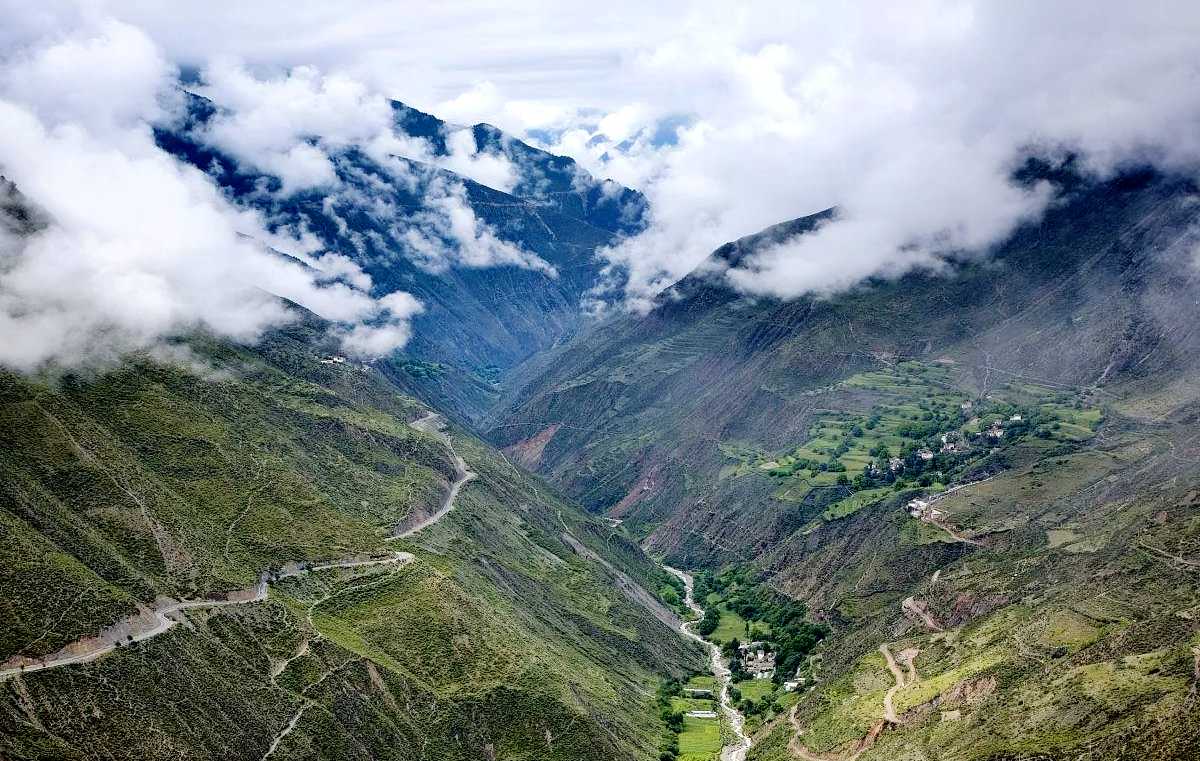
The term "Three Parallel Rivers" represents an incredibly grand natural spectacle. You have to venture deep enough and climb high enough to have the chance to witness the appearance of these "hundred thousand" great mountains and rivers—grand, majestic, and moving.
As a self-drive enthusiast, I have no interest in superficial, plastic travel plans. I've had enough of the congestion, irritability, and expressionless life in first-tier cities. Since I'm traveling, I want to get as far away from the city as possible, as if to dispel the stale air in my chest and truly exchange energy with nature: essence, spirit, and soul.
Some Unforgettable Vibrancy:
There are some sounds that, once heard, can heal the soul;
There are some sights that, once seen, can captivate you completely;
There are some places that, once you hear their names, you can't resist packing your bags.
Yishala, Bingwu Market, Denggeng Bathing Pools, Shimi Wadi, Laomudeng, Zhiziluo, Tianxin Twelve Lakes, Peach Blossom Salt… This time in Yunnan, these unfamiliar destinations once again amazed me.
As a unique natural geographical wonder on Earth, traveling through the Three Parallel Rivers means witnessing and experiencing the power of grand natural forces. It requires an open mind, curiosity as perseverance, and good physical fitness as support. Although northwestern Yunnan is filled with luxury hotels, truly venturing deep into the great mountains and rivers offers no tenderness or smooth roads. From ancient times to the present, what sustained the caravan people as they traveled in and out was undoubtedly a spirit and physique as mighty as the mountains and rivers themselves.
So, we skipped some of the overfamiliar, crowded destinations and set out to explore the little-known secret realms of the Three Parallel Rivers region in greater Yunnan.
Next time, are you ready to set off?
You should also read:

A Solo Journey to Yunnan: Shuanglang Chapter — Meeting Your Truest Self by the Erhai Lake
A Solo Journey to Yunnan: Shuanglang Chapter — Meeting Your Truest Self by the Erhai Lake Introduction: When a Dream Finally Becomes Reality Some say Yunnan is a place meant for solo travelers. It took me three full years to truly understand that. Two years…
Continue reading...
Dreaming of Lijiang, Dreaming of Shangri-La: A Journey That Lets Your Soul Breathe Deeply
Dreaming of Lijiang, Dreaming of Shangri-La: A Journey That Lets Your Soul Breathe Deeply Life is like a long trek. We're always rushing through the concrete jungle, searching for a glimmer of light in the monotony of our days. Then one autumn, I heard the…
Continue reading...
Two Girls' Graduation Trip: Dali and Shuanglang – A Poetic Farewell to Mountains and Sea
Two Girls' Graduation Trip: Dali and Shuanglang – A Poetic Farewell to Mountains and Sea Preface: Catching the Tail of Youth, Heading South During our senior year of college, my roommate and I – two girls studying in Beijing – decided to bid farewell to…
Continue reading...