Tibetan Landscapes: Another Way to Open Up Yunnan
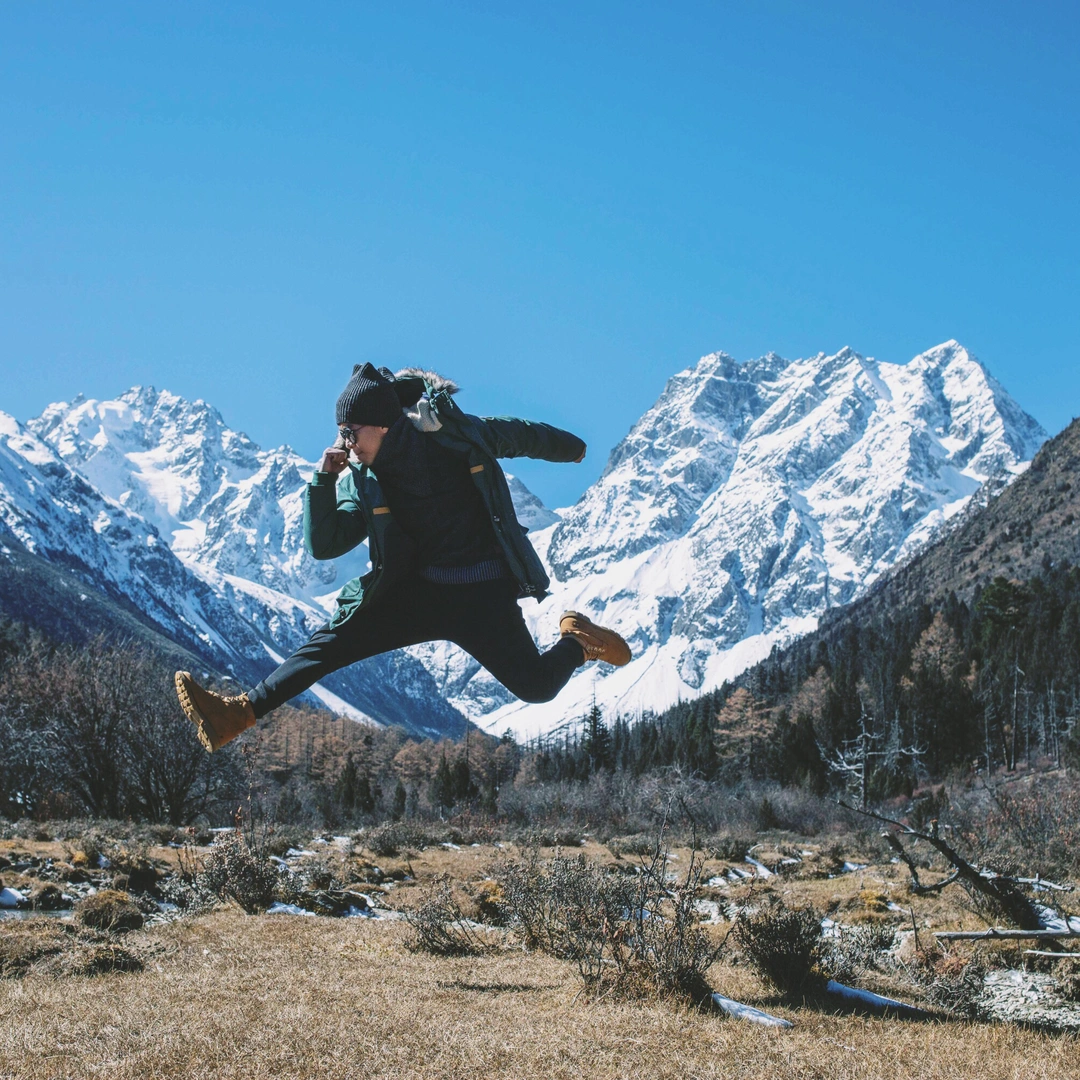
Tibetan Landscapes: Another Way to Open Up Yunnan
From Lijiang to Shangri-La: A Seven-Day Journey Through Snowy Mountains, Forests, and River Valleys
Introduction: When "Songtsam" Becomes a Way of Travel
In early winter of 2018, I embarked on a seven-day, six-night journey through Yunnan. This was no ordinary trip—hundreds of kilometers by car, from Lijiang at 2,400 meters above sea level to Shangri-La at 3,400 meters, passing through Tacheng, Benzilan, and Meili Snow Mountain, climbing ever upward through dry-hot river valleys and snow-laden forests.

This wasn't a checklist sightseeing tour. It was a carefully curated "nature journey" with a name: the Songtsam Loop.
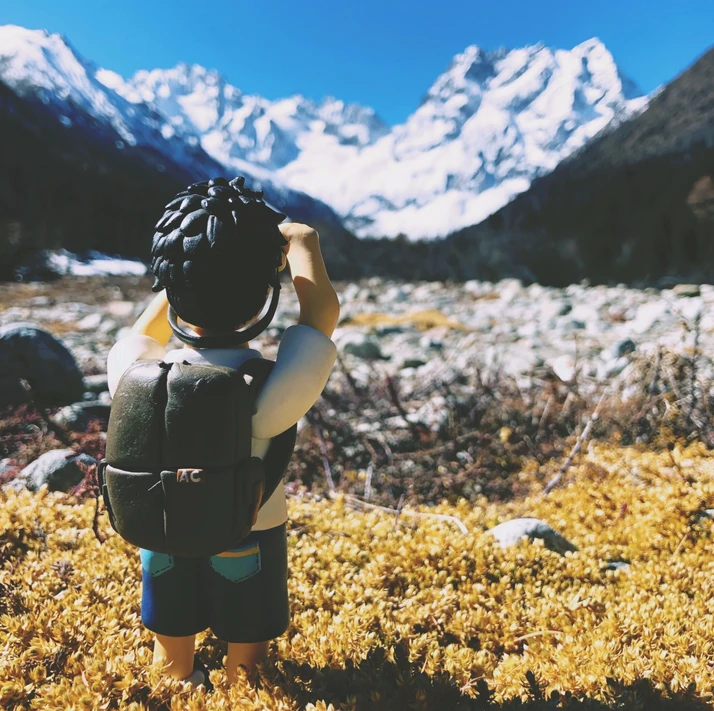
If you think Yunnan is only about Dali's romantic scenery and Lijiang's ancient town bars, this travelogue might just upend your assumptions. The real Yunnan lies deep in the Ancient Tea Horse Road, in the pastures at the foot of snowy peaks, and in the aroma of yak butter tea in Tibetan homes.
Day 1: Lijiang Linka – First Glimpse of the Plateau's Gentleness
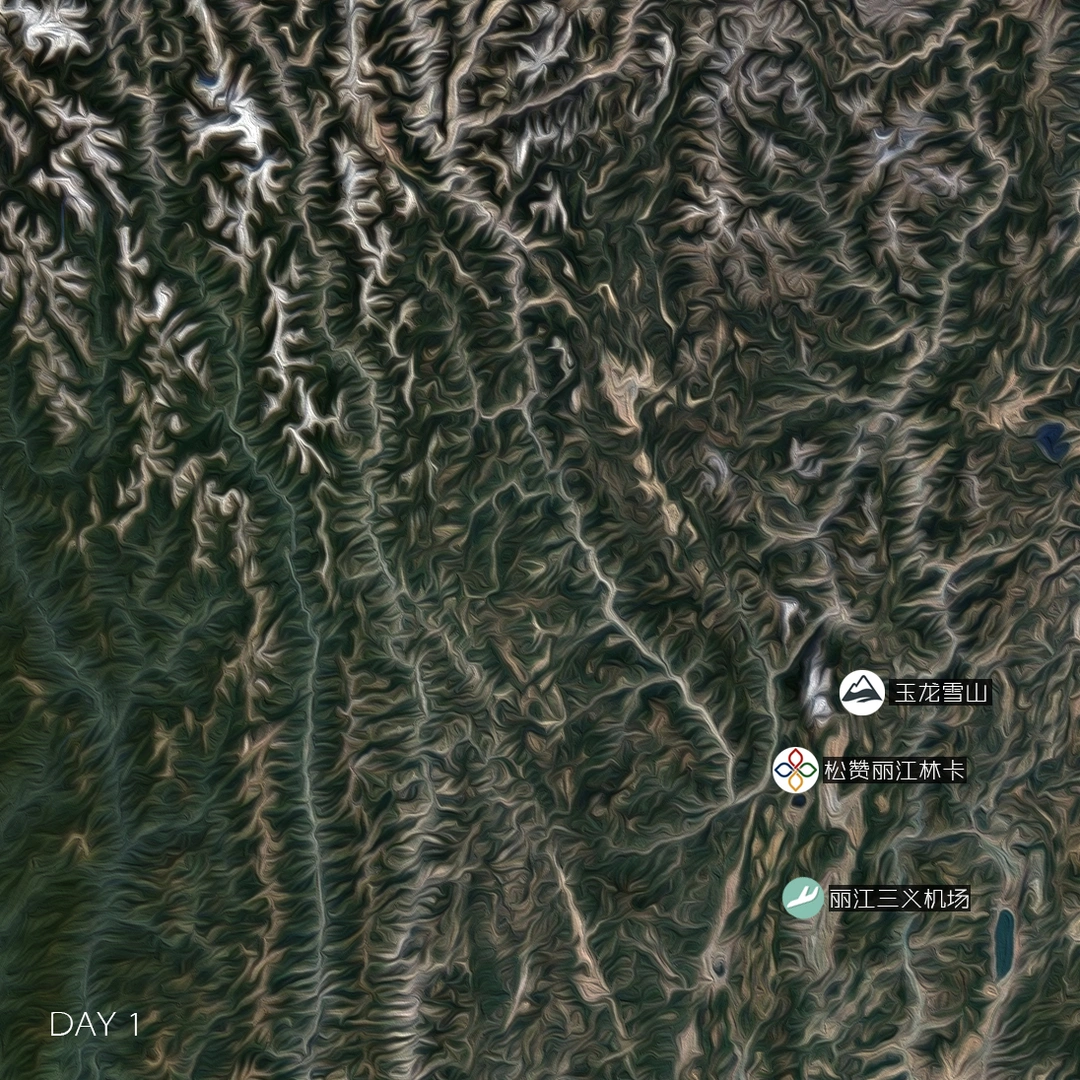
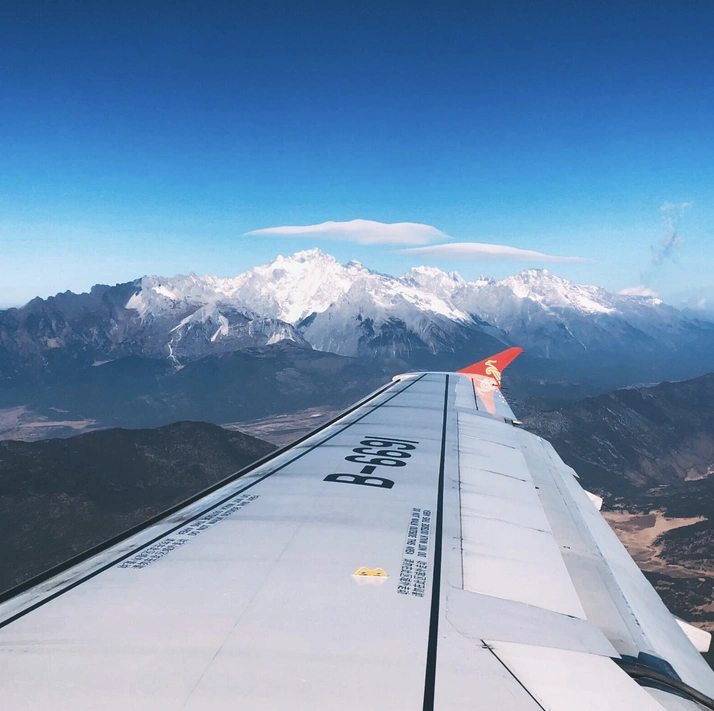
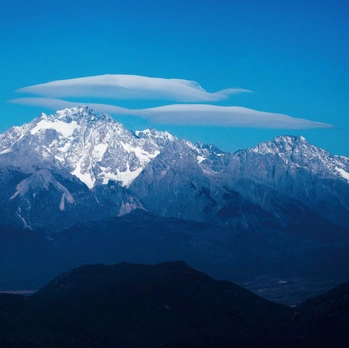
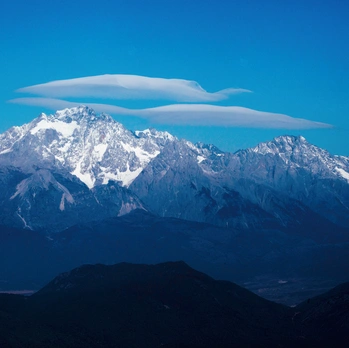
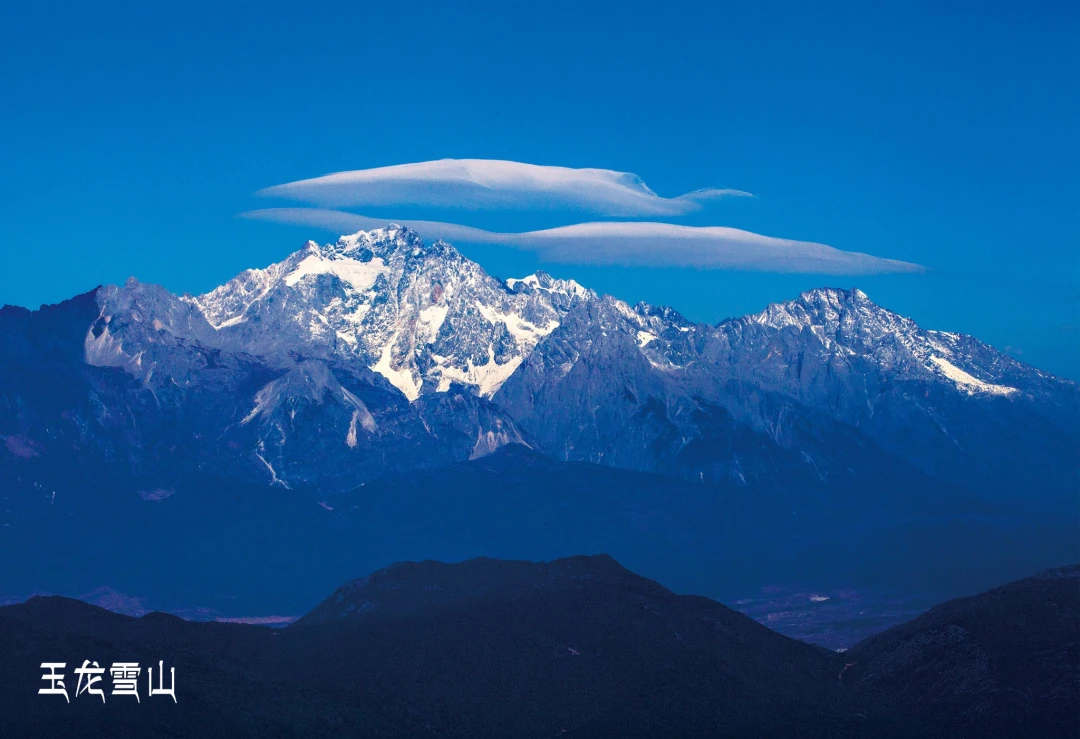
Half an hour before landing, Jade Dragon Snow Mountain appeared outside the window. A cap cloud sat atop the peak like a white woolen hat, glittering in the sunlight.
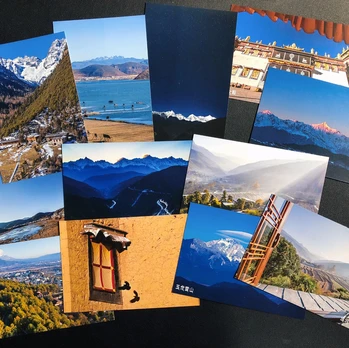
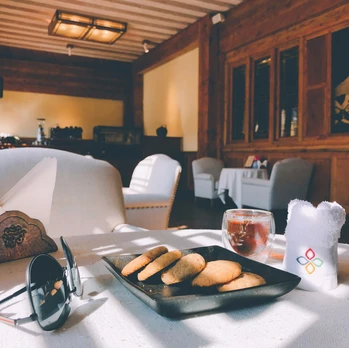
When we arrived at Lijiang Airport, our itinerary butler was already waiting at the exit. No tedious check-in process—we were seated directly in the lobby lounge, where warm towels and handmade cookies were brought to us.
The first detail that touched me: The warm towel carried a faint herbal fragrance. Pressed against my face, it seemed to dissolve the fatigue of the early morning flight. I asked and learned it was infused with Songtsam's own essential oil—unfortunately not for sale at the Lijiang property, only available at the boutique in Shangri-La Linka. I silently filed away this "must-buy" item.
Even more thoughtful: A staff member asked my shoe size, then brought me a pair of cloth slippers. Slippers indoors were too cold, outdoor shoes too bulky—these cloth shoes were just right: warm, soft, and nearly silent to walk in. Though the sizing seemed a bit off—I had to swap them twice before finding a good fit.
Lijiang Linka is a newly built hotel, but its architecture fully incorporates traditional Naxi elements. With over 40 guest rooms and spacious common areas, sunlight poured through floor-to-ceiling windows, warming the space so thoroughly you'd want to stay indoors all day.

For lunch, I ordered four dishes and a soup. The ingredients were locally sourced, and the flavors were stunning. Yunnan's mushrooms are incredibly savory—the server mentioned that if I came in August or September, I could taste fresh matsutake mushrooms.
Afternoon surprise: In a nearby traditional Naxi residence, an elderly man demonstrated Dongba script and Dongba dance. With a hoarse yet powerful voice, he narrated the history of the Naxi people. Those pictographic characters looked like paintings, recording millennia of this ethnic group's memories.
Day 2: From Lijiang to Tacheng – Rock Climbing and Folk Songs
Morning light streamed into the breakfast room. The handmade tableware lacked the perfect symmetry of industrial products but carried a rustic warmth. The yogurt was the morning's first highlight—thick, with a perfect balance of tartness and sweetness. My travel companion Yummy said, "I could eat ten jars of this."
As we left Lijiang Linka, the staff stood at the entrance to see us off, their smiles natural and warm.
Today's main event: Via Ferrata rock climbing.

The rock face at Shigu Town glowed golden under the sun. Strapped into safety gear, I stepped onto steel rings and cables, walking along the vertical cliff—honestly, my legs were trembling.
But the view was worth it. Below roared the Jinsha River; in the distance stretched连绵 snow mountains. The instructor moved across the rock face as effortlessly as a gecko. However, only one instructor accompanied the entire group—safety standards typically require two, one at the front and one at the rear. A small but notable oversight.
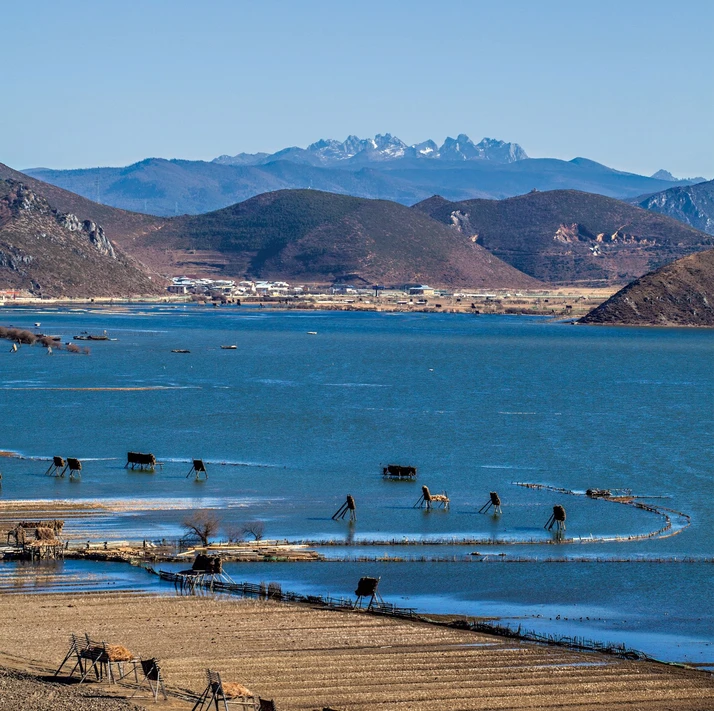
Practical tip: Hiking boots with thick soles make it hard to find footholds on the steel rings. If you plan to climb, wear proper climbing shoes.
We arrived at Tacheng Lodge by evening. Staff greeted us at the entrance with hada (ceremonial scarves), offered ginger tea, and sang folk songs. Tacheng is Yunnan's "granary," rich in produce—the local white wine and red rose vinegar had me refilling my glass repeatedly during dinner.
The new guest rooms had a modern feel. A fireplace crackled, warming the entire room. Freshly picked local flowers adorned the bedside table—all Songtsam hotels use seasonal, locally sourced flowers that change with the seasons.
Day 3: Tacheng to Meili – Golden Monkeys and Starry Skies
I woke to find the ginkgo trees outside my window fully gold. Sunlight filtered through the leaves, scattering like crushed gold on the ground.

Yunnan Golden Monkey National Park: These are the highest-altitude primates in the world, found only at the intersection of Sichuan, Yunnan, and Tibet. At the observation point, we spotted an active troop—feeding and playing nearby, then disappearing into the forest in a flash.
In the afternoon, we drove to Dongzhulin Monastery. Monks and the abbot explained the history of Tibetan Buddhism. The exquisite murals and thangka paintings glowed with a mysterious, solemn aura in the dim light of butter lamps.
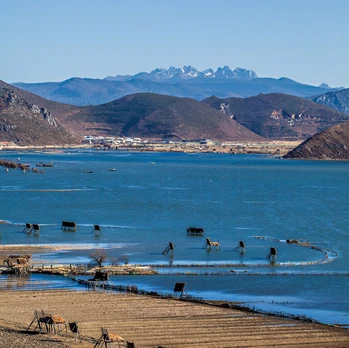
We reached Meili Lodge just before sunset. All guest rooms face Meili Snow Mountain—the evening light filled the room, painting the peaks gold.
Dinner was yak meat hotpot. In sub-zero temperatures, a steaming hotpot was the ultimate comfort. The yak meat was tender, the mushrooms savory, paired with local highland barley wine—it warmed me from the inside out.
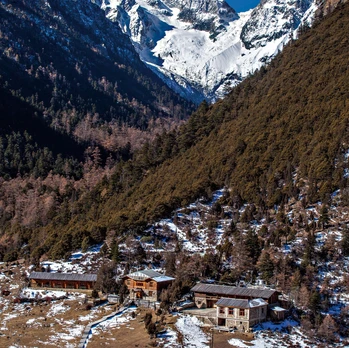
I went to the terrace to photograph the stars—unfortunately, it was a full moon, so visibility was limited. I could imagine how breathtaking the starry sky over the snow mountain would be during a new moon.
Sleep tip: High altitude combined with heating makes the room extremely dry. I woke up several times in Meili, my mouth and nose painfully parched. The room had a humidifier, but it didn't help much. I recommend wetting a towel and placing it by the bedside, or turning off the heating.
Day 4: Meili – Golden Sunrise and Snow Trekking
Before dawn, I waited on the hotel terrace. Goddess Peak was the first to catch light, then Kawagebo—when sunlight hit the snowy summit, the entire mountain seemed to ignite, golden light spreading downward from the peak.
After breakfast, we set off for snow trekking.
At 4,000 meters in the primeval forest, thick snow crunched beneath every step. The charred trunks of the "Burnt Forest" stood like black charcoal against the white snow.
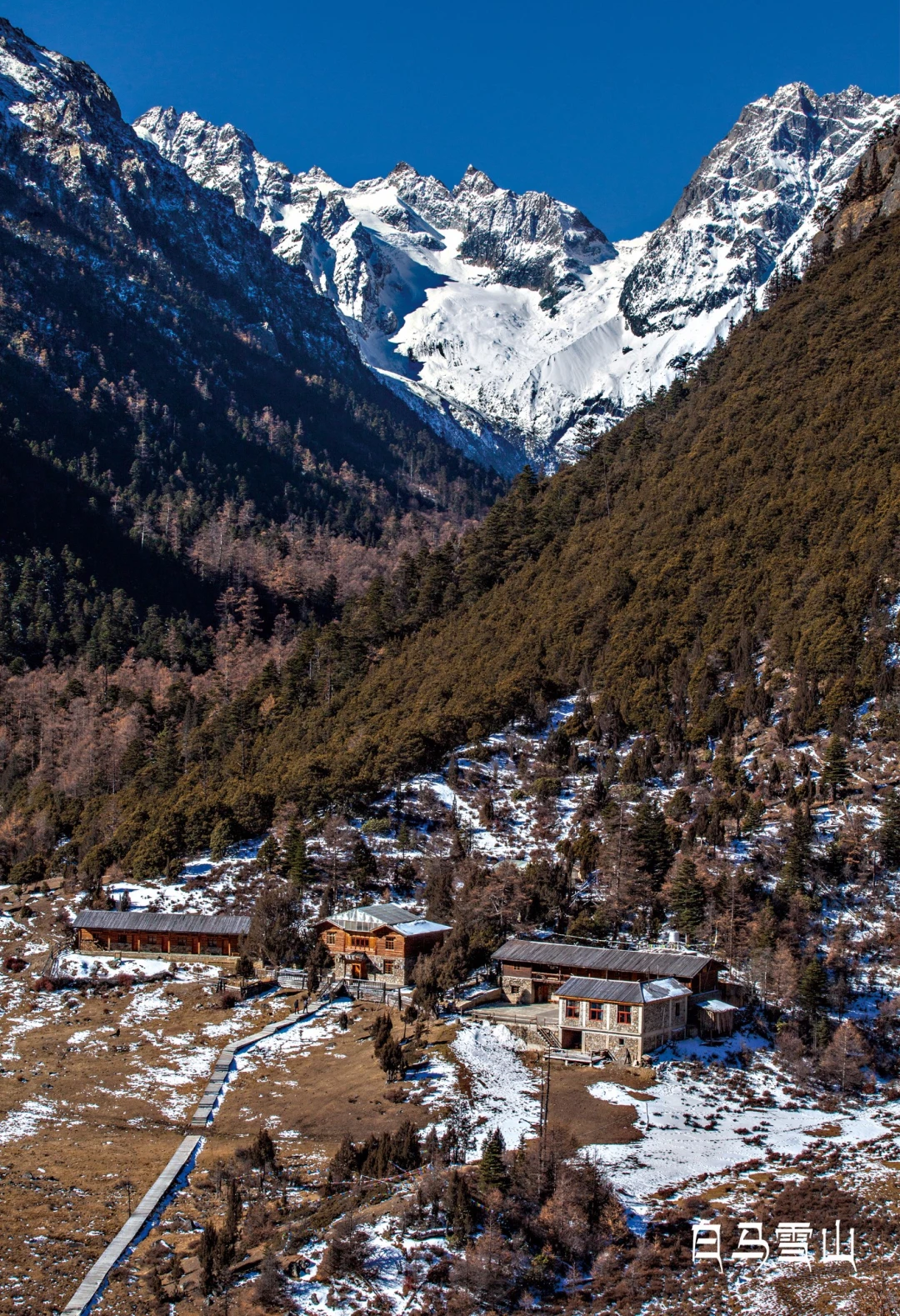
After an hour of trekking, we reached a forest protection station—it looked like a fairy-tale world, with wooden boardwalks that were the easiest part of the entire route. Another hour brought us to Pasture No. 2, where we could see the U-shaped valley and Baima Snow Mountain.
Lunch was flour dumplings prepared by our butler and driver—but we were all exhausted, resting for over half an hour before recovering.
The return journey was the real challenge: All uphill at 4,000 meters. By the end, I was questioning my life choices.
Back at the hotel, I found that the staff had cleaned our muddy shoes and placed them back on the rack, looking brand new.
In the afternoon, we visited a local home to experience Tibetan life—making yak butter tea and printing prayer flags. The stove in the Tibetan home blazed warmly, and the aroma of butter tea filled every corner.
Day 5: Meili to Benzilan – From Snow Mountain to River Valley
Still sore from the previous day's trek, I arrived at Wunongding before dawn. As stars faded, Kawagebo once again turned golden at sunrise.
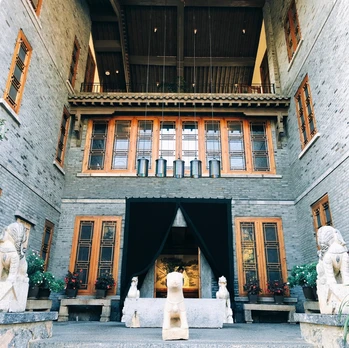
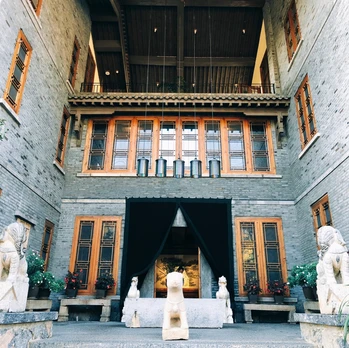
Benzilan: Located in a dry-hot river valley, this area is lush with vegetation and abundant produce. The hotel's stone walls had a strong textured feel, and the courtyard was filled with orange trees—fruit within easy reach.
Butler Zejun picked an ugly orange and handed it to me: "Presenting this humble offering." The deadpan humor made everyone laugh.
In the afternoon, we visited a workshop to learn about Tibetan incense making. A Tibetan youth who had returned home after university was learning traditional handcrafted incense from an elderly man who had worked in the countryside his entire life. Two vastly different life paths converged in this small workshop.
Benzilan's dry, hot climate produces incredibly sweet fruits and vegetables. At dinner, we ordered seconds twice—the ingredients themselves were so delicious that we couldn't stop eating.
Day 6: Benzilan to Shangri-La – Forest Picnic and Farewell Dinner
Niding Forest Trek: Compared to the snow trekking at Baima Snow Mountain, this route was practically a leisurely stroll. Morning sunlight filtered through the trees, illuminating melting ice streams. Every breath felt like waking up my body and mind.
After the trek, we had lunch in a forest clearing—staff had already set up tables and chairs, and the chef cooked on-site. A hotpot beneath the snowy mountain, a picnic in the forest—scenes like this made me think, "So amazing."
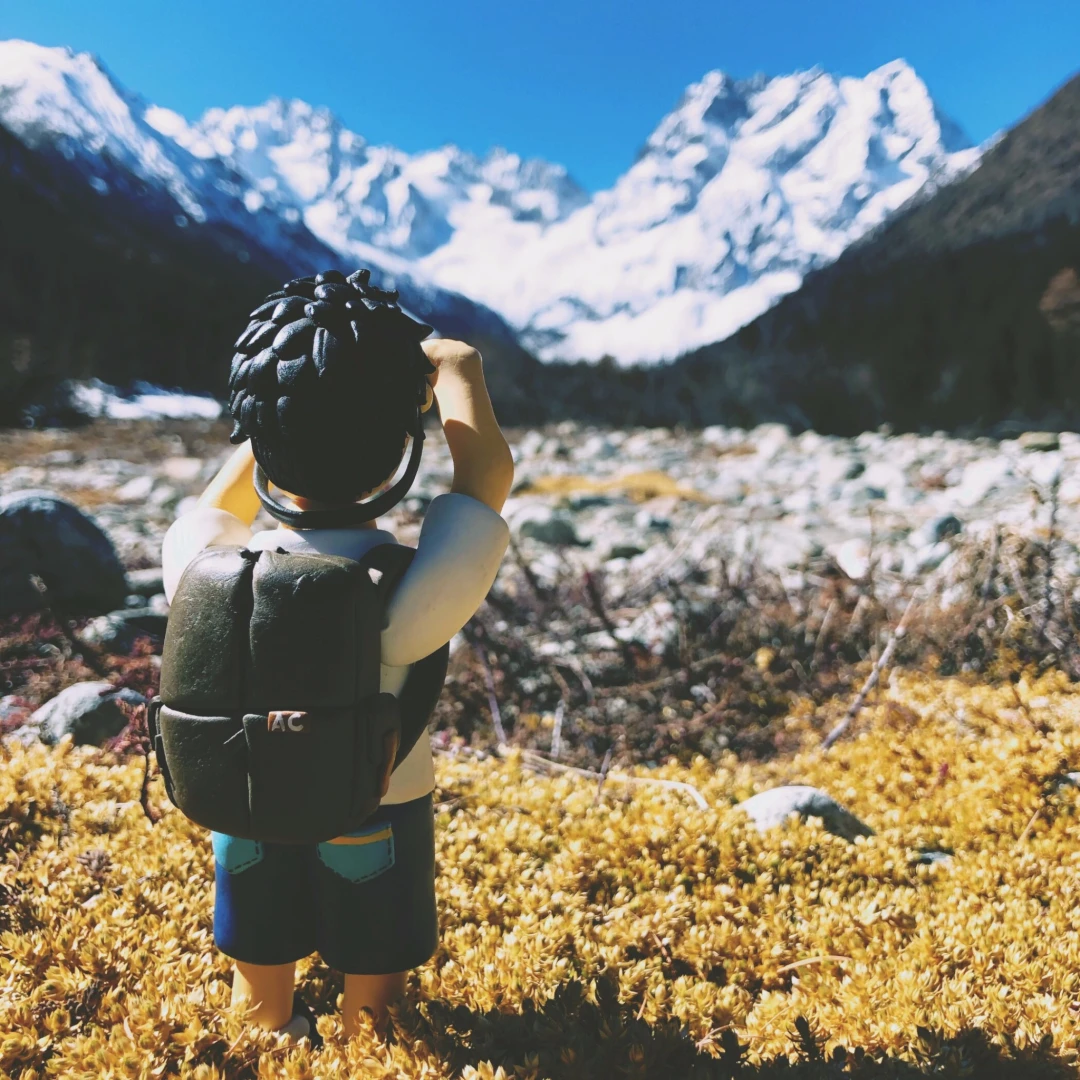
By afternoon, we reached our final stop: Shangri-La.
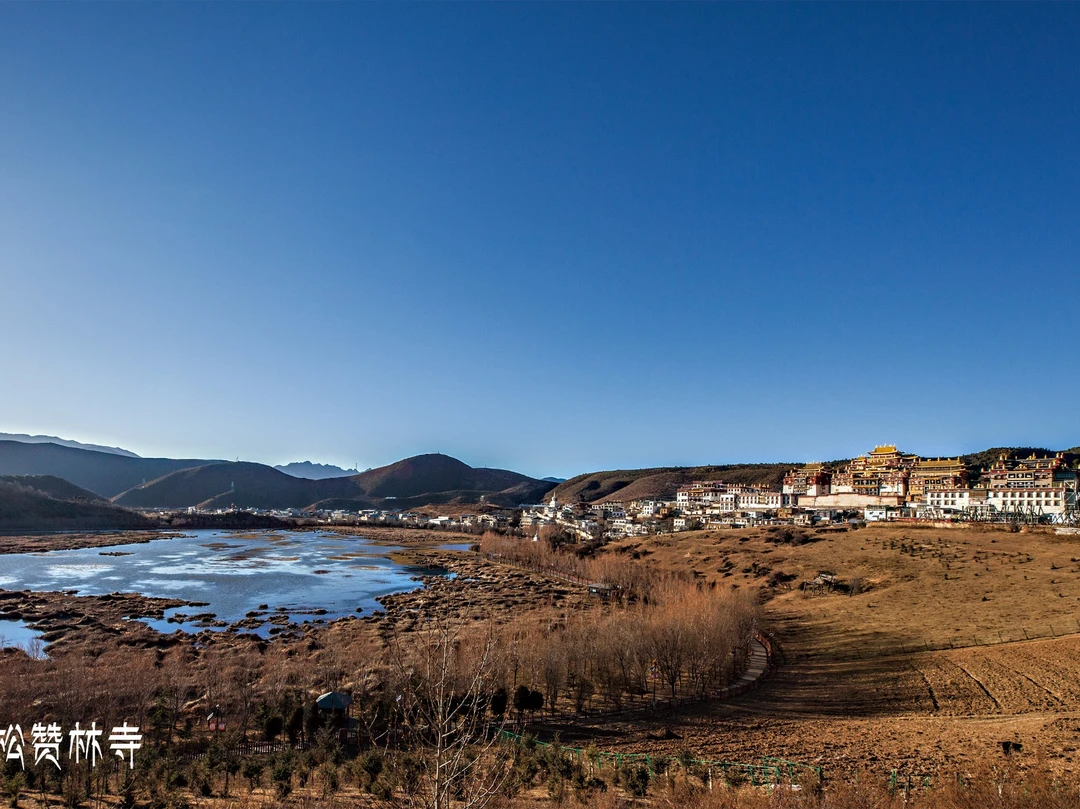
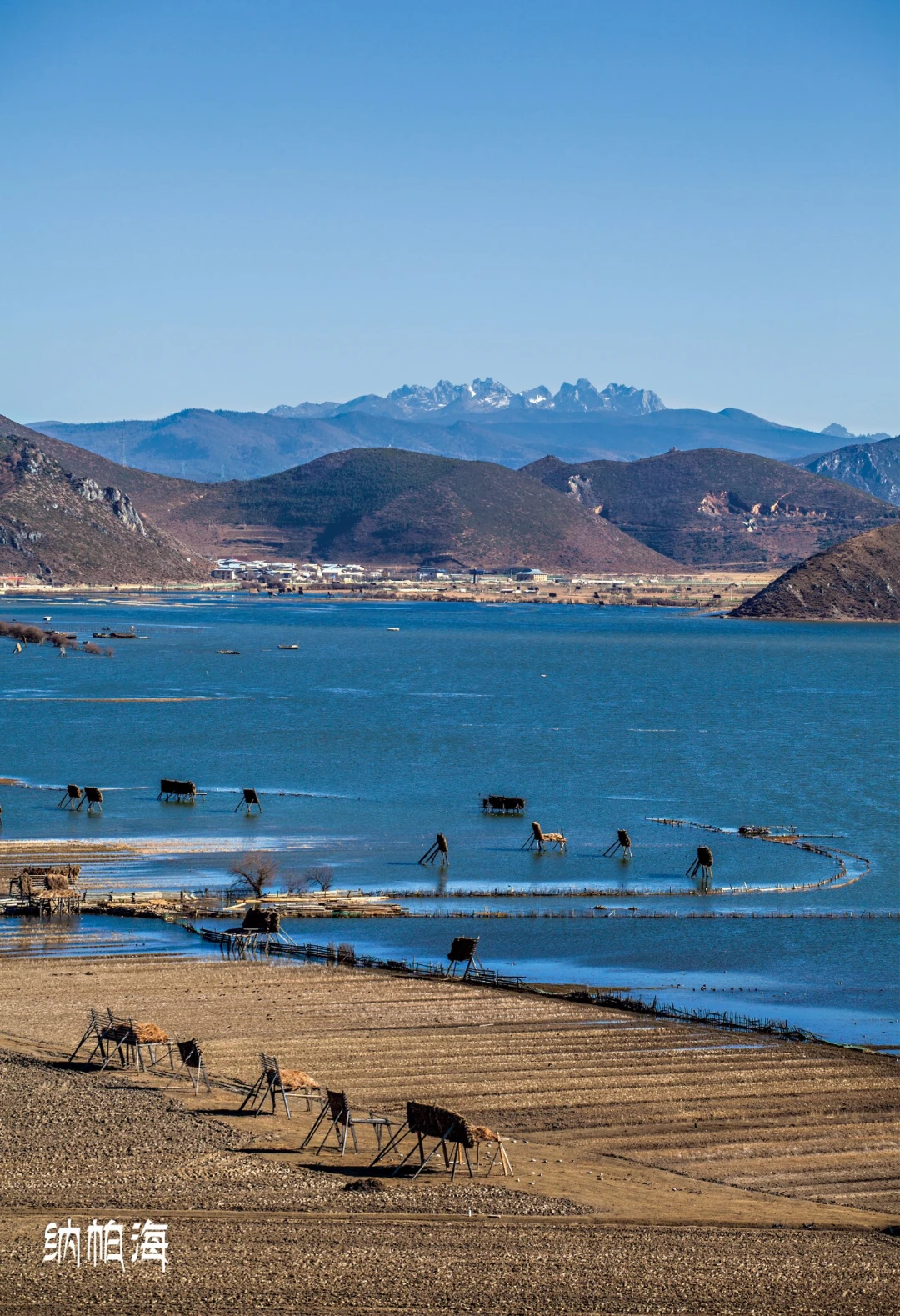
Napa Lake shimmered blue under the sun, and the golden roof of Songzanlin Monastery glinted in the distance. Shangri-La Linka is built into the hillside, with every room facing the monastery.
The farewell dinner was held at a Tibetan home. Traditional Tibetan hotpot, homemade highland barley wine—everyone got a little tipsy. Singing, dancing, laughter echoed through the wooden Tibetan house.
After dinner, I rushed to the boutique before it closed to buy souvenirs—but the aromatic essential oil I'd been eyeing since Lijiang was already sold out. It was the biggest regret of the entire trip.
Day 7: Shangri-La – Farewell in Morning Light
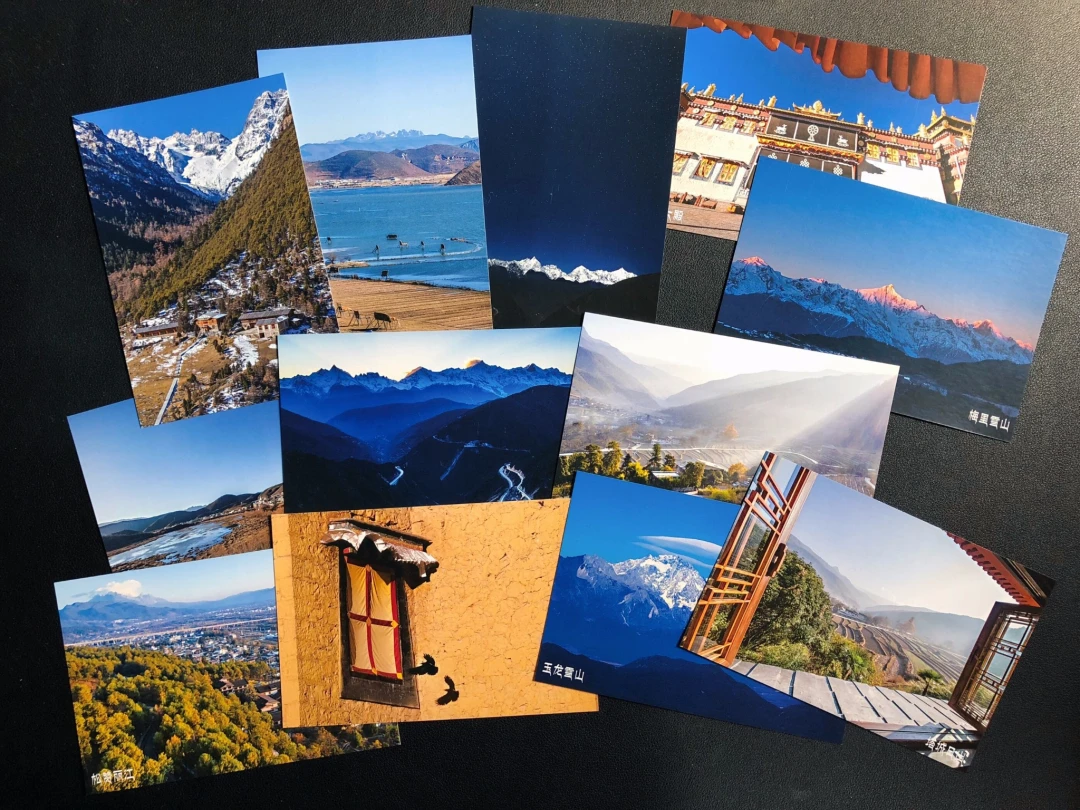
At dawn, Songzanlin Monastery emerged in the soft light. Mr. Cao, a Songtsam vice president, led a "morning mindfulness session"—teaching Tibetan breathing techniques and mental exercises. As the sky gradually brightened, I felt my own spirit lighten along with it.

A complaint about the room: The sofa and coffee table design was a pain point. The sofa was too high to comfortably reach the table, too deep to sit with my back against the backrest, and lying down left my feet dangling. Staff explained it was a traditional daybed for accommodating extra guests—but the experience was far from comfortable.
In the afternoon, we passed through Dukezong Ancient Town. Years after the devastating fire, the town has been rebuilt and is operational again, the contrast between old and new architecture striking.
By evening, we reached the airport. Goodbye, Shangri-La.
Conclusion: Why This Is "Another Way to Open Up Yunnan"
Seven days, six nights. Hundreds of kilometers by car. Five hotels. Three snow-capped mountains.
This was no ordinary trip—it was a carefully designed journey through nature and culture. Deeply rooted in Tibetan lands, a meticulously planned loop, service that made you feel at home, and a philosophy of staying close to nature—the Songtsam Loop showed me a completely different Yunnan.
Not a checklist of sights to see, but an immersive experience. Not a superficial glance, but a deep dialogue with nature, culture, others, and yourself.
If you want to open up Yunnan this way, here are some practical tips:
- Best season: October to November. Clear autumn skies, high probability of golden sunrise on snow mountains.
- Essentials: Moisturizers (high altitude is extremely dry), sunscreen, warm clothing.
- Physical preparation: The Meili Snow Mountain trek has some intensity—recommend training in advance.
- Time allocation: At least 7 days to fully experience the essence of the loop.
Finally, thank you to every companion on this journey. Looking forward to reuniting next year and walking the Songtsam Loop again.
You should also read:
Yunnan Travel Mastery: From Beginner to Pro-Level Player – A Complete Guide
Yunnan Travel Mastery: From Beginner to Pro-Level Player – A Complete Guide "Either travel or read, but your body and soul must be on the road." This quote has been repeated countless times, but very few people truly manage to be "on the road" and…
Continue reading...
Escaping Nanning, Falling Under Lijiang's Spell: Our Four-Person, Ten-Day Yunnan Dream
Escaping Nanning, Falling Under Lijiang's Spell: Our Four-Person, Ten-Day Yunnan Dream Before We Set Off: No Pain, No Obsession Have you ever had that impulse—suddenly tired of the office fluorescent lights, the crush of the subway, the endless parade of identical takeout boxes, and just…
Continue reading...
Solo in Yunnan: A Wanderer’s Guide to the Land of Eternal Spring
Solo in Yunnan: A Wanderer’s Guide to the Land of Eternal Spring There’s something magical about traveling alone. No compromises, no schedules to keep, no one to please but yourself. I’ve been on the road for nearly three months now, and not once have I…
Continue reading...