Time in Tengchong: You Are My Eyes, Leading Me Through the Transformation of the Years
Time in Tengchong: You Are My Eyes, Leading Me Through the Transformation of the Years
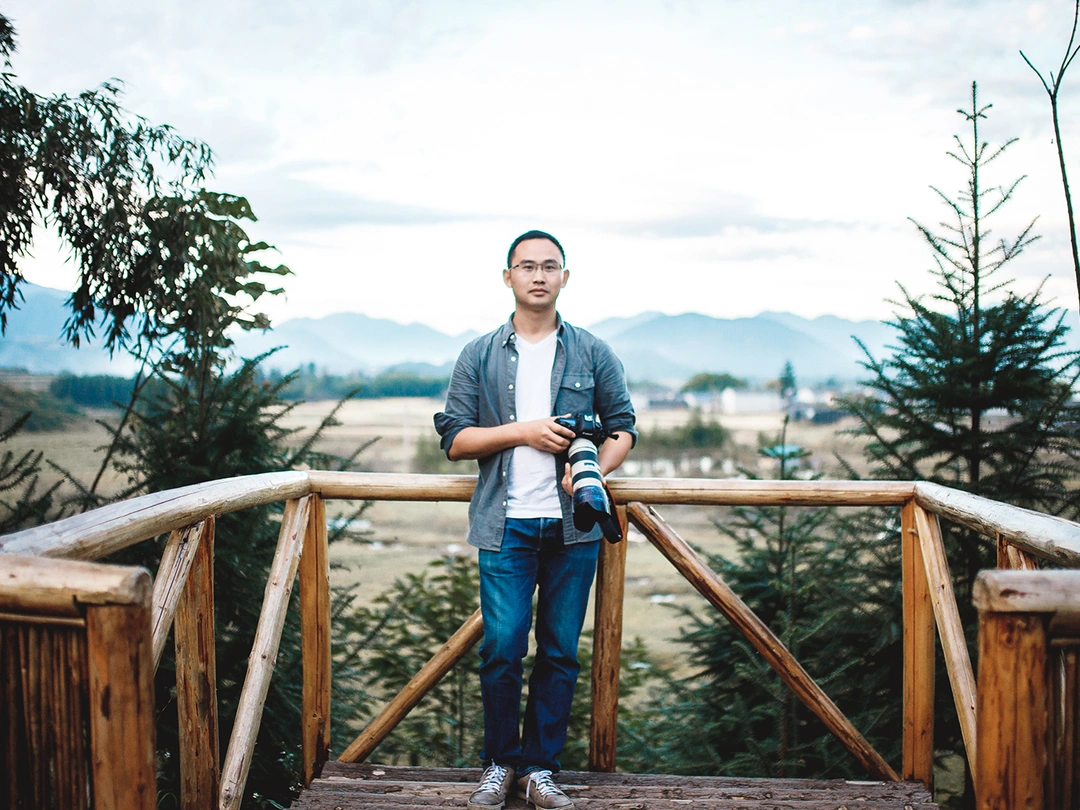
I had imagined Tengchong countless times—an ancient town hidden at the far edge of Yunnan, with volcanoes, hot springs, the hoofprints of horse caravans, and stone paths polished smooth by time. Then, in October 2021, invited by the Tengchong Tourism Bureau, I set foot on this land as a travel enthusiast. The newly opened direct flight to Guiyang made this journey unexpectedly easy. Over six days, I felt as if guided by an invisible hand, step by step into the past and present of this small city.
This is not an ordinary travelogue. I plan to record this deep experience in three articles: Time in Tengchong, Wild Tengchong, and Colorful Tengchong. This one is about time—those traces carved by wind and frost, those moments that still shine in the long river of history.
Heshun Ancient Town: Touching the Mottled Years in Every Gesture
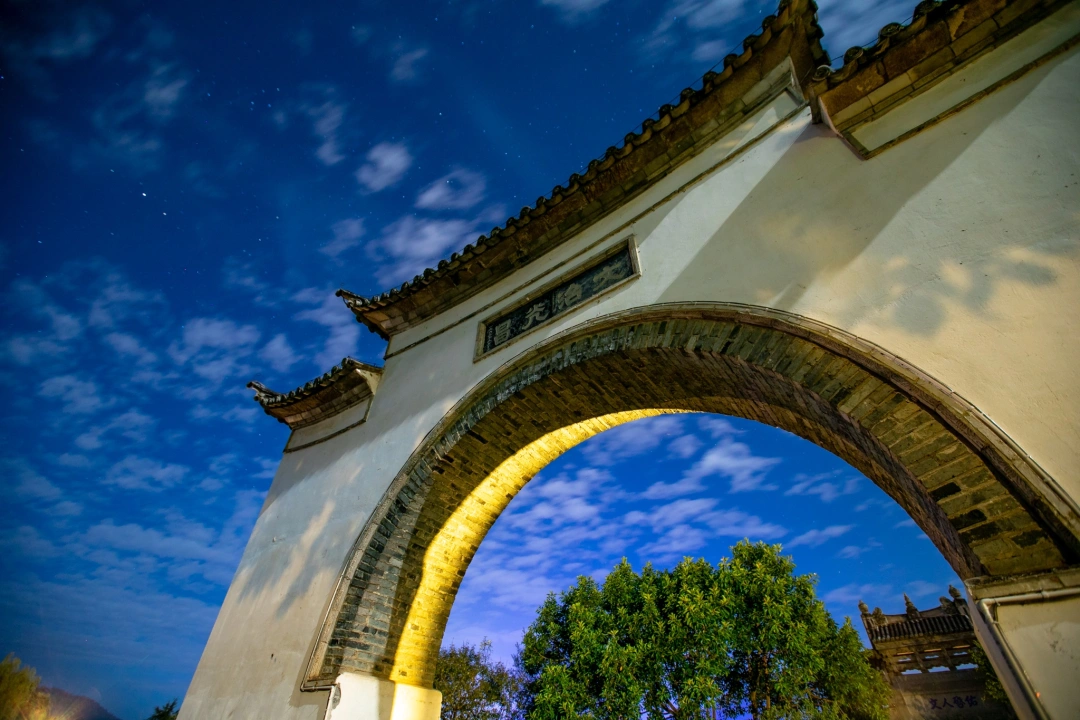
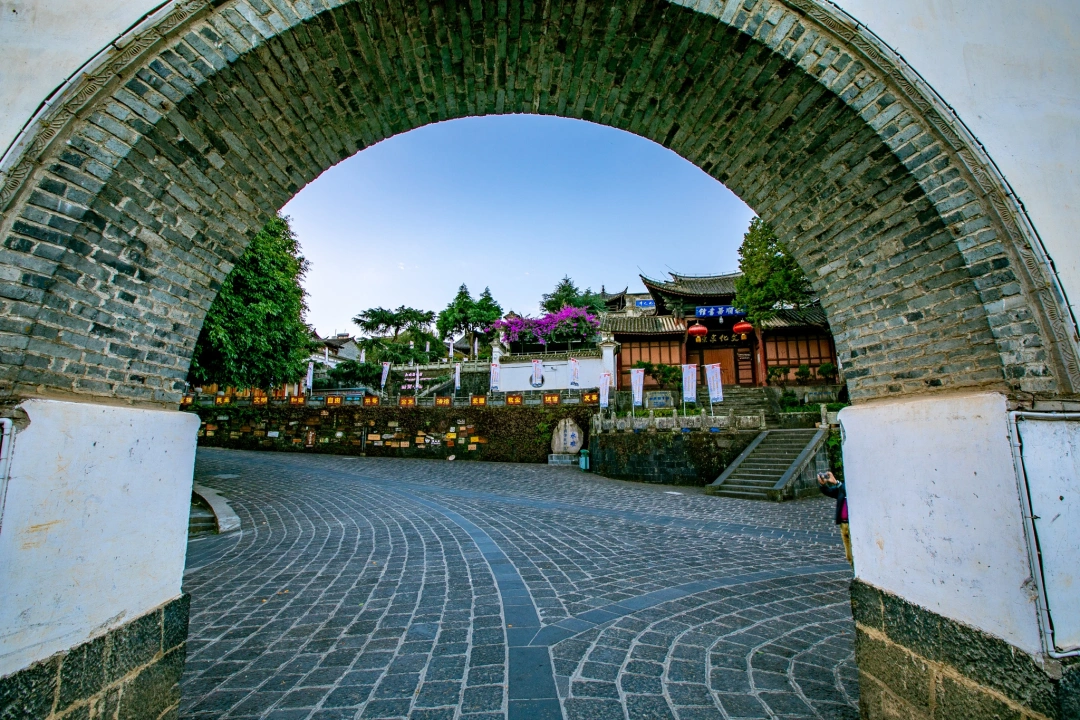
I arrived in Heshun at dusk. The moon was just rising, the stars washed clean, and the ancient town lay submerged in deep blue night. I stood before the memorial archway, my feet on the stone path, my ears catching occasional footsteps, my eyes on the upturned eaves and small bridges in the distance. At that moment, I felt a peace I had never known—the breath of time itself, ethereal yet unmistakably clear.

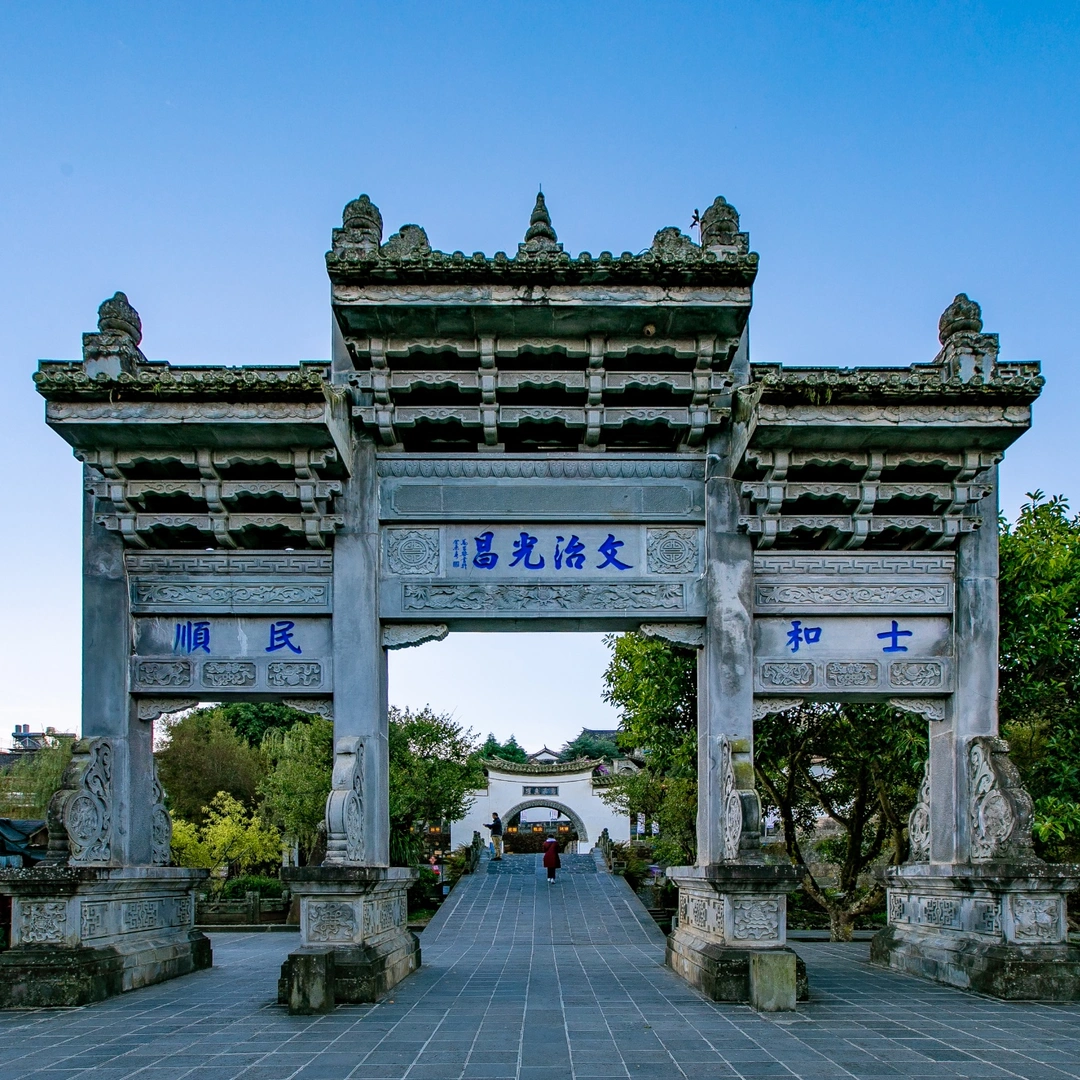
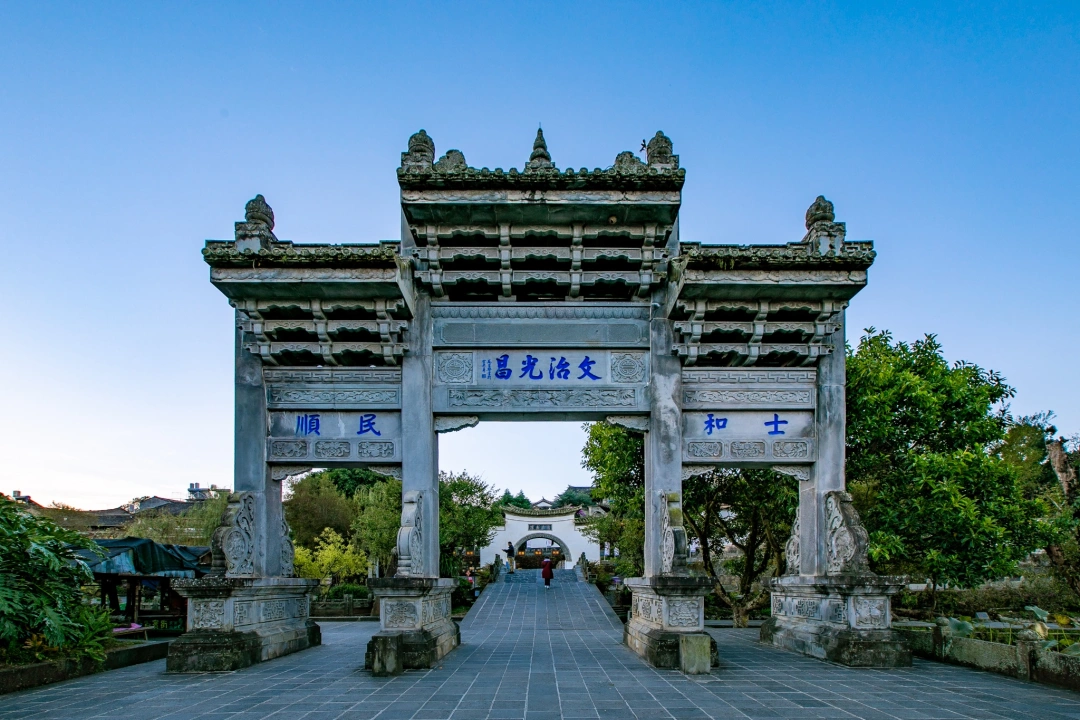
Heshun Town lies 4 kilometers southwest of Tengchong City. Its ancient name was "Yangwen Dun" (Warm Gentle Mound). A small river winds around the village, so it was renamed "Heshun" (River Harmony), later refined to its current name, meaning "Scholars in Harmony, People in Peace." The town has a population of just over 6,000, yet more than 12,000 Heshun natives live overseas—making it one of Yunnan's most famous hometowns of overseas Chinese. The closed, traditional, and stable environment has preserved the distinctive features of Ming and Qing culture intact.
Here, there are over 1,000 traditional residences, including more than 100 from the Qing Dynasty, earning the town the title of "living fossil of ancient Chinese architecture." The architectural styles are diverse: three-bay with one screen wall, courtyard houses, and four-courtyard with five patios. You can find the charm of Huizhou-style white walls and black tiles, as well as elements of Western architecture. The wood carvings on doors and windows of old houses are lifelike. Most distinctive are the steps built from volcanic stone—rainy days make these stones effectively slip-resistant.
Heshun was once a key town for horse caravans, a必经之地 (must-pass point) on the ancient "Southwest Silk Road." Founded in the Ming Dynasty, most local Han Chinese are descendants of soldiers and farmers from Sichuan, Jiangnan, and the Central Plains who came to Yunnan in the early Ming. In the fifteenth year of the Hongwu era (1382), generals Lan Yu and Mu Ying captured Dali, dividing their forces to take Heqing, Lijiang, and Jinchi, all of which fell. These people were deeply influenced by Confucian thought. Though forced by circumstance to leave their hometowns, they infused the essence of Central Plains culture into the village landscape, residential architecture, and folk crafts. At the same time, traveling sons absorbed the best of foreign cultures, integrating them with local traditions to create a regional culture unique to Heshun.
The Starry Sky at 4:30 AM
I woke up at 4:30 AM. One thing you must do in Tengchong: photograph the stars.
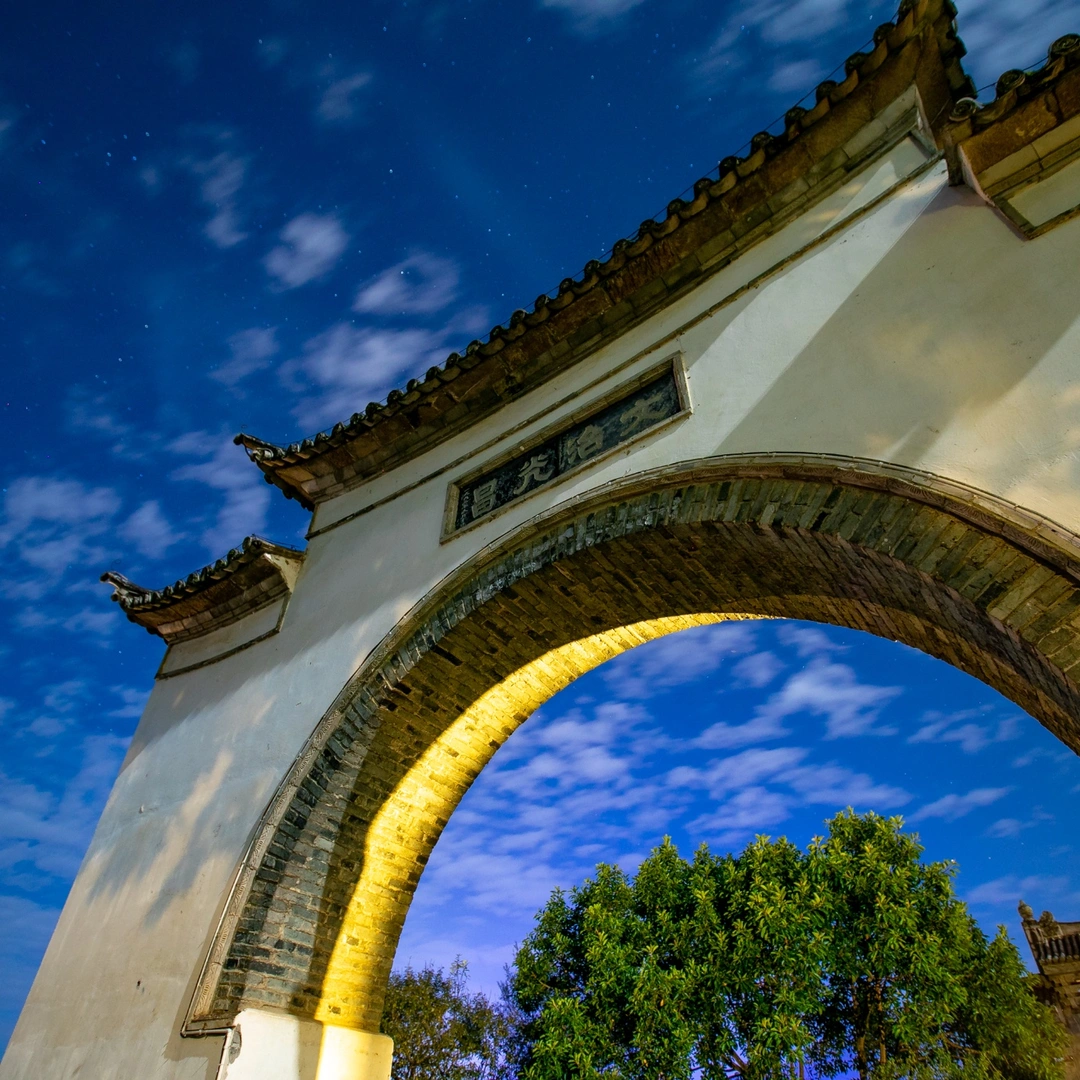
Tengchong has excellent air quality and high visibility, making it an ideal place for star photography. Unfortunately, a bright moon hung in the sky, which frustrated me. But soon, I discovered that the moonlit town radiated a strange, otherworldly beauty. So, by Wild Duck Lake, I captured my first ever photograph of brilliant moonlight and its beautiful reflection. Walking there, I could almost feel the hoofbeats of the horse caravans that once followed the ancient Southwest Silk Road, crossing the Gaoligong Mountains into Heshun. The stories I had never known became clear as I touched the mottled years.
Heshun Library: China's Largest Rural Library
The plaque of Heshun Library bears bold, powerful characters that catch the eye. This is China's largest rural library. Its predecessor was the "Xianxin Society" (Fresh New Society), organized in the late Qing by Heshun Tongmenghui member Cun Fuxiang, and the "Reading and Book Newspaper Society" founded in 1924. Later, with donations from overseas Chinese and local people, it was expanded into a library in 1928, and the new building was completed in 1938. The renowned mathematician Xiong Qinglai inscribed the words "Source of People's Wisdom," and Zhang Tianfang wrote, "First in China's Rural Cultural World." Today, it holds over 70,000 volumes, including more than 10,000 ancient texts and rare books, with inscriptions by cultural giants such as Hu Shi, Xiong Qinglai, Liao Chengzhi, and Li Shizeng.
Ascending the steps, you pass through the main gate, the middle gate, and a garden, then reach the library building, the rare book pavilion, and Jingshan Garden. The iron gate of the middle gate was custom-made in England, shipped to Myanmar, and then carried by mules to Heshun. The gate remains intact and still in use today. Stepping inside the library feels like stepping back in time—villagers, after their day's labor, came here to study and learn.
Thanks to this rich cultural atmosphere, Heshun has produced many famous figures, such as the great philosopher Ai Siqi. Today, Ai Siqi's former residence is preserved for visitors.
The Washing Pavilion: A Gift from Men Who Traveled Far
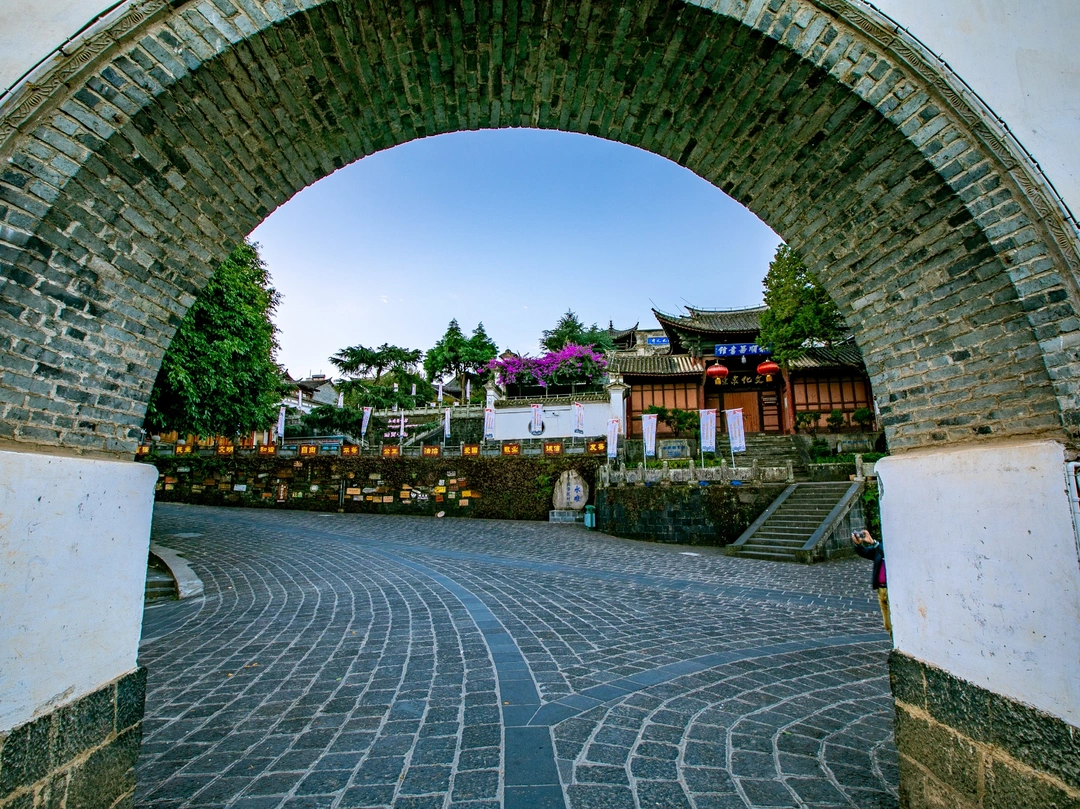
Along Heshun's riverbanks, there is a unique structure—the washing pavilion. Walking along the small river and lotus ponds, you'll find a quaint, elegant little pavilion standing by the water every so often. Village women wash clothes in these pavilions; there are six in total in Heshun. These pavilions serve for washing, cooling off, and also for gazing into the distance,寄托相思 (conveying longing for absent loved ones). Heshun men were scholars, merchants, farmers, and travelers. To protect their women from wind and sun while washing clothes, they built these pavilions (first constructed during the Daoguang era of the Qing Dynasty). They are the most humble gift from Heshun men who traveled far from home to the women who stayed behind.
The General's Mansion, Tengxuan Paper, and Gambling on Jade
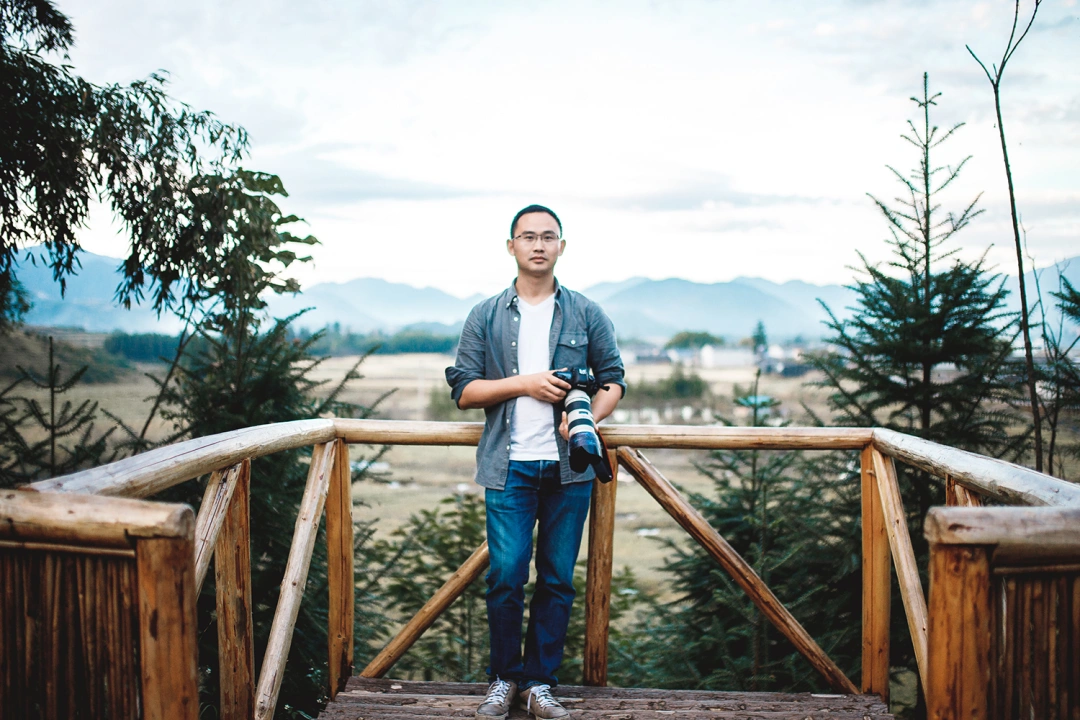
The town also preserves a well-maintained General's Mansion, where you can experience the ancient method of making Tengxuan paper (Tengchong rice paper), one of the "Three Treasures of Tengchong." You can also try your hand at赌石 (jade gambling): one cut makes you poor, one cut makes you rich, one cut leaves you in rags—it's thrilling and heart-pounding. In short, what attracts people most to Heshun Ancient Town, besides its pastoral landscapes and cultural heritage, is its well-preserved traces of time. With every gesture, you can touch the mottled years and the rich cultural atmosphere. Anyone would sincerely marvel: at this far edge of the land, such a splendid village lies hidden.
The Yunnan-Burma Western Front Anti-Japanese War Memorial Hall: Honoring That Era of Blood and Fire
From February 1942 to January 1945, in the southwestern border regions of Baoshan, Dehong, the Nujiang River, and Lincang, a patriotic anti-Japanese war broke out to defend the Yunnan-Burma international corridor and maintain national territorial sovereignty—the Yunnan-Burma Western Front War.
From mid-May 1944 to late January 1945, the Sino-American Allied forces launched a major counteroffensive in western Yunnan. To break the Japanese blockade and reopen the Yunnan-Burma international transport route, the reorganized 200,000-strong Chinese Expeditionary Force, led by General Wei Lihuang, took advantage of the turning tide in the international anti-fascist war. With full support from the American Allies and the people of all ethnic groups in western Yunnan, they forced a crossing of the Nujiang River and launched a full-scale counterattack against the tens of thousands of Japanese troops entrenched in western Yunnan. After more than eight months of bloody fighting, they killed over 21,000 enemy soldiers and finally drove the invaders out of the country on January 20, 1945, achieving the final victory of the Yunnan-Burma Western Front War.
After the recovery of Tengchong, under the advocacy of Inspector of Yunnan and Guizhou, Mr. Li Genyuan, funds were raised from various sources to build the National Memorial Cemetery at the foot of the scenic Laifeng Mountain and beside the magnificent Dieshui River, to rest the loyal souls. The project was completed on July 7, 1945.
The Yunnan-Burma Western Front Anti-Japanese War Memorial Hall was first built in 1944, located at the foot of Laifeng Mountain in the southwest of Tengchong County. It was built during World War II by the people of Tengchong to commemorate the fallen soldiers of the Chinese Expeditionary Force's 20th Army Group and the civilians who died. It mainly consists of a main gate, a corridor, a Loyalty Shrine, martyrs' graves, an exhibition hall, and a memorial tower. It is the earliest抗日烈士陵园 (anti-Japanese martyrs' cemetery) built in the country during the war, well-preserved and unprecedented in scale, and is now a national key cultural relic protection unit.
The site was the former headquarters of the Expeditionary Force's counteroffensive against Tengchong. The Yunnan-Burma War Museum is China's first privately funded, privately collected museum with the theme of the Anti-Japanese War. Its 6,000-plus artifacts and 1,000 old photographs include many rare and unique pieces. The museum is divided into five sections: The Shattered Land, The Tragic Expedition, The Years of Occupation, The Sword Sweeps Away the Flames, and The Sun Shines Again. Through a large number of old photos, documentaries, historical materials, oil paintings, and comic strips, along with the collection's artifacts, it faithfully recreates that period of history. The museum opened on July 7, 2005. CCTV's "Face to Face" program made an exception and produced three episodes here, receiving more than fifty American veterans who had participated in the Yunnan-Burma War, generating nationwide influence.
While visiting the National Memorial Cemetery, I happened to meet 94-year-old Expeditionary Force veteran Lu Caiwen. He was energetic and healthy, telling us stories of those bygone days. Time flies, but heroes remain. For those years and those heroes, we can only offer remembrance and respect.
"Dreamlike Tengchong": A Splendid Show Telling Tengchong's Past and Present
They say that when visiting Tengchong, you should first watch a great show to get a comprehensive understanding of its history. Then, as you explore, you can immerse yourself in the stories unique to Tengchong. That show is called "Dreamlike Tengchong," performed daily at the Dreamlike Tengchong Grand Theatre in the Gaoligong International Tourist City. It is divided into five chapters.
Chapter One tells of Tengchong as a land of unique geology, diverse cultures, rich history, and full of dreams and legends at the far edge of the world. Hundreds of millions of years ago, two of the Earth's major plates collided violently here. In an instant, dozens of volcanoes erupted, magma surged, heaven and earth were in chaos, and mountains and rivers were reshaped. A poet once said: Here, ninety-nine volcanoes hold ninety-nine times the passion; here, eighty-eight hot springs hold eighty-eight times the gentleness. By the Sea of Heat, water blossoms, touching the Earth's breath, feeling nature's solace, the heart moving with the water's spirit.
Chapter Two: No mountain is too high for the soles of feet, no road too long for the horse caravan. It tells the story of over two thousand years, how Yunnan's mountain people, in the world's most treacherous Hengduan Mountains, led their horses and walked out a road with their feet to Southeast Asia, South Asia, and on to Europe—this is the famous ancient Southwest Silk Road. The ancient road stretches endlessly, life and death uncertain. Generation after generation of men left their homes to travel to foreign lands; dreams of fortune, the marketplace, travelers silently recounting the vicissitudes of life, how many women waited alone in empty rooms—dreams are long, and roads are long.
Chapter Three: Tengchong was the main battlefield of the Yunnan-Burma-India theater in World War II. The Expeditionary Force, the Flying Tigers, the Yunnan-Burma Road, the Hump Route, the Battle of Songshan, the Scorched Earth Resistance, the南洋机工 (Nanyang volunteer mechanics)—all these passionate stories of resistance against Japan took place here. For every inch of rivers and mountains, every inch of blood, 200,000 Chinese Expeditionary Force soldiers sacrificed their lives here with righteous spirit. The Yunnan-Burma War, ending in our victory, completely reversed the tide of China's War of Resistance against Japan. It was China's most thorough war of national humiliation in the past century, driving the invaders out of the country.
Chapter Four is the story of Heshun. Heshun is a vision of home. Stepping into Heshun means stepping into ancient villages, ancient lanes, and ancient memorial arches. Old stories tell of living history: handmade papermaking, woodblock printing, yangqin storytelling, Xiqiang shadow puppetry, jewelry and jade, sunset smoke from cooking fires, farming and scholarship, the gathering and scattering of wealth, the legend of jade gambling, the ups and downs of life, the rise and fall of fate—a scroll of "Along the River During the Qingming Festival" that you can never fully see.
Chapter Five: Tengchong, a key town on the ancient Southern Silk Road; Tengchong, a famous site of anti-Japanese war culture; Tengchong, an ancient city of jade trade; Tengchong, the crossroads of Asian cultures, the far edge where East and West collide!
"Dreamlike Tengchong" employs advanced sound, light, and electrical technology. The stage effects are realistic, drawing the audience into the story. Of course, the use of live ducks and horses on stage is also a unique touch.
Liu Family Shadow Puppetry: Performing the Vicissitudes of Tengchong's Years
Tengchong shadow puppetry is a traditional art form beloved and long-practiced by the people of western Yunnan, mainly spread in the Tengchong area. Locally, it is called "lamp shadows," "leather figure play," or sometimes "earth movie."
The shadow figures are mostly made from cowhide, relatively large, about 50 centimeters tall, with a simple and honest造型 (form and style). The most influential troupe in Tengchong is the Liu Family Village shadow puppetry troupe from Gudong. Under the instruction of veteran artist Liu Dingzhong, this troupe has made breakthroughs and innovations in singing, performance, music, imagery, and the figures themselves. They have participated in many county, city, and provincial folk art exhibitions, winning acclaim from audiences and experts alike.
In the Gaoligong International Tourist City, there is an experience shop for Liu Family shadow puppetry. There, you can watch shadow puppet performances, try making shadow puppets yourself, and buy shadow puppet souvenirs. I watched one performance about the origin of Tengchong's famous snack "Dajiujia" (The Great Rescue—a stir-fried rice cake dish), and it was truly wonderful.
In Closing: The Imprint of Time is Tengchong's Most Moving Language
Over six days, I walked the stone paths of Heshun, looked up at the Loyalty Tower of the National Memorial Cemetery, felt the waves of history on the stage of "Dreamlike Tengchong," and laughed and sighed under the light of Liu Family shadow puppetry. Tengchong is not a place for a quick photo stop. It is a place where you need to quiet your mind, measure with your steps, record with your eyes, and feel with your heart.
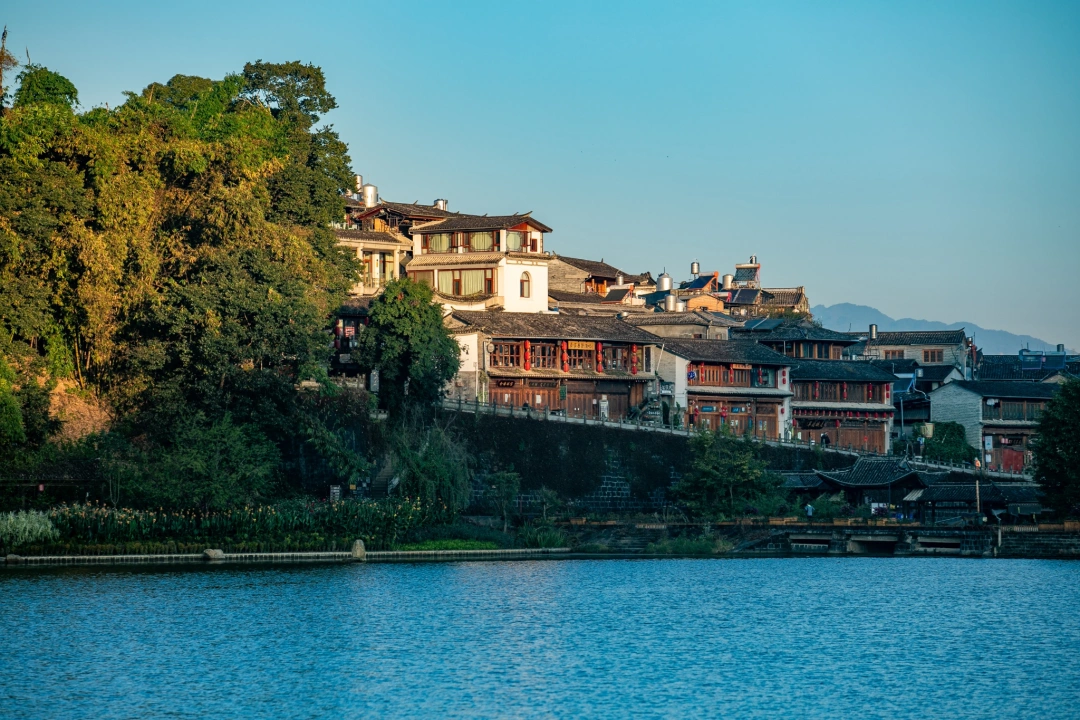
Time has left so many imprints here: the hoofbeats of the horse caravans, the longing of the washing pavilions, the scent of ink in the library, the flames of war, the singing of shadow puppetry... They are like so many eyes, leading me through the transformation of the years.
If you, too, want to go to Tengchong, I suggest you: first watch "Dreamlike Tengchong," then walk through Heshun Ancient Town, then go to the National Memorial Cemetery to offer a toast of respect, and finally, at the Liu Family shadow puppetry shop, buy a small shadow puppet to take home. That way, what you take away is not just photos, but also a piece of time-memory that belongs to you.
This travelogue is original content. Please do not reproduce without authorization.
You should also read:
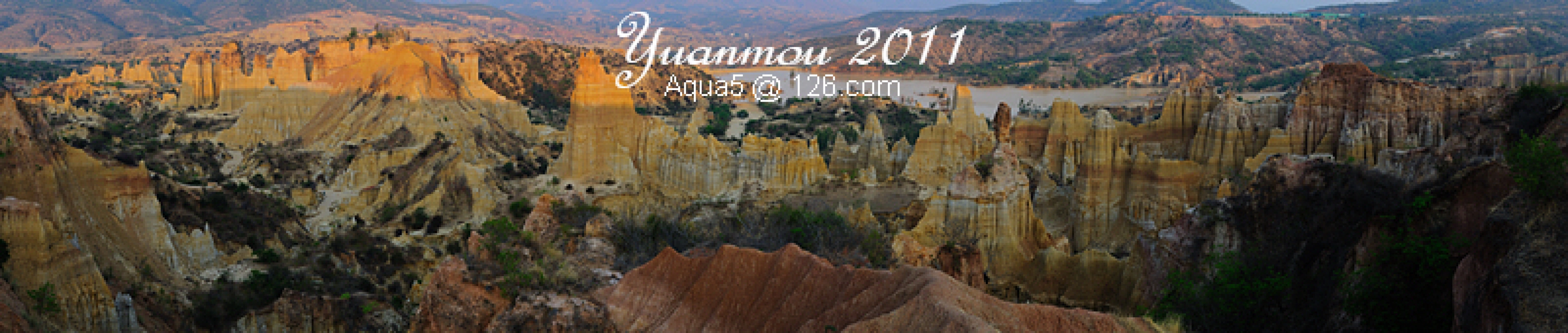
A Journey Through Time: The Earthen Forest of Yuanmou — April 2011 Chuxiong & Yuanmou Self-Drive Guide
A Journey Through Time: The Earthen Forest of Yuanmou — April 2011 Chuxiong & Yuanmou Self-Drive Guide Some journeys are destined to take root in your memory. In April 2011, I set out from Shuhe in Yunnan, heading north toward the Chuxiong Yi Autonomous Prefecture,…
Continue reading...
Into the Hidden Valley: A Solo Journey Through the Mysterious Dulong River
Into the Hidden Valley: A Solo Journey Through the Mysterious Dulong River Deep in the northwestern corner of Yunnan Province, tucked away from the modern world, lies a place that feels like a secret whispered among mountains. The Dulong River Valley is not just a…
Continue reading...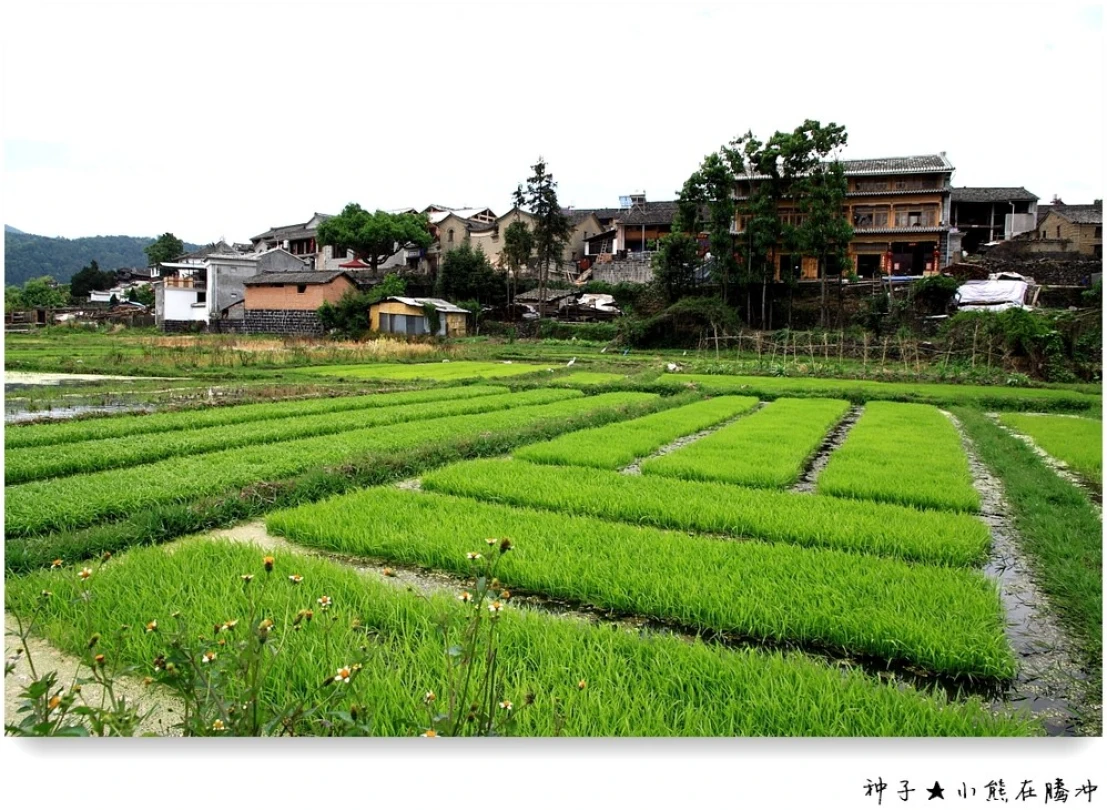
Tengchong·Heshun: Finding Life as It Should Be in a Border Town Where Time Stands Still
Tengchong·Heshun: Finding Life as It Should Be in a Border Town Where Time Stands Still The long journey of over twenty days was over. On my first day back at the office, I was still in a daze. My fingers couldn't find the keys on…
Continue reading...