Time Moves Slowly, Mangshi Takes Its Time: Rediscovering the Essence of Life in a Small Border Town in Western Yunnan
Time Moves Slowly, Mangshi Takes Its Time: Rediscovering the Essence of Life in a Small Border Town in Western Yunnan
Introduction: A Chinese Town Mistaken for Southeast Asia
“Where is Mangshi?” — That was the question I got asked most often after saying I was traveling there.
“Is this Thailand? Or Vietnam? Maybe Myanmar?” — When I shared my photos, the comments section was filled with similar guesses.
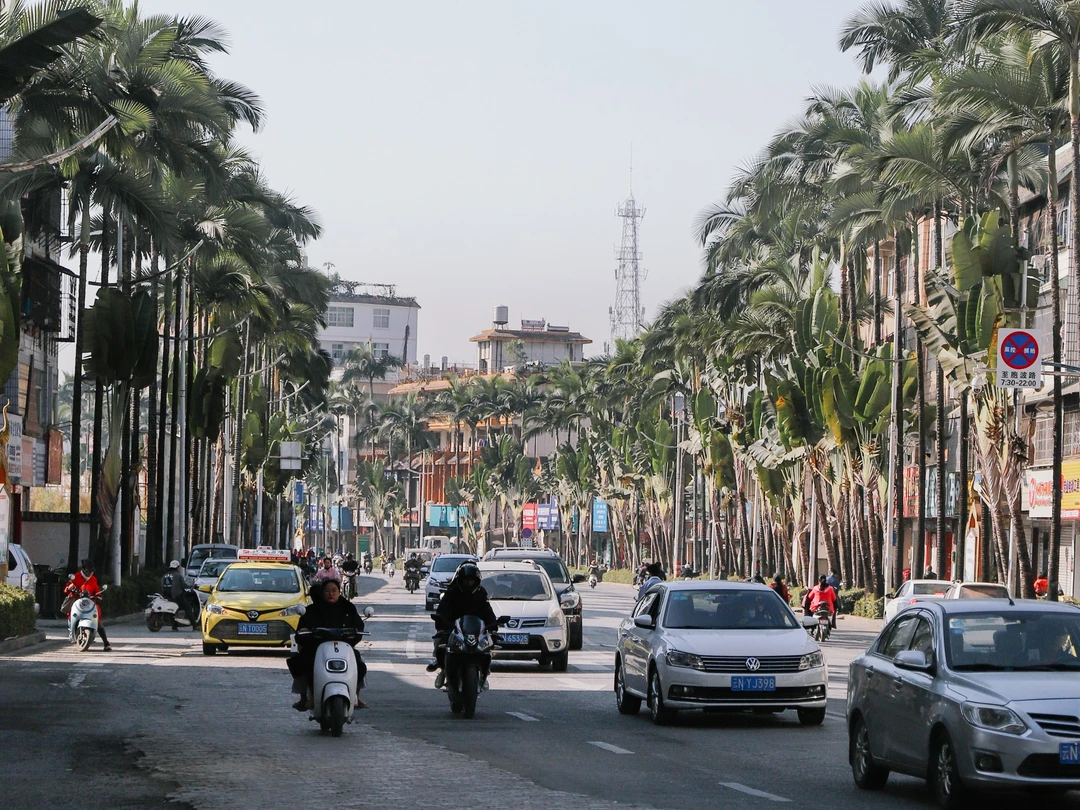
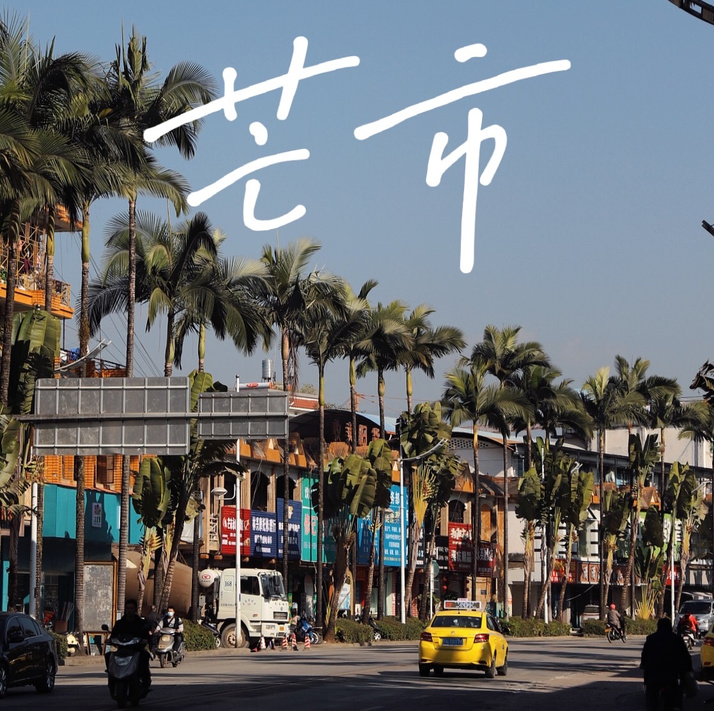
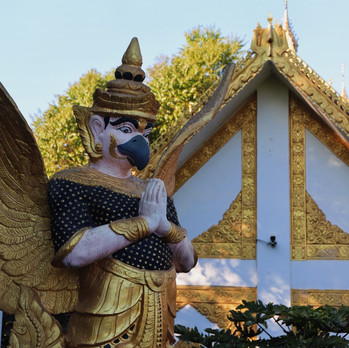
To be honest, I wasn’t surprised at all. This small town in western Yunnan, China, with its coconut tree-lined streets, golden pagodas, and strong Dai ethnic culture, genuinely feels like you’ve stepped into a foreign country. But once you learn it sits right on the China-Myanmar border, everything clicks into place.

As someone with a natural fondness for border regions, Mangshi held an irresistible pull for me. Over the New Year holiday in 2021, I traveled there alone, spending 24 hours soaking in the atmosphere of this town known as the “City of Dawn.”
In winter, Mangshi is so warm it makes you question the season. At noon, walking the streets in a t-shirt, sunlight generously warming your face, coconut trees swaying, the pace unhurried — it’s as if someone pressed the slow-motion button here, completely out of sync with the fast-paced world outside. In Mangshi, I truly understood what “peaceful times and a quiet life” really means.
Time moves slowly. Mangshi takes its time.
Mangshi: China’s Only Single-Character City — What Secrets Does It Hold?
Geography and Culture: A Multi-Ethnic Symphony on the Border
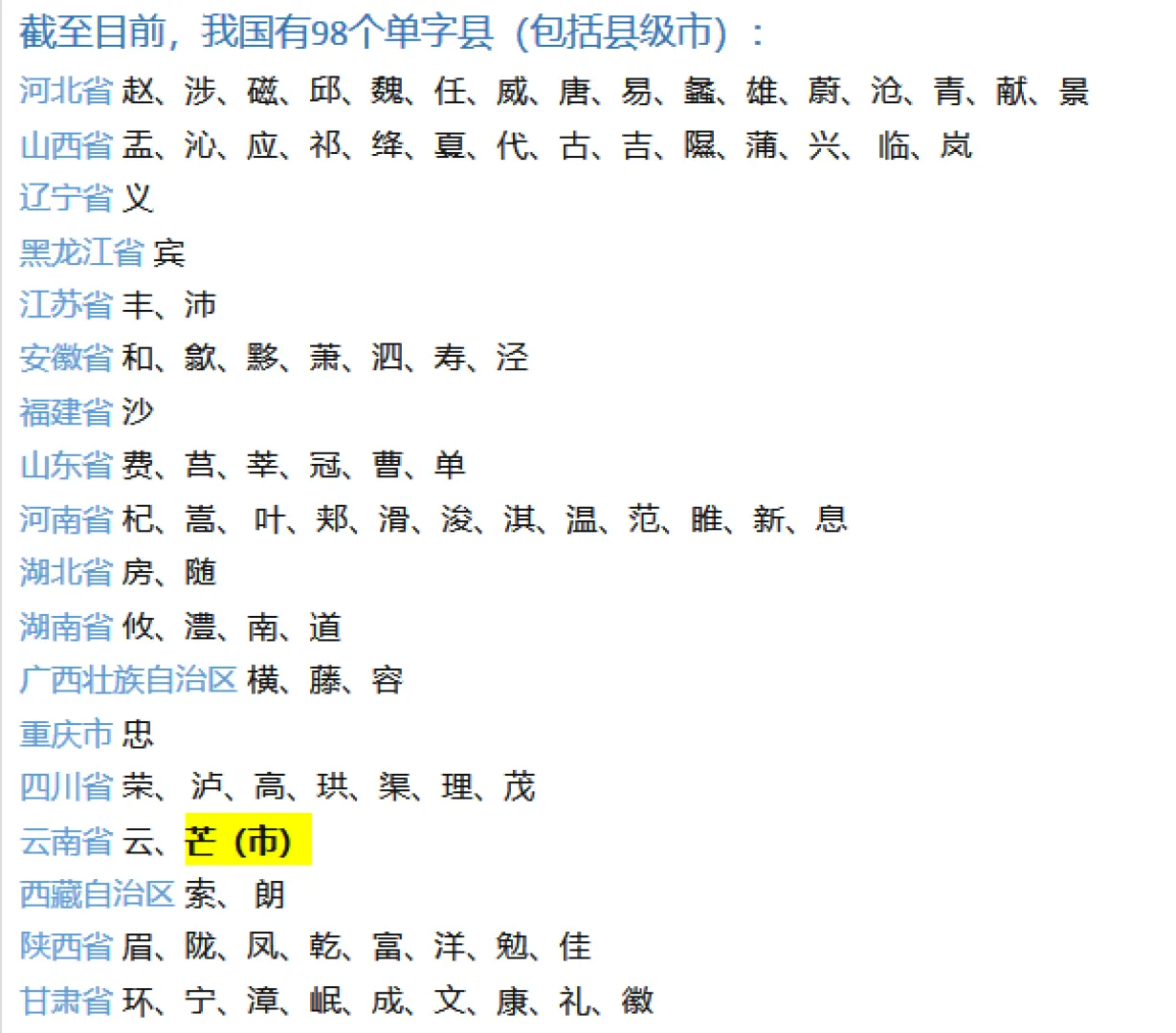
Mangshi is located in western Yunnan and serves as the capital of the Dehong Dai and Jingpo Autonomous Prefecture. “Dehong” in the Dai language means “the land downstream of the Nu River.” As for “Mangshi” itself, it is China’s only single-character city — yes, a city name consisting of just one character. While there are 98 single-character counties in China (like Sha County or Pei County), there is only one single-character city.
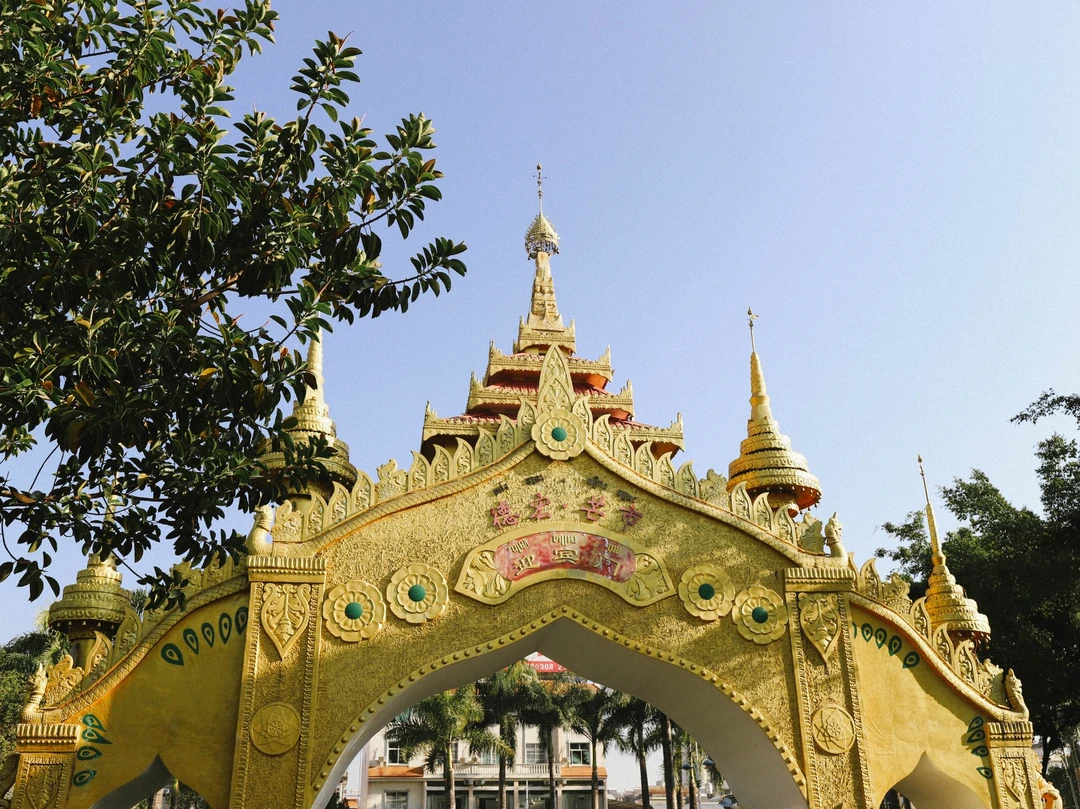
In Mangshi, you’ll frequently come across the word “Menghuan.” This is Mangshi’s Dai name. Legend has it that when the Buddha passed through this area, dawn was just breaking, so he named it “Menghuan,” meaning “City of Dawn.” What a romantic origin story.
Nearly half of Mangshi’s population belongs to ethnic minorities, primarily the Dai and Jingpo, along with the De’ang, Lisu, and Achang peoples. Diverse cultures interweave here, creating a unique character. Surprisingly, Mangshi was designated a “National Sanitary City” early on — the streets are so clean they lift your spirits.
How to Get There: Flying into This Border Town
Mangshi has no train station. Currently, you can only reach it by air or road. It’s a four-hour drive from Dali, three and a half hours from Tengchong, and a grueling twelve hours from Kunming. That long journey is probably one reason Mangshi has managed to preserve its original charm.
Fortunately, Mangshi’s air network is fairly extensive. Domestically, you can fly direct from Kunming, Dali, Wenshan, Pu’er, Xishuangbanna, and Lancang. From other provinces, there are routes from Shanghai, Jieyang, Nanjing, Chongqing, Chengdu, Zunyi, Guangzhou, and Changsha, plus flights stopping in Hangzhou, Shenzhen, and Beijing.
If you’re flying from Shanghai, I took flight MU9760 (11:50-16:05) there and MU9759 (16:50-20:00) back. A few tips:
- If traveling in winter or spring, sit on the right side on the way there to avoid the sun. The left side gets sun the whole way, but you’ll see the Great Golden Pagoda during descent.
- The return flight is in the evening — the left side offers a chance to catch the sunset.
- Compared to popular destinations like Xishuangbanna, Dali, or Lijiang, Mangshi flights are easier to book with travel passes — a hidden gem for “fly-whenever-you-want” users.
24 Hours Wandering Mangshi: A No-Rush Trip
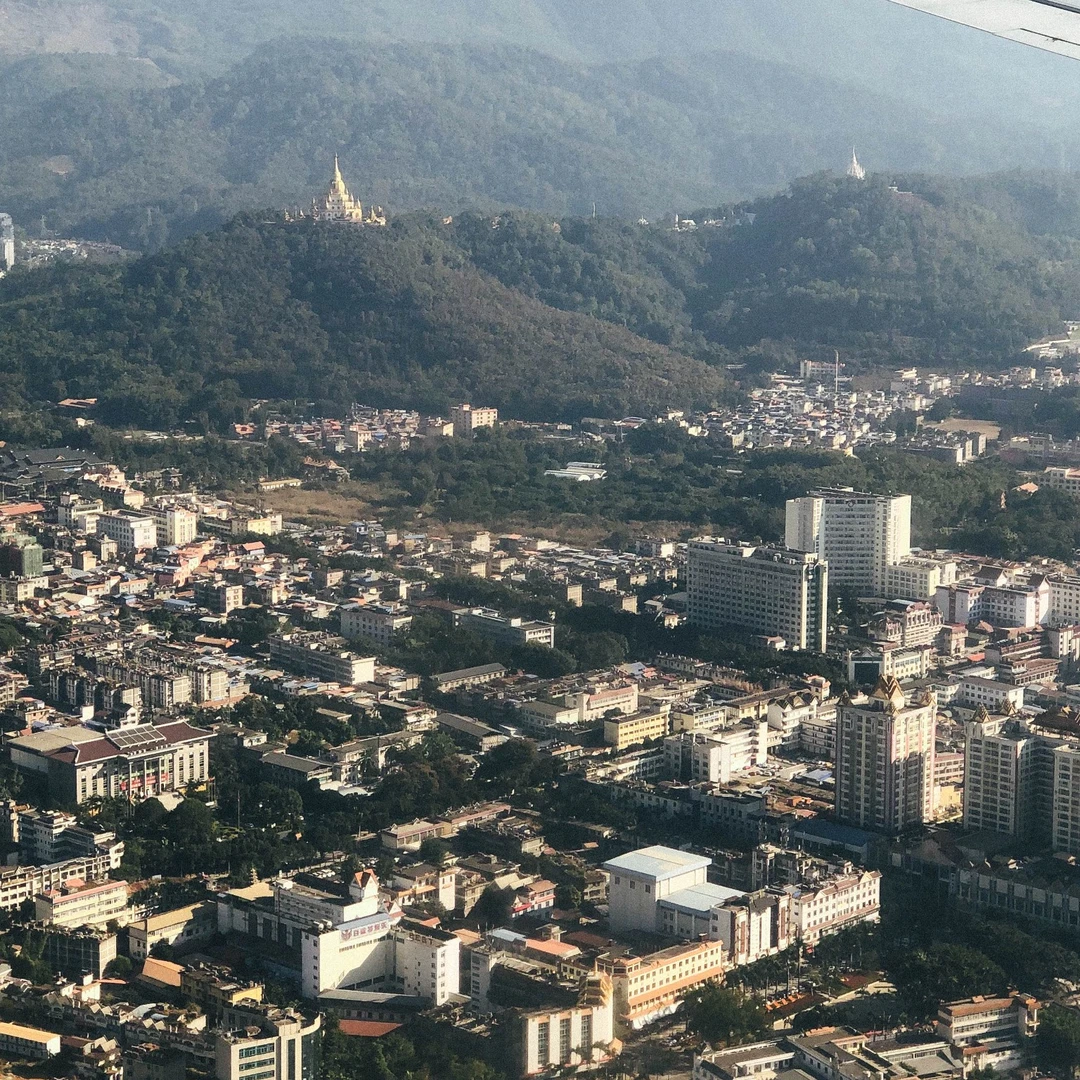
Mangshi is really small. So small that almost anywhere you want to go in the city center is within walking distance. If you were being “thorough,” 12 hours might be enough. But 24 hours gives you just enough time to slow down and truly feel the city.
Day 1: Golden Pagoda, Silver Pagoda, Hand-Grab Rice, and Night Market Vibes
Menghuan Great Golden Pagoda: The Awe of Asia’s Largest Hollow Buddha Pagoda
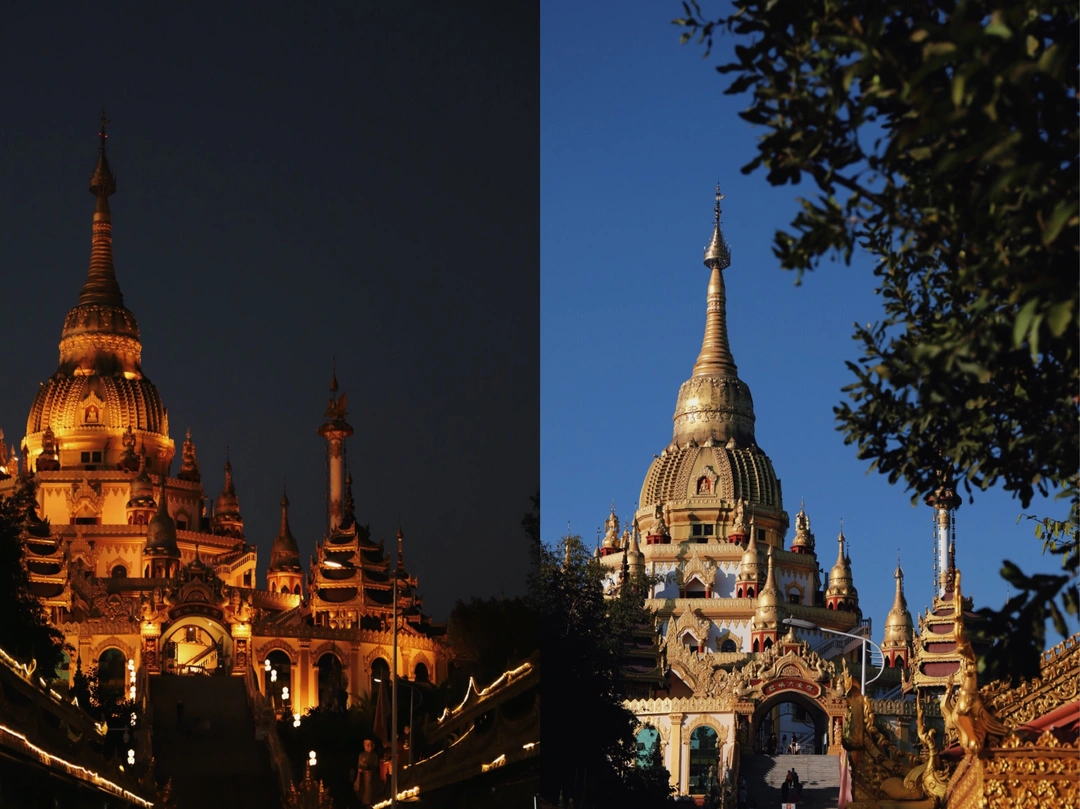
After landing at 4 p.m., I headed straight for the Menghuan Great Golden Pagoda, perched atop Lei Ya Rang Hill. This is Asia’s largest hollow Buddha pagoda and Mangshi’s most iconic landmark. From many spots in town, you can see its glittering golden silhouette.
I’d seen countless photos online, but standing before it in person was a different story — overwhelming! So exotic! The late-afternoon sun was still strong, making the pagoda look incredibly three-dimensional, its reflections almost dazzling. The cloudless blue sky and the gleaming gold created a stunning contrast that took my breath away.
A short climb of stairs leads to the pagoda, lined with Buddhist sculptures — five-headed dragons, elephants, a row of monks — mysterious and solemn. I didn’t buy a ticket to go inside (entry is 40 yuan, open 8:00-22:00) because I planned to watch the sunset from the Silver Pagoda. But even just walking around the outside was deeply satisfying.
What surprised me was that even during the New Year holiday, this “most popular” attraction wasn’t crowded. I only saw one tour group, with scattered visitors and no sense of chaos. That was my first impression of Mangshi — wonderfully comfortable.
Menghuan Silver Pagoda: Chasing a Sunset Amid the Sound of Wind Chimes
The Golden Pagoda and Silver Pagoda are only a five-minute walk apart. The Silver Pagoda is the best spot for watching the sunset and overlooking the entire city, so I recommend visiting the Golden Pagoda first, then slowly making your way to the Silver Pagoda to wait for dusk.
Construction on the Silver Pagoda began in 2010 and was completed in 2019 — yes, it has almost no history. But trust me, once you’re here, you won’t care about its past because it’s absolutely beautiful. Pure white, symmetrical structure, with wind chimes hanging from every spire, ringing softly in the breeze.
The Silver Pagoda is solid, so you can’t go inside — only admire it from the outside. I walked around it again and again, waiting over an hour for the sunset. There are some Instagram-worthy photo spots inside the complex — a moon-shaped installation you can climb onto, a “sky mirror,” a ladder reaching toward the sky. For 10 yuan, you get access to all of them, and staff will even take photos for you for free. At first, I felt these setups clashed with the pagoda’s “character,” but once I learned the pagoda itself is a new attraction, I understood their purpose — they do draw in visitors.

As the sun dipped low, the light turned golden, casting a warm glow on the Silver Pagoda as if it too had become gold — soft and dreamlike. From the viewing platform, you could see the entire city of Mangshi spread out below, with wisps of cooking smoke rising in the distance, wrapping the town in a thin haze. The sunset was a bit plain without clouds, but the shifting light and shadows were still breathtakingly beautiful.
After dark, the lights came on, transforming the Silver Pagoda into something else entirely. The path down the hill felt like it led into a fairy tale.
Entry to the Silver Pagoda is also 40 yuan, open 8:30-21:30. There’s no public transport — take a taxi or walk up the hill. A ride from the city center on Didi (China’s Uber) costs about 10-15 yuan.
Dream Dehong: The Satisfaction of a Plate of Hand-Grab Rice and a Bowl of Paoluda
Coming down from the Silver Pagoda, I went to “Dream Dehong” for dinner. The restaurant’s ambiance was surprisingly nice — filled with greenery and ethnic-style decor, quite refined by Mangshi standards. The menu is extensive, ranging from local specialties to Western food, and the service was excellent. No wonder it’s consistently ranked number one on food review platforms.
I ordered a portion of hand-grab rice (25 yuan) and a paoluda (a Burmese-style sweet drink). The hand-grab rice looked gorgeous — three colors of rice (commonly called “three-color, three-flavor rice”) topped with tender, slow-cooked pumpkin, surrounded by sausage, cured meat, chicken, dried fish, beans, celery, and houttuynia cordata (fish mint). As someone trying hand-grab rice for the first time, I can’t say it was mind-blowing, but experiencing this eating style was fun.
The paoluda, however, completely won me over. This dessert, originating from Myanmar, consists of crispy dried bread soaked in rich coconut milk, topped with shredded coconut, coconut flesh, tapioca pearls, and black sticky rice. The bread soaks up the coconut milk perfectly, creating an incredible texture. As a coconut milk lover, I was helpless to resist.
The address is 46 Baopo Road. Average cost per person is about 50 yuan. Opening hours: 11:00-20:30.
Mangshi Square and Pig Tails: Local Nightlife
After dinner, I strolled to Mangshi Square to walk off the meal. The square is spacious and tree-lined, with children playing and adults exercising — a peaceful scene. The “China-Myanmar Friendship Hall” in the center wasn’t open, but I could imagine that around April 12th, during the Dai New Year, this place becomes the epicenter of the Water Splashing Festival — one of the reasons I look forward to returning to Mangshi.
If you still have room, locals recommend going to “Pig Tails” for barbecue late-night snacks. But my stomach was already at capacity, so I’ll have to save that for next time.
Day 2: Rice Noodles, the Tree-Encased Pagoda, Markets, and a Heavenly Café
Lin’s Meatballs: Morning Haze at a Ten-Year-Old Institution
The next morning, I went to Lin’s Meatballs. This ten-year-old shop on Baopo Road is a beloved breakfast spot for locals. I ordered a small bowl of yuanzi rice noodles (8 yuan) — rice noodles with tiny, springy meatballs — and an egg pancake (7 yuan), paired with unlimited pickled cabbage. This light breakfast felt incredibly comforting to me, a Fujian native.
The meatballs are tiny, similar to beef tendon balls, incredibly bouncy, bursting with savory juice and pure meat flavor. The rice noodles are smooth and slippery, with a different texture from rice vermicelli. The egg pancake is crispy and fragrant, drizzled with condensed milk — sweet but not cloying. That said, a better pairing might be the pancake with iced coffee, since sweetness needs bitterness to balance it.
The place is full of life. The staff are busy but somehow remember exactly what each customer ordered. The condiment station is generous, so you can mix your own perfect bowl regardless of taste preferences. Average cost: 15 yuan per person. Hours: 8:00-13:00 and 18:30-1:00 the next morning.
Tree-Encased Pagoda: Two Centuries of Intertwined Miracle
The Tree-Encased Pagoda is a completely open-air “attraction,” right by the roadside. Calling it a “sight” feels like a stretch — a massive banyan tree has grown around a pagoda, and the surrounding area is now a parking lot, looking a bit messy. But that wild, unpolished quality is exactly what I loved about it.
Historical records say this Dai-style pagoda was built over 200 years ago by Mangshi’s native chieftain to commemorate a military victory. A banyan seed happened to fall here, and over time, the tree enveloped the pagoda. Today, the banyan is over 200 years old, its canopy blocking out the sky. Around the pagoda’s base are four mythical “Gaduo” creatures and four smaller pagodas, all protected by rusted railings.
It’s free and open all day. According to an old edition of Lonely Planet, this used to be a ticketed attraction (5 yuan) with a proper gate — both are gone now. How much longer this sight will survive is anyone’s guess.
Best Food Court: A Treasure Trove of Affordable Eats
The name “Best” is unusual — it’s actually a food court in the center of Mangshi. Unlike those places that prey on tourists, even locals love coming here.
I only ate at one stall here — Gan Ying’s Pickled Chicken Feet. The flavors are diverse: tom yum, passion fruit, garlic, ketchup, pickled chili, and soy sauce, at 2 yuan each. A word of advice from someone who learned the hard way: don’t order too many, because they are SPICY! Extremely spicy! But the flavor is fantastic — the chicken feet are split open so the marinade soaks in thoroughly. You can even have them vacuum-packed to take away.
This stall’s avocado milkshake (20 yuan) is even more stunning. Rich, creamy avocado flavor with condensed milk for extra dairy richness — thick, satisfying, and filling. It’s the perfect antidote to the spicy chicken feet.
Best also has Baoshan sour-rice noodles, Menghuan Old Lady’s paoluda, Jianshui grilled tofu, egg pancakes, and rolled rice noodles. Unfortunately, my stomach had limits — next time.
First Market: The Simple, Everyday Life of Locals
Mangshi’s First Comprehensive Market was under renovation, so I couldn’t go inside, but the surrounding area was fantastic to explore. Small lanes twist and turn, with stalls lined up all the way, like a mini bazaar. Markets are a great way to glimpse local life.
Mangshi has an abundance of fruit. Even if many aren’t locally grown (like eggfruit from Hainan or tamarind common in Dali and Lijiang), seeing the colorful fruit stalls instantly lifts your mood. There are also plenty of stalls selling grilled rice cakes wrapped in large bamboo leaves — a distinctly Yunnan touch.
Some unusual items — like bee pupae — also appeared on the stalls. Locals buy their daily necessities here and head home content. This is the everyday reality for many in Mangshi: simple and unadorned.
Meizi Coffee: A Heavenly Café in a Ruined Building
For the last half-day, I holed up at Meizi Coffee. This café, built in what looks like a derelict building, has become an internet-famous spot in Mangshi. But what’s commendable is that it has stayed true to its roots, focusing on making good coffee.
Dehong Prefecture was named “China’s Coffee Hometown” in 2010. What’s it like drinking coffee in China’s coffee hometown? Meizi Coffee will give you the answer.
The café has three floors with plenty of space, both indoors and out. The best spot is the third-floor balcony, filled with greenery and bathed in sunlight, with a distant view of the Great Golden Pagoda. I ordered a tamarind drink (25 yuan) — a coffee specialty blend with fruit peel tea, honey, lemon, and sparkling water. The coffee flavor was subtle, more like a fruit tea, beautifully presented, refreshing, and thirst-quenching.
The menu also includes iced latte (25 yuan), “Black Beauty·Winter Edition” (30 yuan, an alcoholic coffee with plum wine, brown sugar, and cold drip), and lychee orchid cold drip (36 yuan, a limited edition with a wine-like aroma), plus coffee bean cookies and vanilla ice cream. If you love coffee, this place is worth spending half a day in.
The address is 119-15 Tuanjie Street. It’s not on Baidu Maps, so check Dianping (China’s Yelp) for the location, or search for “Heart-to-Heart Cake (Tuanjie Street Store)” — Meizi is right across the street.
Conclusion: Mangshi Is Worth Slowing Down For
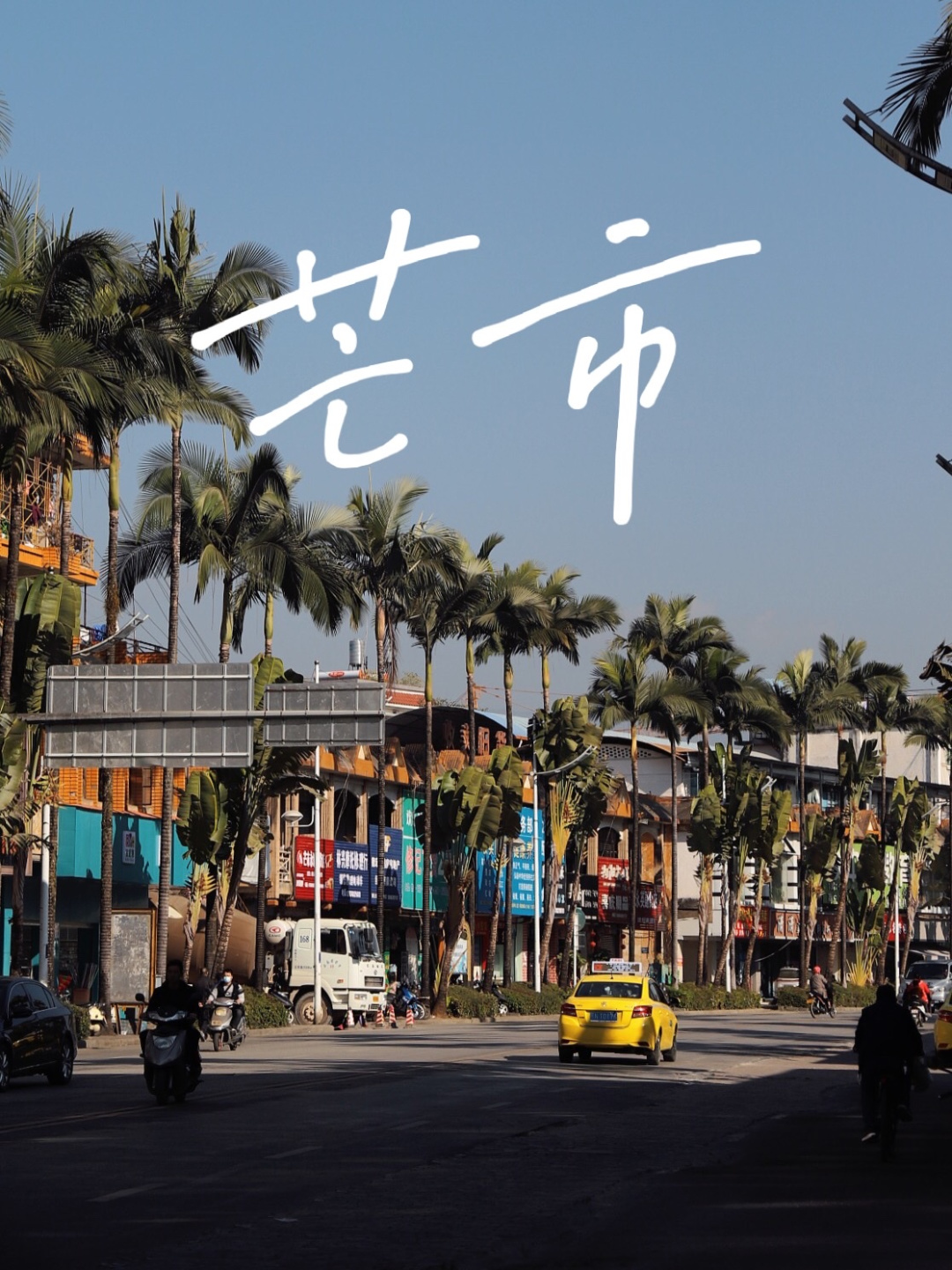
It’s been a while since I left Mangshi, but that short trip often comes back to me. 24 hours — it sounds rushed, but looking back, even if I had to do it all over again, I wouldn’t find it tiresome.
Mangshi’s beauty isn’t about how many spectacular sights it has. It’s about the atmosphere that makes you unconsciously slow down. Spending an afternoon daydreaming on Meizi Coffee’s balcony, eating a steaming bowl of rice noodles at Lin’s Meatballs, waiting for a cloudless sunset at the Silver Pagoda — these seemingly ordinary moments are exactly what make Mangshi so charming.
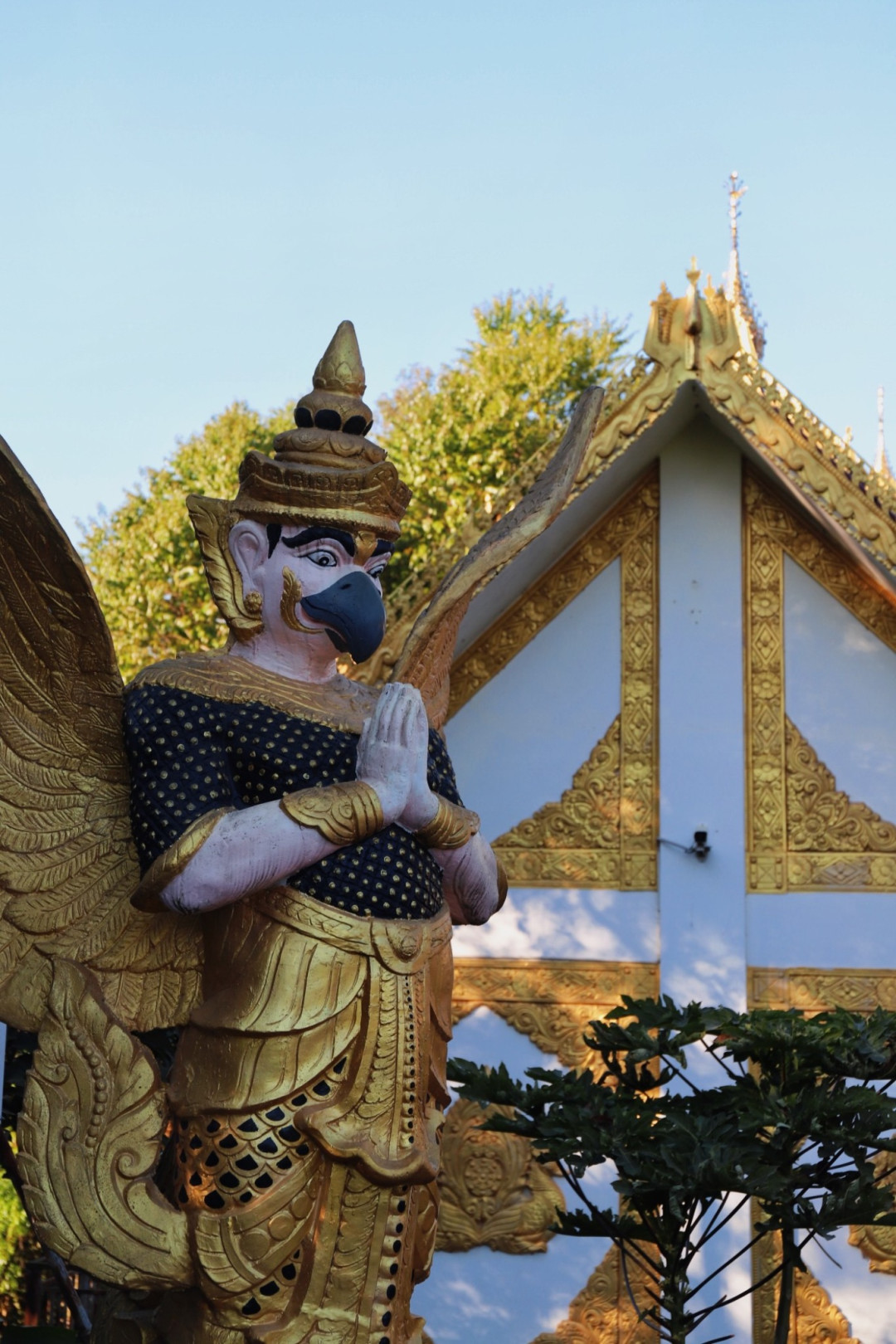
If you’re looking for a place to temporarily escape the fast pace of life, take a trip to Mangshi. The sun is abundant, the coconut trees are everywhere, and the rhythm is unhurried. Time moves slowly. Mangshi takes its time.
There, you’ll find life as it’s meant to be.
Quick Reference:
- Best Season: Winter (comfortable temperatures; you can wear short sleeves at noon)
- Recommended Stay: 2 days (24 hours is tight; 2 days is relaxed)
- Must-See Attractions: Menghuan Great Golden Pagoda, Menghuan Silver Pagoda, Tree-Encased Pagoda
- Must-Eat Foods: Lin’s Meatballs rice noodles, Dream Dehong hand-grab rice, paoluda, Gan Ying’s pickled chicken feet, avocado milkshake
- Must-Visit Café: Meizi Coffee
- Transport Tip: No train station; flying is the best option. Within the city, walk or take a taxi.
- Special Note: If time allows, plan your visit during the Water Splashing Festival in April for the real celebration experience.
You should also read:
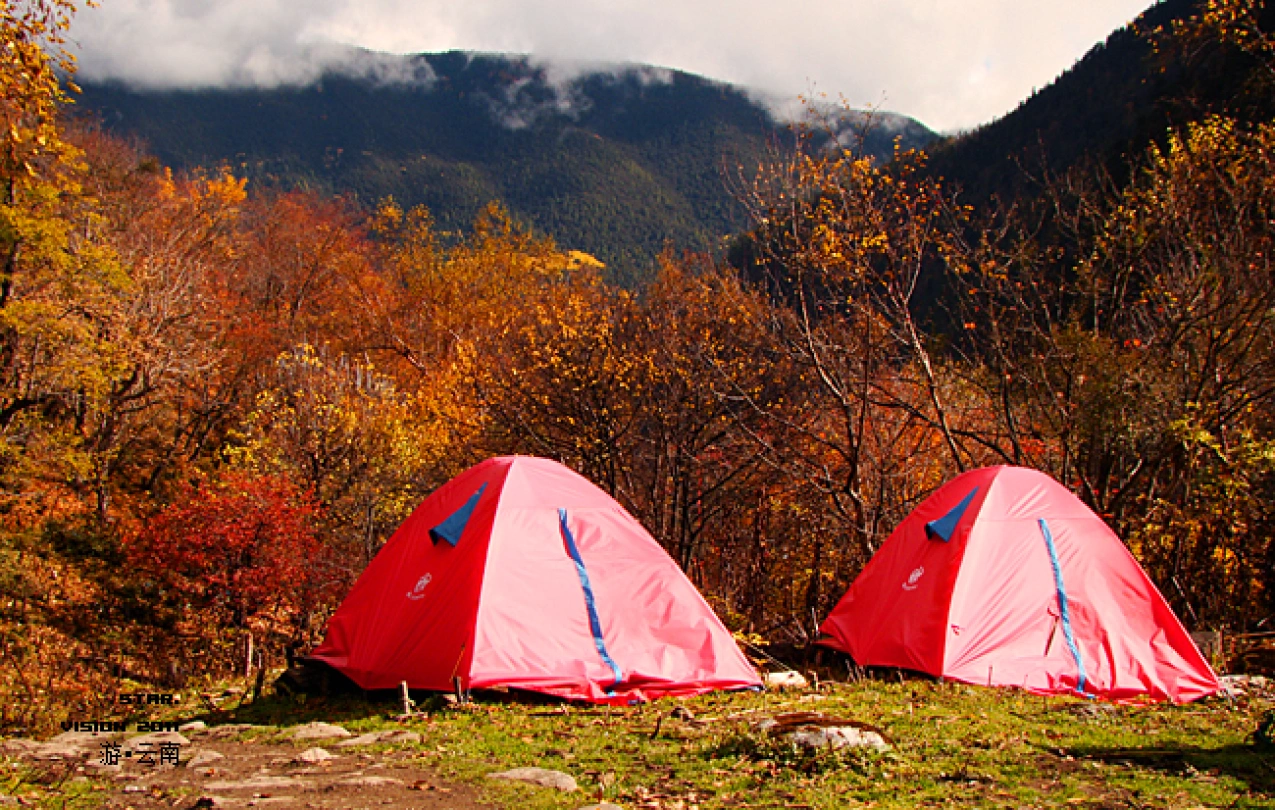
Yunnan! Paradise on Earth – The Yubeng Chapter: A Soul-Cleansing Journey into Seclusion
Yunnan! Paradise on Earth – The Yubeng Chapter: A Soul-Cleansing Journey into Seclusion Prologue: Why Yubeng? If you ask me which place in Yunnan is most worth hiking to, I would answer without hesitation: Yubeng. This is not an answer I give lightly. As a…
Continue reading...
Yunnan Travel Mastery: From Beginner to Pro-Level Player – A Complete Guide
Yunnan Travel Mastery: From Beginner to Pro-Level Player – A Complete Guide "Either travel or read, but your body and soul must be on the road." This quote has been repeated countless times, but very few people truly manage to be "on the road" and…
Continue reading...
Solo in Yunnan: A Wanderer’s Guide to the Land of Eternal Spring
Solo in Yunnan: A Wanderer’s Guide to the Land of Eternal Spring There’s something magical about traveling alone. No compromises, no schedules to keep, no one to please but yourself. I’ve been on the road for nearly three months now, and not once have I…
Continue reading...