Time Travels Under the Jade Dragon Snow Mountain: In Lijiang, Searching for a Dream You Never Want to Wake From
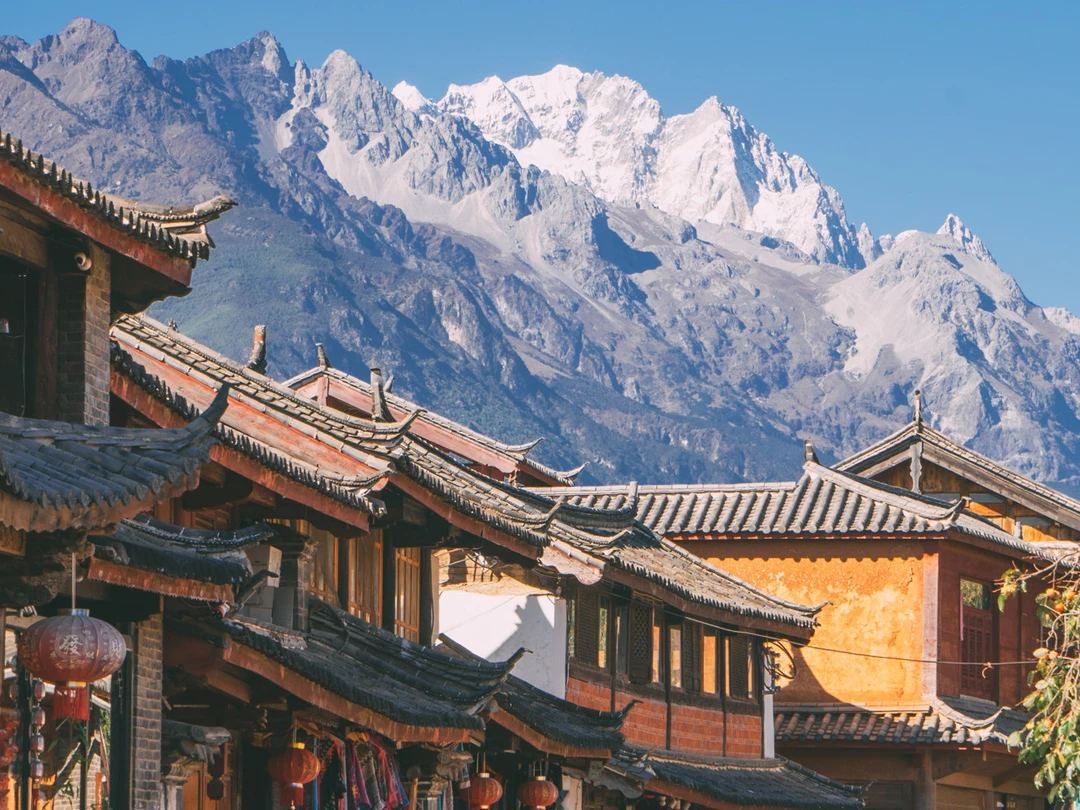
Time Travels Under the Jade Dragon Snow Mountain: In Lijiang, Searching for a Dream You Never Want to Wake From
Prologue: When My Feet Finally Touched This Land
Before 2020, Yunnan was nothing more than an unopened map to me. Just as I didn't set foot in Sanya until 2021, those popular domestic travel destinations always got postponed with a casual "next time." It took the sudden arrival of the pandemic for me to finally turn my gaze toward this vast country. Fortunately, my travel map was almost entirely blank — which meant every departure was a brand-new exploration.
Some say Yunnan is God's spilled palette, a place where flowers cluster and scenery paints itself like a picture. Others call it the last hidden paradise on earth — majestic, rugged, blessed with countless delicacies. Whether in promotional videos or friends' descriptions, Yunnan has barely received a single bad review. This left me both curious and slightly skeptical — could it really be that good?
It wasn't until I actually set foot on this land that I understood the weight of the saying, "Seeing once is better than hearing a hundred times."
October 2020, March 2021, June 2021, September 2021 — within a single year, I flew to Yunnan four times. It wasn't impulsive; it was that every time I left, I couldn't help wanting to come back. The scenery, the food, the culture, the atmosphere — Yunnan has a kind of magic that makes people accustomed to fast-paced lives unconsciously slow down and truly enjoy leisure and tranquility.
And across those four journeys, I came to Lijiang three times. Whether it's the lazy hours of the old town, the majestic vastness of Jade Dragon Snow Mountain, or those hidden corners tucked away along winding paths, Lijiang feels like a dream that can never be fully told — ethereal yet breathtaking, gentle yet powerful.
First Sight of Jade Dragon: A Soul-Shaking Golden Sunrise on the Snow Mountain
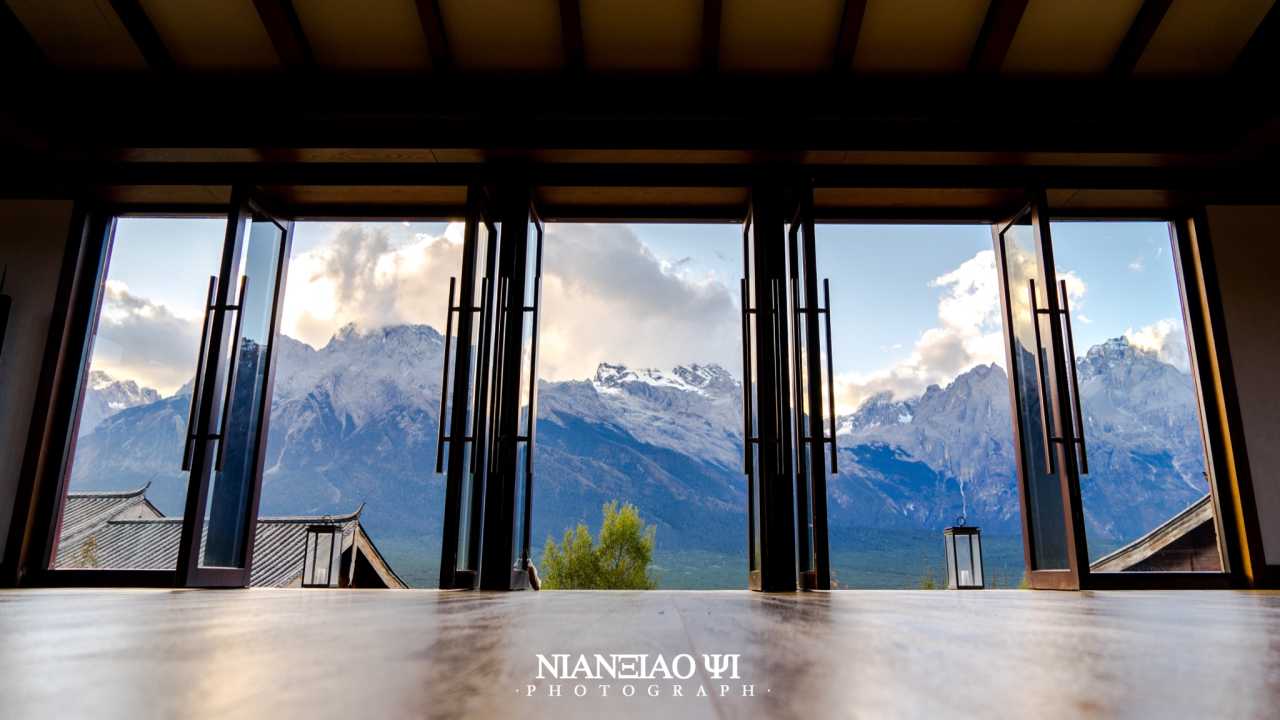
At six in the morning, the sky was already bright. Jade Dragon Snow Mountain still hid behind clouds and mist, like a giant not yet awakened.
In the yoga studio at the Maoxiao Jinmao Hotel, every seat was taken. Everyone waited in silence — waiting for the miracle known as "Golden Sunrise on the Snow Mountain."
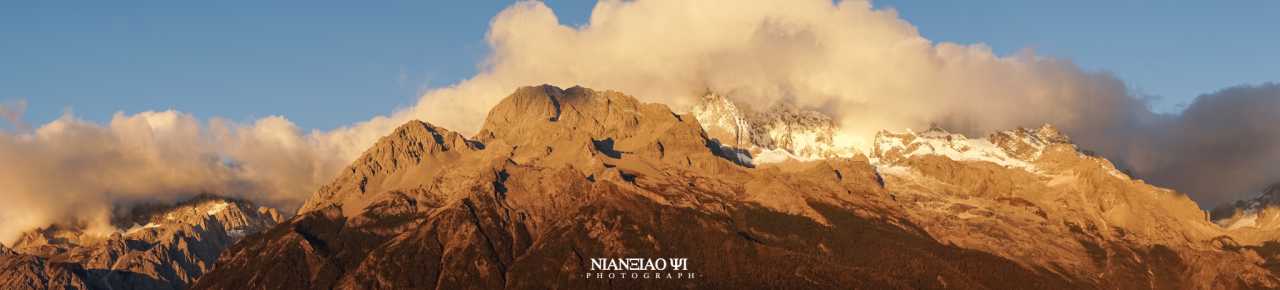
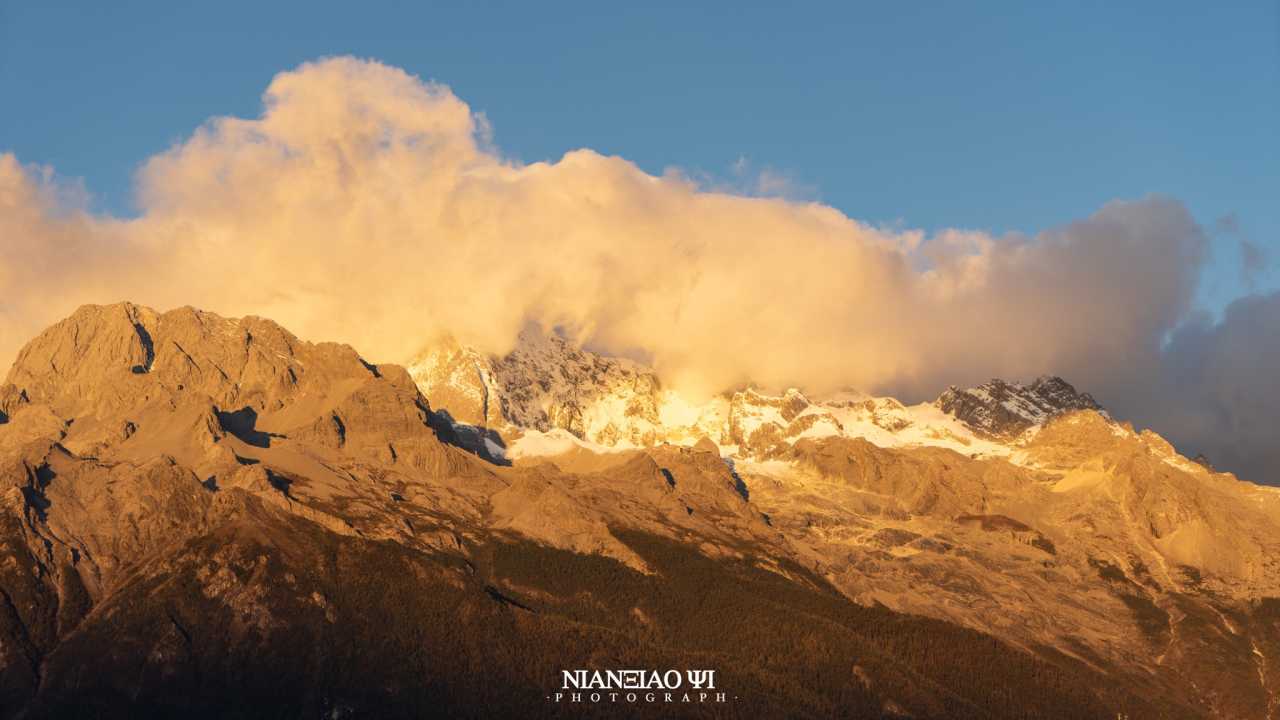
The sun slowly rose, golden light creeping up the peak inch by inch. In November, the mountaintop was covered in white snow, clouds shimmering in the golden glow. Then, in the distance, a muffled rumble — a small avalanche had occurred. Snow cascaded down from the summit, kicking up a silver-white cloud of powder, as if adding a dramatic exclamation point to the magnificent sunrise.
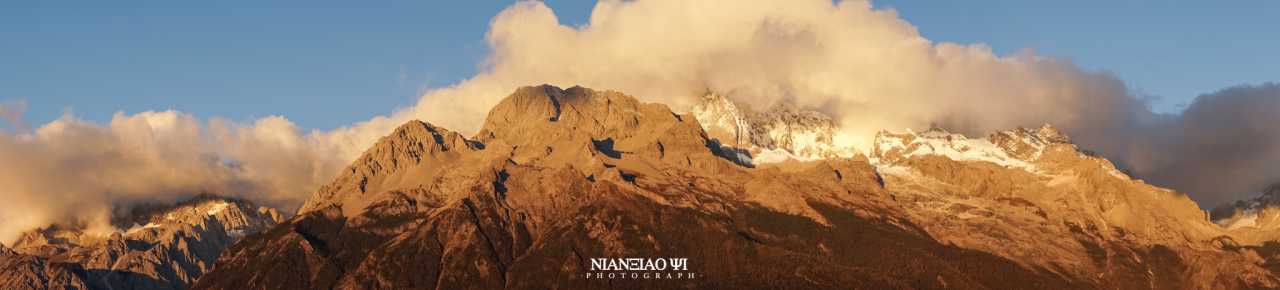
In just a few minutes, from the first light of dawn to the snow mountain fully bathed in sunlight, the sunrise was over. But the awe it left in my heart would last a lifetime.
In the Naxi language, Jade Dragon Snow Mountain is called "Olu," meaning "Heavenly Mountain." Thirteen snow-capped peaks stretch continuously, like a soaring dragon in flight — hence the name "Jade Dragon." As the southernmost modern monsoon marine glacier distribution area in Eurasia, this place is home not only to famous spots like the Glacier Park, Ganhaizi Meadow, and Blue Moon Valley, but also carries the reverence and faith of the Naxi people toward their sacred mountain.
If it's your first time in Lijiang, the Glacier Park is a must. From the visitor center, take the scenic area bus to the cable car station, then board the 2,914-meter-long main cable car, ascending from 3,356 meters above sea level to 4,506 meters. For those with high oxygen consumption, altitude sickness may strike unexpectedly — at the upper cable car station, you'll see visitors everywhere sucking on oxygen tanks.
Luckily, I didn't suffer from altitude sickness, so I could fully immerse myself in the view. In November, Jade Dragon Snow Mountain was blanketed in white snow, while the green mountains beneath the clouds remained visible. Blue sky, white clouds, white snow, green vegetation — a layered natural painting.
At over 4,000 meters above sea level, the weather shifts unpredictably. Sometimes clouds and mist swirl around, making you feel like you're walking among the clouds; other times the sky is clear for miles, as if you're strolling above them. Climbing along the boardwalk, every step brings you closer to the sky. Though the main peak stands at 5,596 meters, the highest point visitors can reach is 4,680 meters — don't forget to take a photo here.
Three Ancient Towns, Three Different Flavors
Lijiang has three ancient towns known to the world: Dayan, Shuhe, and Baisha. I've visited each more than once and know them inside out. Each has its own charm, suited to different moods.
Dayan Ancient Town: Tranquility Amid the Hustle

Dayan Ancient Town — what people usually call "Lijiang Old Town" — was the first to be developed and is the most commercialized scenic area. If it's your first time in Lijiang, Dayan is still worth a stroll — especially at night, when lights blaze, music plays, and the place buzzes with energy.
But honestly, the heavy commercialization has turned off many visitors. Every shop, every guesthouse — convenient for travelers, but lacking the authentic old-town atmosphere.
So how do you appreciate Dayan's true beauty? My advice: stay overnight in the old town, then wander the streets the next morning. When the shops haven't opened and the crowds haven't arrived, the quiet ancient town takes on a rare serenity. Little bridges over flowing water, clusters of flowers, sunlight spilling onto tiled roofs and wooden doors — this is Dayan at its most beautiful.
Shuhe Ancient Town: A Leisurely Escape from the World
Shuhe Ancient Town, called "Shaowu" in the Naxi language, means "village at the foot of the peak." It was one of the earliest settlements of the Naxi people in the Lijiang basin and a well-preserved important town along the Ancient Tea Horse Road.
Compared to Dayan's crowds, Shuhe is much quieter. In June, Shuhe bursts with color — flowers everywhere you look. Houses are arranged in a pleasing disorder, with streams flowing through the lanes. Little bridges over running water, flowers and green trees, stone-paved roads, horse-drawn carriages, Naxi residents — everything smells of Yunnan.
Shuhe's Sifang Street (Square Street) is the town's hub, connecting in all directions. Wandering off from Sifang Street into the alleys, you'll find old wooden shop fronts, dark red paint, worn stone-paved roads beneath your feet — no crowds, and that's exactly Shuhe's charm.
The Qinglong Bridge (Green Dragon Bridge), built during the Ming Dynasty's Wanli era, is over 400 years old. The bridge faces Jubao Mountain and was a landmark from the heyday of the Mu family chieftains. Walking down from Qinglong Bridge, you'll spot a striking wall covered in tile cats — Yunnan's tile cats are the most typical folk tradition, used for "warding off evil and disaster" for over a hundred years.
Strolling leisurely through Shuhe is the best way to experience it. Crisscrossing paths, peaceful and quiet, without noise — only tranquility and antiquity. Shuhe's famous eight scenic spots don't need to be checked off deliberately; stumbling upon them by chance is half the fun.
Baisha Ancient Town: The Original Naxi Capital
Baisha Ancient Town was the capital of the Naxi people, once the political, economic, commercial, and cultural center of Lijiang. Compared to Dayan and Shuhe, it's the smallest of the three, but it's the most culturally rich.
Baisha's scenery is unforgettable. On clear days, Jade Dragon Snow Mountain is clearly visible, with tiled rooftops framed against the snowy peak — a stunning view. On overcast, rainy days, rainwater drips from the roof tiles; though you can't see the Jade Dragon nearby, there's a sense of time standing still, every moment slowing down.
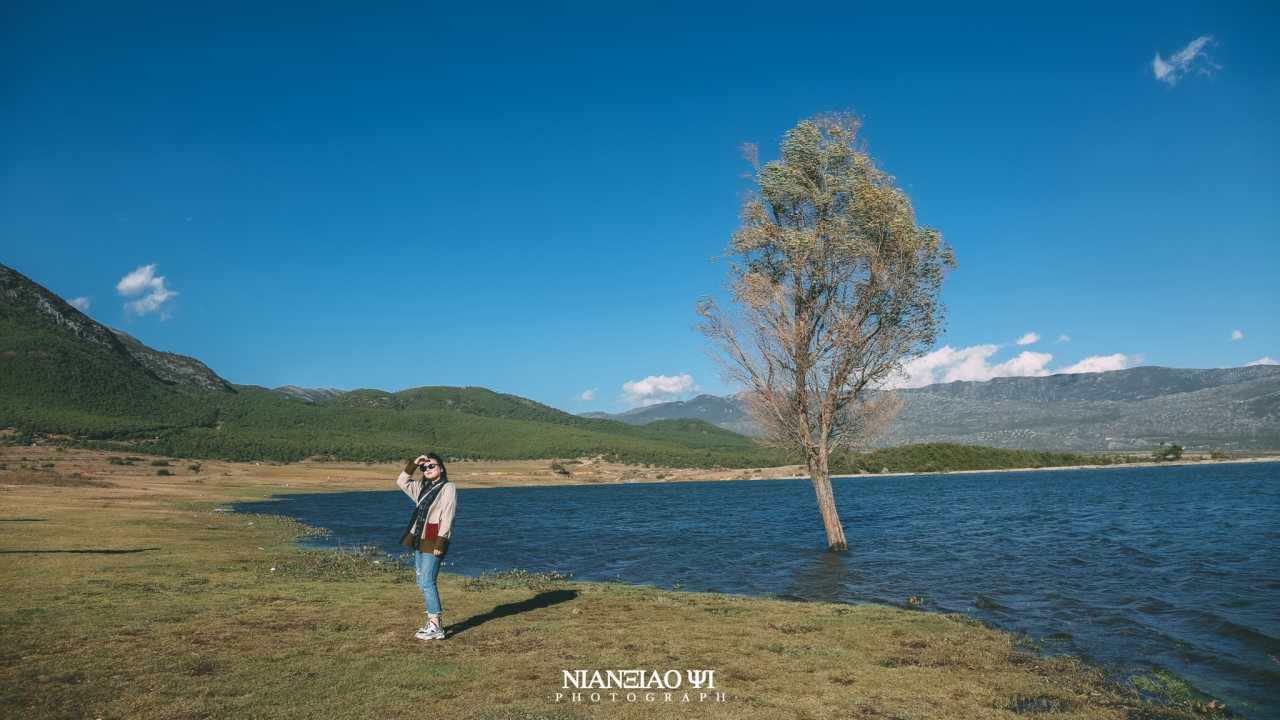
Pass through the lively market, walk past the bustling stalls, turn at the corner of the most ancient Sifang Street, go through the archway — and there you have Baisha at its most serene. Baisha isn't flashy or commercial; its beauty lies in its simplicity. Little bridges, flowing water, homes by the stream, ancient roads, a thin horse in the wind — that's the flavor of this place.
Dongba tie-dye is an important part of Naxi ancient culture and a significant intangible cultural heritage. Wandering through Baisha, you'll always see various tie-dyed fabrics drying in the sun, mostly in white and blue. If you have time, why not try your hand at this traditional craft and enjoy some DIY fun?
If you happen to visit Baisha in late March or early April, the rapeseed flowers will absolutely amaze you. Jade Dragon Snow Mountain gazes from the distance, Naxi white-walled houses stand peacefully, and golden rapeseed flowers sway in the breeze — a spring pastoral scene full of life.
Hidden Gems: Secluded Corners Around Lijiang
Yuhu Village and Longnv Lake: A Clear Spring in a Stone Village
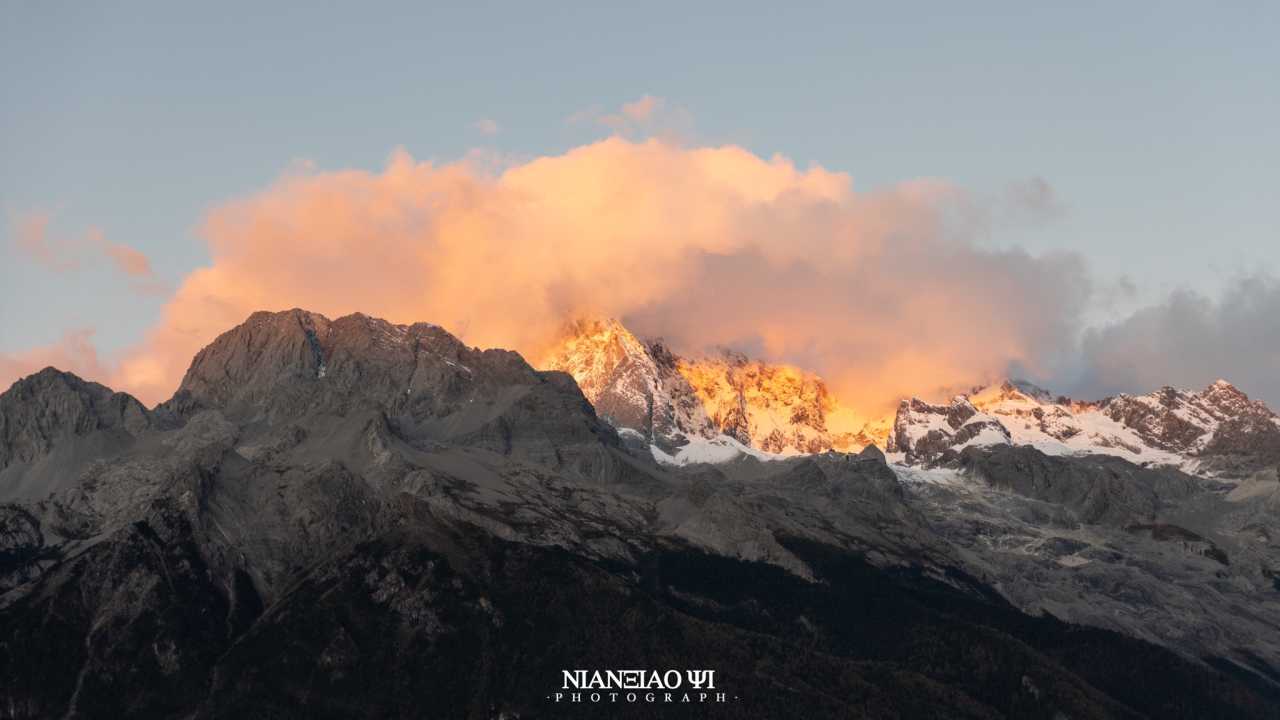
Near Baisha Ancient Town lies a small stone village — Yuhu Village. Most of the houses here are built from piled stones, giving it a unique character.
Yuhu (Jade Lake) is an artificial lake dug by the Mu family before the Ming Dynasty, and the village takes its name from it. On clear days, the best choice is to walk through Yuhu Village to Longnv Lake (Dragon Maiden Lake). The snow mountain is right before your eyes, with blue sky and white clouds reflecting the towering Jade Dragon peak in the lake — "Jade Lake Reflection" is one of the famous "Twelve Scenes of Jade Dragon."
In Longnv Lake stands a solitary tree, said to be the incarnation of a chieftain's daughter after her death. The spot carries a sense of desolation and melancholy. Surrounding the lake are vast meadows — in spring and summer, grass grows and birds fly, wildflowers dotting the landscape; in late autumn and deep winter, the pasture turns yellow, bleak and barren. Villagers graze their livestock here, cowbells ringing beneath the snow mountain, cattle and horses leisurely eating grass — a magnificent sight.
Tinghua Valley: The Pros and Cons of Man-Made Scenery
At the foot of Jade Dragon Snow Mountain lies a vast area that has become a super-popular influencer spot — Tinghua Valley. Built over three years, it features over a dozen carefully designed scenes, including Hobbit-style cottages, a Snow Chapel, and a Hilltop Mound.
To be honest, the 80 RMB per person ticket is quite expensive. Compared to man-made sets, I prefer natural landscapes. Among all the installations, the only one I truly liked was the Hobbit cottage — three small houses built of stone and wood, incredibly cute and highly faithful to the movie. On clear days, Jade Dragon Snow Mountain makes a perfect backdrop; on overcast days, it's fine too — it actually gives off a sense of isolated detachment.
Jibike Peach Blossom Valley: Suddenly Encountering a Peach Grove
"Lush and lovely, the peach tree blooms in fiery red." From Lijiang, drive about 1.5 to 2 hours, take the expressway, wind through mountain roads, and as the road narrows and gets bumpy, you'll gradually enter the valley. Ahead, the pink grows more intense — a sea of peach trees appears before you.
Jibike is surrounded by mountains on three sides, with peach groves encircling a hidden village. Every late March to early April, a sea of pink covers Shigu Town's Jibike, with snow peach trees in full bloom — perfectly matching the line, "Suddenly I came upon a peach grove, with no other trees mixed in, fragrant grass fresh and beautiful, fallen petals scattered everywhere."
Since it's far from the city, I recommend staying overnight in Jibike. There are two options: the Peach Blossom Valley LUX* Mountain Retreat (a five-star hillside hotel, with meals included, around 1,000-2,000 RMB per night), or the Peach Blossom Source Backpacker Youth Park (budget-friendly, ideal for travelers on a tight budget).
Xiaomidi: God's Palette
Daju Township's Xiaomidi was once a stop on the Ancient Tea Horse Road. It's about 90 kilometers from downtown Lijiang, a three-hour drive. If you don't venture deep into Yunnan, you'd never know this place exists.
The land here could once only grow drought-resistant crops like millet — hence the name "Xiaomidi" (Little Millet Field). But now, the vast fields are surrounded by crops and fruits — grapes, pomegranates, sweet potatoes, bananas, pears — you name it. Driving through mountains, canyons, ravines, and fields to reach here, time seems to stand still, the air feels fresh, and the colorful Xiaomidi presents a beautiful pastoral scene.
Taste Memories: The Flavors of Lijiang
The shared memories of scenery and flavors on a journey are never forgotten.
At the Maoxiao Jinmao Hotel, a yak hotpot left a lasting impression. At the foot of the snow mountain, a pot full of yak meat — tender, not greasy, generous portions — enough for three or four people to share.
And then there was that bowl of rice noodles worth posting nine photos for — Arctic surf clams, Tibetan fragrant pig ham, mushrooms, and truffles, all swimming in a rich, savory broth. Served in a sizzling Moituo stone pot — if I could have licked the pot clean, I would have.
A bowl of 18 RMB chicken rice noodles brought me back twice. Shredded chicken that wasn't dry, broth that was fresh, noodles that absorbed all the flavor — absolutely worth it.
Tian Denerg, the legendary father of Chinese coffee — this is where the first coffee seedling was planted. Open only three hours a day, Tian Denerg uses scarcity marketing perfectly. The iron pot coffee is an influencer temptation worth checking out — though don't be too picky about the grounds you might find at the bottom.
Accommodation Picks: Hotels You'd Want to Live in Forever
Maoxiao Jinmao Snow Mountain Hotel: A Once-in-a-Lifetime Experience
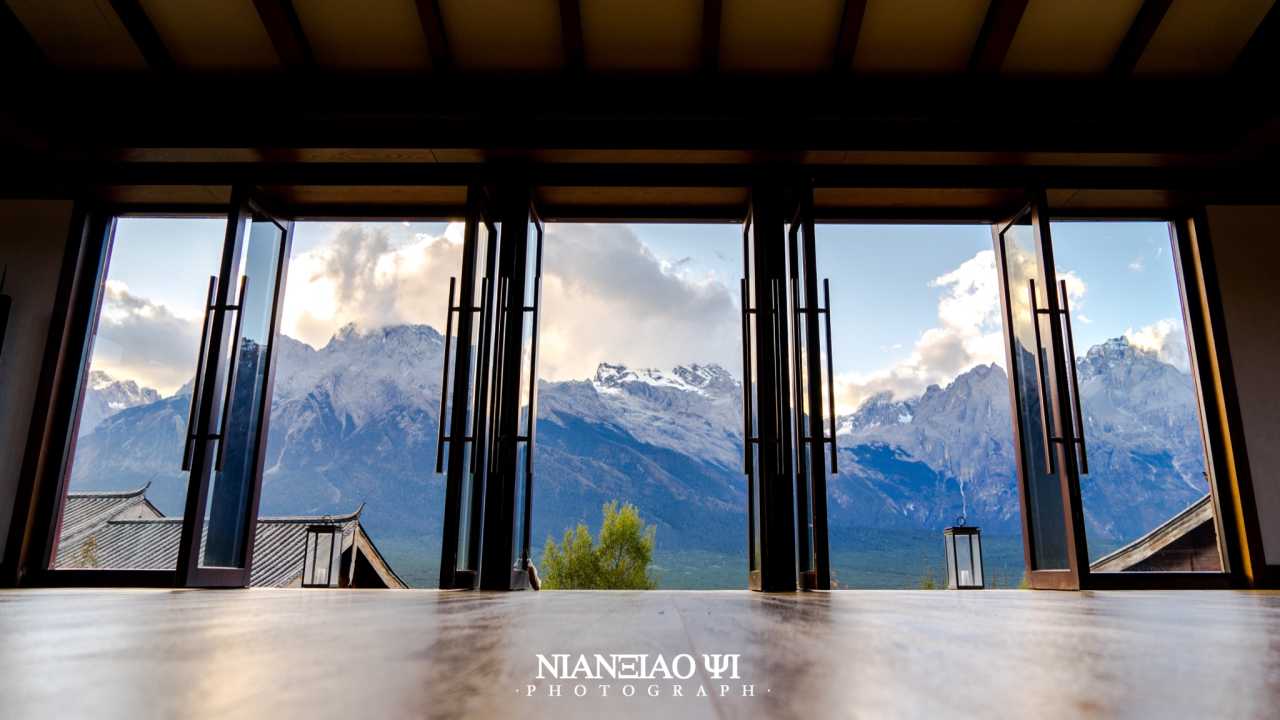
This hotel truly falls into the "once-in-a-lifetime" category. Located inside the Jade Dragon Snow Mountain scenic area, it's the only hotel in Lijiang with an unobstructed, 360-degree view of the snow mountain.
In the morning, you can wait for the golden sunrise in the yoga studio; during the day, capture snow mountain reflections at the "Mirror of the Sky"; at night, photograph the stars or join the hotel's stargazing activities. Maoxiao Jinmao is China's first world-class astronomical hotel, equipped with a half-meter Newtonian telescope and 24 fully automatic telescopes — astronomy enthusiasts can revel in the wonders of the night sky here.
The rooms are spacious and comfortable, each with a private, unobstructed snow-view terrace. Sitting on the balcony, you can fully enjoy the perennial snow-covered beauty of Jade Dragon.
Jiefulu Mountain Resort: A Hidden Paradise at the Foot of the Snow Mountain
Nestled at the foot of Jade Dragon Snow Mountain, with its back to the peak, this resort enjoys a private, tranquil courtyard. Green-tiled walls, stone bridges over summer lotus ponds, flying eaves and carved brackets — the hotel carries an ancient, serene elegance, like a hidden paradise found along a winding path.
Many people know Jiefulu (Jel'a) as a French skincare brand — yes, they're the same company. All the toiletries used in the hotel are Jiefulu's own high-end products, and guests receive a complimentary skin analysis. Relaxing your skin beneath the snow mountain and experiencing the fragrant healing of essential oils is a rare treat.
Tea Horse Road Peach Blossom Valley LUX* Mountain Retreat: A Secluded Mountain Hideaway
Having traveled in and out of Yunnan and Lijiang multiple times, I've gradually discovered many小众 (niche, off-the-beaten-path) hotels. But the Peach Blossom Valley LUX* Mountain Retreat is the most memorable. It coincides with the peach blossom season — smoke from cooking fires curling upward, drunk on the peach grove, retreating into the mountains.
Every late March to early April, a sea of pink covers Shigu Town's Jibike. Every October, snow peaches ripen, plump and lovely hanging from the trees, pink and adorable — one bite, and the juice bursts forth, sweet and fragrant.
Epilogue: Lijiang, a Dream You Never Want to Wake From
Four trips to Yunnan, three times to Lijiang. Every departure brings reluctance; every return feels like coming home.
Some say Lijiang is too commercialized. But if you're willing to wake up early and wander through the old town in the morning; if you're willing to go a little farther and explore those hidden corners; if you're willing to slow down and feel with your heart — you'll discover that Lijiang still retains its original essence.
The majesty of Jade Dragon Snow Mountain, the gentleness of winding alleys and flower-lined streams, the simplicity of the Naxi people, and those peach blossom paradises hidden deep in the mountains — Lijiang is like this, impossible to fully describe.
If you haven't been yet, consider adding Yunnan to your travel plans. If you've already been, consider coming again — because every time, there will be new discoveries.
Seeing once is better than hearing a hundred times. Yunnan is worth experiencing for yourself.
You should also read:
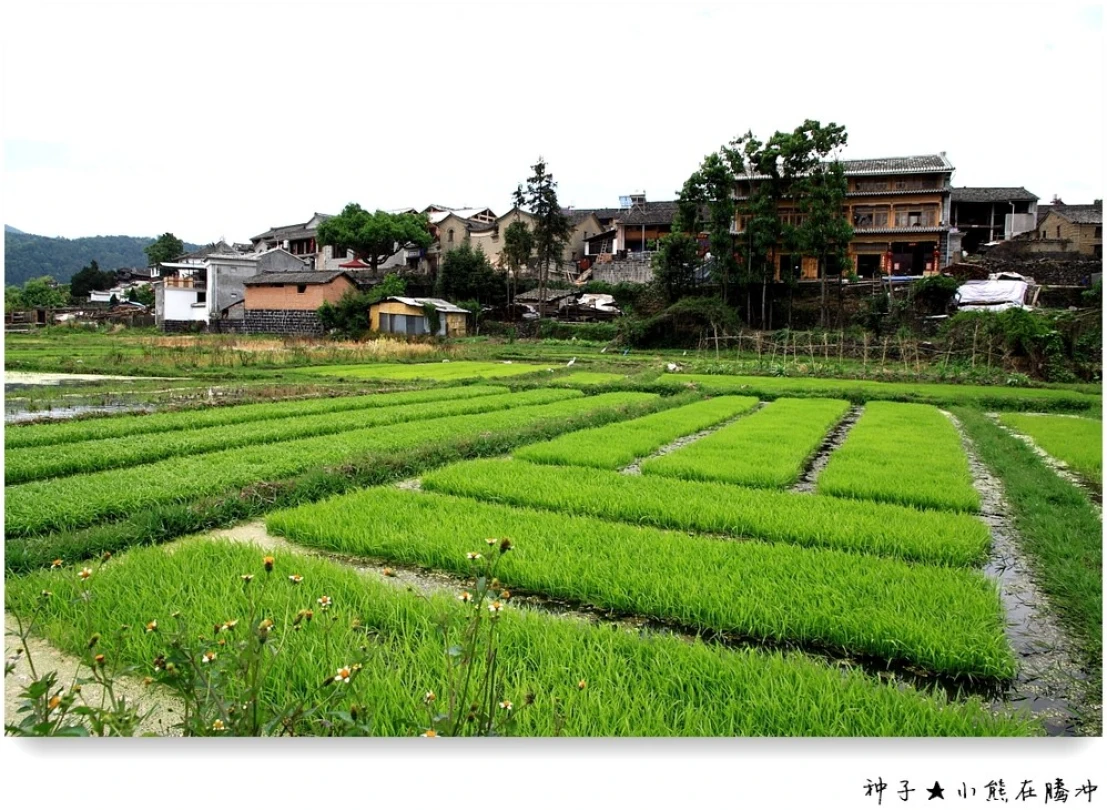
Tengchong·Heshun: Finding Life as It Should Be in a Border Town Where Time Stands Still
Tengchong·Heshun: Finding Life as It Should Be in a Border Town Where Time Stands Still The long journey of over twenty days was over. On my first day back at the office, I was still in a daze. My fingers couldn't find the keys on…
Continue reading...
Cloud Travelogue · Dali of Wind, Flowers, Snow, and Moon: A Three-Day, Two-Night Journey of a Free Spirit
Cloud Travelogue · Dali of Wind, Flowers, Snow, and Moon: A Three-Day, Two-Night Journey of a Free Spirit I am a cultured female foodie with a touch of rogue charm. I slung on my backpack, took my lover's hand, and set off on a spontaneous…
Continue reading...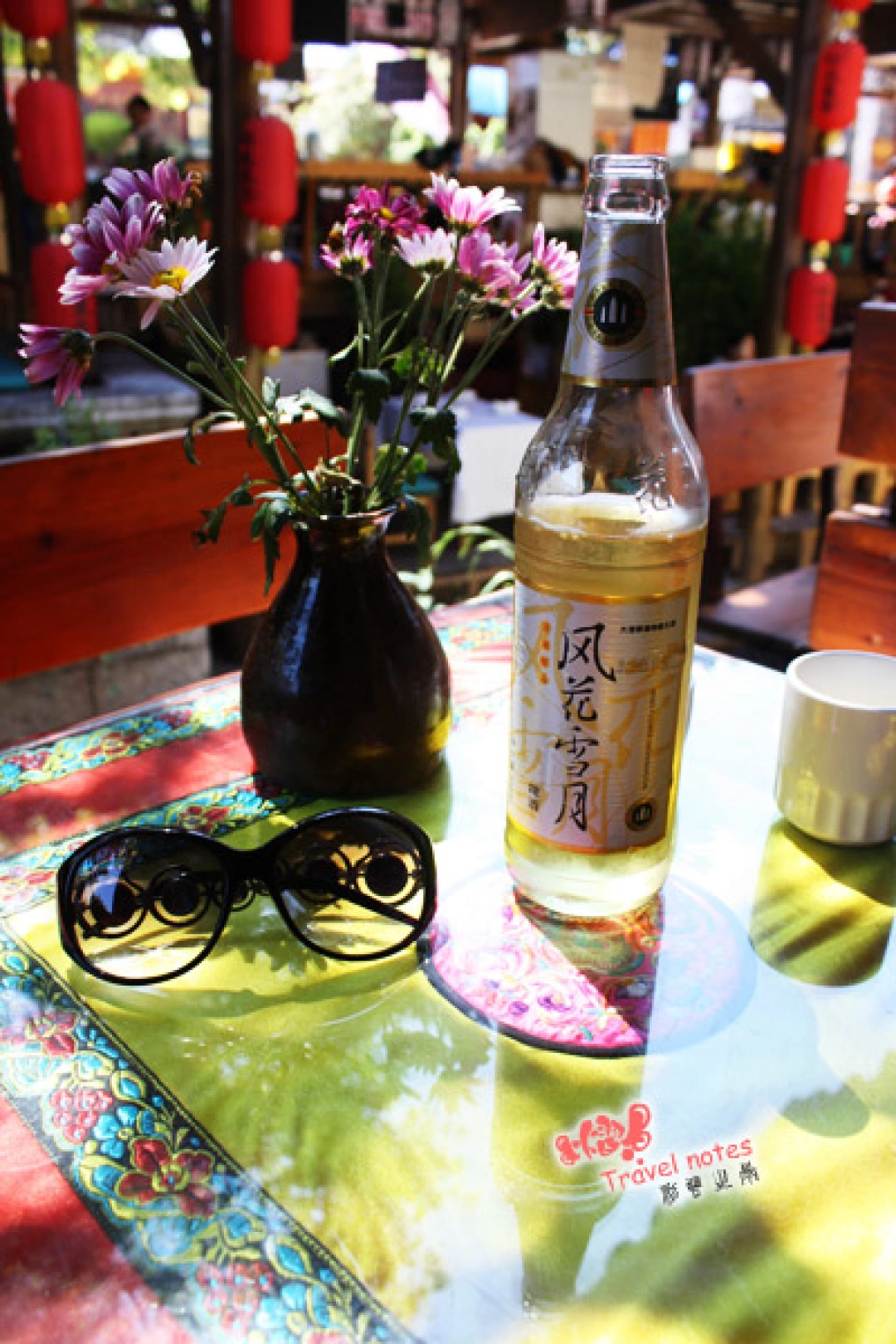
The Slow Life of Lijiang: A Soft Dream on the Yunnan-Guizhou Plateau
The Slow Life of Lijiang: A Soft Dream on the Yunnan-Guizhou Plateau Some places, just by hearing their name, stir a ripple in your heart. Lijiang is one of those names. It's not the kind of destination that demands you tick off a checklist of…
Continue reading...