To Erhai Lake, Waiting for a Sunset: A Slow Journey Around Erhai Lake (Dali Ancient Town, Shuanglang, Xizhou, Haidong)
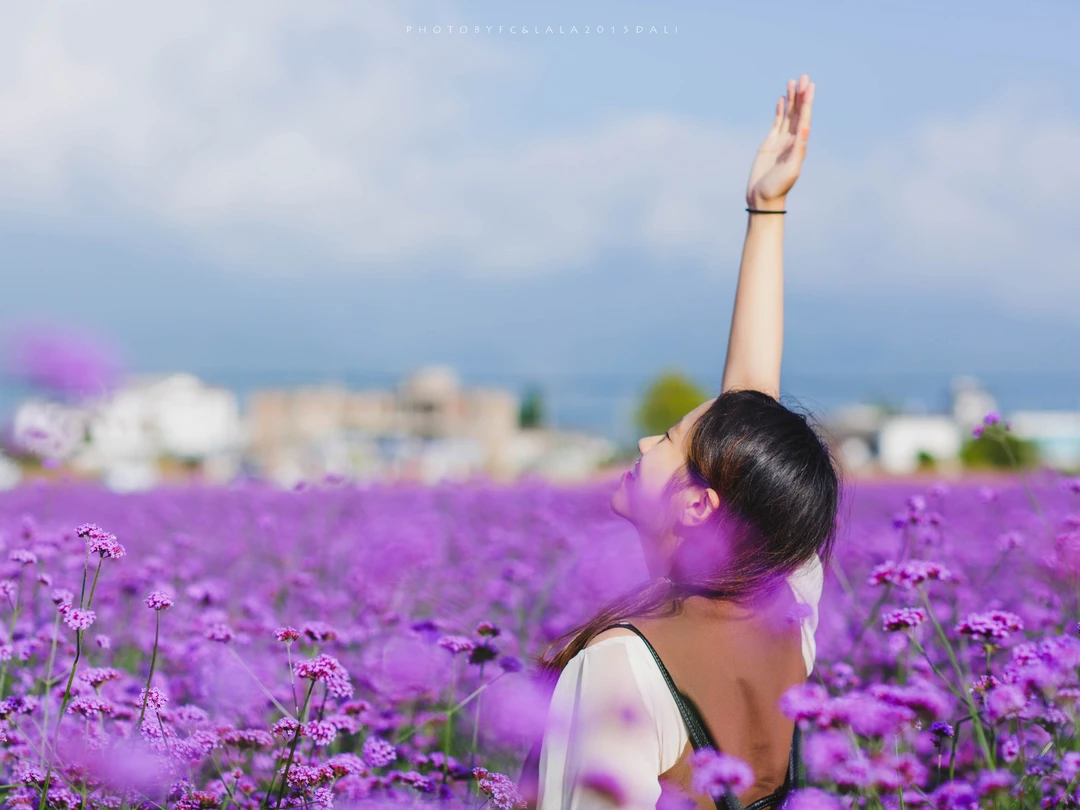
To Erhai Lake, Waiting for a Sunset: A Slow Journey Around Erhai Lake (Dali Ancient Town, Shuanglang, Xizhou, Haidong)
Some trips don't need much of a reason. Maybe it was the deep blue hue Lugu Lake left in my memory last year. Maybe it was LaLa's obsession with ethnic culture. Or perhaps we simply wanted to go to Erhai Lake and wait for a sunset.
Yunnan has that kind of magic—no matter how many times you've been, it always finds a gentle way to pull you out of the chaos and place you into a slice of tranquility. This time, our destination was simple: Dali, Erhai Lake. No rushing, no check-in lists. We just wanted to follow the crowd and empty our minds.
The Ordinary Road: From Ningbo to Dali, a Journey Through a Sea of People
Traveling during National Day holiday is always an adventure of "paying to see a sea of people." But hey, life's about walking this ordinary road at least once.
Departing from Ningbo, direct flights to Dali during the holiday cost over 4,000 RMB round trip per person. We decisively chose to fly to Kunming instead—2,000 RMB round trip. Normally it's just over 1,000, but compared to direct flights, it felt like a bargain. Thinking back to the 15,000 RMB tickets we booked for New Zealand, I felt a lot better.
Our itinerary was tight and clear:

- October 2nd: Ningbo → Kunming. Drop off luggage, visit Green Lake Park, eat at Qiaoxiangyuan Crossing-the-Bridge Rice Noodles, stroll through Yunnan University and Wenhua Alley, check out the Golden Horse and Jade Rooster commercial area, then rush back to the train station.
- October 3rd: Take a bus from Dali train station to the ancient town for breakfast, meet up with friends, head to Shuanglang, check into Haidi Life Hotel, rent an electric scooter to cruise the lake at sunset, and explore Shuanglang Ancient Town at night.
- October 4th: Rent a car for a lake circuit. Shuanglang → Xizhou Ancient Town → Haishe Ecological Park → Dali Ancient Town → Haidong Town → Xiaoputuo Island → Wase Town → Shuanglang. Stop whenever we want to take photos. Check into Bandao Yunduan Hotel at night.
- October 5th: Morning exploring Dajianpang Village and Shuanglang Ancient Town (Haidi Life, Bandao 63, Yuji Island). After lunch, head to Dali Ancient Town, check into Bihua Huakai Inn, climb Wuhua Tower, and explore the ancient town at night.
- October 6th: Rent an electric scooter to take photos around the ancient town and Caicun Village. Take a bus back to Kunming at 4 PM.
- October 7th: Fly back to Ningbo at 11 AM.
We made plenty of mistakes with transportation and learned some lessons:
From Kunming Airport to the city center, you can take the airport express bus (25 RMB per person, about 40 minutes) or the 919 bus (13 RMB per person, similar time). City buses are well-developed, but taxis often refuse to use the meter and charge whatever they want—we got ripped off once and it left a bad taste.
To get from Kunming to Dali, the most common option is a bus from the Western Bus Station, about 5 hours, roughly 130 RMB per person. But tickets sell out fast during holidays—if you don't book ahead, you're out of luck. Another option is an overnight train, 7-8 hours, slightly cheaper, but the constant clatter makes it impossible to sleep well. The least recommended option is unlicensed cabs—no safety guarantee, drivers cram in as many people as possible, and it's a heartbreaking experience.
Both Dali Station and the ancient town have buses to Shuanglang, 40 RMB one way, 55 RMB round trip. Word has it you can also get free rides on the public electric shuttles in the ancient town and Shuanglang—great value.
Living in the Scenery: Those Heartbreakingly Beautiful Inns by Erhai Lake
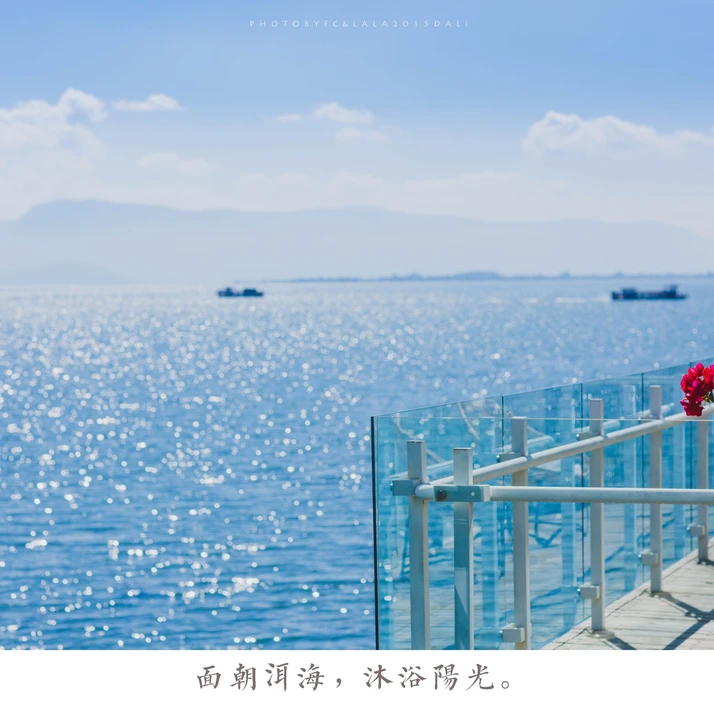
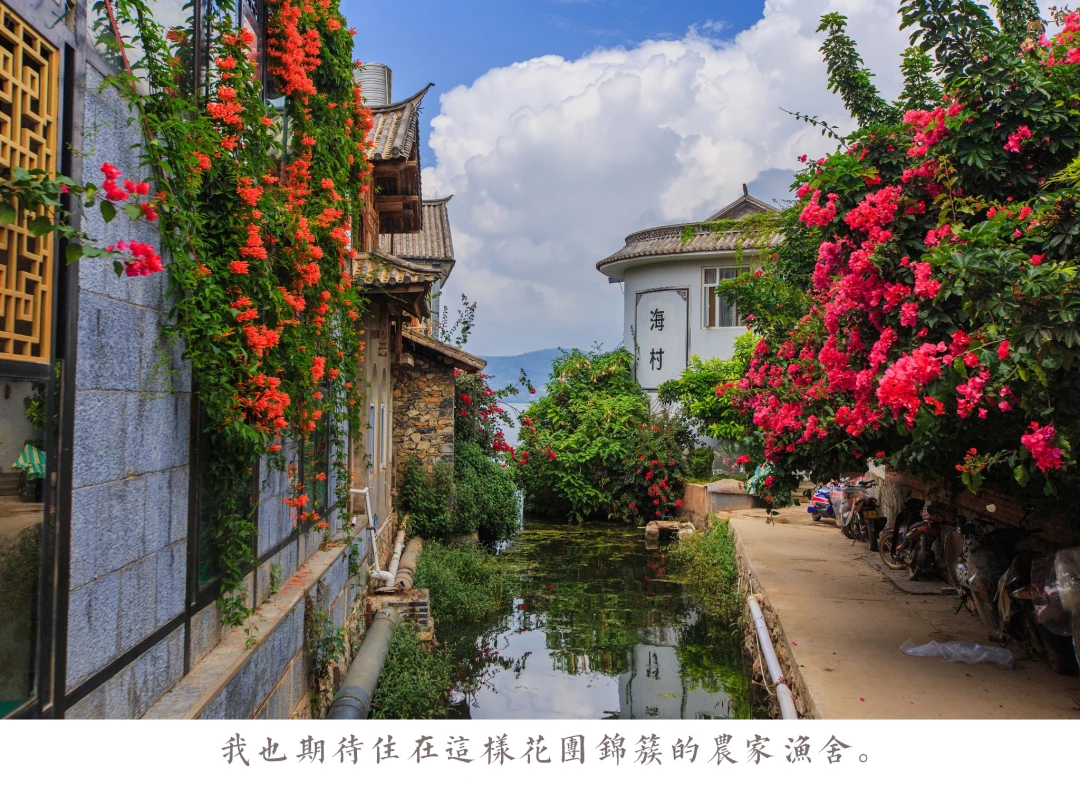
A big reason we decided to come to Dali was that LaLa was "heartbroken by the beauty" of the little inns along Erhai Lake. We booked two: Haidi Life and Bandao Yunduan. The names sound upscale, and the prices were indeed outrageous—over 1,000 RMB per night during the holiday. But aside from the price, the service was thoughtful: Western and Chinese breakfast, afternoon tea, warm milk before bed, self-serve fruit and drinks. Everyone greeted us warmly when we came and went—it really felt like coming home.
Lake Circuit Guide: 128 Kilometers of Scenery, Which Way Will You Choose?
The full loop around Erhai Lake is 128 kilometers, and there are several ways to do it:
- Bicycle: After a full loop, your butt might not feel like your own anymore.
- Electric scooter: Prices range from 50 to 120 RMB depending on battery capacity. To complete the full loop, you'll need to recharge midway. I'd suggest just riding a short section and using it as a photo prop.
- Rent a car: My top recommendation. We rented a Smart car for 400 RMB a day (normally a third to half cheaper), which kept us cool and allowed us to stop anytime to enjoy the view.
Slow Time in the Spring City: One Day in Kunming
Arriving in Kunming, the temperature was pleasant. Our train to Dali wasn't until evening, so after landing we took bus 919 to the train station, dropped off our luggage, and headed straight to "Qiaoxiangyuan" near Green Lake Park for crossing-the-bridge rice noodles—a classic spot, and a foodie's instinct.
We ordered a serving of "Jinshi" (scholar-grade) crossing-the-bridge rice noodles, about 30 RMB. The flavor was mild, not as bold as I'd imagined—a bit disappointing. But Green Lake Park was a pleasant surprise. The afternoon sun was warm, and Kunming locals were lazily soaking up the rays. We slowed down too.
Yunnan University is right next to Green Lake Park, a ten-minute walk away. Somewhere along the way, I've developed a habit of visiting universities in every city I go to. Yunnan University isn't huge, but it feels like a park, filled with flowers and plants we don't have back home—especially the bougainvillea that LaLa loves. There were even couples taking wedding photos on campus. The architecture had a distinctive character.
Just a short walk from the university is Wenhua Alley. Literary giants like Shen Congwen, Bing Xin, and Li Gongpu once laughed and chatted in the small tea houses here, which led to the alley being renamed from "Cangma Alley" to "Wenhua Alley" (Cultural Alley). The alley is known for its "three many": many teachers and students, many small shops, and many pedestrians and cars.
We picked a café called "Well Coffee" to rest. In October, the Spring City's air was warm and cozy.
The Golden Horse and Jade Rooster Archways are Kunming's landmarks, surrounded by shopping areas—perfect for killing time. The most famous sight here is the sunset: as the light passes through the archways, the entire street turns golden.
For dinner, we chose a restaurant called "1910 Train Station." The décor was unique, with an abandoned railway track in the courtyard and staff dressed as train conductors. We ordered their signature steam pot chicken and spicy pig trotters, wolfed everything down, and left completely satisfied.
Finally, it was time to catch the train—LaLa and I's first time on an overnight green train. We were excited before boarding. The soft sleeper cabin was better than expected, and we were lucky to share it with two girls from Northeast China. But the constant clatter made it impossible to sleep. My advice: buy a bus ticket instead. Riding during the day versus the middle of the night makes a world of difference.
Wind, Flowers, Snow, and Moon: Freedom in Dali
After a bumpy night, we finally arrived in Dali. Half-asleep as we got off, we perked right up at the sight of the ancient town. We took a shuttle bus from the train station for 10 RMB to the ancient town, and the first order of business was finding food.
At the edge of the ancient town, we tried Dali's specialty, "ershi" (rice cakes). They have a texture similar to southern Chinese sticky rice cakes—soft and chewy, looking like rice noodles but not quite. Much better than yesterday's crossing-the-bridge rice noodles.
We met up with friends who had finished their lake circuit a couple days earlier—they had driven from Kunming. Getting a ride to Shuanglang with them was pure bliss. Note to self: never take the train to Dali again! Never! Never!
The crowds in the ancient town were overwhelming—it was National Day, after all. We only caught a distant glimpse of Wuhua Tower before driving with our friends to Taoyuan Village, where they were staying. Their hotel was the Dali Athena Boutique Hotel, Mediterranean-style. If even a random hotel was this beautiful, we were even more excited about Shuanglang.
Taoyuan Village is 24 kilometers from Dali Ancient Town, facing Shuanglang across Erhai Lake. It's less crowded, quieter, and cheaper, but has fewer dining options. After helping our friends check out, we headed to Shuanglang.
Driving from Taoyuan Village to Shuanglang, we took a stretch of the famous lakeside road. Even this short section felt like scenery everywhere you looked.
During National Day, Shuanglang was incredibly congested. It took forever to reach Dajianpang Village. It was almost 2 PM when we were lured in by a sign for a "Firewood Chicken" restaurant. Firewood chicken is exactly what it sounds like: chicken stir-fried in a large wok on a simple wood-fired stove, with handmade coarse-grain flatbreads baked on the side of the pot. It was delicious. If you're in Shuanglang, give it a try.
Haidi Life: Is a 1,800 RMB Seaview Room Worth It?
After lunch, our friends rushed back to Kunming. Finally, the main event arrived—the seaview room at Haidi Life that LaLa had booked two months earlier.
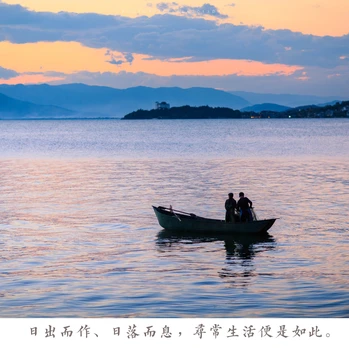
Haidi Life has become more than just a hotel—it's practically a tourist attraction. We stayed in Courtyard No. 4, which is quieter than the youth hostel section and off-limits to other visitors. The price was staggering—over 1,000 RMB during the holiday, and Room 401 we booked cost a whopping 1,800 RMB. We almost backed out, but then we remembered we'd saved a night's accommodation by taking the overnight train from Kunming. So we gritted our teeth and booked it. Four words come to mind: "Fools and their money!"
But I have to say, the service in Courtyard No. 4 was thoughtful: a personal butler, text reminders before departure, pickup at the village entrance, free breakfast, afternoon tea, warm milk before bed... We were very satisfied. You might only come to Dali once in your life—try not to leave regrets. The credit card debt can wait.
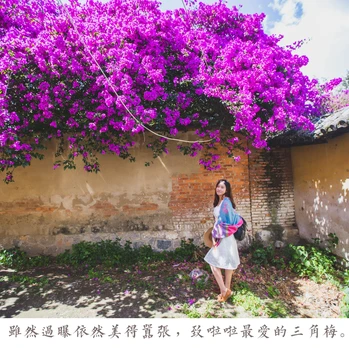
The butler picked us up at the village entrance in an electric tricycle. The roads in Dajianpang Village are all stone-paved—imagine the bumpy ride.
Pushing open the hotel door, we were immediately captivated by the courtyard. The front desk offered free drinks and fruit. The room was simply decorated, with slightly dated facilities, but the balcony overlooked the lake. The weather was incredible—who said it was going to rain?
Afternoon tea was Black Forest cake and matcha mousse—definitely café quality. No matter how tired we were, we couldn't resist taking some photos. After a quick session, we hurried to catch a nap, planning to rent an electric scooter in the afternoon to explore the area.
We practically wore out the glass panels in the hotel courtyard. Dajianpang Village was full of charming, Instagram-worthy spots. The line for Haidi Life's iconic white bench was long—we decided to come back tomorrow (which we didn't manage until the third day).
Electric Scooters and Sunsets: Golden Hours by Erhai Lake
Around 4 PM, we rented an electric scooter for 50-60 RMB a day, with a range of about 40 kilometers. But renting at 4 PM and returning by 8 PM felt like a total loss—we'd probably only get 10 kilometers out of it.
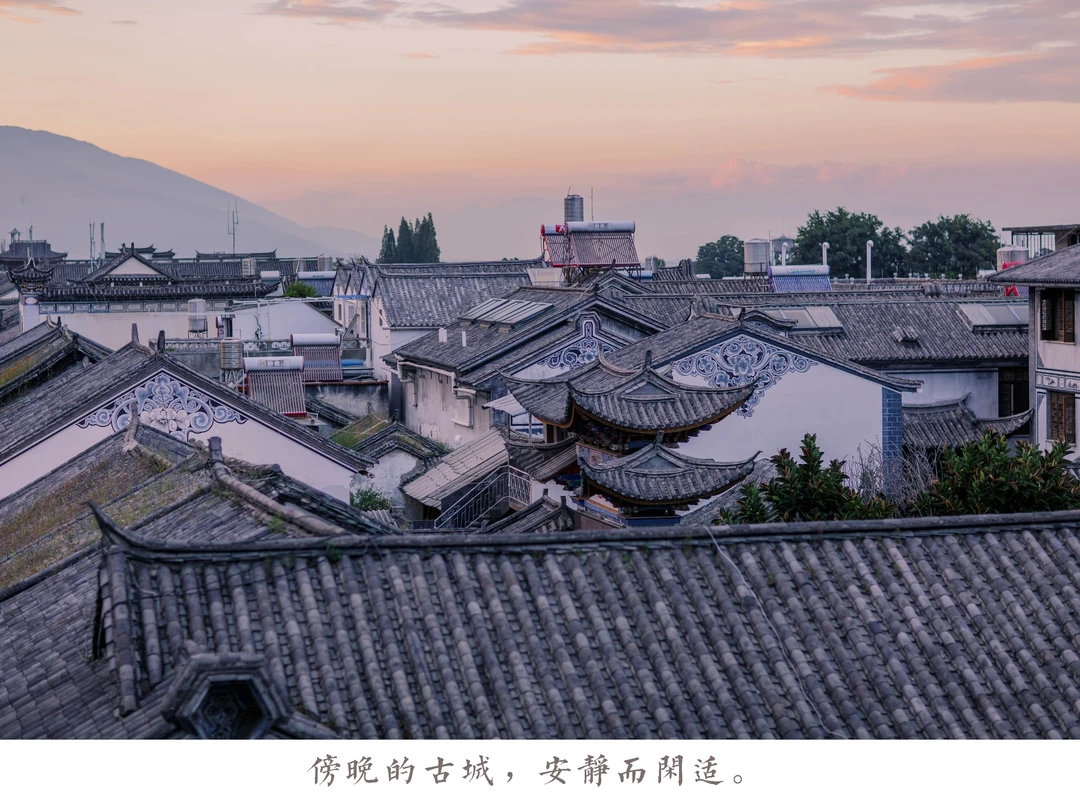
The roads were jammed with cars during the holiday, so the electric scooter was the most convenient option, weaving through traffic. It was my first time riding one—it was so fast, like flying. Terrifying.
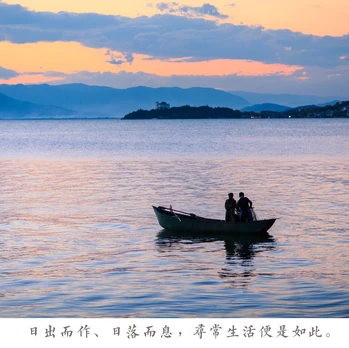
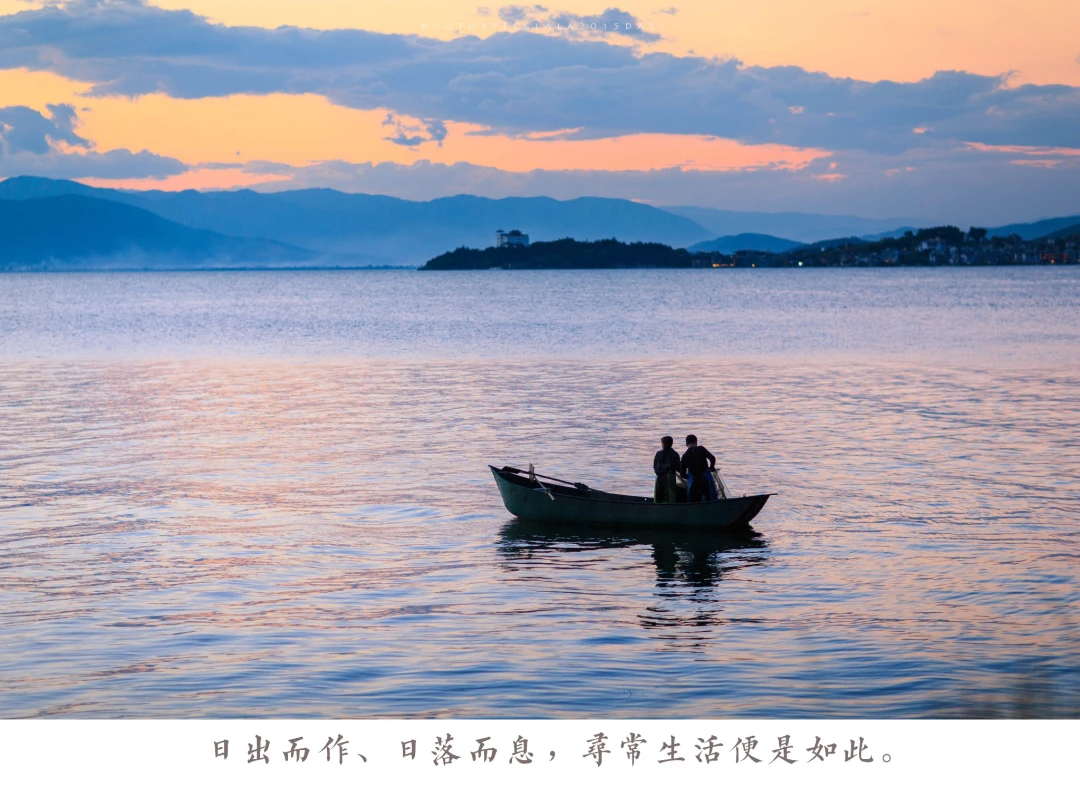
Around 4 or 5 PM, the sun began to slant, and the light was unbelievably beautiful. It was too hot during the day, so this was the perfect time for photos. LaLa and I basically stopped every 20 meters. We saw a little dog doing its business wherever it pleased, colorful evening clouds, and fishermen pulling in their nets. Erhai Lake at dusk was extraordinarily beautiful.
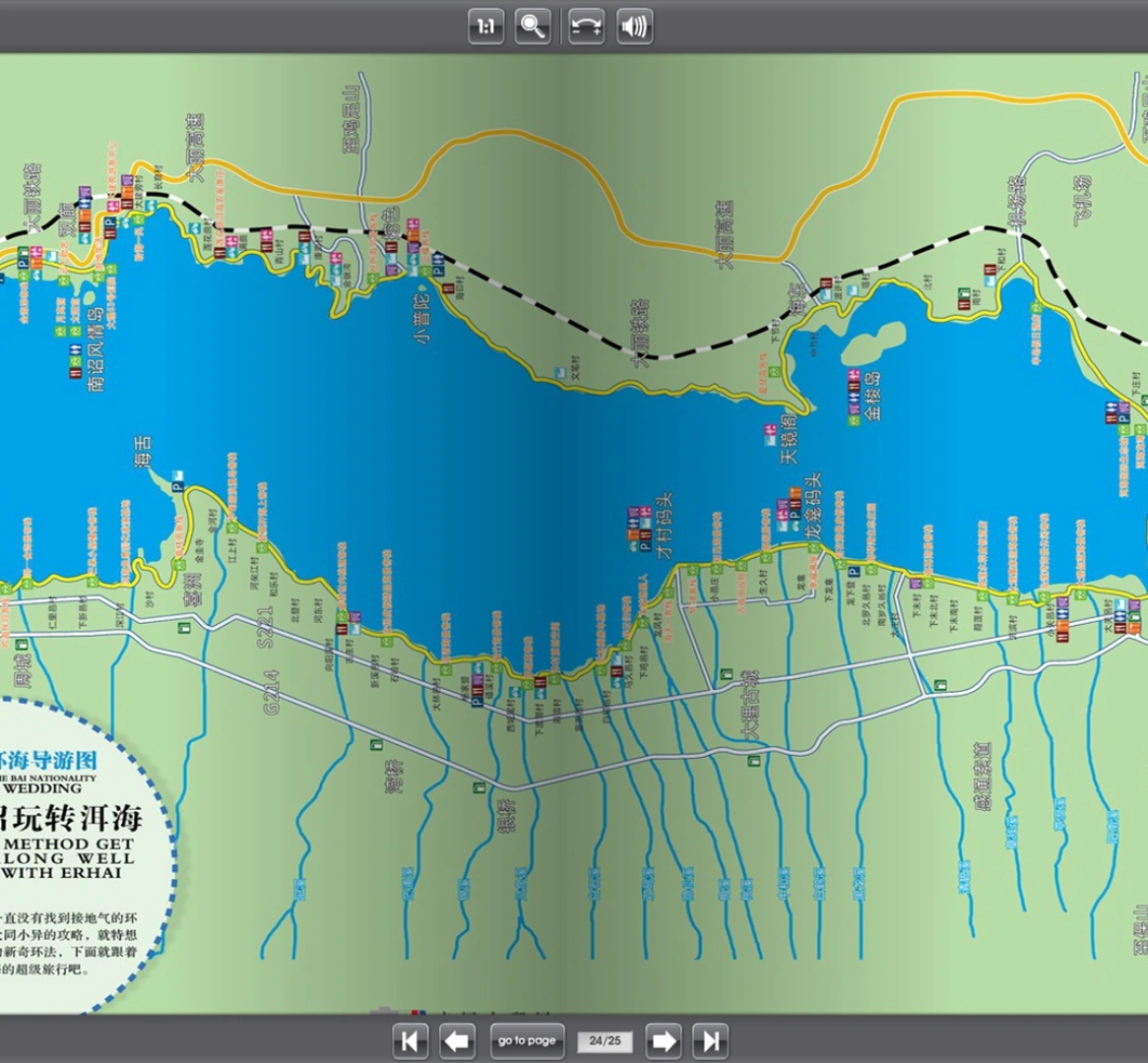
Around 7 PM, we reluctantly returned the scooter. We'd only ridden about 10 kilometers—such a waste. Frustrated, we silently pulled out our phones and checked Dianping (Chinese Yelp) for nearby restaurants.
"Corner Time" restaurant is a must-recommend. Located in Shuanglang Ancient Town, word has it that Taiwanese singer Annie Yi has eaten there. The atmosphere was fantastic, like a café, with a menu ranging from Western to Chinese. Their most famous dishes are fish ball soup, sour and spicy fish, potted yogurt, and Annie Yi's signature cheese pasta. Everything was delicious.
We returned to the hotel satisfied and found warm milk waiting for us at the front desk. So touching. Looking forward to tomorrow's lake circuit.
Measuring Erhai Lake by Wheel: 128 Kilometers of Scenery and Emotions
Breakfast can be delivered to your room. In the morning at Haidi Life, blowing the sea breeze, gazing into the distance, and having breakfast was incredibly relaxing. To experience different styles of inns (and because it was too expensive), we only stayed here one night. A little reluctant—if the price were a bit lower, I might have stayed a few more days.
October in Dali is scorching. The full lake circuit is over 120 kilometers—riding an electric scooter would be torture. We decided to rent a Smart car, comfortable and sun-proof. We found a rental shop in Shuanglang. The National Day price was 400 RMB a day, with a 2,000 RMB deposit—1,600 returned upon return. After a quick process, we set off early—in Shuanglang during the holiday, traffic jams start after 9 AM.
The little Smart car was easy to park and maneuver wherever we saw a nice view. Highly recommended!
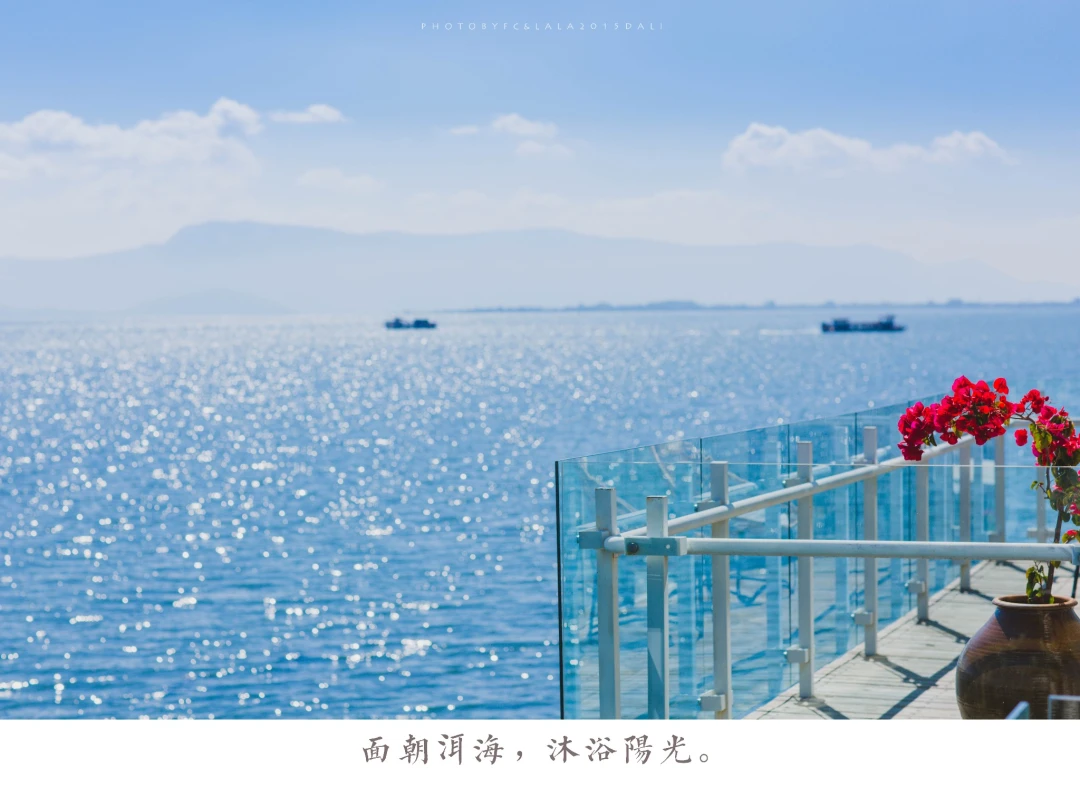
Our route started from Shuanglang, heading toward Xizhou Ancient Town, then looping back to Shuanglang. The ethnic-style shawl we bought last year in Lijiang came in handy again—the ultimate posing accessory.
On the road approaching Xizhou Ancient Town, we found a large grove of trees—some on land, some in the water. The reflections of the trees on the water, with seagulls flying around, made for perfect photos. We completely forgot about our plan to reach Xizhou by noon and went on a photo frenzy.
About a kilometer past the grove, we stumbled upon a huge field of flowers. LaLa saw many people walking onto boats parked by the lake to take photos and wanted to try. She missed her step and one foot landed in the water. Luckily, she grabbed the railing with her left hand, or she would have fallen in completely. With so many people watching, she pretended to be calm, got up, and still insisted I take her photo—I was speechless.
Xizhou Ancient Town: Slow Time with Bai Ethnic Charm
We finally arrived at Xizhou Ancient Town. Compared to Dali Ancient Town and Shuanglang Ancient Town, Xizhou wasn't crowded at all, and both the architecture and the locals' attire had a stronger Bai ethnic flavor.
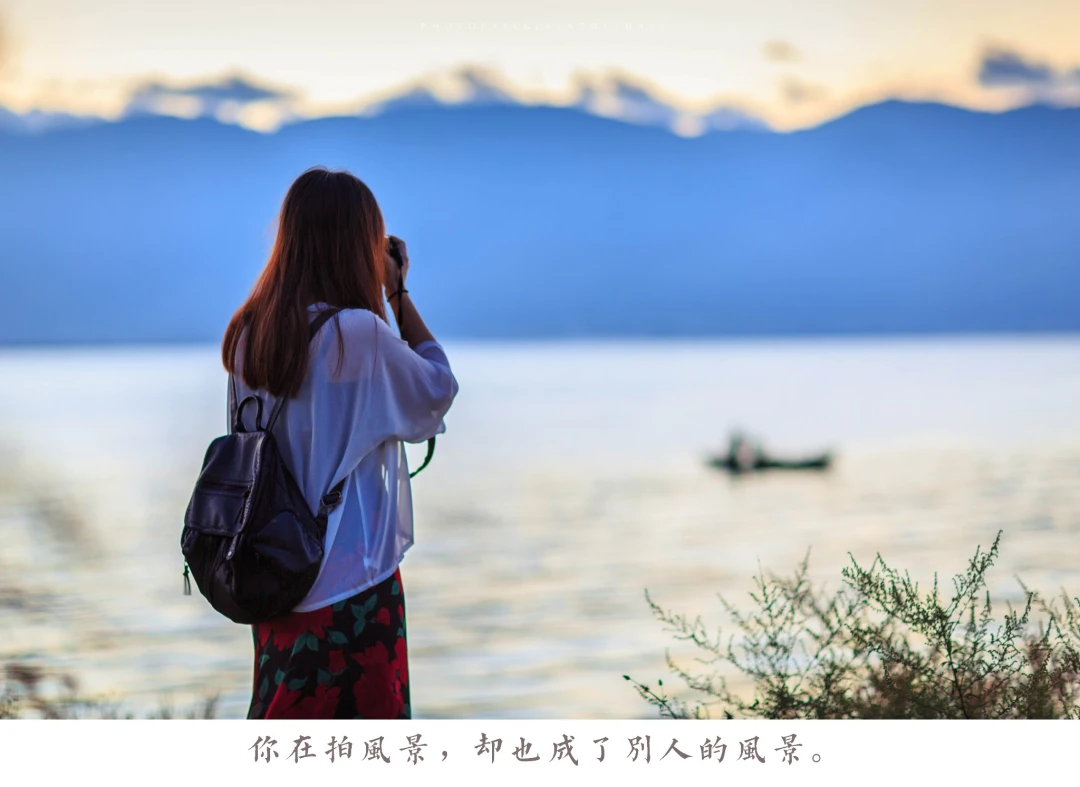
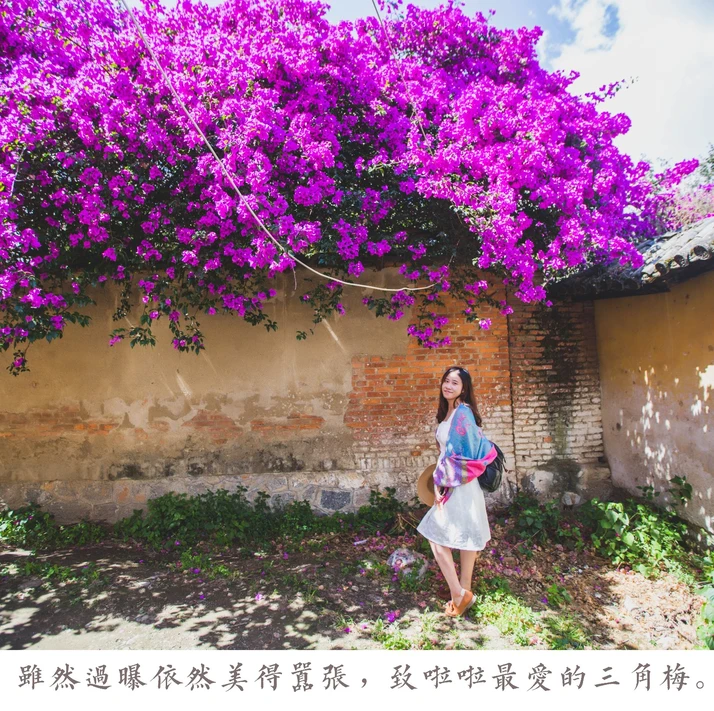
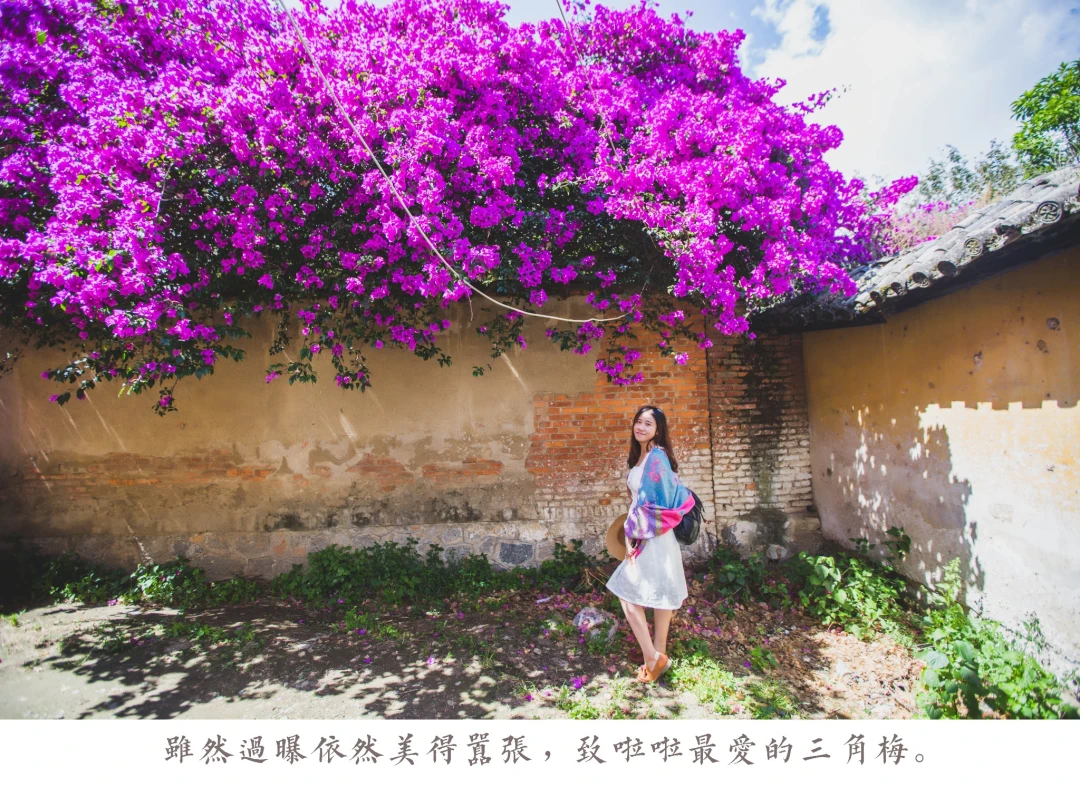
We passed by a massive bougainvillea bush, and LaLa went crazy. Unfortunately, to keep her from getting sunburned, the flowers ended up overexposed in the photos—I got scolded thoroughly.
Xizhou's streets looked a bit rundown, but every ancient town has its central square. The main square was quite lively, with electric scooters parked everywhere charging—those who managed to ride here from Dali or Shuanglang must have had a tough journey.
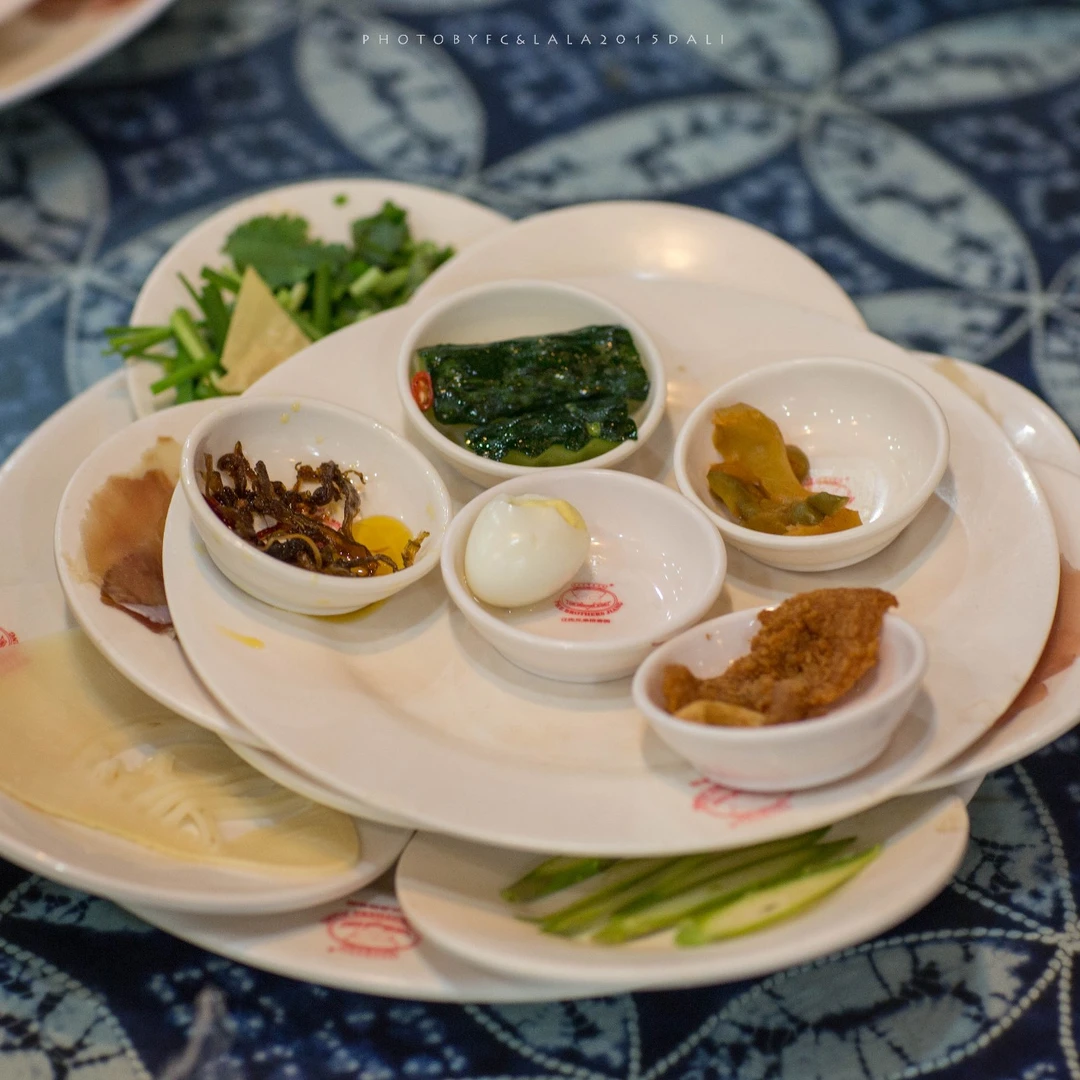
For lunch, we found the highest-rated restaurant, "Xizhou Flavor Hanlin Restaurant," and it didn't disappoint. We had rose-flavored sour plum drink and fried small fish from Erhai Lake—crispy and crunchy, easily becoming one of my favorite Yunnan dishes. LaLa, that foodie, rarely misses.
Dali's specialty sour plum drink was indeed good. We also tried "rice cold shrimp" (mi liang xia)—not actual shrimp, but rice paste cooked and dripped through a slotted spoon into cold water, forming small, shrimp-shaped pieces with a texture similar to konjac jelly.
The most famous attraction in Xizhou's center is the Yan Family Mansion. Admission was over 40 RMB, but during the holiday promotion, we got in for 20. The mansion is a sprawling complex of interconnected courtyards with a long history, showcasing Bai culture and architecture. Personally, compared to Dali's natural scenery, such man-made attractions fall a bit short—but it's still good for photos.
Tie-dye fabric is a specialty of the Bai people, and Xizhou has many tie-dye workshops. Unfortunately, we were too full from lunch to try the famous Xizhou flatbread (baba)—please don't tell me how good it is.
Haishe Park: Scenery Worth the Heartache
Haishe Park is just a short drive from Xizhou Ancient Town. Bicycles can go straight in, but cars and electric scooters need to park outside. Little did we know, after parking, we'd have to walk a long way to reach the park—we'd already been walking all day, exhausted and heartbroken.
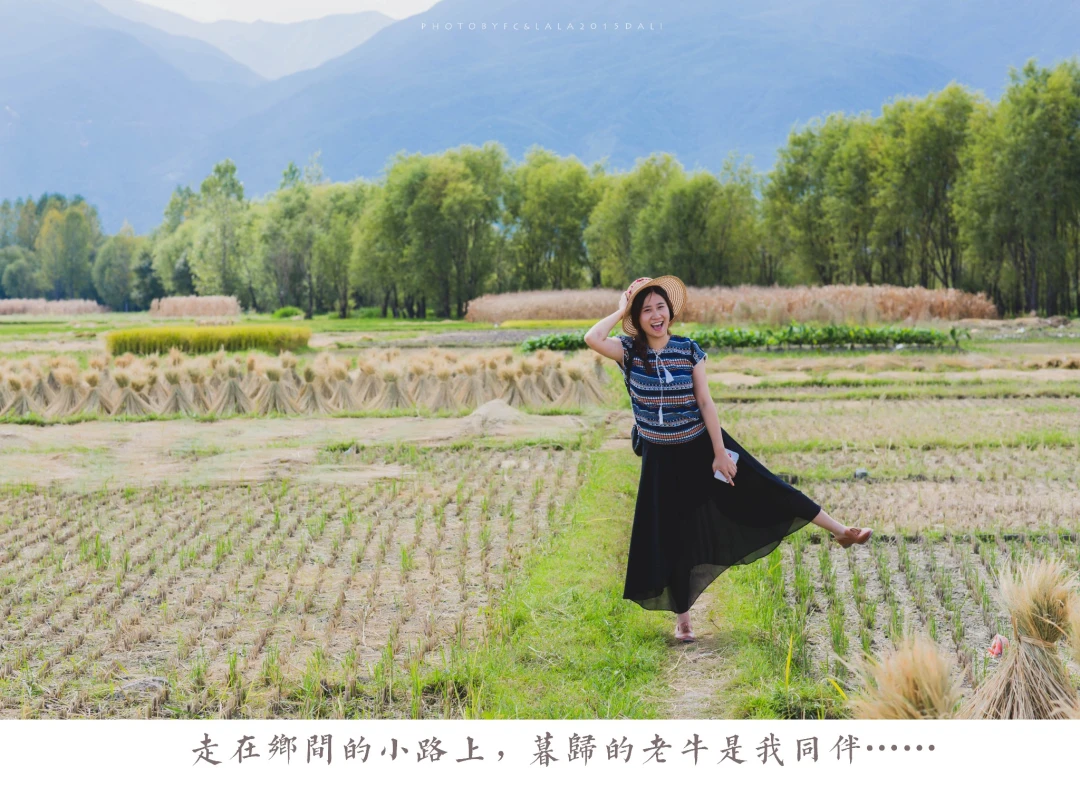
The scenery was, of course, stunning, similar to the small grove we passed earlier. We saw many people setting up tents and kayaking by the lake. We just kept walking and walking—Haishe Park is huge. Heartbreaking.
Leaving Haishe Park, the roads were lined with farmland. The Bai-style houses reminded me a bit of the Huizhou-style architecture we saw in Wuyuan two years ago. Many couples were taking wedding photos under a big tree—the scenery was indeed beautiful.
The Light of Erhai Lake: First Encounter with Sunset
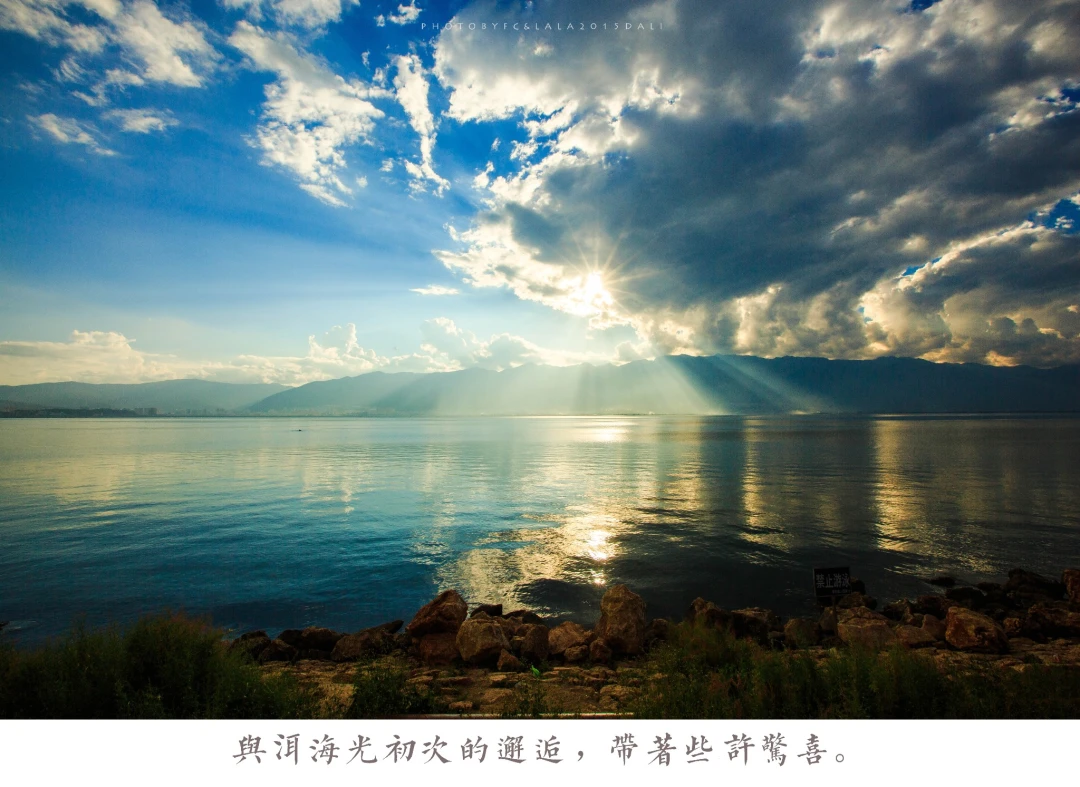
It was already past 4 PM when we left Haishe Park. We rushed, but on the way to Wase Town, we were still drawn to stop by the scenery. Our first encounter with the light of Erhai Lake—absolutely breathtaking.
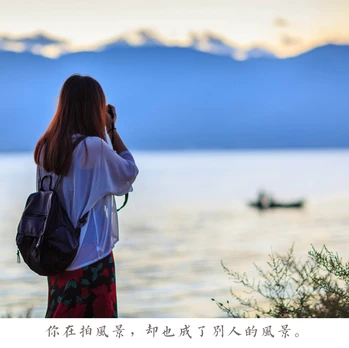
We finally pulled out the tripod we'd been carrying all day and took a silhouette shot—it became our only photo together of the entire trip.
The sun had already set. Because we'd stopped so often along the way, we didn't have time to visit Xiaoputuo Island, just snapping a couple of photos from a distance.
It was almost 8 PM when we returned the car. We quickly moved our luggage to tonight's accommodation—Bandao Yunduan Hotel. It's a spin-off of the famous Bandao 63 Inn, more upscale with better facilities. The name "Yunduan" (Cloud's End) wasn't misleading—the location was high. The entrance was easy to find, but we had to climb several flights of stairs to reach the lobby, about five stories up. Carrying our suitcases up was exhausting.
But the room was fantastic—a two-story duplex with a commanding view. The lobby staff were also very warm. Another great experience.
After a long day, we didn't want to walk back to Shuanglang for dinner, so we ate at a small shop in Dajianpang Village. Here, we discovered our favorite drink of the trip—Erhai Lake's special "green plum soda" (qingmei shuang). The packaging looked unimpressive, but the taste blew any kumquat or lemon tea out of the water.
After dinner, we couldn't resist getting some barbecue from a street stall. How can you say you've been to Yunnan without trying the barbecue? The prices were much more reasonable than in Lijiang. Yunnan also loves spicy food—the chili powder will definitely wake you up.
Goodnight, last night in Shuanglang.
Good Morning Shuanglang, Good Night Ancient Town
Before coming to Dali, LaLa obsessively checked the weather forecast, which said it would rain the entire holiday. We'd even brought a clear, long-handled umbrella from Ningbo as a prop. But Yunnan's weather is a total liar—we were here three days before it finally rained on the fourth.
In the morning, LaLa posed dramatically in the loft's scenic bathtub. Unfortunately, the weather wasn't cooperating, so we couldn't get that "girly photoshoot" vibe—okay, maybe it was my photography skills.
The hotel breakfast hadn't started yet. Remembering the long line for photos at Haidi Life's white bench yesterday—if you come to Shuanglang and don't take a photo there, it's a missed opportunity. We quickly got ready and went to queue.
Luckily, there were fewer people early in the morning, and we got our turn after a short wait. But according to LaLa, being watched by so many people made it hard to strike a good pose. She felt that taking too long would get her killed by everyone's stares. So she just did a few standard "classroom sitting" poses and hurried down.
Behind the white bench, there's a small path by the lake leading to the entrance of Haidi Life's Courtyard No. 5—the scenery here was even better for photos. We kept walking back and forth, "doing the corridor nine times."
Finally, on this damp morning, we got our photo with the iconic white table on our wish list. Satisfied, we returned to the hotel for breakfast. Today's special was zhajiang noodles (noodles with fried sauce). Climbing all those stairs to eat made us ravenous.
They say Shuanglang is a big construction site, and while there were many places being renovated, it wasn't as bad as rumored. After circling the lake, I still think Shuanglang's side of Erhai Lake is the most beautiful.
The rain grew heavier. We had booked a car to Dali Ancient Town at 3 PM, giving us plenty of time to sit quietly in the lobby. The hotel's courtyard had a large water feature that was interesting. Despite the bad weather, we still forced a couple of reflection shots—because of the high elevation, it looked like we were standing on the roof.
Final Thoughts: Go to Erhai Lake, Wait for a Sunset
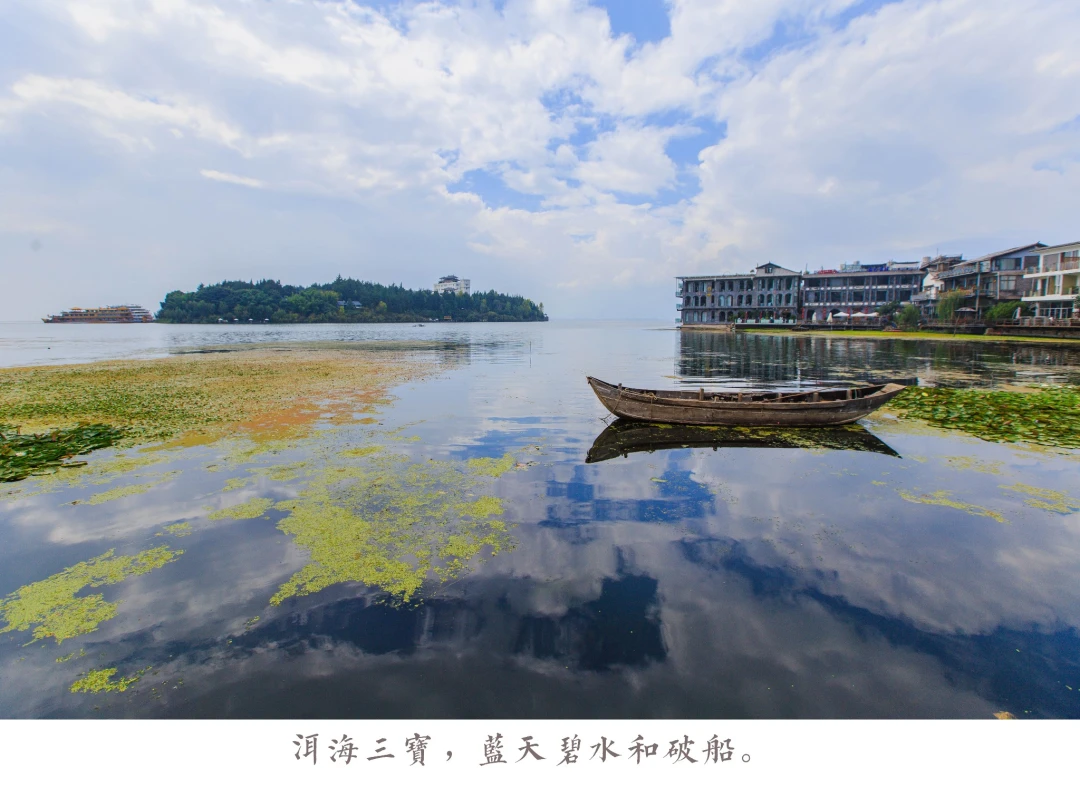
This trip took us five days, from Kunming to Dali, from Shuanglang to Xizhou, from Haishe to Wase. We stayed in an 1,800 RMB seaview room and ate street-side barbecue. We chased the sunset on an electric scooter and circled the lake in a Smart car. We queued for the white bench and sat in the rain lost in thought.
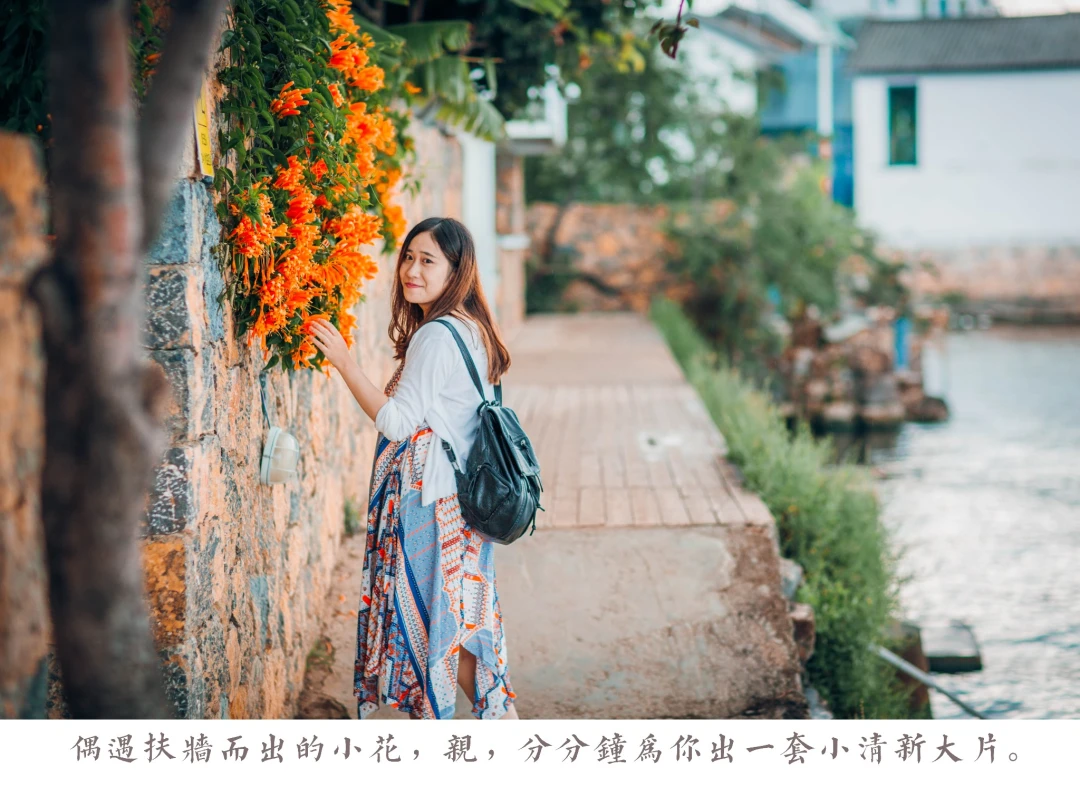
The beauty of Erhai Lake isn't about any specific attraction—it's in those unplanned moments: the colorful clouds at dusk, the reflections in the grove, the water rippling as seagulls fly by, and the sweet-and-sour taste of that green plum soda.
If you ask me what you should do at Erhai Lake, my answer is: wait for a sunset.
No need to plan, no need to rush from one spot to another. Find a comfortable corner, watch the sun slowly sink behind Cangshan Mountain, watch the sky turn from gold to pink to deep blue, watch the ripples spread across Erhai Lake's surface—in that moment, you'll feel that all the travel was worth it.
Practical Tips: - The full loop around Erhai Lake is 128 kilometers. Renting a car is recommended; a Smart car is a great choice. - Book accommodation in Shuanglang at least two months in advance—seaview rooms are in high demand. - Xizhou Ancient Town is less crowded and has stronger Bai ethnic character—worth spending half a day there. - Sunset at Erhai Lake is roughly between 5:30 PM and 6:30 PM. Find your spot early. - Yunnan's weather changes quickly. Even if the forecast says rain, bring sunscreen.
You should also read:

Cloud Travelogue · Dali of Wind, Flowers, Snow, and Moon: A Three-Day, Two-Night Journey of a Free Spirit
Cloud Travelogue · Dali of Wind, Flowers, Snow, and Moon: A Three-Day, Two-Night Journey of a Free Spirit I am a cultured female foodie with a touch of rogue charm. I slung on my backpack, took my lover's hand, and set off on a spontaneous…
Continue reading...
The Meaning of Travel – A Tengchong Story: A Journey of the Heart and Personal Growth
The Meaning of Travel – A Tengchong Story: A Journey of the Heart and Personal Growth Setting Out, Only to Return a Better Self Some say travel is nothing more than leaving a place you're tired of, only to go to a place where others…
Continue reading...
A Spiritual Journey to Lugu Lake in Lijiang: Experiencing the Legend of the Kingdom of Women! (Reproduction and Hotlinking Prohibited)
A Spiritual Journey to Lugu Lake in Lijiang: Experiencing the Legend of the Kingdom of Women! (Reproduction and Hotlinking Prohibited) Off-road自驾, food, hotel and民宿 reviews, Featured Traveler, Tank 300 owner, 200,000 km of self-driving experience. WeChat: y01294987 Ninglang Yi Autonomous County 2010.11.08 · 7 days…
Continue reading...