To the Place Where the Wind Blows: A 7-Day Slow Travel Guide to Dali and Lijiang
To the Place Where the Wind Blows: A 7-Day Slow Travel Guide to Dali and Lijiang
If you're longing for an escape from the city's noise, hoping to let the sea breeze blow away your fatigue, or dreaming of watching a golden sunrise at the foot of snow-capped mountains—then Dali and Lijiang are exactly that "place where the wind blows." This land doesn't demand you rush. It invites you to slow down, sit by Erhai Lake, listen to the waves crash against the rocks, watch seagulls skim the water, and let the sun soak into your skin.
Over seven days, starting from Chengdu, passing through the gentle beauty of Dali and the romance of Lijiang, I returned home with a heart full of memories. This guide not only shares my real experiences but also helps you avoid the pitfalls I stumbled into, making your journey smoother.
Before You Go: Don't Overlook These Details
Yunnan's weather is nothing like city life—you can experience all four seasons in a single day. So when packing, bring both pretty dresses and a thick jacket. At noon, when the sun is bright, you can strip off layers and snap photos; but morning and evening are chilly, making a down jacket or fleece essential.
Sun protection is non-negotiable. Yunnan's UV rays are merciless. Apply sunscreen every day before heading out, or your skin will "rebel" by nightfall. Also, a UV umbrella is a must—rain comes out of nowhere here, though it rarely lasts long. Just a few minutes under an umbrella, and the sun peeks out again.
Don't forget your ID card and student ID. Most attractions around Dali's Erhai Lake are free, but Jade Dragon Snow Mountain and Blue Moon Valley require tickets. A student ID can save you some money. As for power banks, there are shared ones near attractions, but bringing your own is more convenient.
The 7-Day Itinerary: Slow Living from Dali to Lijiang
Day 1: Chengdu → Dali, First Glimpse of Erhai Lake
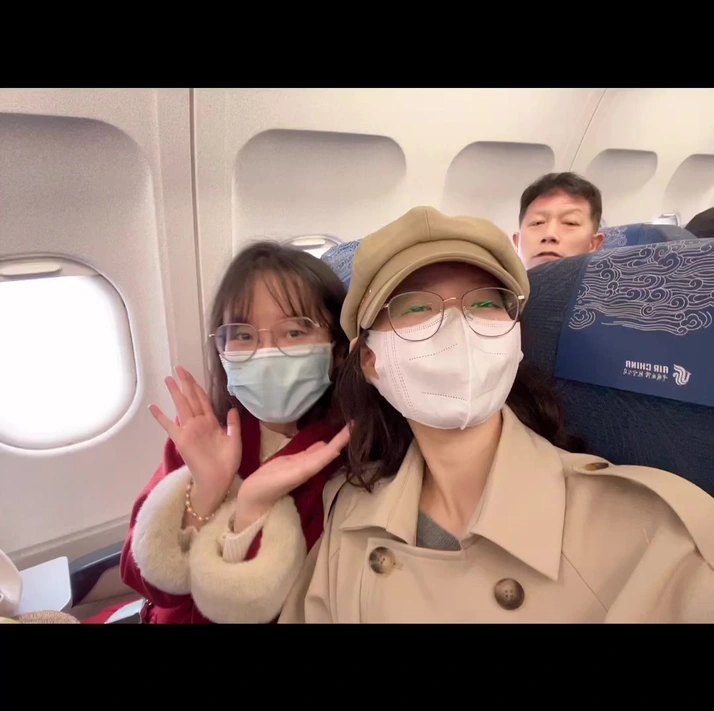
At 11 a.m., I flew from Chengdu to Dali. It was my first time on a plane, and I was filled with excitement and anticipation. After landing at Dali Airport, there was a bus to the ancient town on the right for just 25 yuan. Unfortunately, I hadn't done my research and took a taxi instead, costing me 95 yuan—a real heartache.

I'd booked a hotel on the edge of Dali Ancient Town. After dropping off my luggage, we had a bowl of rice noodles nearby—taste was average. In the afternoon, we rented an e-bike for 70 yuan a day, planning to visit Longkan Pier and the "Internet-famous road." But the roads at the pier were bumpy and rough to ride on. Worse, we got so caught up taking photos that we never made it to the famous road. Honestly, taking a taxi or a tricycle would have been easier.
At Longkan Pier, there were plenty of bike rental stalls by the sea. Cycling along the shore with the camera made for stunning shots. We spent the whole afternoon snapping pictures until dark, then rode back to the ancient town. The town's little shops were full of treasures—I bought a shawl for 30 yuan and a few embroidered dresses, all beautiful. Day one ended on a happy note.
Day 2: Circling Erhai Lake—One Day Isn't Enough
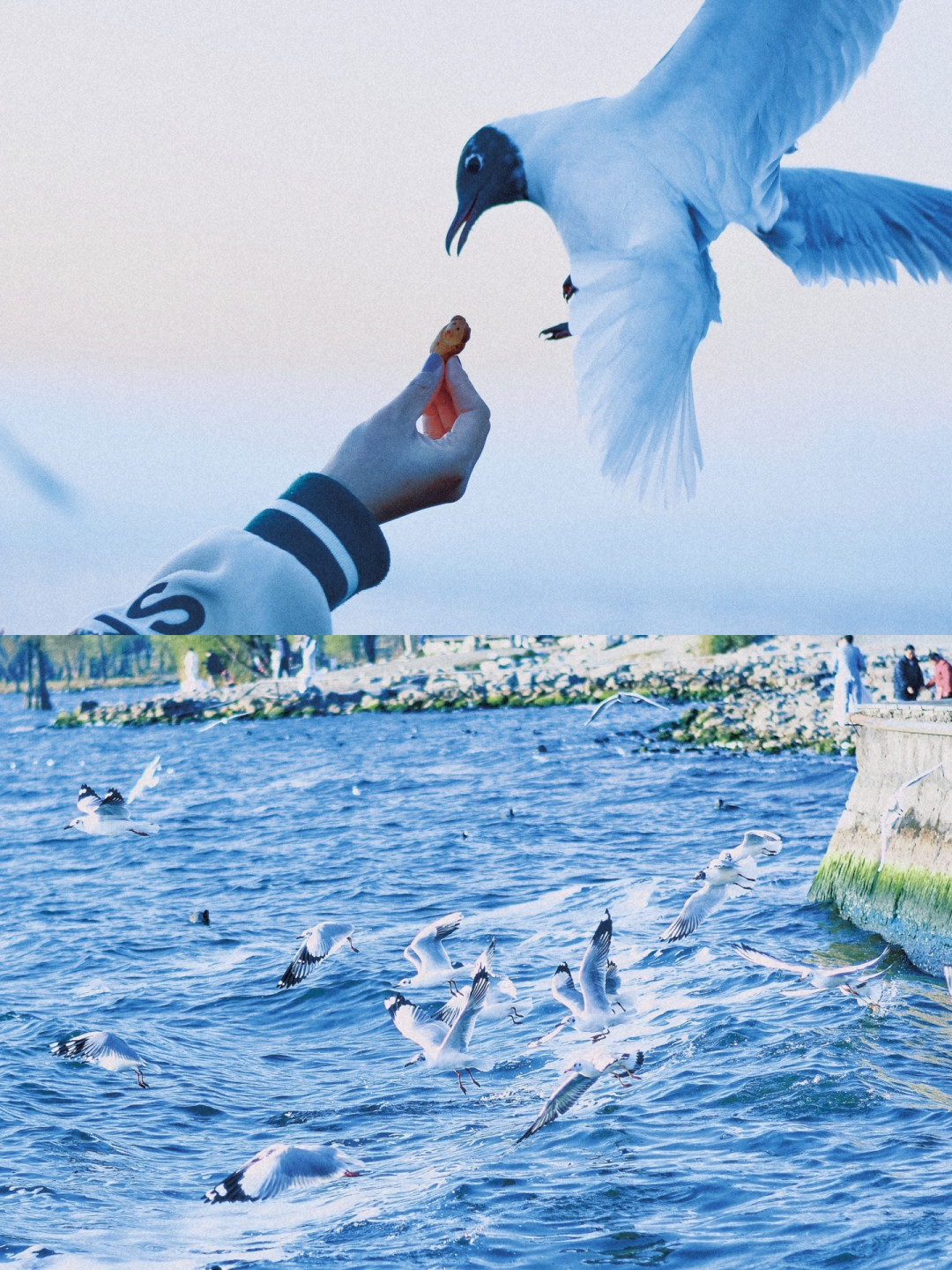
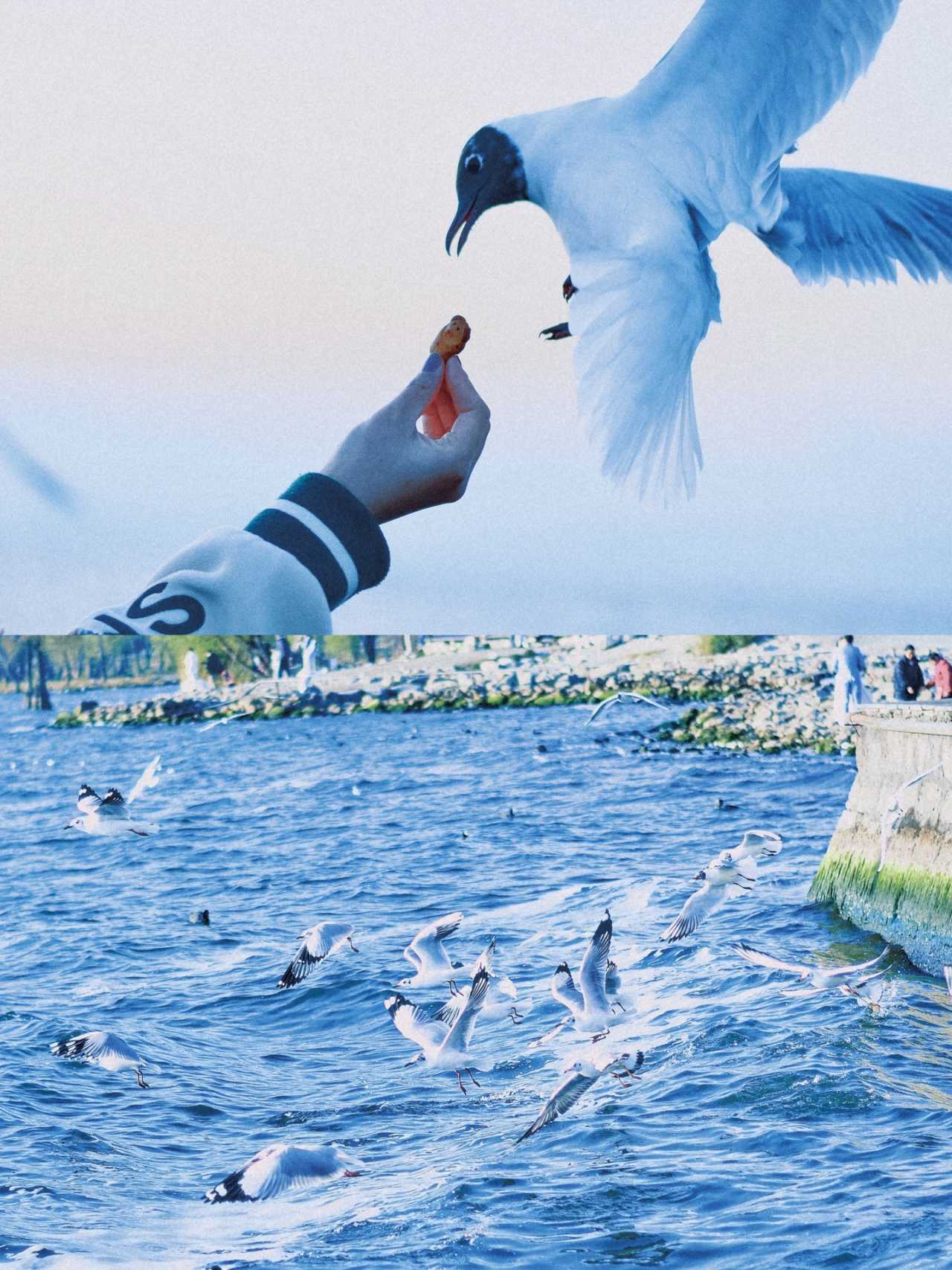
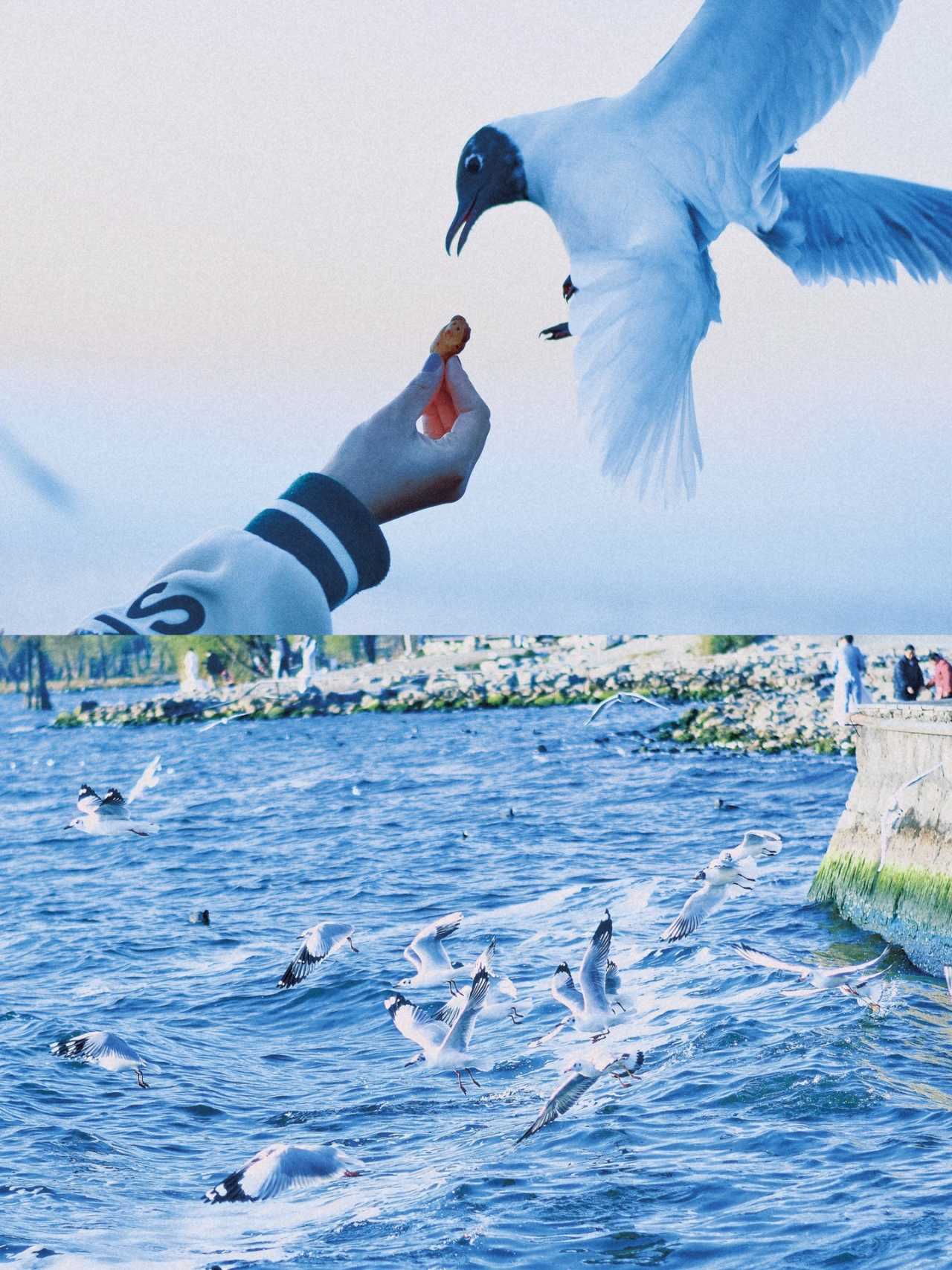
We woke up at 6:30 a.m. to watch the sunrise. No taxis were available, so we took a tricycle to Longkan Pier. On the way, we met a few girls and shared the ride—five of us for 30 yuan total. Unfortunately, the sky was overcast, so no sunrise. But feeding the seagulls was still fun.
At 8:30 a.m., we returned to the hotel to do makeup. The driver we'd booked in advance picked us up at 9:30 a.m. Chartering a car cost 320 yuan for 9 hours, with an extra 50 yuan per hour overtime. Since we couldn't drive and were short on time, it was convenient. But there were too many spots, and we loved taking photos, so we had to skip Xizhou Ancient Town and Xiaoputuo Island.
First stop: S-Bend. It was packed with people, and without sunlight, the experience was just okay. Honestly, there are "S-bends" all along Erhai Lake—you don't need to go to this specific one. Second stop: Langqiao (Bridge Corridor). The sun came out, and there were fewer people—the photos turned out great. Third stop: Shuanglang Ancient Town. We wandered too long inside, hoping to find a seaside café to relax, but they required reservations. Plus, we had to reach Santorini (a scenic spot) by 5:30 p.m., so time was tight. Shuanglang's old town isn't much to explore, but if you want to quietly watch the sea, staying overnight in a sea-view room would be lovely.
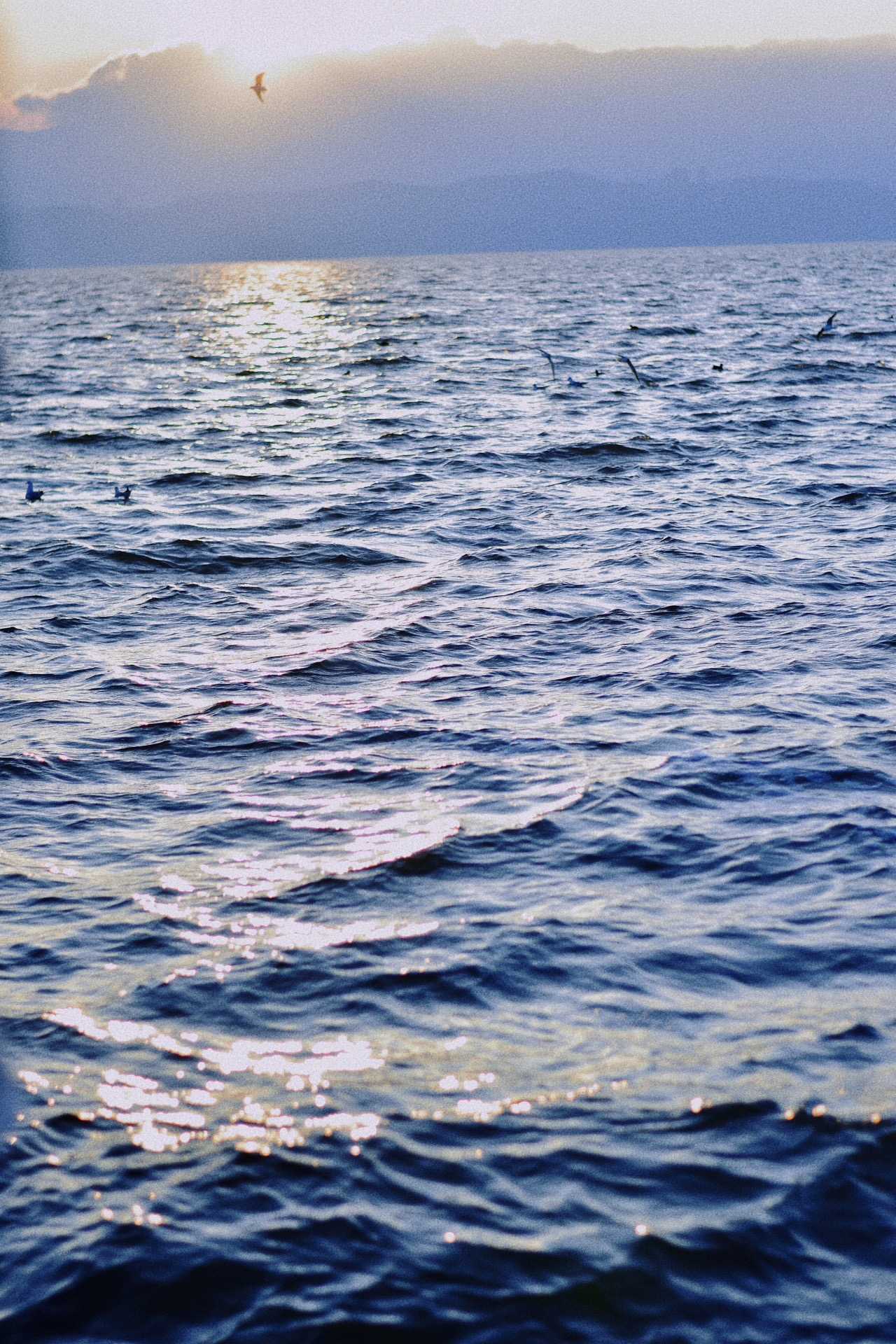
From Shuanglang to Santorini takes an hour by car. Santorini closes entry after 5:30 p.m., so plan your timing carefully. The east coast coastal road is gorgeous—at sunset, the water sparkles, and driving a convertible with a drone shot would be epic. We missed Xiaoputuo and Wenbi Village, which was a pity. At Santorini, the sunset was blocked by clouds—another regret. Actually, watching the sunset closer to the shore feels more magical.
That evening, we found a hotel near Santorini. Because we went one hour over, we paid an extra 50 yuan. We had stir-fried dishes nearby—after a full day of rushing, that meal tasted especially good.
Day 3: A Friend Leaves, I Stay Behind

My friend had to go back to work in Chengdu. Since I'd quit my job, I wasn't ready to leave after just a day and a half, so I decided to continue alone. In the morning, we took photos at the seaside park across from the hotel—beautiful scenery. After my friend left, I took a bus back to Dali Ancient Town to meet a girl I'd met the day before.
For lunch, we had hand-grabbed rice in the ancient town. In the afternoon, we took a taxi to Caicun Village. The wind was strong that day, and it even rained, but the seagulls came incredibly close. We even saw a rainbow. That evening, I finally caught a sunset, though on the west side of Erhai, it wasn't as stunning as the east coast. My new friend and I sat by the shore, watching the seagulls for hours—it eased the exhaustion from the past few days. That night, we had stone-grill barbecue in the ancient town. There were many open-air singing spots where people gathered to chat—it was very relaxing.
Day 4: A Stubborn Sunrise, Then Off to Lijiang
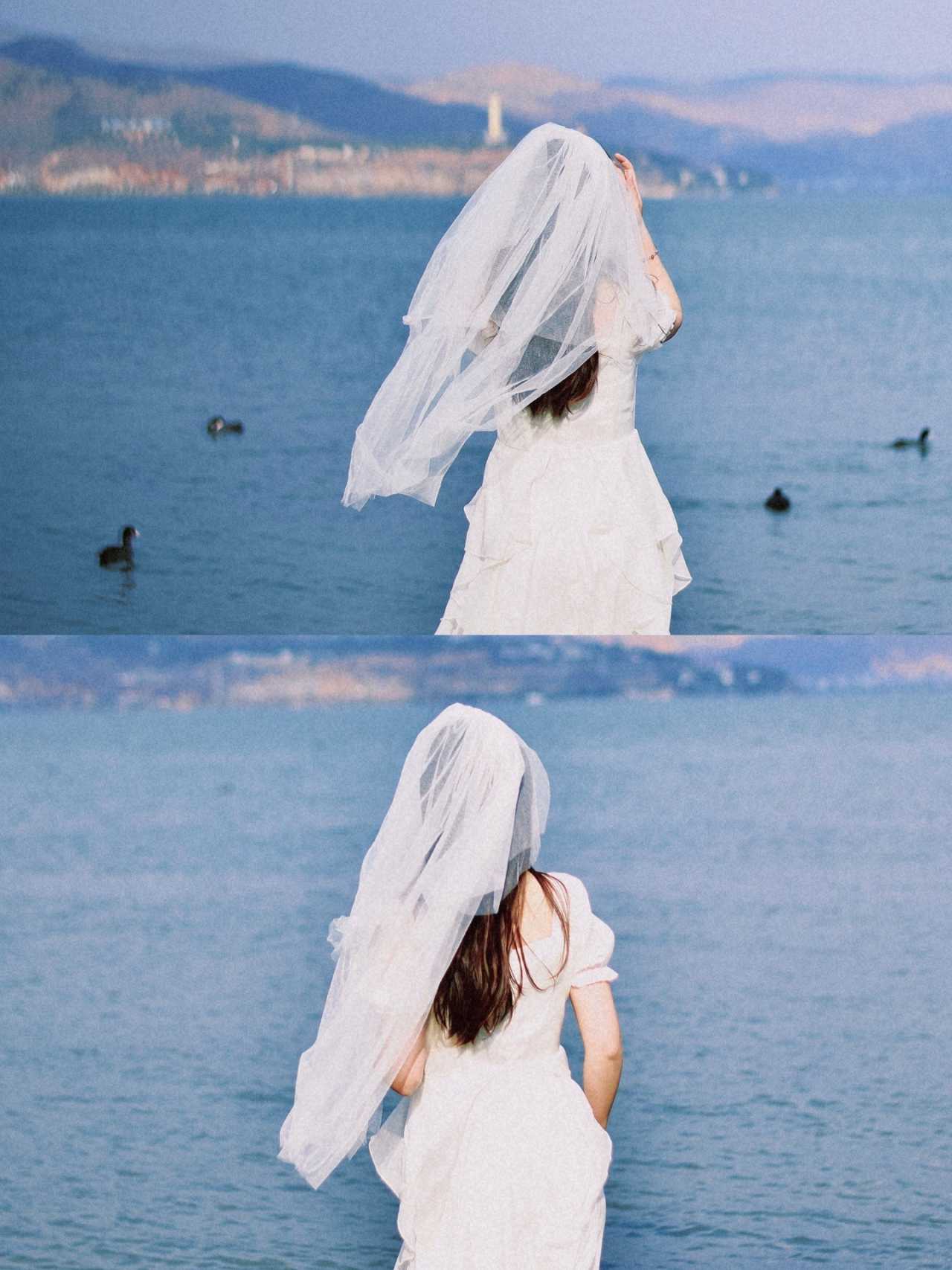
With the "since I'm here" mindset, I went to Longkan Pier again in the morning. This was my third time—and I finally saw the sunrise! The sea turned golden, and flocks of seagulls flew right by my ears. I was awestruck. A couple was even shooting wedding photos—I vowed to come back someday.
By 8:30 a.m., the seagulls were full and ignored us. We wanted to visit March Street or Jizhao Nunnery, but we had to leave for Lijiang at 2 p.m., so we only had time for March Street Market. It was incredibly crowded—keep an eye on your belongings.
In the afternoon, we took the "hot pot train" to Lijiang—basically a sleeper car converted into seats, a bit stuffy. We tried to go to the dining car but arrived late, so we ended up in the dining car. The staff kept urging us to order. We got a set meal with rice for 48 yuan, shared among three people.
Finally in Lijiang! We took a bus for 3 yuan to the ancient town, then dragged our luggage to the hostel. Lijiang Ancient Town's streets are a nightmare—all cobblestones, and even navigation gets lost. Luckily, the hostel owner came to pick us up, carrying one suitcase in each hand—so grateful. This was my first time staying in a hostel. I met many people, listened to their stories, played games at night—the experience was fantastic. I'll definitely stay in hostels again.
That evening, I explored Lijiang Ancient Town. It felt more refined than Dali's. The streets are narrow, with countless alleys, and navigation often fails. We used GPS to find our way back to the hostel but got lost twice. In the end, the owner video-called us to guide us back. Near the famous Cherry Blossom Restaurant, everything was overpriced—I reluctantly ordered a bowl of rice noodles for a small fortune. Later, I discovered that Zhongyi Market offers affordable food, and the produce market is there too.
Day 5: Jade Dragon Snow Mountain & Blue Moon Valley Day Trip
We calculated that going solo and joining a tour cost about the same, so we chose a tour. Going solo gives you flexible timing and the chance to sleep in, but you have to arrange transport yourself. A tour takes care of everything but requires early rising—we were up at 5 a.m., exhausted. Plus, the tour took us to a shopping stop, and lunch was just noodles and cabbage—we survived on free samples of beef sauce. Before the cable car to the snow mountain, someone shoved a "blessing" card at you and then demanded payment. I didn't buy it—I held my ground.
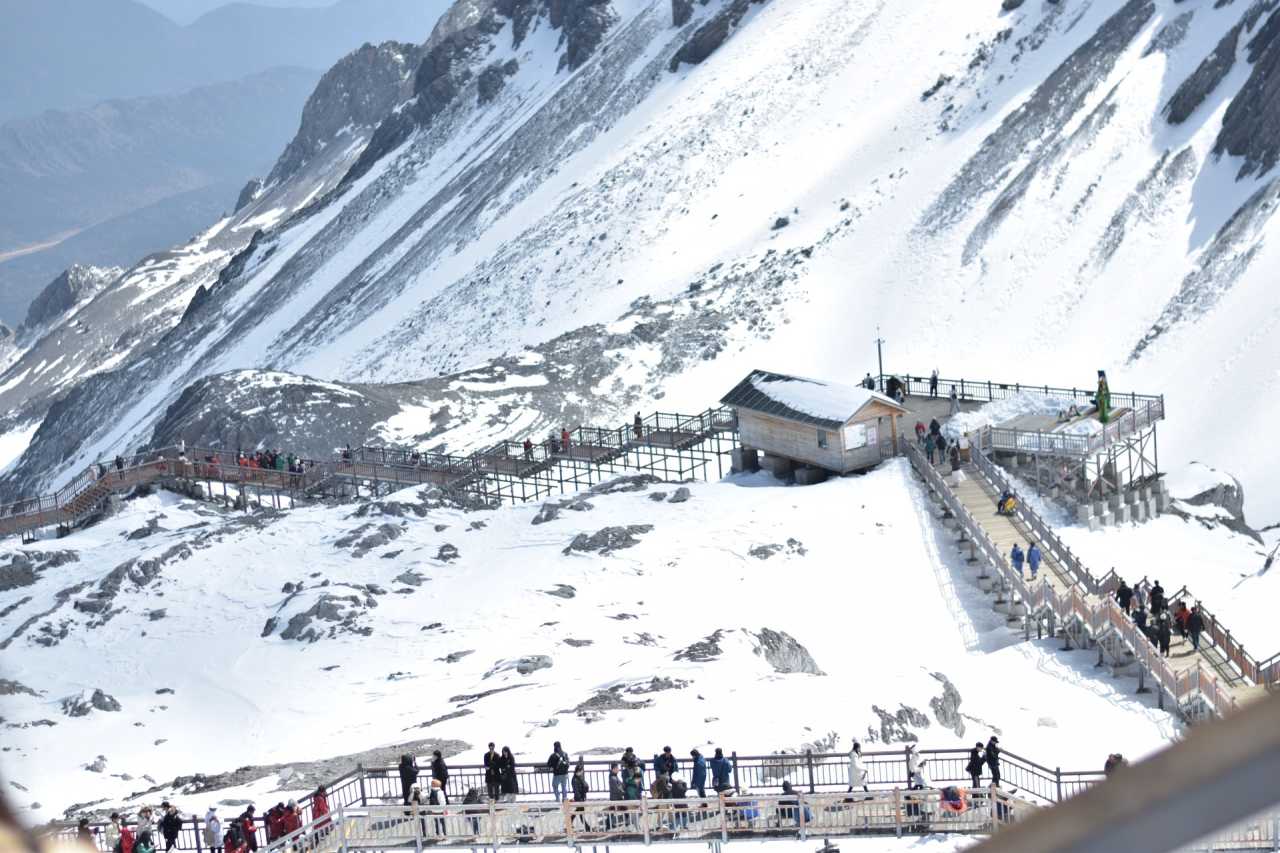
Do you need oxygen for the snow mountain? I've been to Western Sichuan often and had no altitude sickness, so I didn't use oxygen. But I saw many people using it. I recommend buying it in the ancient town—it's cheaper.
After meeting at 5 a.m., we drove to Blue Moon Valley. At 7 a.m., we scrambled for cable car tickets on the mini-program. We got the big cable car (140 yuan), which goes to the top. We visited Blue Moon Valley first, then the snow mountain in the afternoon. Blue Moon Valley is called "Little Jiuzhaigou," but having seen Jiuzhaigou, I found it just okay. In the afternoon, we went to the snow mountain—the guide said it's warmer then. The big cable car is high and nerve-wracking. The cable car ends at 4,506 meters, and the highest point is 4,680 meters, which you have to climb yourself. The steps are steep—go slow, and if you feel unwell, use oxygen immediately. One girl in our group had altitude sickness, but another girl and I made it to 4,680 meters. The crowd for photos was huge, so we only managed a quick group shot.
Back in the ancient town, the hostel had a group dinner. We had a feast and played games again at night.
Day 6: Renting Tibetan Costumes for Photos in the Ancient Town
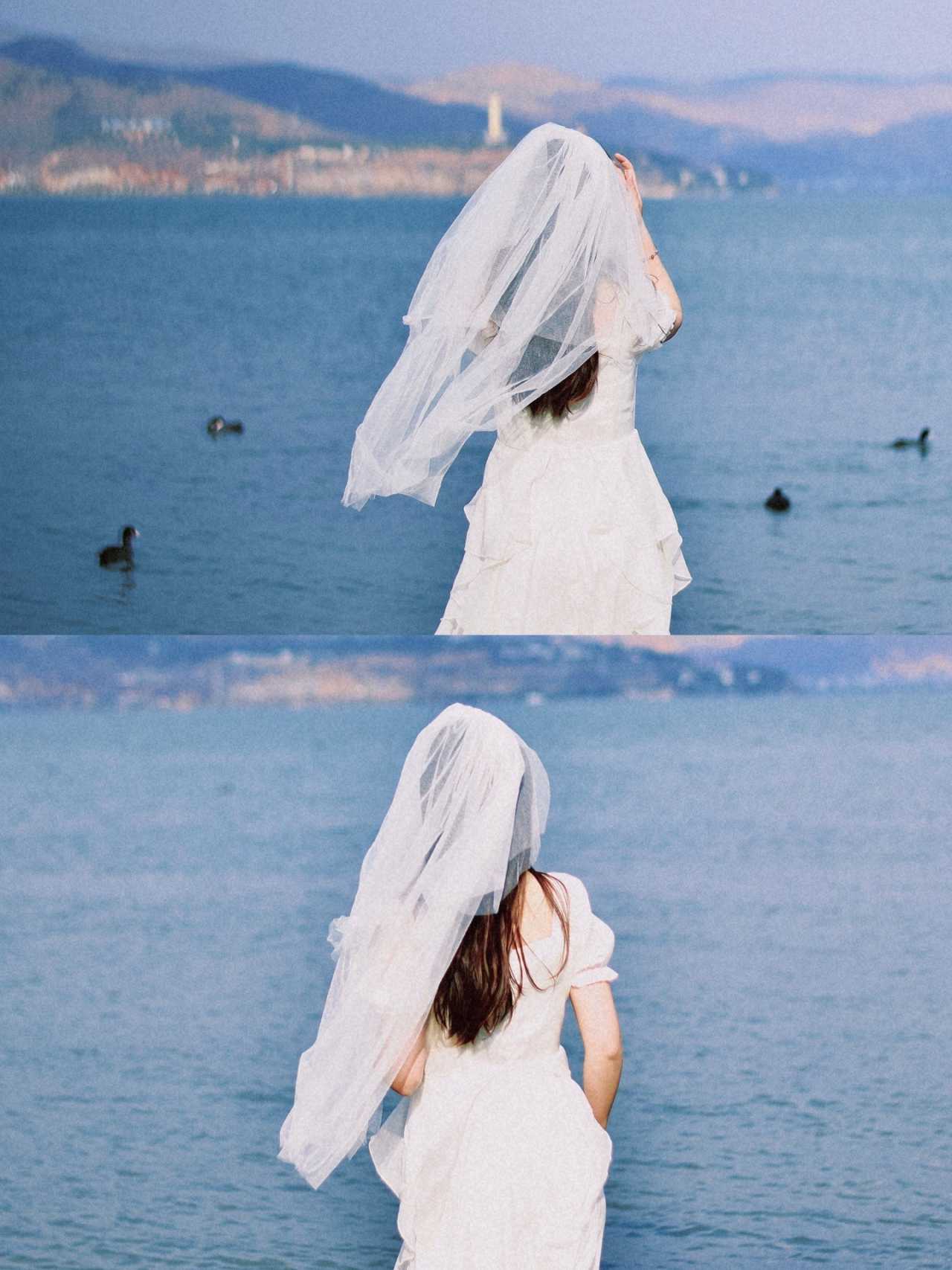
I slept in today, went to Zhongyi Market to buy groceries, and cooked lunch with others at the hostel. In the afternoon, I rented a Tibetan costume with makeup and styling for 80 yuan. I brought my own camera and took photos myself. The ancient town has many photography studios for portraits—choose according to your needs. Renting a costume for a full day lets you wander and shoot freely. If you have a friend who's good at photography, definitely try it.
Day 7: Reluctantly Back to Chengdu
In the morning, I took a taxi to Lijiang Railway Station. If you're not in a hurry, the bus is fine. Taxis are expensive, plus a 10 yuan highway toll. The trip was over. Along the way, I made many friends, saw stunning scenery, and had regrets—but I hope to return someday.
Pitfall Guide: Lessons Worth Remembering
- From Dali Airport to the Ancient Town: Take the bus (25 yuan)—just wait for it to fill up. Taxis are expensive (we paid 95 yuan, ouch).
- Renting bikes at Longkan Pier: Ask around and haggle. On the first day, we rented two bikes for 30 yuan; on the third day, we bargained down to 20 yuan.
- Buying balloons for photos: Haggle too. On the first day, I bought a balloon for 18 yuan—it flew away. Later at S-Bend, I rented one for 10 yuan.
- Renting e-bikes: If your itinerary is light (e.g., just Longkan Pier), don't rent an e-bike. The roads are terrible—taxi or tricycle is cheaper.
- Shuanglang Ancient Town: Not much to explore, but it's great for sitting by the sea and enjoying the view. If time is tight, don't spend too long here.
- Circling Erhai Lake: One day is tight; two days is better. If you only have one day, prioritize.
- Lijiang Ancient Town's streets: Truly difficult to walk on—dragging luggage is a disaster. There are tricycle porters, but we didn't find one; the hostel owner picked us up. Staying on the edge of the ancient town is also convenient.
Conclusion: Go to the Place Where the Wind Blows, and Find Yourself

Seven days, from Dali's Erhai Lake to Lijiang's snow mountain, from the golden sunrise on the water to the sparkling sunset—I gained beautiful sights and stories. Yunnan's charm lies not only in its landscapes but also in how it makes you slow down and listen to your inner voice.
If you also want to go to that "place where the wind blows," use this guide as a reference. Remember: don't rush. Stop, sit by the shore, watch the seagulls soar, and listen to the wind whisper past your ears. You'll discover that the meaning of travel isn't how many places you've been—but that along the way, you've found yourself again.
You should also read:
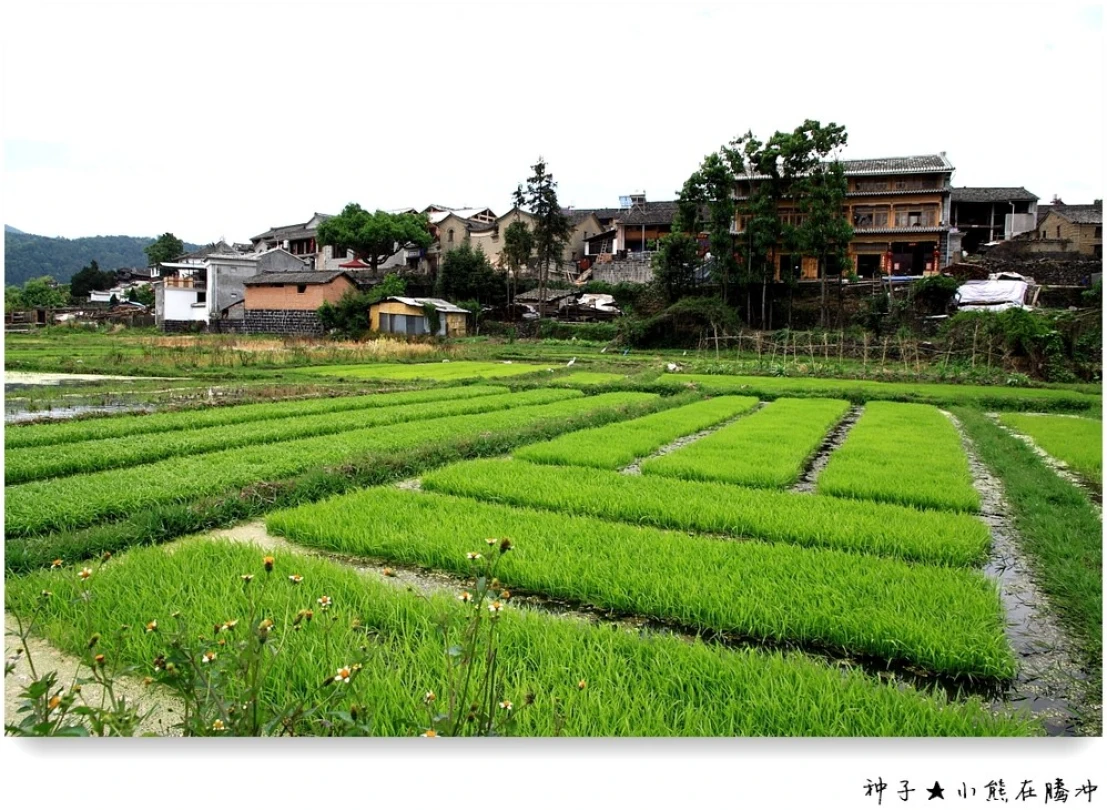
Tengchong·Heshun: Finding Life as It Should Be in a Border Town Where Time Stands Still
Tengchong·Heshun: Finding Life as It Should Be in a Border Town Where Time Stands Still The long journey of over twenty days was over. On my first day back at the office, I was still in a daze. My fingers couldn't find the keys on…
Continue reading...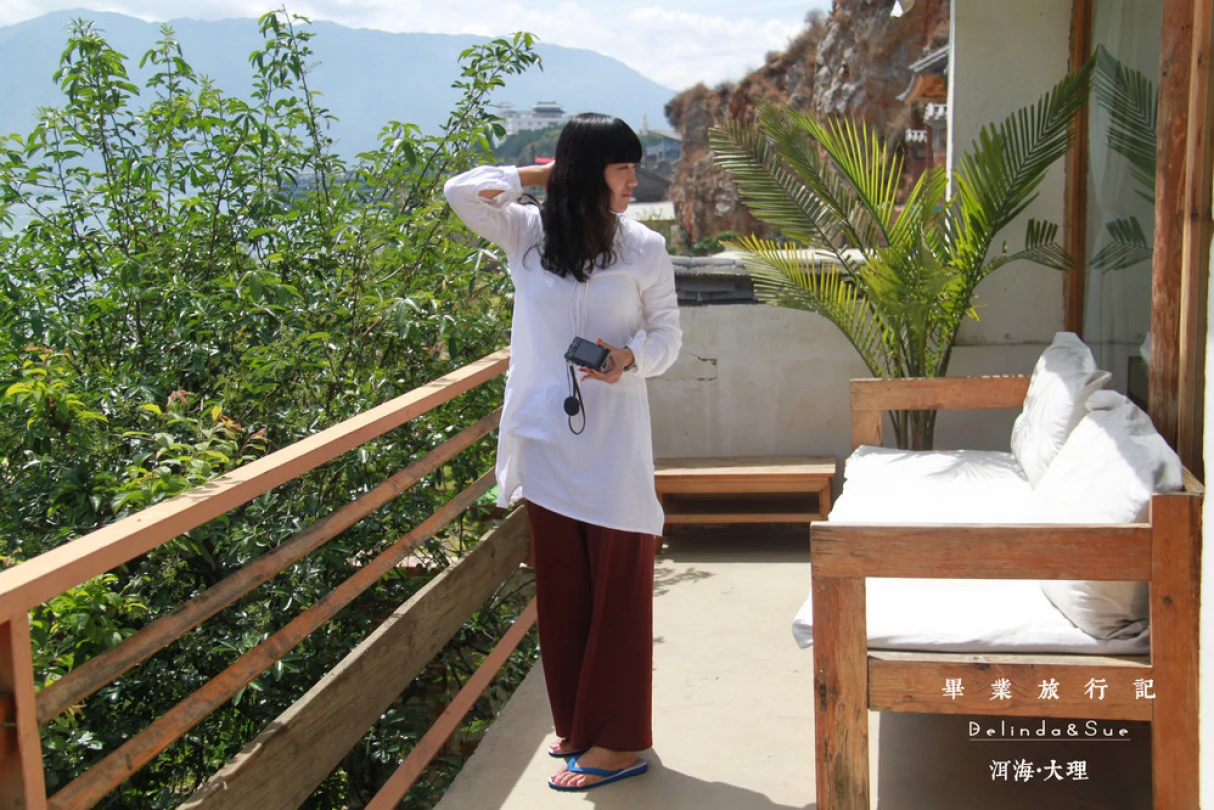
Two Girls' Graduation Trip: Dali and Shuanglang – A Poetic Farewell to Mountains and Sea
Two Girls' Graduation Trip: Dali and Shuanglang – A Poetic Farewell to Mountains and Sea Preface: Catching the Tail of Youth, Heading South During our senior year of college, my roommate and I – two girls studying in Beijing – decided to bid farewell to…
Continue reading...
Cloud Travelogue · Dali of Wind, Flowers, Snow, and Moon: A Three-Day, Two-Night Journey of a Free Spirit
Cloud Travelogue · Dali of Wind, Flowers, Snow, and Moon: A Three-Day, Two-Night Journey of a Free Spirit I am a cultured female foodie with a touch of rogue charm. I slung on my backpack, took my lover's hand, and set off on a spontaneous…
Continue reading...