Traversing the Heart of the Greater and Lesser Khingan Ranges: Falling in Love in the Most Beautiful Season (Part One) – A Complete Guide to Arxan and Chaihe
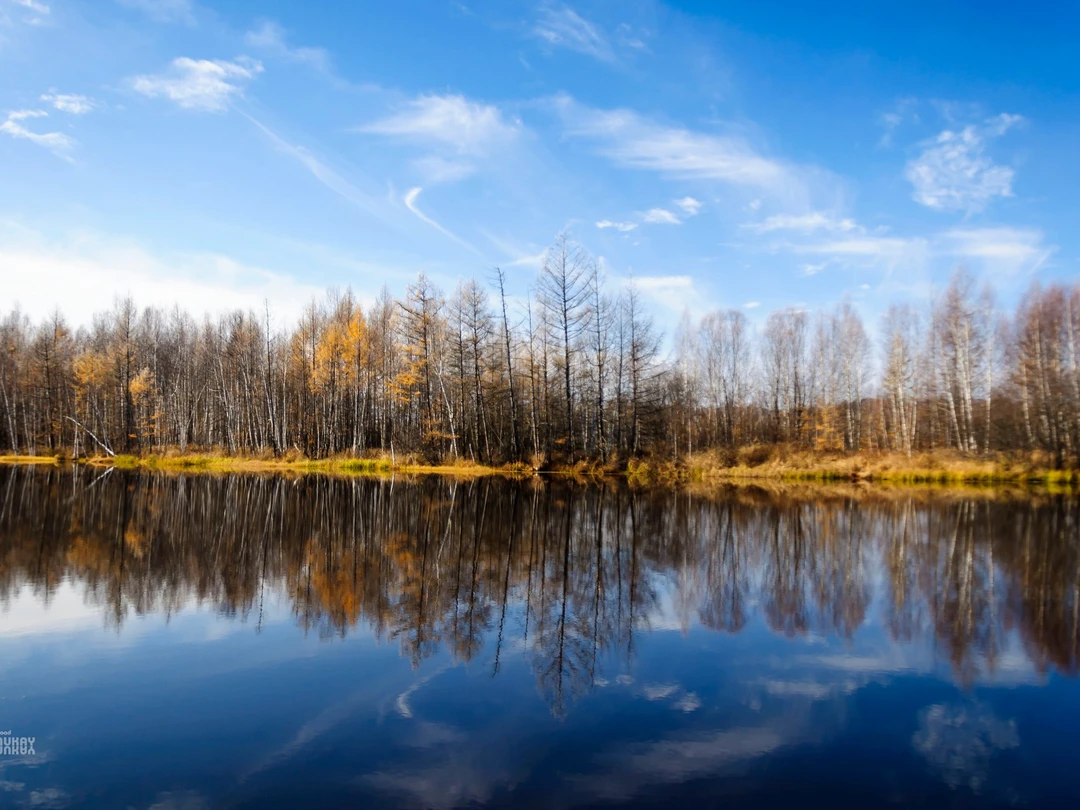
Traversing the Heart of the Greater and Lesser Khingan Ranges: Falling in Love in the Most Beautiful Season (Part One) – A Complete Guide to Arxan and Chaihe
Preface: That Mysterious Land
To me, the Greater Khingan and Lesser Khingan ranges have always felt like a distant, enigmatic dream. Tucked away in China's northeastern corner, they are wrapped in dense forests, winding streams, and the occasional small animal peeking out from the undergrowth. I often imagine scenes like this: tiny log cabins hidden among the trees, sunlight filtering through the canopy to cast dappled shadows, the air thick with the scent of pine. But what truly captivated me was the breathtaking gold that this land unleashes in autumn.
Someone once said that China's most beautiful autumn scenery can be found in two places: one in Xinjiang, the other in the Northeast. I couldn't agree more. Ever since our first trip to the Northeast in 2015, our family has been obsessed with this region. We've traversed the Greater and Lesser Khingan ranges, witnessing landscapes from late spring deserts to midsummer grasslands, from autumn forests to winter snowscapes. But if you ask me which season I love most, it's undoubtedly autumn in the Khingan Mountains — that intoxicating, golden season you willingly surrender to.
If the Lesser Khingan is a meticulously manicured garden, then the Greater Khingan is nature's unpolished masterpiece. The more pristine a place, the less human interference it has seen, and the more breathtaking its scenery becomes. Although the Greater Khingan also has large areas of secondary forest and very little primary forest left, the impact of human activity here is ultimately less severe than in the Lesser Khingan — the latter has long served as China's primary timber production base, undergoing repeated rounds of logging and replanting, so its scenery naturally lacks the raw power of the Greater Khingan.
Overview: The Northeast Is Far Bigger Than You Think
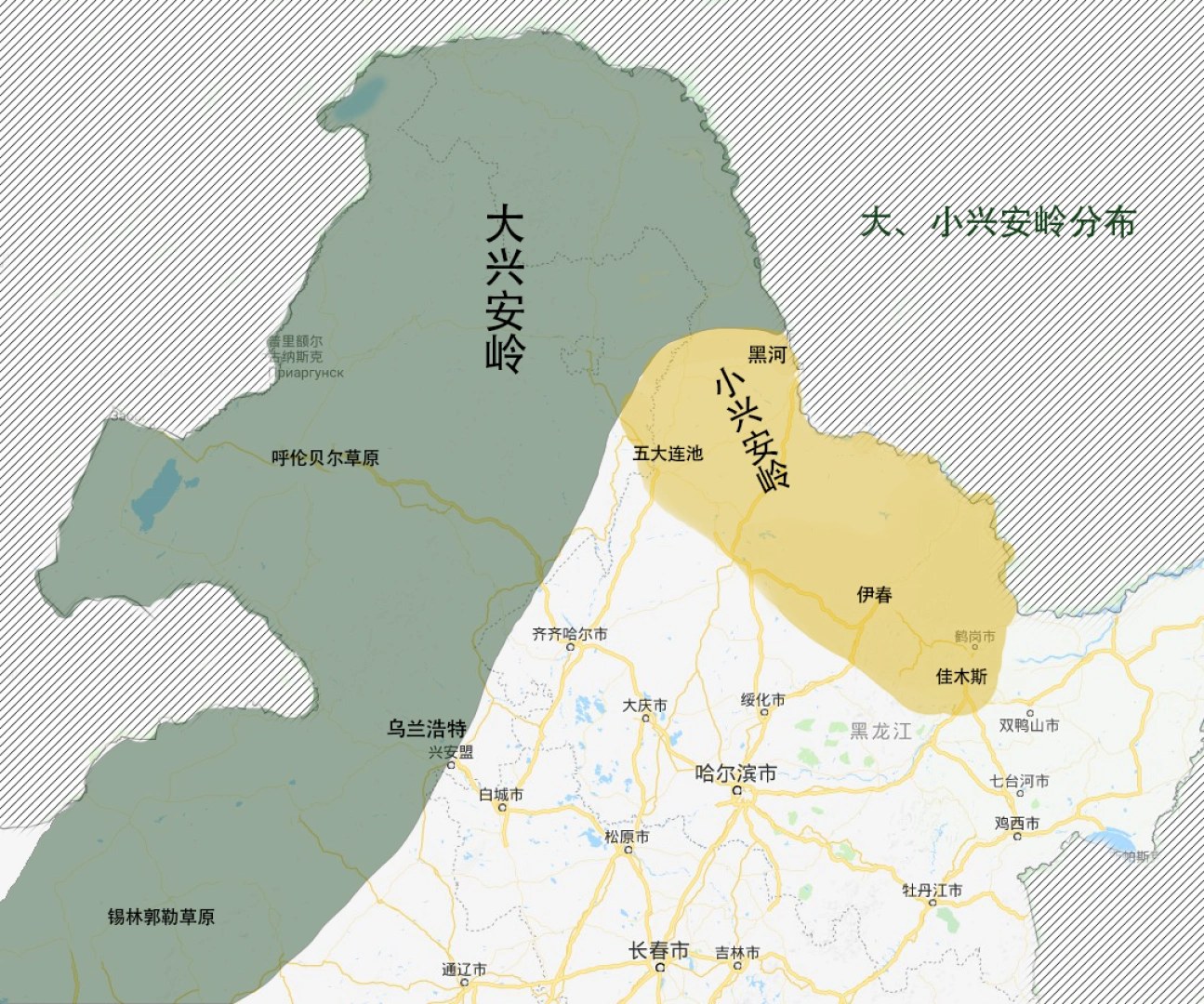
When most people think of "the Northeast" (Dongbei), they immediately picture the three provinces of Heilongjiang, Jilin, and Liaoning. But in reality, the Northeast extends far beyond that — it also encompasses five leagues and cities in northeastern Inner Mongolia. And the Greater Khingan Range we often talk about is actually part of the larger Khingan mountain system.

The Greater Khingan Range stretches south from the upper reaches of the Xar Moron River in Hexigten Banner, passing through the Xilingol Grassland and Hulunbuir Grassland, all the way north to the banks of the Heilongjiang River (Amur River). However, what we commonly refer to as the "Greater Khingan region" starts from the Arxan area and extends north to northern Heilongjiang. The Lesser Khingan Range, on the other hand, is mainly located in north-central Heilongjiang Province, connected to the Greater Khingan in the west, starting from Yichun and heading north along the Heilongjiang River to the Heihe and Wudalianchi areas.
Such a vast expanse of land gives rise to vastly different customs, cultures, and geographical features. Many people don't know what to do in the Northeast, so even during the National Day Golden Week, when tourist attractions across the country are packed, the Northeast still maintains a rare tranquility. But did you know? From mid-September to early October is precisely the most beautiful time of year in the Northeast! If you can avoid the crowds and travel during this period, you'll be treated to an unparalleled visual feast.
Autumn Splendor: A Gallery of Beauty
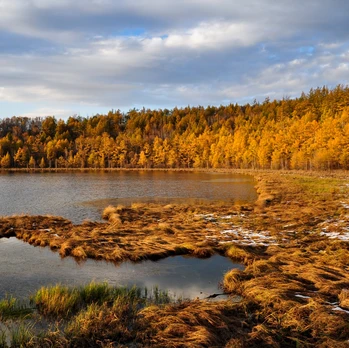
In Arxan, we spent most of the day on the road, rushing from Ulanhot and finally arriving in the evening. Ignoring our fatigue, we climbed over a thousand steps, just in time to catch the sunset and witness that intoxicating gold — Arxan Tianchi (Heavenly Lake) shimmering in the autumn colors.
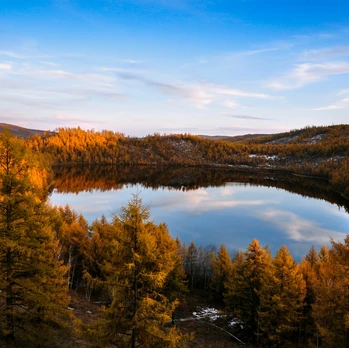
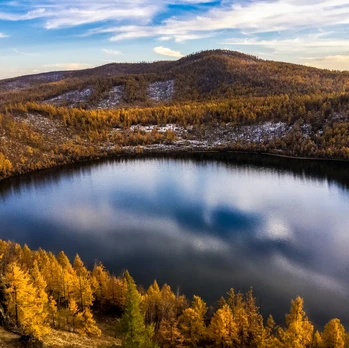
Tuofengling Tianchi (Camel Peak Heavenly Lake) requires a fair amount of physical effort, but when you finally reach the summit, breathless and exhausted, and see that mirror-like lake surrounded by gold, all your fatigue melts away. The scenery changes dramatically from different angles; every turn presents a brand-new painting.
A small scene by the Chaihe River — a casual snapshot looks like a masterpiece. The scenery along the banks of the Heilongjiang River is simply endless — horses grazing leisurely by the river, bathed in the glow of the setting sun, as if they've stepped right out of an oil painting.
Yueliang Tianchi (Moon Heavenly Lake) is also worth a special trip. To see it, we backtracked from Chaihe to Arxan, climbed for a very long time, and exhausted 70% of our energy before finally laying eyes on it. Our little one struggled to reach the top, relying entirely on encouragement and the promise of snacks to keep going. It was no small feat.
From the Kalu (border defense highway), we headed northeast along the border. The scenery along the way was so beautiful it left us speechless. All the words in the world seem pale and inadequate in the face of nature. Golden larch trees lined both sides of the road, their soft needles carpeting the ground, crunching underfoot. Dazzled by the endless autumn colors, we kept stopping along the way. By the time we reached Bailudao (White Deer Island), dusk was approaching. Occasionally, a break in the clouds would let a shaft of light through, and we'd frantically press the shutter to capture that fleeting moment of beauty.
The morning in Linjiang was quiet and serene. The Genhe River is known as the "Pole of Cold" — even in temperatures as low as minus 40 degrees Celsius, this unfrozen river never freezes. The Genhe Wetland had been closed for repairs, so we returned the following year during the National Day holiday and finally got our wish — under the twilight, after the first snow, the Genhe Wetland was breathtakingly beautiful. On the way to Jiagadaqi (Jiagedaqi), we were treated to a stunning sunset. In the forests of Wudalianchi, we stumbled upon a little black squirrel clinging tightly to a pinecone, instantly reminding me of Ice Age and filling me with amusement.
About the Route: How to Plan Your Khingan Mountains Journey
It's worth reiterating here: The Greater Khingan Range and the Greater Khingan region (from Arxan to northern Heilongjiang) are two different concepts. I'll cover the southern part of the Greater Khingan Range in Hexigten Banner in a separate article.
We roughly covered the Greater Khingan region in two trips:
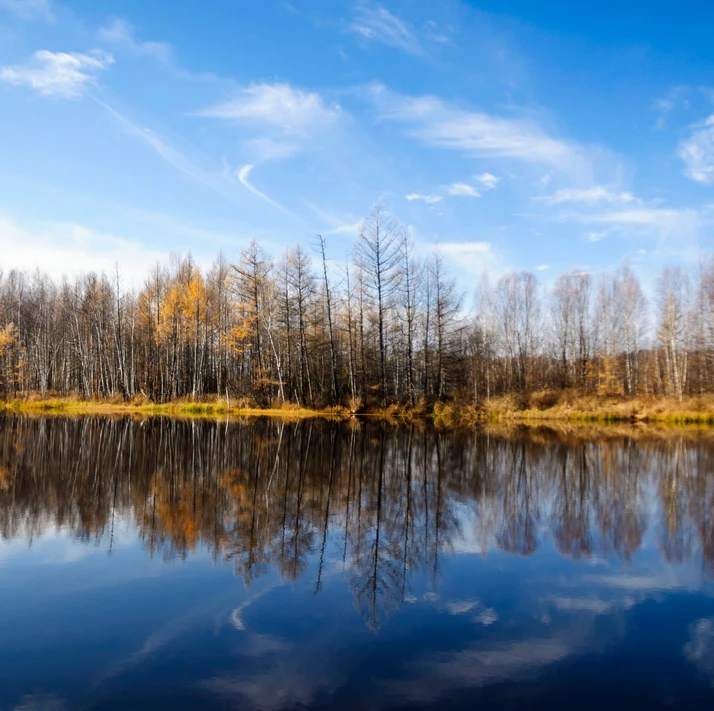
First Trip (Eve of National Day 2016): Starting from Beijing, we went through Ulanhot to Arxan, where we saw the most beautiful autumn colors under the first snow. From there, we passed through Chaihe to the Hulunbuir Grassland, crossed over Heishantou (Black Mountain Pass), and followed the border defense highway along the Ergun River to Shiwei and Linjiang. Then we went through Mo'erdaoga (Mordaoga), Genhe, and on to Wudalianchi, completing a loop back to Beijing.
Second Trip (Eve of National Day 2017): Starting from Harbin, we went to Yichun and entered the heart of the Lesser Khingan Range. Then we followed the Heilongjiang River north, passed through Heihe, and re-entered the Greater Khingan forest region. We traveled from Mohe all the way to Mangui, where we obtained a special permit, and then continued north into the primitive forest area deep in the Greater Khingan — a region that can be called the last virgin land in the Northeast. From there, we reached the idyllic little village of Qiqian, then turned back and went to Shiwei, Genhe, and Erguna. Finally, we left the Greater Khingan region and arrived in Qiqihar, before returning to Harbin.
After these three routes, we've basically covered the most精华 (quintessential) areas of the Greater Khingan. If I had to pick the most stunning, it's undoubtedly the golden autumn of the Greater Khingan — like a dream, no exaggeration.
Best Time: Around September 20th each year. From the 20th to the 28th is when the variety of leaf colors is most complete and the layers are richest. By October, the broadleaf trees begin to shed, leaving mostly conifers. If you want to see the golden larches, you can still catch the tail end during the National Day holiday. But if you have flexibility, I recommend traveling in mid-to-late September for the most完整 (complete) autumn colors.
Pre-Trip Preparation: Details Make the Difference
Clothing
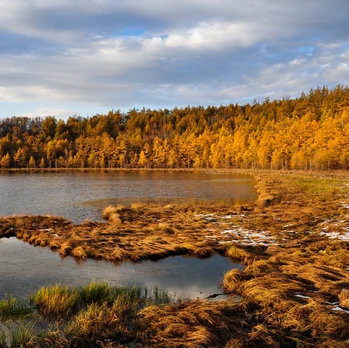
The most essential item for enjoying autumn in the Khingan Mountains is a heavy coat or down jacket. Make sure you have all your winter gear ready and packed! Except for Mangui and Genhe (where heating starts in September), most of the Khingan region doesn't start heating until October 1st. In mid-to-late September, nighttime temperatures drop very low, and there's no heating. Even the famous "mukelei" (log cabin) houses, which are supposedly warm in winter, feel like iceboxes without heating (small electric heaters are basically useless). I'll discuss accommodation choices in more detail later.
Medication
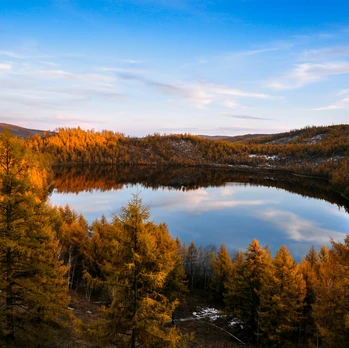
Be sure to stock up on medication, especially cold and flu remedies. Families with children should prepare children's medicine in advance. On our first night in Arxan, our child came down with a fever. The scenic area is basic and has no pharmacies. Fortunately, I always make it a habit to bring a full supply of children's cold medicine and fever reducers. After a night's rest, the little one was bouncing around again the next day. This just shows how important it is to have enough medicine on hand for unexpected situations.
Accommodation
Many people agonize over whether to bring their own electric blanket. Based on our experience, if you choose the right accommodation and ask about heating facilities in advance, you generally won't need one — most hotels, including small inns, provide electric blankets. Decent hotels in towns can basically guarantee heating. However, there are a few places where conditions are relatively poor, such as the small inns inside the Arxan Scenic Area, Heishantou, Shiwei and Linjiang, as well as Mangui and Qiqian. Before booking accommodation in these places, be sure to ask about the heating situation to avoid ending up in an "icebox" and having to find new lodgings.
Driving
The road conditions from Beijing to the Khingan Mountains are generally fine. However, after entering from the border defense highway into Shiwei, you'll notice significant road subsidence. The route from Shiwei, Bailudao, Qiqian, Linjiang, Mo'erdaoga, Taiping Village, to Genhe all has subsidence issues to watch out for. In 2016, the roads were still relatively new, but the subsidence was already noticeable. When we went back a year later, the subsidence had become very severe. We often drove at night, and the subsidence seriously affected driving safety. So, when you encounter subsidence, be sure to slow down.
Autumn-Laden Arxan
Arxan is located in the Hinggan League of Inner Mongolia, straddling the southwestern part of the Greater Khingan Range. Our journey through the Khingan Mountains began here.
On the eve of National Day, after a grueling ten-plus-hour drive, we chose to spend the night in Ulanhot and set out for the Arxan Scenic Area the next day. The drive from Ulanhot to Arxan National Forest Park takes about 5 to 6 hours, taking you from vast grasslands to the forests of the Khingan Mountains. By autumn, the meadows have already turned yellow, and herders are busy cutting hay in the last days of autumn to feed their livestock through the winter. Distant mountains, meadows, and shrubs form a pastoral landscape. As we neared Arxan, the combination of grassland and forest began to emerge. Although the weather wasn't great, the layers of color after the first snow were immediately apparent. Herders had already rolled the harvested hay into large bales, scattered across the vast grasslands, creating a unique charm.
Main Attractions in the Scenic Area
The core attractions worth visiting in Arxan National Forest Park include: Arxan Tianchi (Heavenly Lake), Tuofengling Tianchi (Camel Peak Heavenly Lake), Shitanglin (Stone Forest), Dujuanhu (Azalea Lake), San Tan Xia (Three Gorges), and Yueliang Tianchi (Moon Heavenly Lake).
Tickets and Self-Driving Notes
Tickets can be purchased online or at the entrance and are valid for two days. Be sure to keep your ticket with you at all times, as each attraction requires a separate ticket check. You must purchase the scenic area shuttle bus ticket. Before 7:00 AM and after 5:00 PM, when staff are off duty, you can drive your own vehicle to the main attractions mentioned above. At all other times, you must take the shuttle bus to enter any attraction and will be subject to ticket checks.
On our first visit, we only bought the main entrance ticket and skipped the bus ticket. We entered the scenic area after 4:00 or 5:00 PM, so we could drive in ourselves. But the next day, we found that we had to take the shuttle bus to enter any attractions. In the end, we had to drive all the way back to the ticket office to buy bus tickets. So, buying both tickets together in advance is crucial.
Road Conditions
When we went to Arxan, the roads were in pretty good shape. However, according to other travelers, the roads in Arxan have now started to subside, so drive carefully and slow down when you encounter subsidence.
Accommodation Options
There are two accommodation choices: Arxan Yiershi Town or inside the scenic area. Both have pros and cons. If you choose to stay near Arxan city, the conditions will be much better than inside the scenic area, but the downside is that it's far from the attractions, and you'll waste a lot of time on the road. If you choose to stay inside the scenic area, the advantage is obvious — you can wake up early to watch the sunrise and catch the sunset in the evening, without delaying your sightseeing the next day. The downside is that the accommodation conditions are basic, just small inn-style rooms, so you can't expect too much.
One thing to keep in mind: After mid-to-late September, nighttime temperatures in Arxan are very low. Be sure to ask about the heating facilities at your hotel, feel the room yourself, and compare a few options. Most hotels in the scenic area have electric blankets, so you won't feel too cold when sleeping.
Wusun Langzi Lake (Prodigal Son Lake)
The first attraction you encounter when entering the Arxan Scenic Area is Wusun Langzi Lake. It's a barrier lake formed during volcanic geological activity. The name "Langzi Lake" (Prodigal Son Lake) alone is enough to spark the imagination. In golden autumn, the lake looks like it's been run through a movie filter — beautiful as a painting. Although the lake isn't very large, the autumn colors frame it in a way that feels serene and lovely. Our little one had a great time picking up leaves and searching for stones by the lake.
Arxan Tianchi and Dujuanhu at Dusk
The large and small tianchi (heavenly lakes) in the Arxan Scenic Area are both crater lakes left behind by volcanic activity. Arxan Tianchi, Tuofengling Tianchi, Di Chi (Ground Lake), Chaiheyuan Tianchi (Chaihe Source Heavenly Lake), Yueliang Tianchi, etc., all belong to the Halha River volcanic group, also known as the Arxan volcanic group. The numerous large and small crater lakes in Arxan constitute the highest concentration and largest number of high-altitude crater lakes found in a single location anywhere in the world. Arxan Tianchi is the third-highest high-altitude crater lake in China, at an elevation of 1,332 meters, second only to Changbai Mountain Tianchi and Xinjiang's Tianshan Tianchi.
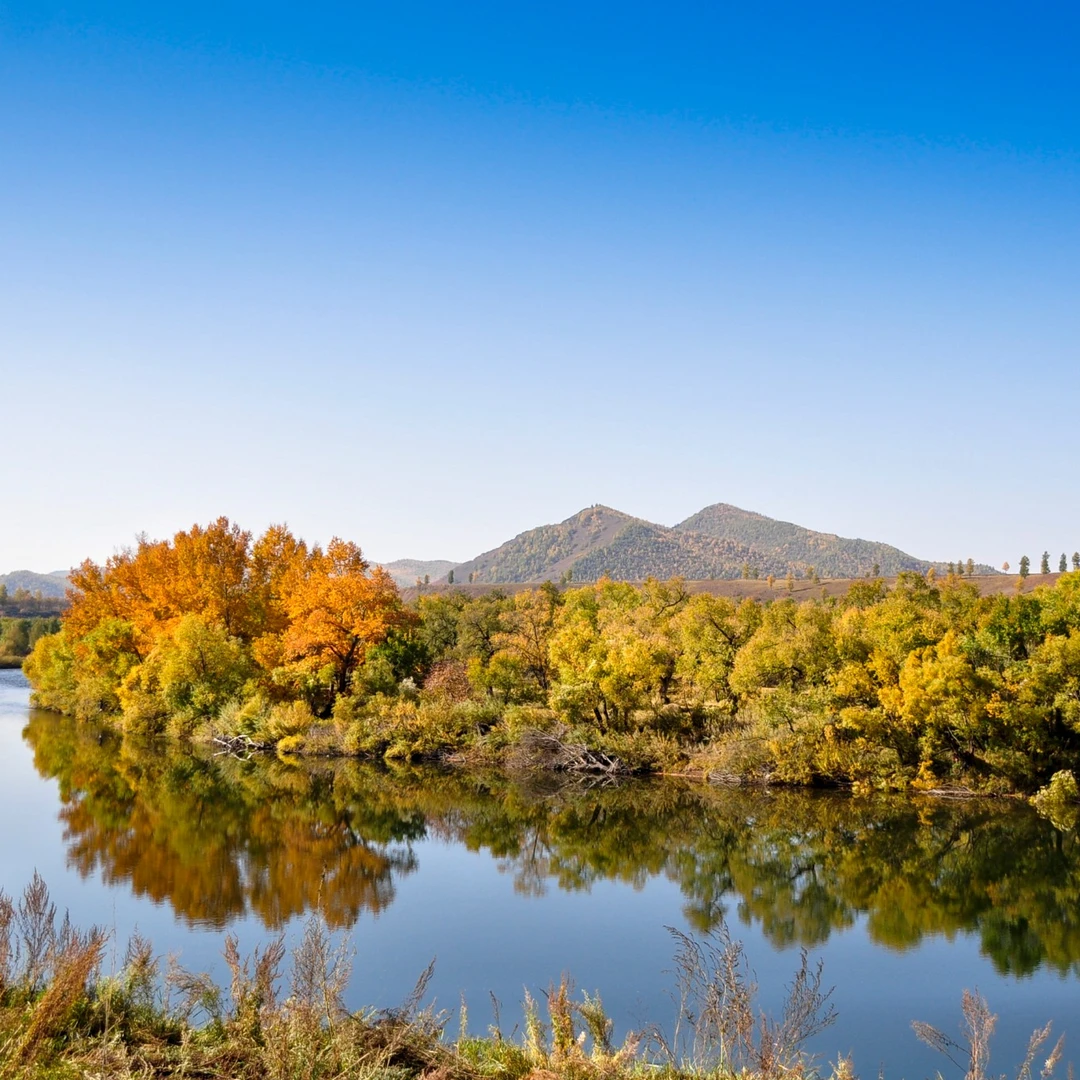
We arrived at the foot of Arxan Tianchi near dusk, when there were no staff members around. Climbing up requires about 20 minutes of stairs. The stairs, not very wide and with a moderate incline, are flanked by golden, dense forests. Looking down from a high point, you can only see a small area; most of the view is blocked by the surrounding trees. I had been lamenting that there was no sunlight on our first day, but to my surprise, as we climbed higher, we could see golden light spreading across the lake's surface.
Standing on the observation deck of Arxan Tianchi, everything within sight was a sea of gold. Under the thin layer of first snow, the colors were even more distinct. However, since there's no higher vantage point, you can't see the full shape of the lake, but it appears to be oval. Legend has it that the lake has many mysterious qualities — it's very deep, unfathomable, its water level remains constant year-round, and it has no fish. People have tried to stock it with fish fry, but to no avail. Even more astonishingly, this crater lake has no river flowing into it and no outlet channel.
With the last rays of the setting sun, we quickly descended and drove to Dujuanhu. Along the way, we saw golden twilight. By the time we reached Dujuanhu, there were no other tourists, and the temperature was dropping rapidly, but in the final glow of the sunset, we saw the most beautiful scenery. Dujuanhu at dusk looked like a real-life version of the painting Fishing in the Cold River — "Mist veils the river, gulls and egrets fly; beneath the surface, fish shiver in the cold, hard to catch. In the frost, an old fisherman taps his oar and sings; under the bright moon and reeds, his whereabouts are unknown."
Spending the Night in Arxan
Considering we wanted to get up early to watch the sunrise the next day, we chose to stay inside the scenic area. There's a relatively concentrated hotel zone in the scenic area. Even near the end of September, just before National Day, there weren't many tourists, so we didn't need to worry too much about finding a room. Since nighttime temperatures in Arxan are very low, it's essential to find a hotel with a warm room. Most of these hotels have their own heating systems and electric blankets, but you need to check the actual temperature.
We looked at two or three inns before settling on one that seemed larger and could basically guarantee a warm room. Most hotels combine dining and accommodation, so finding food wasn't a problem, but we couldn't be picky about the taste. We just ate whatever was available to fill our stomachs.
That evening, we had planned to go stargazing, but our child suddenly developed a fever. There was no place to buy medicine in the scenic area. Thankfully, I always prepare a small bag specifically for medicine before a trip (with all essential travel medications), including various children's medicines, fever patches, a thermometer, etc. It came in handy at a critical moment. Our little one barely ate dinner and wasn't in good spirits. After taking the medicine, they fussed for a long time. Our stargazing plans were completely ruined, and we spent a miserable night listening to our child's groans.
Sunrise at Tuofengling
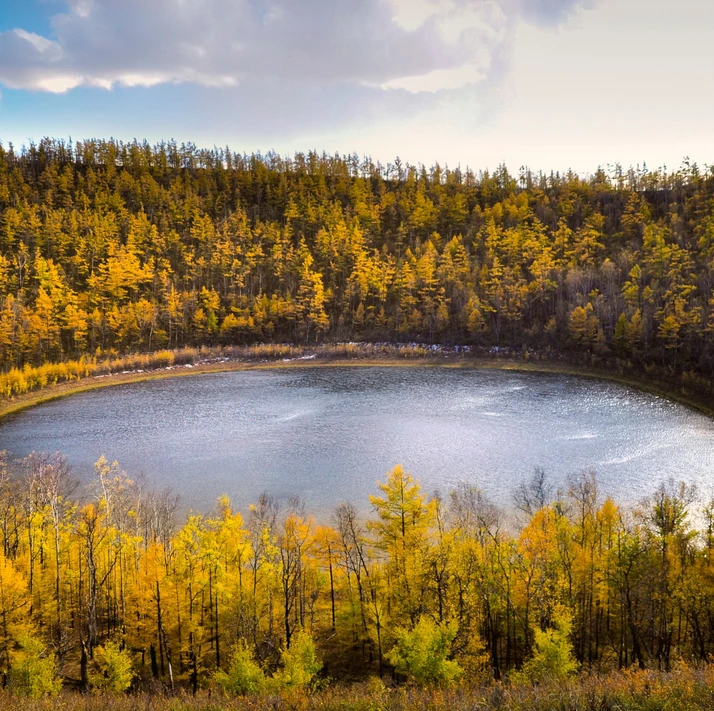
My husband is the type who sleeps in at home but is wide awake and energetic when traveling. Just after 6:00 AM, full of energy, he rushed out and drove alone to Tuofengling. At Tuofengling Tianchi, there are two routes after climbing up: one to the summit and one down to the lakeside. He didn't know this at the time and randomly chose the path to the lake. The lake in the early morning was very cold, but the scenery was nice. He wandered around the lake taking photos for a long time but didn't see the sunrise; he just noticed the light getting stronger. He vaguely heard people talking on the mountain but couldn't find the path to the top. It wasn't until the sun gradually rose and the trees by the lake were bathed in warm light that he realized: the sunrise had already passed.
Not willing to give up, he finally decided to go up the mountain to investigate and climbed all the way to the summit. There, he discovered that Tuofengling is surrounded by hills that block the view, and the sun rises behind the mountains, so even from the summit, you can't see the sunrise. The only thing you can see is the sunlight spreading across the lake and the forest after the sun has risen.
The Importance of the Shuttle Bus
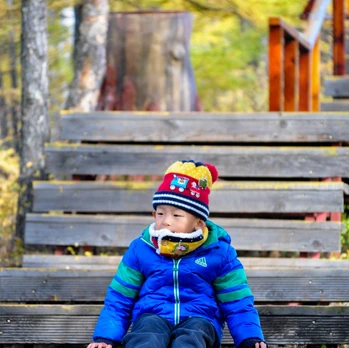
Although the shuttle bus ticket and the entrance ticket are sold separately, you must buy the bus ticket. While you can drive your own car into the scenic area during the off-season, the attractions have ticket checkpoints, and during the day, you need to take the shuttle bus to enter. We wasted time because we hadn't bought the bus ticket.
After my husband returned from watching the sunrise at Tuofengling and we set out again, it was already past 8:00 AM. We originally planned to drive directly to San Tan Xia, but there was a checkpoint, and we had to show our shuttle bus ticket to pass; private vehicles were not allowed. If we had to go back to the main entrance to buy bus tickets, it would have taken a long time. We tried to negotiate with the staff to let us in by paying directly, but after a long discussion, we failed. In the end, we had to drive back to the entrance to buy bus tickets and then return.
So, let me emphasize the bus situation: During the off-season, generally between 5:00 PM and 7:00 AM, you can drive to attractions like San Tan Xia, Dujuanhu, and Tuofengling Tianchi. But during the day when staff are working, you have to park at the attraction's parking lot and take the shuttle bus. If you want to watch the sunset or sunrise, you can drive in between 5:00 PM and 7:00 AM. But keep in mind that it gets dark early, so you can only choose one attraction for sunset; otherwise, you won't have enough time.
Scenery Along the Way Back to the Main Entrance
Because we hadn't bought bus tickets the day before, we had to retrace our steps early in the morning. But there was a silver lining — we had arrived near dusk the previous day and hadn't had a chance to see the scenery along the way. Today, the weather was exceptionally clear, and since it had just snowed a few days ago in Arxan, a pristine layer of first snow covered the dark green moss, and everything around was a sea of gold. Not far from our hotel, there was a small pond. It wasn't a designated scenic spot, but the view was beautiful. After a night's rest, our little one was bouncing around again.
San Tan Xia (Three Gorges)
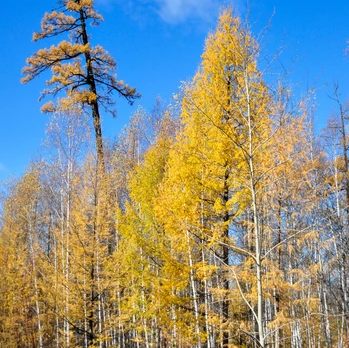
After buying the bus tickets, we finally entered the road to San Tan Xia. San Tan Xia is located in the upper reaches of the Halha River and is famous for its three pools. The entire attraction is connected by wooden boardwalks, and it takes about 1 to 2 hours to explore. The first pool is called Woniu Tan (Crouching Ox Pool), named after the large and small ox-like rocks scattered across the river in front of it. Beside the boardwalk is a birch forest — white trunks and golden leaves, strikingly beautiful against the blue sky. The second pool is Hushi Tan (Tiger Stone Pool), with huge, irregularly shaped rocks above the water. After passing Hushi Tan, you enter a forested area surrounded by towering trees. This is the source of the Halha River. The remaining snow on the boardwalk was covered by a new, soft layer of fallen needles, which crunched underfoot along with the snow.
Di Chi (Ground Lake) and Shitanglin (Stone Forest)
After leaving San Tan Xia, you'll see another attraction — Di Chi. It's not very large, and the scenery isn't particularly outstanding; it's fine to just take a quick look as you pass by. Shitanglin is a geological relic left by volcanic eruptions and is the largest recent dead volcano basalt landform in Asia. Its landscape is somewhat similar to parts of Wudalianchi, but the vegetation has recovered and grown more lush. The gray-black parts are the remnants of cooled lava, and the vegetation growing on this basalt is entirely natural, demonstrating nature's remarkable power of recovery. The ponds within Shitanglin are very clear, adding a touch of liveliness to the scenery. Dormice hiding in the rock crevices occasionally poke their heads out, looking very cute.
After leaving Shitanglin, you'll see Guibei Yan (Tortoise Shell Rock) — a very isolated rock. Not far away, there's another small lake, which seems to be Yanjing Hu (Glasses Lake), also with nice scenery.
Dujuanhu (Azalea Lake) and Tuofengling Tianchi (Camel Peak Heavenly Lake)
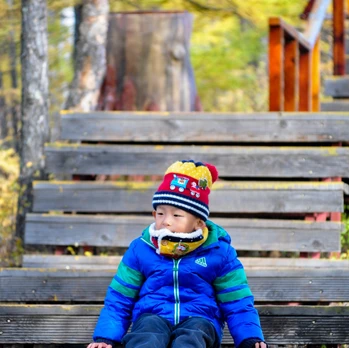
Dujuanhu is a lake formed when lava flows blocked a river valley during a volcanic eruption. It connects to Songye Hu (Pine Leaf Lake) upstream and the Halha River downstream, making it a good spot for watching sunrise and sunset. After getting off the shuttle bus and entering the attraction, you need to walk along a long boardwalk, surrounded by lava platforms and dense forests. The platforms are covered with golden larches, like a warm, thin blanket. Dormice, carrying grass in their mouths and running with their plump bellies bouncing, add a touch of vitality to this serene scene. Dujuanhu once suffered a major forest fire, and all the vegetation was destroyed. Some remnants of the fire have been preserved as a warning to future generations. The lake is wide and named for the azaleas that bloom on its shores. Unfortunately, azaleas bloom in spring, so in autumn, only a golden expanse surrounds the lake.
Tuofengling Tianchi is also a high-altitude lake formed when water accumulated in a volcanic crater after an eruption. Climbing from the foot of the mountain to Tuofengling requires some physical effort, about 20 to 30 minutes. The golden forests beside the stairs, illuminated by the setting sun, were breathtakingly beautiful. Our little one struggled a bit but had plenty of spirit. After a climb, we finally saw the lake. It was the perfect time to watch the sunset. The warm light spread across the lake, and the whole world seemed to fall silent.
Conclusion: Falling in Love in the Most Beautiful Season
The journey through Arxan and Chaihe is just the beginning of our traverse through the heart of the Greater and Lesser Khingan ranges. The beauty of this land extends far beyond. From the golden lakes of Arxan to the serene shores of Chaihe, from the magnificent views along the border defense highway — every place leaves you longing to stay.
If you, too, yearn for that mysterious land, set out in mid-to-late September. Pack your warm clothes, stock up on medicine, plan your route, and go experience those forests bathed in gold. Listen to the rustling of larch needles in the wind. Encounter the little animals hidden among the trees. Embrace that intoxicating autumn.
Trust me — when you stand at the summit of Tuofengling Tianchi and watch the sunset paint the lake gold, you'll feel that all the travel and fatigue were worth it.
Preview of the Next Article: We'll set out from Arxan, follow the Chaihe River north, venture deep into the Hulunbuir Grassland, travel along the border defense highway beside the Ergun River, and head to Shiwei, Linjiang, Mo'erdaoga, and finally Genhe. An even more magnificent autumn awaits us there. Stay tuned!
This article is original content. Reproduction without permission is prohibited. Follow our WeChat public account "FunukaY旅行在路上" (FunukaY Travel on the Road) for more travel stories.
You should also read:
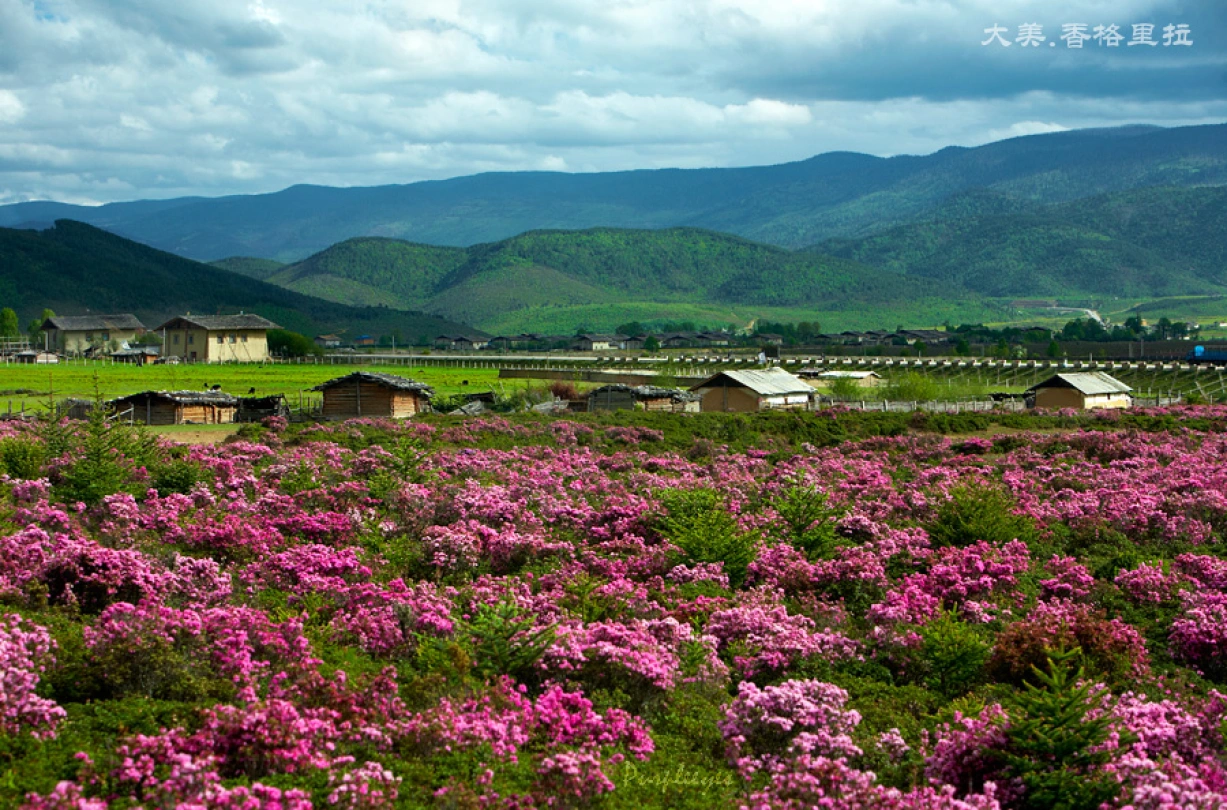
Drunk in Shangri-La: The Ultimate Guide to the May Azalea Sea
Drunk in Shangri-La: The Ultimate Guide to the May Azalea Sea Prologue: When Spring Arrives Late on the Plateau If you ask me what the most beautiful season in Shangri-La is, I'll answer without hesitation: from late May to early June. That's when the bitter…
Continue reading...
Heart Soaring Among the Clouds: A 20-Day Yunnan Dream Journey
Heart Soaring Among the Clouds: A 20-Day Yunnan Dream Journey From Lijiang's morning light to Meili's snow-capped peaks, from Yubeng's hidden realm to Lugu Lake's tranquility—this was not just a simple trip, but a soul's exile and homecoming. "Never forget why you started, and you…
Continue reading...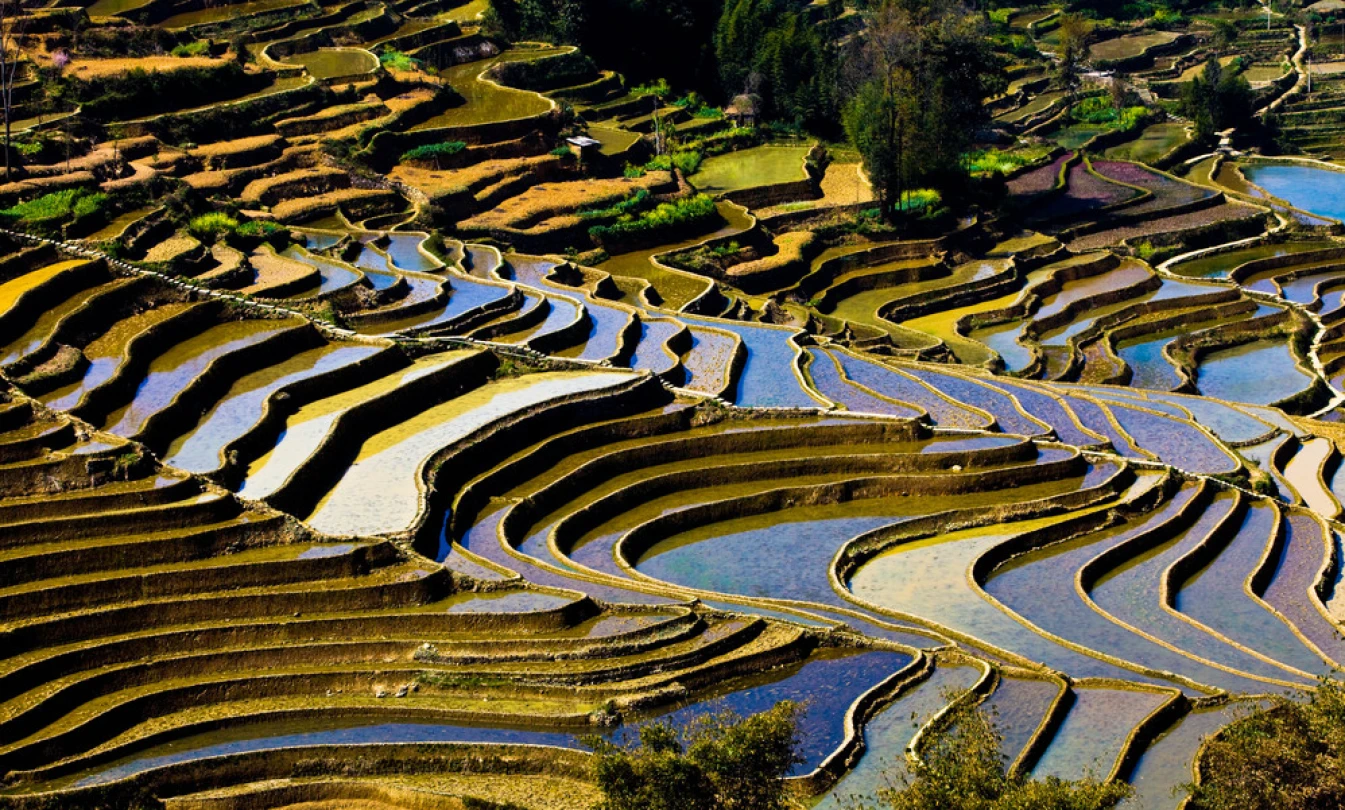
Fly to Yuanyang! — A Complete Photography Guide
Fly to Yuanyang! — A Complete Photography Guide A Spontaneous Photography Journey Every year after the Spring Festival, airfare to Kunming hits its lowest point. This year, the holiday came unusually early, and February is precisely the most captivating season for the Yuanyang rice terraces.
Continue reading...