Until We Meet Again: The 2024 Autumn of Lijiang, Just Like Our First Encounter
Until We Meet Again: The 2024 Autumn of Lijiang, Just Like Our First Encounter
2024 has unfolded like a meticulously orchestrated symphony, each note carrying the weight of sweat and laughter. This year, my family faced our daughter's college entrance exams—from burning the midnight oil in preparation, to the anxiety of waiting for results, to the painstaking deliberation over college applications. Every step felt like walking a tightrope. When the dust finally settled in August, we immediately threw ourselves into the "battlefield" of home renovation: selecting companies, avoiding pitfalls, negotiating contracts—each stage testing our patience and wisdom.
Just as I thought I could finally catch my breath, the labor union notification arrived—a project supporting the sustainable development of Yunnan students needed a coordinator. I took on the responsibility without hesitation. From teaching interactions to preliminary communications, from material procurement to later-stage promotion, and even organizing a staff meeting during the CEO's visit to China, my days were wound up like a clockwork spring.
It wasn't until the donation event in Heqing County, Dali, was successfully concluded that I finally granted myself a long vacation, inviting my husband and daughter to gather in Lijiang. This was not merely a reunion with the ancient city but a heartfelt embrace with my family. The emotion of that first encounter, as if time had flowed backward, brought our hearts close together once more.
Itinerary Overview: Ten Days of Slow Travel in Lijiang and Heqing
- Hotel Recommendations: Heqing Yinyuan Hotel, Lijiang Shanchi Snow Mountain Smart Hotel, Lijiang Sfeel Designer Hotel
- Photography Gear: Canon 77D with 18-55mm lens
- Itinerary: D1: Shanghai → Lijiang → Heqing D2: Donation at Heqing Daying Primary School + Xinzhuang Primary School D3: Heqing → Lijiang D4: Lijiang Old Town D5: Black Dragon Pool + Yuhu Village D6: Daughter's Arrival + Old Town Photoshoot D7: Blue Moon Valley + Baisha Ancient Town D8: Horseback Riding at Lashihai + Cloud's End D9: Lijiang Old Town + Mu's Residence D10: Lijiang → Shanghai
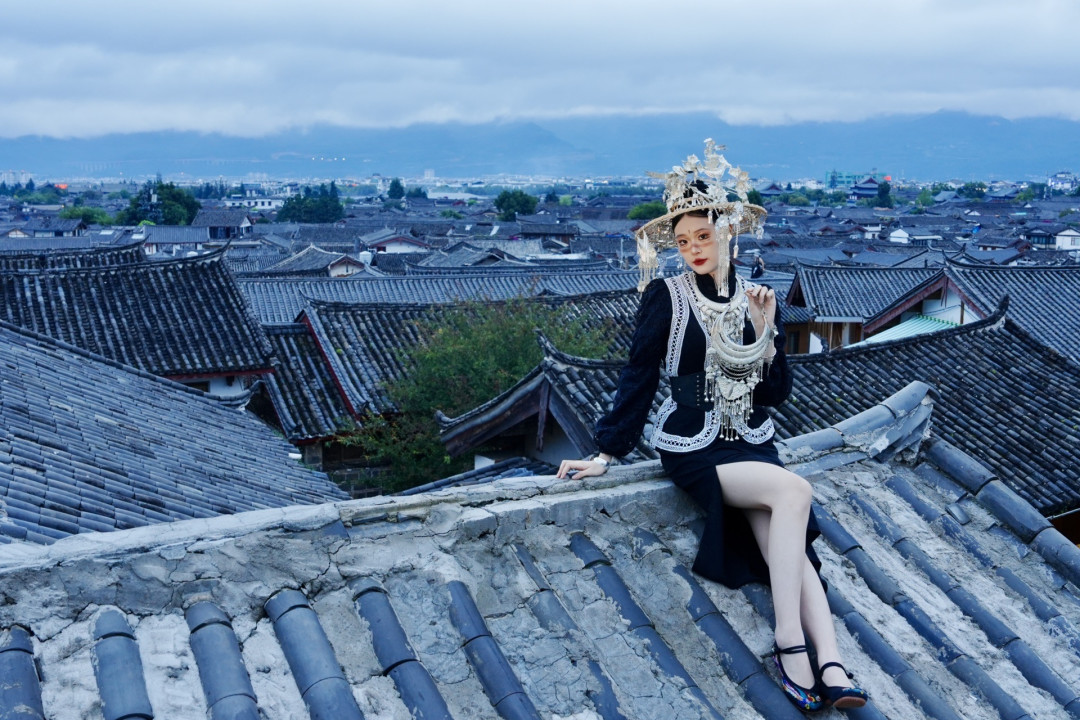
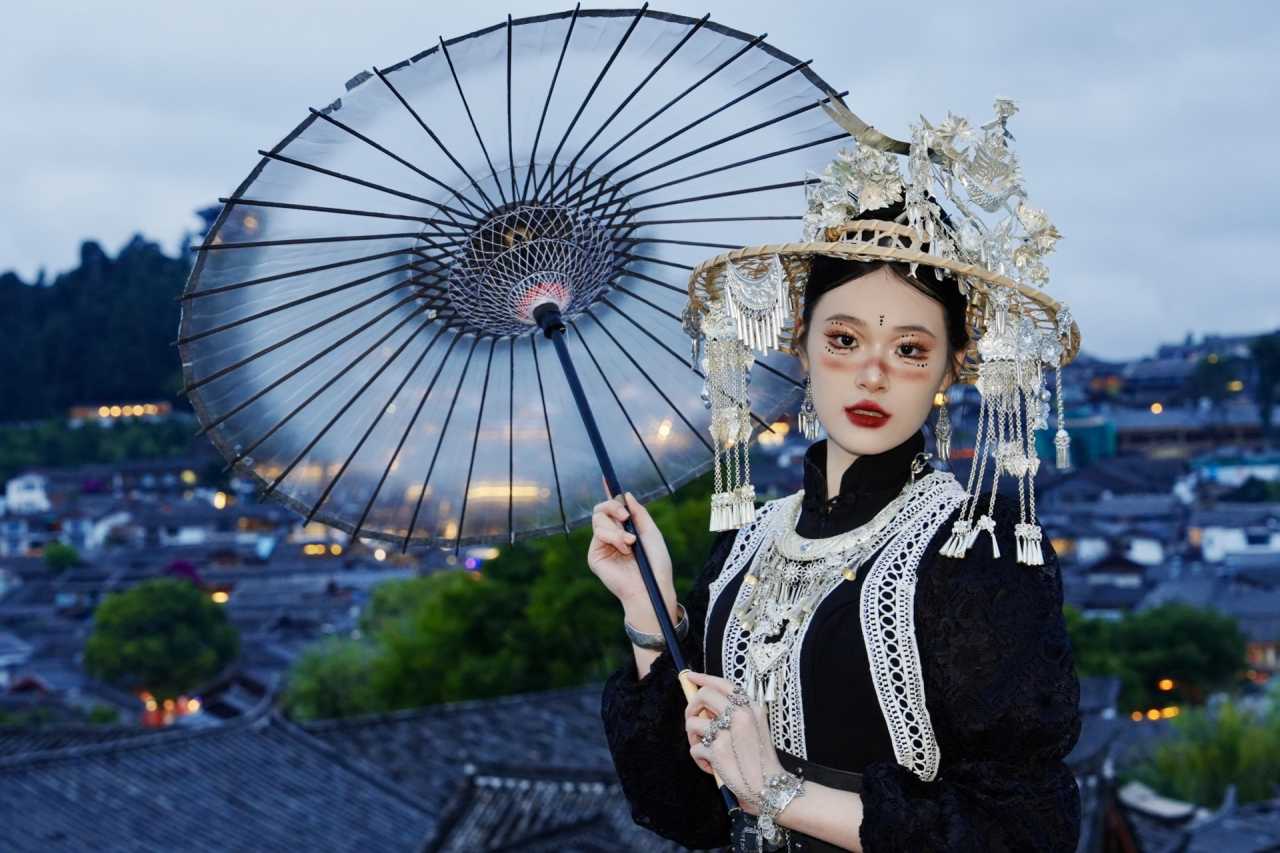
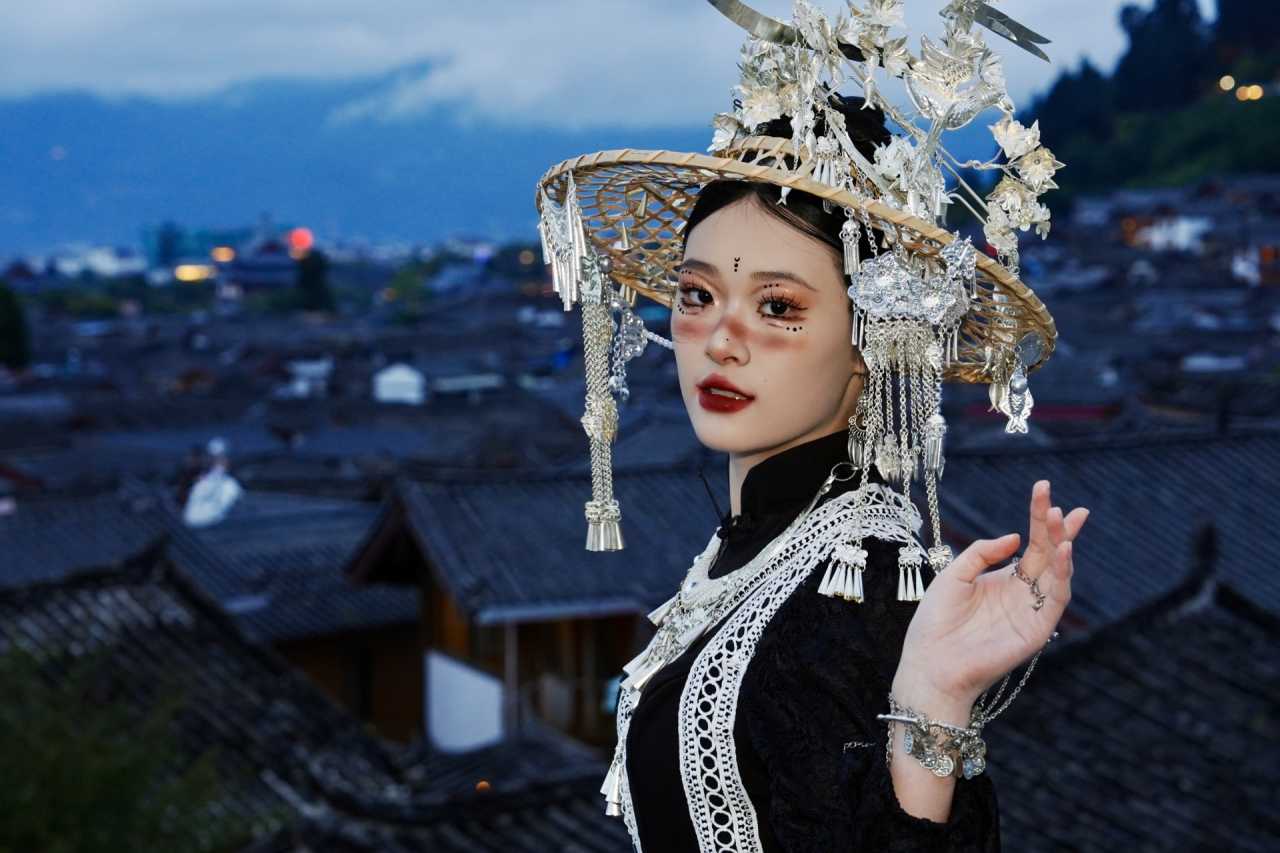
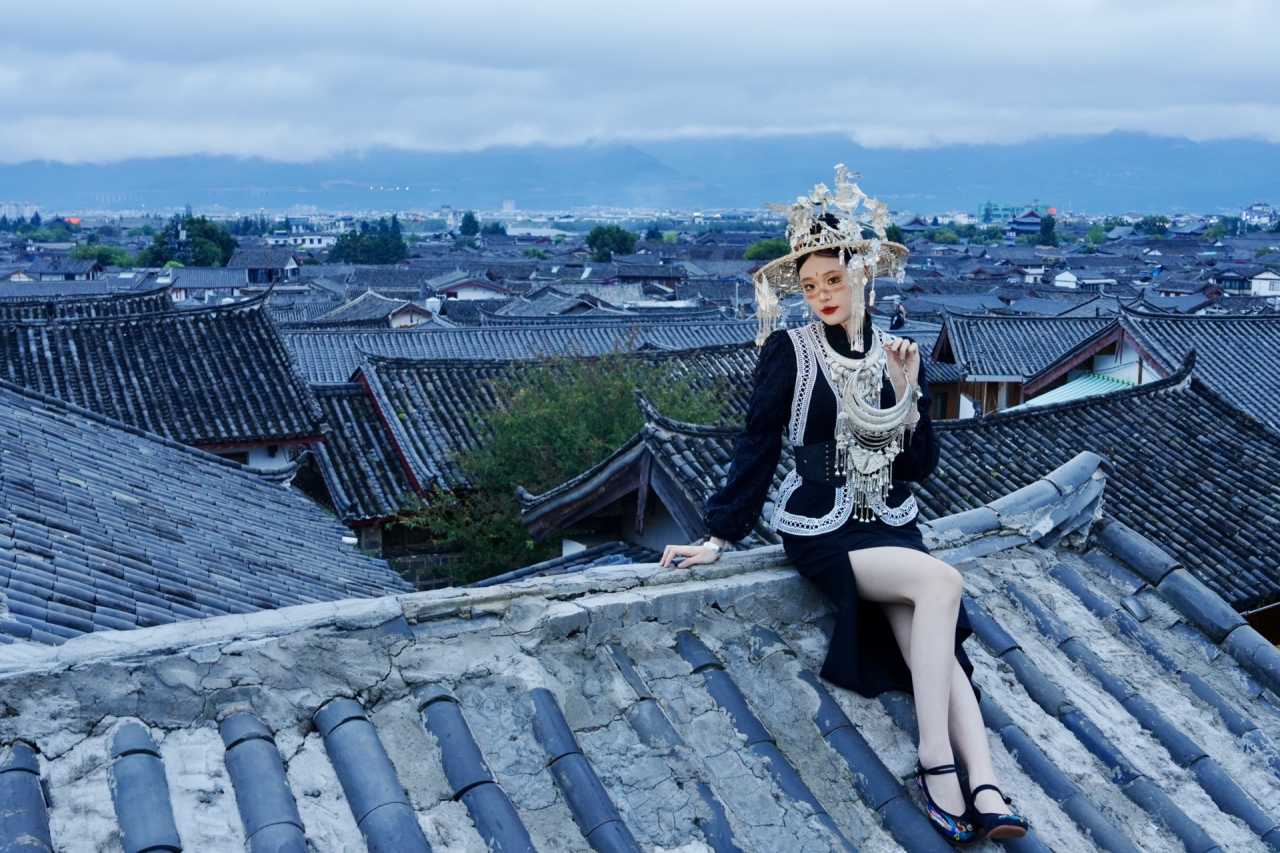
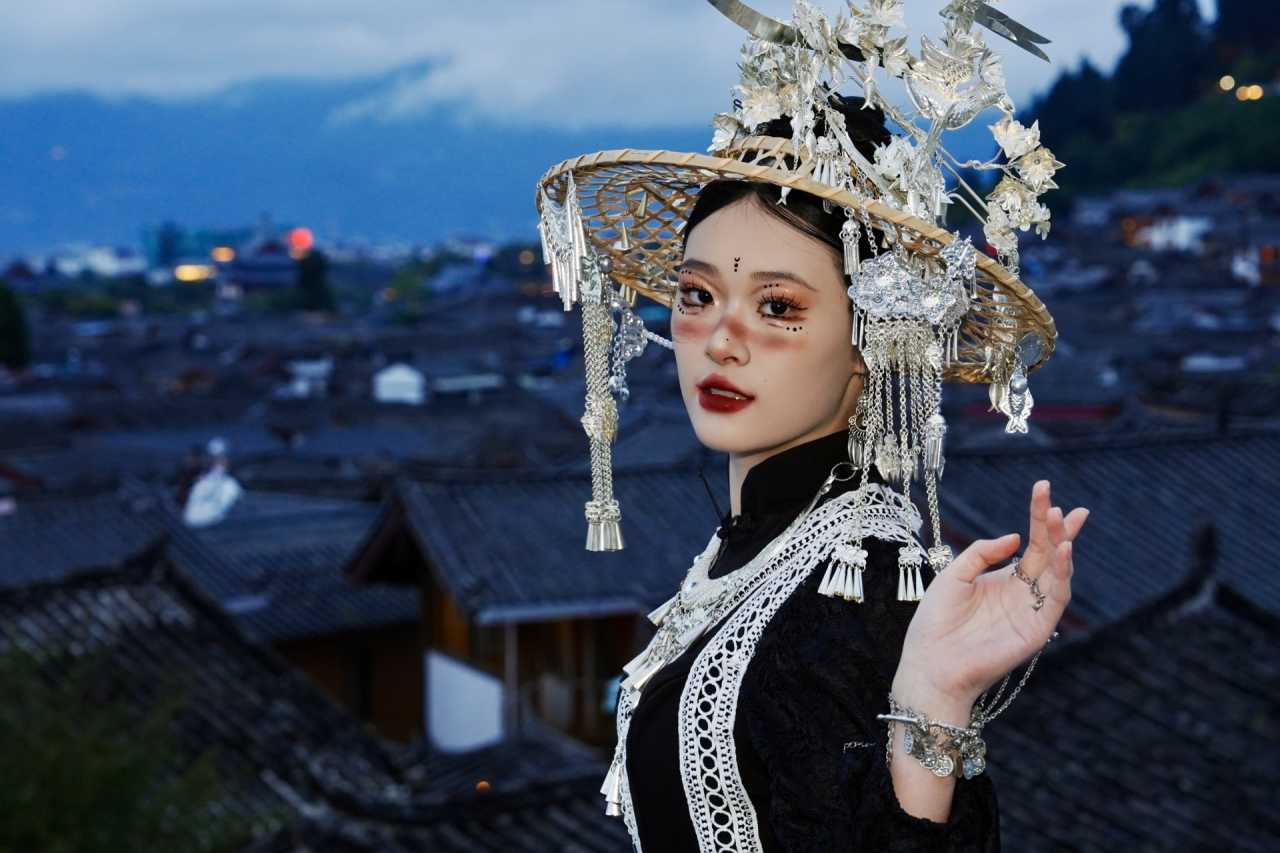
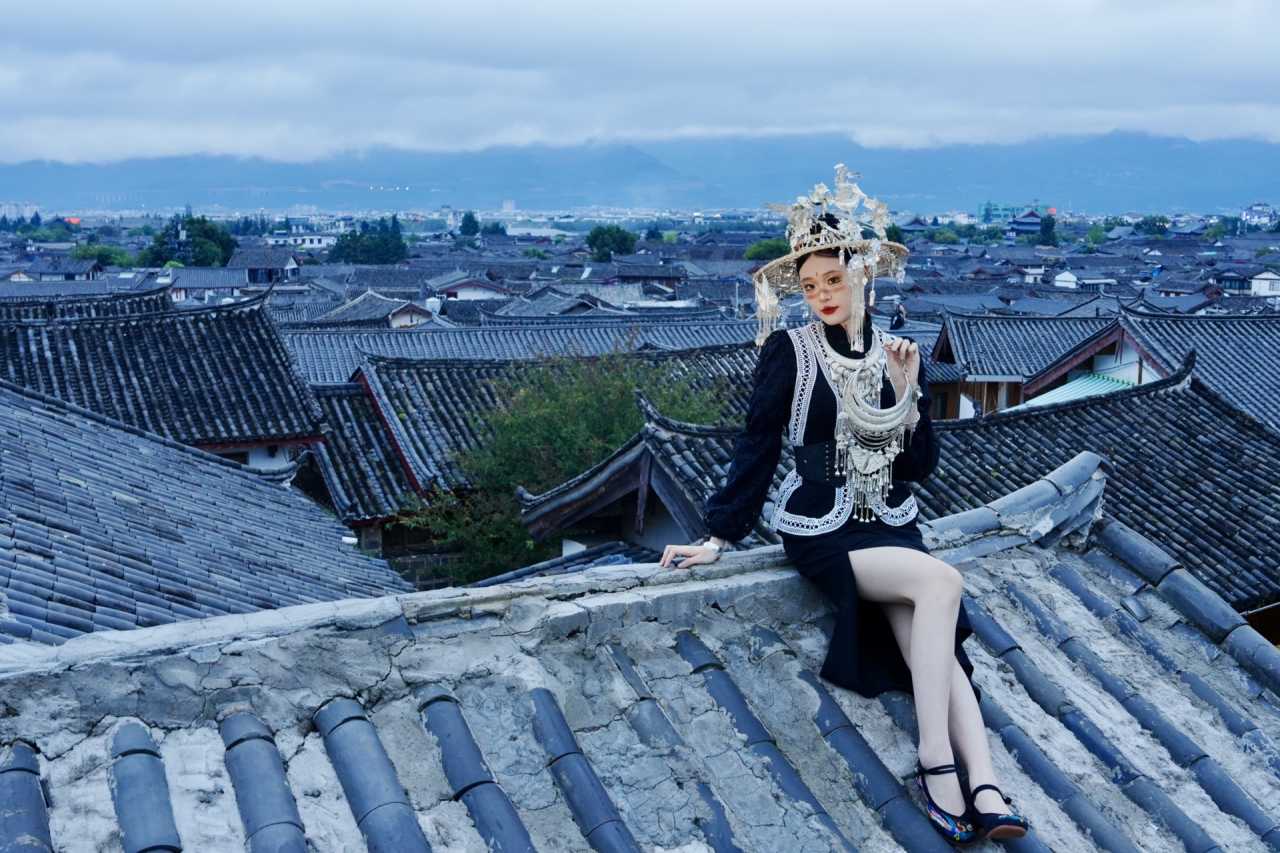
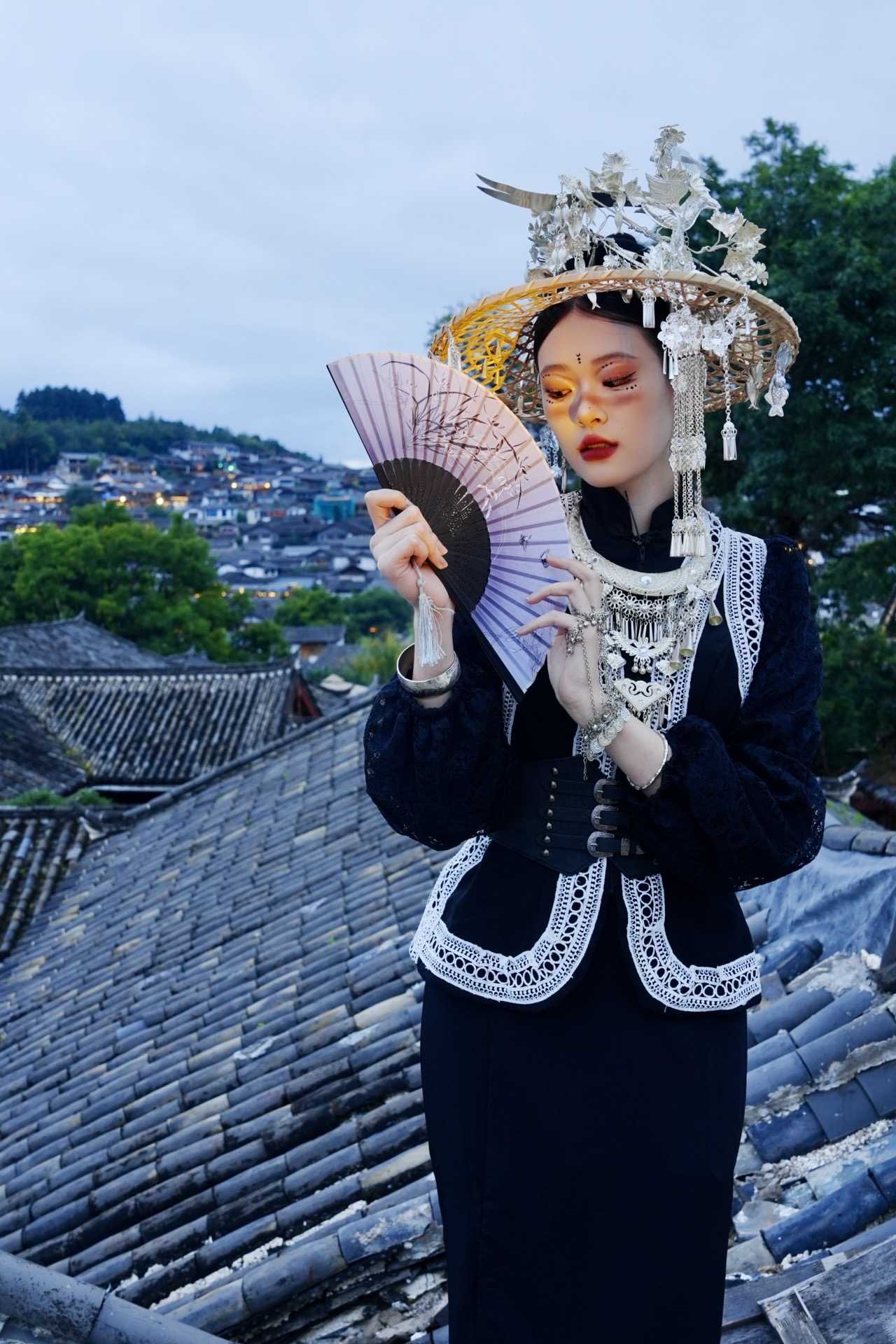
This journey truly let me experience Lijiang's "slow life": gazing at rooftops, sipping coffee, getting manicures, and browsing small shops. The biggest highlight was my daughter's stunning debut as a photoshoot model—she wore a custom Miao (Hmong) ethnic costume and had a series of portraits taken, with no matching outfit to be found anywhere in the old town. Let me share some beautiful photos first. These come from the top-rated Lijiang travel photography studio on Douyin (TikTok China). The raw images are already gorgeous, and the retouched versions are even more vibrant. For all the sisters heading to Lijiang, go for it!
D1: Arriving in Heqing, Exploring the Silverware Hometown
We flew from Shanghai to Lijiang early in the morning and arrived in Heqing around one in the afternoon. Our hotel was located in Xinhua Village, Heqing County, Dali Prefecture—known as "China's No.1 Silverware Village." The history of silverware crafting in Xinhua Silver Art Town dates back to the Tang and Song dynasties. Situated along a vital transportation route, it once served as an important post station on the Ancient Tea Horse Road, providing fertile ground for the spread of silverware techniques.
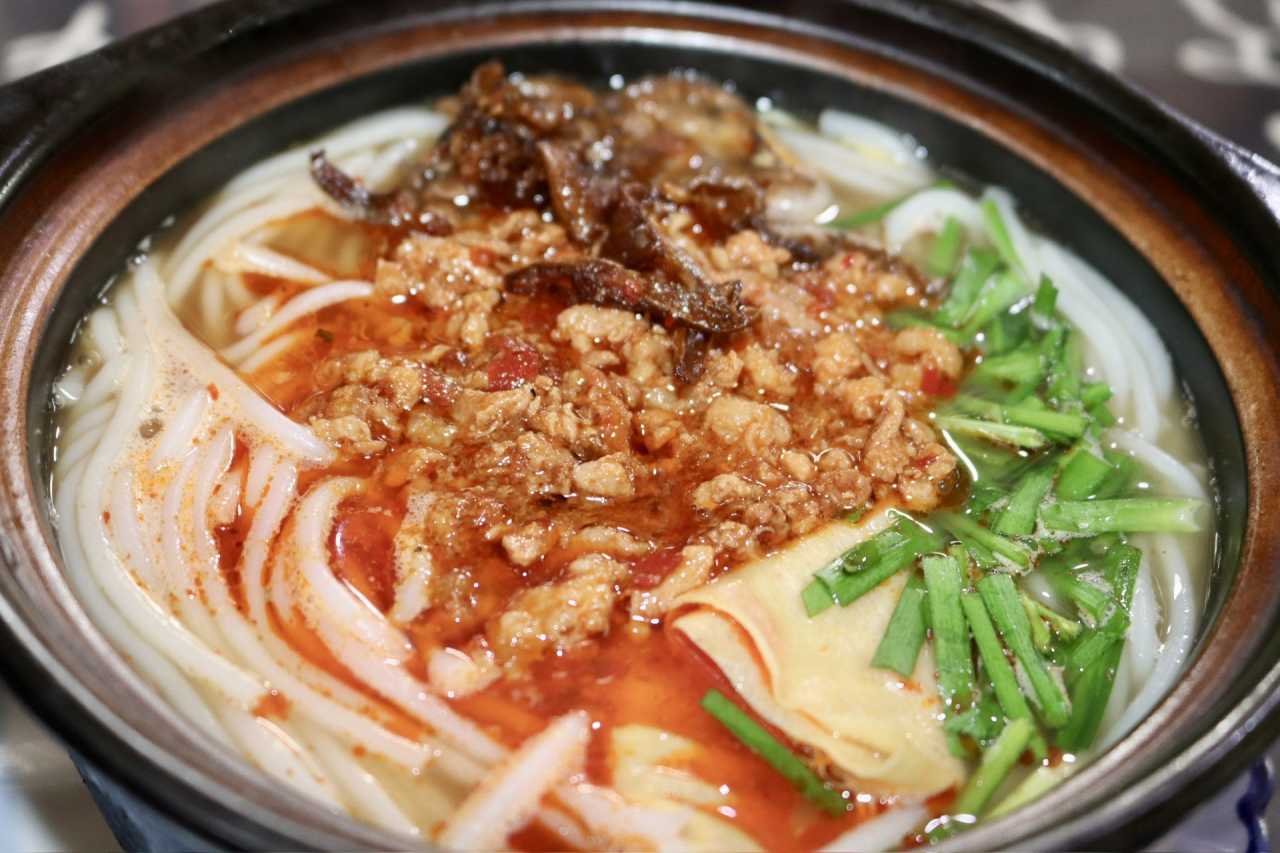
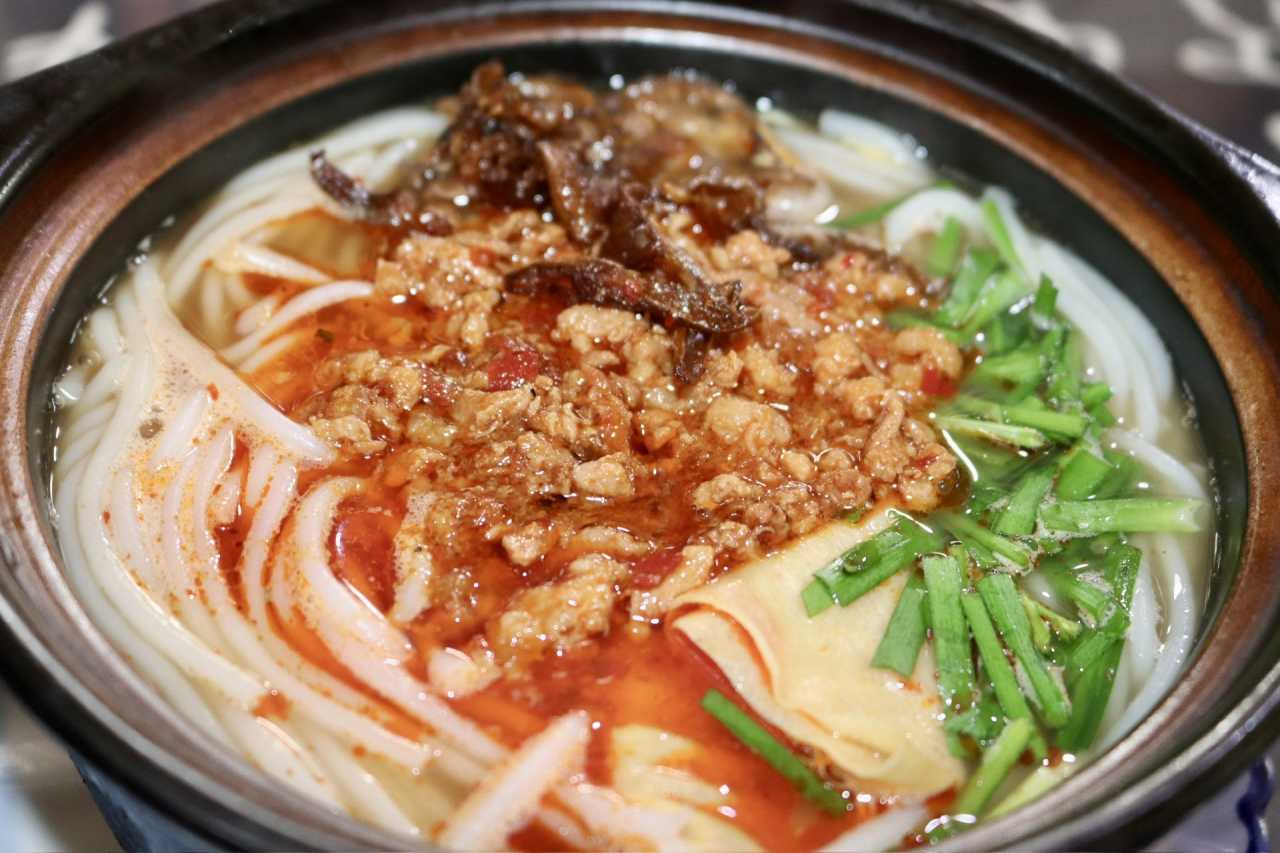
This art-filled town carries the millennium-old history of Chinese silverware craftsmanship, showcasing the brilliance of traditional handicrafts. We had lunch in the town first—I ordered small-pot rice noodles (米线), while my colleague chose braised rice noodles. They were served quickly, with a flavorful broth, and both tasted great.
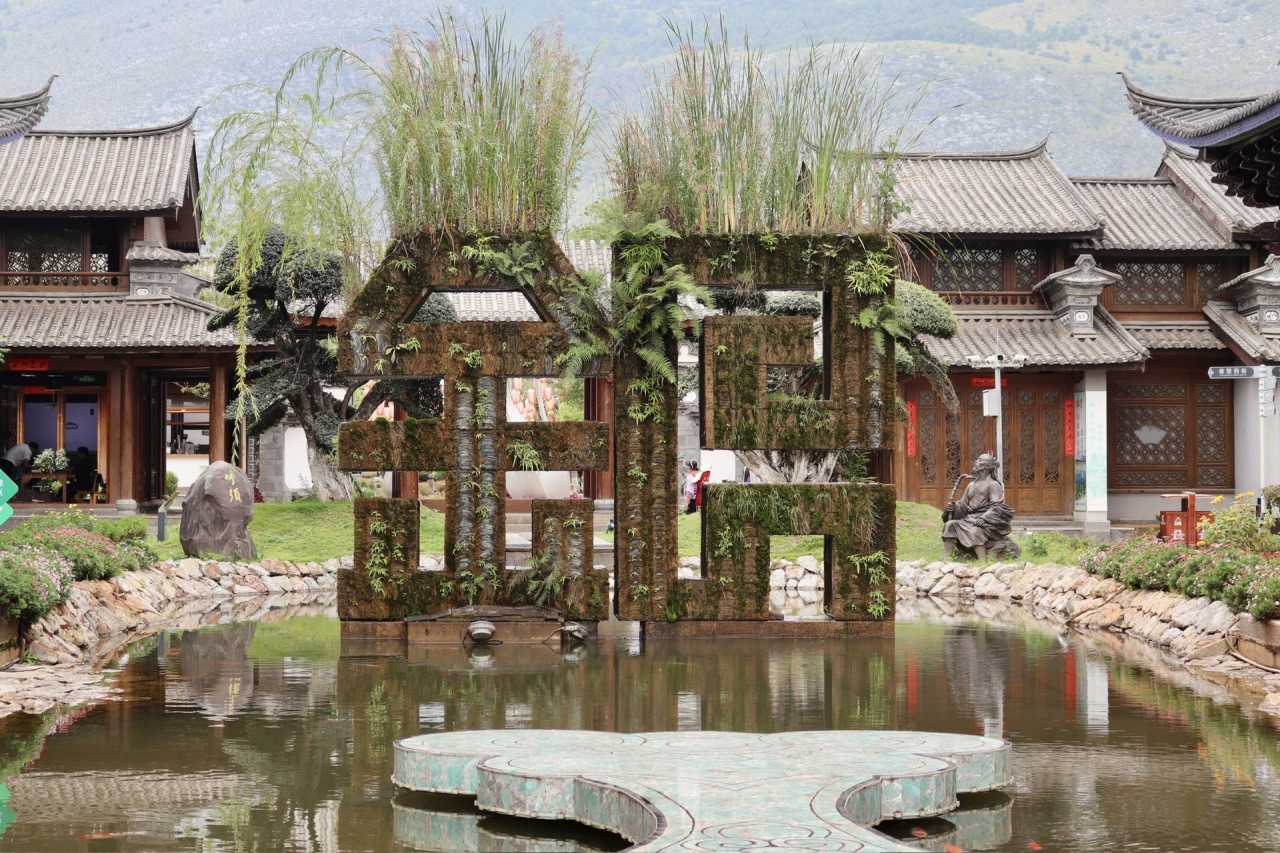
In the evening, after finishing our preparations, we visited the "Yunnan Silverware Museum," China's first specialized silverware museum. Xinhua Village in Heqing County has a silver-processing history spanning over a thousand years. Bai ethnic artisans have been handcrafting gold, silver, and copper ornaments since the Nanzhao Kingdom period of the Tang dynasty, passing down the craft through generations.
The museum's first floor houses over 2,000 silver artifacts scattered among the people since the Tang and Song dynasties. The collection includes everyday items like bowls, cups, plates, and pots; religious objects such as Buddha statues, prayer wheels, and conch shells; and accessories like headpieces, earrings, and waist ornaments. The craftsmanship encompasses techniques like gold plating, blue firing, filigree, and inlaying with glass, ivory, and pearls. Carving methods include relief, high relief, round carving, and openwork. Decorative themes range from flowers, animals, and figures to auspicious patterns like double lions playing with a ball, dragon and phoenix bringing prosperity, and flowers blooming with wealth. The entire exhibition reads like an encyclopedia of silverware, featuring many rare treasures.
The second-floor Silverware Lifestyle Aesthetic Hall displays handmade silver items available for purchase. Each piece is exquisitely crafted, with prices to match—a uniquely shaped silver teapot, finely made, costs no less than 4,000 RMB (about $550). The museum's display creates a strong atmospheric feel, with silverware paired with classical paintings, folding screens, and antique furniture, as if traveling through time.
After the museum, we visited nearby Xinhua Village for a farmhouse meal. The scenery after the rain felt especially fresh. On the table, a dish called "water-natured flower" (水性杨花) caught my attention. This plant blooms when exposed to sunlight and is now also known as "pure and clear." Its scientific name is Ottelia acuminata, and it is mainly found in Dali, Erhai Lake, and Lugu Lake. It requires extremely high water quality and blooms from May to October. Not only is it highly ornamental, but its flowers and tender stems are also edible. It is a unique aquatic vegetable in Yunnan, with a delicious and smooth texture, and has medicinal properties for clearing heat, stopping coughs, promoting urination, and reducing swelling. It is currently listed as a Class II nationally protected wild plant.
There was also Chinese yam bean (山药豆), with a soft, sticky, sweet taste similar to yam, offering nourishing benefits. The local specialty "Heqing Blown Liver" (鹤庆吹肝) left a lasting impression. Fresh pork liver is inflated using wheat straw, steamed until cooked, cooled, sliced, and mixed with cilantro, soy sauce, vinegar, chili, and other seasonings, creating a unique flavor. When making blown liver, Heqing locals use their homemade "Heqing Dry Wine" (鹤庆乾酒), reportedly following a traditional recipe from the Ming and Qing dynasties. Even the water used to rinse the liver is sourced from Jade Dragon Snow Mountain.
The sour cabbage and minced beef was incredibly appetizing with rice. The grandma-style potatoes were soft and sticky, and I ate plenty of them. The water-natured flower soup was slightly overcooked, but the sour papaya fish was absolutely superb—made with papaya and fresh fish, the fish meat was sweet and tender, with the sourness of white papaya intertwining with fruity and spicy notes, leaving a lingering aftertaste.
After dinner, we finally saw the "China's No.1 Silver Memorial Archway." Standing 9 meters high and 12 meters wide, it consumed 2,790 kilograms of pure silver and cost 30 million RMB (about $4.1 million). Designed and crafted by 26 intangible cultural heritage masters, it set a national record for the highest silver consumption in a single silver building. Our hotel was quaint and classical, complementing the town perfectly.
D2: Charity Donations, Warming Mountain School Hearts
To support the education of children in remote mountainous areas of Yunnan, accompanied by officials from the Heqing County Education and Sports Bureau, township leaders, and Shanghai aid-Yunnan cadres, we visited Daying Primary School and Xinzhuang Primary School. We not only donated distance education systems and daily necessities but also brought engaging interactive experiences, putting our company's vision and sustainable development philosophy into action.
Candy and chocolate proved to be the ultimate "hard currency," instantly bridging the distance with the students. During the donation ceremony, the union chairperson delivered a speech: "Innovate for every life. As a pioneer in the medical field, we are not only committed to advancing healthcare through innovative technology but also actively fulfilling our corporate social responsibility. We hope that through this donation, we can create a better learning environment for the students and help them grow into valuable members of society."
Despite the tight schedule, volunteers helped the students make their beds and visited local impoverished families to support their learning and growth. As a volunteer representative, I stepped into the classroom to introduce the company's history to the entire school, shared a mini German lesson, and explained basic medical imaging knowledge, allowing the students to immerse themselves in the beauty of imaging. Finally, we invited the students to watch a video of our Shanghai QianTan office, encouraging them to study hard and grow strong, with the hope that one day they might work for our company. When they shouted our brand slogan in unison, a male colleague said he almost teared up.

In the evening, we continued exploring Xinhua Village's farmhouse cuisine. Under the Dragon and Phoenix Bracelet Bridge, I learned about a Bai ethnic tradition: Bai women wear three bracelets in their lifetime. The first is given by the mother at birth, symbolizing safe growth. The second is given by the mother at marriage, passed down to the next generation's daughter. The third is given by the person who loves her most, worn until burial, symbolizing lifelong protection.
Copper pot rice (洋芋饭, potato rice) is a staple in many parts of Yunnan. Rice is boiled until half-cooked and then drained. Potatoes are cut into chunks, stir-fried with oil and salt until golden, then the half-cooked rice is spread evenly over the potatoes in the pot. Water is added, and it is cooked first over high heat, then low heat. The finished potato rice is fragrant, delicious, and nutritious. The potato and braised chicken dish had soft, creamy potatoes and tender chicken chunks—another dish that pairs perfectly with rice. The stir-fried water-natured flower tasted a bit like water spinach, with a great texture. The cured meat and sausage platter and the eggplant stuffed with meat were also delicious, though Yunnan cuisine tends to be heavy on oil and salt, with strong flavors.
D3: From Heqing to Lijiang, First Glimpse of the Old Town
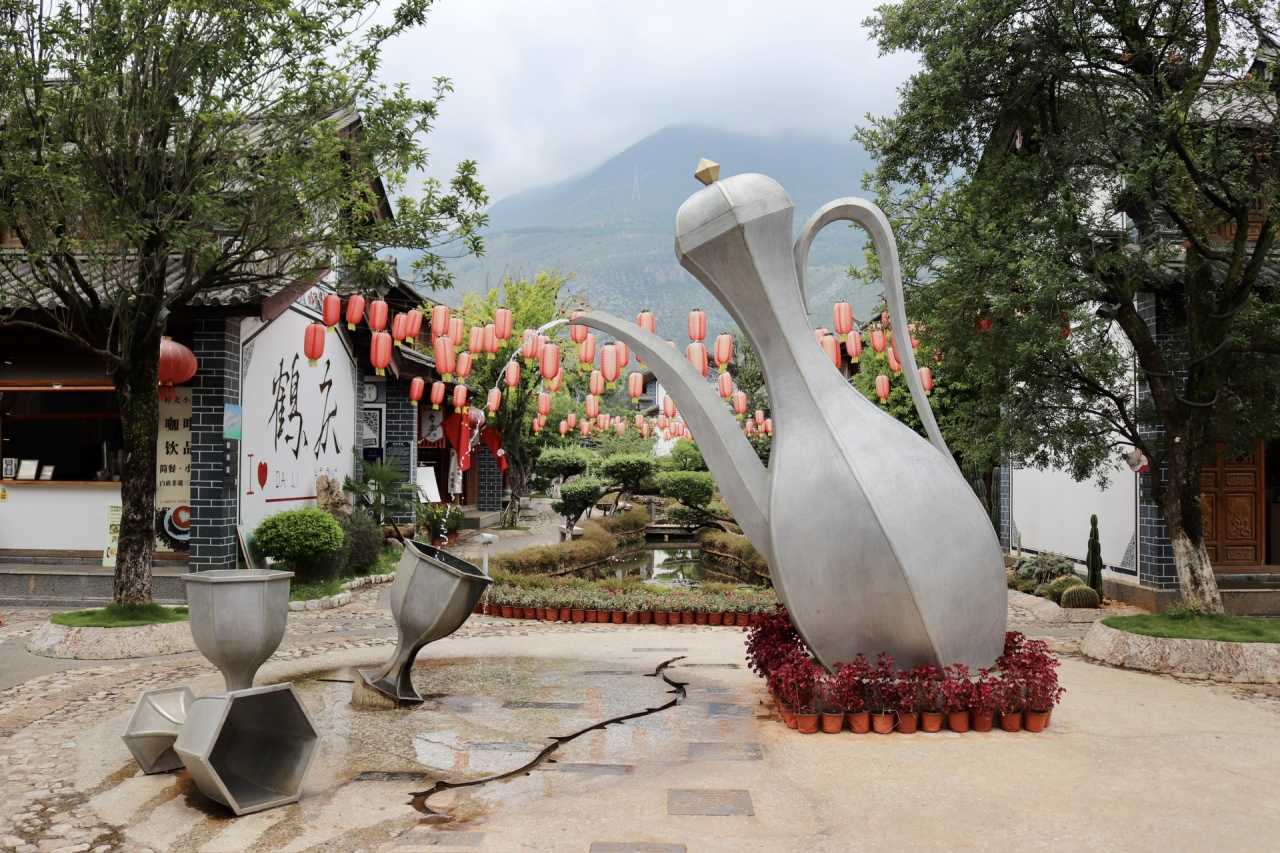
As we prepared to leave Heqing, we took one last stroll through the silverware town. Hobbit-style cottages, a popular trend, were everywhere. The town promotes the ethnic work brand "Little Hammers Forge Great Unity," using tourism as a medium to foster interaction, exchange, and integration among different ethnic groups.
After an hour's drive, we arrived in Lijiang and checked into our hotel. After organizing our luggage, we followed the navigation to the old town. Passing by the former residence of Joseph Rock, we decided to go in for a look. Rock was born in 1901 to an aristocratic family in Moscow and died in Singapore in 1975, never marrying. In 1941, he came to Lijiang and stayed for nine years, leaving only in 1949. Those nine years in Lijiang were the best time of his life, inspiring him to write The Forgotten Kingdom—one of the most famous works about Lijiang.
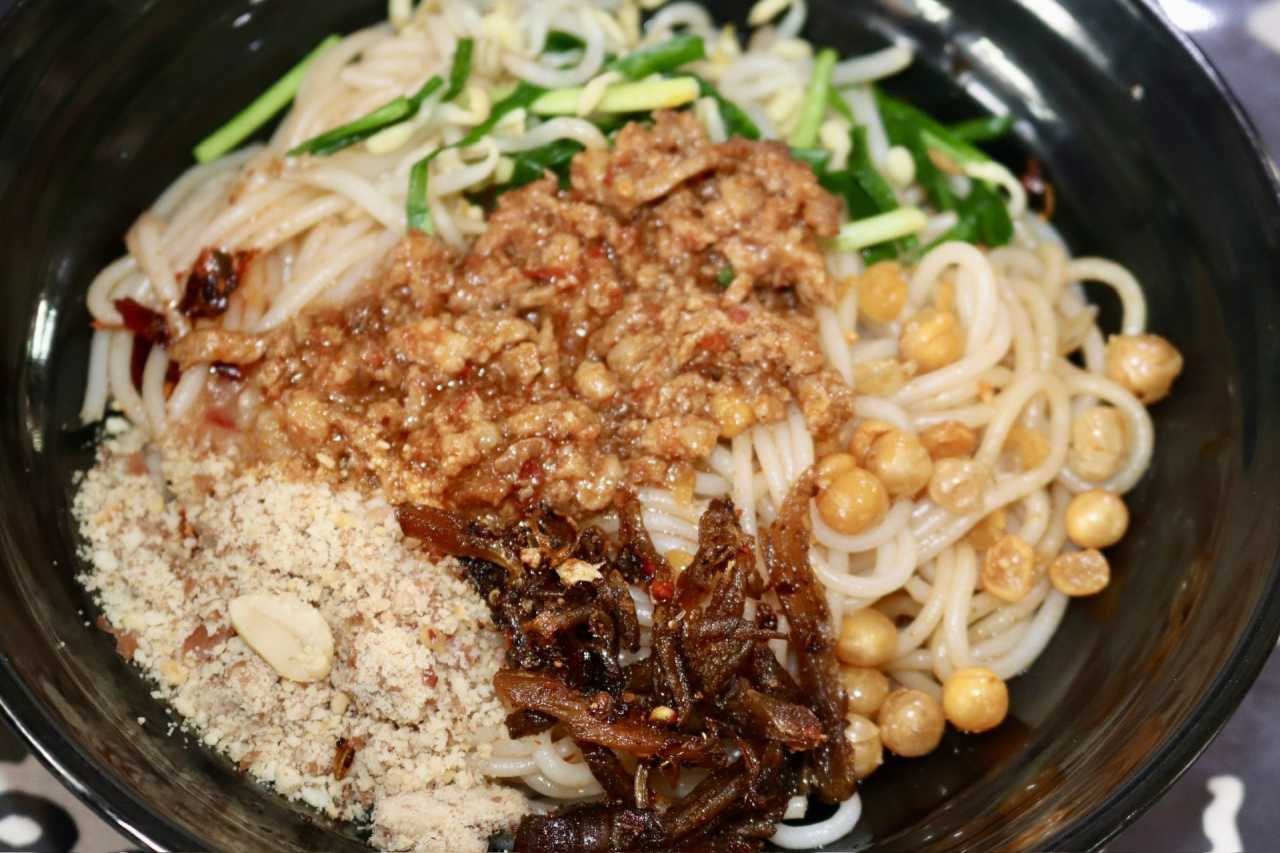
The proper way to start exploring the old town: enjoy a bowl of ceremonious chicken broth rice noodles. The freshly served chicken soup sizzled. We added meat slices, vegetables, quail eggs, and rice noodles in sequence. The portion was just right, the noodles were silky, and the broth was delicious, leaving no dry aftertaste.
In the afternoon, I spent time at "See You Again Coffee Shop" (贰回见咖啡店), ranked fifth on the old town's coffee shop service list. Listening to light music, gazing at the rooftops, blue sky, white clouds, and distant mountains, I felt incredibly relaxed. I ordered a citrus specialty drink—refreshing and tangy, bursting with fruit aroma, paired with crispy biscuits and dried fruit for a rich texture. The owner was very warm, and we chatted. It turned out she also runs a guesthouse on the hilltop. Business hasn't been as good as expected since the pandemic, so she opened the coffee shop to supplement her income. After chatting for a while, she even helped arrange a photoshoot opportunity in the old town for my daughter. We looked at the portfolio and immediately set a shooting time—what a stroke of fate.
D4: Lijiang Old Town, Slow Time on the Rooftops
My husband flew into Lijiang late last night, arriving at the hotel around 2 a.m. We slept until nine, handled some work, and headed to the old town around noon. By chance, we stumbled upon the Embedded Snow Tower (嵌雪楼). Its interior design exuded Zen tranquility. The staff didn't shoo me away as I wandered around, and even chatted with me. It turns out this building was constructed during the Jiaqing and Daoguang reigns of the Qing dynasty. Recently, a renowned designer was invited to redesign it according to the terrain, even incorporating a temple into the overall structure, naturally making the room rates quite high. The hotel offers guests activities like scripture copying and tea tasting. I heard that even in the off-season, a night costs over 2,000 RMB (about $275). The hotel's homemade wines include not only green plum wine but also mulberry, matsutake mushroom, and papaya wines—I wonder what they taste like. The temple is called Jinglian Temple, dedicated to Guanyin (the Goddess of Mercy). It is said to be particularly effective for those praying for children, and locals come to pray for safety.
The Embedded Snow Tower is located right behind the Big Waterwheel in the old town. The coffee shop here ranks fourth on the old town's coffee shop popularity list. Sitting by the window, with a cool breeze blowing, gazing at the sea of rooftops and the people below, I felt completely at ease. Wandering along the winding paths of the old town, despite the heat, the crowds were sparse, making it feel just right.
We also found the second-ranked rooftop coffee shop on the old town's coffee popularity list to cool off while waiting for my husband, who was still wandering. Sitting in a traditional Naxi courtyard had a unique charm. The place also functions as a guesthouse, with guests occasionally arriving with luggage. I ordered a osmanthus latte, fragrant and beautifully decorated with latte art. The osmanthus aroma blended perfectly with the coffee's richness, paired with soft choux puffs and osmanthus pastries, leaving a lingering aftertaste. The service was warm, and seeing me taking photos, the staff even gave me a pot of refreshing jasmine cold brew. The jasmine fragrance slowly unfolded in my mouth, bringing a touch of coolness. The cups had a storybook feel, making for great photos with the coffee.
Rooftop coffee, of course, is famous for its rooftop. When we had a free moment, we went up to take photos and chat. Indeed, this is the right way to experience Lijiang. As dusk approached, we walked down the winding path, surrounded by beautiful bougainvillea. We passed "Half Courtyard Coffee" (半盏庭院咖啡), ranked first on the old town's coffee shop rating list. Its new Chinese-style courtyard design was striking, filled with flowers and greenery, with the air thick with the scent of tea and flowers. Unfortunately, we couldn't drink anymore, so we just took a photo as a memento. The bakery next door offered great value for money, and everything looked delicious.
With just the two of us for dinner, we chose a small shop and tried a hot pot with cured pork ribs, pork trotters, and rice noodles—great value for money. Passing through Yichi Lane, Naxi people were singing and dancing, the atmosphere lively. On the way back to the hotel, we passed the Lion Mountain Night Market, still as bustling as last year, though the number of stalls had halved. I saw a ring-toss game with geese. Don't be fooled by their silly looks—as soon as the rings came flying, they dodged without hesitation.
D5: Black Dragon Pool and Yuhu Village, Poetry Beneath the Snow Mountain
Black Dragon Pool Park is located at the foot of Elephant Mountain, north of Lijiang Old Town. Following the stream upstream from the Big Waterwheel, you'll find a crystal-clear spring—that's the Black Dragon Pool. It's an excellent spot for a distant view of Jade Dragon Snow Mountain, with scenery that changes with the seasons. We arrived early this morning, before dawn, to check it out. The park is free, but a 50 RMB (about $7) old town maintenance fee is required, waived before 7:30 a.m. Stepping into the park, a jade-green pool greeted us, like a pearl embedded among the mountains. The water was clear, rippling gently, surrounded by lush trees, forming a beautiful picture. A few young people with "big guns" (professional cameras) said the sunrise was at 7:10, but unfortunately, the weather was overcast with thick clouds, so we didn't capture the sunrise. Strolling along the pool, the sound of flowing water felt like nature whispering. Besides the distant view of Jade Dragon Snow Mountain, the park's ancient architectural complex is worth exploring, primarily in Ming and Qing dynasty styles, simple yet elegant. A group of white geese leisurely paddled their "red feet through clear waves," bidding us farewell.
After visiting Black Dragon Pool, we took a direct bus from the old town to Yuhu Village at the foot of the snow mountain. The ride took half an hour and cost 10 RMB (about $1.40) per person. About ten kilometers north of Lijiang Old Town, at the southern foot of Jade Dragon Snow Mountain, lies a village called "Wuluken," meaning "village at the foot of the snow mountain"—that's Yuhu Village. In 1922, Joseph Rock came to Yunnan as an explorer, writer, and photographer for National Geographic Magazine and Harvard University's Arnold Arboretum. He lived at the foot of Jade Dragon Snow Mountain for 27 years, spending most of that time in Yuhu Village. Upon entering the scenic area, we initially planned to hike but later switched to an electric cart to save energy. Looking up, we even saw a helicopter transporting supplies.
Yuhu Lake is an artificial lake dug by the Mu family before the Ming dynasty. The Mu family built a summer palace, the Jade Dragon Academy, and a deer farm by the lake. The earliest residents of Yuhu Village were those who guarded the palace and raised deer for the Naxi king. In Yuhu Lake, the snowmelt water is clear, aquatic plants sway, and the blue sky, white clouds, and towering Jade Dragon Snow Peak are reflected in the lake, as if nature itself has settled on the lakebed. One tree looked a bit like New Zealand's "Lonely Tree." Taking a leisurely walk by the lake, you can enjoy a sense of peace and harmony and observe migratory birds playing in the water. Yuhu Village is full of natural beauty and Naxi culture, from forests and meadows to quaint houses. You can experience horseback riding, hiking, and the magnificent views of the snow mountain. With a gentle breeze, we got up close with yellow cattle and black horses—most of the cattle were very docile.
Returning from Yuhu Lake, we walked along the cobblestone road, feeling the village's simplicity and tranquility. Along the way, there were coffee shops, gift shops, snack stalls, and local Naxi farmhouses. Freshly cut grilled yak meat skewers were 10 RMB for three—juicy and tender. The vendor also gave us brown sugar ginger tea to ward off the cold. The roasted potatoes were still soft and sticky, and adding some chili made for a simple lunch. I even saw smoked pinecones for the first time.
At a gift shop, I snagged two unique porcelain-wrapped silver cups, whose colors matched my nail polish. I looked up the production method online—it's quite technical: prepare high-purity silver sheets and ceramic materials; hammer the silver into shape; heat and cool to soften; draw markings to determine the cup's base diameter; hammer meticulously to ensure even thickness; detail polish; inlay the silver onto the ceramic for a tight fit; and finally clean to finish. Through these steps, the porcelain-wrapped silver cup showcases the artisan's skill, blending tradition and modern design into a functional and ornamental work of art.
In the afternoon, we found Pushi Snow Mountain Rooftop Coffee, ranked sixth on the Yulong Naxi Autonomous County coffee popularity list. We ordered an apple latte and iced lychee Americano. Every sip was filled with rich fruit aroma and coffee depth, leaving a lingering taste. The staff also gave us delicious scones—a pleasant surprise. The latte art was beautiful, and the juices looked adorable. Anything we set down seemed to have a story. Let me show off my Lijiang manicure, which paired nicely with my new bamboo ring.
Besides the coffee, this trendy shop's highlight is its rooftop. Every customer queued for a turn to go up. Striking poses in public takes a bit of courage. I took a selfie using a mirror—a tiny me against the backdrop of the mountains. The morning had been clear, but by afternoon, it started to cool down and rain. I took one last set of photos before the downpour and then retreated to the coffee shop to scroll through my phone. We headed back to the old town at four, taking one last photo of the Yuhu Village scenic area—the sea of clouds was stunning.
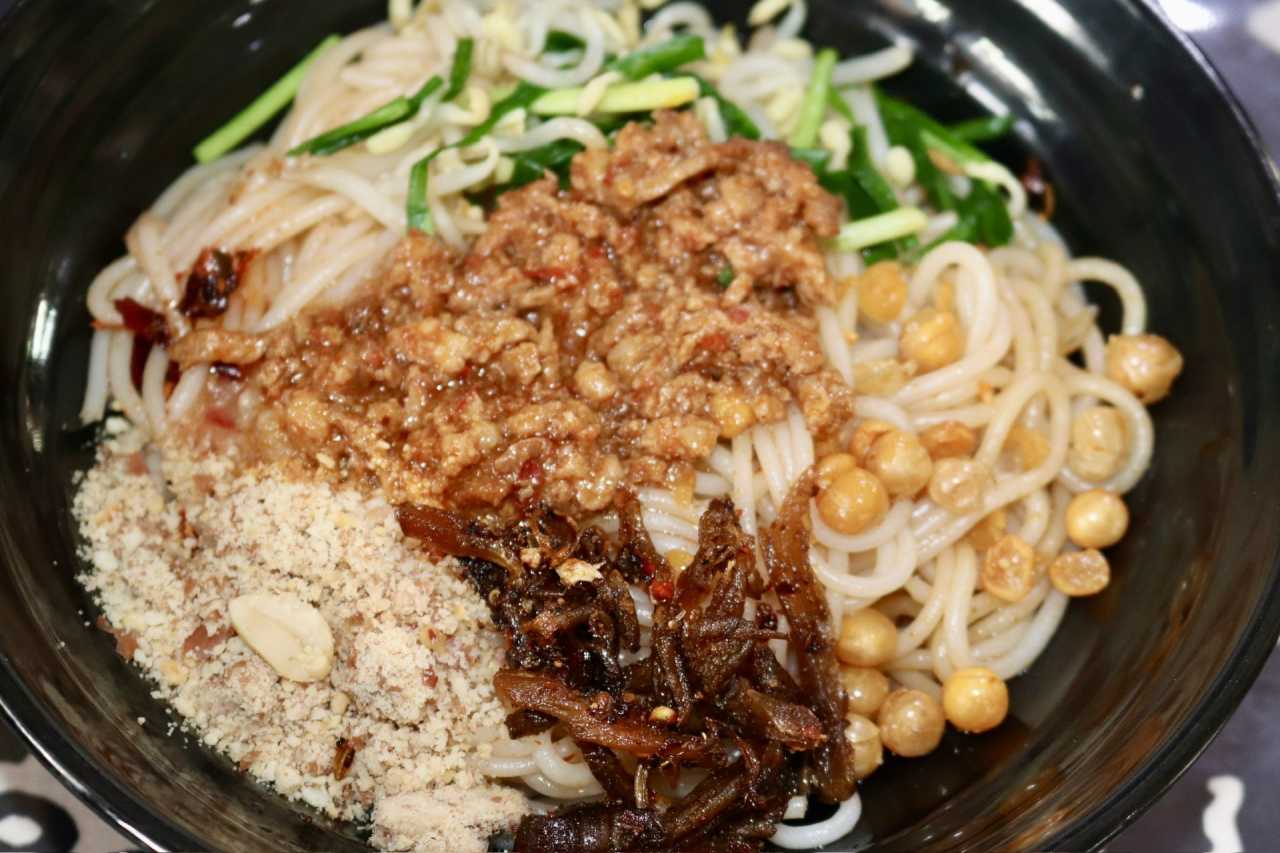
Feeling a bit tired upon return, I ordered a bowl of Yibin Ran Noodles (宜宾燃面) nearby, which turned out to be surprisingly delicious. Yibin Ran Noodles, originally called Xufu Ran Noodles, originated in Yibin, Sichuan, and date back to the Qing dynasty. They have won the "Sichuan Famous Snack" gold award and the "China Famous Snack" title, and were included in the Sichuan Provincial Intangible Cultural Heritage List in 2011. Because they are heavy on oil and dry, they can be set on fire—hence the name "Ran" (燃, meaning "to burn"). Generally, high-quality local alkaline noodles are used, paired with minced sprouts, sesame oil, fresh lard, star anise, sand ginger, sesame, peanuts, walnuts, wild pepper, top-quality Sichuan pepper, MSG, scallions, and pea shoots as accompaniments. The noodles are boiled, drained, and shaken to remove the alkaline taste, then mixed with oil and seasonings according to traditional methods.
D6: Daughter's Return, Stunning Photoshoot in the Old Town
Today, my daughter flew into Lijiang alone, and my husband and I were filled with anticipation. With the rainy weather, we had little enthusiasm for touring the old town. After checking out, we walked to our new hotel to check in. Although the hotel had arranged airport pickup, my husband, feeling uneasy, went to the airport early to pick her up. This newly opened designer hotel was small but beautiful, with full amenities including a bar, tea room, meeting room, gym, and laundry room—great value for the National Day holiday period.
After picking up our daughter and returning to the hotel, it was nearly two in the afternoon. We had a simple meal of chicken broth rice noodles near the hotel, then took our daughter to the old town for her photoshoot. In Lijiang Old Town, ethnic travel photography is everywhere. Now, it's not just about price competition but also about makeup, styling, and creativity. We were honored to have my daughter model for "Paradise Light" (天堂拾光), the top-ranked Lijiang travel photography studio on Douyin. She wore a brand-new custom Miao (Hmong) costume. The makeup artist's meticulousness and the photographer's professionalism left a deep impression.
At first, I thought this Miao outfit looked unfamiliar and made her look a bit bulky and old-fashioned. But after the stylist's skillful transformation—the sun-and-moon diamond on her forehead, the dress, the hat decorations—the effect was stunning. The owner said this style was the first of its kind in the old town and probably wouldn't be replicated for two weeks. The temperature had dropped in recent days, and the evening wind was strong. I admired my daughter's professionalism. On the rooftop, we met a few other girls taking photos, and they all praised her look. My husband proudly said she was a model—the sense of achievement... haha. Besides our daughter, we also had some fun on the rooftop ourselves.
We received all the raw images that same day. The originals were already beautiful, and I'm looking forward to the final results. I also hope the studio sells many of the same outfit. By the time the photoshoot ended, it was 8 p.m. My daughter was cold, hungry, and tired, so we immediately took her to dinner in the old town. Restaurant No. 88 (88号小吃店) is located in the old town. As we walked in, enticing aromas greeted us. The Naxi grilled fish was crispy on the outside and tender on the inside, with fresh fish meat and a unique sauce—a true feast for the taste buds. The Shilin stuffed tofu had a delicate texture, crispy outside and soft inside, each bite full of happiness. The Lijiang baba (丽江粑粑, a traditional Naxi pancake) was sweet and soft, making it hard to stop eating. The service was excellent, and the classic ambiance made it feel like stepping back in time to ancient Lijiang. However, since we usually eat lightly, I ended up with an upset stomach after the grilled fish.
Lijiang baba is a distinctive Naxi snack with a long history, recorded in Xu Xiake's Travel Diaries from the Ming dynasty.
Epilogue: Lijiang's Autumn, Just Like Our First Encounter
The ten-day journey felt like a gentle dream. From the Silverware Museum in Heqing to the rooftop coffee shops in Lijiang, from the morning light at Black Dragon Pool to the snow mountain reflections at Yuhu Lake, from the emotion of the donation ceremony to the stunning photoshoot of my daughter—every moment was worth treasuring.
Lijiang's autumn lacks the bleakness of the north but possesses a unique warmth and tranquility. Here, I learned to slow down: gazing at rooftops, sipping coffee, getting manicures, browsing small shops, or even just sitting by the window daydreaming—all of it was a pleasure. But the most precious thing was the time spent with family—our daughter's exams, the renovation chaos, and work pressures were all healed in this moment.
If you're planning to visit Lijiang, my advice is: don't rush, just feel. Find a rooftop coffee shop, order an osmanthus latte, and watch the clouds roll by. Or go horseback riding at Yuhu Village and empty your mind at the foot of the snow mountain. Don't forget to do an ethnic photoshoot—put on a custom Miao costume and capture your most beautiful moments in the old town.
Until we meet again, the 2024 autumn of Lijiang feels just like our first encounter. May we all find our own slow time amidst the busyness of life.
You should also read:
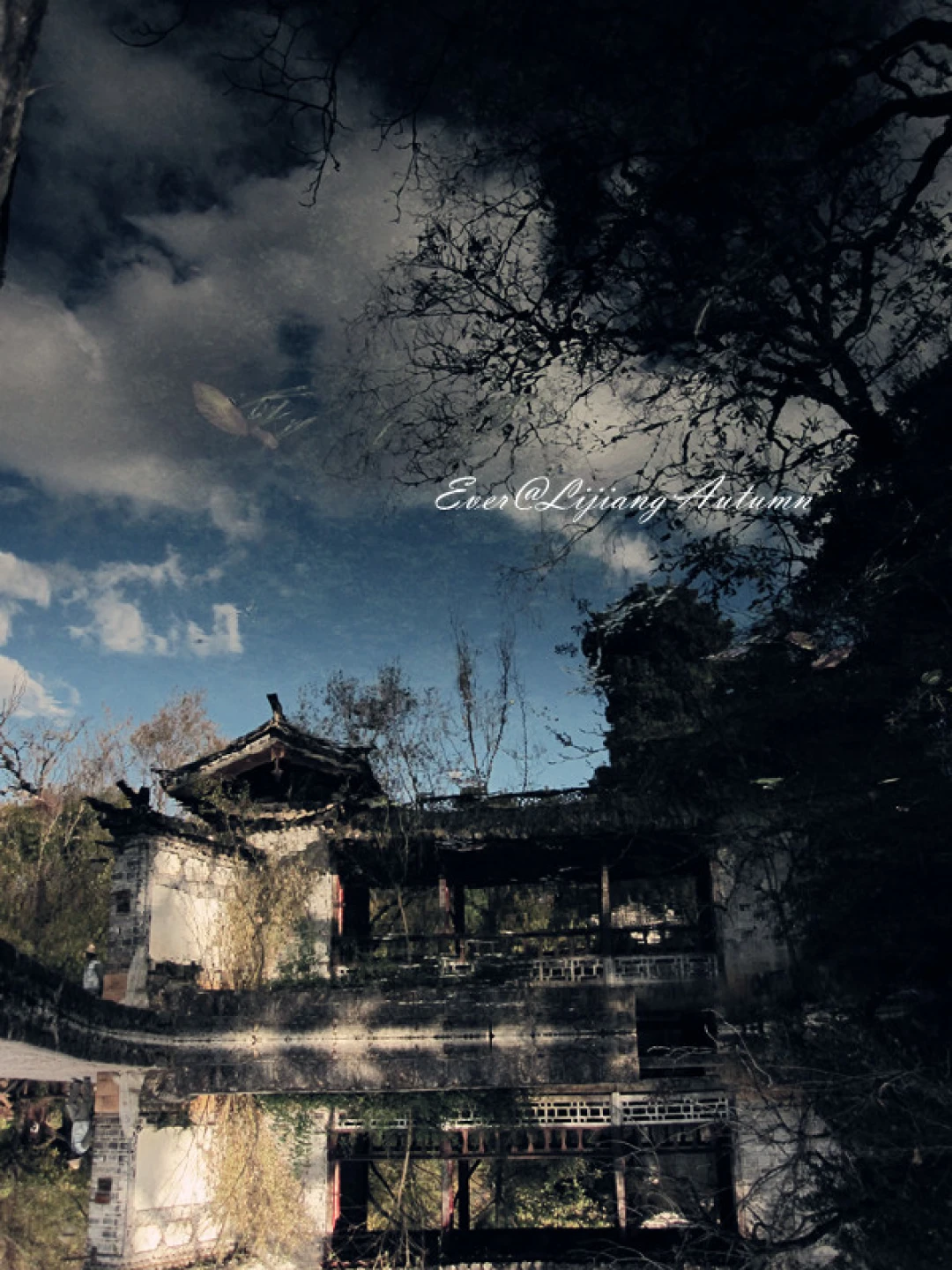
Idle Clouds in Autumn, a Moonlit City: A Slow Travelogue Through Lijiang and Shuhe
Idle Clouds in Autumn, a Moonlit City: A Slow Travelogue Through Lijiang and Shuhe When the autumn wind brushes across the ancient city's eaves, when sunlight spills onto the mottled cobblestone streets, when the melodies of folk songs mingle with the aroma of plum wine…
Continue reading...
September: Finding Unexpected Warmth in Yunnan (Kunming, Dali, Shuanglang, Lijiang, Lugu Lake)
September: Finding Unexpected Warmth in Yunnan (Kunming, Dali, Shuanglang, Lijiang, Lugu Lake) Foreword: One Person's Journey, A Crowd's Story Before I set off, like every first-time solo traveler, I printed out a thick stack of travel guides and rehearsed countless possible scenarios in my head—getting…
Continue reading...
Dreaming of Lijiang, Dreaming of Shangri-La: A Journey That Lets Your Soul Breathe Deeply
Dreaming of Lijiang, Dreaming of Shangri-La: A Journey That Lets Your Soul Breathe Deeply Life is like a long trek. We're always rushing through the concrete jungle, searching for a glimmer of light in the monotony of our days. Then one autumn, I heard the…
Continue reading...