Volcanic Hot Springs and Tranquil Heshun: A 3-Day Self-Drive Journey to Tengchong
Volcanic Hot Springs and Tranquil Heshun: A 3-Day Self-Drive Journey to Tengchong
Prologue: When Raindrops Caress a Border Town
"Stepping out my door to gaze at the wild fields, the moonlight shines bright on buckwheat flowers like snow." Bai Juyi's poem echoed in my mind as I stood on the cobblestone streets of Heshun Ancient Town, fine rain brushing gently against my face like silk threads. Tengchong, this small border town in Yunnan, welcomed me with a tender yet profound embrace.

In June 2016, I set aside the trivialities of running my guesthouse in Dali, rented a car with a friend, and set off leisurely from Dali. This wasn't a meticulously planned trip—it was more like a spontaneous escape. When the noise of life becomes suffocating, you need to find a place where your soul can breathe. And Tengchong happened to be that place.
About This Journey
Tengchong, located in western Yunnan, shares a border with Myanmar. Its most famous labels are: hot springs, volcanoes, and Heshun Ancient Town. I had imagined what it would look like countless times, but only when I set foot on this land did I realize it was quieter and more unadorned than I had ever pictured.
June is the off-season in Tengchong, with continuous overcast skies and rain. But for someone like me, used to Yunnan's intense UV rays, this kind of rainy weather held a unique appeal. I longed to find an unfamiliar village, light a cigarette, stare into space, and let time flow slowly amid the sound of raindrops.
Before setting off, I checked the travel guides: this season wasn't the best time to visit—the ginkgo leaves at the village weren't yet golden, and the volcano hot air balloon might be grounded due to weather. But precisely because there were fewer people, I could quietly experience every inch of this land.
About Myself
I'm Monster, a freelance illustrator who has settled in Dali. Usually, I paint, run a guesthouse, take on travel photography gigs, and when I've saved enough money, I hit the road. Every time I introduce myself, it feels like I'm telling the beginning of a story—after all, time flies so fast that if I don't record things promptly, the scenery and feelings from the road will be buried under the dust of daily life.
Travel, for me, is a kind of purification. Walking through the vast world allows you to see clearly the fragments of the past, to understand society, life, and this beautiful yet complex world. On the road, you meet all kinds of people, share stories over drinks, and laugh together. When the sun rises the next day, you wave goodbye, perhaps never to meet again. But there's no need to be sad, because every encounter is the best arrangement.
Itinerary and Costs
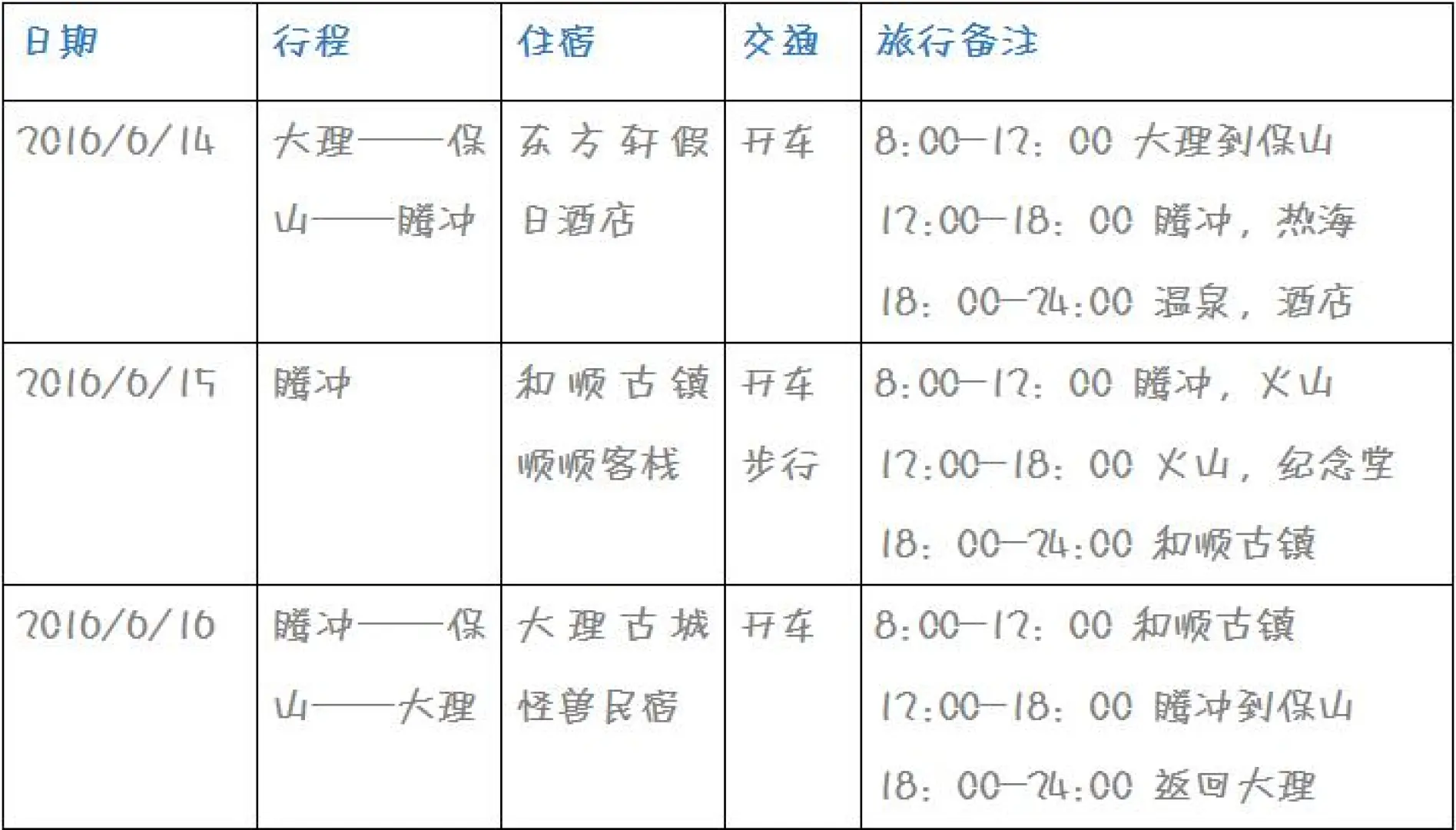
Dali to Tengchong is just over 300 kilometers. The expressway is clear and unobstructed, and you can arrive in half a day. We rented a Toyota Yaris L and began this three-day, two-night self-drive adventure.
Transportation Costs: Car rental 498 RMB (with discount coupon), tolls 352 RMB (round trip), fuel 280 RMB, parking 35 RMB, total 1,165 RMB.
Other Costs: Snacks and drinks 180 RMB, meals 550 RMB, souvenirs (volcanic stone) 65 RMB, tickets and hot springs 788 RMB, hotel 520 RMB.
Total Cost: 3,268 RMB (for two people).
Day 1: Rehai Hot Springs—A Poem of Geothermal Heat and Steam
Departure: Setting Off in the Rain
At 8:30 in the morning, we set off from Dali Ancient Town. It was pouring rain, and the car slowly passed through the Xiaguan Expressway toll gate. Although we were delayed a bit on the road, the beauty of independent travel is that you don't have to rush—you follow your heart.
Tengchong is located in the collision zone between the Eurasian Plate and the Indian Plate, where intense volcanic activity occurred in geological history. It is this collision that created the world's rare coexistence of volcanoes and geothermal activity: within an area of 1,000 square kilometers, there are 99 volcanoes and 88 hot springs. The highest altitude here is 3,780 meters, the lowest is 930 meters, with the Gaoligong Mountains spanning across, creating a magnificent natural landscape.
Scenery Along the Way
From Dali to Baoshan, it's a two-hour drive. Baoshan is a beautiful and fertile place with bright sunshine and a sparse population. Local friends told me that most young people have moved to Kunming, so although the city is small, it's not crowded. The main roads are busy with traffic, but turn a corner and the streets are almost empty.
On the expressway, just snapping a photo with your phone captures a scenic view. Smoke from cooking fires rose from villages along the road—lunchtime had arrived. The Longjiang Bridge is the most beautiful sight on the Baoshan-to-Tengchong section: the first time we passed, the weather was clear, and the bridge looked especially majestic in the sunlight; the second time, the sky was overcast, giving it a completely different charm.
Five hours later, we arrived at the Tengchong toll gate. After a brief check by border police, we drove into this historic and cultural city known as "the First City at the Extreme Frontier." Tengchong is a famous hometown of overseas Chinese, a land of literature, and a distribution center for jade. As early as the Western Han Dynasty, it was called Dian Yue, and during the mid-period of the Dali Kingdom, it was designated as Tengchong Prefecture. Due to its strategic location, successive dynasties stationed heavy troops here, and a stone city was built during the Ming Dynasty.
Rehai: A Feast of Geothermal Activity
After a short rest, we headed to the Rehai Scenic Area. Tengchong's hot springs are the city's most attractive calling card, drawing countless visitors every year to soak in the thermal waters.
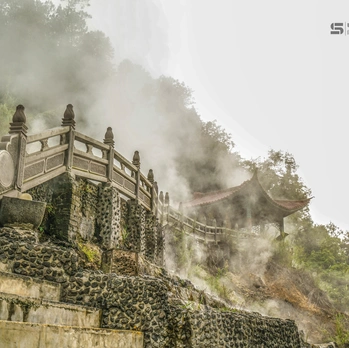
Entering the scenic area, we first came to a geothermal museum displaying various volcanic stones in a riot of colors and shapes. Exiting the museum, we reached the "Big Boiling Pot Food Hall"—here you can taste a bowl of rice noodles or rice flour strips cooked using the boiling geothermal water, with a unique flavor.
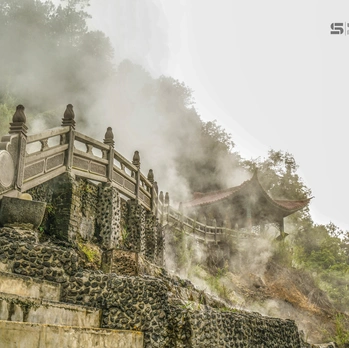
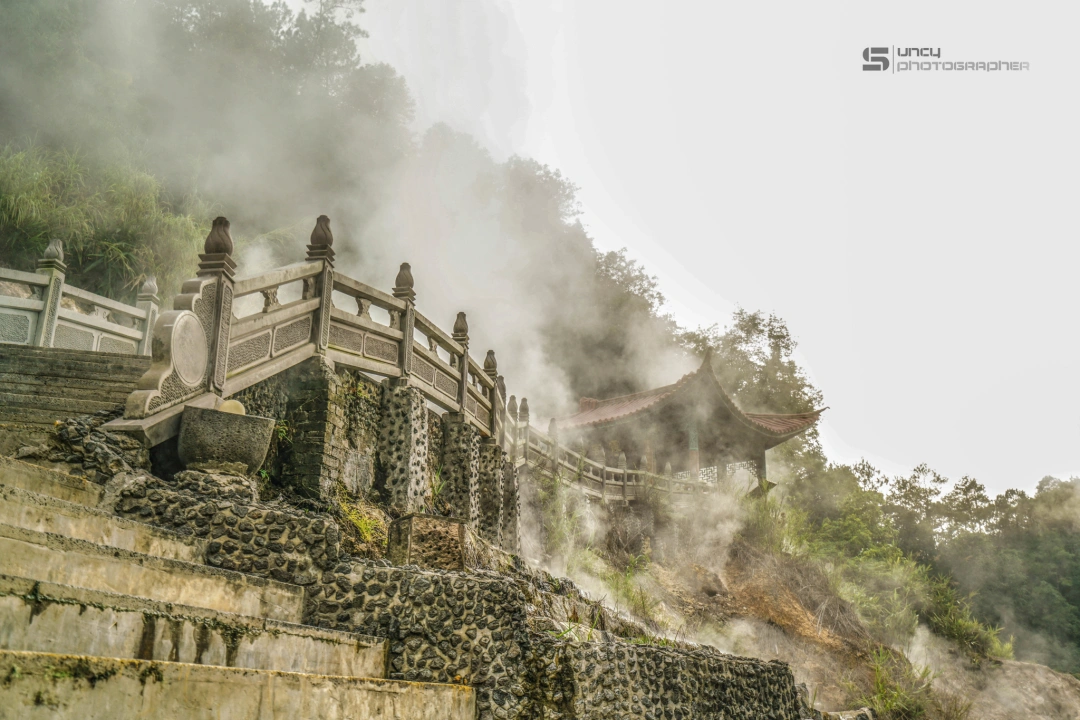
The scenic area isn't large, but it's filled with the atmosphere of geothermal activity. The stone walls were covered in lush green moss, the volcanic hot spring water had a yellowish tint, and steam rose in the distance like volcanic smoke. Since it was the off-season, the area was almost empty—just us and a few scattered visitors.
Winding paths, small pavilions on higher ground, accompanied by rising steam—it was a scene straight out of a poem, though the strong smell of sulfur lingered in the air. But this minor flaw didn't diminish the experience; instead, it made the memory more vivid.
The area also featured various hot spring wells of different sizes, their surfaces bubbling like water that had been boiling for a long time. The most interesting was the "Pregnancy Well"—it's said that taking a few scoops of the spring water brings good luck. Clear spring water and volcanic rock steps full of holes were all part of the scene's distinctive character.
Soaking in the Hot Springs: Healing Body and Soul
As dusk fell and the sun set, it was the perfect time for a hot spring soak. Rehai's hot springs are divided into indoor and outdoor areas. The indoor one, called "Valley Bath," was quite unique, though I worried about damaging my camera with the steam and didn't take any photos.
The hot spring experience was fantastic: the ticket included entry to the scenic area, the hot springs, and dinner. And with so few people, it wasn't like the crowded "dumpling-boiling" scene during holidays. We soaked for over two hours, ate a lot, and didn't drag our exhausted bodies back to the hotel until 11 p.m.
Both times we visited Tengchong, we chose the Oriental Holiday Hotel. The breakfast here was generous—a full buffet with a wide selection. The hotel was quite large, had an underground parking lot, and offered great value for money—under 200 RMB, with better facilities than expected.
Day 2: Volcanoes and Memorial Hall—Nature's Masterpiece and History's Weight
Volcanoes: "Steamed Buns" Covered in Wild Grass
After a hearty buffet breakfast, the weather began to turn overcast. We drove to the Volcano Scenic Area. Tengchong has a vast number of volcanoes, but these dormant ones are now just "steamed buns" covered in wild grass. Unfortunately, due to the weather, the hot air balloon ride was suspended—which also planted the seed for a return visit.
At the entrance, there was an exhibition museum—like many scenic spots in Yunnan, it came with a standard science education hall. The small shop at the entrance sold various volcanic stone products: flowerpots, ashtrays, small animal figurines... The prices were very reasonable—small items for three to five RMB, larger ones for just over ten RMB.
The walkways in the volcano area were quite narrow, surrounded by open wild fields. The stairs leading up the mountain were very steep, requiring a rest after every few steps. Carrying a camera made my neck ache. Standing at the top of the volcano, overlooking a corner of Tengchong, I couldn't help but marvel: Yunnan's beautiful scenery is truly endless.
At the foot of the mountain, an elderly woman was weaving a fan by hand, looking peaceful and focused, completely unaware that I was taking her photo.
Copper Pot Beef: Comfort for the Taste Buds
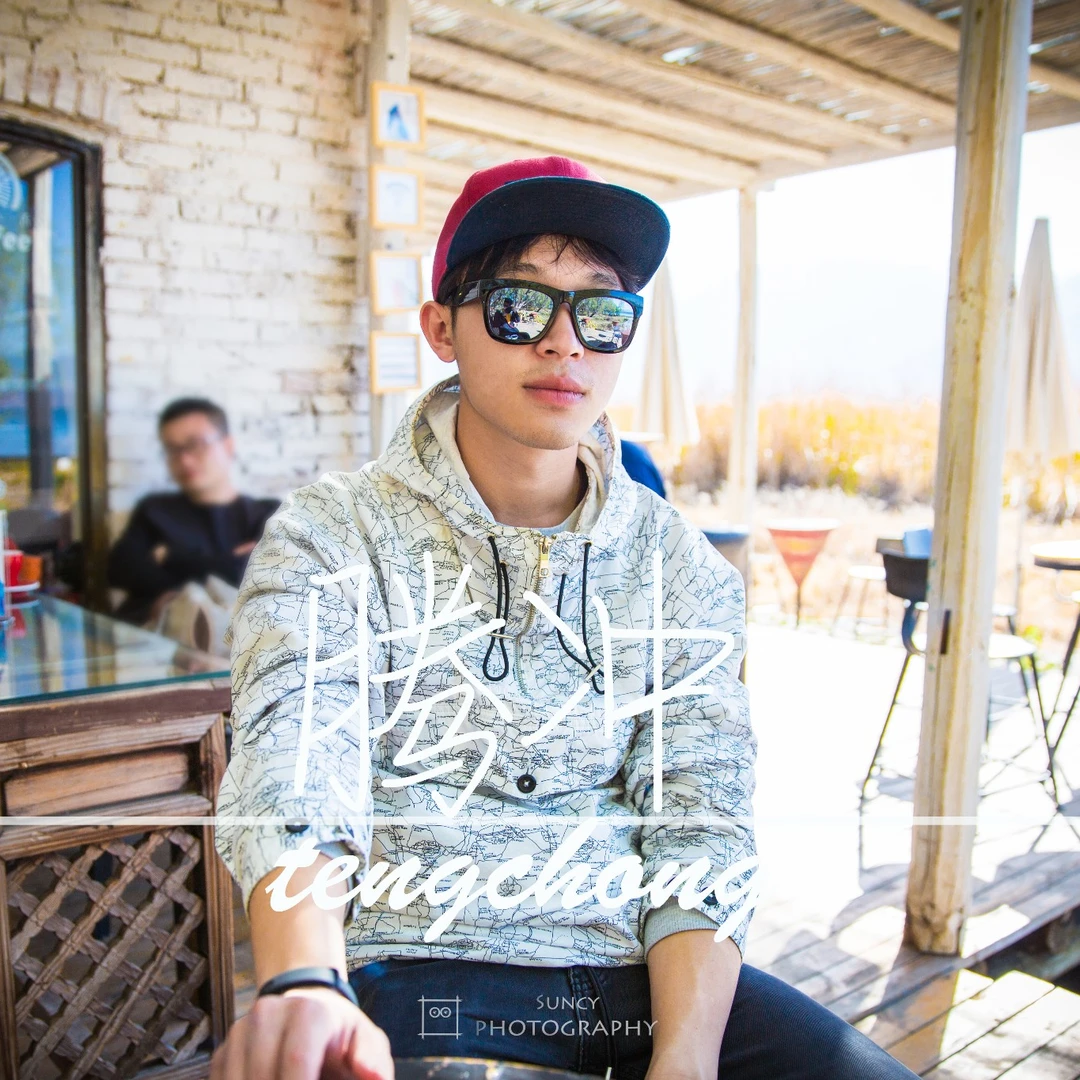
Leaving the volcano area, we headed straight to a local specialty restaurant serving copper pot beef. Tengchong's city center isn't large, but there are many such restaurants on the small streets, and they all taste good. The dipping sauce with small red chili peppers was very spicy but satisfying.
National Memorial Cemetery of the Fallen: Echoes of History
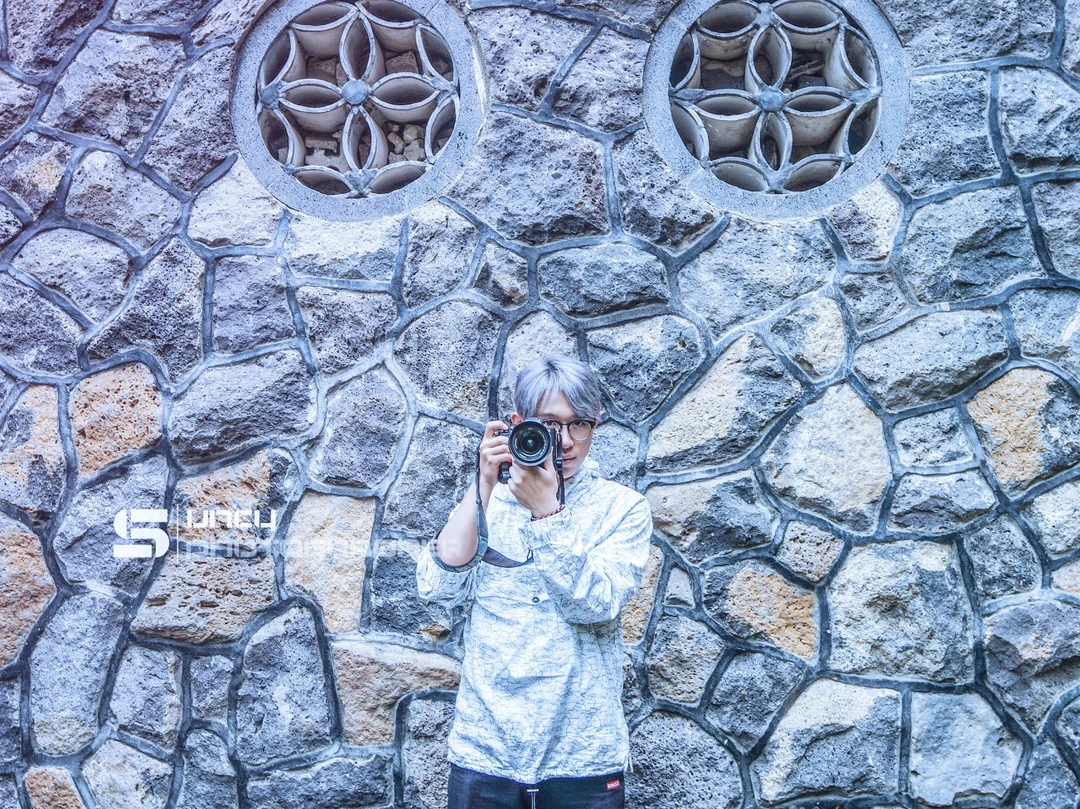
In the afternoon, we visited the National Memorial Cemetery of the Fallen in downtown Tengchong. Built in 1945, this is the earliest and largest cemetery in China dedicated to the National Revolutionary Army soldiers who died fighting the Japanese. Construction began in the winter of 1944, and it was completed and opened on July 7, 1945, to commemorate the fallen soldiers of the 20th Army Group who recaptured Tengchong.
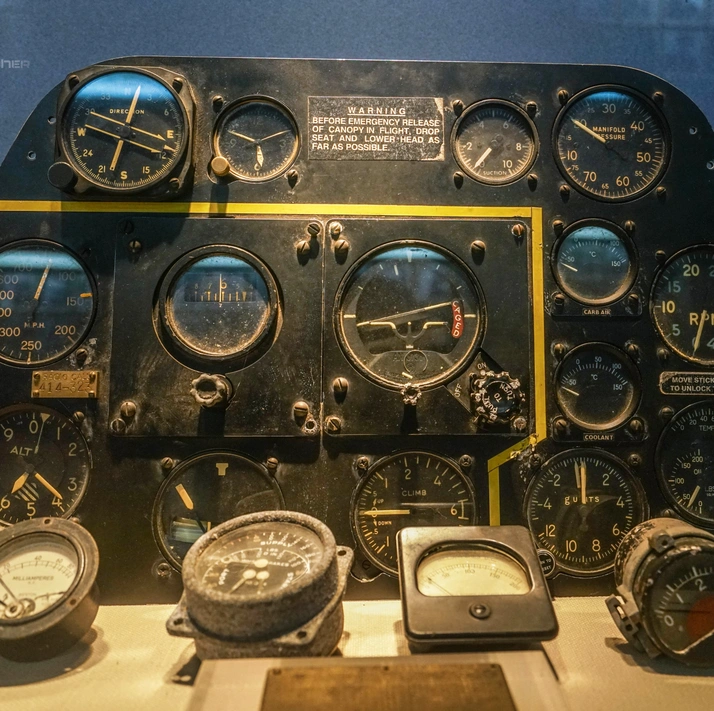
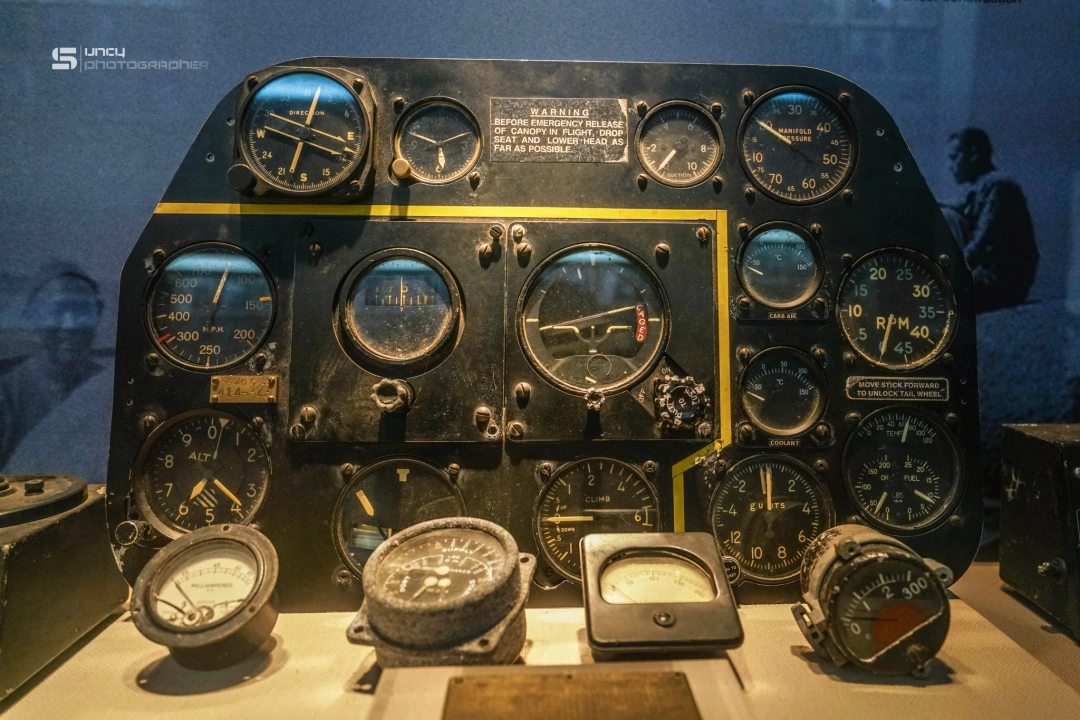
Along both sides of the wall, ascending to the second terrace, stands the solemn and majestic Loyal Martyrs' Shrine. Inside, weapons from the war era and explanatory materials are displayed, along with inspiring paintings. Old fighter plane instruments, vintage cameras... each exhibit tells the story of that period.
Heshun Ancient Town: Timeless Tranquility
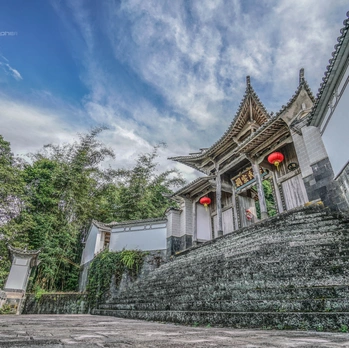
From the memorial cemetery, we headed to Heshun Ancient Town. Heshun looks relatively compact, and unlike other ancient towns, it's full of an authentic, untouched atmosphere. Cooking smoke rose from chimneys, and the cultural atmosphere was rich. The most interesting thing was that every few small doors and houses had businesses offering "gambling stones"—because of its border with Myanmar, the jade production here is enormous.
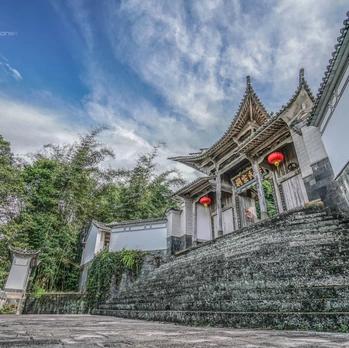
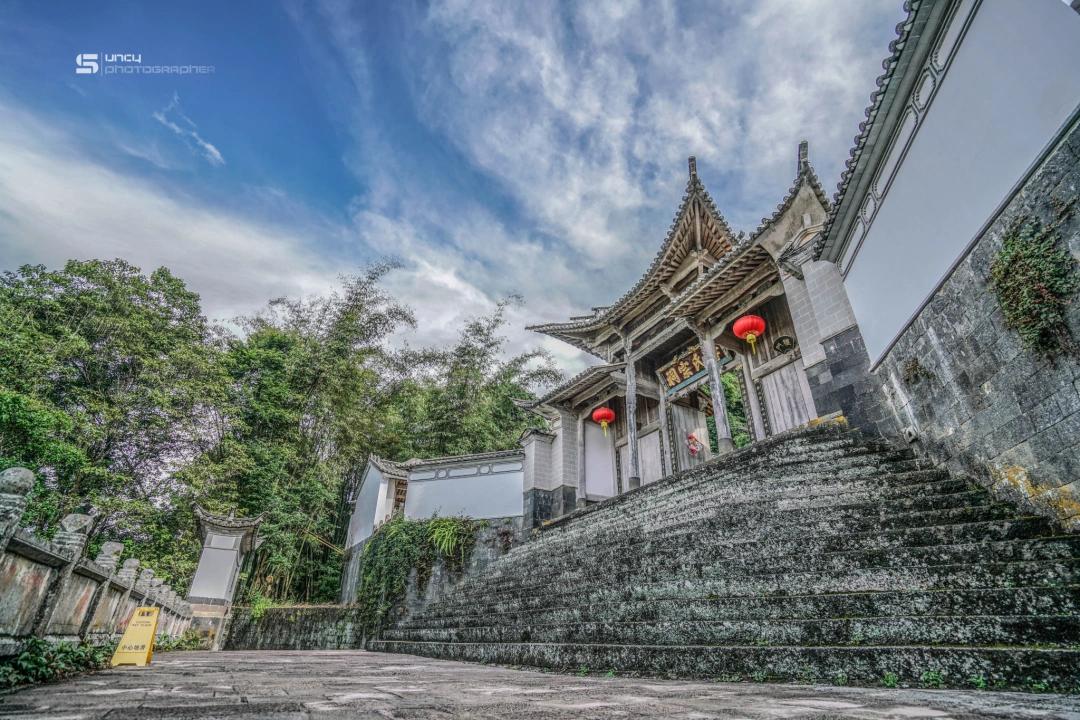
The streets of the town were a bit like Lijiang—small slopes and narrow lanes. But there were very few people, nothing like a typical tourist attraction. Walls made of volcanic rock and simple, rustic architecture looked especially beautiful against the blue sky.
The ticket for Heshun Ancient Town was a combo pass that included the library, ancestral halls, Ai Siqi's former residence, and a series of other attractions. When I got tired, I sat down on the steps, drank a Coke, and contemplated life.
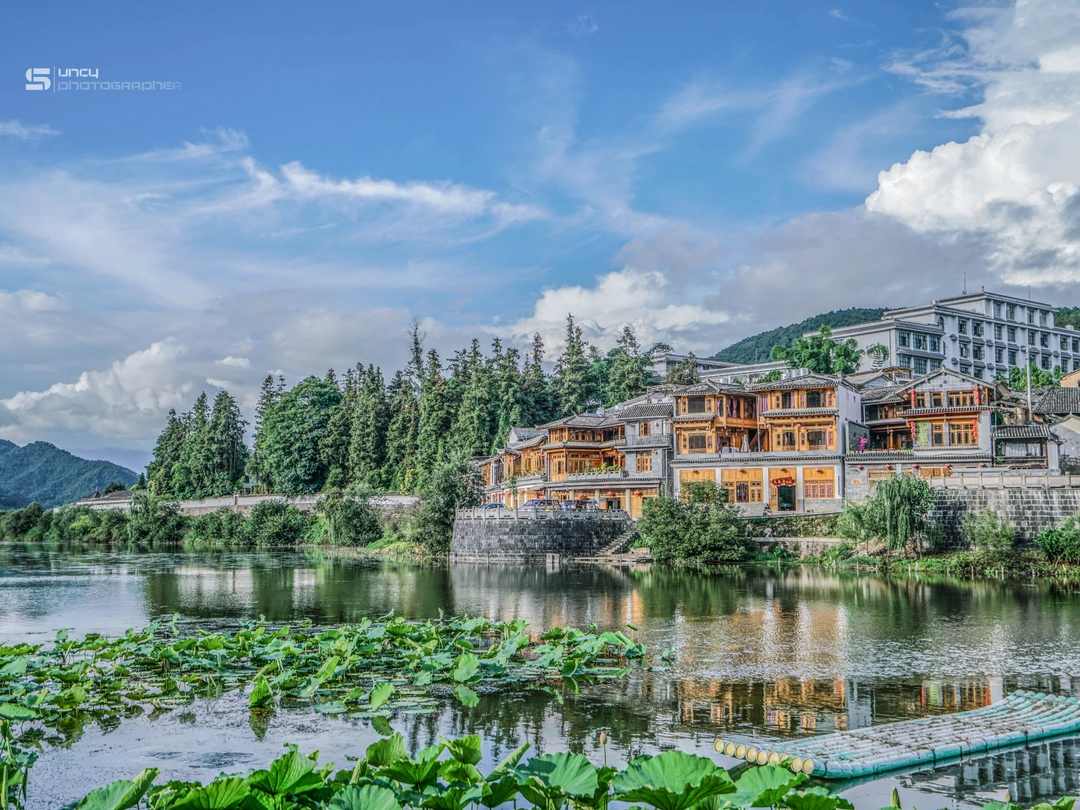
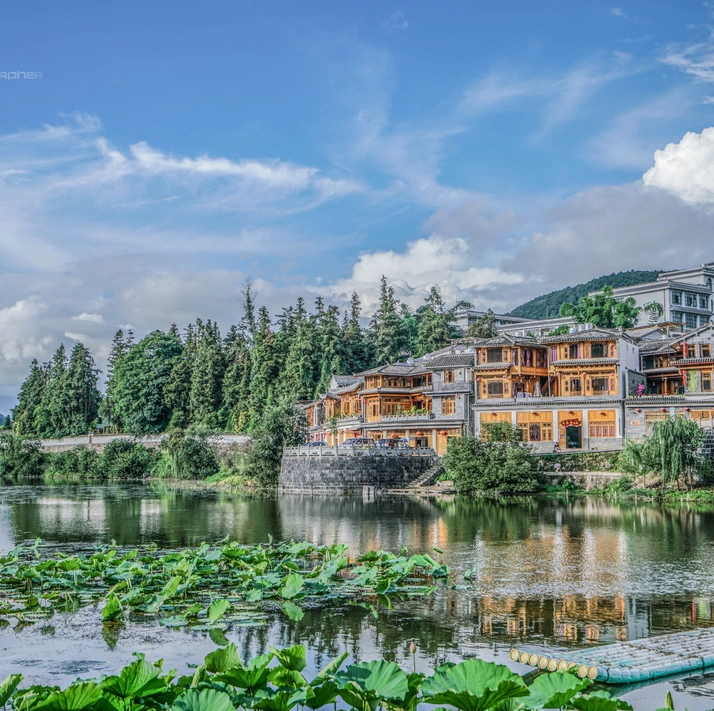
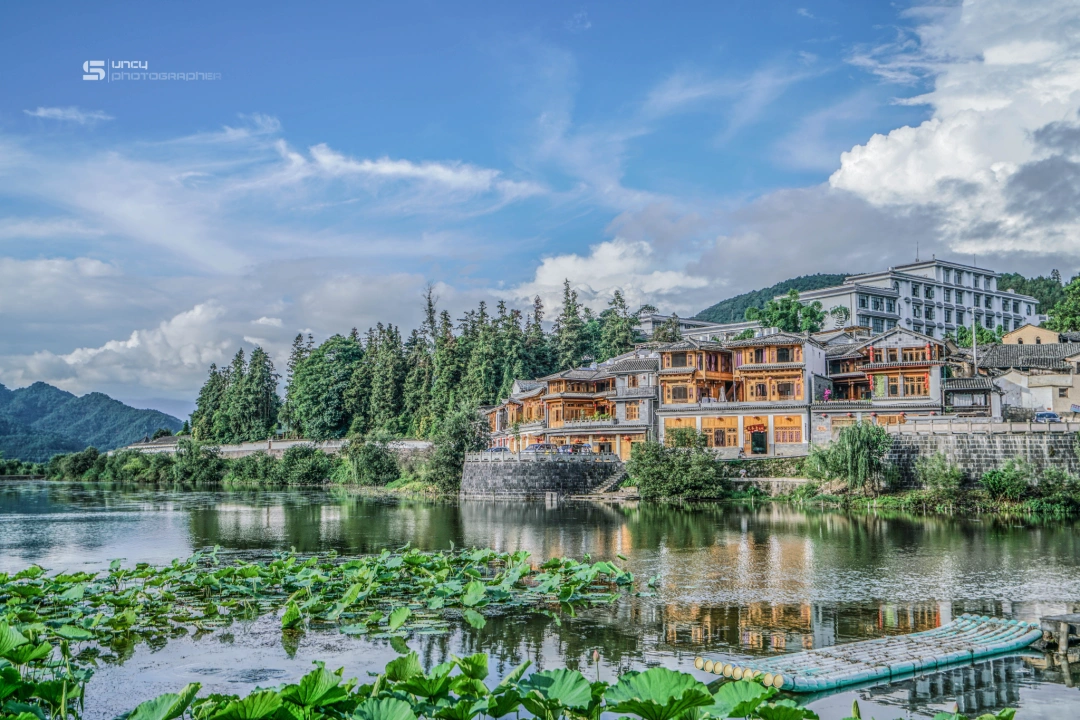
The most beautiful spot in Heshun was by the lake. The clouds in the sky hung low, and the small scenes around the lake were very photogenic. The small bamboo rafts on the lake occasionally served as foreground elements for the camera, producing great shots. After passing the Centenarian Arch, there was a long boardwalk flanked by huge, thick bamboo stalks, full of artistic charm.
Ai Siqi's former residence was a must-visit. Heshun is one of China's top ten most charming ancient towns, home to China's earliest and largest township-level library and Ai Siqi's former residence—two major attractions. Ai Siqi was a famous Chinese rationalist philosopher, educator, and revolutionary whose academic career in philosophy was closely intertwined with his revolutionary activities.
Although the Heshun Library isn't large in scale, considering it was built in China's remote southwestern frontier—once considered a barbaric land—in a rural village setting, and starting from the 1920s, it stands as an unparalleled first library in rural China.
The Quiet of Night
As dusk fell, we had dinner at a restaurant called "Mom's Taste" halfway up the mountain. The food was delicious and reasonably priced. For the night, we stayed at the Shunshun Guesthouse. The owner was very kind and upgraded us to a second-floor room with floor-to-ceiling windows and a wide view.
As evening deepened, the sky darkened and clouds gathered. Heshun Ancient Town was much quieter than Dali Ancient Town. I bought some local fruit, washed up, and went to bed—20,000 steps weren't for nothing.
Day 3: Heshun Morning and the Journey Home
Heshun in the Rain
"A mountain doesn't need to be high to be famous if it has immortals; water doesn't need to be deep to be spiritual if it has dragons." When I woke up in the morning, a light rain was falling quietly over Heshun Ancient Town. The guesthouse owner was up early, helping a child with homework in the courtyard. We said our goodbyes and went to find breakfast.
Taking advantage of the drizzly sun shower, we walked through the small alleys and lanes we hadn't explored the day before. Stone walls and ancient tiles—everywhere was beautiful. At one guesthouse, a tree had grown right out of the wall, probably because the builders had simply incorporated the tree when constructing the building. Every corner of Heshun's old buildings had a small sign with an introduction, allowing visitors to savor the historical layers embedded within.
The Journey Home: A Fantastical Downpour
After checking out, we walked straight out of Heshun. Even on my second visit to Tengchong, I still felt a deep fondness for the place.
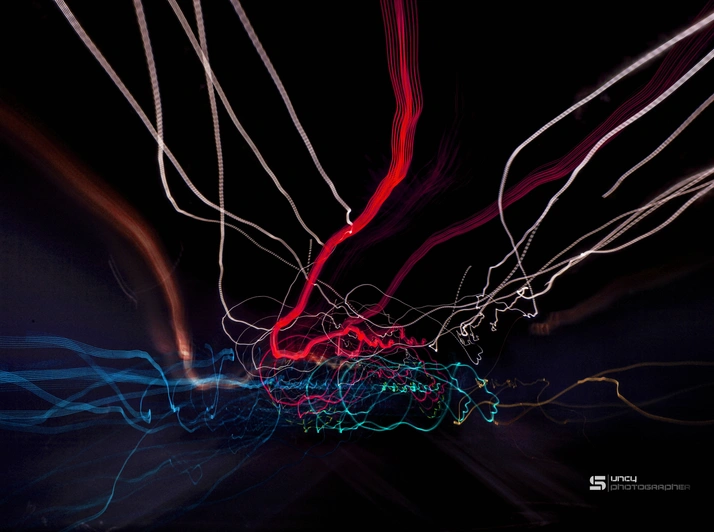
The drive from Tengchong back to Dali takes over five hours. By then, Tengchong was experiencing a torrential downpour. We decided to drive to Baoshan first and have lunch there. Inside the tunnels, I took many time-lapse photos of the tunnel lights, later adjusting them into various colors and light patterns, creating a surreal, fantastical effect—though honestly, it was because the heavy rain outside left little else to photograph.
In the afternoon, we returned to Dali. Seeing the perfectly formed clouds, I took plenty of photos. If Heshun was quiet and peaceful, Dali was vast and magnificent. Cangshan Mountain sat serenely behind Erhai Lake, and the familiar feeling returned.
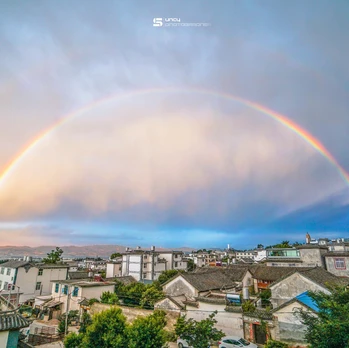
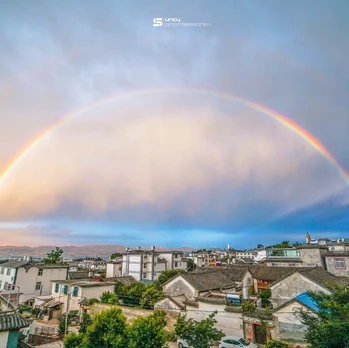
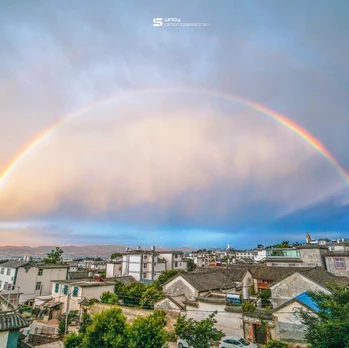
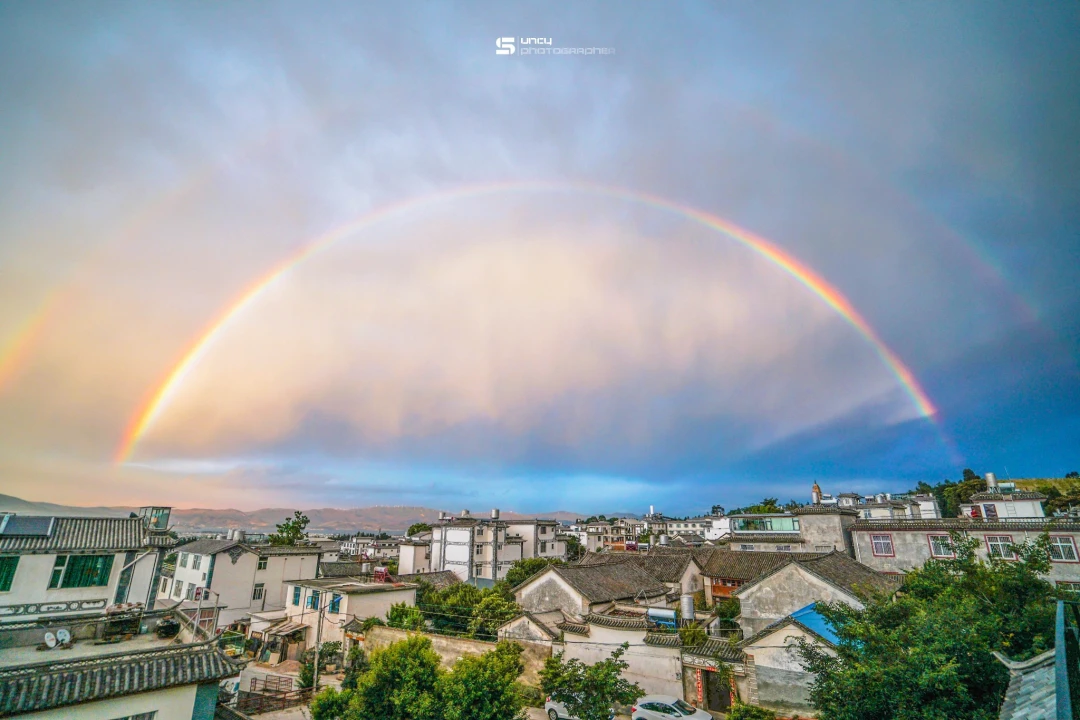
By the time we got back to Monster's Guesthouse, it was already past 9 p.m. My friend Gouhang wasn't ready to call it a night and dragged me to Dali University to photograph the stars. Occasionally, after a light rain in Dali, you can see double rainbows and light leaking through the clouds. Dali University's wide square offered a good view and was a great spot for star photography.
After taking the last set of photos, I returned to the guesthouse to transfer the files. Honestly, I was too tired to even shower. I lay in bed, played on my phone, and dozed off. On both visits to Tengchong, I had the same feeling: the moment I returned, I missed the sunshine and the streets of Tengchong—I missed the intersections without traffic lights, the empty hot springs, and even the bridge I had crossed on the road.
Food Recommendations
At the end of this travelogue, let me recommend some of Tengchong's local snacks (taste is subjective):
- 大救驾 (Dajiujiao / "The Emperor's Savior") : Made from high-quality rice into rice noodle strips, stir-fried with fresh meat, eggs, winter mushrooms, and chili peppers. Nutritious and delicious. Legend has it that when Emperor Yongli fled to Myanmar, he tried this dish in Tengchong and praised it repeatedly, hence the name.
- 小锅饵丝 (Small Pot Rice Noodles)
- 烧二块 (Shao'er Kuai / Grilled Rice Cakes)
- 撒别 (Sable / Sour and Spicy Noodles)
- 叠水河的卷粉 (Dieshuihe Rice Rolls)
- 希豆粉饵丝 (Xidoufen Rice Noodles with Chickpea Jelly)
- 刮粉 (Guafen / Rice Jelly)
- 中心小学的红烧肉拌米线 (Central Primary School's Braised Pork with Rice Noodles)
- 松花糕 (Songhua Cake / Pine Pollen Cake)
In addition, 土锅子 (Clay Pot Stew) is cooked in locally fired clay pots with a broth made from chicken and fresh pork bones, layered with various vegetables at the bottom. 和顺头脑 (Heshun Brain Tonic) is a typical medicinal dish, combining traditional Chinese medicine with food, known for its nourishing properties.
Epilogue: The Meaning of Travel
My trip to Tengchong taught me what it means when "everything happens for the best." Whether it was Heshun in the rain, the steam-shrouded Rehai, or the wild grass-covered volcanoes, every scene told its own story.
Travel isn't about escape—it's about returning better than you left. When you walk through unfamiliar streets and see different landscapes, you realize that the troubles in your life are really not that big a deal.
If you're tired of the city's noise, come to Tengchong for a while. Here, you can soak in a hot spring, climb a volcano, stroll along the cobblestone streets of an ancient town, listen to the rain, and watch the clouds roll by. You'll discover that life can be so simple and beautiful.
A final tip: Tengchong is relatively affordable, making it a great choice for budget travelers and anyone looking to escape the hustle and bustle. The city is clean, and safety is not a concern at all. If you have the time, I recommend staying a few extra days to slowly experience every inch of this land.
May you also find your own peace on your journey.
You should also read:
Into the Hidden Valley: A Solo Journey Through the Mysterious Dulong River
Into the Hidden Valley: A Solo Journey Through the Mysterious Dulong River Deep in the northwestern corner of Yunnan Province, tucked away from the modern world, lies a place that feels like a secret whispered among mountains. The Dulong River Valley is not just a…
Continue reading...
Tengchong·Heshun: Finding Life as It Should Be in a Border Town Where Time Stands Still
Tengchong·Heshun: Finding Life as It Should Be in a Border Town Where Time Stands Still The long journey of over twenty days was over. On my first day back at the office, I was still in a daze. My fingers couldn't find the keys on…
Continue reading...
God’s Abandoned Palette: A Self-Drive Journey Through Yunnan’s Dongchuan Red Land
God’s Abandoned Palette: A Self-Drive Journey Through Yunnan’s Dongchuan Red Land Travel has never been about reaching some distant geographic coordinate. It’s about encountering, along the way, the version of yourself buried beneath the rubble of daily routine. During this May Day holiday, I finally…
Continue reading...