Walking Alone Among Mountains, Waters, and Ancient Architecture | A Travelogue and Guide to Dali by Bus and Carpool (Erhai Lake, Cangshan Mountain, Shaxi Ancient Town, Xizhou Ancient Town, Xiaguan)
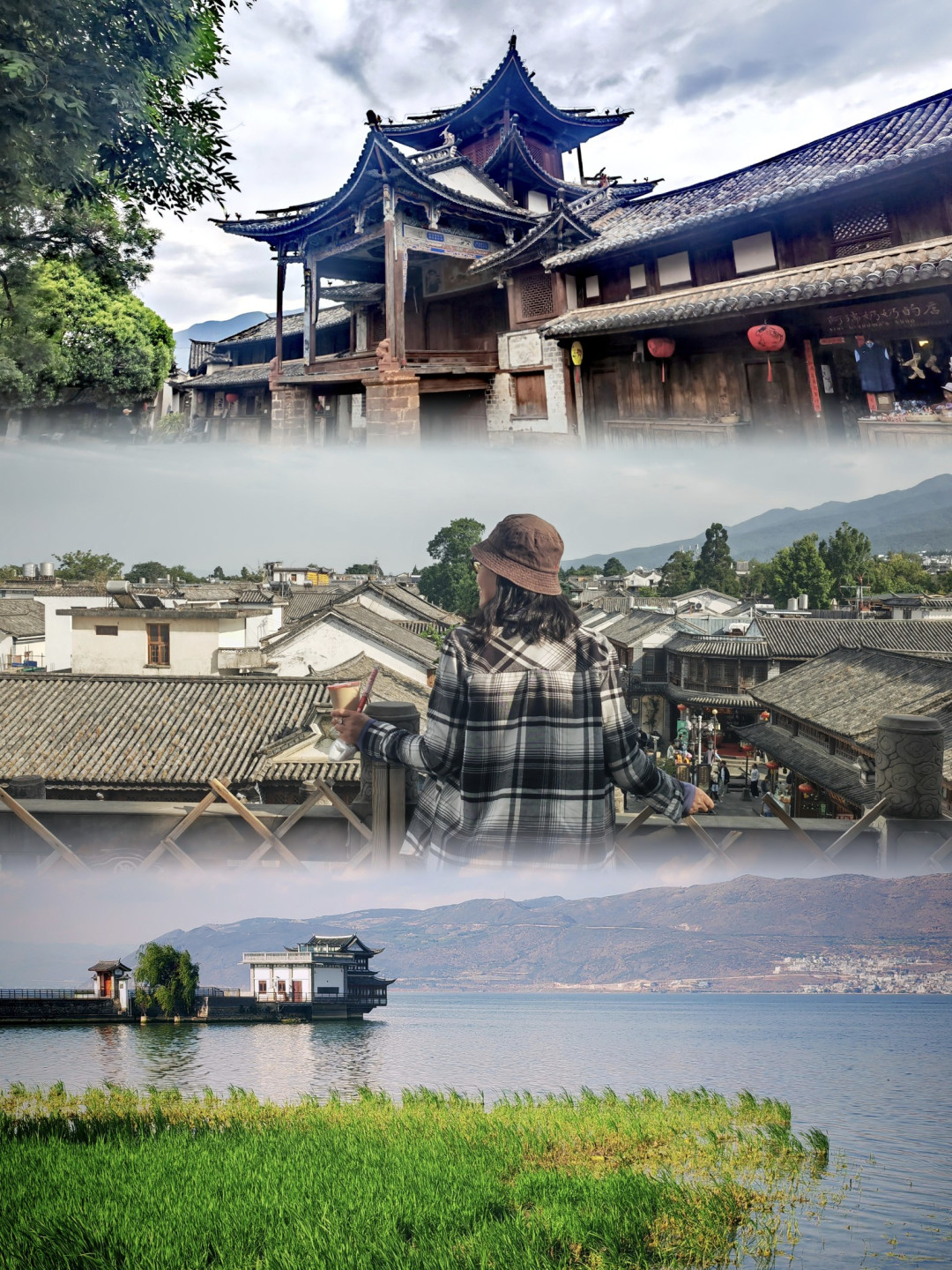
Walking Alone Among Mountains, Waters, and Ancient Architecture | A Travelogue and Guide to Dali by Bus and Carpool (Erhai Lake, Cangshan Mountain, Shaxi Ancient Town, Xizhou Ancient Town, Xiaguan)
An Escape on a Whim
Sometimes, travel isn't something you plan—it's something life pushes you into.
I had just finished my last trip, and there were a few days left before my annual medical checkup. Instead of holed up in my room scrolling through my phone and staring blankly at the wall, I figured I might as well find a place to truly enjoy this unexpected slice of freedom. Dali, which I had only briefly passed through over a decade ago, became my destination.
This six-day solo trip, though it collided with the peak tourist season, gifted me with unexpected moments of emotion in unplanned corners and chance encounters with beautiful scenery. It proved that even a short itinerary, if traveled with intention, makes every step worthwhile.
Trip Overview
- Dates: May 4 – May 9, 2024
- Traveler: Solo
- Average Cost: Approximately 1,957 RMB (excluding round-trip airfare)
- Long-Distance Transport: Plane + high-speed rail
- Local Transport: Bus, carpool, taxi, shared e-bikes
- Accommodation: Hiyou Hotel in Dali Ancient Town (entire trip)
Accommodation Recommendation: Living in a Century-Old Mansion
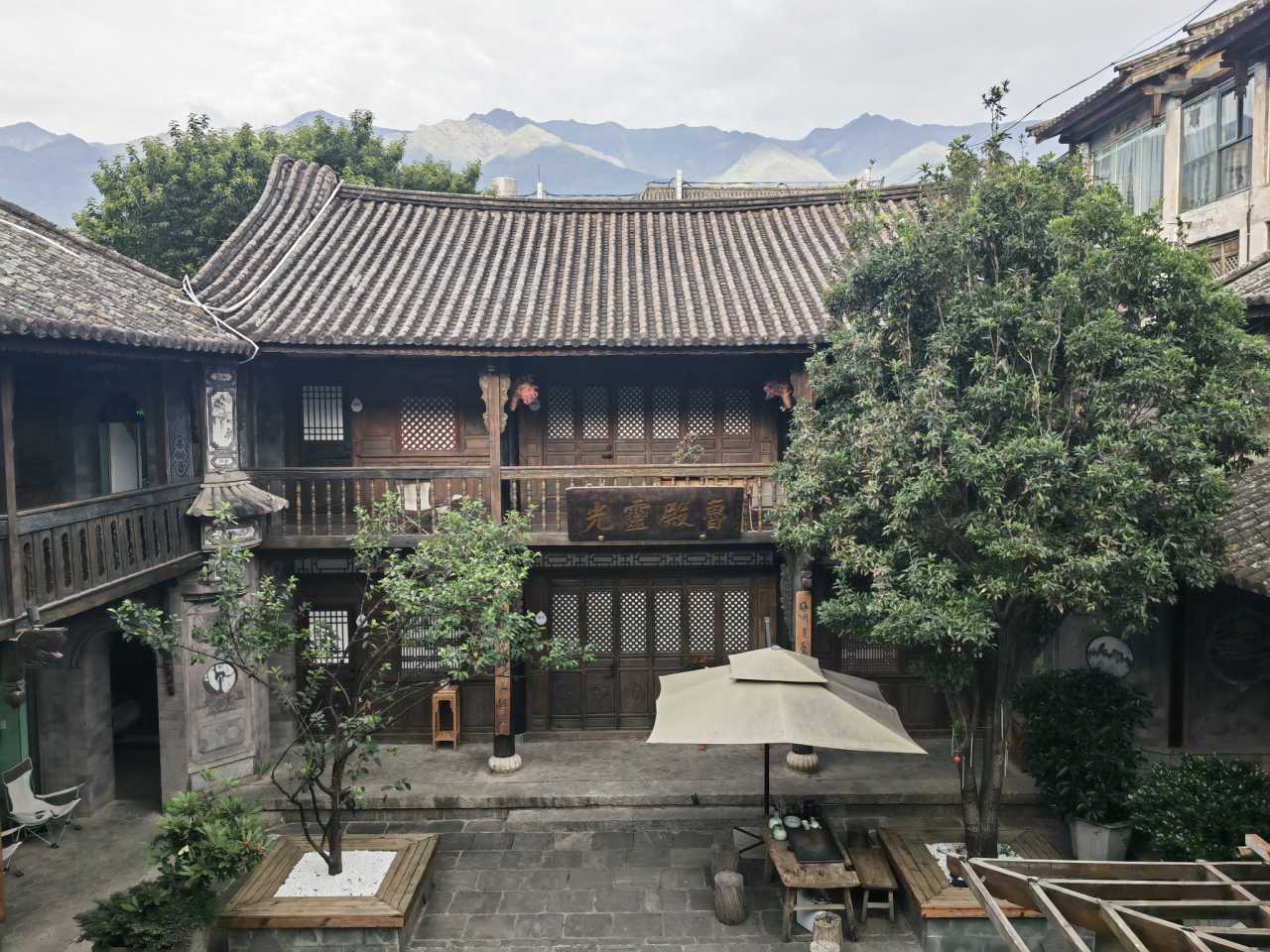
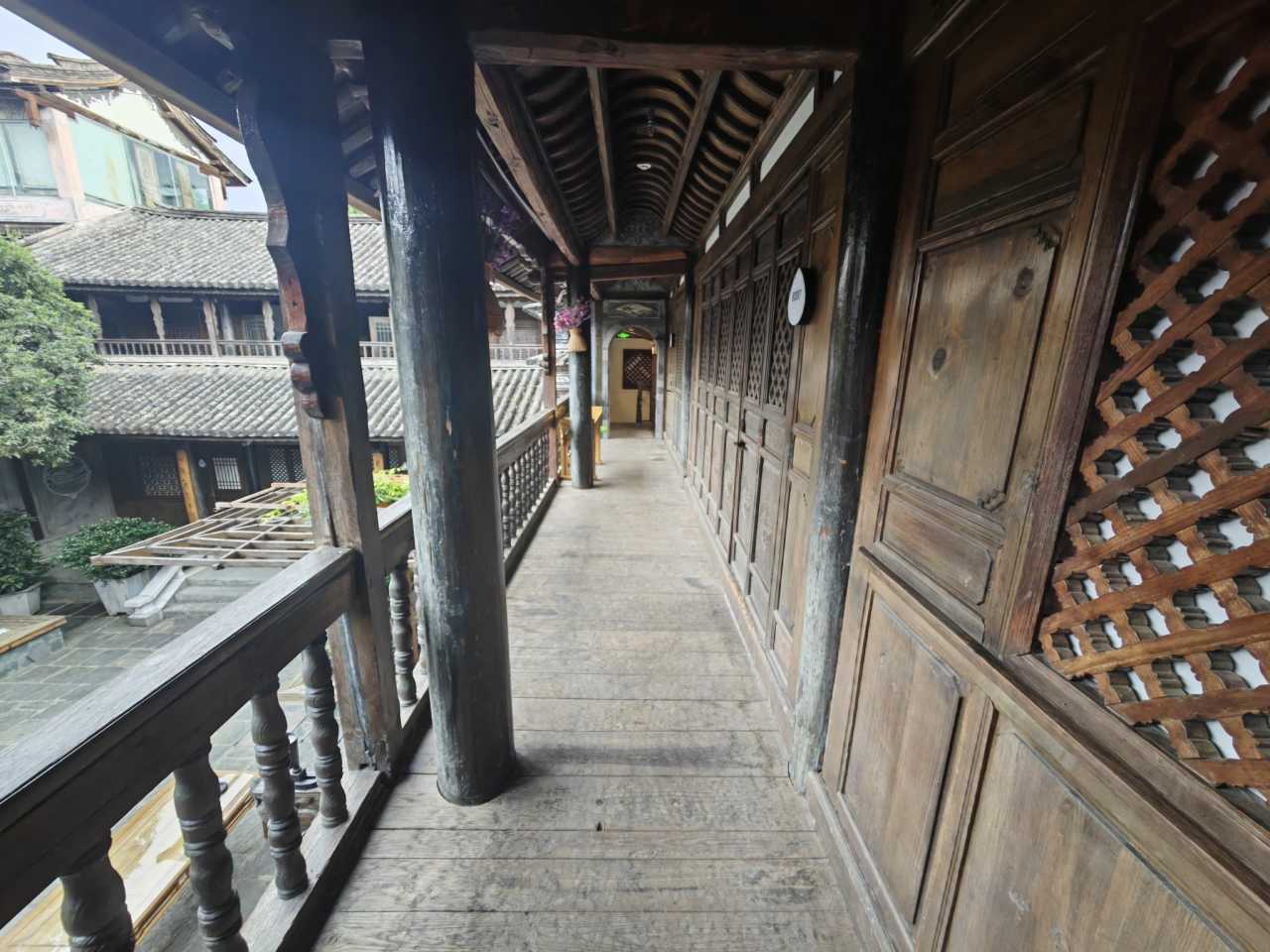
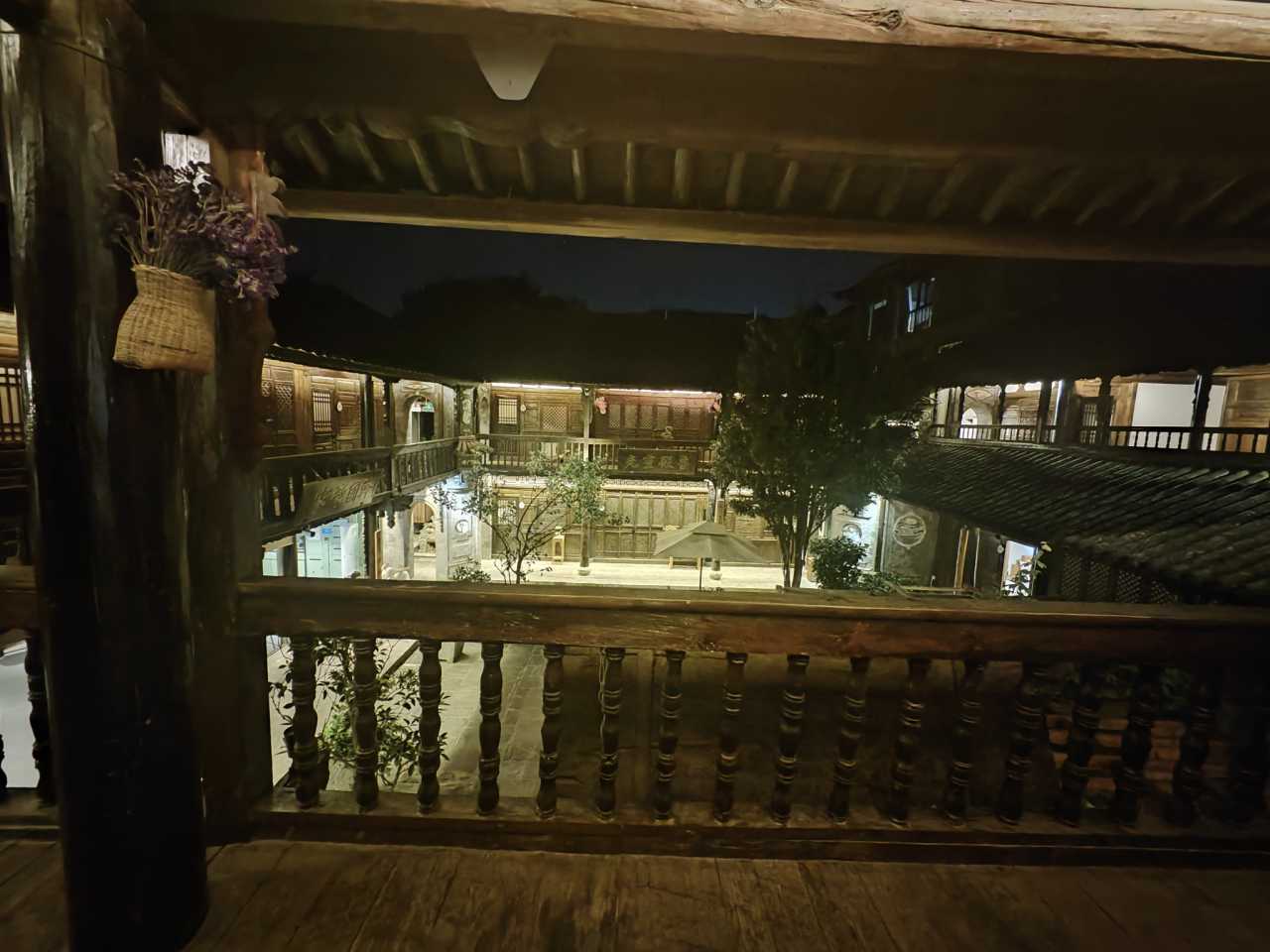
For the entire trip, I stayed at the Hiyou Hotel on Yangrenjie (Foreigner's Street) in the ancient town. The hotel was originally a typical Bai-style courtyard known as "three rooms and one screen wall," said to have once been the residence of a county magistrate. It also served as a filming location for the TV drama Si Teng (Rattan). Drinking tea in the courtyard while watching the colorful clouds drift across the sky above the central courtyard was an experience in itself.
The hotel offers a washing machine, breakfast, and evening fruit. It's also incredibly convenient for getting around and finding food. The only downside was the poor soundproofing—I could clearly hear conversations from the next room, and the school bells from a nearby school easily disturbed my sleep. Fortunately, the front desk staff were attentive and moved me to a corner room, which solved everything.
Day 1: Guangzhou → Kunming → Dali, Worth All the Hassle
I couldn't get a direct flight to Dali, so I had to transit through Kunming. It rained continuously on the day of departure, and my flight was delayed by over an hour. I even grumbled to myself: since I hadn't planned any activities for the day anyway, why not delay it longer so I could claim that 400 RMB insurance compensation?
Upon arriving in Kunming, I decided to take a bullet train to Dali. Baidu Maps told me to take Line 6 at the airport, then transfer to Line 2, and finally to Line 1. But once I was on Line 2, I realized the second stop was Kunming Railway Station—the navigation app hadn't updated in time, which actually saved me from an extra transfer.
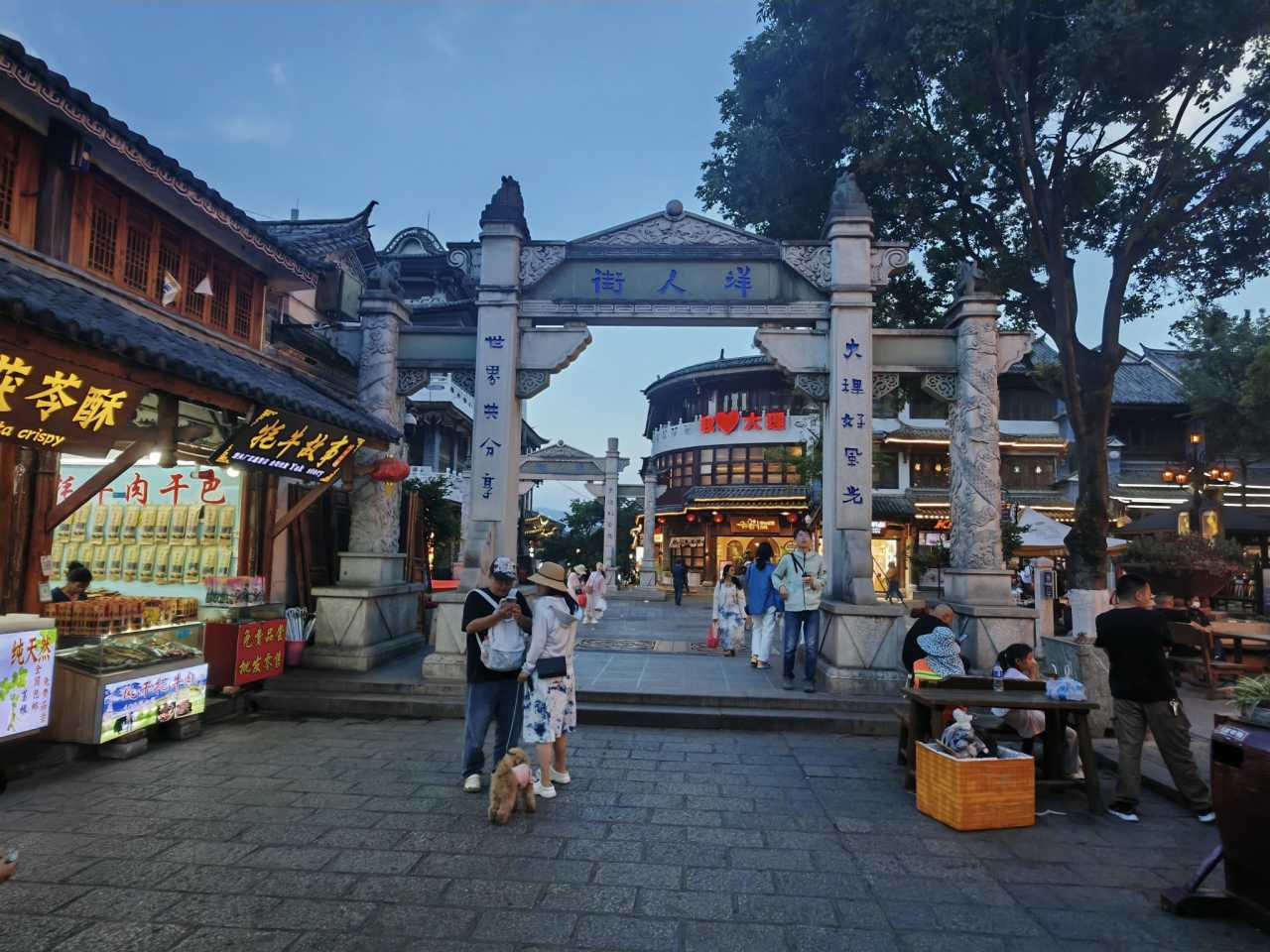
I bought my train ticket while exiting the subway and finally arrived at Dali Station around 6:30 PM. I took Bus No. 4 to the ancient town, checked in, strolled along Yangrenjie, and had a bowl of rice noodles. Day one ended with all that hustle and bustle.
Daily Expenses: 559.5 RMB
Day 2: A Day on Cangshan Mountain, Hiking the Jade Belt Cloud Path
The weather forecast predicted cloudy skies, and since Erhai Lake wouldn't look great for photos, I decided to dedicate my first full day to Cangshan Mountain.
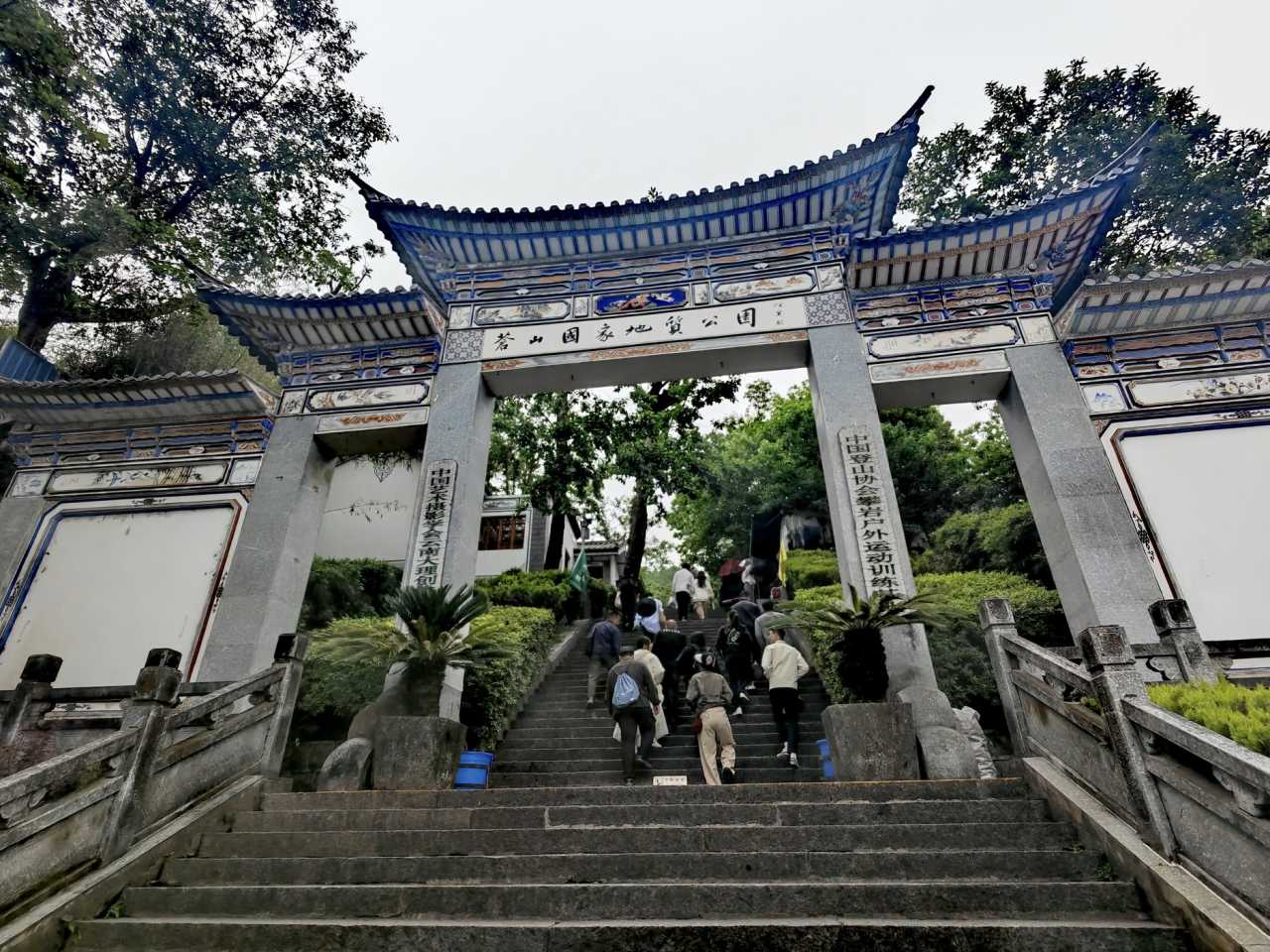
Cangshan stretches about 48 kilometers from north to south, consisting of 19 peaks with elevations ranging from 3,074 to 4,122 meters. Three cable cars lead to the summit: Gantong Cable Car, Ximatang Cable Car, and Zhonghe Cable Car. Considering there was no snow on the mountaintop in May and the Ximatang Cable Car often closes due to weather, I chose to take the Gantong Cable Car up.
Jizhao Nunnery: Succulents Turned Internet Sensation
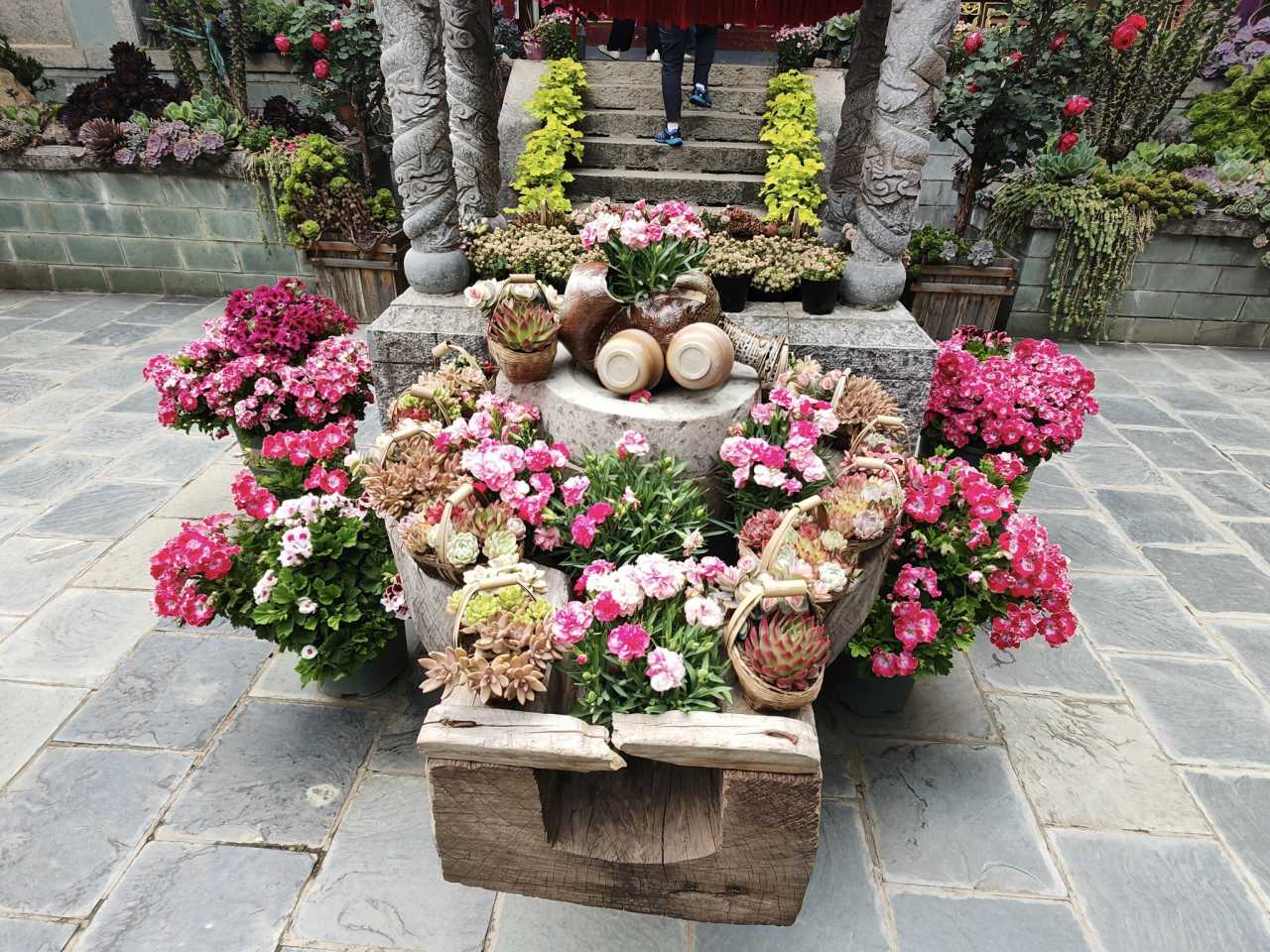
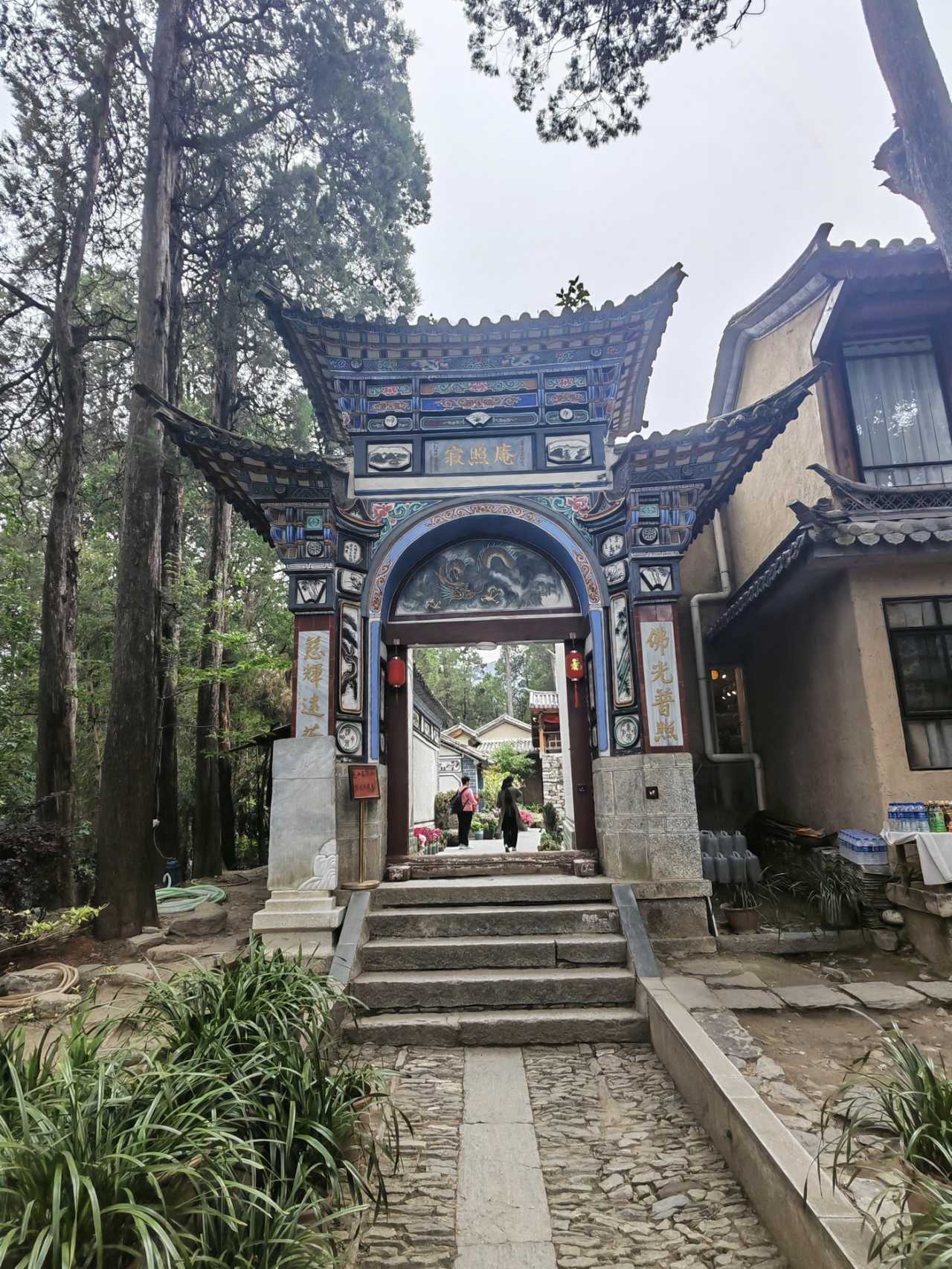
I first visited Jizhao Nunnery. This Buddhist nunnery is tucked away on the southern slope of Shengying Peak of Cangshan. Its backyard is filled with a variety of flowers and succulents, which have turned it into a popular Instagram spot. To be honest, though, it felt a bit too commercialized, as if it were deliberately catering to tourists.
Gantong Temple: The Serenity a Monastery Should Have
In comparison, I preferred Gantong Temple. This ancient temple, first built during the Han Dynasty, had almost no visitors—only two worshippers paying their respects inside the main hall. The small temple preserves seven stone inscriptions that chronicle its rise and fall. Walking around here, I felt an unusual sense of peace.
Gantong Cable Car: A Panoramic View of Cangshan and Erhai

Riding the Gantong Cable Car up, the enclosed six-person cabin slowly ascended, offering glimpses of the lush Cangshan and the vast Erhai Lake. On the winding mountain road below the cable car, I saw hikers making their way on foot. I genuinely admired their stamina—after all, protecting my knees has become my top priority in recent years.
Jade Belt Cloud Path: An 11.5-Kilometer Hiking Feast
The Jade Belt Cloud Path is a walking trail halfway up Cangshan, at an elevation of about 2,600 meters, with a total length of 12.6 kilometers. The path is gentle and shaded by trees, making it ideal for hiking.
Along the way, I passed the Zhenlong Chessboard (the famous "Precious Dragon Chessboard"), where Duan Yanqing and the Venerable Huangmei played a game in Jin Yong's The Demi-Gods and the Semi-Devils; the Qingbi Stream (Clear Jade Stream), which Xu Xiake once praised as the most beautiful stream on Cangshan; and a grand canyon viewing platform, where standing in the wind made it feel as though I could hear the distant waves of Erhai Lake.
I encountered a little squirrel and offered it some corn. It jumped from a tree onto a stone pillar, looking cautious yet hungry—absolutely adorable.
Four hours of hiking took me through paths dotted with pink and white azaleas, across small streams and stone bridges, and around corners where the distant Erhai Lake and the ancient town suddenly came into view. Every frame was a delight.
Zhonghe Cable Car: Having the Entire Cable Car to Myself
After reaching Zhonghe Temple, I took the most primitive cable car—the Zhonghe Cable Car—down the mountain. It's an open-air two-person chairlift. Since there were very few visitors, I practically had the entire cable car to myself. As I slowly descended, the ancient town and Erhai Lake gradually drew closer. The sense of solitude mixed with a slight thrill was unforgettable.
March Street Market: Full of Local Flavor
After coming down the mountain, I headed to March Street Market. This traditional Bai market has now become a bustling everyday market. The most lively stall was run by a Xinjiang barbecue vendor, who sang, danced, and sold skewers of meat with great flair. A guy from Northeast China, sporting an exaggerated "thick gold chain," shouted loudly to attract customers. In contrast, the local vendors' stalls were much more low-key, quietly tending to their livelihoods.
I hadn't walked far before I was stuffed with various snacks.
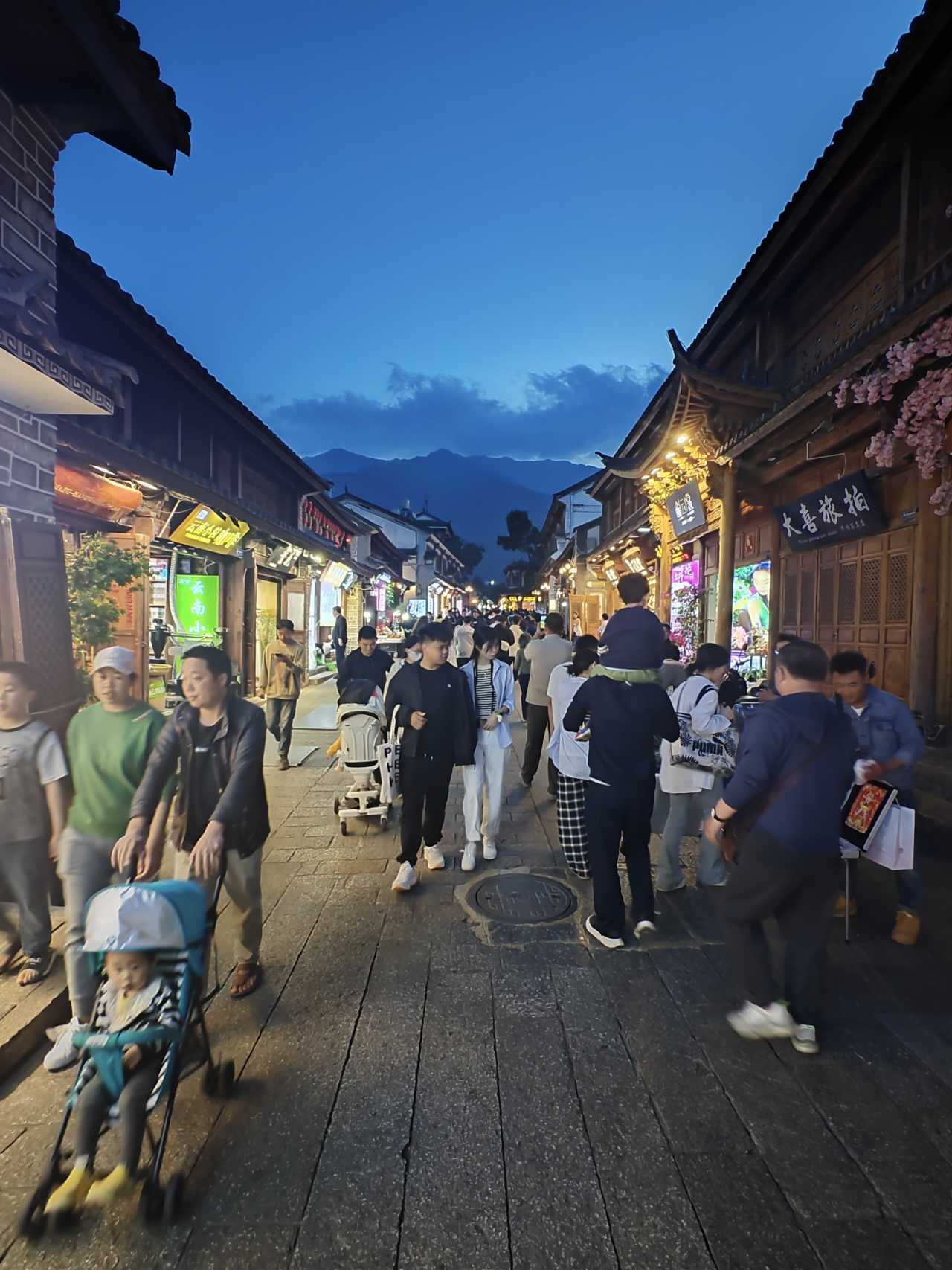
Dali Ancient Town: Crowds at Sunset
Entering the ancient town through Cangshan Gate, I found it packed with people as the sun began to set. Both Wuhua Tower (Five-Color Tower) and the South Gate are free to climb. From the top, I could overlook the ancient town and Cangshan Mountain, with clouds spreading across the brilliant blue sky—a perfect ending to the day.
Daily Expenses: 338 RMB
Day 3: Shaxi Ancient Town, a Gem on the Ancient Tea Horse Road
Since hiring a private car for a solo trip wasn't cost-effective, I chose to carpool to Shaxi Ancient Town. We set off at 9 AM. The driver first picked me up and another passenger, then went to Shuanglang to pick up two more people. We finally arrived at Shaxi at 11:20 AM.
Shaxi Ancient Town is located in Jianchuan County, nestled between the three major tourist areas of Dali, Lijiang, and Shangri-La. Once a pivotal salt trading hub, it still retains the look and feel of a Tea Horse Road town.
Sideng Street: The Only Surviving Market
Walking along the bluestone-paved Sideng Street, every stone seemed to silently tell stories of years gone by. I could almost hear the jingling of horse bells and see caravans either hurrying along, trading, or feasting in roadside taverns.
Ouyang Courtyard: A Five-Star Inn for Caravans
This courtyard, built in the late Qing Dynasty and early Republic of China era, features the Bai architectural style of "three rooms and one screen wall, four courtyards and five patios." It also includes a stable and a garden, earning it the nickname of a "five-star inn" on the Ancient Tea Horse Road. The wood carvings, painted decorations, and layout all showcase the exquisite craftsmanship of traditional Bai architecture.
Xingjiao Temple: A Silent National Heritage Site
Xingjiao Temple is a sixth-batch National Key Cultural Relic Protection Unit, built during the Yongle reign of the Ming Dynasty. It is the most well-preserved temple of the Azhali sect of Bai Buddhism in China. However, the newly restored parts had a strong smell of fresh paint, and clothing and painting stalls were set up outside the Heavenly King Hall, which felt somewhat out of place for such an important heritage site.
The Stage: Time Stands Still Here
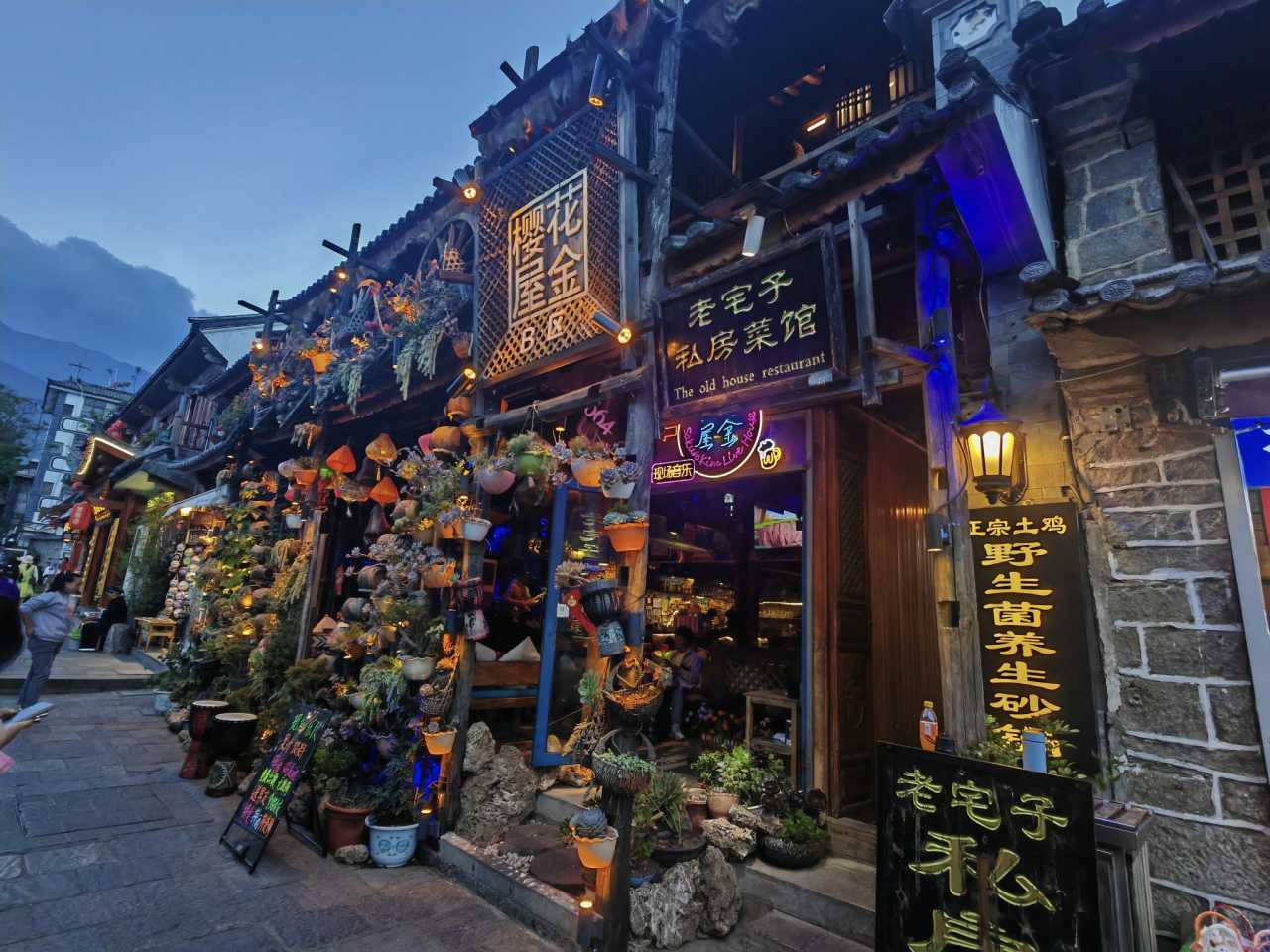
The stage in Shaxi Ancient Town is located at the center of Sifang Street (Square Street) and was built during the Jiaqing reign of the Qing Dynasty. I sat under an old camphor tree in front of the stage, watching the sunlight filter through the leaves and cast dappled shadows on the ground. What year was this, I wondered?
Yujin Bridge: A Pastoral Idyll
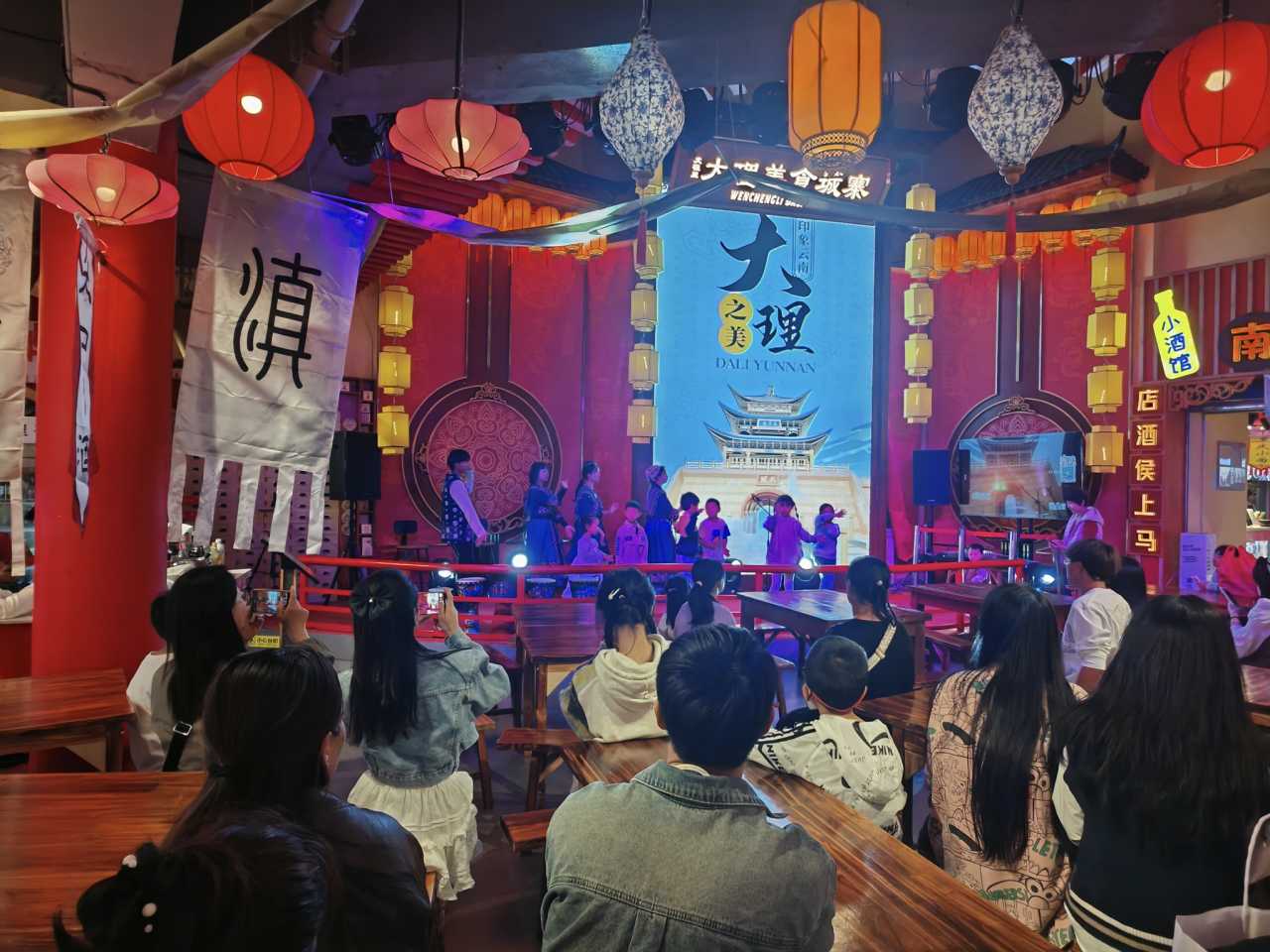
Yujin Bridge is a semicircular stone arch bridge, first built during the Kangxi reign of the Qing Dynasty. Standing on the bridge, I could hear the gurgling stream below, see horses and sheep grazing leisurely on the banks, and gaze at the rolling mountains in the distance and the drifting clouds in the sky—at that moment, I truly understood what "poetry and the distant horizon" meant.
Near the bridge, someone was playing music and singing, with tourists listening quietly. It was a scene of perfect tranquility. I lingered there for a long time, reluctant to leave.
Librairie Avant-Garde (Frontier Bookstore): A Lamp in the Bookshop
I walked two kilometers to the Librairie Avant-Garde Shaxi Bai Bookstore. The path took me through fields and alongside a stream—a pleasant 30-minute walk. The bookstore isn't large, but it's neatly organized. If I hadn't needed to catch a ride back to Dali, I would have gladly stayed there, reading by lamplight until nightfall.
Tip: Shaxi Ancient Town is quite small. If you don't walk to the Librairie Avant-Garde, two hours is enough to see it. Because I spent time daydreaming at Yujin Bridge and walking back and forth, I ended up using four hours.
Daily Expenses: 372.84 RMB
Day 4: Cycling Around Erhai Lake, a Romance Only a Sunny Day Can Offer
After two consecutive days of clouds and rain, the sky finally cleared up today. I was very glad I had saved my trip to Erhai Lake for a sunny day—otherwise, the scenery would have been greatly diminished.
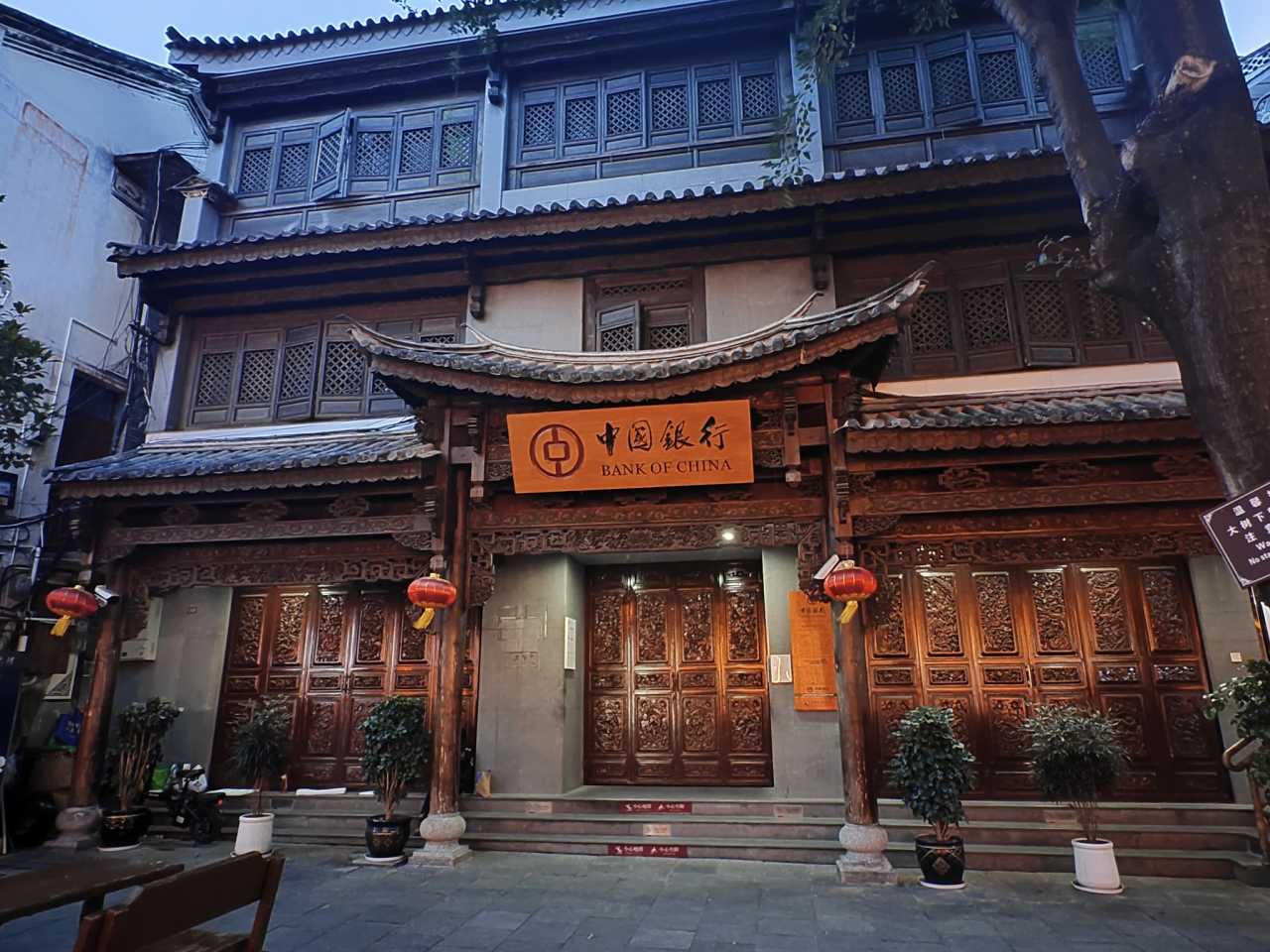
My original plan was to cycle counterclockwise along the western shore of Erhai Lake. But after leaving my hotel, I somehow ended up on a bus heading to Caicun Pier, resigning myself to a clockwise tour of the western shore.
(The rest of the day's itinerary was not fully provided in the original text.)
Practical Tips Summary
Tips for Visiting Cangshan Mountain
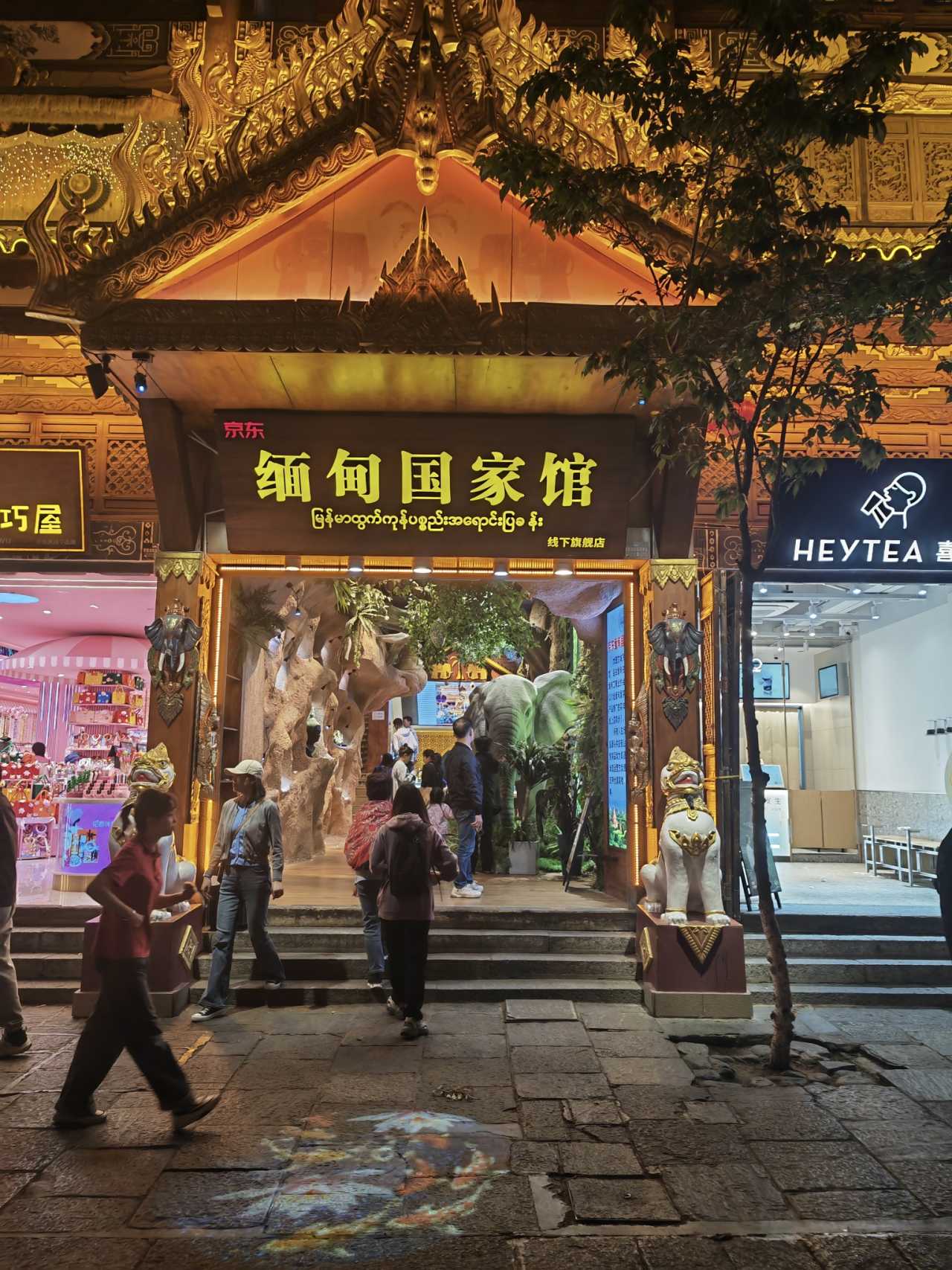
- The three cable cars each have their own character: Gantong Cable Car is the most classic, Ximatang Cable Car is the longest (reaching the summit), and Zhonghe Cable Car is the most primitive (open-air double chairlift; not recommended for those afraid of heights).
- Follow the official WeChat account "Dali Travel Service" (大理旅游服务). It announces whether the cable cars are open every morning between 8:40 and 9:00 AM.
- Prepare for both cold weather and sun protection. The summit is nearly 4,000 meters above sea level, so take precautions against altitude sickness.
- The Jade Belt Path is at an elevation of 2,600 meters, with gentle terrain. Walking the 11 kilometers is quite manageable.
Tips for Shaxi Ancient Town
- Located between Dali and Lijiang, it's actually closer to Lijiang.
- A highway now connects to the town, making the drive just over an hour.
- Transport options: Self-driving or hiring a private car is best; carpooling or taking a shuttle bus is also possible (shuttle buses run on a fixed schedule, and the return trip tends to be early in the afternoon).
- For carpooling, you can negotiate the return time with the platform based on your own schedule—very flexible.
Free Viewing Points in the Ancient Town
- Wuhua Tower and the South Gate are both free to climb and offer excellent elevated views of the ancient town and Cangshan Mountain.
Final Thoughts
My six-day trip to Dali—not too long, not too short. From the Jade Belt Cloud Path on Cangshan to the Yujin Bridge in Shaxi, from the succulent garden at Jizhao Nunnery to the lively atmosphere of March Street Market, every place had its own unique flavor.
The beauty of traveling solo is that you can stop and daydream whenever you want, or change your itinerary on a whim. No one rushes you, no one waits for you. Every rhythm is in your own hands.
Perhaps the charm of Dali lies in this kind of "go with the flow" ease. Even in the midst of massive crowds, if you're willing to slow down, you'll always find beauty waiting for you around some unexpected corner.
If you're planning a trip to Dali, remember three things: choose the right weather, slow down your pace, and bring a heart that's ready to go with the flow. Leave the rest to Dali.
You should also read:
A 9-Day Yunnan Journey: From Lijiang to Dali to Tengchong – A Trip Toward Self-Reconciliation
A 9-Day Yunnan Journey: From Lijiang to Dali to Tengchong – A Trip Toward Self-Reconciliation Some say travel is simply going from a place you're tired of to a place other people are tired of. It stings to hear, but it's painfully true. Yet there's…
Continue reading...
Yunnan Travel Mastery: From Beginner to Pro-Level Player – A Complete Guide
Yunnan Travel Mastery: From Beginner to Pro-Level Player – A Complete Guide "Either travel or read, but your body and soul must be on the road." This quote has been repeated countless times, but very few people truly manage to be "on the road" and…
Continue reading...
Solo in Yunnan: A Wanderer’s Guide to the Land of Eternal Spring
Solo in Yunnan: A Wanderer’s Guide to the Land of Eternal Spring There’s something magical about traveling alone. No compromises, no schedules to keep, no one to please but yourself. I’ve been on the road for nearly three months now, and not once have I…
Continue reading...