Walking Haba Snow Mountain: Finding Inner Peace in the Mysterious Snow Realm
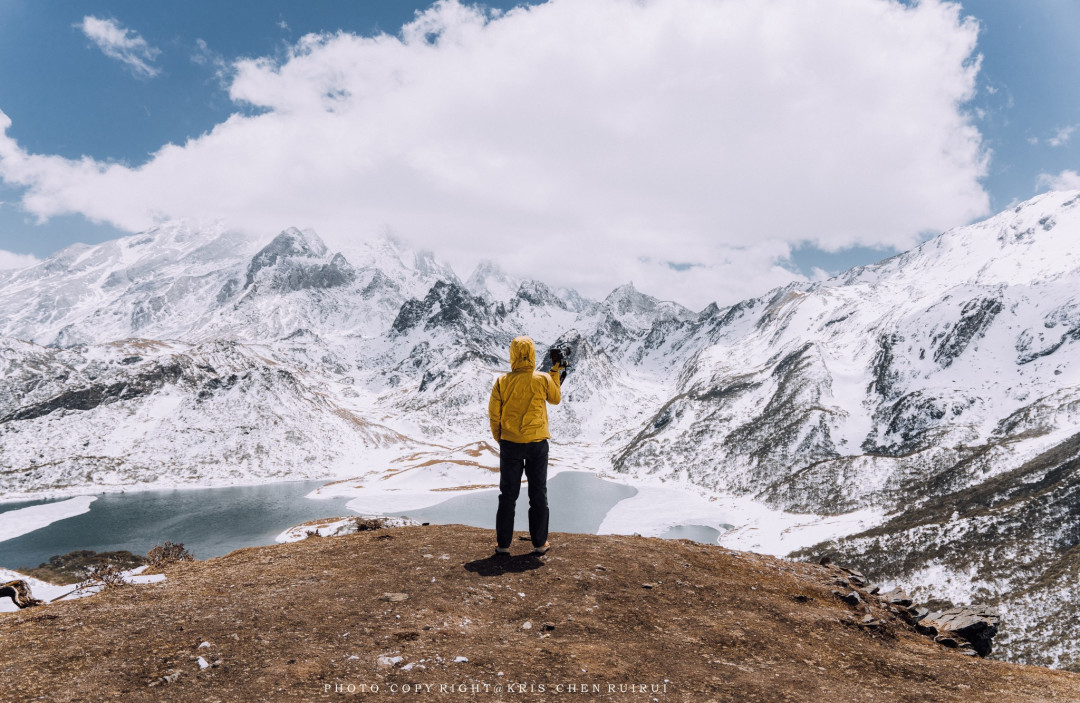
Walking Haba Snow Mountain: Finding Inner Peace in the Mysterious Snow Realm
When I posted on social media that I was about to head to a snow mountain in Yunnan, almost everyone's first reaction was: "You're going to Jade Dragon Snow Mountain?" I smiled and didn't rush to explain. Everyone knows Jade Dragon, but few people know that under the same sky in Yunnan, there lies an even more mysterious and pristine sacred mountain—Haba Snow Mountain.
This majestic peak, standing across the river from Jade Dragon Snow Mountain, rises to 5,396 meters above sea level, while the river at its base is only 1,550 meters. The vertical drop of 2,700 meters makes it appear extraordinarily imposing. Its summit is perpetually covered in snow, shrouded in clouds and mist, like a silent guardian deity quietly standing on the land of Shangri-La. It is the highest peak in Shangri-La and is also known as one of "China's five most worthwhile entry-level snow mountains for climbing," alongside Yuzhu Peak, Mount Siguniang's Second Peak, Xuebaoding, and Jade Dragon Snow Mountain.
But for me, the allure of Haba Snow Mountain goes far beyond "reaching the summit." What I wanted was to get close to it, to feel it, to listen to it—to wander at its base, to camp in its embrace, to gaze at the stars under its watch. So I gave up the ambition of summiting and chose a four-day, three-night leisure hiking route starting from Haba Village and ending at Black Sea. This was not a conquest, but a pilgrimage.
Why Haba Snow Mountain?
In 2014, Haba Snow Mountain was officially hailed as "the first 5,000-meter-altitude snow mountain in one's life." But even without summiting, it is one of Yunnan's "four most popular hiking destinations," alongside Yubeng, Anaguo, and Jade Dragon Snow Mountain. For someone like me, trying high-altitude hiking for the first time, this place was simply the perfect starting point.
I've always had an indescribable sentiment toward snow mountains. It's not the kind of "I want to conquer you" ambition, but rather a "I want to get close to you" longing. Find a holiday—not too long, four days and three nights, or five days and four nights—press pause on life, dive into the deep mountains and wild forests, pitch a tent, listen to the wind, watch the clouds, count the stars—this is the kind of travel I want.
Getting There: How to Reach Haba Snow Mountain
There are two main ways to get to Haba Snow Mountain:

- Fly to Lijiang, then drive to Haba Village
- Fly to Shangri-La, then drive to Haba Village
The distances are similar—about 120–130 kilometers, with a drive time of roughly 2–3 hours. It's worth noting that Haba Village belongs to Shangri-La City, so going from Lijiang means crossing city boundaries, but the roads are in good condition, and self-driving is perfectly fine.
Hiking Route Details: East Slope and West Slope

The Haba Snow Mountain loop is divided into the East Slope and West Slope, and the East Slope is further split into a big loop and a small loop. I only figured this out after arriving at Haba Village and chatting with fellow hikers.
East Slope Summit Hiking Route
Big Loop: Lijiang/Shangri-La → Haba Village → Alpine Pasture (Sheep Pen) → Lanhua Ping Camp → Black Sea → Haba Snow Mountain Base Camp → Summit → Return
Small Loop: Lijiang/Shangri-La → Haba Village → Haba Snow Mountain Base Camp → Summit → Return
East Slope Leisure (No Summit) Route
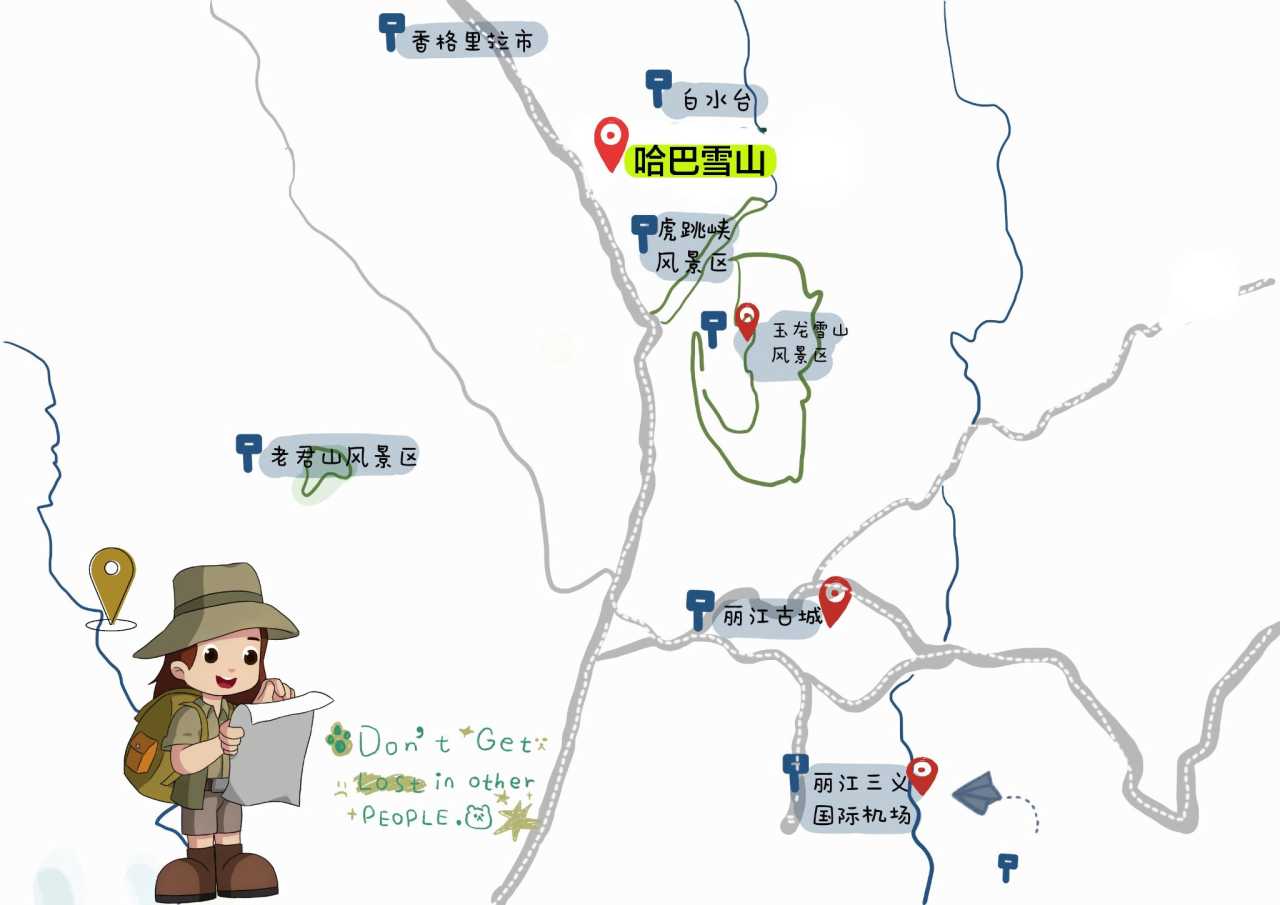
Route A: Lijiang/Shangri-La → Haba Village → Alpine Pasture → Lanhua Ping → Black Sea → Return
Route B: Lijiang/Shangri-La → Haba Village → Dera Camp → Alpine Pasture (Sheep Pen) → Lanhua Ping Camp → Black Sea → Return
West Slope Hiking Route
Summit Route: Lijiang/Shangri-La → Haibaluo → First Camp → Twin Lakes → Second Camp → Black Sea → Summit → Return
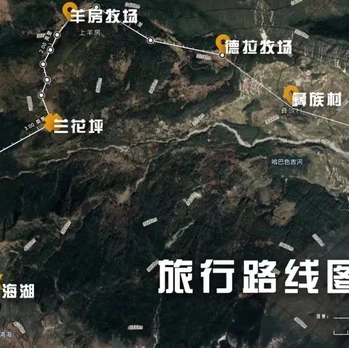
No Summit Route: Lijiang/Shangri-La → Haibaluo → First Camp → Twin Lakes → Second Camp → Black Sea → Return
I chose the East Slope leisure no-summit Route B, ending at Black Sea, spanning four days and three nights. As it turned out, this choice brought me unexpected surprises.
Tiger Leaping Gorge: Majestic Canyon and Raging River
Departing from Lijiang to Haba Village, Tiger Leaping Gorge is a must-pass destination. This is one of China's deepest canyons, a national AAAA-level scenic area, divided into three sections: Upper Tiger Leaping, Middle Tiger Leaping, and Lower Tiger Leaping.
Two Ways to Experience Tiger Leaping Gorge
Hiking Style: Tiger Leaping Gorge is one of the world's top ten classic hiking routes, listed by countless hiking enthusiasts as a "must-do in a lifetime." The famous high-road hiking trail from Qiaotou Town to Middle Tiger Leaping covers 26 kilometers, with low difficulty but top-tier scenery.
Leisure Style: Buy a ticket to enter the scenic area, admire the Tiger Leaping Rock at Upper Tiger Leaping, and then enjoy canyon views from various observation decks.
The "40-Minute Rule" Incident
The first time I passed through Tiger Leaping Gorge, I was stopped and asked to register my vehicle. The staff said that if I wasn't stopping to tour the scenic area but just passing through, I needed to exit within 40 minutes, or else I'd be charged extra. I searched online and found no official regulation about this, but I did see plenty of complaints about arbitrary fees at Tiger Leaping Gorge. In reality, I later drove from Upper Tiger Leaping to Middle Tiger Leaping, enjoying the sights, and when I finally exited through Lower Tiger Leaping, over an hour had passed—and I was never charged. So, don't worry too much about it.
The Pride of the Jinsha River Mega Bridge
The first observation deck after entering the Tiger Leaping Gorge scenic area is the Jinsha River Mega Bridge. This crossing of the Xiangli Expressway over the Jinsha River is the world's only single-tower earth-anchored suspension bridge in highway development history, and it has the longest span among bridges of its type. Since its opening in 2021, it has completely transformed local travel—going from Shangri-La to Lijiang no longer requires winding through mountain passes.
The Shock of Going Deep into the Canyon
Admission is 45 RMB per person. Following the winding stone steps down—about 2,000 steps—I was a bit out of breath toward the end, but the scenery along the way made every step worthwhile. The scenic area also has an escalator, costing 70 RMB per person for the round trip. Unless you have mobility issues or altitude sickness, I recommend walking, because the views and photo opportunities along the way are something the escalator can't provide.
Upper Tiger Leaping is the narrowest section of the entire canyon, with the river only about 20 meters wide. In the middle of the river sits a massive rock, about 13 meters high. Legend has it that a tiger once used this rock to leap across to the opposite bank, giving the gorge its name—"Tiger Leaping Rock." Standing on the observation deck, the cliffs on both sides look as if they've been sliced by a knife, with rapids roaring through the deep valley and water splashing everywhere. That overwhelming sense of power makes you instantly feel nature's incredible craftsmanship.
Haba Village: A Hidden Paradise at the Foot of the Sacred Mountain
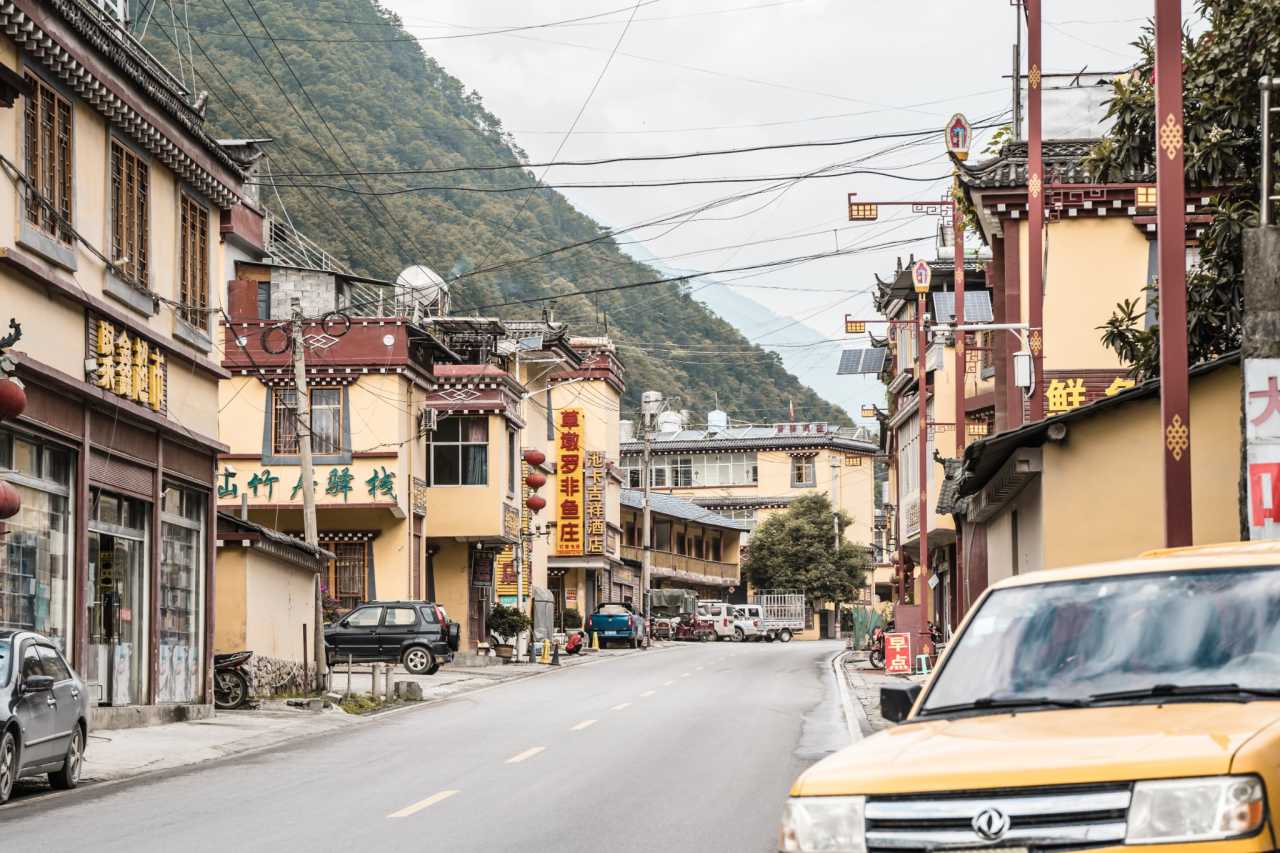
Haba Village, at an altitude of 2,700 meters, is a secluded little village in the valley on the northeast side of Haba Snow Mountain. It's located in Sanba Naxi Township, Shangri-La City, Diqing Tibetan Autonomous Prefecture, Yunnan Province. Known as "the Oriental Sharm El Sheikh" and "the first village of Haba Snow Mountain," it's the first stop for many who seek to conquer Haba, and serves as a buffer zone between Lijiang's 2,000-meter altitude and the summit base camp at 4,100 meters.
The Story of the Golden Flower
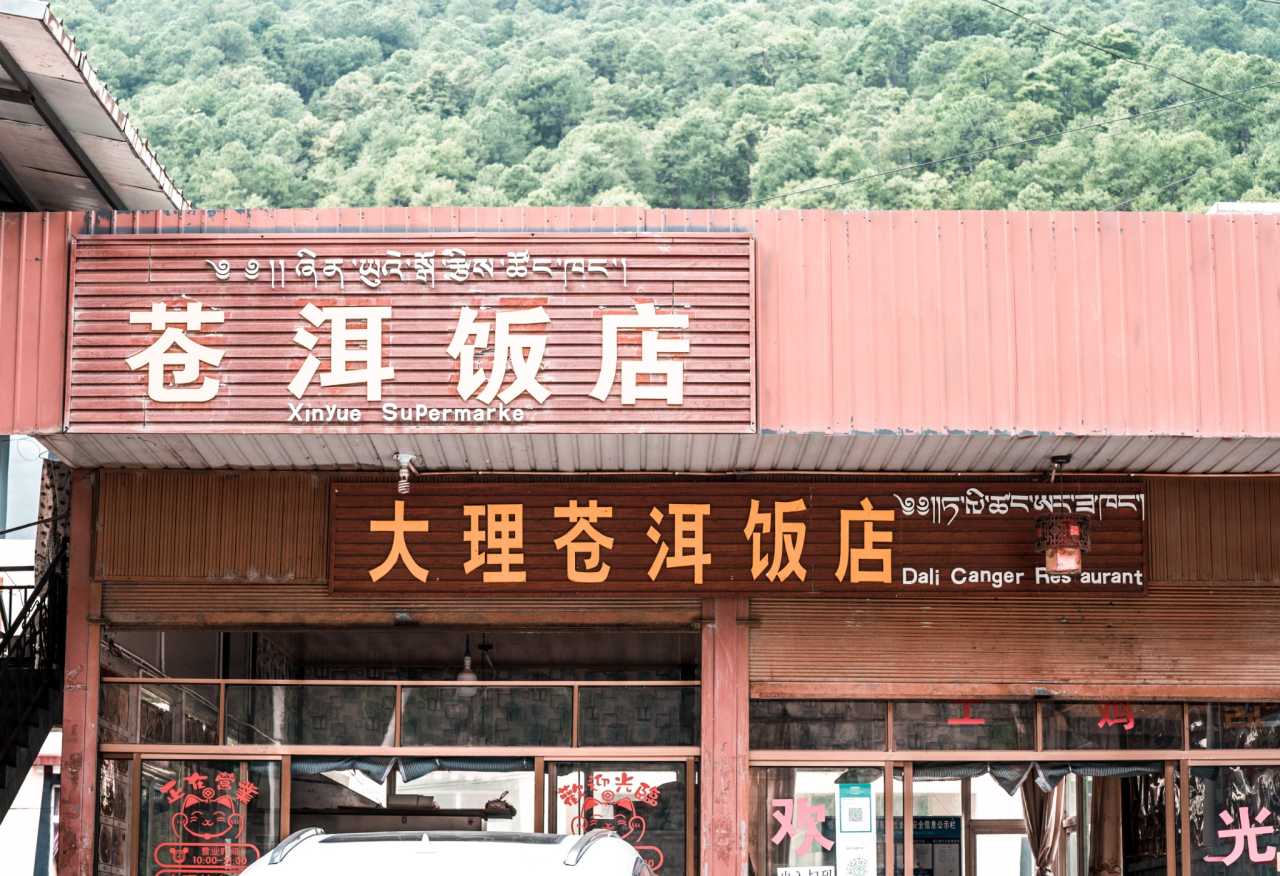
Haba Village was first discovered by Naxi people from Lijiang. "Haba" in the Naxi language means "a flower like gold"—the golden flower. Though called a "village," it's actually quite large in area and is a melting pot of ethnic groups. Naxi, Yi, Hui, Lisu, Han, and more than ten other ethnic groups each occupy their own hillsides—some high, some low—built along the slopes, nestled within lush forests.
Two Stays in Haba Village
There are about a dozen guesthouses in Haba Village, with fierce competition. I stayed at two, each with its own character.
Haba Commune: Famous for its Haba Snow Mountain summit club, offering 1:1 guide services for climbing. It consists of three traditional Naxi-style low-rise buildings, one newly built four-story building, and a large courtyard, capable of accommodating over 50 guests at a time. From the rooftop of the four-story building, you can overlook the entire Haba Village and watch the sunset over the snow mountain. The courtyard is filled with summit flags from various outdoor clubs, each signature boasting the climbers' achievements. The guesthouse is run as a family business: the owner Old He, his son Little He, and his son-in-law "Bandit" handle guest relations, while the wives and daughters manage housekeeping and the kitchen. My contact guide was Bandit—true to his name, but unexpectedly attentive.
Haba Banshan Inn: I ended up here on a whim. Perched halfway up the hillside, it's a two-story building with an open view, clean bedding, well-equipped rooms (water heater, electric blanket, heated bathroom), and good food. The owner, Losang, was warm and attentive, simultaneously managing both the Haba Village inn and the Dera Camp. The owner's wife was privately nicknamed "the most beautiful landlady in Haba Village" by us. Even in the off-season, it's almost always fully booked, so advance reservation is recommended.
Strolling Through Haba Village: Those Warm Moments

On the first afternoon, after arriving at Haba Village, I dropped my luggage and headed out with my tripod. Haba Village doesn't have any particularly standout attractions, but I just couldn't sit still. Walking up the winding mountain path, the 2,700-meter altitude wasn't too high, but the constant uphill still left me a bit breathless. Along the way, I was accompanied by intermittent dog barks—luckily, they were all leashed. Occasionally, I'd pass someone walking the other way, exchange a nod, and move on. Until an elderly villager stopped me in front of a cornfield and said, "There's no one living further ahead," I finally turned back.
Haba Village has an interesting story with corn. The village was first discovered because Naxi people saw corn growing on this land and determined the soil was fertile enough for farming, so they settled here. Besides corn, the area grows various fruits, walnuts, and Sichuan pepper trees. I tried a fruit handed to me by a Yi sister—it was juicy and sweet, bursting with flavor with every bite. But I also ate an unripe fruit from an uncle that was so sour it made me wince. Fruits from the same world, yet so different in taste.
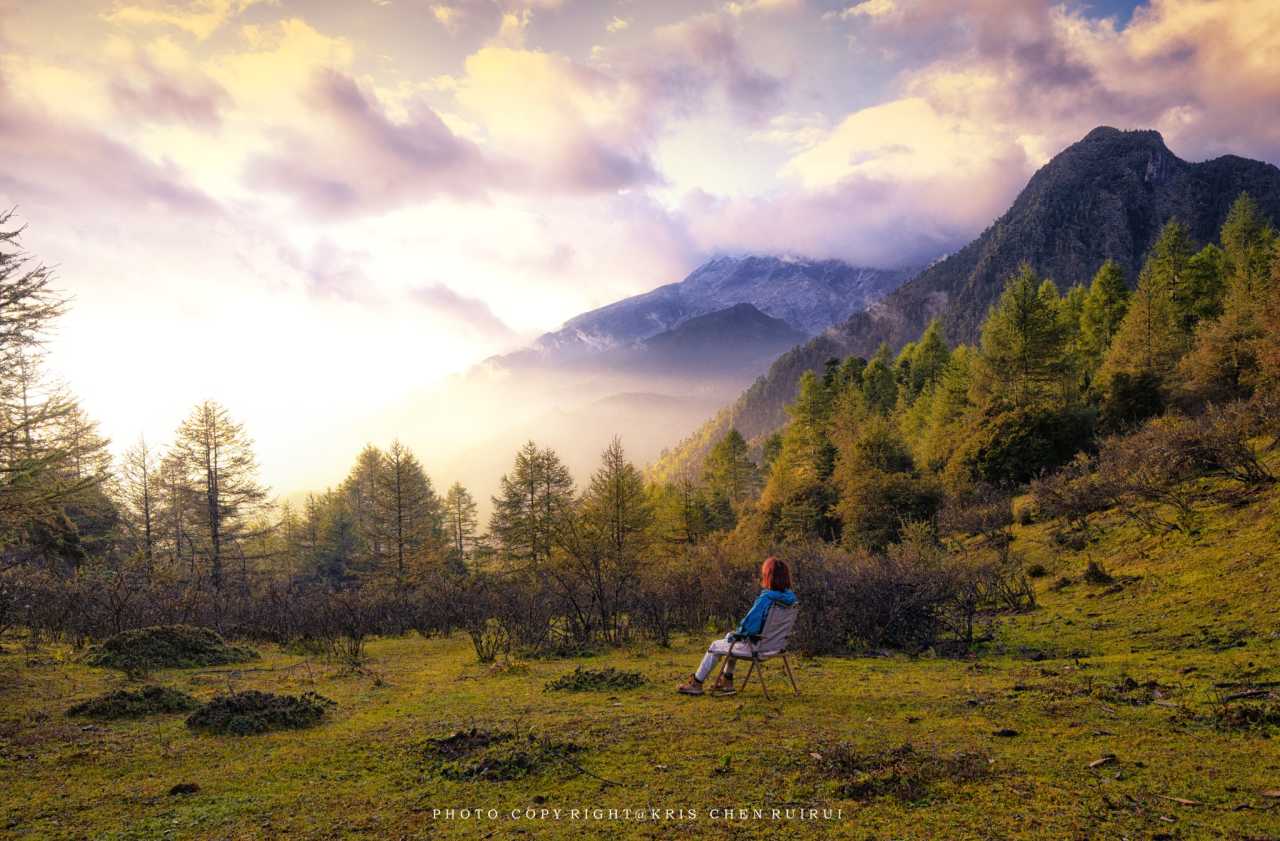
When I got tired, I climbed onto a protruding rock and sat quietly, gazing into the distance. Far away, the sky was vast and the sea of clouds rolled and wrestled among the mountains, while the village below let light and shadow dance across it, calm and composed. I pressed the timer on my camera to capture the fast-paced rhythm of the white clouds—they coiled around the peaks, playfully covering all the summits. All around was silence, broken only by the rustle of leaves in the gentle breeze and the crisp chirping of birds. This, I thought, is what peace and contentment feel like.
Those Funny Little Incidents
While walking back after photographing the sunrise, I spotted a few cows ahead and started snapping away with my camera. An elderly uncle, speaking Mandarin with a thick accent, kindly explained: "This is a female cow!" I casually replied, "Oh, a female cow! So, is she going up the mountain to feed the sheep?" The uncle paused: "Emmmm..." Instant foot-in-mouth moment—a social death scene. I quickly made my escape.
Another time, I met a driver who told me why he had returned to Haba Village from the big city. He said he couldn't adapt to the coldness between people in the city—even colleagues he'd worked with for years maintained an unbridgeable distance. But in Haba Village, when one family has a happy occasion, the whole village helps out. Women work in the kitchen, men help outside, and feasts last for three days, hosting waves of guests. In the city, even if you pass by a friend's doorstep, you might not be invited in for a visit. This coldness eventually made him give up city life and return to this hometown full of human warmth. As a socially anxious urbanite, I understand the habit of maintaining a proper social distance in the city, but I also deeply envy this kind of intimate, down-to-earth human connection.
Dera Camp: A Dreamy Night at the Alpine Pasture
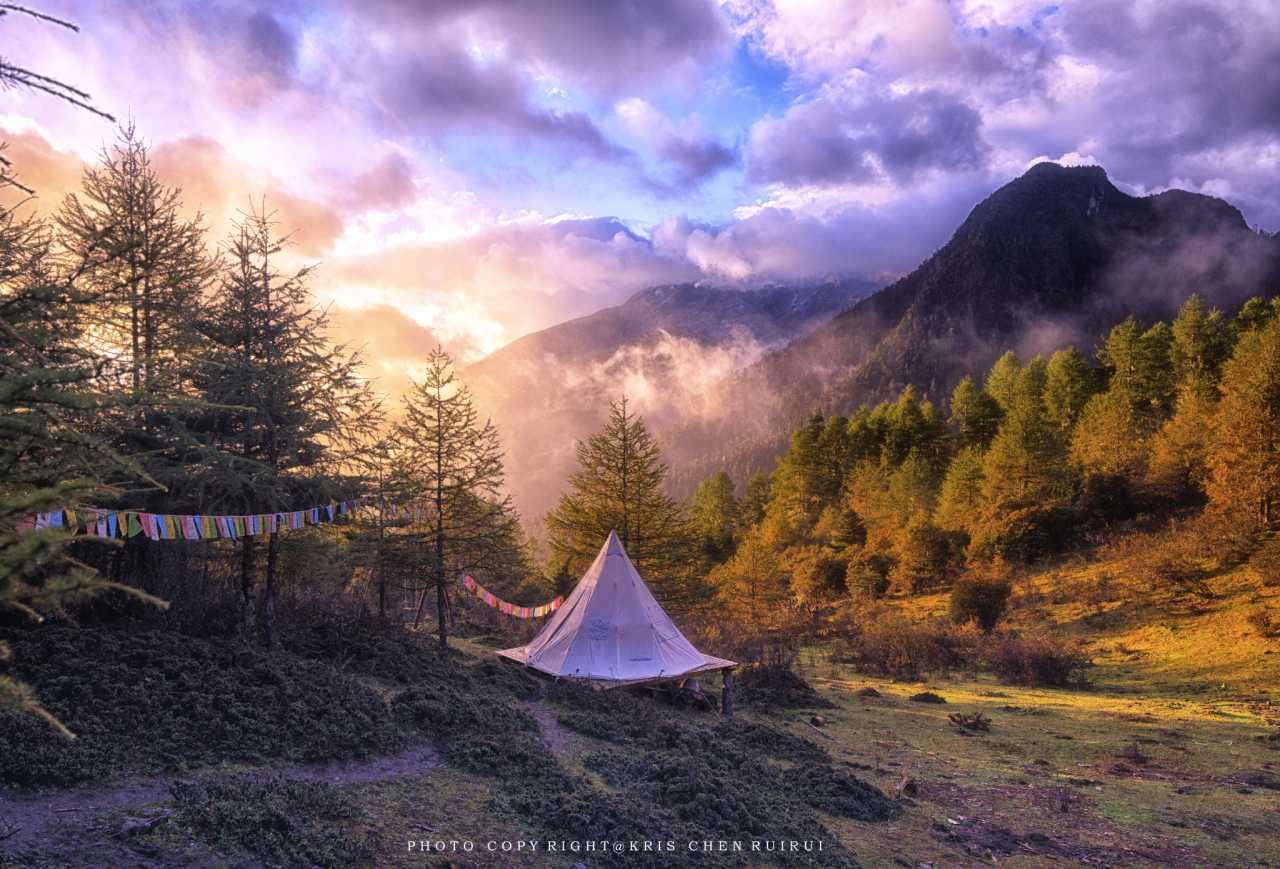
At the foot of Haba Snow Mountain lies a treasure-like wonderland—Dera Camp. This is where alpine pasture meets the sea of clouds, with babbling streams, blue skies and white clouds reflected in the snow mountain, and a pervasive natural serenity. Scattered across hundreds of acres are cream-colored tents and traditional Tibetan wooden cabins, offering an open view directly facing the snow mountain.
Dera Camp vs. Haba Village: How to Choose?

Both Dera Camp and Haba Village serve as starting points for Haba Snow Mountain hiking—choose one.
Staying at Haba Village: You'll need to drive 10 minutes from Haba Village to the Lanhua Ping hiking entrance to start your trek. The advantage is you can capture some cultural shots, and if you need to restock supplies, there's a convenience store. The downside is that the view is somewhat obstructed—you can't see the snow mountain directly.
Staying at Dera Camp: You can walk directly from the pasture to the Lanhua Ping hiking entrance, which is closer. The advantage is better scenery—you can wade in the stream at the foot of the snow mountain. During non-fire seasons, you can set off fireworks, and there's a bonfire at night. Cars can drive directly there—no hiking required.
The Surprise of High-Altitude Camping
Many people have a stereotypical image of high-altitude camping as a "monk-like" ordeal—no water, no electricity, roughing it in the elements. Before I left, I mentally prepared myself and packed all sorts of supplies. Little did I know, times have changed.
The tent was small but fully equipped. It had hotel-style amenities: disposable slippers, disposable toiletries, clean bedding, stylish camping stools and tables. There were also several clean public restrooms with flush toilets and hot running water for handwashing. At night, they'd generate electricity, so you could charge devices.
The only downside might be the poor phone signal—most areas had no reception. But this turned into an interesting "transformation process." City dwellers have an innate fear of being disconnected from their phones. Initially, everyone was panicked, then fell into a cycle of searching for signals, desperate to check every half hour whether there were any missed calls. But gradually, the intervals grew longer, until finally, we didn't pick up our phones for an entire day—after all, there was no signal anyway, so what could we do? It wasn't until we descended the mountain that the notifications started buzzing again in our backpacks.
Dera Camp is also a pasture, and from time to time, herds of highland goats would appear, strolling leisurely among the tents, nibbling on grass while sizing up these uninvited guests. The scene was so beautiful it didn't seem real.
Final Thoughts: Why You Should Come to Haba Snow Mountain
On this journey, I didn't summit, I didn't conquer, and I have no achievements to boast about. But I gained something more precious than reaching the top—at the foot of Haba Snow Mountain, I found a long-lost sense of peace.
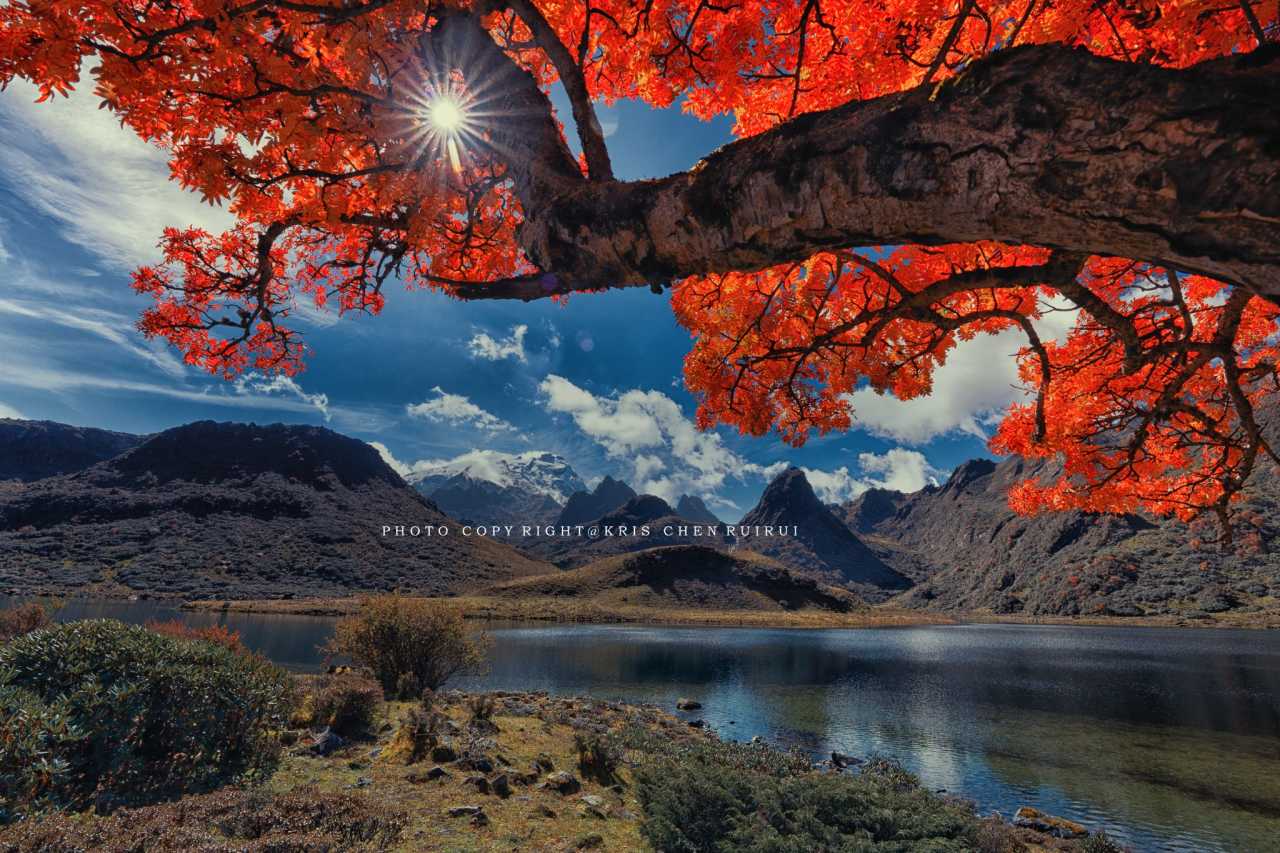
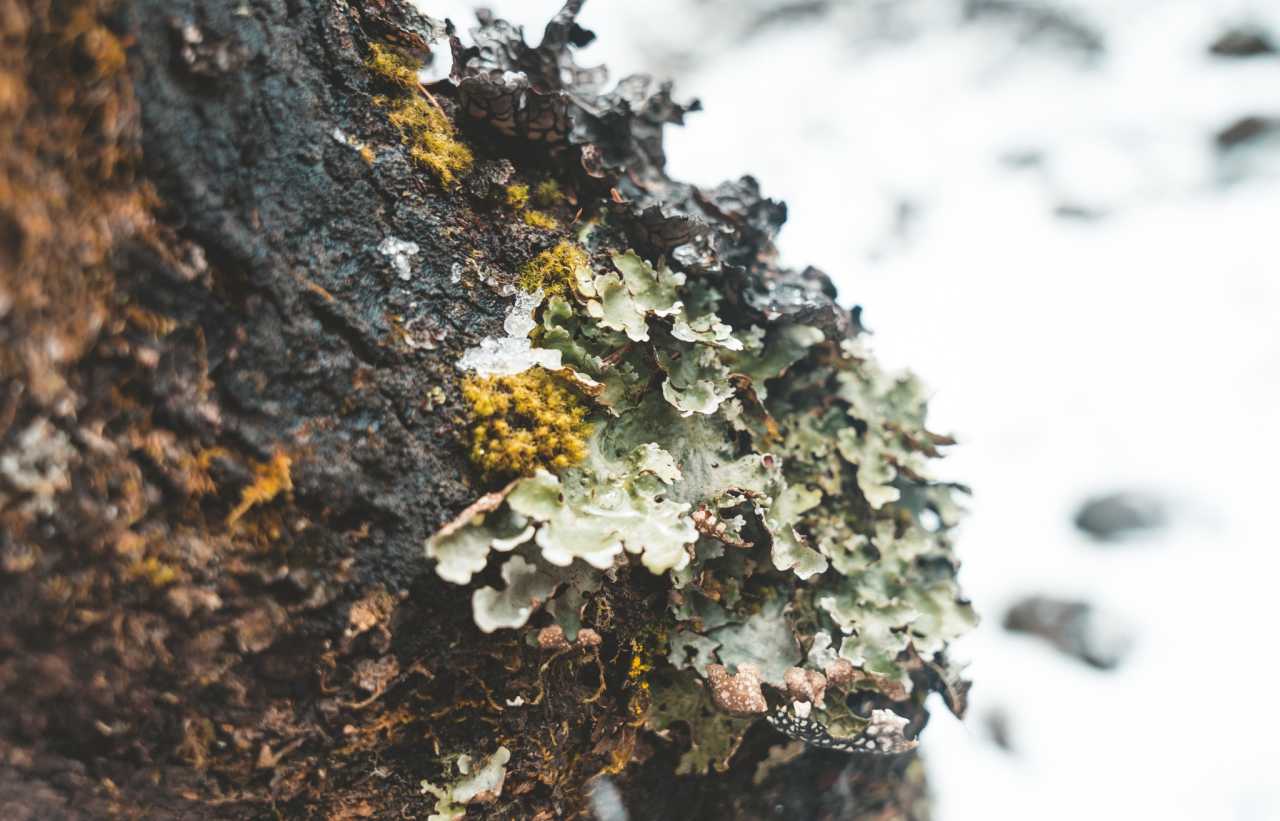
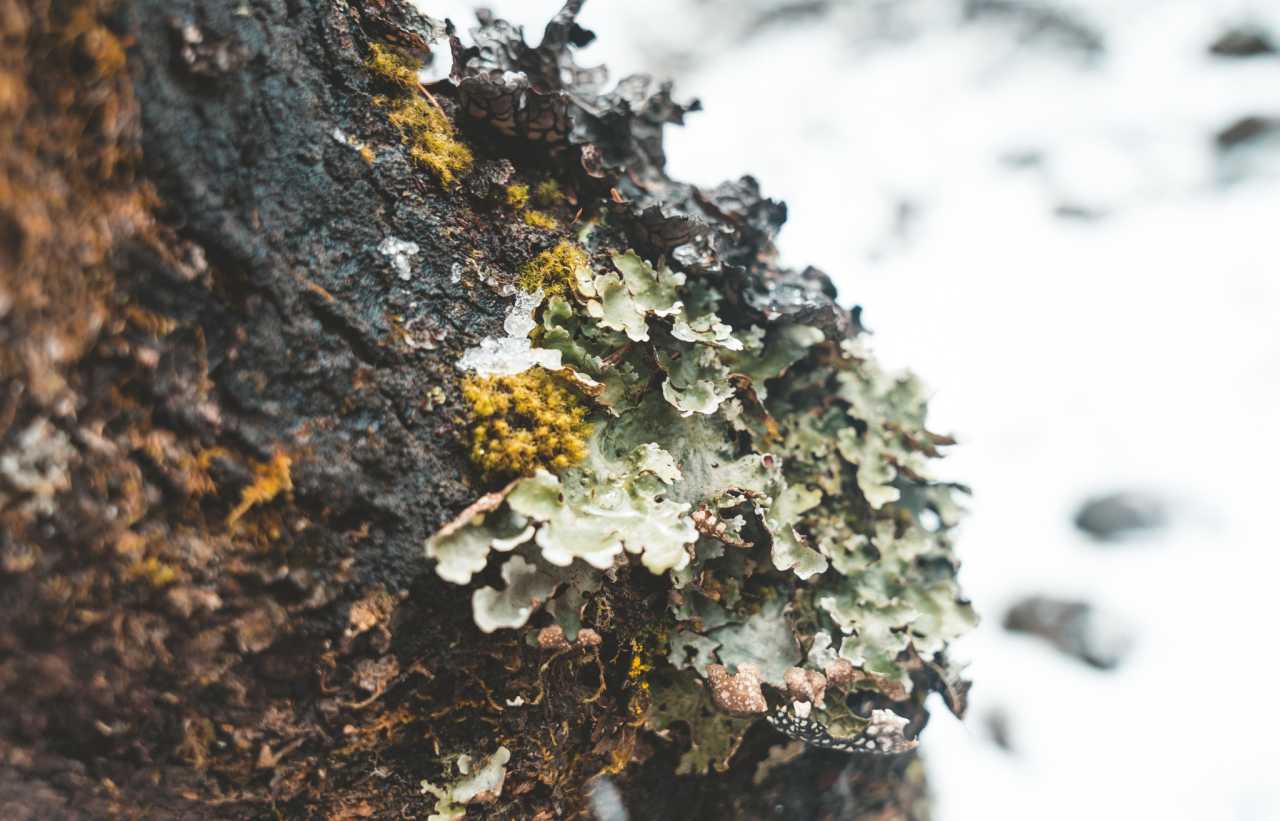
Those tree flowers I stumbled upon in the primeval forest, that overwhelming power I felt at Tiger Leaping Gorge, those warm, simple smiles I exchanged in Haba Village, that brilliant starry sky I gazed at from Dera Camp—they all told me that the meaning of travel lies not in conquering, but in experiencing.
If you're tired of the city's noise, if you want to give your soul a break, if you long to listen to the whisper of the wind at the foot of a snow mountain—then Haba Snow Mountain is waiting for you.
You don't need to summit. You just need to get close.
Author: kris Chen Ruirui
Mafengwo Annual Featured Traveler | Footprints across 18 countries, 105 cities, 496 locations
Specializes in photography, sharing interesting destinations for photos and travel
You should also read:
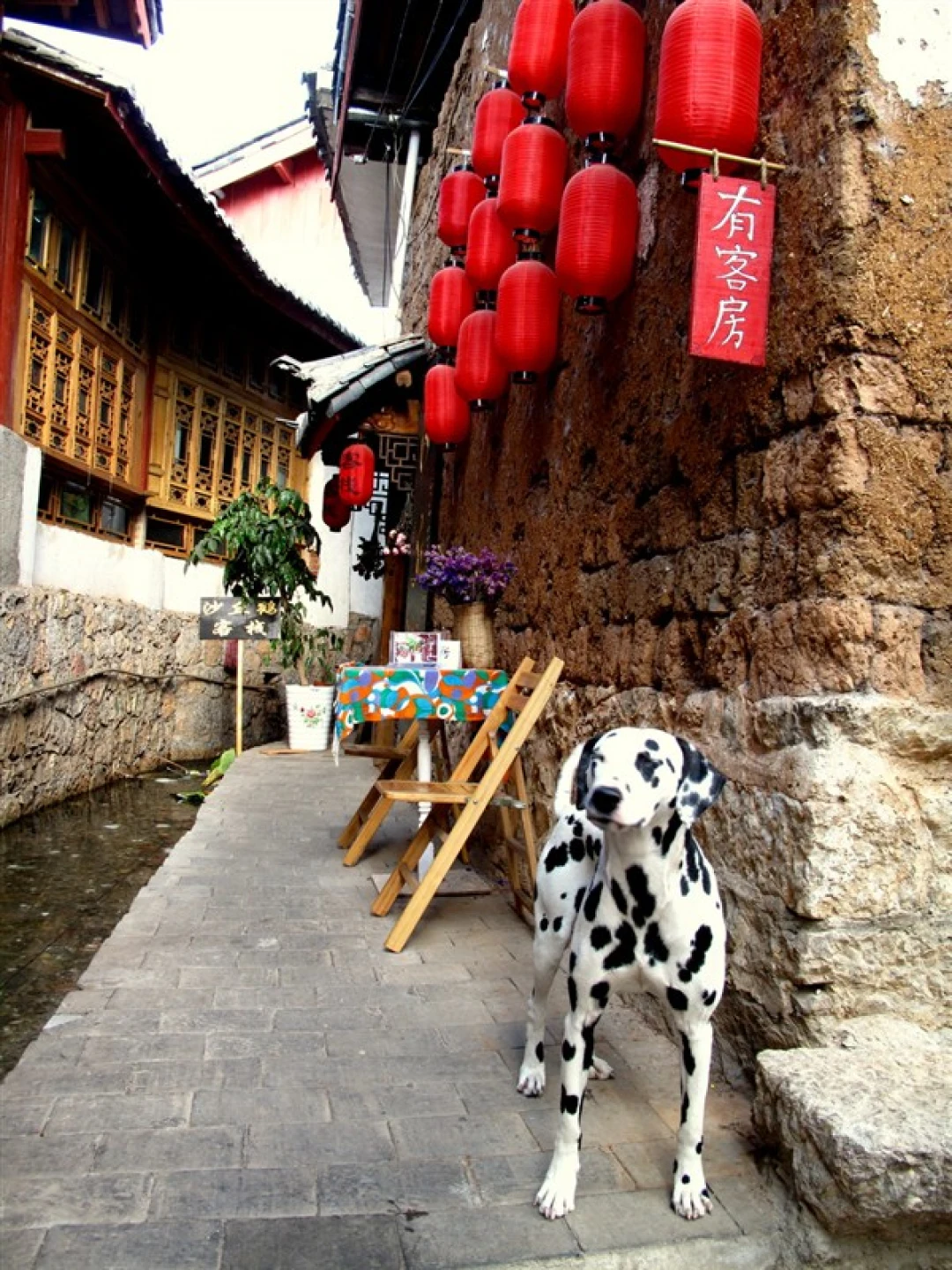
Yunnan Travel Mastery: From Beginner to Pro-Level Player – A Complete Guide
Yunnan Travel Mastery: From Beginner to Pro-Level Player – A Complete Guide "Either travel or read, but your body and soul must be on the road." This quote has been repeated countless times, but very few people truly manage to be "on the road" and…
Continue reading...
Into the Hidden Valley: A Solo Journey Through the Mysterious Dulong River
Into the Hidden Valley: A Solo Journey Through the Mysterious Dulong River Deep in the northwestern corner of Yunnan Province, tucked away from the modern world, lies a place that feels like a secret whispered among mountains. The Dulong River Valley is not just a…
Continue reading...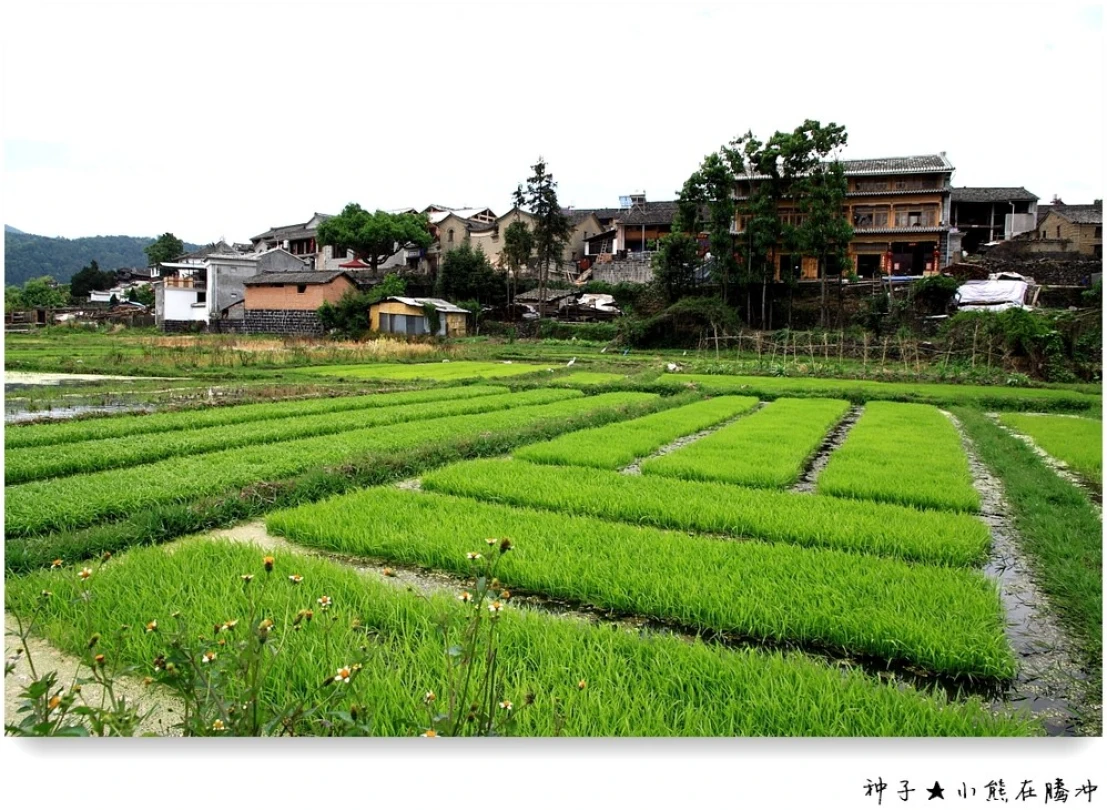
Tengchong·Heshun: Finding Life as It Should Be in a Border Town Where Time Stands Still
Tengchong·Heshun: Finding Life as It Should Be in a Border Town Where Time Stands Still The long journey of over twenty days was over. On my first day back at the office, I was still in a daze. My fingers couldn't find the keys on…
Continue reading...