Wandering Southwest Yunnan: A Southeast Asian Dream of Slow Time in Tengchong, Mangshi, and Ruili
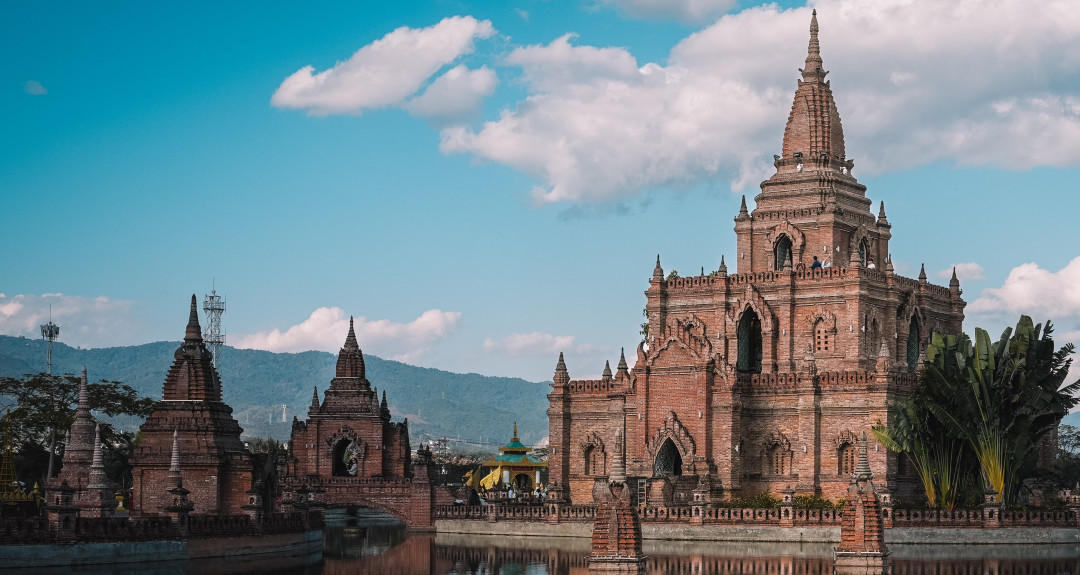
Wandering Southwest Yunnan: A Southeast Asian Dream of Slow Time in Tengchong, Mangshi, and Ruili
Have you ever had that moment—when you want to escape the city's noise, find a place where time slows down, your breath deepens, and your soul rediscovers its rhythm?
Southwest Yunnan is exactly that place. It's not a regular on popular travel lists, yet it holds the most authentic Southeast Asian charm. Over eight days, from the volcanic hot springs of Tengchong to the golden pagodas of Mangshi and the border-town energy of Ruili, every step falls on the beat of a slower pace.
This isn't a trip about rushing from one spot to the next. It's a conversation with yourself.
Tengchong: At the Foot of a Volcano, by the Sea of Hot Springs
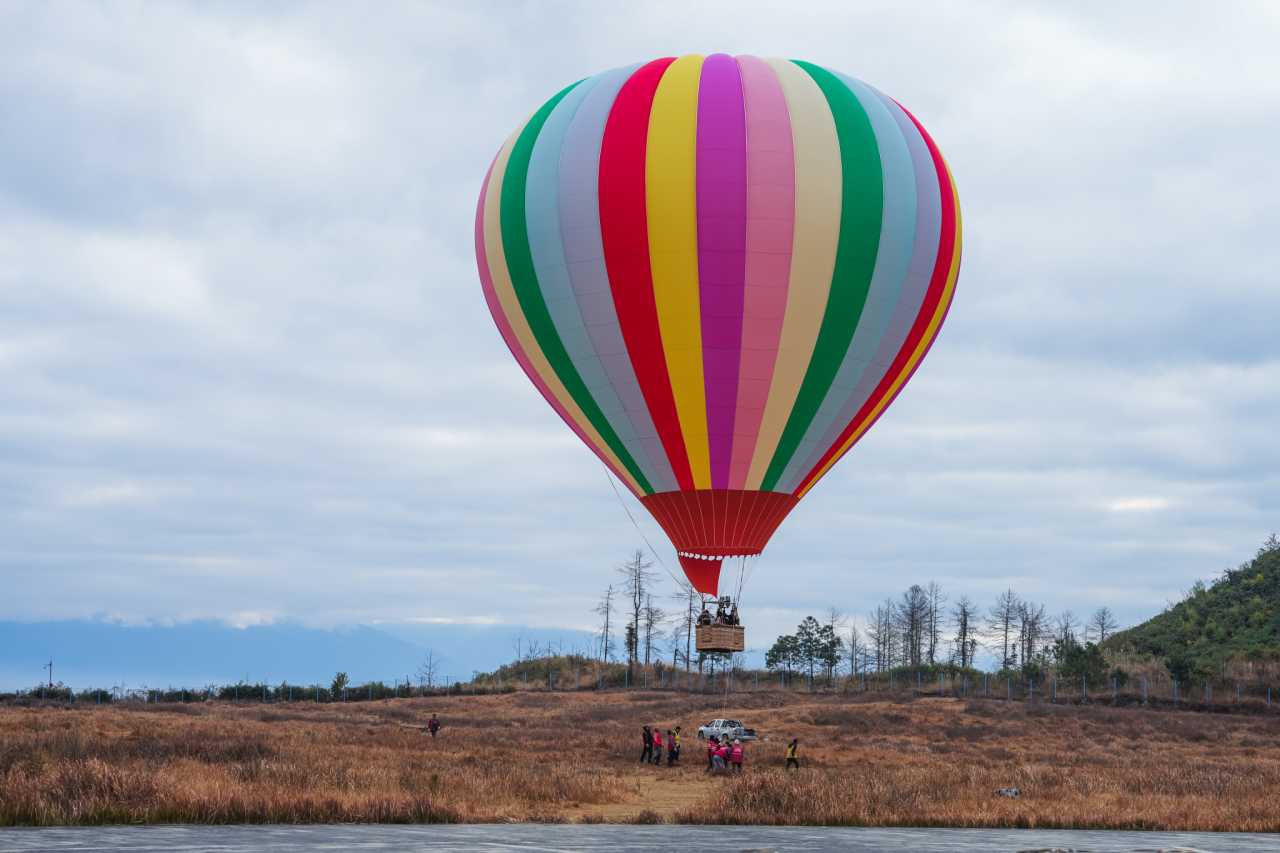
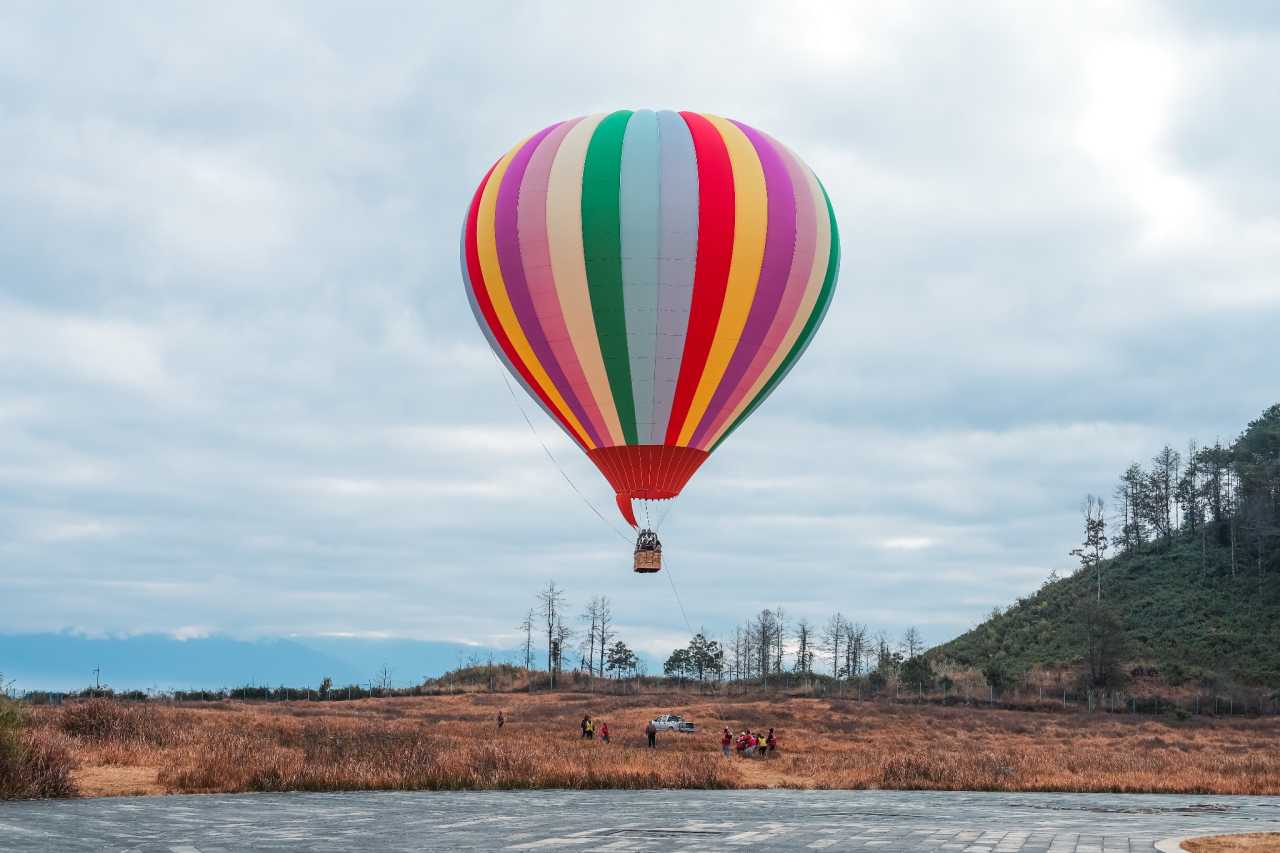
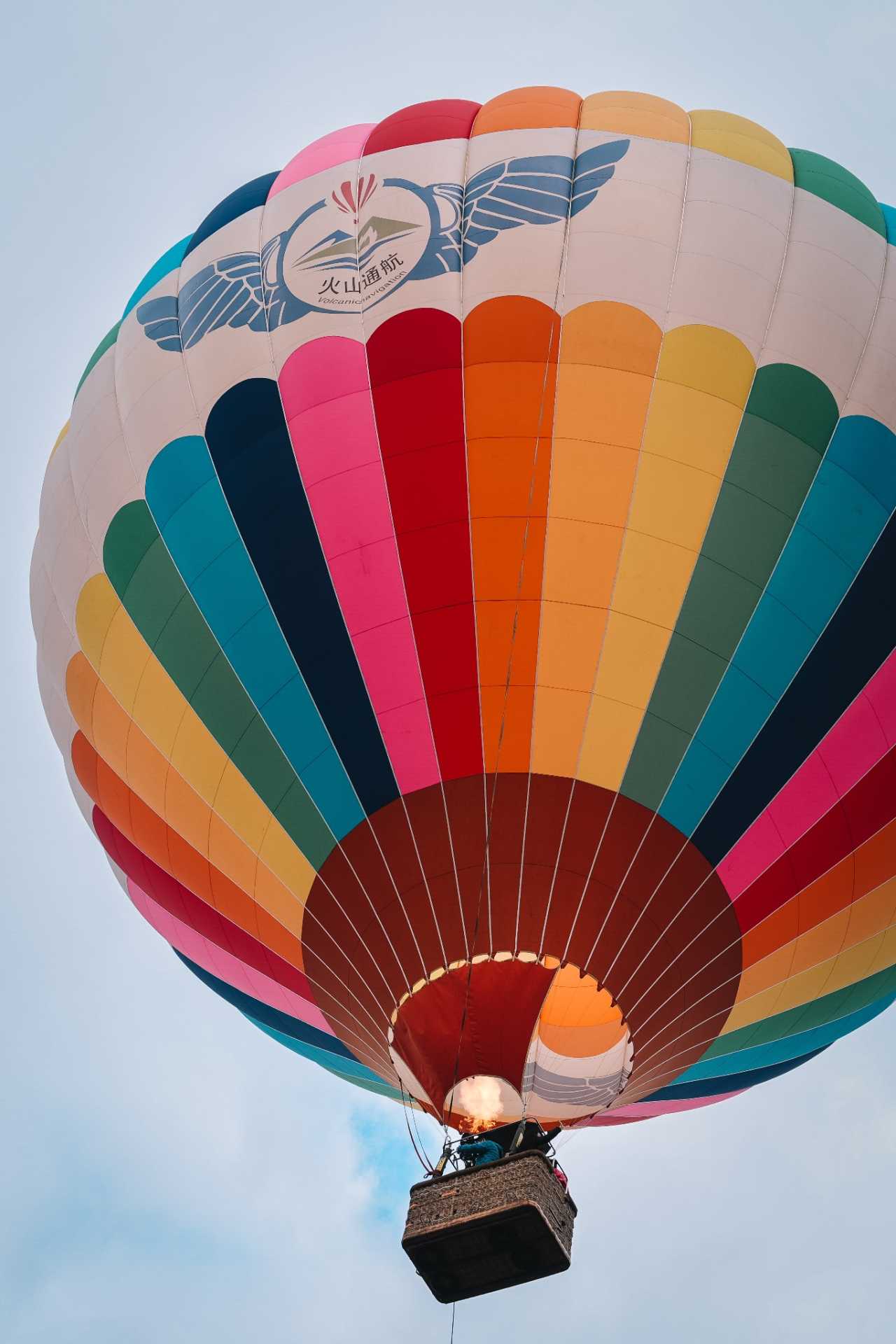
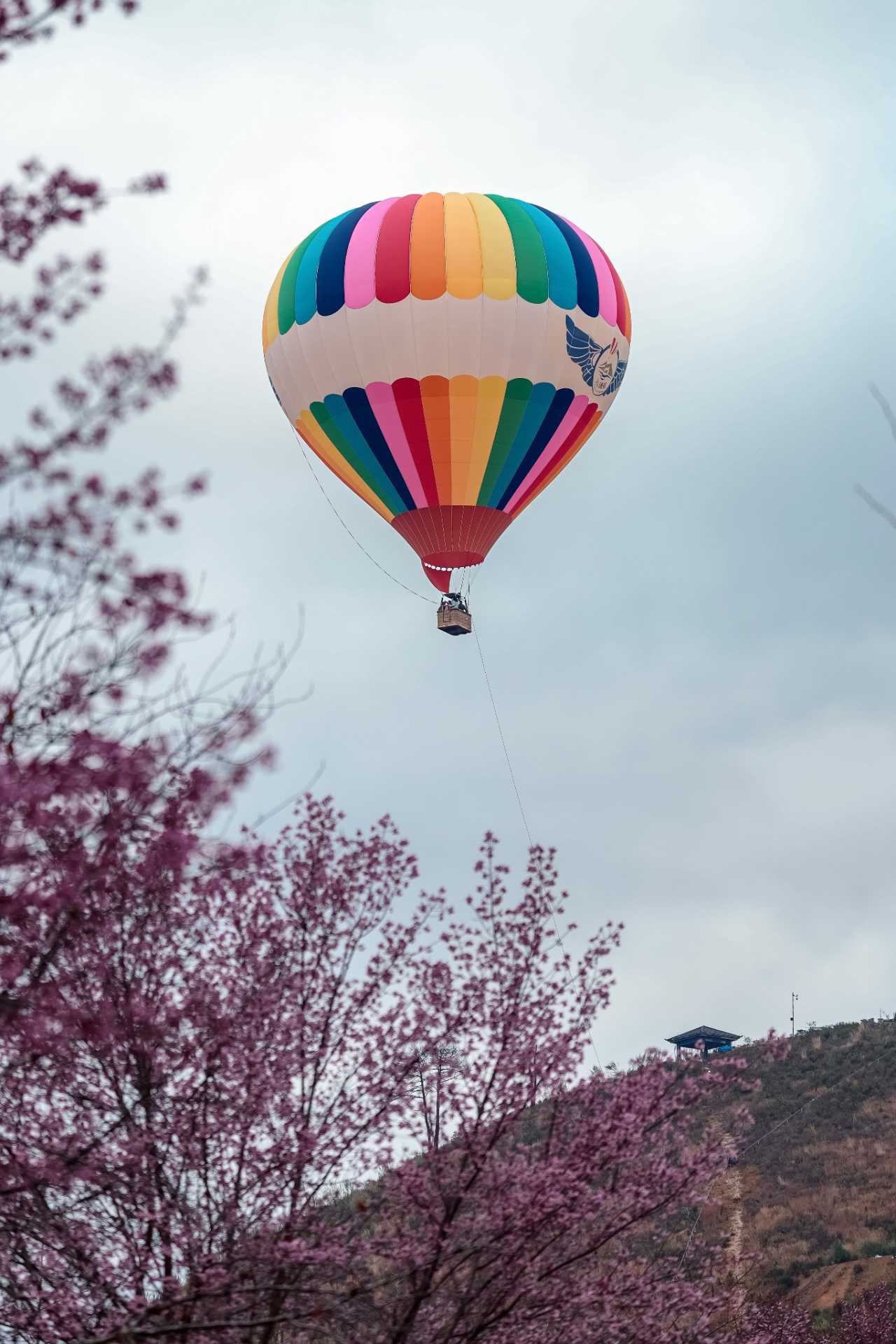
A "Turkish Alternative" Hot Air Balloon, Charmingly Simple
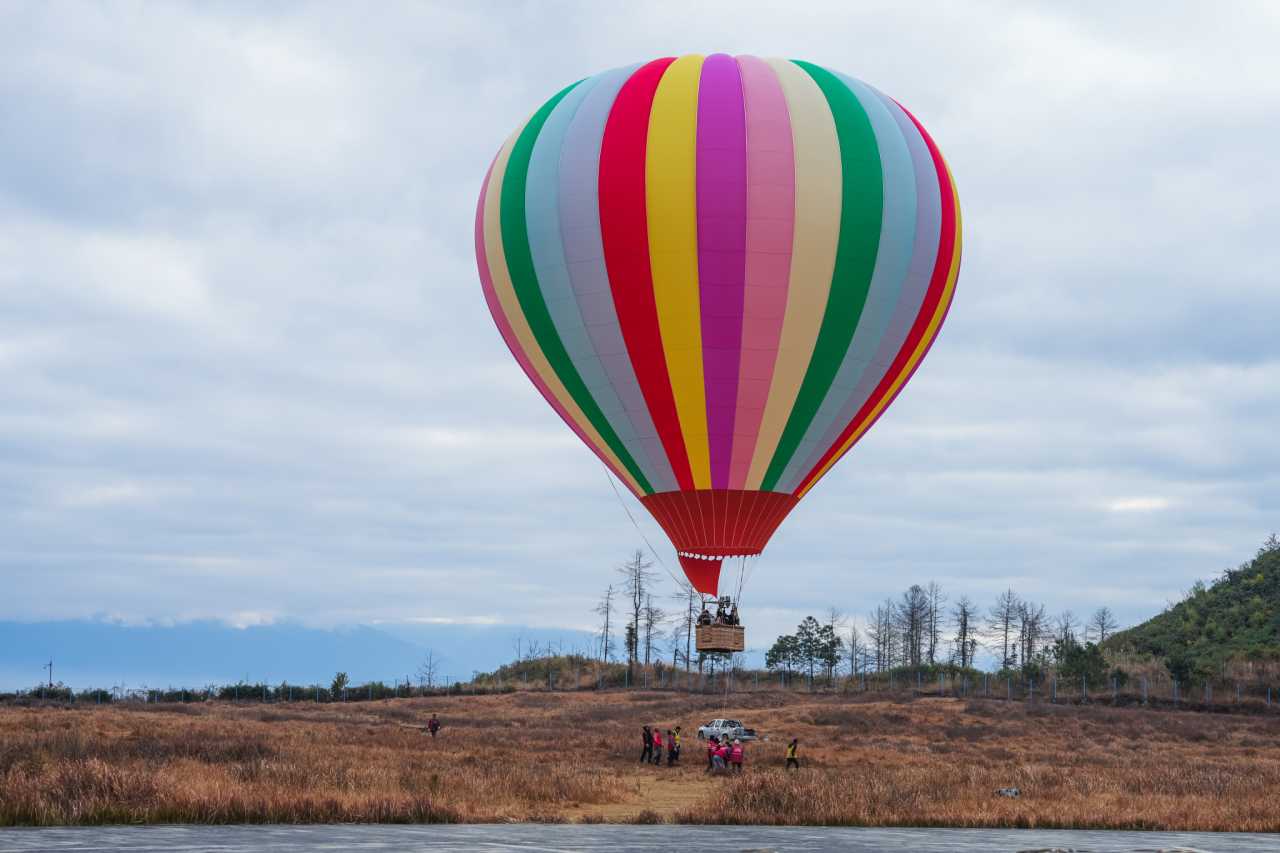
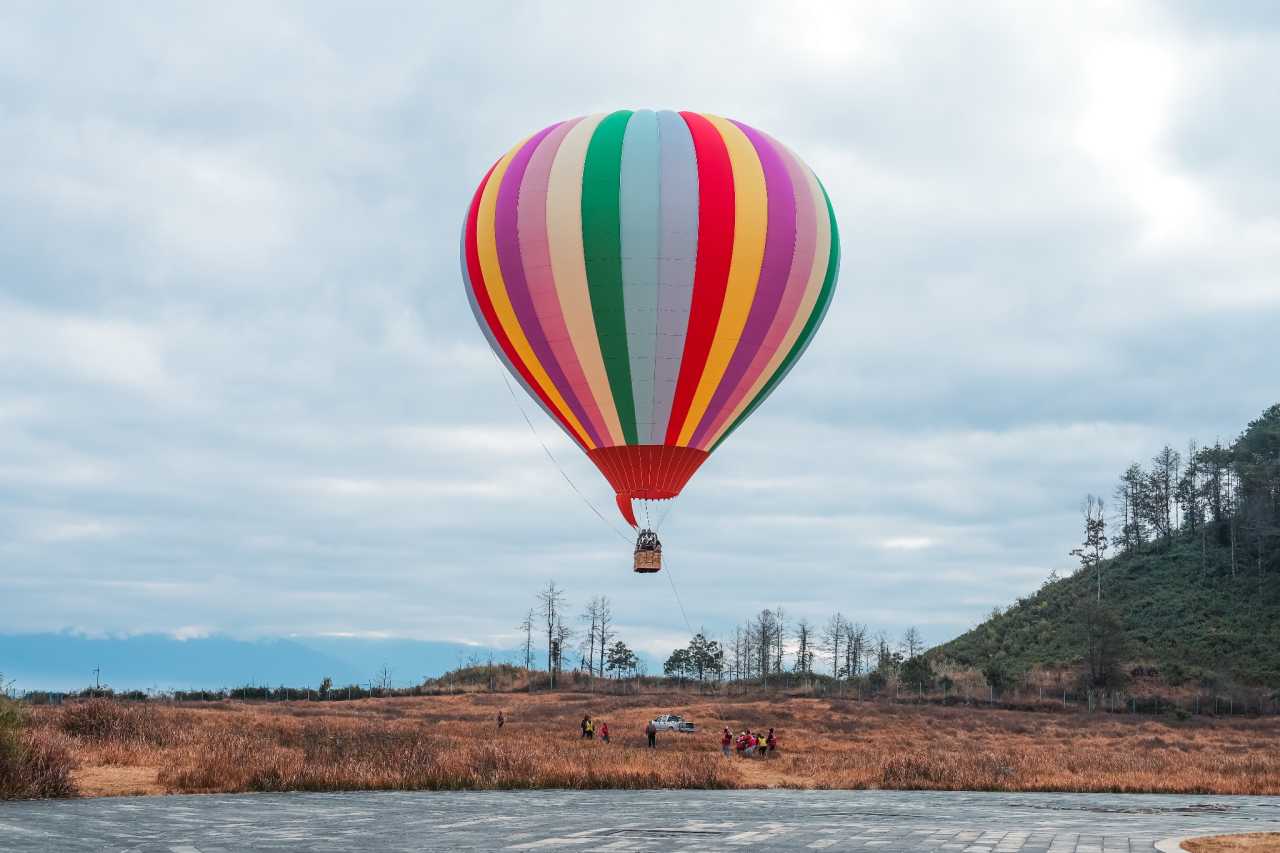
Remember that hit song "Take You on a Trip"? "I want to take you to romantic Turkey..." Turkey's hot air balloons are indeed romantic, but Tengchong offers a humble substitute.
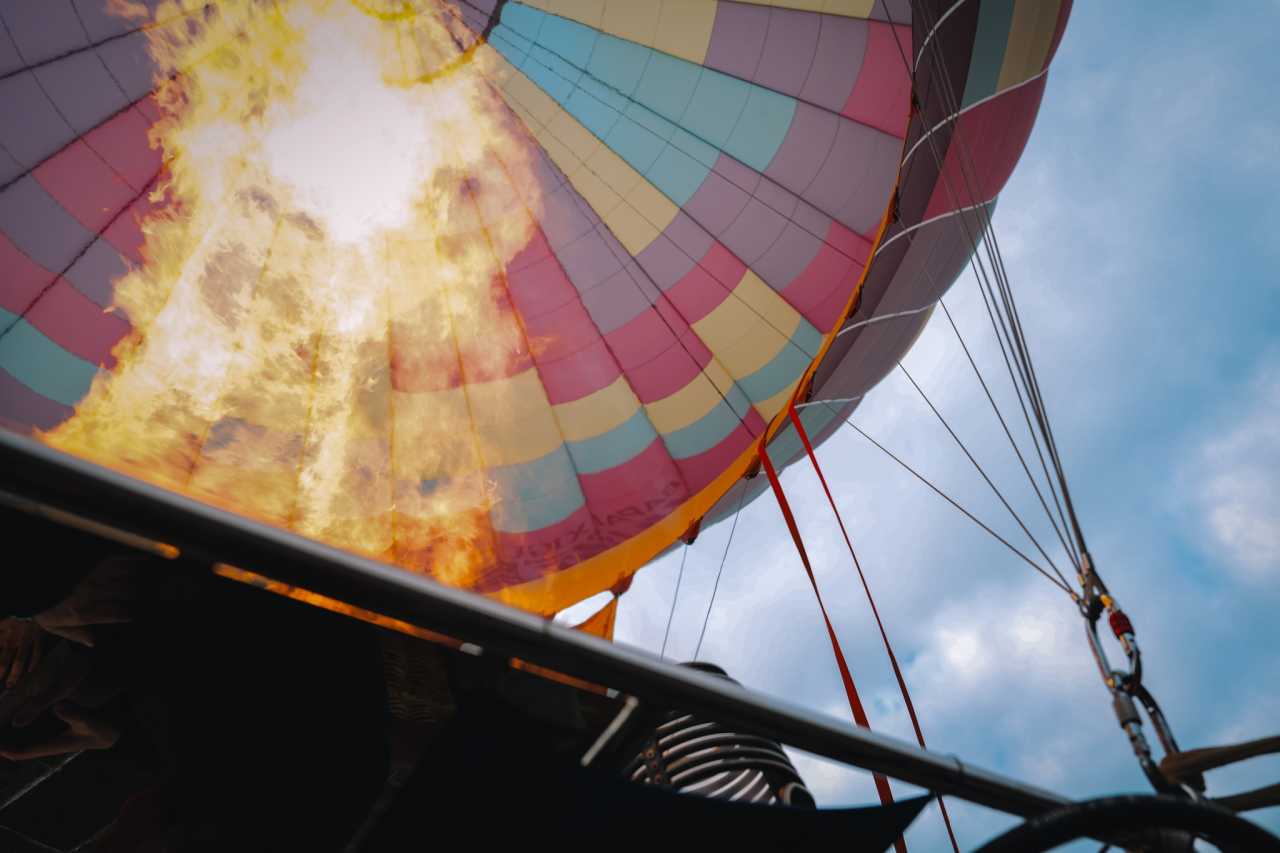
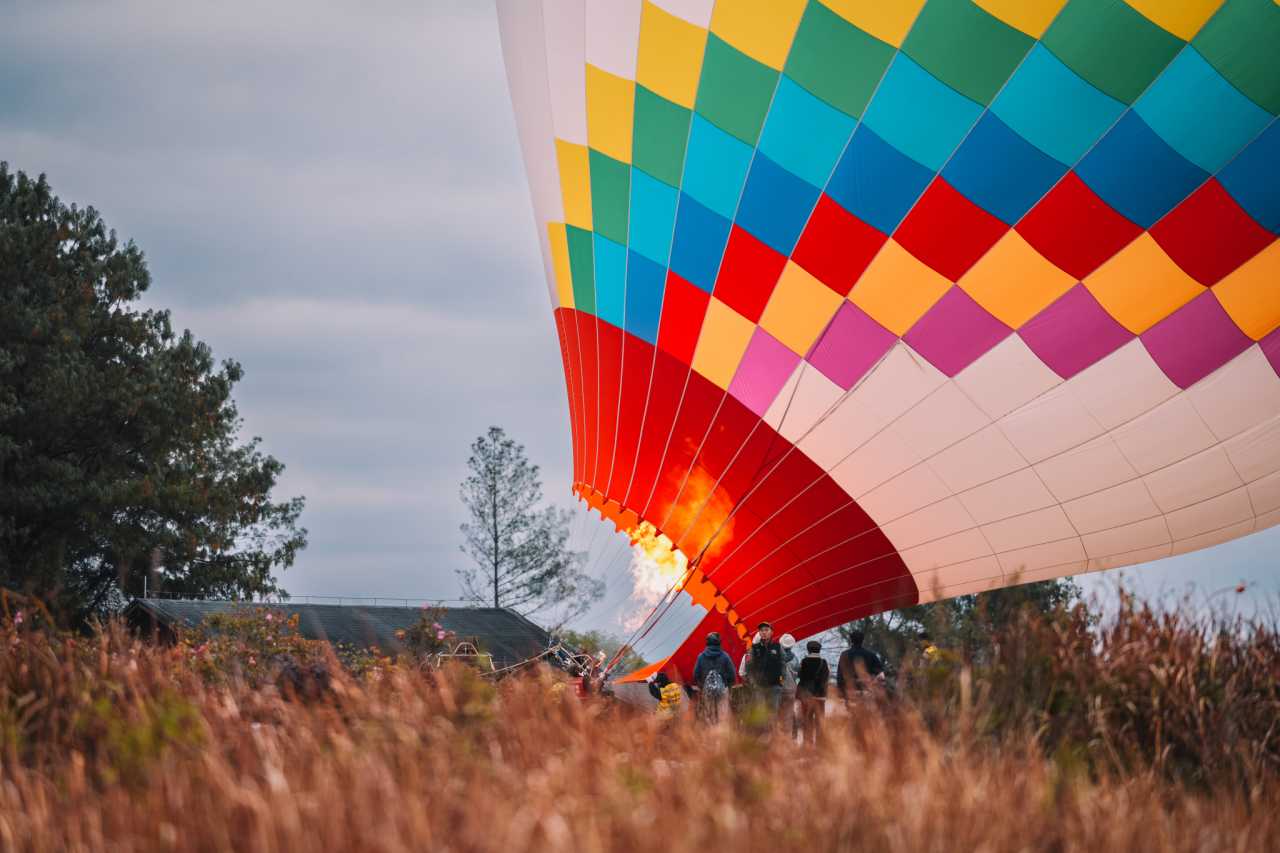
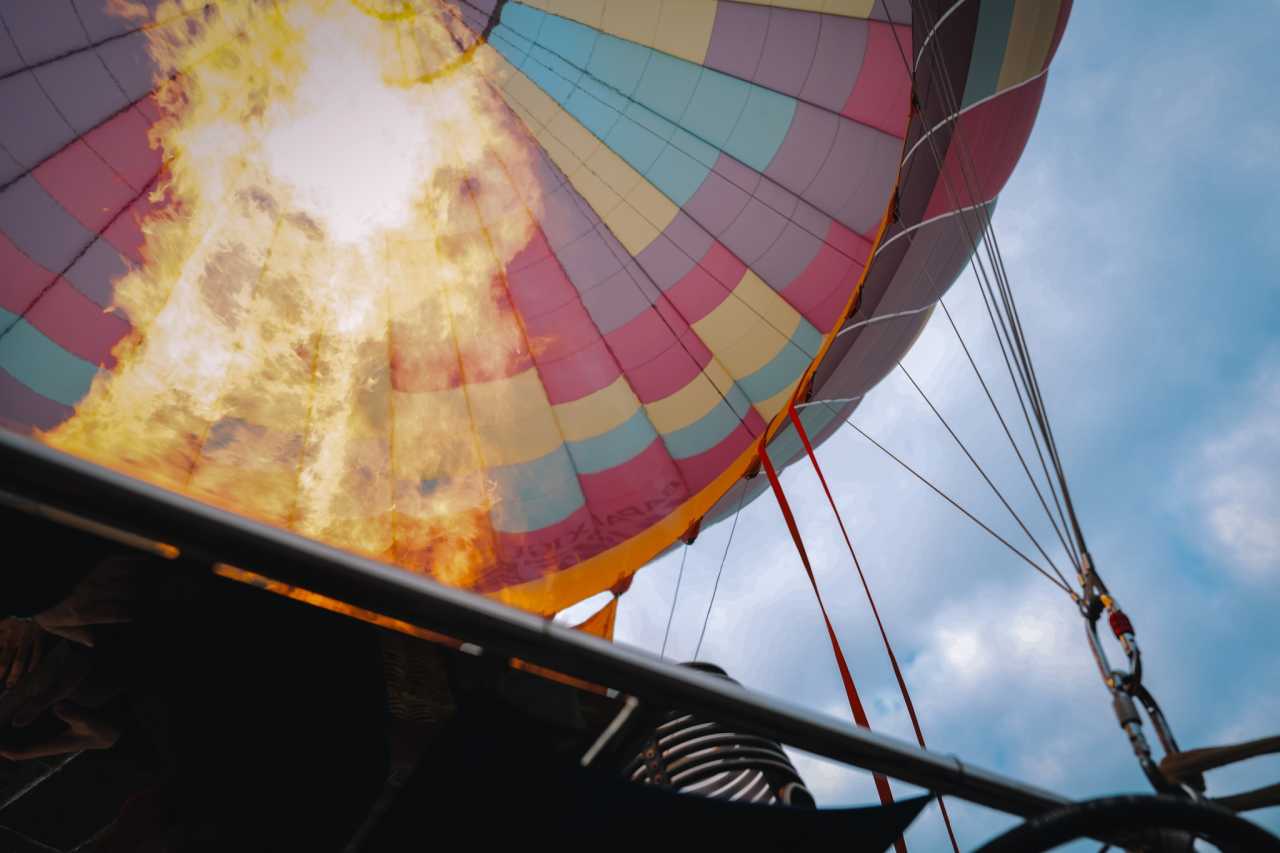
Here, the balloon has no complicated routes or drifting paths—it goes straight up and straight down, steady and secure. Several crew members hold the ropes below, making safety reassuringly high. And the price? Also humble: 300 RMB per adult. From ticket check to landing, I timed it: exactly 11 minutes.
Open from 8:30 to 11:00 AM, but remember: no flying in strong winds or rain. Check the weather forecast before you go, or you'll make a wasted trip.
From the balloon, the crater of Dakong Mountain is clearly visible. Honestly, after coming down, I had zero desire to hike up—those craters were already perfectly clear from above. The park also offers powered paragliders for the adventurous.
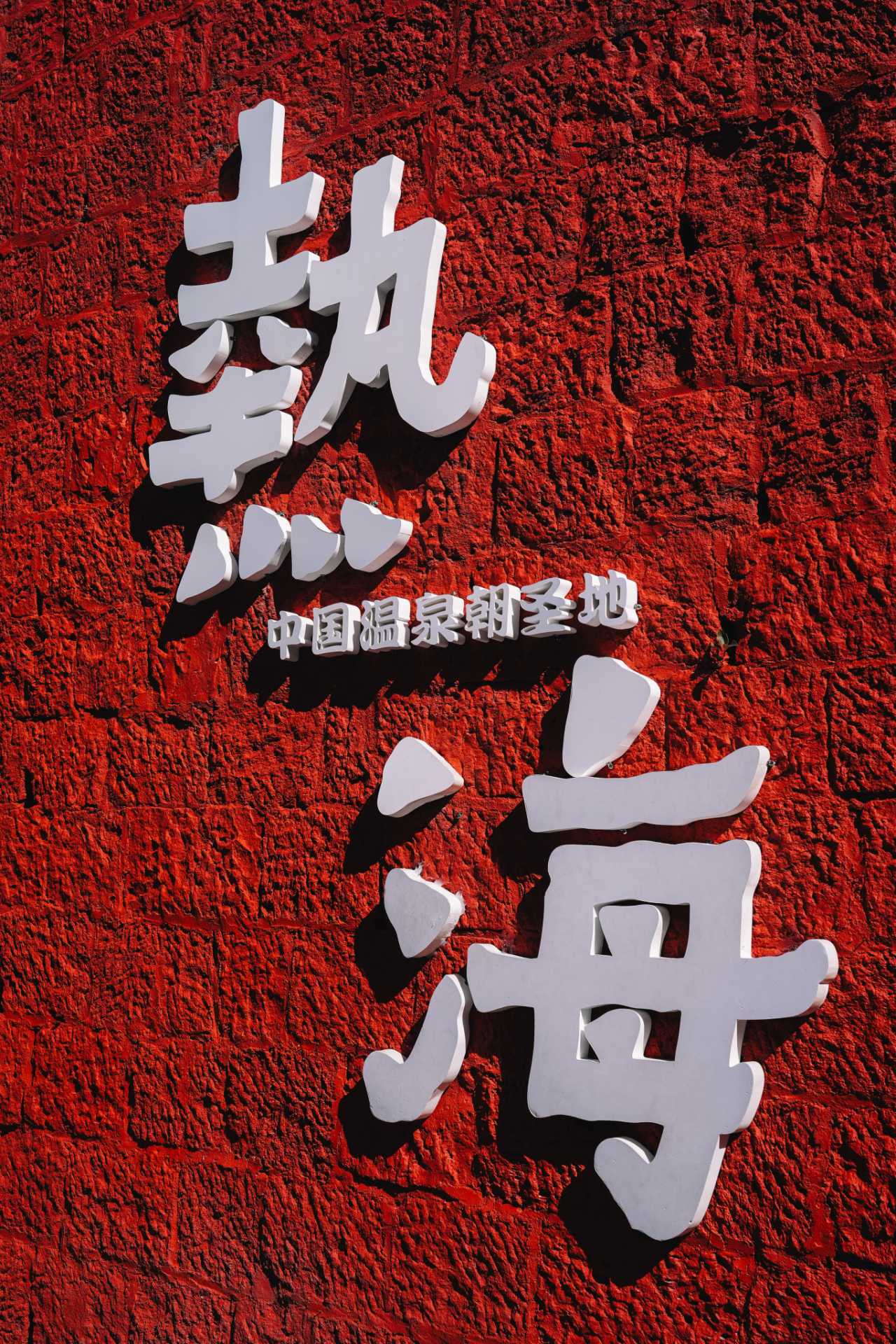
Rehai (Hot Sea): What's It Like Carrying Eggs Up the Mountain?
Rehai and the Volcanic Geopark supposedly have a combo ticket, but unsurprisingly, I couldn't find it...

As soon as I parked, vendors swarmed to sell eggs. Apparently, egg sales have become the park's "pillar industry." Rehai is a must-visit for tour groups. If you're unlucky enough to arrive with a busload, the shuttle station will be a sea of people waving flags.
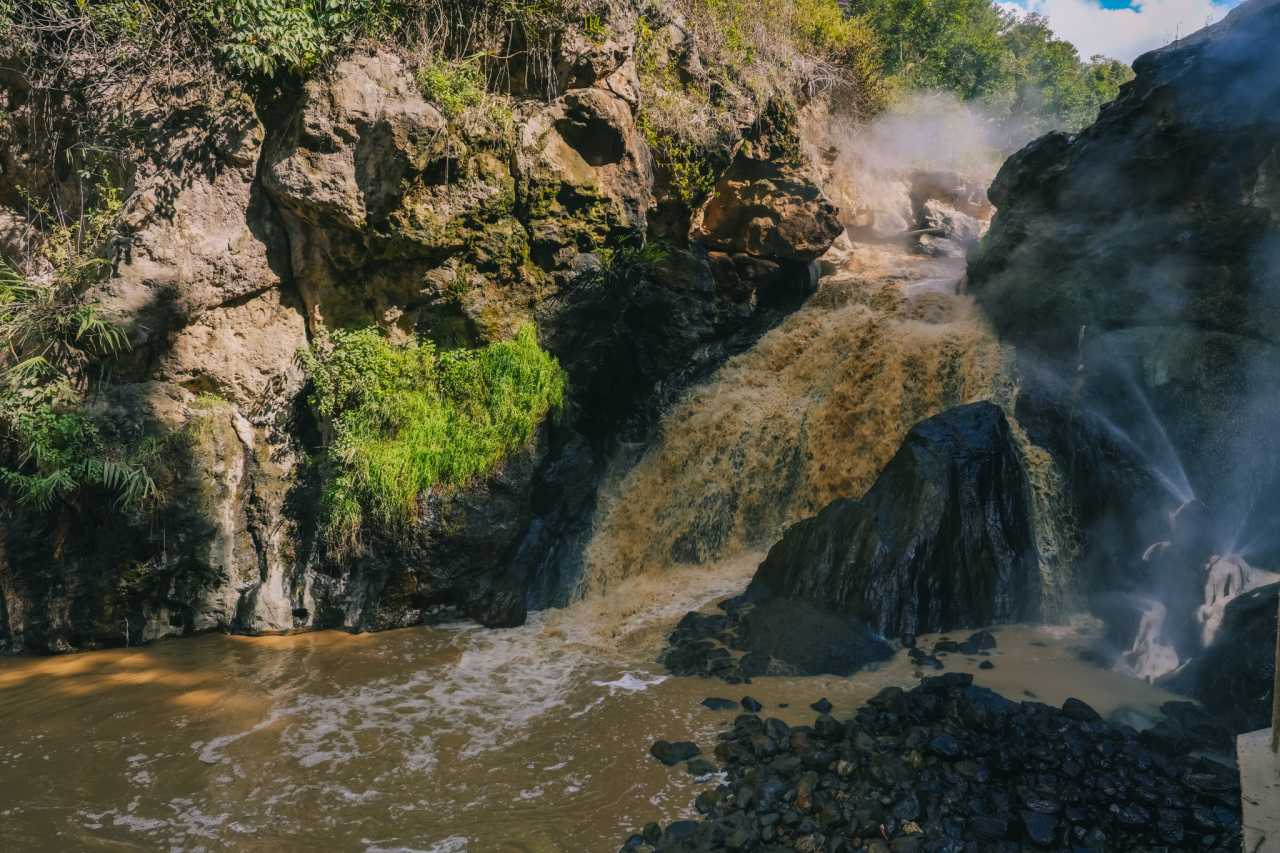
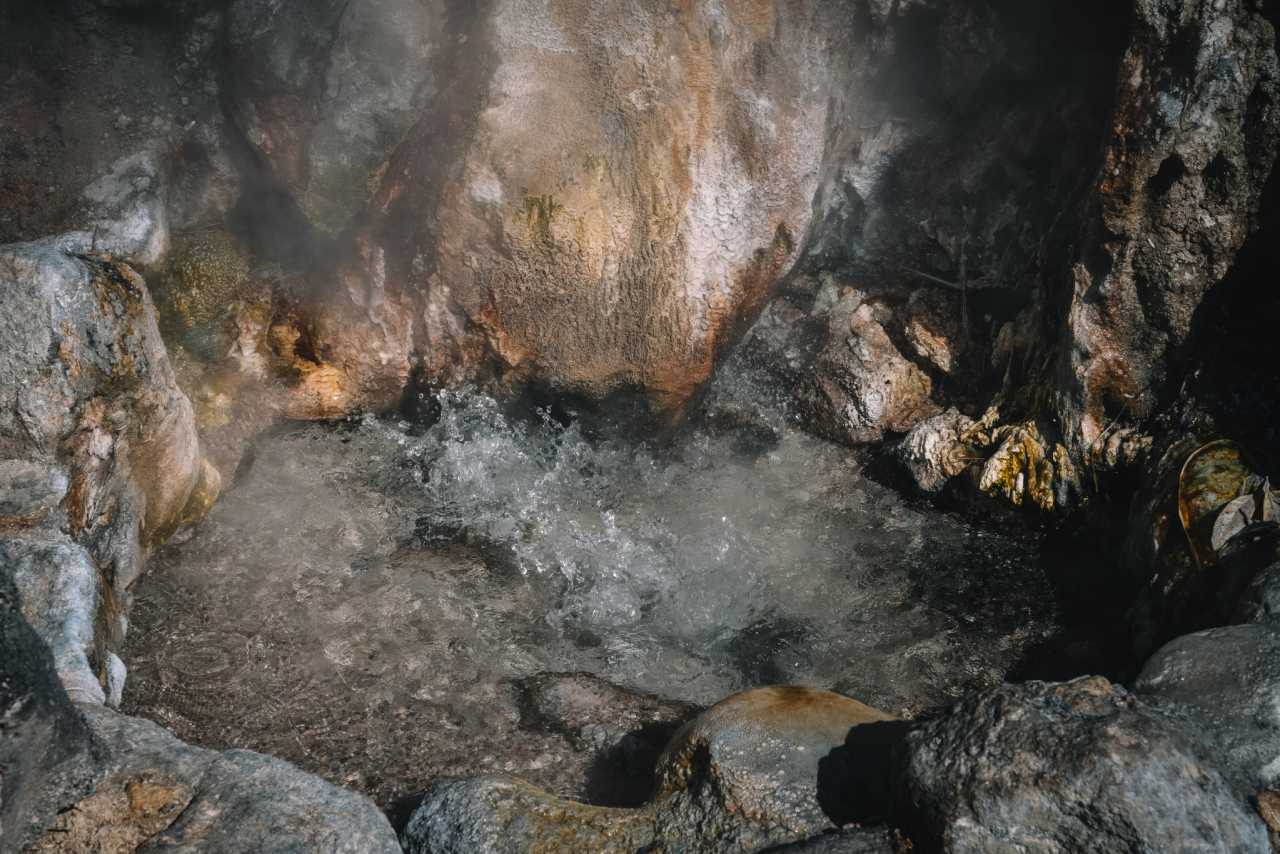
Friendly tip: Get off the shuttle at the first stop. Otherwise, you'll only see the giant boiling pot at the top and miss all the smaller sights along the way. The park is quite demanding on the legs—consider this if you're with elderly or children.
The eggs tied with straw rope, as shown in the photo, are all carried up from the bottom. There are boiled eggs for sale near the giant pot, but they come in plastic bags. Carrying that string of eggs from the parking lot, past every small attraction, all the way to the pot—it becomes your biggest burden. Take my advice: don't buy them.
That said, the eggs taste pretty good. The shells carry a faint sulfur scent, and they're surprisingly delicious.
Simola Wa Village: The Simple Echo of Colorful Yunnan
When you think of Yunnan, you picture ethnic minorities singing and dancing. Simola Wa Village brings that cliché to life.
Seeing the terraced fields, Jay Chou's song "Terraced Fields" automatically played in my head: "The terraced fields of my hometown are the most beautiful green I've ever seen..."
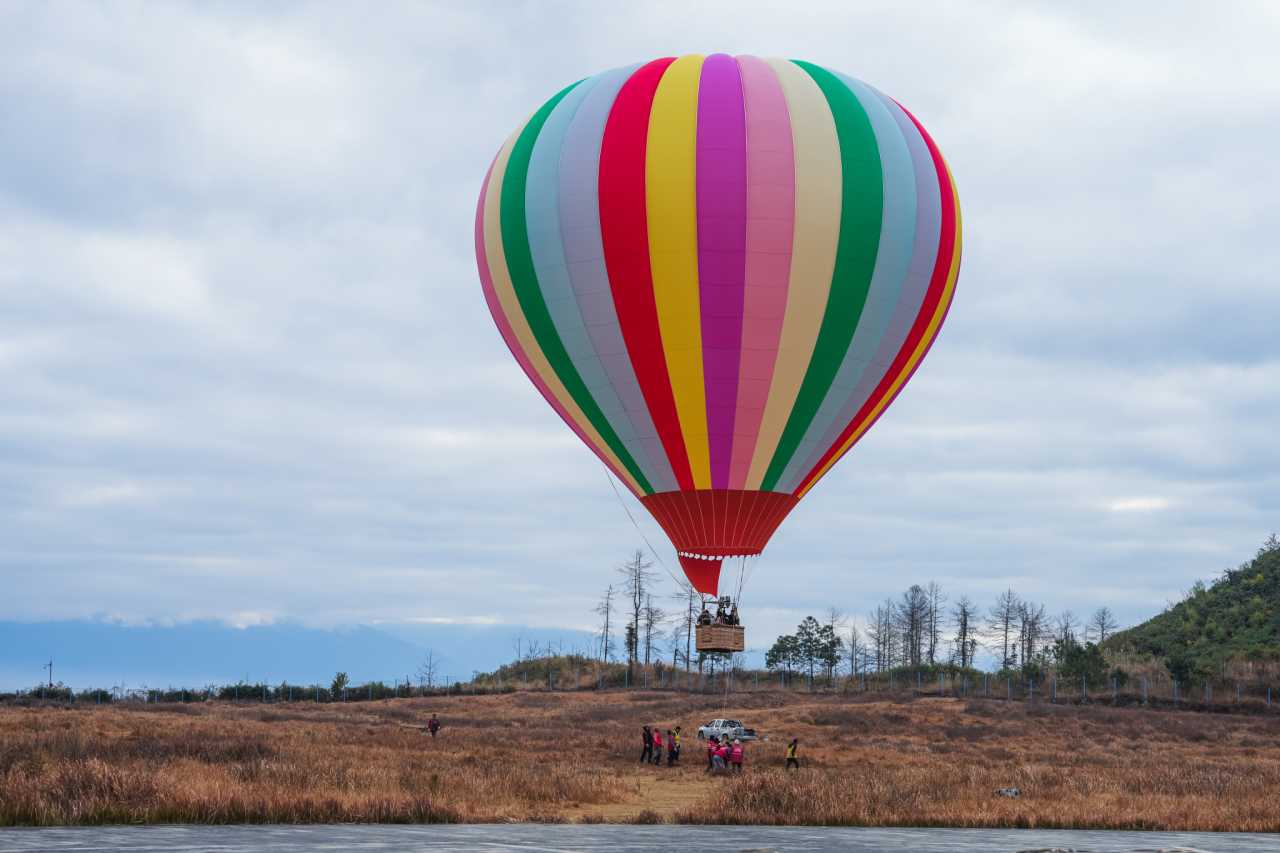
In the village, an elderly woman set up a stall at the edge of a primeval forest, selling wild mountain goods. Her spot was remote, and few passed by. After a customer browsed without buying, she quietly packed away her "treasures," still wearing a kind smile. That smile struck straight to the soul.
There's a simplicity that needs no cover-up. In the big city, this is rare.
That photo was a candid shot—and one of my favorites from the trip. The tribal totems felt mysterious and solemn, as if hiding untold stories.
Ruili: One Wall Away, Two Worlds

Ruili is a county-level city under Dehong Dai and Jingpo Autonomous Prefecture, in southwestern Yunnan. It marks the end of National Highway 320 and the intersection of Kunming-Ruili Highway and Stilwell Road. Its northwest, southwest, and southeast borders are intertwined with Myanmar, sharing villages and a 169.8-kilometer border.
In other words, Ruili is just one wall away from Myanmar. Traveling here, you'll almost certainly receive a text from Myanmar's mobile network: "Welcome to Myanmar!" And when you call home to say you're safe, 96110 (China's anti-fraud hotline) will call your family shortly after, warning them about financial scams—if you know, you know.
Jiele Golden Pagoda: The Tower at the City's Head
"Jiele" is Dai language: "Jie" means city, "Le" means above, so "above the city." Jiele Golden Pagoda is the "tower at the head of Ruili City," the oldest Buddhist structure in the area.
In front of the pagoda stand four small monk statues, each covering eyes, ears, or mouth, with hands and feet restrained—a symbol of Southern Buddhism's "Four Not-Monks," meaning "see no evil, hear no evil, speak no evil, do no evil." It's a direct expression of Buddhist "moral discipline and mind cultivation."
Entering the main hall requires removing shoes. Devout believers leave their shoes outside and walk barefoot throughout. In front of the Buddha statue, a small cat slept soundly, as if blessed by the Buddha, resting especially peacefully.
One Village, Two Countries: Reach Out and You're Abroad
This might be the closest point to Myanmar—just reach out, and you're in another country.
Boundary marker No. 70 stands quietly by the fence. On the other side lies Myanmar's landscape. Many Myanmar vendors sell cigarettes near the wire fence—authenticity aside, remember: you can't bring Myanmar cigarettes back. Don't waste your money. As the locals say, "Mei duo wa nai bu!!!" (Can't go!)
You must try the "egg slapping flatbread" here. The vendor's tattoos couldn't hide the aroma of eggs; his skills were excellent. There's also a fuzzy plant that feels soft to the touch, not prickly at all.
General Buddha Temple & Dai King's Palace: Free Instagram Hotspots
These two attractions are free. Straight up the stairs is the Dai King's Palace—still under construction inside, but the exterior is already spectacular. For the General Buddha Temple, if you want to capture sunset light streaming through the Buddha statue, check the sunset time and arrive early. The perfect alignment lasts only a few seconds, and it's crowded. Watch out for the men with cameras—they'll suddenly block your view to grab their shot. Don't ask how I know.
The little black cats at the General Buddha Temple all gleam with a golden sheen.
Ruili Live Crab: A Delicacy from Myanmar

Ruili's live crabs are famous, reportedly from Myanmar. I visited "Crab Xiao Er" restaurant and ordered black pepper stir-fried crab. The price was reasonable, and the flavor was amazing! The service was great too. Only downside: the crab shells were too hard, making the meat tricky to extract. The squid was also superb.
Moli Tropical Rainforest: Feel the Bursting Vitality
Moli Tropical Rainforest is a natural oxygen bar. The lush primeval forest makes you fully appreciate nature's vibrant life force. The entire park is easy on the legs, relatively flat—go for it without worry.
The small town's mornings are so pleasant. Go early, and you'll easily spot Tyndall light in the forest—those beams of light piercing through the leaves, a moment so beautiful it takes your breath away.
Ruili Port: A Hub for Small Goods
Ruili Port, adjacent to Jiegao Port, is a gathering place for small goods. You'll find various Southeast Asian ointments, trinkets, and plenty of duty-free shops. As for travel value, it's mainly about taking a photo with the national gate and watching vehicles with Myanmar license plates pass by.
Rumor has it that those "organ harvesters" were repatriated from here. The port has traffic restrictions and poor parking—no large parking lot in sight; most people park in nearby alleys. Self-driving travelers, take note.
Thai Restaurant: Best Value for Money

Among the meals I had in Ruili, this "Thai Restaurant" ranked top for value, ambiance, and taste—despite its simple name.
The Tom Yum soup was loaded with large shrimp, the pineapple rice had visibly generous ingredients, and the curry crab came with three crabs at half the price of Beijing.
The Not-So-Recommended Ruili Ancient City
A completely commercialized "ancient city," fairly small. Maybe we visited in the off-season, but there were few tourists and even fewer open shops—cold and empty. We caught the light show on the way out, but it was unoriginal—just a few spotlights spinning around.
Back at the hotel, I ordered an iced coffee downstairs—that was a pleasant surprise. The coffee shop's name was printed on the bottle.
Mangshi: Slow Life Under the Pagoda
Dehong Prefecture Museum: Getting to Know a City
After visiting three cities, I returned to Mangshi and explored the Dehong Prefecture Museum. It's a medium-sized venue that offers a comprehensive understanding of Dehong's history and future development.
Xinwan Factory & Hougu Coffee: Young People's Nightlife
Xinwan Factory is a new Instagram hotspot, focused on young people's nightlife. We went in the afternoon; it was deserted, with shops closed, preparing for the evening party. Inside is "Mangligemang," a trendy shop where you can buy various Mangshi specialties in one stop.
Notably, there's a Hougu Coffee shop. One pour-over is called "Minister Wang Yi Recommended AA High Altitude Bean Pour-Over," definitely worth trying. Though the latte art skills were a bit... casual.
Peacock Lake: Stunningly Beautiful
Peacock Lake is beautiful—so beautiful you don't want to leave.
Zhao Auntie's Restaurant: Highly Recommended
I must recommend Zhao Auntie's Restaurant in Mangshi. No advertising fee—just because it's truly affordable, delicious, with a great environment and warm service. The staff makes you feel incredibly comfortable.
Final Thoughts: The Meaning of Travel
Southwest Yunnan feels like a niche travel destination with Southeast Asian character. In the off-season, crowds are thin, and temperatures are relatively comfortable. If you come in winter, Tengchong is colder—wear a padded jacket in the morning and evening, short sleeves at noon; in Mangshi and Ruili, a light shell jacket with short sleeves suffices.
For a comfortable connection between the three cities, I recommend renting a car. Except for the relatively narrow roads in Heshun Ancient Town, the road conditions elsewhere are excellent.
Finally, let me borrow Fang Qi's words to wrap up this travelogue:
"Some say the meaning of travel is to see scenery, but only after walking through Mangshi, Tengchong, and Ruili did I understand—the most precious things are the heart-stirring moments hidden in everyday life and landscapes.
In the morning light of Mangshi, the golden glow of the Great Golden Pagoda collides with the silver radiance of the Silver Pagoda. The coconut aroma of Paoluda (a Burmese drink) mingles with the market's bustle, giving every morning a gentle start. Life here is slow—slow enough to sway to the rhythm of square dancing, to watch peacocks spread their tails in the rare garden, as if time itself has been stretched by warmth.
In Tengchong, Rehai steams with the temperature of time. The 96°C giant pot boils eggs, and also boils the calm of the years. By the rice fields of Heshun Ancient Town, the library's book scent blends with the fragrance of grass and trees. The washing pavilion's shadow ripples on the river, and the stories of overseas Chinese whisper in the evening breeze. The volcano is silent, the hot springs heal, letting every weary heart find its home.
On Ruili's border, the swing at 'One Village, Two Countries' swings with cross-border joy. The smoke at Jiegao Port hides diverse cultures. The banyan tree standing alone guards the peace of time. Moli Rainforest's negative ions make you drunk in nature. The luster of jade flows with the border's vitality and freshness.
This western Yunnan journey had no endless itineraries, only endless gentleness. Mangshi's warmth, Tengchong's stillness, Ruili's spirit—all have become landscapes carved into memory.
It turns out the best travel is never about checking off distant places, but about letting the paths you've walked and the beauty you've encountered become the light in the days ahead."
You should also read:
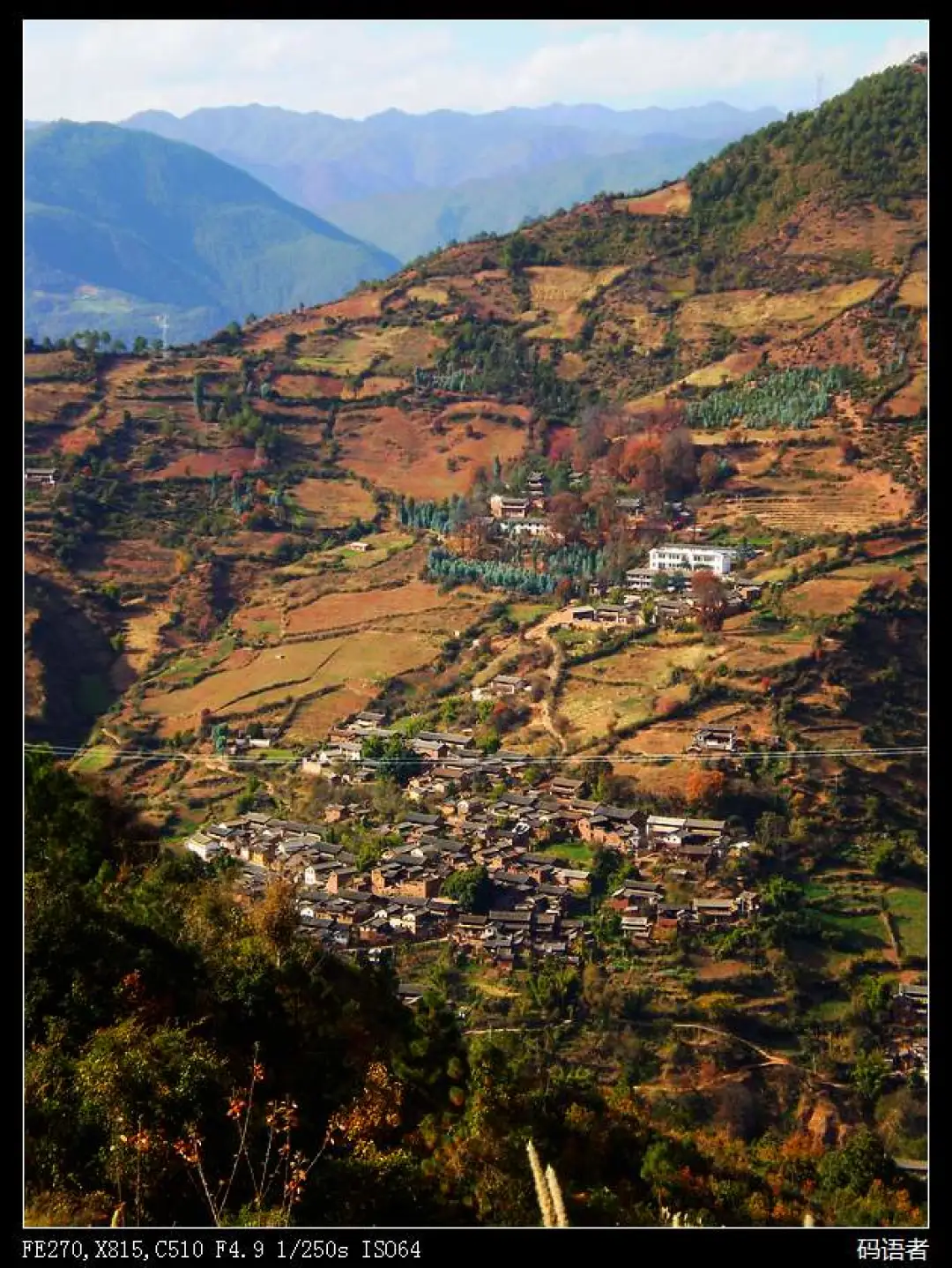
Before the Tongue: Discovering Nuodeng, the Ancient Salt Town Time Forgot
Before the Tongue: Discovering Nuodeng, the Ancient Salt Town Time Forgot There’s a peculiar magic in places that have been left behind by history. They don’t try to impress you. They don’t have polished welcome centers or laminated maps. They just are—worn, quiet, and utterly…
Continue reading...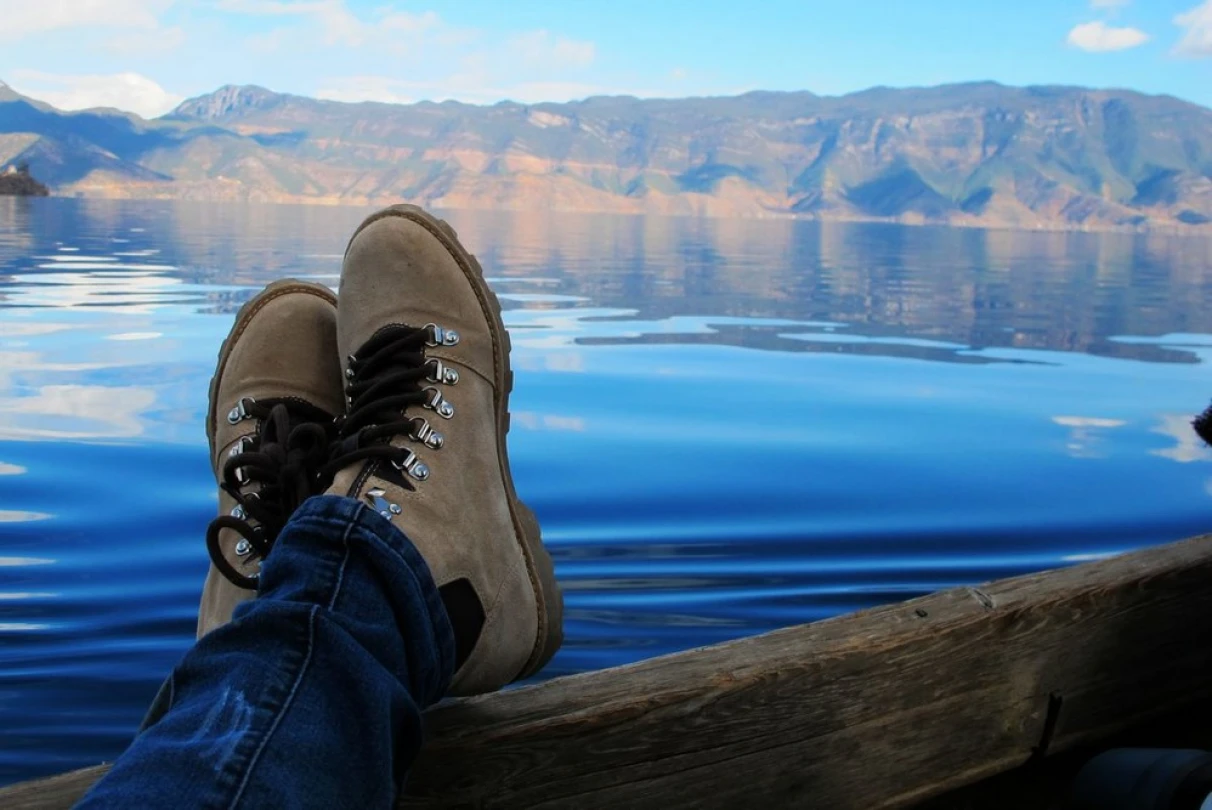
Slow Sounds, Gentle Steps: My Wandering Journey Through Lijiang
Slow Sounds, Gentle Steps: My Wandering Journey Through Lijiang Prologue: A Spontaneous "Red-Eye" Escape Some journeys begin just like Lijiang itself—with a touch of spontaneity and a hint of laziness. Late one Sunday night, I was scrolling through my phone while lying in bed when…
Continue reading...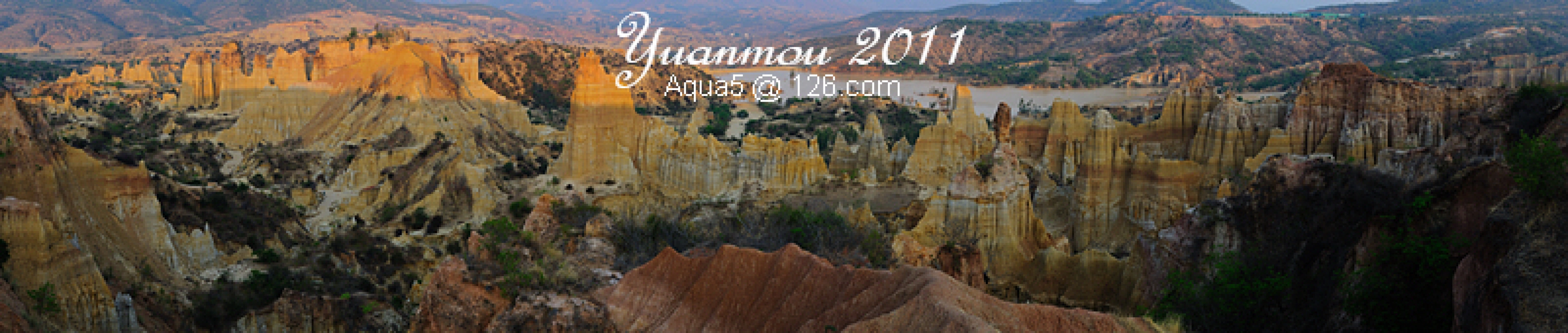
A Journey Through Time: The Earthen Forest of Yuanmou — April 2011 Chuxiong & Yuanmou Self-Drive Guide
A Journey Through Time: The Earthen Forest of Yuanmou — April 2011 Chuxiong & Yuanmou Self-Drive Guide Some journeys are destined to take root in your memory. In April 2011, I set out from Shuhe in Yunnan, heading north toward the Chuxiong Yi Autonomous Prefecture,…
Continue reading...