Weishan: The Birthplace of the Nanzhao Kingdom, a Forgotten Yunnan Ancient Town Hiding the Most Authentic Local Life
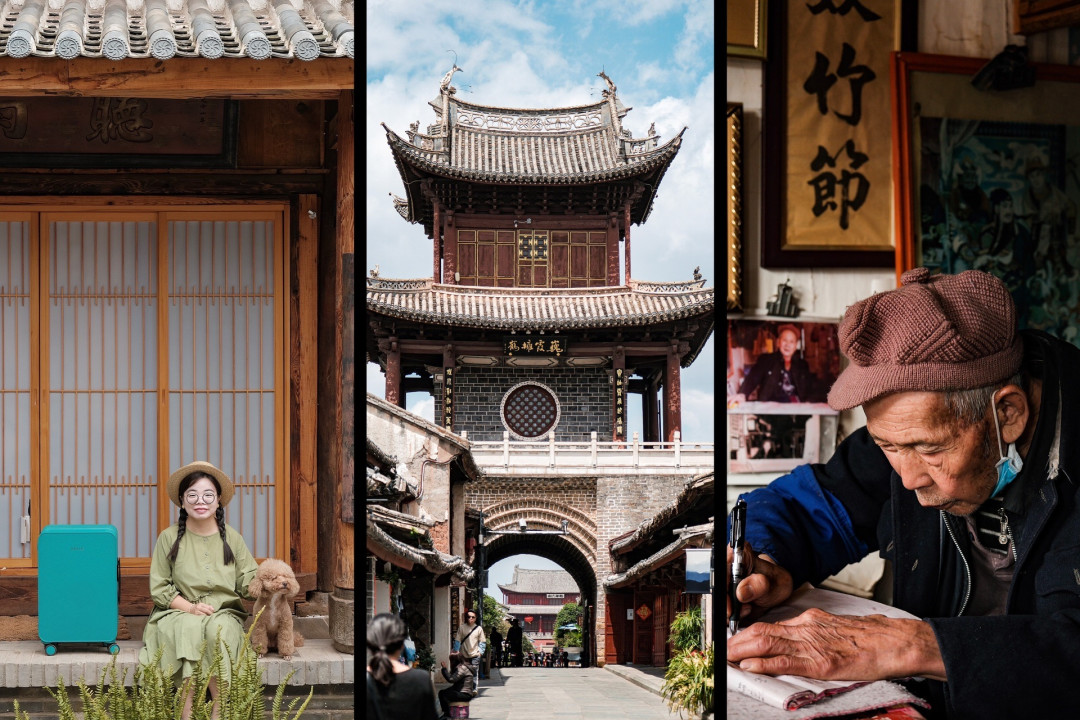
Weishan: The Birthplace of the Nanzhao Kingdom, a Forgotten Yunnan Ancient Town Hiding the Most Authentic Local Life
When Dali Old Town is drowned by the noise of tourists, when Lijiang's bar streets never sleep, Weishan—just a 20-minute high-speed train ride from Dali—still keeps its centuries-old rhythm unchanged. There are no Instagram-worthy photo spots here, no cookie-cutter souvenir shops. Only the bargaining sounds from the morning market, the aroma of breakfast wafting through the alleyways, and those old flavors passed down through generations.
As the birthplace of the Nanzhao Kingdom, Weishan has an even longer history than Dali. If you've played Chinese Paladin (also known as The Legend of Sword and Fairy), you might remember Zhao Ling'er's hometown—yes, it's right here. This ancient town, so off-the-radar it's almost forgotten by tourists, is the reason I keep coming back. Not for anything else, but for the food hidden in every corner of the streets and alleys, and that rare, precious sense of everyday life.
Weishan Old Town: A Truly "Living" Ancient Town
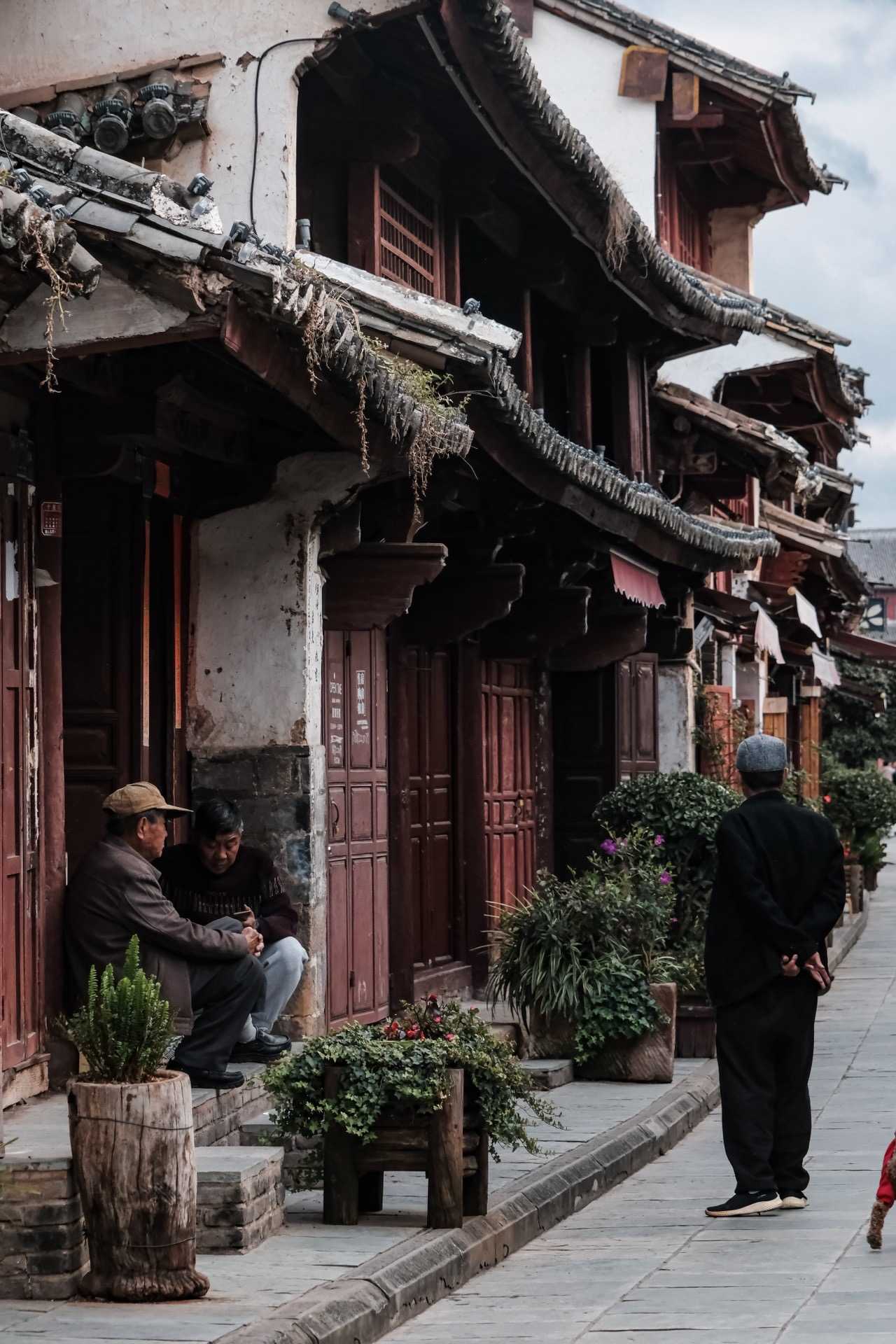
Unlike those commercially packaged "ancient towns," Weishan Old Town is a place where people genuinely live. First built during the Yuan Dynasty and converted to a brick city in the Ming Dynasty, it's one of the regions in Yunnan where the chieftain system (Tusi system) lasted the longest. Strolling through it, you won't find the usual mass-produced trinkets from Yiwu. Instead, you'll see handwritten couplets pasted on local doors, each one reflecting the owner's personality and taste.
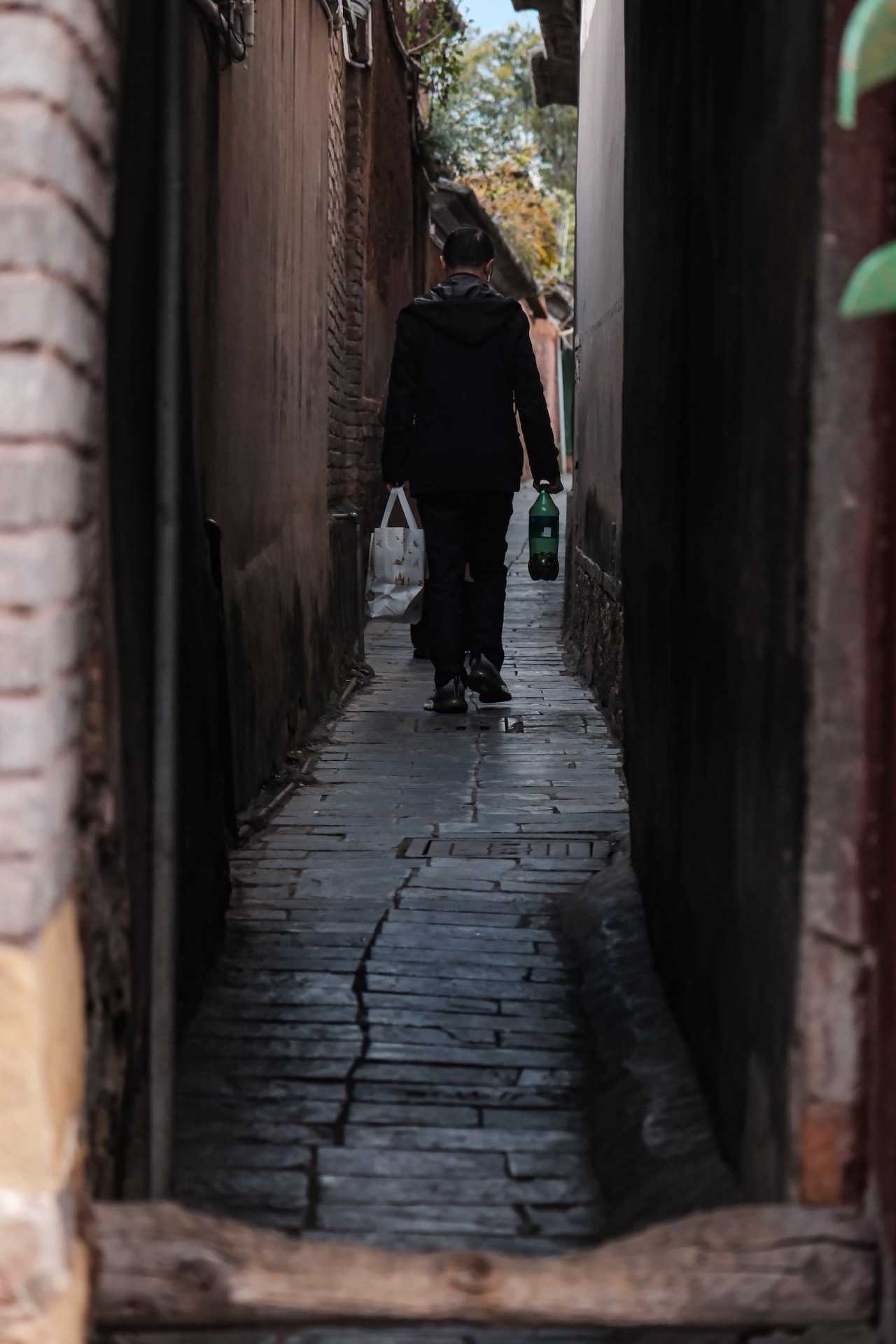
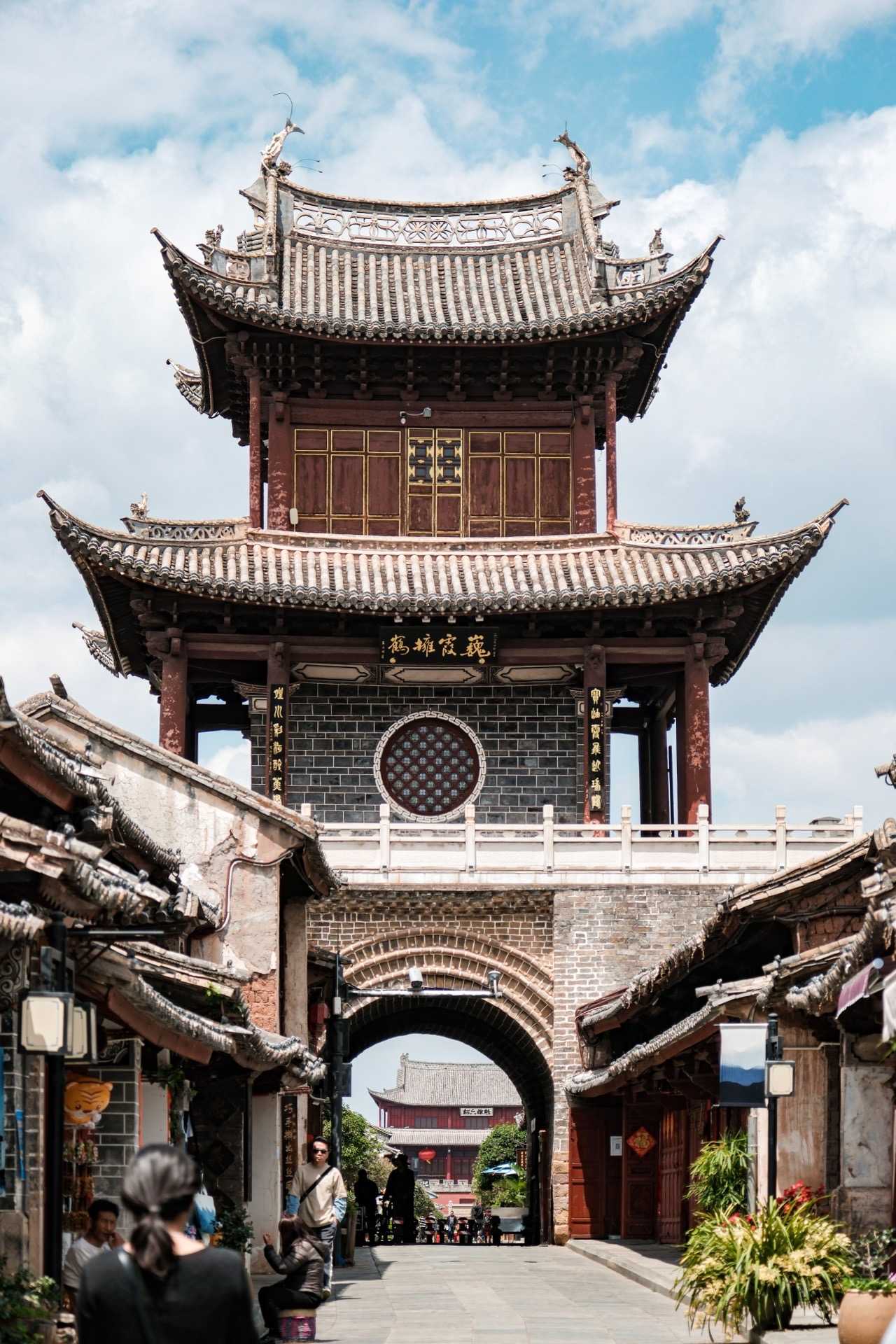
The old town centers around Gongchen Tower, laid out in a standard grid pattern. What fascinates me most are those hidden corners known only to locals. Take the alley called "One-Person Lane" (一人巷)—a narrow passage barely wide enough for one person, its bluestone slabs polished smooth by time. Following a local friend through this lane is the fastest shortcut to the southern market.
Southern Market: The Bustling World of 6 AM
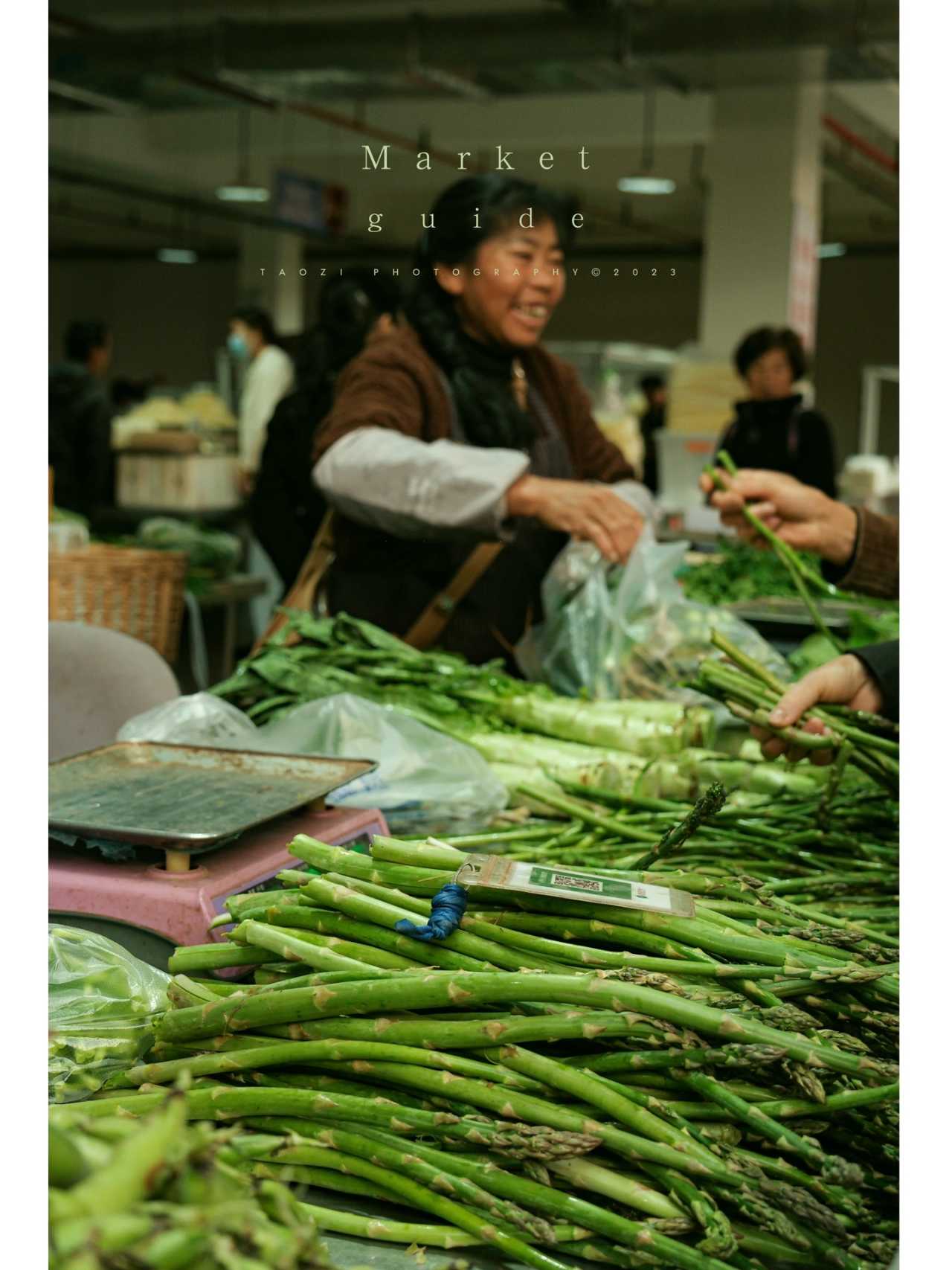
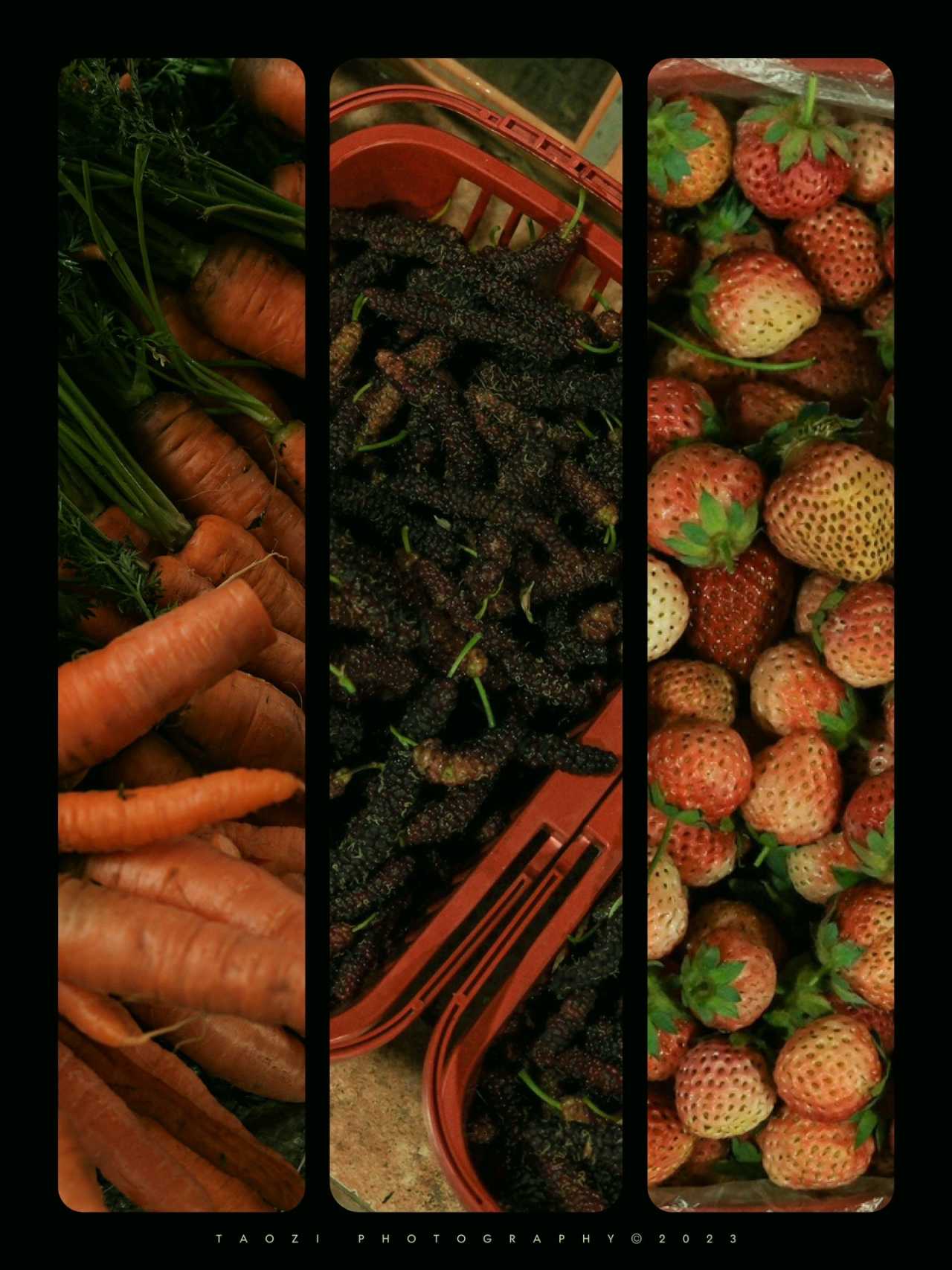
If you ask me the most worthwhile place in Weishan, I'll tell you without hesitation: the Southern Market. This market, tucked inside an underground parking lot next to the old town, is already buzzing by 6 AM. Want the freshest vegetables? You'd better get up early.
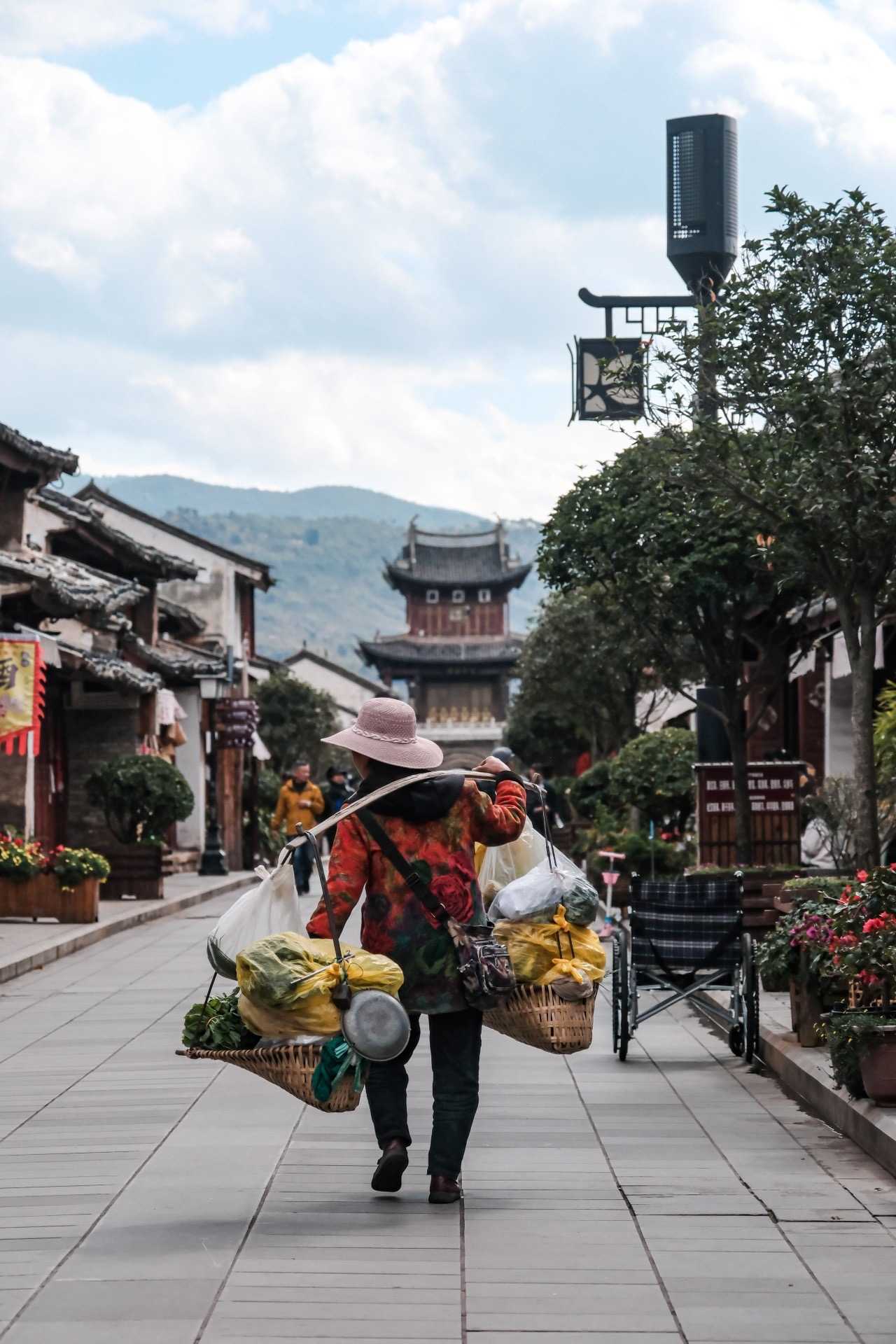
The vendors here fall into two categories: fixed stalls and temporary ground stalls. Those selling on the ground wake up at 3 or 4 AM to harvest from their fields, leave home around 5, and arrive at the market by 6 to start selling. Day after day, year after year. Every time I visit Weishan, I make a point to wander through here. Prices are much lower than in Dali, and you can find countless local ingredients whose names you don't even know. Before leaving, I always buy a big bag to take back—these homegrown vegetables taste like real vegetables should.
Su Laosan's One-Noodle (苏老三一根面): A Weishan Morning in a Bowl
As someone who doesn't eat pork, Weishan's signature dish, "Crossing-the-River Rice Noodles" (过江饵丝), is off-limits for me. But the "One-Noodle" (一根面)—a pan-side specialty—has become my must-have breakfast every time I come.
Su Laosan's One-Noodle (苏老三一根面) is my unwavering choice. It opens at 7 AM and closes by noon when everything's sold out. This shop sells only one thing: a single noodle. As the name suggests, the entire bowl consists of one continuous noodle from start to finish, symbolizing "long-lasting happiness." The magic lies in two things: the chewy texture of the noodle itself, and the house-made topping of dried bamboo shoots and pork.
I've gotten to know the auntie there; every time I say, "No pork, extra bamboo shoots, please." Ten yuan (about $1.40) per bowl, with pickled vegetables for self-service. Sitting on a small stool by the street, watching the locals come and go, listening to the familiar dialect—this, I think, is Weishan's most authentic morning.
Chubby Girl Rice Rolls (胖姑娘卷粉): Thirty Years of Old Flavors
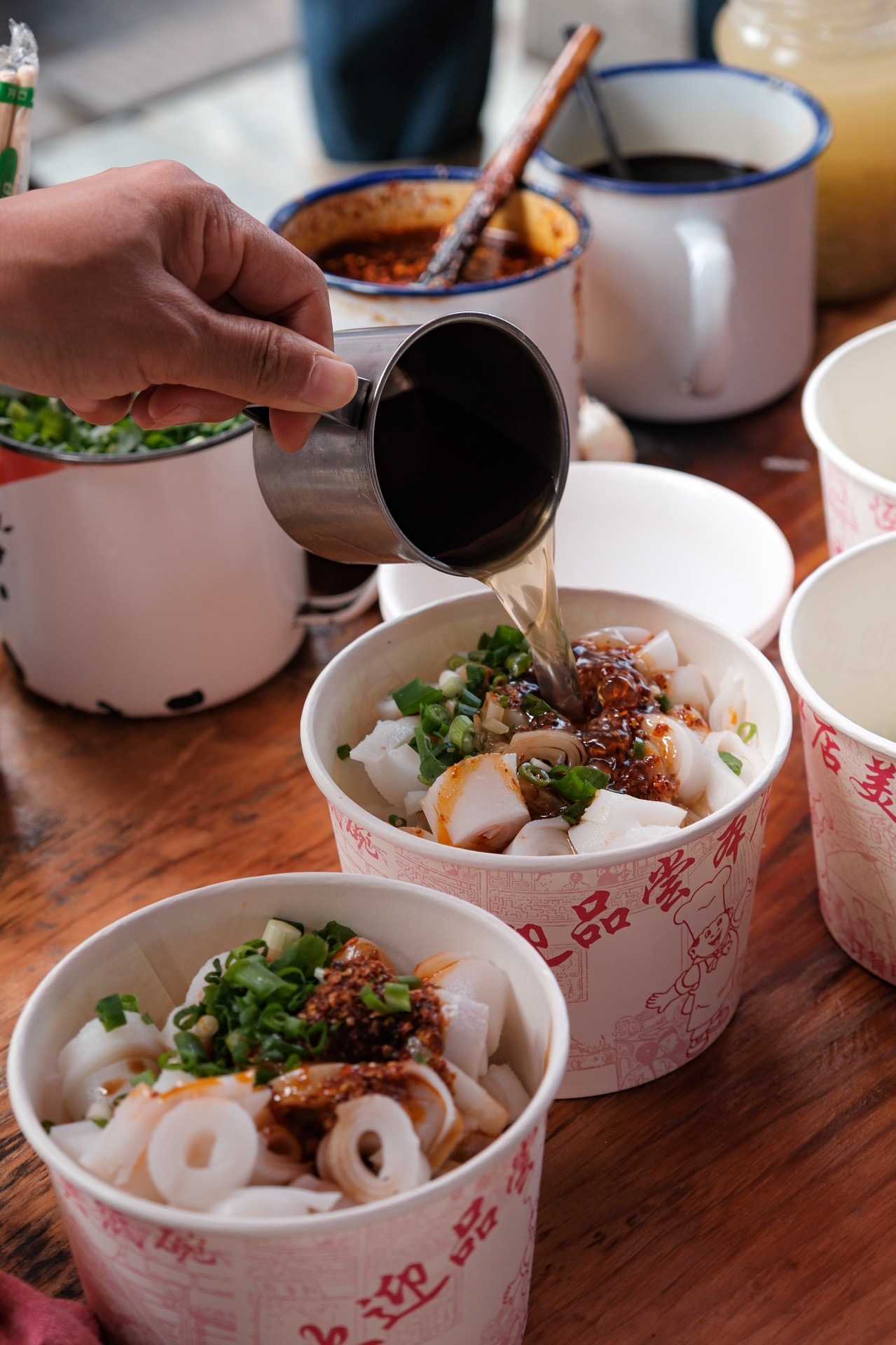
When Su Laosan closes for the day, another small shop quietly opens. Located on Guansheng Street, Chubby Girl Rice Rolls (胖姑娘卷粉) starts serving at noon sharp. It operates right at the entrance of the owner's old courtyard home. All the ingredients and seasonings are homemade. The chili oil—its aroma alone makes you want to take a few extra sniffs. The shredded radish—even I, who usually dislikes radishes, can't get enough of it.
There are no seats in the shop, just a few benches placed against the screen wall behind the owner. Most locals buy theirs to go; only "fake locals" like me sit down to eat slowly. The rice roll skin is thin, the filling generous. One bite, and the sauce bursts in your mouth—a satisfaction no fancy restaurant can deliver.
Wenhua Academy: Slow Time in a Century-Old Courtyard
For a twenty-yuan ticket, there isn't much to see in Wenhua Academy, but the main hall at the back is architecturally impressive. However, my real reason for coming here every time is "Shuxiang Pavilion" (舒香阁), just to the right of the entrance.
This is a century-old Qing Dynasty building with ancient trees in the courtyard, sunlight filtering through the leaves to cast dappled shadows. Order a pot of tea, sit in the courtyard, and daydream—it feels like traveling back a hundred years. Sometimes, the meaning of travel isn't about how many sights you've seen, but whether you can find a corner that quiets your soul.
Shangshi Fresh Milk Bar (上食鲜奶吧): Milk from Their Own Cows, Freshly Milked

The first time a friend tried the double-skin milk (双皮奶) I brought back, they were completely stunned. This little shop called "Shangshi Fresh Milk Bar" (上食鲜奶吧) is my secret treasure. The owner says all the milk comes from their own cows, milked fresh daily, and they also sell fresh milk every morning. The double-skin milk comes in three flavors; my favorite is the original—not too sweet, rich in milky aroma, with a smooth and tender texture.
As a small treat before or after a meal, it perfectly fills the gaps in your taste buds. It won't fill you up, but it brings pure happiness.
Chongzheng Academy's Librairie Avant-Garde: 500 Years of Book Fragrance, Modernly Reimagined
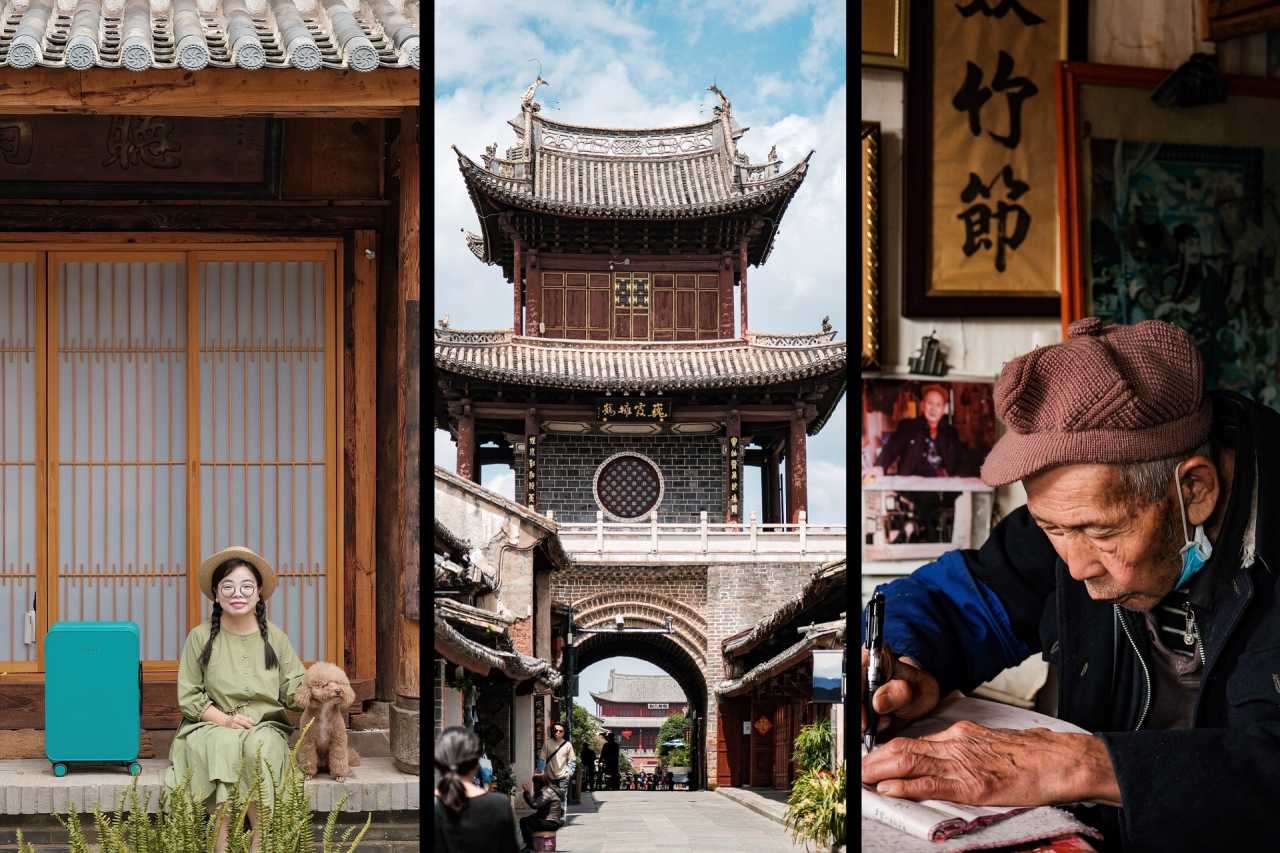
Librairie Avant-Garde (先锋书店) always has an eye for unique locations. This time, they've opened a branch in Weishan, inside the 500-year-old Chongzheng Academy. The building has been restored to its original state while incorporating modern cement-style elements, breathing new life into this ancient structure. Walking in, the scent of books mingles with the aroma of old wood, making you unconsciously slow your pace.
Li Meng's Calligraphy Studio (李萌书屋): The Brush-and-Ink Life of a 90-Year-Old Gentleman
At 90 years old, Mr. Li Meng has just recently officially retired. His calligraphy studio is run entirely by himself—he opens the doors on time every day and writes. His hearing is no longer good, so communication often requires pen and paper. The studio is filled with his calligraphy works, most of which are for sale. I was lucky enough to buy two pieces; they still hang in my home, and every time I see them, I think of this admirable old man.
Xingwei Tie-Dye (兴巍扎染): Yunnan's Intangible Heritage, More Famous Abroad
If you wander the old town carefully, you'll find a cluster of local tie-dye shops. Weishan's tie-dye is actually more famous overseas than in China, with many products exported specifically to Japan. I visited a factory store called "Xingwei Tie-Dye" (兴巍扎染), a workshop staffed entirely by women.
From fabric selection to the entire tie-dye process, everything is open for viewing. The factory store has a wider selection than outside shops, and you can see many items destined for Japan. Every time I come, I buy a few pieces. Those blue-and-white patterns—each one is a unique work of art.
Master Kun's Kitchen (昆师傅): A Taste You'll Never Forget
I recommend Master Kun's Kitchen (昆师傅) to every friend who visits Weishan—just like a friend did for me on my first trip. This restaurant has no menu; you order by looking at the ingredients in the fridge at the back kitchen door. The ingredients are fresh, the flavors outstanding. Word has it that Master Kun's mother was a head chef at a state-run restaurant, and many officials have dined here.
The restaurant is in Master Kun's own old courtyard, with seats both in the yard and inside. I love sitting in the yard, watching others eat with such relish—it makes me happy too. Master Kun himself paces between the front hall and the back kitchen. When he sees guests finishing up, he comes over to ask how it was, inquire about preferences and suggestions, and share news about newly arrived ingredients or new cooking methods. His down-to-earth manner makes you feel like you're eating at a friend's house.
Aunt Yun's Grilled Rice Cakes (云孃烧饵块): A Flavor You Won't Find in Dali
Back in the day, the Wild Boar Forest Square (野猪林广场) was filled with grilled rice cake stalls at night, but now they're not allowed anymore. I heard Aunt Yun's Grilled Rice Cakes opened a storefront, but it wasn't open when I last visited. The lady who used to set up next to Aunt Yun also made delicious ones, but unfortunately, I never ran into her again.
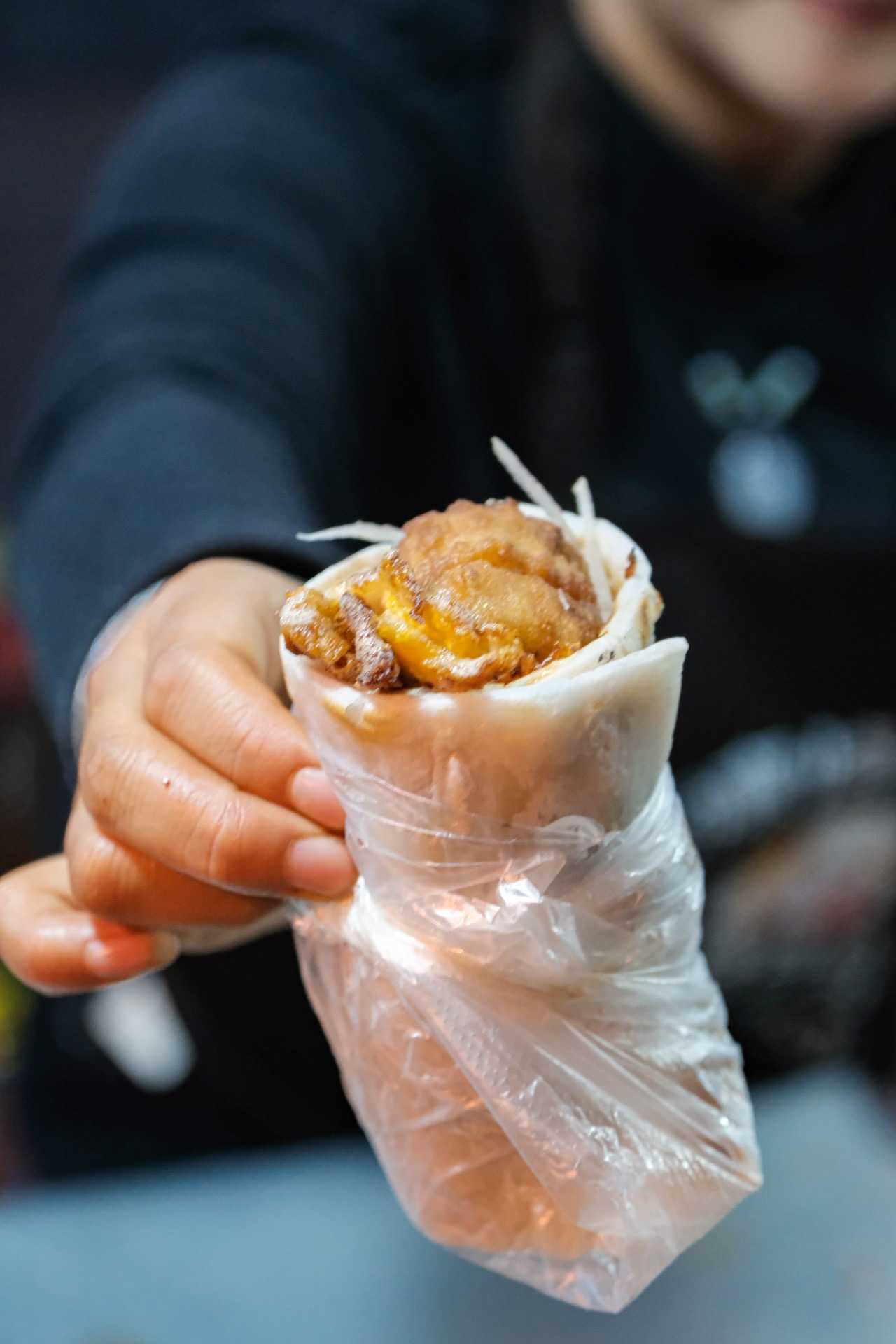
Other stalls in the old town selling grilled rice cakes don't compare to these two. But even so, they're still much better than Dali's version. The rice cakes are grilled until crispy on the outside and tender inside, slathered with sauce, wrapped with various fillings—one bite, and the satisfaction is beyond words.
Final Thoughts: Worth a Special Trip Just for the Food
Weishan is only 20 minutes from Dali by high-speed train, or two hours by car. I strongly recommend taking the train—it's convenient and fast. If you're short on time, take the earliest train there and the latest one back. If you want to stay a few days, accommodation in Weishan is fairly basic; pick something within your budget and stay for two days without expecting too much.
I've written so much about the food, but I haven't even scratched the surface of Weishan's culinary treasures. This is a food lover's goldmine hidden in a small town. Every time I go, I eat to my heart's content. When I recommend it to friends, they're always amazed at how I manage to find so many good things to eat.
Weishan is a place like this—no stunning scenery, but the most genuine everyday life; no fancy restaurants, but the most authentic hometown flavors. If you're tired of cookie-cutter ancient towns, come take a stroll in Weishan. For the food hidden in those alleys, for the old flavors passed down through generations, for that rare sense of everyday life—it's worth a special trip.
You should also read:

Escaping Nanning, Falling Under Lijiang's Spell: Our Four-Person, Ten-Day Yunnan Dream
Escaping Nanning, Falling Under Lijiang's Spell: Our Four-Person, Ten-Day Yunnan Dream Before We Set Off: No Pain, No Obsession Have you ever had that impulse—suddenly tired of the office fluorescent lights, the crush of the subway, the endless parade of identical takeout boxes, and just…
Continue reading...
Solo in Yunnan: A Wanderer’s Guide to the Land of Eternal Spring
Solo in Yunnan: A Wanderer’s Guide to the Land of Eternal Spring There’s something magical about traveling alone. No compromises, no schedules to keep, no one to please but yourself. I’ve been on the road for nearly three months now, and not once have I…
Continue reading...
Tengchong·Heshun: Finding Life as It Should Be in a Border Town Where Time Stands Still
Tengchong·Heshun: Finding Life as It Should Be in a Border Town Where Time Stands Still The long journey of over twenty days was over. On my first day back at the office, I was still in a daze. My fingers couldn't find the keys on…
Continue reading...