Westward Bound: Rediscovering Lost Slow Time by Dali's Erhai Lake
Westward Bound: Rediscovering Lost Slow Time by Dali's Erhai Lake
A four-day, three-night road trip around Erhai Lake—a spontaneous journey of "wind, flowers, snow, and moonlight." This wasn't a rushed checklist of photo spots, but a true escape for the soul. From Dali Old Town to Shuanglang Ancient Town, from the Corridor Bridge to the Ideal State, every scene whispered the same truth: life is meant to be lived this calmly.
Preface: Why Dali?
The name "Dali" itself carries poetry. Snow-capped Cangshan Mountain, the moon reflecting on Erhai Lake, the wind through Xiaguan Pass, and the flowers of Shangguan—ancient poets captured the city's entire romance in just four characters: "wind, flowers, snow, moonlight." As the ancient capital of the Nanzhao and Dali Kingdoms, this place boasts not only profound historical depth but also breathtaking natural beauty that captivates at first sight.
Nine years ago, I passed through hastily, never truly understanding Dali. Then last year, the TV drama Meet Yourself rekindled my longing for this land. After three years of pandemic-induced suppression, that yearning had grown unbearable. This September, fate finally aligned—we rented a car, circled the lake, and gave our weary minds a much-needed break.
We didn't create a rigid itinerary. Instead, we thoroughly researched the attractions around Erhai Lake, ranked them by preference, and adjusted daily based on weather and mood. No rushing, no ticking boxes—just following our hearts. That's the only way to truly experience Dali.
Day 1: First Glimpse of Erhai, Serendipitous Encounters
Pick Up the Car, Head Straight to the Old Town
We landed at Dali Airport at noon and picked up our rental car directly from the Shenzhou Car Rental counter. With wheels, we had the freedom to control our entire journey.
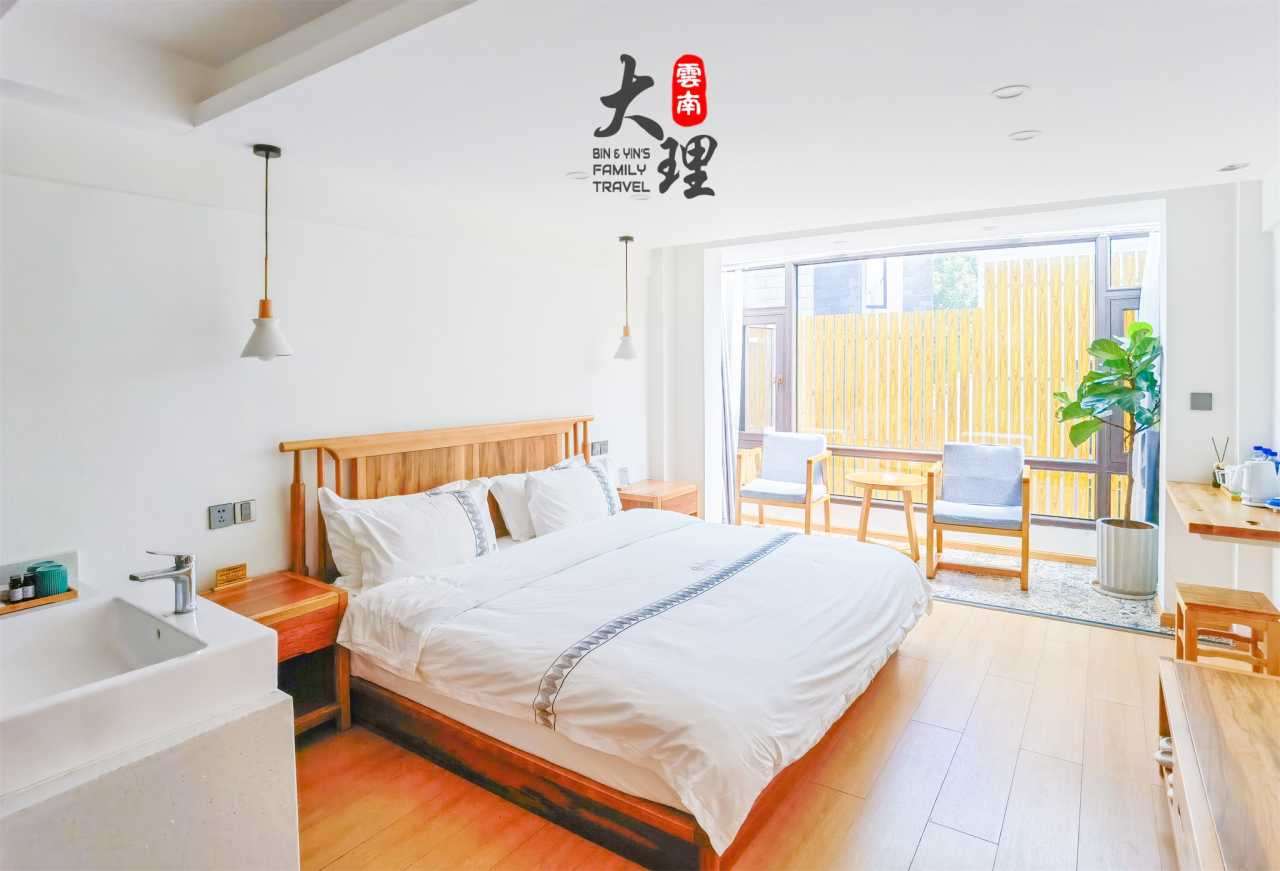
We checked into Dali Youcheng Hotel, located next to the March Street archway opposite the Old Town's west gate. It offered easy access to the Old Town without the traffic congestion near the south gate. With its own parking lot, it was perfect for self-driving travelers. The wood-toned décor was cozy and quiet. The only downside was no breakfast, but March Street's restaurants had us covered for both morning and late-night meals.
After a quick settle-in, we had a bowl of er si (rice noodles cut into strips) for lunch on March Street, and our lake-looping adventure officially began.
The Rice Fields of Luosideng Village: An Unexpected Delight
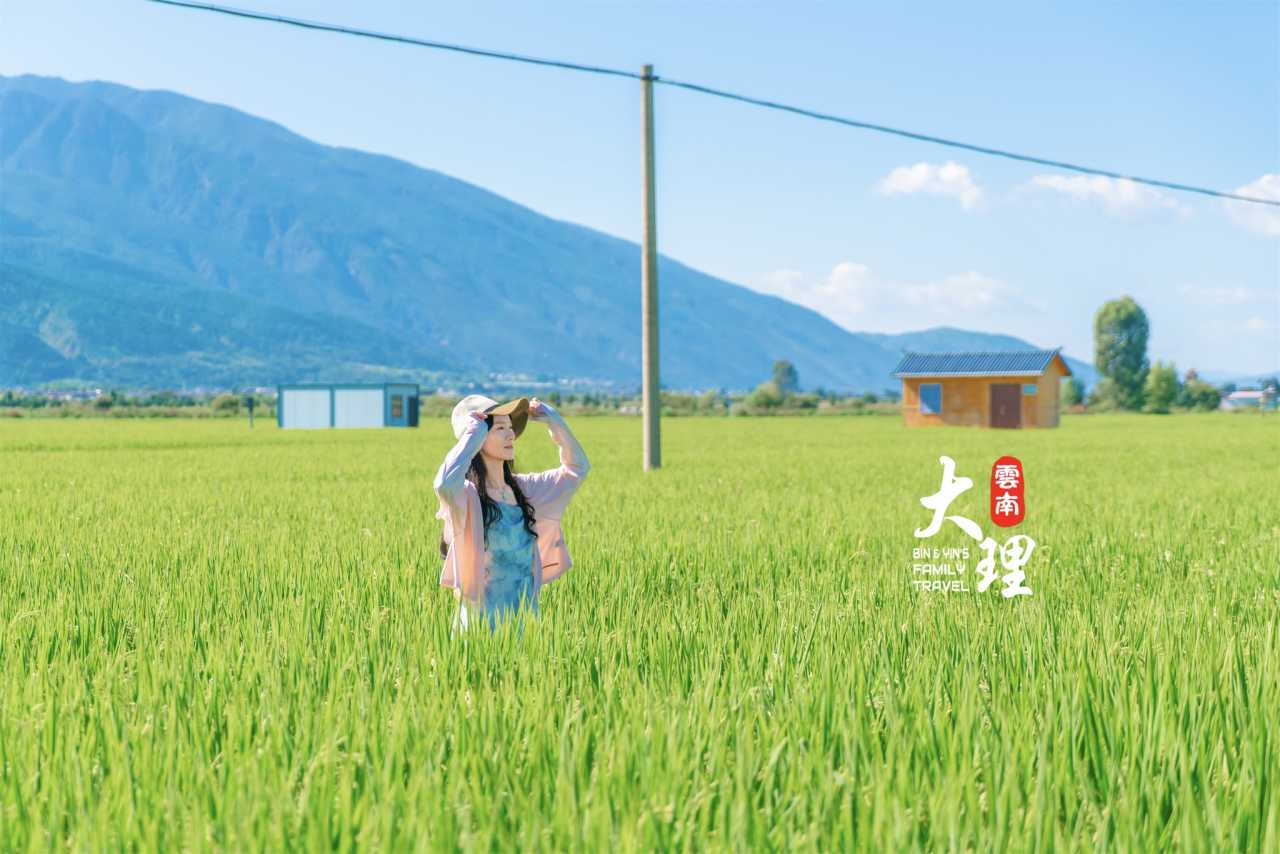
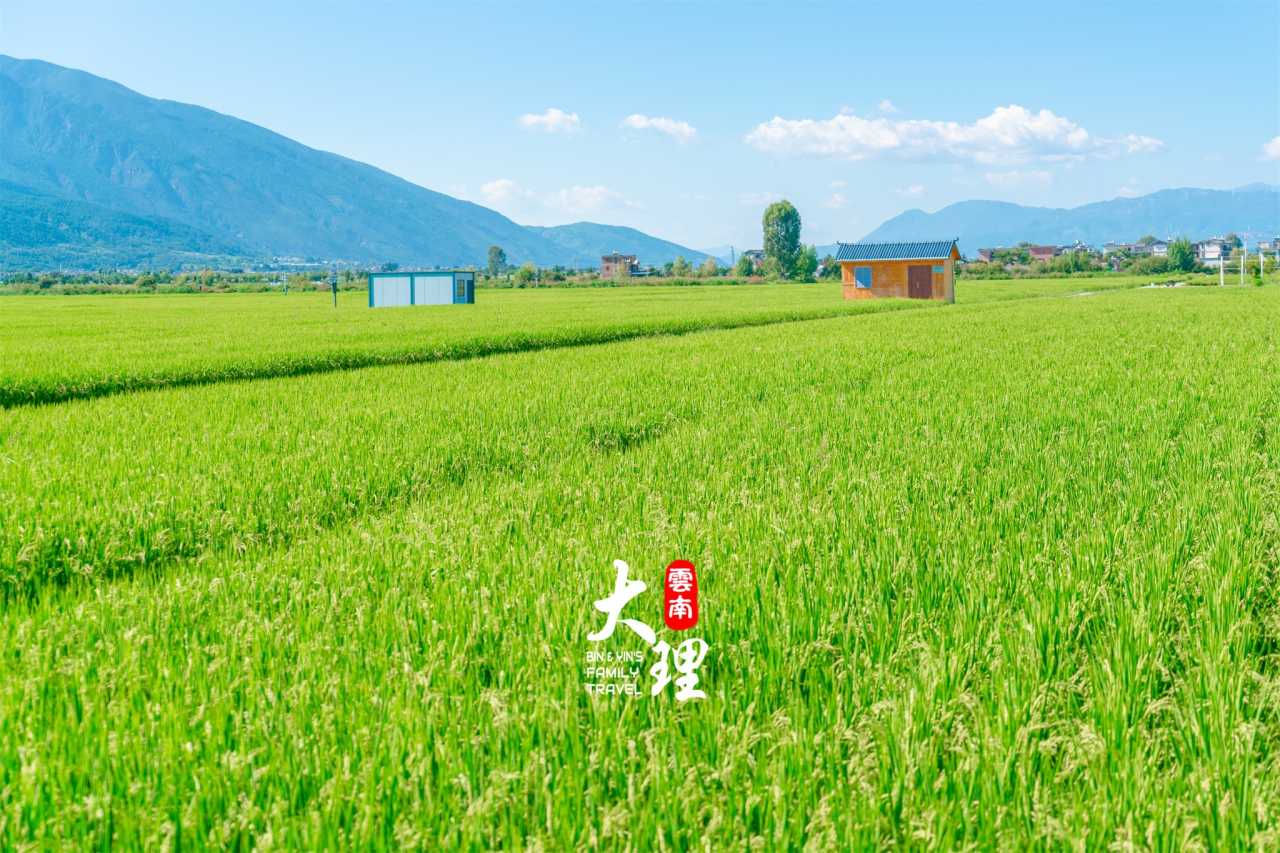
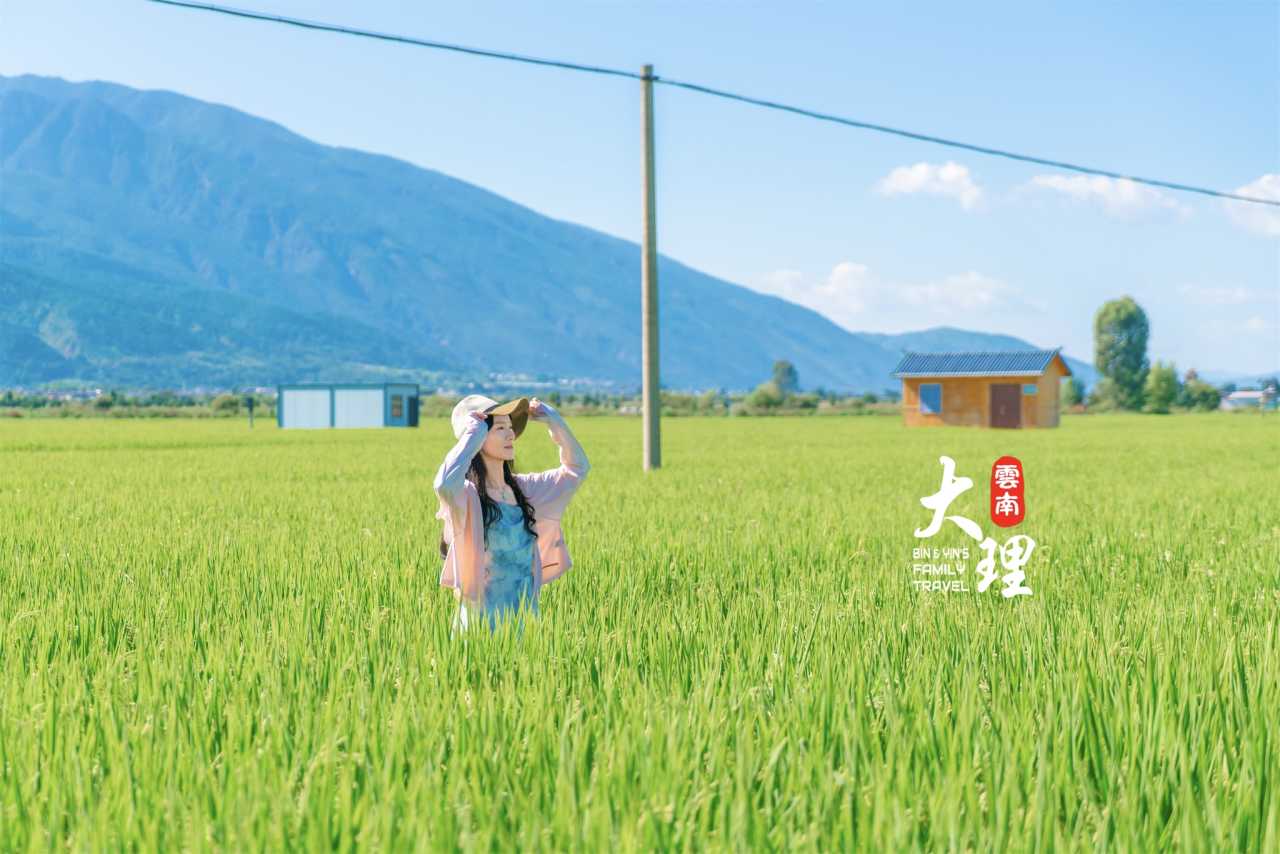
We hadn't planned to seek out rice fields, but on the way to the Corridor Bridge, we stumbled upon a stunning expanse of paddies outside Luosideng Village.
It was late summer, early autumn. The rice ears hung heavy on the stalks, still green and vibrant against the backdrop of orange farmhouses and traditional Bai-style dwellings. It was a serene pastoral painting. The best part? Hardly anyone was there—everyone else was rushing to the Corridor Bridge, leaving us to enjoy this vast, open space alone.
Walking along the pebble paths between the fields, everything felt pure and simple. These unexpected encounters are often the ones that touch us most deeply.
Travel Tips - Navigation point: Luosideng Village - Main attraction: Expansive rice fields - Time needed: 30 minutes
The Corridor Bridge: More Than a Bridge, It's a Scene
Following the road toward the lake, we arrived at the Corridor Bridge.
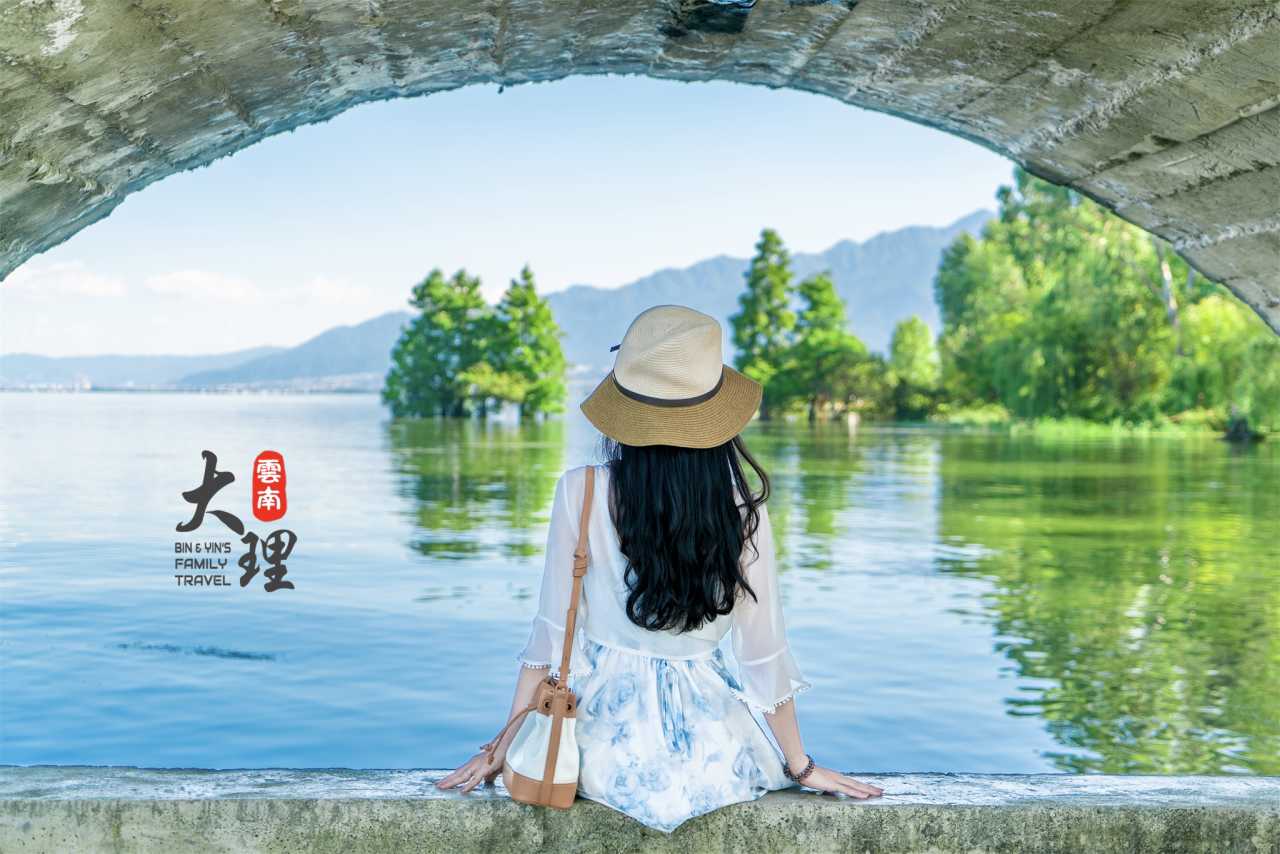
Strictly speaking, it's not a bridge but a relic of an abandoned aqueduct. Yet its unique stone arch structure rising from the water, combined with the distinctive trees and gardens around it, has made it a viral photo spot.
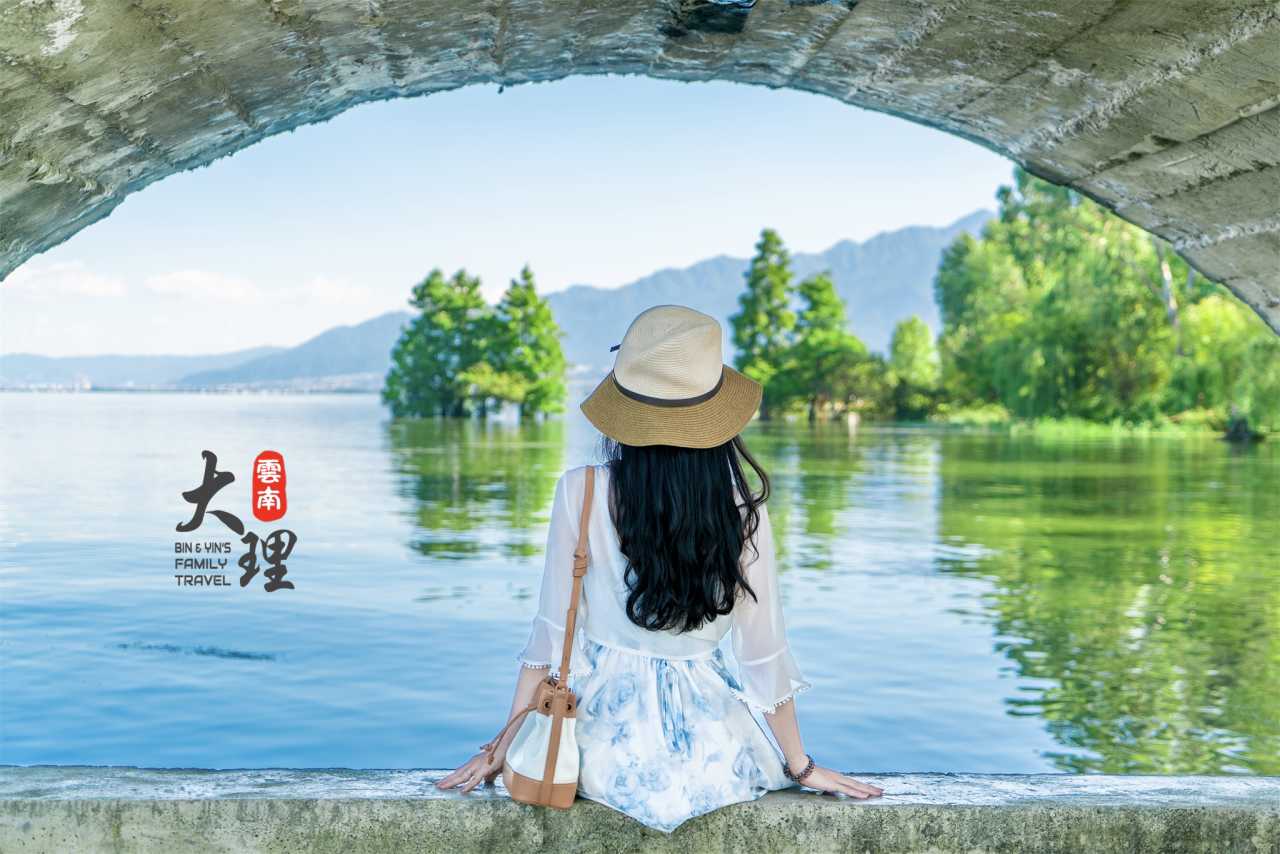
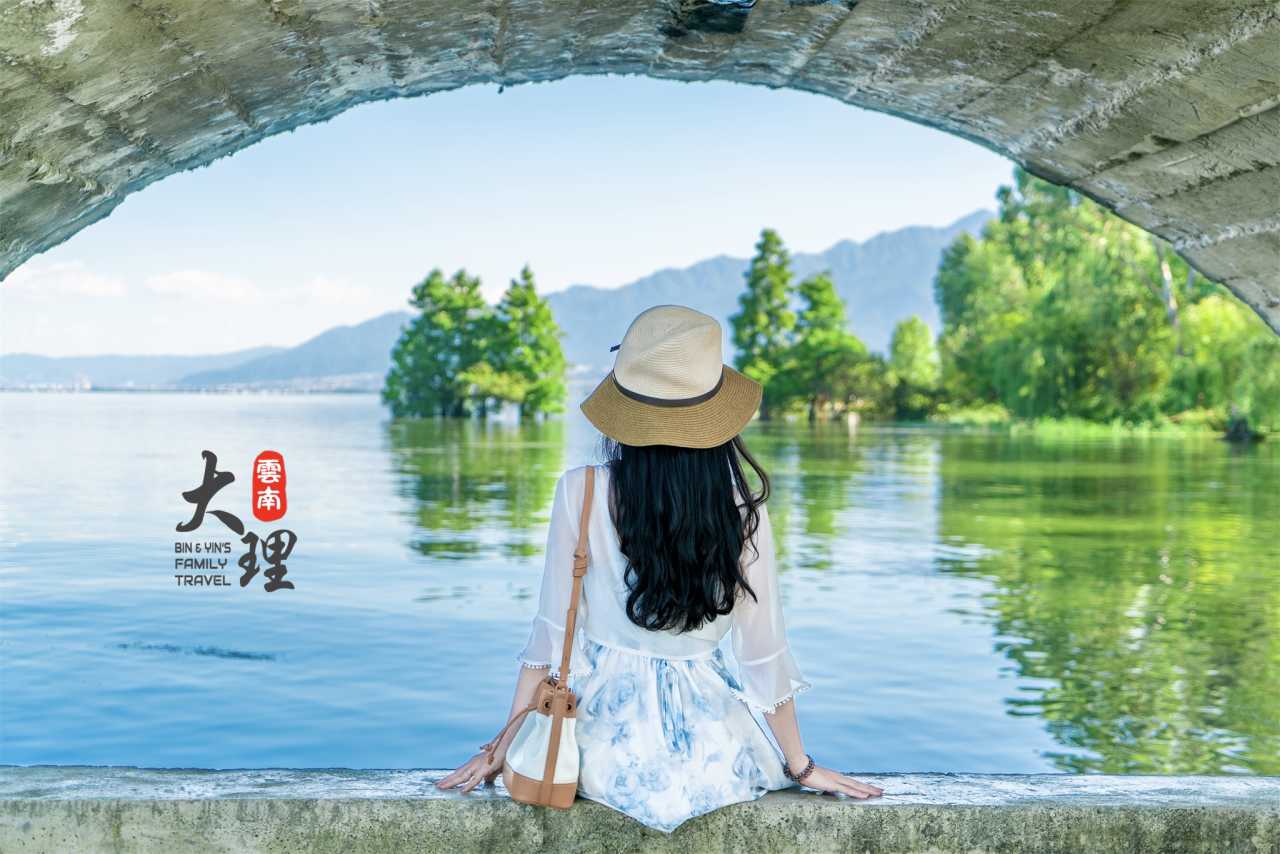
The bridge features arches of various sizes. Looking through them at Erhai Lake—the blue water, the clear sky, the dancing shadows of trees—feels like peering into another world. With relatively few tourists, we didn't have to queue for photos. We took our first couple's shot in years—the last one was during our honeymoon six years ago.

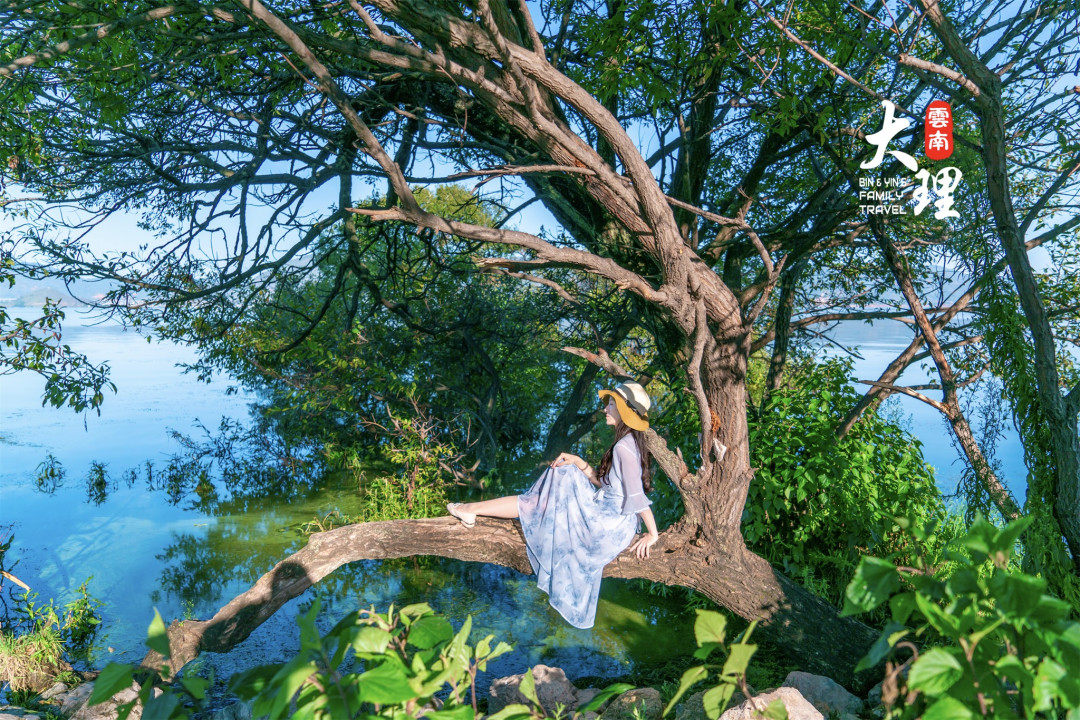
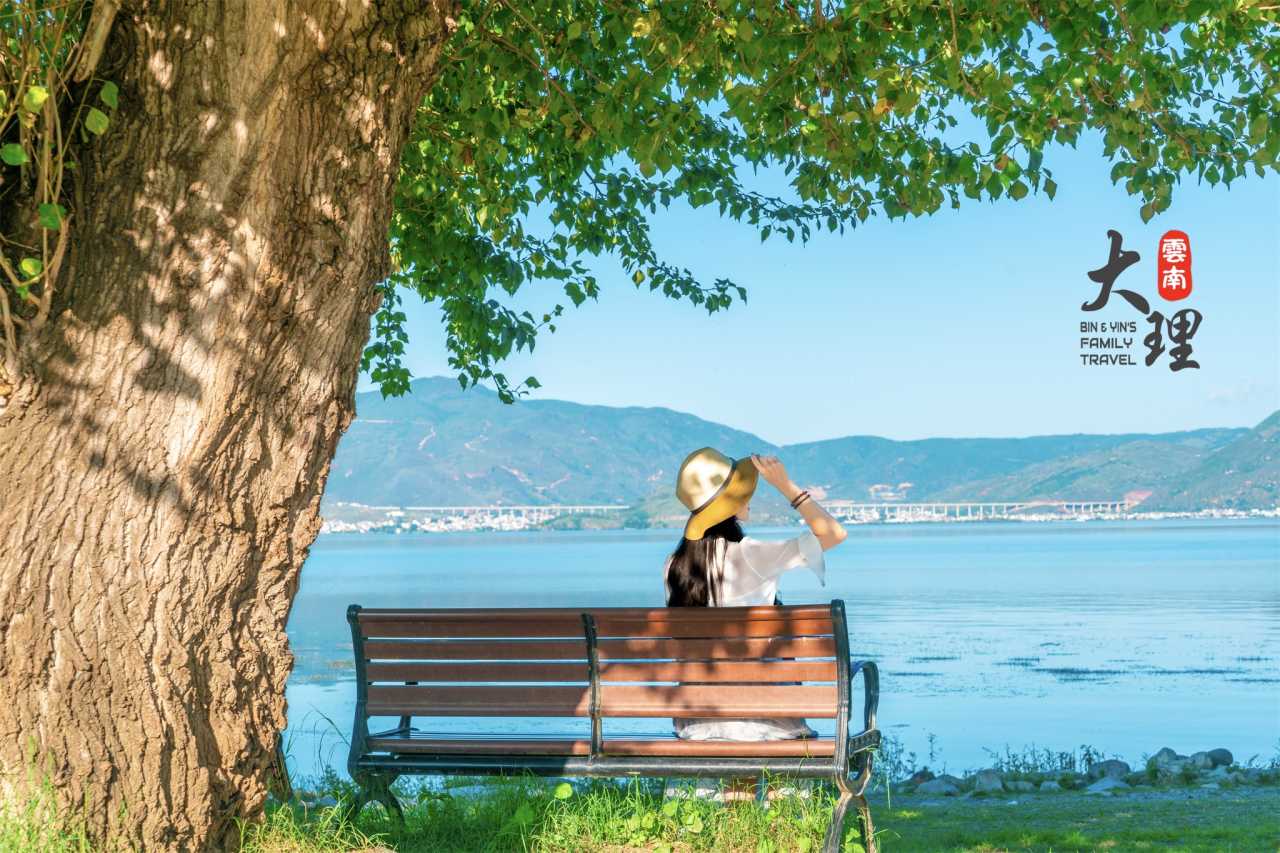
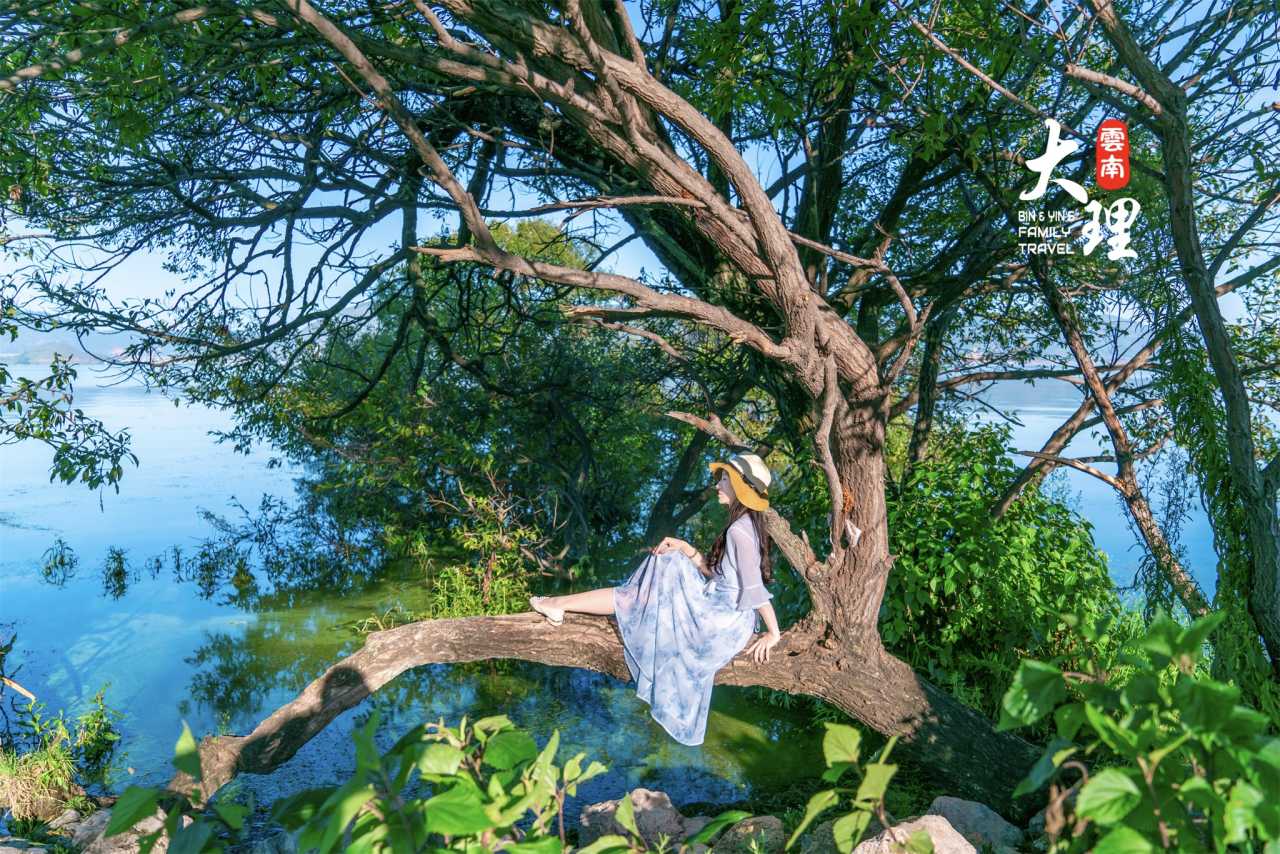
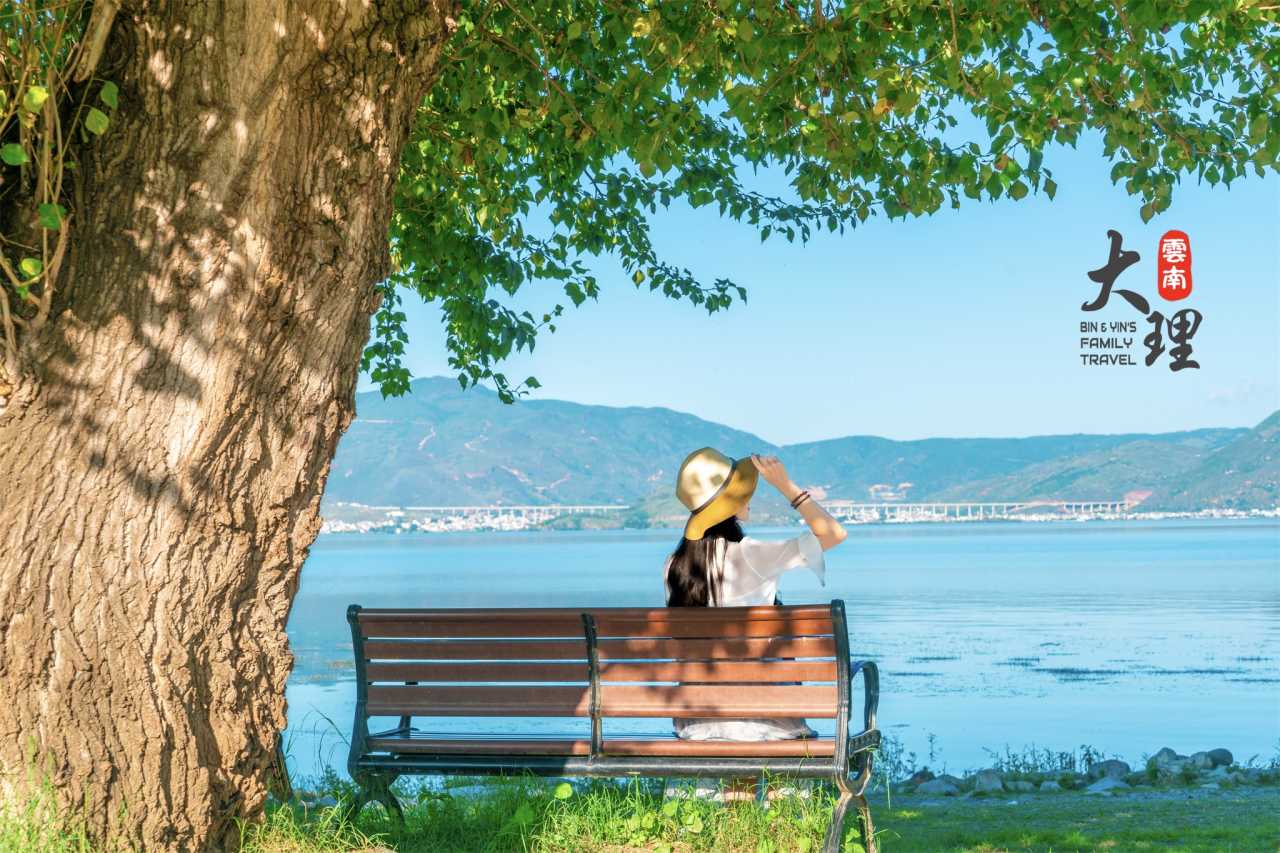
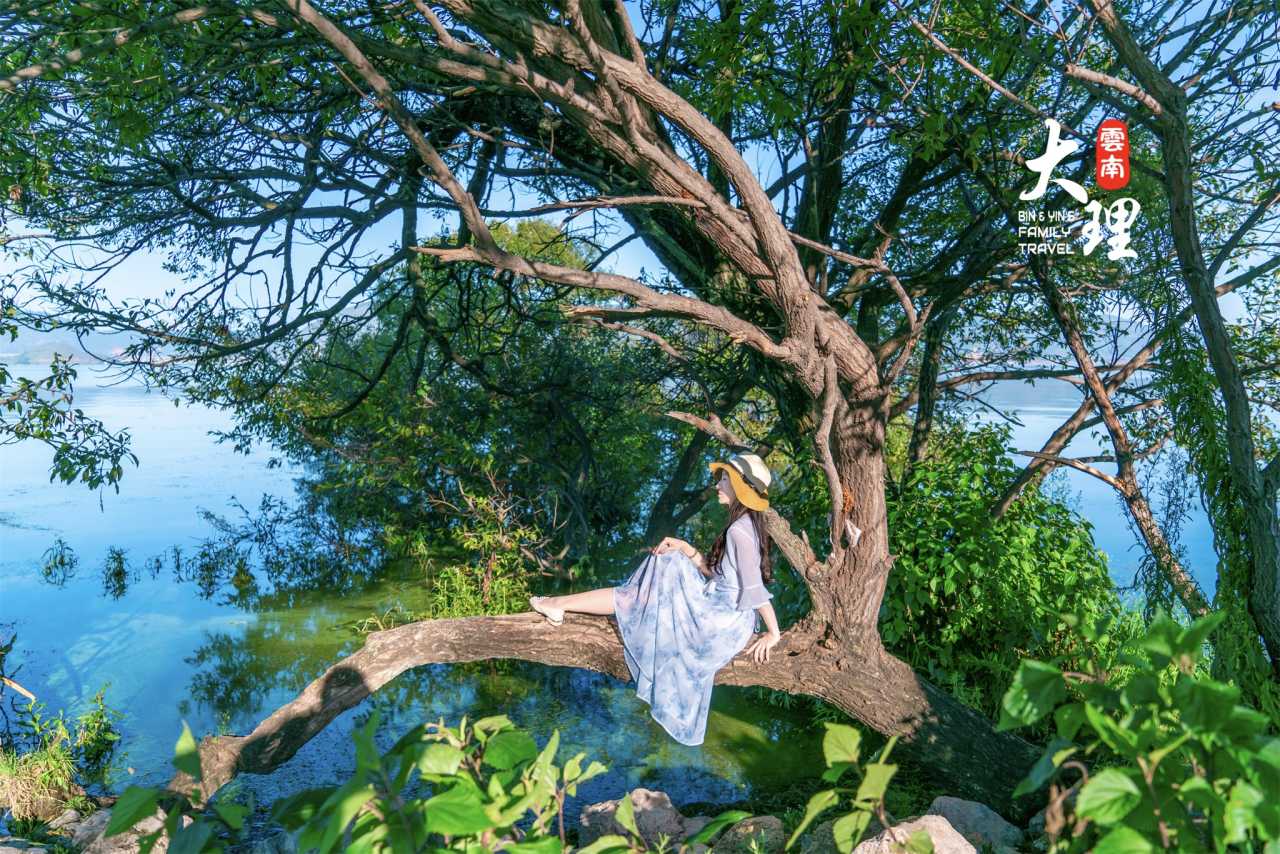
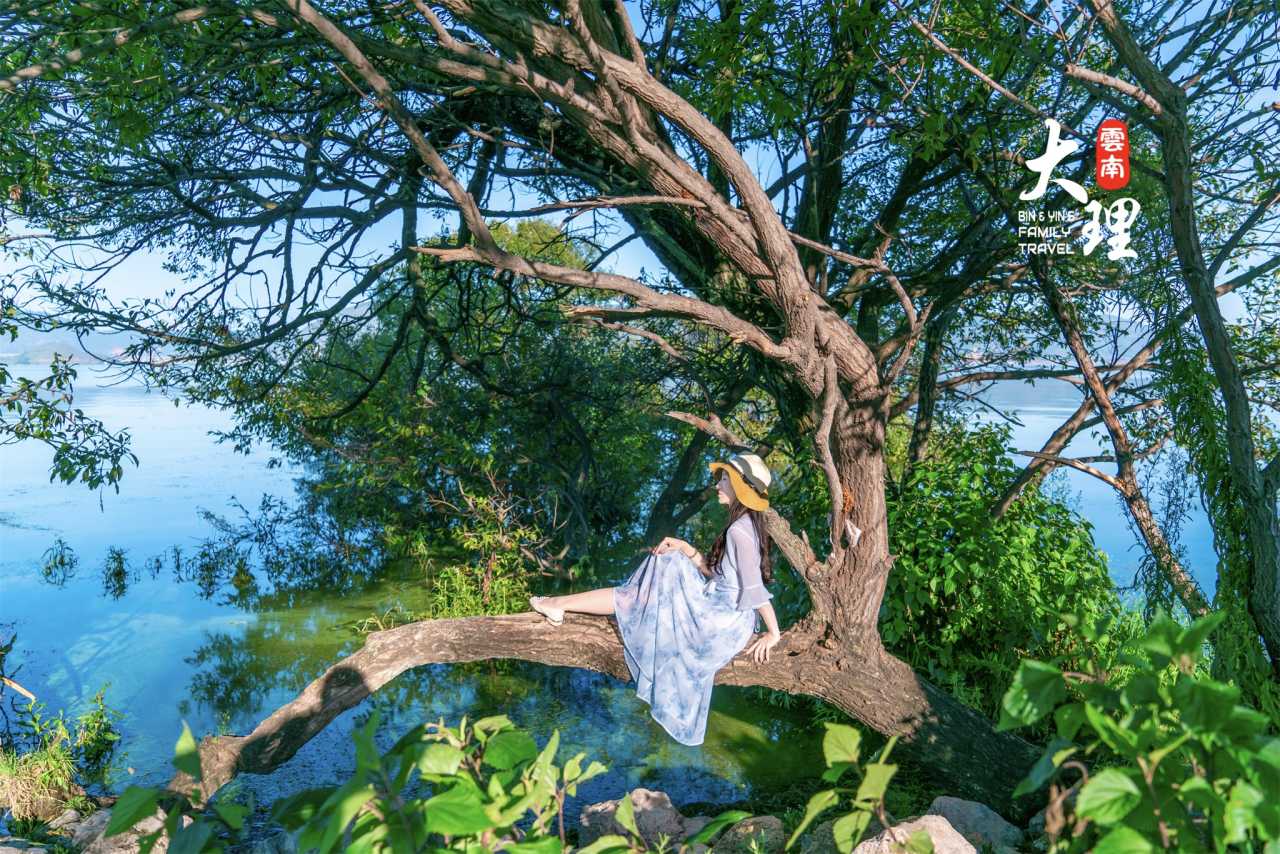
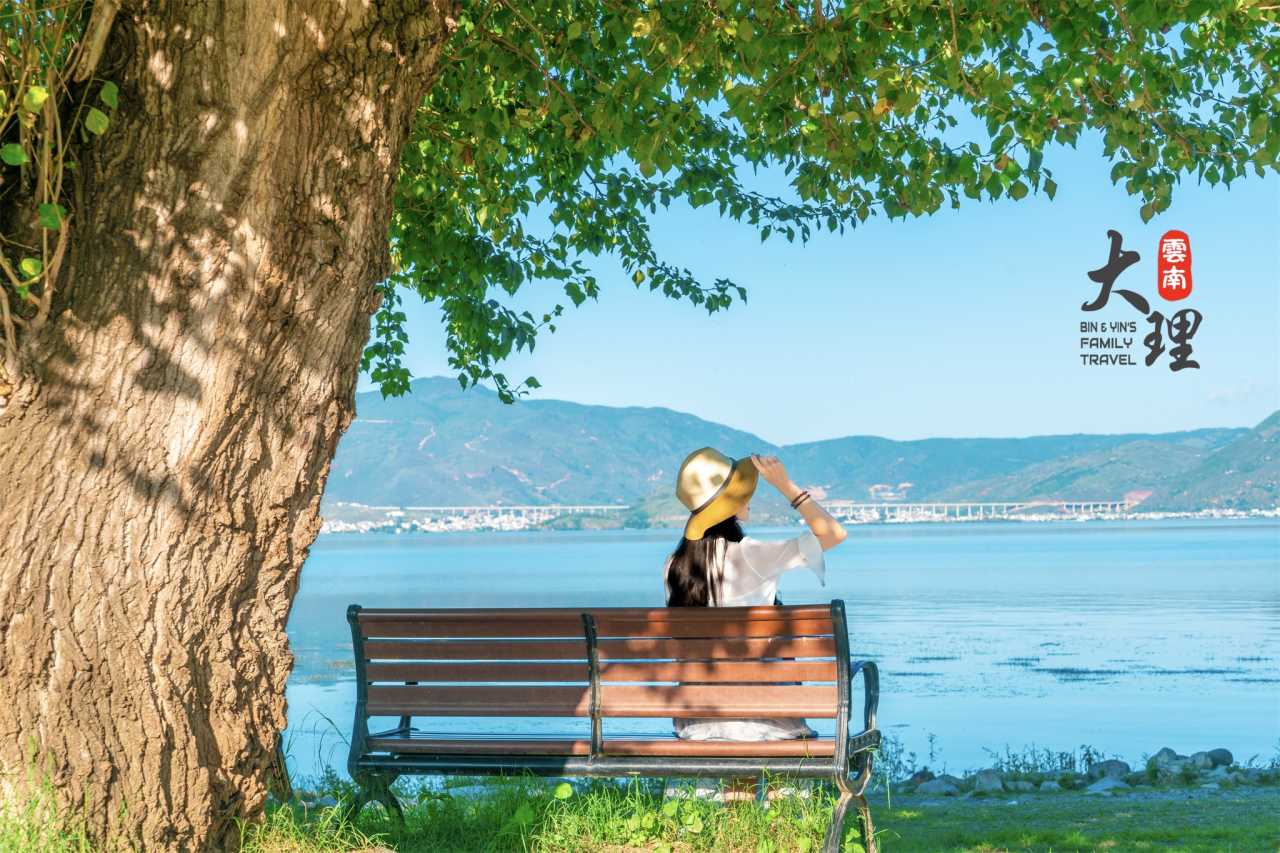
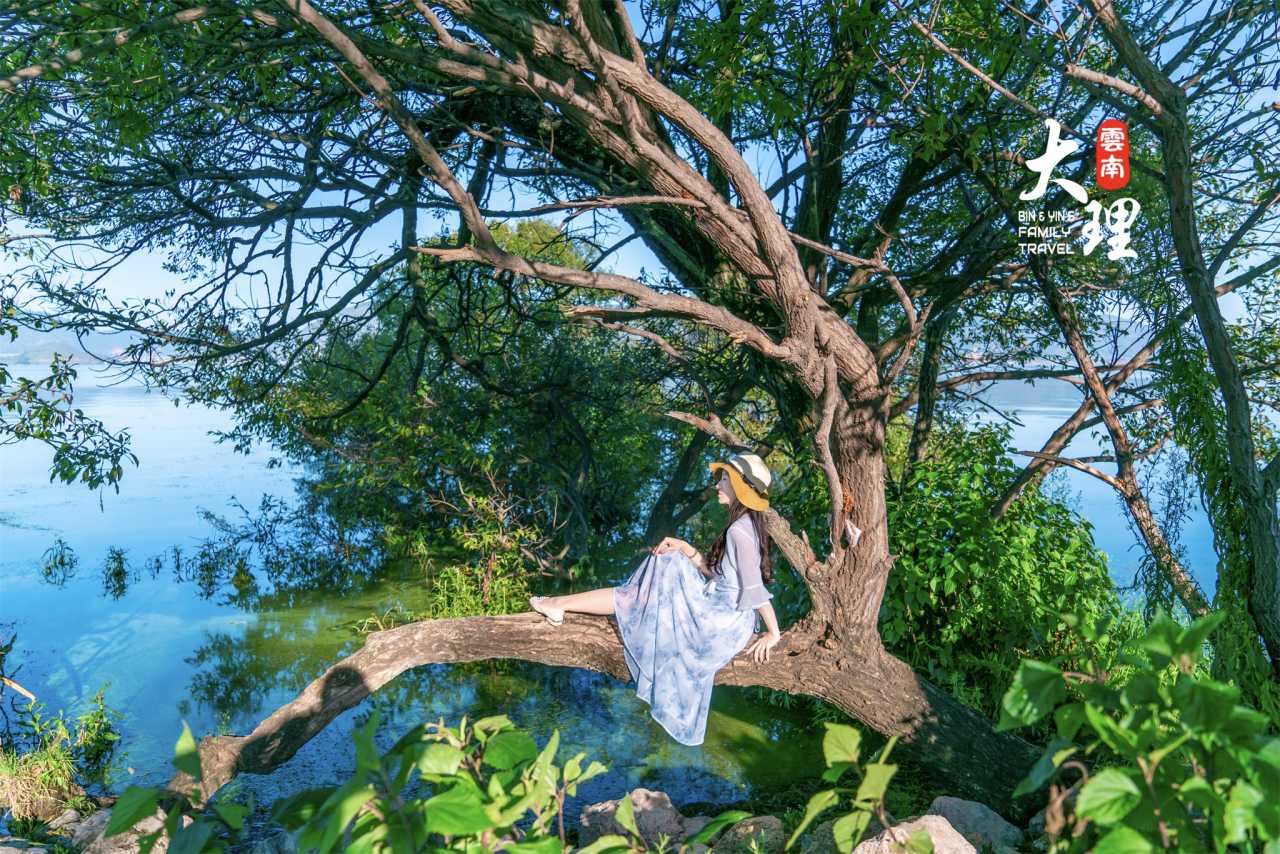
South of the bridge lies a lush grove, perfect for capturing the bridge's full panorama. Further south, we found the "Lonely Tree"—a large tree with two benches beneath it, facing the lake, creating an incredibly peaceful scene. Nearby is a "Crooked Tree" with a tilted trunk, ideal for sitting on for photos. But it was crowded, so we continued south to another, even better crooked tree.
Further along, a seaside garden burst with colorful flowers, as if God had spilled a palette.
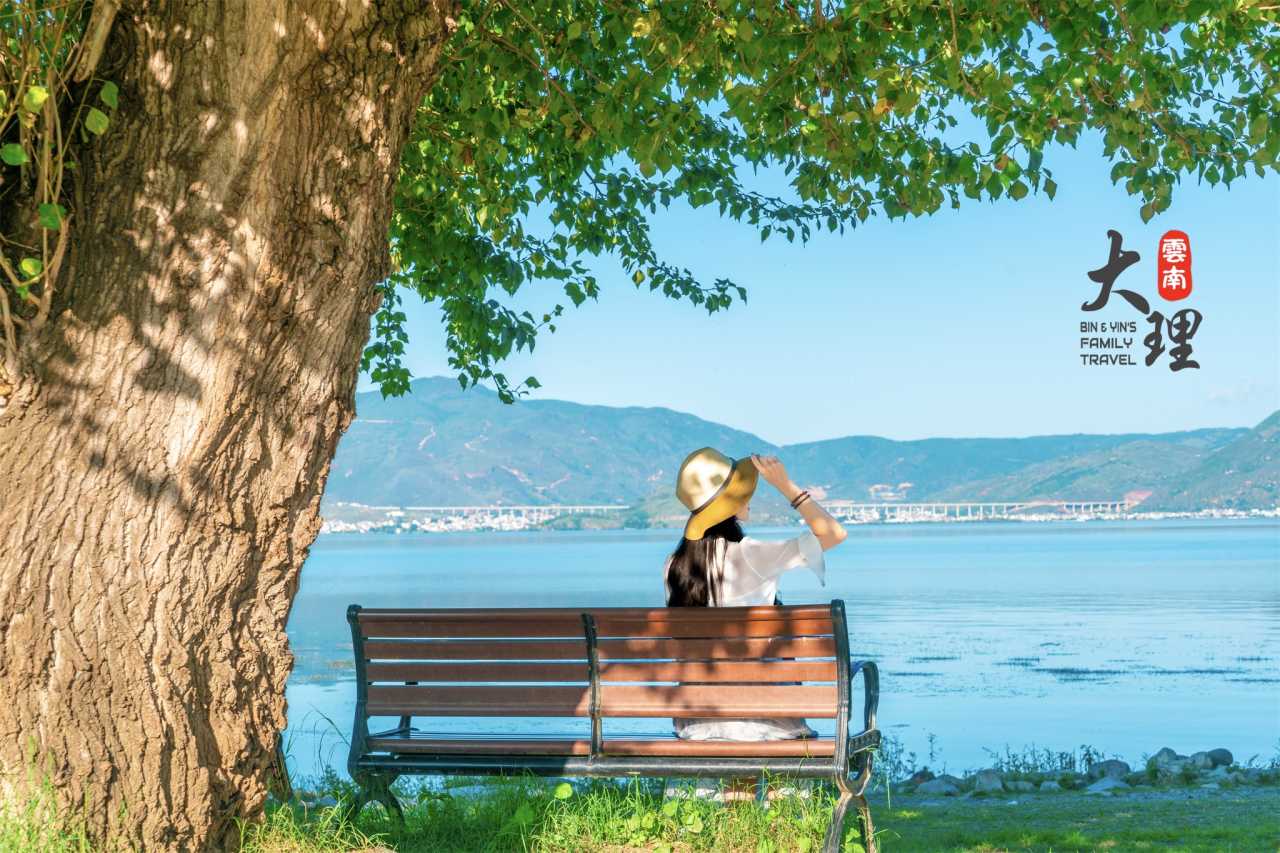
As the sun set, golden light filtered through the treetops, casting dappled shadows. Tourists began to thin out, and the lakeside grew quiet. Sitting there, feeling the free wind on our faces, time seemed to slow down—I wished I could freeze that moment forever.
Travel Tips - Navigation point: Luosideng Village - Main attractions: Corridor Bridge, arch views, Lonely Tree, Crooked Tree, seaside garden - Time needed: 2 hours - Note: Parking is free on the roadside outside the village; paid parking is available within the village
Dali Old Town: Two Faces, Day and Night
Dali Old Town, founded in 1382 during the Ming Dynasty, is one of China's first nationally recognized historical and cultural cities. Many find it overly commercialized, yet it remains a landmark that draws endless crowds.
In truth, Dali Old Town by day and by night are two completely different experiences. Our plan: explore the night scene and have dinner on the first evening, then revisit the Old Town in daylight on our final morning.
The Old Town at Night: Lanterns and Lively Streets
Entering through the South Gate, the first sight is "Nanzhao Twelve Hours"—a lane hung with red and yellow lanterns stretching for blocks, glowing with classical charm.
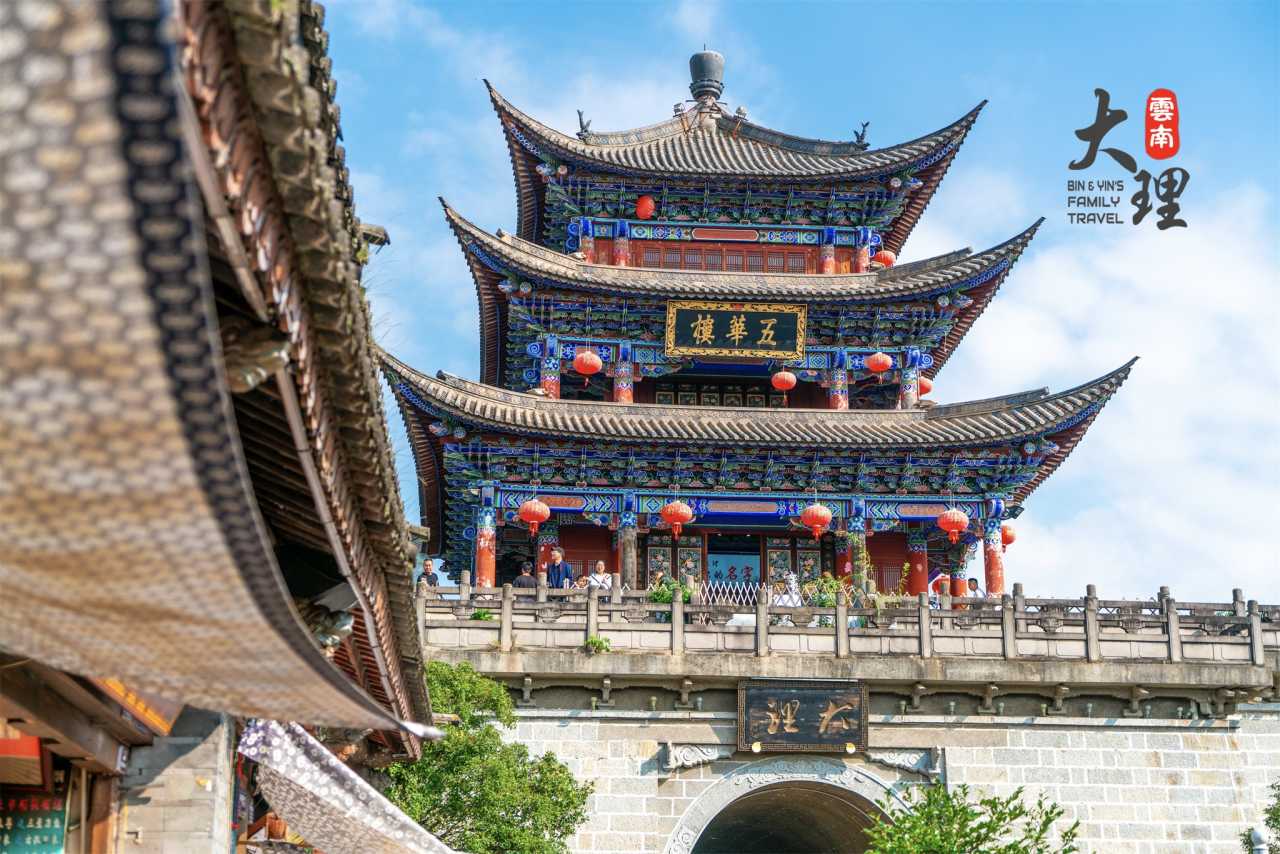
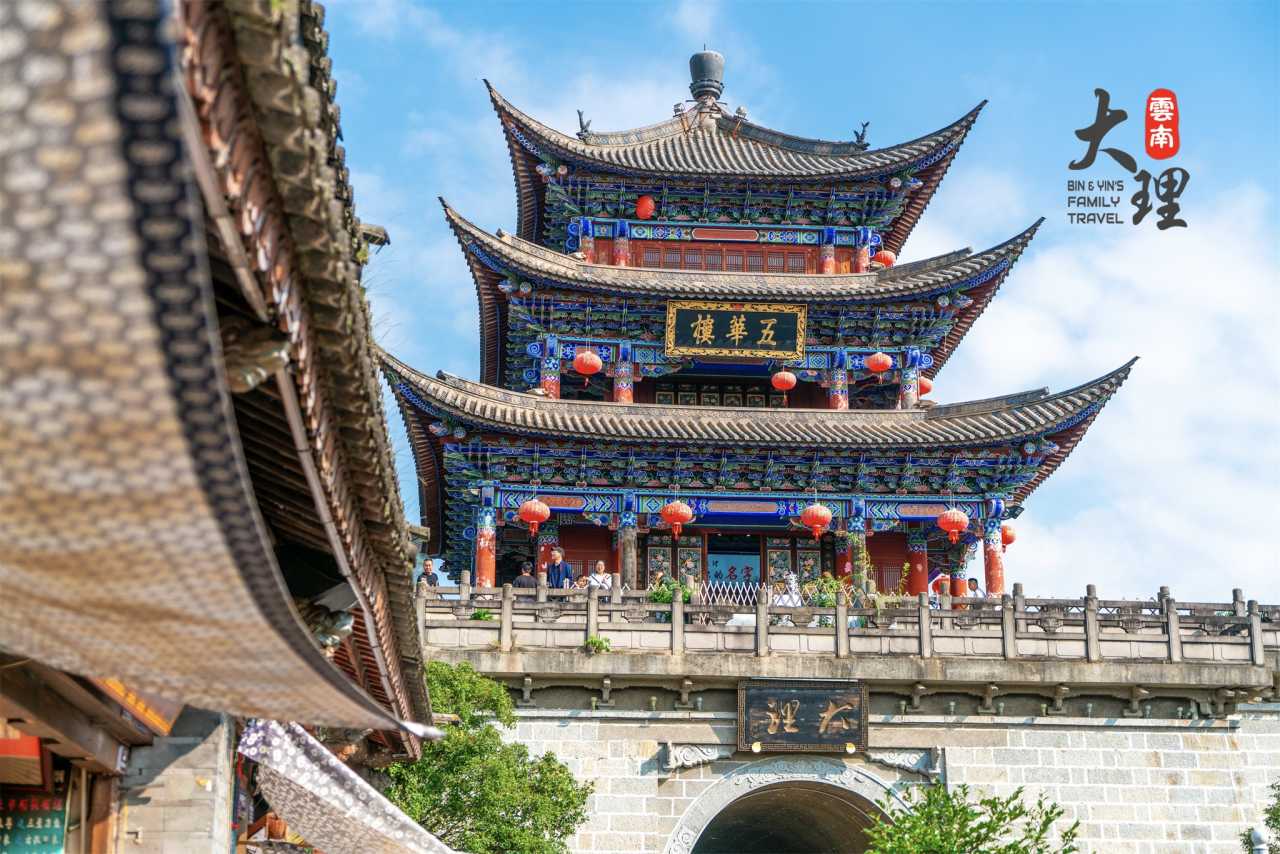
Walking along Fuxing Road, we reached the tallest structure in the Old Town—Wuhua Tower. Once the state guesthouse of the Nanzhao and Dali Kingdoms, historical records claim it was "five miles wide, a hundred feet tall, and could hold ten thousand people." Destroyed and rebuilt several times, the current version is a reconstruction. Climbing it at night offers little view, so save it for daytime.
We passed the Confucian Temple, surprisingly still open at night. Inside the main hall stood a statue of Confucius, flanked by statues of his "Four Companions" and "Twelve Philosophers." The trees in the courtyard were adorned with lanterns bearing poetic verses—a step, a poem, a glow.
Along Fuxing Road, waterways wind through the streets, creating a scene of "weeping willows and babbling brooks." Quirky boutiques line the way, and the air smells of freshly brewed coffee. A pink-toned snack shop caught my eye—I hadn't planned to go in, but the array of treats drew me in, and I bought some for the road.
The Old Town by Day: Stripped of Noise, Back to Its Roots
By day, Dali Old Town sheds its nighttime glitter and noise, revealing its authentic self.
Entering from the South Gate, we first passed the Presidential Palace of the Commander-in-Chief. Originally the Ming and Qing dynasties' governor's mansion, it was converted into a command center after the Du Wenxiu Uprising in 1856. Now it houses the Dali City History Museum, free to enter. Its three-courtyard structure displays artifacts from the Neolithic Age to the Ming and Qing dynasties. One side courtyard features a "forest of steles"—over 200 stone tablets forming a corridor through history.
Back at Wuhua Tower, climbing it during the day is the real treat. From the top, we overlooked the Old Town—Cangshan Mountain and Erhai Lake embracing the horizon, ancient walls, grand gates, and bustling streets all laid out before us.
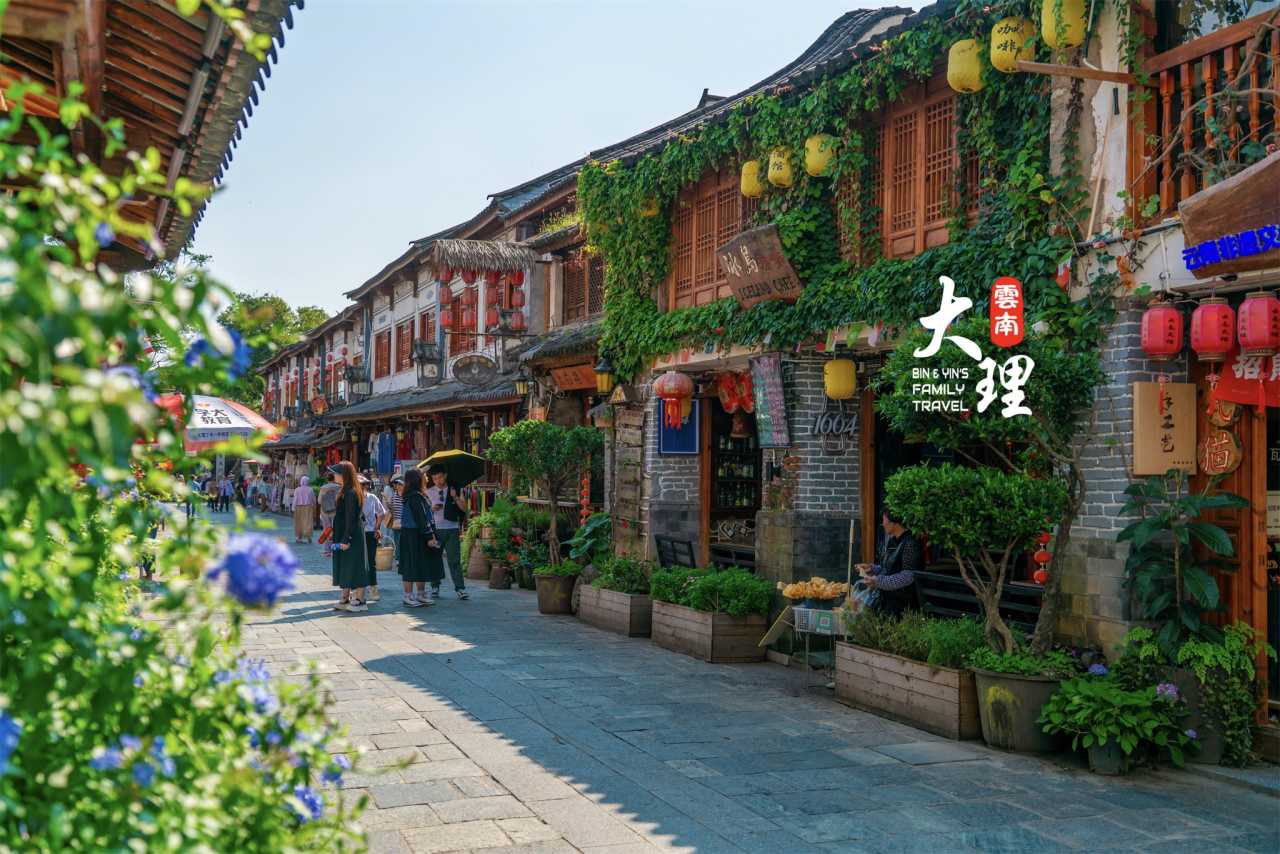
My favorite spot was Honglongjing Street. A stream runs its entire length, cascading down to create a "clear spring over flowing stones" effect. Traditional Bai-style houses line both sides, shaded by green willows and blooming flowers. Compared to the noisy Fuxing Road, it felt exceptionally gentle and peaceful.
Foreigner Street (Yangren Jie) has more charm during the day. Lined with antique architecture, jewelry shops, antique stores, tie-dye workshops, and art galleries, many storefronts are decorated with greenery, giving the street a fresh, airy feel.
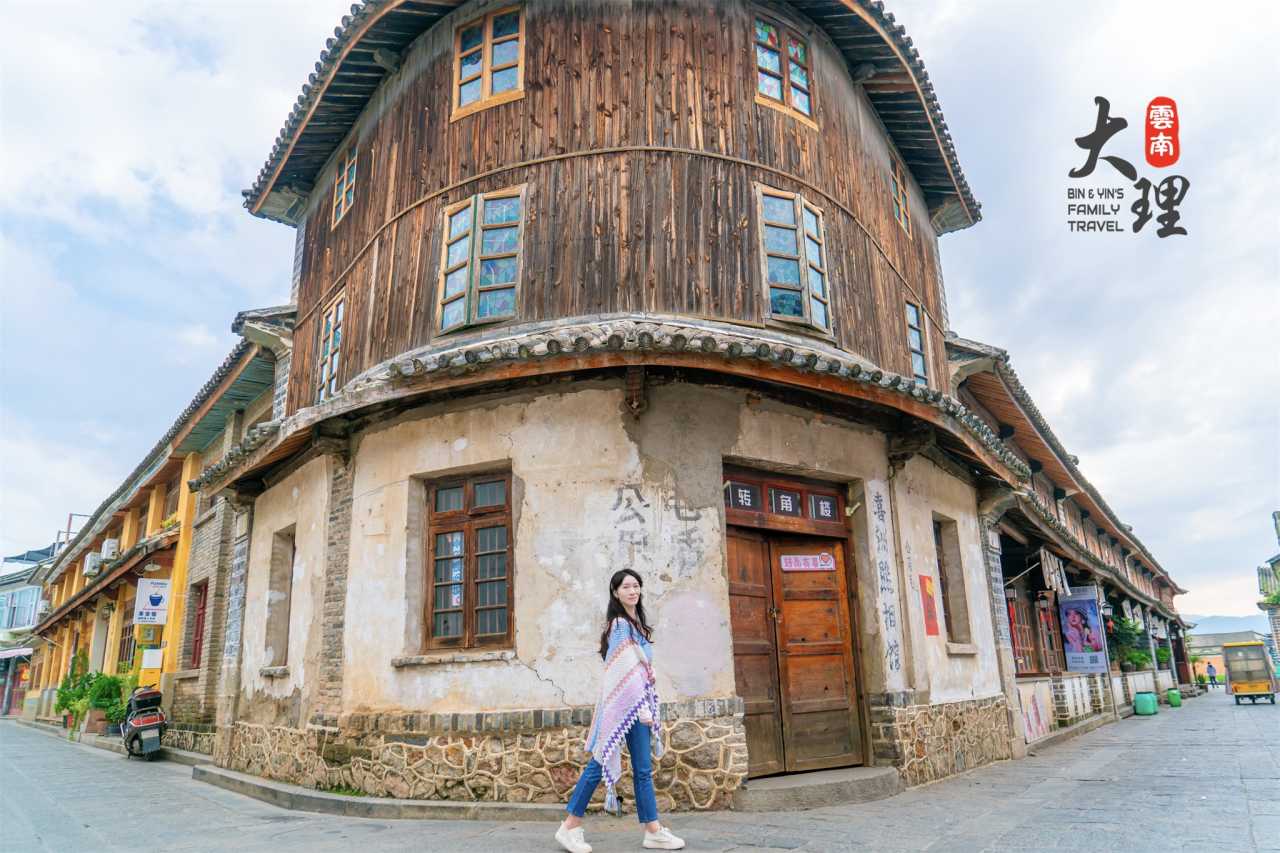
Tucked away in a side alley off Renmin Road, we found a unique Catholic Church. Built in 1927 by a French priest, it was constructed entirely in the Bai architectural style, with carved beams, painted rafters, and solid wood brackets—a distinctly Chinese aesthetic.
Travel Tips - Navigation point: Dali Old Town - Main attractions: Wuhua Tower, Presidential Palace, Honglongjing Street, Confucian Temple, Catholic Church - Time needed: Half to one full day - Suggested route: South Gate → Fuxing Road → Nanzhao Twelve Hours → Presidential Palace → Wuhua Tower → Honglongjing Street → Renmin Road → Catholic Church → Foreigner Street → West Gate - Crowds are heaviest on Fuxing Road; side alleys are much quieter - The South Gate area is often congested during the day; self-driving visitors should park near the West Gate
Old Town Food Recommendations
Yunyin Xiaochu (Hidden Cloud Kitchen): Tucked in a deep alley next to the Confucian Temple on Fuxing Road, the entrance is unassuming, but inside it's a hidden gem. Try the shuixing yanghua (water spinach stir-fried with garlic—silky and smooth), the five-spice beef brisket (rich and aromatic), and the steam pot chicken (pure, tender, and flavorful).
Duan Gongzi · The Return of the Condor Heroes: A Jin Yong martial arts-themed restaurant playing classic Hong Kong武侠 TV theme songs. Try the wuduo jinhua (five types of "flower vegetables," refreshing and light) and the braised beef with Pu'er tea and black garlic (tender, infused with tea and garlic aromas).
Day 2: Eastern Shore Loop, from European-Style Bridge to "Santorini"
Xingsheng Bridge: Pretending to Be in Europe
Xingsheng Bridge spans the Xi'er River in Dali's Xiaguan urban district. Its European-inspired design has turned it into a viral photo spot.
Many say it feels like the Seine. But upon checking, I learned it's actually Bai-style—the piers mimic the Three Pagodas of Chongsheng Temple, and the golden birds are the Bai totem, the Golden-Winged Garuda. Clearly, we need to brush up on our cultural knowledge.
This bridge also served as a filming location for the drama Rattan. Walking across it, familiar scenes came to mind.
Travel Tips - Navigation point: Park on the north side near Haiyan Restaurant, or on the south side near Erhai Forest Park - Main attraction: European-style bridge - Time needed: 15-30 minutes - Best viewed at dusk; the north side offers the best photo angle
The Ideal State: Dali's "Santorini"
Located on the southeastern shore of Erhai Lake, opposite Jinsuo Island, the Ideal State resort is built into the hillside. Its architecture draws heavily from Greek Santorini, facing the lake and creating an otherworldly atmosphere.
The resort is free to enter; public areas are open to all, but hotel interiors are restricted to guests or paying customers. We drove directly to the mid-hill parking lot, saving us a steep climb.
The Ideal Square at the top was hosting a market. Next to it, an exhibition hall featured "Cézanne: Four Seasons," an immersive show. My wife, an art major, was naturally intrigued. It happened to be in a free trial phase—a rare opportunity.
The exhibition centered on a light-and-shadow show based on Cézanne's early Four Seasons series. Projection technology filled the entire space with his paintings... (The original text was cut off here, so the translation ends.)
Final Thoughts: What Dali Taught Me
Four days of lake-looping—not long, not short. But enough to realize: the meaning of travel isn't about how many places you visit, but whether you've truly relaxed your mind.
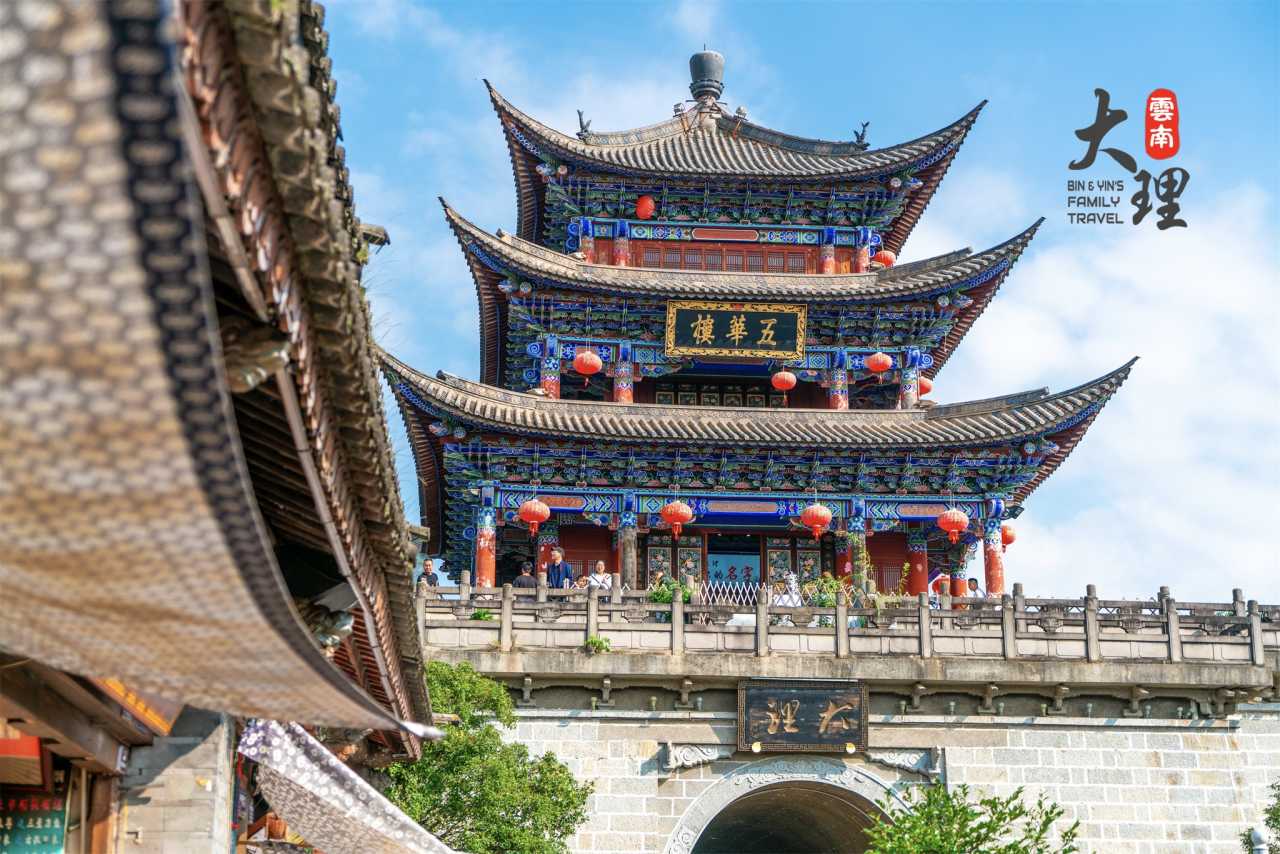
In Dali, you don't need to chase attractions. You can sit by the Corridor Bridge and watch the sunset, zone out in a rice field, wander through the Old Town's alleys, or feel the breeze on a "Santorini" terrace. Every scene here reminds you: slow down. Enjoy the moment.
If you're tired of the city's noise, come to Dali. Give your mind a break. Rent a car, circle the lake—and discover that life can be this beautiful.
Key Takeaways - Best way to travel: Rent a car for flexibility - Recommended accommodation: Near Dali Old Town's West Gate—convenient and quiet - Must-see spots: Corridor Bridge, Dali Old Town (day and night), Xingsheng Bridge, The Ideal State - Food picks: Yunyin Xiaochu, Duan Gongzi · The Return of the Condor Heroes - Travel mindset: Follow your heart, don't rush, enjoy the slow pace
You should also read:
September: Finding Unexpected Warmth in Yunnan (Kunming, Dali, Shuanglang, Lijiang, Lugu Lake)
September: Finding Unexpected Warmth in Yunnan (Kunming, Dali, Shuanglang, Lijiang, Lugu Lake) Foreword: One Person's Journey, A Crowd's Story Before I set off, like every first-time solo traveler, I printed out a thick stack of travel guides and rehearsed countless possible scenarios in my head—getting…
Continue reading...
Tengchong·Heshun: Finding Life as It Should Be in a Border Town Where Time Stands Still
Tengchong·Heshun: Finding Life as It Should Be in a Border Town Where Time Stands Still The long journey of over twenty days was over. On my first day back at the office, I was still in a daze. My fingers couldn't find the keys on…
Continue reading...
A Spiritual Journey to Lugu Lake in Lijiang: Experiencing the Legend of the Kingdom of Women! (Reproduction and Hotlinking Prohibited)
A Spiritual Journey to Lugu Lake in Lijiang: Experiencing the Legend of the Kingdom of Women! (Reproduction and Hotlinking Prohibited) Off-road自驾, food, hotel and民宿 reviews, Featured Traveler, Tank 300 owner, 200,000 km of self-driving experience. WeChat: y01294987 Ninglang Yi Autonomous County 2010.11.08 · 7 days…
Continue reading...