Wheels West: From Dali to Tengchong, Embracing an Unexpected Romance at the Borderlands
Wheels West: From Dali to Tengchong, Embracing an Unexpected Romance at the Borderlands
A Note Before We Begin: Why Yunnan, Again?
If anyone ever asks me which province in China is worth visiting again and again, my answer will always be Yunnan. It's not because it's perfect, but because every time I step onto this land, it greets me with a completely different face. Like an old friend who always has new stories to tell.
Originally, this year's plan was to fly to Uzbekistan. The tickets and hotel were all booked. But unfortunately, my mother had a last-minute work arrangement, and the Central Asia trip had to be shelved. So, Plan B surfaced almost subconsciously — three cities in western Yunnan: Tengchong, Mangshi, and Ruili.
No hesitation, no second-guessing. I packed my bags, started the engine, and headed west.
This time, we followed the surging direction of the Nu River (Salween River), to smell the coffee in Xinzhai Village, to climb the lush green of the Gaoligong Mountains, to experience Mangshi's "unhurried" vibe, and to daydream away the twilight hours in Heshun Ancient Town. We turned the names on the map into roads beneath our wheels, letting the free wind pour in through the car windows, blowing away all the mundane trivialities.
Day 1: Chengdu → Dali — Mountain and Sea Meet in the Clouds
Departing from Chengdu, we drove to Dali. I've traveled this road countless times, but each time brings new anticipation.
Our first stop was Yunxiang Mountain (Cloud-Wishing Mountain).
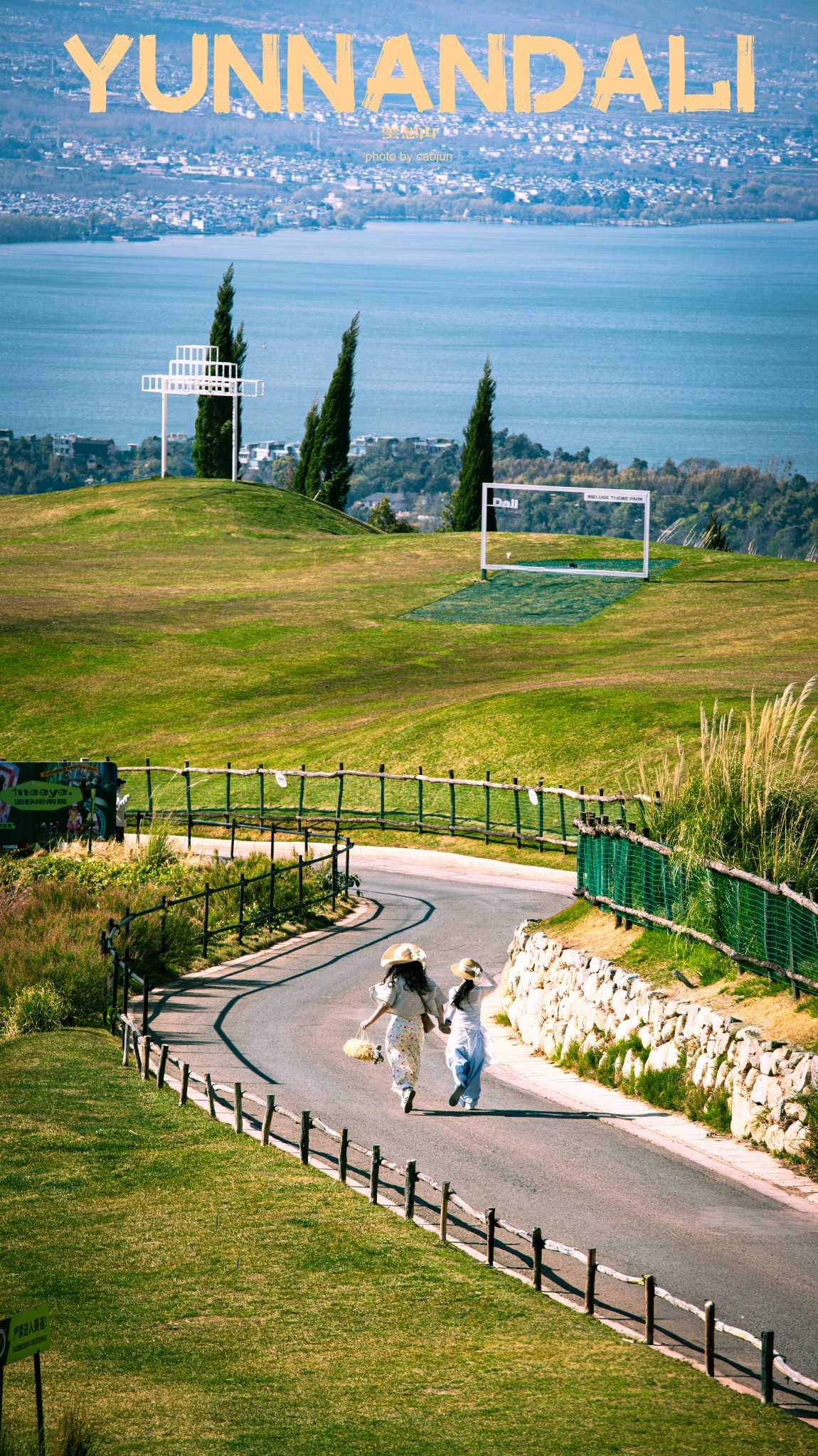
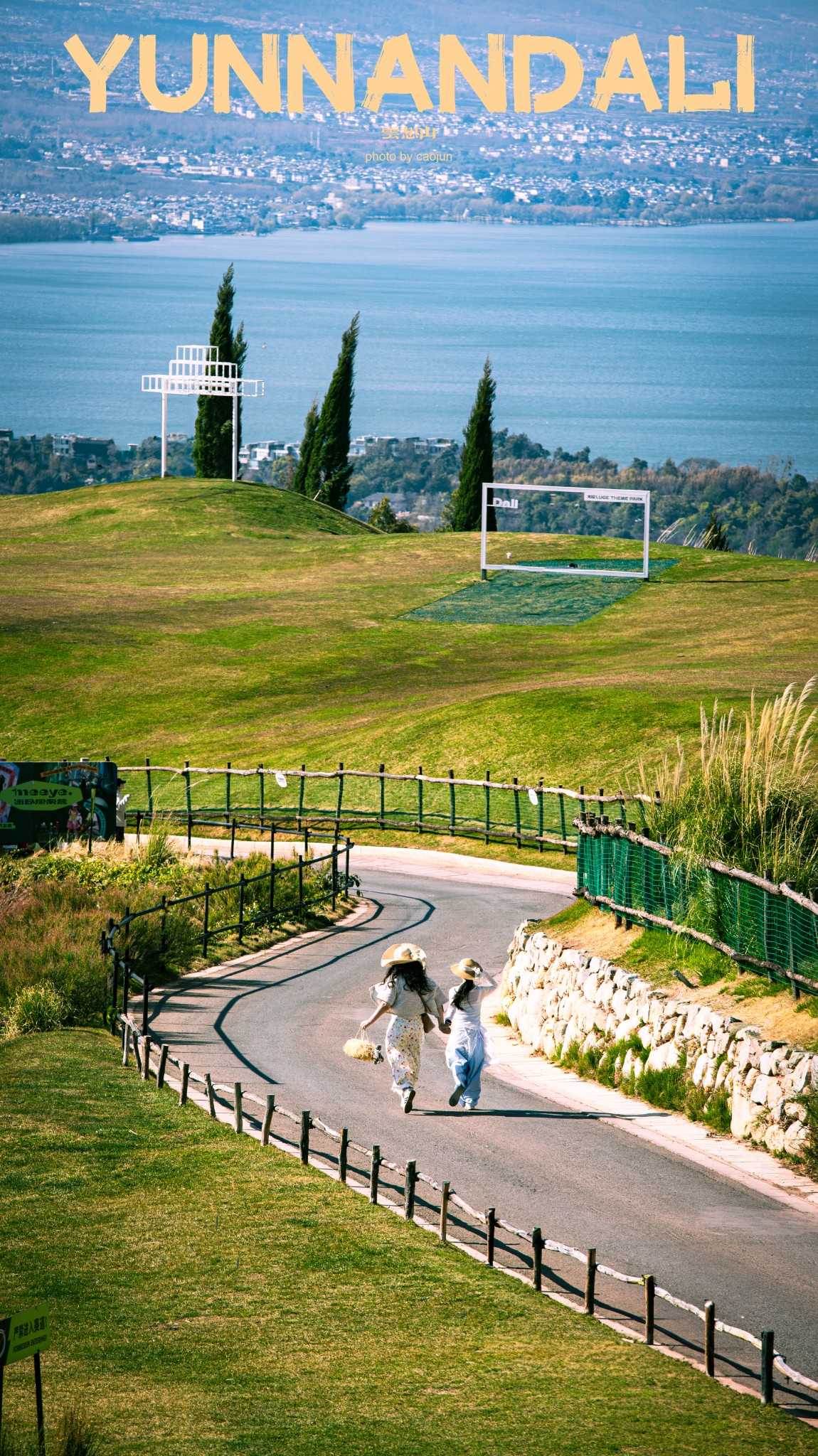
Located near Dali's city center, Yunxiang Mountain is a place where you can overlook Cangshan Mountain, Erhai Lake, and the entire city of Dali all at once. Half is the grandeur of mountains and sea, half is the warmth of human life. Standing here, you feel like all the beauty of this city has been compressed into a single frame.
Yunxiang Mountain is roughly divided into three areas:
- Luge Park: China's first luge-themed park, great for families with kids
- Mishan Meadow (Paid Area) : 38 RMB/person entry fee, roughly the price of a cup of coffee
- Public Area: Free lawns and rest areas, also perfect for photos and daydreaming
A few photo spots worth checking out:
- The S-curve path in the public area: Right by the roadside, a small path leading toward Erhai Lake. Run along it and you can capture a sense of freedom
- The lone tree in Mishan Meadow: Sky, clouds, a solitary tree — clean and pure like a Studio Ghibli animation
- The campfire prop in the center of the meadow: Great for atmospheric shots
- The lawn at the highest point: Overlooking Cangshan and Erhai. At dusk, it almost feels like you're on Hong Kong's Victoria Peak
- The deeper forest and meadow: For a moment, you might think you've been transported to Jiangbulak in Xinjiang
Practical tips: It's windy and sunny at the top, so bring an extra jacket and don't skimp on sunscreen. Arrive before sunset — you'll enjoy the view without getting too sunburned. There are simple meals and drinks available at the top, so you won't go hungry.
Day 2: Dali → Mangshi — Following the Nu River, Headed West
I love the feeling of a road trip. The whole world seems to unfold beneath your wheels. With a turn of the steering wheel, you get a whole new landscape.
The stretch from Dali to Mangshi gave me a huge surprise. Following the Nu River west, there were rice paddies, villages, and the river itself — the grandeur of our country's landscape laid bare before my eyes. It was in that moment that I decided I absolutely had to drive the Yunnan-Tibet route one day.
Xinzhai Village: China's First Coffee Town
Getting off the expressway and driving along Provincial Road 230, we were flanked by all kinds of coffee estates and factories. This is Xinzhai Village, known as "China's First Coffee Town."
Among a dozen or so coffee estates along the way, we chose two to experience:
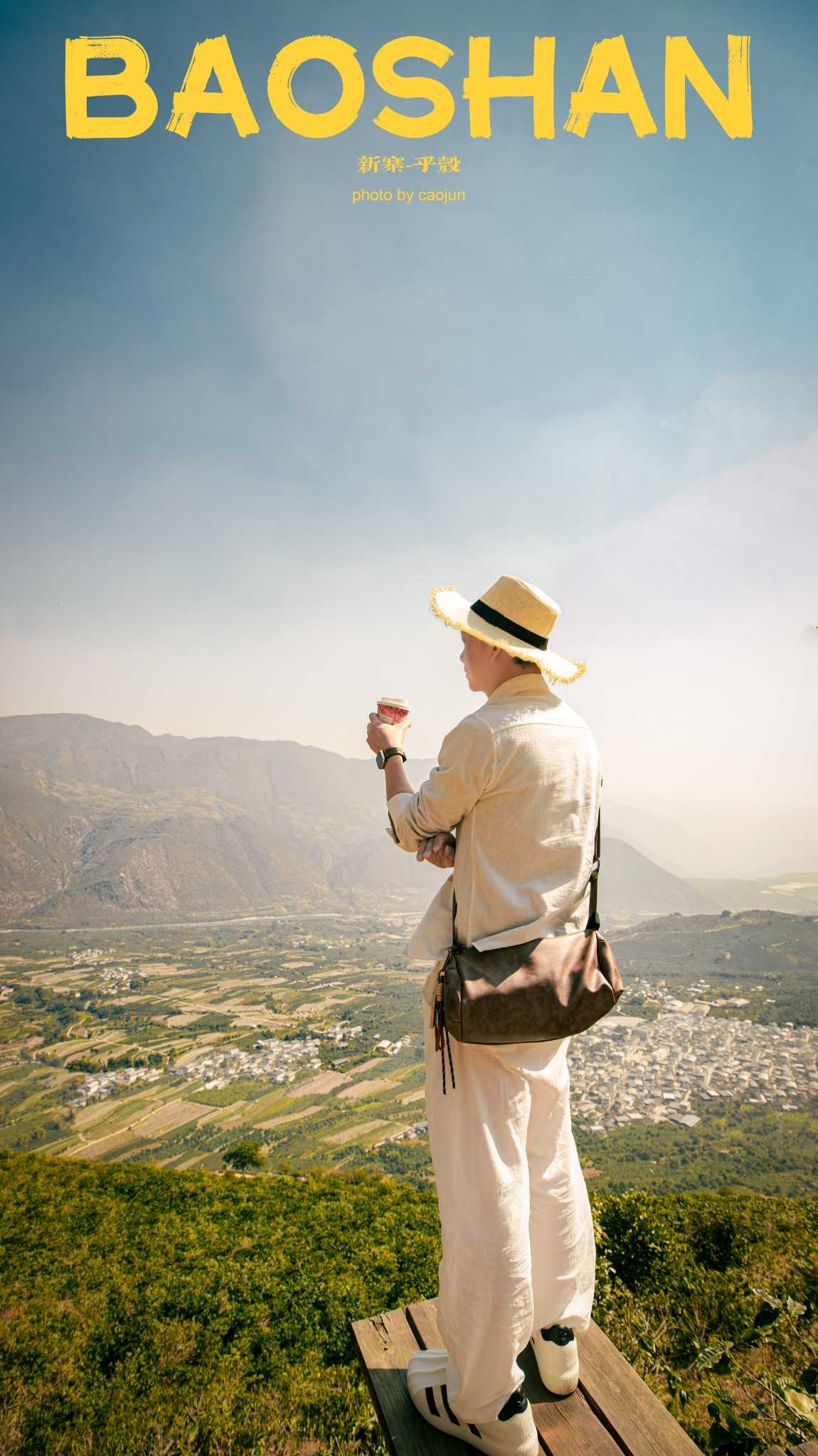
Huko Coffee Estate: Perched on a hilltop, you have to drive through the village and up a winding mountain road to get there. The wooden boardwalk at the edge of the estate offers a panoramic view of the entire village below. It's a "God's-eye view" without needing a drone, making you want to click the shutter again and again. The red brick buildings with thatched sloping roofs give off a Southeast Asian resort vibe. However, there are only three window-side seats that are great for photos — pure luck if you get one when it's crowded.
Gaosheng Coffee Estate: We stopped here on the way down the mountain. It's a large factory with a tasting hall. You can sample Geisha, civet coffee, and fruit-skin tea. My mother went home with a full haul. Honestly, if you're just there for the coffee, Gaosheng offers far better value than Huko.
The Plane Wreck: Exploring the Depths of the Dense Forest
Mangshi is called "Menghuan" in the Dai language, meaning "City of Dawn."
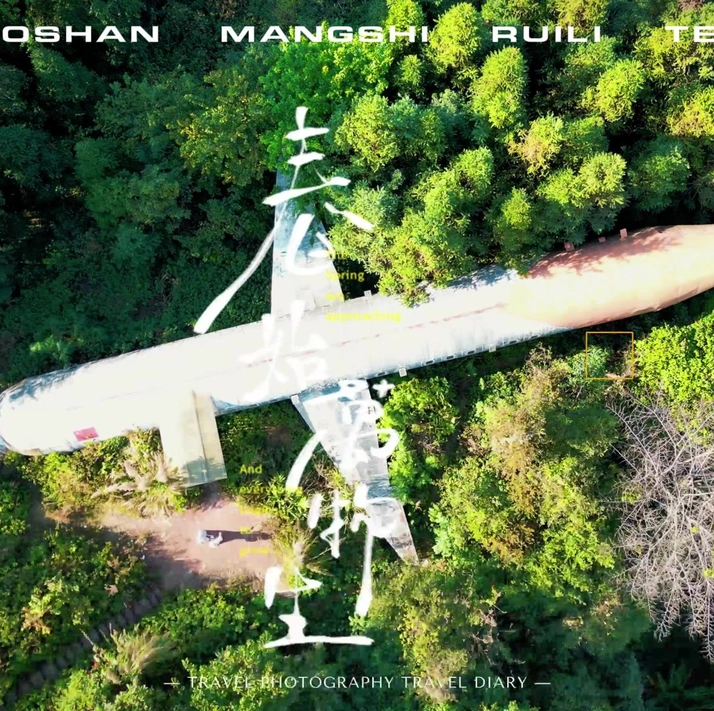
After arriving in Mangshi, we drove through an original Dai village and Huixian Ancient Village, arriving at a forested hilltop to search for the legendary plane wreck. It was once a themed restaurant, now abandoned, but its unique atmosphere and views still draw people looking for adventure.
We originally planned to watch the sunset and have dinner at the Cape of Good Hope viewpoint, only to find it closed and the restaurant shut down. Still, the location offers a true "God's-eye view" — surrounded by mountains, with a clear view of Menghuan Golden Pagoda and the Silver Pagoda, as well as the main urban area of Mangshi.
Youzhu Coffee: An Unexpected Date with the Sunset
As we descended from Huixian Village, the last rays of sunset began to gently fall on our shoulders. Nothing was planned; everything was just right.
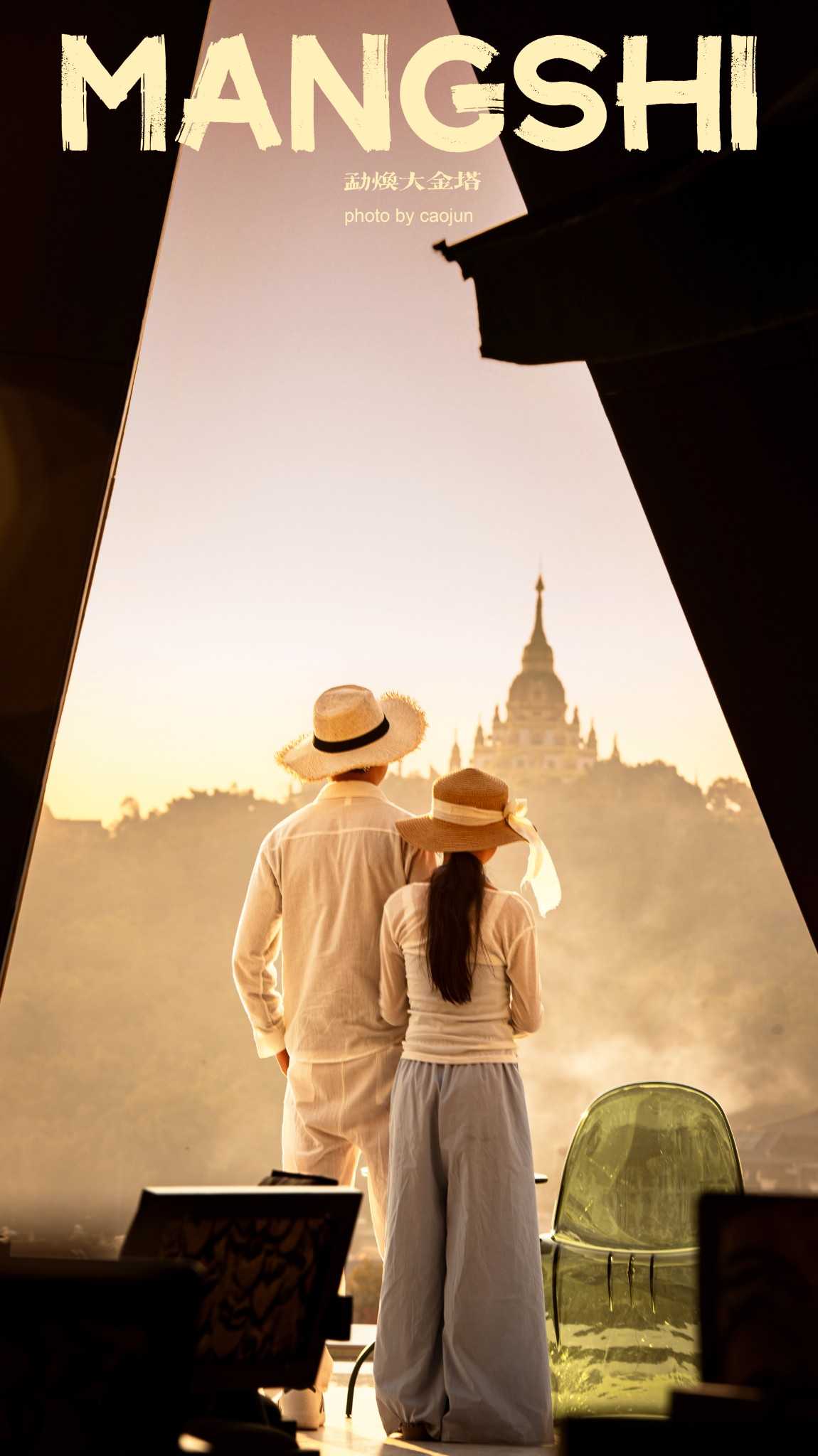
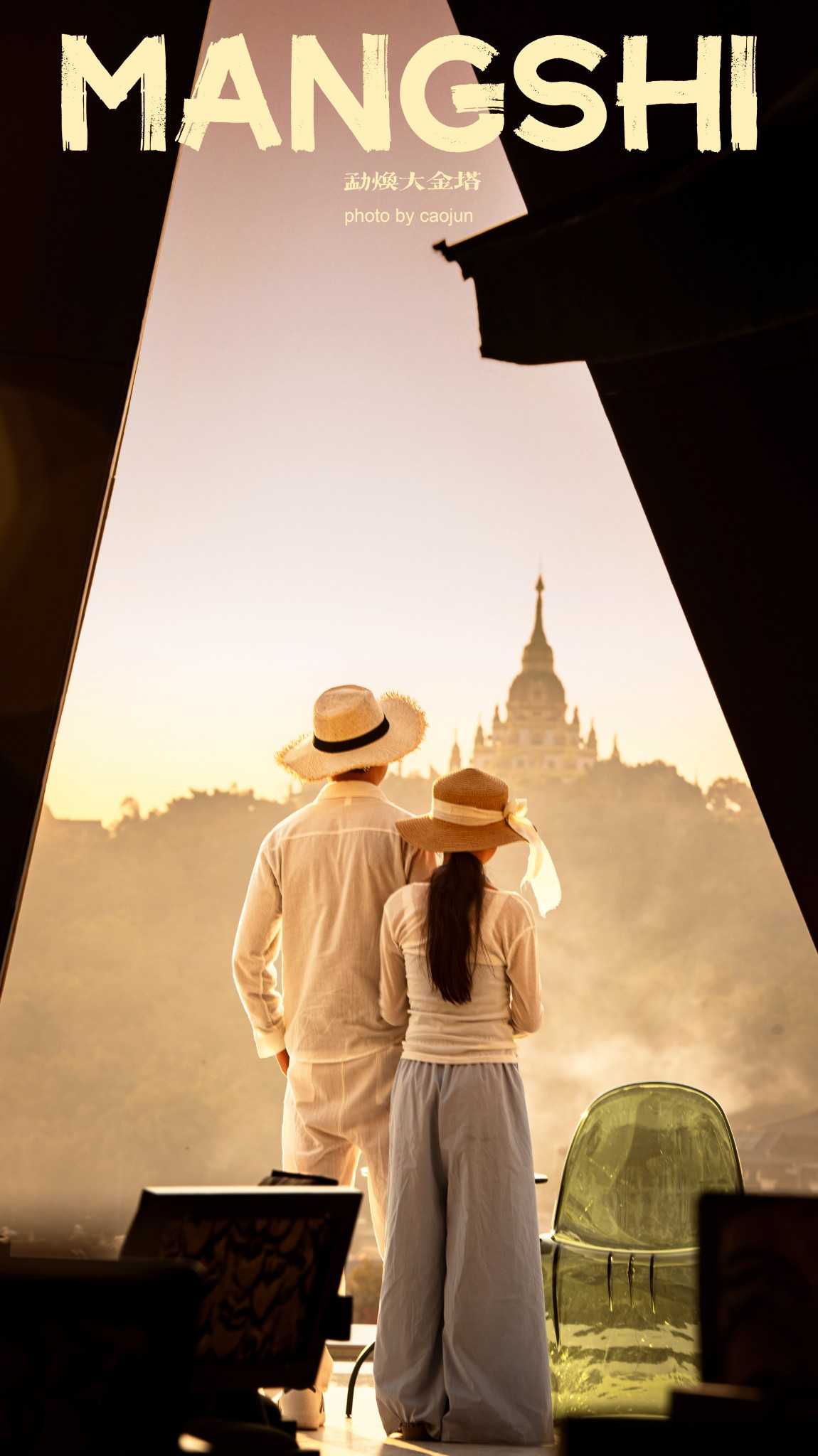
In Manghuang Village, we stumbled upon Youzhu Coffee. This café sits on a four-level platform, with a stylish interior combining black modern design with bamboo. The best part is the triangular framing on the platform, perfectly capturing Mangshi's Golden Pagoda and the setting sun.
Here, you don't need to chase the sunset. Just order a coffee and wait for the golden glow to fill the room and embrace you. Distant mountains, the painted sky, the Dai village with its cooking smoke, the glittering Golden Pagoda — all of this meets quietly in the twilight. The orange light flows into the heart of every onlooker. In that moment, you feel like all the troubles in life are utterly insignificant.
Day 3: Mangshi City Walk — The Most Comfortable Way to Experience a Border Town
Before coming to Mangshi, I thought it was a big city. When I got there, I realized it's actually a county-level city — very small, very quiet. And the most comfortable way to experience it is a laid-back City Walk.
Tree-Wrapped Pagoda: A Fusion of Time
Located in the heart of Mangshi's pedestrian street, the Tree-Wrapped Pagoda is an awe-inspiring sight. A massive bodhi tree has perfectly merged with the pagoda, standing lush and green in the city center.
The only downside is that the pagoda body has been repainted. When it comes to restoring ancient buildings, I always believe that "repairing the old as old" is the best approach. Some marks of time shouldn't be erased.
Visiting Two Temples: Savoring Zen
From the Tree-Wrapped Pagoda, we walked along Bodhi Street and arrived at the Qing Dynasty architectural relic — Bodhi Temple. The main hall features a Dai-style stilted base supporting a Han-style triple-eaved hip-and-gable roof, a seamless blend of Han and Dai Zen aesthetics.
Turning right out of Bodhi Temple, we spotted a small alley with a temple full of incense smoke. We went in and found it was Guanyin Temple (Goddess of Mercy Temple). The temple isn't large, but every corner exudes ancient elegance. Amidst the curling incense smoke, you could hear worshippers whispering their prayers, creating a peaceful and serene atmosphere.
Ahe Coffee: Crowds Galore
Mangshi has a high density of coffee shops. Personally, I think these unique little cafés are the city's true calling card.
Ahe Coffee is quite famous in Mangshi, with several branches. We chose the countryside location, hoping to enjoy a perfect afternoon like we once did at a rice-field café in Bangkok.
But… during the Spring Festival holiday, Ahe was absolutely packed. People were squeezed together, and it was noisy. The external environment wasn't great either — the entrance was a dusty dirt path, and the so-called "countryside scenery" was just ordinary vegetable plots.
The experience was just "so-so." After a short rest, we left.
2M Coffee: The Best Place to Zone Out
Leaving Ahe felt a bit unsatisfying. We drove around nearby and stumbled upon this hidden gem — 2M Coffee.
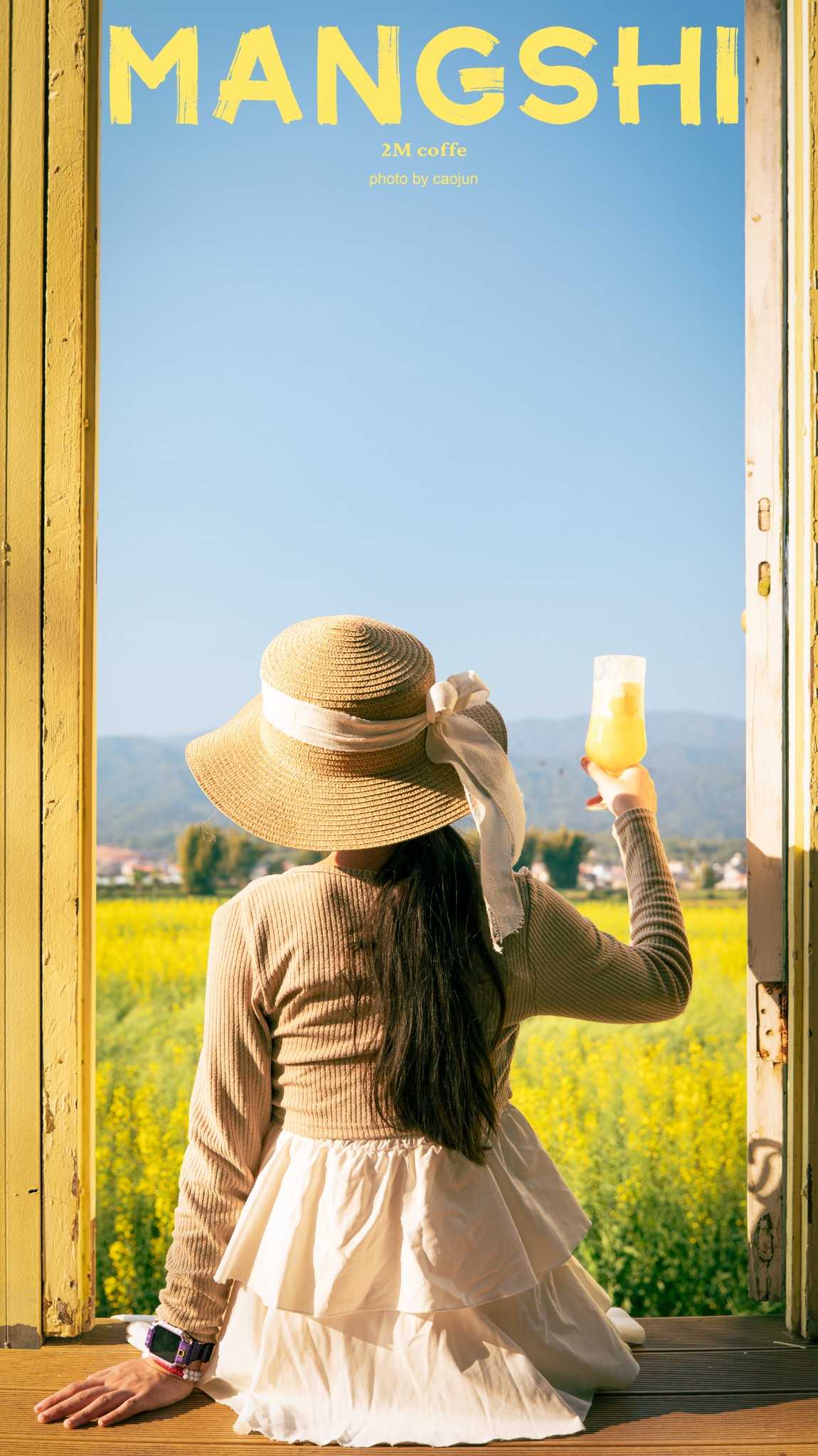
Once inside, the view was unbeatable. Distant mountains framed by bamboo groves, wheat fields mingling with the scent of rapeseed flowers, little swallows playing low in the sky, and white herons skimming the surface of the rice paddies in the distance. We decisively decided to spend the whole afternoon just sitting there.
The shop isn't big, but every detail shows the owner's thoughtfulness. The entrance feels like a tropical jungle, perfectly contrasting with the open rice-field view deeper in, creating two completely different kinds of beauty. You can sit in the "jungle" area listening to insects and birds, or on the two-level viewing platform facing the fields, just zoning out.
My social butterfly of a mother chatted with the owner and found out that every view in the café was intentionally created by him — cutting down trees that blocked the view, renting farmland to plant rapeseed flowers for the scenery, and filling the place with greenery. This kind of craftsmanship makes you want to give him a million extra points.
There's also a small library in the shop. Pick a book you like, and a child can sit quietly for a long time.
Compared to Ahe's crowds, the feeling of quietly enjoying the fields here was simply wonderful. We stayed until sunset, watching the sky gradually turn orange and the sun slowly sink to the end of the field ridges. The countryside, the little path, the banyan tree, the red sun like a salted duck egg yolk — I know I'll keep thinking back to this warm and beautiful afternoon.
Day 4: Mangshi → Ruili — From Sacred White Pagodas to the Borderline
Menghuan Silver Pagoda: Pure White and Sacred
Mangshi's most iconic structures — the Golden Pagoda and the Silver Pagoda — both sit on Lei Yarang Mountain.
We'd actually come here the previous afternoon, but the dense traffic and roadblocks at the bottom of the mountain turned us away. Following the principle of "the early bird catches the worm," we came early this morning.
The Silver Pagoda's body is covered with aluminum hollow bricks, giving it a pearlescent sheen in the sunlight. We took a "mirror of the sky" shot reflecting the pagoda and the blue sky — a pure, sacred image that's hard to forget.
Friendly tip: If the front of the Silver Pagoda is crowded, go around to the lawn at the back. You can get a great backlit shot of the pagoda's spire.
We chose the Silver Pagoda over the Golden Pagoda because the pure white background is better for photos. But on the way down the mountain, you can also see the Golden Pagoda in the distance — resplendent and magnificent, a bit like the style of Bangkok's Grand Palace.
The sign language area on the way down is also a good photo spot, with 24 Dai handprint sculptures symbolizing good fortune.
Lei Yarang Bookstore: A Little Sanctuary
Perched on the mountaintop, Lei Yarang Bookstore is the kind of place that has "everything you could want" — coffee, books, a creative goods section. The attic on the second floor is very quiet, and the large forest terrace is a great place to get close to nature.
Before leaving, we took one last look at the Golden Pagoda bathed in golden light. The dragon at its entrance really looks like the Southeast Asian-style Naga.
One Village, Two Countries: A Real Borderline Experience
After a 1.5-hour drive from Mangshi, we arrived near the "One Village, Two Countries" scenic spot. We parked our car in the yard of a local family with cross-border marriage (10 RMB/day).
Located near the 71st boundary marker on the China-Myanmar border in Ruili, the border line divides what was originally a single Dai village into China's Yinjing Village and Myanmar's Mangxiu Village, creating the geographical wonder of "one village, two countries."
To be honest, this scenic spot has quite a few drawbacks. The entrance was chaotic — you couldn't scan a QR code to enter; you had to queue at the ticket window. There were too many tourists, and the mobile network was overloaded. Let's just say it's okay as a photo spot and a place to see the border.
The scenic area has a loop-shaped walking route. We took the left path at the entrance, which led to the Peacock Garden (a must for families with kids). The lake views and group pagodas near the border at the far end are the best photo spots. The red brick group pagodas and the main pagoda complex reminded us of the architectural style we saw at Ayutthaya in Thailand years ago.
Recommended photo spots: 1. Shoot upwards from outside the pagoda, capturing the pagoda, people, and sky 2. Shoot the pagoda's arched doorway with people — full of exotic flair 3. Use the various Buddhist murals inside the pagoda as a backdrop for portraits 4. Shoot close-ups of people through the door frames and windows inside the pagoda 5. If you're lucky enough to catch the sunset reflecting in the lake, make sure to take plenty of photos
When we exited the scenic area via another path, we walked along simple barbed wire fences. On the other side was Myanmar. Along the way, there were little girls selling cigarettes and snacks, and we could catch a glimpse of the neighboring Myanmar village.
A single fence, a single border line — dividing two completely different worlds.
While chatting with our B&B host in Mangshi, we discussed the rise and fall of the Ruili Port. The port's prosperity began with border trade (mainly jade and rosewood). Now it's declining — partly because of the ongoing civil war in Myanmar, which has displaced countless people, and partly because the opening of the China-Laos high-speed railway has shifted attention to the China-Laos railway corridor.
Here, you can better appreciate a deeper kind of happiness — it's order and stability, it's bustling prosperity, it's being able to buy a hot coffee at 8 AM, it's strolling in the courtyard with family in the evening. When the world is shaking, we can better understand the weight of the ordinary.
Day 5: Ruili → Tengchong — From an Unfinished Palace to an Ancient Town Sunset
Zongfo Temple: Borderland Buddhism
We strolled through Ruili's Zongfo Temple, which dates back to the mid-7th century AD. The architecture blends traditional Dai style with Burmese and Thai elements. It's a well-known Theravada Buddhist monastery, covering a vast area.
We lit incense at this sacred Theravada Buddhist site, made a small wish, and experienced the serene, distant Zen of the borderlands.
Dai King's Palace: A Half-Abandoned Palace
The Dai King's Palace sits on a hill next to Zongfo Temple. It's a unique fusion of Dai and Thai palace architecture. The entire complex is still unfinished — some even say it's "been abandoned mid-construction."
The gilded, intricately carved golden columns are both luxurious and exotic, with a strong visual impact. The golden pagoda at the highest point sparkles under the blue sky. From the viewing platform, you can see the mountains, the Ruili River, and even Myanmar's Muse City in the distance.
The golden pagoda against the blue sky looks like a richly colored oil painting. Using the large areas of gold and blue sky creates a strong contrast in photos.
Heshun Ancient Town: Collecting a Sunset at Shushu Bookstore
With a history of over 600 years, Heshun Ancient Town nestles against green mountains and Yehua Lake. Central Plains culture, Western culture, Nanzhao culture, and horse caravan culture all blend here. You can see the charm of Huizhou-style white walls and black tiles, as well as the picturesque image of a Jiangnan water town with small bridges and flowing water.
We walked through the town's ancestral halls, ancient houses, and memorial archways, crossed Yehua Lake, and arrived at Shushu Bookstore.
The viewing terrace here directly faces the wetland rice paddies and "Golden Treasure Mountain." Holding a cup of coffee, you can sit here for an entire afternoon, watching the clouds roll by. The pure white artistic space, with its cloud-shaped dome and walls full of giant bookshelves, makes for great photos at every turn.
"Wake to read the sea of clouds, sleep with the scent of books" — this saying comes to life here. You can copy sutras, read, soak in hot springs, and watch the sunset, letting your soul return to stillness.
At dusk, the sky seemed enchanted, constantly shifting through brilliant colors — pink, orange, fiery red. Time seemed to slow down, and the soul was intoxicated.
After watching the sunset, we also enjoyed a performance of intangible cultural heritage — "dahuo" (striking molten iron into sparks) and "fire pot" shows. The Chinese romance in the burst of molten iron was unforgettable.
Day 6: Tengchong — An Unconventional Off-the-Beaten-Path Experience
Western Yunnan Anti-Japanese War Memorial Hall: A Heavy History Lesson
After a leisurely stroll through the ancient town, we originally planned to visit the "Rehai Big Boiling Pot" (a famous hot spring). But when we checked Gaode Maps and saw an estimated 1-2 hour drive, our family fell into contemplation.
We decisively changed course and went to the Western Yunnan Anti-Japanese War Memorial Hall and the National Cemetery of the Fallen.
Here, there was only reverence, no photography.
"Every inch of mountain and river, every drop of blood" — the journey was one of fierce battle, every step a scene of carnage. I strongly urge every Chinese person visiting Tengchong to experience this heavy history lesson. The mountains and rivers never forget, and we will always remember.
Dongshan Grassland: A Cloudy Meadow
We'd been "boiled" by the heat of the Big Boiling Pot in the morning, so we were oddly looking forward to this next spot — Dongshan Grassland, far from Tengchong's city center, with its vast sky and distant land.
The first impression was a bit like Xinjiang's Jiangbulak, or the grasslands of western Sichuan. It's all high-altitude, grassland plus forest, with blue skies and white clouds, and cows and horses watching each other.
Dongshan was an important stop on the Southern Silk Road, with the Yubi Ancient Path ruins, alpine meadow areas, a 7.8-kilometer hiking boardwalk, and a sea of azalea flowers stretching ten miles.
The only downside was the season — the meadow was yellow.
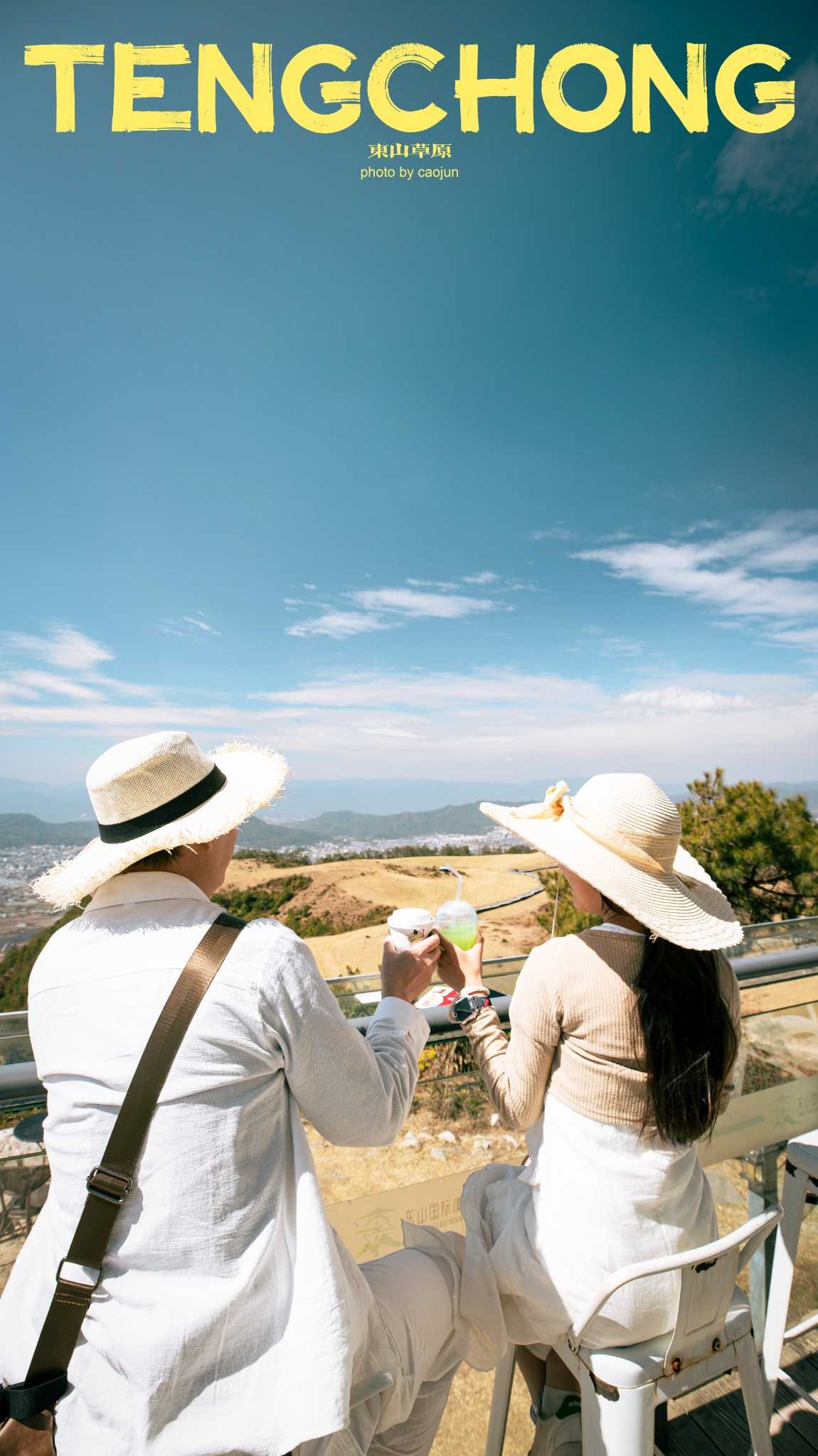
We walked along the boardwalk to the highest point and ordered a coffee at "Li Bu Na Tie" (a pun on "latte" and the owner's name). We felt the freedom of the wind brushing through our hair, found a corner to sit and daydream, and watched the clouds slowly stroll overhead.
In the afternoon, we sat in the grassland restaurant and ordered some barbecue to satisfy our stomachs. The child sat quietly, reading a book gifted by the owner. We enjoyed the grassland scenery through the floor-to-ceiling glass windows.
The fixed program on the grassland is, of course, horse riding.
"At the peak of the mountain, you see the great rivers surging; among the towering peaks, you feel the long wind sweeping." The wind is sound, the wind is music, the wind is language, the wind is freedom.
The Volcano Road: Stories the Earth Tells
The Southern Silk Road started from Chengdu in Sichuan, passed through the "Five-Foot Road" and "Lingguan Road" to converge in Dali, then headed west from Tengchong to Myanmar. The Ming Dynasty geographer Xu Xiake also once traveled along this silk road, exploring this land of volcanoes and geothermal activity.
Today, we drove along the XM74 Volcano Road. A gentle breeze blew through the quiet, primeval pine forest, creating a soft rustling sound — healing and beautiful. Here, you have both the unique ruggedness of volcanic terrain and the embrace of an ancient pine forest.
At the end of the pine forest, the volcanic group slowly unfolded. Rounded volcanic cones lay quietly in the wilderness — Chengzilou, Datuan Mountain, Xiaotuan Mountain facing each other — the earth telling stories spanning billions of years.
Practical Tips Section: Exclusive and Worth Saving
Yunxiang Mountain (Cloud-Wishing Mountain)
If the security guard won't let you go to the popular S-curve road when it's crowded, you can say you're taking the kids to the amusement park below, or you can pay for the go-kart route to come up.
Xinzhai Coffee
Huko is on the hilltop. There are only 3-4 window-side seats that are good for photos, so it's pure luck when it's crowded. If you're just there for the coffee, I recommend Gaosheng at the entrance of Xinzhai — much better value.
Mangshi
- Coffee shops recommended on Xiaohongshu (Little Red Book) should be avoided during major holidays — they're packed, people practically sitting on each other's laps
- Strongly recommend Youzhu Coffee and 2M Coffee — fewer people, great views
- The entrance to 2M is a bit shabby, but the view inside is stunning, perfect for zoning out while watching the rapeseed flowers all afternoon
- Youzhu has stylish decor, and the sunset photo with the Golden Pagoda is unbeatable
Food Recommendation
Rangsuānqié chǎo jī (sour eggplant stir-fried with chicken)! It's delicious! If you can handle a little spice, don't miss it. I haven't seen it sold anywhere else.
Golden and Silver Pagodas
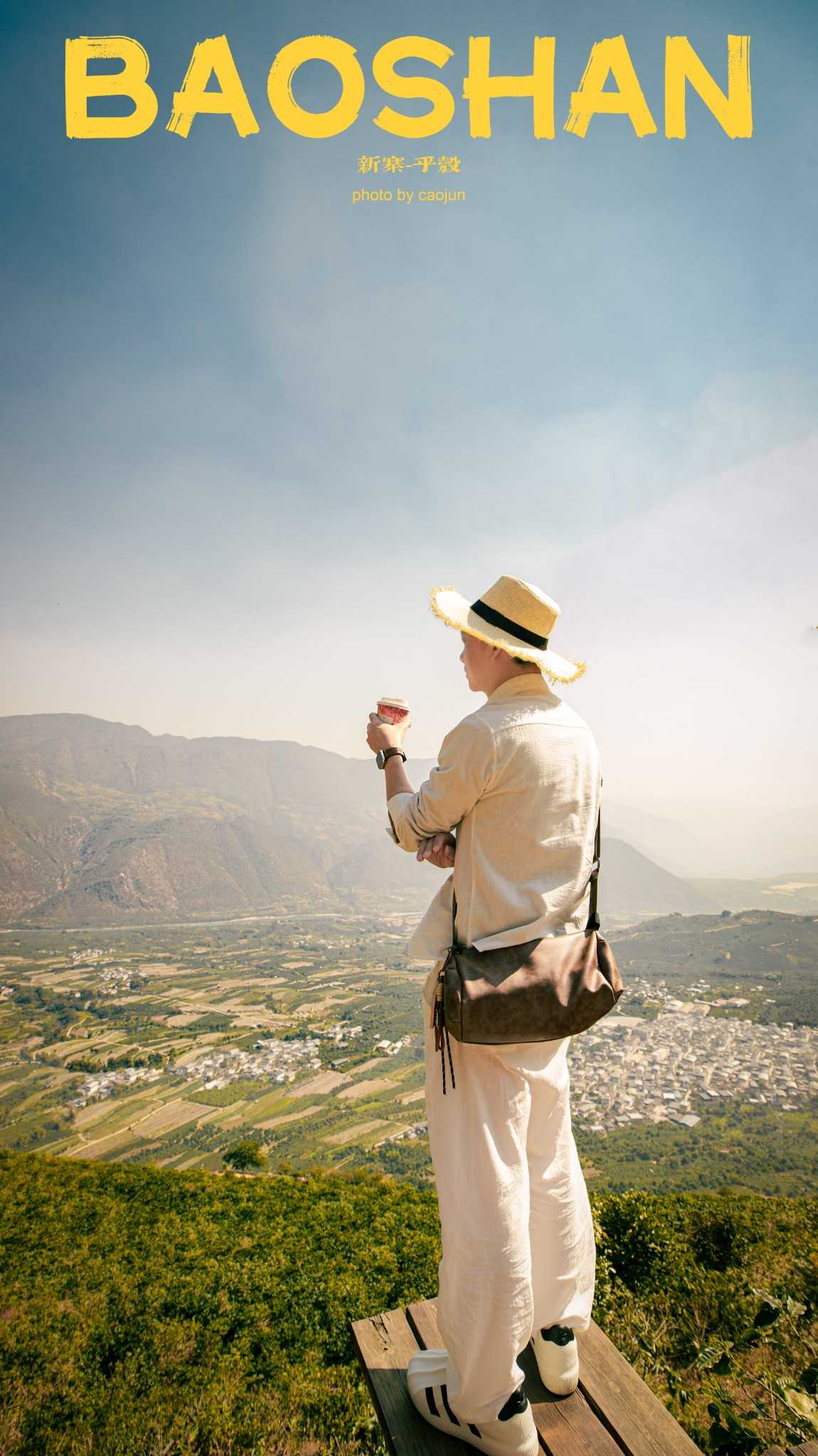
You must arrive before 9 AM, or you won't even be able to park. The queue for a photo with the Silver Pagoda can be 2 hours long.
Ruili
Lower your expectations. "One Village, Two Countries," the Dai King's Palace, and Zongfo Temple are all relatively simple. The chaos in Myanmar has led to fewer tourists, and you can no longer do short cross-border trips like you could 10 years ago. The attractions are several grades below Xishuangbanna.
Special reminder: If you want to eat live crab in Ruili, you must book in advance or arrive before 5 PM, or they'll really sell out.
Tengchong
- You must arrive at the Western Yunnan Anti-Japanese War Memorial Hall before 9 AM. The museum controls the flow and lets people in in batches. If you're late, you'll be queuing in the sun for an hour
- Just go to Heshun Ancient Town in the afternoon — ancient towns are all similar, but don't miss the sunset at Shushu Bookstore
- Dongshan Grassland is great for finding a café and zoning out for the afternoon. The sky is vast, the land is wide, and your mood will instantly relax
In Conclusion: Turning the Places You Long For into the Roads You've Traveled
Seven days of travel, from Dali to Mangshi, from Ruili to Tengchong. On wheels, we completed a deep exploration of western Yunnan.
Some people say travel is about going from a place you're tired of living in, to a place where other people are tired of living. But I think travel is more like an "escape" — an escape from mundane life, to embrace the unknown, the uncertain, yet the romantically possible.
Waiting for a sunset in the fields of Mangshi, riding a horse and feeling the wind on the grasslands of Tengchong, feeling the weight of peace on the border of Ruili — these moments won't change our lives, but they will be like seeds, buried in our hearts, quietly sprouting in some tired moment.
Turn the places you long for into the roads you've traveled. Let the free wind blow wildly outside your car window.
That, I suppose, is the meaning of a road trip.
If you also have questions about traveling in western Yunnan, feel free to leave a comment. For more destination travelogues, you can click on my profile to view.
You should also read:
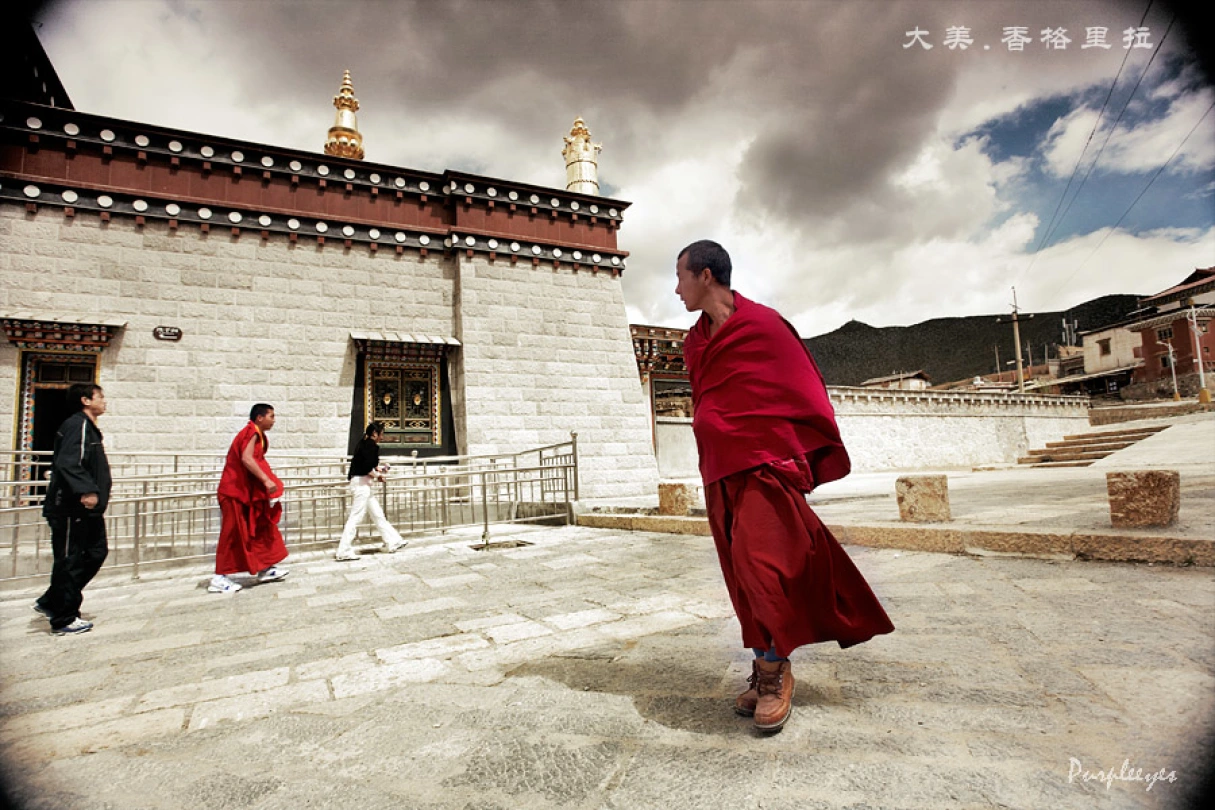
Drunk on Autumn: An Unexpected Surprise in Shangri-La
Drunk on Autumn: An Unexpected Surprise in Shangri-La Preface: When Plans Go Awry Some journeys are destined to go off course before you can truly discover the scenery. As an ordinary office worker who loves photography and travel, I didn't have high expectations for this…
Continue reading...
Clouds Over the Rainbow: A Five-Day Soul Journey Through Kunming, Dali, and Lijiang
Clouds Over the Rainbow: A Five-Day Soul Journey Through Kunming, Dali, and Lijiang Prologue: The Decision to Fly into the Clouds In February, the chill of the North still lingered. A single discounted airfare sparked this spontaneous trip. Round-trip from Beijing to Kunming—1,700 yuan made…
Continue reading...
September: Finding Unexpected Warmth in Yunnan (Kunming, Dali, Shuanglang, Lijiang, Lugu Lake)
September: Finding Unexpected Warmth in Yunnan (Kunming, Dali, Shuanglang, Lijiang, Lugu Lake) Foreword: One Person's Journey, A Crowd's Story Before I set off, like every first-time solo traveler, I printed out a thick stack of travel guides and rehearsed countless possible scenarios in my head—getting…
Continue reading...