When a Bright Moon Steals into the Night, Now Mist, Now Clouds — A Seven-Day Yunnan Diary in Xishuangbanna
When a Bright Moon Steals into the Night, Now Mist, Now Clouds — A Seven-Day Yunnan Diary in Xishuangbanna
Prologue: A Spontaneous Adventure into Southern Yunnan
In November, Kunming's endless rainy days clung on like a stubborn old friend, refusing to leave. I had just escaped from there when, on the second day of December, I set foot in Xishuangbanna. In just ten days, I traveled from the gloom of the plateau to the brightness of the tropics — it felt like crossing between two worlds.
The sun in Xishuangbanna is willful — it never plays by the rules. Sometimes it lazily peeks out at eleven o'clock; other times it waits until noon to show its face. Before it arrives, the sky piles up with clouds, making it impossible to tell whether it's fog or rain. But I won every bet: whenever my wife hesitated about bringing an umbrella, I firmly said, "No need." And sure enough, Banna repaid my confidence with its blazing heat and clear skies, time and again proving me right. The weather here is like a straightforward man — either shrouded in mist or scorching under the sun, never dragging things out. It's a world apart from that sentimental, brooding Kunming.
Itinerary Overview: Seven Days, One City, Countless Surprises
- December 2nd: Flew into Banna, checked into Gaozhuang, lunch at Village Kitchen, first night at Starry Night Market
- December 3rd: Chinese Academy of Sciences Tropical Botanical Garden, dinner at Starry Night Market
- December 4th: Manting Park, General Buddhist Temple, return to Village Kitchen, Starry Night Market
- December 5th: Wild Elephant Valley, Manzhang Village, dinner at Xishuang Scene, Starry Night Market
- December 6th: Grand Golden Pagoda Temple, former Dai Royal Palace ruins, Dawn Bridge, Copper Mine Snack Shop, Starry Night Market
- December 7th: Riverside Park morning market, Six Kingdoms Cuisine, Starry Night Market
- December 8th: Farewell to Banna, return trip
Day One: First Impressions of Banna, the Shock of Starry Night Market
The Flight to the Tropics
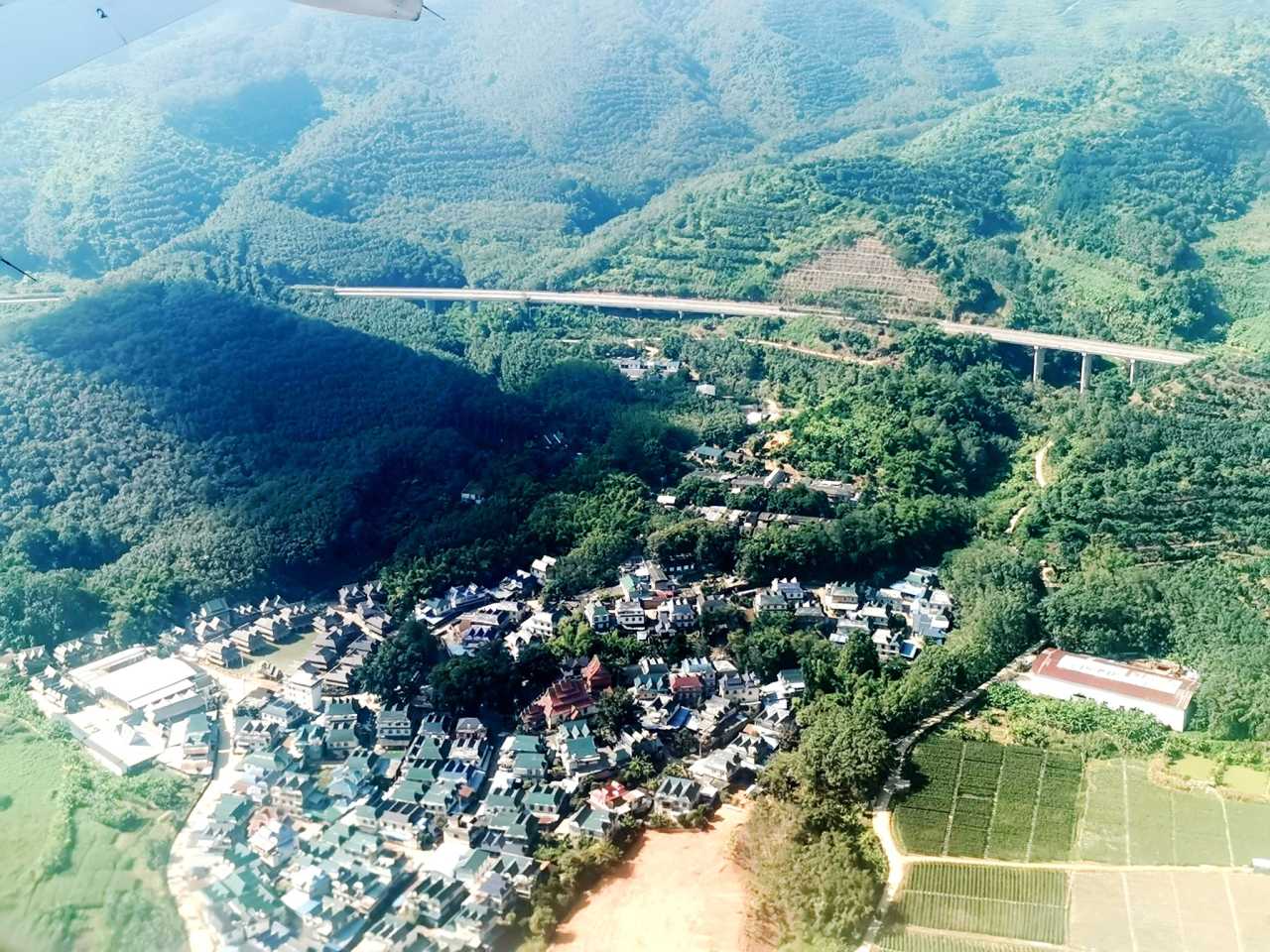
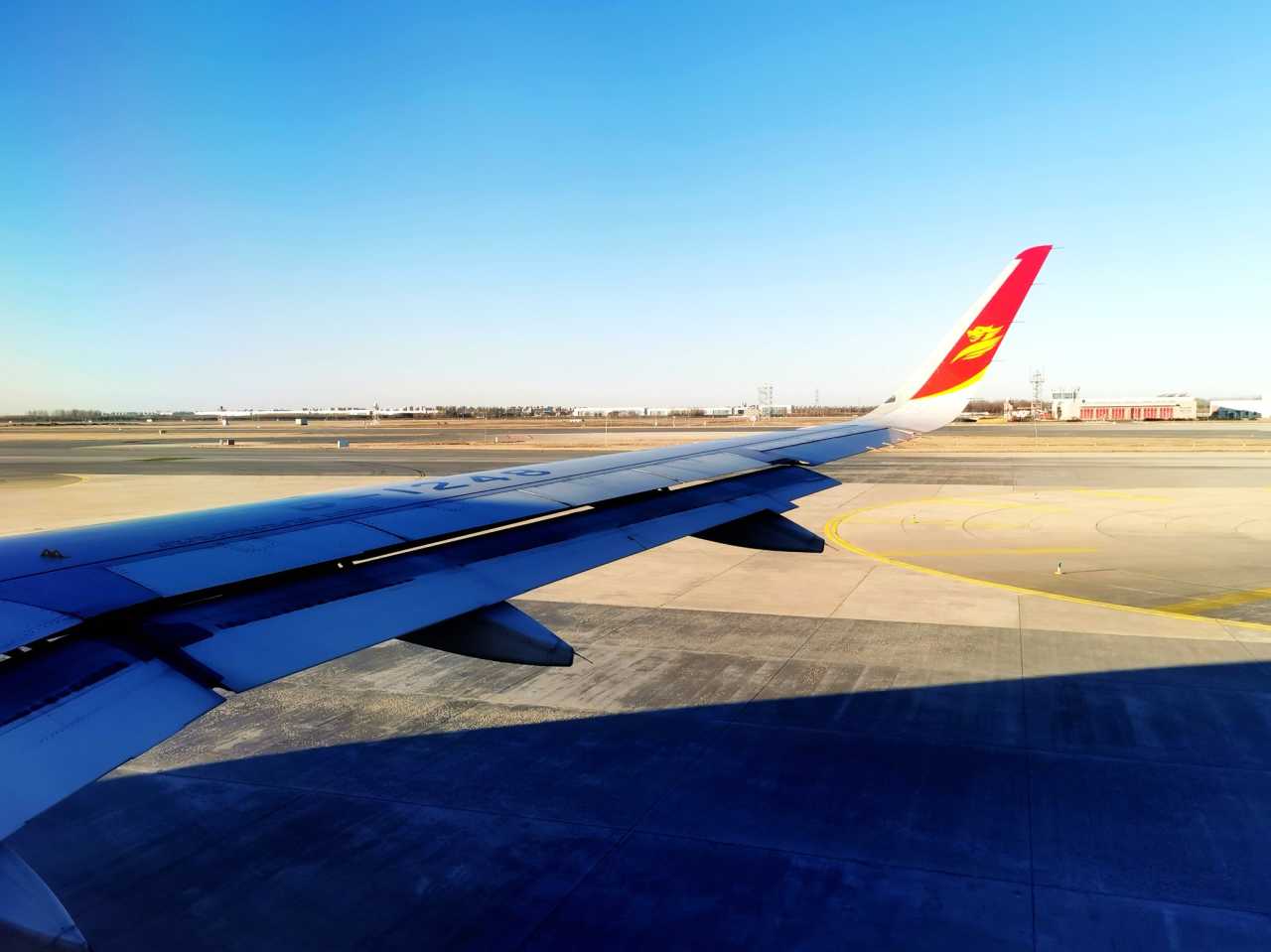
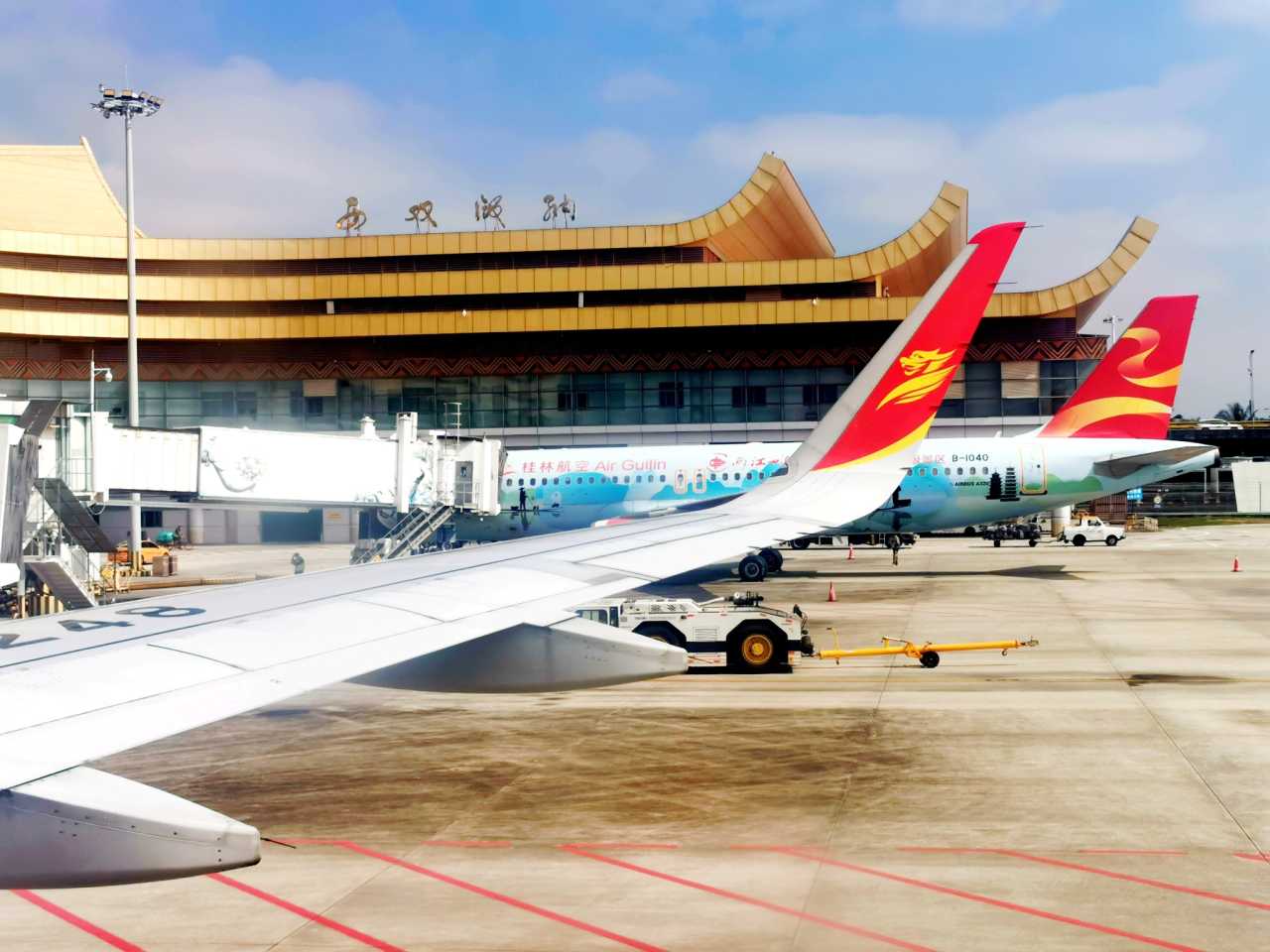
It was my first time flying Hainan Airlines, my first time seeing flight attendants selling goods mid-flight, and my first time experiencing an airplane cabin that felt as lively as a marketplace. We took off from Daxing at 8:30 PM and landed at Gasa Airport four hours later. Since it was midday arrival, no lunch was served onboard — luckily, I had eaten my fill in the airport lounge that morning and felt no hunger at all.
Xishuangbanna, in fact, refers to Jinghong City — the capital of the Dai Autonomous Prefecture. Before departure, I'd scrolled through plenty of short videos, which offered mixed reviews. But two things were universally agreed upon: first, prices — especially at Starry Night Market — were somewhat inflated; second, an influx of outsiders meant many shops were run by new migrants.
Settling into Gaozhuang
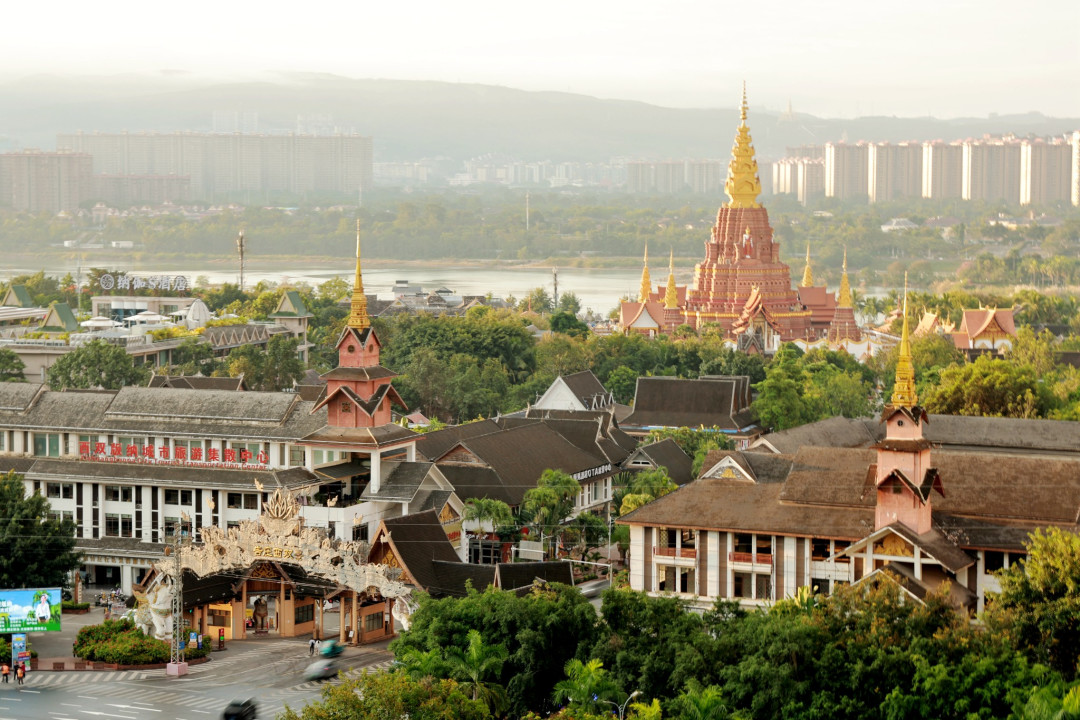
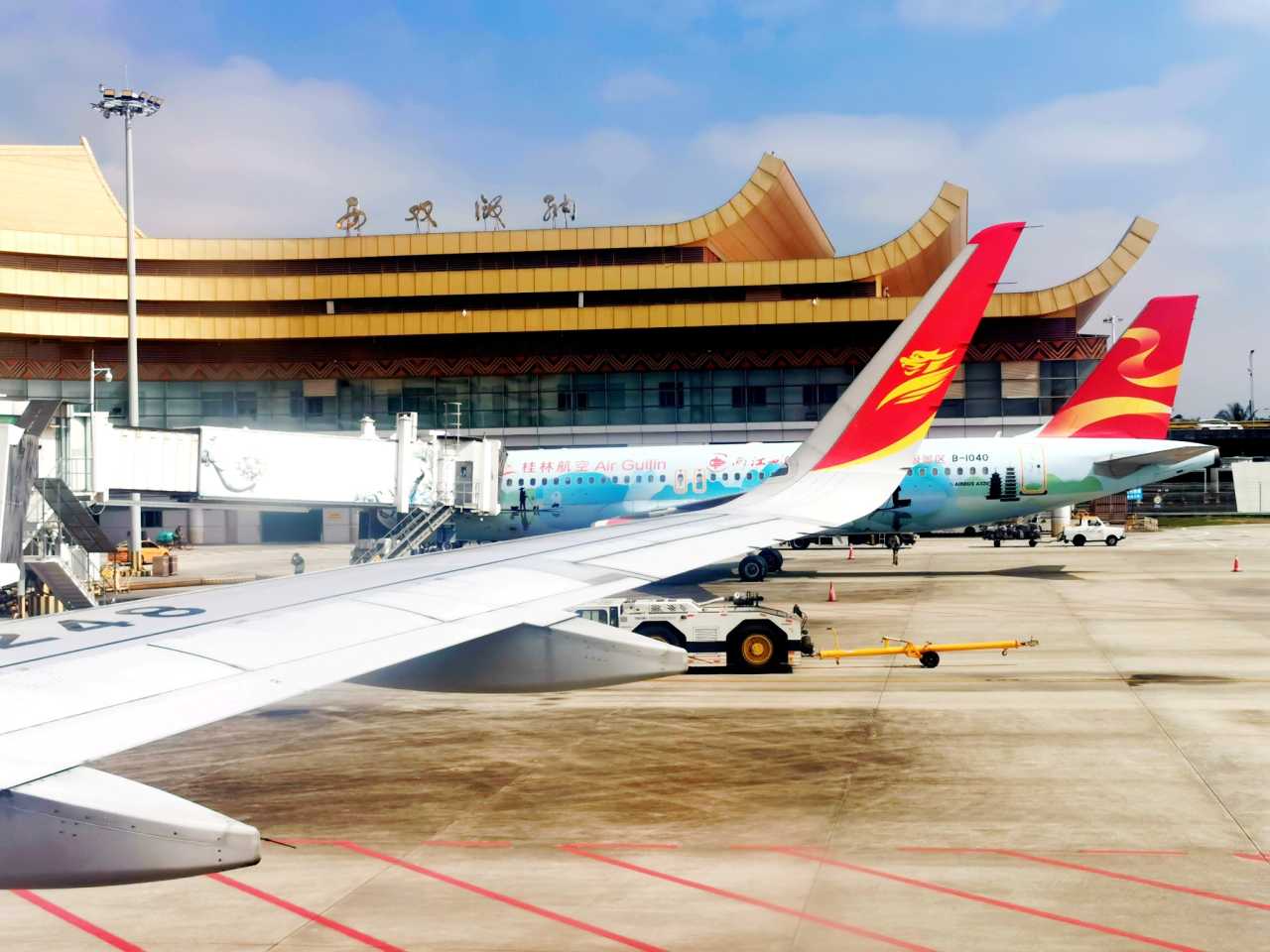
The airport was small, with taxis and ride-hailing cars waiting just outside. The Deyin Grand Hotel I'd booked was in Gaozhuang, and its name sounded quite grand. Our room faced east and had a bay window, which became my wife's favorite spot — for brewing tea, drinking beverages, and snacking. The hotel's highlight was on the thirteenth floor: a viewing platform offering nearly 360-degree, unobstructed views. Though apart from the Grand Golden Pagoda Temple to the south and the Lancang River, all other directions showed city buildings, the riverside breeze, a little drink, and the night view were more than enough to enjoy.
The hotel sat right next to Gaozhuang Xishuang Scene; a hundred meters south was the central roundabout, with bus routes radiating in all directions: routes 1, 4, 5, 9, plus special lines to Dai Ethnic Garden, Wild Elephant Valley, Forest Park, and the Botanical Garden. The biggest advantage of staying here was the convenient transportation.
First Meal at Village Kitchen
After dropping our luggage, we went looking for food. Right next to the hotel was "Village Kitchen" — a local restaurant strongly recommended by a ride-hailing driver. At three in the afternoon, was this lunch or dinner? Who cared? We ordered three dishes: sour bamboo shoot stewed small river fish, stir-fried beef with papaya, and stir-fried red amaranth. Rice came in a pressure cooker, and we helped ourselves. The sour bamboo shoot fish was a pleasant surprise — the broth was rich, the fish tender, with no muddy taste, spicy and sour to whet the appetite, perfect with rice.
Starry Night Market: A Giant "Monster Room"
At 6:30 PM, we slowly walked toward the market. Along the way, every three meters someone would hold up a tablet and ask, "Want a photo?" I simply held my camera up in my hand, and the world instantly fell silent — they steered clear of me.
Entry to the market was free; just scan your ID or a QR code. The Grand Golden Pagoda Temple stood like a lighthouse — no matter where you went, you could look up and find your way back to the hotel.
The first sight of Starry Night Market completely stunned me. This wasn't what a night market should look like — it was a massive party, a Yunnan-style "monster room." No wonder it's called the best in Asia! The smoke from barbecue rose in wisps, mingling with the lights into a warm, cozy haze. I admitted I wasn't hungry, but I couldn't resist: fried potatoes and fried tofu for 20 yuan, grilled corn for 15 yuan. My wife said, "I can't eat anymore," while I silently sipped a 15-yuan drink — not bad, really not bad.
I took in the scenery and the beauties — those legendary "Xishuangbanna princesses on the run." The winding river, the winding bridge, bamboo rafts and light shows. Night cruise performances, stage shows — only the bonfire party was missing. It was so crowded I couldn't take photos.
On the way back to the hotel, a bright moon stole into the night sky. A poem came to mind: "In all the world, three things I love: the sun, the moon, and you. The sun for the day, the moon for the night, and you forever." The beauty of Chinese poetic imagery is unmatched.
Day Two: The Chinese Academy of Sciences Botanical Garden, a Tropical Feast
Worries Before Departure

The hotel breakfast was much better than Kunming's — sticky corn and small sweet potatoes were local favorites. I piled my plate with fried rice and side dishes, while my wife stuck to her eternal boiled rice noodles with corn.
We set off at 8:30 AM. On the road, I saw the mountain tops shrouded in thick fog and worried about rain. The driver smiled and said, "Winter in Xishuangbanna is like this — mornings are either cloudy or foggy, but it won't rain. Look at the dust on the roadside trees; if it rained, there wouldn't be any. The sun comes out around noon, don't worry." Sure enough, by noon, the clouds had vanished, and the sun blazed down. When we returned to the hotel that day, the umbrella was packed away in the suitcase and never came out again.
The Wondrous World of the Botanical Garden
After buying tickets and entering, we had to take the electric cart — walking such a huge garden under the scorching sun was no pleasure. Soon, our jackets came off, sunglasses went on, and we craved ice-cold drinks. This was the Tropical Botanical Garden, where humidity and heat reigned supreme.
Nature's splendor was overwhelming: - Bao'er Medicine: One of the eight major Dai medicinal formulas, called "Jiandabapa" - Eggfruit: Native to the Americas, left unpicked, fallen everywhere on the ground - Pointed Bract Leaf: Large leaves with pointed bracts, used for grilling - Young Jackfruit: Hurry up and grow so people can eat you - Red Cat's Tail: Native to Pacific Islands, strikingly beautiful - Blood-Seeing Vine: The name alone is fierce enough - Fragrant Betel Nut Palm: A type of palm tree - Prickle-You-Without-Mercy: The name is so vivid it makes you laugh - Round-Leaf Spiny Palm: Native to Vanuatu and the Solomon Islands
There was also a two-story Tropical Rainforest Ethnic Culture Museum, displaying animal specimens, everyday items, and handicrafts. Lunch was solved inside the park: boiled rice noodles for 10 yuan, sour-spicy noodles for 10 yuan, bamboo tube rice for 15 yuan.
At 3 PM, we took the electric cart straight out of the park. Back at the hotel, we collapsed into bed and slept. Waking up at 6 PM, the moon had risen over the eastern mountains. We headed to Starry Night Market for food, choosing a stall by the river — the owner turned on a lamp, creating a "rainy night by the riverside" atmosphere. We ordered a plate of lettuce-wrapped fish and a mixed vegetable soup for 75 yuan. Across the river was the trendy Instagram spot "One Meter Sunshine Peacock Feast," but unfortunately, you can't see sunshine at night.
Day Three: Manting Park and the General Buddhist Temple, Echoes of History
An Unexpected Breakfast
We woke up late that day and missed the hotel breakfast. We settled for a nearby breakfast shop: a bowl of noodles with an egg, a bowl of rice noodles without an egg — 13 yuan total: eggs 2 yuan, rice noodles 5 yuan, noodles 6 yuan.
We took a taxi to Manting Park and got chatting with the driver again. This driver was from Henan Province and had settled in Banna for over twenty years — a veritable "walking encyclopedia." We talked about Banna's transportation, prices, population structure, commercial development, and weather changes — before we knew it, we'd arrived.
Manting Park: The Garden of the Soul
The Dai people call Manting Park "Chunhuan," meaning "Garden of the Soul." With a history of over 1,300 years, it's the oldest park in Xishuangbanna, once the imperial garden of Dai kings. We entered after 10 AM, only catching the tail end of the parade and missing the elephant show. The sun was already blazing.
The park wasn't large, but everywhere you looked was rich Dai style: bamboo groves, vegetation, ponds, hills, and waterways. My favorite bougainvillea was in full, brilliant bloom. Crossing a bridge led to the General Buddhist Temple. Walking along the river, you could watch fish — and if the fish weren't enough, black geese would come to keep you company. Passing the parrot garden, I spotted a few peacocks.
The elephant performance area was much smaller than the one at Wild Elephant Valley. I saw a group of self-organized "veterans" — straight-backed, brisk-walking, spirited despite their age.
The General Buddhist Temple: Solemnity and Devotion
Across the river stood the General Buddhist Temple. Entering from the park was free, but returning from the temple required showing your park ticket. Photography was not allowed inside the main hall. The second-floor hall required removing your shoes. A senior monk sat on the floor with his phone, while deeper inside, someone was chanting scriptures, with devotees kneeling before them in devout attention. I took off my shoes, walked around, glanced at the sutras in the wall cabinets, and bowed with my hands together before the senior monk.
The midday sun was dizzying, but the temple was crowded. The General Buddhist Temple's vegetarian hall was not open to the public — I'd been hoping for a monastic meal. The temple gate, red and yellow, was dignified and imposing, radiating grandeur.
Returning to Village Kitchen
Traffic was terrible at noon; our ride-hailing car was stuck at an intersection. The driver called and asked us to walk out — it was the same local driver who'd recommended the food. Instead of taking us back to the hotel, he drove us straight to Village Kitchen again. This time, we changed our order: stinky vegetable egg pancake, fried pork ribs with mint, and grandma's mashed potatoes. I photographed the menu to study later.
At 6 PM, we lazily walked toward Starry Night Market. My wife finally settled on Cloud Sparrow Golden Bay's main branch in Xishuang Scene — the Dai-style peacock feast hand-grabbed rice. Surprising or not? Exciting or not? There were Dai小姐姐 (young Dai women) dancing in the courtyard, and all the thatched-roof private rooms were full. We ate too much and walked it off in the market. We entered through another gate — just how many gates are there? It's a mystery.
Day Four: Wild Elephant Valley and Manzhang Village, a Dialogue with Nature
Elephant Science Park
After breakfast at the hotel, we took a car to Wild Elephant Valley, about an hour's drive. The sky was still overcast with clouds, but there were plenty of tourists. Not far from the entrance was the Elephant Science Park, with a feeding area where you could buy fruit to feed the elephants by hand. The elephants' palates had been spoiled — they wouldn't eat cucumbers, only fruit.
We found seats in the science park's viewing area, but the front rows were full, so we ended up in the back. The male host had a booming voice, and the keepers led the elephants through various performances. The elephants had been "taught bad habits" — they gleefully sucked water into their trunks and sprayed the audience, endlessly. Picking up objects mid-air, spraying water and sand, being weighed, getting check-ups... the show lasted about 20 minutes.
The Tranquility of Manzhang Village
After leaving Wild Elephant Valley, we went to Manzhang Village. This was a village that preserved traditional Dai ways of life — quiet, simple, and unspoiled. We had lunch in the village, tasting authentic Dai home cooking.
Back in Xishuang Scene that evening, we went to Starry Night Market again. It seemed impossible to get tired of this place — there was always something new to discover in every corner.
Day Five: The Grand Golden Pagoda Temple and the Dai Royal Palace, Traces of History
The Grand Golden Pagoda Temple
In the morning, we visited the Grand Golden Pagoda Temple. This temple was the landmark of Gaozhuang, striking whether by day or night. Inside, it was resplendent with gold, and the Buddha statues were solemn. From the high vantage point, you could overlook all of Jinghong city and the Lancang River.
The Ruins of the Dai Royal Palace
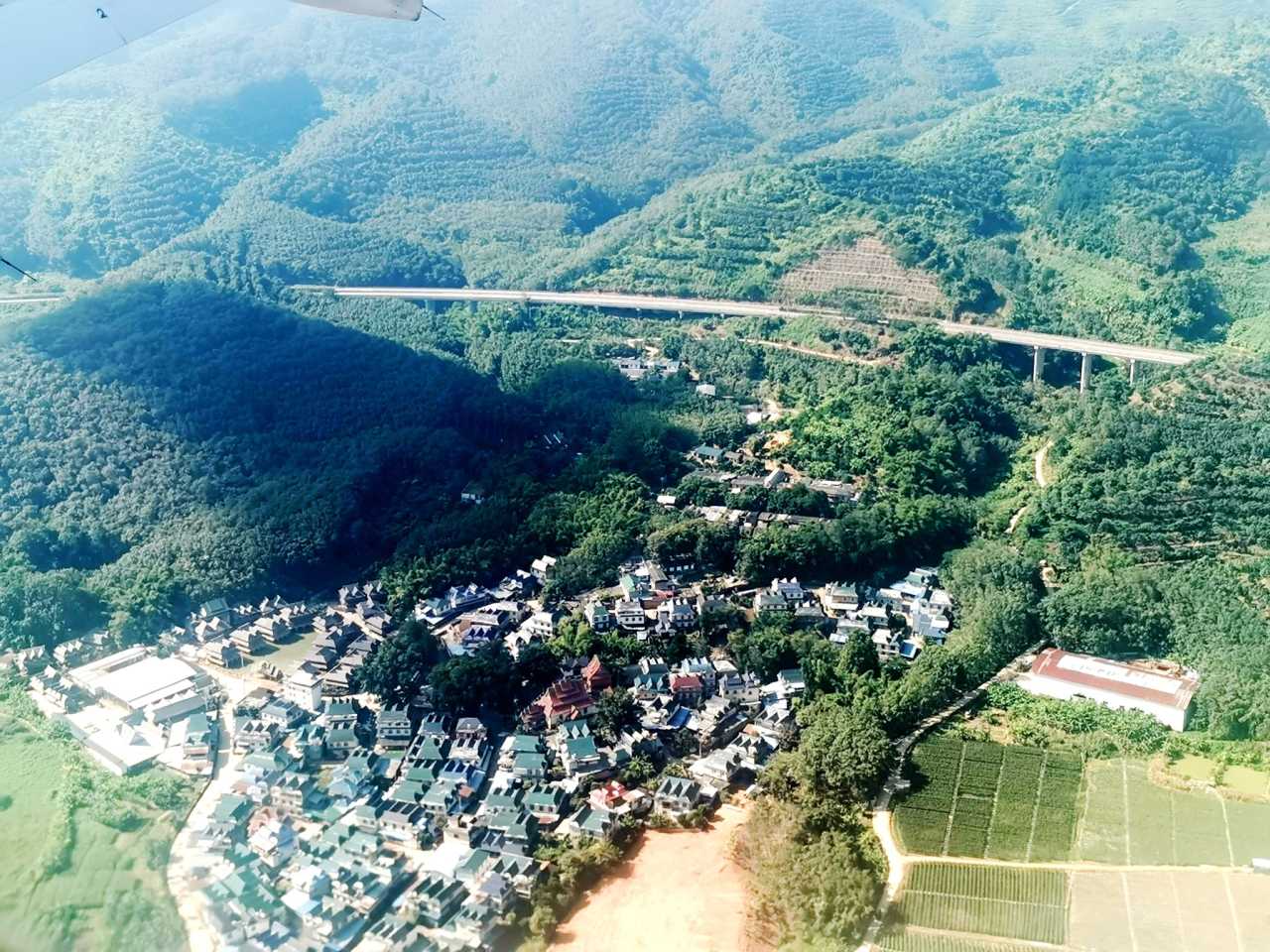
The former Dai Royal Palace was already in ruins, but you could still make out its original scale. Standing among the rubble, I imagined its former glory — the stories of the Dai royal family drifting by like the wind.
Dawn Bridge and Copper Mine Snack Shop
In the afternoon, we went to Dawn Bridge to watch the Lancang River flow slowly by. Dinner was at Copper Mine Snack Shop — yet another recommendation from a ride-hailing driver. The shop was small, but the flavors were authentic and the prices reasonable.
Day Six: Riverside Park Morning Market, the Smoke of Everyday Life
Going to Market
In the morning, we went to the Riverside Park morning market, known as "going to market" (赶摆, ganbai). This was a local market, bustling with vegetable sellers, fruit vendors, and snack stalls. We bought a pile of tropical fruits — mangoes, pineapples, papayas — cheap and fresh.
Six Kingdoms Cuisine
We had lunch at the hotel and dinner at Six Kingdoms Cuisine. This was a restaurant blending Southeast Asian flavors, with an elegant ambiance and refined dishes. After eating, we went to Starry Night Market again — for the seventh time.
Day Seven: Farewell to Banna, Bringing Back More Than Photos
The Return Trip
In the morning, we said goodbye to Banna and headed home. Sitting on the plane, looking at the clouds outside the window, I reflected on these seven days: from the shock of Starry Night Market to the wonder of the Botanical Garden; from the history of Manting Park to the liveliness of Wild Elephant Valley; from the solemnity of the Grand Golden Pagoda Temple to the earthy energy of the morning market.
Practical Tips
- Transportation: Gaozhuang is a transportation hub, with buses and special lines covering major attractions. Ride-hailing is convenient; the airport to the city center is about 10 kilometers, costing around 25 yuan.
- Accommodation: The Deyin Grand Hotel in Gaozhuang is conveniently located with a viewing platform, but rooms facing the street can be a bit noisy.
- Food: Village Kitchen and Copper Mine Snack Shop are recommended by locals — affordable prices and authentic flavors. Starry Night Market is great for browsing, but prices are on the high side.
- Weather: Winter mornings in Banna are often cloudy or foggy, clearing up after noon. Sun protection is a must.
- Tickets: Starry Night Market is free — just scan your ID or a QR code. Scenic spot tickets can be purchased online in advance.
Epilogue: The Moon and You, Both in Banna
Seven days in Banna felt like a dream. The sunlight, the mist, the night market, the plants, the elephants, the temples — all have become images in my memory. When a bright moon steals into the night, now mist, now clouds — that's Banna, a place that makes you want to stay forever.
May the sun and moon be at peace. May you have a good night.
You should also read:
Into the Hidden Valley: A Solo Journey Through the Mysterious Dulong River
Into the Hidden Valley: A Solo Journey Through the Mysterious Dulong River Deep in the northwestern corner of Yunnan Province, tucked away from the modern world, lies a place that feels like a secret whispered among mountains. The Dulong River Valley is not just a…
Continue reading...
God’s Abandoned Palette: A Self-Drive Journey Through Yunnan’s Dongchuan Red Land
God’s Abandoned Palette: A Self-Drive Journey Through Yunnan’s Dongchuan Red Land Travel has never been about reaching some distant geographic coordinate. It’s about encountering, along the way, the version of yourself buried beneath the rubble of daily routine. During this May Day holiday, I finally…
Continue reading...
Cloud Travelogue · Dali of Wind, Flowers, Snow, and Moon: A Three-Day, Two-Night Journey of a Free Spirit
Cloud Travelogue · Dali of Wind, Flowers, Snow, and Moon: A Three-Day, Two-Night Journey of a Free Spirit I am a cultured female foodie with a touch of rogue charm. I slung on my backpack, took my lover's hand, and set off on a spontaneous…
Continue reading...