When Spring Light Falls on Erhai Lake, When Art Meets Cangshan Town: 10 Unmissable Spots for Play and Photography in Dali
When Spring Light Falls on Erhai Lake, When Art Meets Cangshan Town: 10 Unmissable Spots for Play and Photography in Dali
Some places aren’t meant for “checking in”—they’re meant for “living.” To me, Dali has never been a simple travel destination. It’s like an old friend, always bringing new surprises with every reunion. I came here once when I was deeply in love, and the air itself felt sweet. Now, returning with my family, I find that Dali’s charm has never faded—it’s always in love, and I will always love it.
On this trip, we abandoned the traditional bike ride around Erhai Lake and chose a deeper, more artistic route instead: kayaking to feel the breath of the lake, tie-dyeing a scarf by hand in Zhoucheng, and staying in a movie-themed inn designed by an artist. If you’re tired of cookie-cutter social media hotspots and want a truly meaningful Dali experience, this guide is for you.
1. Three Pagodas of Chongsheng Temple: Finding Hidden Angles in a Classic
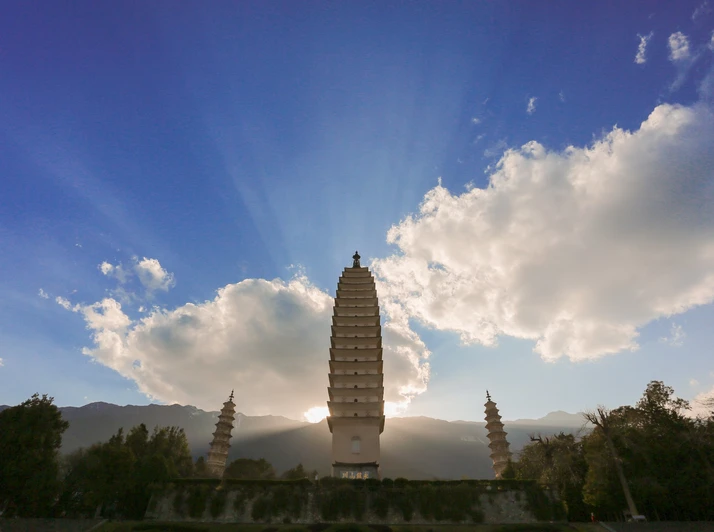
As Dali’s iconic landmark, the Three Pagodas of Chongsheng Temple are a must-visit for nearly every traveler. But how do you capture something fresh from such a classic scene? My answer: look for the overlooked corners.

Best Photo Spot #1: Pagoda Tips Amid Flowers
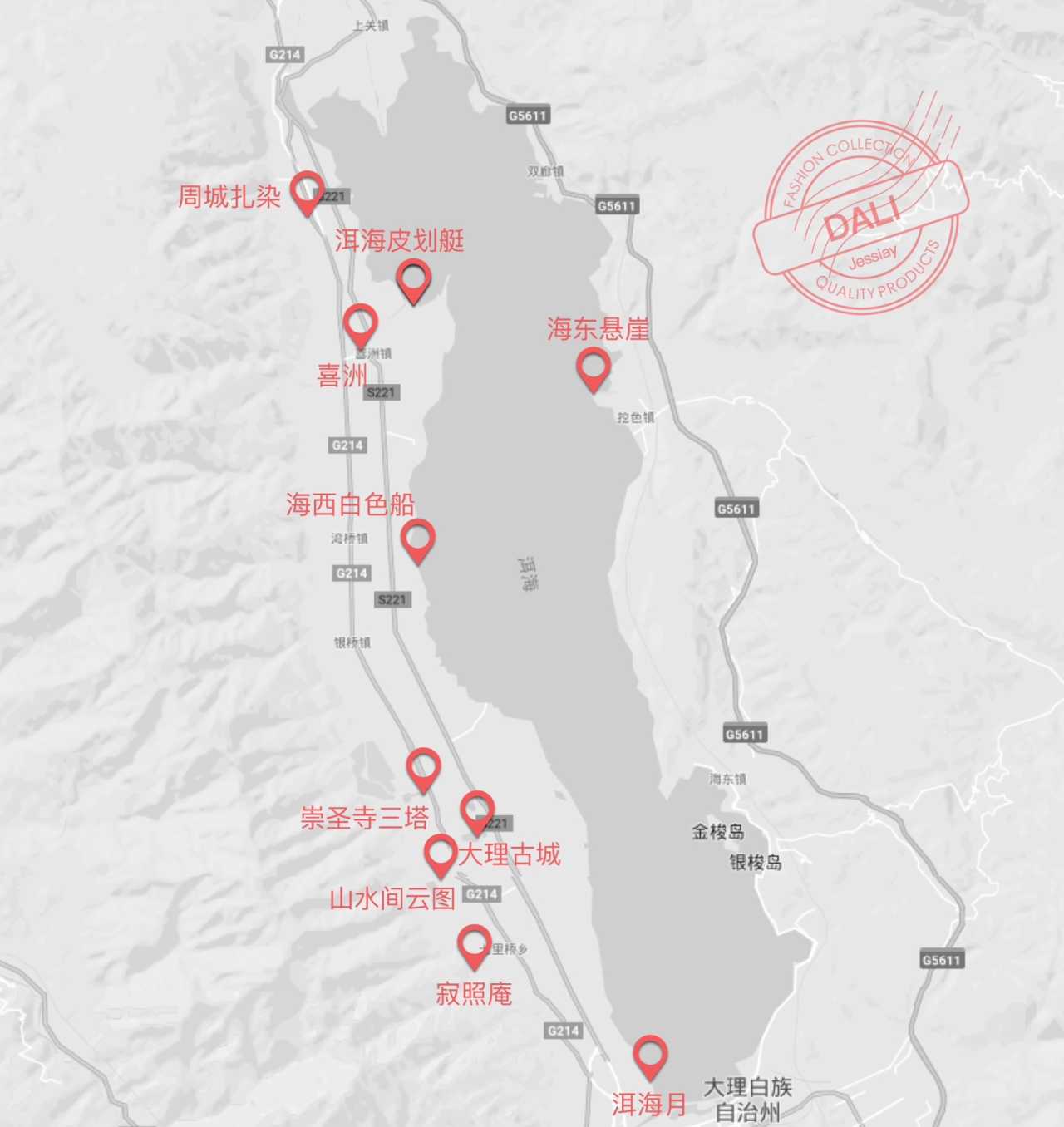
In front of the temple, there’s a large patch of orange flowers. Crouch down and shoot upward through the gaps in the blossoms. The angle is surprisingly unique—the vibrant orange contrasts sharply with the white pagoda, and you’d hardly guess it’s the Three Pagodas.
Best Photo Spot #2: “Buddha’s Light” in Front of the Pagodas
In the late afternoon, as the sun dips low, light spills across the square in front of the pagodas at a shallow angle. If clouds are present, the rays pierce through like divine radiance, giving your photos an almost sacred glow. The characters “永镇山川” (Eternal Guardian of the Mountains and Rivers) on the pagoda walls look especially majestic in this light.
Tip: When taking photos, never stand directly in the center of the pagodas—it’s considered taboo by locals.
2. Overnight in the Ancient City: Stay in a Bai Courtyard and Feel the Wind, Flowers, Snow, and Moon
When in Dali, you must stay in a Bai-style courtyard within the ancient city. We found a guesthouse called “一抹小院” (A Touch of Courtyard) through Airbnb—a three-story building with four bedrooms, plenty of space for our family of six. The top-floor sunroom was my favorite: waking up to sunlight streaming into the study, then sitting up in bed to see warm rays and walls lined with books.
How to Experience the Ancient City at Night?
Skip the “standard route” from the main gate to Wuhua Gate. The real nightlife of the ancient city lies deep on Renmin Road (People’s Road).
Around 10 p.m., stroll slowly along Renmin Road. The shops here have real character—each one feels handpicked by its owner, without the cheap, uniform feel of Lijiang. What stuck with me most was “大冰的小屋” (Da Bing’s Little Hut)—a narrow storefront packed with people sitting in the dark. A singer performed Wang Fei’s songs, and her voice was even better than Wang Fei’s current live renditions. Tickets were only 40 yuan, with a free drink included. Unfortunately, we waited forever and never got a seat—it became the biggest regret of the trip.
Another night, I passed a half-open braised meat shop where the owner was playing the ukulele and singing “一生所爱” (The Love of My Life, a classic Cantonese song). Lib and I stood at the intersection listening for a long time, until she forgot the lyrics and just kept strumming softly. In that moment, I suddenly understood what “风花雪月” (wind, flowers, snow, and moon) really means—it’s not a landscape, but a state of mind.
3. Kayaking on Erhai Lake: Embracing the Lake in Its Most Primal Form
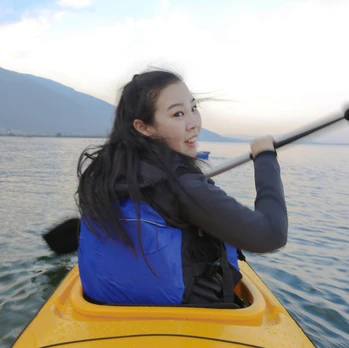
Before coming to Dali, I stumbled upon the idea of kayaking on Erhai Lake. I never imagined it would become the most unforgettable experience for the whole family.
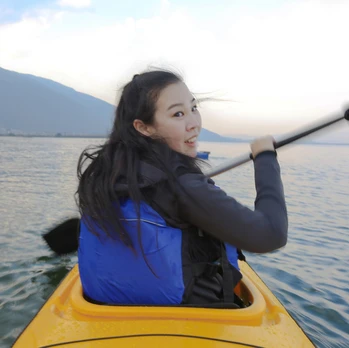
There are two options: sunrise or sunset kayaking. I chose sunset without hesitation—because I can’t get up early.
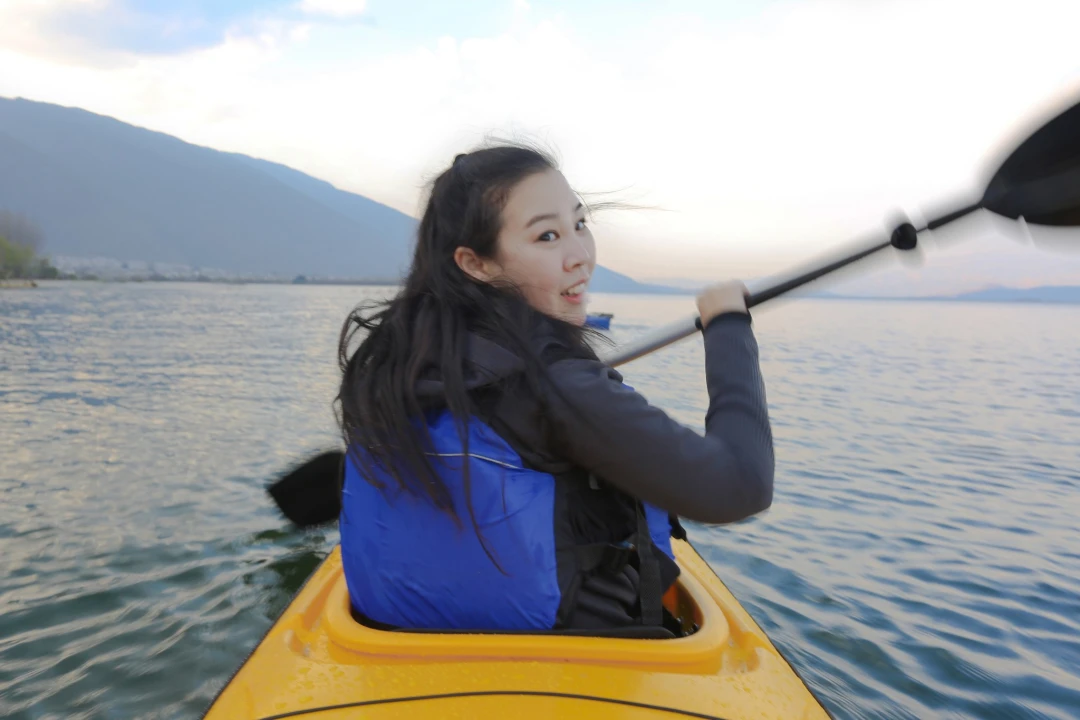
At the base, I realized the kayaks were much narrower and shallower than I’d imagined, feeling like they might tip over at any moment. But the instructor was professional—half an hour of training, then we set out. Actually, capsizing isn’t that easy. We even brought our DSLR on board and took plenty of photos—though don’t try this unless you’re skilled, or both you and your camera might end up in the water.
We paddled for two hours, from daylight until rain started falling, completely exhausted. But the experience of being in the middle of the lake, feeling Erhai’s wind, rain, thunder, and lightning (okay, a bit exaggerated) is something a cruise could never replace. My parents’ verdict: “This is the most unique activity in Dali.”
4. The White Boat on West Erhai: The Simplest Background, the Most Photogenic Results
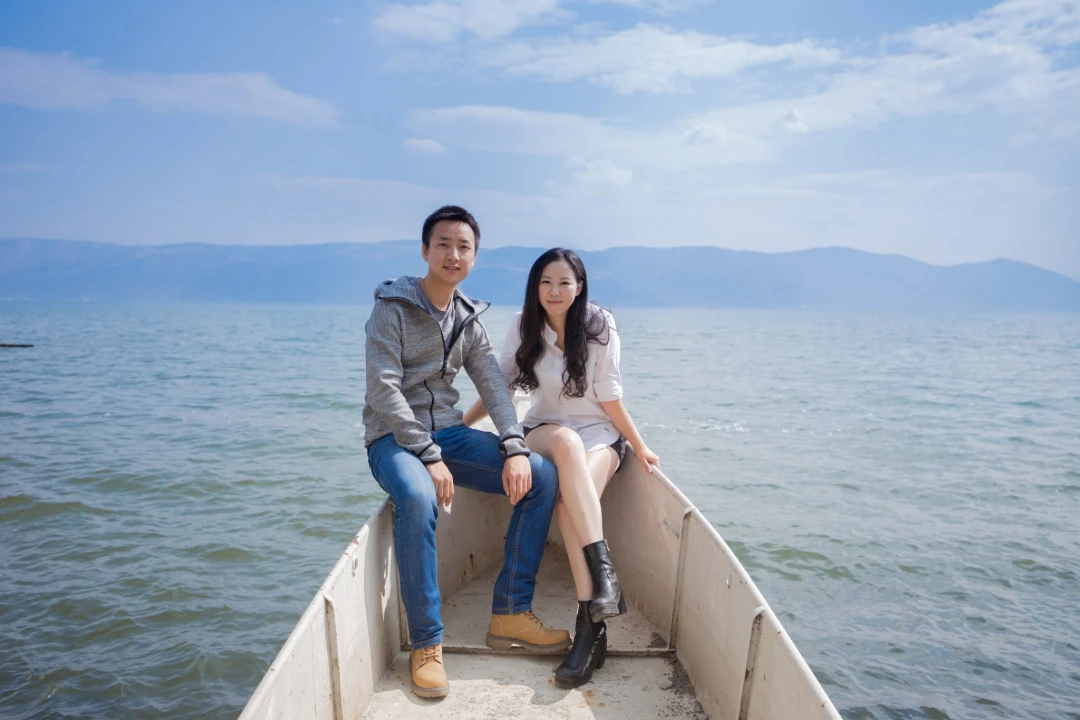
Our first stop for travel photography was the white boat on the west side of Erhai Lake. Honestly, the scenery was average, but the photos turned out surprisingly well.
Best Photo Spot: The White Boat
Wear white, and you can’t go wrong. I’m too sharp-edged for a flowing fairy dress, so I put on my plainest white shirt and the boots that have traveled across the country with me. The results were unexpectedly good—simple is often the most enduring.
5. Xizhou Ancient Town: Hunting Down the Most Authentic Xizhou Flatbread
Our second photo stop was Xizhou Ancient Town. Compared to Dali’s ancient city, this place is far less commercialized, with fewer people—perfect for a leisurely stroll.
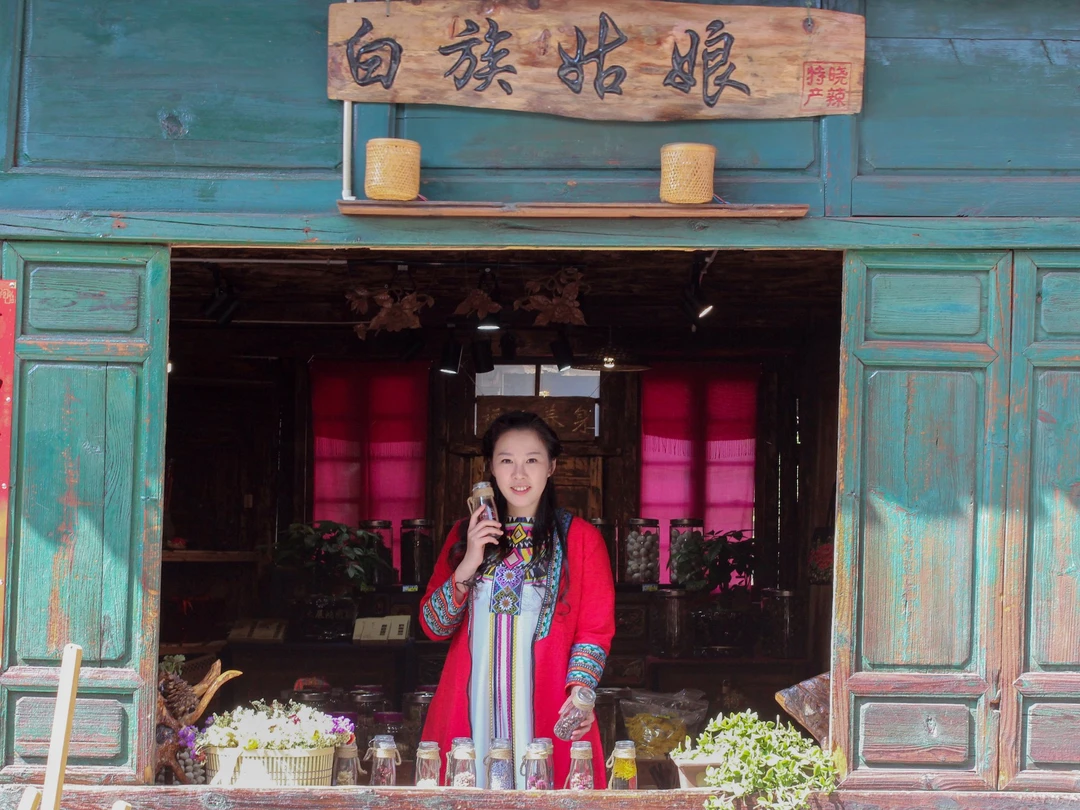
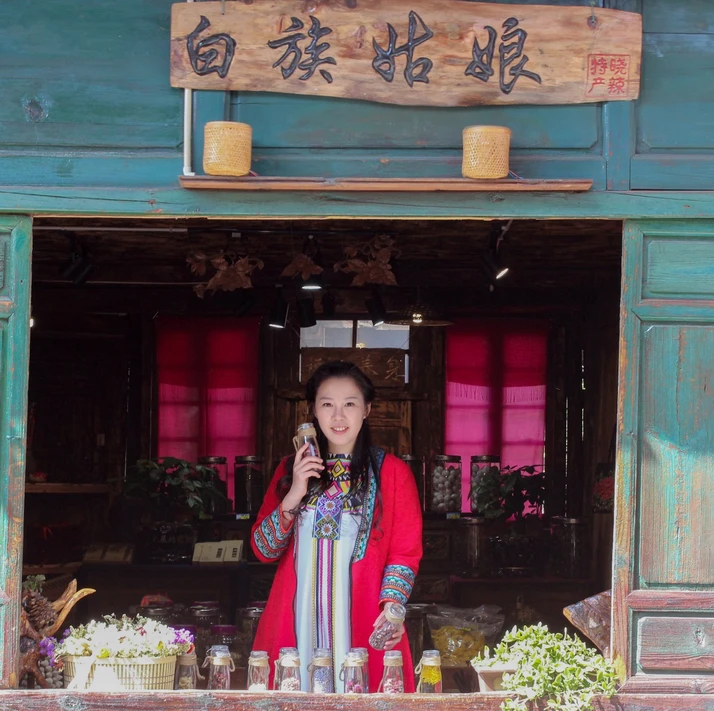
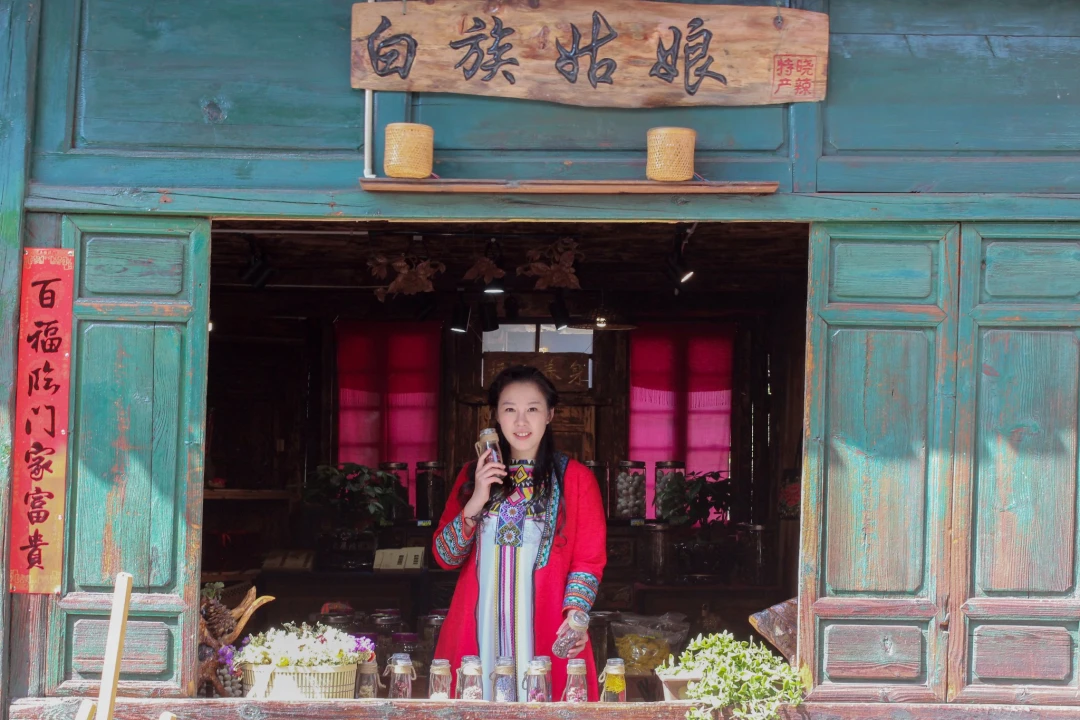
Best Photo Spot: In Front of a Bai Girl’s Tea Stall
Any shot in front of a tea stall looks good. I also found a small shop selling flower tea and helped sell a bit of peach blossom tea for a while. The photos came out a little posed, but it was fun.
Must-Eat Recommendation: Xizhou Flatbread (喜洲粑粑)
The shop with the longest queue is always the right choice. The owner is an elderly man in his 80s, whose family has been making flatbread for generations. The bread sits on thin paper in a steamer, glistening with oil, golden and crispy. Eat it while it’s hot—once it cools, it develops a slight alkaline taste.
Next to the ancient town, there’s a field of rapeseed flowers, bordered by orange Bai-style houses—a classic Dali photo spot. Use a wide-angle lens for great results.
6. Rocks on East Erhai: A Surprise Hidden in the Corner
Our third photo stop was Wase Town. We’d planned to shoot with glass balls, but the strong backlight ruined the effect. The fourth stop—the rocks on East Erhai—was one I almost skipped out of exhaustion. But going down there turned out to be a hidden gem.
Best Photo Spot #1: The Flower Gate
Walking out from the middle of the gate gives you a bit of a martial arts hero vibe. Color grading is tricky—mixing peach pink and green takes patience.
Best Photo Spot #2: By the Tree Near the Lake
Stand far away, and keep your figure small. Let the tree leaning over the water peek into the frame, leaving plenty of negative space for the lakeside sunlight. The light is most beautiful around 6 p.m.
7. Yuntu: Living in a Movie-Themed Art Home
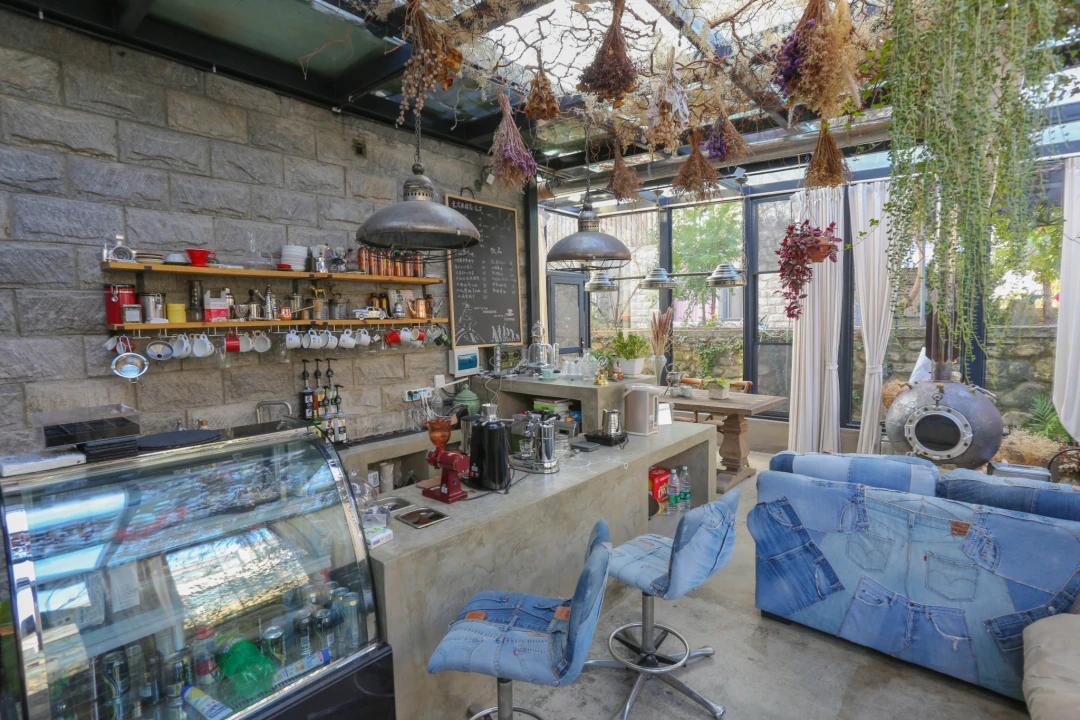
The best experience of this trip was staying at the Yuntu Inn. It’s located in Dali’s “山水间” (Between Mountains and Waters), a villa area where local artists gather. The owner, Hongsheng, worked on 3D movie effects for 18 years before moving from Beijing to Dali, where he turned his villa into a movie-themed micro-inn.
The living room is styled after Yellowstone National Park, with his collection of Blu-ray movies in the corner, sorted by AFI and IMDb rankings. The three-story villa has a suite on each floor: the first floor is themed after Dances with Wolves, the third after Star Wars.
But what moved me most wasn’t the house—it was Hongsheng himself. That night, after we settled in, he invited us to the living room to see his photography: clouds over Dali, which he shot for director Zhang Yang. “I love clouds,” he said, “so I especially love photographing them.” Lately, he’s been obsessed with bird photography, spending days on end in the wetlands.
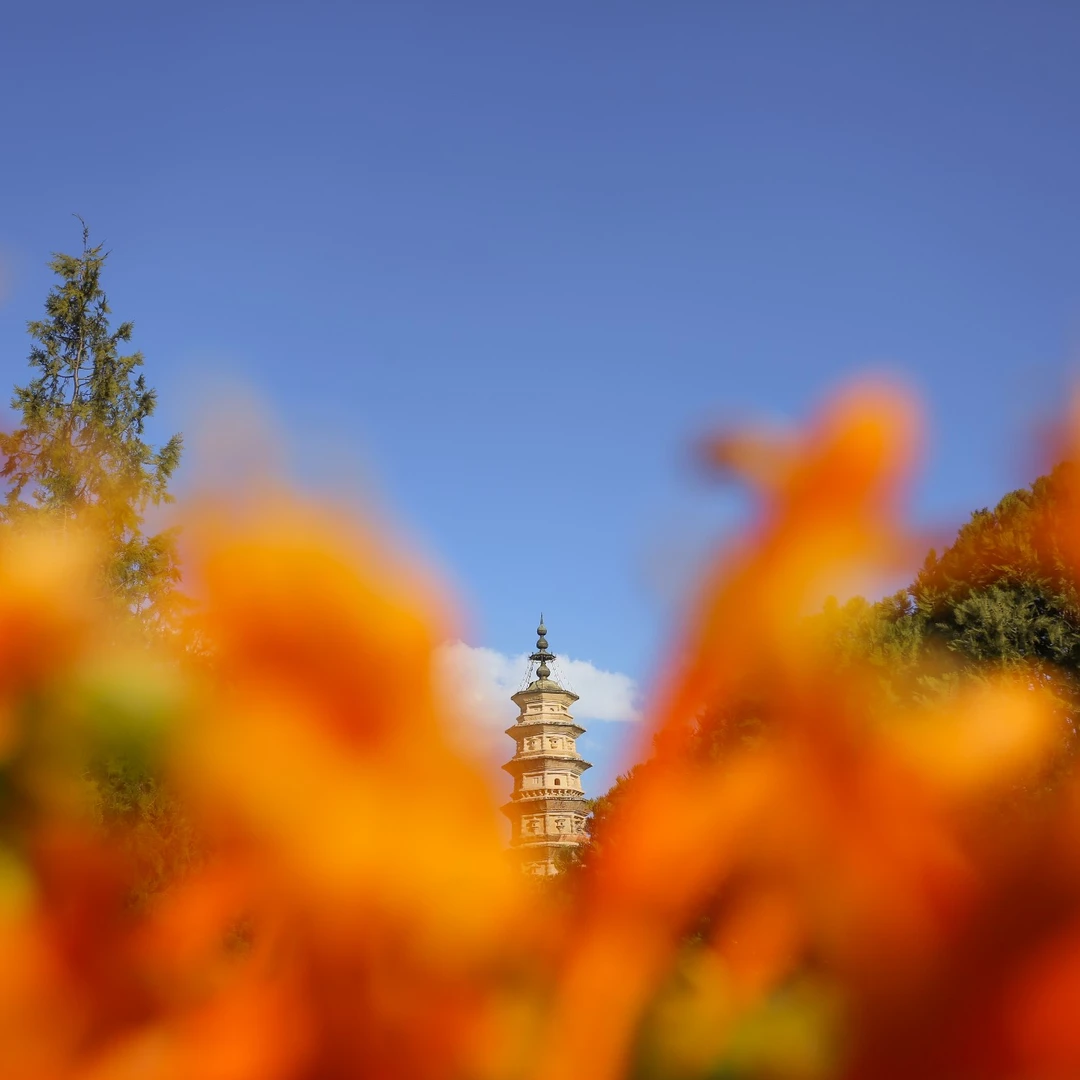
Best Photo Spot #1: At the Dining Table
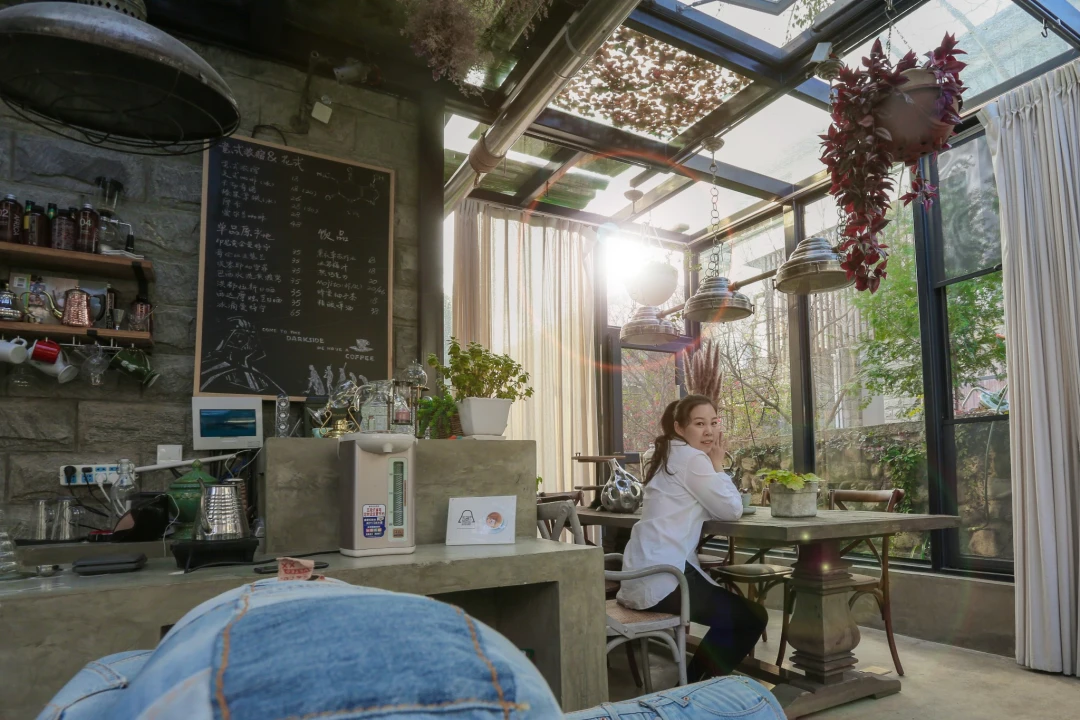
Between 7 and 8 a.m., sunlight filters through the glass ceiling. Hongsheng and his wife make breakfast and grind coffee by hand, chatting about movies as they work. His insight on long takes was revelatory: “A long take gives you enough time to think. You experience your own life within it.”
Best Photo Spot #2: The Coffee Shop
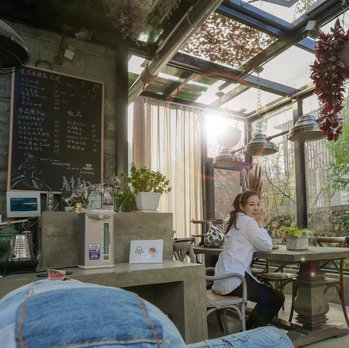
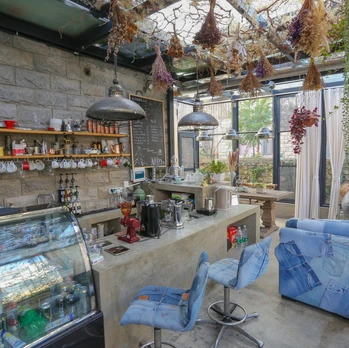
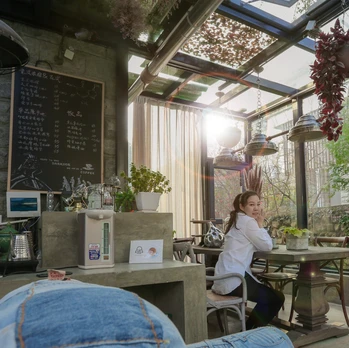
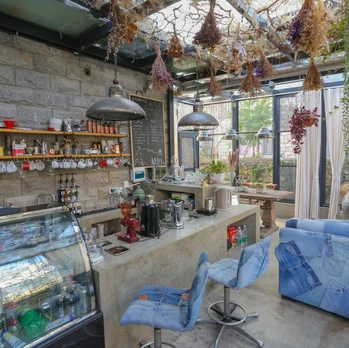
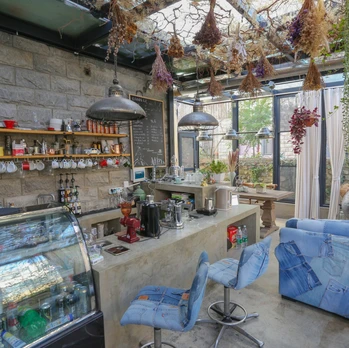
Behind the villa, Hongsheng and his wife built a sunlit coffee shop themselves. His wife, Lulu, loves baking and is an excellent cook. Shoot from a bit farther back behind the sofa for a full view—it’s stunning.
8. Jizhao Nunnery: A Succulent Kingdom on Cangshan Mountain
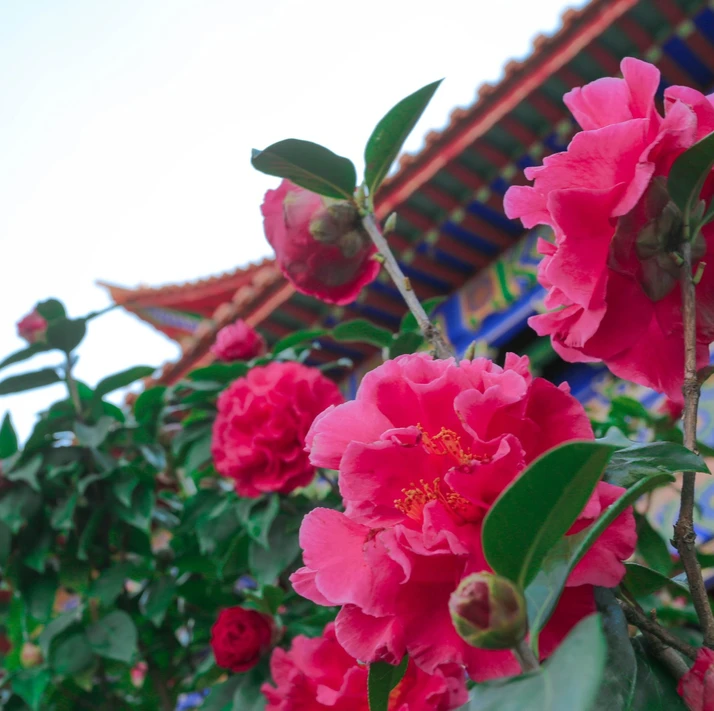
Hongsheng and his wife recommended Jizhao Nunnery—no ticket needed for Cangshan. It’s famous for its succulents, but unfortunately, it was too crowded when we visited, and we didn’t get any good photos. We also missed the vegetarian meal, but judging by what others had in their bowls—reds and yellows—it looked delicious.
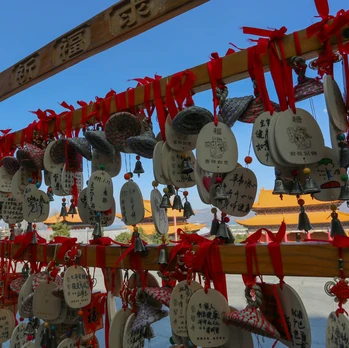
9. Erhai Moon: Watching the Friendliest Seabirds
Another recommendation from Hongsheng. The wetland park is small, but the scenery is lovely. It’s said to have the most fearless seabirds, but when we went, they kept their distance.
10. Zhoucheng Tie-Dye: Dyeing a One-of-a-Kind Scarf by Hand
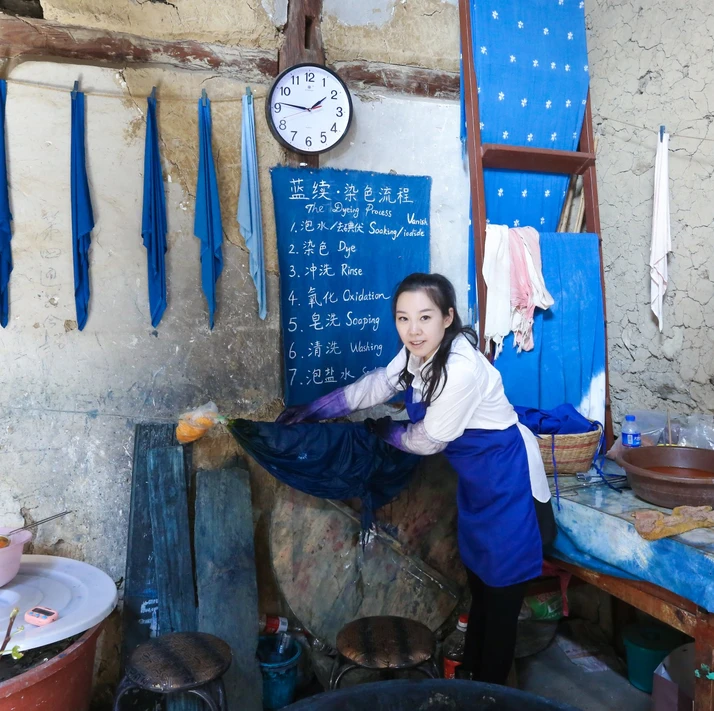
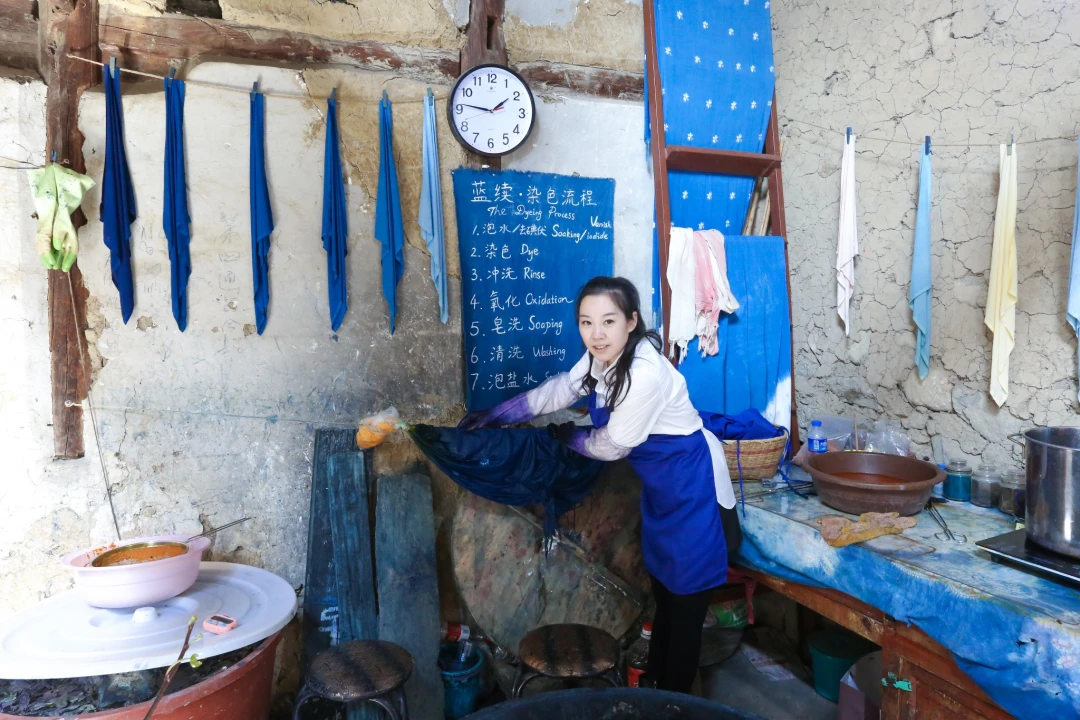
On our last day, we went to Zhoucheng to try tie-dyeing. As someone who can’t even sew, I somehow managed to dye a scarf successfully. The sense of accomplishment from creating something with my own hands was more precious than any souvenir.
In Closing
Dali’s charm isn’t about how many attractions you visit—it’s about how you connect with it. These 10 spots for play and photography each showed me a different side of Dali: the solemnity of classics, the liveliness of art, the warmth of everyday life.
If you ask me what’s most worth taking away from Dali, I’d say: those unrepeatable moments—feeling Erhai’s breath from a kayak, listening to “一生所爱” (The Love of My Life) deep in the ancient city at midnight, chatting about movies until late in an artist’s living room…
Dali is always in love. And I hope you fall in love with it too.
You should also read:
A 9-Day Yunnan Journey: From Lijiang to Dali to Tengchong – A Trip Toward Self-Reconciliation
A 9-Day Yunnan Journey: From Lijiang to Dali to Tengchong – A Trip Toward Self-Reconciliation Some say travel is simply going from a place you're tired of to a place other people are tired of. It stings to hear, but it's painfully true. Yet there's…
Continue reading...
Yunnan Travel Mastery: From Beginner to Pro-Level Player – A Complete Guide
Yunnan Travel Mastery: From Beginner to Pro-Level Player – A Complete Guide "Either travel or read, but your body and soul must be on the road." This quote has been repeated countless times, but very few people truly manage to be "on the road" and…
Continue reading...
Solo in Yunnan: A Wanderer’s Guide to the Land of Eternal Spring
Solo in Yunnan: A Wanderer’s Guide to the Land of Eternal Spring There’s something magical about traveling alone. No compromises, no schedules to keep, no one to please but yourself. I’ve been on the road for nearly three months now, and not once have I…
Continue reading...