Where the Heart Finds Peace: In Search of Our Inner "Shangri-La"

Where the Heart Finds Peace: In Search of Our Inner "Shangri-La"
At twenty-five, I packed my camera and set out on a road with no return. Some say travel is an escape; I say it's an arrival—arriving at the longings buried deep in your heart, arriving at the emotions drowned by daily routine.
I am a photographer, and also a storyteller. My lens is my third eye, used to capture the gentlest moments of this world. And this time, the story I want to tell is about one word, three travelers, and countless moments that bring peace to the soul.
That word is "Shangri-La."
It originates from the Shambhala kingdom in Buddhist scriptures, a symbol of paradise in Tibetan Buddhism. In modern contexts, it has become synonymous with Eden, utopia, and a hidden paradise. But here's the truth: the real Shangri-La has never been a coordinate on any map. It resides within each of us, waiting to be discovered.
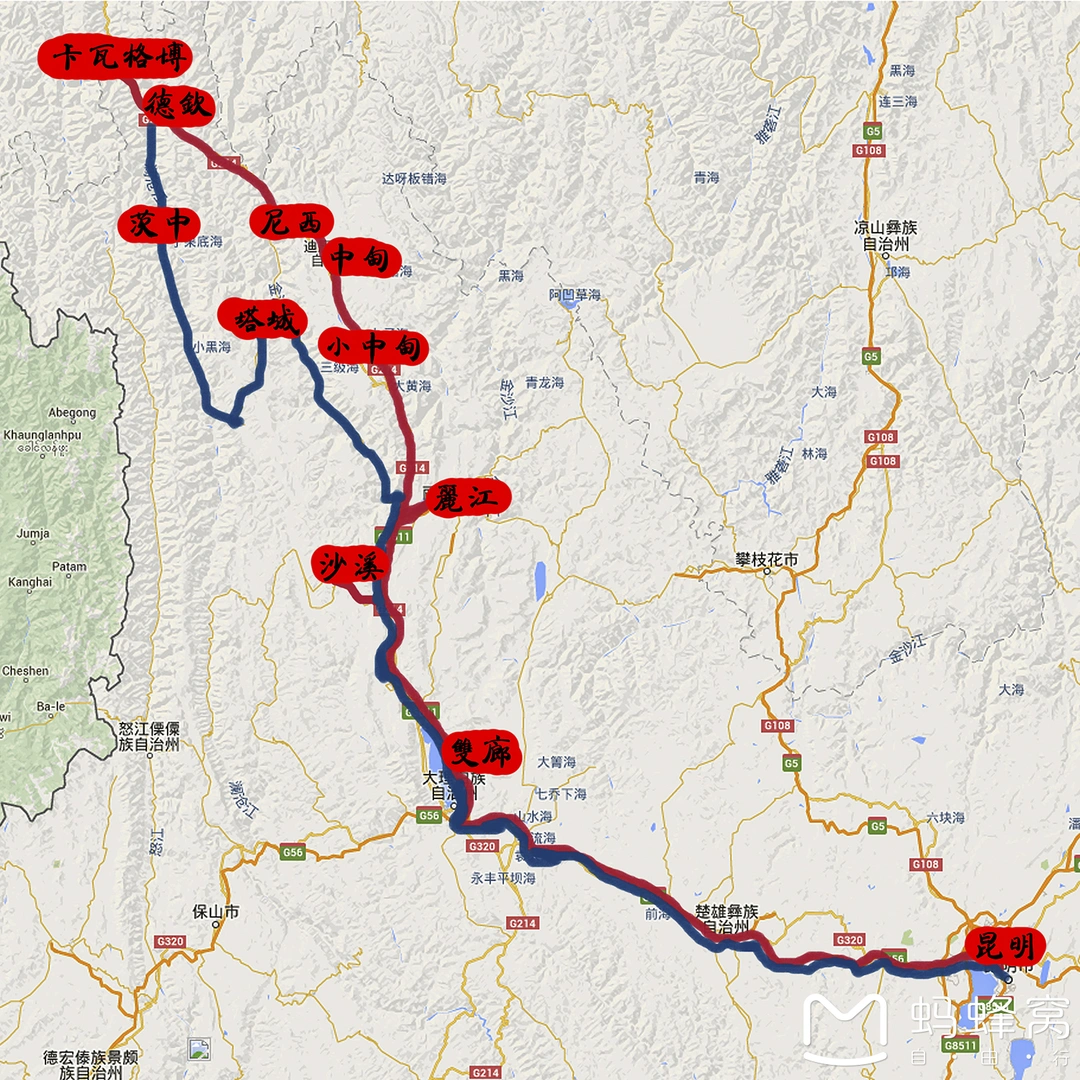
This article is not a travelogue, but an interweaving of three journeys. The first belongs to Xiaoqiang and me; the second is my trip to Shangri-La with Kongkong; the third is Xiaoqiang's solo pilgrimage around Meili Snow Mountain. I have layered these moments together like pieces of a puzzle—every landscape, every person, all telling the same answer: paradise is not far away; it lives inside your heart.
The Ebb and Flow of Erhai, Years Like a Song — Dali
Yunnan in May is the season of jacaranda.
The summer heat has not yet descended upon Dali, and spring lingers reluctantly. Mist wraps around the peaks of Cangshan like silk scarves left behind by immortals; in the rice paddies beside Erhai Lake, Bai women bend to their work, their backs forming gentle arcs under the sunlight. The old banyan trees in Xizhou are sprouting fresh green, warm breezes in Shuanglang lap against the waves, and tourists zip along the lakeside road on electric scooters—this is Dali at its most tender time of year.
Almost every year, Xiaoqiang and I drive west from Chengdu, heading straight for Dali. We have an inexplicable attachment to Erhai Lake. Year after year, watching its water levels rise and fall, witnessing the changes in its villages, we have gradually become "half-locals."
The West Lakeside Road: A Race with the Wind
Starting from Dali Old Town and circling Erhai Lake clockwise, the total distance is about 120 kilometers. The most beautiful scenery is concentrated along the West Lakeside Road and the East Lakeside Road.
The West Lakeside Road begins at Xiaguan and ends at Jiangwei, stretching about 50 kilometers. It's a two-lane road with a speed limit of 40 km/h—just the right pace, giving you enough time to soak in everything along the way. This road is not a scenic highway; it's a road of humanity. The Bai folk houses, pastoral landscapes, and simple local customs along the route unfold like a scroll painting.
If you're driving, remember to park where you won't block traffic, then get out and feel the wind off Erhai. There are many bicycles and scooters here, as well as pedestrians, so drive slowly and yield the right of way.
A Little Tip: Last May, our car broke down near Xizhou. As dusk fell and pedestrians grew scarce, we panicked. Later, we called our innkeeper, and he immediately connected us with a repair shop. So, if you run into car trouble on the West or East Lakeside Road, don't panic—ask your innkeeper for help. They usually have regular mechanics they work with. There are many repair shops along the Dali Road (Dali Highway) west of the lake, and plenty near the Old Town and Xizhou. Changing a tire or jump-starting a battery takes just a few dozen minutes. For more serious issues, head to a large repair shop or dealership in Xiaguan city center.
Xizhou: A Miracle Carved by Time
About an hour's drive from Dali Old Town along the West Lakeside Road, an ancient gate tower appears by the roadside, along with rows of stately mansions with high walls and grand courtyards. This is Xizhou Ancient Town.

The writer Lao She once noted in his Brief Travel Notes of Yunnan: "Xizhou Town is a miracle. I cannot recall having seen such a dignified market town anywhere in the remote corners of the country." He wasn't exaggerating.
Xizhou is one of the birthplaces of Bai culture and a famous hometown of overseas Chinese in Yunnan. The town preserves hundreds of Bai folk houses from the Ming Dynasty, Qing Dynasty, and Republican era, with layouts featuring "three rooms and one screen wall" and "four courtyards and five skywells." The structures are made of wood, brick, and stone, with intricately carved doors and windows. Marble archways tower overhead, housing shops, a library, a police station, and ancestral halls built by returned overseas Chinese—ornate, gilded, and magnificent.
I first came to Xizhou the year I graduated from university. Back then, it wasn't very famous; the streets were quiet, and sunlight lazily spilled onto the cobblestones. I fell in love with it instantly, feeling it was the most characterful ancient town I had ever seen in Dali.
Not far from Xizhou, outside Haitong Park (Tongue of the Sea Park), stand two intertwined banyan trees that look like something out of a dream. The peninsula that juts into Erhai Lake keeps the clamor of the world at bay. When I visited in 2014, Haitong was still a neglected grove; now it charges an entrance fee, but that sense of tranquility remains.
Zhoucheng: Bai Memories in Tie-Dye
Five kilometers north of Xizhou lies a place called Zhoucheng. This is the tie-dye capital of Dali.
Tie-dye is a folk craft of the Bai people in Zhoucheng that dates back to the late Ming and early Qing dynasties. The cloth is hand-stitched and tied with thread, then repeatedly cold-dyed. In Zhoucheng, everyone from young children to the elderly knows how to tie-dye.
According to a local friend named Jinzi, the people of Zhoucheng consider tie-dye a part of their lives. When those blue-and-white fabrics are hung out to dry in the courtyards, fluttering in the wind, they look like fragments fallen from the sky.
The East Lakeside Road: A Symphony of Cliffs and Waves
Driving counterclockwise from Dali Airport, the terrain along the East Lakeside Road is much higher than the west side. Below the cliffs, cactus flowers bloom in vivid colors.
The eastern shore of the lake is mostly steep mountains and cliffs. The villages here were once very poor, relying mainly on fishing for survival. Today, tourism has transformed the area.
Leaving Haidong Town and driving along the East Lakeside Road for about ten minutes, you'll see large iron fishing boats piled up by the roadside—a unique sight in itself. During the fishing ban, the fishermen take it easy, and the cormorants are out of work, earning their keep by posing for photos with tourists.
Near Wase Town, there's a patch of forest that extends into the water. Drive your car into the grove, open the door, and you'll find waves lapping at the shore. There are more places to get into the water on the east side than the west, and in summer, everyone loves to jump straight into Erhai for a swim.
For a photographer, both sunshine and rain in Dali are blessings. Sunny days bring light and shadow; rainy days bring layers of clouds. Three hundred and sixty-five different expressions piece together the full cycle of seasons.
Shuanglang: Dreams and Reality of an Ideal Land

When I was in college, I first visited Shuanglang. Back then, it was still a small fishing village, famous because of Yang Liping (the renowned dancer). Now, it has become a tourist mecca, with artists and visitors flocking in.
The march of capital has not stopped. Walking through the streets of Shuanglang, the sound of electric saws and grinding machines is incessant. I couldn't help but wonder: will even the most beautiful ancient town eventually succumb to development and pollution? Behind the浮躁 (restlessness) and noise, will the dream of an ideal land shatter?
The People We Met in Dali
Jinzi, a young man from Tianjin, appeared before us holding a cold sparkler, grinning like a child. I said he was like Doraemon—he could pull anything out of his pocket. During the ten-plus days we spent shooting wedding photos in Dali, we stayed at his little villa. It had three bedrooms and a living room, with its own parking lot, kitchen, and washing machine—not strictly a hotel or inn, but more like a "home."
Jinzi's entire family had moved to Dali. He said, "How can the air in Tianjin compare to Dali? This blue sky, white clouds, green mountains, and clear waters—this is where people should live." He had a lively three-year-old daughter at home; after giving birth, his wife went back to graduate school. Every day, he sweated it out on the basketball court, then came home to drink cold beer and chat with us about life.
Jinzi said he wanted to rent another property to run as a guesthouse and asked for our advice. Between wedding shoots, he drove us to the Songgui Town flea market to hunt for treasures, planning new renovation ideas while bargaining with locals in fluent Mandarin, emphasizing, "Hey, I've been living in Xizhou for years—I'm practically a local!"
Another local friend we got to know is "Brother Tianxia," who used to be a manager at an inn in Taoyuan Village. This April, when I told him we were coming to Dali, he said, "My own inn by Erhai Lake has already started renovations!" Although I was a bit disappointed that I wouldn't get to eat his home-style rice noodles and饵丝 (a type of rice noodle dish) for breakfast, I sincerely wished his inn a smooth renovation.
Two guys born after 1985—one from Tianjin, one native to Dali. They are shaping their own "utopia" with their own hands. Foreign culture and local culture blend here, creating friction but also fusion. They witness Dali's yesterday and today, and they are quietly shaping Dali's tomorrow.
Shaxi Ancient Town: A Lost Dream
People are always torn between gain and loss. About love, friendship, family, and the time that has slipped away. Those who cling to the past hear too many beautiful stories about a place, so they set out in person, searching for a lost dream, getting drunk in a foreign land.
Shaxi Ancient Town is exactly that kind of place.
It's not as lively as Dali, nor as commercialized as Lijiang. It lies there quietly, like an old man who has weathered countless storms, waiting for those with the heart to find him.
The cobblestone paths wind into hidden corners, and the fragrant aroma of crispy ba su baba (a flaky, layered flatbread) makes your mouth water. Amid the broken walls and ruins, you can still feel the profound weight of a people's heritage, a kind of grace and grandeur forged through the trials of wind and rain.
Xiaozhongdian: A Paradise in the Sea of Flowers
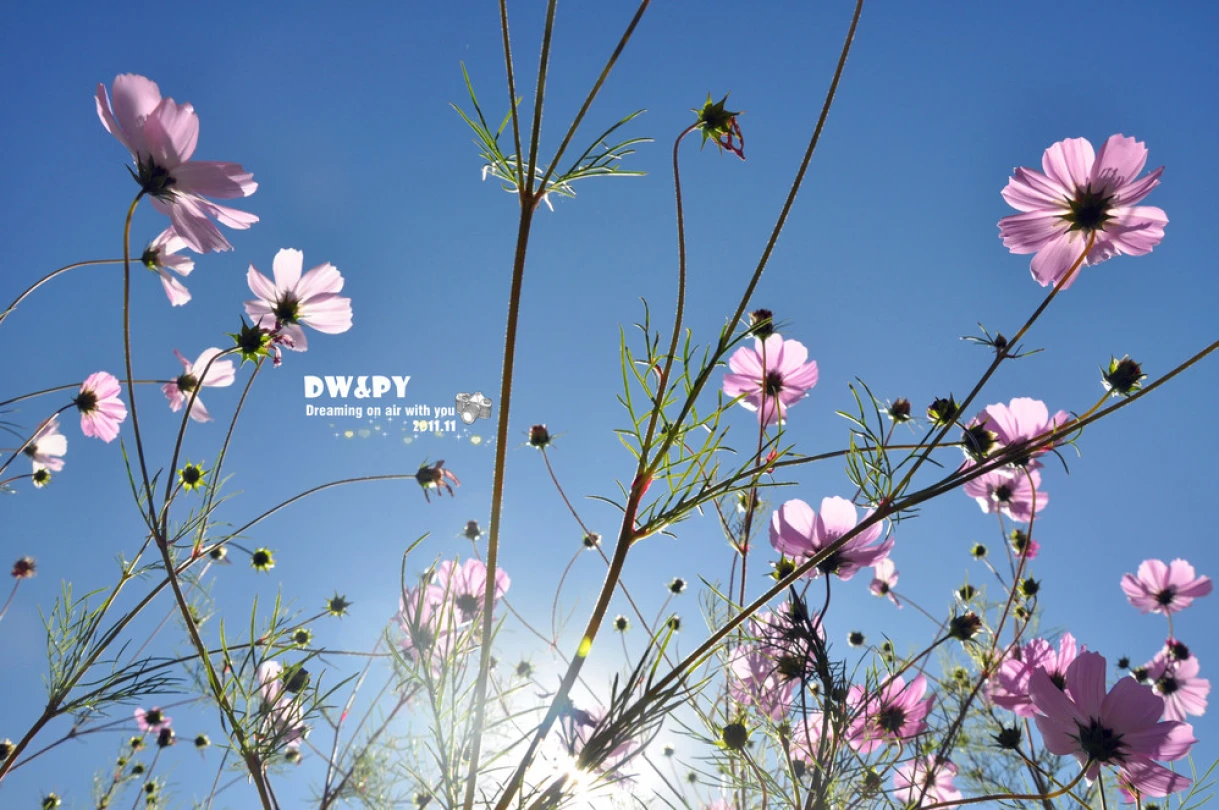
Wandering through a sea of flowers,置身 (placing yourself) in a paradise. Young traveler, please stop and take it in.
Xiaozhongdian is the "prelude" to Shangri-La. As you drive through here, you'll see vast expanses of wildflowers blooming freely under the highland sun. In that moment, you'll understand what it means when we say, "Where the heart finds peace, there is paradise."
Zhongdian: A Highland Bathed in Buddha's Light
That day, I closed my eyes in the incense-filled temple hall, and suddenly heard the truth in your chanting. That month, I spun all the prayer wheels, not for salvation, but to touch your fingertips. That year, I prostrated myself along the mountain paths, not for an audience, but to feel your warmth. That lifetime, I circled mountains, rivers, and pagodas, not for a better rebirth, but to meet you on the way.
— Zhongdian
Dukezong Ancient Town, Songzanlin Monastery—these names alone bring peace to the heart. On this highland at 3,300 meters above sea level, Buddha's light shines everywhere; paradise is just a few steps away.
Nixi: A Thousand-Year Pact Between Clay and Fire
Born from clay and fire, refined between wooden boards and water. Passing through the fingertips of artisans, the earthenware of Nixi has traversed a thousand years, carrying on a classic tradition.
Nixi is a small town in Shangri-La, famous for its pottery. The ceramics here are made using the most primitive methods, yet they possess the most质朴 (unadorned) beauty.
Deqin: The Blessing of Kawagebo

Under the night sky, prayer flags carry the devout wishes of pilgrims to the gods. Kawagebo—the main peak of Meili Snow Mountain—offers silent blessings to those who trek through forests and snowfields.
In Deqin, you will feel what true reverence means. Facing that sacred mountain, all words seem pale and inadequate.
Yubeng: A Glimpse of Heaven
"This place makes me believe that heaven really does exist on earth."
Yubeng is a village at the foot of Meili Snow Mountain. There is no road; you can only reach it on foot or by horse. Because of this, it has preserved its most原始 (pristine) beauty.
Cizhong: Drunk on Rose Honey
Next time, I must sit with Xiaoqiang in the courtyard of Cizhong Church, drinking the locally produced "Rose Honey" wine, and get blissfully drunk!
Cizhong is a small town in Shangri-La, famous for its church and its wine. The "Rose Honey" wine here has a unique aroma that lingers on the palate.
Damo Patriarch Cave: Gazing from a Precipice Ten Thousand Feet High

"Gazing from a precipice ten thousand feet high, the ancient temple soars into the clouds."
Damo Patriarch Cave is built into a cliff face, with an awe-inspiring presence. Standing here, you will truly feel the meaning of "Where the heart finds peace, there is paradise."
Lijiang: The Watcher in the Wheat Field
The true paradise is in the heart. Let me be a watcher in the wheat field!
Lijiang—a place praised by countless people and criticized by just as many—still holds its unique charm. As long as you seek with your heart, you can always find your own patch of paradise.
In Closing
Three journeys, countless moments. From Dali to Shangri-La, from Erhai Lake to Meili Snow Mountain, from Xizhou to Yubeng—every landscape, every person, all诠释 (interpret) the meaning of "Shangri-La."
Paradise is not far away. It resides within each of us, waiting to be discovered.
When you feel tired, lost, or at a loss, stop for a moment, close your eyes, and seek the "Shangri-La" within your heart. It might be by the shores of Erhai Lake in Dali, beneath the snows of Meili, or right here, in the air you are breathing right now.
Where the heart finds peace, there is paradise. May we all find our own piece of it.
You should also read:
Heart Soaring Among the Clouds: A 20-Day Yunnan Dream Journey
Heart Soaring Among the Clouds: A 20-Day Yunnan Dream Journey From Lijiang's morning light to Meili's snow-capped peaks, from Yubeng's hidden realm to Lugu Lake's tranquility—this was not just a simple trip, but a soul's exile and homecoming. "Never forget why you started, and you…
Continue reading...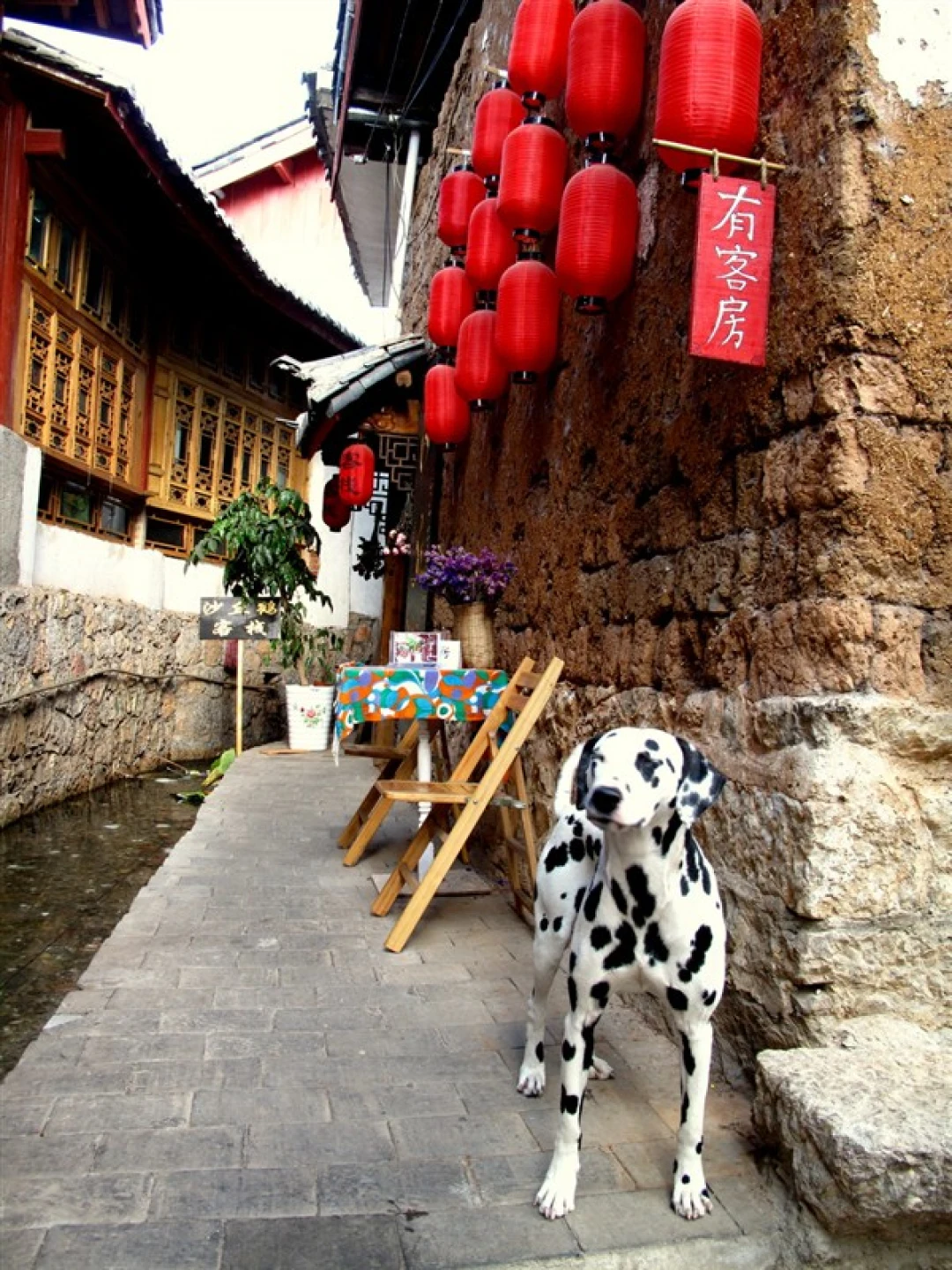
Yunnan Travel Mastery: From Beginner to Pro-Level Player – A Complete Guide
Yunnan Travel Mastery: From Beginner to Pro-Level Player – A Complete Guide "Either travel or read, but your body and soul must be on the road." This quote has been repeated countless times, but very few people truly manage to be "on the road" and…
Continue reading...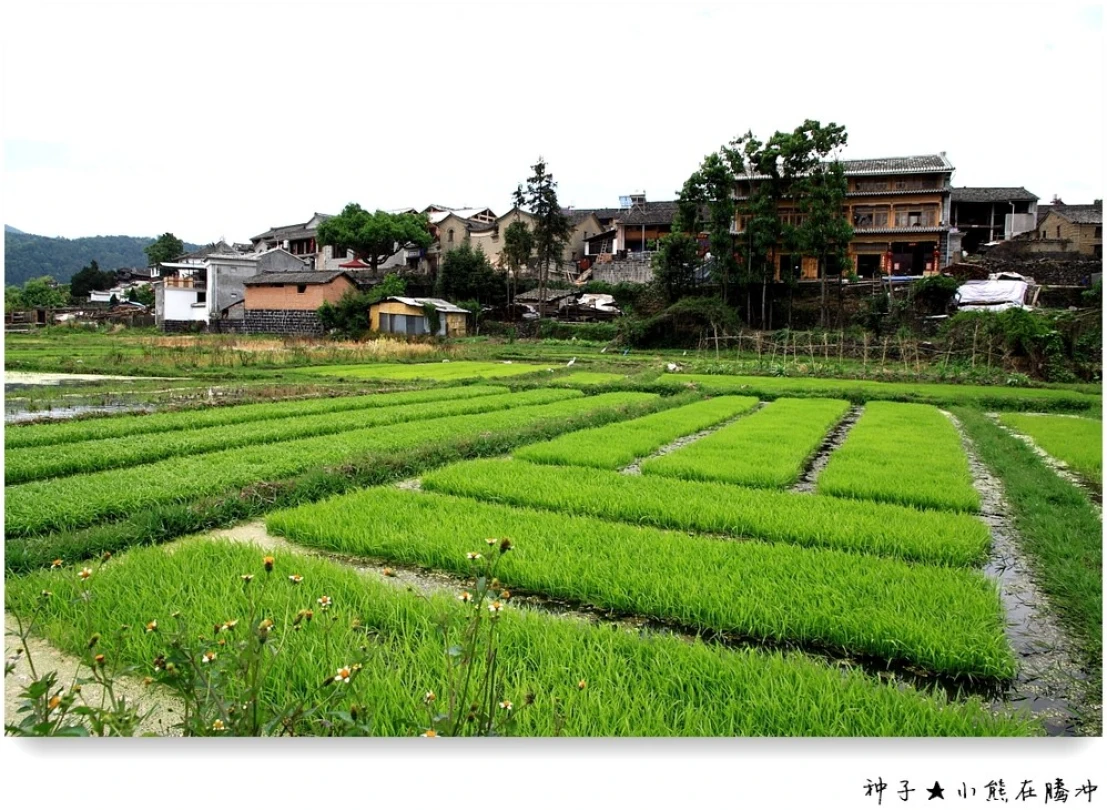
Tengchong·Heshun: Finding Life as It Should Be in a Border Town Where Time Stands Still
Tengchong·Heshun: Finding Life as It Should Be in a Border Town Where Time Stands Still The long journey of over twenty days was over. On my first day back at the office, I was still in a daze. My fingers couldn't find the keys on…
Continue reading...