Wherever Family Is, There the New Year Begins: Celebrating Spring Festival 2025 on the Road in Yunnan
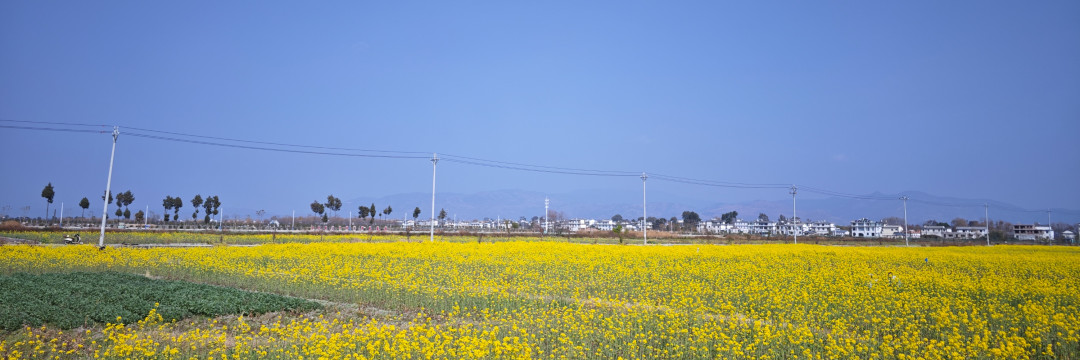
Wherever Family Is, There the New Year Begins: Celebrating Spring Festival 2025 on the Road in Yunnan
For Chinese people, Spring Festival has never been just a holiday. It's a migration driven by a sense of belonging, a ritual etched into the bone. But for the 2025 Spring Festival, we chose a different path—packing "home" into our suitcases and taking "the New Year" onto the open road.
Starting from Chengdu, we drove south, crossing the border between Sichuan and Yunnan. Over eight days, we passed through Yibin, Zhaotong, Kunming, Dali, Panzhihua, Dechang, and finally returned to Chengdu. This wasn't a spontaneous trip; it was a carefully planned "family mobile reunion feast." Without the relentless "soul-searching questions" from nosy relatives, and with mountains, rivers, and lakes as our companions, we discovered something simple yet profound: wherever your family is, there the New Year begins.
Why Choose to "Travel for the New Year"?
In 2024, we tried spending Spring Festival away from home for the first time. Honestly, it felt surprisingly great. But because it was a last-minute decision with poor preparation, we had some regrets. So in 2025, we decided to do it more deliberately.
What does a traditional Spring Festival look like? From the moment you return home, it's eating, drinking, playing cards, and being grilled by relatives: "How's work?" "How much did you earn?" "How are the kids doing in school?" This year, we decided to change things up—bring the family along, and wherever we went, that's where the reunion dinner table would be. Without those headache-inducing "three annual questions," we had more time that truly belonged to us as a family.
We originally planned a 10-day itinerary, but by the second half, everyone was exhausted—too tired to keep going. So we headed home two days early. But even those eight days brought us more surprises than we ever imagined.
Day 1: Yibin — An Underrated Treasure City
Lizhuang Ancient Town: Morning Tranquility All to Ourselves
We chose Yibin as our first stop for a simple reason: it sits right between Chengdu and Kunming, and none of us had ever been there. More importantly, by spending two days in Yibin before the expressway tolls were waived, we could save a significant amount on tolls heading to Kunming later.
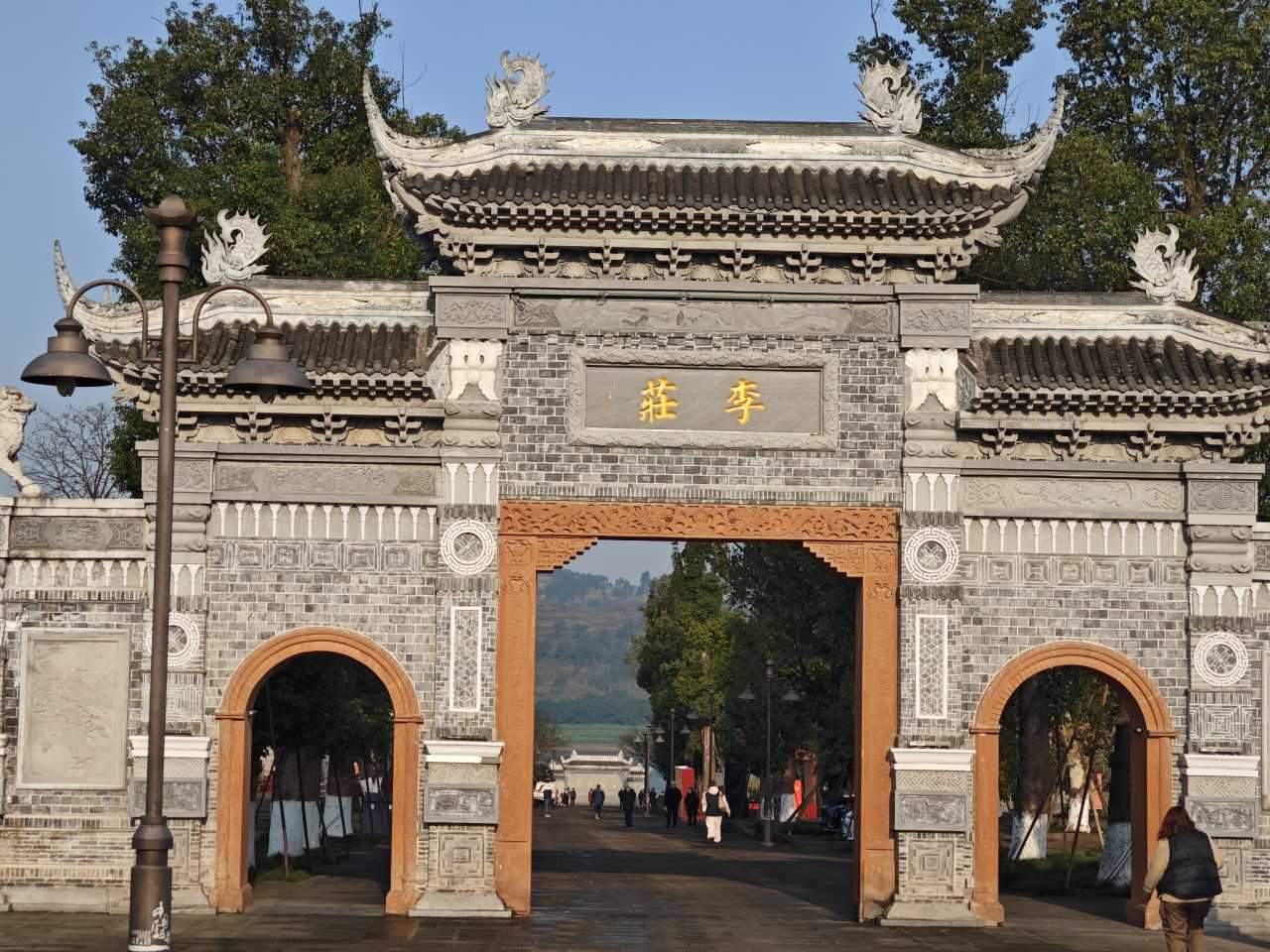
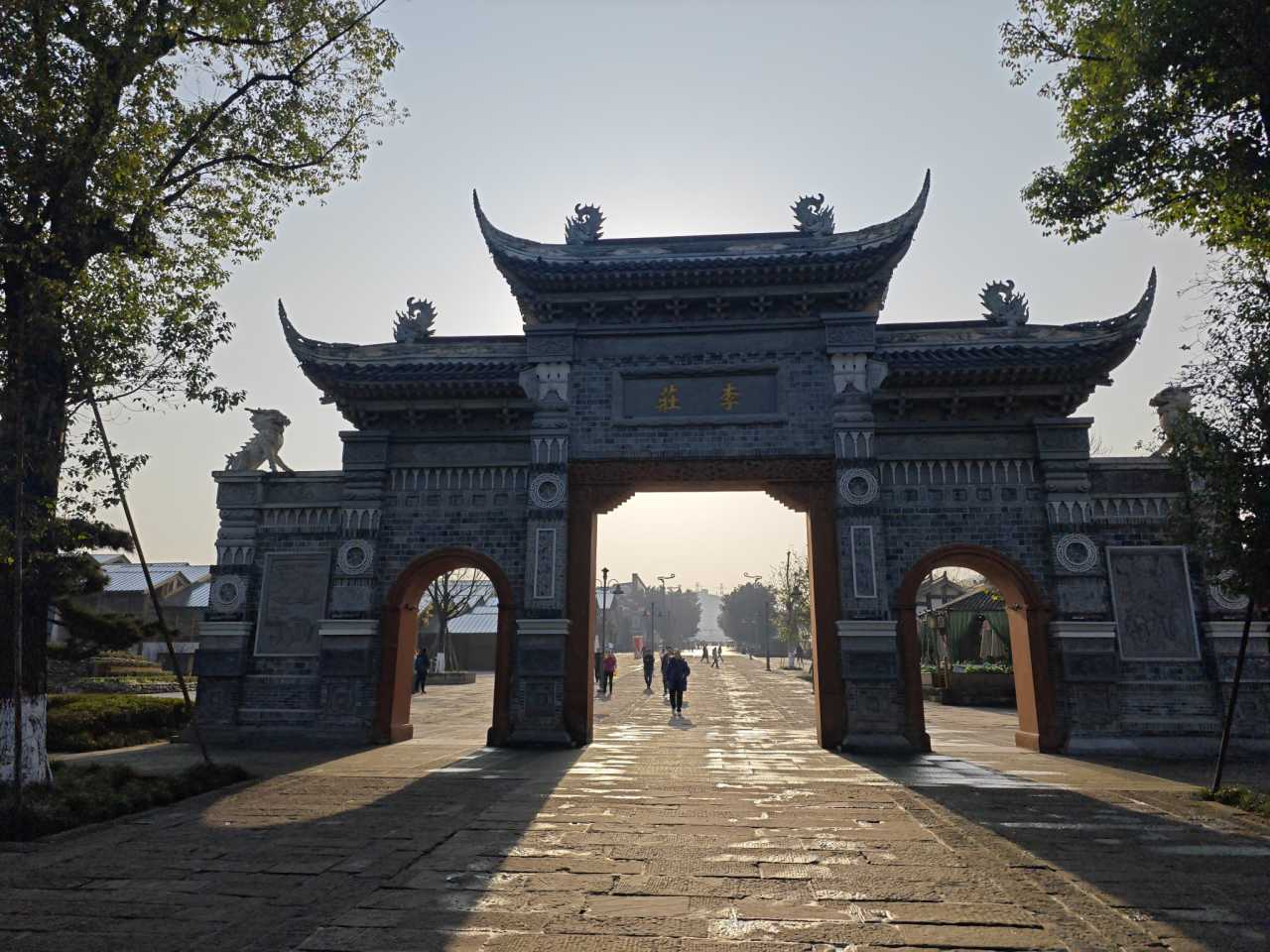
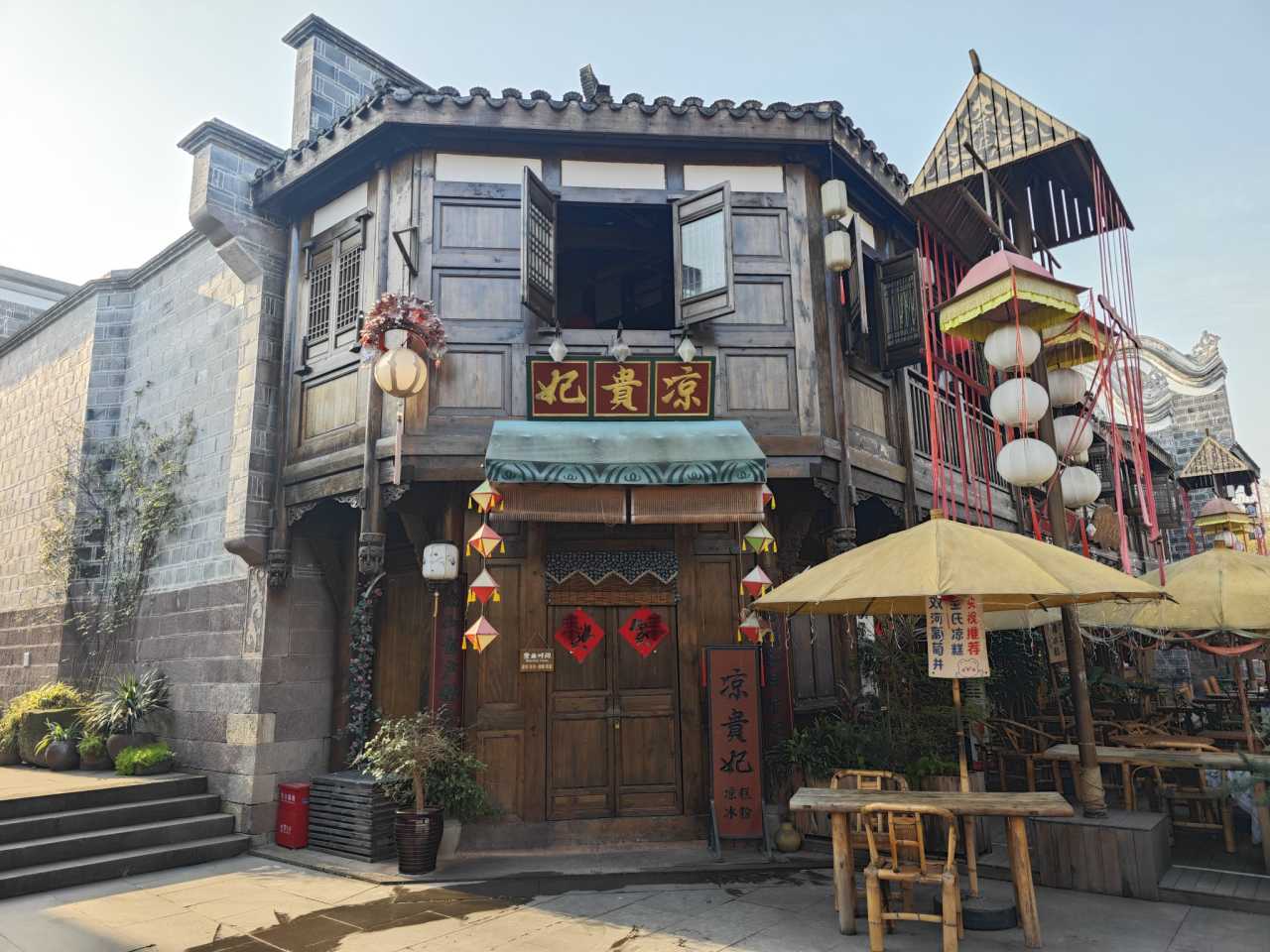
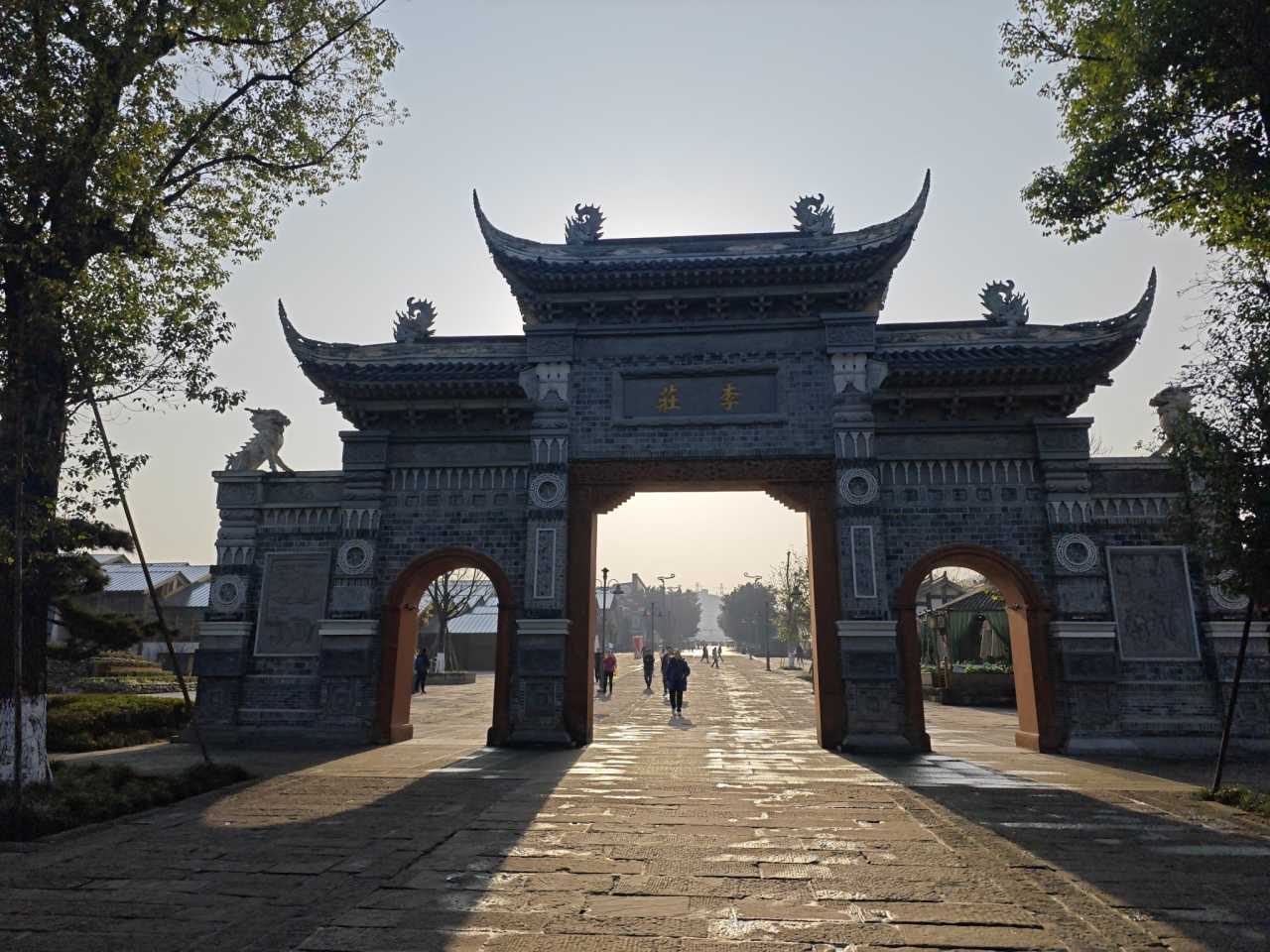
Because we were traveling off-peak, there were almost no tourists when we arrived at Lizhuang. The ancient town's stone paths, polished smooth by centuries of footsteps, seemed to echo with history. The architecture here blends the gentle elegance of Jiangnan water towns with the boldness of southern Sichuan—a collision of styles that creates a unique beauty.

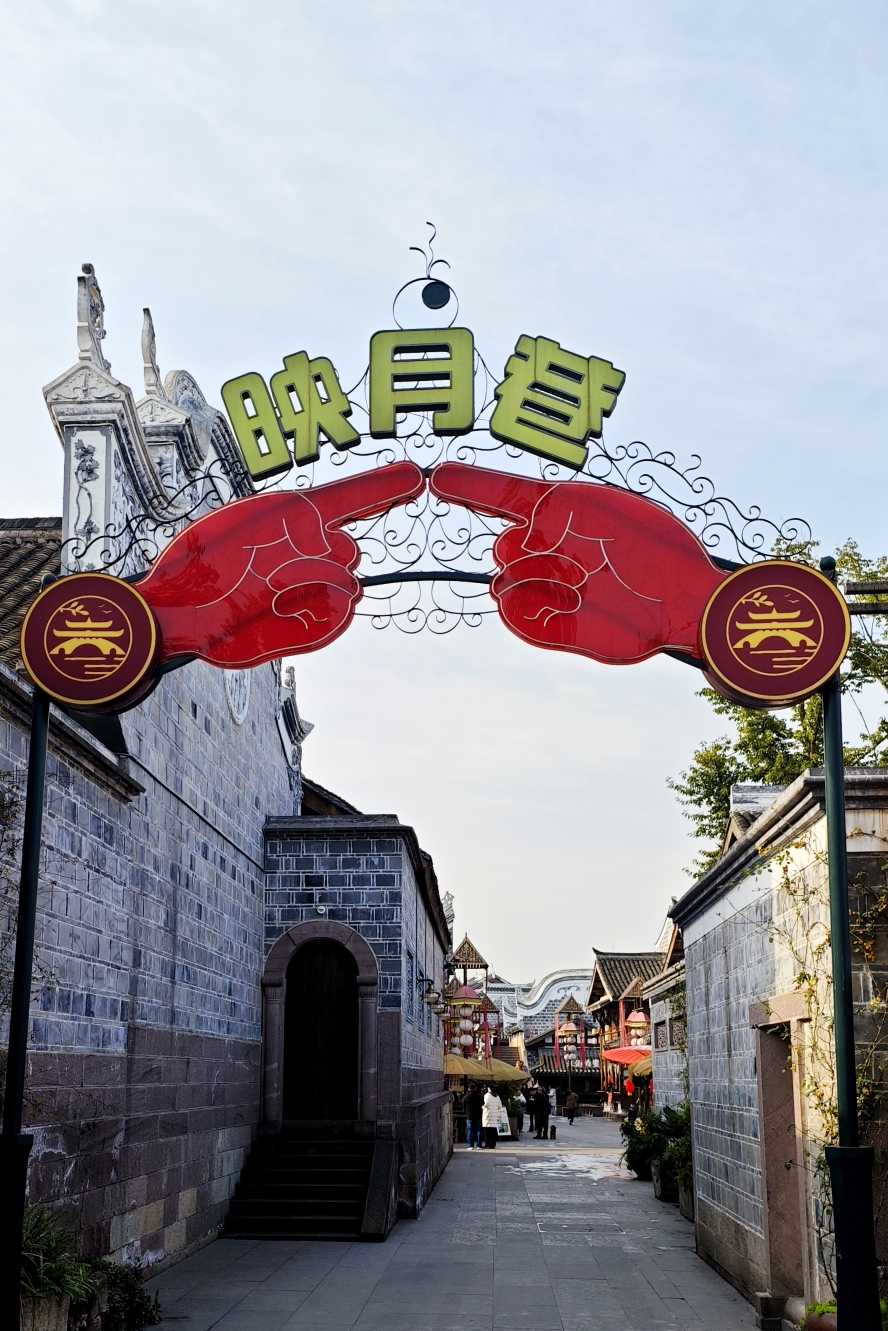
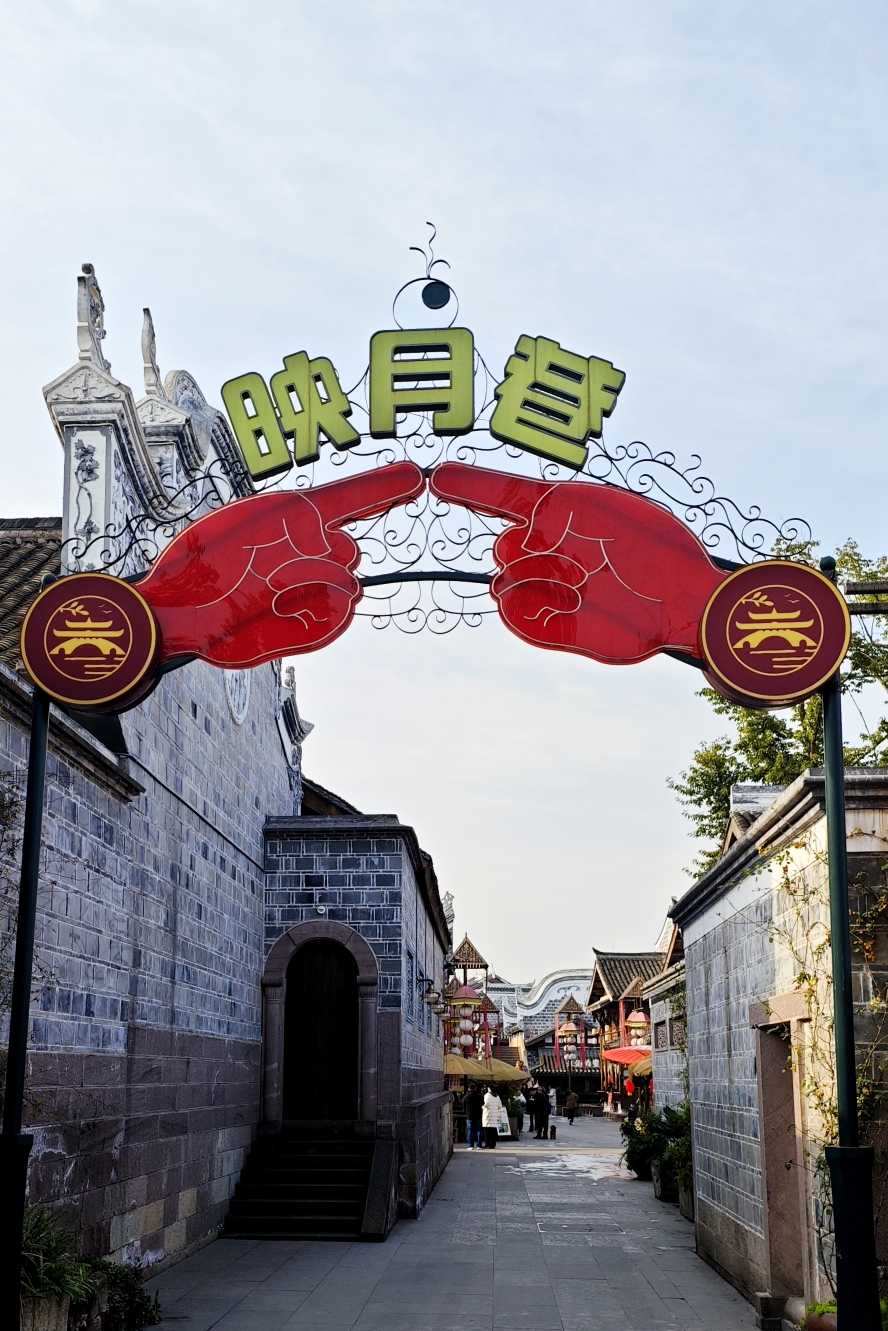
Yingyue Alley is a photographer's dream. Morning sunlight spilled through the lane, casting dramatic shadows—every shot looked like a masterpiece. Yang Street was once home to cultural luminaries during the War of Resistance against Japan, including Li Ji, the father of Chinese archaeology. Today, the street still retains a rich sense of everyday life, as if the warmth of those turbulent years lingers in the air.
The Former Site of Tongji University's Engineering College (Dongyue Temple) is another place that stirs reflection. During the war, Tongji University relocated to Lizhuang, and Dongyue Temple was converted into classrooms for the engineering faculty. Looking at those yellowed calculus and algebra textbooks, I couldn't help but wonder: how many people today could still understand them?
Huiguang Temple (originally Yuwang Palace) served as the temporary headquarters of Tongji University. In 1942, the university held its 35th-anniversary celebration here, co-producing Cao Yu's plays Thunderstorm and Sunrise with the Jiang'an National Drama Academy. Such a small ancient town, yet it carries so much weighty history.
Of course, no visit to Lizhuang is complete without Lizhuang Sliced Pork (Lizhuang Bai Rou) . This dish dates back to the Qing Dynasty and was originally called "garlic-mud foot-wrapping meat." Scholars at the Central Research Institute thought the name was too vulgar, so it was renamed "Lizhuang knife-sliced garlic-mud white meat." It uses pork from the hindquarters—firm muscle—boiled, sliced paper-thin, and served with a sweet, sour, and spicy garlic-mud dipping sauce. I could easily down three slices in one go. The best part? It's incredibly affordable.
Wuliangye Industrial Park: An Underrated "Giant Park"
Leaving the ancient town, we headed to the Wuliangye Ecological Park. I thought it was just a park, so we didn't drive—big mistake. The park is enormous, and we walked until our legs gave out. Tip: drive there if you can.
The Wuliangye Liquor Culture Museum is a must-visit. The entrance is shaped like a giant liquor bottle, and inside, displays showcase Wuliangye logos, bottles, and certificates of honor from various eras. The packaging for the first-generation Wuliangye looks simple and plain, but it carries decades of history.
Walking through the brewing workshops, we were drenched in the smell of fermented grains. There was some alcohol aroma, but it was far from the fragrant liquor we know—that requires distillation and blending. When we passed the blending workshop, the scent was intoxicating. I was half-afraid that if a cop smelled us, we'd be mistaken for drunk drivers.
After a half-hour walk, we finally saw the iconic "giant liquor bottle" building. A line from the band Yiyi's song Barbecue popped into my head: "Drink, damn it, I can't drink anymore."
Heping Street Rán Miàn (Spicy Noodles): Hidden Gem in an Alley
That evening, we ate at Heping Street Rán Miàn (Peace Street Spicy Noodles) . The shop was tucked away in a small alley—a classic "fly restaurant" with no proper sign. But the taste? Absolutely worthy of the title "the pinnacle of spicy noodles." The perfect combination of pickled mustard greens, chili, and noodles had me, a noodle lover, completely hooked. If you can't handle spice, order the mild version and add your own chili—the heat here will give you "double" the pleasure.
Day 2: Shunan Bamboo Sea — An Exclusive New Year's Eve Memory
Baishou Terrace and Emerald Corridor
Early the next morning, we headed to the Shunan Bamboo Sea (Southern Sichuan Bamboo Sea) . Since it was New Year's Eve, the park was nearly empty—practically our private domain. The entrance fee was 100 RMB per person (half price for seniors and children), and most attractions inside were free. As long as you didn't leave, you could stay as long as you wanted.
Baishou Terrace (Longevity Worshipping Terrace) offers a stunning panoramic view, but it's often shrouded in clouds and mist, making it rare to see the distant scenery clearly. We tried the bamboo-tube milk tea—the milk tea was just milk tea, but we took the bamboo tube home, haha.
Emerald Corridor is the path leading to the sightseeing cable car. Along the way, we were lured by a vendor offering a ride on the Grand Canyon Cable Car for 30 RMB per person, including transport and the cable car ticket. It wasn't expensive, but if you're driving, you could just go there yourself. Still, we managed to catch the last ride before the staff clocked out—they had the afternoon off for New Year's Eve.
The All-Bamboo Feast: A Surprise New Year's Eve Dinner
After the cable car, we continued along the Emerald Corridor and found a restaurant run by locals. We had to order the All-Bamboo Feast (Quan Zhu Yan) —even a scaled-down version was spectacular.
- Stir-fried bamboo fungus trio: bamboo fungus, bamboo fungus eggs, and bamboo placenta—three generations of bamboo, all eaten by us
- Winter bamboo shoots with cured pork: absolutely divine
- Dry-fried bamboo shoots: the freshness of bamboo shoots paired with the aroma of preserved mustard greens—perfect with rice
- Bamboo-tube rice: steamed with bits of cured pork, fragrant and irresistible
- Bamboo-tube tofu pudding: equally addictive with rice
Longyin Temple and Haizhonghai (Sea in the Bamboo Sea)
Longyin Temple (Dragon's Roar Temple) is surrounded by bamboo groves. When the wind blows, the bamboo waves rustle, sounding almost like a dragon's roar. Climbing the twin pagodas inside the temple, you can see the mountains of Changning County and the Yangtze River stretching into the distance—a truly magnificent view.
Haizhonghai (Sea in the Bamboo Sea) is where the movie Crouching Tiger, Hidden Dragon was filmed. Unfortunately, the staff had already left for the day, so we couldn't try the bamboo-top flying or row a boat on the lake. But just walking along the shore was peaceful enough.
Xianyu Cave-Tianbao Fortress-Echo Wall: How Awesome Is It to Have an Entire Scenic Spot to Yourself?
From Haizhonghai, we went to the Xianyu Cave Scenic Area (Immortal's Abode Cave) . On New Year's Eve, the entire place was deserted—our family had the whole spot to ourselves.
Xianyu Cave isn't actually a cave; it's a natural rock overhang. After the Song Dynasty, it became a religious site shared by Buddhists and Taoists. Inside, there are Ming Dynasty (Jiajing era) cliff carvings and a bas-relief of scenes from Journey to the West. Su Dongpo, the great poet, once inscribed a couplet here: "From the sky a hanging cliff emerges, stone openings exquisitely carved—I ask when the chaos was first split open; In the clouds I seek an ancient cave, incense smoke drifting—I watch the immortals fly in from beyond the sea."
Past Xianyu Cave is Tianbao Fortress (Heavenly Treasure Fortress) . Built in 1862 during the Xianfeng era of the Qing Dynasty, it was constructed by local officials to defend against the Taiping Army led by Shi Dakai. The fortress stretches 1,500 meters long, 20 meters high, and about 10 meters wide—mostly natural caves, with some sections carved by hand. Along the way, there are cliff carvings of the Thirty-Six Stratagems of Ancient Military Wisdom. One relief, "Muddy the Waters to Catch Fish," felt particularly fitting—who doesn't want to "catch fish" (slack off) nowadays?
Echo Wall (Huiyin Bi) was where we had the most fun. With no other tourists around, our family shouted and laughed to our hearts' content. The cliff face opposite the wall is smooth and at just the right distance—you could hear your own voice and the echo perfectly, creating a wonderful acoustic effect.
Continuing on, we reached Fairy Lake (Xiannü Hu) just as dusk fell. The small forest around the lake was eerily quiet. We gritted our teeth and walked around the lake, finally finding the exit. Luckily, some locals were still open for business, so we had a hot New Year's Eve dinner and headed back to the hotel to rest.
Bamboo Sea Museum: One Last Look Before Leaving
The next morning, we visited the Bamboo Sea Museum (Zhuhai Bowuguan) , then left the scenic area, refueled, and set off for Kunming.
Summary of Yibin: affordable prices—even inside the scenic spots, costs weren't inflated. Great options for fun and food. Worth a return visit.
Day 3: Experiencing Four Seasons in One Day
From the Shunan Bamboo Sea, we drove through Zhaotong, Bijie, Liupanshui, and Xuanwei, arriving in Kunming after more than eight hours.
Before we left, we saw news that Kunming had snow—we hesitated about whether to continue. But the weather improved during the drive, so we stuck to the plan. Passing through the Zhaotong section, there was indeed snow on the roadside, but the road surface was dry with no black ice.
We arrived in Kunming in the evening. My wife said she wanted the most authentic cross-bridge rice noodles (guoqiao mixian). A friend recommended "Shangzuo," but it was closed. Then we found "Yunxian Lou"—we called to confirm it was open, drove there, and found it was "sold out." My wife's mood tanked. The nearby "Jianxin Yuan" had a long line, and we didn't have the patience to queue. Finally, we settled on "Pang Da Wan Xiao Guo Mixian" (Big Bowl Small Pot Rice Noodles)—at least small-pot rice noodles are a local specialty.
After eating, we strolled through the pedestrian street, had some extravagant takoyaki and durian pancakes, and barely managed to revive our spirits. Still, my wife grumbled the whole way.
Day 4: First Impressions of Kunming
Dounan Flower Market: A Paradise of Blooms
Early the next morning, we visited the Dounan Flower Market (Dounan Huashi) . Kunming's得天独厚 (favorable) climate means this market supplies most of China's flowers.
Inside, oddly shaped pumpkins were being sold as ornamental plants, and there were small potted plants that would sprout "hair" on top if you watered them. The second floor was a sea of succulents, along with stalls selling local specialties and handicrafts. Tip: ask around for prices and haggle.
Mushroom Hot Pot: The "Poison-Testing" Feast
At noon, we found a stone-pot fish and mushroom hot pot restaurant near the market. Even though it wasn't the season for wild mushrooms, we could still get basic varieties. The mushrooms were frozen into blocks, some looking already cooked.
The waiter was very professional: they didn't give us chopsticks until the pot had boiled for at least 20 minutes, and before we started eating, they took a sample and recorded our phone numbers. Truly a "poison-testing" feast—professional! Overall, the mushroom pot was decent, but for someone from Chengdu, the flavor was a bit too mild.
Dounan Wetland Park: The Right Way to Feed Seagulls
In the afternoon, we went to the Haigeng Park on Dianchi Lake, but it was too crowded. So we switched to Dounan Wetland Park (Dounan Shidi Gongyuan) , and it turned out to be stunning.
The mangrove trees were incredibly photogenic, and the seagulls were completely unafraid of people. As long as you had food, they'd come to you. I recommend buying bread in advance—vendors nearby sell it, but it's expensive. You can toss food up into the air or hold it in your hand for them to eat. Try calling out to them before tossing—they'll come when they hear you.
The wind and waves at Dianchi Lake were strong. Be careful when taking photos or feeding the seagulls near the water—don't lean on the railings.
Day 5: Yuanmou Earth Forest — Homes of Alien Immigrants
This day was mostly spent on the road, with only one sightseeing stop: Yuanmou Earth Forest (Yuanmou Tulin) .
The Yuanmou Earth Forest is a unique landform formed by long-term water erosion, one of the three major natural wonders alongside the Stone Forest. I finally understood why the "Yuanmou Man" fossils discovered here were named after the place—I'd always wondered.
These earth pillars look like they could collapse at any moment, but they're actually quite stable. They resemble the rammed earth used in rural construction—surprisingly solid. The pillars have layered structures, with some layers containing sand, mud, and gelatinous materials that, under rain erosion, form a cement-like outer shell.
The Yuanmou Man Cave was a key stop. I seriously suspect this was either where these ancient people built their homes, or it's evidence of alien activity—maybe the Yuanmou people were aliens?
Day 6: Dali and Xizhou — Tranquility After Prosperity
Worried that Dali's ancient town would be too crowded, we chose to stay in a guesthouse near Xizhou Ancient Town (Xizhou Guzhen) .
There's an old saying: "Poor Dali, rich Xizhou." But times have changed, and the former prosperity has quietly faded, leaving behind only grand mansions that showcase past glory.
Lord Yan's Second Son's Baocheng Mansion is now a guesthouse and restaurant. Lord Yan's Grand Courtyard (Yan Jia Da Yuan) can be visited with a ticket. Wandering through the halls and corridors, you can feel the elegance of a great family. The layout and furnishings are meticulously designed—I recommend following a guide's explanation before taking photos on your own.
The freshly made flower cakes (xianhua bing) were still warm. We each had two, and by the end, we felt like we didn't need lunch.
Final Thoughts: The Meaning of Travel
Eight days—not too long, not too short. We experienced the tranquility of an ancient town at dawn, the exclusivity of the bamboo sea on New Year's Eve, the wonder of four seasons in one day, the alien feel of the earth forest, and the rise and fall of Dali and Xizhou.
Along the way, there were constant "little accidents," but also constant surprises. We missed out on cross-bridge rice noodles but discovered small-pot rice noodles. We didn't catch the cable car, but we had an entire scenic spot to ourselves. We skipped the Stone Forest but stumbled upon the hidden gem of the earth forest.
The greatest meaning of traveling for the New Year isn't how far you go or how beautiful the scenery is—it's that with your family by your side, anywhere can be a reunion.
Without those headache-inducing "three annual questions," we had more time that truly belonged to us as a family. The shouting at Echo Wall, the all-bamboo feast in the bamboo sea, the laughter while feeding seagulls at Dianchi Lake—these moments are what the New Year should be about.
For the 2025 Spring Festival, we carried "home" on the road and celebrated "the New Year" on the move. Next year, we'll do it again.
Practical Tips:
- Travel off-peak: Leave early or return late to avoid crowds and enjoy quieter attractions with lower costs.
- Drive if possible: Scenic spots like the Shunan Bamboo Sea and Wuliangye Industrial Park are huge—driving is the best option.
- Book in advance: Call popular restaurants and hotels ahead of time to confirm hours and avoid the disappointment of "sold out."
- Seagull feeding tips: Buy bread in advance, toss it upward, and call out to them—they'll come.
- Safety first: Dianchi Lake has strong winds and waves—be careful. The earth forest is sturdy, but don't be reckless and climb.
Travel isn't about escaping life—it's about embracing life in a different way.
You should also read:
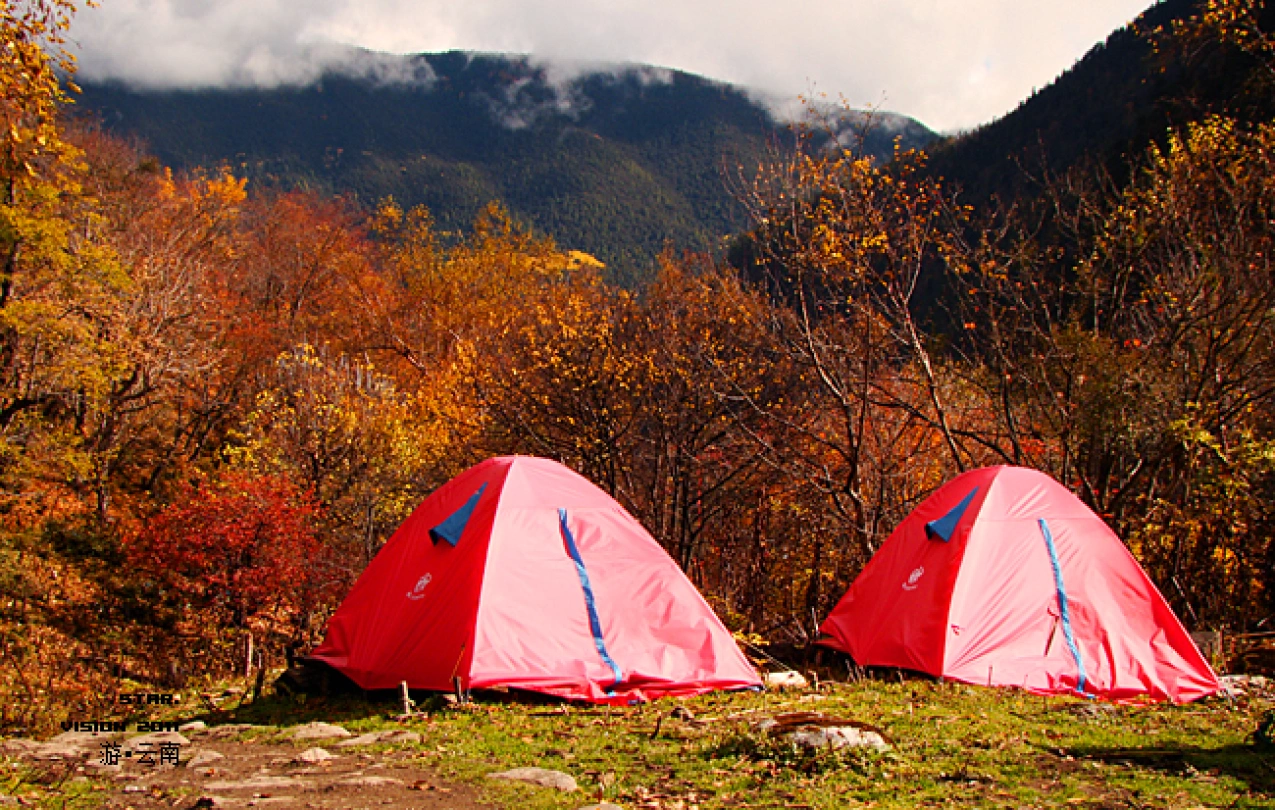
Yunnan! Paradise on Earth – The Yubeng Chapter: A Soul-Cleansing Journey into Seclusion
Yunnan! Paradise on Earth – The Yubeng Chapter: A Soul-Cleansing Journey into Seclusion Prologue: Why Yubeng? If you ask me which place in Yunnan is most worth hiking to, I would answer without hesitation: Yubeng. This is not an answer I give lightly. As a…
Continue reading...
Escaping Nanning, Falling Under Lijiang's Spell: Our Four-Person, Ten-Day Yunnan Dream
Escaping Nanning, Falling Under Lijiang's Spell: Our Four-Person, Ten-Day Yunnan Dream Before We Set Off: No Pain, No Obsession Have you ever had that impulse—suddenly tired of the office fluorescent lights, the crush of the subway, the endless parade of identical takeout boxes, and just…
Continue reading...
Solo in Yunnan: A Wanderer’s Guide to the Land of Eternal Spring
Solo in Yunnan: A Wanderer’s Guide to the Land of Eternal Spring There’s something magical about traveling alone. No compromises, no schedules to keep, no one to please but yourself. I’ve been on the road for nearly three months now, and not once have I…
Continue reading...