Winter Cherry Blossoms Like Sunset Clouds, Erhai Lake Like a Mirror: A Season-Crossing Road Trip Around Dali
Winter Cherry Blossoms Like Sunset Clouds, Erhai Lake Like a Mirror: A Season-Crossing Road Trip Around Dali
Preface: When Travel Touches the Heart Again
Have you also noticed that the more places you go, the fewer landscapes truly stir your soul?
Once, every trip was hard-earned. You saved up your annual leave, gritted your teeth and asked for time off, heading to a destination you'd dreamed of for ages. Back then, we'd stop for a wildflower, feel moved by a wisp of cooking smoke.
Now, we travel farther and more frequently. We've seen too many sights, collected too many stories, and our hearts have gradually grown numb.
In my memory, a few places made me leave with tears blurring my vision, and haunted my dreams long after I returned home: the ancient town of Fenghuang in 2007, the sea of clouds at Huangshan in 2009, the Zhaoxing Dong Village in 2011, Istanbul in 2012, the pagodas of Bagan in 2015, the roses of Kashan in 2017, and the Belgrade Fortress in 2018.
And at the end of 2020, in this extraordinary year, I finally encountered a place that made me rediscover the thrill of travel: Dali.
Wind, Flowers, Snow, and Moon: More Than Just a Legend
The wind of Dali isn't just the "Xiaguan Wind." It's the layers of ripples on the turquoise waves of Erhai Lake, the wings of flocks of circling seagulls.
The flowers of Dali aren't just the "Shangguan Flowers." They're the delicate blush of a winter cherry blossom tree outside a小巷 (alleyway) snack shop, the fairy-tale world of colorful succulents at the Jizhao Nunnery.

The snow of Dali isn't just the "Cangshan Snow." It's the bustling streets of the ancient town under the winter sun, the newborn green waves and spring tides in the rice fields of Xizhou.
The moon of Dali isn't just the "Erhai Moon." It's the pure, bright light shooting out from behind Cangshan Mountain under the night sky of Shuanglang, the intoxicating, shimmering stars on the cliffs of Haidong.
Wind, flowers, snow, and moon create the unique Dali, and Dali, in turn, engraves these four words into the dreams of every visitor.
Itinerary at a Glance
- Day 1: Beijing → Dali (transit via Xi'an)
- Day 2: Cangshan National Geopark → Jizhao Nunnery → Haidong Town
- Day 3: Haidong Ideal State Tourism Resort Town
- Day 4: Haidong Town → Xiaoputuo Island → Shuanglang Ancient Town
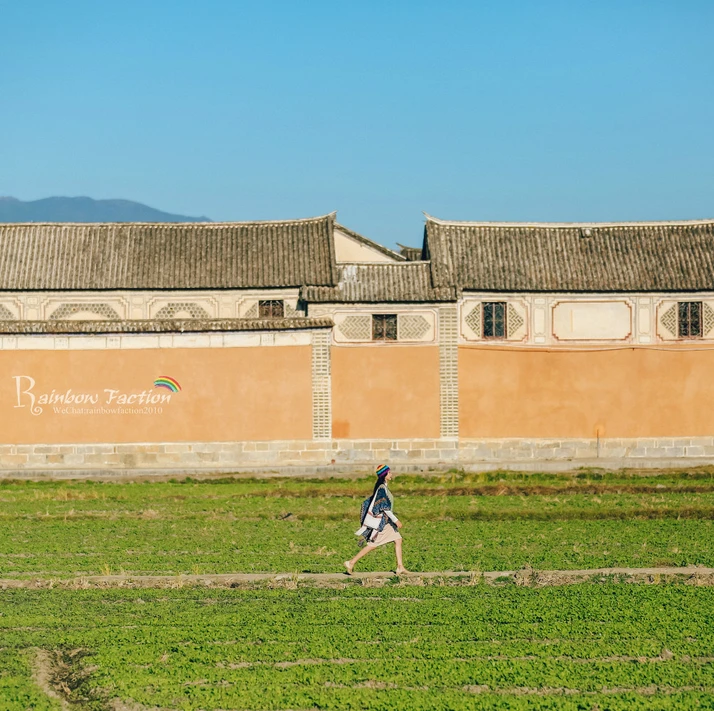
- Day 5: Shuanglang Ancient Town → Xizhou Ancient Town
- Day 6: Dali Ancient Town → Leicui Garden → Shaxi Ancient Town
- Day 7: Shaxi Ancient Town → Friday Market
- Day 8: Shaxi Ancient Town → Librairie Avant-Garde (先锋书局) → Return from Dali
Day 1: From Beijing to Dali, From Winter to Spring
A Sunrise on the Tarmac
I can't even remember the last time I watched a sunrise.
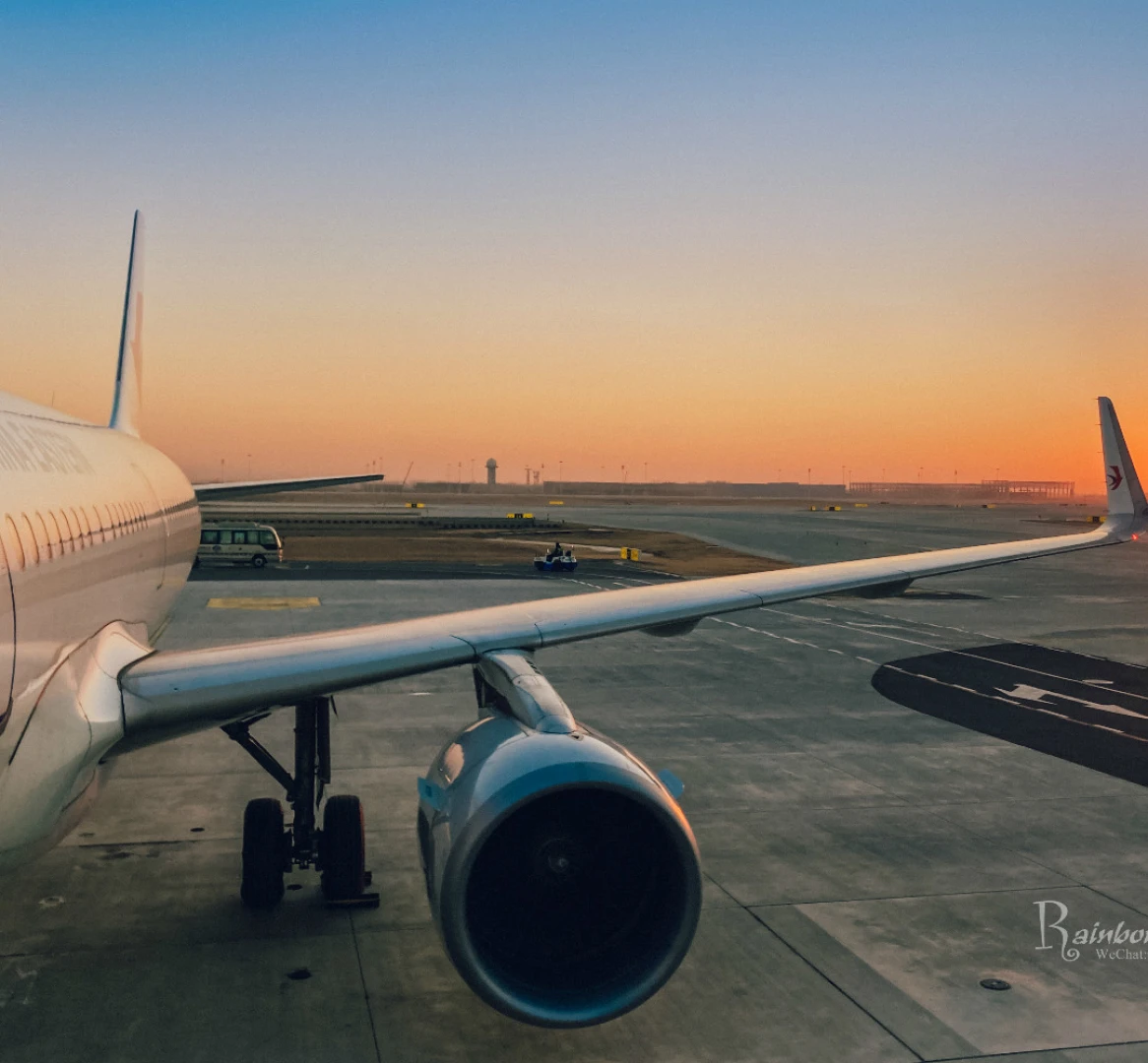
Just past seven in the morning, the shuttle bus at Daxing Airport crawled across the empty tarmac. Outside, a small orange-red dot suddenly appeared on the horizon, gradually coming into focus, looking just like my favorite runny-yolk fried egg.
When passengers got off the bus, the first thing they did wasn't to board the plane, but to pull out their phones. To the right was the rising sun; to the left, faces flushed by the morning glow. In that moment, I realized: there are still so many people chasing the light, loving this world with all their might.
60 Heart-Pounding Minutes at Xi'an Airport
I'd assumed that transiting through Xi'an meant checked luggage would be transferred automatically, and an hour and a half would be plenty. But at the airport, I found out that China Eastern's "Fly at Will" ticket didn't qualify for through-checking — I had to pick up my luggage and re-check it.
Our plane at Beijing Airport had to go through de-icing, and at Xi'an Airport, we taxied slowly for over twenty minutes. Grabbing my luggage, sprinting, going through security... The guy in front of me in line saw me panting and asked when my flight was. I said boarding in ten minutes. He said slowly, "No rush. My flight started boarding five minutes ago."
Someone behind asked if they could cut in, saying they had only ten minutes until boarding closed. Seeing everyone so calm, my own anxiety eased. In the end, I made it onto the plane without a hitch.
Dali, here we come.
As the plane passed over the Qinling Mountains, I saw that straight line of clouds — the legendary range that single-handedly blocks the cold air from the north. Entering Yunnan, the view outside became even more captivating. Over Lijiang, Jade Dragon Snow Mountain stood majestically, but the rapidly receding snowline on its peak was a worrying sign of global warming.
Just before landing, I truly understood the scale of Erhai Lake for the first time — it was far bigger than I'd imagined, so vast that the entire city seemed small in its presence.
Dali's Winter is My Heart's Spring
To be honest, I'd done almost no research on Dali before setting off. I couldn't even figure out its geography, let alone its climate. So when I arrived at the guesthouse, I was completely shocked — is this winter?
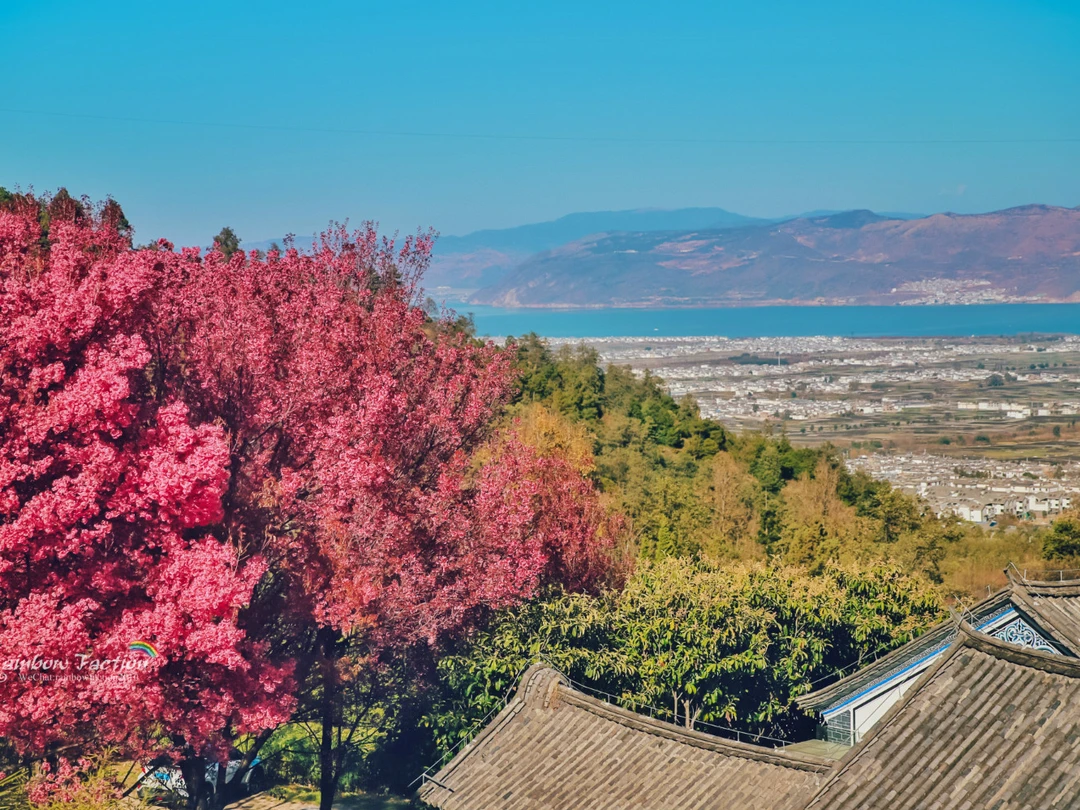
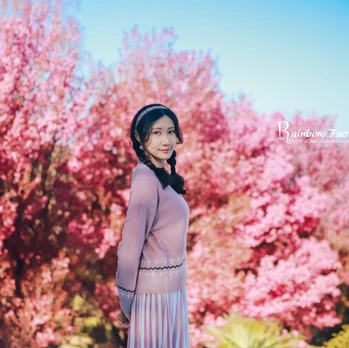
The winter I saw was this: cherry blossoms in full bloom, lush greenery, brilliant sunshine.
This shock made me angry for days — how could their winter be more beautiful than Beijing's spring? It's not fair!
Checking in, I learned that late December is the peak season for Dali's winter cherry blossoms. If I'd known the cherry blossoms here were this beautiful, why would I have bothered going to Japan?
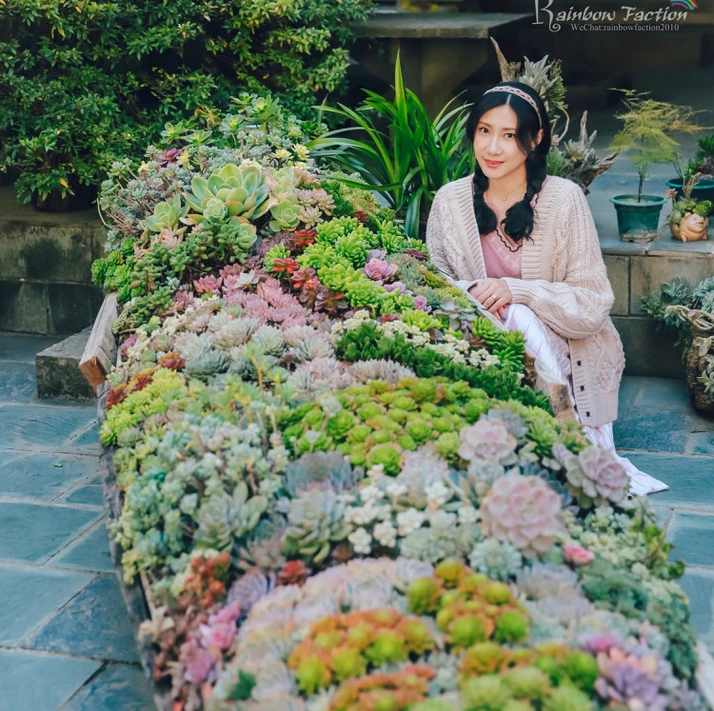
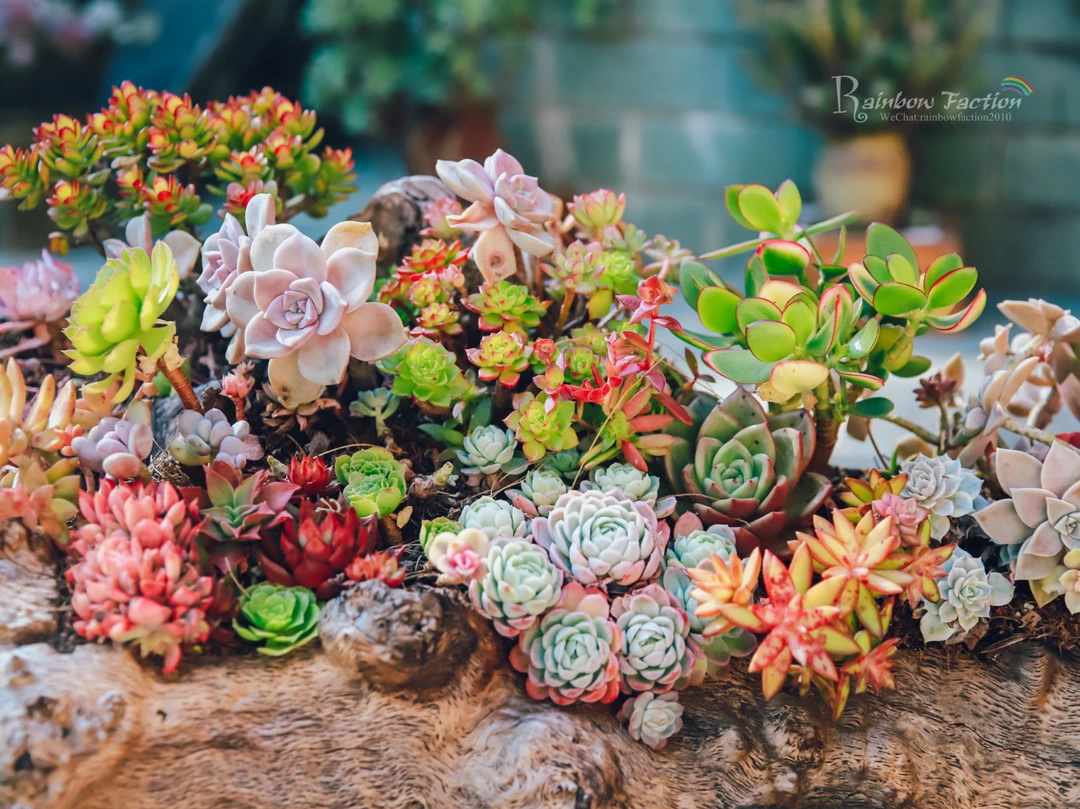
What really crushed me were the succulents. I have dozens of pots on my balcony at home, but here I discovered — succulents can grow this big! The same variety, but theirs were three times larger than mine! It was utterly demoralizing.
Carrying a mix of shock, envy, and regret, I wandered around the guesthouse garden for an hour, reluctant to even go to my room. Finally, I ordered a pot of 松茸鸡汤火锅 (matsutake mushroom and chicken soup hotpot) at the in-house restaurant — Yunnan cuisine truly lives up to its reputation for both beauty and flavor.
In the evening, my companion and I strolled towards the ancient town, but we were drawn in by the street stalls before we even reached it. I bought a Dali-style woolen shawl, and in the strong "Xiaguan wind," we hurried back to the guesthouse as darkness fell.
Day 2: Cangshan and Erhai, Like Old Friends at First Sight
First Encounter with Cangshan, the Succulent Paradise of Jizhao Nunnery
Is it true that everyone visiting Dali for the first time can't wait to see Cangshan and Erhai the moment they get off the plane?
Cangshan is the main peak at the southern end of the Yunling Mountain Range, composed of nineteen peaks stretching from north to south, starting from Eryuan Dengchuan in the north and ending at Xiaguan Tiansheng Bridge in the south. Each peak is over 3,500 meters above sea level, with the highest, Malong Peak, reaching 4,122 meters. The snow on Cangshan that never melts in summer is the ultimate symbol of "wind, flowers, snow, and moon."
The complete tour route is: South Entrance of Cangshan Geopark → Gantong Cable Car → Qingbi Stream → Zhenlong Chessboard → Cangshan Grand Canyon → Yudai Cloud-Walking Path → Qilongnv Pool → Xima Pond → Cangshan Guardian God → Longyan Cave → Fengyan Cave → Zhonghe Temple → Cangshan Cable Car → North Entrance.
But we weren't keen on a big hike. We came to Cangshan for a very niche spot — the Jizhao Nunnery.
Many people know about Gantong Temple on Cangshan for its famous monks and tea, but few know about the Jizhao Nunnery above it. People call it "the most artistic temple" and "the most beautiful nunnery."
We drove to the South Entrance of Cangshan Geopark, parked the car, and started hiking. Past the Gantong Cable Car station and Gantong Temple, the higher we climbed, the denser the vegetation and the more serene the environment. After about half an hour, just as my energy was flagging, the mountain gate of Jizhao Nunnery finally appeared.
"Feel and then understand, in stillness and silence, reflect and shine" — that's the origin of the nunnery's name. Surrounded by green pines and cypresses, the courtyard was a riot of flowers. Unlike conventional temples filled with incense smoke, here hardly anyone burned incense; offerings to Buddha were all made with flowers.
"A winding path leads to a secluded spot, and the meditation room is deep amidst flowers and trees." On the steps in front of the main hall, layers of succulent pots were arranged, and a wooden boat was filled with dozens of varieties of colorful succulents. I heard that Abbess Miaohui had built two greenhouses behind the temple — one for succulents, one for flowers, named the "Hundred Flower Garden."
Unfortunately, due to pandemic prevention measures, the nunnery had cancelled its famous vegetarian meals. But tea and coffee were available, along with flower cakes and red date cakes. Sitting in a pavilion on the second floor, with a cup of coffee, a cup of tea, and a flower cake, watching the endless stream of pilgrims and tourists below, I felt a sense of detachment from the worldly hustle.
Dali's Winter Cherry Blossoms: My Heart's Most Beautiful Shade of Pink
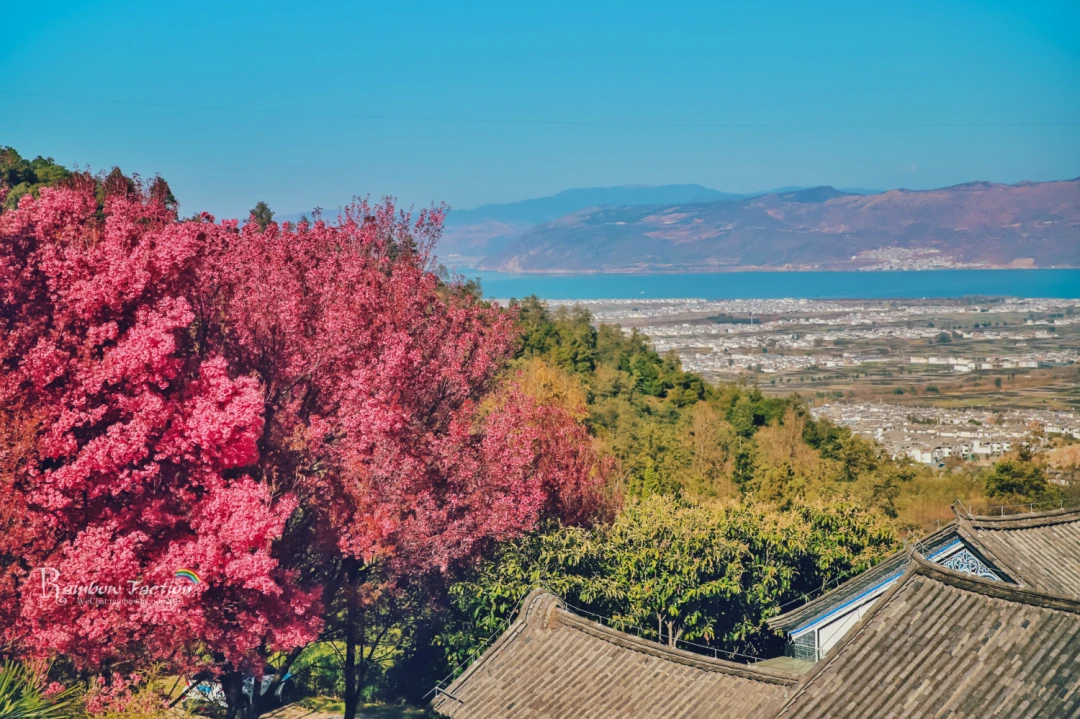
Descending from Jizhao Nunnery, the view suddenly opened up — the blue expanse of Erhai Lake appeared before us, and clusters of winter cherry blossoms were in full bloom among the trees.
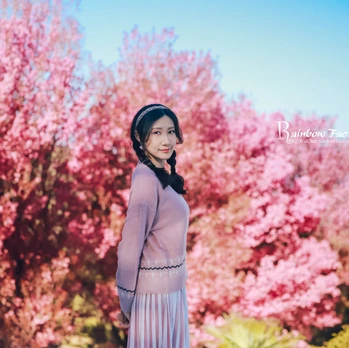
Dali's winter cherry blossoms bloom from November to February the following year, lasting only about 25 days, with the peak in mid-December. We had arrived right at the height of the bloom. This unexpected delight made us fall in love with Dali's winter instantly.
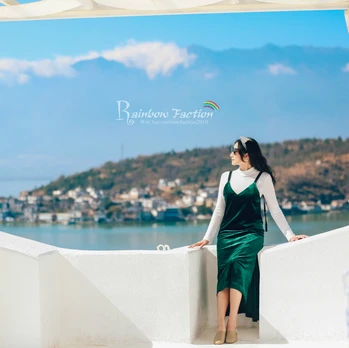
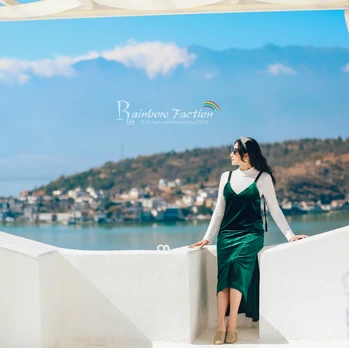
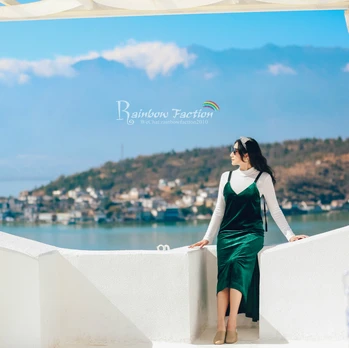
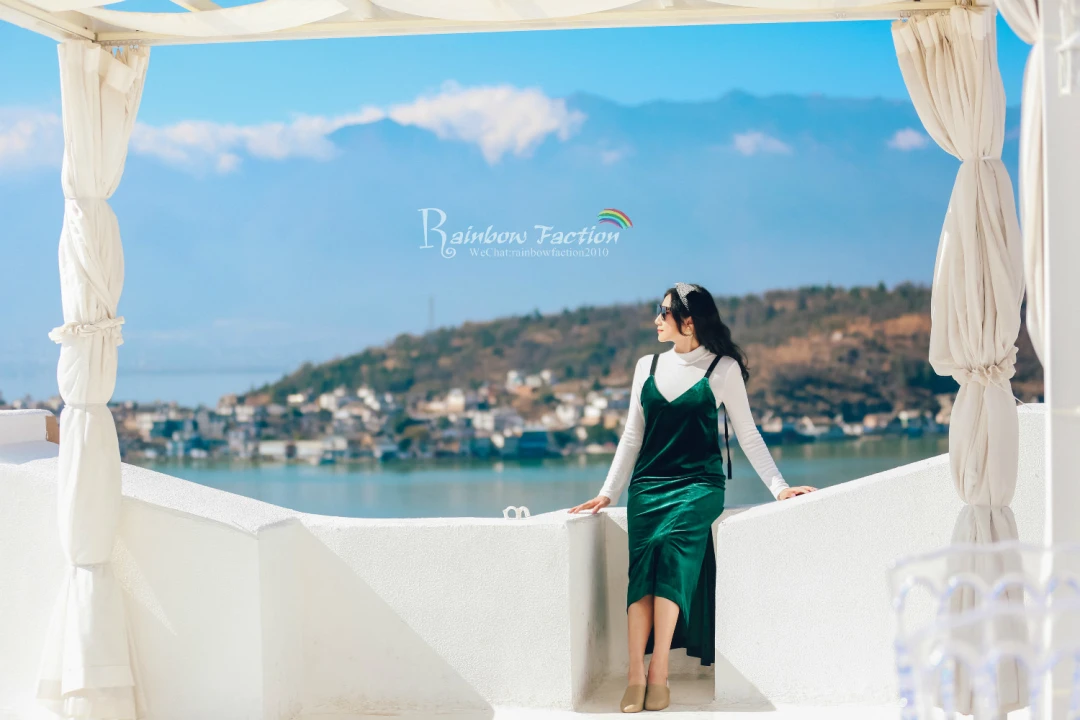
As we walked down the mountain, admiring the blossoms, we were drawn by laughter — a group of women in Bai ethnic costumes were taking photos at a popular Instagram spot. We joined them, paid the 10 yuan entry fee, and walked onto the "Sky Mirror" platform. The location was high, offering a perfect composition with cherry blossoms in the foreground, the ancient town in the middle ground, and Erhai Lake in the background.
The owner was incredibly enthusiastic, teaching us the poses for "Instagram-worthy photos" step by step. While we didn't really want formulaic shots, we couldn't escape his kindness, so we went along with it. Anyway, when in Dali, you need a few cheesy check-in photos to feel you've done it justice.
On the Haidong Cliffs, a Blue-and-White Dream of Santorini
Who would have thought that after seeing the delicate winter cherry blossoms at Jizhao Nunnery, we would suddenly find ourselves on the Haidong cliffs, pretending we were in Santorini?
I'd heard that Dali had a hillside cliff area resembling Greece's Santorini, with pure white buildings and azure swimming pools, attracting countless visitors. I'd booked a room at a trendy cliffside hotel in Haidong Town in advance, wanting to see this "little Santorini" for myself.
The moment I pushed open the door, all I could do was gasp — this wasn't Dali's version of Santorini; it was a hundred times more beautiful!
The Aegean Sea cave-style room, over a hundred square meters, felt like a private utopia. The heated infinity pool on the terrace meant we could soak in the water and admire Cangshan and Erhai even in winter. At sunset, the calm Erhai Lake was coated in a layer of gold, like dancing notes stirring my heart. At night, I looked up and saw a sky full of brilliant stars.
Day 3: The Longest Winter Solstice Night, Warmed by Dali
In the morning, the electric curtains slowly opened, revealing the pure, transparent Erhai Lake under the morning sun. It was then I understood why so many people say that to see the most beautiful Cangshan and Erhai, you absolutely must stay a night on the Haidong cliffs.
This hillside in Haidong Town offers stunning scenery and is a prime spot for viewing Erhai Lake. Even if you're not staying at a hotel, you can visit the Ideal State Tourism Resort Town. Every snapshot here looks like a time-travel photo, pretending you're in Greece, Spain, or Morocco.
We stayed two nights at the Songyun Cliff Hotel. I'd planned to sleep, soak in the hot tub, and then get dressed up for photos in the afternoon. But just as I finished my makeup, my camera died.
Luckily, a beautiful friend named Guaiiiii, whom I'd met two years ago on the Great Barrier Reef in Australia, lives right in Dali. I asked her if she knew of a camera repair shop, and she simply told us to take her camera instead.
I was so touched! For me, in that moment of despair, it was a lifesaver.
This day happened to be the longest night of 2020, the Winter Solstice. The hotel owner invited all guests to eat dumplings for free. The steaming hot dumplings and the timely help from my wonderful friend made this night unforgettable and heartwarming.
Day 4: Driving Around Erhai Lake, From Haidong to Shuanglang
Cruising Dali's Most Beautiful Scenic Road
Leaving Haidong Town, we headed north to begin our drive around Erhai Lake. The road from Haidong to Shuanglang, along the Haidong Highway, passes many great photo spots: Tianjing Pavilion, seaside rocks, Xiaoputuo Island, Wase Pier, Luwo Mountain, and the withered tree in the water...
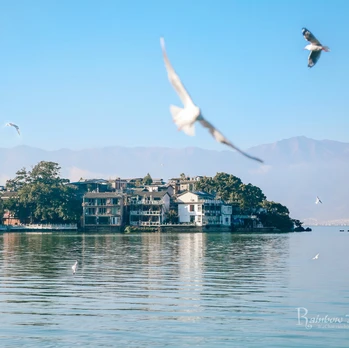
The joy of a road trip is being able to stop whenever you see a view you like. We didn't deliberately seek out Instagram-famous spots; we just stopped and started, following our whims.
We passed a spot where the sky and sea seemed to merge. A girl was standing by the water, feeding seagulls. We parked, hoping to take a few photos, but the seagulls completely ignored us since we had no food.
A local told us that in previous years, there were far more seagulls at this season. In recent years, due to pollution in Erhai Lake, their numbers have dwindled. I hope that after restoration efforts, the original scene can return.
As I was taking photos, an older man on a bicycle stopped. Interestingly, he had a little dog with him. They stood side-by-side, facing the lake, quietly watching the seagulls fly. His bike was loaded with bulging bags — perhaps all his and his dog's worldly possessions. One man, one dog, roaming the world. What story lay behind him?
Xiaoputuo Island: A Tiny Seal of the Sea
Continuing on, we arrived at Dali's famous "Xiaoputuo" (Little Putuo) Island. This limestone island covers only about 100 square meters and rises 12 meters above the water, looking like a miniature bonsai. Its shape resembles a seal floating on the water — legend says it was the seal left by Guanyin (the Goddess of Mercy) to calm the sea. Because its shape and pavilion resemble Mount Putuo in the South China Sea, it's called Xiaoputuo.
Although the roadside Haiyin Village is only 130 meters from Xiaoputuo, you still need a small boat to get to the island. On the island stands a pavilion built during the Ming Dynasty, delicate and elegant, with a gentle, otherworldly breeze.
Shuanglang Ancient Town: When the Erhai Moon Meets a Meteor Shower
Mention Shuanglang, and you have to mention the dancer Yang Liping. Born in 1958 in Eryuan County, Dali, she settled in Yuji Island Village, Shuanglang Town, after 2000.
Shuanglang Ancient Town is located in the northeast of Dali City, on the northeast shore of Erhai Lake. Surrounded by mountains on three sides and facing the lake on one, it's known as the "Number One Town for Cangshan and Erhai Scenery." It's the best place to view the "Erhai Moon," part of the "wind, flowers, snow, and moon" quartet.
When I was young, I saw Yang Liping's "Yunnan Impression" at the Beijing Poly Theatre. From then on, all my fantasies about Yunnan were inspired by this ethereal, goddess-like figure.
Many say, "Yang Liping's dance drama made Yunnan famous, and her villa made Shuanglang famous." In 2000, she built two houses by the water's edge on Yuji Island — the northern "Moon Palace" is her private residence, and the southern "Sun Palace" was later converted into a hotel. After the "pollution incident" and the lake cleanup project, Sun Palace was returned to government management and is now a tea house open to ordinary tourists, with a minimum consumption of 128 yuan per person. Moon Palace remains Yang Liping's private home.
Following in Yang Liping's footsteps, we arrived in Shuanglang. The main street was bustling with crowds and tour groups, shattering the tranquility an ancient town should have. Though reality fell short of my fairy-tale expectations, Shuanglang was still beautiful.

I generally have no resistance to places surrounded by lush flowers. Walking through the alleys, we'd see bougainvillea branches reaching out over walls, trees full of delicate Yunnan camellias, and orange firecracker flowers cascading down like floral waterfalls.
Elderly women in Yunnan ethnic minority costumes lounged lazily in the sun by their doors or gathered in circles playing cards. Their stillness and activity painted a warm, peaceful picture.
I finally reached the Sun Palace I'd dreamed of for years, but too many tourists dampened my enthusiasm. So I abandoned this popular spot and wandered aimlessly through the town.
As night fell, the streets grew quiet, but the small barbecue stalls along the roadside became lively. Dali Ancient Town has similar local barbecue stalls — with low tables and stools, stone-like grill pans, and people gathered around the fire.
We walked into the busiest stall, whose sign advertised authentic Yunnan 豆花米线 (tofu pudding rice noodles). Fifteen yuan a bowl, and incredibly delicious! Before the barbecue ingredients even arrived, I'd already polished off a bowl of hot noodles. The barbecue ingredients were similar to what you'd find elsewhere in China, but you absolutely must try the local tofu — it's chewier, and when grilled until golden and puffed on both sides, it's unforgettable.
The stone grill pan looked flat, but it was slightly convex in the middle, causing excess oil to flow to the edges — a clever design.
After fulfilling my Dali barbecue dream, I saw a stall selling 烤乳扇 (grilled milk fan) by the roadside. I wanted to try it, but my stomach protested.
Watching a Meteor Shower While Lying in Bed
Another beautiful memory of Shuanglang was our accommodation — the highly sought-after 270-degree panoramic sea-view balcony room at Tinghuadao Garden Hotel.
As I mentioned, Shuanglang is the best place to see the "Erhai Moon." I usually dismiss such claims, but this time it was true — the moon that night was the most beautiful Erhai Moon we saw during our entire trip around the lake.
I'd already turned off the lights and was about to sleep when I saw on my social feed that the last meteor shower of 2020, the Ursids, was happening that night. On a whim, I asked the room's smart speaker to open the curtains.
In that moment, outside my floor-to-ceiling window was a whole sky full of brilliant stars. This was probably the first time I truly went to sleep counting stars while lying in bed. Around 1 AM, the moon set behind the nineteenth peak of Cangshan Mountain across the balcony, leaving a deep, lingering moonbeam across the vast expanse of Erhai Lake.
That scene made me reluctant to close my eyes. I thought to myself: if I see a shooting star before I fall asleep, it would absolutely be the most romantic moment of 2020.
In the end, I fell asleep before seeing a meteor. But that night was still the most romantic moment I encountered in 2020.
Day 5: Shuanglang Morning Light and Xizhou Pastoral Scenery
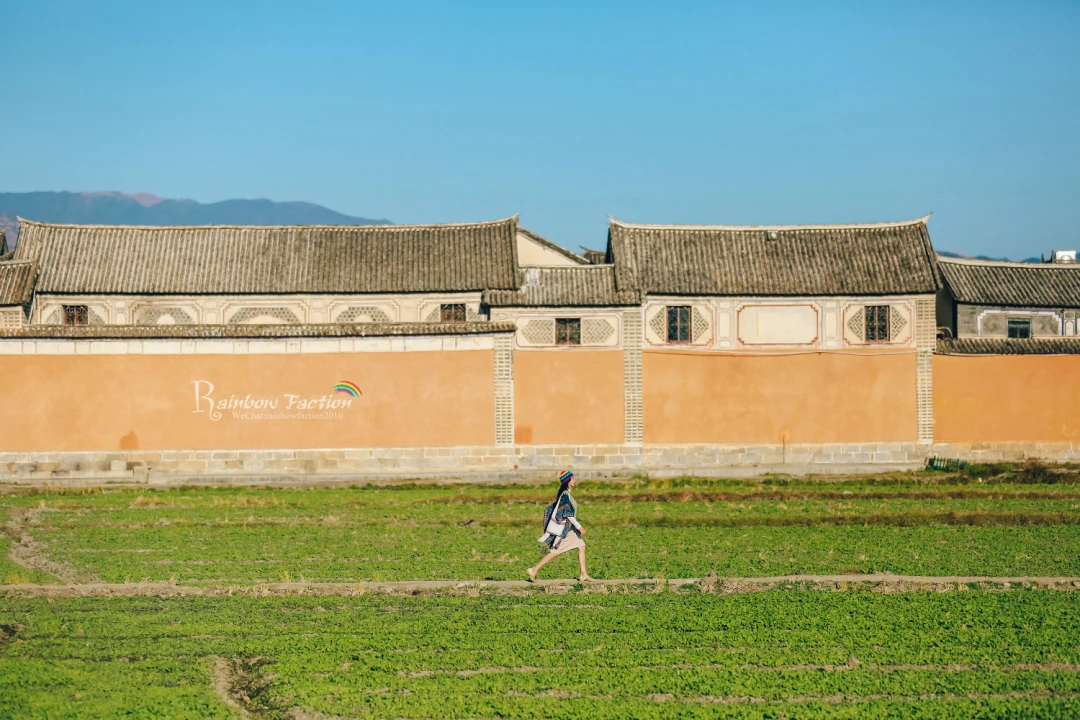
Facing the Mountains and the Lake, Up Close with the Seagulls
I woke up to the calls of seagulls. The just-awakening Shuanglang Ancient Town shimmered with a blue morning light, reflected by Erhai Lake.
Two walls of the room were replaced by huge floor-to-ceiling windows, offering a 270-degree sea view from any corner. The fully transparent glass balcony directly faced Erhai Lake and the nineteen peaks of Cangshan. At night, you could see the moonlight; in the morning, countless Siberian seagulls circled overhead.
Breakfast was served in the ground-floor restaurant by the lake. There was a good selection of Chinese and Western dishes, and the seagulls were almost close enough to touch.
We took photos on the Instagram-famous bed by the lake. The guesthouse, tucked away in a deep alley, was a rare sanctuary. The infinity pool merged with Erhai Lake. On the Turkish-style tatami, you could just sit, gaze, and daydream, enjoying the leisurely time in Shuanglang.
We decided to skip the town's attractions and just let our minds relax at the guesthouse. Under the simple yet refined decor, light and shadow created various geometric patterns in the room...
(To be continued — the wonderful journey through Xizhou Ancient Town and Shaxi Ancient Town will be presented in the next part)
Final Thoughts: Dali is Worth Falling For
Eight days of driving around Erhai Lake in Dali — from winter cherry blossoms in full bloom to the bright Erhai moon, from the snowy peaks of Cangshan to the pastoral fields of Xizhou — every moment reminded me: the thrill of travel never truly disappears. It just waits for the right place to awaken it.
Dali is that place.
If you, too, want to rediscover the初心 (original intention) of travel, why not come during the winter cherry blossom season and embark on a road trip that takes you from winter to spring? Bring your camera, bring your good mood, bring your expectations of beauty — Dali will use its wind, flowers, snow, and moon to give you an unforgettable answer.
Practical Tips:
- Best Time: Mid-to-late December, during the peak bloom of winter cherry blossoms, with warm, spring-like weather.
- Driving Route: Haidong Town → Xiaoputuo Island → Shuanglang → Xizhou → Dali Ancient Town → Shaxi
- Must-Do Experiences: Jizhao Nunnery's succulent garden, Haidong cliffside hotels, Shuanglang's Erhai Moon, Xizhou's pastoral scenery
- Food Recommendations: 松茸鸡汤火锅 (matsutake mushroom and chicken soup hotpot), 豆花米线 (tofu pudding rice noodles), grilled tofu, 烤乳扇 (grilled milk fan)
- Photo Spots: Sky Mirror (10 yuan/person), Ideal State Town, Shuanglang sea-view balcony
- Accommodation Suggestions: Cliffside hotels in Haidong for sunrise, sea-view rooms in Shuanglang for stargazing
Dali, this place that turns winter into spring, is worth falling for.
You should also read:
September: Finding Unexpected Warmth in Yunnan (Kunming, Dali, Shuanglang, Lijiang, Lugu Lake)
September: Finding Unexpected Warmth in Yunnan (Kunming, Dali, Shuanglang, Lijiang, Lugu Lake) Foreword: One Person's Journey, A Crowd's Story Before I set off, like every first-time solo traveler, I printed out a thick stack of travel guides and rehearsed countless possible scenarios in my head—getting…
Continue reading...
A 9-Day Yunnan Journey: From Lijiang to Dali to Tengchong – A Trip Toward Self-Reconciliation
A 9-Day Yunnan Journey: From Lijiang to Dali to Tengchong – A Trip Toward Self-Reconciliation Some say travel is simply going from a place you're tired of to a place other people are tired of. It stings to hear, but it's painfully true. Yet there's…
Continue reading...
Two Girls' Graduation Trip: Dali and Shuanglang – A Poetic Farewell to Mountains and Sea
Two Girls' Graduation Trip: Dali and Shuanglang – A Poetic Farewell to Mountains and Sea Preface: Catching the Tail of Youth, Heading South During our senior year of college, my roommate and I – two girls studying in Beijing – decided to bid farewell to…
Continue reading...