Winter Journey to Western Yunnan: Dali – A Solo Traveler's Rambling Notes on Cangshan and Erhai
Winter Journey to Western Yunnan: Dali – A Solo Traveler's Rambling Notes on Cangshan and Erhai
As a history enthusiast, I've always believed that the best travel isn't just about seeing the sights—it's about having a conversation with your past self. This year, I took my third solo backpacking trip, and my last of the year. With the head office's Christmas break approaching, I decided to use up my remaining annual leave and treat myself to a spontaneous winter getaway.
There aren't many places to go in winter. Hainan and Yunnan are the two big options. I've been to Hainan too many times, so naturally, I chose Yunnan this time. This was also my second visit to the region this year (the first was a pre-Spring Festival trip to Xishuangbanna; you can find my travel notes on that in another article). There are so many places in Yunnan I want to explore. Tengchong has always been a mysterious presence on my list, something I've wanted to see for years. As a "checklist-style" traveler, five or six days in Tengchong is enough. The remaining time I saved for Dali—a place I've dreamed of visiting for years but always missed. So, my itinerary split into two parts: 3 days in Dali + 6 days on the Tengchong loop (Tengchong, Ruili, Mangshi). This article covers the first part—the Dali chapter.
Itinerary Overview: 3 Days to Hit Dali's Core
With limited time in Dali—only 3 days—I chose the classic approach: 1 day on Cangshan, 1 day on the west side of Erhai, and 1 day on the east side. I relied mostly on public transport, which saved money and allowed me to explore Erhai to the fullest. Here's the detailed plan:
- Day 0: Beijing → Kunming → Dali
- Day 1: Cangshan (Gantong Cable Car → Gantong Temple → Jizhao Nunnery → Qingbi Stream → Jade Belt Cloud Path → Ximatang Cable Car → Tianlong Babu Film Studio → Dali Old Town night stroll)
- Day 2: East Erhai (Shuanglang Ancient Town → Nanzhao Customs Island → Xiaoputuo → Yangnanxi → Erhai Ecological Corridor South Section → Caicun Pier → Dali Old Town night stroll)
- Day 3: West Erhai (Fengyangyi Village → Zhangjia Garden → Chongsheng Temple Three Pagodas → Caicun Pier → Ecological Corridor Mid/North Section → Panxi Village S-Curve → Xizhou Ancient Town → Dali Station)
The Erhai Sightseeing Bus Pass: Budget-Friendly, but Requires Strategy

There are many ways to circle Erhai: sightseeing buses, electric scooters, taxis, or renting a car. The sightseeing bus isn't the most flexible option, but it's relatively cheap. The pass (1-day or 3-day unlimited rides) needs to be booked a day in advance through the WeChat public account "Anxin You Dali" (安心游大理) and costs 118 RMB for 3 days. Online reviews are mixed, with common complaints about inaccurate schedules, hard-to-find stops, and poor service. I hesitated, but considering the inconvenient transport on the east side of Erhai and the fact that the only cheap option was the sightseeing bus, I eventually bought the 3-day pass.
Let me cut to the chase: During the off-season, the buses run on time, and the service is decent. But the value for money is average. If you only take 2–3 rides, it's better to buy single tickets. The pass is more suitable for those who want flexibility without worrying too much about cost-effectiveness.
What Does the Pass Include?
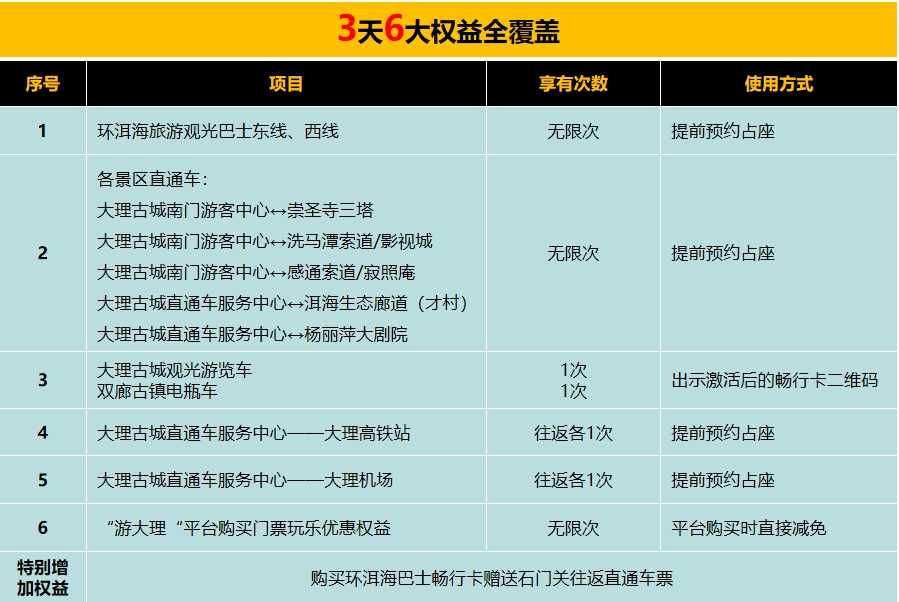
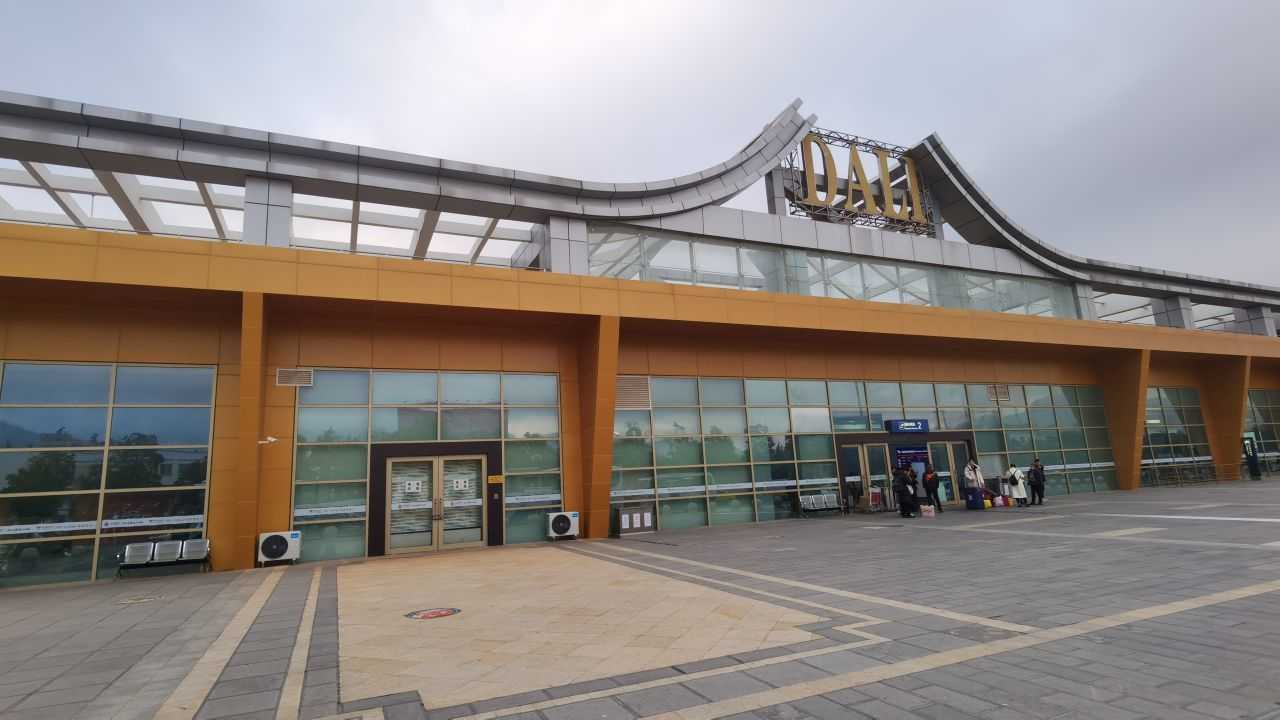
- Airport Transfer: A one-way trip from Dali Old Town to the airport costs 25 RMB, with buses departing every 30 minutes (on the half-hour or hour). The journey takes about 1 hour and 10 minutes. The pickup point in the old town is at the Feng Huaxue Yue Hotel (风花雪月大酒店), which is 1–2 kilometers from most hotels. If you have heavy luggage, you'll need to take a taxi.
- Train Station Transfer: Operated by business vans, with the last departure at 5 PM. If your train arrives later, you can take the east line sightseeing bus to Erhai Ecological City and then taxi to the station. The official pass can reimburse the taxi fare (add the driver on WeChat and provide the receipt). I haven't tested this myself, but a guide mentioned it.
- Scenic Area Shuttles: These depart from specific stops every 30 minutes to 1 hour, so you need to plan ahead. Single tickets are only 2–3 RMB—very cheap.
- Old Town Sightseeing Car: Worth 35 RMB, but the experience is mediocre—a 15-minute loop that feels pointless. The electric buggy in Shuanglang Ancient Town costs 10 RMB and is worth it: it runs in a straight line from start to finish, so you can ride to the end and walk back.
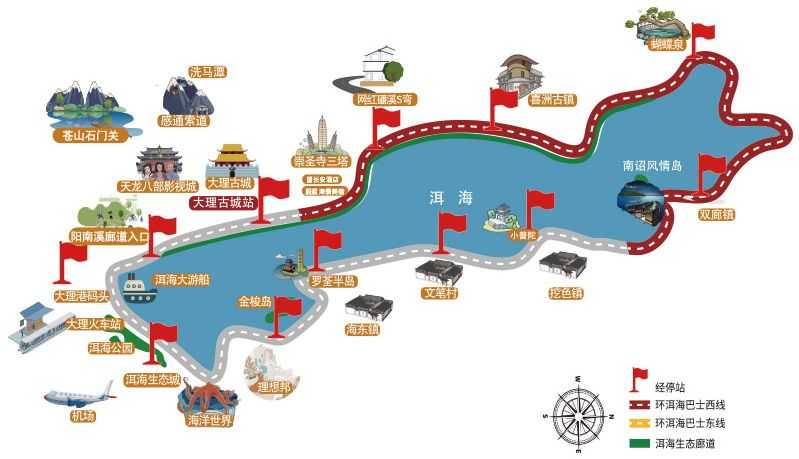
- Sightseeing Buses: Divided into east and west lines, both running from Dali Old Town (Direct Bus Service Center) to Shuanglang Ancient Town. The east line's earliest departure is 8:30 AM, taking about 2 hours to reach Shuanglang; the west line's earliest is 9:00 AM, taking about 1.5 hours. Single tickets cost 40 RMB, and the last bus is around 7 PM. I took it 3 times: Day 2 west line Old Town → Shuanglang (40 RMB), east line Shuanglang → Xiaoputuo (15 RMB), east line Xiaoputuo → Yangnanxi (20 RMB), and Day 3 Xizhou → Old Town (20 RMB).
Hotel Choice: Centered Around Public Transport
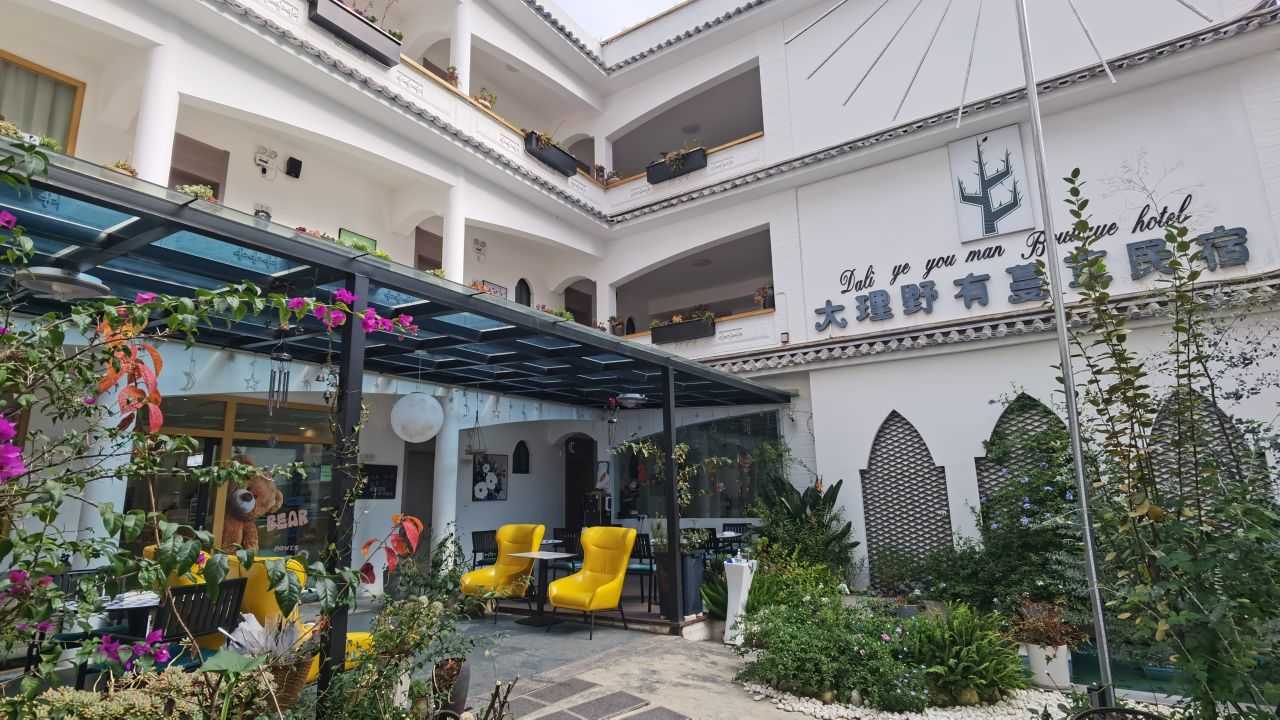
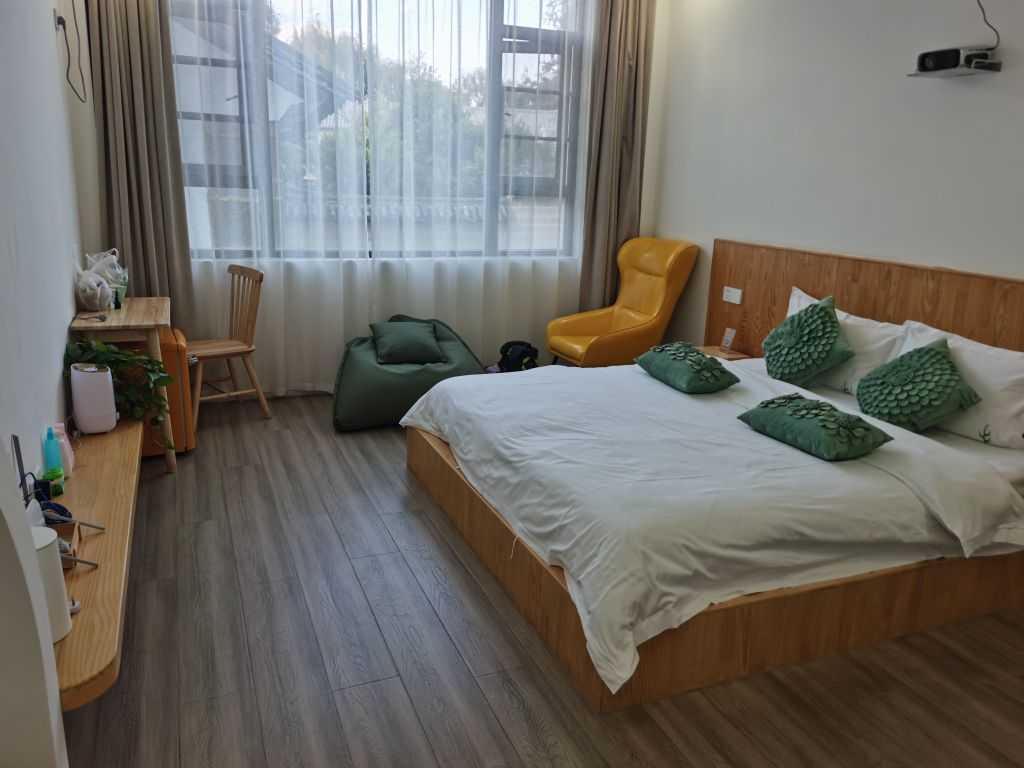
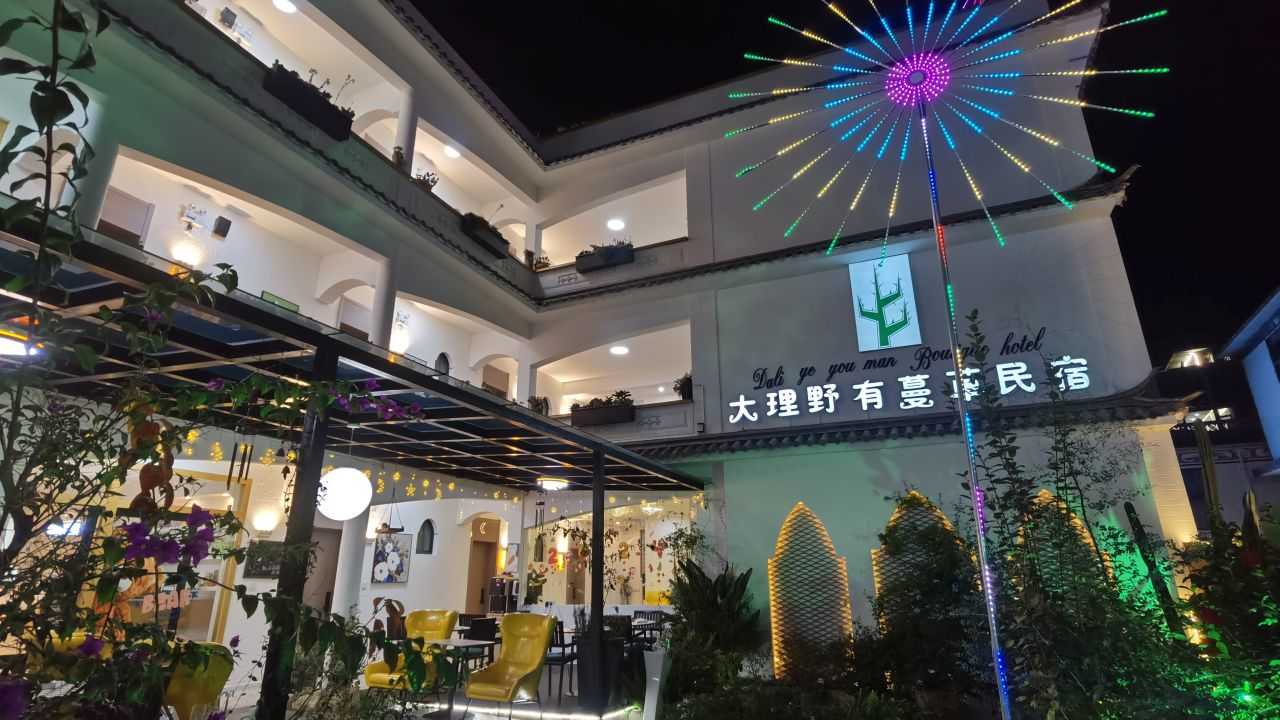
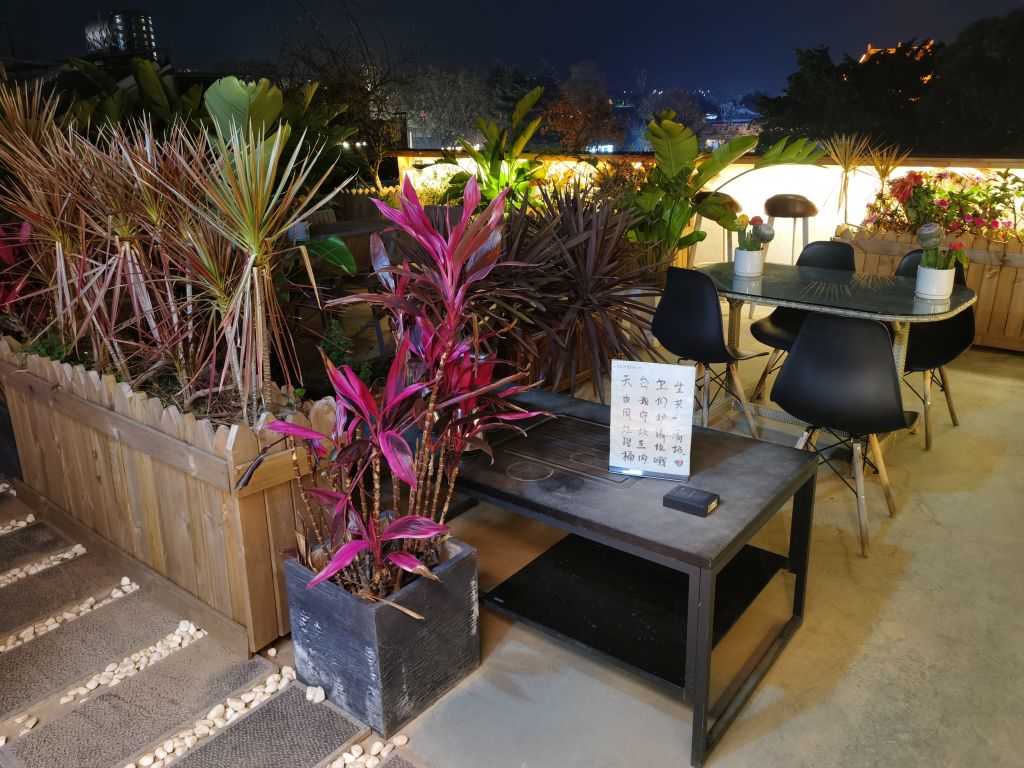
Since my plan relied on public transport, the core hub was Dali Old Town. Note: If you're driving, don't stay near the old town—parking is a nightmare. I chose to stay near the Dali Old Town Direct Bus Service Center and the South Gate Tourist Center for easy access. I ended up booking "Dali Ye You Man Cao Guesthouse (Old Town South Gate Branch)" (大理野有蔓草民宿(古城南门店)), which had high ratings, a reasonable price, and offered free airport pickup for 3-night stays and free train station pickup for 2-night stays. Since I had the sightseeing bus pass, I asked the owner if they could pick me up from the Feng Huaxue Yue Hotel. They generously agreed to drop me off at the train station instead, which was more flexible than the pass's transfer service.
Day 1: Cangshan – A "Desperate" Hike from Gantong Temple to Ximatang
The Cangshan Route: Classic but Grueling
If you search for Cangshan on Ctrip or Mafengwo, you'll see round-trip tickets for the Gantong and Ximatang cable cars. As a seasoned independent traveler, how could I let a round-trip ticket limit me? After checking some guides, I found a classic route: take the Gantong Cable Car one-way up → visit Qingbi Stream → walk the 4.5-kilometer Jade Belt Cloud Path → reach Seven Dragon Maiden Pool → take the Ximatang Cable Car to the top → visit Ximatang → take the cable car down → explore Tianlong Babu Film Studio. This route avoids backtracking and offers diverse scenery.
But—for someone who doesn't exercise regularly and is short on time, this is a nightmare. The biggest challenge: the ticket office at the middle station of the Ximatang Cable Car closes at 3 PM. And after walking the Jade Belt Cloud Path to Seven Dragon Maiden Pool, you have to climb 1,167 steps (a 200-meter elevation gain) to reach the middle station. After finishing the 4.5-kilometer walk, seeing those 1,175 steps almost broke me. I climbed until I was out of breath, my legs trembling, and even felt a bit nauseous. Fortunately, I made it to the ticket office by 2:50 PM. I strongly recommend doing the route in reverse: First visit Tianlong Babu Film Studio → take the Ximatang Cable Car to the top → descend to the middle station and walk down the steps to the Gantong Cable Car entrance. This is much easier on your body and eliminates the need to rush.
Gantong Temple and Jizhao Nunnery: A Bowl of Vegetarian Food Heals Body and Soul
I strolled slowly from the hotel to the South Gate Tourist Center—it was very close. I bought a 饵块 (rice cake, 10 RMB) on the street to fill my stomach, then took the scenic area shuttle to the Gantong Cable Car entrance (a 15–20 minute ride). First, I visited Gantong Temple and Jizhao Nunnery, and had a vegetarian meal at the nunnery. The Cangshan National Geopark ticket plus the one-way Gantong Cable Car cost 85 RMB.
At the entrance to Gantong Temple, the left path leads to the temple, while the right goes to the cable car. After climbing countless steps, I reached Gantong Temple. The greenery of Dali was a stark contrast to the freezing winter in Beijing. Continuing upward, the entrance to Jizhao Nunnery was modest, but the scenery was lovely. The nunnery is famous for its vegetarian meal (20 RMB), served at 11:30 AM. The line was long, but the wait wasn't too bad. The meal was all plant-based, with 7–8 different dishes, and it tasted fantastic. You could ask for more rice or vegetables. The special fermented tofu was especially fragrant. After eating, I returned my bowl to the designated washing area and took the flat path downhill.
The Gantong Cable Car: A First Glimpse of Erhai's Beauty
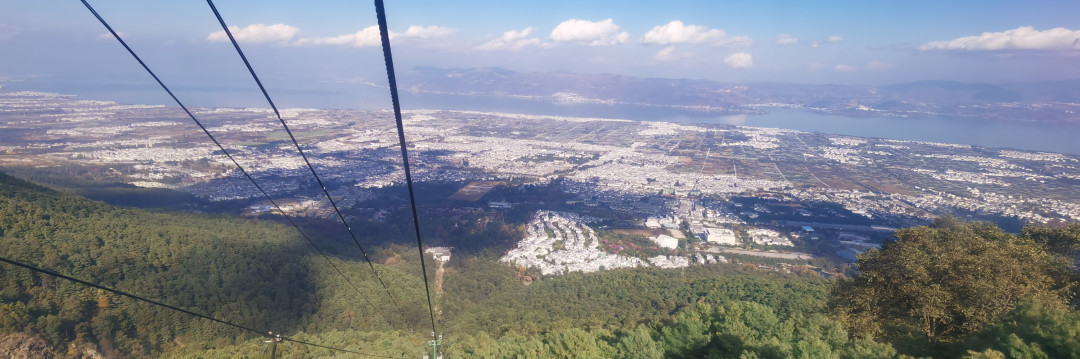
The one-way cable car plus admission cost 85 RMB. As the cable car ascended, looking back revealed Erhai—a stunning first sight. In reality, you can see Erhai from any high point in Dali. As the altitude increased, mist and clouds swirled around, making the mountaintop feel like a fairyland.
The Jade Belt Cloud Path: A 4.5-Kilometer Test of Sight and Stamina
After getting off the cable car, I headed to the Qingbi Stream area. There, I found the "Zhenlong Chess Game" (珍珑棋局)—a giant Chinese chess board, though the version in Demi-Gods and Semi-Devils (天龙八部) is actually a Go board. Further on was Qingbi Stream Pool, with a suspension bridge adorned with red wish ribbons.
From Qingbi Stream to the Jade Belt Cloud Path, there were two routes: backtrack or continue climbing. I chose the latter. The steps were steep, and two other climbers quickly gave up. Once on the Jade Belt Cloud Path, the trail was narrow but flat. The 4.5-kilometer stretch had distance markers along the way. The path wound through dense forest halfway up the mountain, with the weather alternating between sunny and overcast. Occasionally, I could see Erhai in the distance, and oddly shaped trees dotted the landscape. Small bridges and pavilions offered rest stops.
Near the Seven Dragon Maiden Pool, the path turned east-west. Spotting the cable car station on the opposite mountain, I had a sinking feeling—and sure enough, I had to climb 1,175 steps up a small trail to reach it. I started climbing at 2:15 PM and arrived at 2:50 PM, ascending 200 meters and feeling utterly exhausted.
The Ximatang Cable Car: Cold and Awe at 3,900 Meters
The Ximatang Cable Car has two sections: the middle to upper station (at 3,900 meters), which isn't always open due to weather. Today, luck was on my side—it was fully operational. I bought a round-trip ticket from the middle to upper station plus a one-way ticket from the middle to lower station, totaling 192 RMB.
The ride felt completely different from the Gantong Cable Car. The high altitude made me a bit uncomfortable (probably a lingering effect from the climb). Snow began to appear on the surrounding mountains, confirming we were above 3,000 meters. When we reached the top, it was freezing cold. I put on a second long-sleeved shirt before stepping out. From the service center platform, I had to descend to reach the Ximatang scenic area. I was too exhausted to go far, so I took in the view from a distance—snow everywhere, a testament to the cold. After taking a photo at the 3,900-meter marker, I lingered on the platform for 10 minutes before boarding the return cable car. The ride back cut through clouds, offering glimpses of Erhai in the distance, with vegetation transitioning from sparse to lush and temperatures gradually rising.
Tianlong Babu Film Studio: A Mixed-Bag "Stop by the Way"
Tianlong Babu Film Studio has polarizing reviews. Its Meituan rating is very low, and many think the 39 RMB ticket isn't worth it. But since it was on the way, I decided to go. Coming out of the Ximatang Cable Car exit, there were no signs, so I had to ask staff for directions. Following a winding path downhill, I saw a sign for "Western Xia Imperial Palace" (西夏王宫)—apparently part of the film studio. At this point, the mere sight of steps filled me with dread, so I only looked from afar.
Inside, I found strangely designed buildings with no one checking tickets. There was a镖局 (escort agency), a 当铺 (pawnshop), the city gate of Yunzhou, an inn, and the Duan family wedding hall. The place was nearly empty. The Duan family wedding hall, supposedly where Duan Yu got married, was decked out in festive decorations. Further on was the "Linglong Chess Game" (this time, a proper Go board), followed by a shopping area. There was also the Dali Royal Palace, a surname culture museum, and at the exit, photo props for the Year of the Rabbit. The ticket checkpoint was at the city gate. Since I had time to spare, I booked a 4:30 PM shuttle back to the old town, just in time for the last old town sightseeing car at 5 PM.
Dali Old Town: More Enchanting by Night Than by Day
Staying near the South Gate of Dali Old Town meant I didn't need to set aside special time to explore it. My daylight hours were all dedicated to Erhai. My first glimpse of the old town's South Gate was on the way to the tourist center—crowded and hurried.
After returning from Tianlong Babu Film Studio on the shuttle, I caught the 5 PM old town sightseeing car (complimentary with the bus pass). The 15-minute loop wasn't very worthwhile, but it was my only chance to see the old town during the day. That evening, I went out again, and sure enough, the night view was more captivating. The South Gate looked stunning under the lights.
The old town was filled with various shops, all with an antique vibe. Walking into "Nanzhao Twelve Hours" (南诏十二时辰), I was surrounded by hanging lanterns, creating a wonderful atmosphere. For dinner, I had Yunnan tofu (15 RMB), which was tasty, and云龙卷粉 (Yunlong rice rolls, 10 RMB), which filled me up. There were many Yunnan small-batch coffee shops in the old town, most sourcing their beans from Baoshan—a place I'd visit in a couple of days to see the origin. The bar district had a spring-like feel, decorated with flowers and plants. Unique spots like Zebra Bar (斑马酒馆) and Cherry Blossom Bar (樱花酒吧) stood out. Stone-grilled barbecue (石板烧) and wild mushroom hotpot were the signature dishes.
The next morning, I stepped out to see the distant Cangshan. At 8-something, the old town was empty, so I quickly took a solo photo. That evening, I went to Cangshan Gate (West Gate) for dinner, choosing a single-person meal deal—49.9 RMB for a set meal with generous portions, plus a complimentary peace apple and a bag of mushroom soup stock. Passing by the Confucian Temple (文庙), I noticed poetic quotes on the walls, adding a unique touch. There were also many shops selling Duan夫人的雕梅 (Madam Duan's preserved plums). Overall, while Dali Old Town is commercialized, it still retains a classic ancient charm.
East Erhai: A Circular Tour Without Backtracking
Staying in Dali Old Town, heading to the east side of Erhai meant either going back and forth or circling the lake. I chose the latter. Planning the east Erhai itinerary was tricky—the sights were scattered and far apart. Beyond the sightseeing bus, options were limited to driving, taxis, or renting an electric scooter. After completing the loop, I realized the roads were narrow, congested, and dangerous. On Day 3, I met a tourist on an electric scooter who said the full loop took 6 hours.
My plan: Take the west line sightseeing bus (Old Town → Panxi Village → Xizhou → Shuanglang) to Shuanglang, explore Shuanglang Ancient Town (including Nanzhao Customs Island), then visit Xiaoputuo, Ideal State, and Yangnanxi. The earliest west line bus departed at 9 AM and arrived in Shuanglang at 10:30 AM.
The walk from my hotel to the Direct Bus Service Center was 1.4 kilometers, so I left just after 8 AM. On the way, I saw all kinds of flashy rental cars—a Dali specialty, with tourists often posing for photos in them. Outside the service center, a red double-decker bus served as the iconic sightseeing vehicle. The first bus had very few passengers. I chose a seat on the upper right side, enjoying the views and taking photos. The guide on board narrated the scenery along the way. The west side of Erhai didn't offer lake views, instead featuring rural farmland. Passing by the Dali Yunmian Cross-Border International Shopping Center (大理云免跨境国际购物中心), I noticed its distinctive architecture.
Summary and Tips: How to Experience Dali in Winter
Three days in Dali is short, but enough to feel the charm of Cangshan and Erhai. Here are some practical tips:
- Transportation: During the off-season, the sightseeing buses are punctual, but the value isn't great. For short trips, buy single tickets; for longer or more flexible journeys, consider the pass. If driving, avoid staying near the old town.
- Cangshan Route: I recommend the reverse route (Film Studio first → Ximatang → walk down steps → Gantong Cable Car). It's less strenuous and doesn't require rushing.
- Accommodation: If relying on public transport, stay near the Direct Bus Service Center or the South Gate Tourist Center for easy access.
- Food: Don't miss the vegetarian meal at Jizhao Nunnery. In the old town, try stone-grilled barbecue and wild mushroom hotpot. Yunlong rice rolls and rice cakes are great local snacks.
- East Erhai: Set aside a full day. The sights are spread out, so don't try to do too much. Shuanglang Ancient Town and Nanzhao Customs Island are worth a leisurely visit.
Dali in winter lacks the bitter cold of the north, offering instead greenery and sunshine. Solo backpacking through it all—feeling despair and surprise while hiking Cangshan, watching clouds drift over Erhai, and savoring the lively atmosphere of the old town at night—this, I think, is the essence of travel. Next up: the Tengchong loop. Stay tuned.
You should also read:

Into the Hidden Valley: A Solo Journey Through the Mysterious Dulong River
Into the Hidden Valley: A Solo Journey Through the Mysterious Dulong River Deep in the northwestern corner of Yunnan Province, tucked away from the modern world, lies a place that feels like a secret whispered among mountains. The Dulong River Valley is not just a…
Continue reading...
God’s Abandoned Palette: A Self-Drive Journey Through Yunnan’s Dongchuan Red Land
God’s Abandoned Palette: A Self-Drive Journey Through Yunnan’s Dongchuan Red Land Travel has never been about reaching some distant geographic coordinate. It’s about encountering, along the way, the version of yourself buried beneath the rubble of daily routine. During this May Day holiday, I finally…
Continue reading...
Two Girls' Graduation Trip: Dali and Shuanglang – A Poetic Farewell to Mountains and Sea
Two Girls' Graduation Trip: Dali and Shuanglang – A Poetic Farewell to Mountains and Sea Preface: Catching the Tail of Youth, Heading South During our senior year of college, my roommate and I – two girls studying in Beijing – decided to bid farewell to…
Continue reading...