Winter Tour of Xishuangbanna 2021: Five Days and Four Nights in "Little Thailand," Encountering Tropical Rainforests and Dai Ethnic Culture
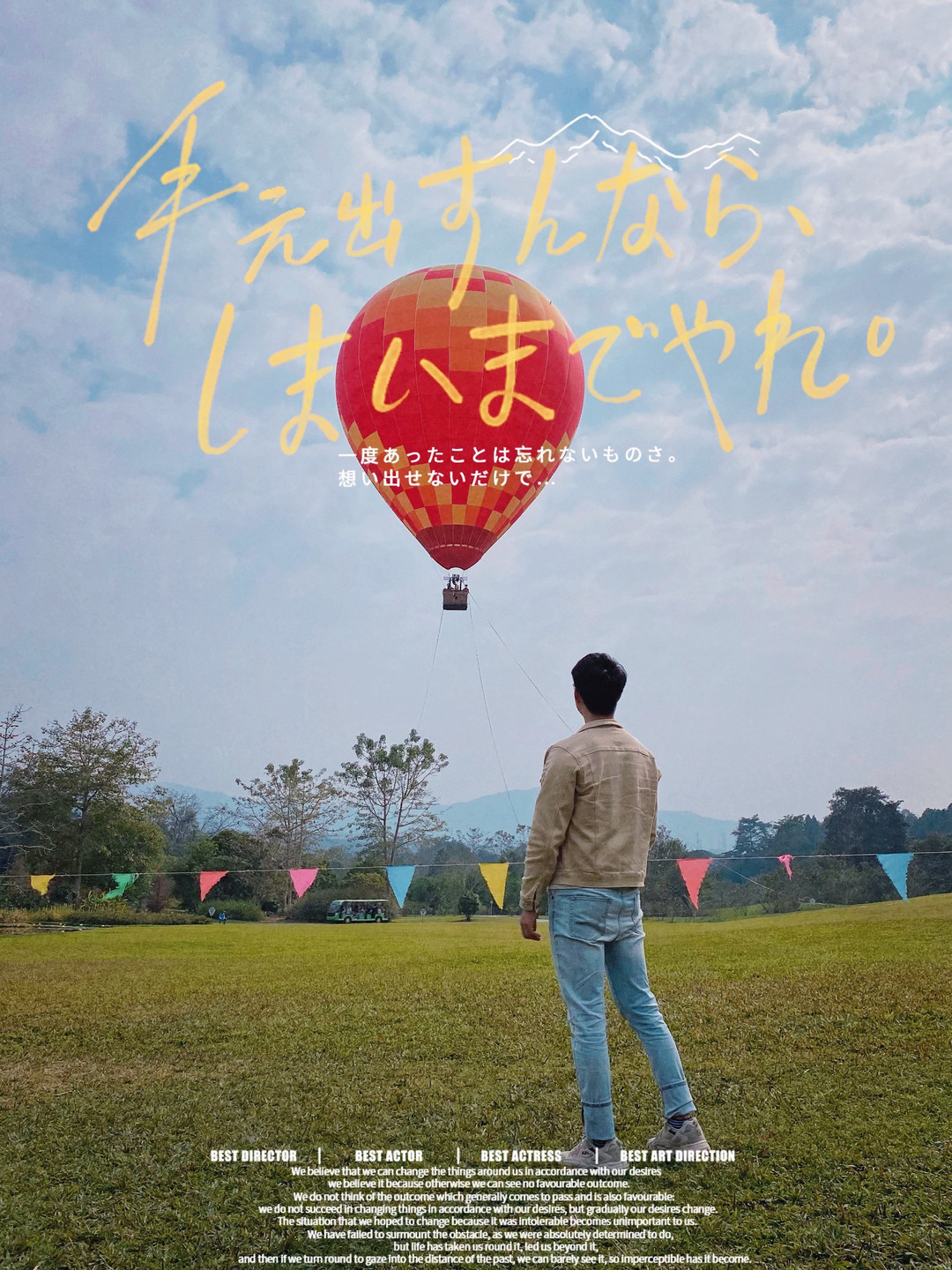
Winter Tour of Xishuangbanna 2021: Five Days and Four Nights in "Little Thailand," Encountering Tropical Rainforests and Dai Ethnic Culture
Preface: Why Xishuangbanna?
At the start of 2021, I chose a warm destination—Xishuangbanna. Years ago, I had passed through briefly on a business trip, but this time, I decided to slow down and spend five days truly feeling the pulse of this city.
The name "Xishuangbanna" itself holds a story. In the Dai language, "Xishuang" means "twelve," and "Banna" refers to an administrative unit that provided feudal taxes. Together, it means "twelve administrative regions." This land, anciently known as "Mengle," still retains a strong exotic charm. Walking down the streets, those resplendent Buddhist temples and Dai-style houses with upturned eaves often make you feel as if you've wandered into the streets of Thailand.
There are no distinct seasons here—only perpetual warmth. Come in winter to escape the cold, or in summer to escape the heat. Whenever you visit, you'll feel its unique charm.
Pre-Trip Preparations: Budget and Practical Tips
Transportation Costs
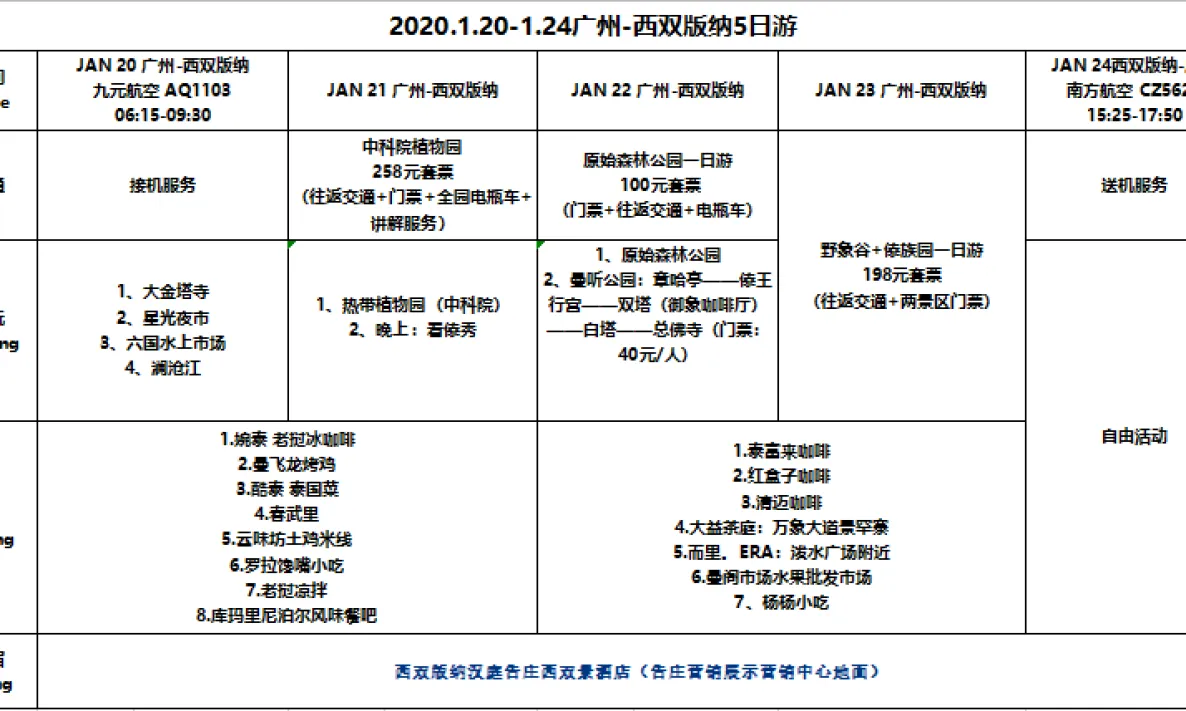
Flights: I used the "Anxin Fly" package from Jiuyuan Airlines for the outbound trip—this was my fourth time using it, with taxes only costing 50 yuan. For the return trip, I snagged a great deal: a bug fare on China Southern Airlines via Fliggy for just 284 yuan.
Parking: Driving from Guangzhou, I parked at a lot near the airport for 5 days at only 100 yuan, including shuttle service to and from the terminal—excellent value.
Accommodation
I spent 446 yuan total on four nights at the Hanting Hotel (Xishuangbanna Gaozhuang Branch). The location was perfect, right in the heart of Gaozhuang Xishuangjing, within walking distance of major attractions and night markets. As a Hanting member, the price was very affordable.
Dining Budget

My food and drink expenses over five days came to about 2,000 yuan—let's just say I ate and drank well. Xishuangbanna's cuisine ranges from Dai-style barbecue to Thai dishes, from Lao iced coffee to tropical fruits—the choices are dizzyingly abundant.
Ticket Overview
- Manting Park
- Dai Show
- Xishuangbanna Primitive Forest Park
- Xishuangbanna Tropical Botanical Garden, Chinese Academy of Sciences
- Dai Ethnic Garden
Practical Tips
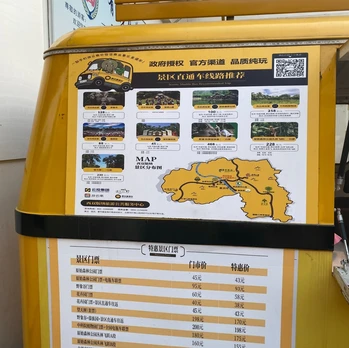
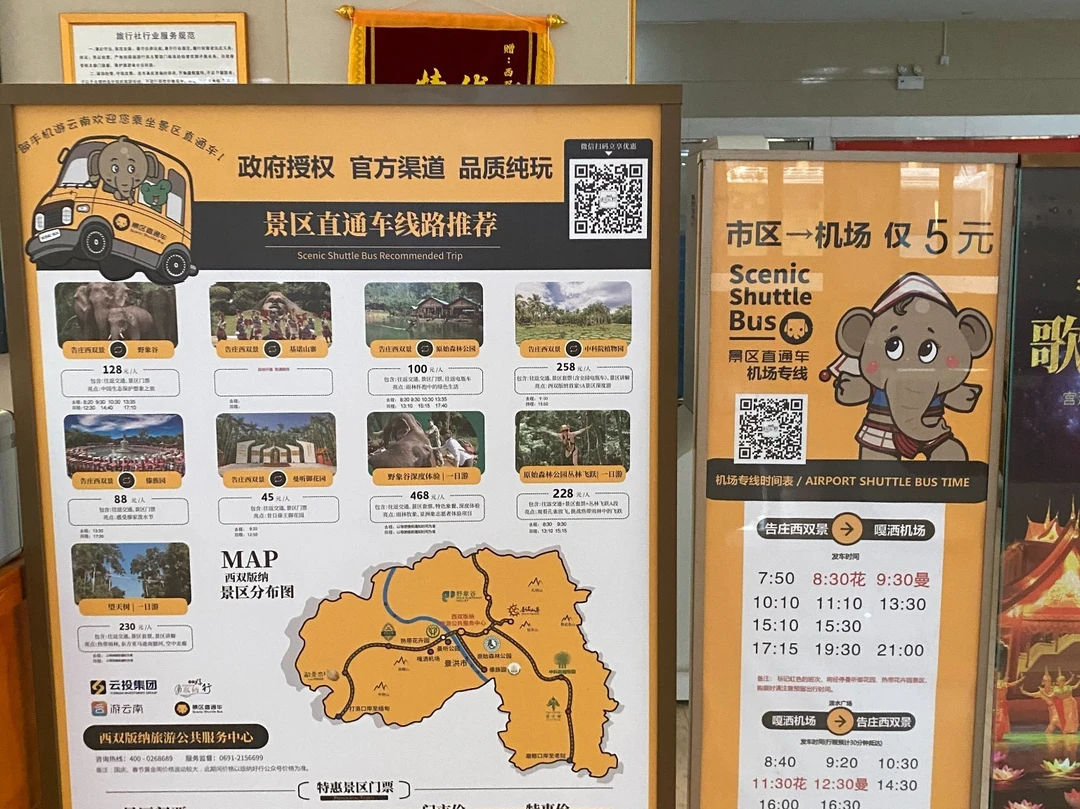
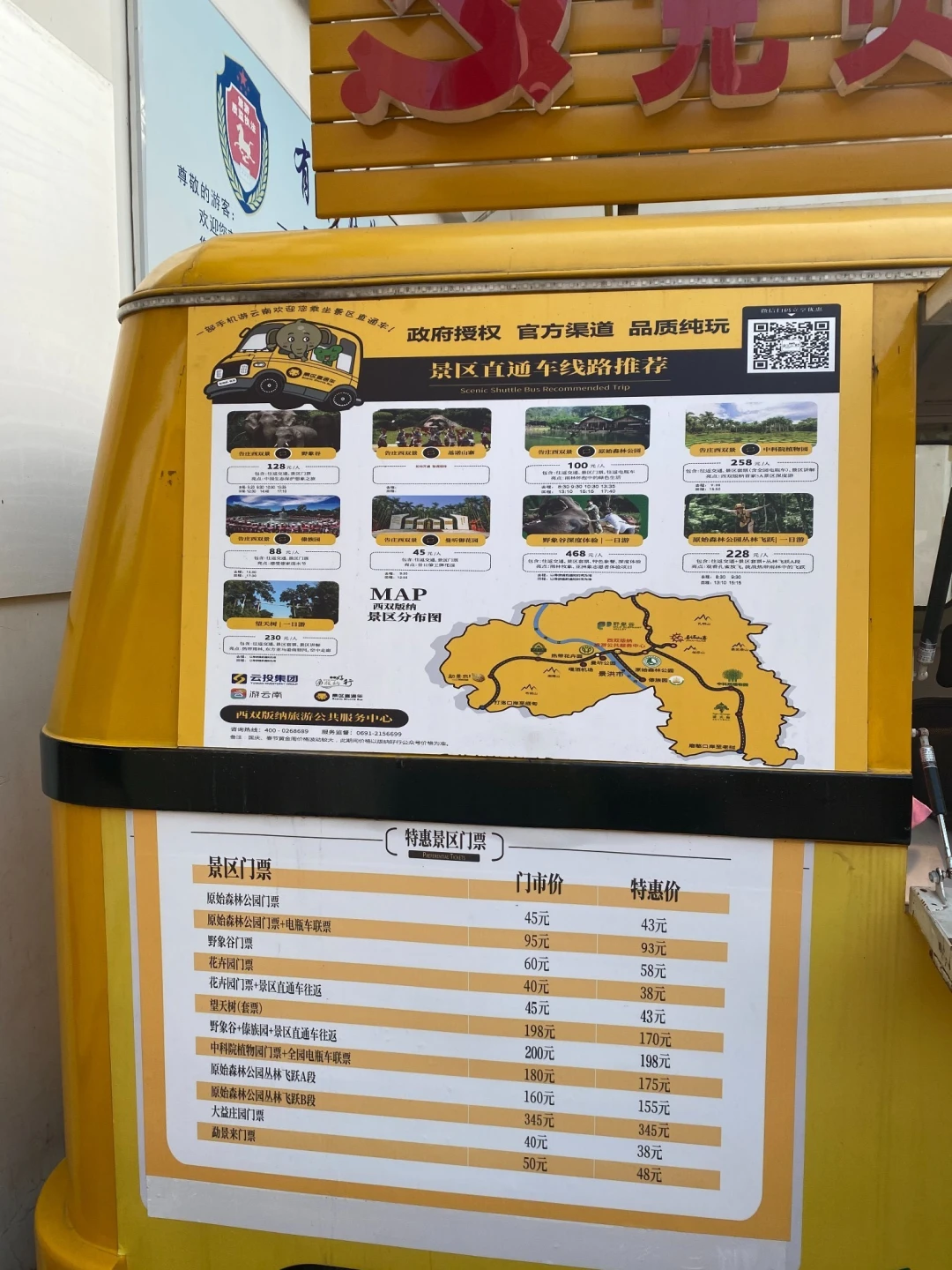
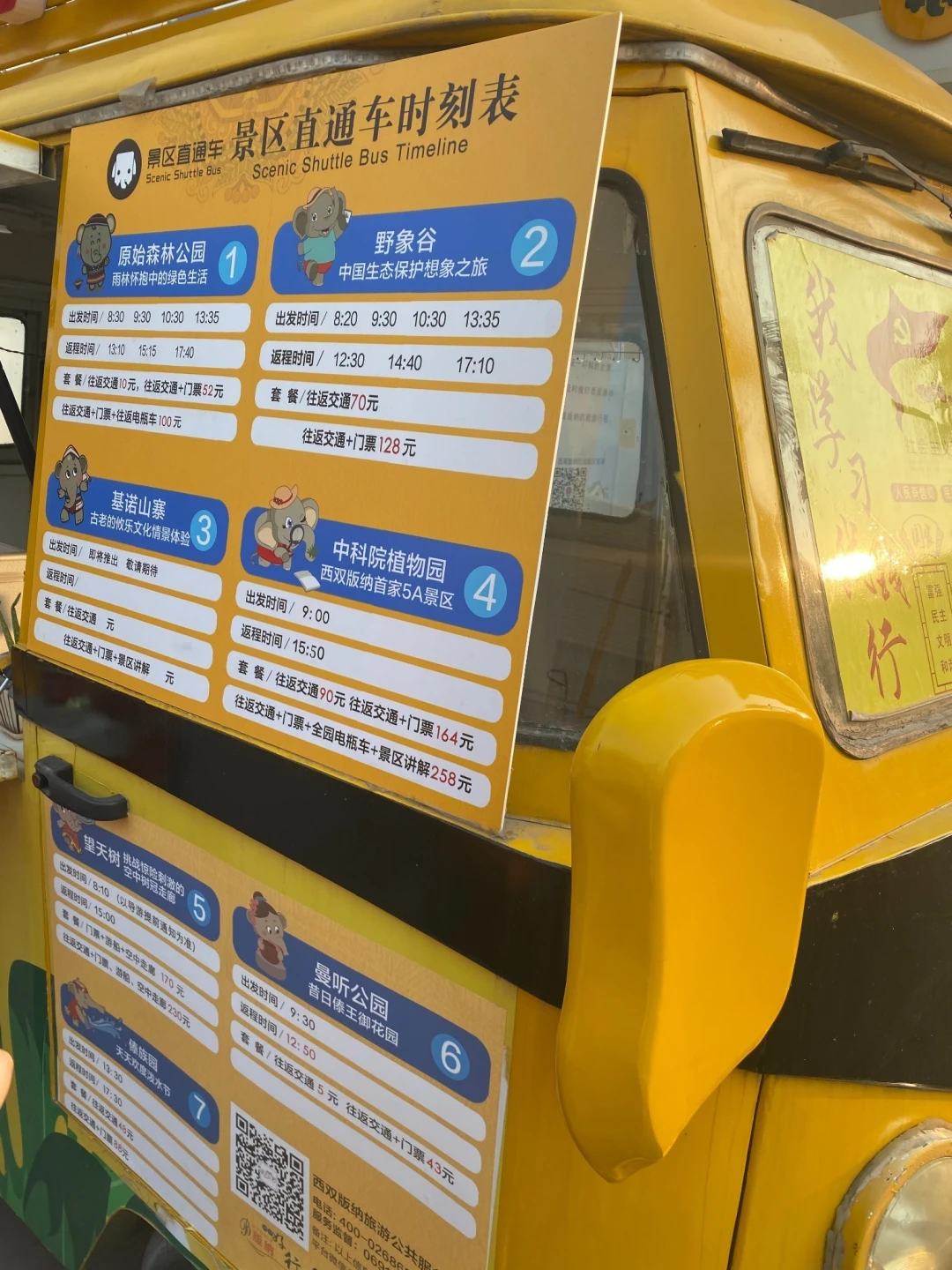
- Booking Tickets: Follow the "Scenic Area Shuttle Bus" WeChat official account, or book day tours directly on Mafengwo. It's hassle-free and reasonably priced.
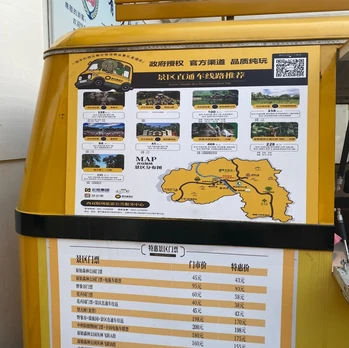
- Electric Cart Choices:
- Primitive Forest Park: Not needed—walking is fine
- Tropical Botanical Garden: Absolutely take the electric cart—the park is huge, and walking it will wear you out
Dai Ethnic Garden: Not recommended—walking allows you to enjoy the Dai houses along the way
Dai Show Seating: Choose seats in the B section, slightly elevated, for a better overall view. Locals have ways to get tickets under 300 yuan, and online purchases also offer discounts.
DAY 1: The Clash of Exotic Charm and Chinese Flavor
Early morning, I boarded a flight to Xishuangbanna. Due to the pandemic, my planned trip to Harbin was canceled, so I chose this tropical land instead.
After landing, the scenery along the way surprised me—simple houses, remote paths—but then came endless tropical rainforests and lush vegetation. I couldn't help wondering: What treasures does this place hold?
By noon, I arrived at Gaozhuang Xishuangjing, the most bustling and concentrated tourist area in Xishuangbanna. With everything from food and drink to entertainment, I decided to settle in here.
Jinghong Grand Pagoda Temple
My first stop was the Jinghong Grand Pagoda Temple. Located within Gaozhuang Xishuangjing, it gleams with gold during the day, appearing sacred and serene. At dusk, the monks' chanting echoes all around, inspiring reverence.
Practical Info: - Free admission - Fewer visitors in the morning—no ticket check, free to take photos - After 3-4 PM, tickets are required, and evenings are crowded
Mekong River Starlight Night Market
The night market is empty during the day, but after dark, it transforms into a bustling world of crowds. Claimed to be the largest night market in China, it features hundreds of stalls selling souvenirs, food, and handicrafts.
Following the market down leads to the Mekong River Six-Country Water Market. Along the Lancang River, you can take a boat ride to enjoy the night views. However, my personal advice: Just soak in the atmosphere—skip the spending, as it's not great value.
Special Experience: Dai-style costume photos. There are many dedicated shops in the area—199 yuan covers the outfit, makeup, and photos. Ladies should give it a try; the results are fantastic.
DAY 2: Into the Rainforest, Exploring the Dai King's Back Garden
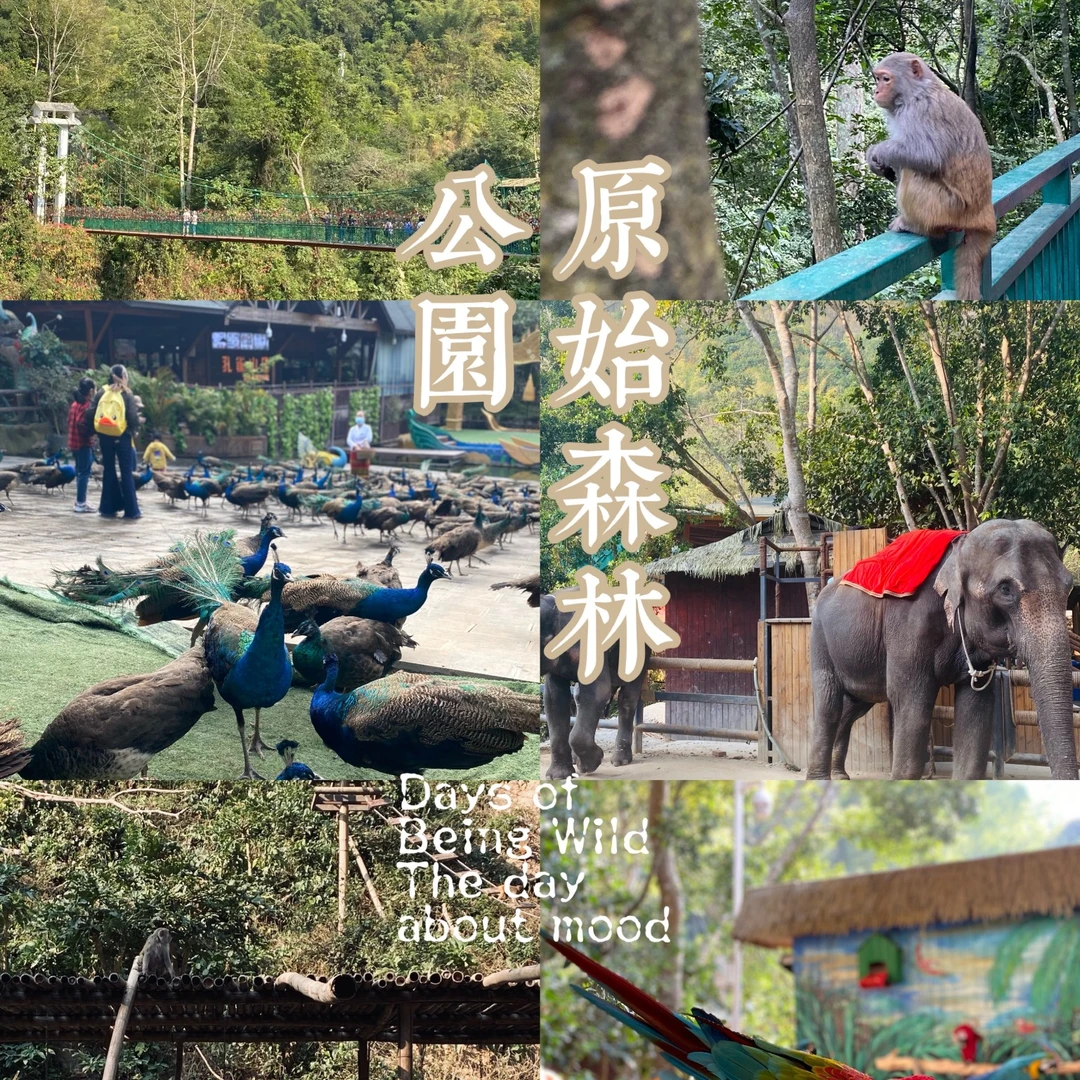
Primitive Forest Park
Xishuangbanna is the only city in China with a tropical rainforest, so exploring a forest park is a must. At the Primitive Forest Park, I breathed in the abundant negative ions, escaping the city's hustle and returning to nature's embrace.
Tips: - If you have hiking experience, walk instead of taking the electric cart—it feels rushed otherwise - Watch ethnic minority performances and try bamboo pole dancing - Plenty of animals: peacocks, monkeys, parrots, elephants - There's also a jungle zip-lining experience
Manting Park—The Dai King's Imperial Garden
Manting Park is the oldest park in Xishuangbanna. In Dai, it's called "Chunhuan," meaning "Garden of the Soul." Legend says a Dai princess once visited, was captivated by the beauty, and left her soul here.
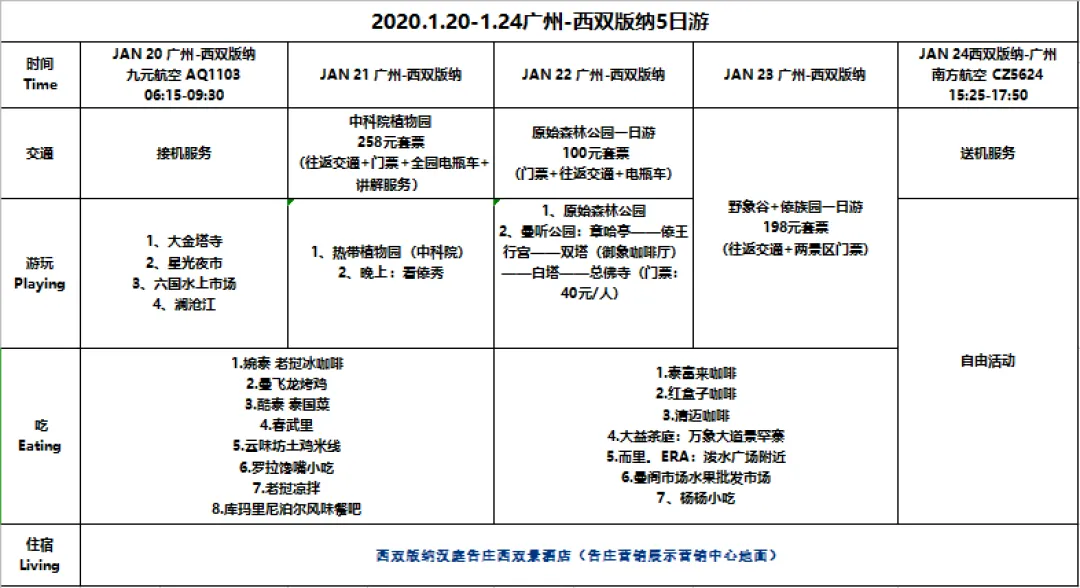
Route: Zhangha Pavilion → Dai King's Palace → Twin Pagodas (Royal Elephant Café) → White Pagoda → General Buddhist Temple
Ticket: 40 yuan per person
If time allows, join the evening bonfire party (about 380 yuan per person), which includes dinner, performances, and a water lantern release.
Dai Ethnic Garden: A Must-Visit or a Letdown?
Honestly, I had high hopes for the Dai Ethnic Garden, but the actual experience was a bit disappointing. Perhaps due to the pandemic and some areas under renovation, it wasn't as stunning as I'd imagined.
Still, there were highlights: - Water-splashing performance (fewer tourists due to COVID, so the atmosphere was subdued; the April Water Splashing Festival is livelier) - Dai song and dance performances (13:30 and 14:30 daily) - Unexpected finds: delicious jackfruit and cheap durian freeze-dried snacks
Advice: Don't buy the electric cart ticket—walk in and enjoy the Dai houses along the way. If you join a day tour, after watching the song and dance (13:30-14:30) and water-splashing (15:30), the trip is essentially done.
DAY 3: Nature's Classroom and an Artistic Feast
Xishuangbanna Tropical Botanical Garden, Chinese Academy of Sciences
This is a paradise for plant lovers. The garden houses over 12,000 living plant species, with 38 specialized plant zones and about 250 hectares of preserved primary tropical rainforest.
Layout: - West Zone: Man-made botanical garden, showcasing various exotic flowers and plants - East Zone: Primary tropical rainforest, ideal for hiking
Practical Advice: - Definitely take the electric cart! The garden covers 11.25 square kilometers—walking it is exhausting - Consider a day tour (departs 9:00 AM, returns 5:00 PM) with a guide for a richer experience - Visit in spring to see flowers in full bloom - Popular photo spots: hot air balloon, big trees
Special Note: For a more authentic rainforest experience, visit Wangtianshu Scenic Area (120 km from Banna, needs a full day). Locals say, "If you come to Xishuangbanna and don't visit Wangtianshu, you've come in vain."
The Dai Show: A Visual Spectacle
The Dai Show was one of the highlights I most anticipated. Designed by a foreign architect, the venue is in the Wanda Sunac Park (reportedly a project funded by Wang Sicong), right next to Wanda Plaza.
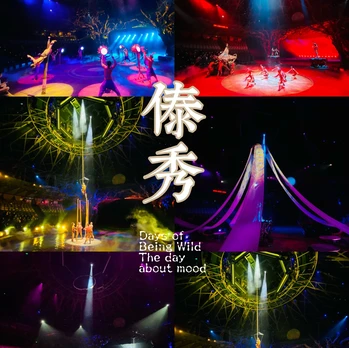
Experience: - The stage design is top-notch, reminiscent of Macau's "House of Dancing Water" - Performance: a love story from Dai culture, blending acrobatics, dance, and singing - Lighting and stagecraft are world-class
Ticket Price: Over 300 yuan at the official website or on-site, divided into A section (VIP center), B section (side), and C section (corners). Try booking through hotels or other channels for better deals.
Food Section: From Dai to Thai, Eating Through Banna
Chunwuli—Thai-style Snack Shop

Rating: ★★★★★
Located on a hillside, you can enjoy sunset views and the city skyline at dusk. Surrounded by trees with fresh air, it's perfect for photos. Be sure to book in advance, or you won't get a table.
Food: Affordable prices and great taste.
Laiding Minsu SAN Thai Restaurant
Rating: ★★★★★
The decor blends Japanese and Chinese styles, with many books, antiques, and collectibles inside, plus a white parrot. They say the chef is Thai, so the food is very authentic. The green jeep at the entrance is an iconic photo spot.
Note: This is one of the most expensive restaurants in the area—book ahead.
Kumari Nepalese Flavor Restaurant

Rating: ★★★★★
The decor has an Indian vibe, with many Indian dishes on the menu. They're most famous for their naan bread and Nepalese snack platter. After eating so much Dai food, trying something different was a nice change.
Ku Tai—Thai Restaurant
Rating: ★★★★☆
The most affordable Thai restaurant in the area, set under a banyan tree with an exotic feel. The dishes are all Thai, reasonably priced, and authentic.
Manfeilong Roast Chicken—Internet-Famous Spot
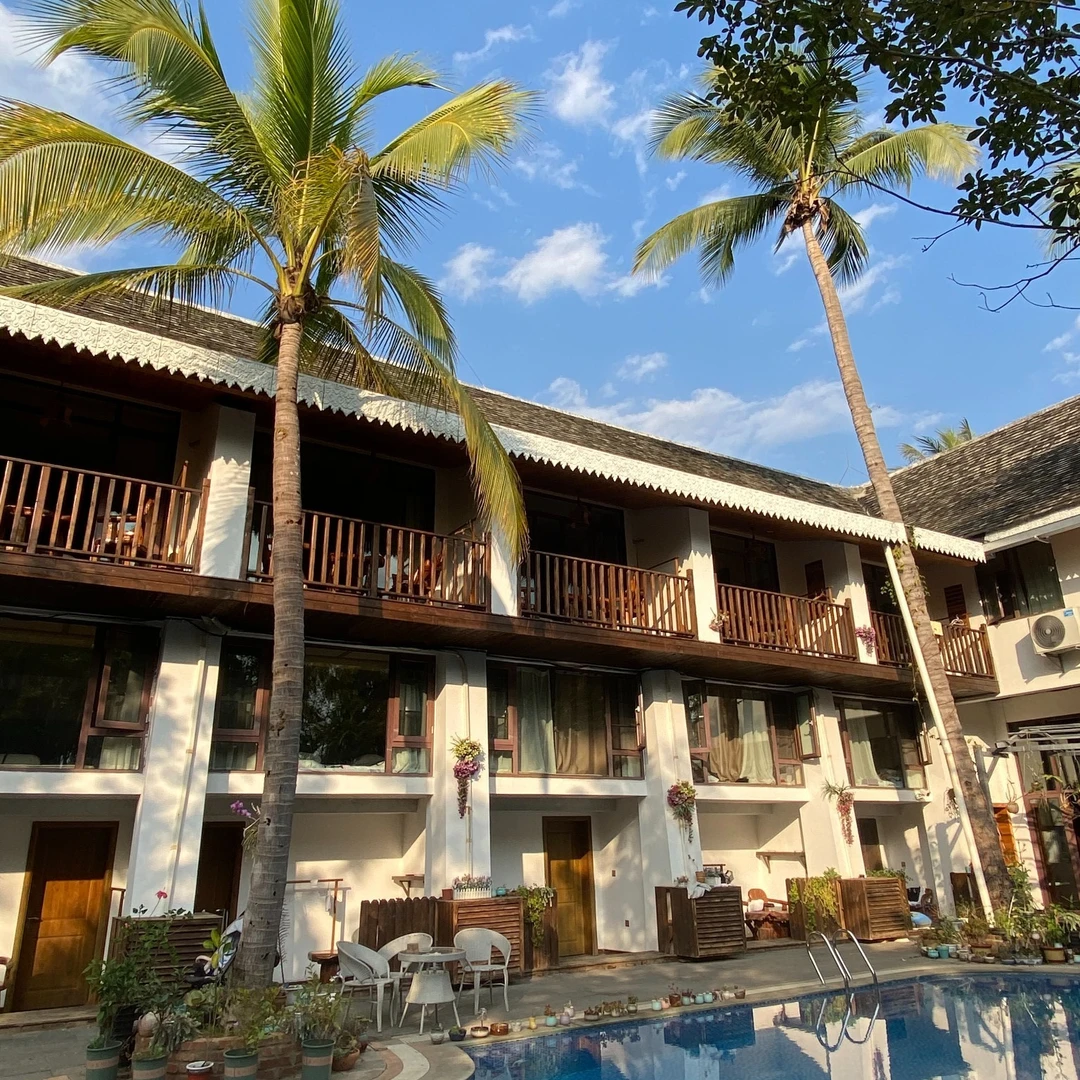
Rating: ★★★★☆
The main branch is huge, built with thatched huts over two floors. Specializing in roast chicken and various Dai dishes. Order à la carte, and definitely get a whole chicken. Tastes okay, but nothing mind-blowing.
Yunweifang Chicken Rice Noodles
Rating: ★★★★★
The best rice noodle shop in the area, perfect for breakfast. They use black-bone chicken, with a rich broth. Both rice noodles and rice sheets are delicious. You can buy a group deal at a good price. I had breakfast here two mornings in a row—very satisfying.
Yangyang Snacks—Skip It
Rating: ★★★☆☆
Near Manting Park, good for a quick lunch after visiting. Their most famous dish is paper-wrapped fish, but I'd had it the day before, so I skipped it. Stir-fried rice sheets (similar to chow fun) and "Qiang Sanbao" (chicken feet, squid, and cowhide) were average and a bit greasy.
Coffee Section: Must-Visit Cafés in Banna
TAIFULAI COFFEE

Rating: ★★★★★
The best ins-style coffee shop in Banna, with a clean, comfortable vibe perfect for photos. The drinks are good, too. Interestingly, the shop is registered not as a café but as "Kaiyun She" (Fortune-Opening Society).
CHIANG MAI COFFEE
Rating: ★★★★☆
A tucked-away ethnic-style coffee shop. The owner is a music lover, with a piano and guitar inside. Drop by in the afternoon for some jazz and a coffee—very relaxing.
RED BOX COFFEE
Rating: ★★★☆☆
A big glass house with European vintage decor, great for photos. Unfortunately, they use artificial flowers instead of real ones. The drinks are average—stick to afternoon tea and skip the food.
EAR COFFEE
Rating: ★★★☆☆
An unassuming little shop with a casually chosen name. After visiting Manting Park and eating at Yangyang Snacks, you can drop by for a quick visit. Limited menu and average setting.
Dayi Tea Court
Rating: ★★★★★
The flagship store for Dayi tea. Besides selling tea, they have a unique tea beverage shop. The drinks are outstanding, made with their exclusive teas—far superior to other fast-drink chains. The second floor is a tea lounge with street views, very comfortable.
Special Experiences and Miscellany
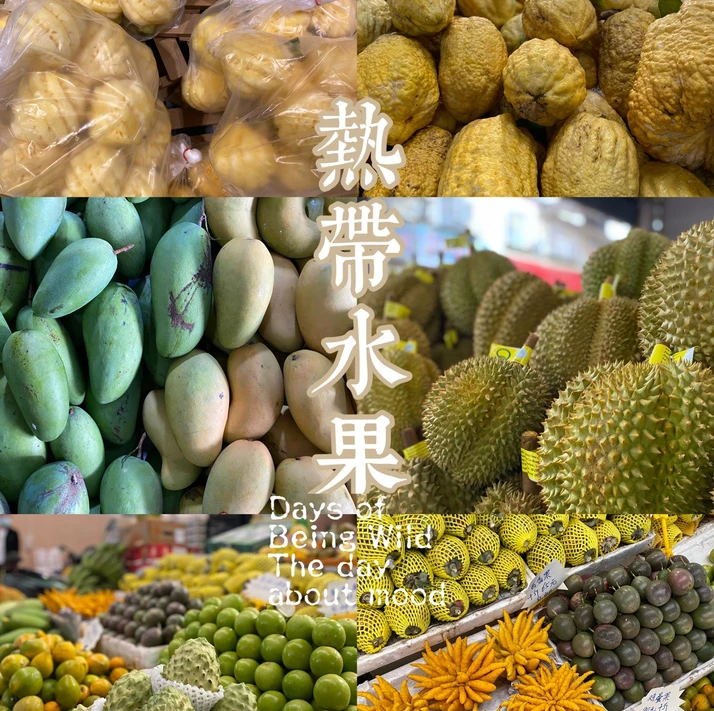
Mange Market Fruit Wholesale Market

The largest fruit wholesale market in Xishuangbanna. Unfortunately, I visited out of season. In summer, you can have your fill of tropical fruits.
Wantai Lao Iced Coffee
The most popular Lao iced coffee shop. Honestly, the iced coffee wasn't strong enough, but the coconut smoothie was popular and nicely packaged. Worth a visit, but nothing special.
Daile Coffee
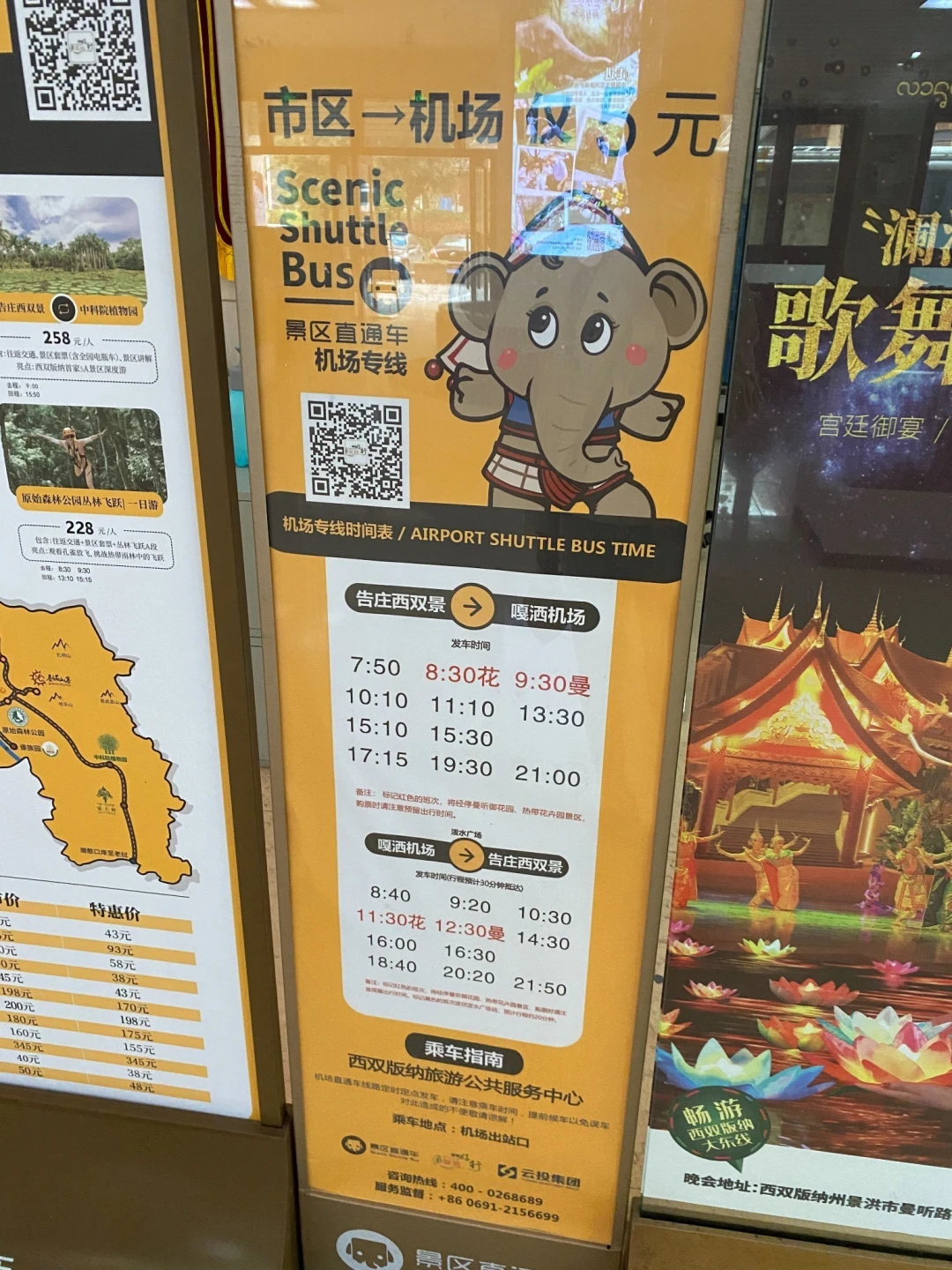
Rating: ★★★★★
Good drinks, but the real surprise was the ice cream—made with milk, smooth and creamy. The Lao coconut milk iced coffee was also delicious, more recommended than Wantai.
Yuguang Dai-style Sticky Rice
Rating: ★★★★★
A seemingly simple shop with amazing food. Specializing in hand-grabbed rice, many locals take it to go. Grab it for breakfast—served on banana leaves with various sides, eaten by hand. One bite after another, and you can't stop.
Other Notes
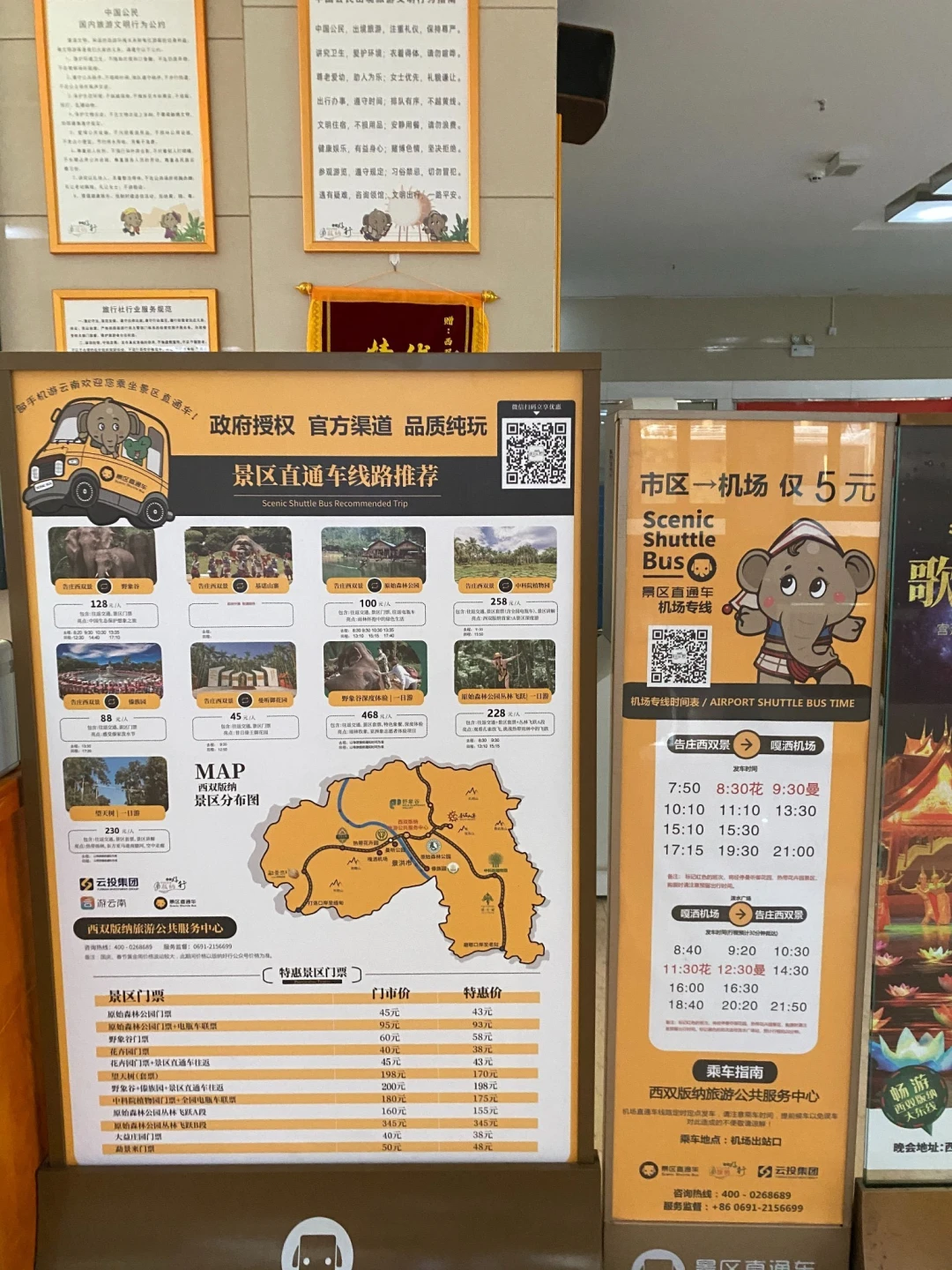
- Wanda Plaza Starbucks: A familiar taste of the city
- Thai Mini Pineapples: Sold at every fruit shop, but they seemed too sweet—possibly soaked in sugar water
- Night Market Fresh Juice: Avocado and mango milk, no water added—absolutely delicious
- Pu'er Tea Rice Noodles: The broth is actually made with Pu'er tea—a unique flavor
- Local Wraps: Stuffed with pickled beans, mushrooms, cabbage, etc.—worth a try if you pass by
Conclusion: Xishuangbanna—Worth It!
Five days came to an end, but Xishuangbanna's charm left a deep impression on my heart.
There's no winter or spring here—it's warm year-round. Come in winter to escape the cold, or in summer to escape the heat. Whenever you visit, you'll feel its unique charm.
Many who've been here marvel at its exotic atmosphere—that's the magic of this place. Whether it's Dai culture, distinctive cuisine, resplendent temples, or mysterious rainforests, it's all worth spending a few days to truly experience.
Finally, a travel reflection:
Happiness is nothing more than living life on your own terms. It's not about how much you have, but how you approach what happens and how you view gains and losses.
Change your lifestyle—make yourself happy. Let go of attachments, and the weather will seem better. Every journey is a harvest in itself.
Xishuangbanna, see you next time.
This travelogue is original content. Please contact the author for reprints.
You should also read:

Take Me to the Distance: Ten Days in Yunnan, a Poetic Journey Through Our Youth
Take Me to the Distance: Ten Days in Yunnan, a Poetic Journey Through Our Youth Prologue: Setting Off, Just to Be Together Some trips are planned for ages, yet always lack that final spark of spontaneity. We were students, with a tight budget but limitless…
Continue reading...
Never Stop Walking: A Solo Journey Through Yunnan – 19 Days of Wandering Through Lugu Lake, Lijiang, Shangri-La, Dali, Shuanglang, and Kunming
Never Stop Walking: A Solo Journey Through Yunnan – 19 Days of Wandering Through Lugu Lake, Lijiang, Shangri-La, Dali, Shuanglang, and Kunming Weibo / WeChat Official Account ID: Fan Nuan Backpacking far and wide, with good wine always by my side The land of colorful…
Continue reading...
24 Days, 1400 Yuan: A Solo Journey Along the Sichuan-Yunnan Route, Trading Stories for Scenery
24 Days, 1400 Yuan: A Solo Journey Along the Sichuan-Yunnan Route, Trading Stories for Scenery Setting Out, Not to Escape, but to Find Myself The year I graduated from university, I did two "crazy" things: I quit my job, and I set off on a…
Continue reading...