Written in February: A Self-Drive Photography Guide from Lijiang to Daocheng
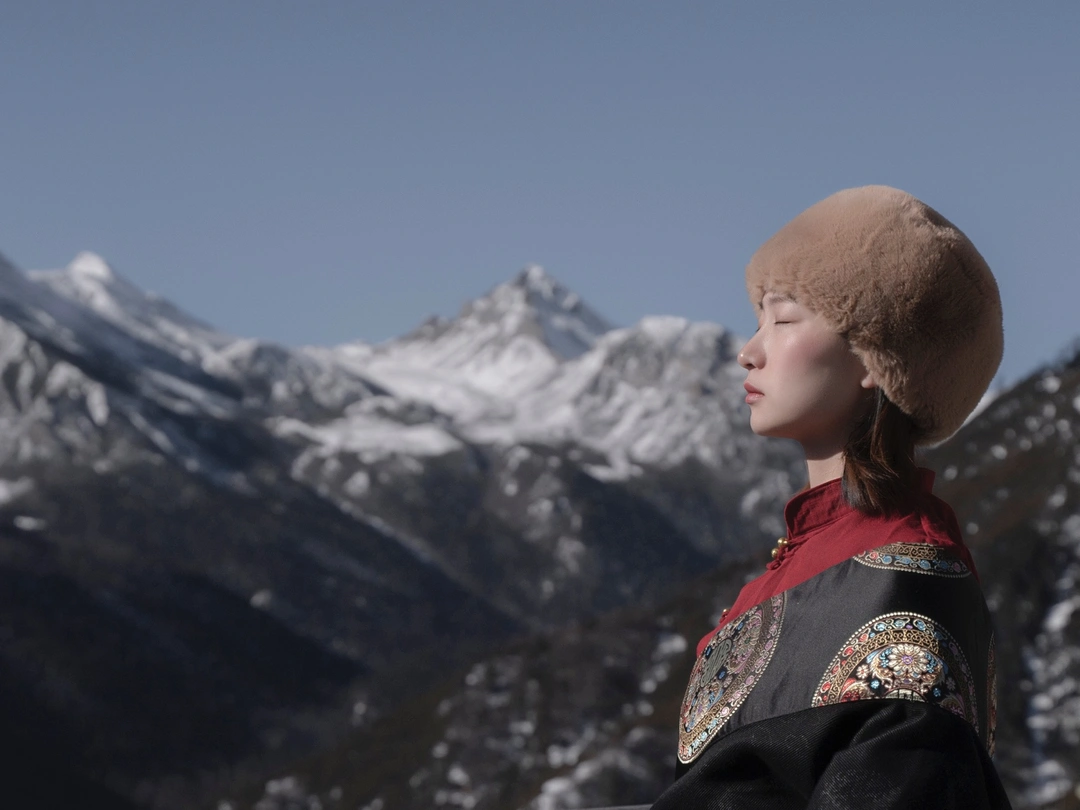
Written in February: A Self-Drive Photography Guide from Lijiang to Daocheng
May the lonely always have wine to drink, and may wanderers always have a song to sing.
I'm Shanfeng—a photography enthusiast who spent his youth on Mafengwo and is now entering middle age. I served in the military for over a decade, once managed the "Chaoyang Masses" (a neighborhood watch-style system), and am now walking the path of entrepreneurship. My Weibo handle is @十元老大爷, and my friends call me "Shanfeng Can't Write Travelogues."
In January 2020, I set off on a self-drive journey from Lijiang to Yading Nature Reserve in Daocheng. This wasn't a meticulously planned trip—it was a "happy decision made on the spot, toughing it out as we went." Ten days, not particularly expensive per person, yet it made me rediscover high altitudes, rediscover photography, and rediscover myself.
If you love photography too, if you also long for that highway connecting Lijiang, Shangri-La, and Daocheng Yading, then this guide might just give you some inspiration.
Why February?
"There are so many places we haven't been, so many things we haven't done, so many people we haven't seen. We think one day we'll get there, do it, meet them—but in truth, what we end up with is often: didn't go, didn't do, and didn't see."

That quote was my exact state of mind before leaving. I'd just returned from the Philippines on New Year's Day, my Chinese stomach still adjusting, when a friend's single sentence made me book my flight: "Winter-exclusive experience—the entire Daocheng Yading scenic area, all to yourself, like a private tour."
Altitude sickness has always been my shadow. My previous trip to Tibet wasn't pleasant, but this time I told myself: while I have the time, while I have the means, just go.
My background music was "Ru Si" (As Such) by Lost Train: "What's lost and what's gained is only time." Every time I hear it, it feels like it's singing about life—the road ahead uncertain, the road behind fading, yet there's always a glimmer of light after breaking through.
On Photography: Why Bring the Sony RX100 VII (Black Card 7)?
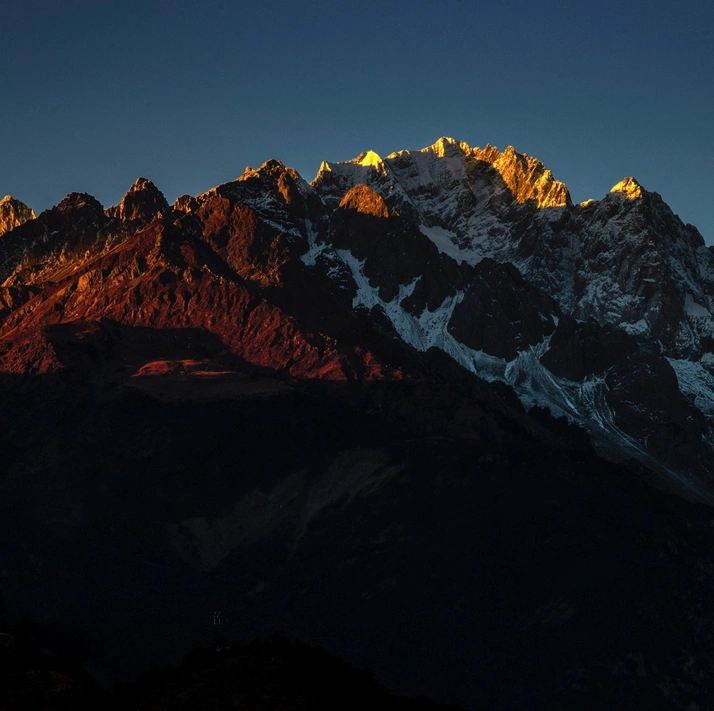
This trip was also the first attempt by my startup, kakk lab Photography Lab. So this travelogue isn't just a record—it's a location guide for photography enthusiasts.
Speaking of photography, I'd been to Lijiang Old Town and Daocheng Yading before, back in the days before digital cameras were widespread. The "taking pictures" of then and the "photography" of now are two completely different things. This spontaneous trip was to make up for lost opportunities, to capture those great shots I'd missed.
For gear, I chose the SONY RX100 VII (Black Card 7) . With its 24-200mm focal length, it covered pretty much everything I wanted to shoot. Compared to my Nikon D5, my mom no longer has to worry about me lugging dozens of pounds of equipment. I was introduced to this camera by a travel buddy in the Philippines over New Year's. Before I even got back to China, I'd snapped up a second-hand one on Xianyu—it arrived home before I did.
Departure: From Beijing to Lijiang
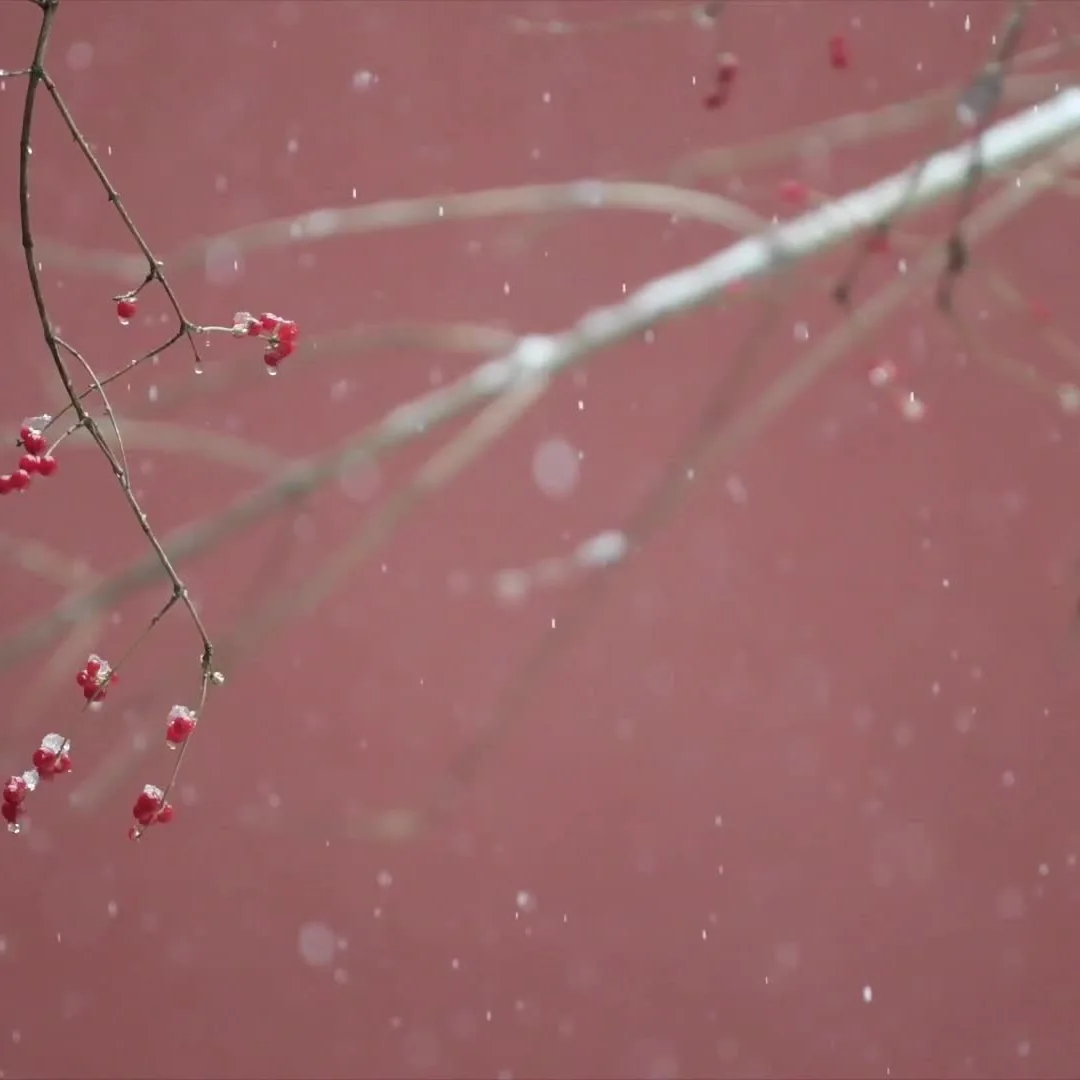
It was snowing heavily again in Beijing when I left from Daxing Airport. The snow of 2020 came earlier than usual. Looking through the glass at the snow-covered airport, I suddenly wondered: what's the best thing I own? A long-awaited trip? A long-desired photoshoot? A camera I'd wanted for ages?
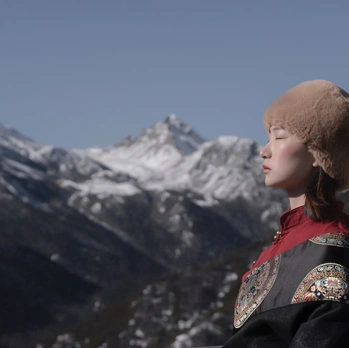
The answer: Possibility.
If life never changes, if days are just repetitive. Compared to the monotonous office and the street committee cafeteria where I mooched three meals a day two years ago, I now have more possibilities. Of course, that also means losing a stable income and a fixed routine. But having possibility is having the best thing.
Getting to Lijiang Airport was a bit bumpy—a perfectly sunny day, yet the plane couldn't land. After circling for a while, we flew to Chengdu to refuel and finally arrived in the evening. Nearly 8 hours on the plane, and my mental "altitude sickness" had already kicked in.
Lijiang: A City, A Sacred Mountain
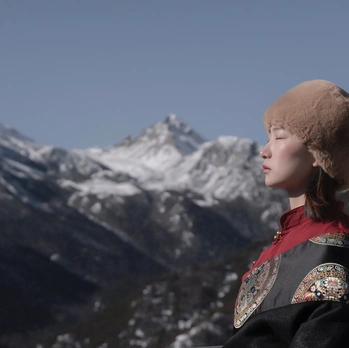
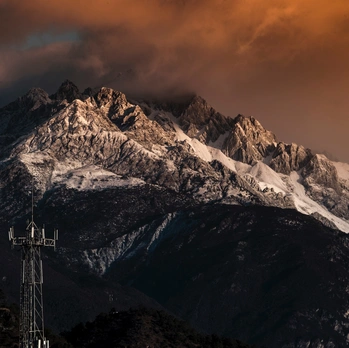
In our photography plan for Lijiang, everything revolved around Jade Dragon Snow Mountain. This time we stayed at Lijiang Guyuan Snow Mountain Manor, a massive villa. It felt less like a hotel and more like an art gallery—clay sculptures, wood carvings, and paintings everywhere. The best part was pulling back the curtains in the room and seeing the snow-capped mountain right there.
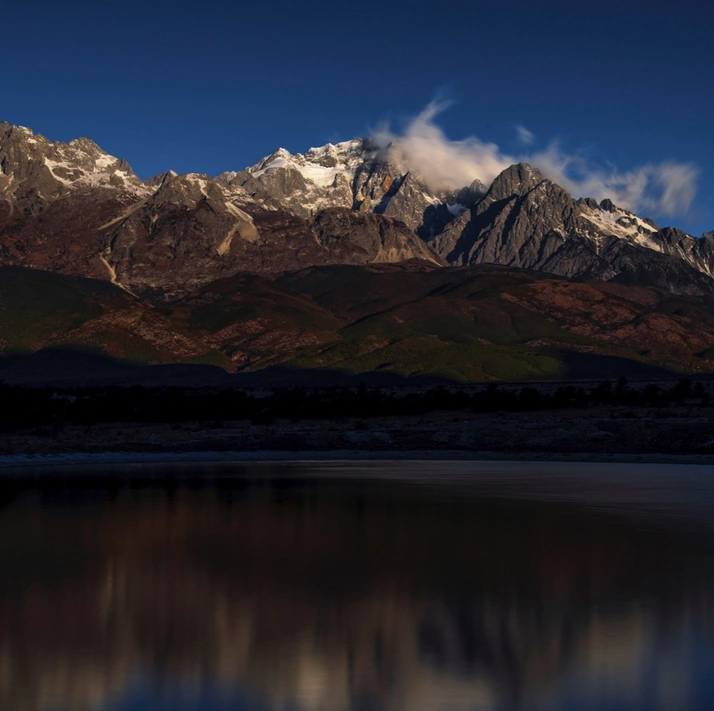
Jade Dragon Snow Mountain Location: Yuhu Lake Reflection
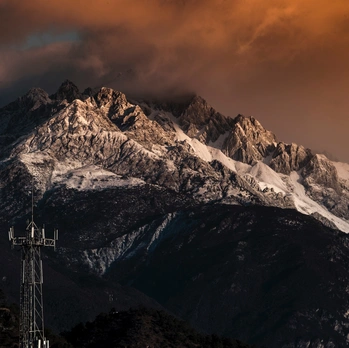
Yuhu Village has only recently come into the spotlight. An American named Joseph Rock lived here for over 20 years, sending his photos to National Geographic for publication, and that's when the world started calling this place the legendary Shangri-La. Coincidentally, my route from Lijiang through Diqing to Daocheng Yading was exactly the path this guy took back in the day.
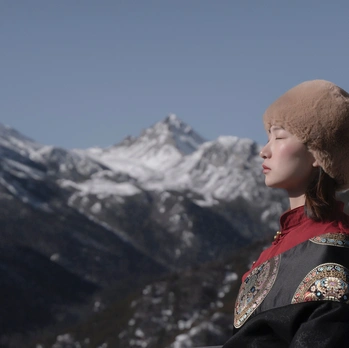
Location info: Search "Yuhu Lake" on navigation—about 20+ kilometers from Dayan Old Town, a 30-minute drive. Self-driving is the best option. This spot offers the best reflection of Jade Dragon Snow Mountain. In winter, sunrise or sunset are prime times for stunning shots. Unfortunately, I was too lazy, still nursing my fear of altitude sickness.
Turning off the paved road, you'll hit a gravel stretch. You can drive all the way to the far end. The lake isn't large; there's a wooden boardwalk on one side. Walk to the opposite side of the mountain, and you can capture the mountain and its reflection merging into one. There's also a solitary tree growing in the lake—in winter, it sheds all color, leaving only stubborn, full branches. In a different season, this spot could rival the lonely beauty of Wanaka Lake in New Zealand.
In Yuhu Village, you'll find great spots for travel photos everywhere. If you pay attention, you'll always find a path—you stand at one end, the snow mountain at the other.
Jade Dragon Snow Mountain Location: The Sparkling Waters of Wenhai
From Yuhu to Wenhai, you'll pass through Baisha Ancient Town and loop around to the back of Jade Dragon Snow Mountain. The straight-line distance looks short, but it takes over an hour of winding mountain roads. Wenhai is a high-altitude lake, now turned into a reservoir that sustains the entire city.
In winter, Wenhai is in its water-storage phase, with the most abundant water. But the wind is strong, and the water surface is too fluid. A tip: Make sure to stock water and snacks in the car—the round-trip mountain roads might make you miss mealtime, and the surrounding farmhouses are all closed in winter.
The afternoon sun was a bit harsh, but the interplay of light and water created a beautiful shimmering effect. I drove around most of the lake and found the best spot between villages on the east side—a small path leading straight to the shore. If the lake is calm, you can also go to the opposite side to photograph the back of Jade Dragon Snow Mountain.
Baisha Ancient Town: A Hidden "General Store for Worries"
Many friends who knew I was going to Lijiang insisted I visit Baisha Ancient Town. Compared to Dayan and Shuhe, it's quieter, with richer ethnic culture and history. Plus, it's an ancient town right at the foot of the snow mountain.
Location info: Search "Baisha Murals" on navigation. Many angles in the town are great for shooting the snow mountain—using the village as a foreground really emphasizes the feeling of "a mountain guarding a land and its people."
I stumbled upon a general store that also doubled as a café. It had a very casual vibe—one side sold vintage clothes and various knick-knacks, the other was a café. I ordered a small cup of locally grown coffee, sipped it while soaking up the sun, gazed at the distant Jade Dragon Snow Mountain, scrolled through my phone, and chatted with the shopkeeper. This kind of leisurely time is rare.
Black Dragon Pool: A Pleasant Surprise for Classical-Style Photography
Before leaving, I wanted to shoot a set of classical Chinese-style portraits. I'd done a lot of online research but couldn't find a particularly suitable place. Once in Lijiang, I found a small shop in Dayan Old Town that did classical-style makeup, and the owner recommended Black Dragon Pool Park.
Location info: Black Dragon Pool Park requires showing proof of the Ancient City Maintenance Fee, 50 RMB per person. The park isn't large, but it has pavilions, towers, bridges, and flowing water. We didn't go far; we found a tea room by the lake, ordered a pot of Pu'er tea, and started shooting.
The advantage of visiting Lijiang in winter: fewer tour groups, flowers still blooming, pleasant climate. The most important thing for classical portraits is the makeup and styling—get that right, and you're 60% successful. Beyond standard portrait techniques, focus on details: capture movements, props, or close-ups of body parts, clothing, or makeup. You can also shoot related environmental scenes to indirectly convey mood and theme.
On the Road: Sun on the Left, Snow Mountain on the Right
After saying goodbye to Lijiang, we set off for Daocheng Yading. Considering the driving time, we chose to stop overnight in Shangri-La. We departed at 10 AM, taking National Highway G214. The road conditions were excellent, and we arrived in Diqing in about 3.5 hours.
Location info: About 70 kilometers from Shangri-La on G214, there's a stretch of winding mountain road. No snow or ice on the road surface, and there's a lookout point every kilometer. Sun on the left, snow mountain on the right—this stretch of scenery is, in my opinion, one of the most suitable self-drive routes for the general public.
Arriving in Diqing, we stayed at the Shangri-La Hotel in the old town. Waking up, I photographed the window shutters—outside, a distant view of snow mountains and temples, with the morning sunlight sneaking in. I sat on the sofa, lit a cigarette, and prepared for the 7.5-hour journey ahead.
Songzanlin Monastery: A Morning Confronted by a Yak
We arrived in Diqing in the afternoon, still with time to spare, so we visited Songzanlin Monastery, just 4 kilometers from the city center. I'd been scrolling through posts about the best photo spots, but after wandering around in the afternoon without finding them, I decided to get up early the next morning and try again.
Early morning shoots have always been a struggle for me. But the silver lining was that sunrise here was at 8:00 AM—very friendly. When we left just after 7, it was still pitch black outside. Feeling our way in the dark, we used navigation to estimate the monastery's position and kept circling through the surrounding villages. As dawn began to break, we found the spot by the national highway.
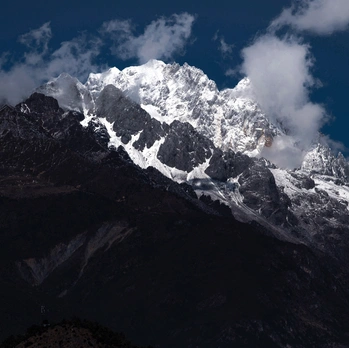
Just as I was fully focused on photographing the morning mist, I heard Jiaojiao (my fellow photographer) shouting, "Run!" I looked down—a yak was charging straight at me. Its horn was less than half a meter from my chest, its dark, round eyes staring directly at me. We spun around, jumped in the car, closed the doors, and locked it. My heart was pounding. The yak stood just two or three meters away, watching us the whole time. In desperation, I opened the sunroof, stuck my hand out, took a couple more shots, and said, "Bye-bye."
Location info: - Morning mist spot: On the side of National Highway G214, about 1 kilometer north of the intersection of Diqing West Inner Ring Road and G214, on the right side of the road. A telephoto lens around 200mm is recommended. - Reflection spot: On the opposite shore of Lhamo Yangtso Lake, you can photograph Songzanlin Monastery's reflection. However, in winter, the lake water is insufficient, and aquatic plants are overgrown, spoiling the reflection effect. - Panorama spot: The official viewing platform, but it's just okay. A few hundred meters away is the sky burial site—out of reverence for life and death, I didn't walk over.
One big advantage of winter travel: cheaper tickets. Songzanlin Monastery's regular price is 115 RMB, but in the off-season, we only paid 60 RMB.
Napahai Lake: That Moment of Turning Back
After saying goodbye to the yak and the misty Songzanlin Monastery, we set off for Daocheng Yading. Just over a dozen kilometers out of town, a blue lake appeared on the left side of the road, with a continuous range of snow-capped mountains in the distance—breathtaking. We took the turnoff and headed straight for this expanse of water.
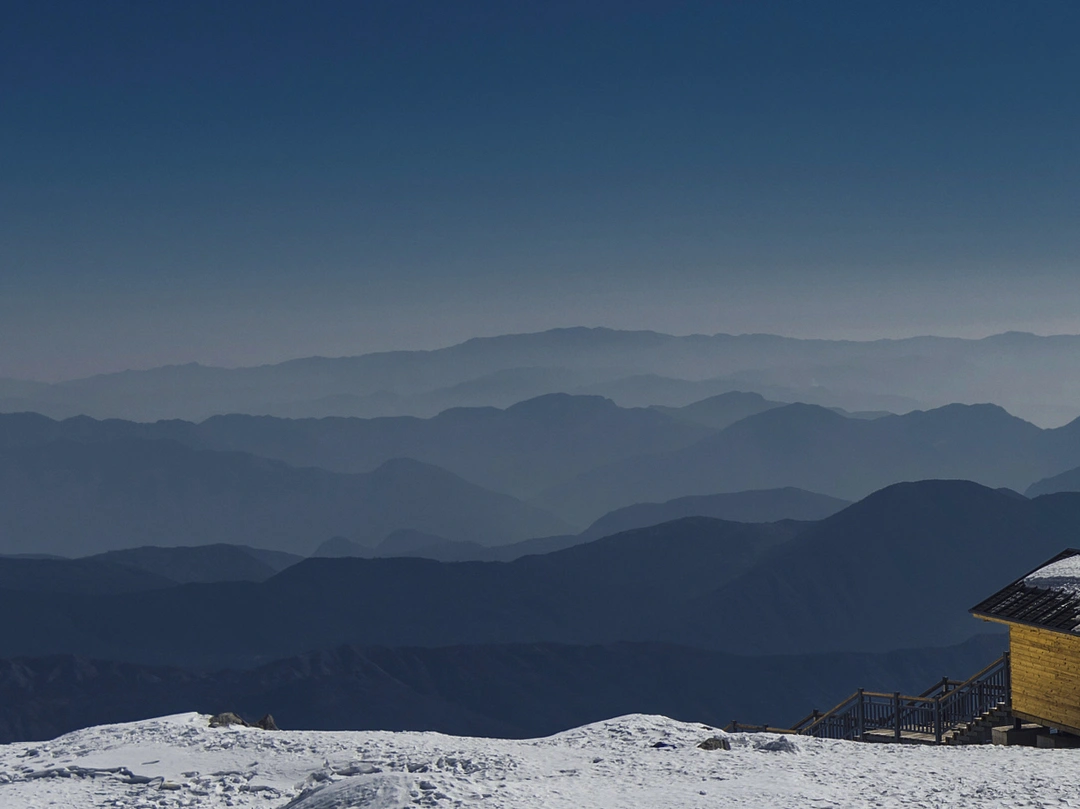
Napahai means "lake behind the forest" in Tibetan. In winter, it's very quiet—we were the only tourists. The grassland surface was covered in a thin layer of frost, and some areas of the lake had frozen over. Above the lake stood the three major snow mountains: Shika, Yeka, and Xinyala.
Location info: The best viewing spot for Napahai is the lookout platform along National Highway G214, which can be found directly via navigation. The platform is spacious, with an extended area near the scenic side. Standing there, you can overlook the entire area, feeling like you're on top of the world.
As I turned back for one last look at Napahai before getting in the car, it was a sheet of blue—not a trace of melancholy, just quiet and peaceful.
The Final Challenge: Unnamed Country Roads and Snow-Covered Paths
For the route to Yading, we chose G214 to G215, passing through Guxue Township and Xiangcheng County, then taking an unnamed country road to cut straight onto G227. This route was shorter and faster, but the road conditions were complex—gravel roads, country paths, and snow-covered stretches.
We drove upstream along the Jinsha River. The navigation indicated we had left Yunnan and entered Sichuan. The road conditions became more complicated—the winding mountain roads often had large chunks of gravel, presumably fallen from above. When self-driving, you must stay alert.
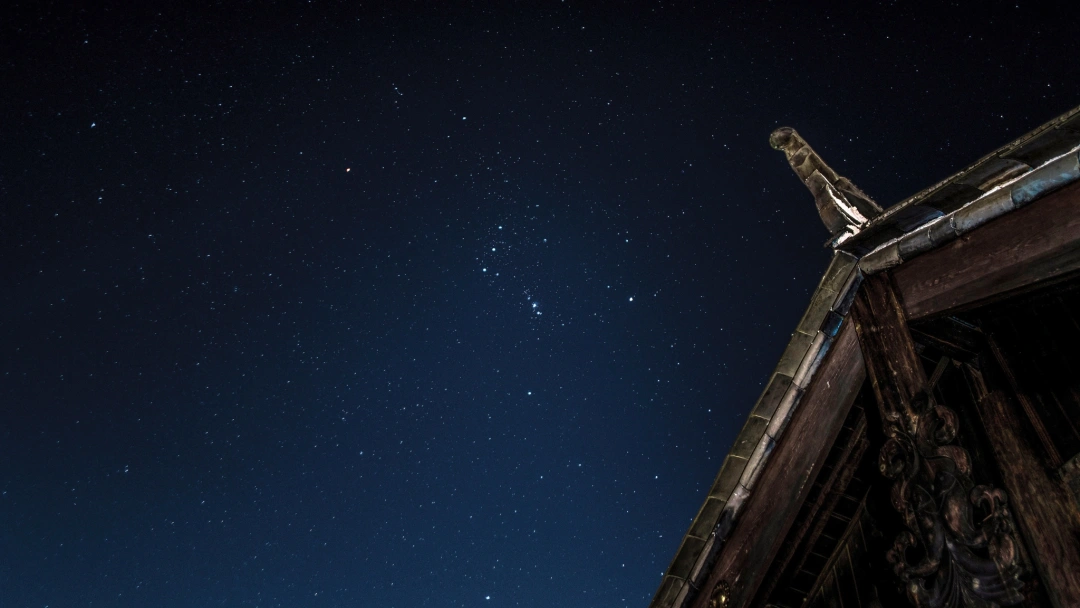
On this section of the national highway, there were many viewing platforms, and chorten (Tibetan stupas) became more frequent. On one side of the road was a steep cliff; on the other, the emerald-green Jinsha River. When I got tired, I'd pull over at a platform, take in the view, and light a cigarette. The winter here wasn't cold, and the sunlight was gentle.
The unnamed country road we took was even smoother than the national highway in some places. But as the altitude increased, large patches of snow began to appear on the road surface. The snow chains I'd bought for 300 RMB in Lijiang were basically useless—mainly because I didn't know how to put them on. So I drove very slowly on this roughly 40-kilometer snow-covered stretch, which had many sharp switchbacks, taking over an hour.
The moment I turned onto National Highway G227, my sweaty hands finally relaxed their grip on the steering wheel. I knew the bumpy part of this trip was behind me.
Daocheng Yading: A Private Paradise
Time stretches long. In the days at Daocheng Yading, the three sacred mountains, draped in snow that has never melted for millennia, have stood silently here, guarding this pure land through the long river of time.
The name "Daocheng Yading" always makes people think of the film I Belonged to You. But for me, the deepest memory is of Ma Di's song "Aohan" (Proud Cold): "Aohan, let's get married, on the morning when the snow melts in Daocheng."
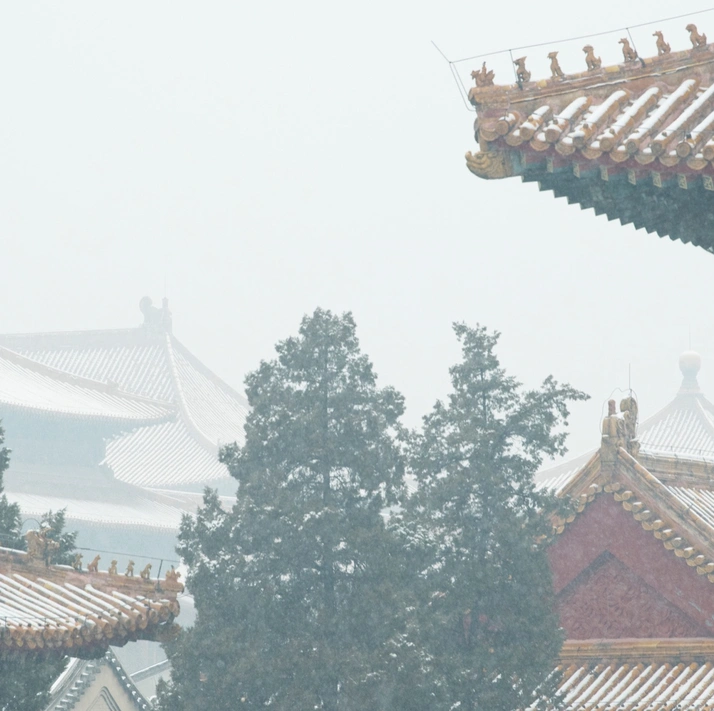
I chose to visit Daocheng in winter for two reasons: first, in winter, Daocheng Yading is a private, tailor-made paradise; second, compared to other seasons, the air is much more humid and oxygen-rich—a huge psychological boost for someone like me, a severe sufferer of altitude sickness sequelae.
We left in the morning and arrived in Yading at 7 PM, checking into the Risong Gongbu Hotel. Arriving here, the whole town suddenly opened up—buildings multiplied, and the lighting created a lively atmosphere. Along the way, I saw many restaurants, supermarkets, shops, and even foot massage places. This kind of well-developed commercial infrastructure in such a remote location gave me an inexplicable sense of joy and reassurance.
I chose the Risong Gongbu Hotel for a few reasons: first, it's in the center of Shangri-La Town, convenient for getting around; second, the facilities are complete, allowing for a good rest; and third—honestly, after that snow-covered road, I really needed a comfortable bed.
In Closing: On Travel, On Photography, On Life
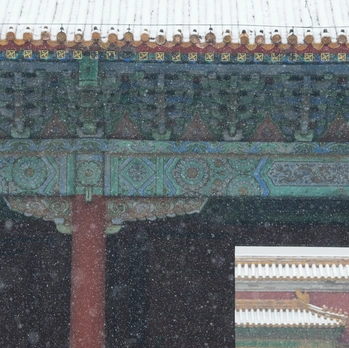
Let's return to the opening line: "May the lonely always have wine to drink, and may wanderers always have a song to sing."
On this trip, I set out with a fear of altitude sickness and returned with a wealth of rewards. From the snow mountain reflections at Yuhu Lake to the shimmering waters of Wenhai; from the general store in Baisha Ancient Town to the classical portraits at Black Dragon Pool; from the morning mist and the yak at Songzanlin Monastery to the tranquil blue of Napahai; and finally, to that private, tailor-made paradise—Daocheng Yading.
Photography has taught me more than just how to compose a shot or adjust settings. It has taught me that something you truly love or are passionate about can be both your armor and your Achilles' heel. Just like altitude sickness—I was clearly afraid, yet I still came. Just like that solitary tree—stripped of color, yet still standing stubbornly.
A few key takeaways for photography enthusiasts:
Gear choice: A lightweight, long-zoom camera like the Black Card 7 is more than capable for travel photography. The 24-200mm focal length covers most scenarios, the image quality is sufficient, and the key is its light weight.
Best photo spots: The snow mountain reflection at Yuhu Lake, the morning mist spot by the national highway at Songzanlin Monastery, and the Napahai viewing platform—these three places are must-visits.
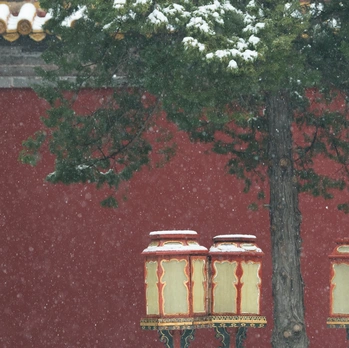
Winter advantages: Fewer people, cheaper tickets, higher oxygen content in the air. The downside is that some vegetation has withered, and colors can be monotonous—but that pure, stark beauty is something no other season can offer.
Self-driving advice: The drive from Lijiang to Daocheng Yading takes about 7-8 hours total. Road conditions are generally good, but be careful on snow-covered sections. Bring snow chains—you might not use them, but it's better to be prepared.
Dealing with altitude sickness: Keep a calm mindset; don't get too anxious. Walk slowly, drink plenty of water, and avoid strenuous activity.
Finally, let me end with a line from Lost Train's "Ru Si" (As Such):
"The road ahead is uncertain, the road behind is fading."
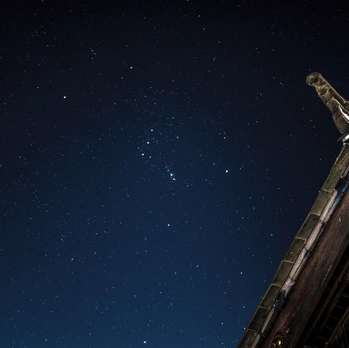
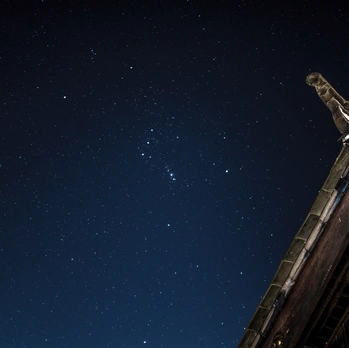
But I know—the starlight is right above us.
Locations: Lijiang, Shangri-La, Daocheng Yading, and the road in between Gear: SONY RX100 VII (Black Card 7) Background music: "Ru Si" by Lost Train Featuring: Jiaojiao, portrait photographer
You should also read:
Yunnan Travel Mastery: From Beginner to Pro-Level Player – A Complete Guide
Yunnan Travel Mastery: From Beginner to Pro-Level Player – A Complete Guide "Either travel or read, but your body and soul must be on the road." This quote has been repeated countless times, but very few people truly manage to be "on the road" and…
Continue reading...
Escaping Nanning, Falling Under Lijiang's Spell: Our Four-Person, Ten-Day Yunnan Dream
Escaping Nanning, Falling Under Lijiang's Spell: Our Four-Person, Ten-Day Yunnan Dream Before We Set Off: No Pain, No Obsession Have you ever had that impulse—suddenly tired of the office fluorescent lights, the crush of the subway, the endless parade of identical takeout boxes, and just…
Continue reading...
Solo in Yunnan: A Wanderer’s Guide to the Land of Eternal Spring
Solo in Yunnan: A Wanderer’s Guide to the Land of Eternal Spring There’s something magical about traveling alone. No compromises, no schedules to keep, no one to please but yourself. I’ve been on the road for nearly three months now, and not once have I…
Continue reading...