Xishuangbanna 5 Days & 4 Nights: Taking Kids Through the Southeast Asian Paradise at 21° North Latitude – Experience Exotic Charm Without Leaving China
Xishuangbanna 5 Days & 4 Nights: Taking Kids Through the Southeast Asian Paradise at 21° North Latitude – Experience Exotic Charm Without Leaving China
Introduction: A "Better to Ask Forgiveness Than Permission" Family Adventure
"Beautiful Xishuangbanna, couldn't keep my father..." This folk song, the graceful dance of Dai girls, the frenzy of the Water Splashing Festival – are these the images that come to mind when you hear "Xishuangbanna"? At least, that's how it was for me. That land at 21° north latitude, like an emerald hidden deep in the tropical rainforest, had me longing to take my child to feel its warmth.
But in the summer of 2020, the pandemic cloud still hung heavy. My husband was dead set against public transportation, and with the rainy season approaching, he raised a hundred objections. For me, though, not taking one trip a year felt like being ill. What to do? Simple and brutal – I booked the flights and hotel, then dropped the bomb: "If you won't go, I'll fly solo with both kids!" Looking back, my stubborn streak was probably sent by heaven just to deal with him. All these years, it's been tough on my husband – maybe that's what they mean by one thing conquering another.
So, hand in hand, we embarked on this 5-day, 4-night journey to Xishuangbanna.
Pre-Trip Prep: The "Pitfall-Avoidance" Secrets You Must Know
1. Information Gathering: Treasure Trove of WeChat Public Accounts
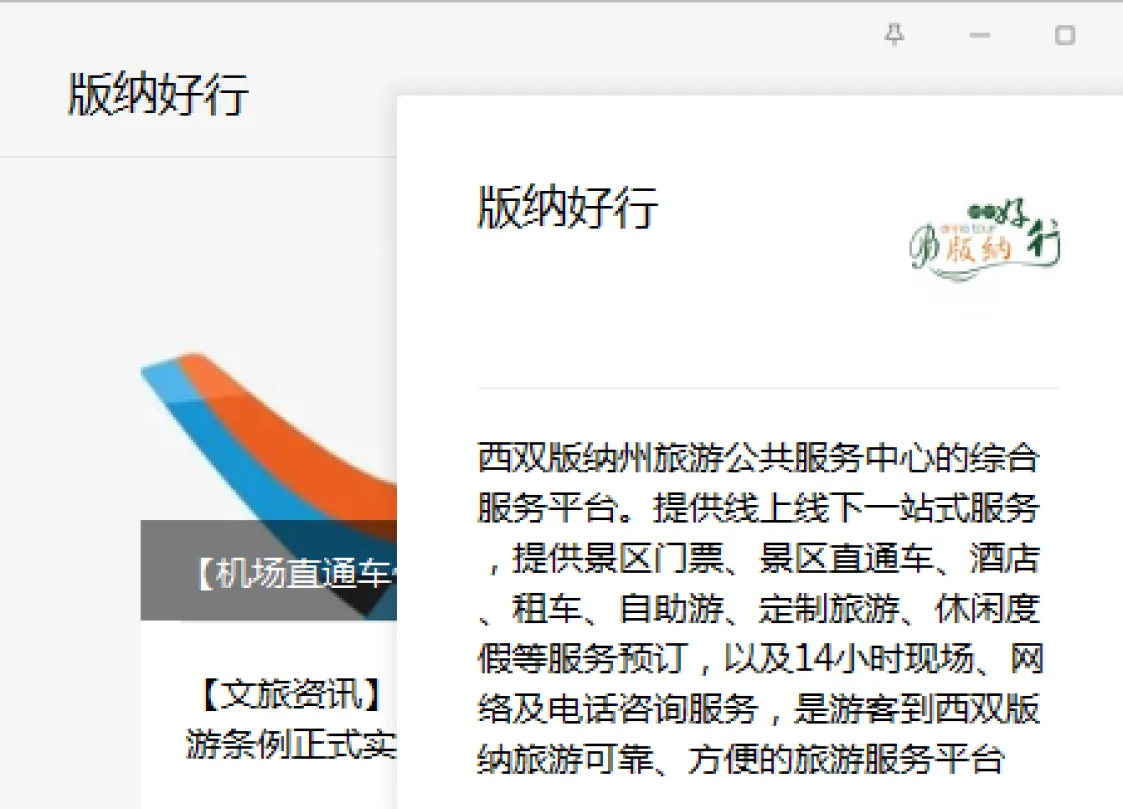
I have a habit: once I decide on a destination, I search for local travel public accounts on WeChat. These official accounts push the latest travel advisories, attraction opening status, and festival events. Follow them – you can't go wrong; the info is absolutely reliable.
2. Daily Must-Do: Baidu Maps' Thoughtful Reminders
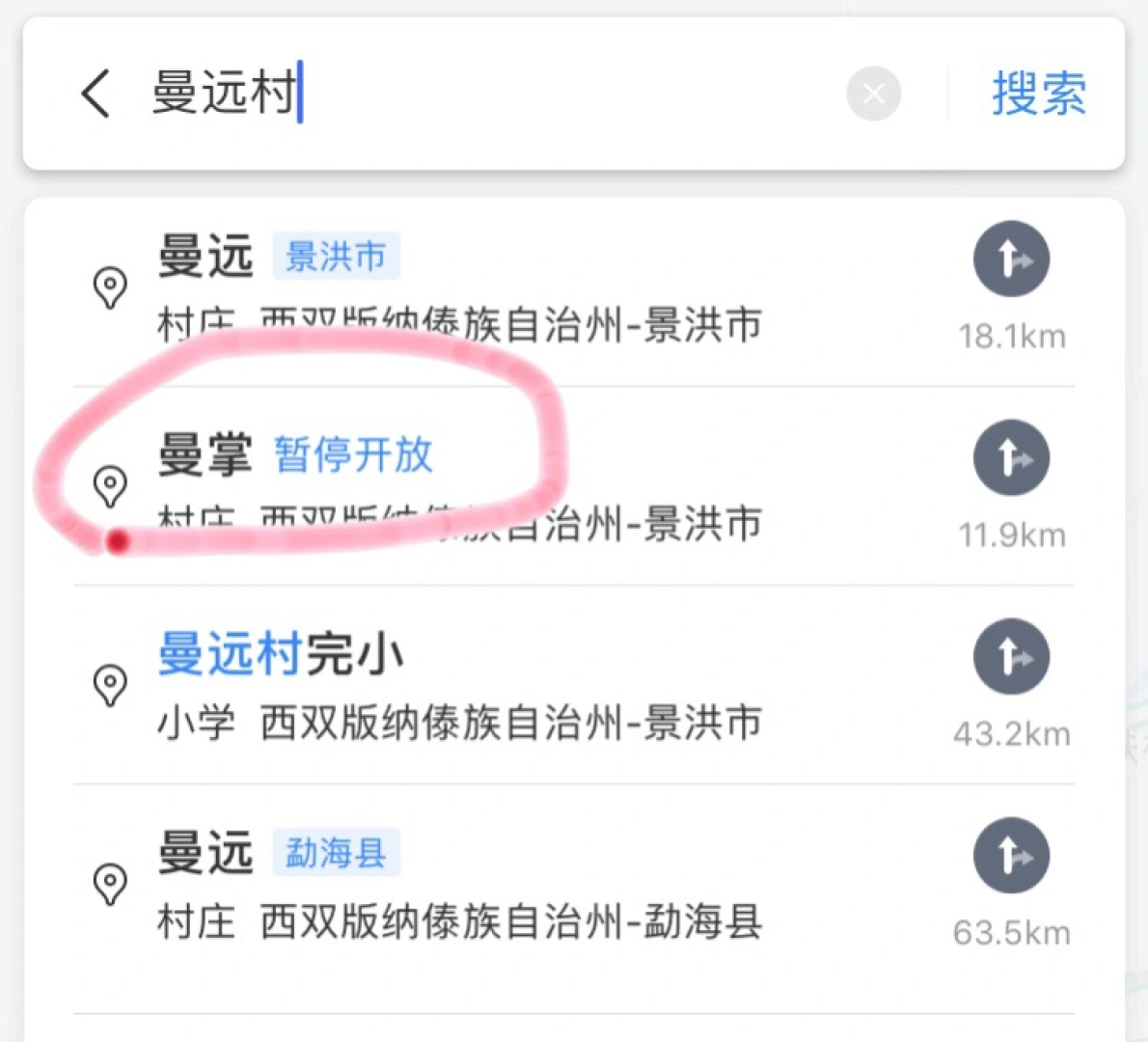
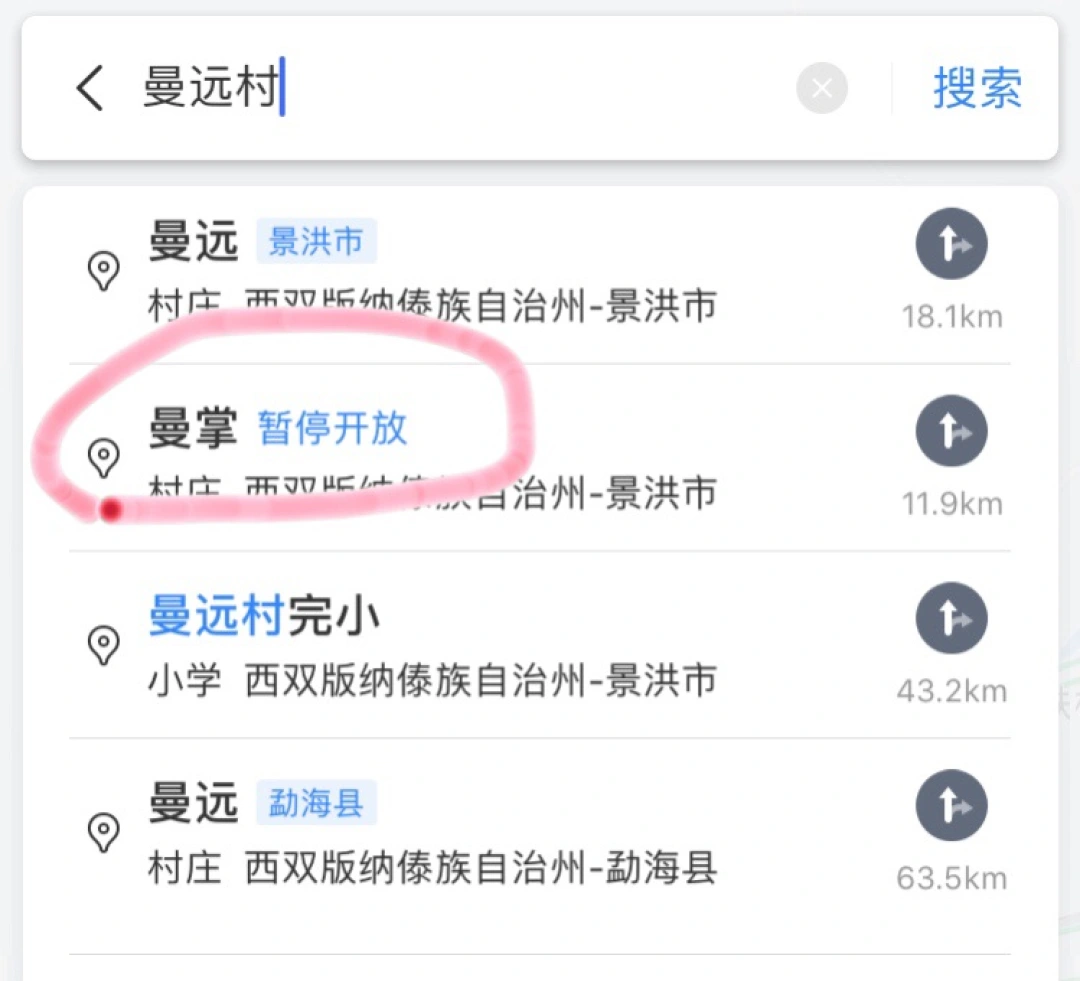
Every day before heading out, check if the attractions are open. When I switched from Amap to Baidu Maps, I discovered its "reminder function" is incredibly handy. Our original plans for Manzhang Village, Manyuan Village, Daluo Port, and Wanda Theme Park all fell through – the villages were closed due to road construction, and the latter two were shut because of pandemic restrictions. If you want to visit Daluo Port, you can only go with a tour group – no self-driving allowed.
3. Flight Choices: Red-Eye vs. New Direct Routes
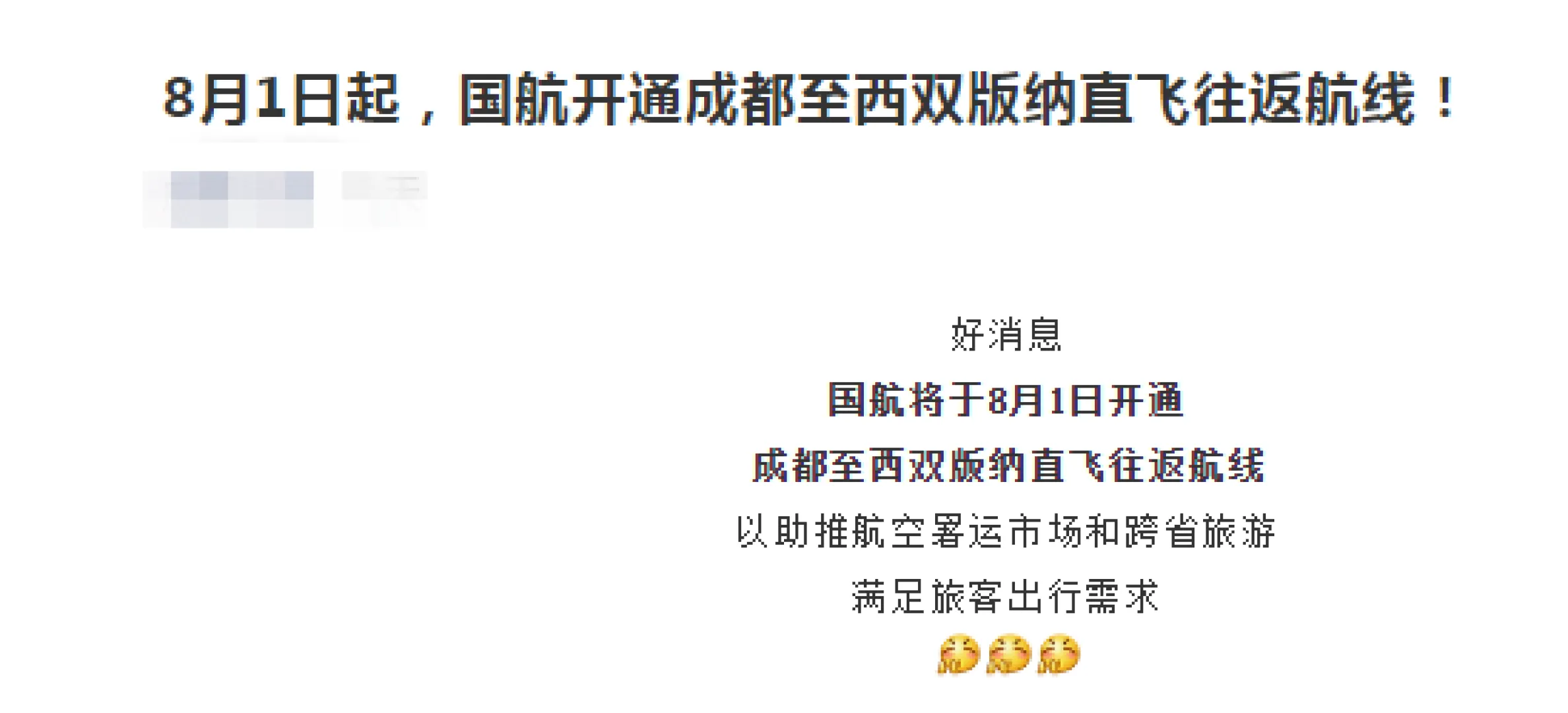
There aren't many direct flights to Xishuangbanna within China; most require a layover in Kunming. I found stopovers a waste of time, so I scoured nearby airports (Nanchong, Chengdu, Chongqing, Mianyang) and finally settled on a red-eye direct flight from Chongqing. A month after booking, China Southern suddenly launched a direct route from Chengdu to Xishuangbanna, departing at 9:35 AM – talk about man plans and fate laughs.
4. Accommodation: Three Zones, Pick Your Poison
Accommodation in Jinghong city center mainly falls into three areas:
- Gaozhuang Xishuang Jing (Gaozhuang Scenic Area): Closest to the Starry Night Market, guesthouses average around 200 RMB per night, convenient for attractions and the airport.
- Jinghong City Center (near Water Splashing Square): Great value for money.
- Wanda Resort Area: Farther out but with better hotel conditions.
We chose Gaozhuang Xishuang Jing – because, you know, the night market is right at our doorstep. Even better, Meituan Homestay ran a special for medical workers, giving us one free night. The host's warmth gave this "old workhorse," who'd been working overtime for most of the pandemic, a little sense of professional pride.
5. Car Rental: Why I Ditched the Airport Shuttle
Xishuangbanna Gasa Airport has direct shuttles to Gaozhuang, Wild Elephant Valley, and the Botanical Garden – super convenient. But I still rented a car, for three reasons: easier to handle luggage; freedom with kids (my younger son can't keep up with his older brother like a whirlwind); and attractions are scattered with no public buses – I didn't trust the reliability of charter drivers or their vehicles.
I've been using Shenzhou Car Rental for ages. They have their quirks, but I'm too lazy to switch. Sometimes they offer discounted cars – a 1.4L turbocharged engine has enough power. They've upgraded to contactless pickup and return, with fuel calculated by percentage, refunding or charging for differences – much more accurate than before.
6. Photoshoot: Do Your Homework, Don't Be a "Sucker"
Coming to Xishuangbanna, you absolutely must shoot in Dai costume! Otherwise, you'll regret it. But don't just walk into any random shop when you arrive – that's a "one-time deal" that'll rip you off. My method: search for photographers or studios on Douyin (TikTok's Chinese counterpart), compare a few, find one whose style matches yours, and add them on WeChat for details.
What to discuss? Your ideas, your requirements. In this industry, official promo photos aren't always real – post-production plays a huge role. Communicate upfront to avoid "spending money and ending up with soul-crushing photos." Studios found through platforms usually require a deposit to arrange a photographer, so no time wasted.
After that, keep scrolling through the photographer's Douyin and WeChat Moments. Finalize the costumes, shooting locations, and poses you want – this saves a ton of time during the shoot. Afterward, remind the post-production team (sometimes the same person does both) not to overdo the face retouching. After all, no matter how beautiful the photo, if it's distorted, it loses its meaning.
Full Itinerary: Highlights of 5 Days & 4 Nights
Day 1: Arrival + Xishuangbanna Tropical Botanical Garden – First Taste of the Rainforest
Morning: dragged our suitcases out, arrived at Gasa Airport two hours later. After landing, we followed Yunnan's pandemic protocols to get a health code. Picked up the car and headed straight for the Xishuangbanna Tropical Botanical Garden (also known as Menglun Botanical Garden), about a 1.5-hour drive with a 25 RMB toll. On the way, we had a security check at the Menglun service area, and near the garden, we were asked about our travel history – all for pandemic prevention.
By noon, we reached the Wanglian Hotel. Although check-in wasn't until 2 PM, the staff had prepped the room early. While waiting, my older son helped take photos of his younger brother – one brave enough to shoot, the other bold enough to pose. This默契 (unspoken understanding) made me cringe for my phone's storage.
After lunch, we started exploring the garden. It's divided into the West Zone (with fruit orchards, shade plants, etc.) and the East Zone (tropical rainforest, requiring hiking). I'd planned to cover both over two days, but my younger son kept getting hungry or cranky, so we scrapped the East Zone. My older son commandeered the camera for the whole day, leaving me with just my phone.
Must-Know for the Garden: Wear long sleeves and pants – even mosquito repellent won't cut it otherwise.
Wanglian Pond Photo Spot: Right outside the hotel, to your left. Many are drawn by the legend that "the giant water lilies can bear weight." My younger son spent 50 RMB to "brave the challenge" – though it was really the board on top of the lily. At 3.5 years old, he gave it his all, comically peering down into the water with curiosity.
Dinner: We went to Menglun town to find food. The sour fish soup had dried chilies and cilantro added – the preparation was, let's say, questionable. The meat in Xishuangbanna isn't coated in starch, so it's a bit tough. Tilapia has few bones, perfect for kids. We also tried wild vegetables and Dali yogurt (the floral flavor is way better than the original).
Wanglian Hotel: The facilities are dated, and the room had a musty smell. But the environment is its saving grace – at night, you can hear crickets and frogs, and even see fireflies! By late August, there were only a few scattered ones, but the kids were thrilled. I was excited too – at 30-something, it was my first time seeing real fireflies.
The hotel includes garden admission, but private cars aren't allowed inside the garden. There's a heated pool (28°C, open 7 AM–10 PM), but August was still a bit chilly. My younger son wanted to swim, so he changed, and his brother joined in. But the hotel is too "natural" – the door had seals to keep out ants, and I didn't dare open the window at night after one ant bit me and made me yelp.
Travel Tip: A mini shoe brush – you won't regret it.
Day 2: Dai Ethnic Garden + Starry Night Market – Water Splashing Fun and Night Market Feasts
Morning: strolled around the hotel, breathing in the smell of rotting fruit and leaves, then had the buffet breakfast – toasting my own bread with a bit of butter was incredibly satisfying. On the way back to the room, the two boys kept spotting bugs that both fascinated and freaked them out.
For the next few days, we stayed at Gaozhuang Xishuang Jing. From the botanical garden, the nearest attraction was the Dai Ethnic Garden. The garden has four stops; I recommend taking the sightseeing cart. The first stop (Menggan Man Ting Buddhist Temple, also called the White Pagoda) and the fourth stop are mainly for walking around – the real fun is at stops two and three.
First Stop: The White Pagoda. Dense trees, humid, and mosquito-ridden – mosquitoes are practically a Xishuangbanna specialty.
Second Stop: Mekong River Speedboat Ride. This is where the movie "Operation Mekong" was filmed. I'd planned just to look from afar, but someone started hawking rides. My husband and I put on a show bargaining: original price 299 RMB per person, but we got him down to 199, me 150, my older son half-price at 60, and my younger son free – I couldn't help but mentally pat myself on the back.

The speedboat went upstream for 15 minutes to the China-Myanmar border. There were sand and gravel boats working in the river, evoking movie scenes. The village on the distant mountain belongs to a "no-man's-land" – nationality is Myanmar, but residents hold Chinese border passes. The speedboat driver threw in some thrilling waves; I gripped with my toes, my younger son wilted as soon as he got on, but my older son got more and more excited.
After getting off, I asked my husband to take photos – but my hair was a mess from the wind, and he didn't warn me, nor did he manage my expression.
Third Stop: Water Splashing Square (don't confuse it with the city center landmark). There are two sessions daily at 1:30 PM and 3:30 PM. We missed the first one due to the speedboat. Lunch was at a Dai restaurant – the "stinky" sour bamboo shoot stir-fried dried beef was too much for most people; we had the owner take it away.
Both boys joined the water splashing – they brought their own clothes, renting basins cost 30 RMB. A full rental (including costume, basin, and flip-flops) was 50 RMB. For women, I recommend the yellow, long-sleeved style – fewer people wear it, so it looks best. My older son led his little brother in the fun, and splashers went easy on the kids. The funniest part was my younger son excitedly splashing himself – as long as he was happy.
Starry Night Market: Asia's largest night market, open until dawn. The moment you enter, your stomach isn't big enough – I highly recommend the chicken wing stuffed with rice and Laotian bagged coffee. For dinner, we chose a barbecue spot by the Mekong River – eating while enjoying the river breeze was pure bliss. Xishuangbanna barbecue doesn't brush on oil, so it comes out a bit dry. My older son said the Dai-style milk tea was delicious – and he never drinks milk tea normally.
You can also take a boat for a night cruise on the Mekong River, about 20 minutes.
Day 3: Manting Park + Zongfo Temple + Photoshoot – Dai Costume Blockbusters in the Imperial Garden
Manting Park (also known as Manting Imperial Garden) was the last Dai king's backyard. It's in the city center, about a 15-minute drive from Gaozhuang. Upon entering, we caught the 10:30 AM elephant show, which the kids loved. There's also a release platform and electric boats – 80 RMB for 30 minutes of self-driving, nice and breezy when the sun isn't too strong.
Today, my husband volunteered to take photos of me. I chose to trust him. Result: I asked for long legs, he focused on the ground; tried to get both kids together for a shot, they completely refused to cooperate; my dress paired with the pose came out hilariously awkward. For my husband's photography skills, I can only offer a contemptuous smirk.
Manting Park connects to Zongfo Temple, but my husband was tired of temples, so we skipped it. Actually, the park's real highlight is the evening "Lancang River · Mekong River Night" show and bonfire party. Since we had a photoshoot booked, we rescheduled it for the next day.
Back at the guesthouse just after 1 PM, we had lunch, then I sneaked out while the kids were napping to do the shoot. Turns out the studio was right next door – so convenient. Starting at 399 RMB, and with all my prep work done, we had a quick chat and started shooting. The location was the Dai King's Palace (Golden Pagoda) at the Starry Night Market – lucky to get in during the day, but impossible at night. The weather cooperated – not too hot, with blue skies and white clouds.
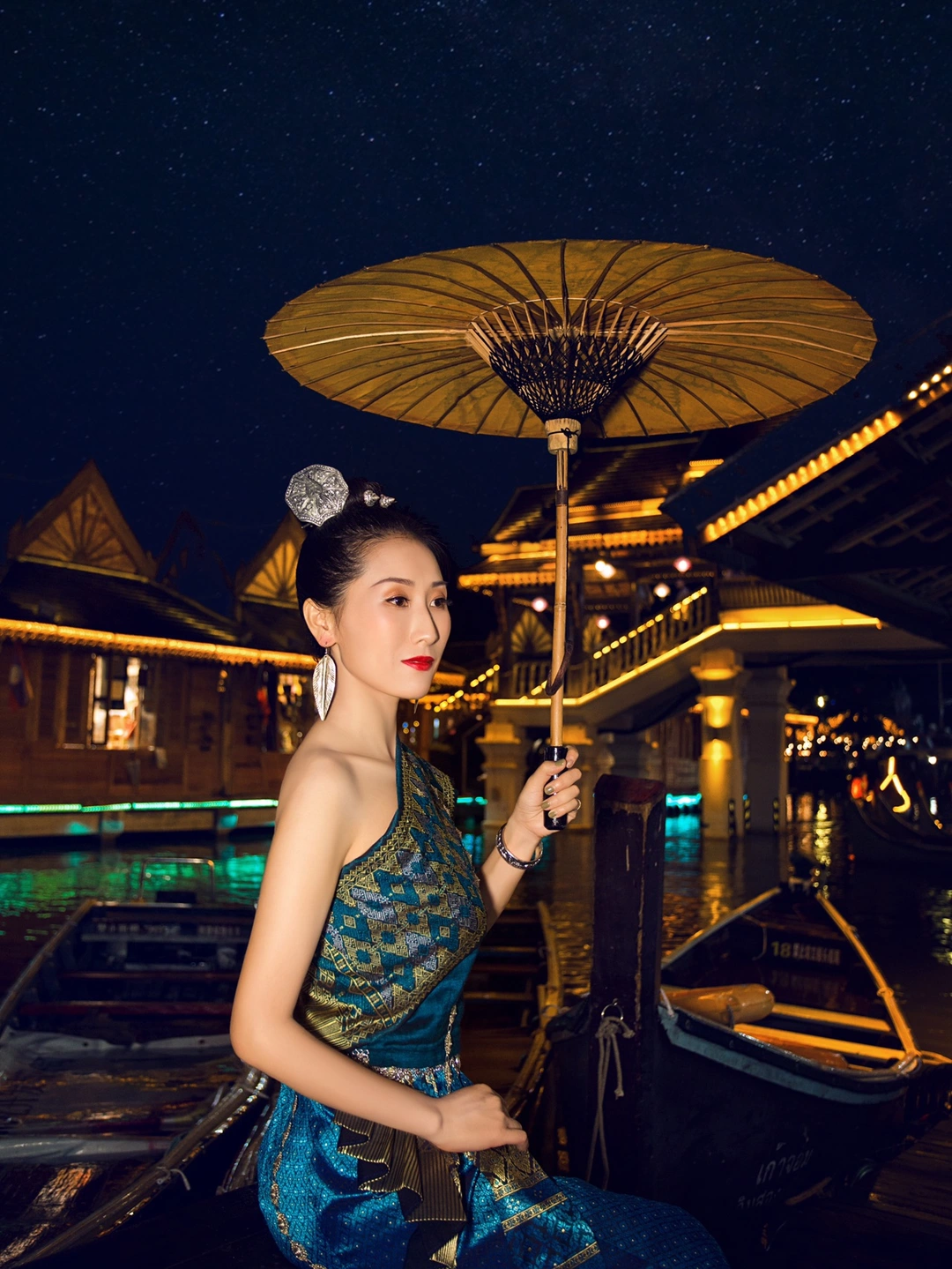
Not long after we finished, the sky suddenly changed, and a downpour hit. I took my younger son downstairs to splash in the puddles. Once the rain stopped, we shot the night scenes – the beautiful photos are at the end of the article.
Day 4: Wild Elephant Valley + Mekong River Night – Up Close with Elephants
Wild Elephant Valley has north and south gates. Navigate to the south gate (main entrance), but the parking lot is tiny – private cars have to park along the roadside.
We bought a combo ticket. Route: Elephant School → Asian Elephant Breeding and Rescue Center → Elephant Museum → Walking Boardwalk → Cable Car down. The elephant school performance was professional, and the trainers were impressive. After the show, my younger son got a photo on an elephant's trunk (30 RMB, you can take your own photos at the same time) – his photo-taking desire is stronger than his brother's.
The rescue center was originally closed, but because the park shut for three months due to the pandemic, visitor numbers dropped, and the elephants were struggling to survive. So the park opened it – this was the most interesting stop, absolutely worth it for kids. Staff explained the elephants' origins and personalities, and you could feed them and get up close.
We walked the boardwalk for over an hour to reach the cable car boarding point. The cable car spans a long distance, taking about 20 minutes. Then a 5-minute walk to the exit, completing the tour.
In the evening, we watched "Lancang River · Mekong River Night." When visiting a tourist city, if you want to soak in the culture, you can't miss shows like this. They help you understand the history, and the stage effects are stunning. Only after watching did I learn the "Six Countries" of the Mekong River Six-Country Water Market are: China, Myanmar, Laos, Thailand, Cambodia, and Vietnam. The show runs about 1 hour 20 minutes, followed by floating water lanterns or a bonfire party – very ethnic and unique.
Day 5: Mandiu Village + Tropical Flower Garden – Authentic Dai Village Charm
Our original plans for Manzhang Village and Manyuan Village (the filming location for "Back to Field," where I wanted to see the mushroom house) were both off the table – which actually saved us the headache of choosing. Mandiu Village is an authentic, untouched village. As soon as you enter, you see a fish pond surrounded by coconut trees.
Past the archway is a morning market. We arrived late (nearly 11 AM), so many stalls had packed up, but there were still tropical fruits and Dai-style little corn – delicious and affordable. Further in, there's an ancient well with icy-cold water, where a few Dai girls were playing. Higher up is an old temple – though renovated, the beams suggest it's been around for a while. Behind the temple, there's a jackfruit tree.
By midday, the sun was brutal. My husband took the kids to the car for air conditioning, while I wandered the village alone under the scorching sun. Women wore everyday Dai clothing; the men weren't in traditional attire. Most houses were Dai-style stilted buildings, but with solar water heaters and running water installed. Dai tattoos were common, with ethnic patterns. The village isn't big – I finished exploring in about an hour.
Next, we went to the nearby Tropical Flower Garden. It was genuinely hot. I took my younger son through a small part before giving up, finding shade by a fish pond to feed the fish. We ran into a group of locals who said the garden is huge – it takes hours to see everything.
At the exit, there's a grove of trees with vines woven into "swings." The kids played there for a while. After leaving, we filled up the gas tank and headed straight for the airport, ending the trip.
The Grand Finale: Photoshoot Gallery & Practical Takeaways
Every trip with both kids is a spiritual practice – spending each day in the love-hate dynamic between the two boys, with emotions like a roller coaster. But these 5 days in Xishuangbanna let us experience the Southeast Asian charm of 21° north latitude without leaving China.
Finally, here are the photoshoot results (photos should be inserted here). Remember to do your homework, find a reliable studio, and don't skimp on the compliments!
A Few "Tips" for Parents: - Renting a car is more flexible than chartering, especially with a baby. - Find your photoshoot on Douyin in advance – don't get burned on the ground. - Pack plenty of mosquito repellent – long sleeves and pants work best. - Check attraction opening status daily to avoid wasted trips. - Don't miss the water splashing activities – kids will go wild.
Xishuangbanna is worth a visit with your children. The tropical rainforest, Dai culture, and night market food will become the most vivid memories of their childhood.
This article is originally created by a professional content team. Please contact for authorization to reprint.
You should also read:
Idle Clouds in Autumn, a Moonlit City: A Slow Travelogue Through Lijiang and Shuhe
Idle Clouds in Autumn, a Moonlit City: A Slow Travelogue Through Lijiang and Shuhe When the autumn wind brushes across the ancient city's eaves, when sunlight spills onto the mottled cobblestone streets, when the melodies of folk songs mingle with the aroma of plum wine…
Continue reading...
Yunnan! Paradise on Earth – The Yubeng Chapter: A Soul-Cleansing Journey into Seclusion
Yunnan! Paradise on Earth – The Yubeng Chapter: A Soul-Cleansing Journey into Seclusion Prologue: Why Yubeng? If you ask me which place in Yunnan is most worth hiking to, I would answer without hesitation: Yubeng. This is not an answer I give lightly. As a…
Continue reading...
Into the Hidden Valley: A Solo Journey Through the Mysterious Dulong River
Into the Hidden Valley: A Solo Journey Through the Mysterious Dulong River Deep in the northwestern corner of Yunnan Province, tucked away from the modern world, lies a place that feels like a secret whispered among mountains. The Dulong River Valley is not just a…
Continue reading...