Xishuangbanna: A Poetic Journey of Youth in the Tropical Rainforest and Dai Culture

Xishuangbanna: A Poetic Journey of Youth in the Tropical Rainforest and Dai Culture
We often lose ourselves in the relentless pursuit of material wealth, forgetting that true richness lies in the mountains we've climbed, the oceans we've crossed, and every street we've walked with the ones we love. In March 2021, Yingying and I set foot on this sun-kissed land—Xishuangbanna. Over four days, amidst a canvas of Dai-style youth, we painted our own picture of elegance and romance.
Prologue: You Come to This World Once—Go See the Sun
When spring blossoms, I always think of the poet Haizi: "From tomorrow on, be a happy person, feed horses, chop wood, travel the world." But today, I'd rather say—you come to this world once, go see the sun, and walk the streets with the one you love.
Xishuangbanna, this magical land at 21° north latitude, welcomes every soul yearning to escape the mundane with its warmth and intensity. Our four-day trip cost only a few thousand yuan per person, but it bought us memories to cherish for a lifetime. We set off as a couple, driven by endless curiosity for exotic cultures, and began a journey about sunshine, faith, and love.
Manting Imperial Garden: The Garden of Souls Through a Thousand Years

Stepping into 1,300 Years of History
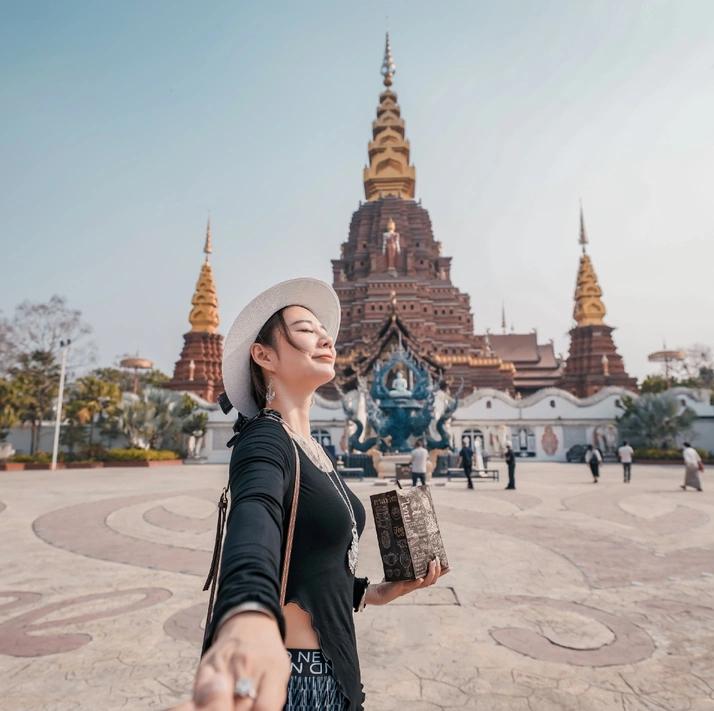
In the early morning, sunlight filtered through the blackheart wood forest, casting dappled shadows across Manting Imperial Garden. As Xishuangbanna's oldest park, its Dai name "Chunhuan" means "Garden of Souls." Legend has it that a Dai princess once visited and was so captivated by its beauty that her soul lingered here forever.
We strolled through the grounds, as if transported back to the Dai kingdom 1,300 years ago. The vividly colored Dai architecture stood elegant and magnificent against the backdrop of tropical plants. Each roof tier told a story of status—the more tiers, the higher the rank. The decorative vases, phoenixes, peacocks, and lions atop the ridges all spoke of former royal grandeur.
Bronze Statue and Bodhi Trees: A Testament to Sino-Thai Friendship
Just inside the gate, a full-body bronze statue of Premier Zhou Enlai caught our eye—dressed in Dai attire, holding a water basin. In 1961, he participated in the Water Splashing Festival here, and locals erected this statue in his memory. To the left, two bodhi trees planted by a Thai princess symbolized the deep friendship between China and Thailand.
The White Pagoda Cluster: Marked by Time
Climbing the stone steps, we found a cluster of white pagodas quietly standing, weathered by time. Eight smaller pagodas surrounded a central mother pagoda, their surfaces streaked with gray-black water stains, while golden phoenixes adorned the niches. The interplay of dark gray, white, and gold gave the pagodas the appearance of bamboo shoots breaking through the soil—hence the local Dai name "Bamboo Shoot Pagoda." During major festivals, local Dai people hold solemn ceremonies here.
The General Buddhist Temple: Peace for All, Prosperity for the Nation
Some say, "Dai women, bamboo houses, elephants, and faith" complete the picture of Xishuangbanna. And the eternal vessel of faith is the Buddhist temple.
South of Manting Park lies the General Buddhist Temple of Xishuangbanna. Built in the mid-7th century, this Theravada Buddhist temple has a history spanning over 1,300 years. Legend says it was founded by two monks who came from Myanmar to spread Buddhism. Today, it stands as the highest-ranking temple in Xishuangbanna, renowned among Theravada Buddhist followers across Southeast Asia.
Inside, the most awe-inspiring sights are the buildings adorned with embossed silver sheets. The silver and gold powder decorations contrast sharply with the vermilion walls, creating a dazzling, resplendent effect. Chanting drifted from the hall, as if capable of washing away all worldly dust.
Here, whether meditating monks or kneeling devotees, all offer prayers for peace, health, and national prosperity. Life is not just about daily necessities—it also holds indescribable faith. Whatever we believe in, it ultimately helps us find our true selves on the journey.
Dai Costume Photography: A 199-Yuan Fantasy Adventure
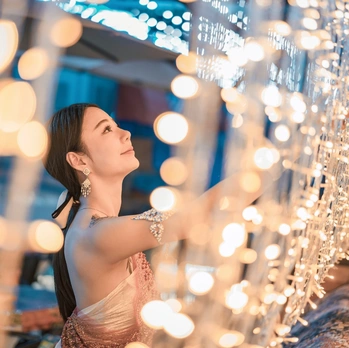
Romantic Immersion in Local Culture
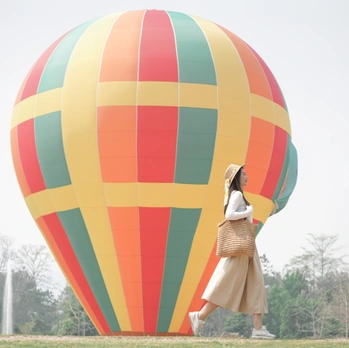
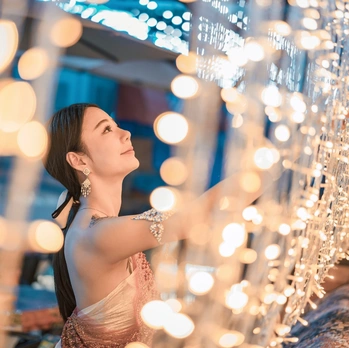
Wearing local ethnic costumes is the best way to immerse yourself in an exotic setting. Xishuangbanna's Dai women's attire—short top, long flowing skirt reaching the floor, paired with an exquisite silver belt—showcases feminine grace perfectly. Taking photos in Dai costumes at the Star Night Market has become a must-do viral trend.
Before our trip, Yingying kept insisting on wearing Dai clothes for photos. I scoured social media and found the 199-yuan package deals with stunning sample photos. I thought I could just sit back, spend 199 yuan each night on a photographer, and get beautifully edited photos. As it turned out, I was way too optimistic.
The 199-Yuan Assembly Line
On the first night, we found a decent-sized photography studio on Ganbai Street. The 199-yuan package included three shooting spots, 10 photos per spot, with raw files provided the same day. We could choose 10 for "professional retouching."
From costume selection to makeup, Yingying took only 20 minutes. Then we were led to the night market—already crowded with hundreds of women in Dai attire. Each photographer led a group of clients through fixed "photo spots" on an assembly line. Our photographer had to shoot eight people simultaneously. Each person had three spots, 10 minutes per spot, plus waiting time. We didn't finish until nearly 11 PM.
Even more disappointing was the photo quality: poor angles, and filters with "three highs"—high saturation, high contrast, high sharpness—that completely did Yingying justice. Luckily, I'd sneaked a peek at the photographer's framing while waiting and decided to take matters into my own hands. During the photographer's changeover, we borrowed their lights and props to take a few decent shots ourselves.
The 599-Yuan One-on-One Service
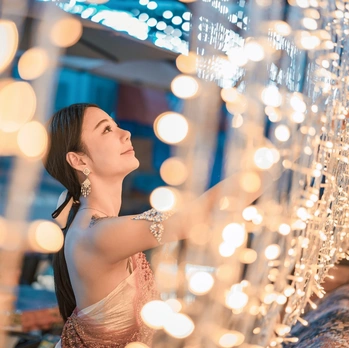
On the second night, we refused to give up, thinking maybe we'd just gotten what we paid for. So we found another studio, bought a 299-yuan package, and upgraded to one-on-one service for an extra 300 yuan.
This time, the experience was noticeably better: professional equipment (Canon Mark II, 85mm prime lens with red ring), newer and more elaborate costumes, finer headpieces, belts, and jewelry. The photographer even went down to the riverbank and into the market for better angles, paying more attention to details and composition. One-on-one service gave the photographer more time to guide Yingying into poses. We shot 50 photos over about an hour and a half.
Yet the final "retouched" photos still fell short. That's when I realized—a photographer like me, who can shoot hundreds of images in one night and retouch them the same day, is probably worth at least a thousand yuan.
Advice for Future Travelers
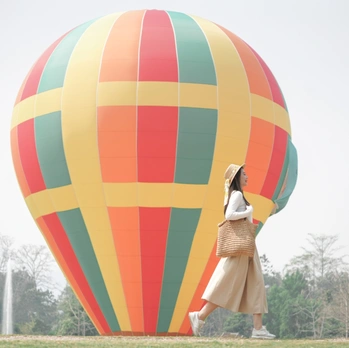
If you want Dai costume photos too, remember: don't expect much from 199-yuan packages. The gorgeous costumes and elaborate accessories in sample photos won't be included. If your budget allows, choose one-on-one service. But the best approach might be to rent a Dai outfit, find your own angles and lighting, and take stunning photos with your phone.
Manyuan and Manzhang: Ancient Villages, Timeless Tranquility
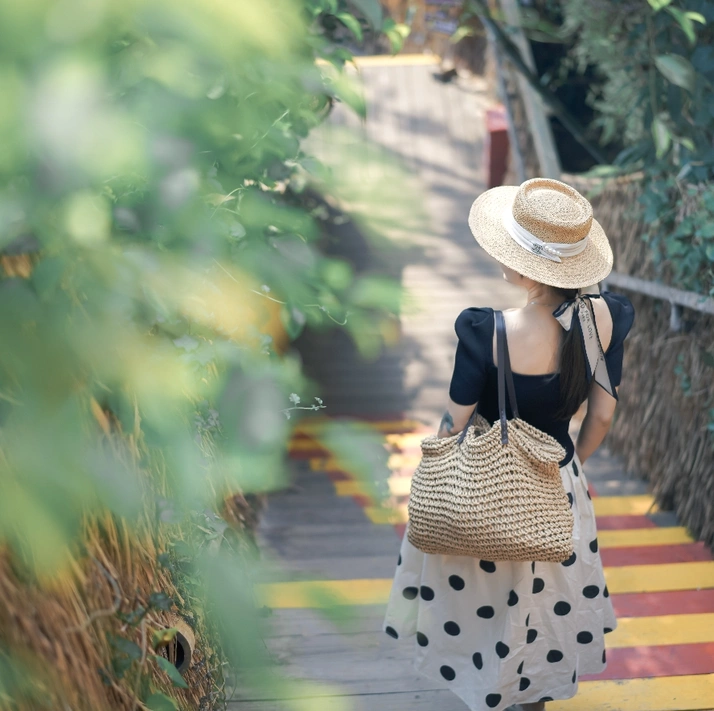
Manyuan Village: A Pastoral Poem
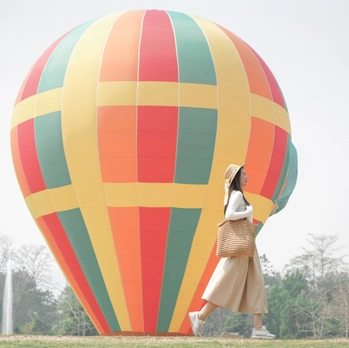
If you pay attention, you'll find surprises hidden in the cities you live in. Without elaborate planning, several Dai villages around Jinghong can offer a journey through time.
Manyuan Village, located in Menghan Town, is about 10 kilometers from downtown Jinghong. As we entered, the roads were lined with shady trees, and traditional stilt-style Dai houses stood in neat rows. Every household had fruits, vegetables, flowers, and trees planted around their yards. Low walls served both as fences and decorative gardens. Walking through, birds sang, flowers bloomed, butterflies danced—a fresh, natural atmosphere enveloped us.
To the north, climbing dozens of stone steps led us to Manyuan Village's Buddhist temple—the most magnificent building in the village. Standing on the temple grounds overlooking the entire village, we could almost feel the intertwining of Dai life and faith.
Manzhang Village: A Living Fossil of Traditional Crafts
"Manzhang" in Dai means "village where elephants often appear." Though we didn't encounter any elephants, the village preserved the most complete traditional Dai settlement appearance.
All houses in Manzhang were wooden lofts. The ground floor housed livestock or stored tools. Interestingly, the loft pillars were rectangular rather than round, and they sat on the ground surface without being buried. The owner explained two reasons: rectangular pillars prevent snakes from climbing into the house, and if flooding occurs, the loft floats up like a "little boat."
Here, we experienced intangible cultural heritage like Dai pottery and weaving. The Dai people have long loved using pottery—called "Banmo" in Dai, commonly known as "earthen pots." From water containers and wine jars to rice bins and tea canisters, pottery is everywhere in Dai life.
At the village edge, we found an old, broken-down tractor—unexpectedly perfect as a photo prop. Yingying sat on it, I held her leg, and our laughter echoed through the village.
Xishuangbanna Tropical Botanical Garden: Spring Breeze Invites You for a Walk
"All things grow at this time, clean and bright, hence the name Qingming." — Records of the Seasons
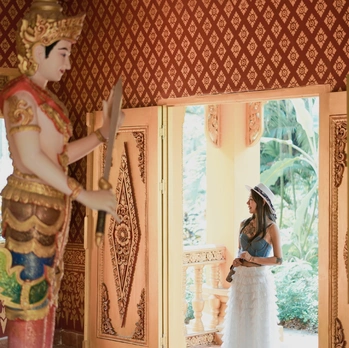
Walking on Xishuangbanna's roads at noon without shade is pure torture. Only the roadside plants gladly receive the nourishment of the 21° north latitude sun, growing thick-leaved and exuberant.
The Chinese Academy of Sciences' Xishuangbanna Tropical Botanical Garden is a paradise for plant lovers. The early morning garden is especially enticing—plants just waking up, full of energy, untouched by harsh sunlight or crowds. Immersed in the dense primeval forest, you truly feel a sense of rawness and relaxation.
Xishuangbanna has no harsh winters or scorching summers, with flowers blooming year-round. Various tropical and subtropical plants thrive here. As writer Mao Guocong said, Xishuangbanna is a magical land—it doesn't reject thorns or weeds, lets every tree grow tall and strong, and allows every flower to bloom in all its glory.
Epilogue: Youth Never Ages, Elegance Remains
Our four-day journey through Xishuangbanna took us through the timeless imperial garden, immersed us in the power of faith at the General Buddhist Temple, led us on a fantasy adventure with Dai costumes, let us wander through pastoral ancient villages, and enveloped us in the botanical garden's natural embrace.
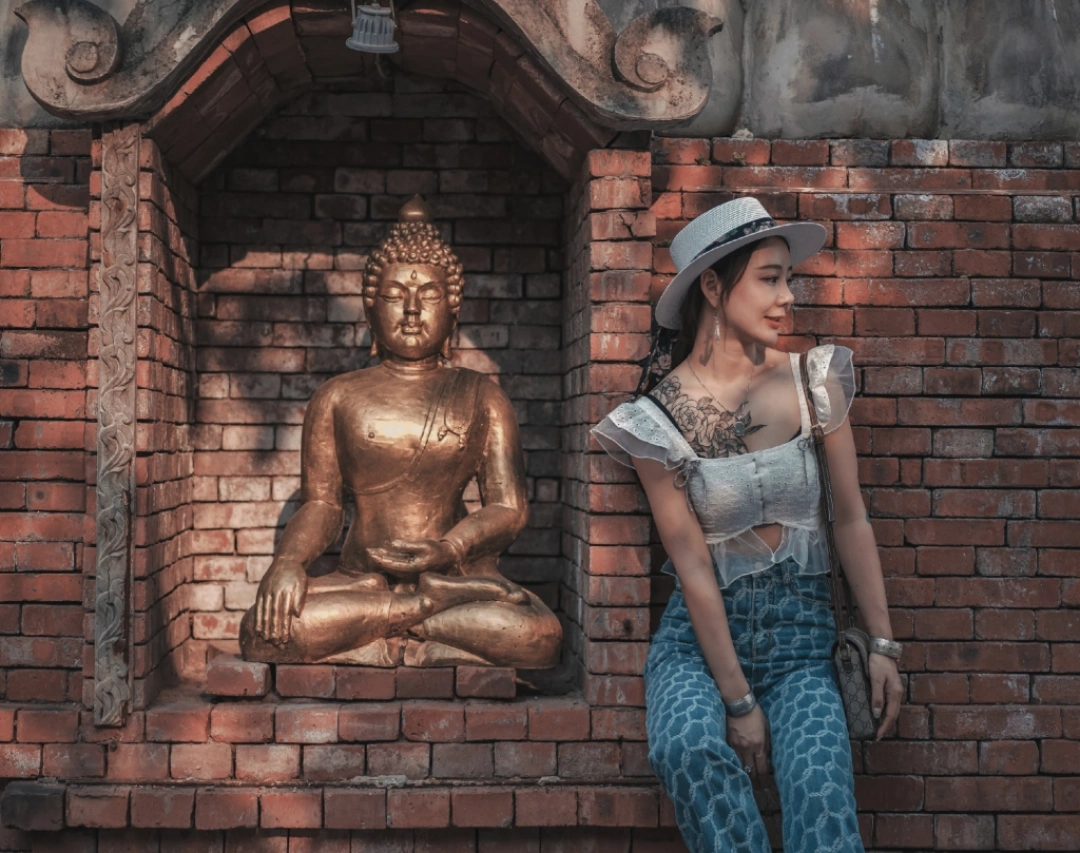
Life is full of countless surprises—that's why we need travel, love, and the joy of floating in a pool with an afternoon tea. And Xishuangbanna, with its sunshine, rainforest, faith, and culture, gave us a poetic declaration of youth.
May we all find happiness in this world, facing the sea, with spring blossoms blooming.
Practical Tips
- Best Travel Time: November to April, avoiding the rainy season with pleasant weather
- Dai Costume Photography Advice: Rent a Dai outfit and take photos yourself—better value than 199-yuan packages. If hiring a photographer, choose one-on-one service
- Must-Visit Spots: Manting Imperial Garden, General Buddhist Temple, Xishuangbanna Tropical Botanical Garden, Manyuan Village, Manzhang Village
- Transportation: Taxis are convenient in Jinghong city. For surrounding villages, charter a car or rent an electric scooter
- Food Recommendations: Dai-style barbecue, pineapple purple rice, lemongrass grilled fish, and Paoluda (a sweet coconut-milk drink with bread and jelly)
You should also read:

God’s Abandoned Palette: A Self-Drive Journey Through Yunnan’s Dongchuan Red Land
God’s Abandoned Palette: A Self-Drive Journey Through Yunnan’s Dongchuan Red Land Travel has never been about reaching some distant geographic coordinate. It’s about encountering, along the way, the version of yourself buried beneath the rubble of daily routine. During this May Day holiday, I finally…
Continue reading...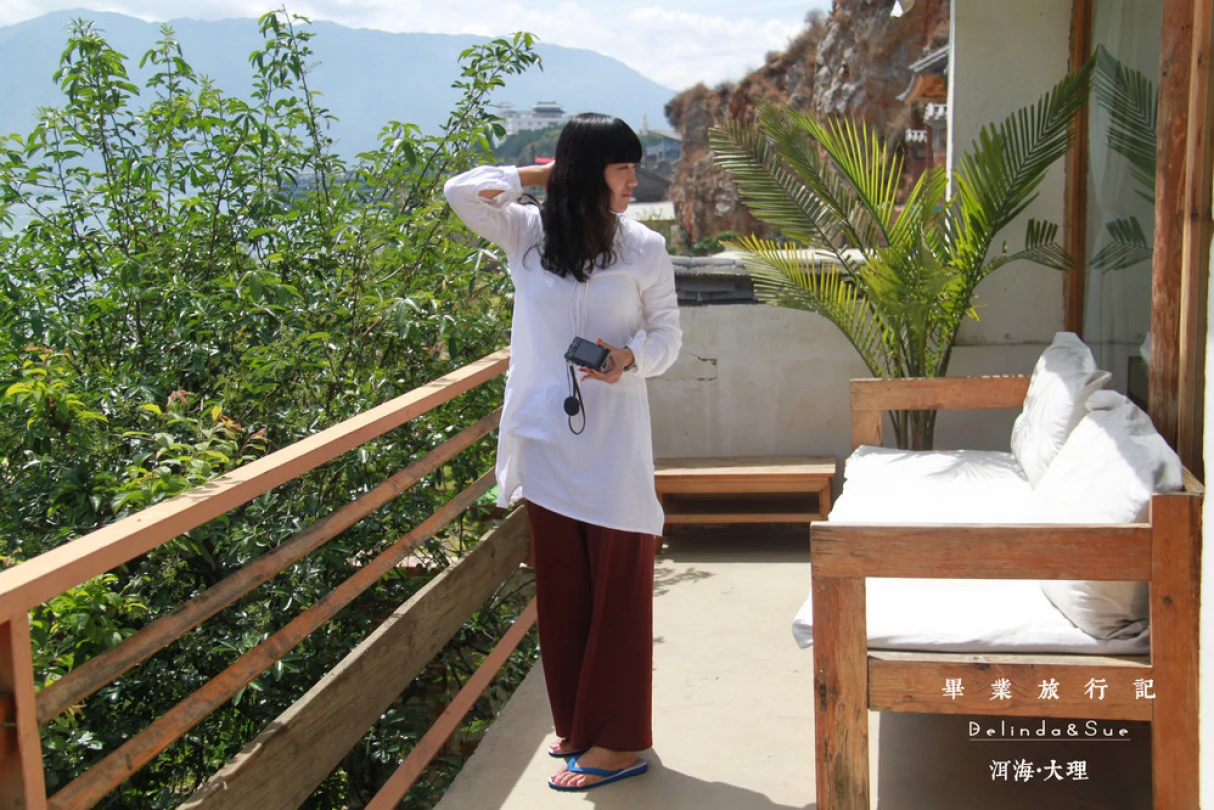
Two Girls' Graduation Trip: Dali and Shuanglang – A Poetic Farewell to Mountains and Sea
Two Girls' Graduation Trip: Dali and Shuanglang – A Poetic Farewell to Mountains and Sea Preface: Catching the Tail of Youth, Heading South During our senior year of college, my roommate and I – two girls studying in Beijing – decided to bid farewell to…
Continue reading...
Cloud Travelogue · Dali of Wind, Flowers, Snow, and Moon: A Three-Day, Two-Night Journey of a Free Spirit
Cloud Travelogue · Dali of Wind, Flowers, Snow, and Moon: A Three-Day, Two-Night Journey of a Free Spirit I am a cultured female foodie with a touch of rogue charm. I slung on my backpack, took my lover's hand, and set off on a spontaneous…
Continue reading...