Xishuangbanna: Becoming an Explorer and Food Hunter in the Tropical Rainforest
Xishuangbanna: Becoming an Explorer and Food Hunter in the Tropical Rainforest
An Unplanned Escape
Some trips are meticulously planned for months before departure; others happen on a whim when you impulsively book a ticket. My journey to Xishuangbanna was decidedly the latter.
Back then, my social media feeds and short-video platforms seemed to conspire, bombarding me with images of Xishuangbanna's azure skies, Buddhist pagodas, night markets, and tropical fruits. As someone with an obsession for Yunnan, I couldn't resist this "targeted marketing." So, in late April, just before the May Day holiday, I spent less than two days booking flights and a hotel, grabbed my carry-on, and left.
Before departing, I scoured countless travel guides, marked several "Instagram-worthy spots," and noted restaurants that allegedly disappointed. I wanted to be everyone's "pathfinder" and "lightning rod." If you're also planning a trip to Xishuangbanna, feel free to follow my route and see whether this city—the only one in China with a tropical rainforest climate—is worth your spontaneous decision.
Preview: Why Xishuangbanna?
I first learned about Xishuangbanna through a cartoonist named Zhu Letao. Born here, her illustrations were filled with tropical plants, Dai-style bamboo houses, and endless green landscapes. Later, in geography class, I discovered this is China's only tropical rainforest climate zone—nowhere else can replicate it.
More recently, the show Back to Field brought Xishuangbanna back into the spotlight. Watching the cast pick coconuts, grill barbecue, and enjoy evening breezes in their courtyard, I—someone living in a concrete jungle—could feel that sense of relaxation through the screen.
Then there were the educational videos by "Wuqiong Xiaoliang" (a popular science communicator), inspiring countless parents to bring their kids here for hands-on learning. As a fan of his, I had to lead the way. Those short videos of girls in traditional Dai clothing, glowing under the lights of the Starry Night Market, made me want to become a "Dai girl" too. And the wild elephants that occasionally migrate southward? They lit up my curiosity.
With all these reasons combined, how could I not come?
Once I arrived, I realized that daytime and nighttime in Xishuangbanna are two completely different worlds. By day, the streets are nearly empty, with shops lazily open. But come nightfall, every alley and avenue fills with people and noise. This is a true "night owl's paradise."
Moreover, this is the most Southeast Asian-feeling city in China. Walking down the street, you'll see Thai-style architecture, Thai-language signs, and taste authentic Southeast Asian cuisine—yet all of it is part of China's own ethnic culture.
Pre-Trip Practical Tips: Saving Money and Avoiding Pitfalls
Transportation and Accommodation
Direct flights from Guangzhou to Xishuangbanna are scarce—only one or two a day. I chose to transfer in Kunming, which offered more flights at cheaper prices. The key is: if it's not a connecting flight, avoid checking luggage and just bring a carry-on. After landing in Kunming, I checked in for my next flight at a counter near the gate, saving a lot of time.
For accommodation, I recommend staying near Gaozhuang Xishuang Jing (the "Xishuang Scenic Area"). This is the heart of tourism here—within walking distance to the Starry Night Market and the Great Golden Pagoda, and a short taxi ride to Mantin Park and the Xishuangbanna Tropical Botanical Garden.
Best Time to Visit
Around May, the giant water lilies are still dormant at the bottom of the pond; they don't surface until July. That's when the botanical garden is at its liveliest, and you can even stay at the on-site hotel to join nighttime firefly-watching programs. If you're after the water lilies and fireflies, July and August are the ideal months.
Day One: Xishuangbanna's Night Begins at the Starry Night Market
At dusk, my plane landed at Xishuangbanna Airport. May in Xishuangbanna is already sweltering—stepping out of the airport, I felt what "passionate heat" really means. On the taxi ride to the hotel, the driver refused to turn on the air conditioning, and at every red light, I wanted to jump out.
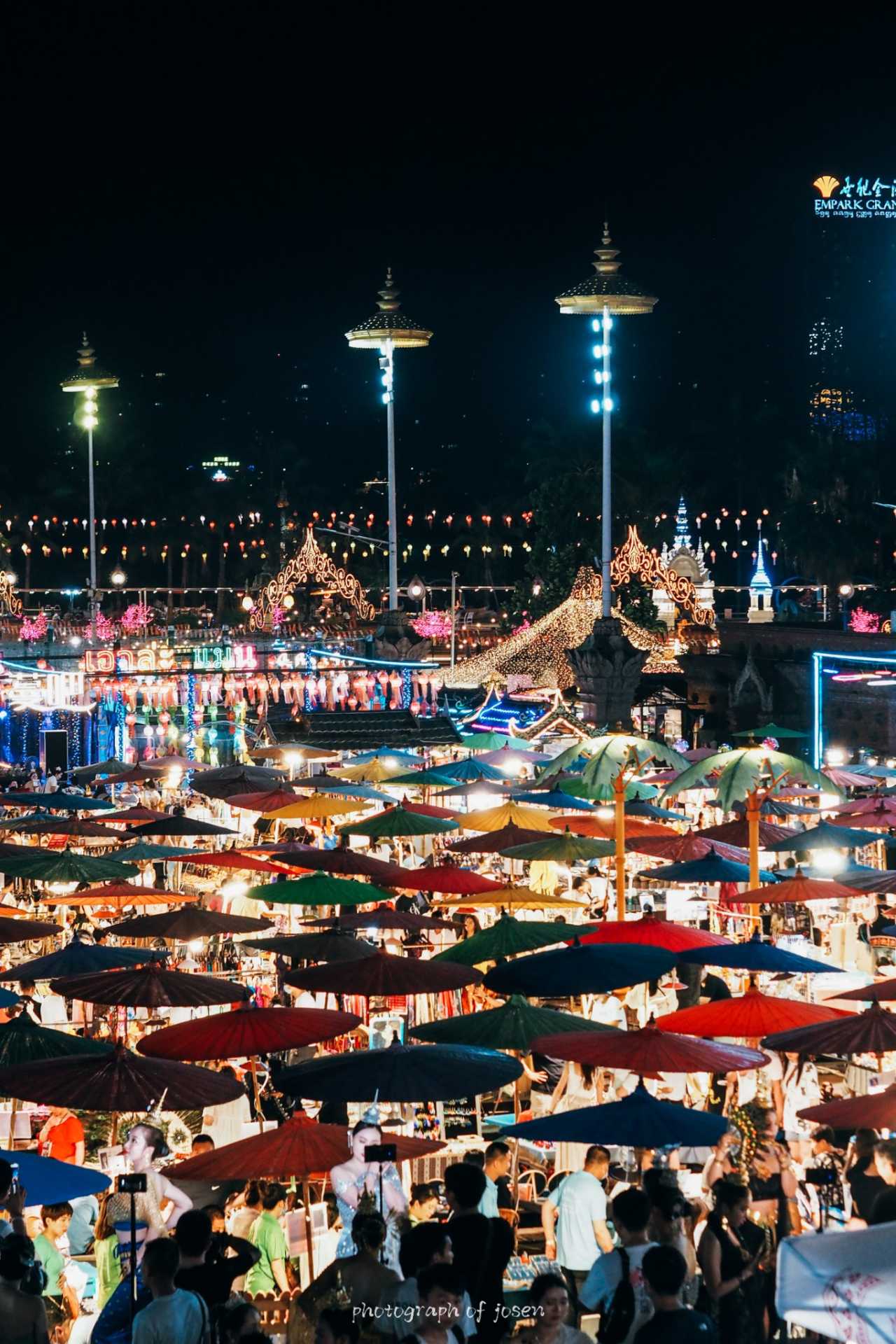
I reached the hotel around 9 PM, but Xishuangbanna's nightlife was just getting started. Dropping off my luggage, I headed straight for the Starry Night Market.
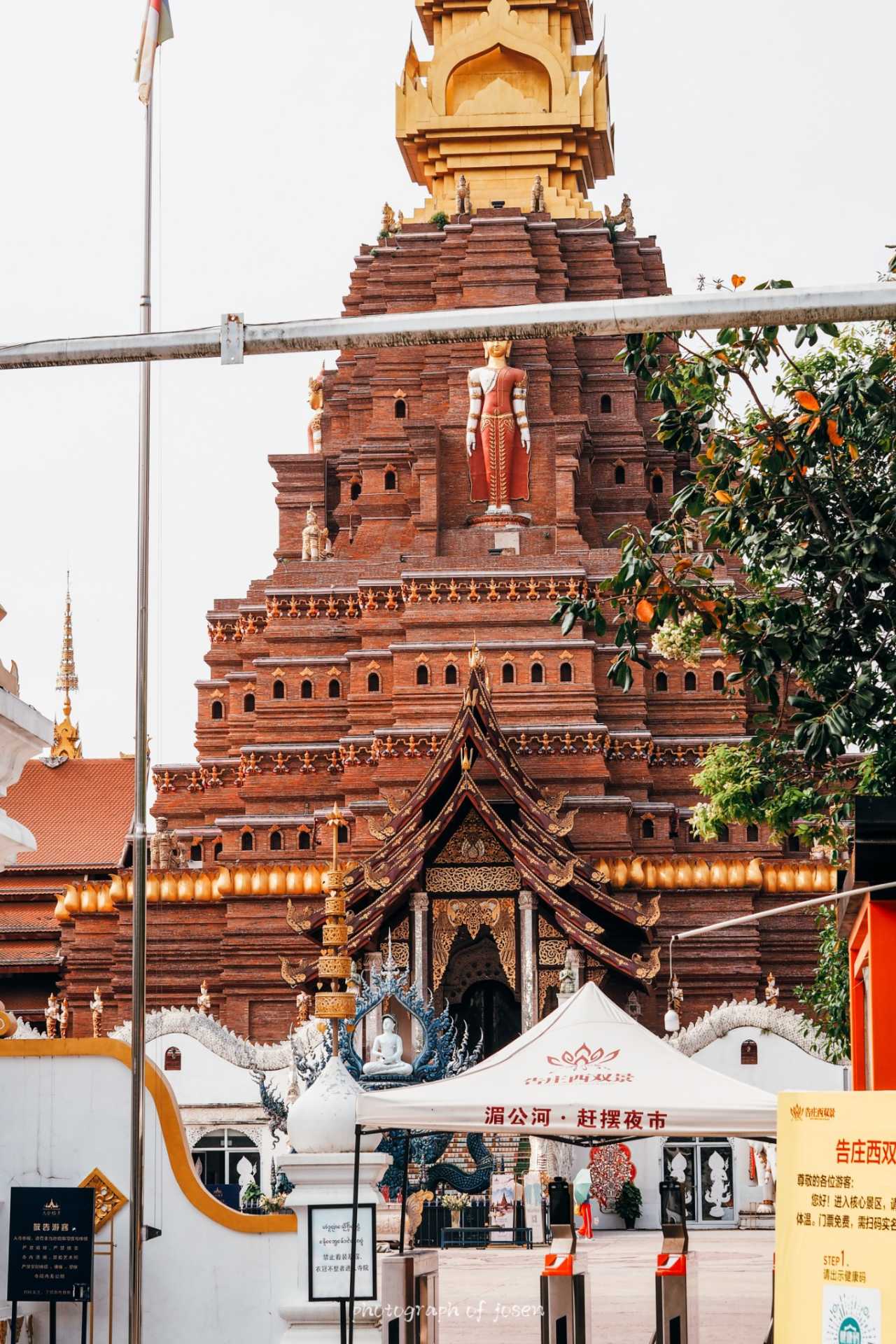
The entrance of the Great Golden Pagoda was packed with people. I thought that was the market entrance, but after going in, I realized I was wrong. The real entrance is hidden behind the barbecue stalls. Walking further, you'll find a tent square buzzing with activity.
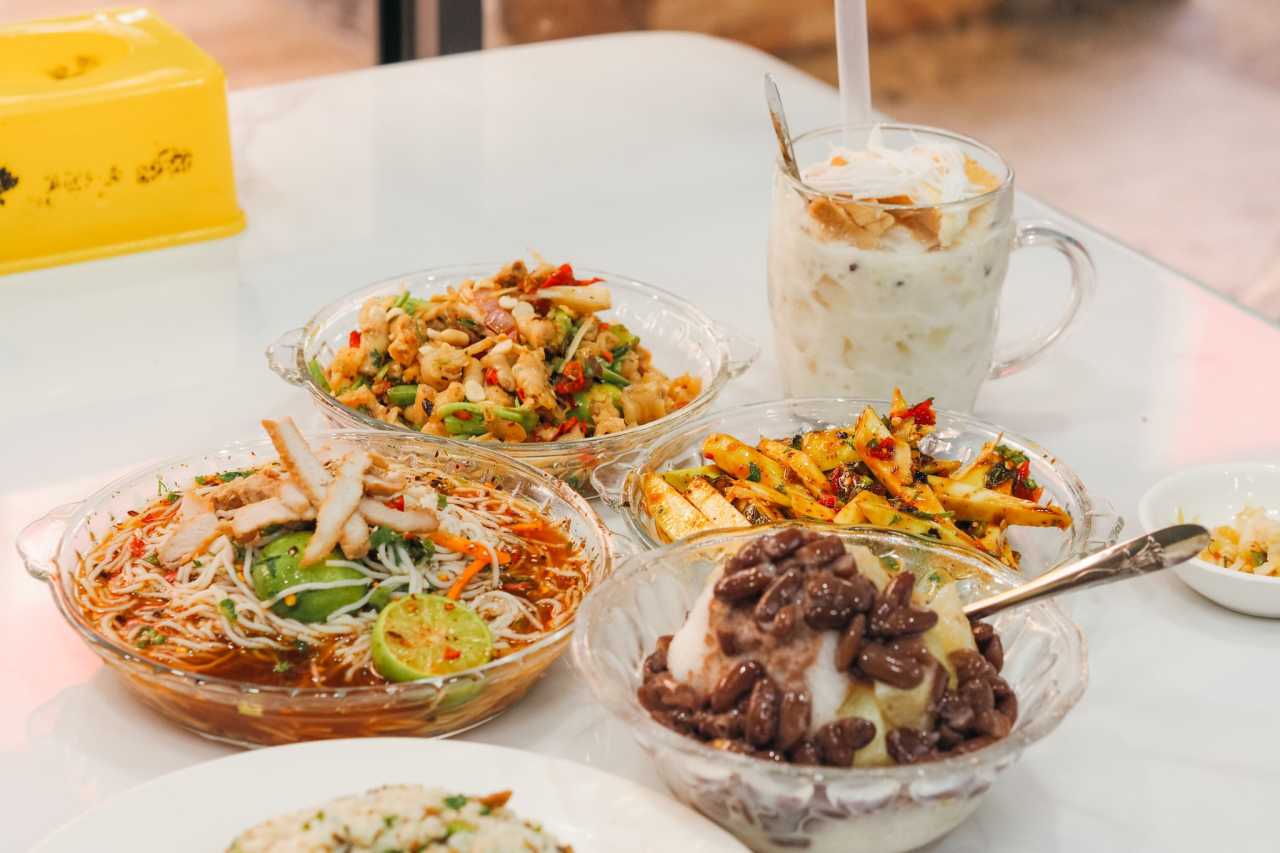
The hottest item at the market was tilapia (罗非鱼). At the time, everyone online was singing, "What's for lunch today? Tilapia~" There were also tube-shaped foods soaking in ice water—I still don't know what they're called. If you know, leave a comment and tell me.
Besides barbecue and shredded chicken feet salad (舂鸡脚), there were stalls selling handmade crafts. One selling dream catchers was surrounded by people, with everyone stopping to take photos.
To be honest, before coming, I'd read guides saying the market items are overpriced and mediocre, many sourced from Yiwu's wholesale markets. But I still think it's worth visiting. The joy of shopping lies in the act of browsing itself—the lively atmosphere is the best scenery. Past 10 PM, people were still doing live streams on the steps, and you'd see "Dai girls" in traditional costumes taking photos everywhere. Aunties on the street would ask passersby if they wanted their picture taken.
In just one hour, I felt a long-lost sense of relaxation. Tourists strolled leisurely, some sipping drinks at bars, others eating barbecue and drinking milk tea at stalls. A gentle evening breeze blew, and despite the noise around me, my heart felt remarkably calm.
Day Two: From the Market to the General Buddhist Temple
Morning: Xishuangbanna Market
At the inn, I had a free bowl of rice noodles (米线) made by the auntie, who cooked just enough to match my appetite—no waste. Xishuangbanna mornings are quiet: people walking their dogs, a few scattered tourists strolling. Without the colorful lights, the Great Golden Pagoda looked more solemn by day.
I have a habit of visiting local markets during trips, and Yunnan's markets have never let me down. At the Xishuangbanna Market, I saw all kinds of mushrooms, fresh dendrobium, edible flowers, and cute-shaped tomatoes and small pumpkins. This place was an eye-opener.
I bought a cooked ear of waxy corn, grown locally—soft, fragrant, and cheap. Finally, I picked up some dried jackfruit from a fruit stall, tastier and cheaper than what I'd find at the night market. The night before, I'd paid 20 yuan for a box of jackfruit at the market; here, the same price got me double.
Afternoon: Mantin Park and the General Buddhist Temple
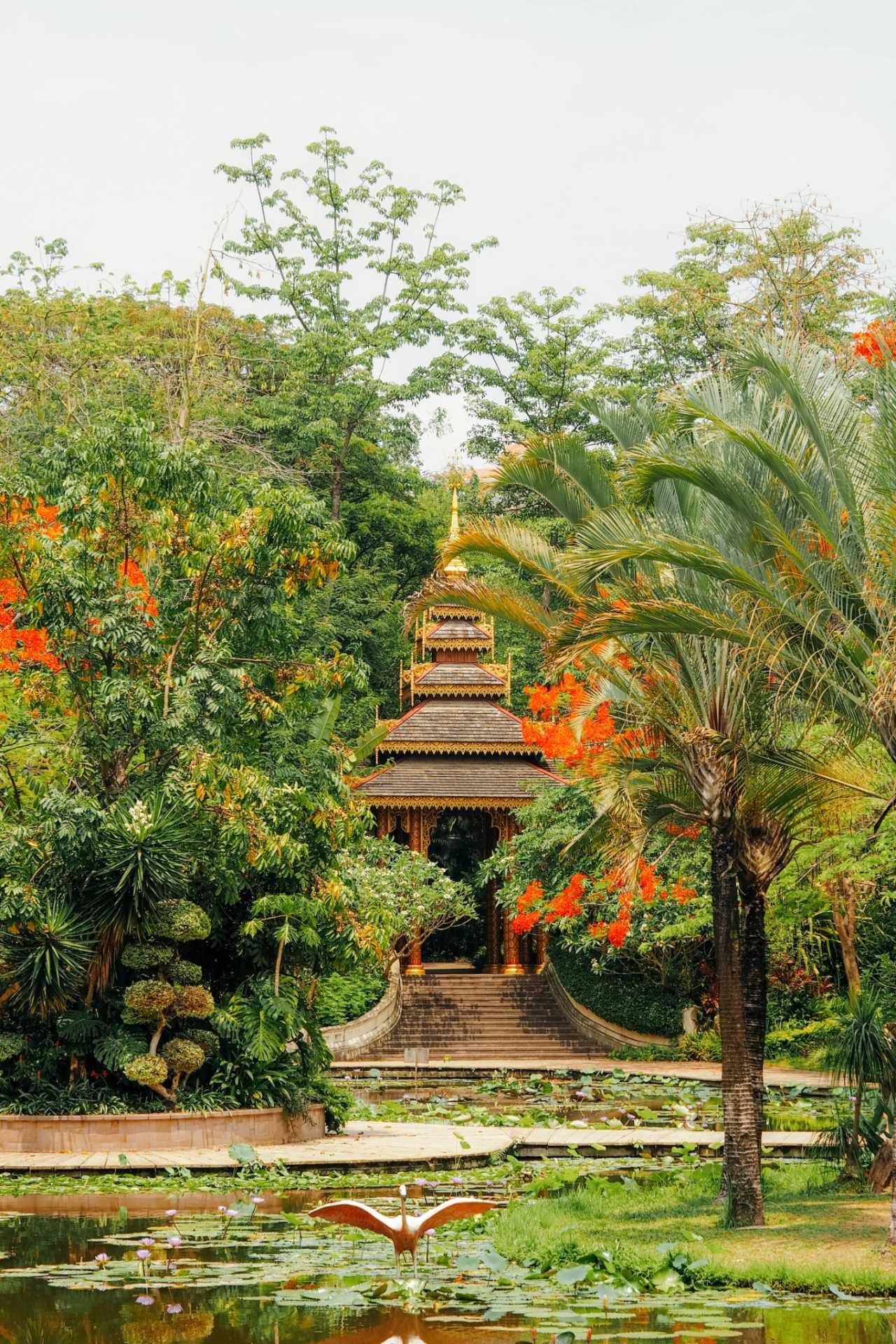
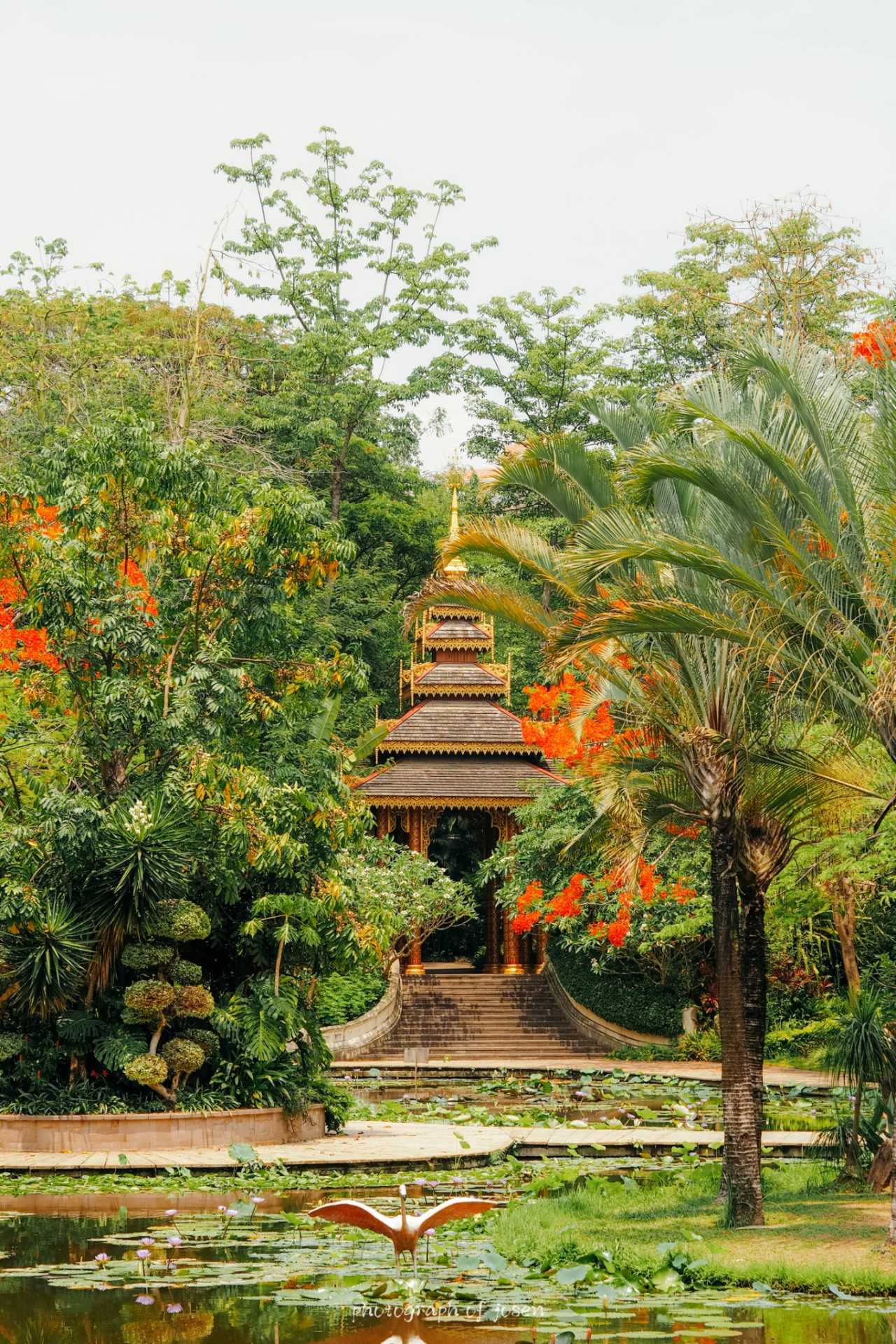
Mantin Park is close to Gaozhuang, so a taxi is convenient. Admission is 40 yuan per person, no reservation needed. The park is great for photos, with high "yield" for Instagram-worthy shots, filled with Southeast Asian-style architecture, flowers, and trees. But watch out for mosquitoes—Xishuangbanna has plenty.

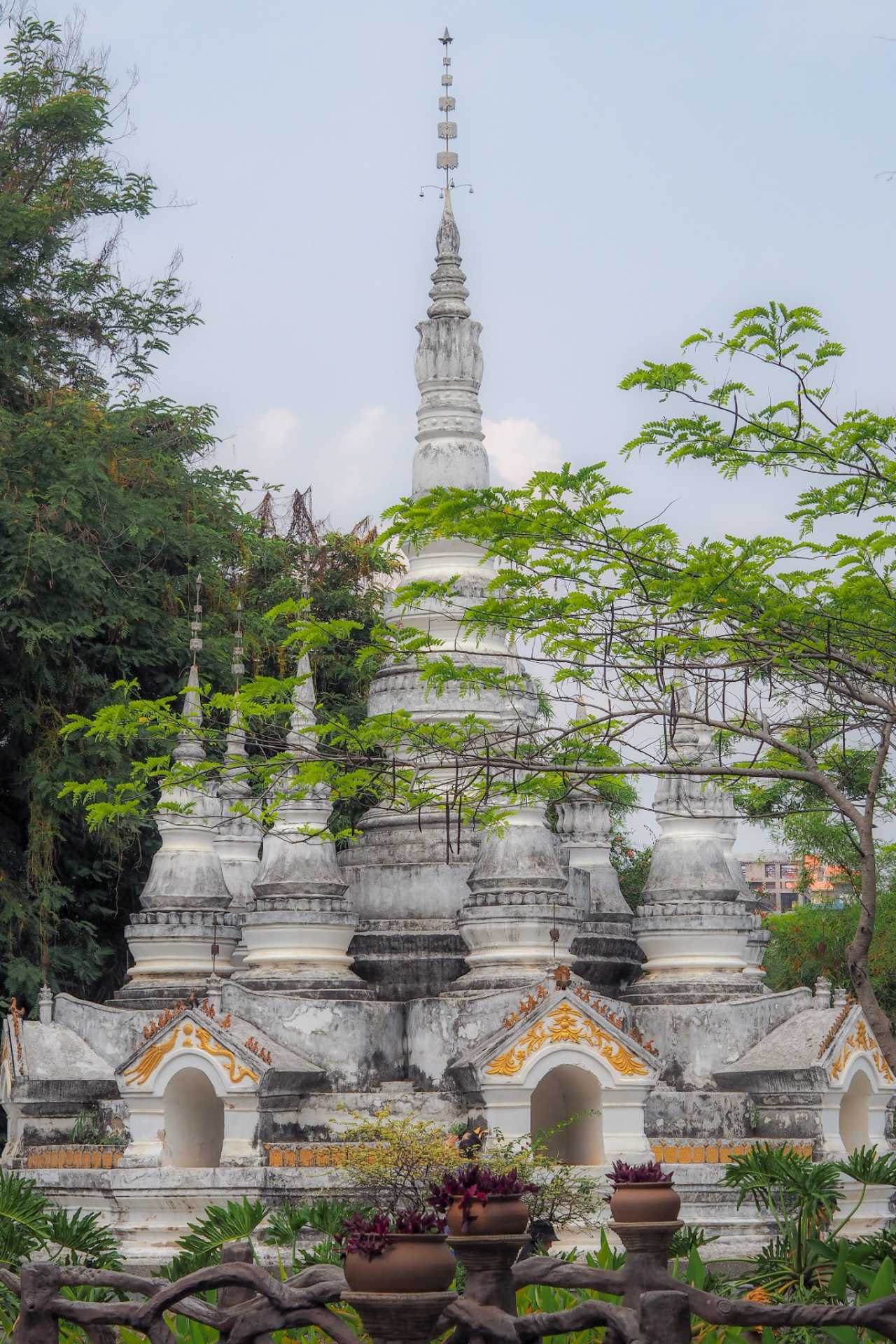
Here are a few popular photo spots: - Spot 1: Stand under a pagoda; photographer uses a telephoto lens to compress the scene. - Spot 2: Stand among bougainvillea bushes; photographer shoots from the second floor of a café. - Spot 3: Stand on stairs; photographer shoots from below at a low angle. - Spot 4: Sit on the lawn to the left of the Royal Elephant Café, using the café as a backdrop for a low-angle shot. - Spot 5: In front of the white pagoda.
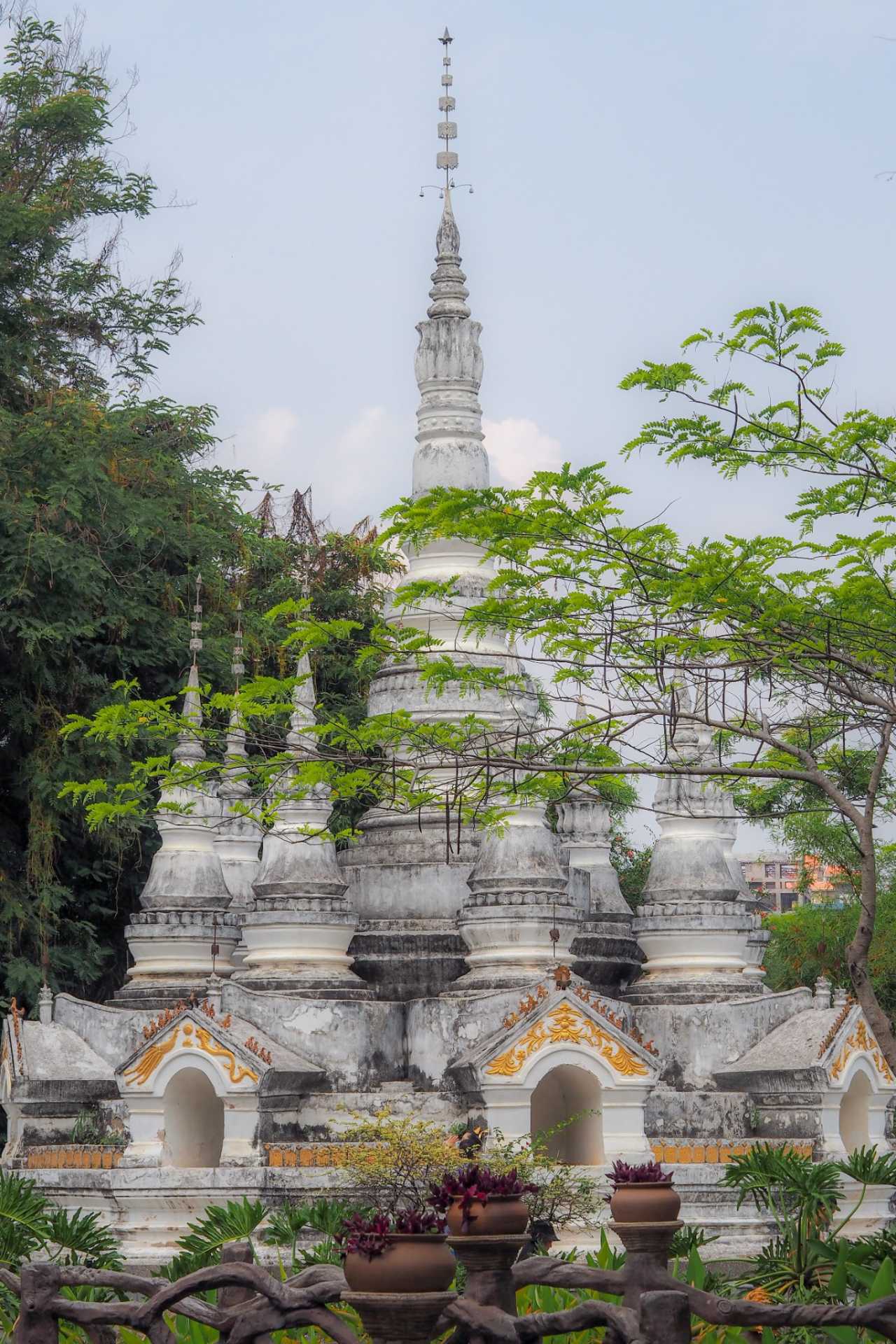
Once you reach the white pagoda, you've basically seen the park. A small gate nearby leads to the General Buddhist Temple, which is free. The temple houses two peacocks, one white one that was generous enough to keep its tail fanned out. But note: the temple bans revealing clothing. I saw many tourists with bare shoulders, which I found a bit puzzling. You can explore the temple interior, but don't disturb those chanting.
It took about two hours to tour both Mantin Park and the temple. I returned to the hotel for a nap. Dappled tree shadows danced in my room, with clear green light and a gentle breeze—truly luxurious.
Evening: Six Kingdoms Water Market
After dinner, I visited the Six Kingdoms Water Market, right across from the Great Golden Pagoda. There are fruit-shaped boats for tourists, but the ride is very short—not worth it, in my opinion. The tent area stretches out; walk past the wooden rafts to reach it. Few vendors set up here, probably because it's a newly developed area.
On the other side of the river is the best spot to photograph the Starry Night Market and the Great Golden Pagoda. For night shots, bring a tripod. As the sky darkens and the market lights up, you can snap a great photo with any random click.
There's another spot that rivals a drone shot: the top floor of Building 1 in Jingkuang Village, offering a bird's-eye view of the pagoda and market. Since the market is under a flight path, flying a drone is risky, so this spot is reliable. But I had an upset stomach that day and lacked the energy to go. Bring a telephoto lens—the longer, the better.
Day Three: Xishuangbanna Tropical Botanical Garden
I booked the shuttle to the botanical garden through the "Haoxingwang" (好行网) mini-program. To my surprise, it came with a guide—essentially a day trip for the price of a ticket. I was initially resistant, thanks to a bad experience with a guide on a bus in Harbin. But the guide here was so warm and friendly that she completely changed my mind.
The botanical garden is divided into East and West sections, covering a vast area. If you like to wander slowly and follow your instincts, skip the electric cart. If you want to cover it efficiently, the guided cart is a good choice. I opted for the cart, hoping for someone like "Fox Director" (a nickname for a knowledgeable guide) to tell me the names of the plants.
Shade Plant Garden
First stop: the Shade Plant Garden. From the entrance, it looked unremarkable, but inside it was like a Monet garden—dense vegetation blocking the sun, with a hint of cool air. This area grows plants that dislike sunlight, like orchids. The most fascinating was the ceramic rose (actually torch ginger, 瓷玫瑰), whose petals are as hard and smooth as ceramic. The guide encouraged us to touch it. I hesitated but gave it a gentle stroke—it doesn't harm the flower.
Palm Garden
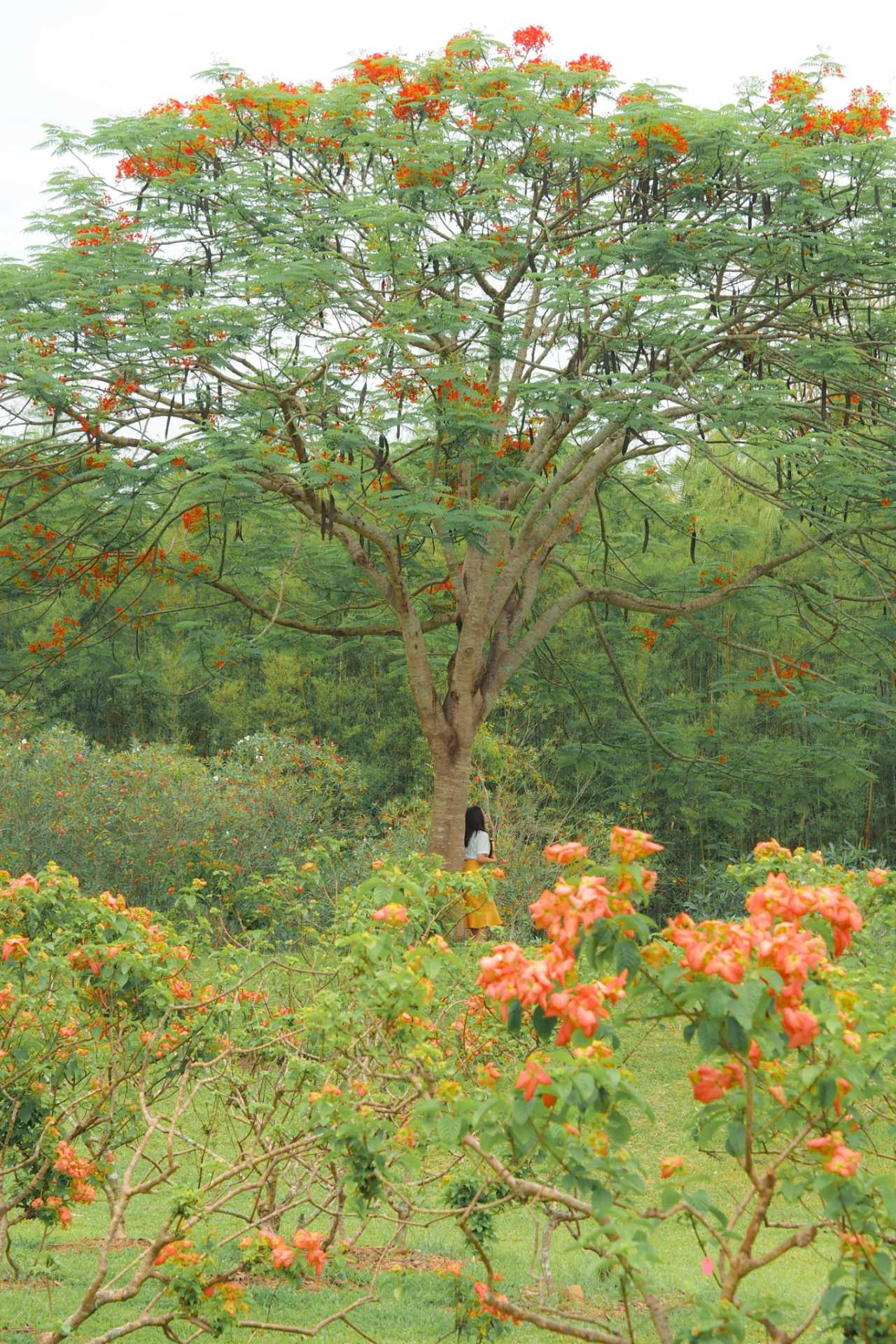
Second stop: the Palm Garden, with tall trees and intense sunlight. The tree bearing golden fruits is the sugar palm (糖棕). When ripe, the fruit can be eaten and has a texture like lychee. No wonder I saw an auntie using a long bamboo pole to knock them down. There's also the cabbage palm (菜棕), which indeed looks like a giant cabbage. The Palm Garden is a great spot for photos; several trees have gone viral on Xiaohongshu (Little Red Book), but netizens' photography skills are impressive—they can make a single tree look like an international blockbuster.
Banyan Garden and Exotic Flowers Garden
In the Banyan Garden, you can observe the phenomenon of strangulation by plants. The "Single Tree Becomes a Forest" scenic spot near the border showcases this—I first saw it as a child in a forest park. The strangulation in the East section is even more dramatic, with tree trunks completely hollowed out, big enough for a person to stand inside—only found here at the botanical garden.
Hot Air Balloon Lawn
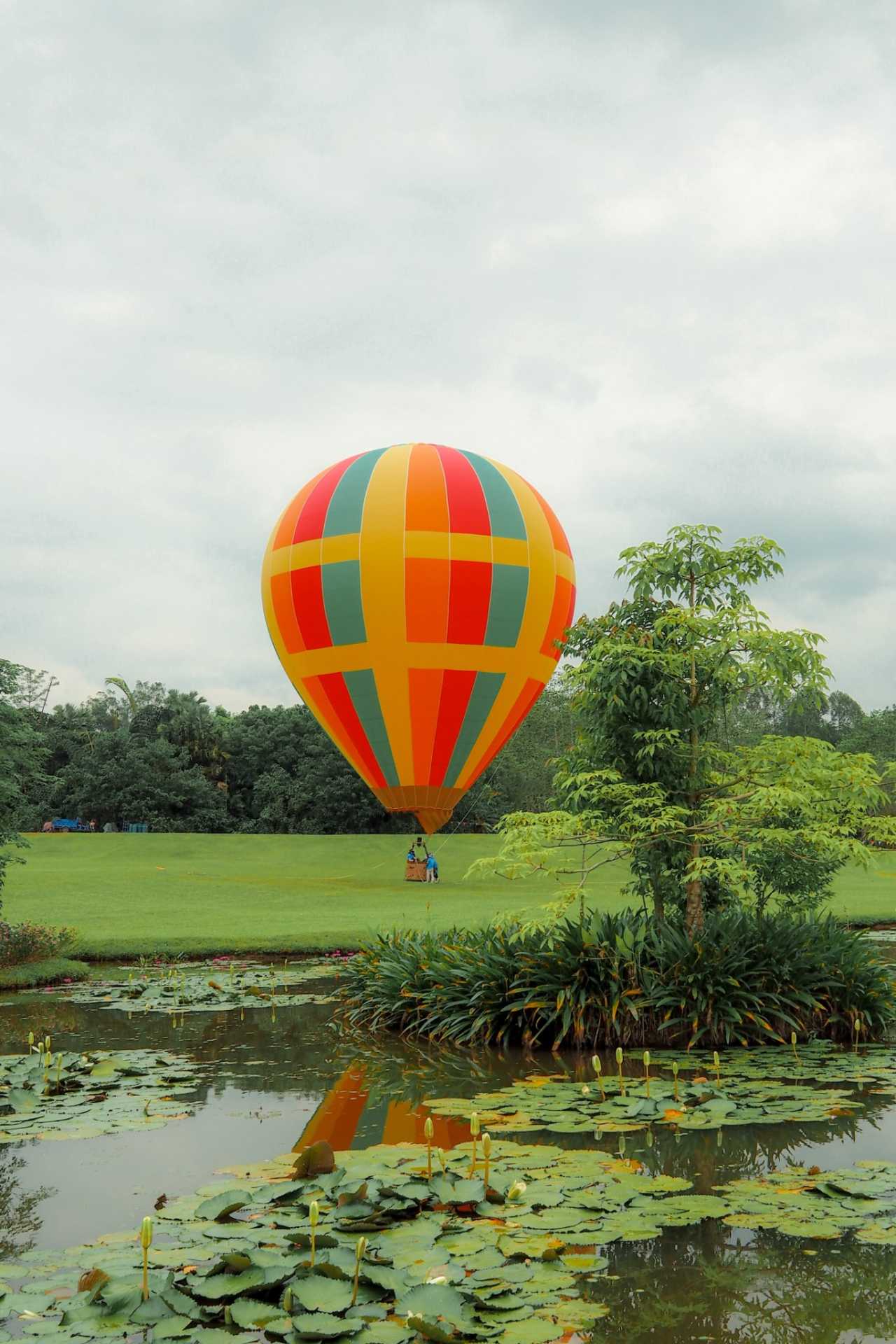
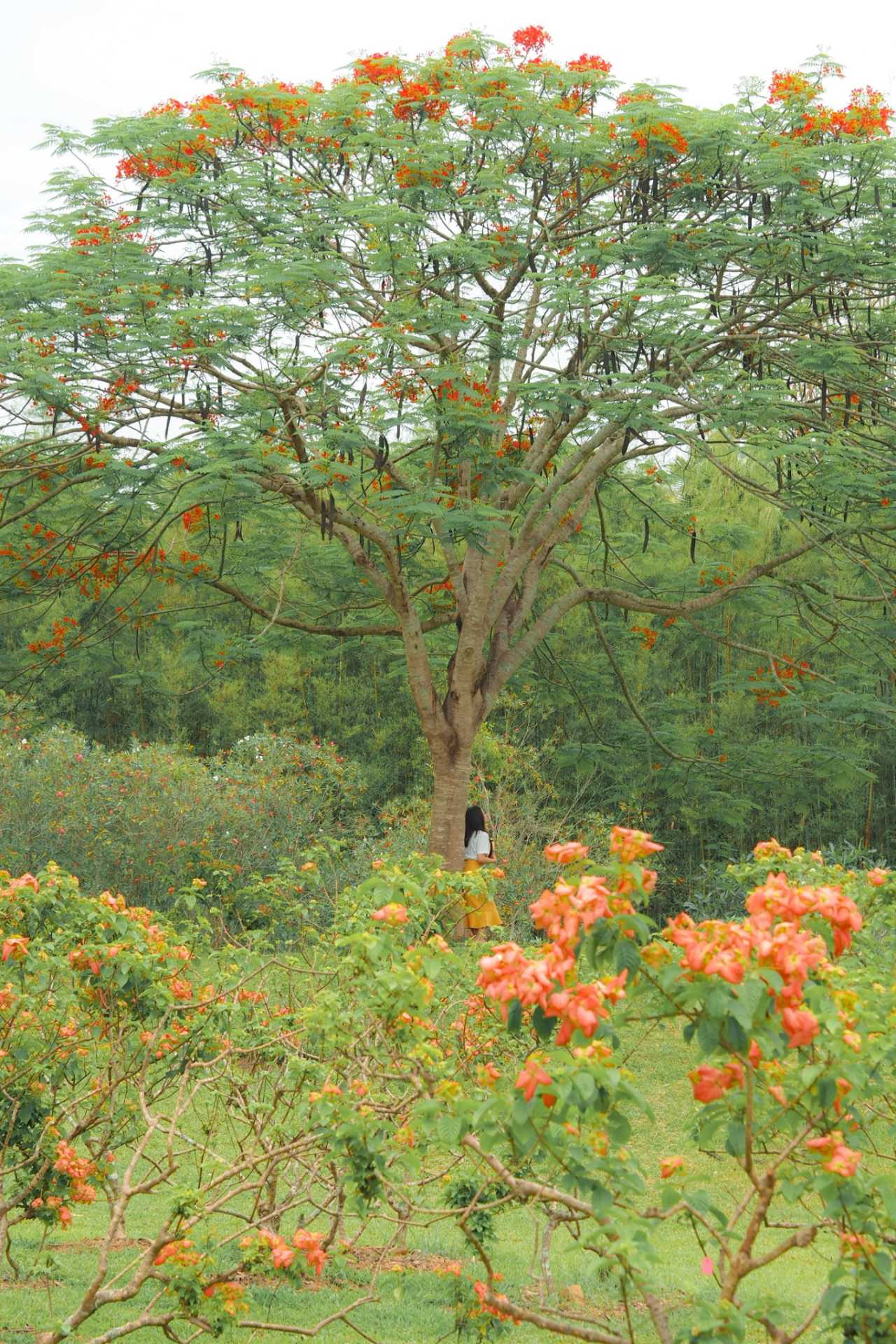
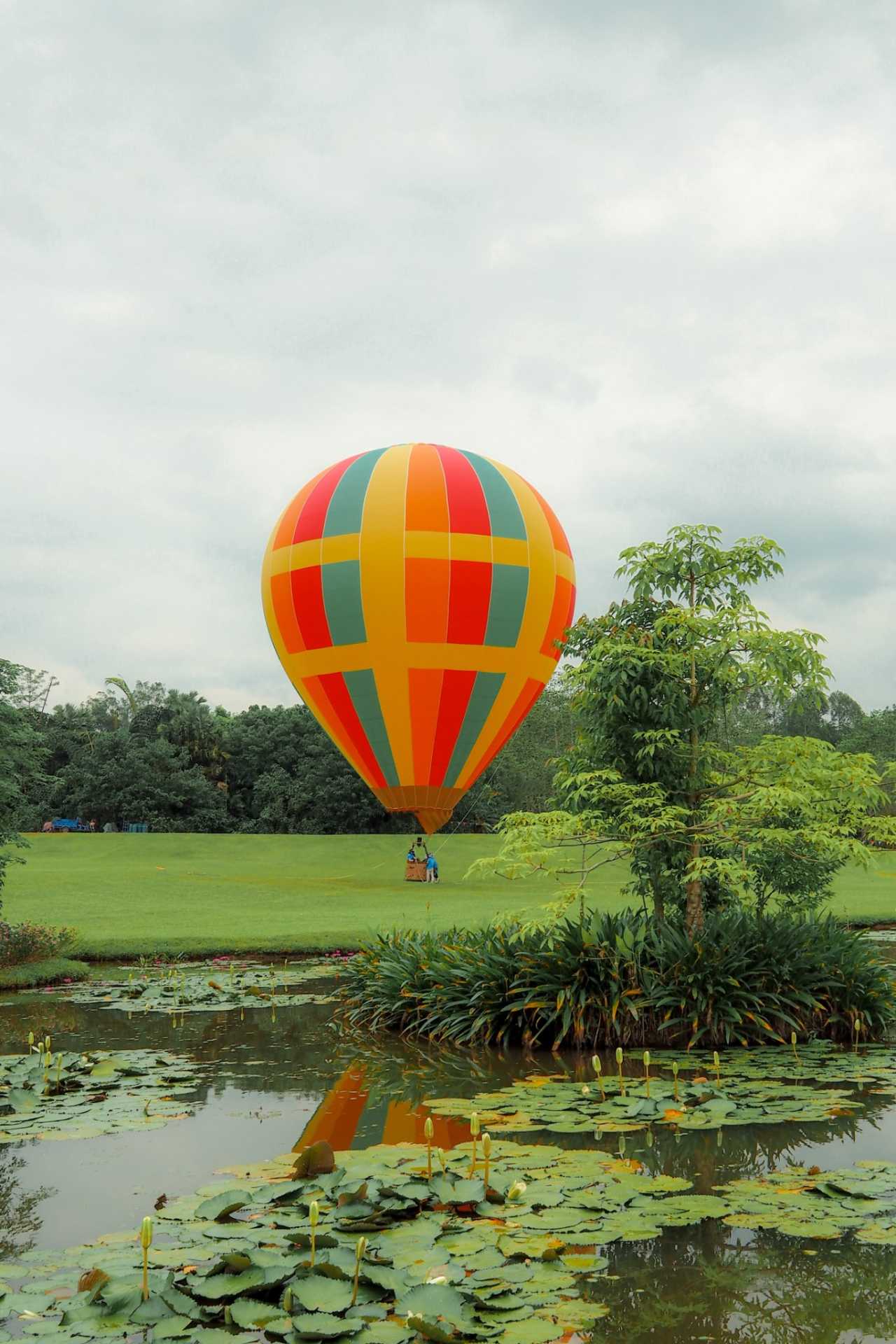
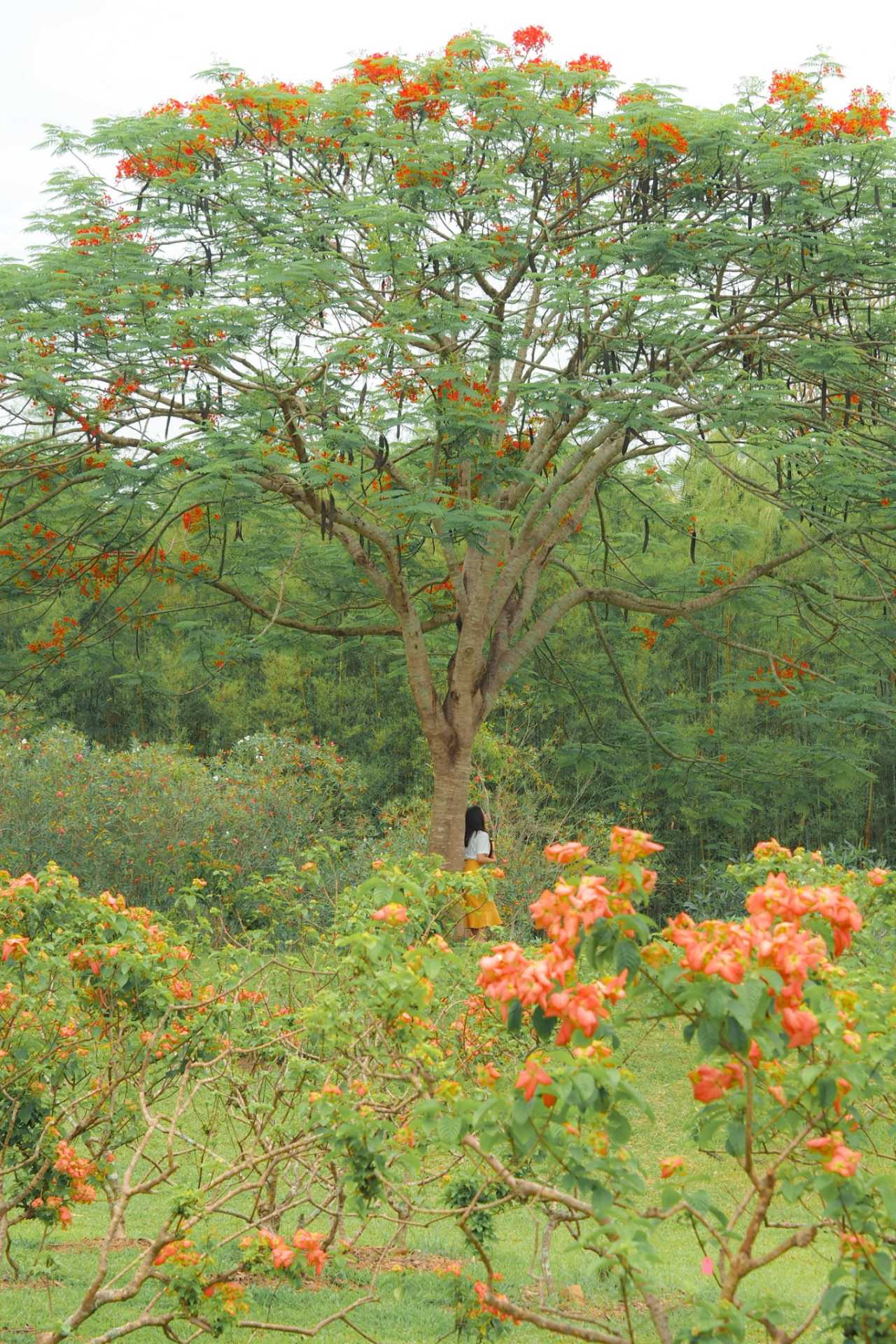
The hot air balloon is a popular photo spot, easy to capture. But I spent a while finding the famous Instagram spot—a tree that netizens photographed to look like it's on a mountaintop. It's actually behind the giant water lily pond, on a slight slope. Another spot is the fountain next to the balloon, which captures a clear shot of the balloon with fewer people.
Celebrity Tree Garden
Last stop: the Celebrity Tree Garden. The pineapples planted here reminded me of TikTok tutorials on growing pineapples—cut off the top, root it in water, then plant it in soil. I've never succeeded; I've only seen one person who did it after three years.
During free time in the afternoon, I chose to hunt for Instagram spots instead of following the guide to the East section to see the giant plank roots. Later, I realized it would have been more worthwhile to see the roots. At the visitor center, I saw official fridge magnets for sale, beautifully crafted, priced around 60 yuan.
Day Four: Wangtianshu—The Real Tropical Rainforest
Before leaving, I struggled with whether to go to Wangtianshu (望天树). It's the farthest from Gaozhuang, right next to the border, and many tourists skip it due to the time commitment. But Wangtianshu holds a special significance: it's the first tropical rainforest in China to be internationally recognized. For a long time, the world didn't acknowledge that China had tropical rainforests—until photos of Wangtianshu reached abroad.
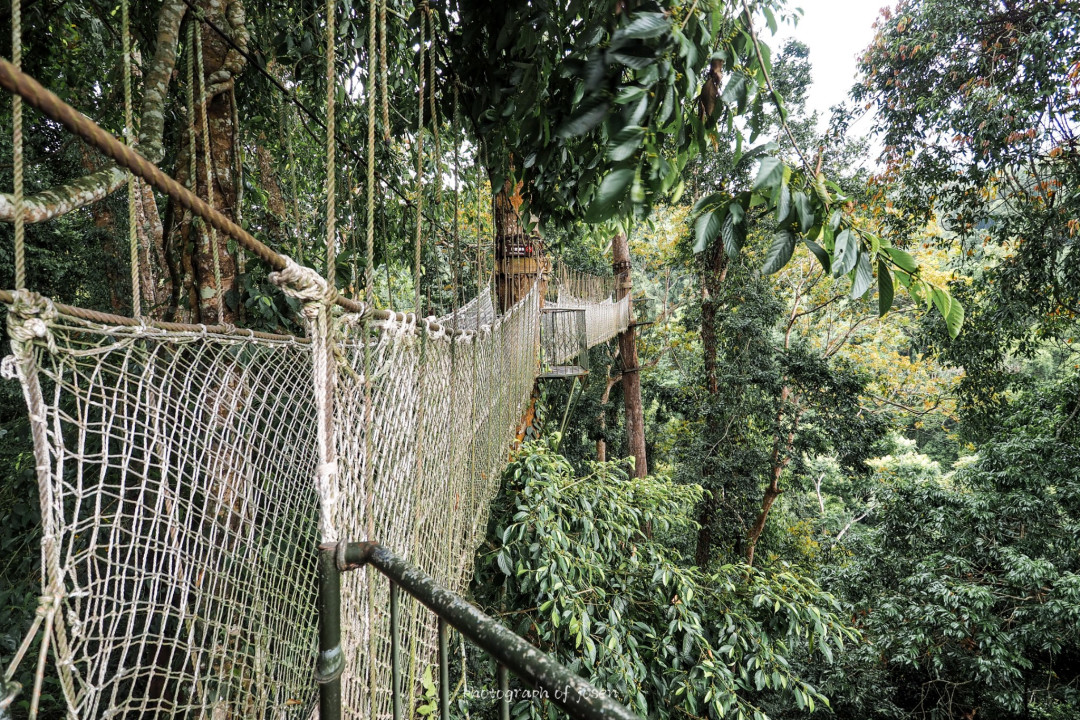
Jungle Zipline
Before entering the scenic area, you take a boat ride. The forests along the way can only be described as "wild growth." Next up was the highly anticipated jungle zipline (丛林飞跃). I climbed up just for this experience. The tallest Wangtianshu tree stands over 80 meters—compare that to a typical apartment floor of 3 meters, and imagine how many stories that is.
The zipline is at the tree's "neck" level. My mom, who's afraid of heights, initially refused but found it wasn't so scary once she was up. The walkways are very safe, with nets as tall as me, and since there were few people, they barely swayed. But the peace lasted only two minutes—the sky suddenly changed, and rain and wind hit. Standing high up, you feel like a piece of paper. I recommend hanging your phone around your neck or zipping it in your pocket, not carrying a bag of snacks and water like I did.
Halfway through, there's a photo spot with no other tourists behind you. If it hadn't been raining, I would have stayed up there for ages. But the wind grew stronger, the rain heavier. I protected my camera and marched forward without looking back. The wind whipped my hair up; I covered my head with my windbreaker, biting one corner, and stormed to the end.
Rainforest in the Rain
After safely coming down, my clothes and shoes were soaked. The rain stopped for 20 minutes, but I couldn't delay any longer—I started exploring the rainforest in the rain. At that moment, I truly understood what a tropical rainforest feels like: you can't really experience it without the rain. But because of the rain, my camera lens malfunctioned, so I didn't take many photos afterward.
The tallest Wangtianshu tree, over 80 meters, was invisible at the top. Halfway through, another downpour trapped me under shelter. The weather in a tropical rainforest changes in an instant, the ground was slippery, and I was on edge the whole time. Despite the unpleasant experience, the rainforest's charm is immense—the fresh air and humidity dropped the temperature, making it wonderfully cool.
Exiting the scenic area, I was amazed to find that outside, it hadn't rained at all—the ground was dry. Truly a tropical rainforest. I was in awe.
Souvenirs: Mange Fruit Wholesale Market
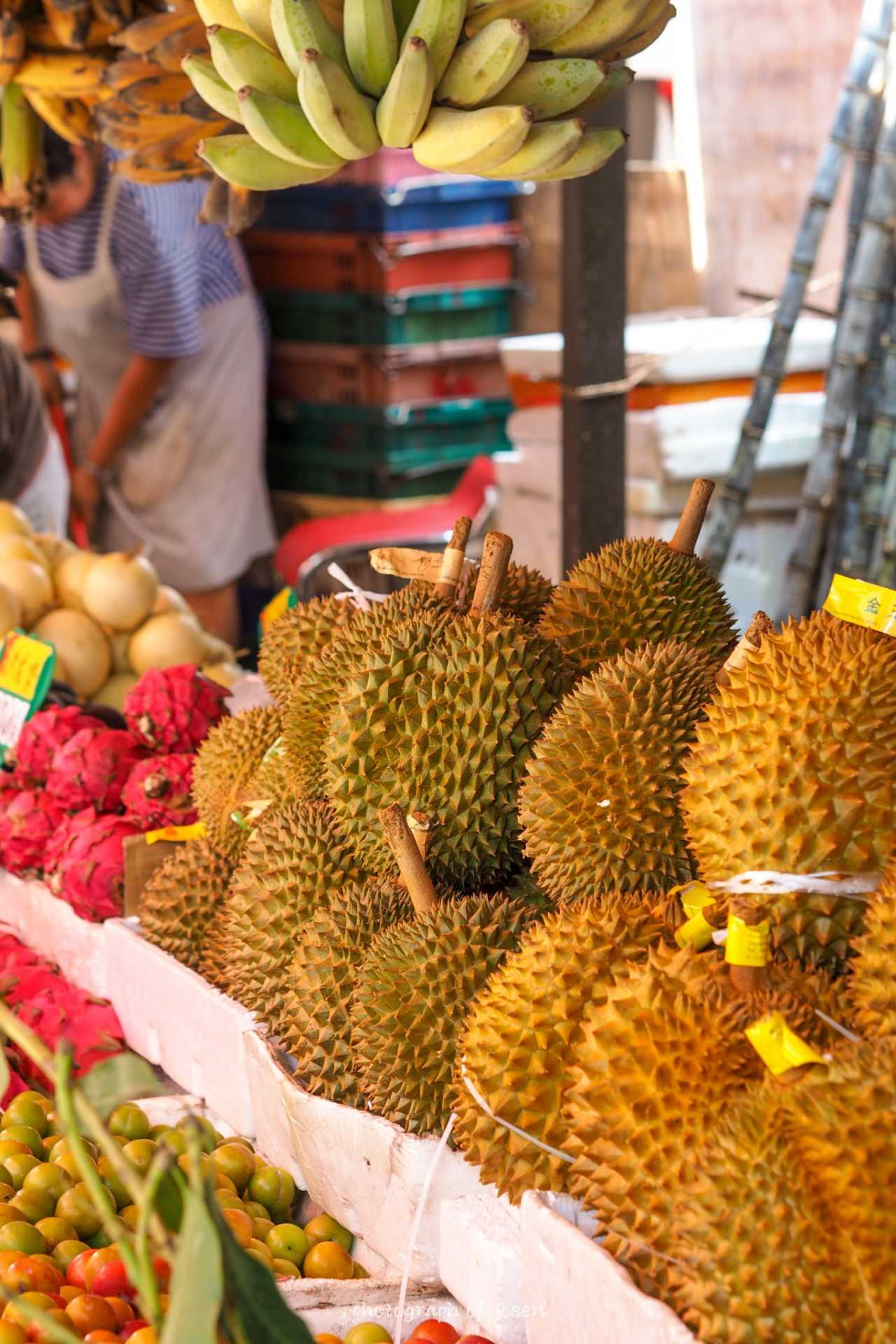
Returning from Wangtianshu before 5 PM, I visited the Mange Market (曼阁市场) near Gaozhuang. The fruit selection here is broader than at the morning market; compare prices across stalls before buying.
I bought dried mango, banana, plantain, durian, pineapple, and jackfruit, plus two coconuts—the price of one at home bought three here. I opened one on the spot; it was refreshingly sweet and hydrating. There were also fire gourd fruits (火参果) that taste like cucumbers, various durians, and egg fruits (鸡蛋果) with yellow flesh that smells like egg yolk and tastes even more like it—dry and filling.
Conclusion: Xishuangbanna Is Worth Your Impulse
This trip showed me the brilliance of the Starry Night Market and the fury of a tropical rainforest storm. I discovered strange and wonderful fruits at the market, learned countless plant facts from the botanical garden guide, captured Southeast Asian-style photos at Mantin Park, and experienced a "tree-top terror" at Wangtianshu.
Xishuangbanna is small, but its charm lies in the fact that you never know what will happen next. It could be a sudden downpour, a peacock fanning its tail, or a bowl of waxy corn that lingers in your memory.
If you're thinking of taking a spontaneous trip, don't hesitate. Book your ticket, pack your bag, and go. Xishuangbanna's night is waiting for you.
Quick Reference: - Best time to visit: July–August (for giant water lilies and fireflies) - Accommodation: Near Gaozhuang Xishuang Jing - Transportation: Transferring in Kunming is cheaper; book direct shuttles via the "Haoxingwang" mini-program - Must-visit: Starry Night Market, Mantin Park + General Buddhist Temple, Xishuangbanna Tropical Botanical Garden, Wangtianshu, Mange Market - Save money: Buy fruit at the morning market or Mange Market—half the price of the night market - Avoid: Night market items are similar and overpriced; food is expensive and average, but it's worth a stroll
You should also read:
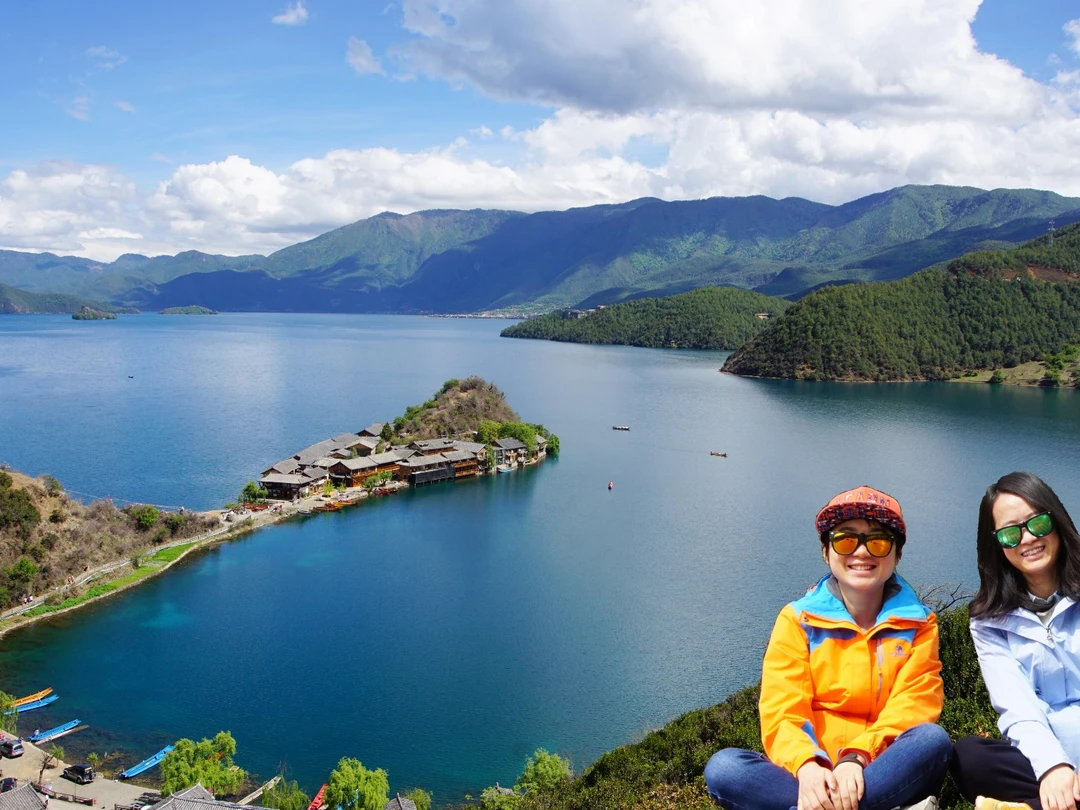
Nine Days of Rain, Three Parts Scenery, Seven Parts Food: A Yunnan Adventure with My Best Friend
Nine Days of Rain, Three Parts Scenery, Seven Parts Food: A Yunnan Adventure with My Best Friend Five years ago, my best friend and I planned a trip together. We spent a full two weeks, day and night, researching routes, mapping out attractions, scouring travel…
Continue reading...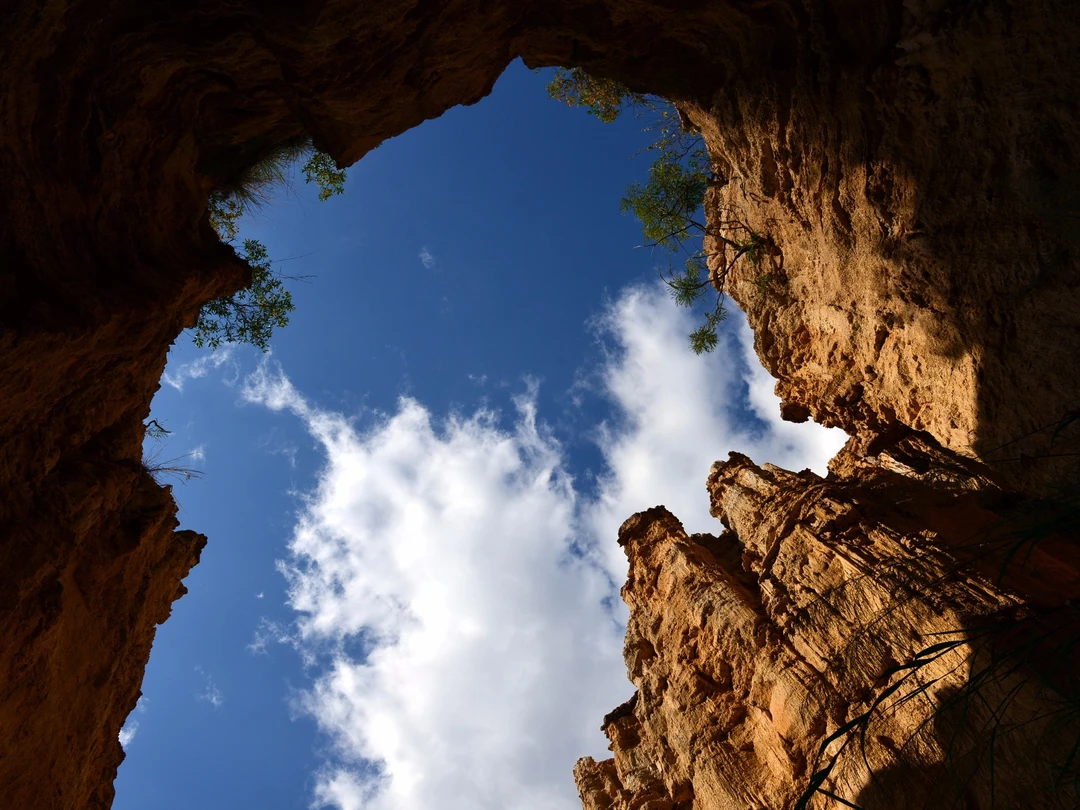
Escaping the Smog, Heading to Xishuangbanna: A Spontaneous Road Trip
Escaping the Smog, Heading to Xishuangbanna: A Spontaneous Road Trip Foreword: When Breathing Becomes a Luxury Have you ever had that moment? Waking up one morning, looking out at the gray haze beyond the window, and suddenly feeling that even breathing has become a burden.
Continue reading...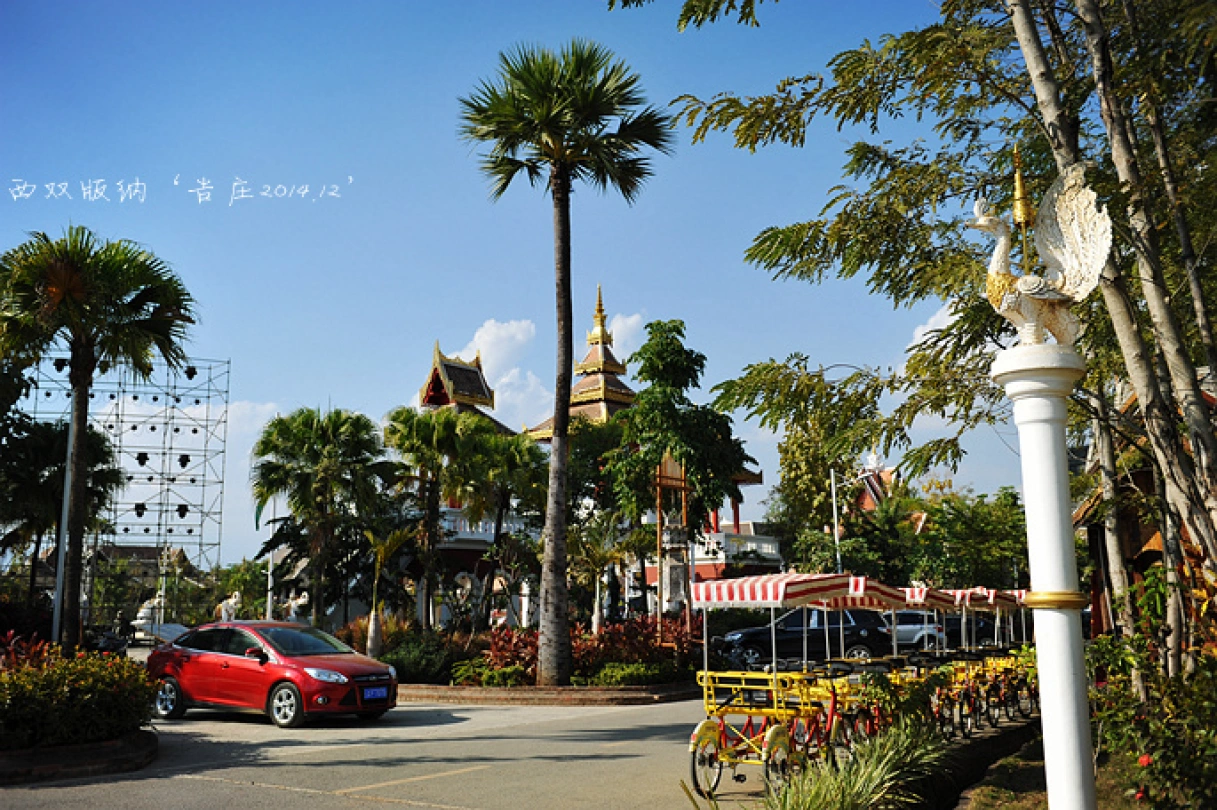
Xishuangbanna: Heading South to Embrace 28°C Sunshine and Freedom
Xishuangbanna: Heading South to Embrace 28°C Sunshine and Freedom When the bitter winds of the north swept in with snow, wrapping the entire city in a gray winter shroud, I scrolled through the steadily dropping temperature forecasts on my phone. Suddenly, a number struck me—Xishuangbanna,…
Continue reading...